|
| Group |
Round |
C/R |
Comment |
Date |
Image |
| 21 |
Apr 20 |
Reply |
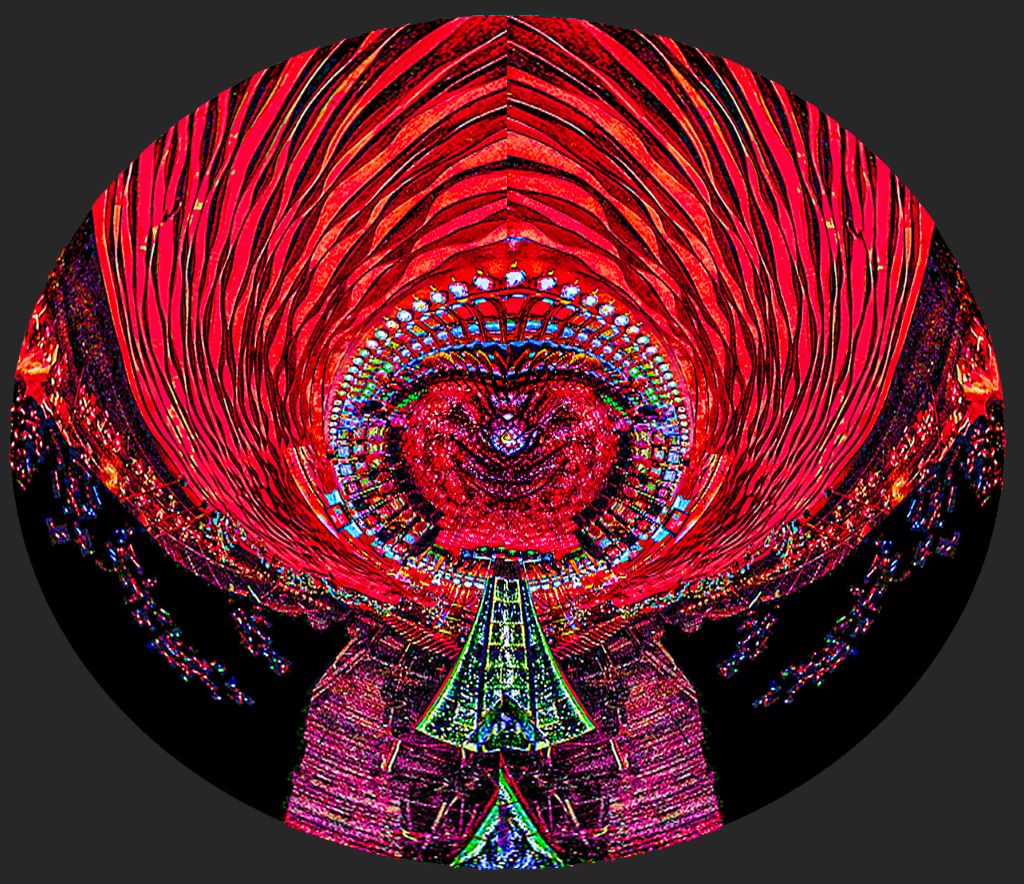
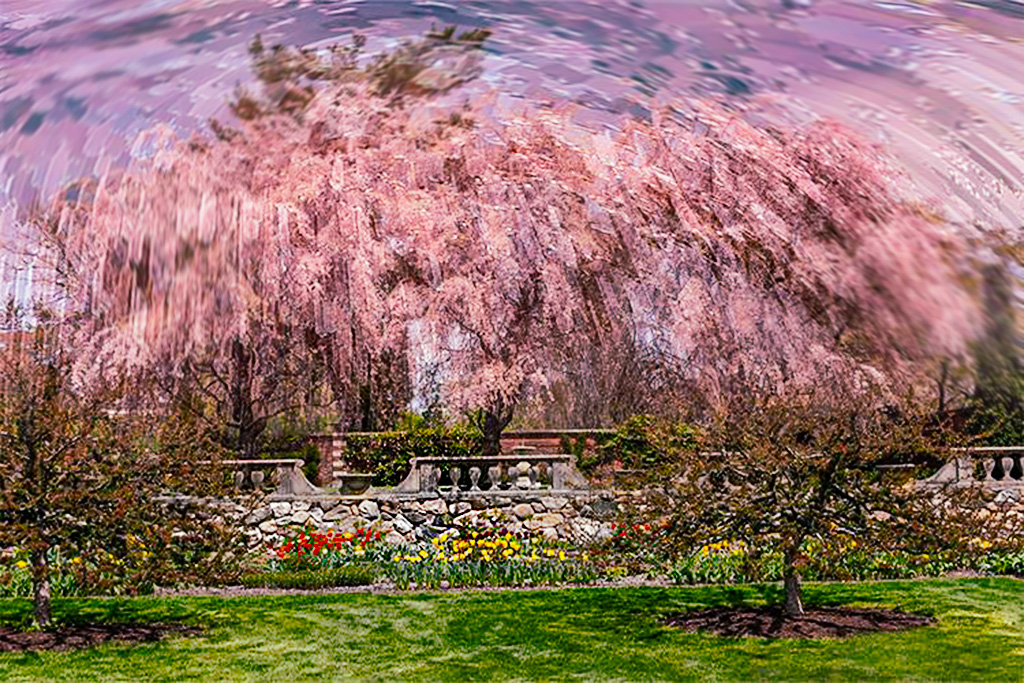
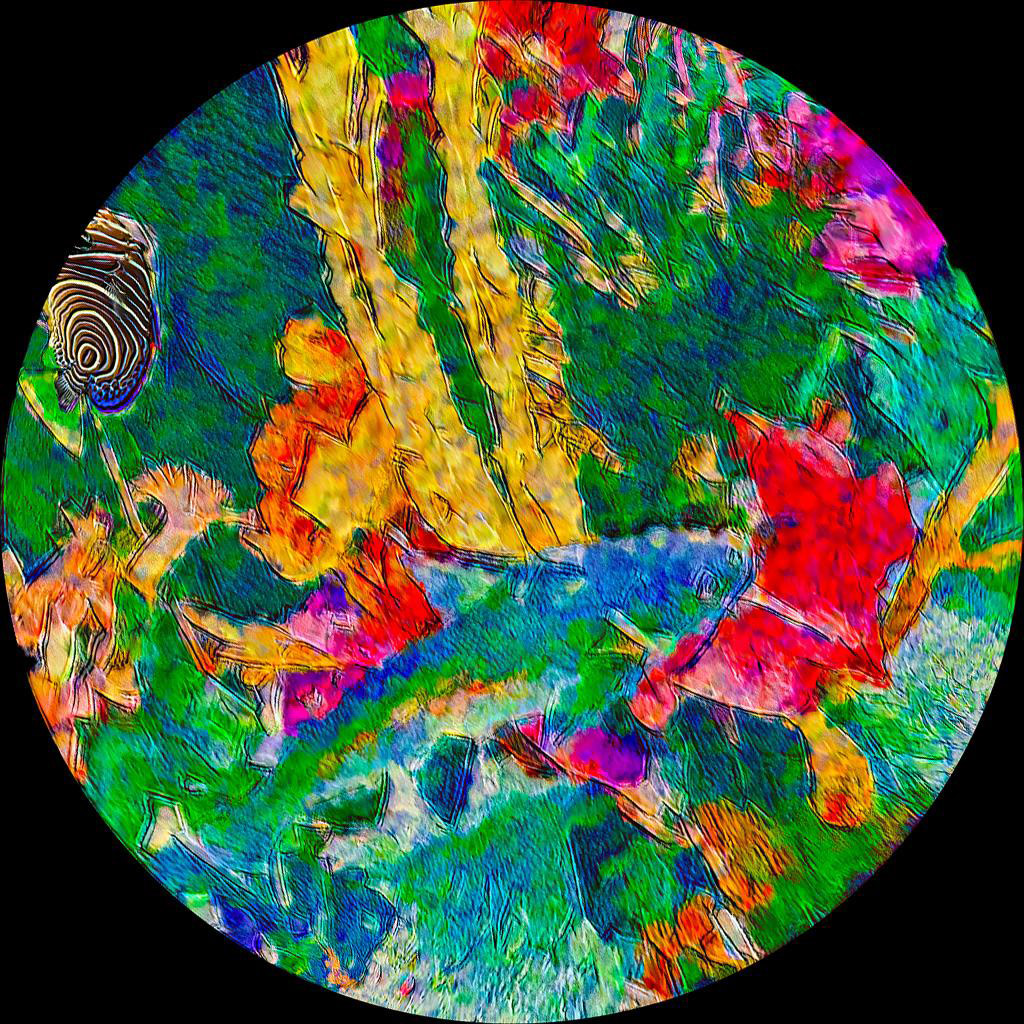
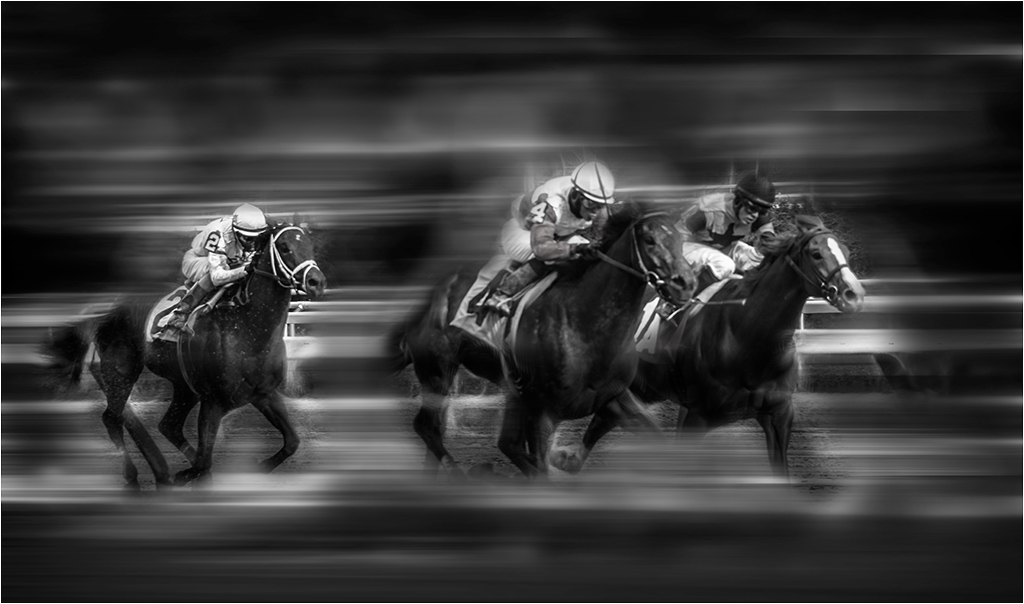
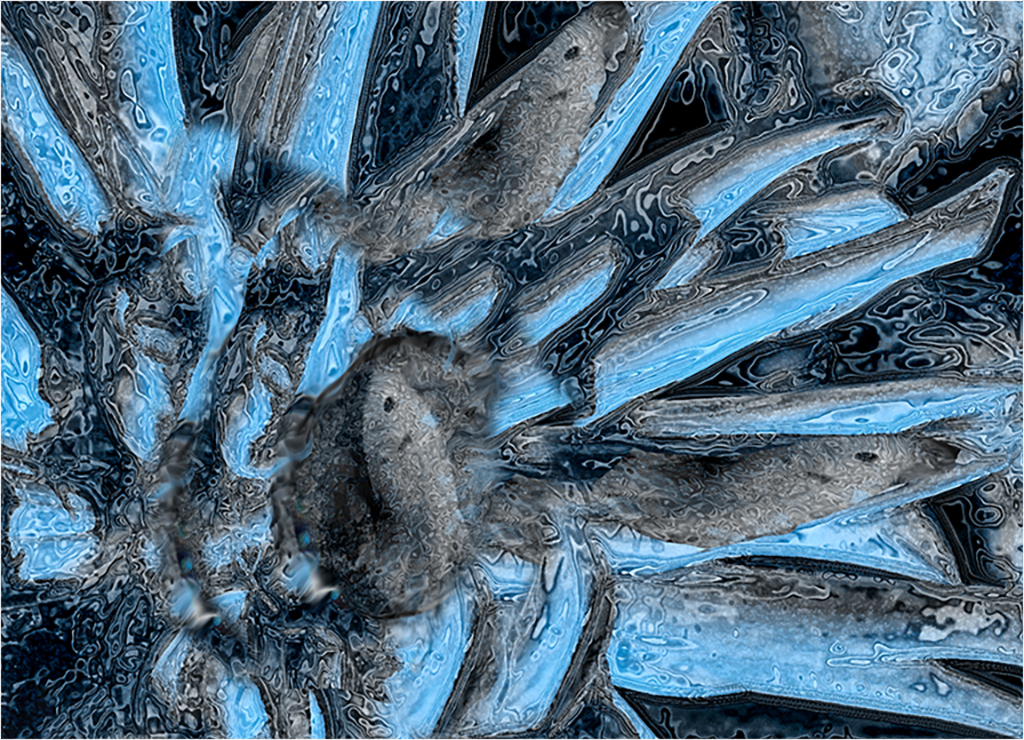
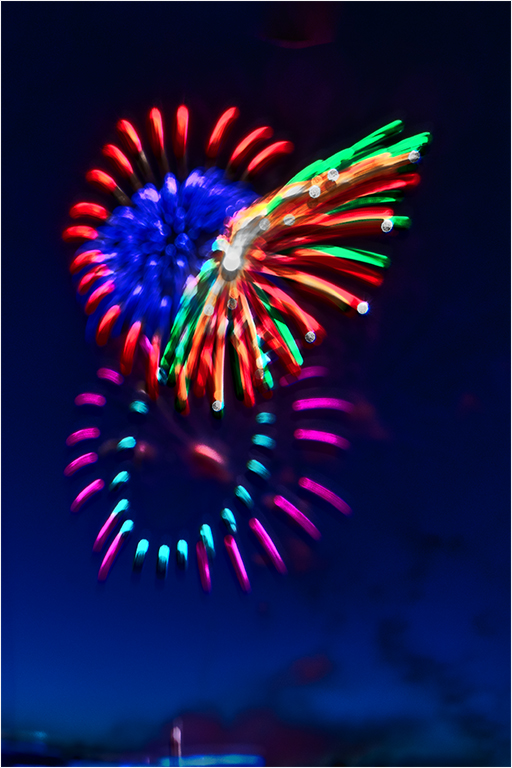
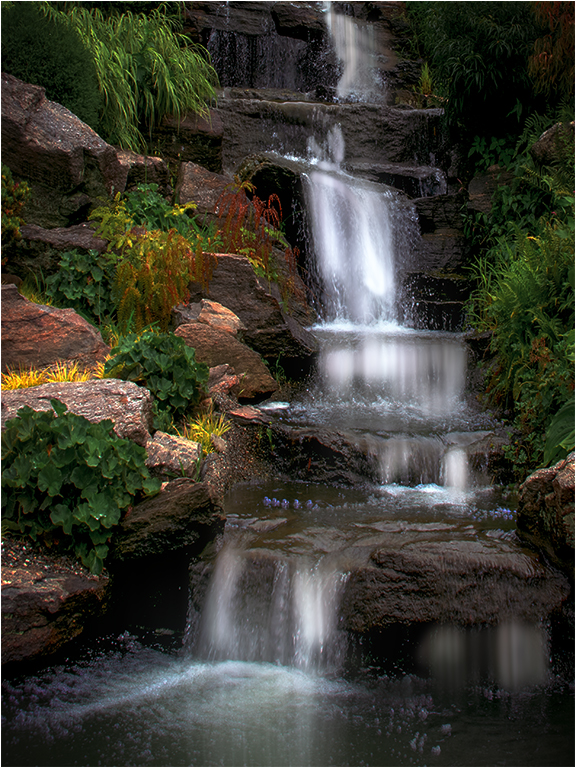
Thank you for your comment. For many images I have a strong preference for showing an impression of the subject, as opposed to a tack sharp reproduction. |
Apr 27th |
| 21 |
Apr 20 |
Reply |
Please let us know when it is published. |
Apr 16th |
| 21 |
Apr 20 |
Comment |
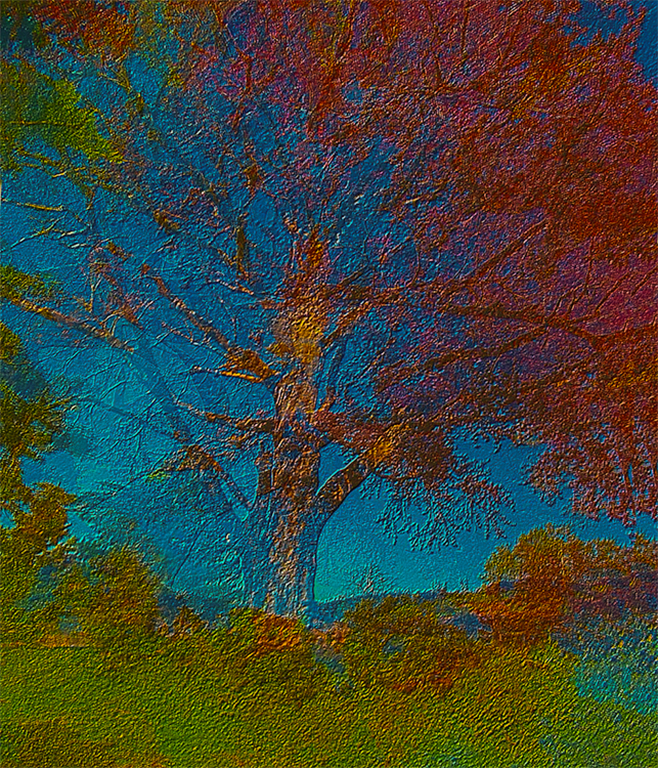
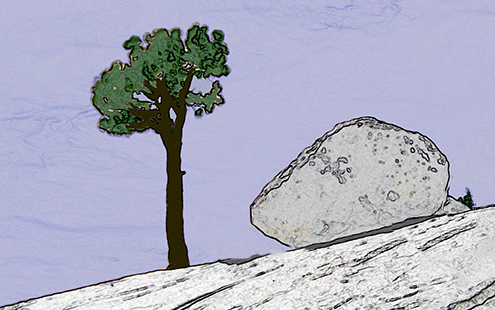
Brian, I think you have presented an interesting and well executed image.
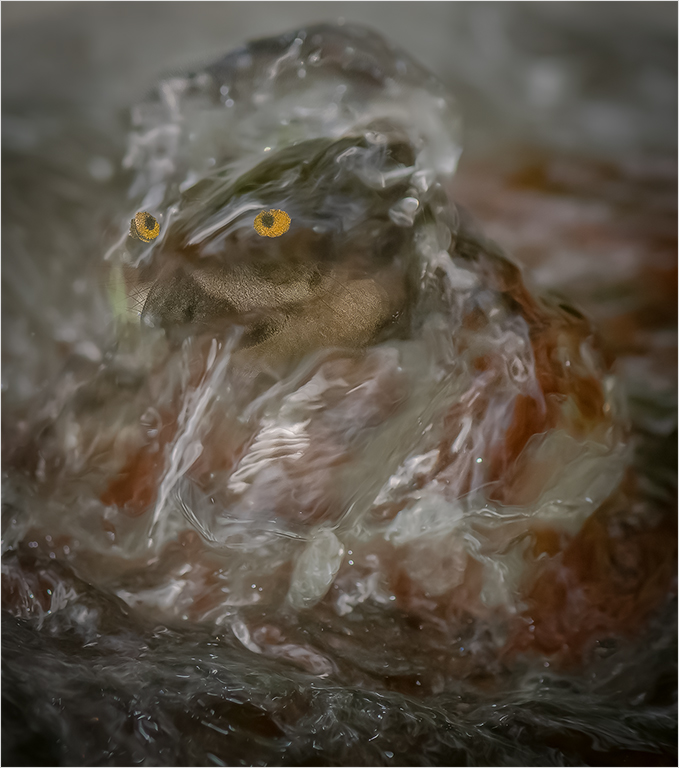
I am thinking of eye dominance; and still cannot decide whether a Masonic type eye would have been too "in your face," or whether your more subtle approach, more appropriately illustrates the point. |
Apr 16th |
| 21 |
Apr 20 |
Reply |
Brian, I was thinking of an image with a bit more separation between the tree and the rock, and a different height to width ratio. |
Apr 16th |
 |
| 21 |
Apr 20 |
Reply |
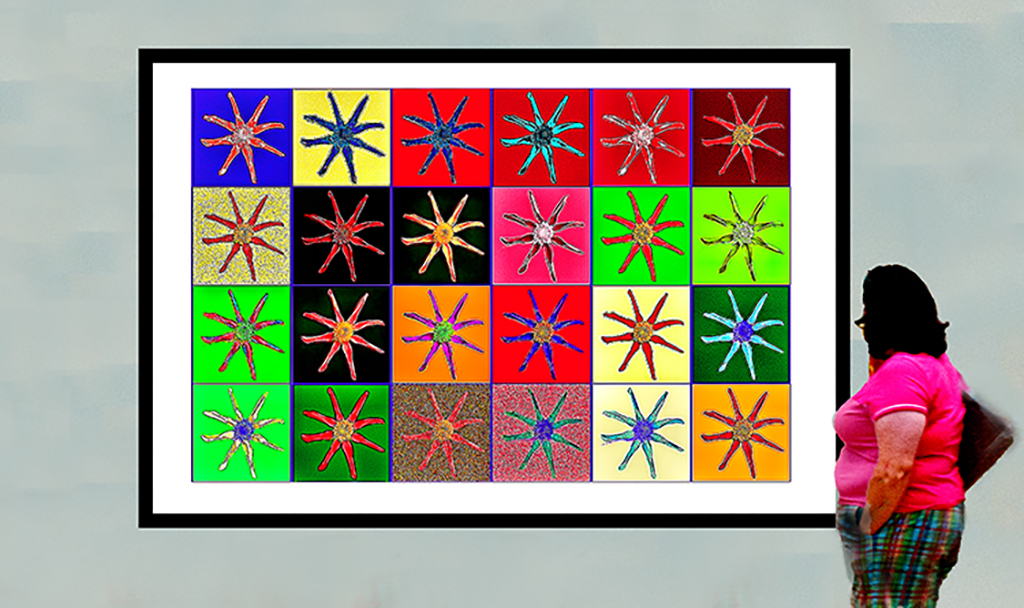
I like your suggestion of fewer graphics. There is something that bothers me about using a square format in Barrie's image. |
Apr 15th |
| 21 |
Apr 20 |
Reply |
Thank you |
Apr 15th |
| 21 |
Apr 20 |
Reply |
Thank you |
Apr 15th |
| 21 |
Apr 20 |
Reply |
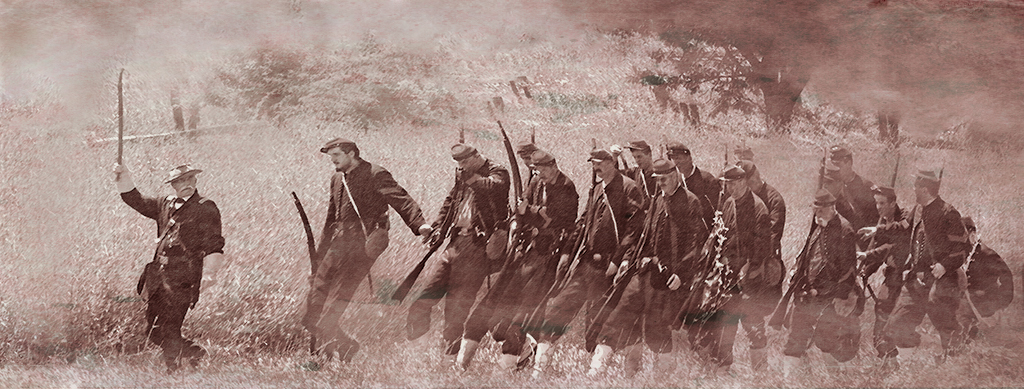
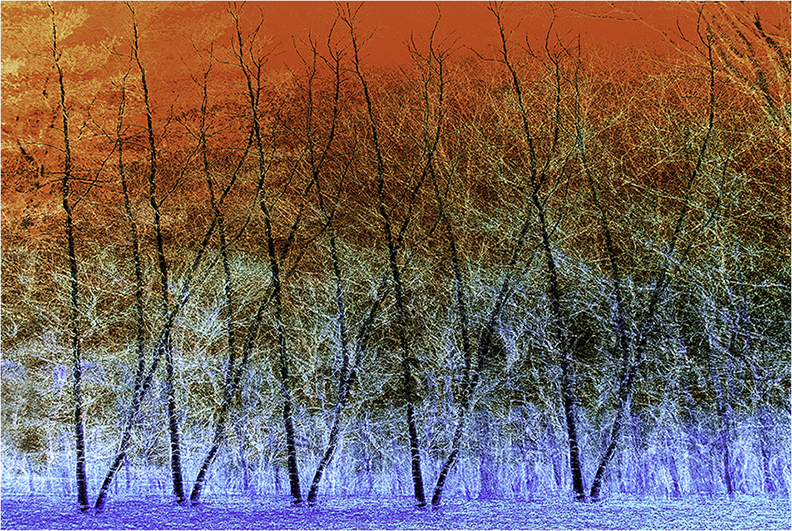
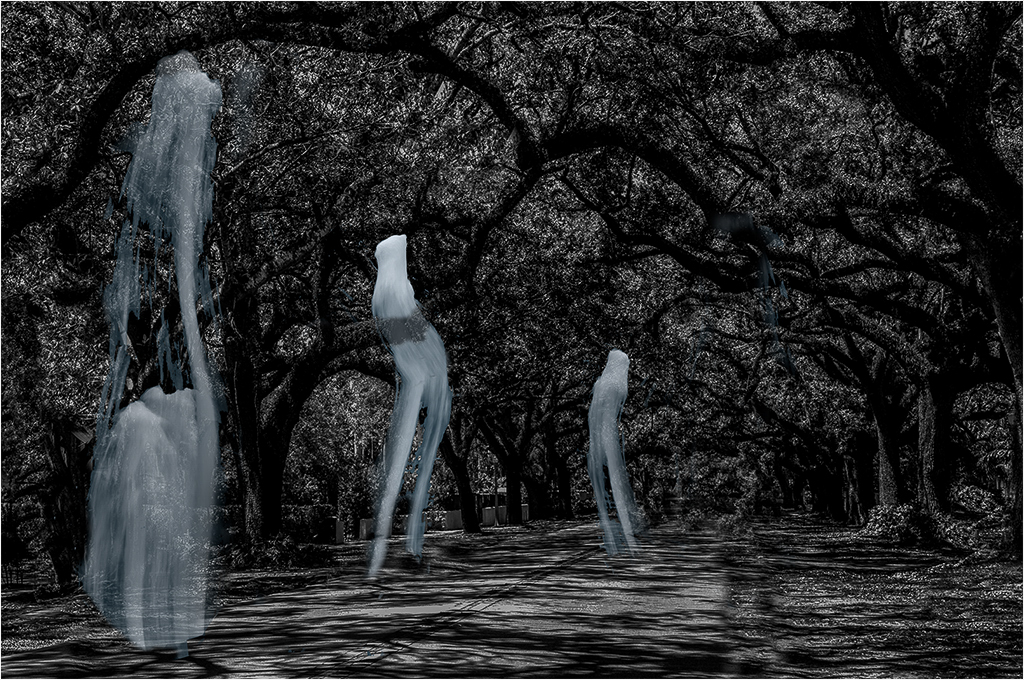
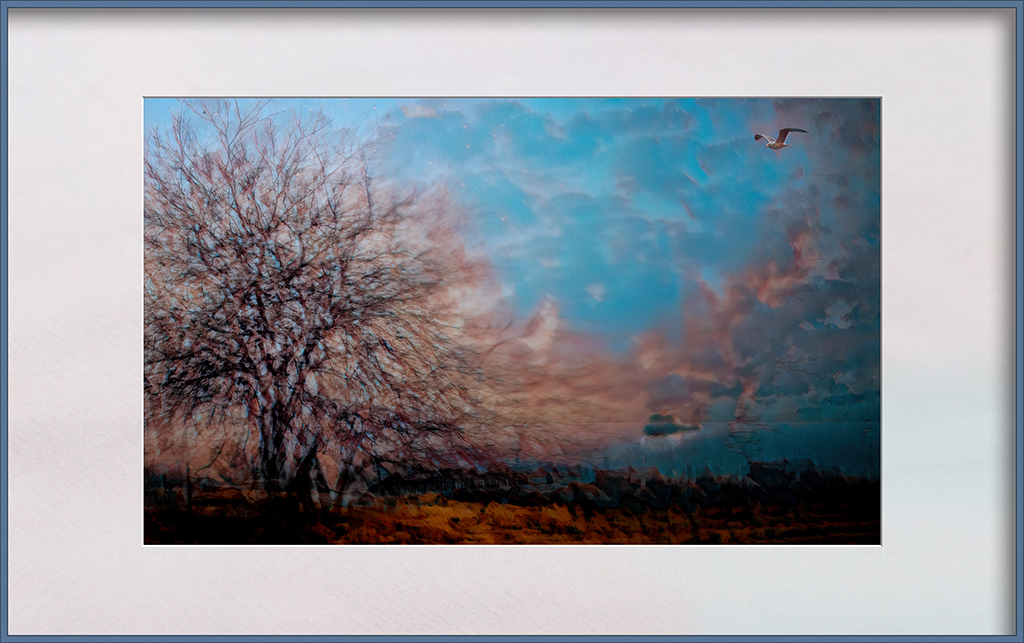
Thanks for your comment. Whenever I do an image where I blend layers, I struggle with how much of the subject to reveal. |
Apr 15th |
1 comment - 7 replies for Group 21
|
| 65 |
Apr 20 |
Reply |
Last week I learned about using the content aware scaling tool in PS. If you rescale instead of cropping, your final image will have the same number of pixels as the original. While I have not yet completely learned how to use it, the tool is certainly worth looking at.
While there are a lot of free tutorials on the web, usually the tutorials on Lynda.com, and Scott Kelby, drill down deeper. I get Lynda.com free through my library, Scott Kelby is an Adobe ambassador. |
Apr 27th |
| 65 |
Apr 20 |
Reply |
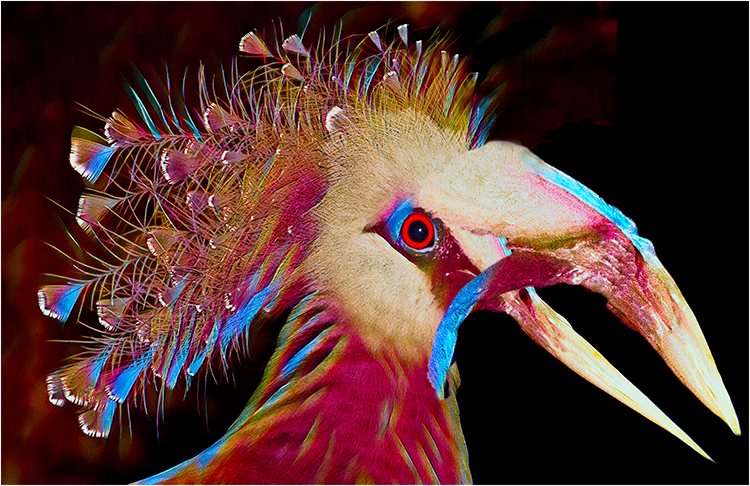
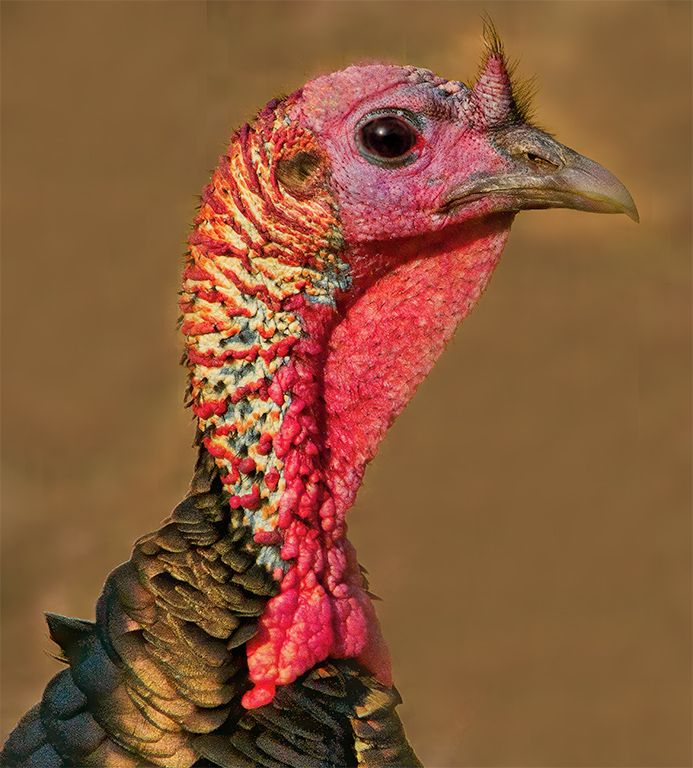
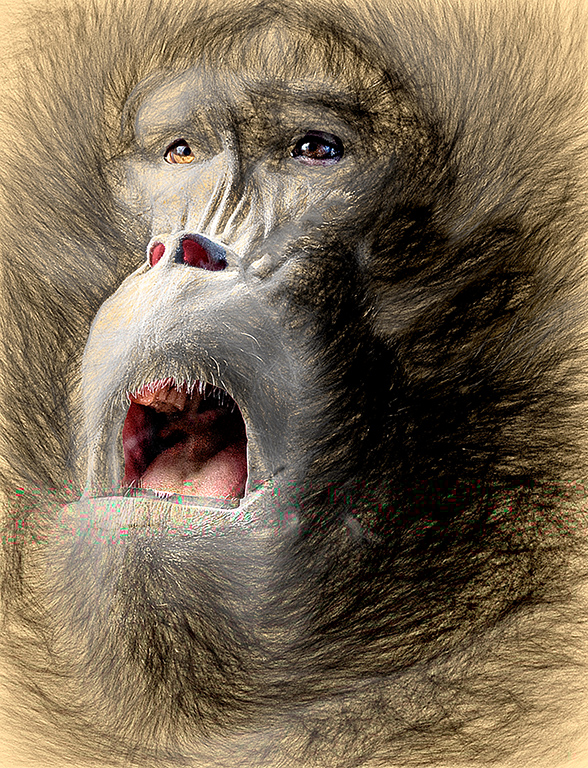
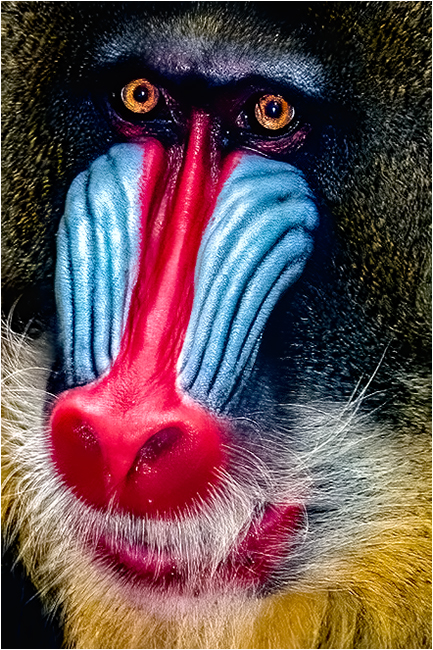
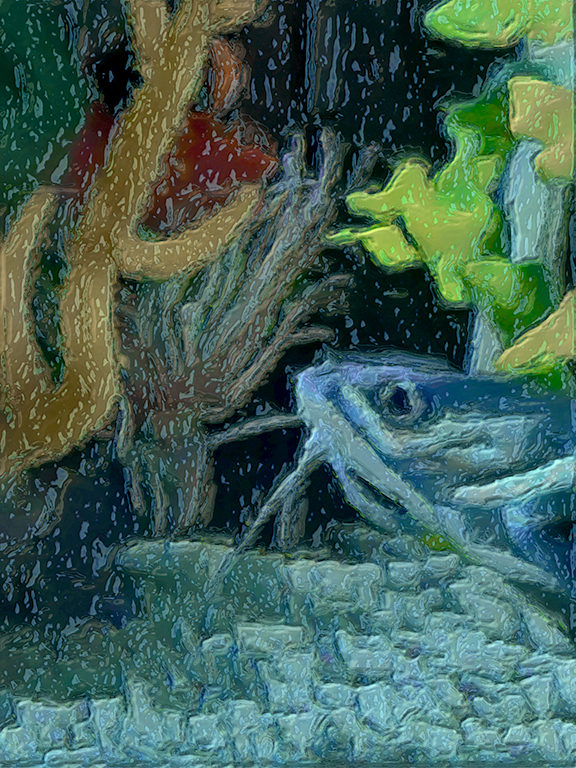
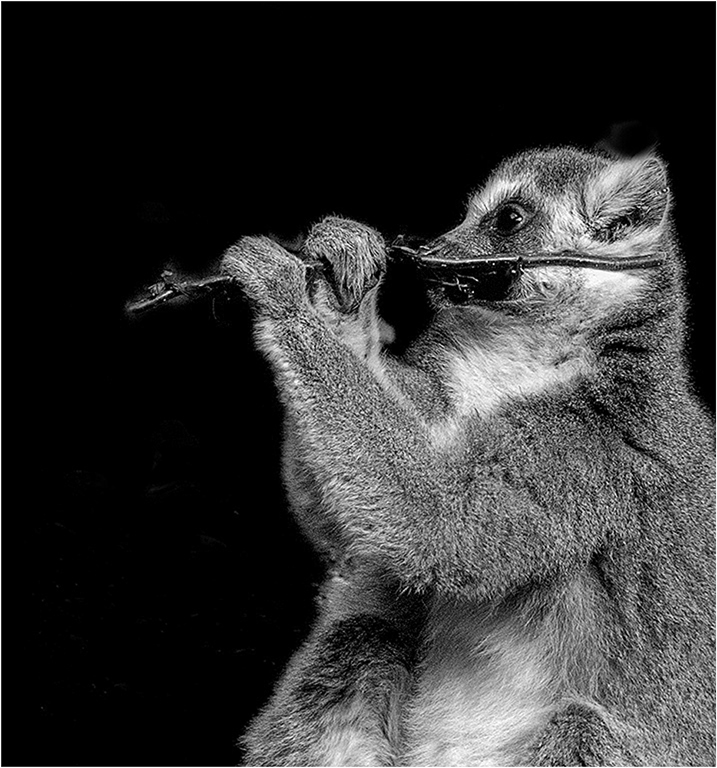
Charlie, When taking the original shot, this was as close as I could get. The good folks at the zoo would not be too thrilled had I somehow been able to get on the same side of the glass as the mandrill. When shooting animals and birds, I normally take the first available shot so I have something. In this case, he turned away just after this shot.
I think that most animals and birds belong to a club, with a major tenant that says: if you see a photographer with the camera pointed towards you, turn away and do something uninteresting; and as soon as he turns away then do something great.
Not too long ago Marc Farb, a professional photographer and tech rep from Sigma Photo, was shooting reflections in a window. Suddenly, a couple decided to stand in front of the building, stage left. The image was accidently transformed into a great shot.
IOW: While in this case my shot was planned, I am not sure that there would be a difference, had it been the result of photo mining. |
Apr 27th |
| 65 |
Apr 20 |
Reply |
Lynne, I'm happy that my image stirred your curiosity. |
Apr 19th |
| 65 |
Apr 20 |
Comment |
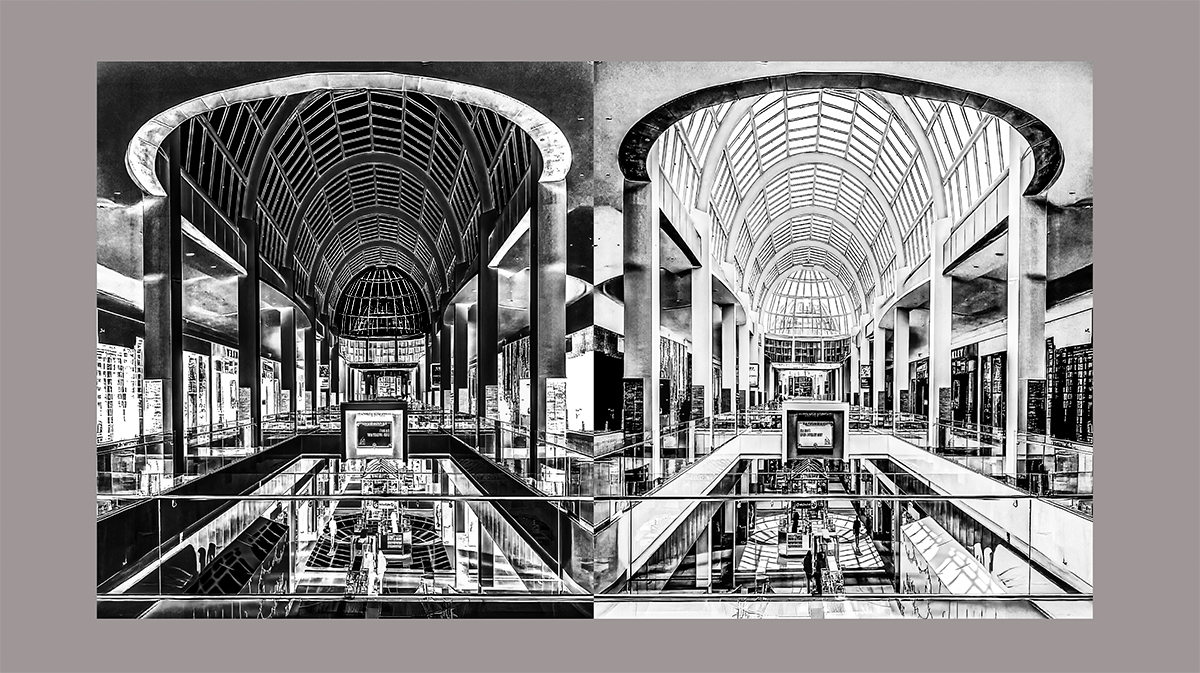
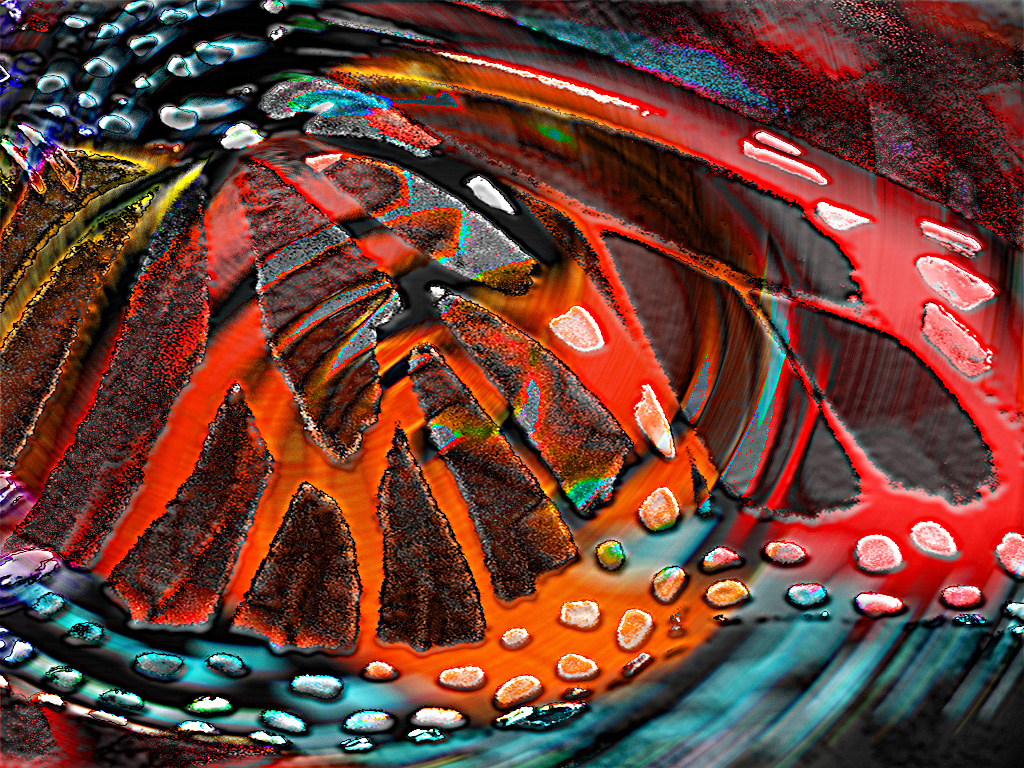
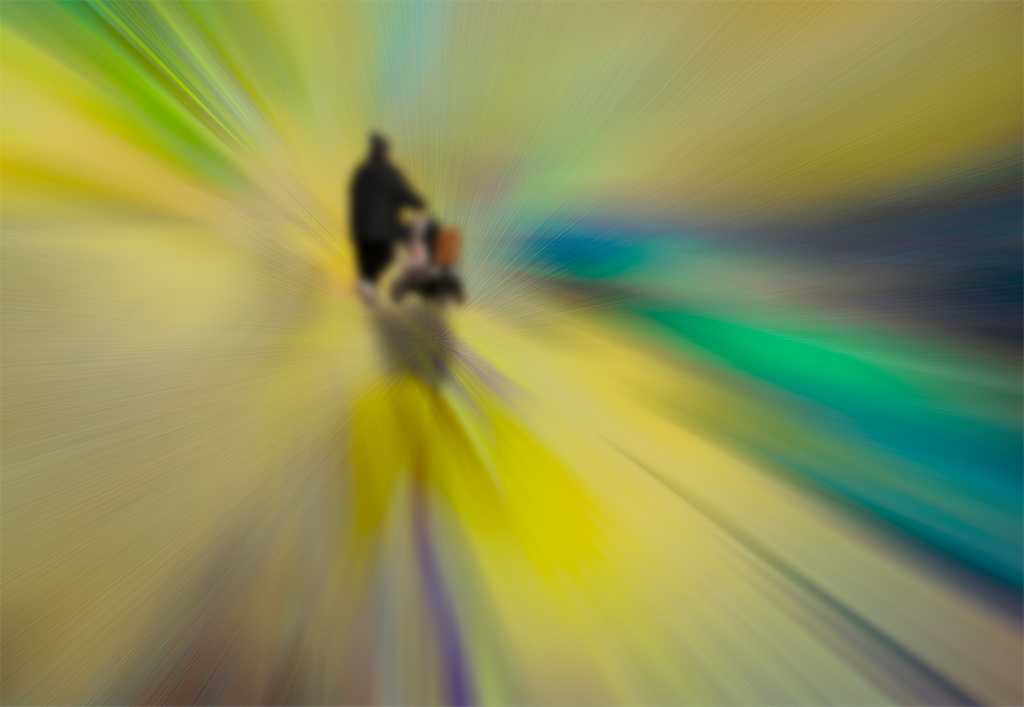
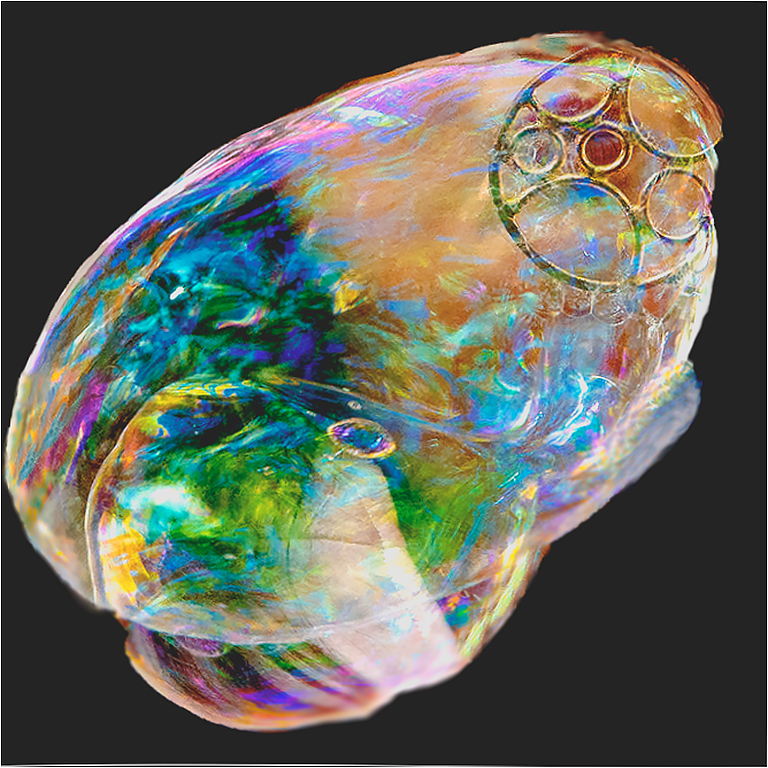
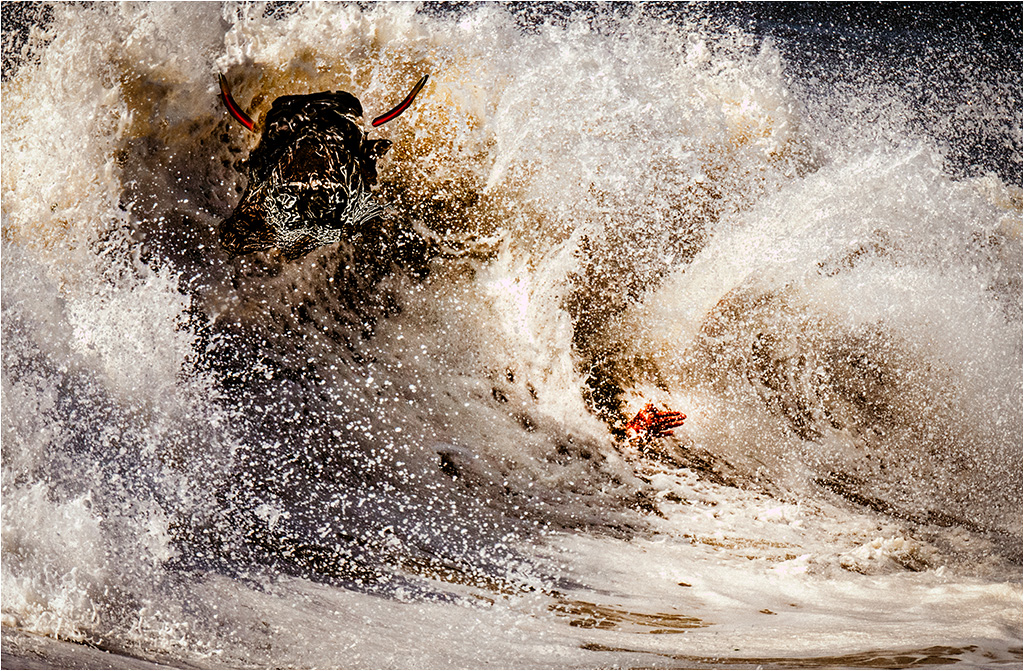
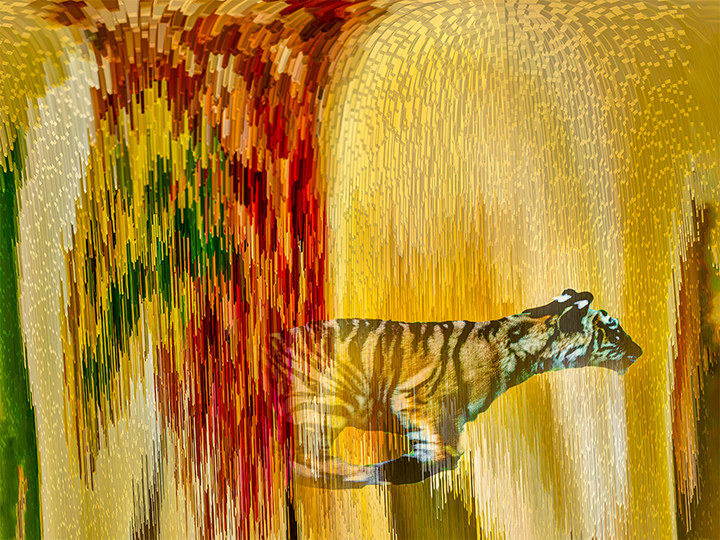
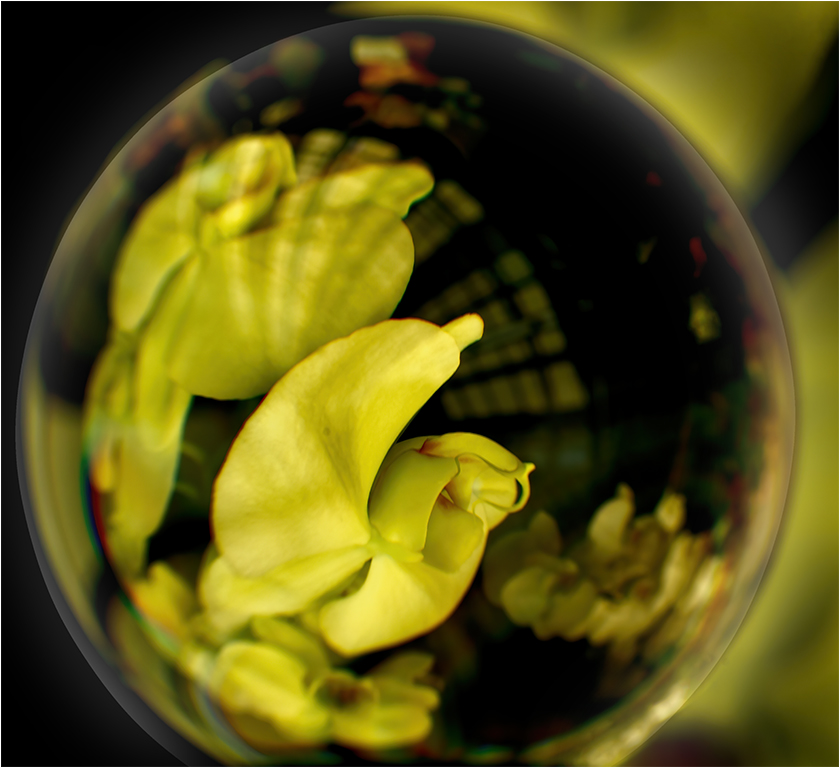
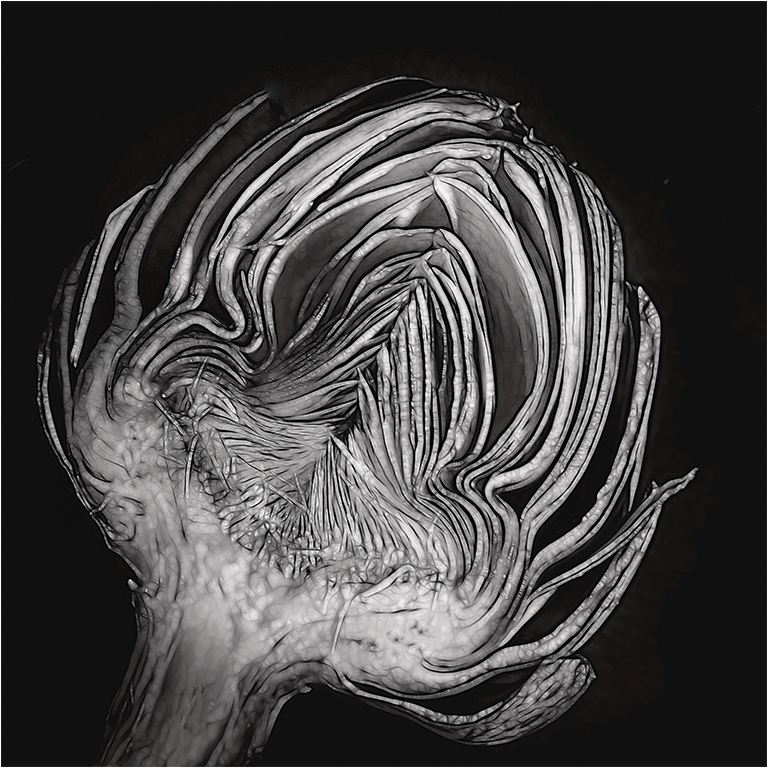
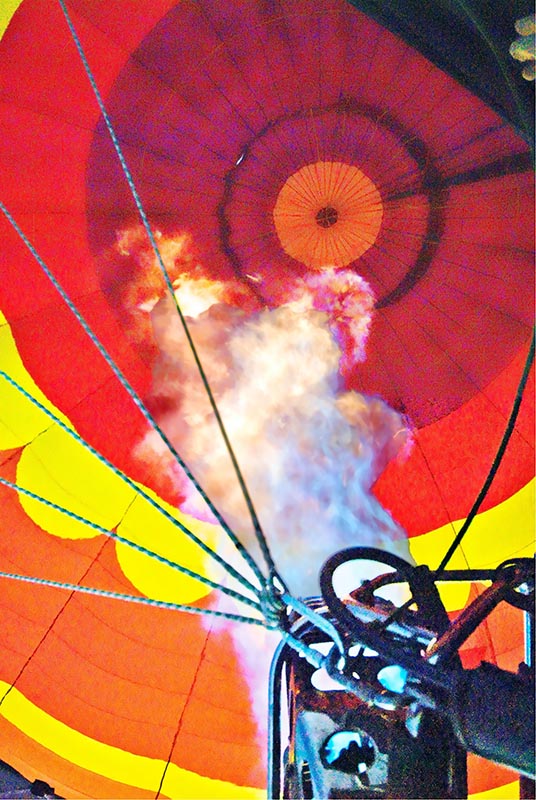
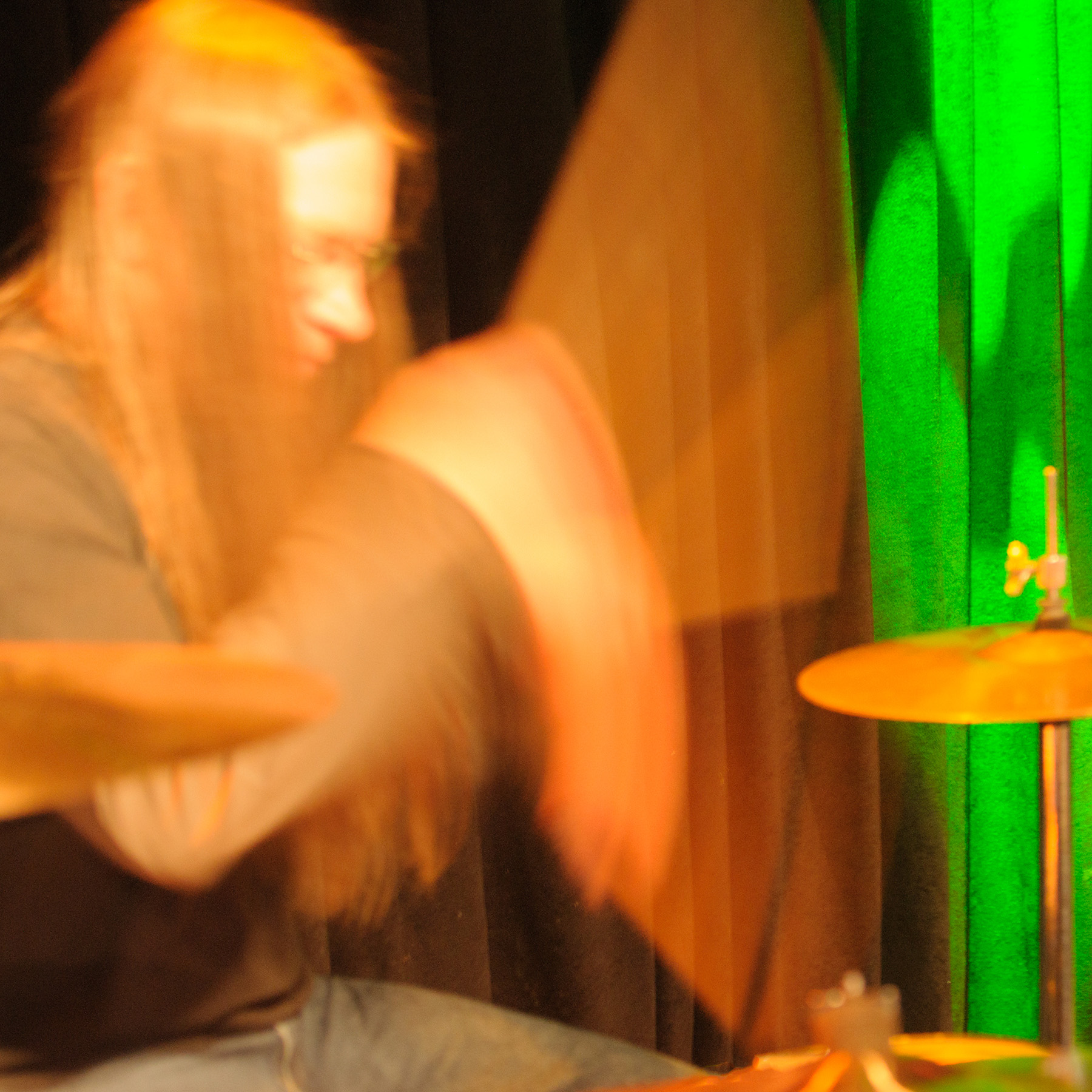
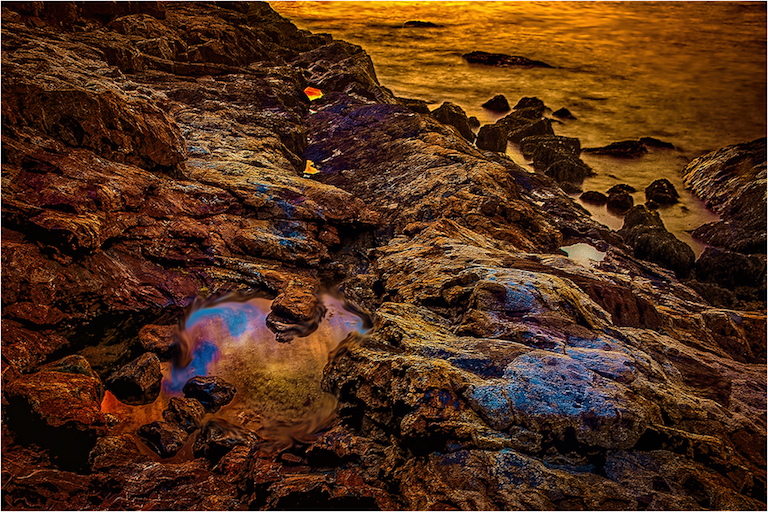
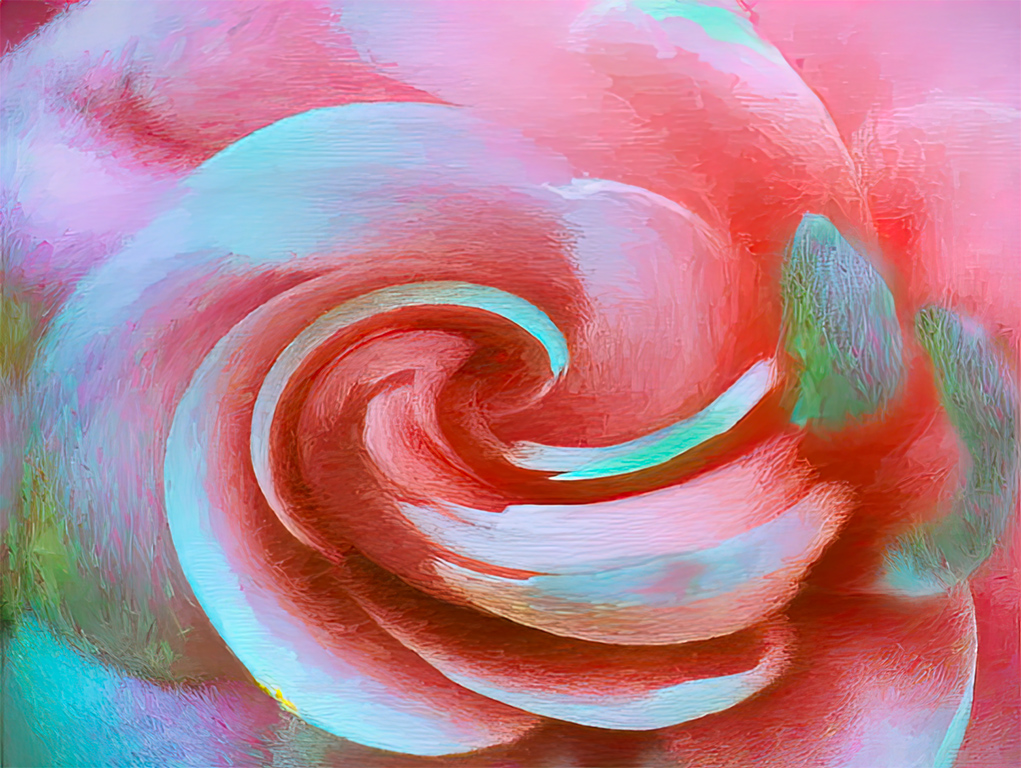
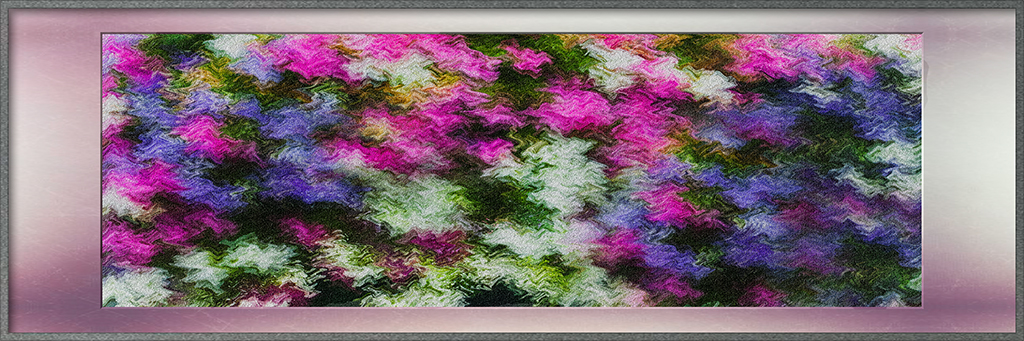
Yes, it is indeed an interesting experiment. I would expect that an image of the inside of a sphere would be soft. I don't think that all images need to be tack sharp.
Look at some of the work of Cartier-Bresson! (Street photographer.)
Denise Ippolito does some amazing work with blurs. <https://www.youtube.com/watch?v=5HiZ6zSStBo>
Search Bing "Denise Ippolito blurs." You can see some of her work, as well as a link to one of her YouTube tutorials.
Alison Shaw also doe some very interesting work.
<http://alisonshaw.com/portfolio.php/37/Abstracts/Color>
|
Apr 15th |
| 65 |
Apr 20 |
Reply |
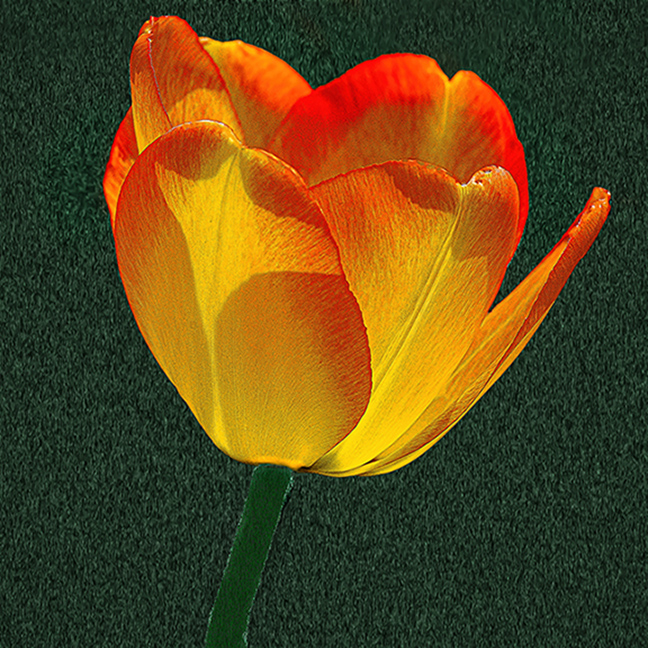
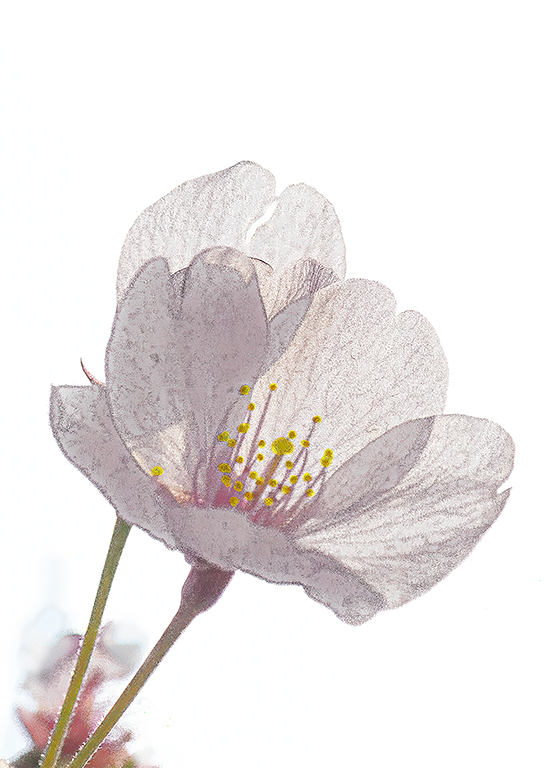
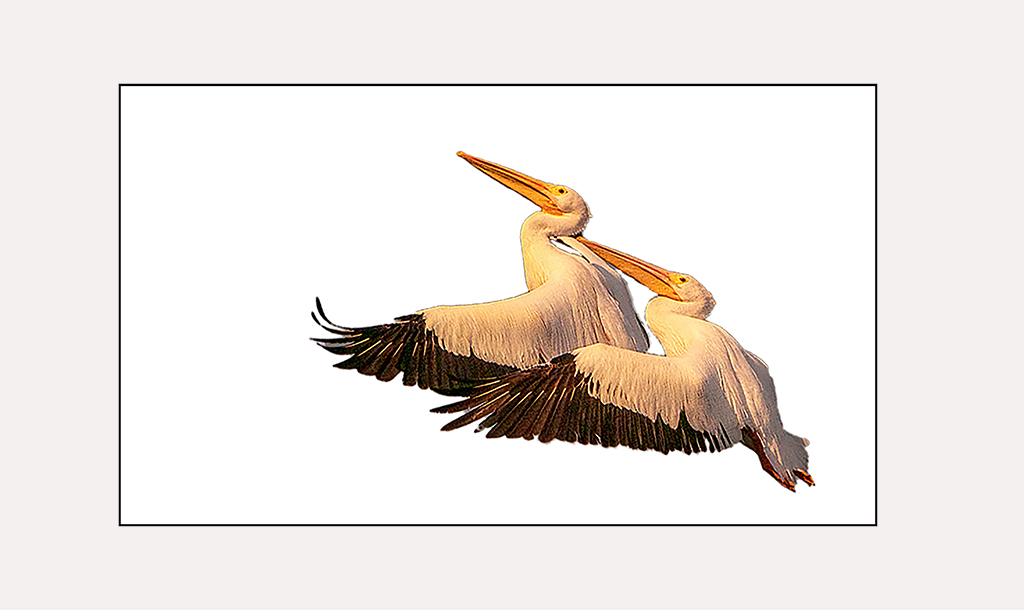
I agree that a vignette helps to guide a viewer's eye to the subject. However with a high key image such as this, why? |
Apr 15th |
| 65 |
Apr 20 |
Comment |
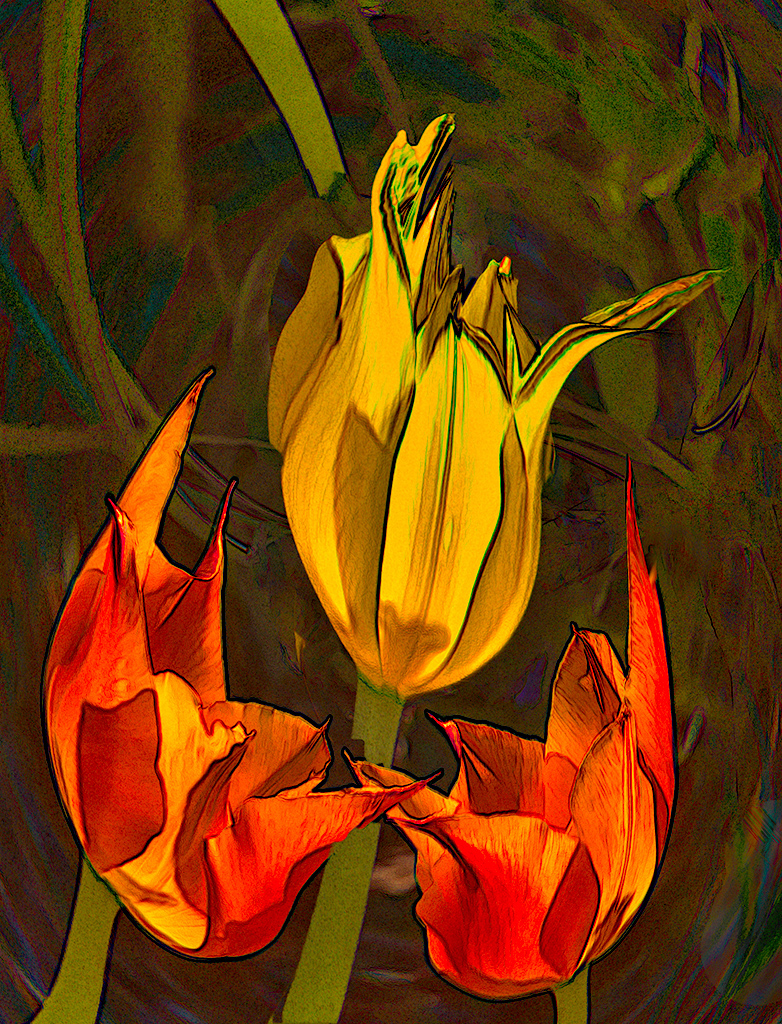
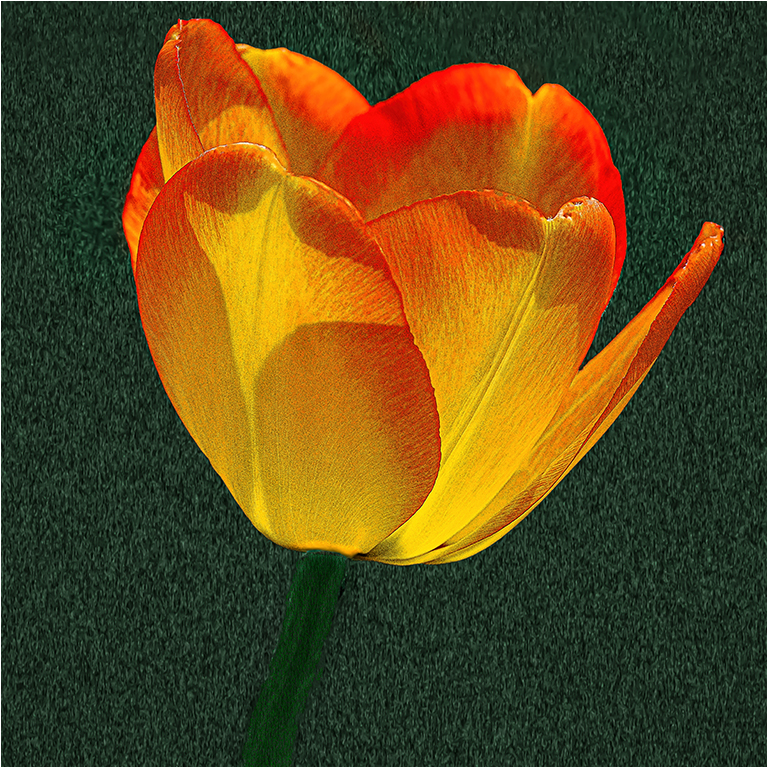
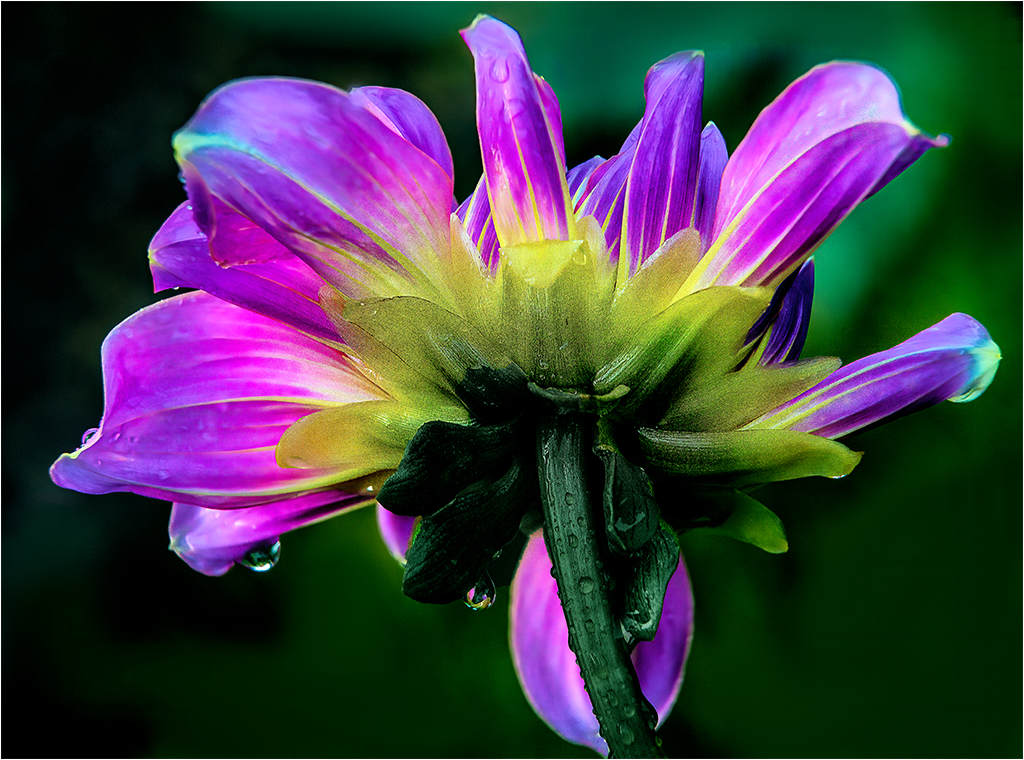
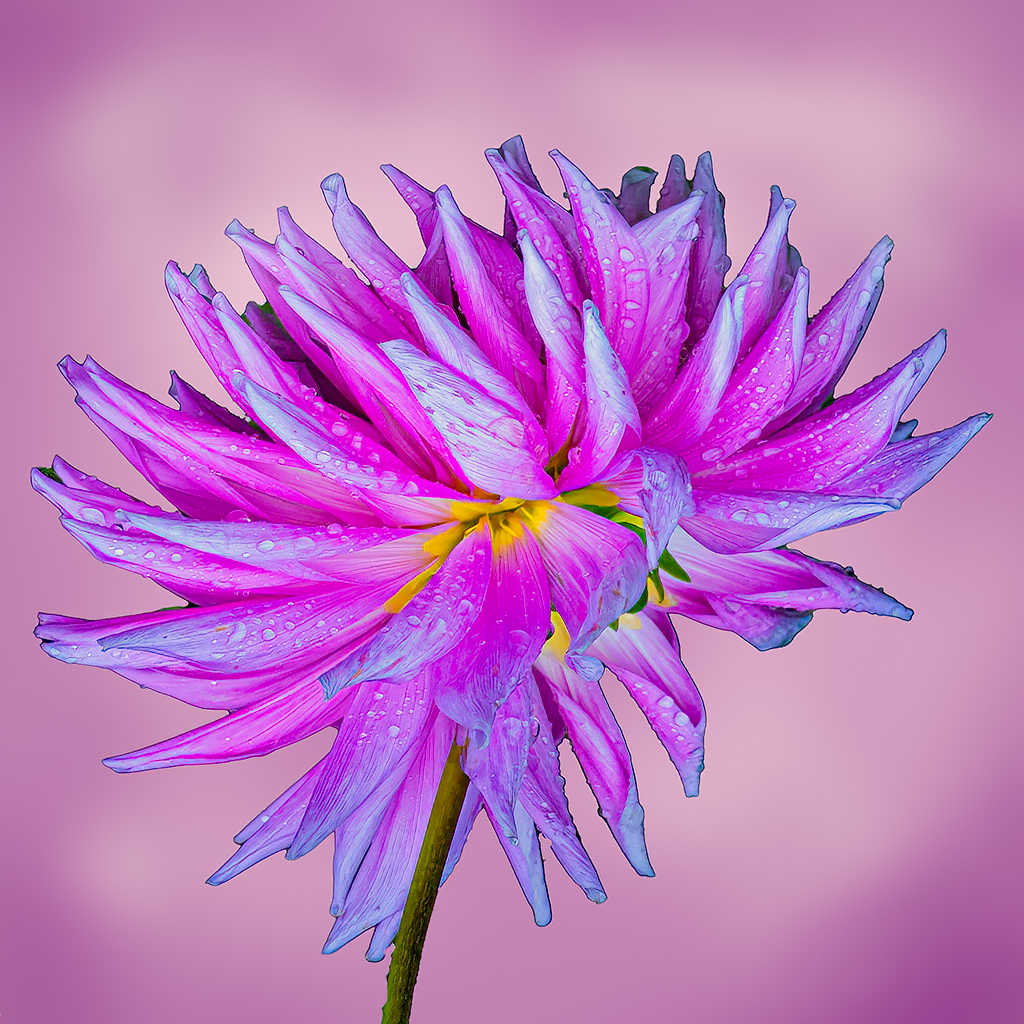
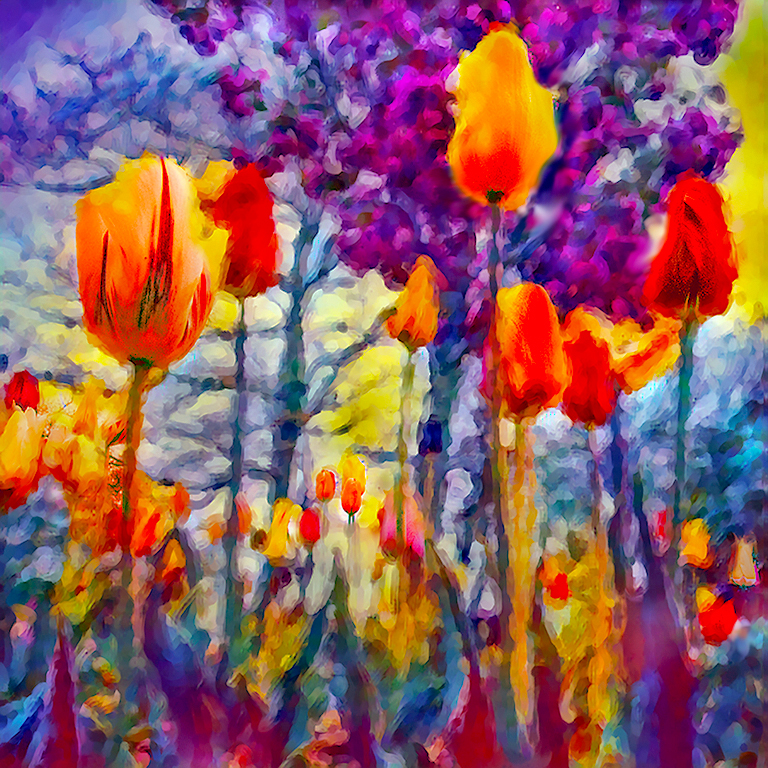
Charles, Nicely done image. I like that the front of the flower seems to leap out at me.
My only nit is that I would have liked to see more translucency in the petals, as you have in the posted original. I cut out the tulip from your original, placed it on your final. Then I lowered the opacity to 66%. What do you think? |
Apr 15th |
 |
| 65 |
Apr 20 |
Reply |
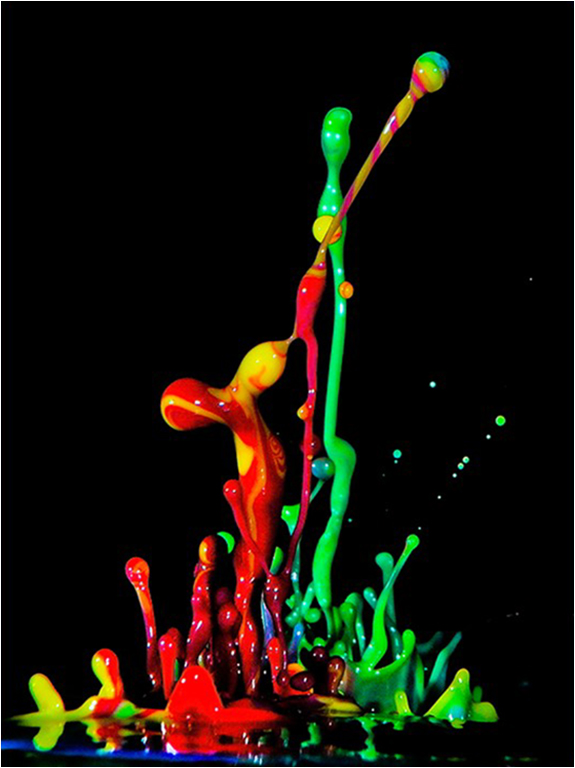
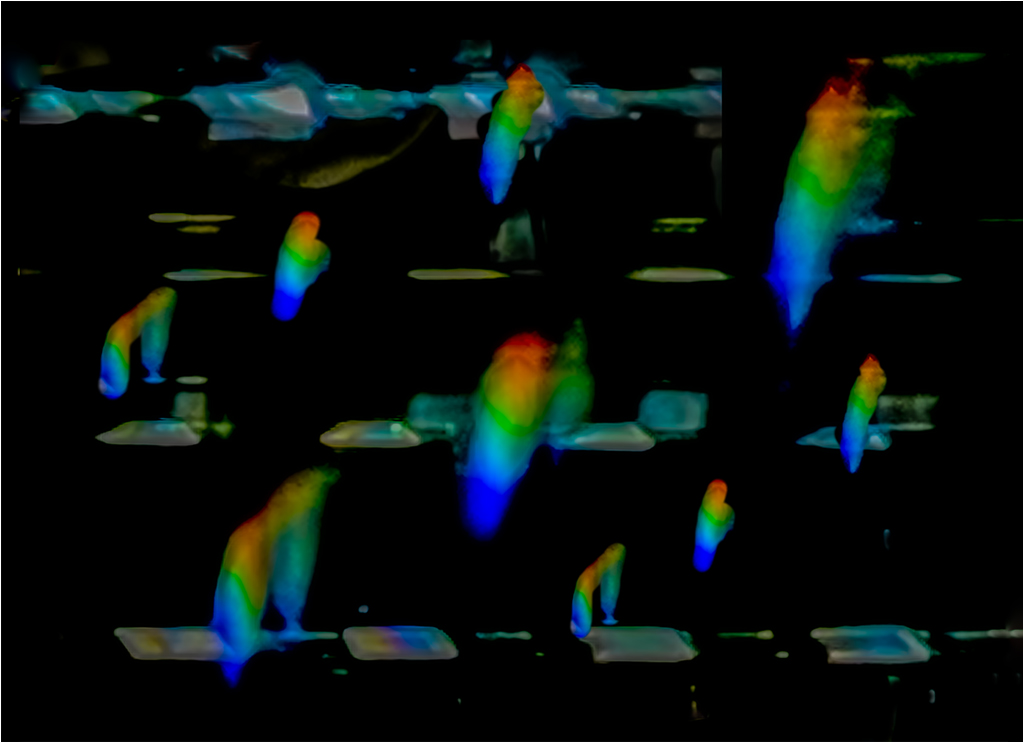
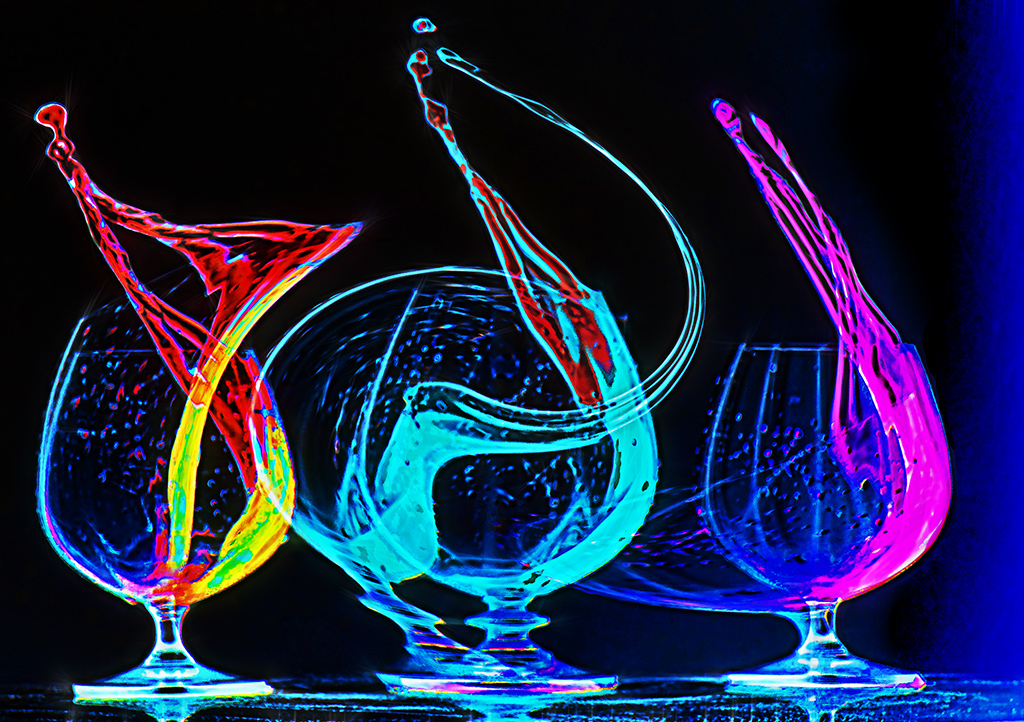
Her work got me interested, as I have done splash photography, which is not quite the same as water drop photography. But there is one similarity, in that you have to synchronize the flash to the decisive moment. The set-ups I have used were homemade, by someone else, and set off the strobe at the decisive moment. You keep the shutter open in a dark place, and the strobe is the only light source.
I have been reading about other techniques. I enjoyed one comment that I think was in a blog from Adorama. "Have plenty of paper towels on hand." |
Apr 10th |
| 65 |
Apr 20 |
Reply |
Her work got me interested, as I have done splash photography, which is not quite the same as water drop photography. But there is one similarity, in that you have to synchronize the flash to the decisive moment. The set-ups I have used were homemade, by someone else, and set off the strobe at the decisive moment. You keep the shutter open in a dark place, and the strobe is the only light source.
I have been reading about other techniques. I enjoyed one comment that I think was in a blog from Adorama. "Have plenty of paper towels on hand." |
Apr 9th |
| 65 |
Apr 20 |
Comment |
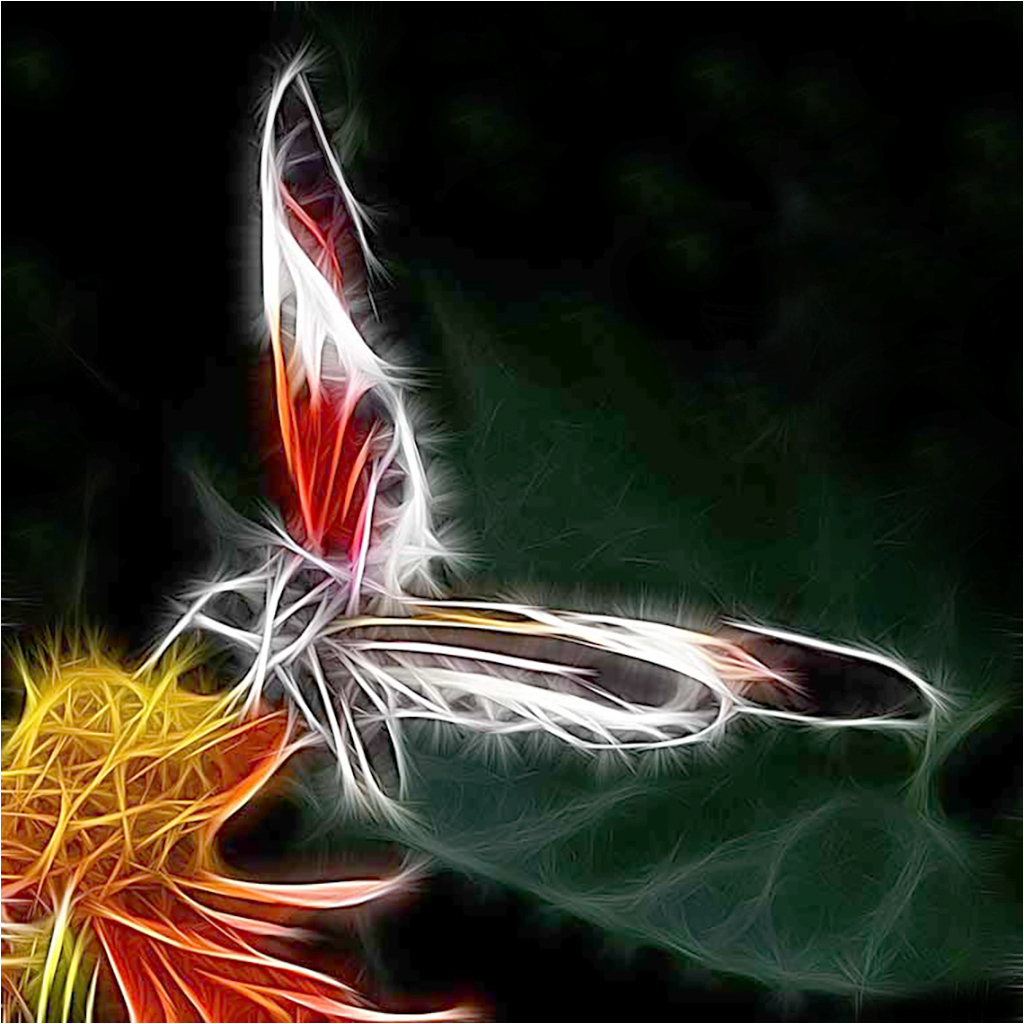
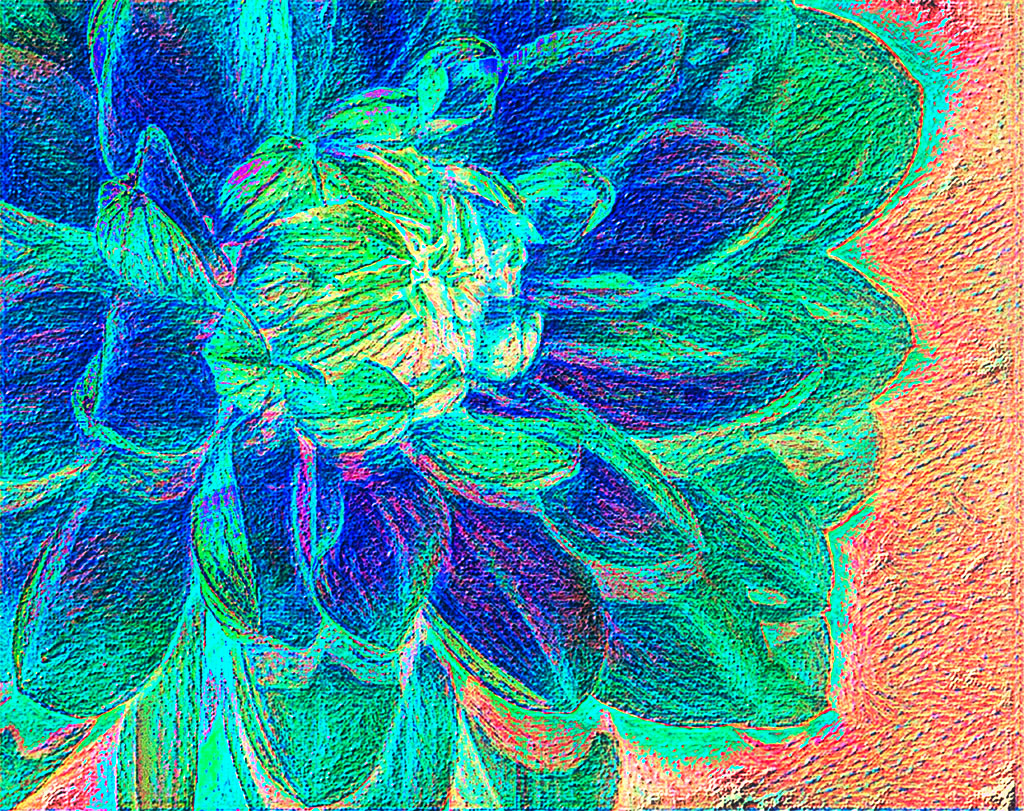
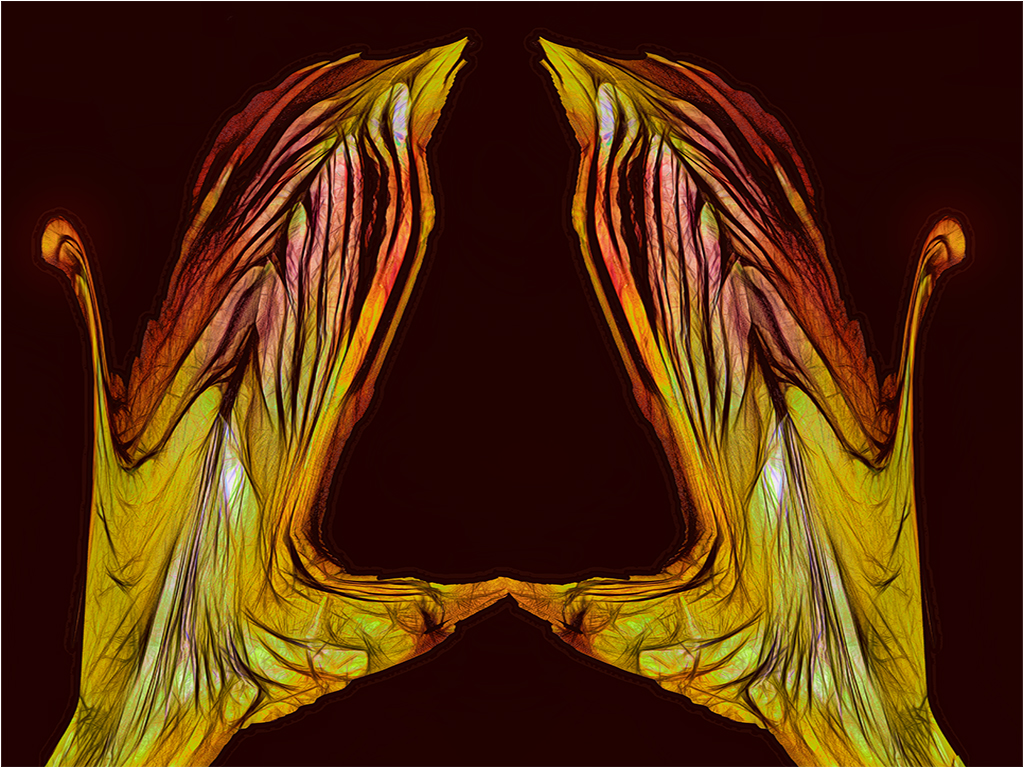
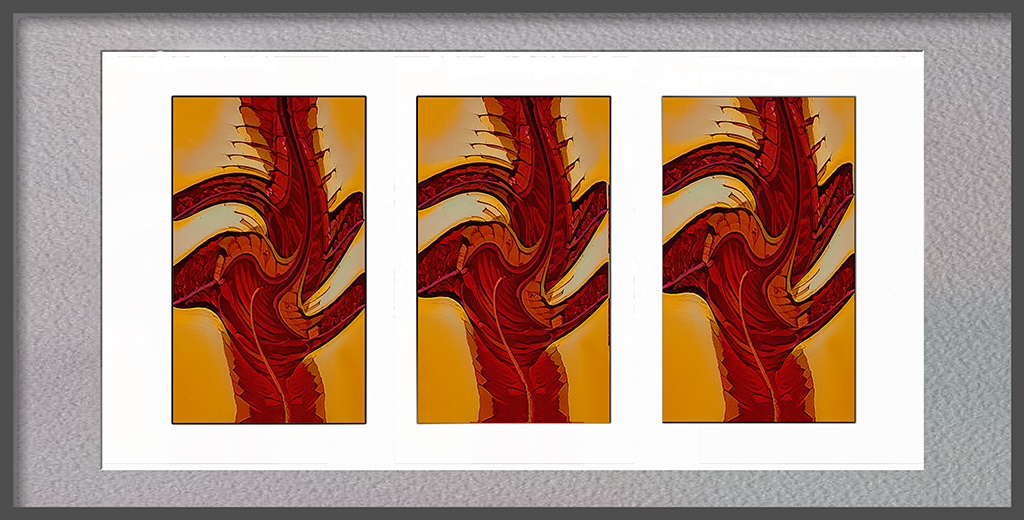
Your image is an example that many times less is more. The lines and curves are graceful, and create an image that could well be a flower. The variations in color tone add to the beauty of the image.
I would not change anything.
How did you get the coffee coloring? |
Apr 9th |
| 65 |
Apr 20 |
Reply |
Thank you. I forgot to mention that after the initial crop, I ran the image through Topaz Gigapixel AI. That program does wonders, and puts in pixels, based upon it's algorithms. |
Apr 9th |
3 comments - 7 replies for Group 65
|
4 comments - 14 replies Total
|