|
| Group |
Round |
C/R |
Comment |
Date |
Image |
| 31 |
Feb 25 |
Comment |
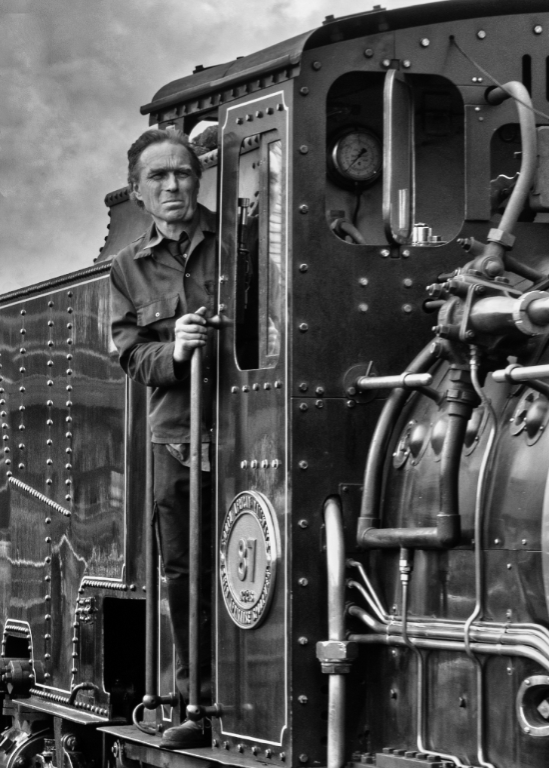
A super image, Peter. Scotland to a "T"! |
Feb 8th |
1 comment - 0 replies for Group 31
|
| 64 |
Feb 25 |
Reply |
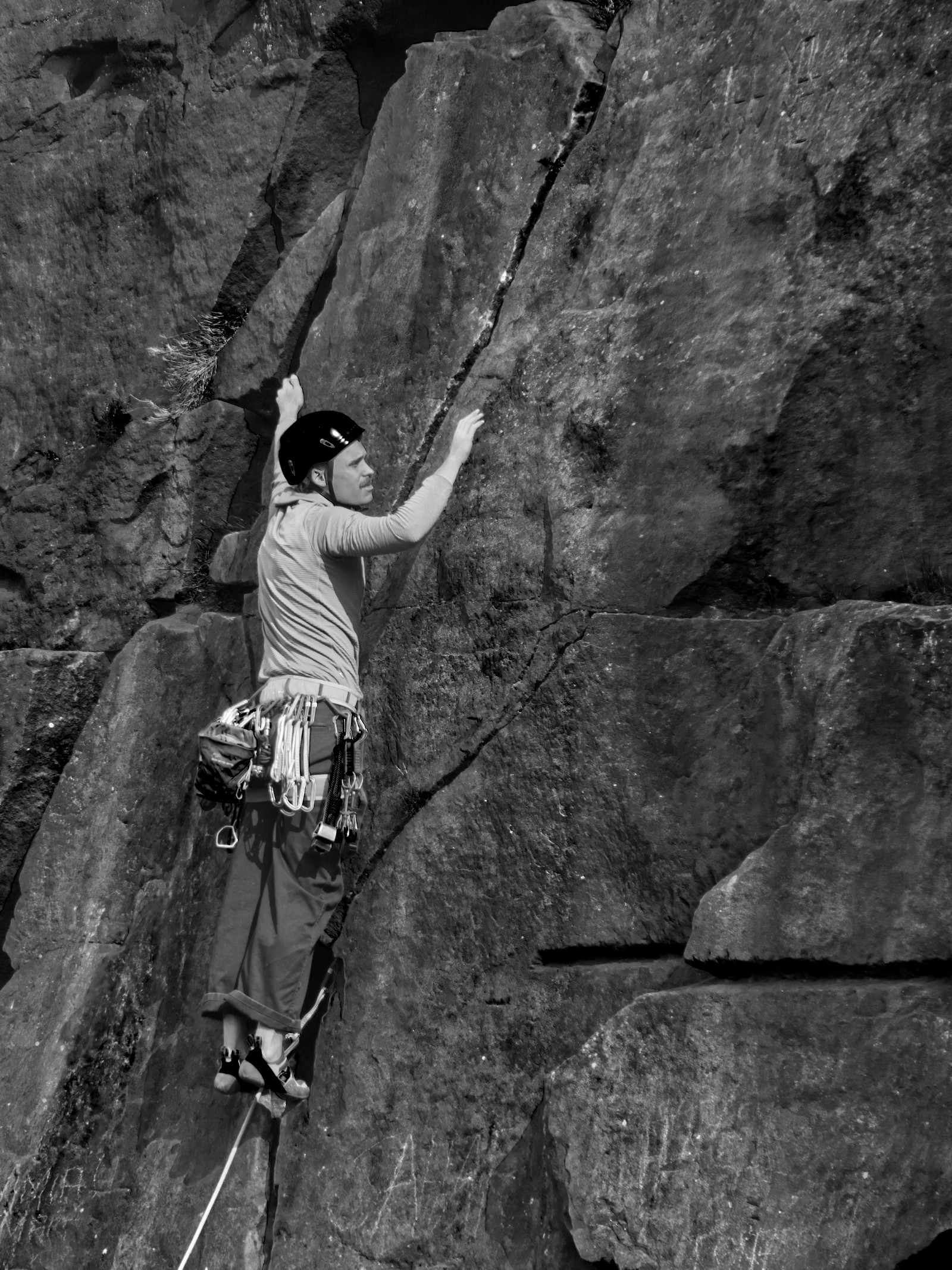
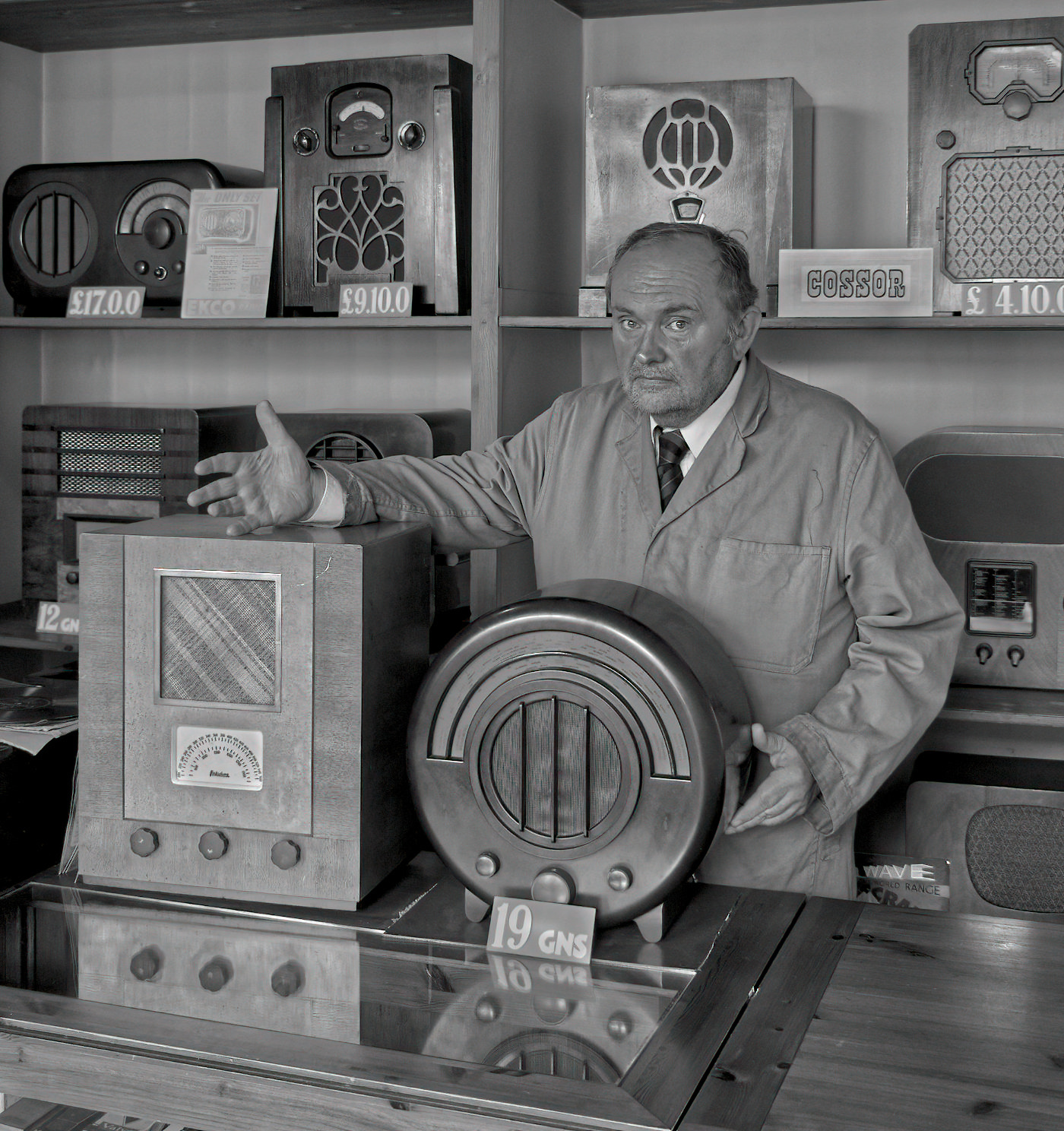
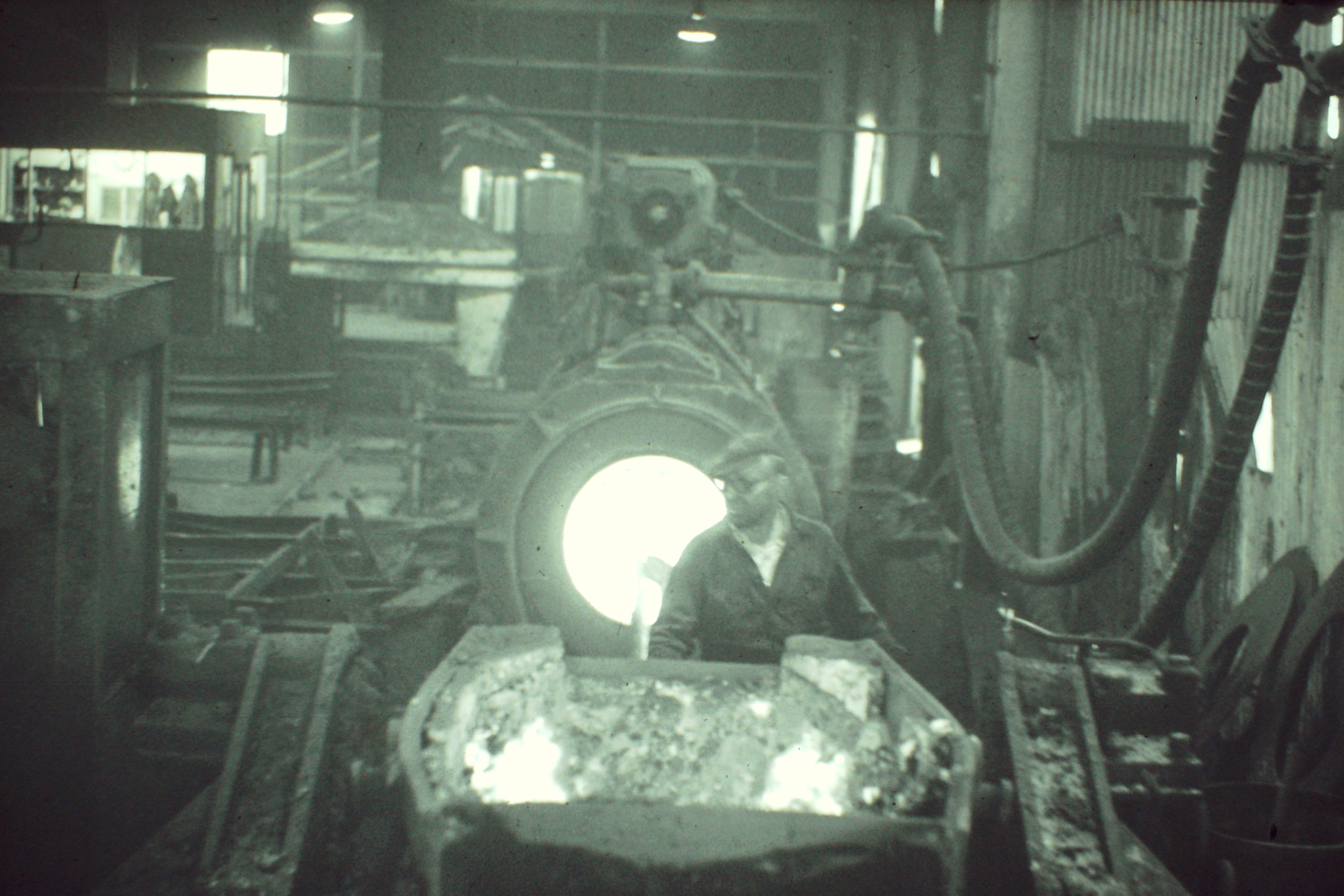
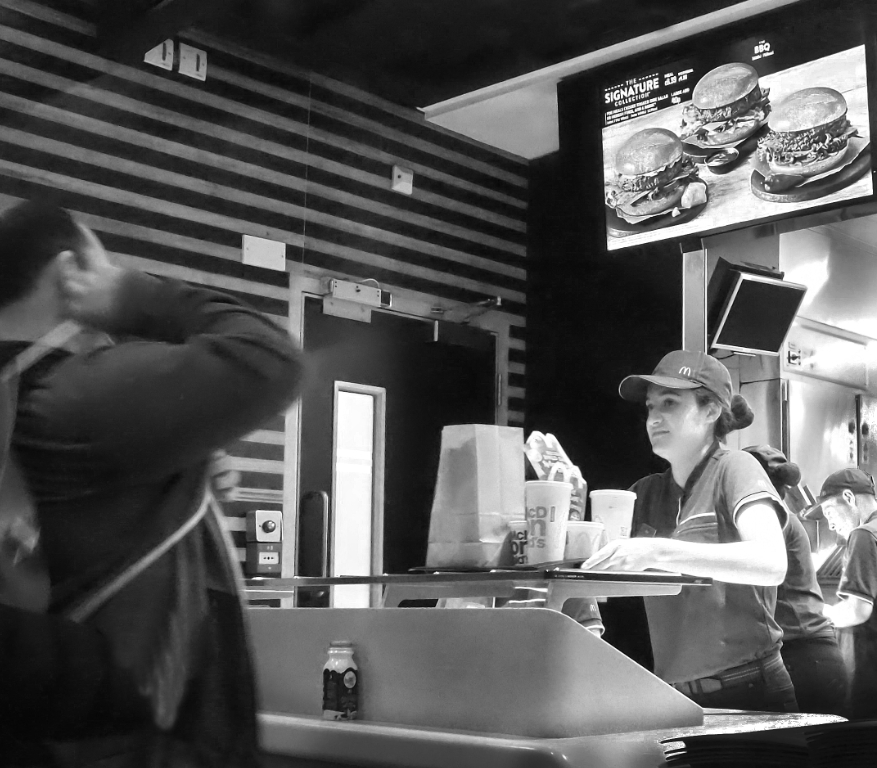
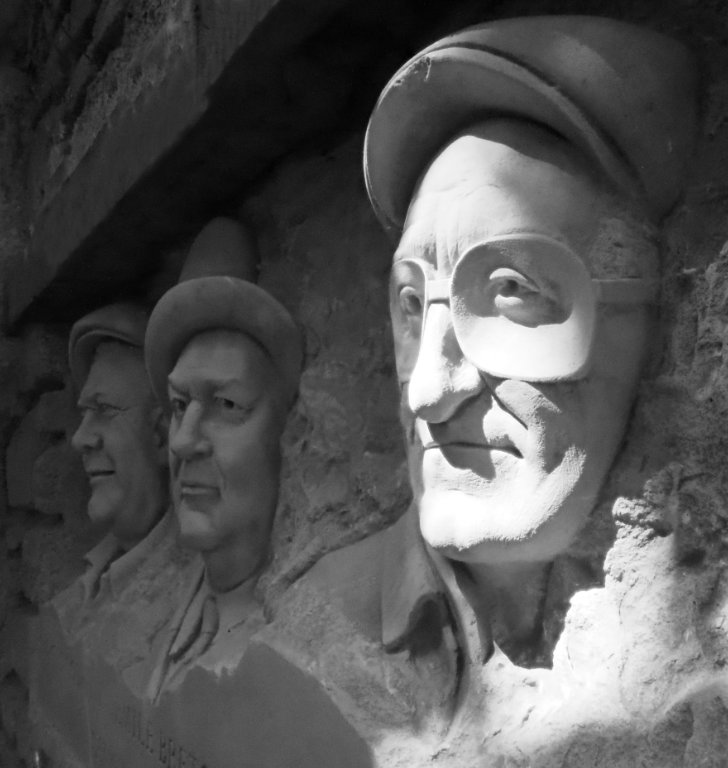
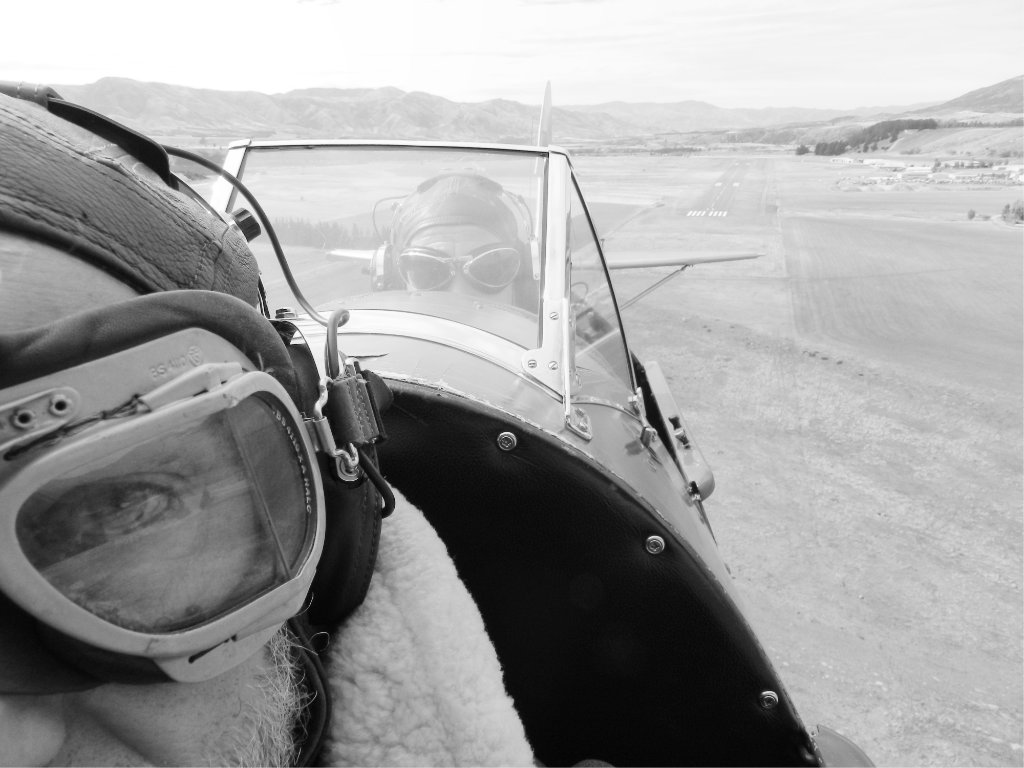
Thanks, Jerry, and I think you're right. Whilst my original showed him much as I saw him, there were no lights to manipulate, and a little brightening of this face and upper body gives more punch. |
Feb 18th |
 |
| 64 |
Feb 25 |
Reply |
Thanks, Patrick.
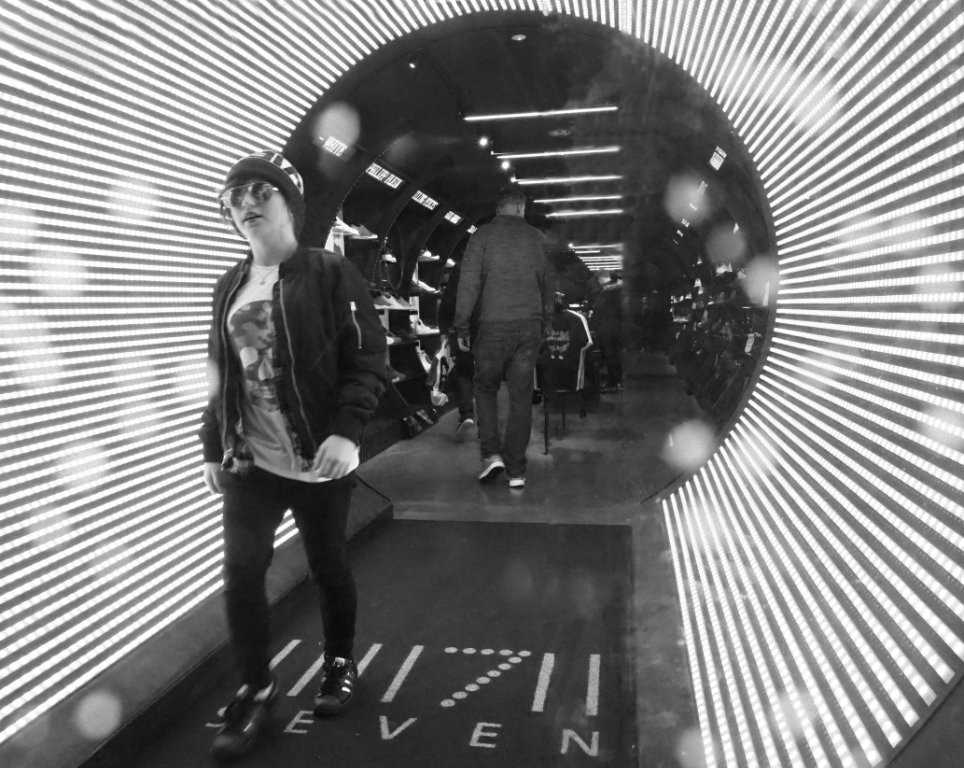
RoT is always a good yardstick, and essential if there are no other guides to composition. I could have cropped off a bit from the top to make his face closer to the 1/3 way from the top, but that would have cut off some of the shelf unit on the wall, which I think would have been a mistake. |
Feb 12th |
| 64 |
Feb 25 |
Comment |
I always go with the old adage "If colour is an important factor in a photograph, use colour. If not, use mono". I think both versions are interesting, but I too would enter the colour in a competition rather than the mono.
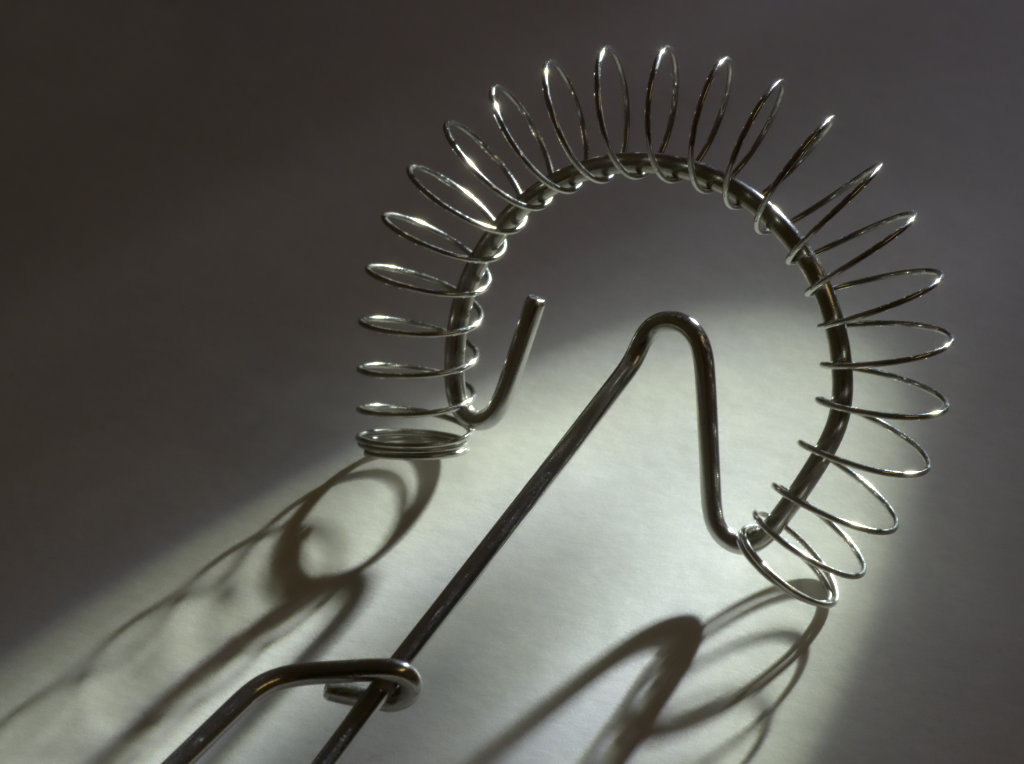
After removing the nib on the right which destroys the symmetry, which I like. |
Feb 12th |
| 64 |
Feb 25 |
Comment |
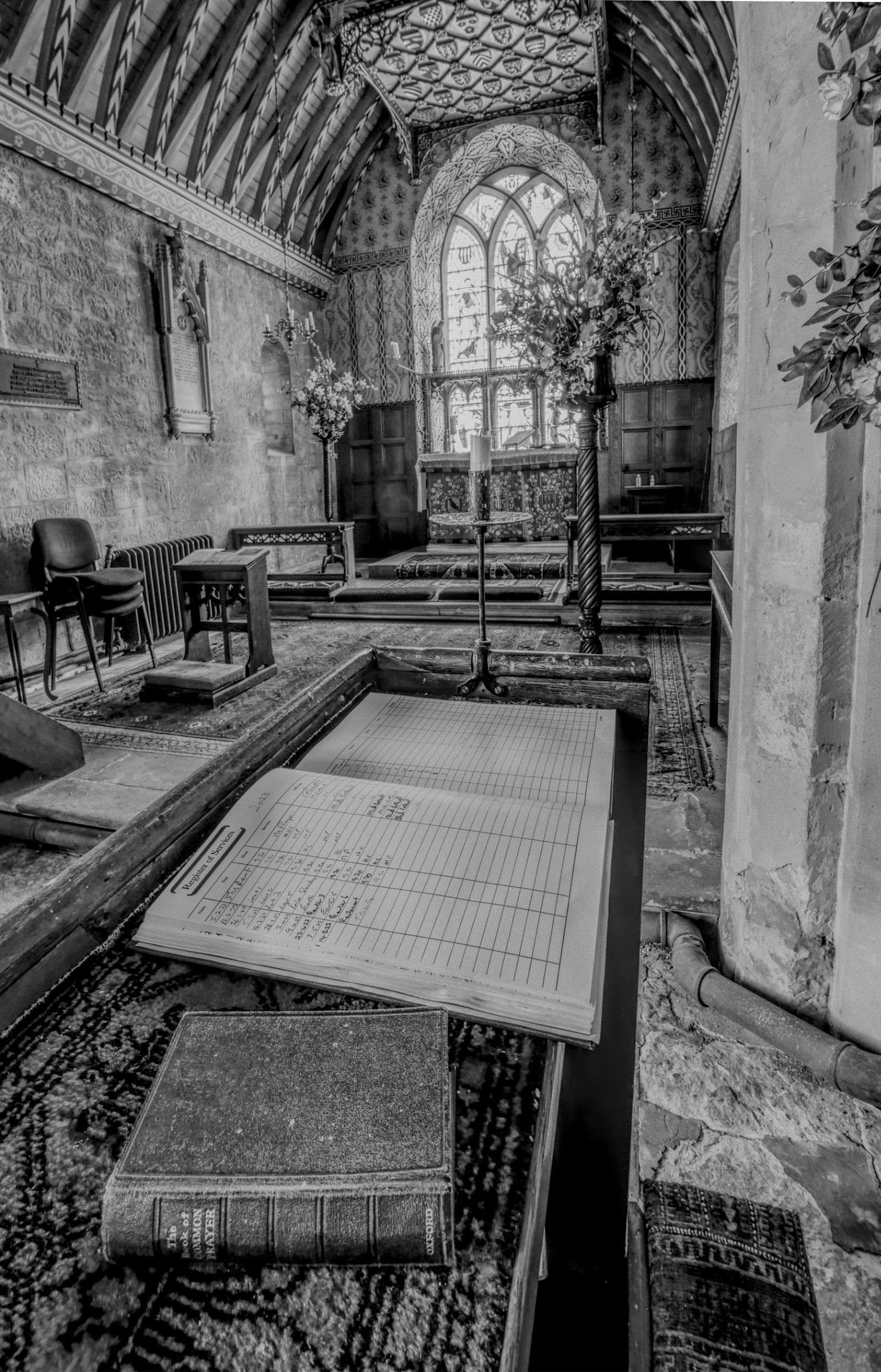
Hello Grace, welcome to group 64!
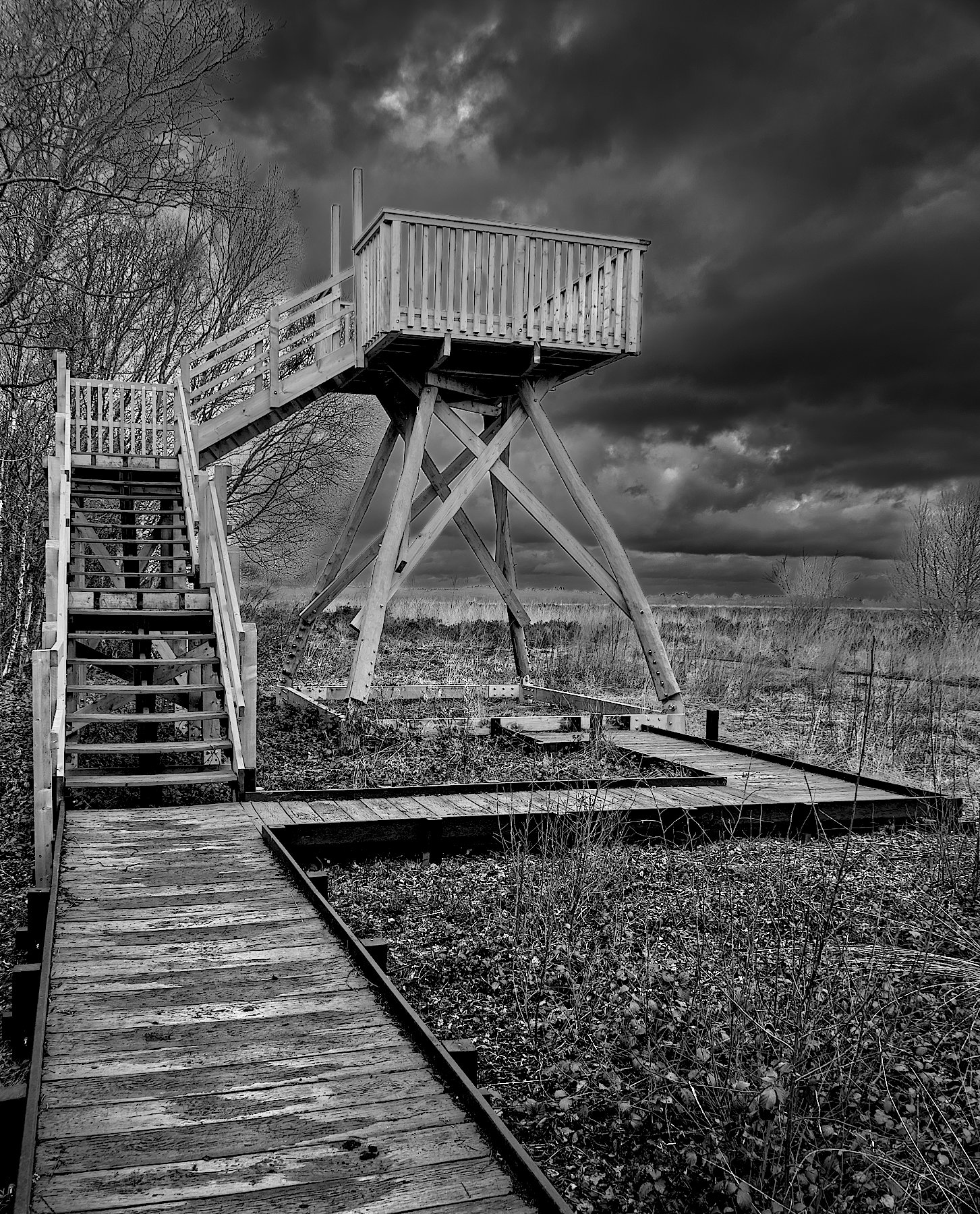
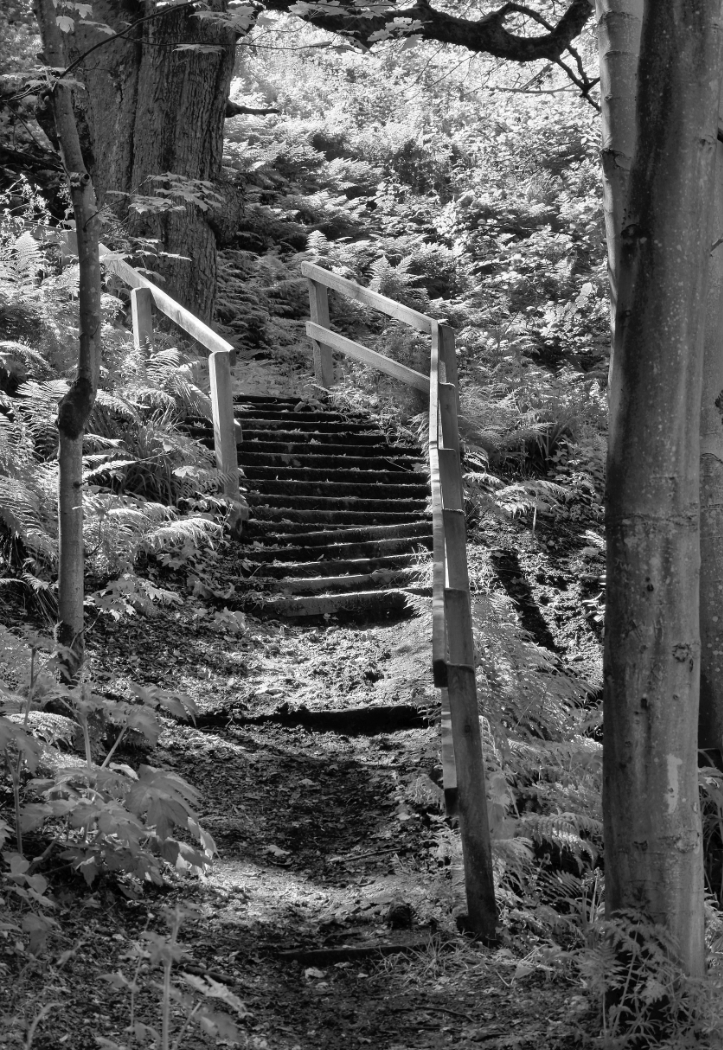
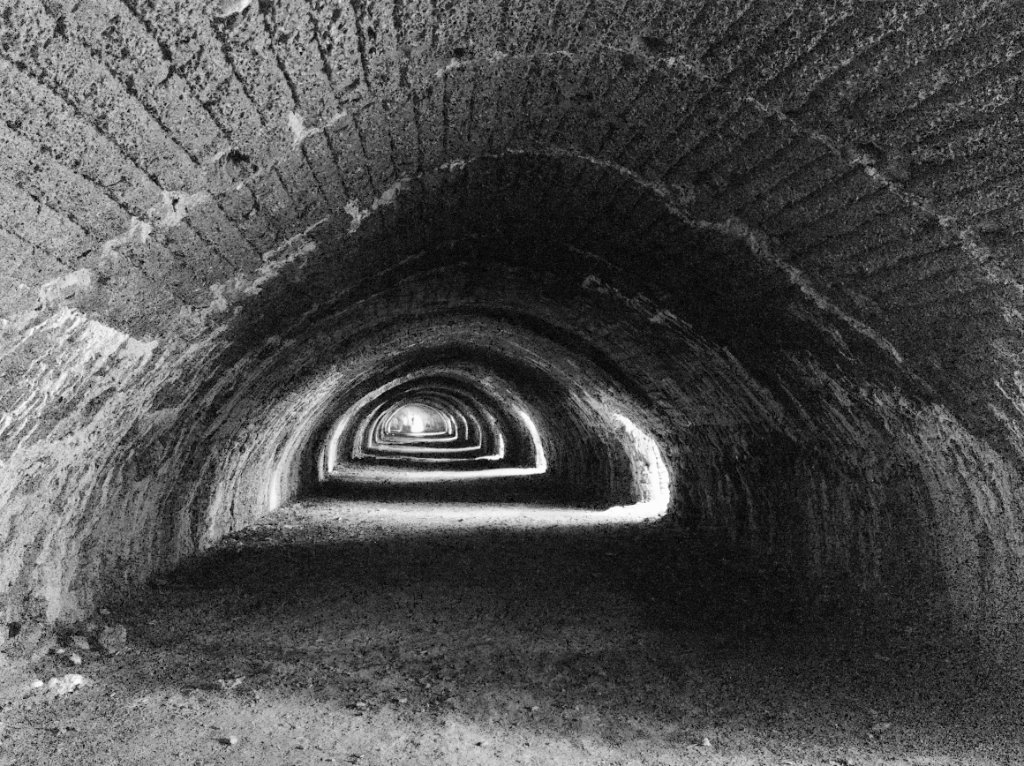
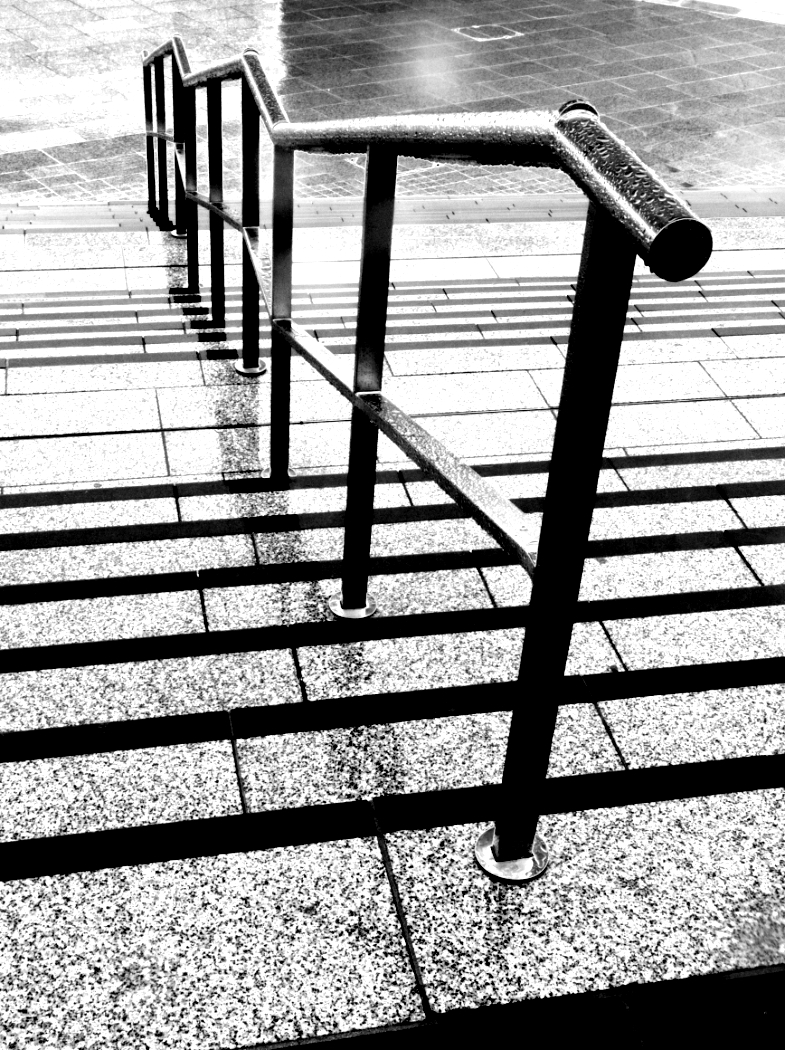
This is why mono speaks so loudly, I think. With a good shape and pattern, super feeling of depth, this is very striking, I love it.
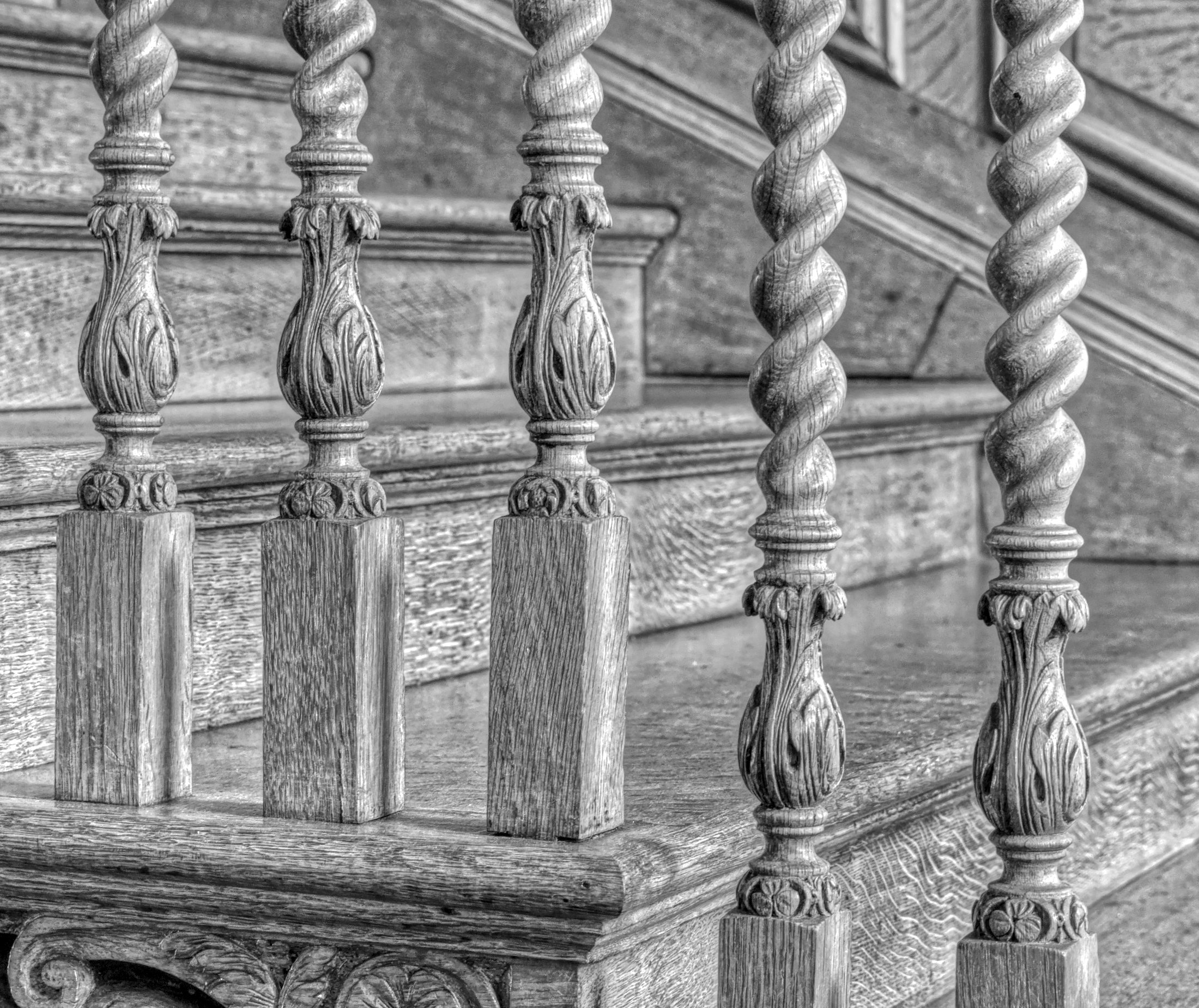
Personally I would crop off the top, just leaving the tops of the far seat backs, and then clone out the remaining stairway bits, as they distract me and don't add to the picture. Done roughly here:
|
Feb 12th |
 |
| 64 |
Feb 25 |
Comment |
Isn't it just amazing that you can get this much depth of field at f1.8! The result of a small sensor, although some phones do do focus stacking as well.
I agree with Patrick, I'd remove that strongly converging vertical.
But otherwise I think it's brilliant. Who needs full frame? Even my micro 4/3 seems OTT in sensor size sometimes. Not that I'd swap, unless my phone were "the best in camera in the world" (ie the only one on my person at the time) |
Feb 12th |
| 64 |
Feb 25 |
Reply |
Thanks, Don. He was anything but grumpy, actually, he loved his role. The words are from his mug, which was probably a leg-pull from someone. |
Feb 9th |
| 64 |
Feb 25 |
Comment |
Welcome to group 64, Patrick. I can see we are going to enjoy your images.
Your contrasty techique has produced a striking result, which I like. Well done! I agree, use of the colour sliders in the mono layer can have a profound effect on the result, so I almost always use it. I prefer to do the RAW develop without converting to mono there, as I can use either a mono layer or NIK to develop these contrasts in the developed image. |
Feb 8th |
| 64 |
Feb 25 |
Comment |
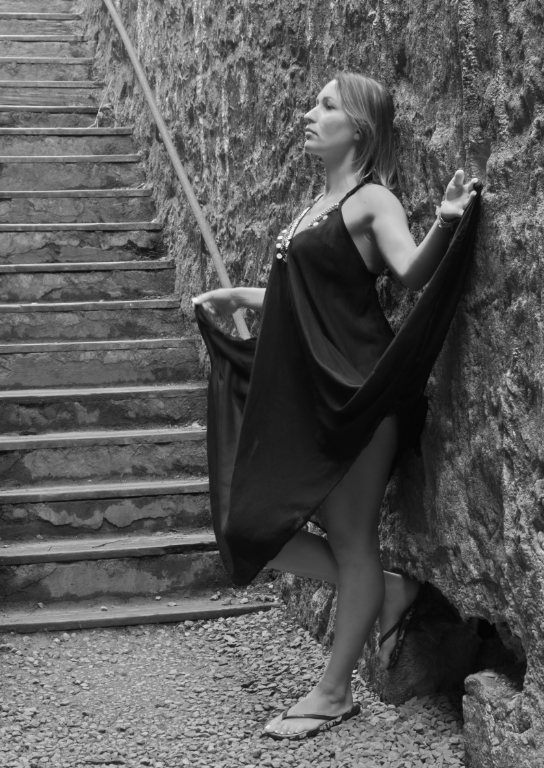
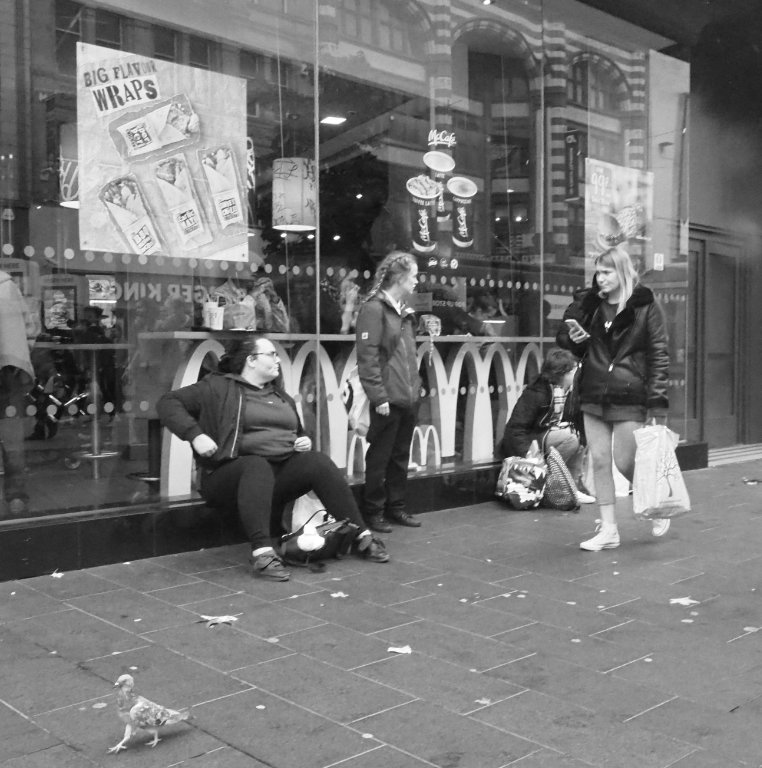
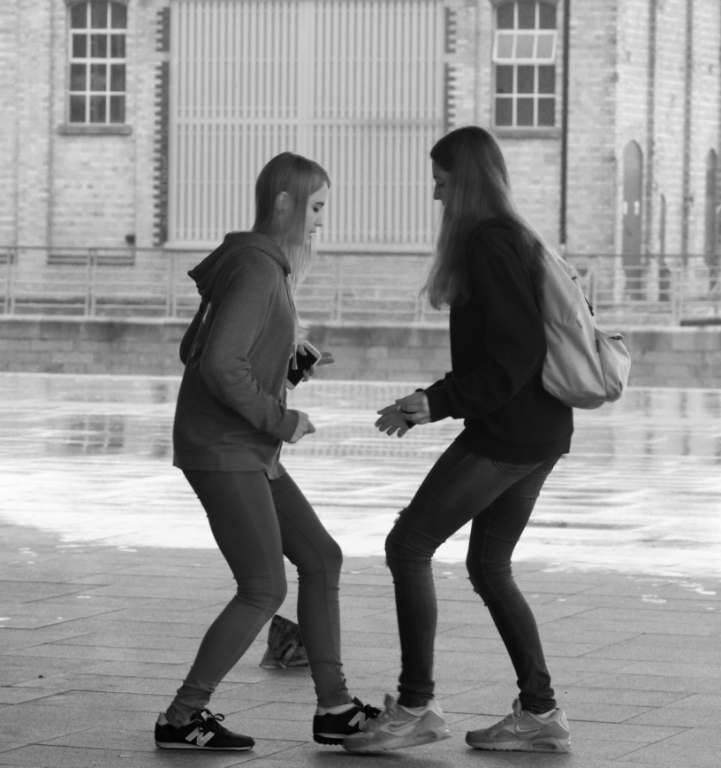
I think it's a good image, nice street photogaphy. The slow shutter speed was a good idea as we can see the movement in her leading foot and arm. It's a slight pity that her face is a little blurred as well. The rest is nice and sharp, and it's an interesting texture on the walls between the paths. There are a few white spots in those areas that I would suggest be cloned out. |
Feb 8th |
| 64 |
Feb 25 |
Comment |
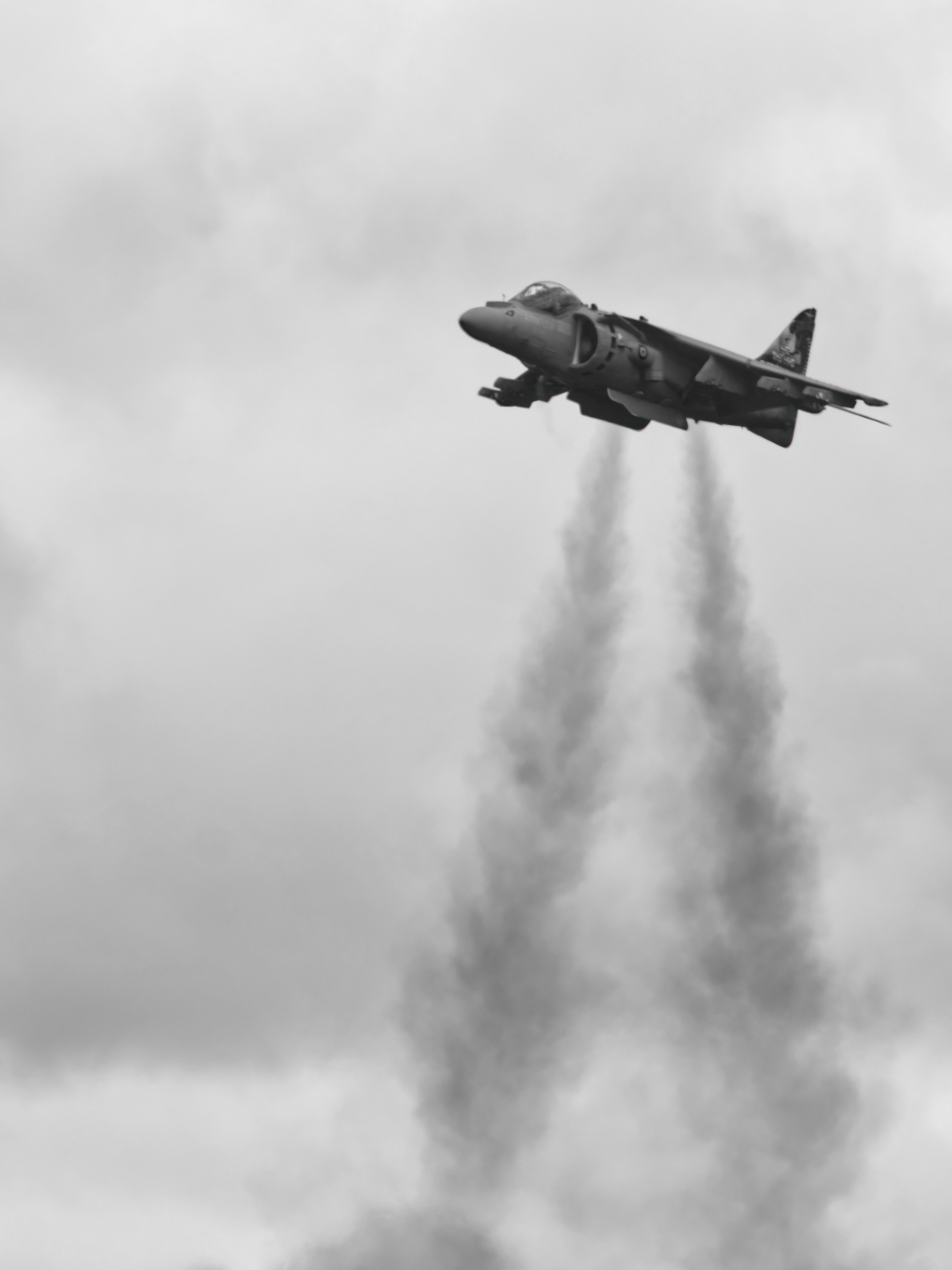
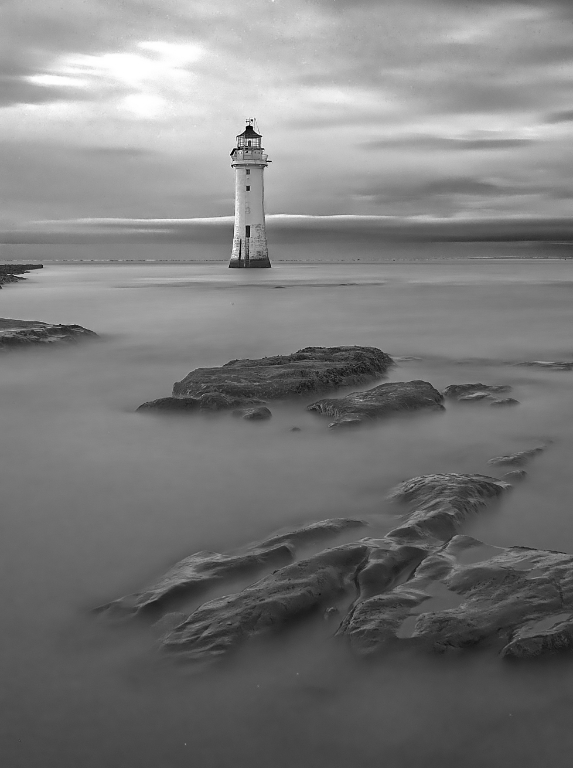
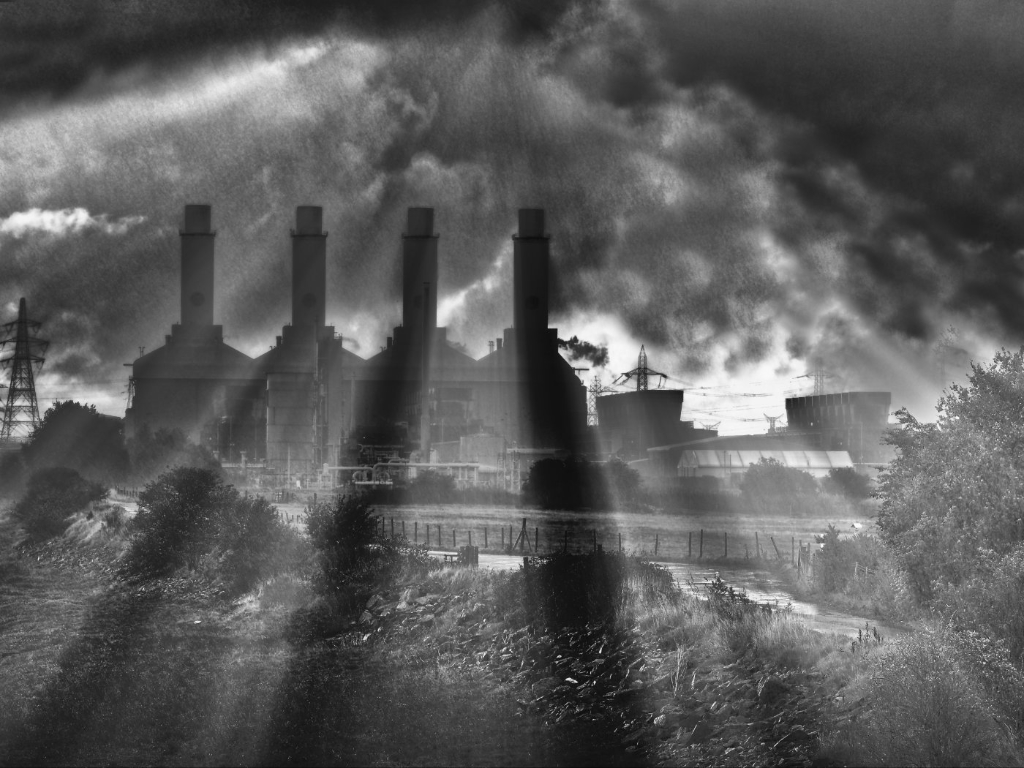
I like the detail and sense of depth in this photo. At first I thought it was fog, but there's more texture in the smoke. Would it be possible to lift the shadows in the black area, bottom left? It might balance the fog for complementary shade and texture, I'm thinking. |
Feb 8th |
6 comments - 3 replies for Group 64
|
| 95 |
Feb 25 |
Comment |
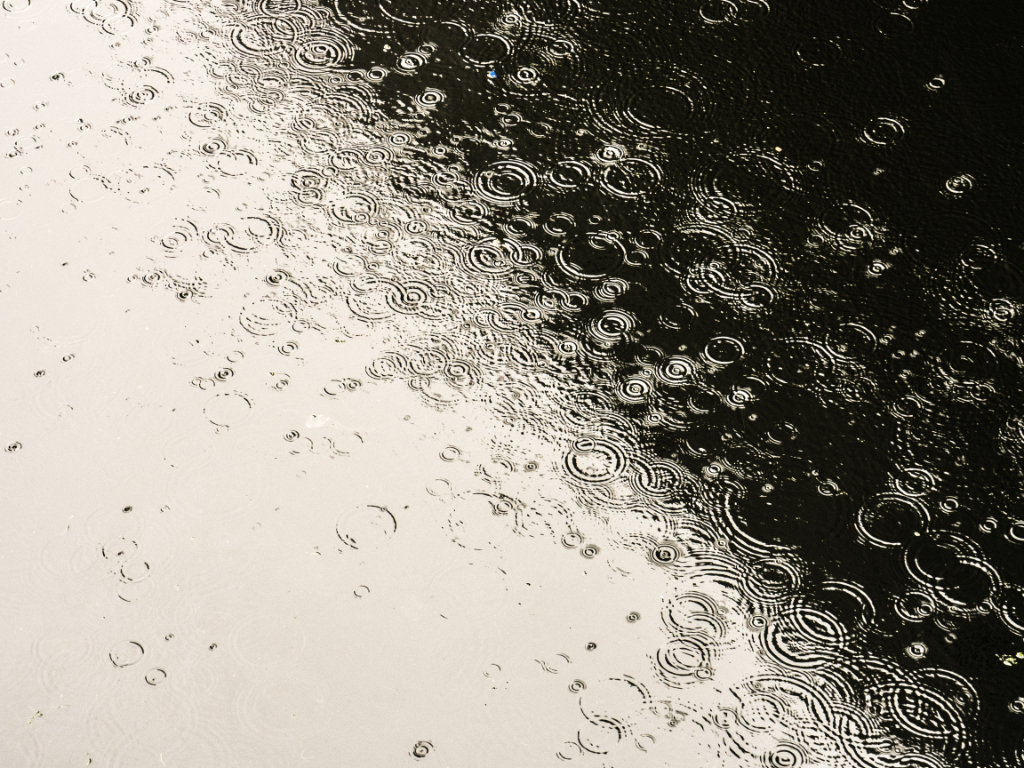
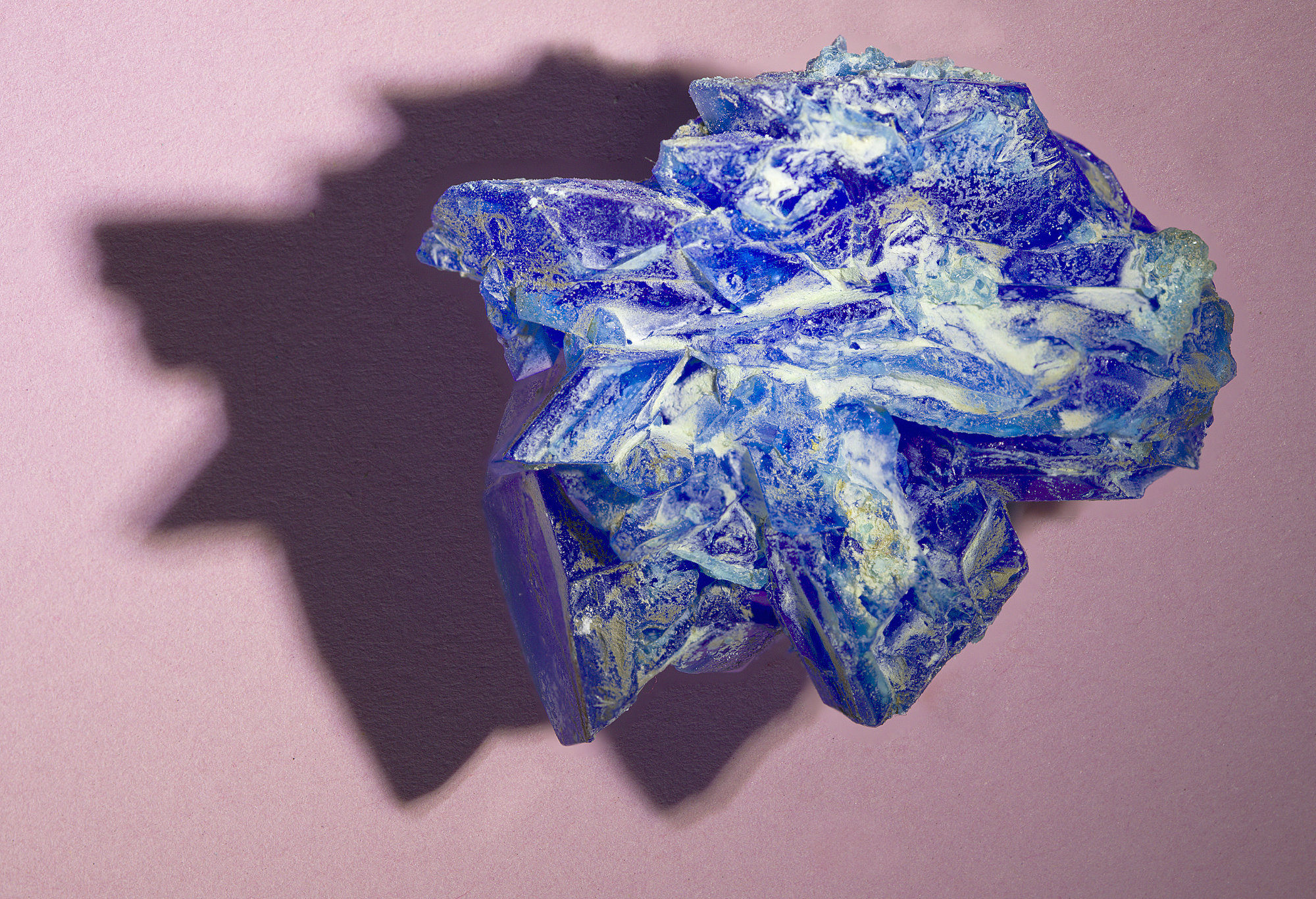
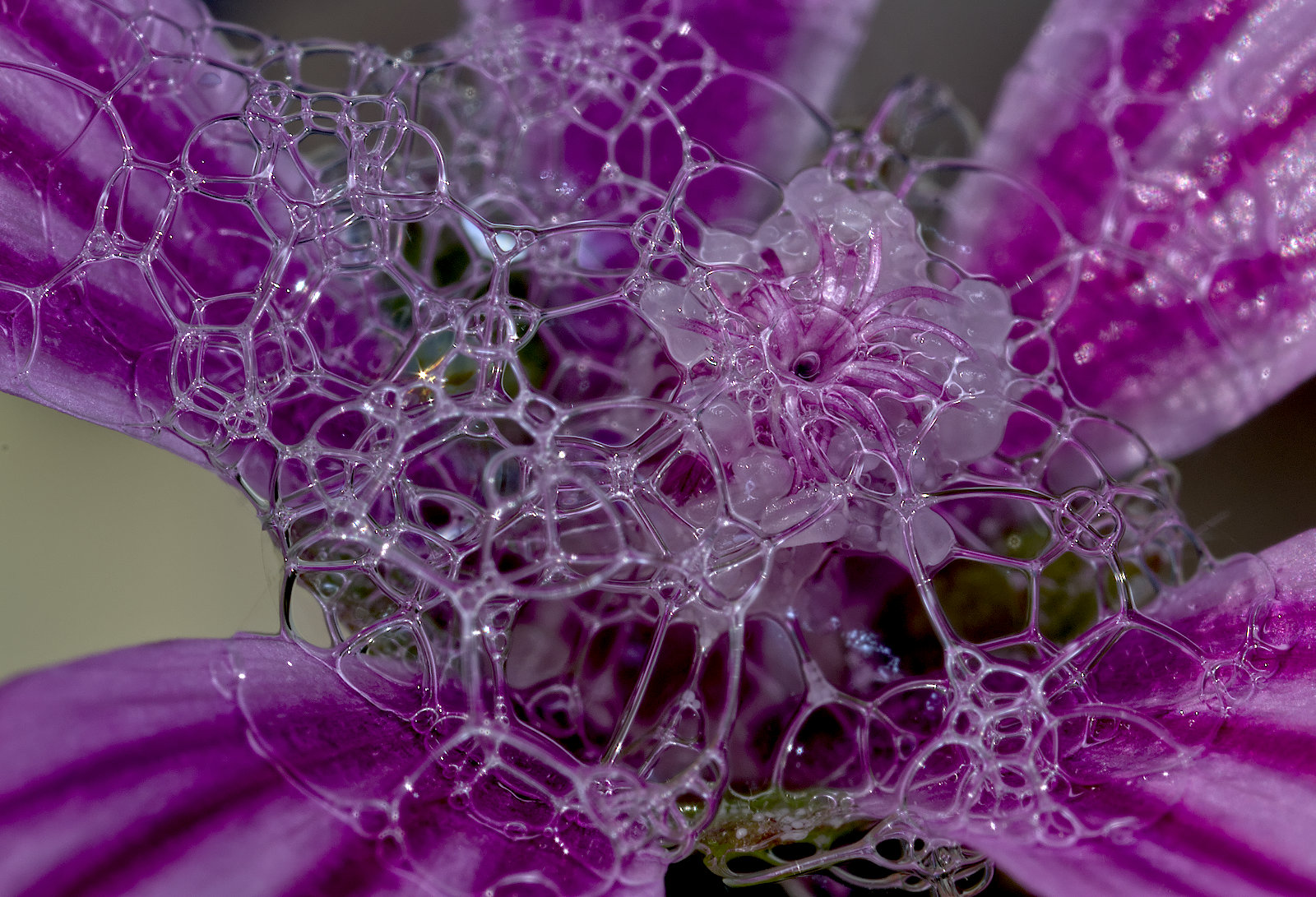
I'd never heard of this technique before. There's quite a bit about it in the internet, eg https://www.sciencefun.org/kidszone/experiments/milk-art/
I can see that there's unlimited opportunity to getabstract patterns this way. I like this one. I might be tempted to mess with it in post. How about .... |
Feb 12th |
 |
| 95 |
Feb 25 |
Reply |
It's pretty nippy here too!
Reversing a prime lens to act as a high-quality "close up filter" used to be a standard technique before proper macro lenses came along. What you can get (in terms of magnification and quality) depends entirely on the lenses used of course. But they are all fiddly to use and usually only give one magnification (focus distance) (even if you use a zoom lens) so they don't hold a candle to a proper macro lens, in my view. We are lucky, our Olympus macro lenses go up to 2x magnification (for the 90mm one), which you can argue is 4x for practical macro comparison (see my argument above). I never got close to that with a reversed lens. |
Feb 10th |
| 95 |
Feb 25 |
Reply |
Thanks!
Your question is an interesting one. It surprises me that nearly all of my cameras didn't record the magnification in the EXIF file (do you know what that is and how to read it?). They bung everything under the sun in there, but not magnification, even when coupled to a macro lens. Seems daft to me, but there we are. The only exception in my experience was my Canon M50ii when my Canon MP-E lens was being used. Some EXIFs show the focus distance, which can be used to infer the magnification. Have a look in your camera's EXIF, you might be surprised.
So what do we do if this fails? Measuring the focus distance when you take the picture is one option, but it's not very convenient or even accurate with modern lenses.
Another is knowing the size of your subject, and relating that to your sensor size. So if you fill the frame length with a 36mm long object in a full frame camera, since the sensor is 36mm x 24mm, then you have 36 / 36 = 1x magnification. If you fill the frame length with a 72mm long object, you have 36 / 72 = 0.5x magnification.
Years ago, when messing with combinations of lenses, extension tubes, teleconverters etc, I realised that the latter method is most practical. But an easier way to do it was to make some what I call "macro magnification targets". These are printed, and contain a ruler scale of mm, and the corrsponding magnification. In optics, magnification is simply the object size (what you are photographing) divided by the image size (how big it appears on the sensor). So we need a different target for each sensor size. I have targets for full frame, APS-C, and micro 4/3. I think I'll send these to all group members by email as I don't think I can send files via the DD system. All you do is select the right one for you, then print it on A4. Then check that the mm scale is correct using a ruler. Then you are good to go. Focus on the target, with the camera directly above the target (ie not slanted), then move the camera until the "0" on the magnification scale is on the left edge of the long side of your screen or viewfinder, then the magnification is the last number you can see on the right hand side. Easy! Not something I would do every time, but it's useful in getting the feel of what a particular distance / setting gives you.
Note that these are true magnifications, as defined above. I've always asserted that for, say, micro 4/3, which has a sensor of 18mm x 12mm, it's "unfair" to make such cameras get "twice as close" to their subject to be considered as macro, if you define macro as 1x magnification and above. Similarly for APS-C. So I say "macro is filling the frame with an object 36mm long". By the focussing target, this is 0.5x magnification for micro 4/3, about 0.7x to 0.8x for APS-C. (Nikon and Canon APS-C have slightly different sensor sizes.) But I don't split hairs, and as most macro lenses don't go beyond 1x magnification, anything in that region is good for our group I think. I'll attached the APS-C frame target here so you can see what I mean.
|
Feb 10th |
 |
| 95 |
Feb 25 |
Reply |
Yes, I agree. I've found that it's best to start closer than you think you need, and to go beyond your far focus point, if possible, as missing the first one in particular makes the bracket scrap. |
Feb 9th |
| 95 |
Feb 25 |
Reply |
It's not cheap, but it looks very useful to me. Mind you, it is cheap compared to a new camera! |
Feb 9th |
| 95 |
Feb 25 |
Comment |
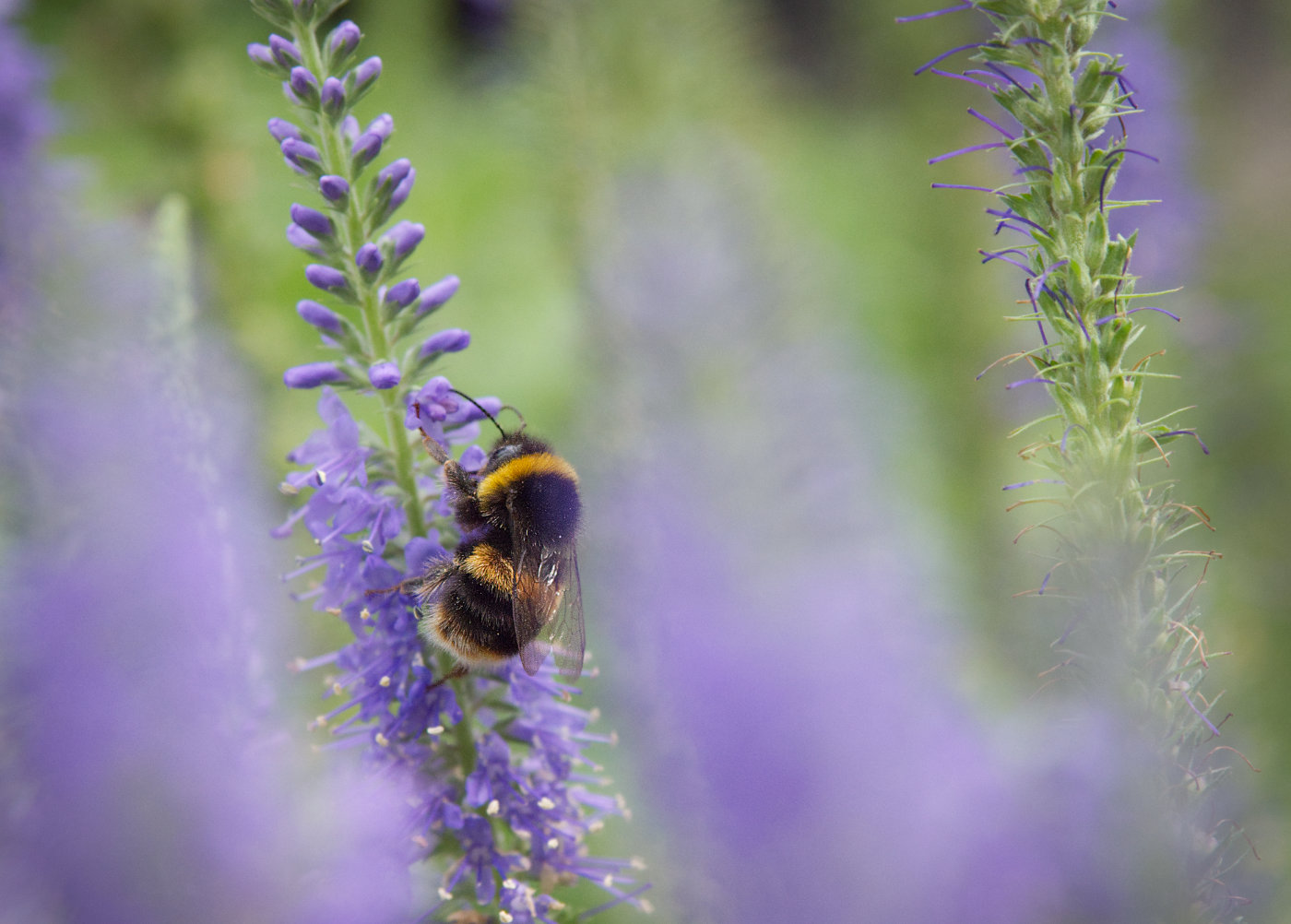
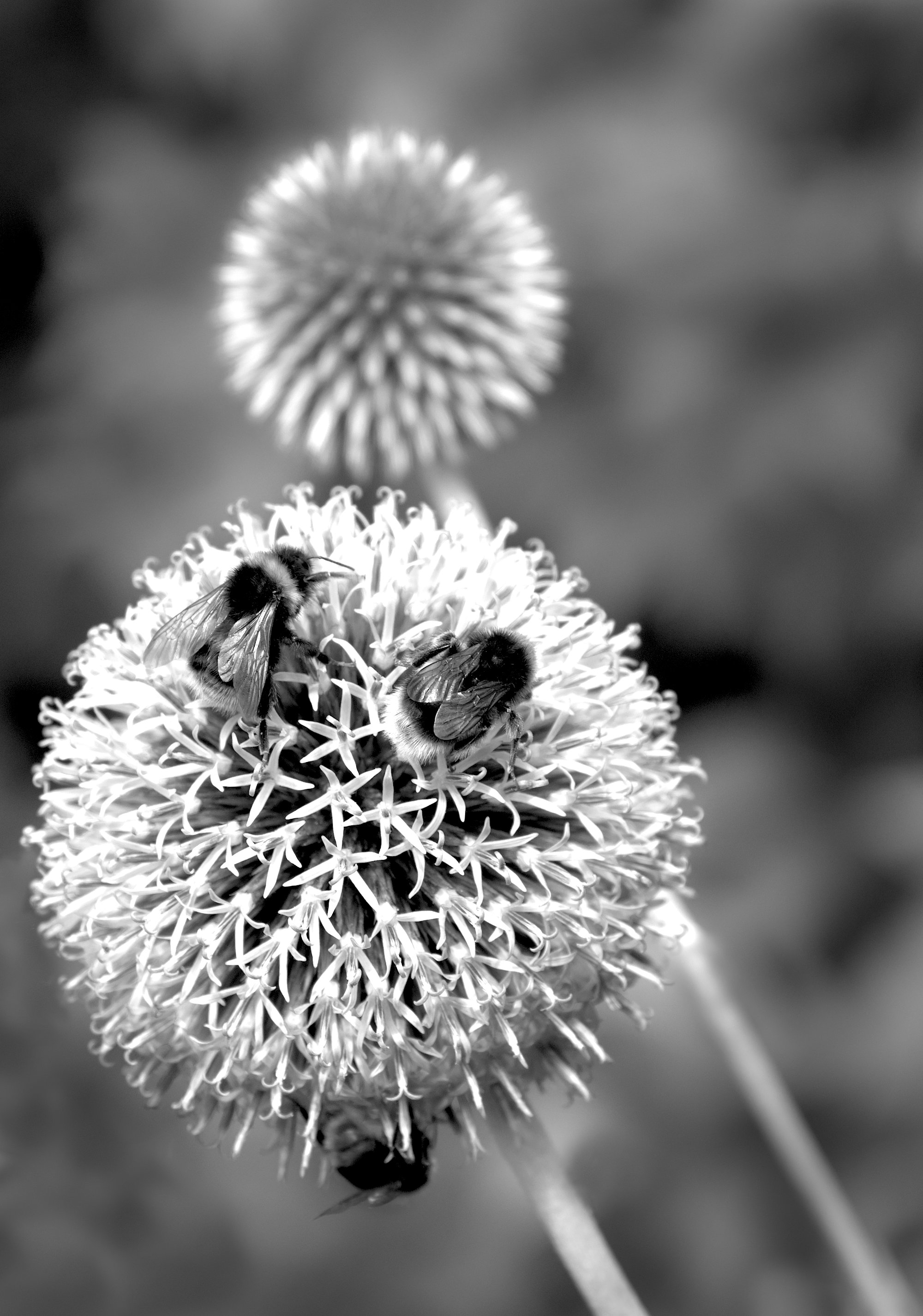
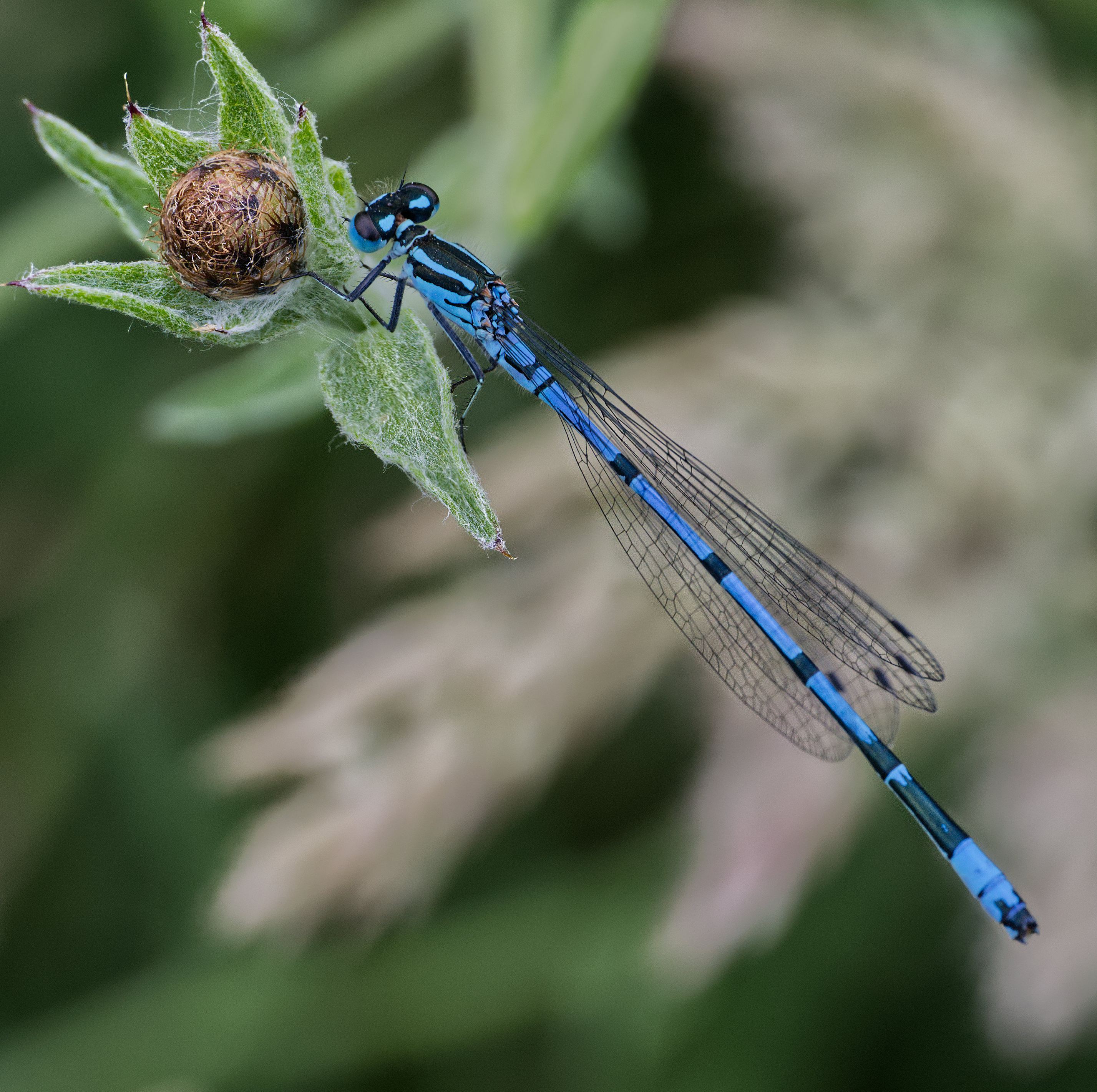
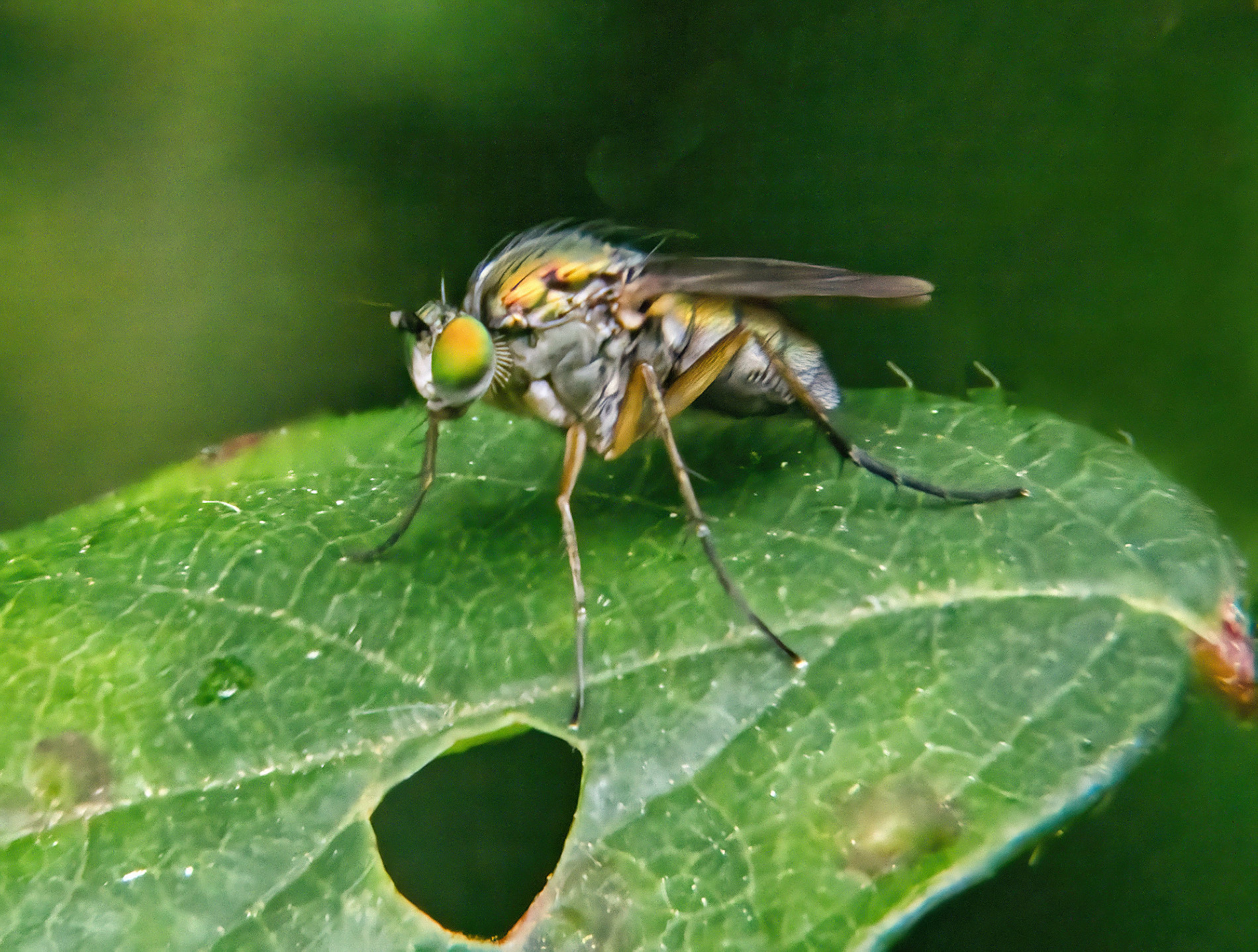
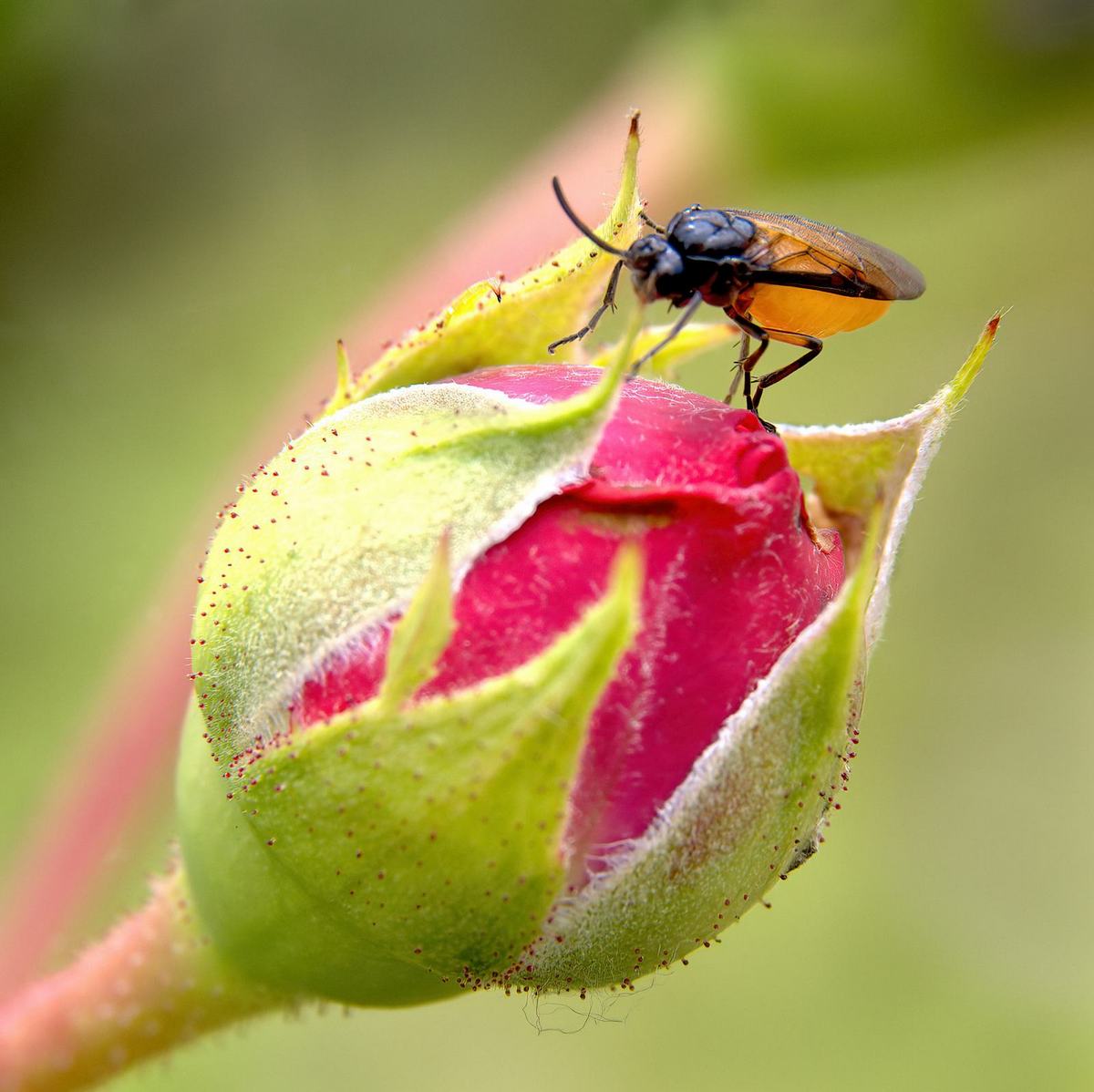
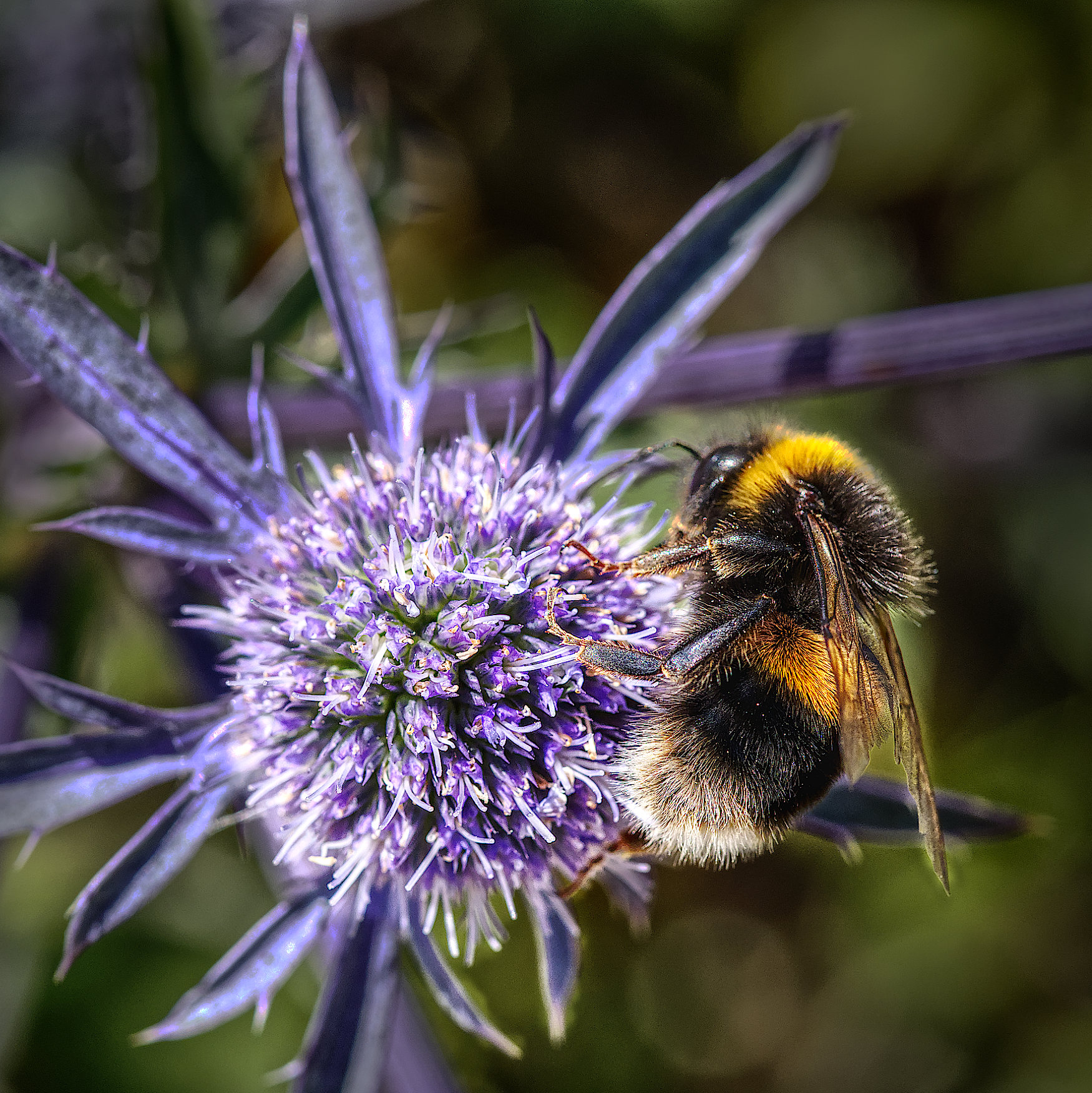
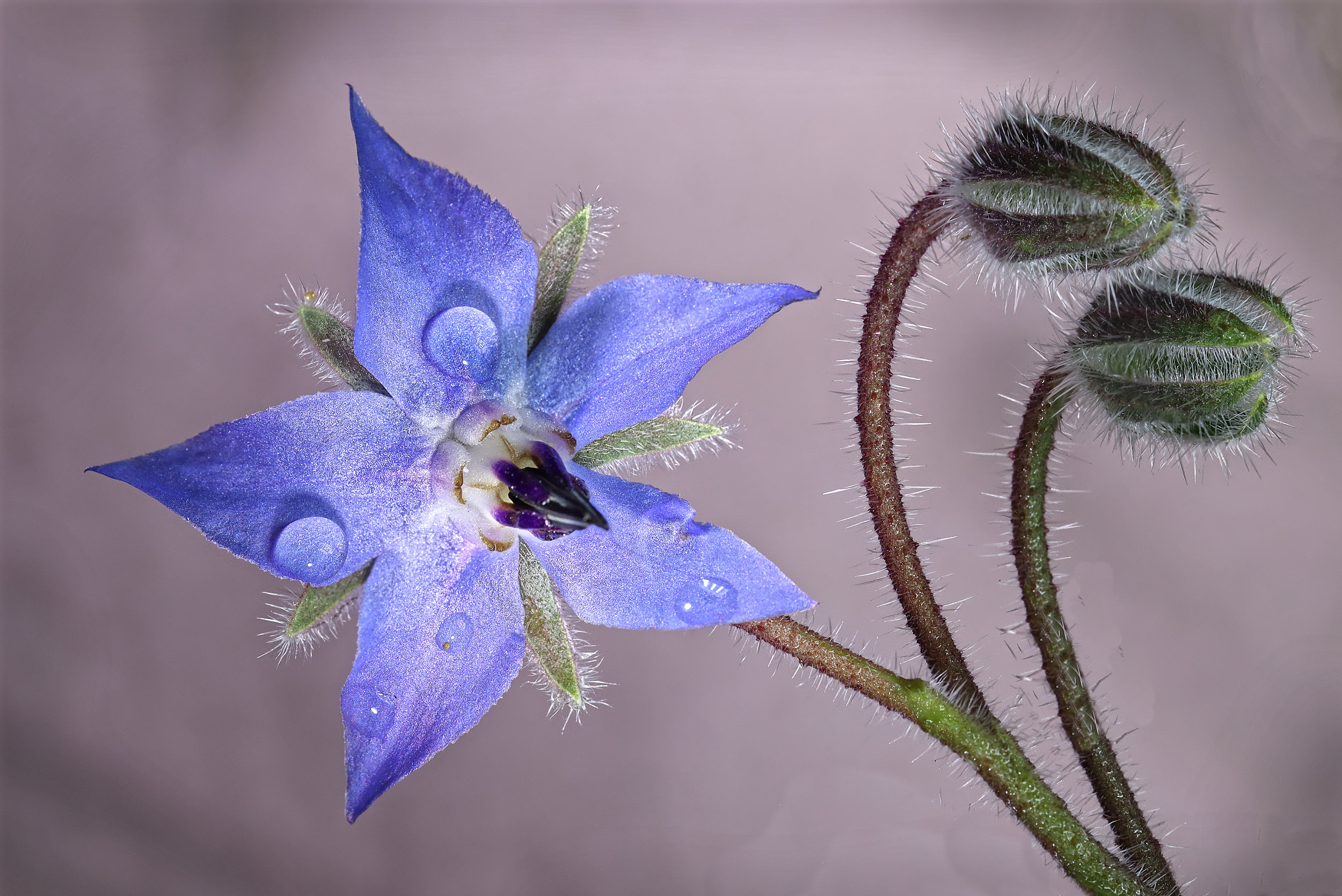
It's too small to be sure, but you could be right. Opening your image and zooming in to see the bug better, I noticed just how good the quality of your picture is.
I think I'd darken down the light areas below the buds a little. |
Feb 8th |
| 95 |
Feb 25 |
Comment |
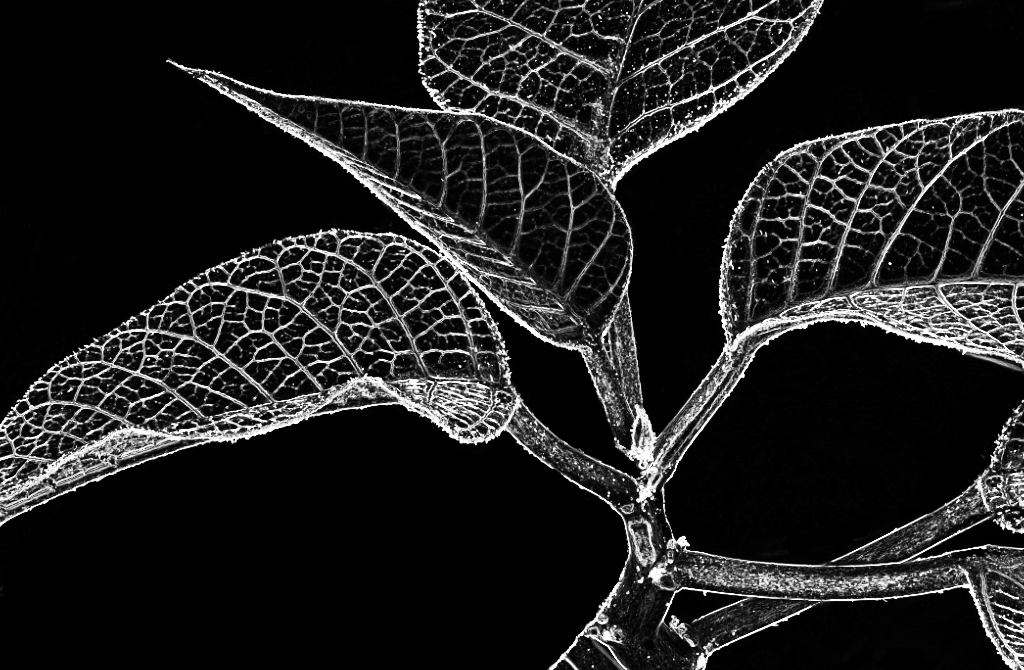
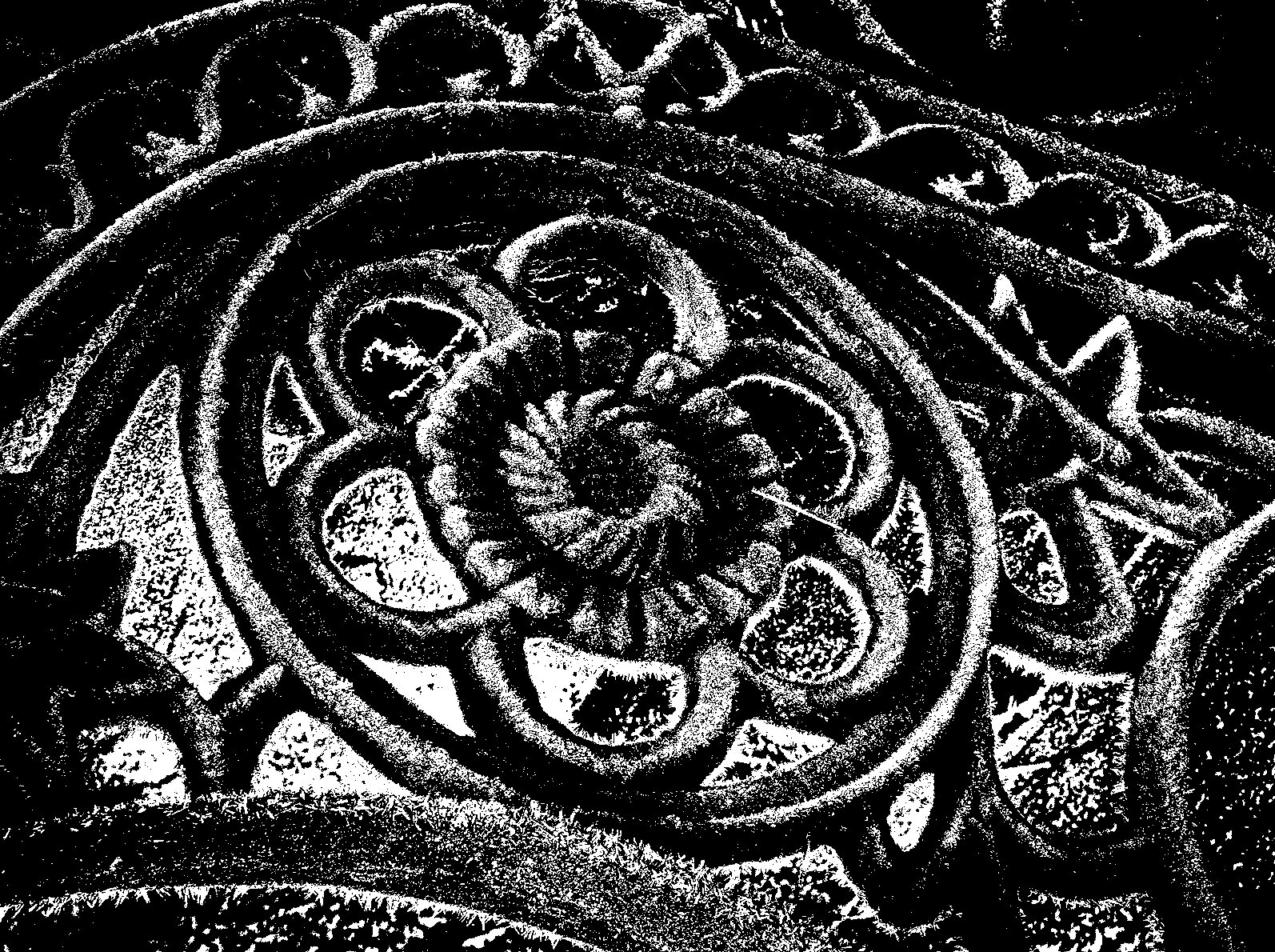
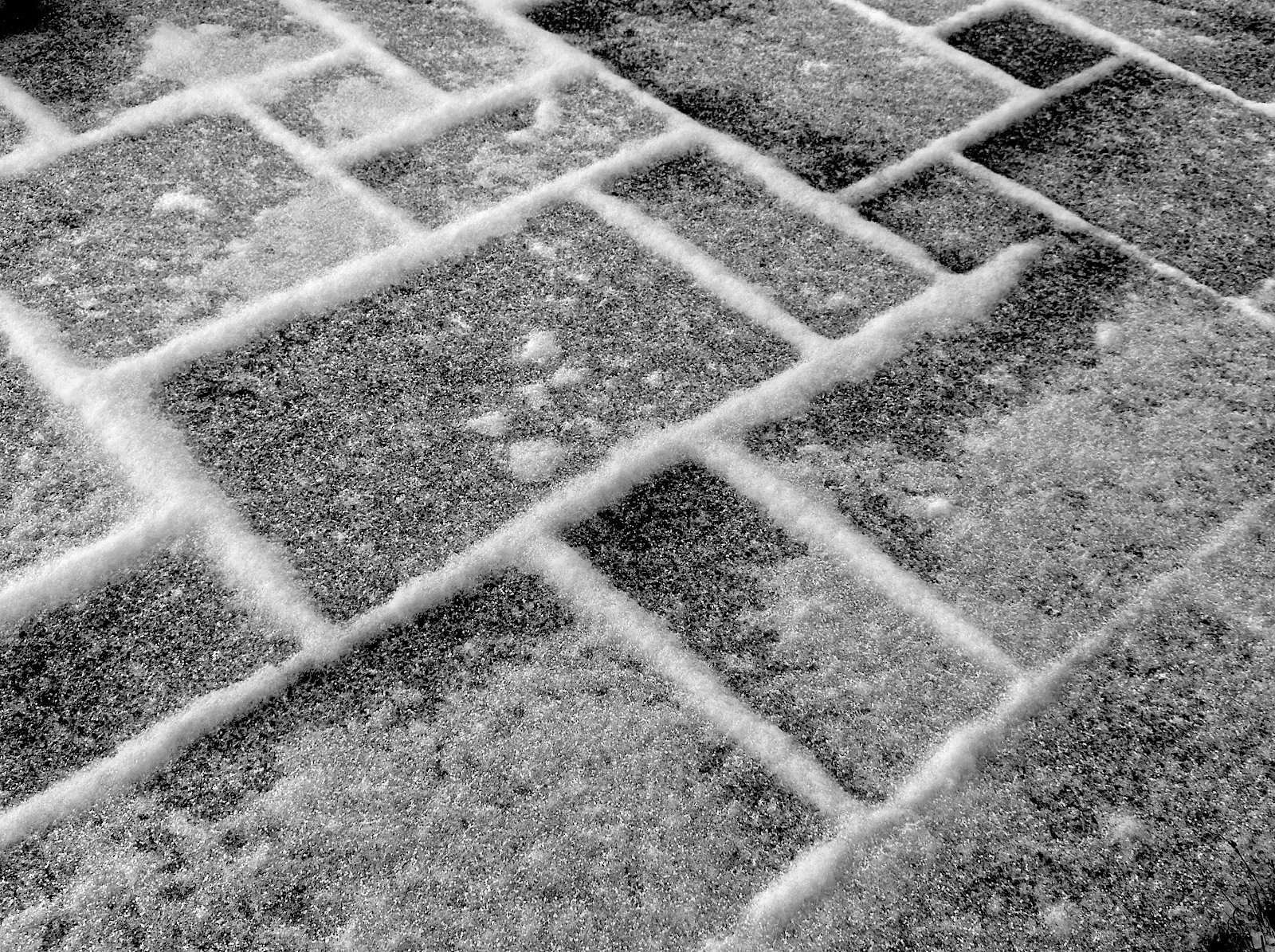
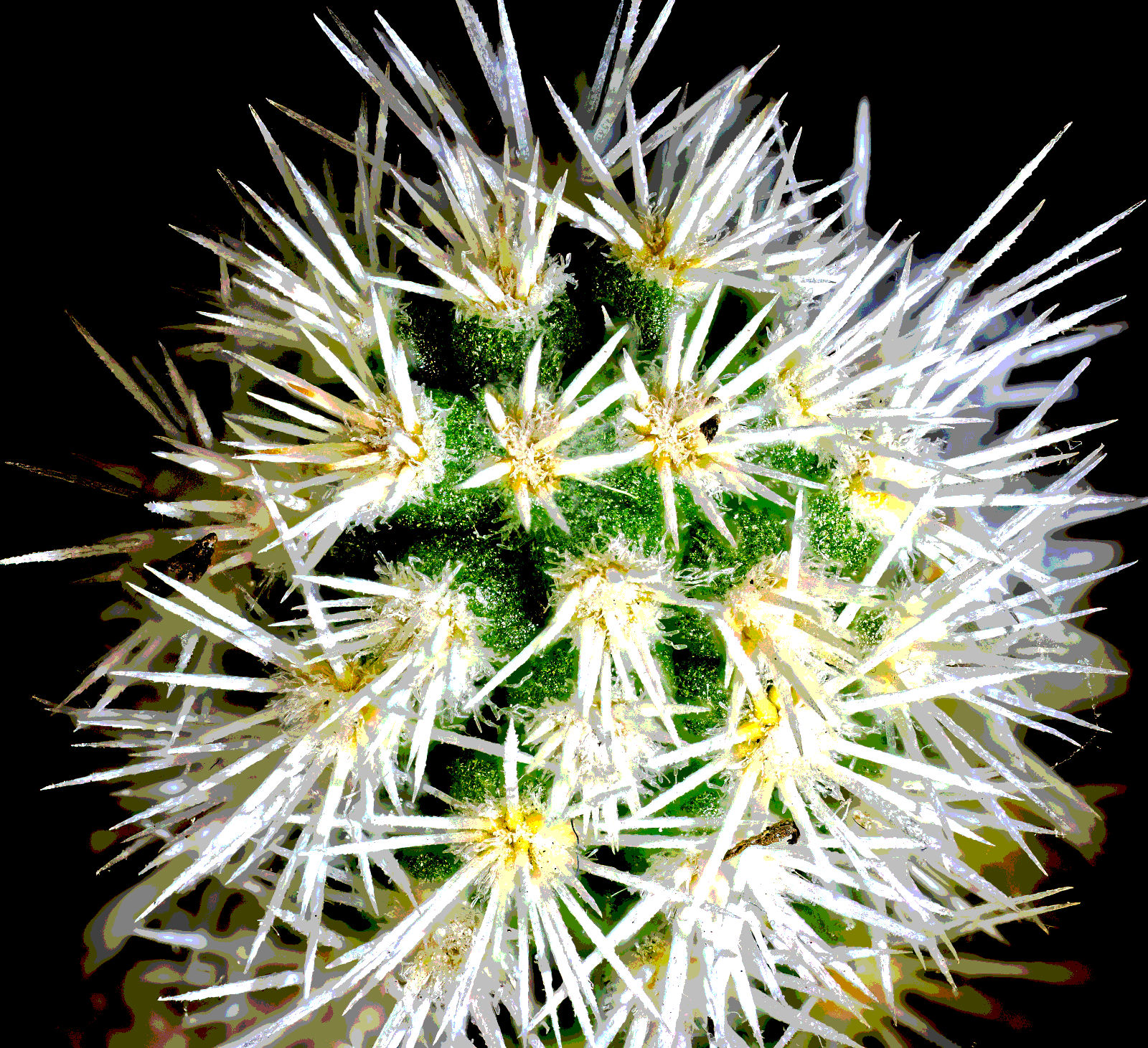
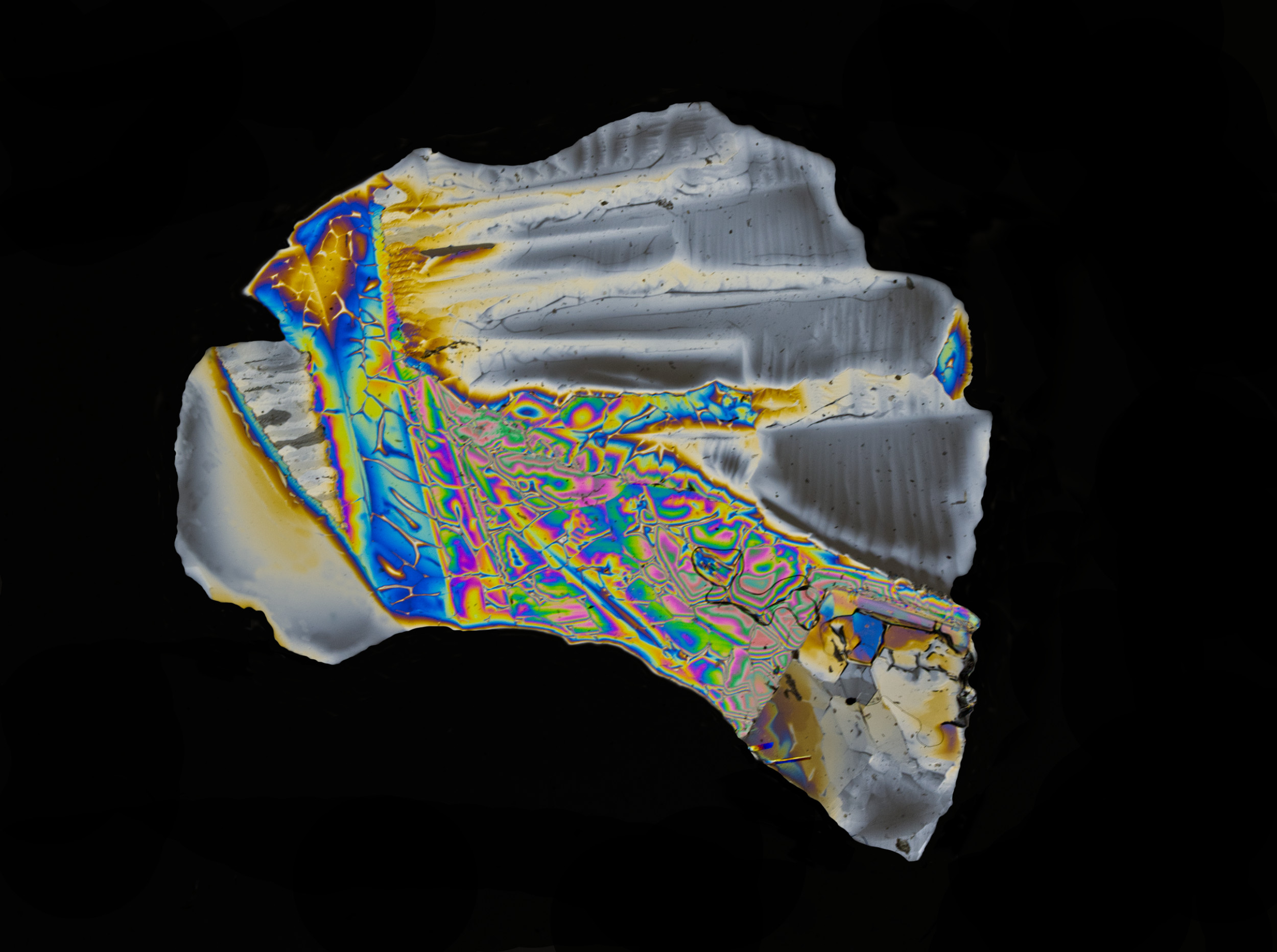
That's a very attractive pattern, John, which could be any size at all. I like the sharpness and the symmetry.
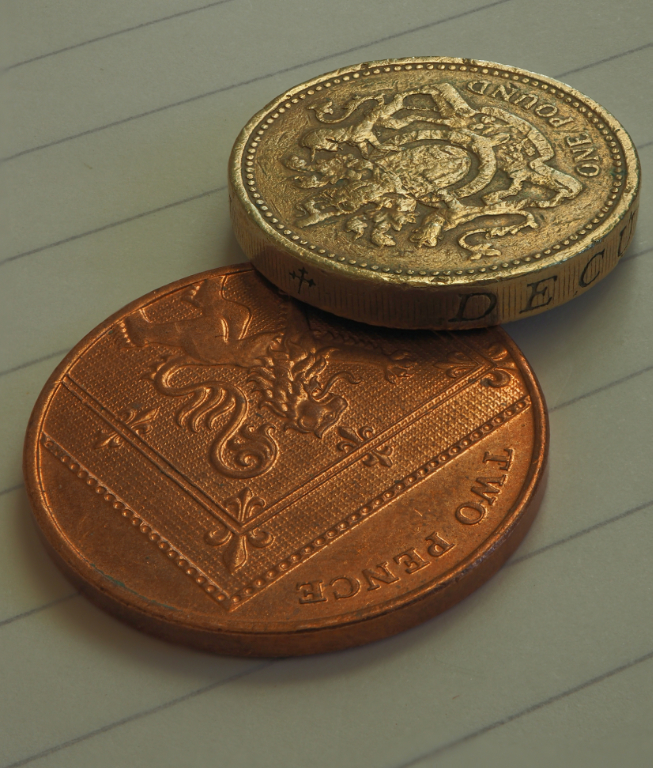
Corning are masters of small glass things, I visited a factory over here some years ago where they made optical fibres that are only 125 microns (0.005 inches) diameter and have a core of 10 microns (0.0004 inches) diameter! Well beyond macro range to photograph. But they don't have interesting patterns like this!
I guess this didn't have any colour in it. It makes a nice mono image. There is a good spread of shades of grey.
Being symmetrical, I like to look at the corners and see how exactly symmetrical it is. There's a slight amount of difference there, but it doesn't detract for me.
|
Feb 8th |
| 95 |
Feb 25 |
Comment |
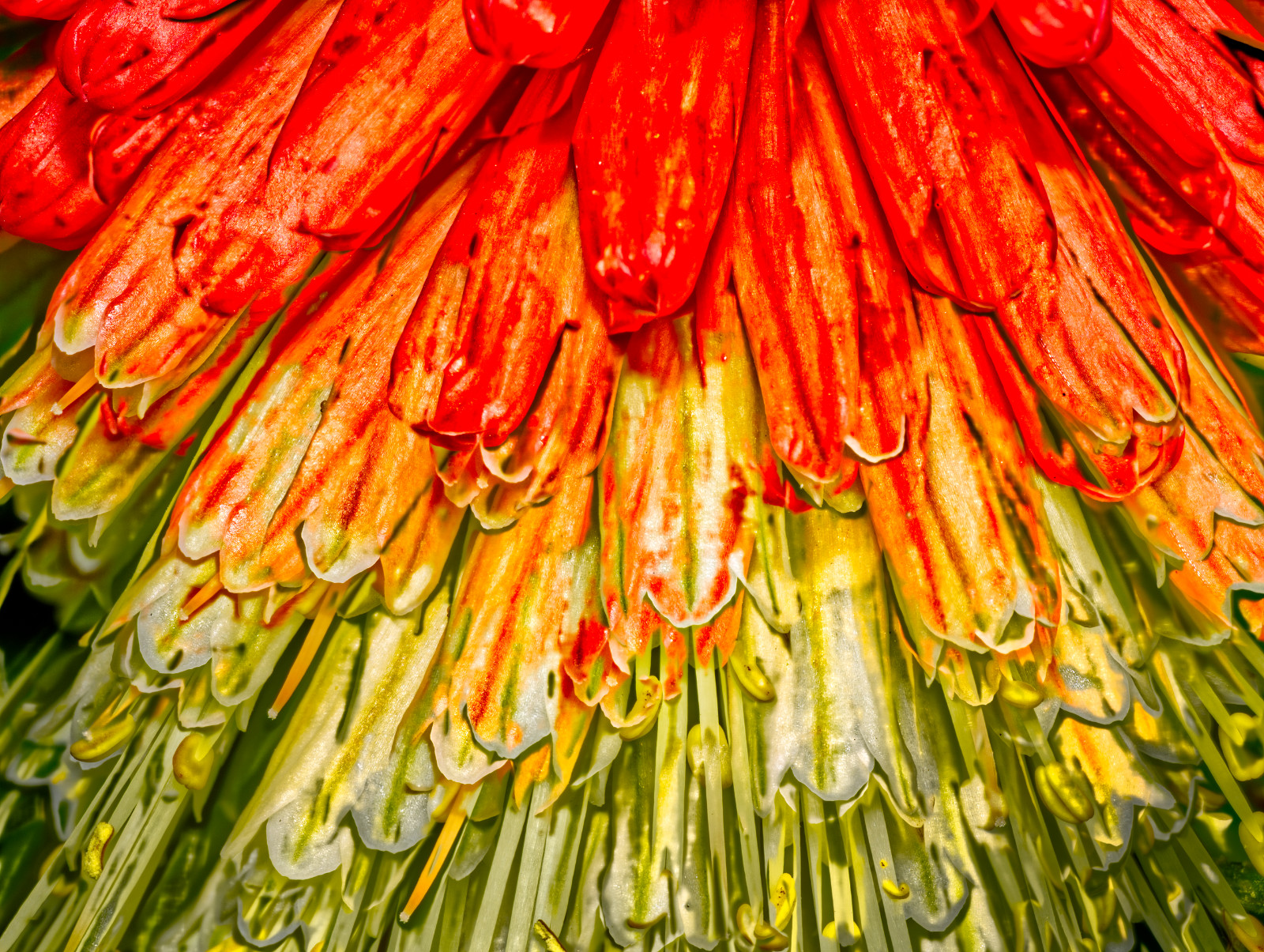
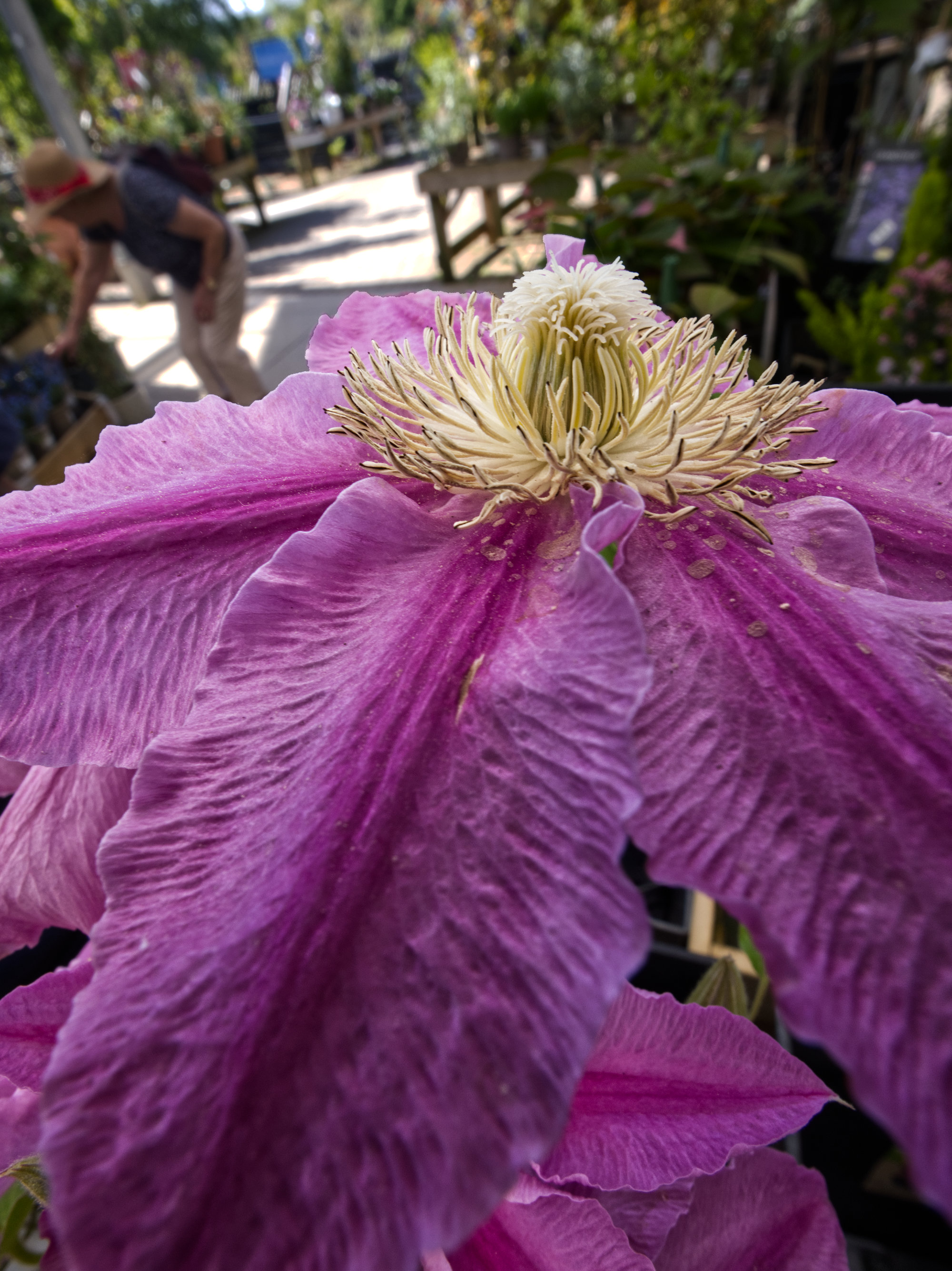
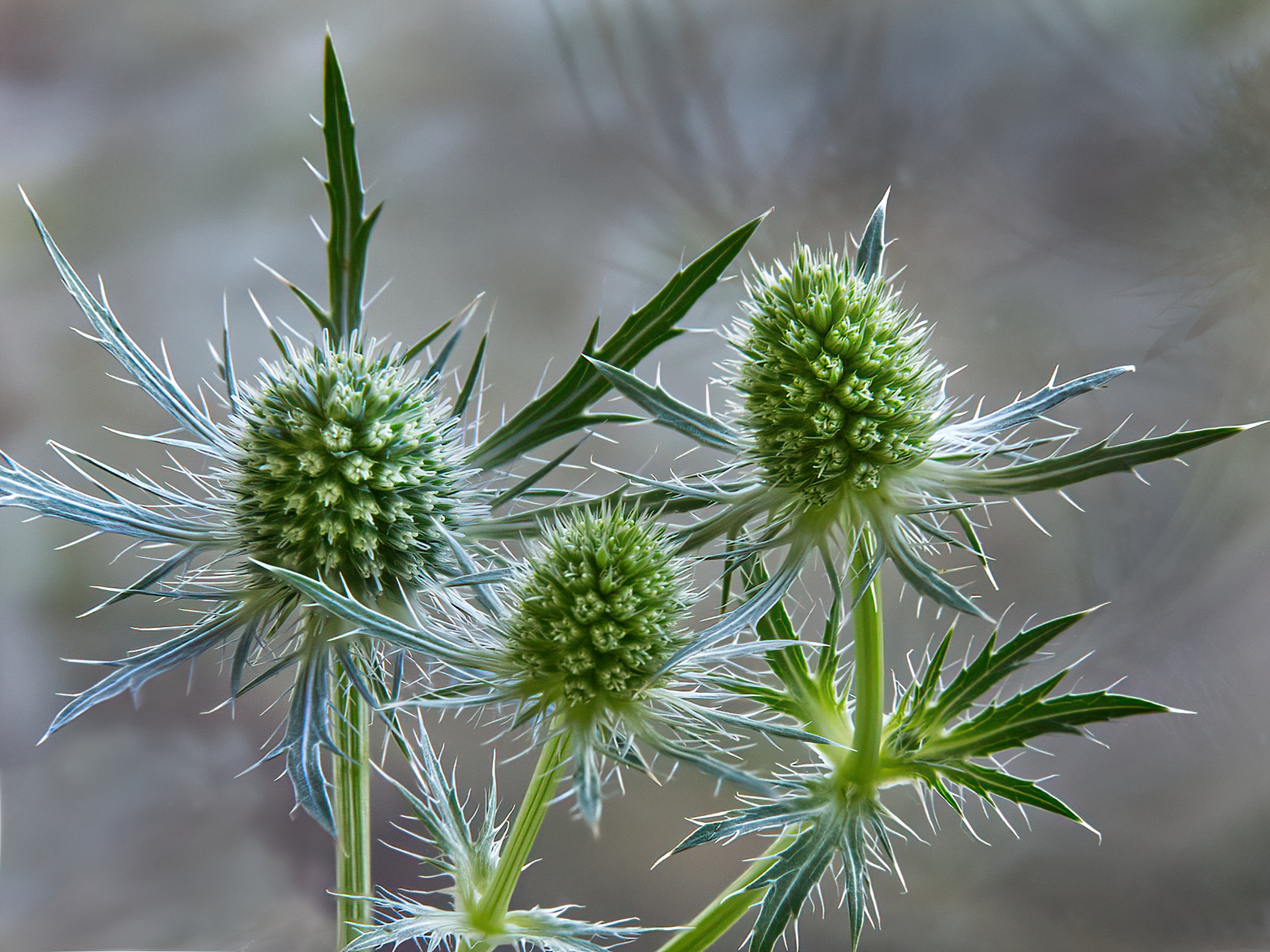
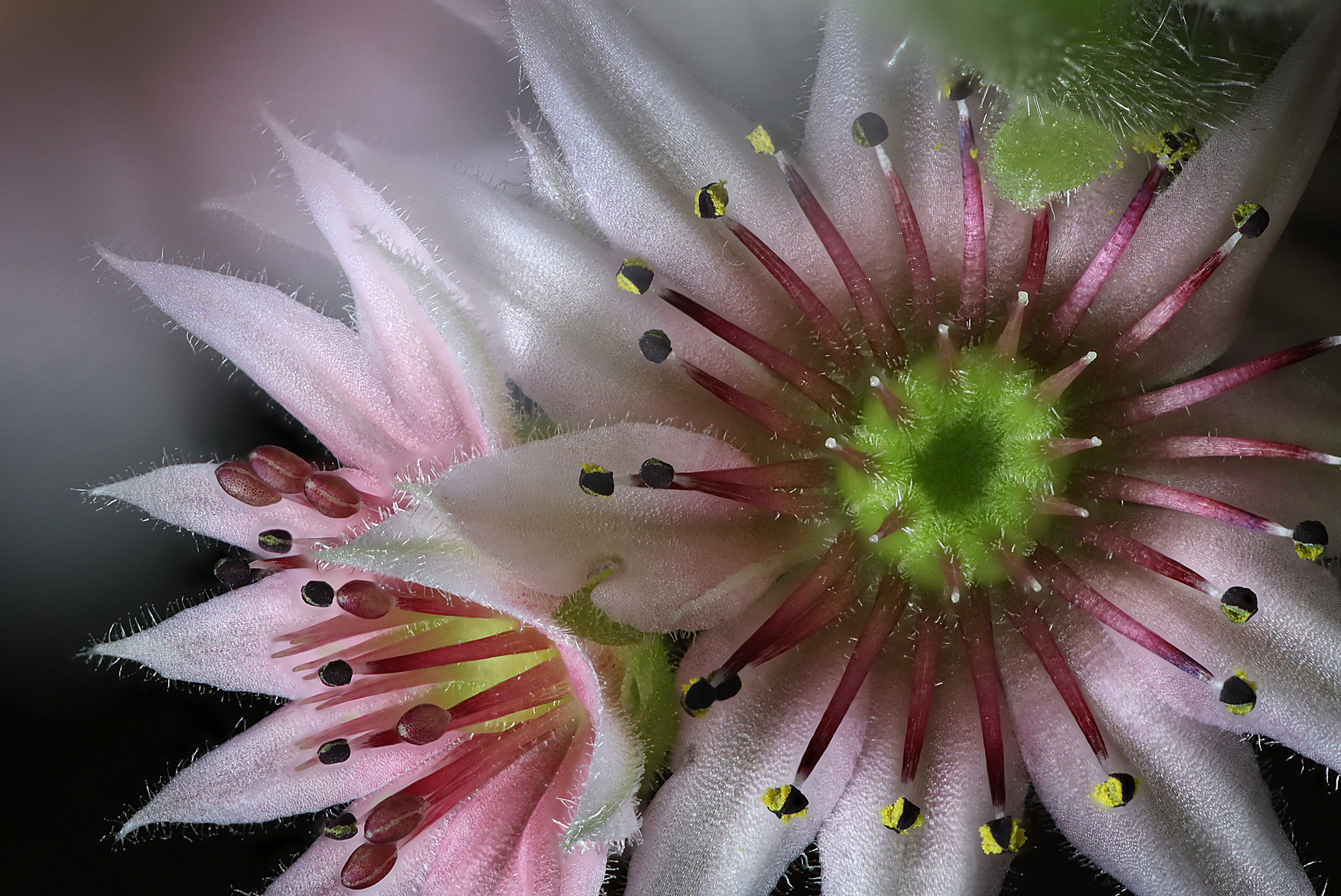
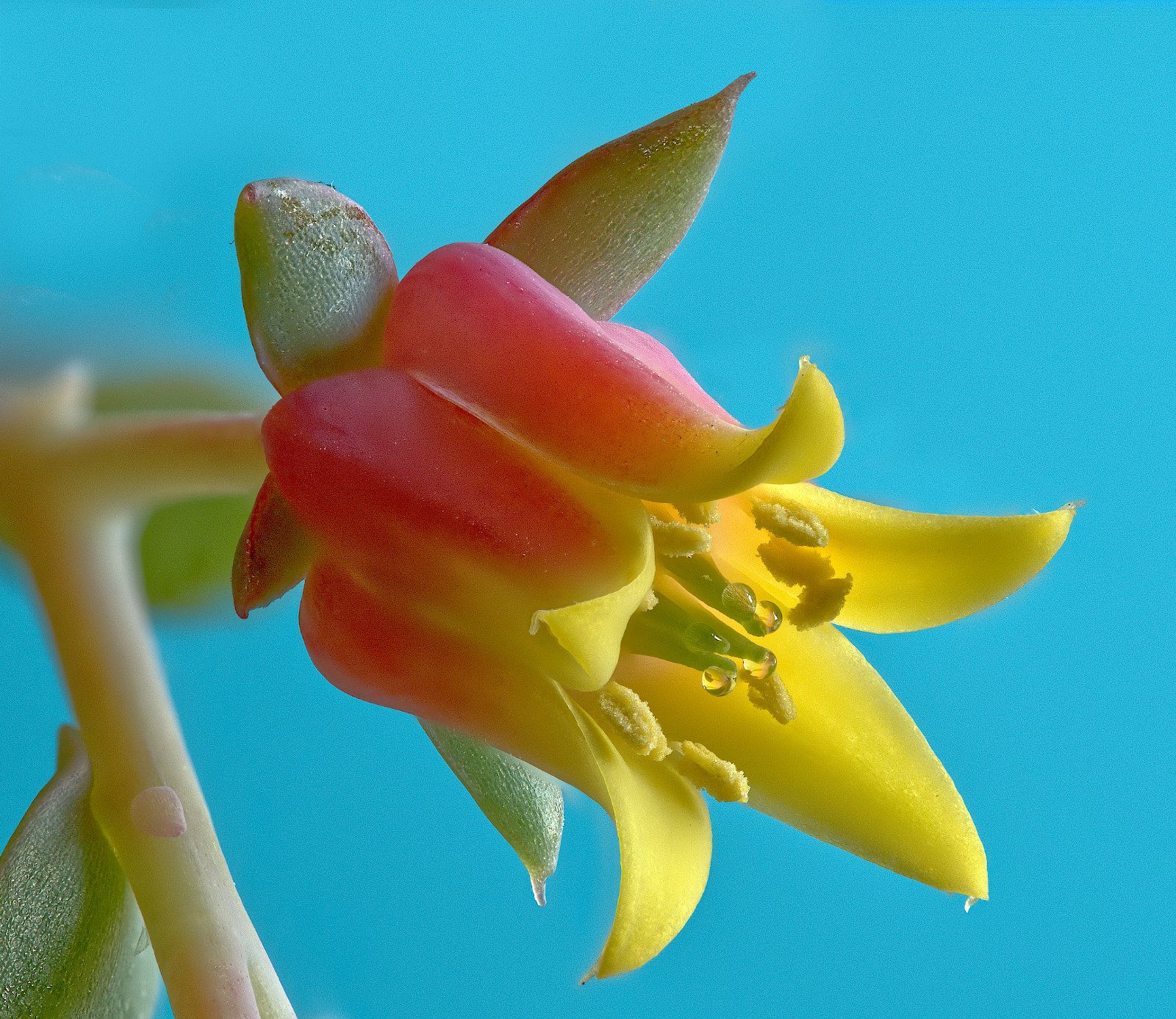
That's a nice photo, Gloria. Thanks also for your supporting images, they put it in context for those of us who have never been there.
I do think you have captured a lot of detail which is what makes this photo so interesting. As usual, a smartphone does a great job, and it often makes me wonder how they manage it. There's good detail, sharpness and colour there.
I don't know how easy you find it to hold the phone - it's always my bugbear when taking pictures with my Pixel phone. But there's an amazing holder for iphones that I've seen - the Fjorden grip. It nearly made me choose an iphone over the Pixel. If they bring one out for my phone I'll be buying one.
In terms of improvement, I can suggest nothing apart from perhaps a little more space on the right and top to make the flower less central.
|
Feb 8th |
4 comments - 4 replies for Group 95
|
11 comments - 7 replies Total
|