|
| Group |
Round |
C/R |
Comment |
Date |
Image |
| 64 |
Jan 25 |
Reply |
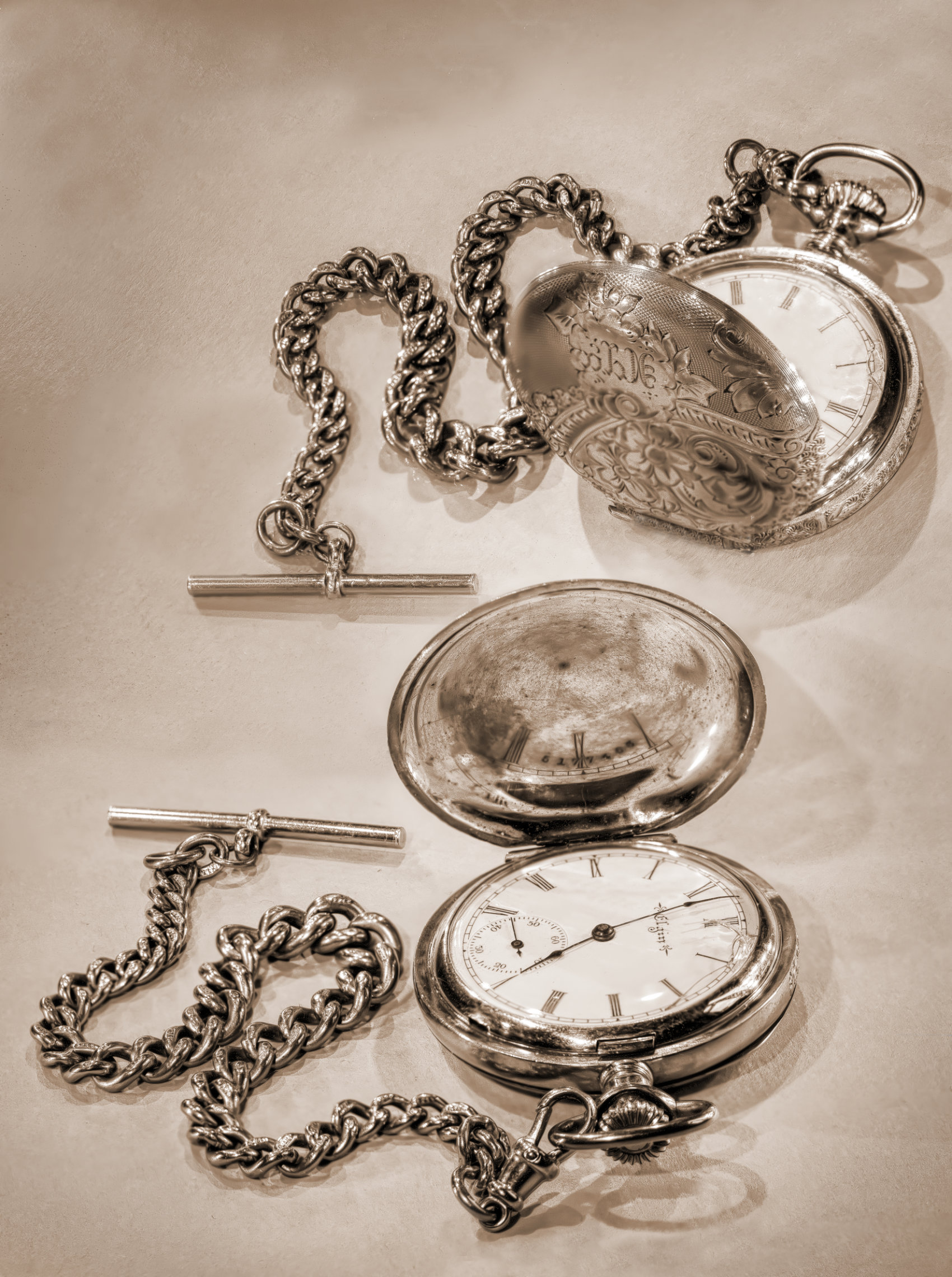
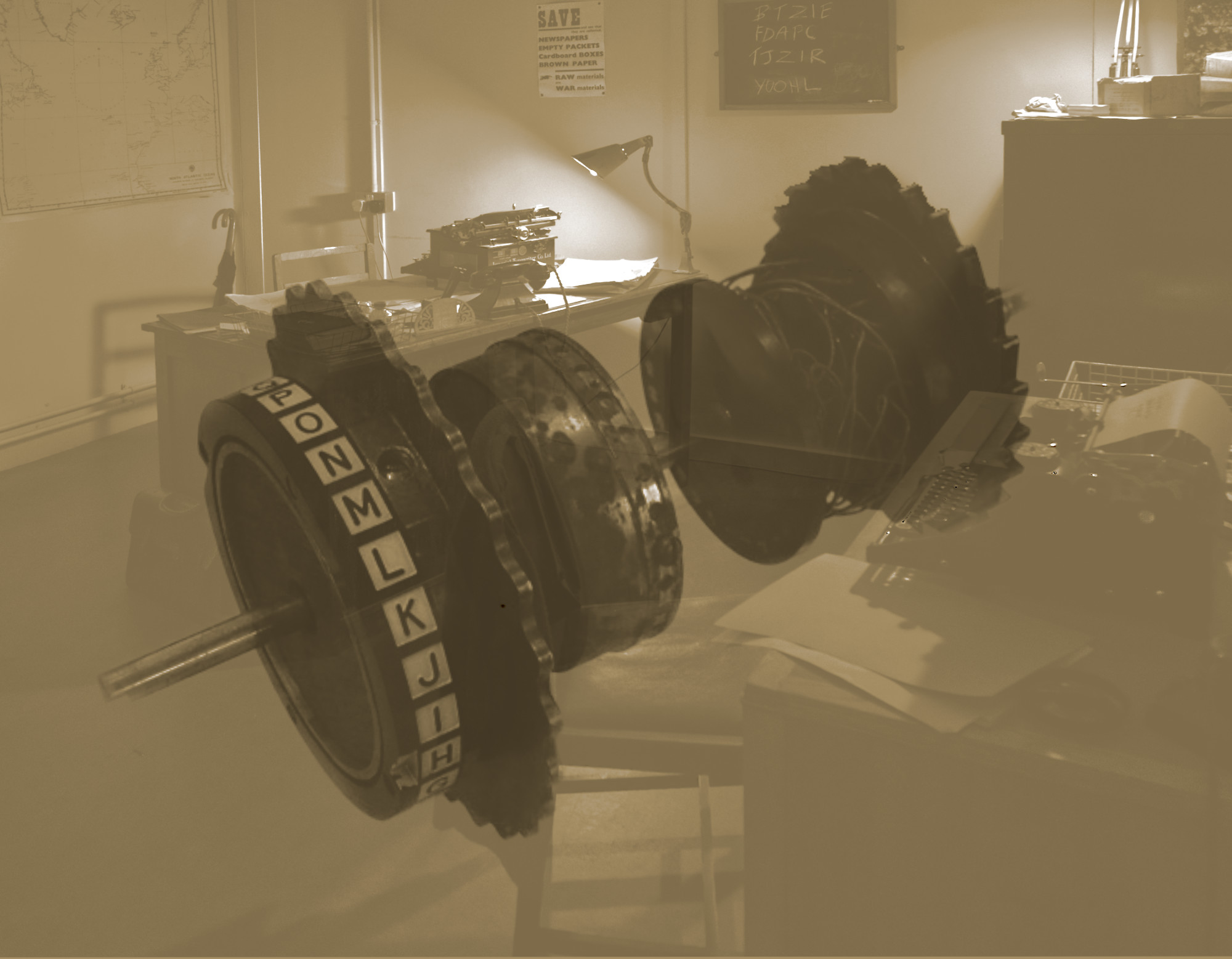
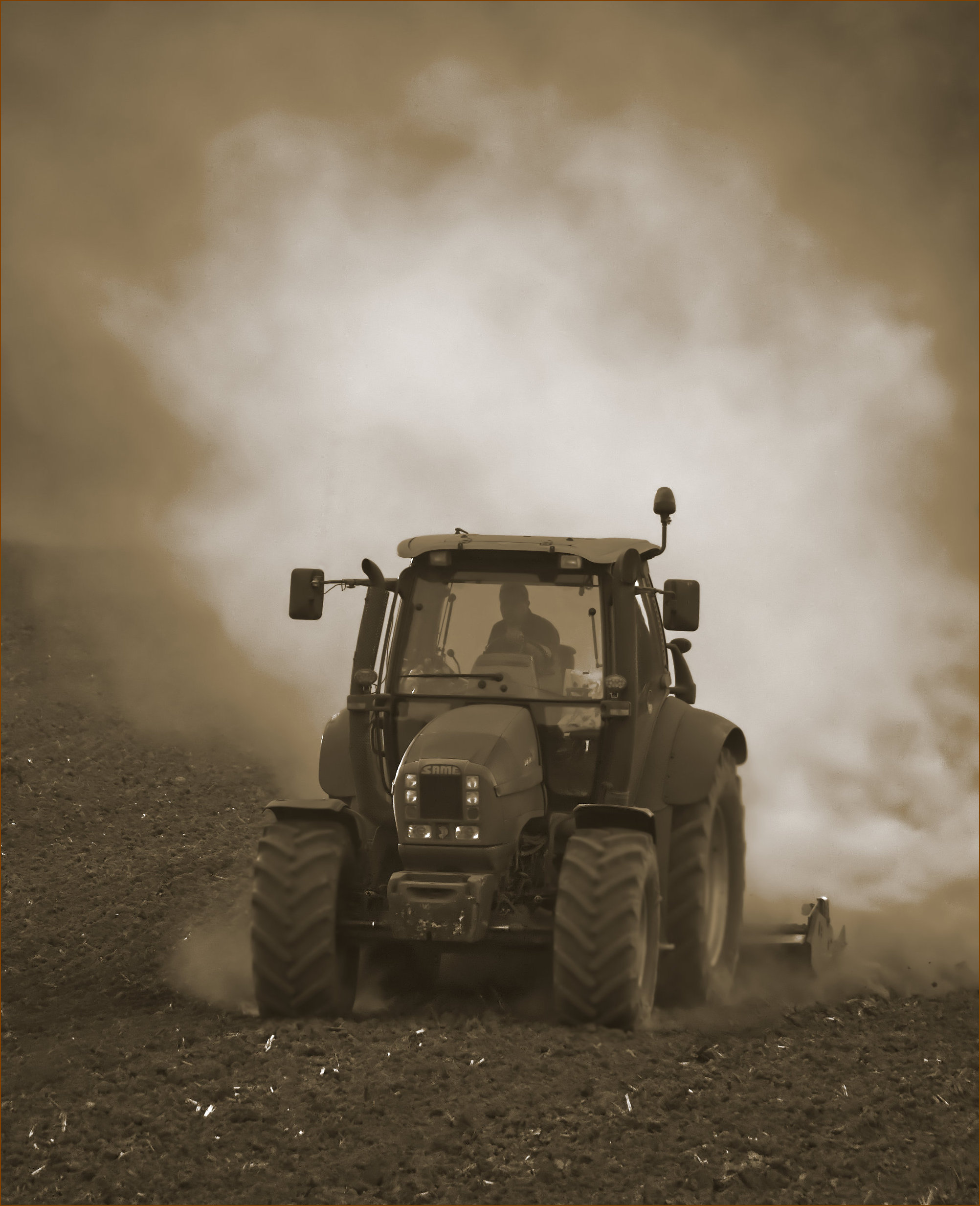
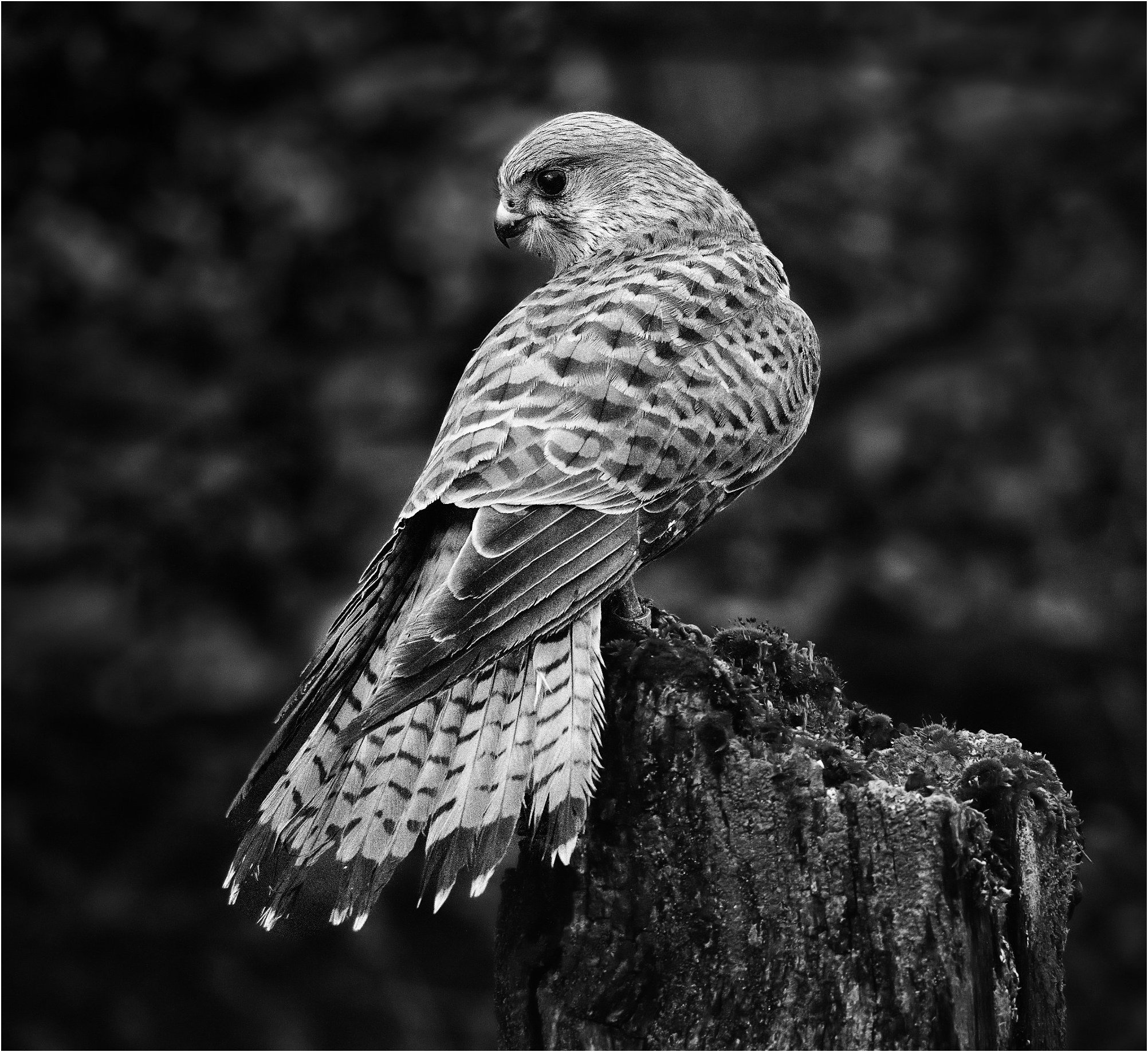
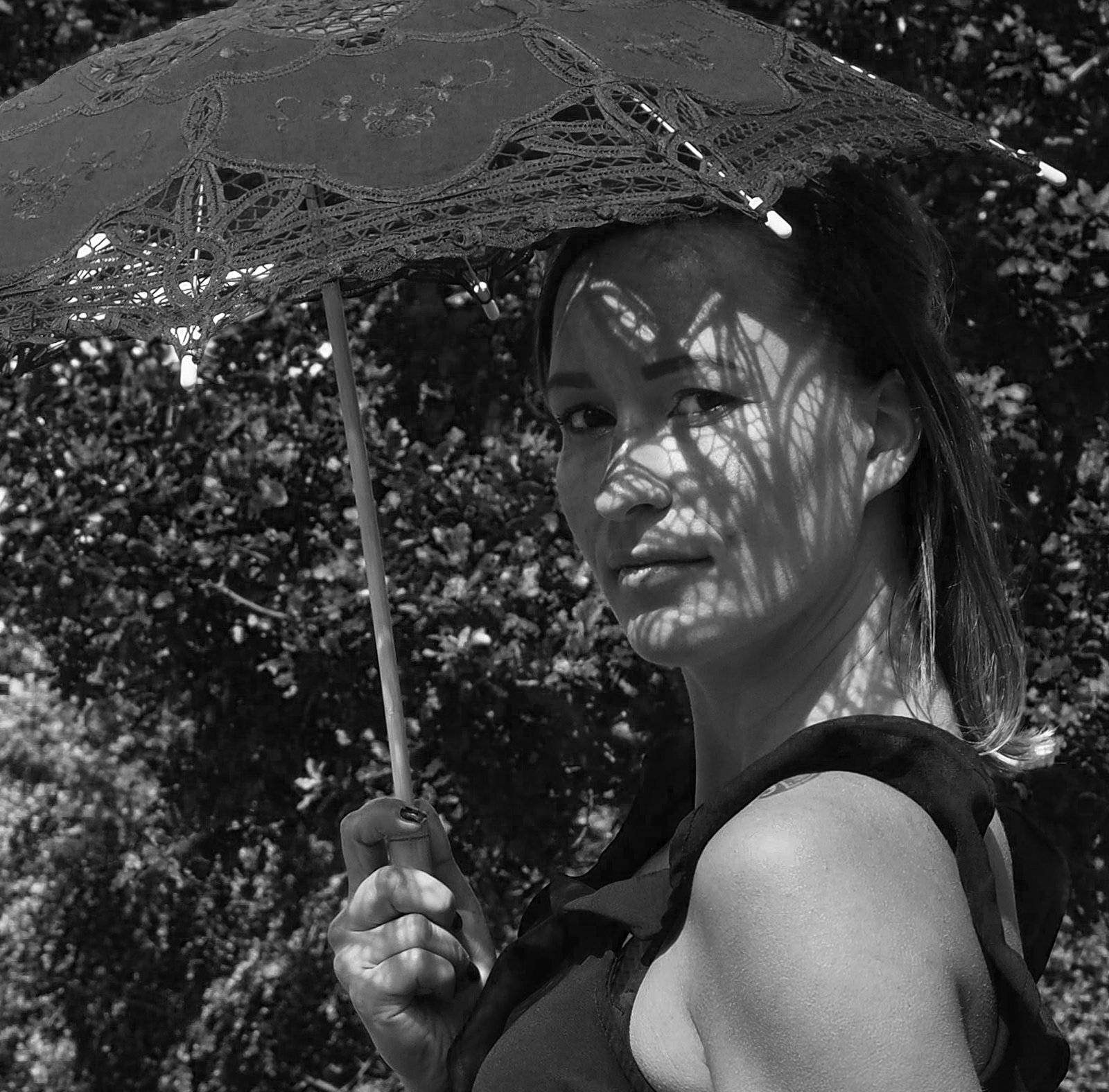
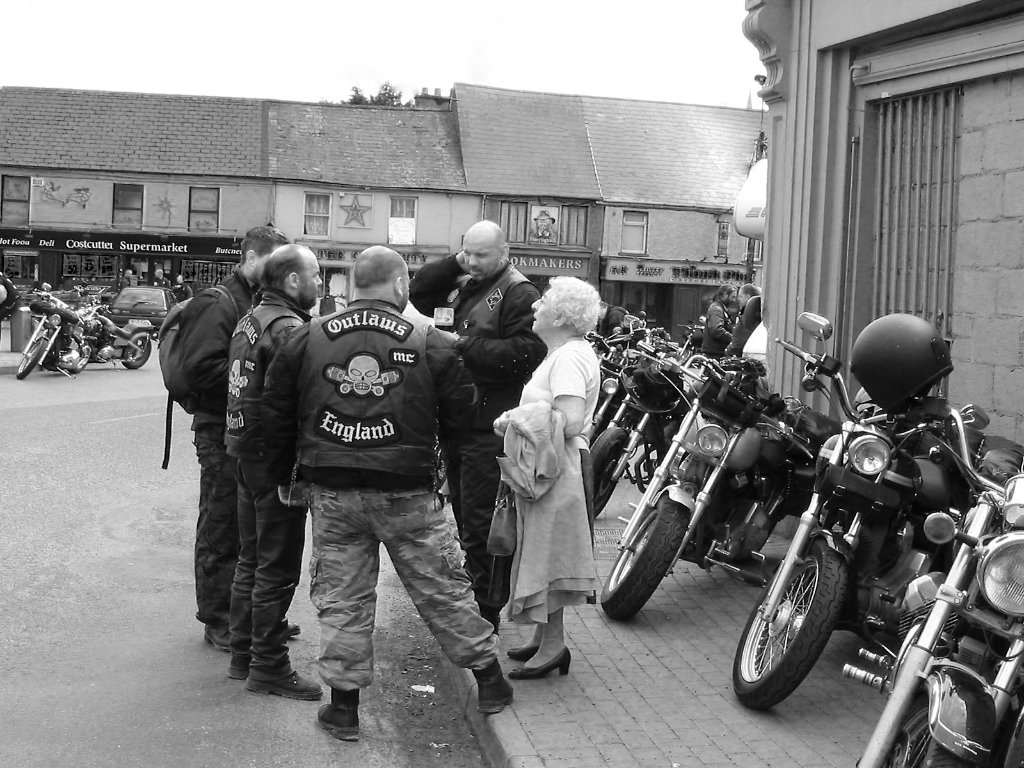
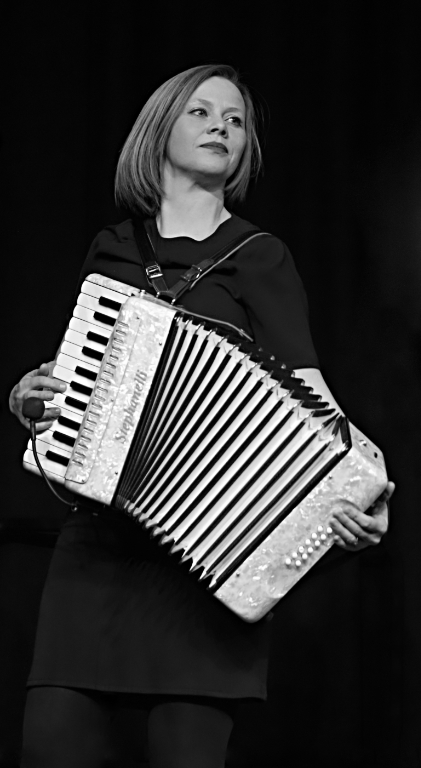
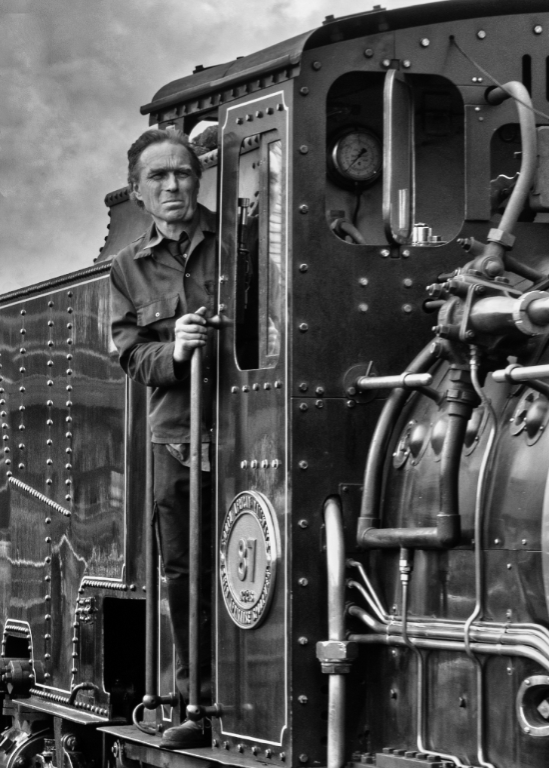
I used Tri-X as it had the most pronounced grain. Thinking about it now, I guess that by the time it came out, people weren't doing sepias? Is that the reason you wouldn't usethe combination,Stan? |
Jan 27th |
| 64 |
Jan 25 |
Reply |
Thanks, Jerry.
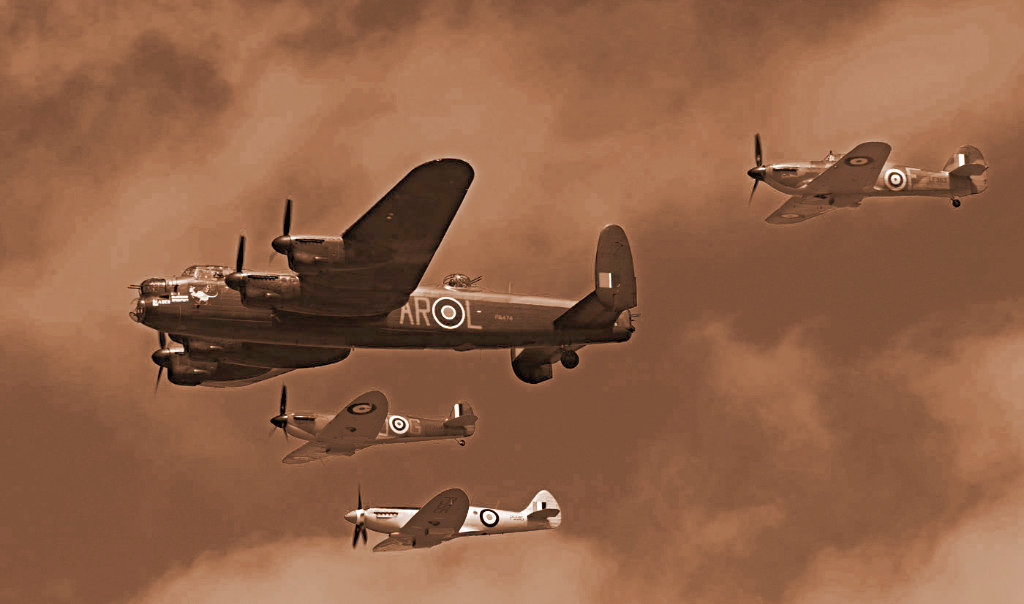
I don't suppose you've heard of him, but there was a photographer in Whitby (most of his life) called Frank Sutcliffe. He was born in 1853 I think, and build a photography business taking portraits in Whitby. But it was a hobby too and he took many photographs in that area. They were all sepia toned, I think. I came across him by chance when visiting Whitby a few years ago and went into the local museum. It turned out that they had bought all his plates and prints and the right to sell prints (quite cheaply). I bought a few prints, and a book of his life, and it gives a good insight of life with a humungous plate camera, and processing wet collodion, etc. Anyway, I have lots of examples of the results of his sepia toning, and try to replicate it.
I tried lots of different ways, but I now think that NIC Silver Efex does the best job I've seen. I'm glad you like it!
|
Jan 18th |
| 64 |
Jan 25 |
Comment |
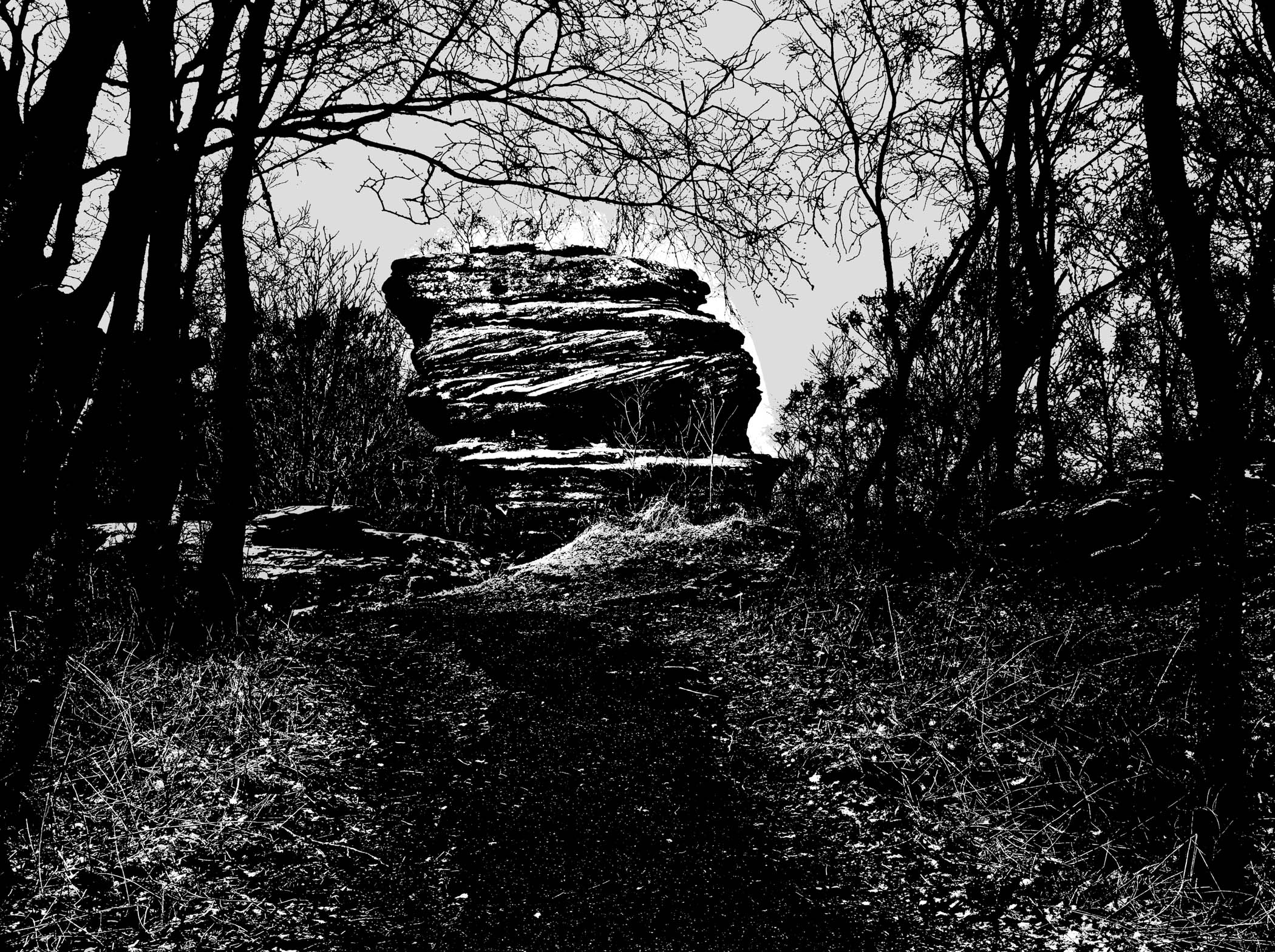
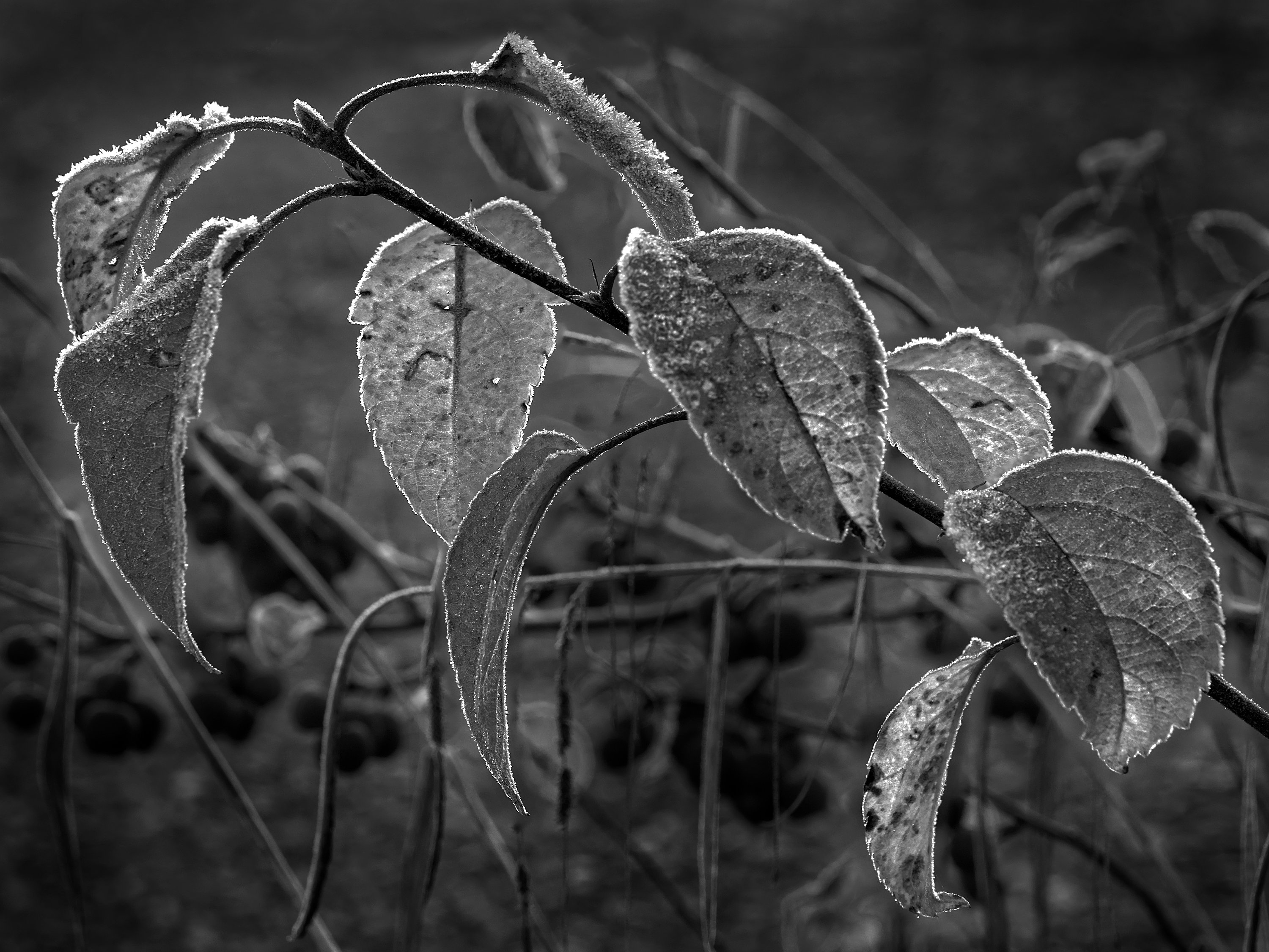
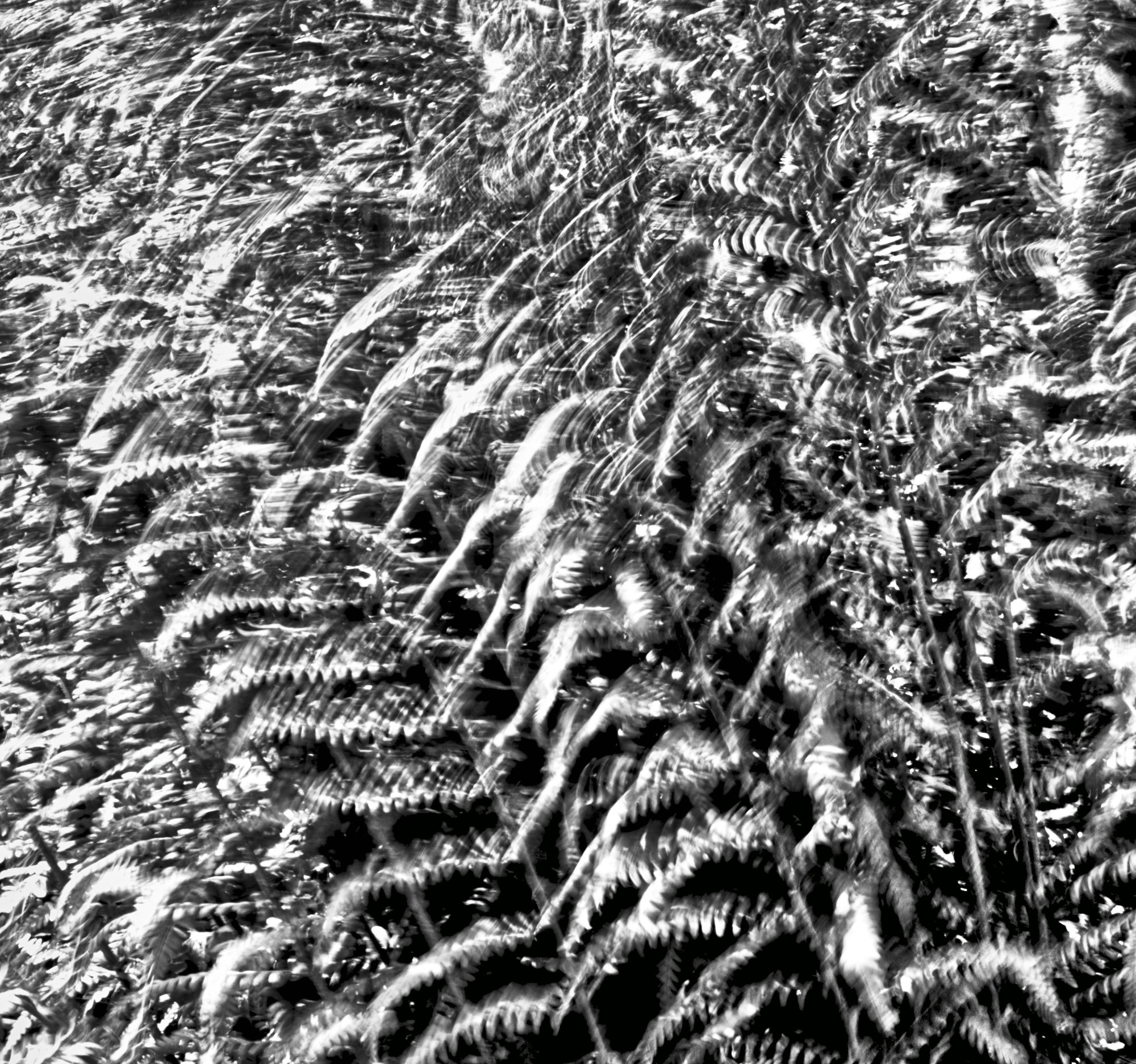
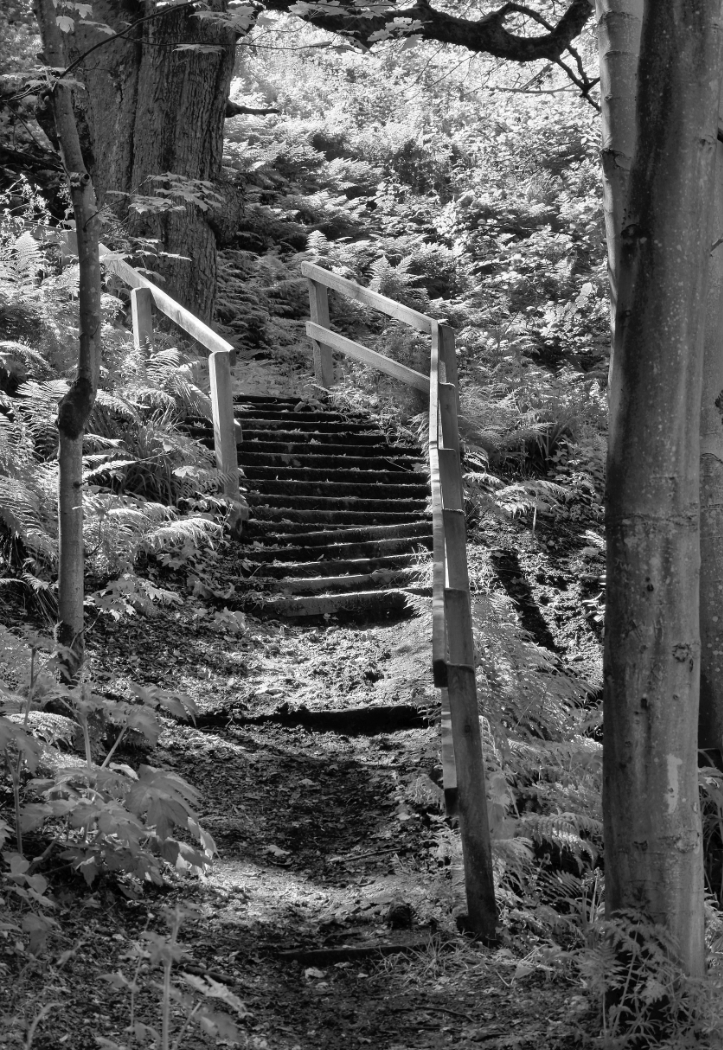
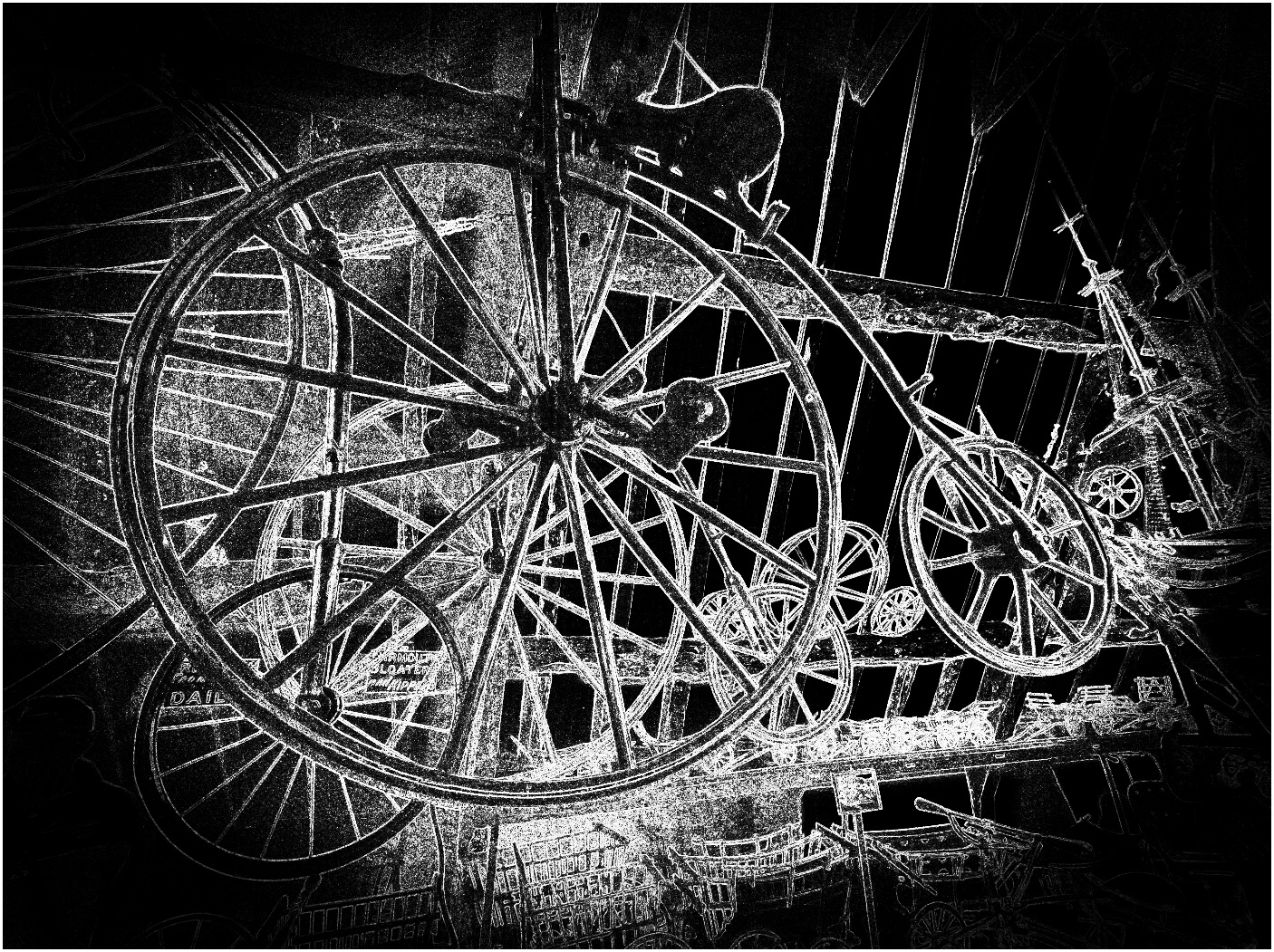
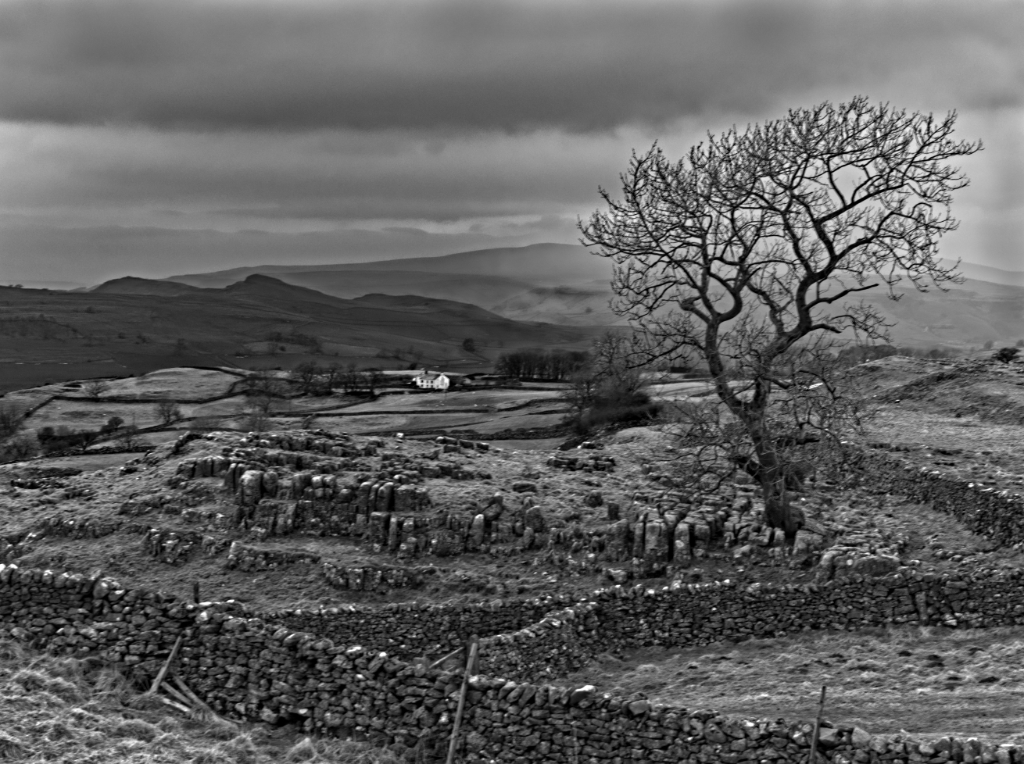
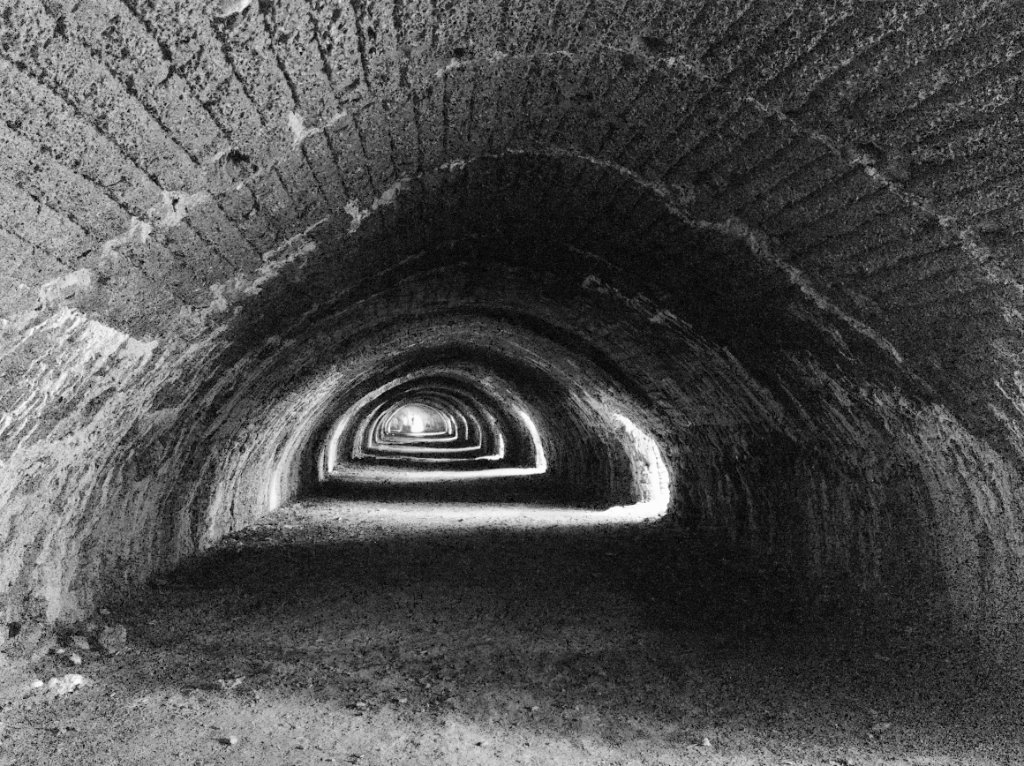
Certainly this isn't the first time this type of image has been taken, but the high contrast, lack of leaves and good composition make it one of the most impactful such pictures that I've seen. Well done! No suggestions.
|
Jan 16th |
| 64 |
Jan 25 |
Reply |
A success!! Thanks :-) |
Jan 14th |
| 64 |
Jan 25 |
Reply |
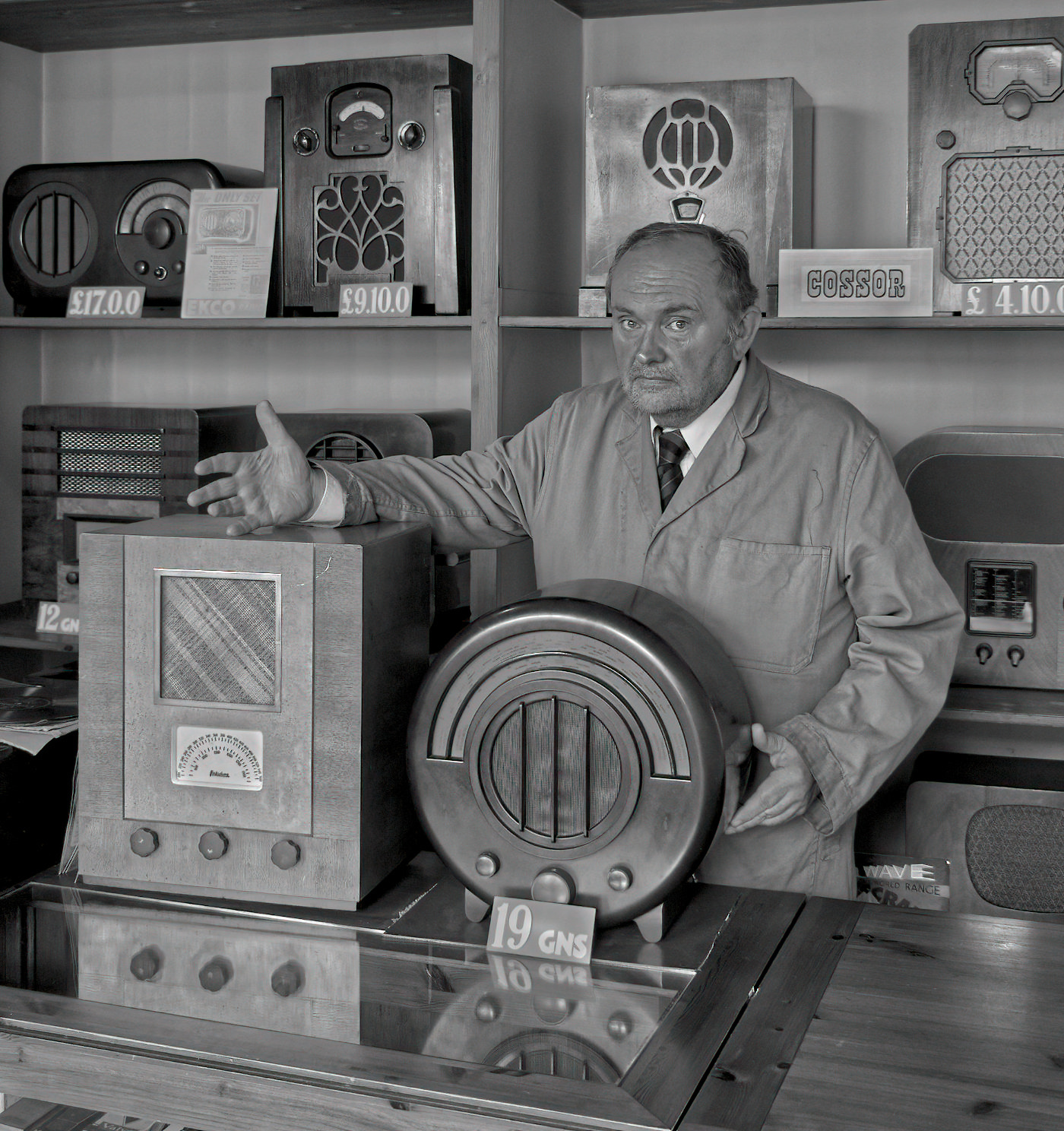
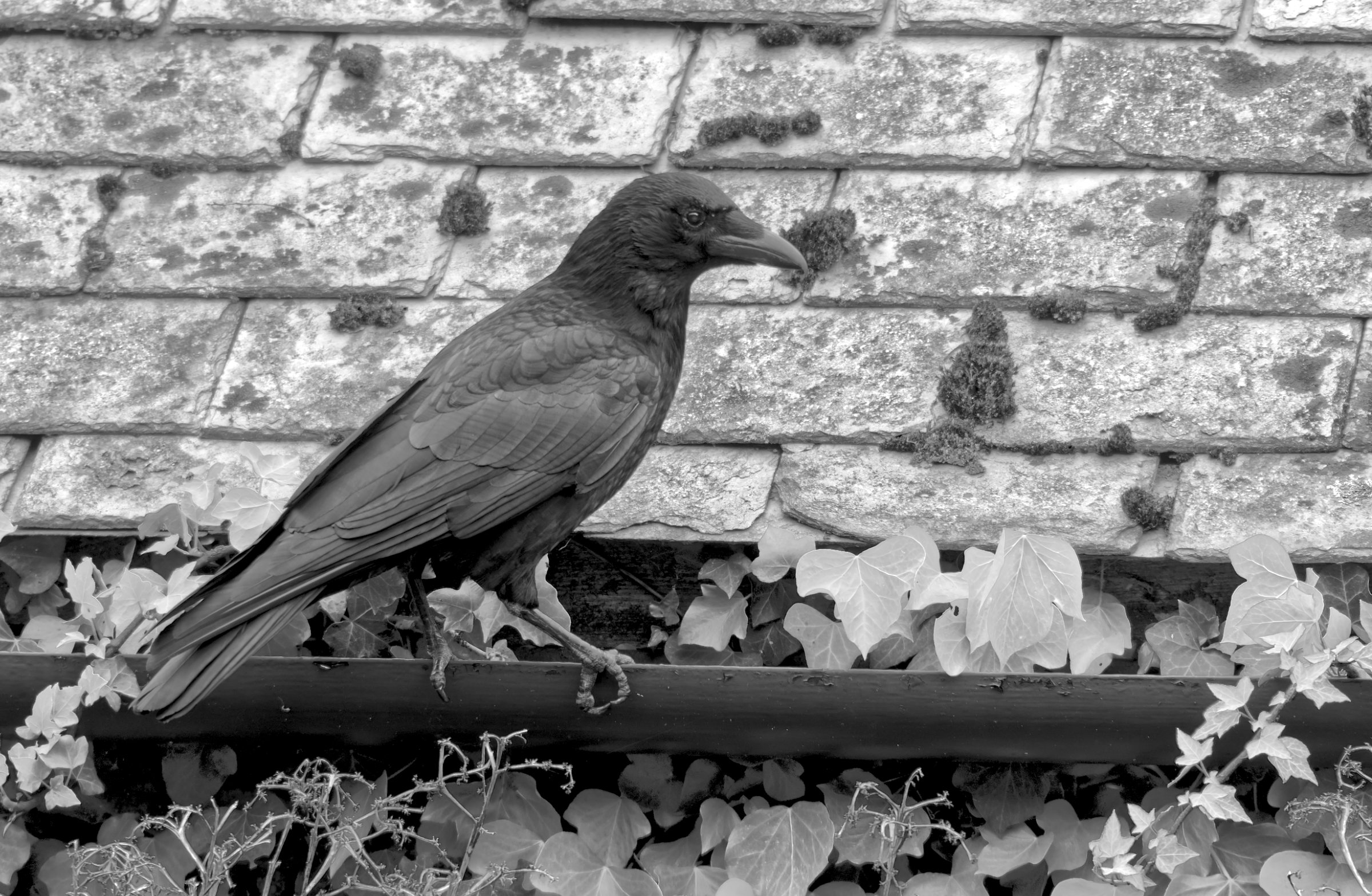
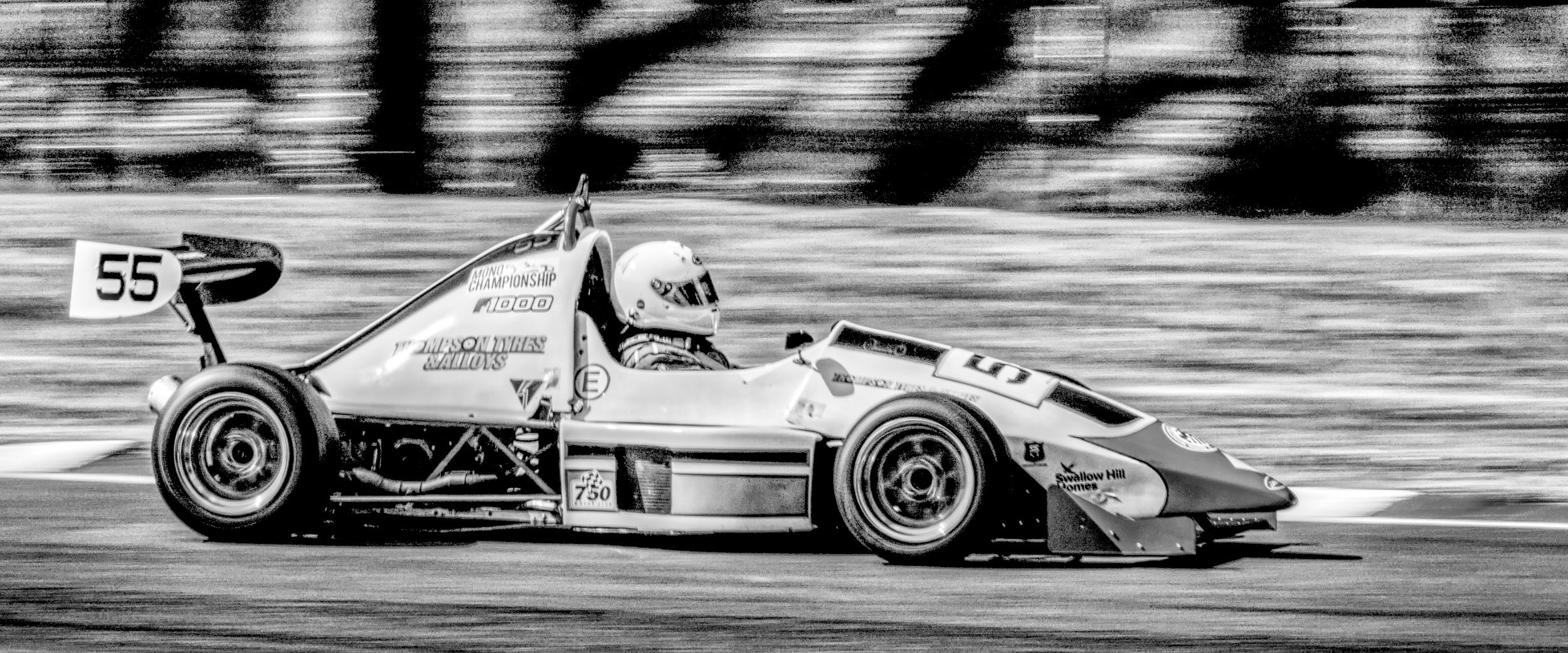
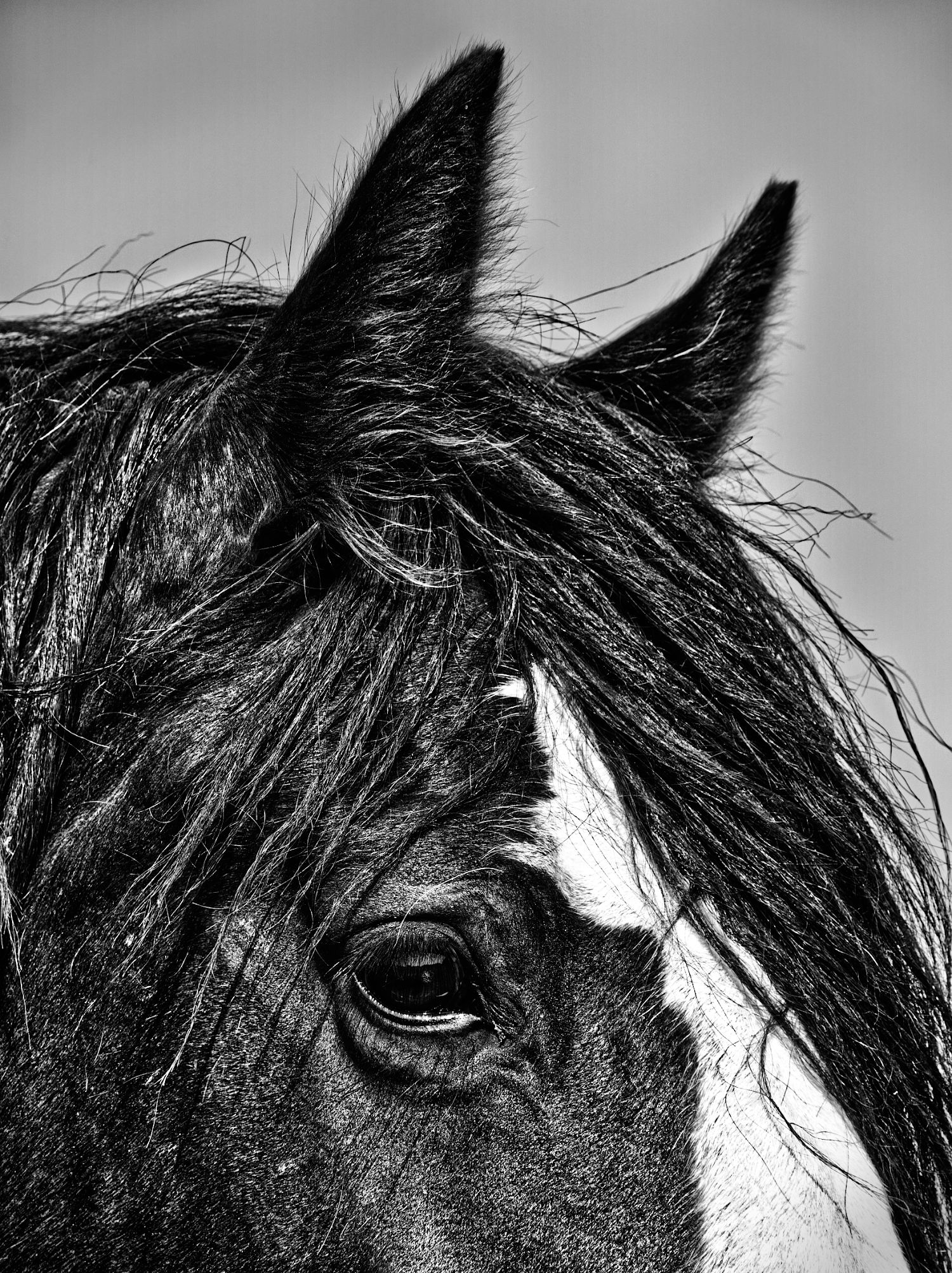
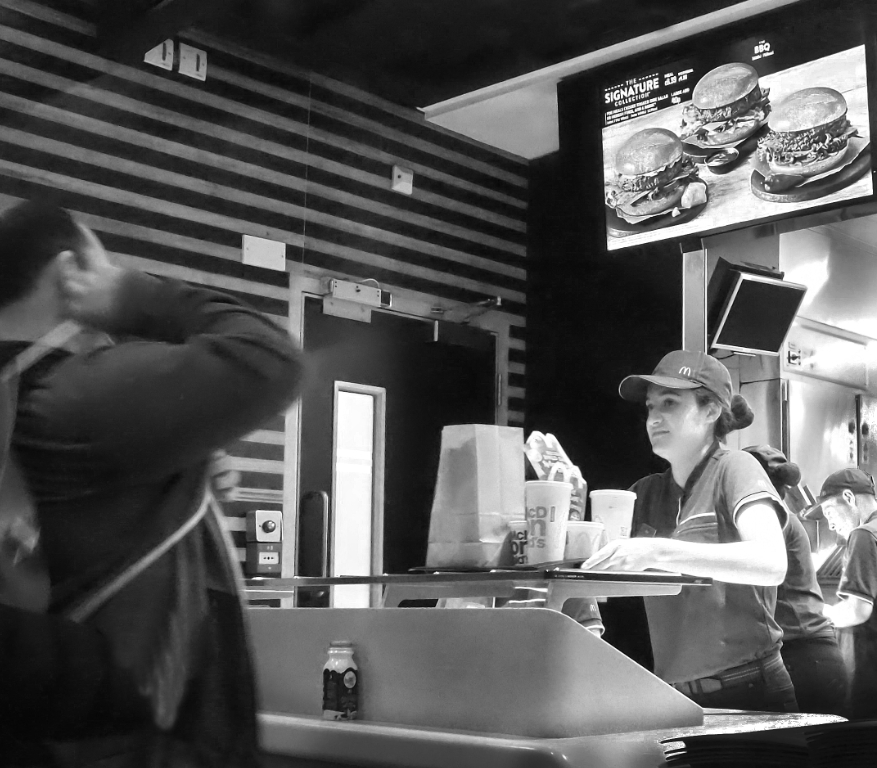
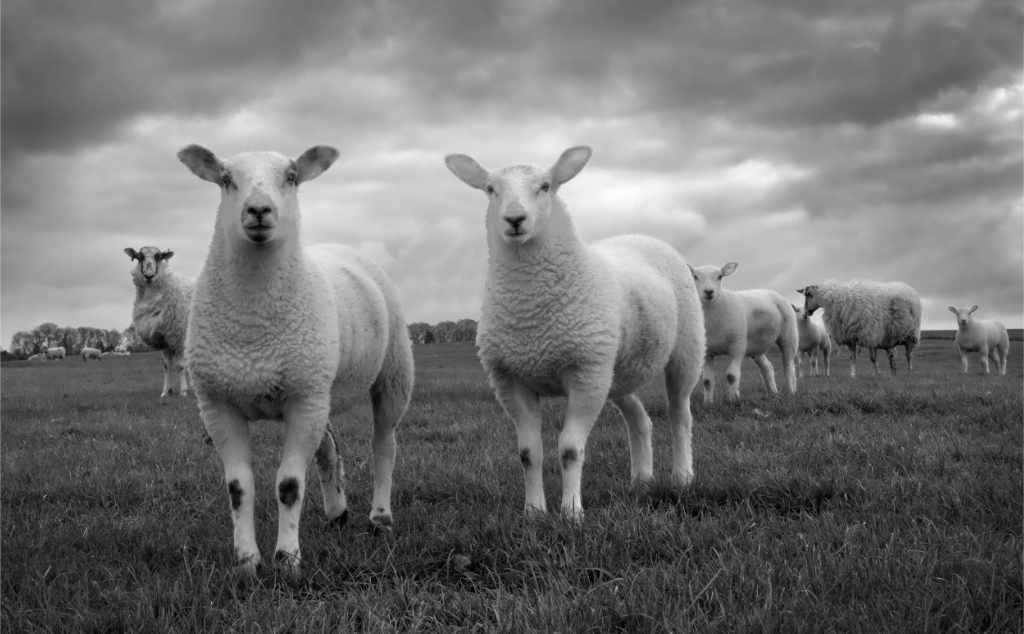
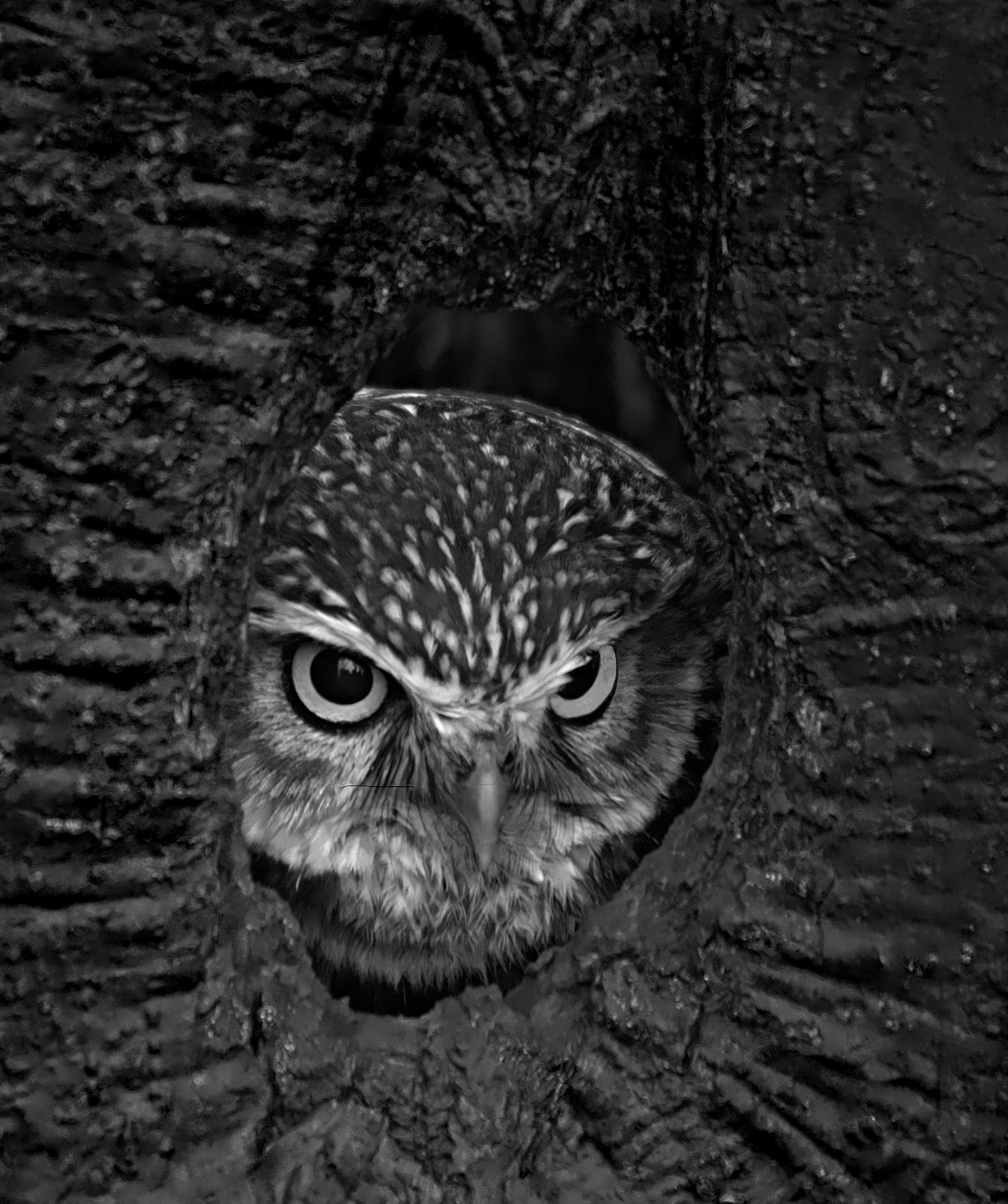
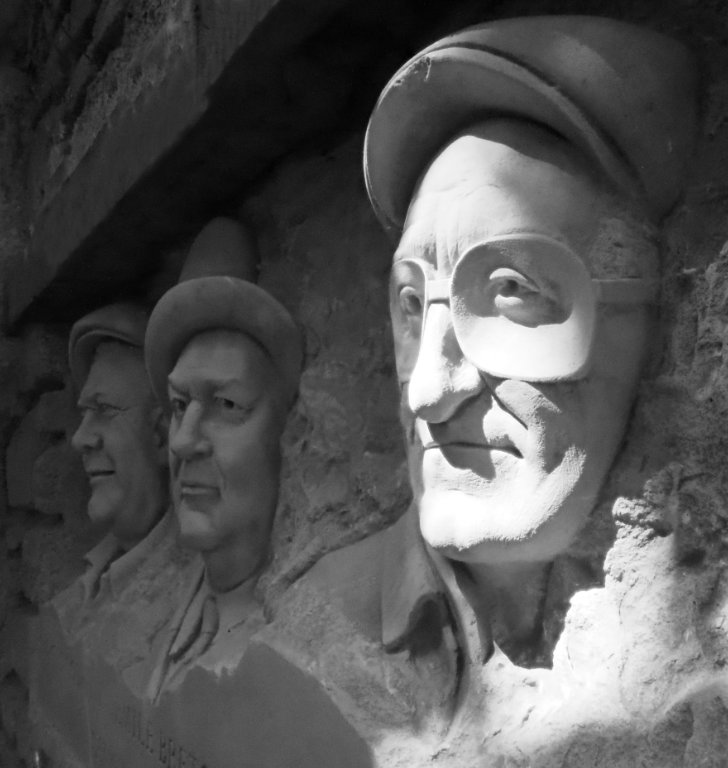
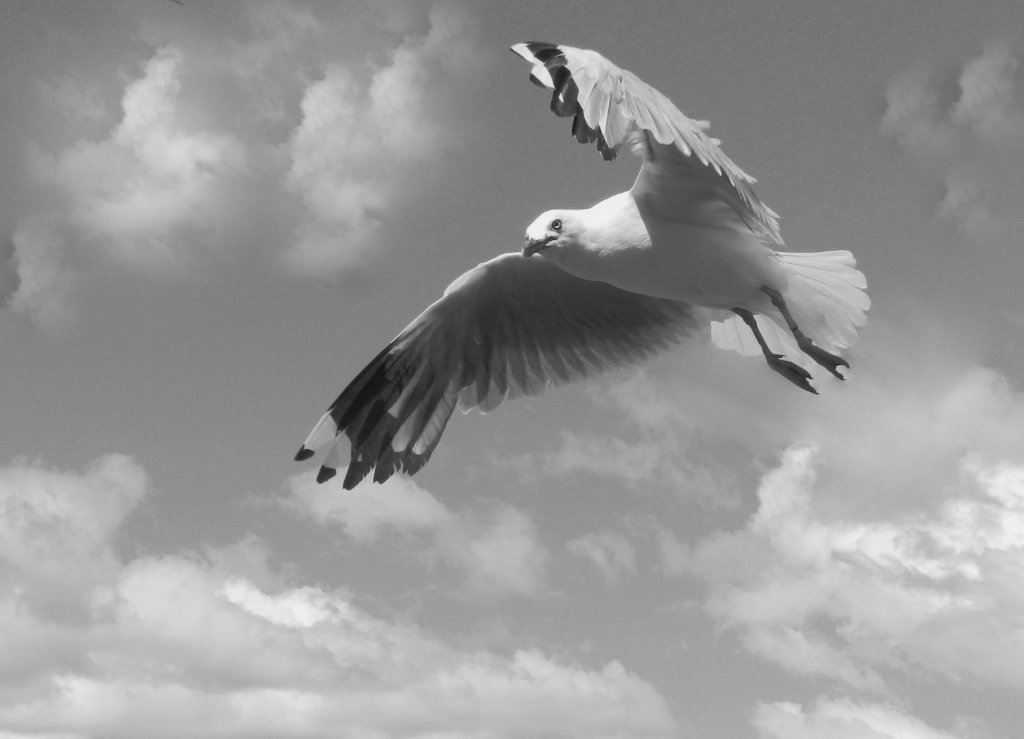
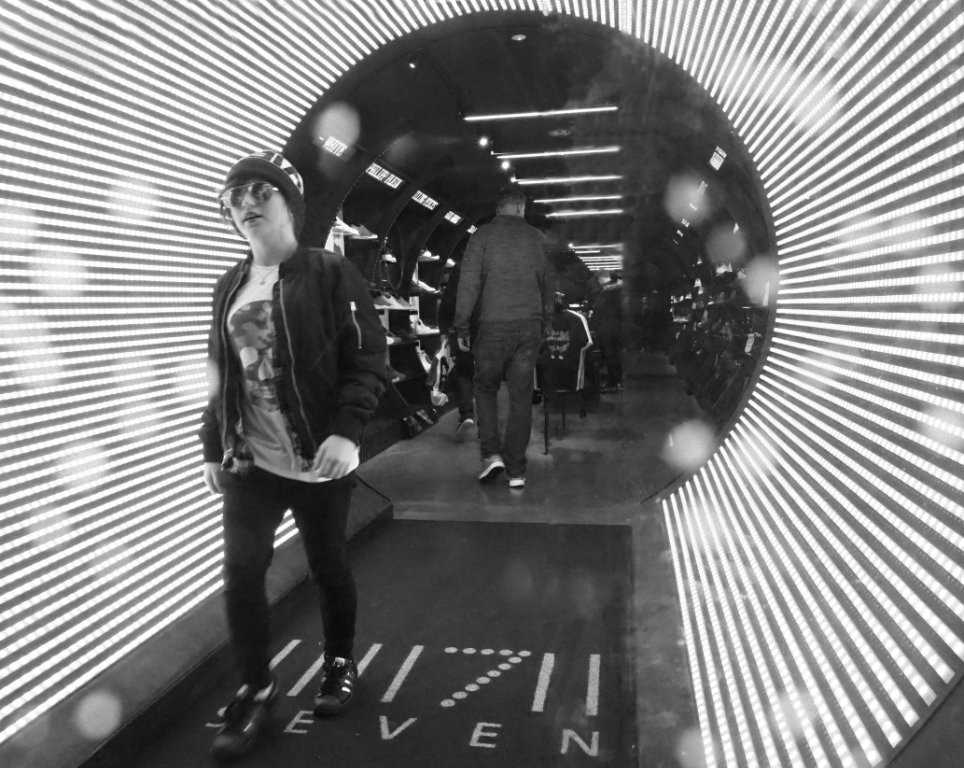
Thanks, Chris. I definitely missed an opportunity with his eyes, so I've done as you suggested. I've taken the revisit as an opportunity to take out a few light spots and to vignette the top corners a bit more. Re-running NIK seems to lose the adjustments made with it the previous time, although all the edits made in Affinity were still there. Maybe the current version of NIK would retain them, but at GBP150 I can give that a miss! |
Jan 8th |
 |
| 64 |
Jan 25 |
Comment |
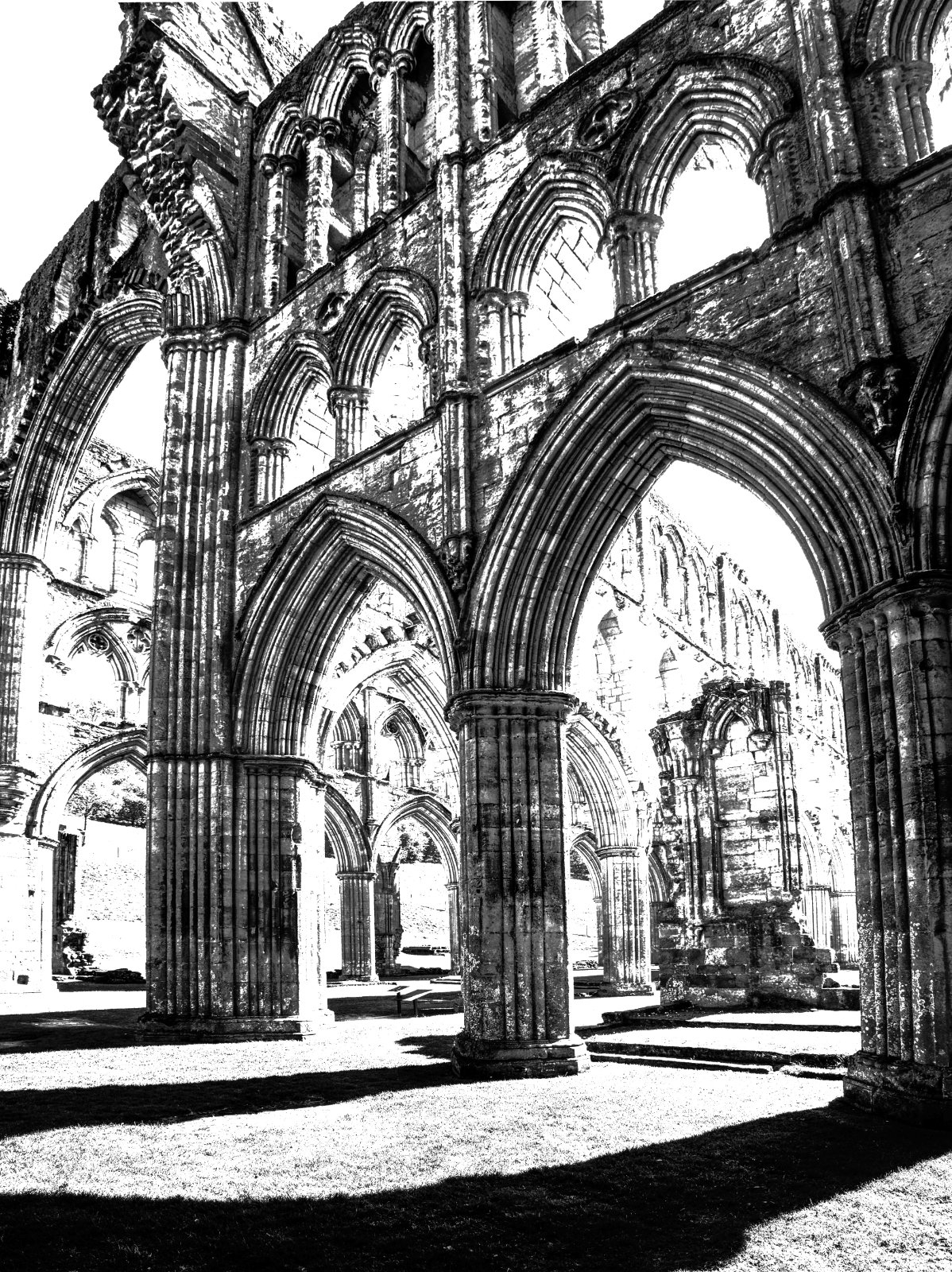
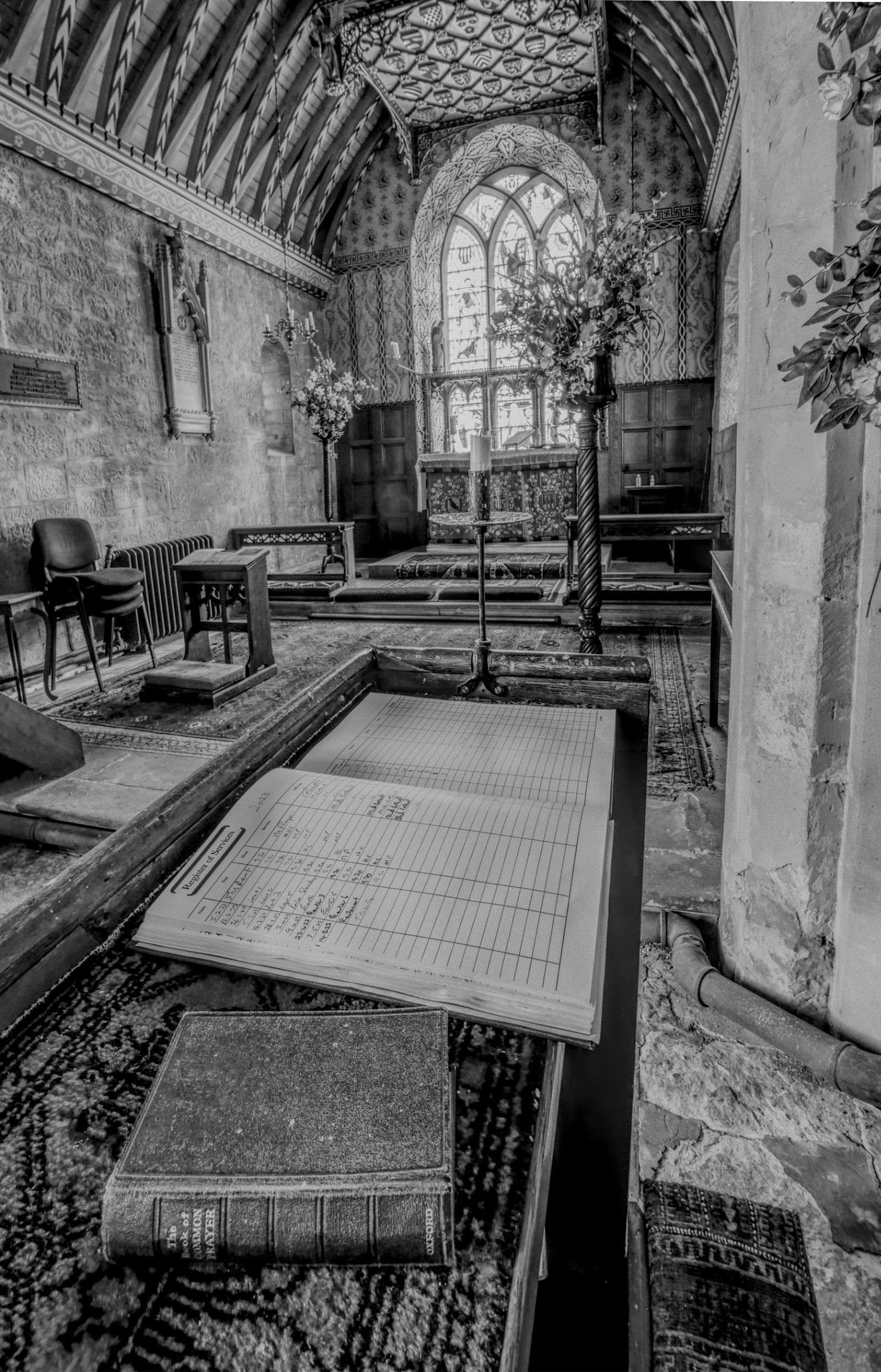
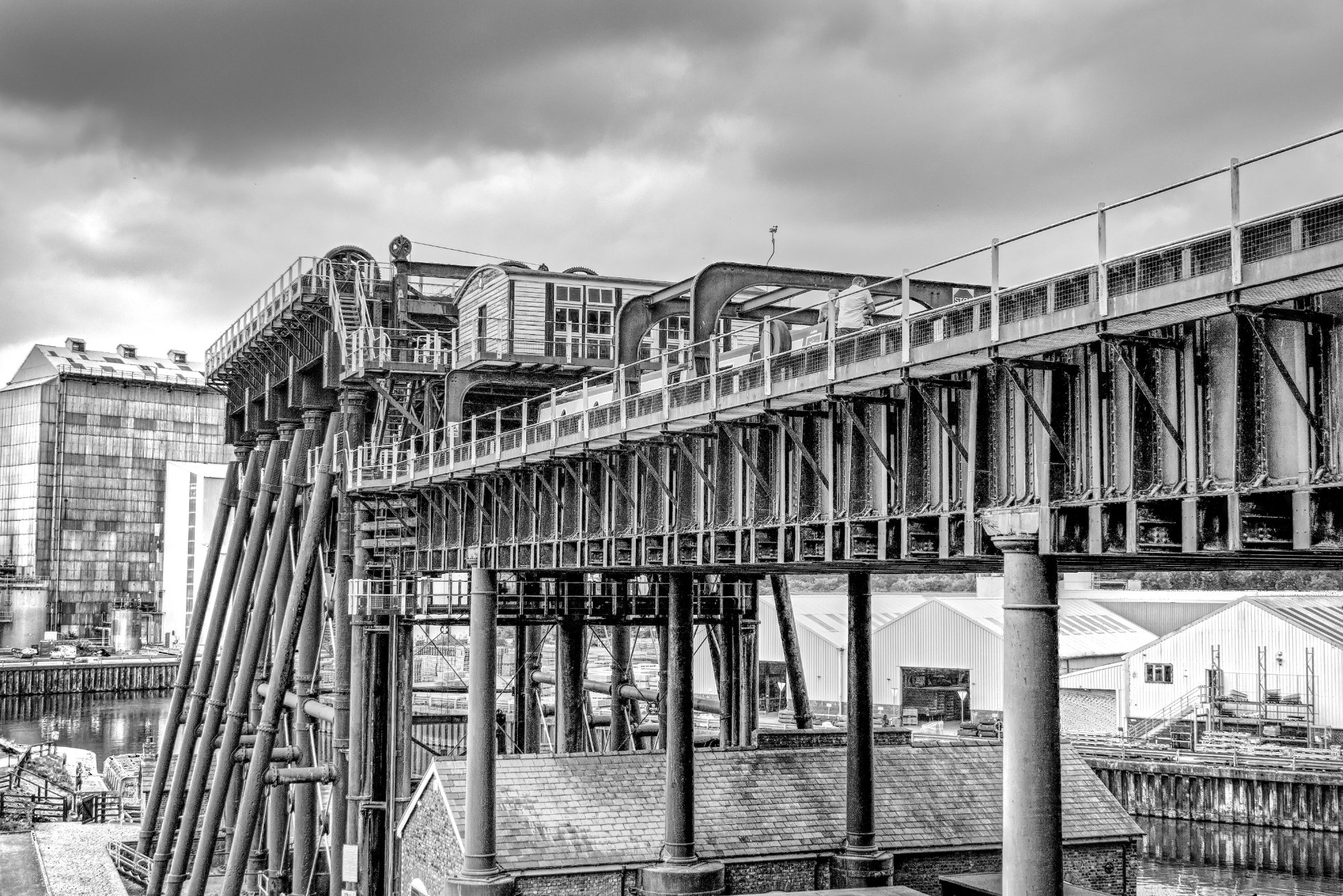
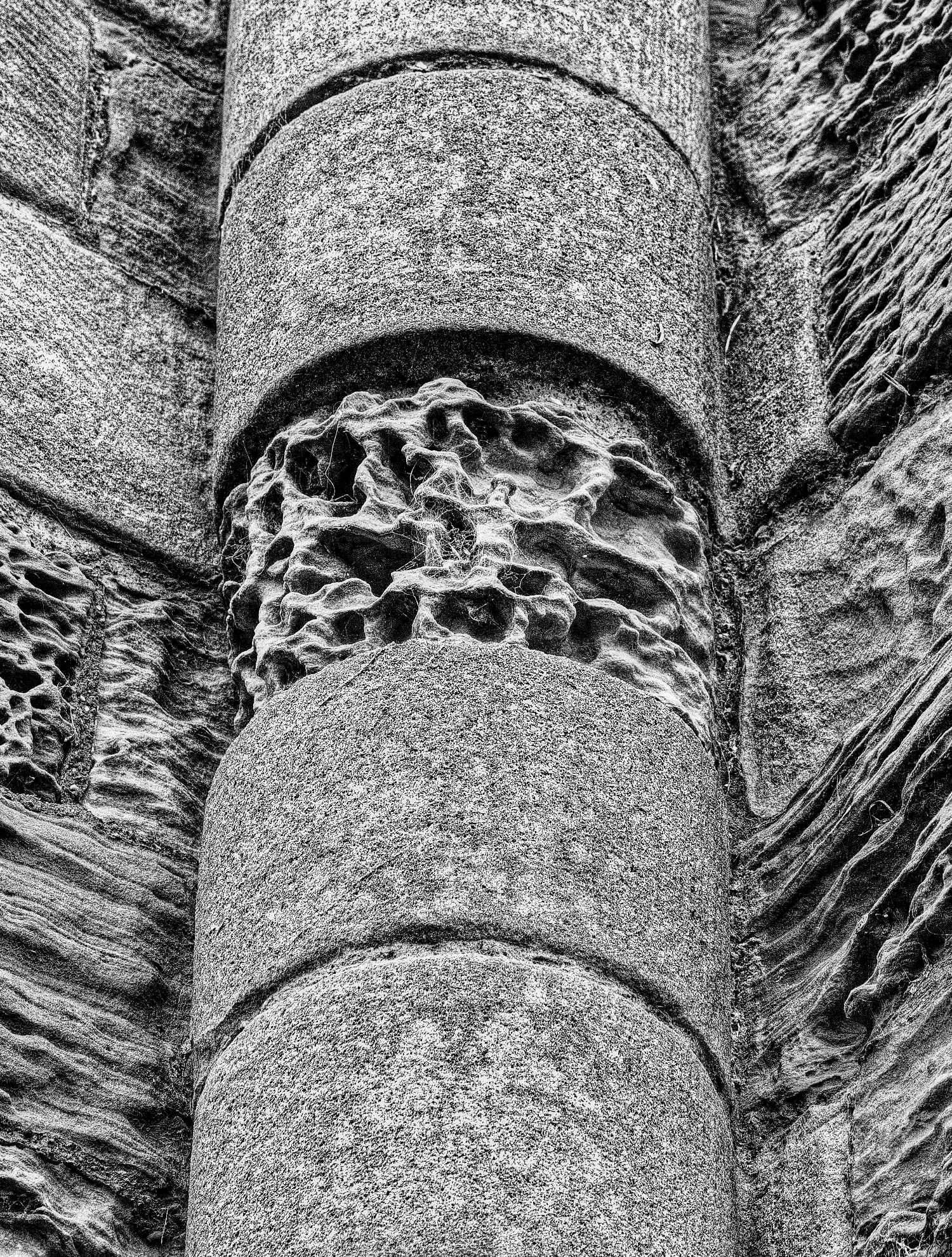
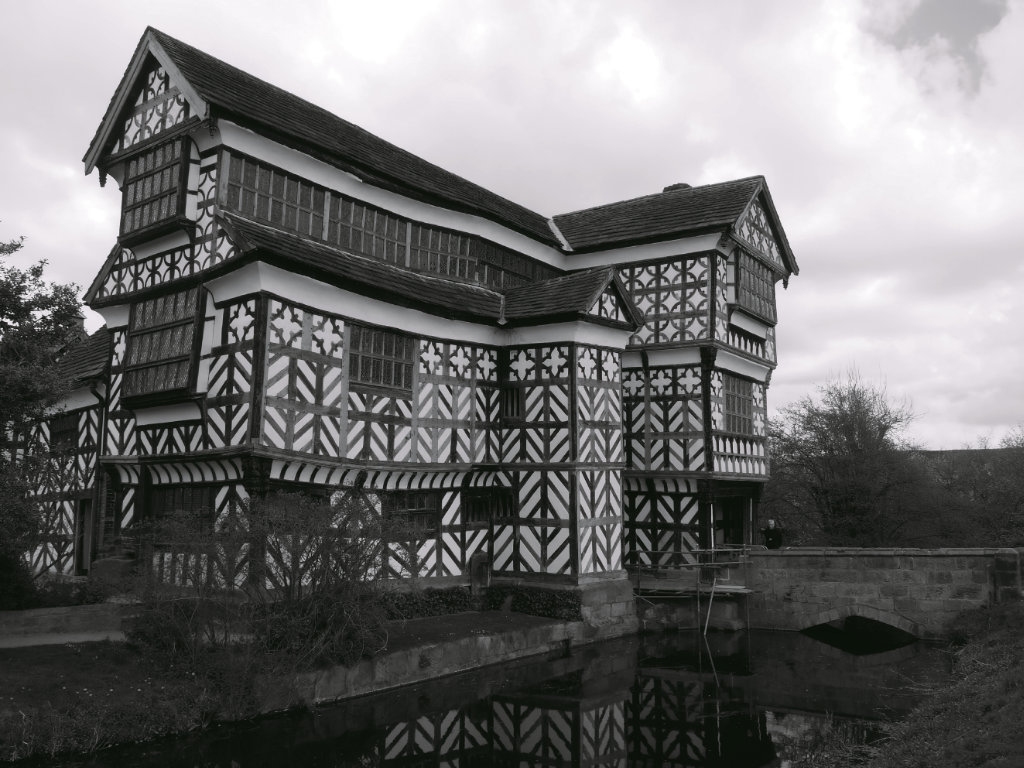
What an unusual building for the USA. (Or is it?) At first I thought you must have been on holiday over here, but I see it's in Pennsylvania, built in 1908 to 1912. Your picture is far better than the one in Wikipedia! The detail and structure here is very clear. A little added sky detail might have helped the drab one you saw. |
Jan 6th |
| 64 |
Jan 25 |
Comment |
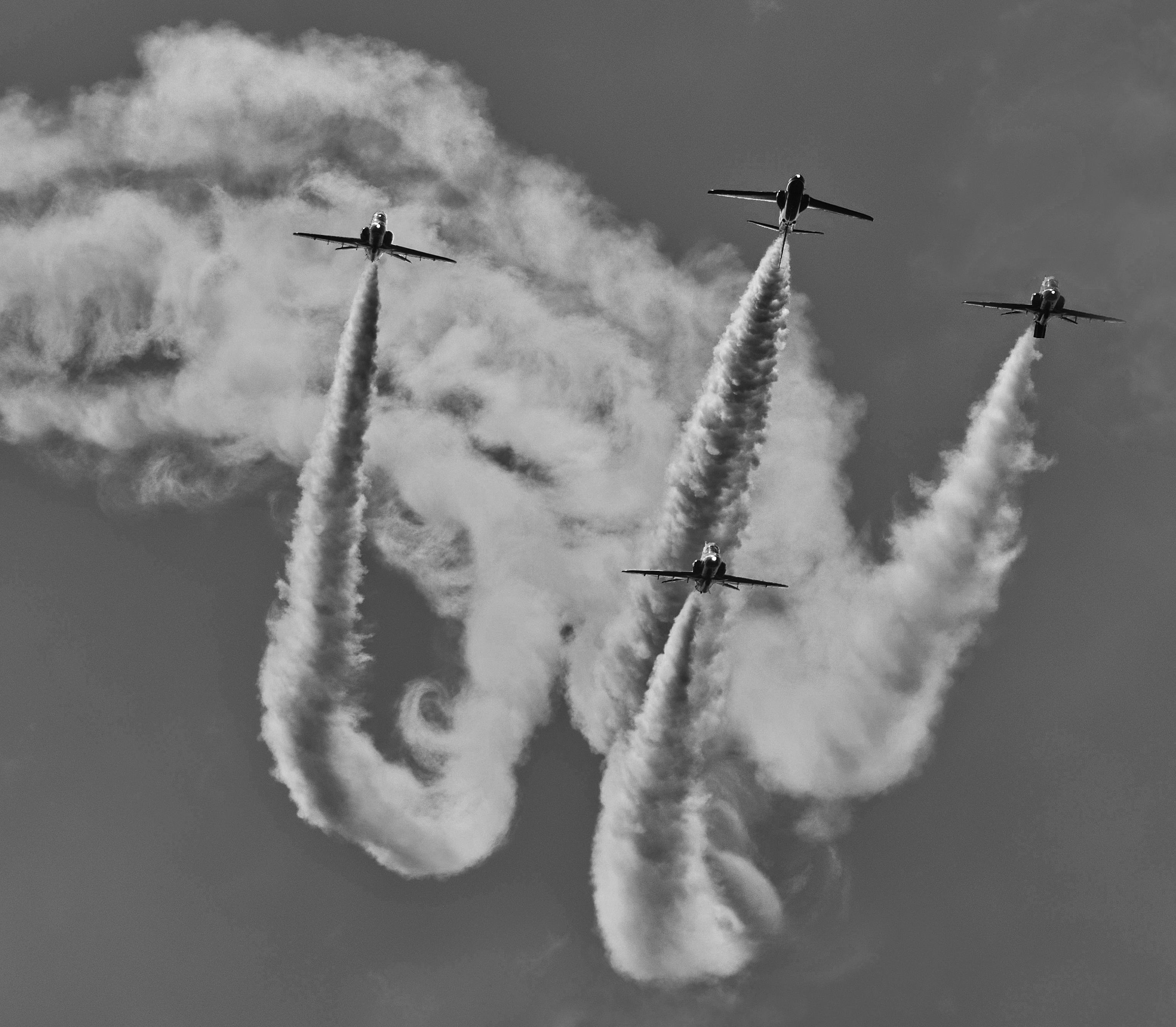
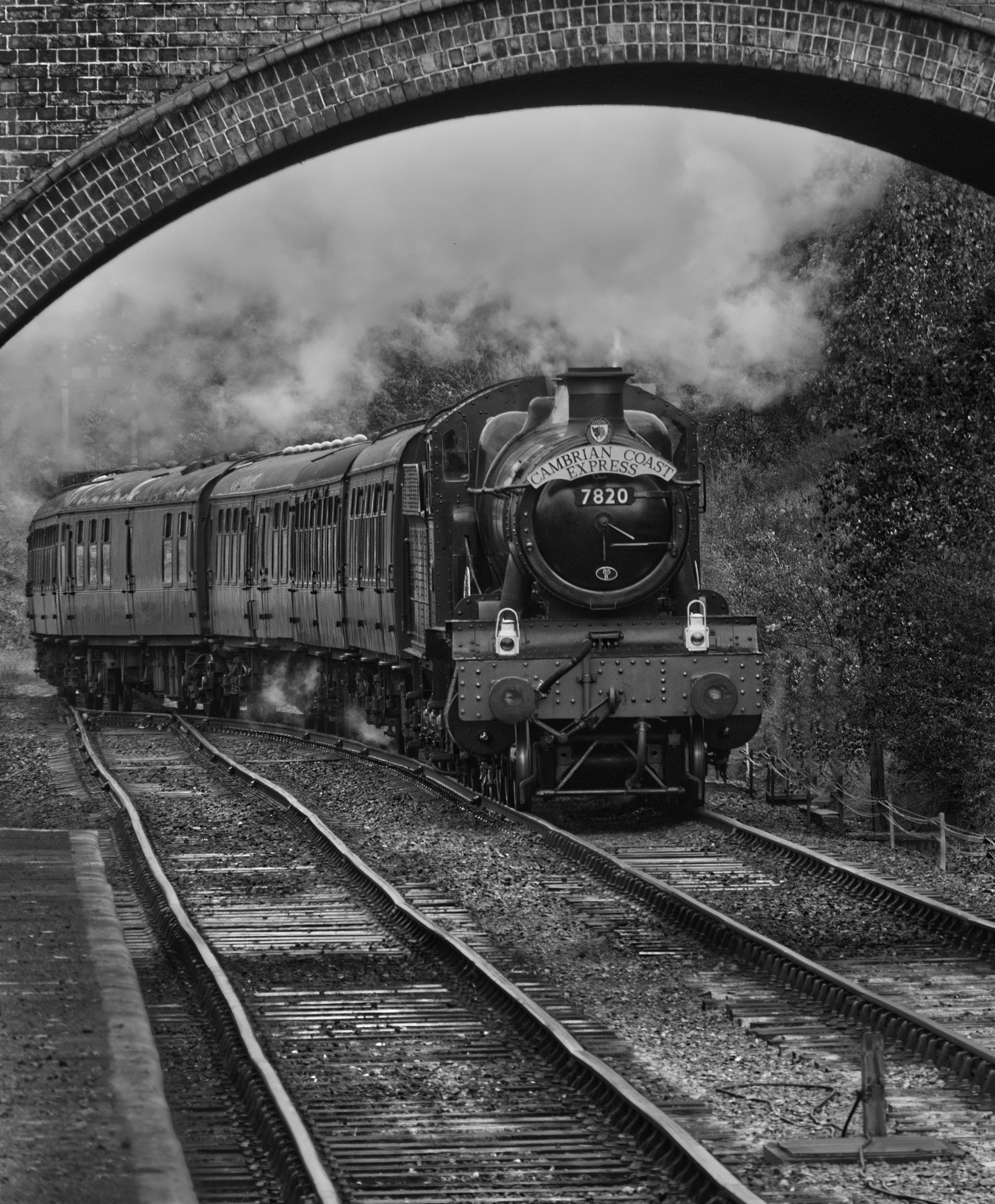
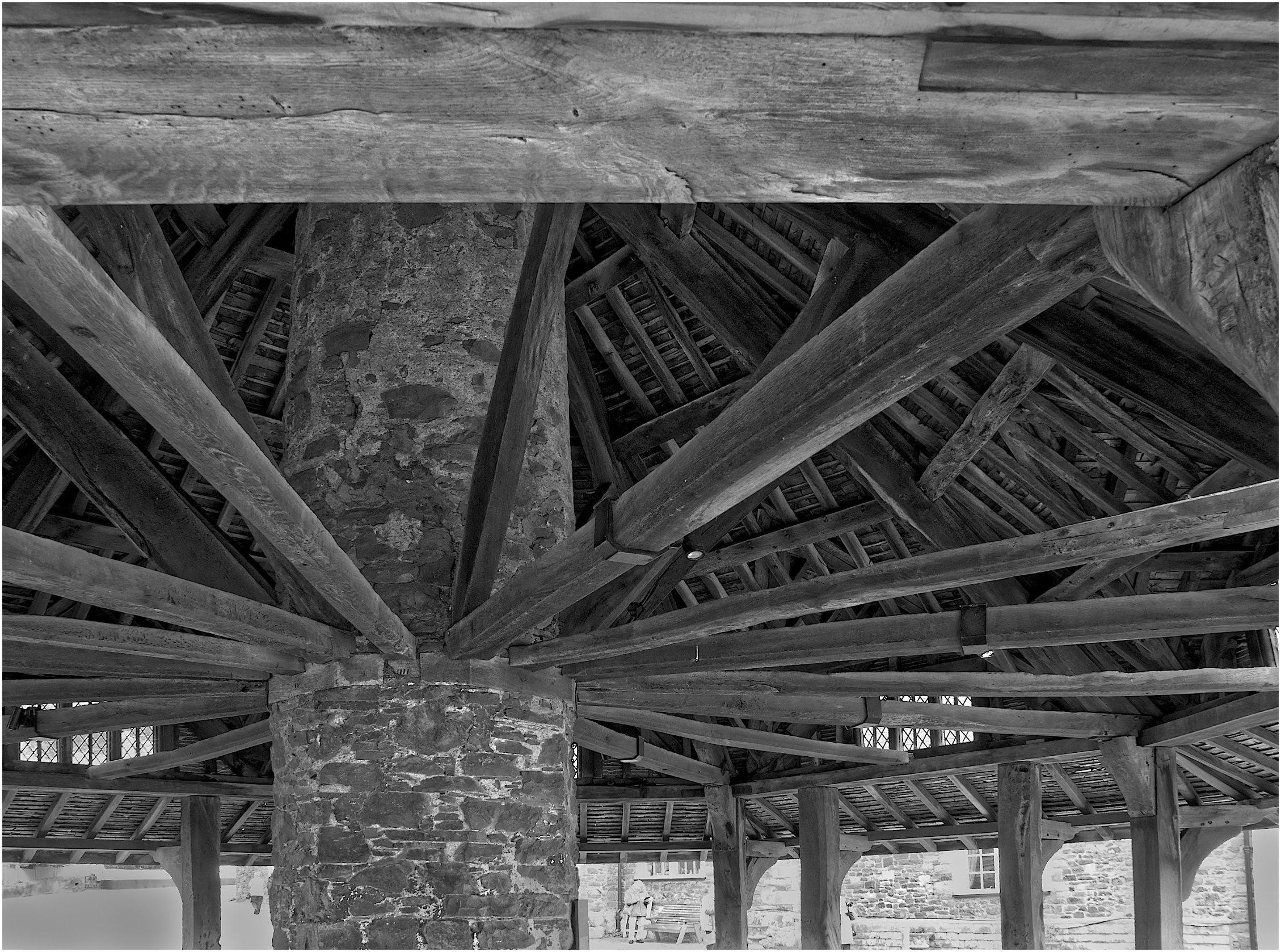
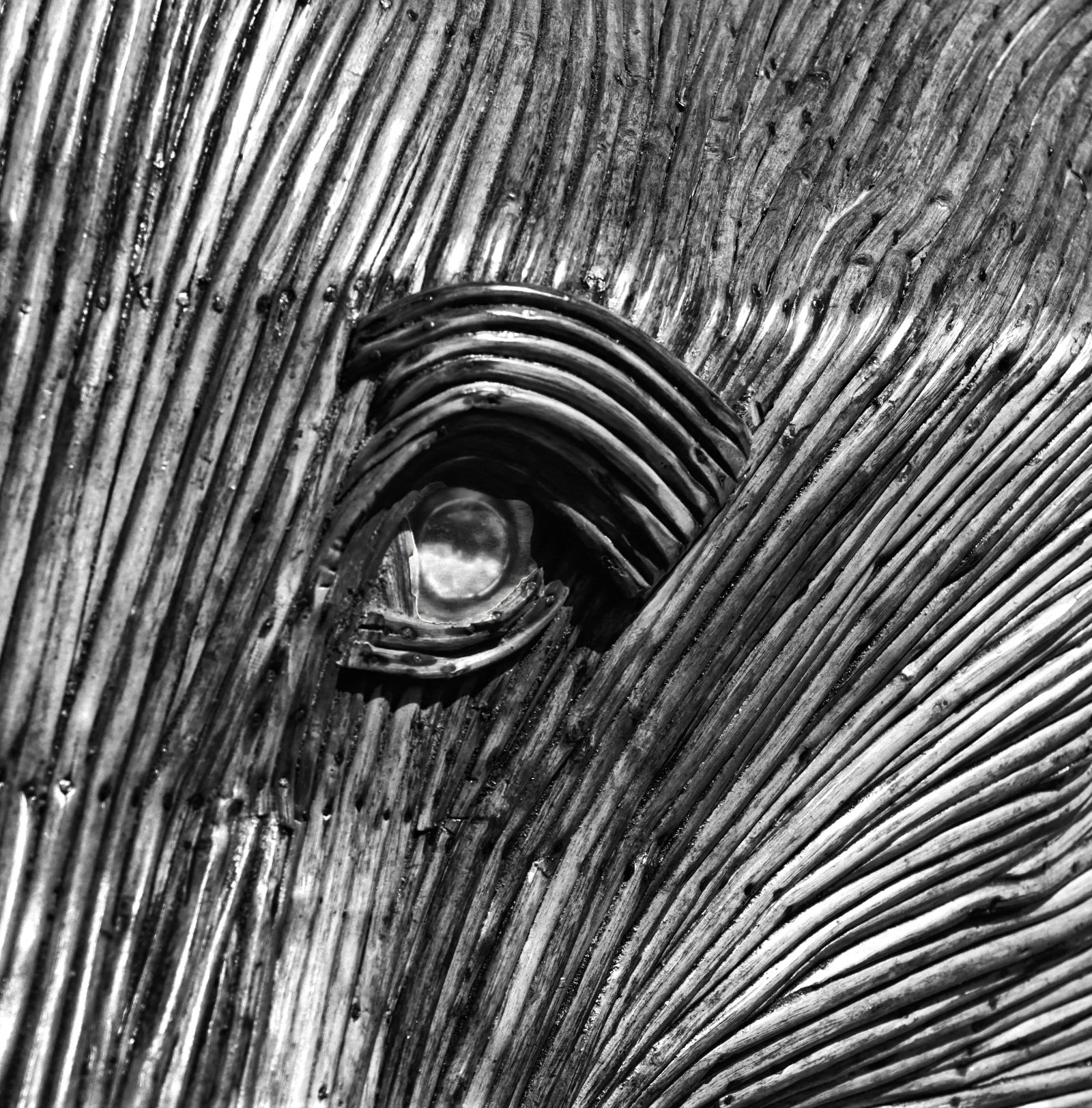
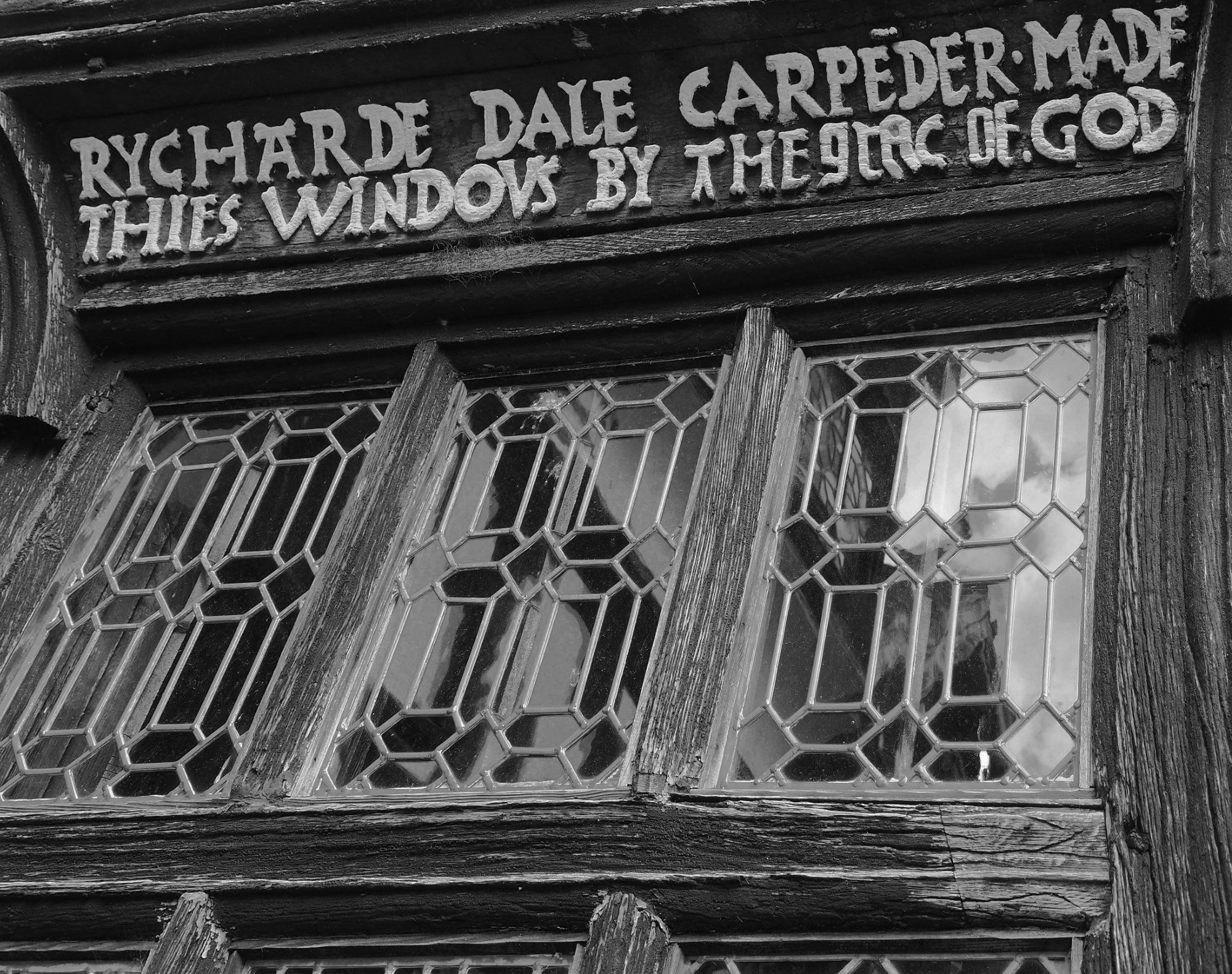
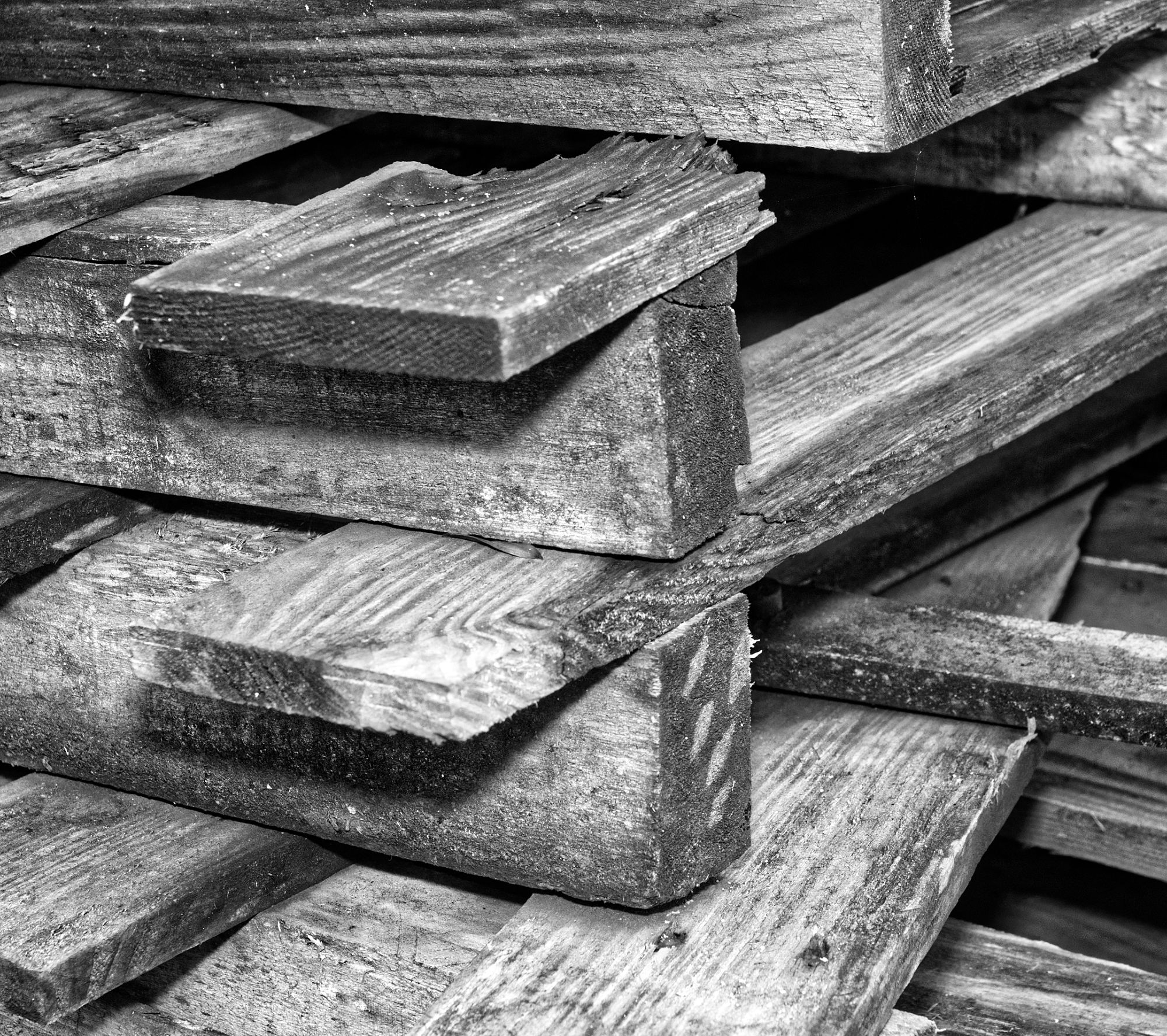
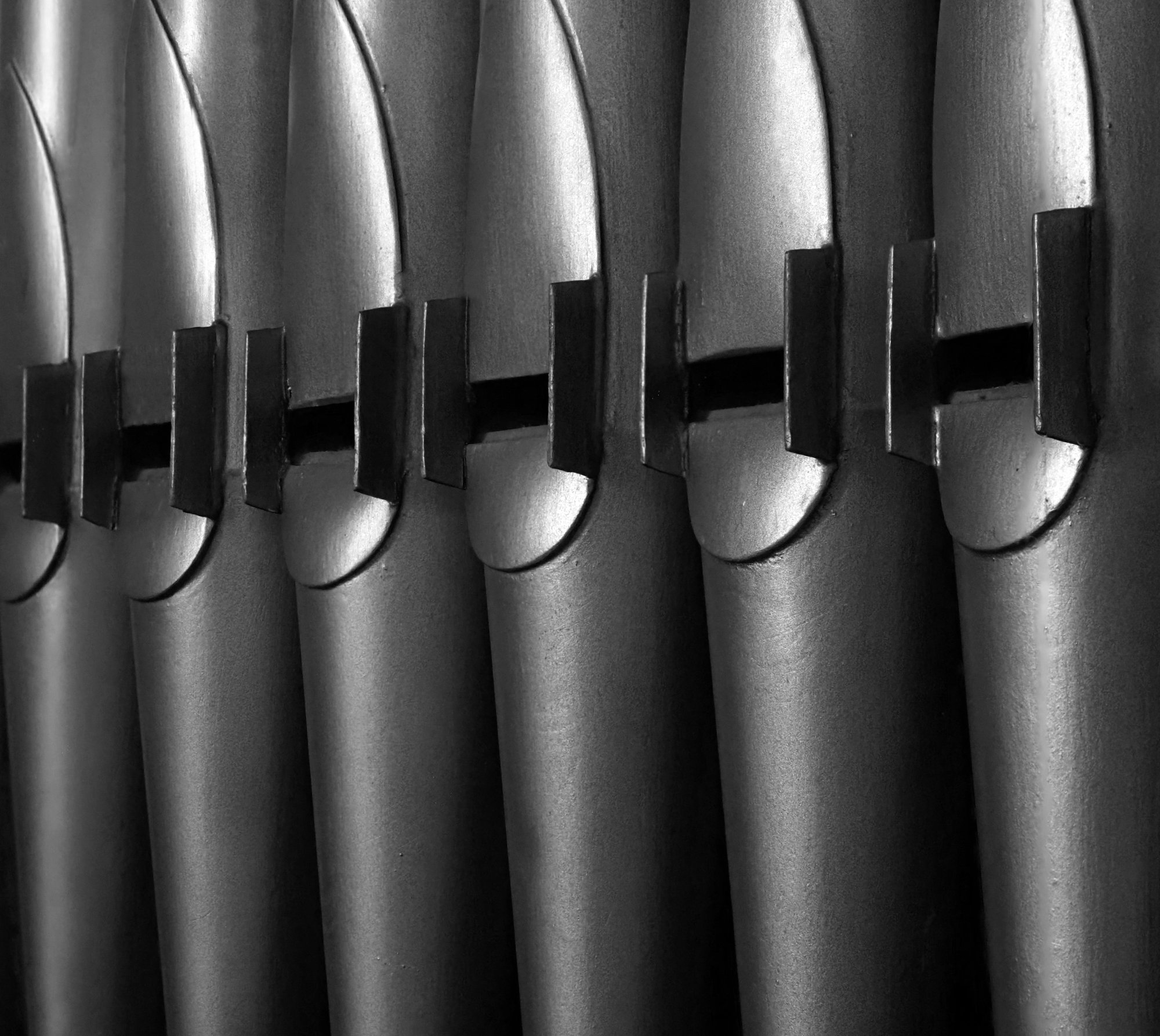
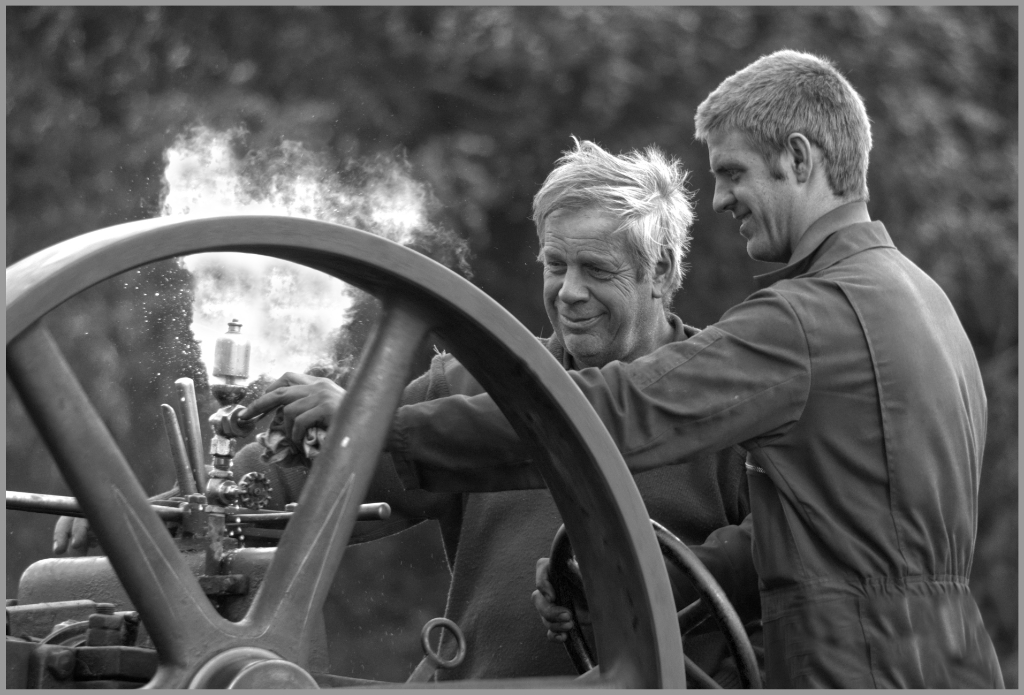
What fantastic detail! I love it. 7 tons sounds incredible, but I've just received a parcel of metal today for my model engineering, and it's surprisingly heavy. I'd be nervous standing under this! Maybe stand under the gaps, like Laurel and Hardy and Charlie Chaplin did. I hope the structural engineers did their sums correctly.
I could see a case for several pictures here, both wider and closer views. Super.
|
Jan 6th |
| 64 |
Jan 25 |
Comment |
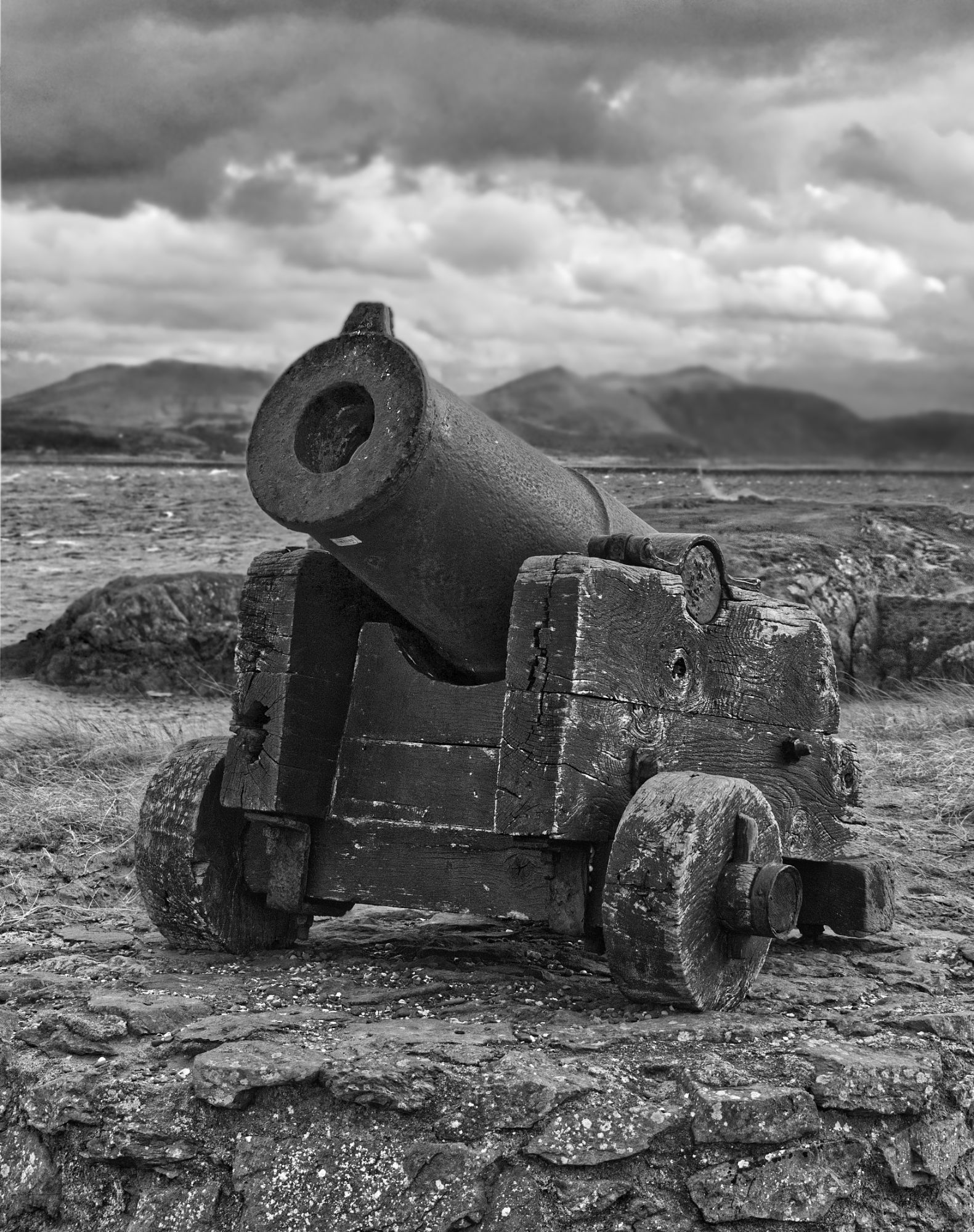
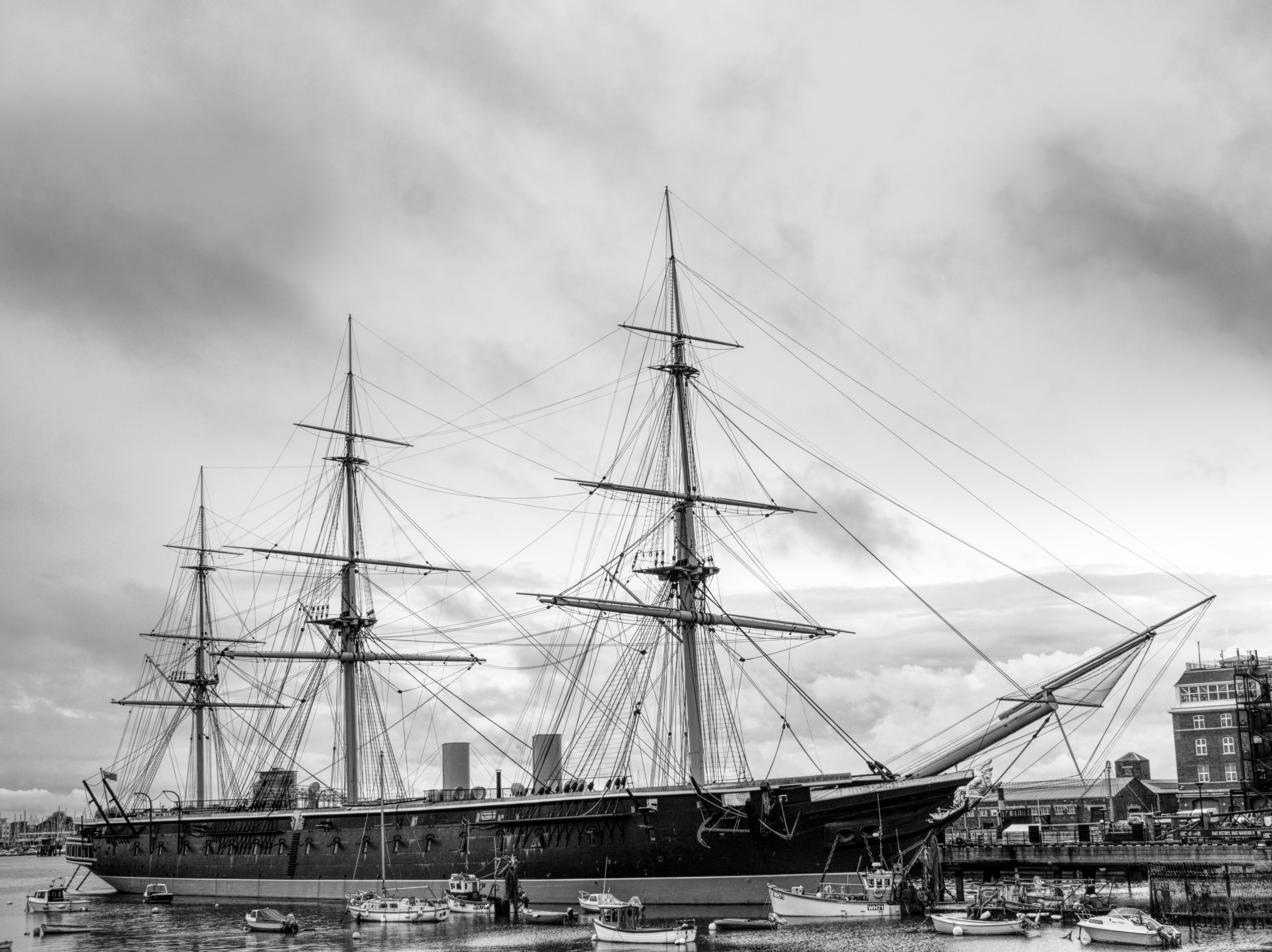
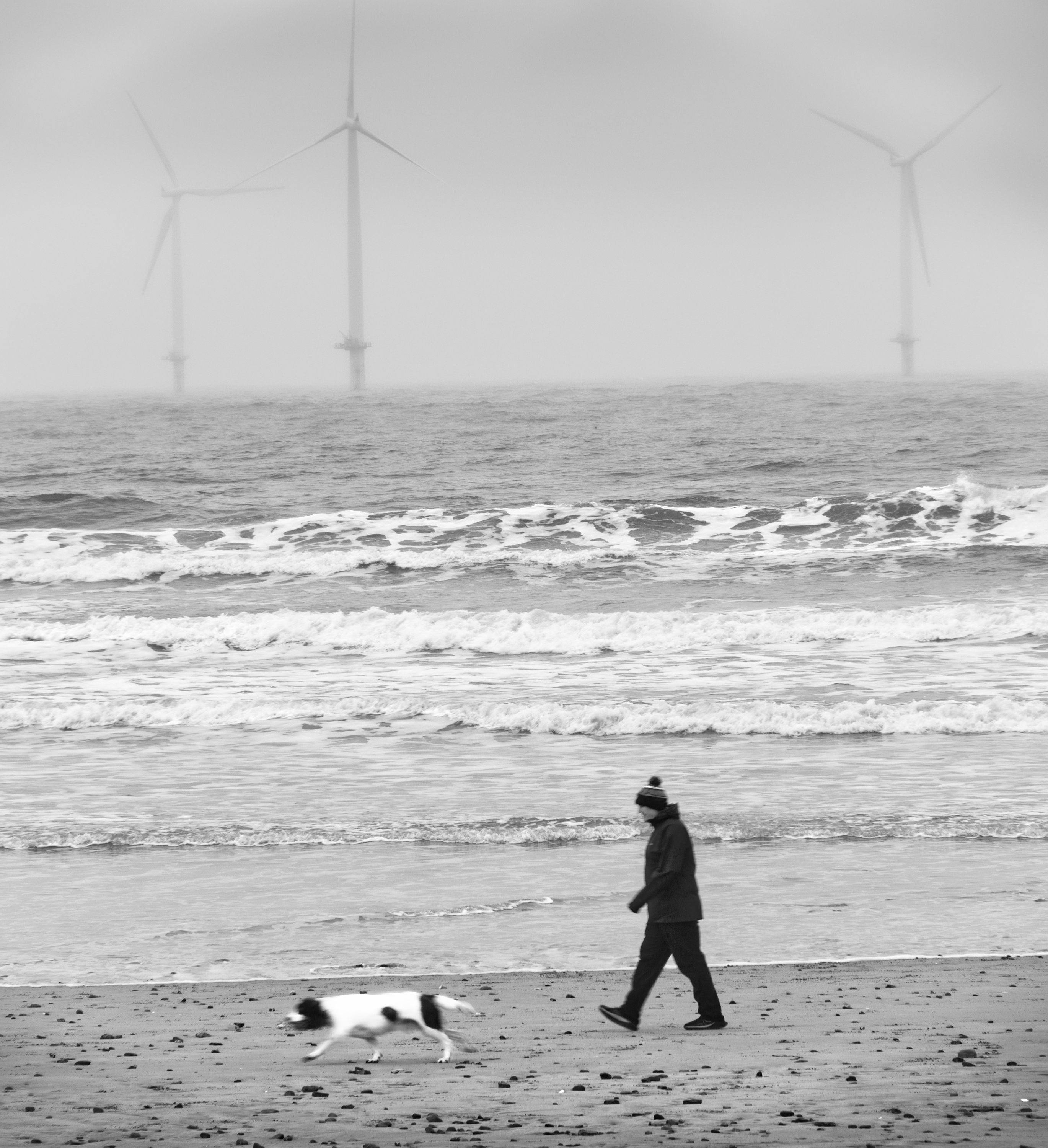
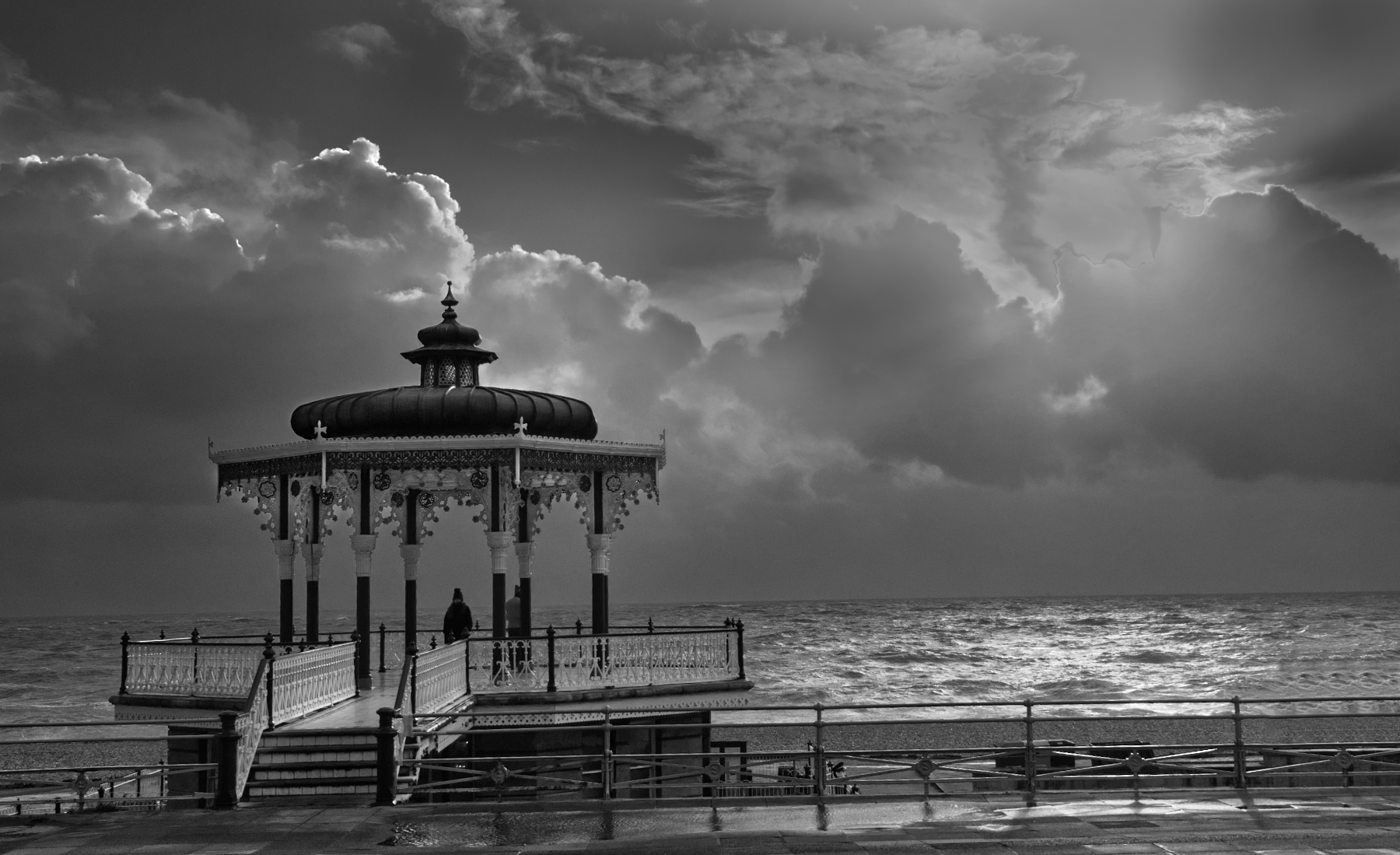
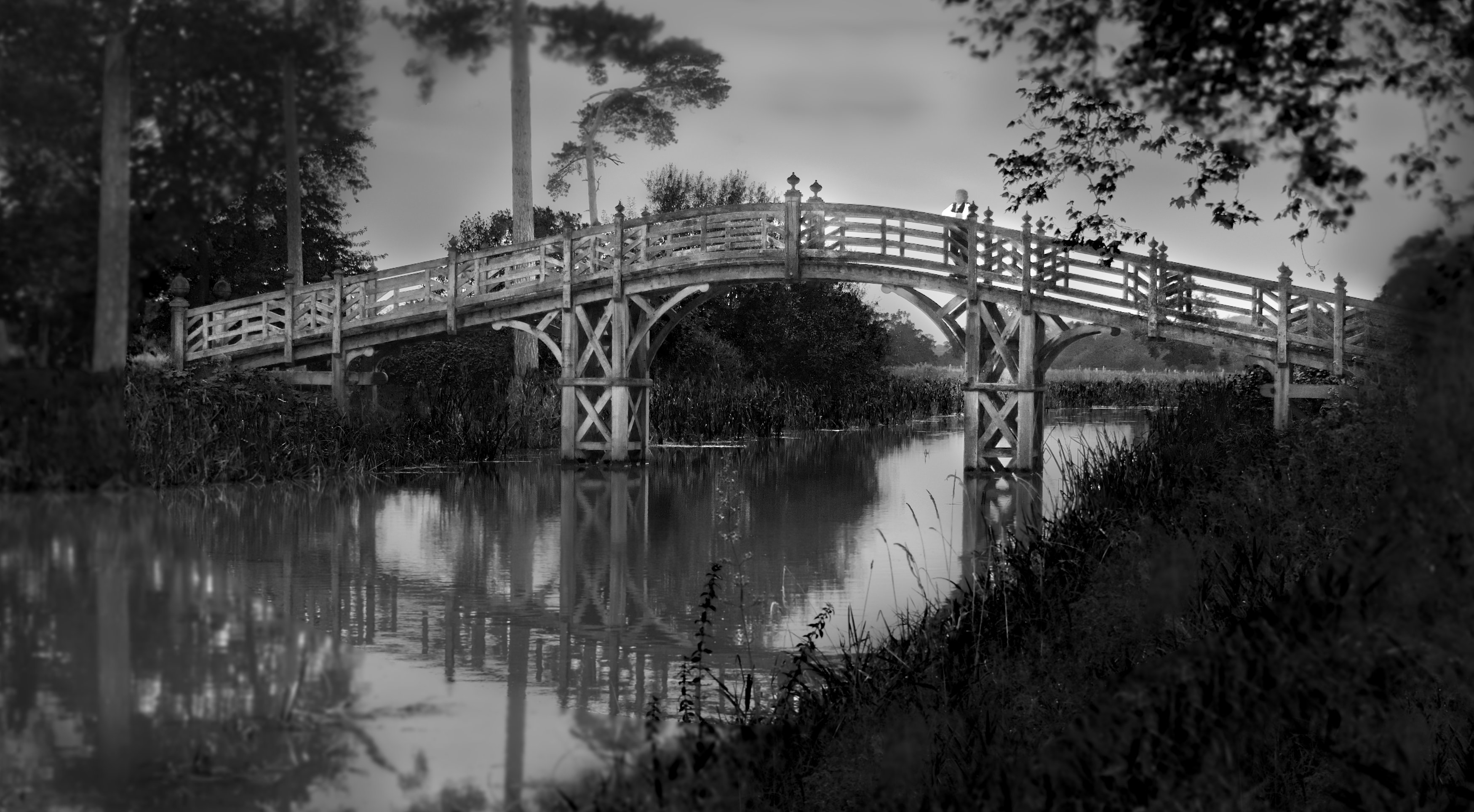
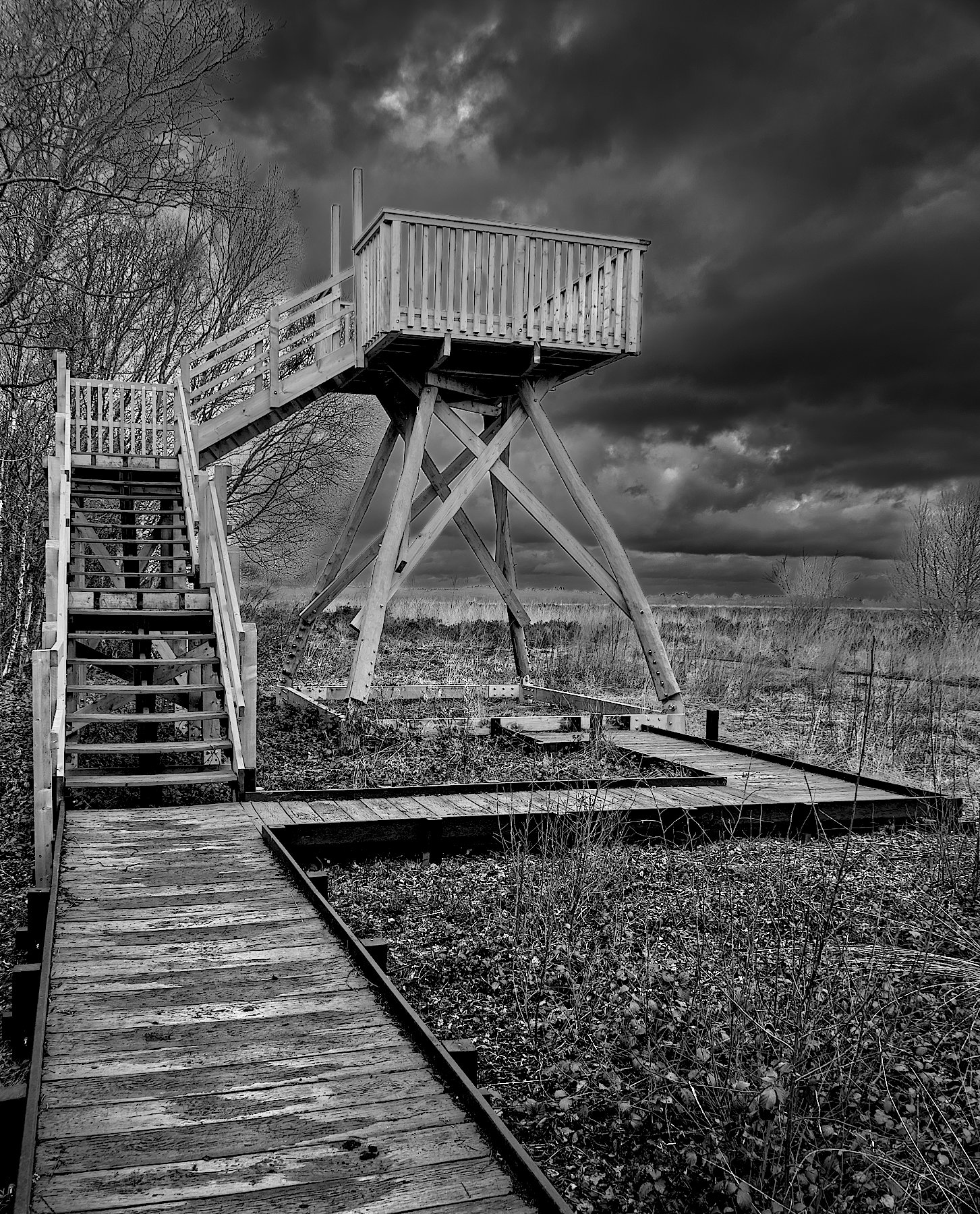
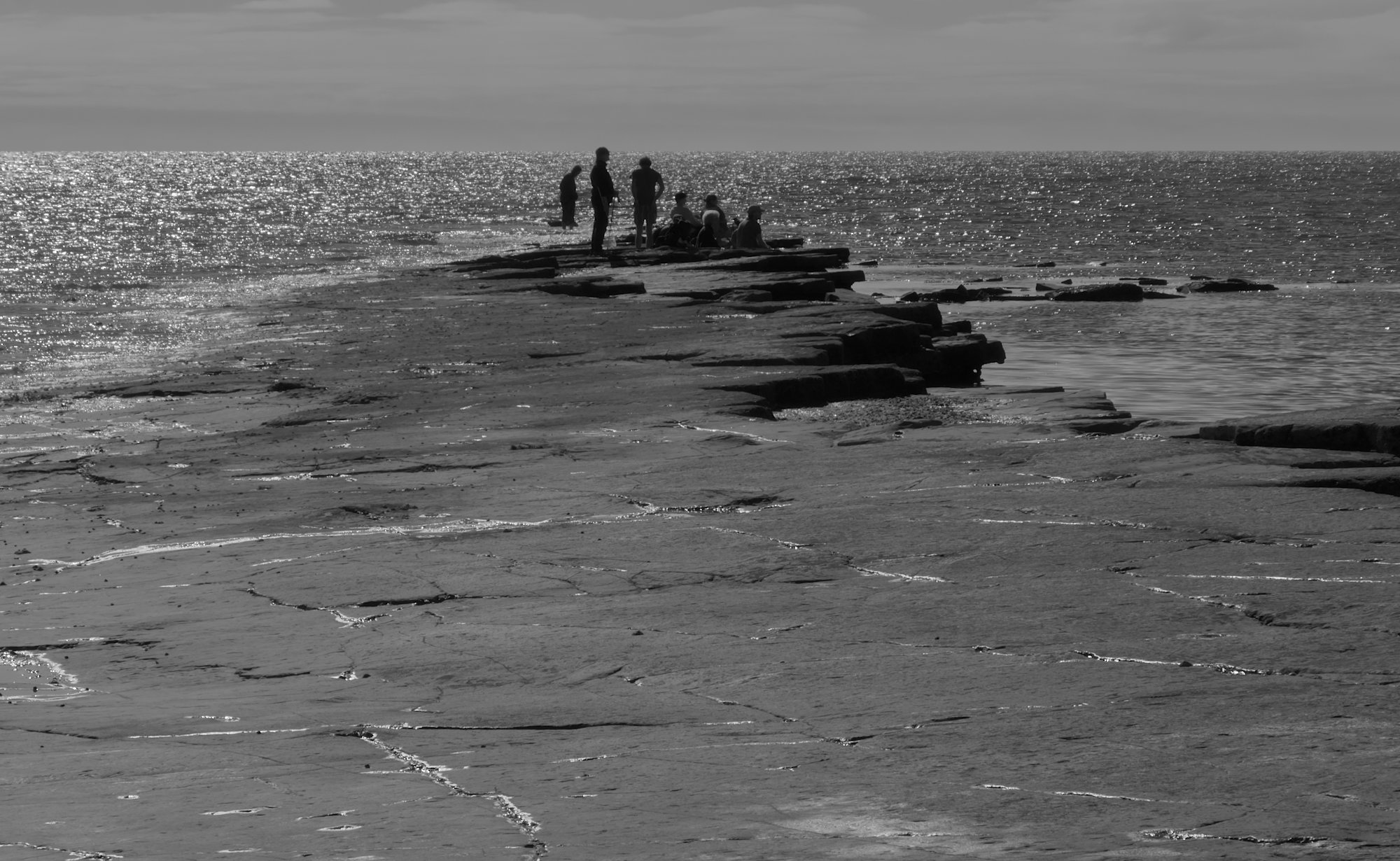
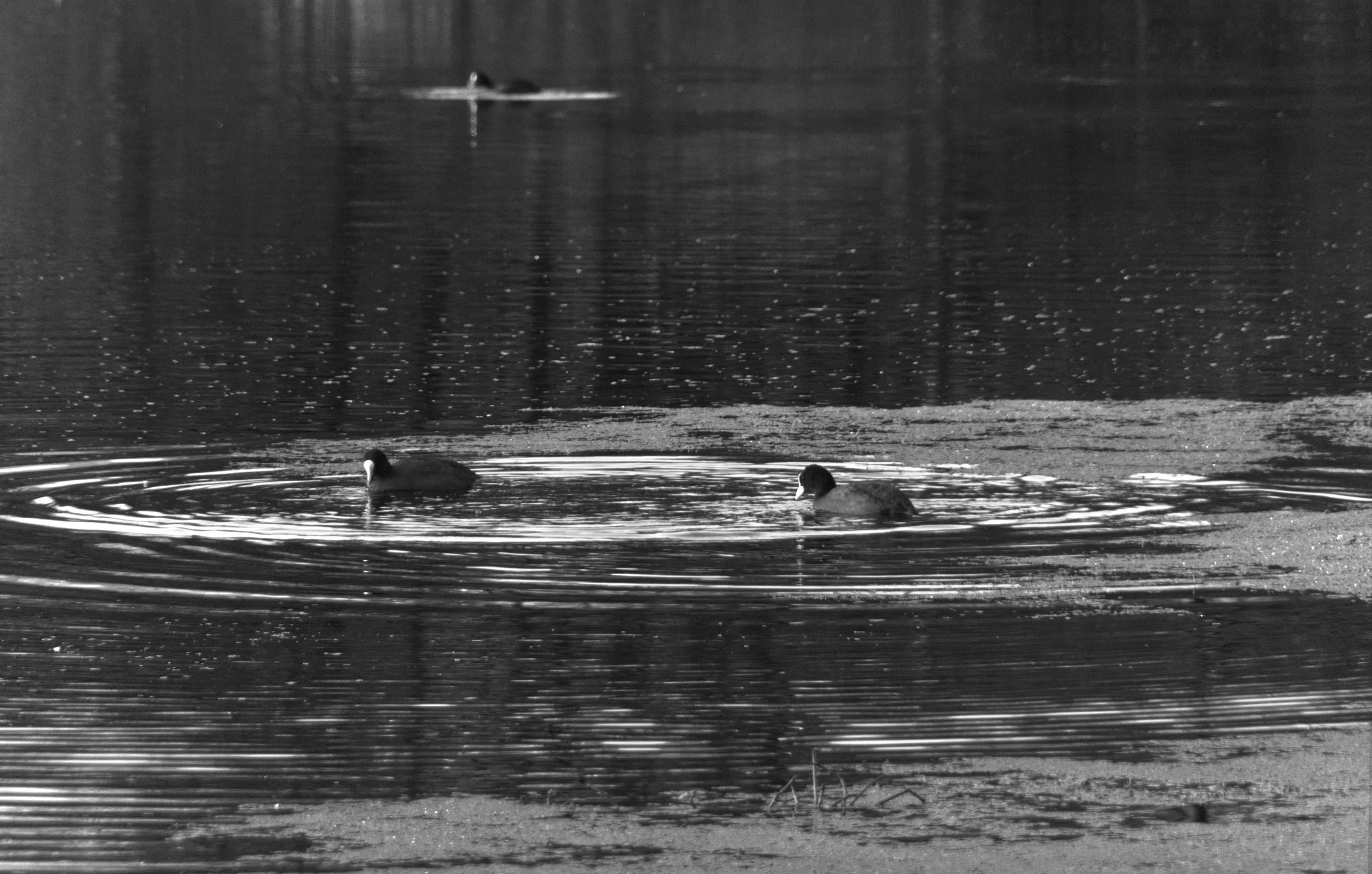
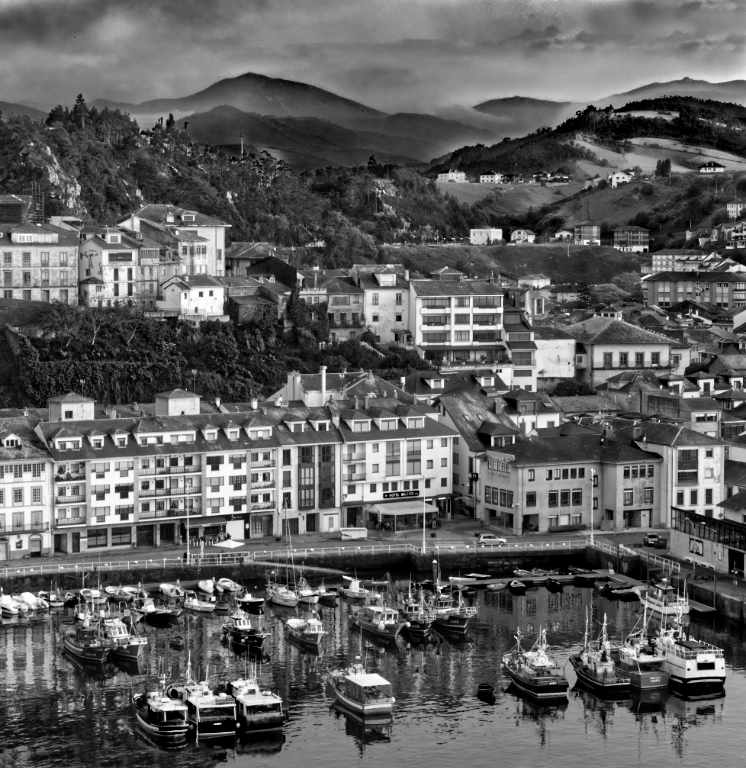
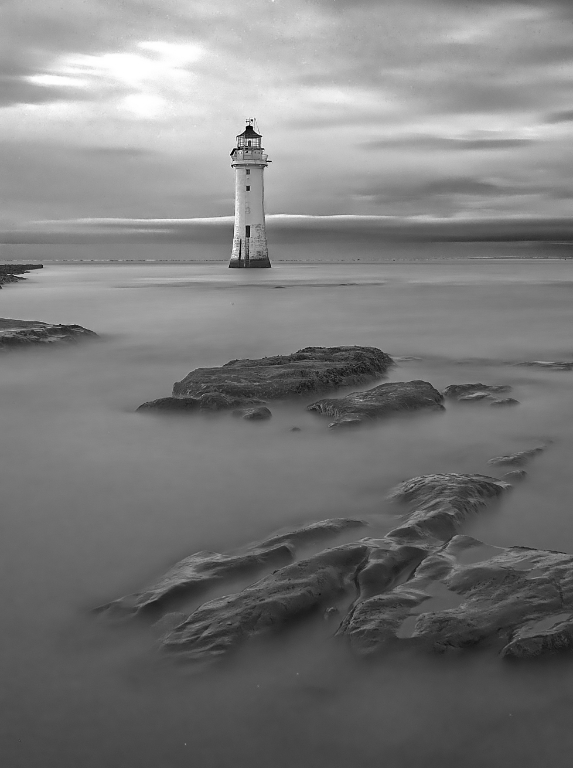
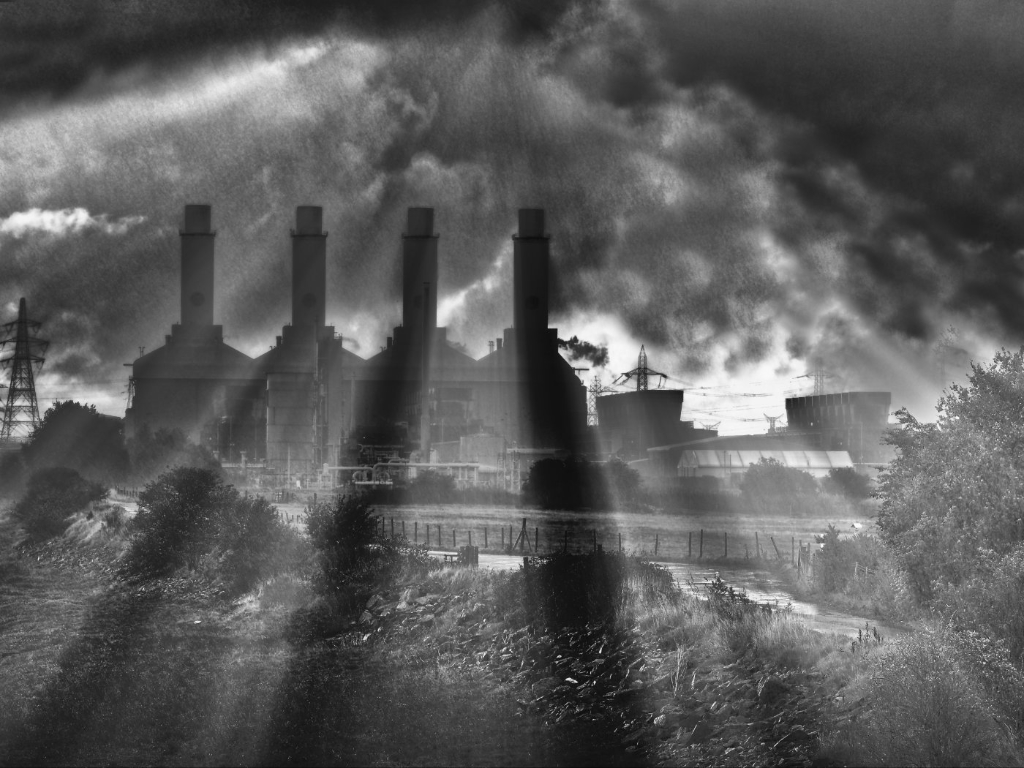
I like the feeling of a storm coming in this photo. I don't thik I can offer any suggestions to alter it, the closest I got was wondering if a ship in the right hand side mightadd a bit more detailed interest, but I can see a case for leaving it simple.
I'm always curious about your mono conversion process, so I've been trying to reproduce it in Affinity, as I suspect you use Photoshop. I tried previously but didn't succeed, but have found the way now. Affinity's not quite the same, but I can add a fill layer and fill it black, then alter the blend mode of that layer to "Hue", which gives a mono, it doesn't have a colour blending mode. Then to adjust the light and dark tones I can add a curves adjustment layer, and tweak that as usual, and it does work. I can work the dodge and burn brushes on the background layer and I see the usual effect. I can add an HSL layer and tweak the mapping of the colours to grey. Indeed, it works "normally", much like a mono conversion adjustment layer, and if anything is a little more versatile. I'll have to try it on a new image. |
Jan 6th |
4 comments - 4 replies for Group 64
|
| 95 |
Jan 25 |
Reply |
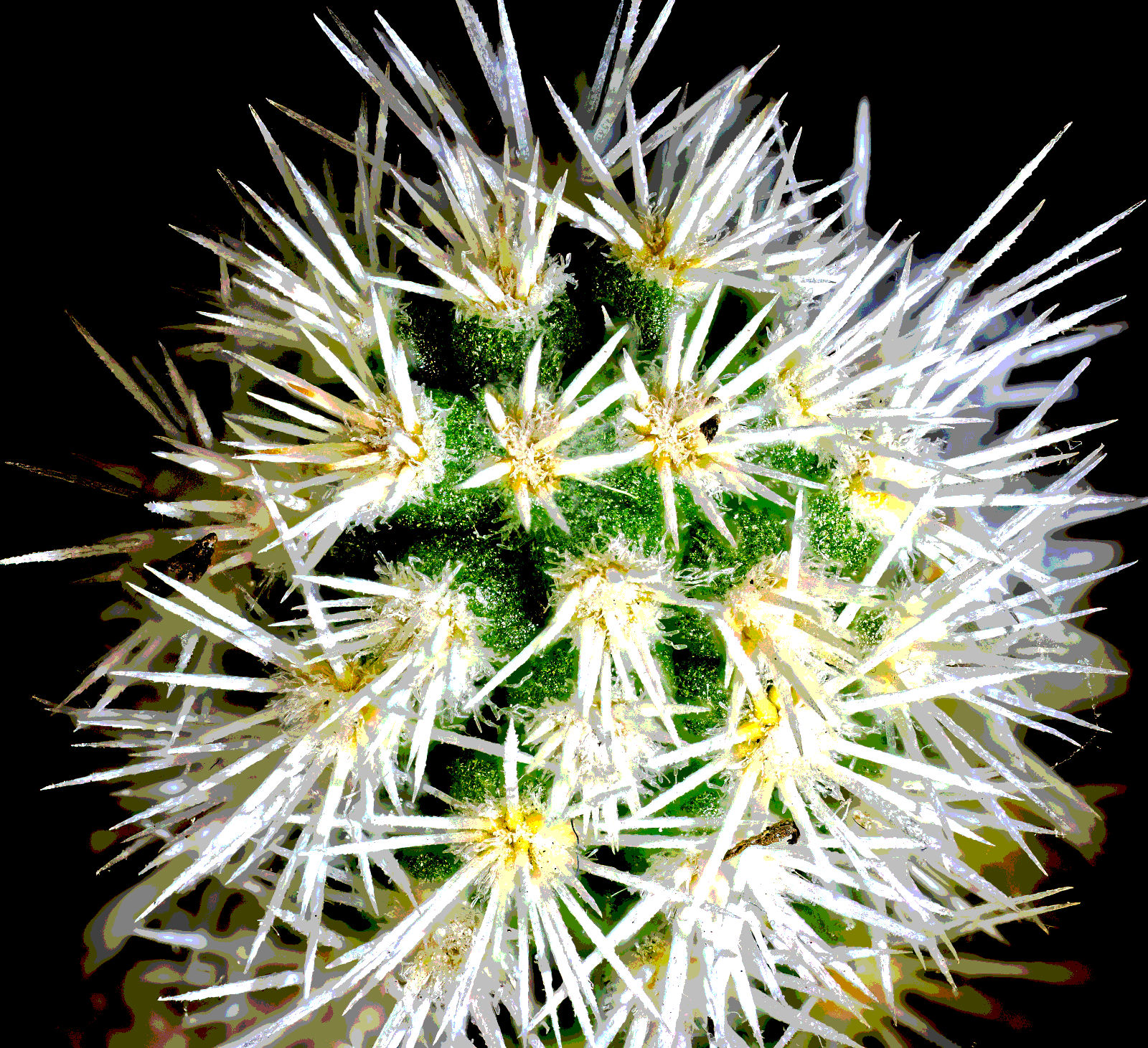
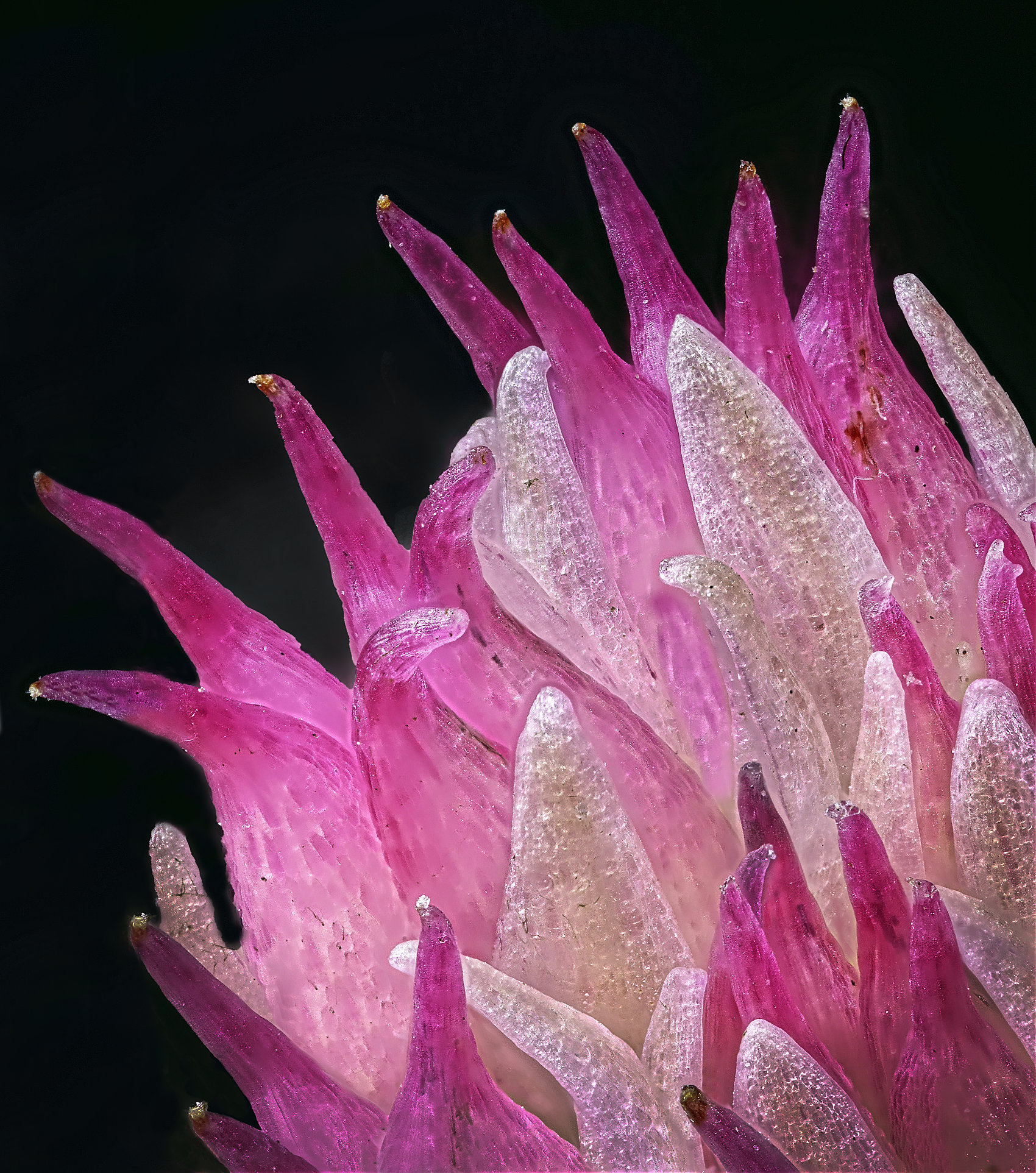
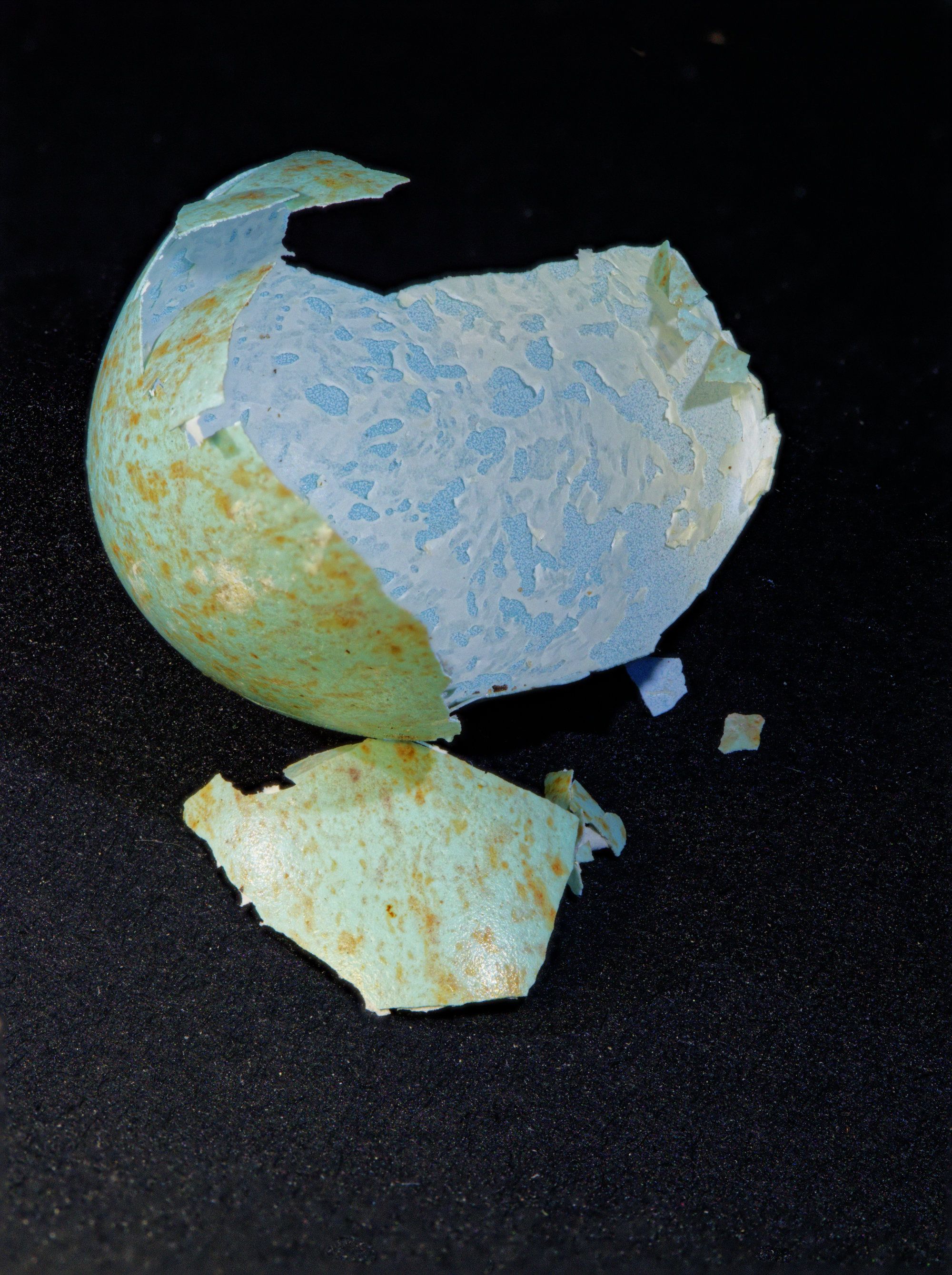
Yes, I guess that's the reason the light is as it is. It's still a fascinating image! |
Jan 16th |
| 95 |
Jan 25 |
Reply |
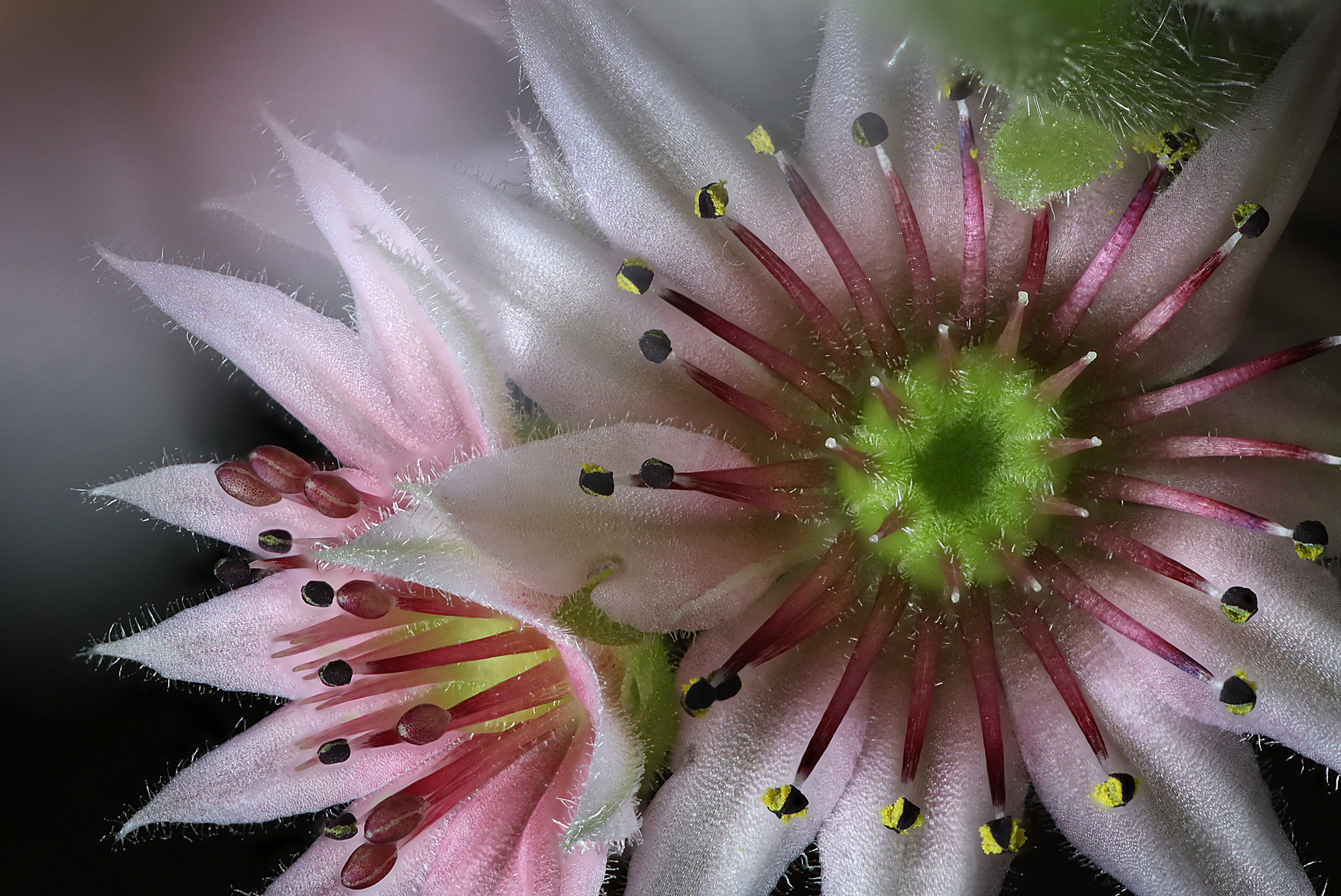
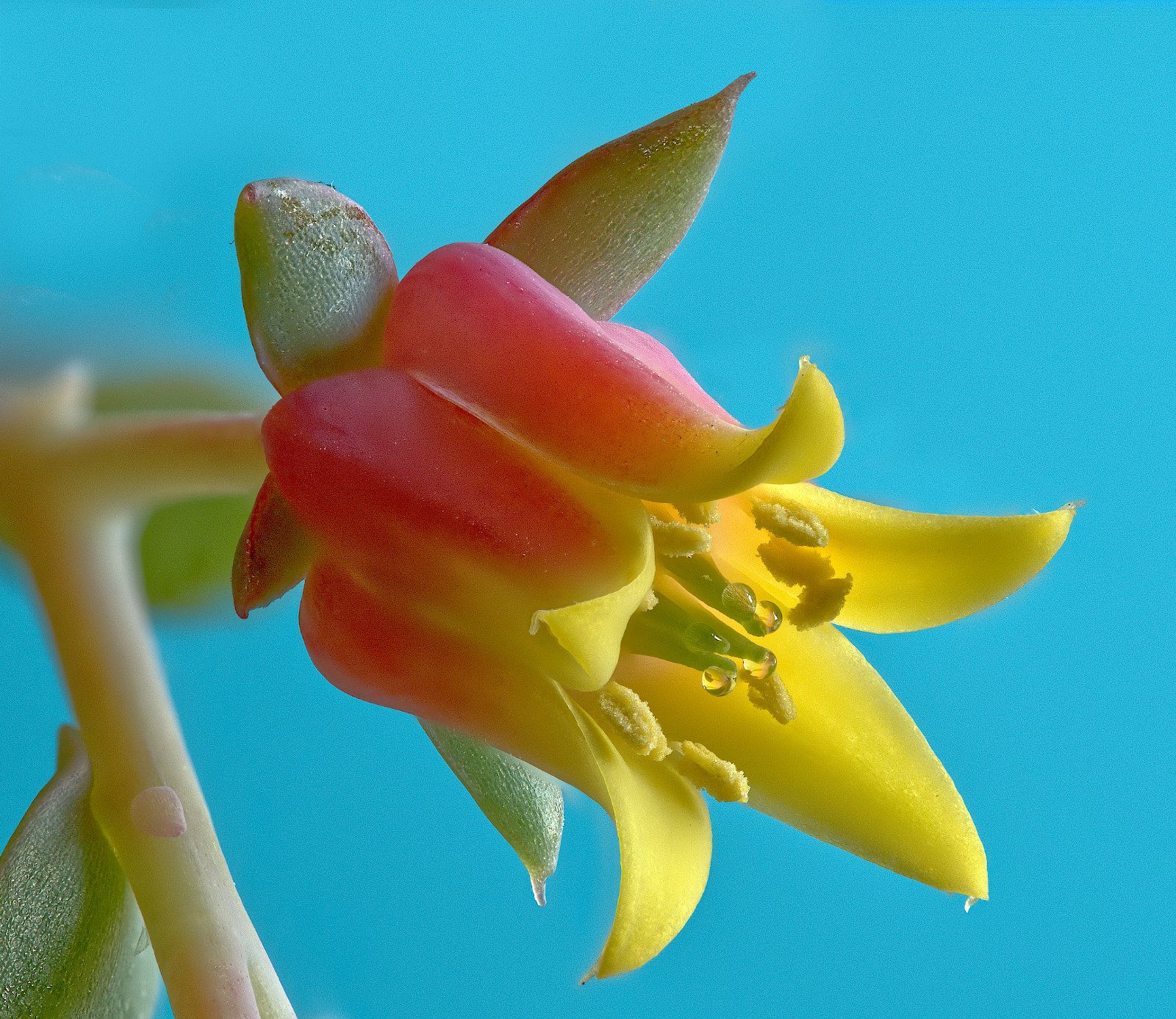
Thanks. Sadly I don't have a "normal" photo of it. It's up to the size of a child's football, lots of folded succulent leaves, most with a flower on the end when it flowers. It looks rather different from this distance and angle! |
Jan 6th |
| 95 |
Jan 25 |
Comment |
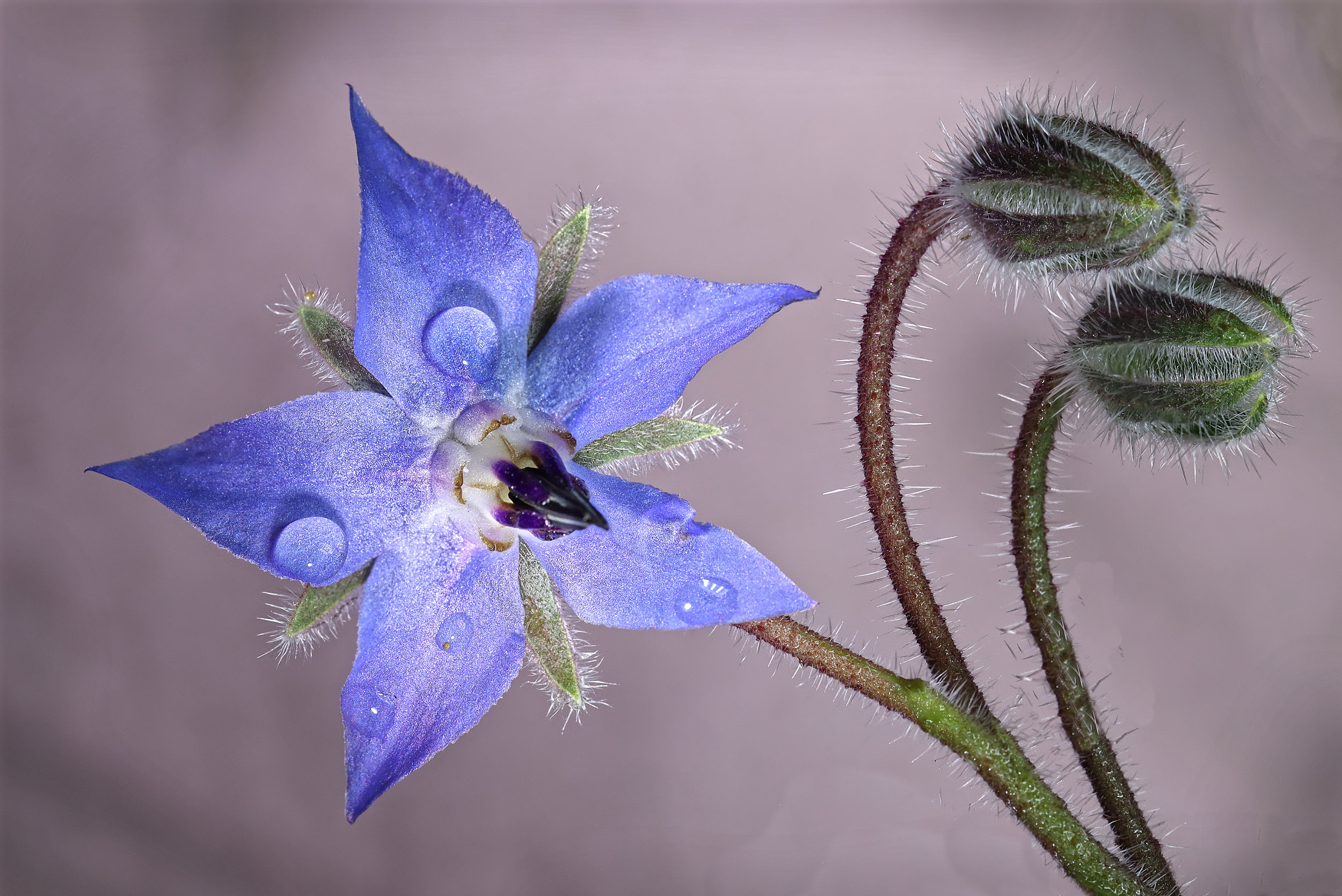
And back where I started, with a water drop!
This is quite a contrast to Margaret's. This is much simpler, and here I think it's the colour and the tones that make this interesting, as well as the shape. I see we have a little reflection here, rather like Margaret's does. But both results are great, to me.
Now, where did I put my water droplets apparatus? ......
|
Jan 6th |
| 95 |
Jan 25 |
Comment |
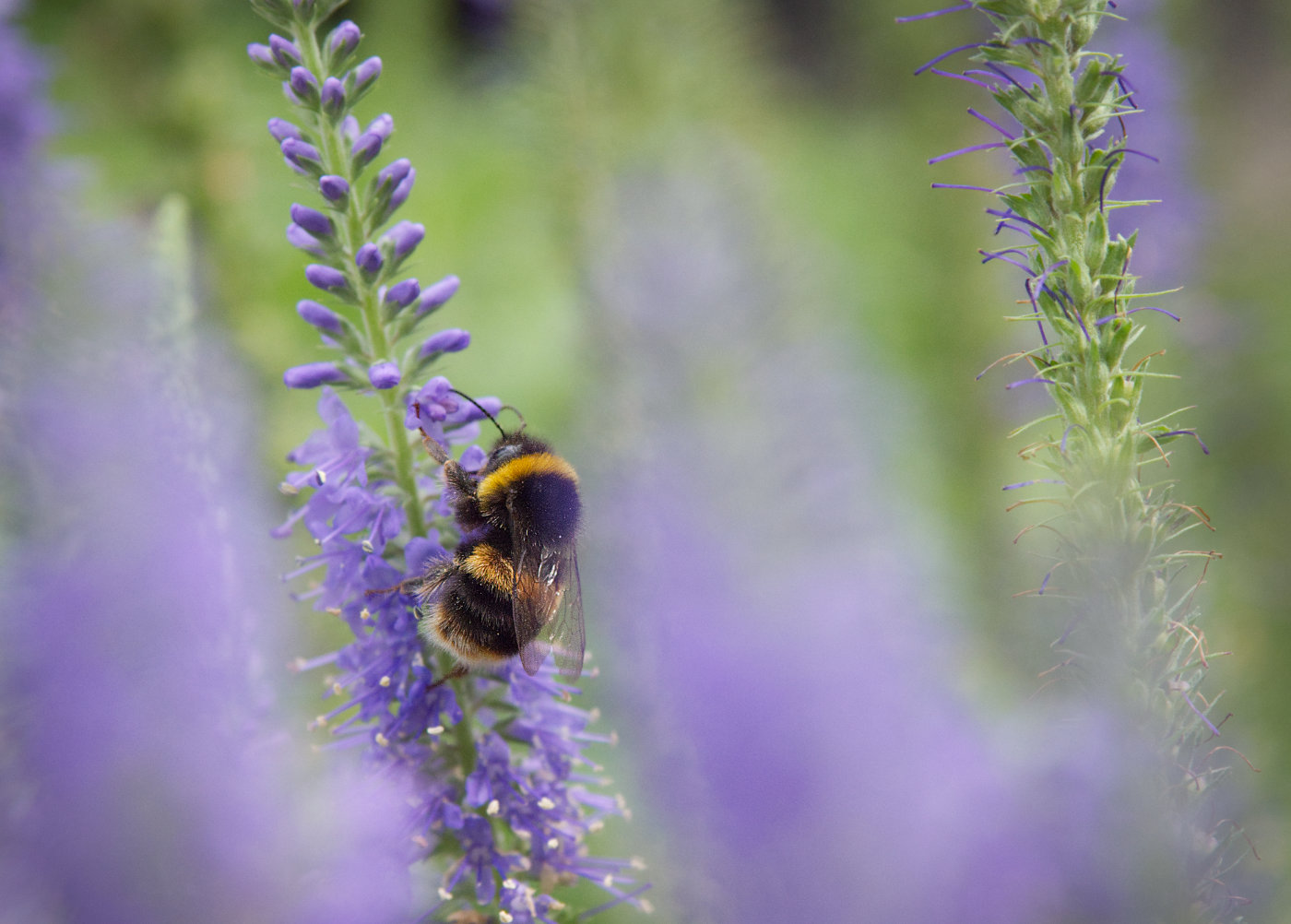
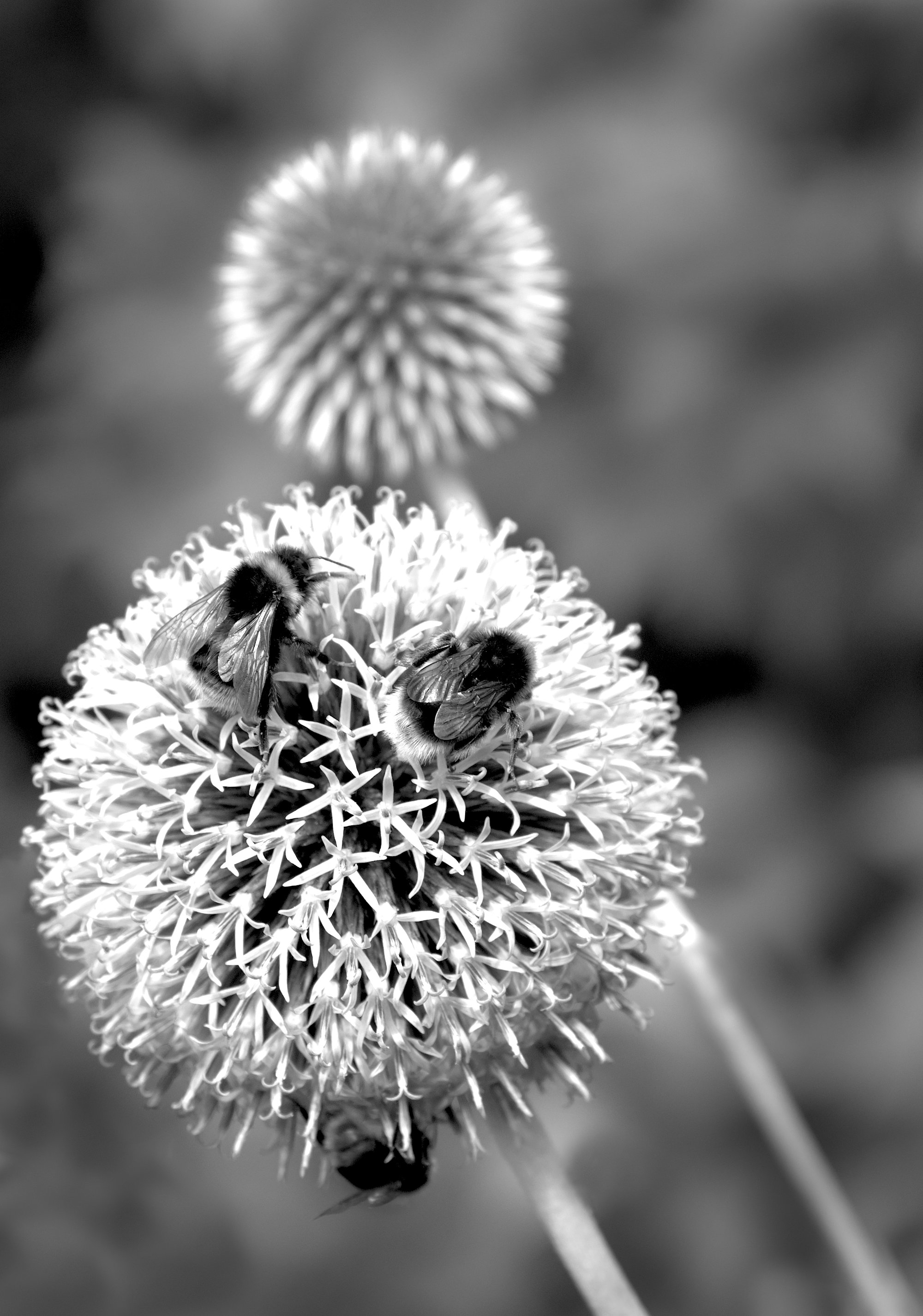
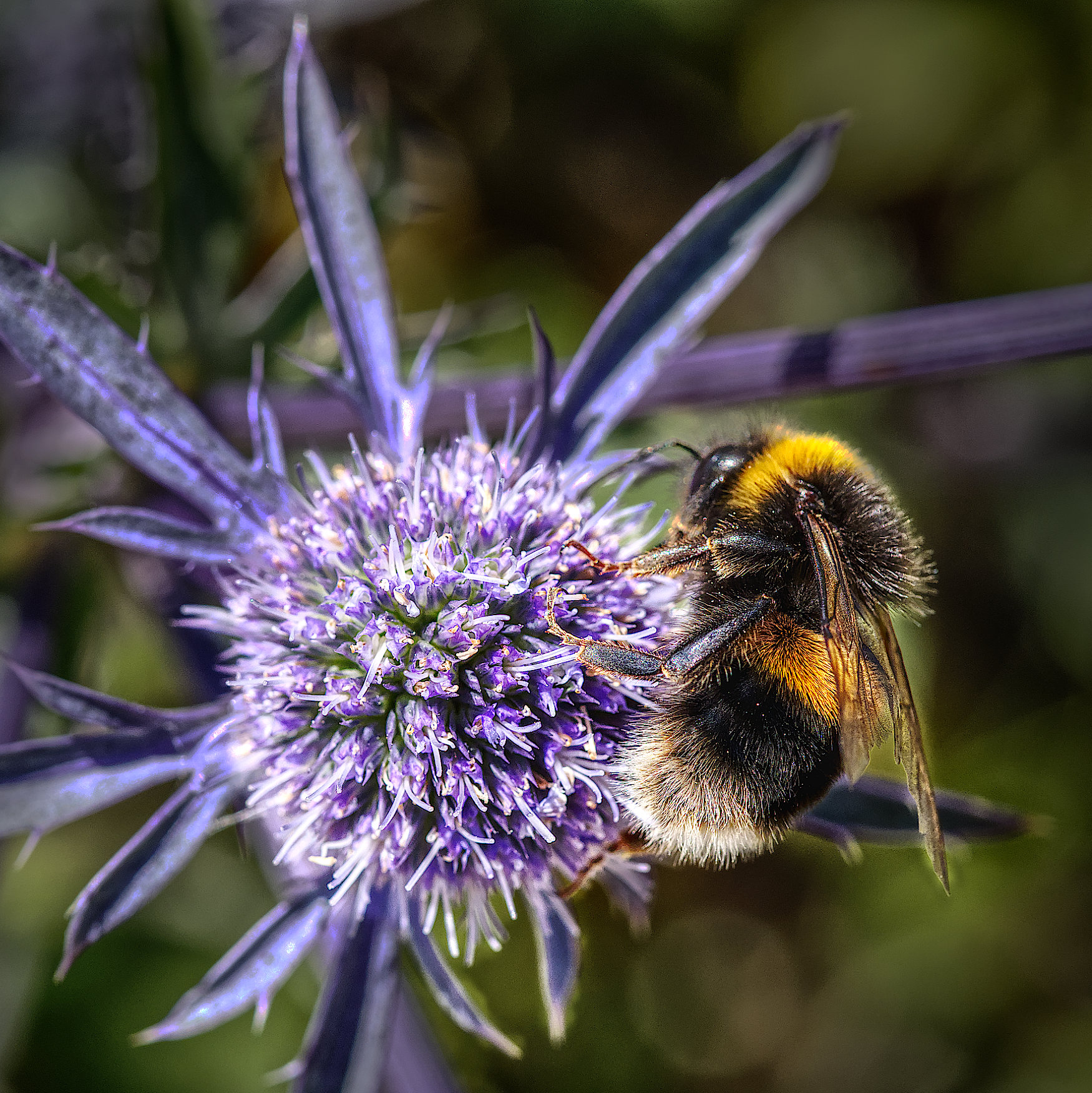
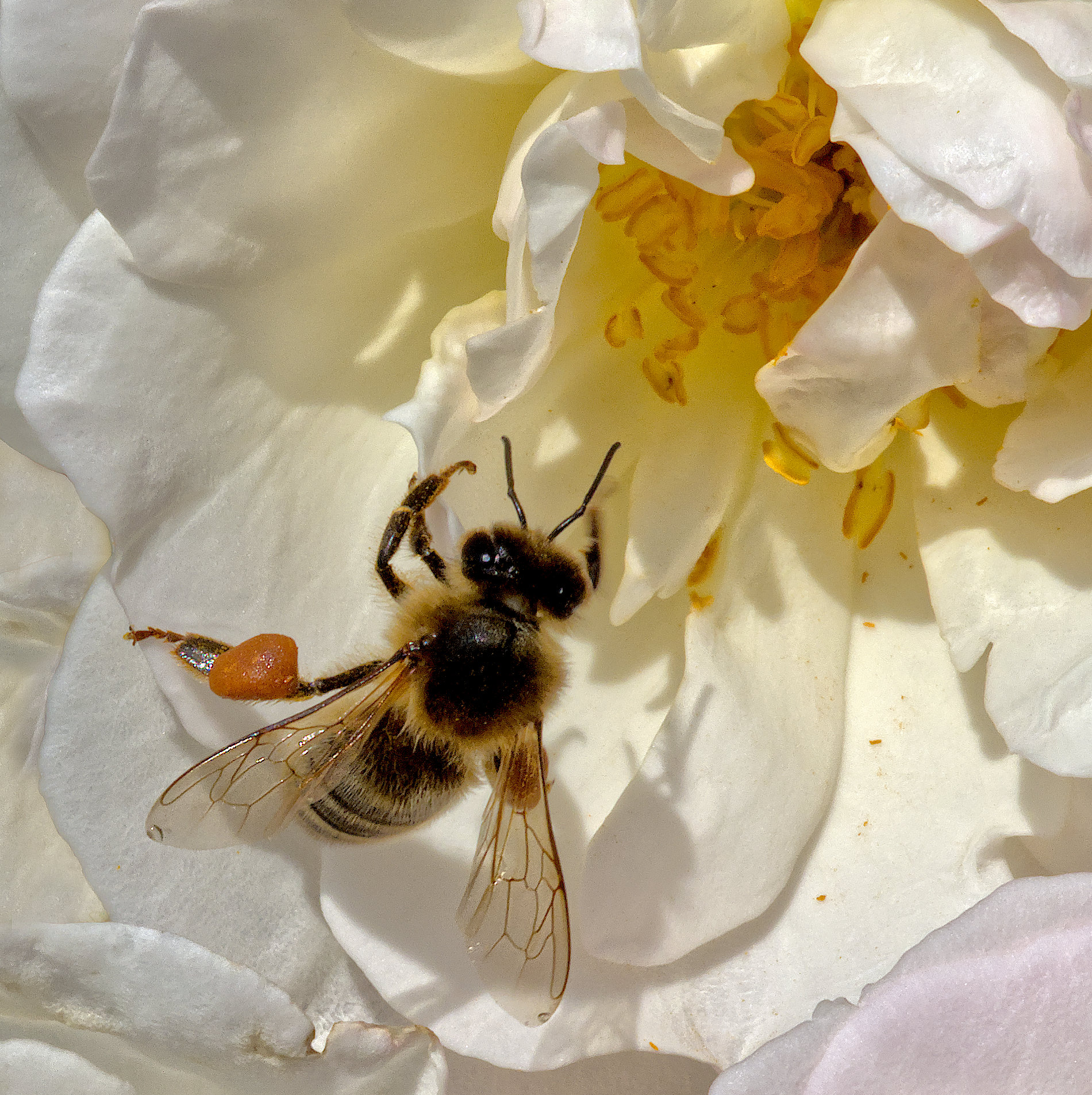
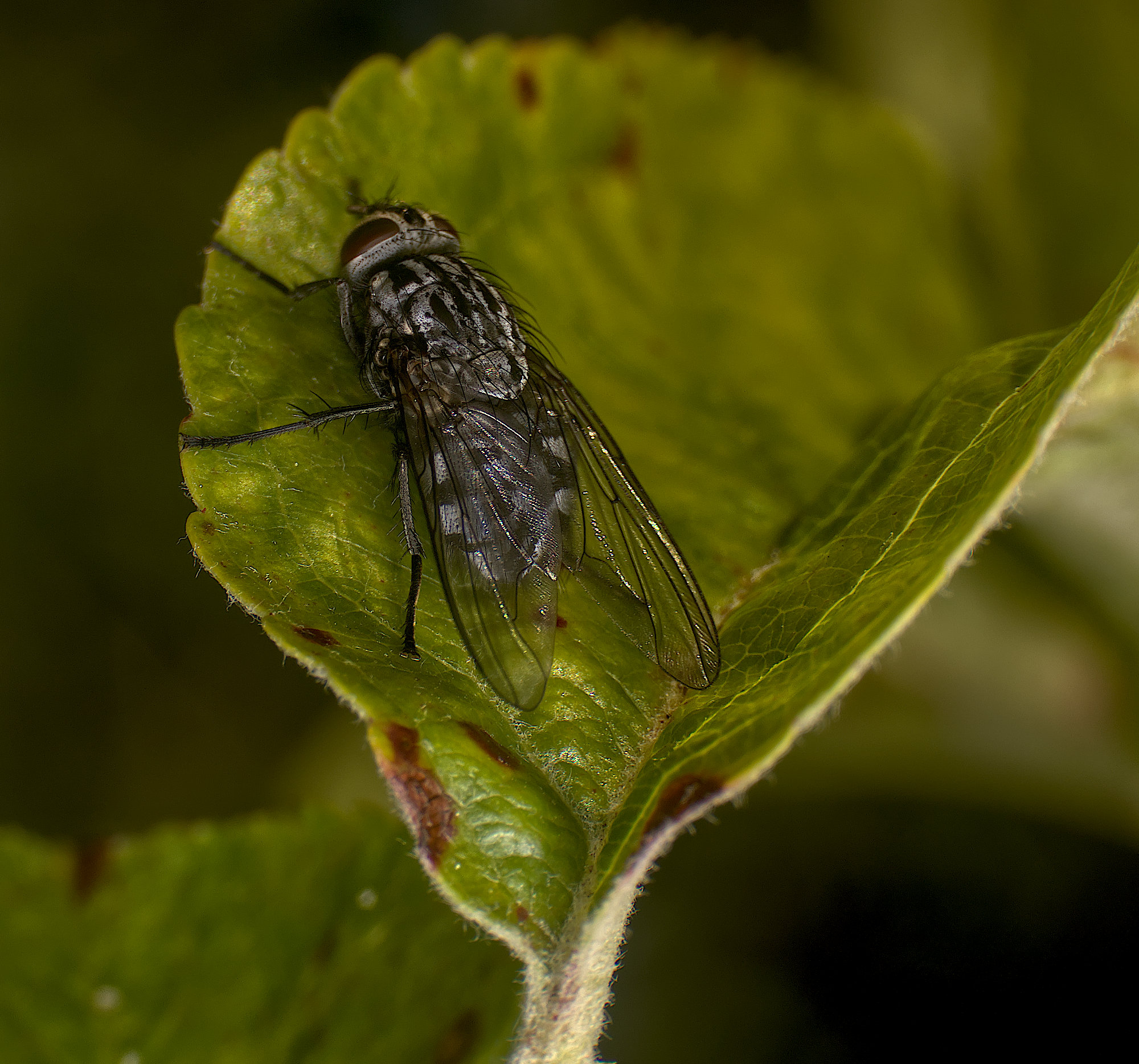
I think this is a very clean photo, unusually composed with the view from directly overhead. I love the sharpness and texture of the petals, and the colour similarity between the bee and the centre. Not sure what that bit is in a daisy - the stigma?
I like the background, it's interesting without being distracting.
It's a fully symmetrical photo with just the bee offset to break that, which I find pleasant. Nice job! |
Jan 6th |
| 95 |
Jan 25 |
Comment |
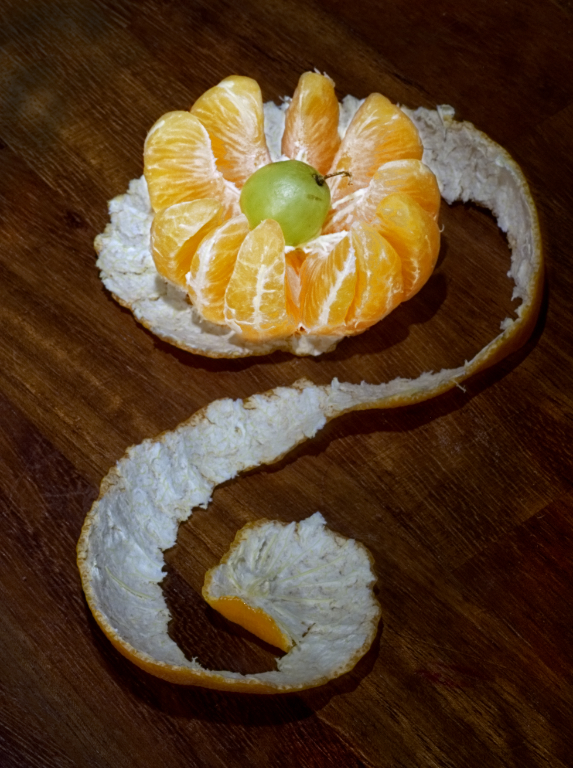
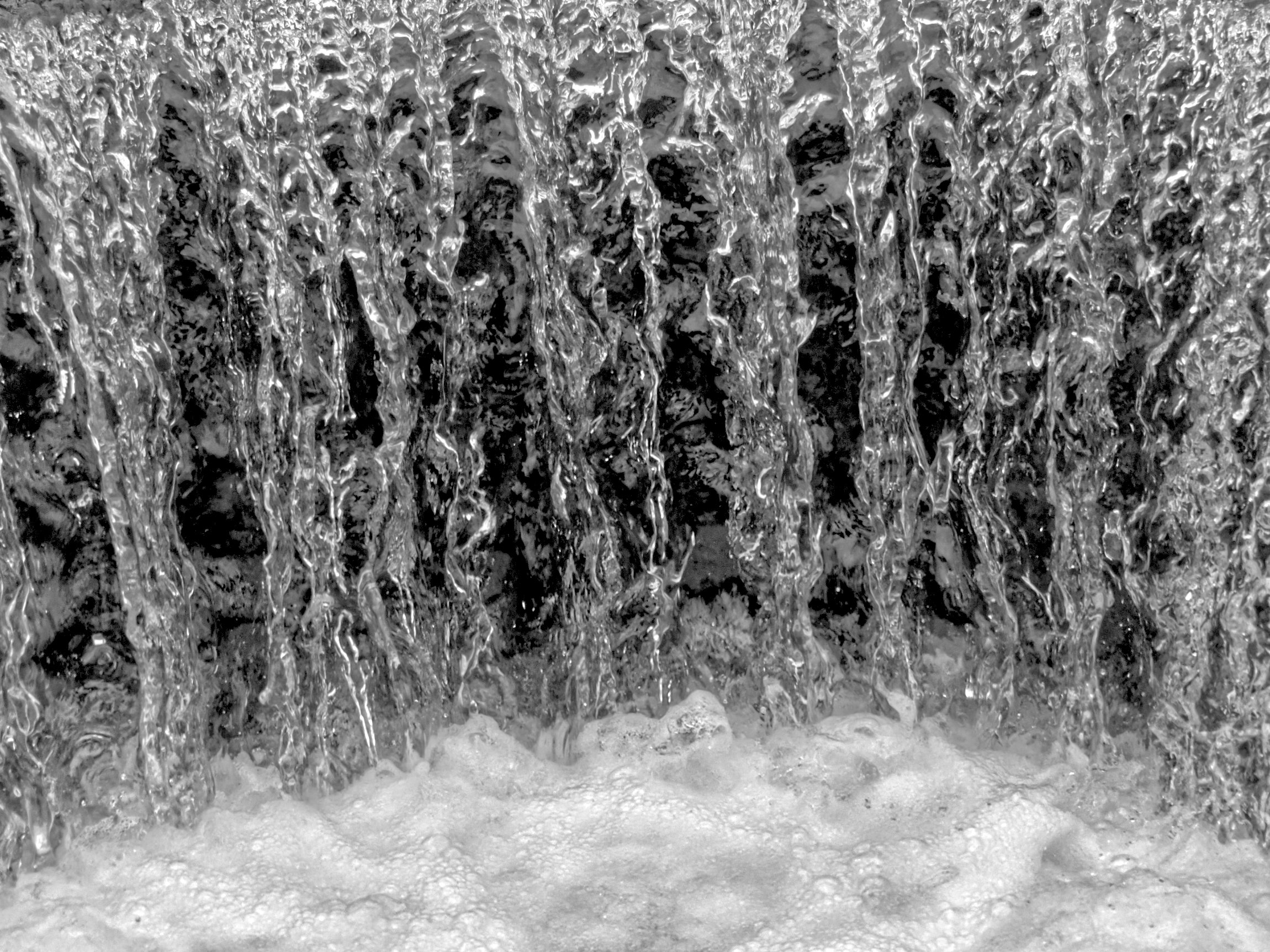
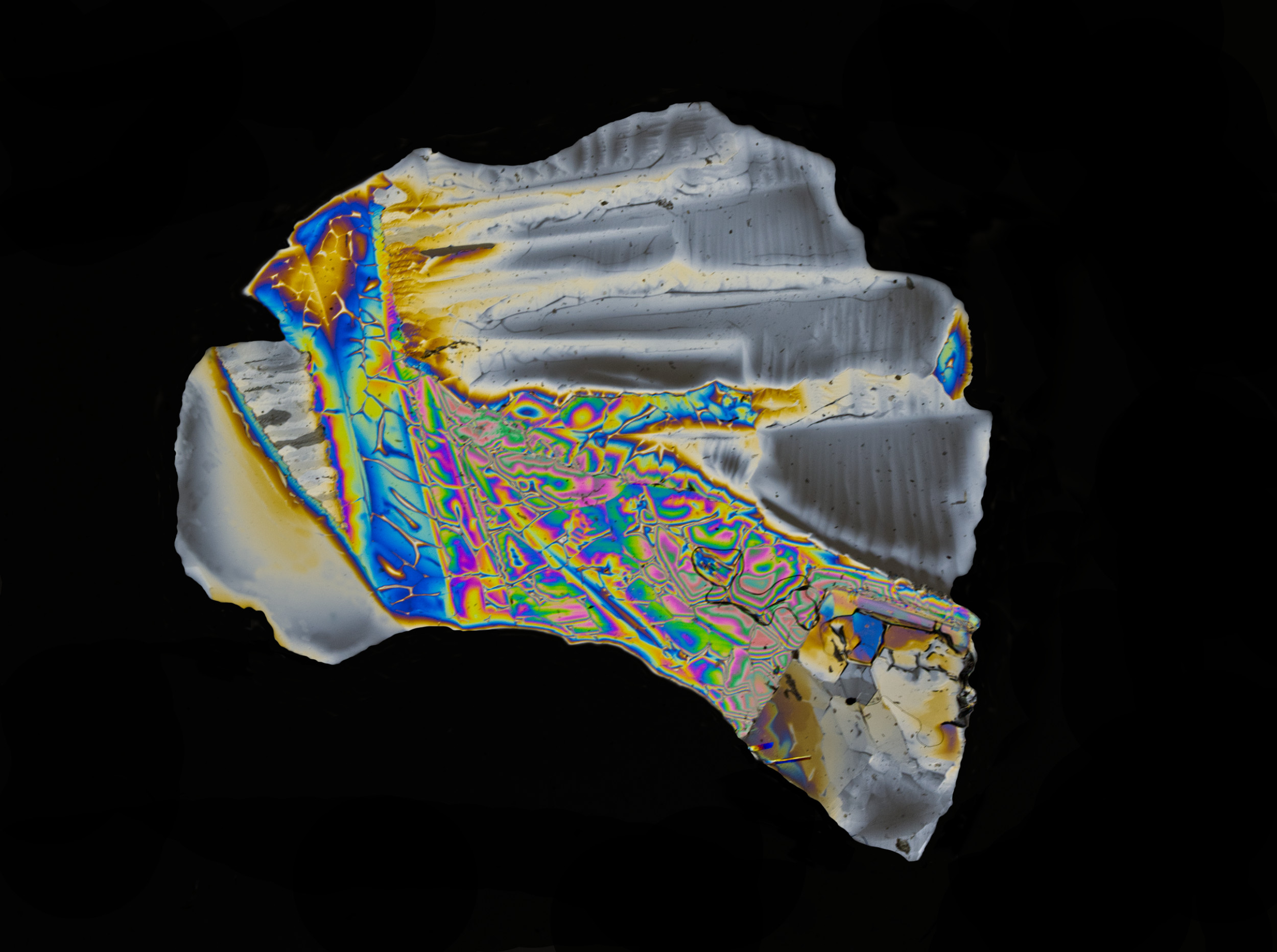
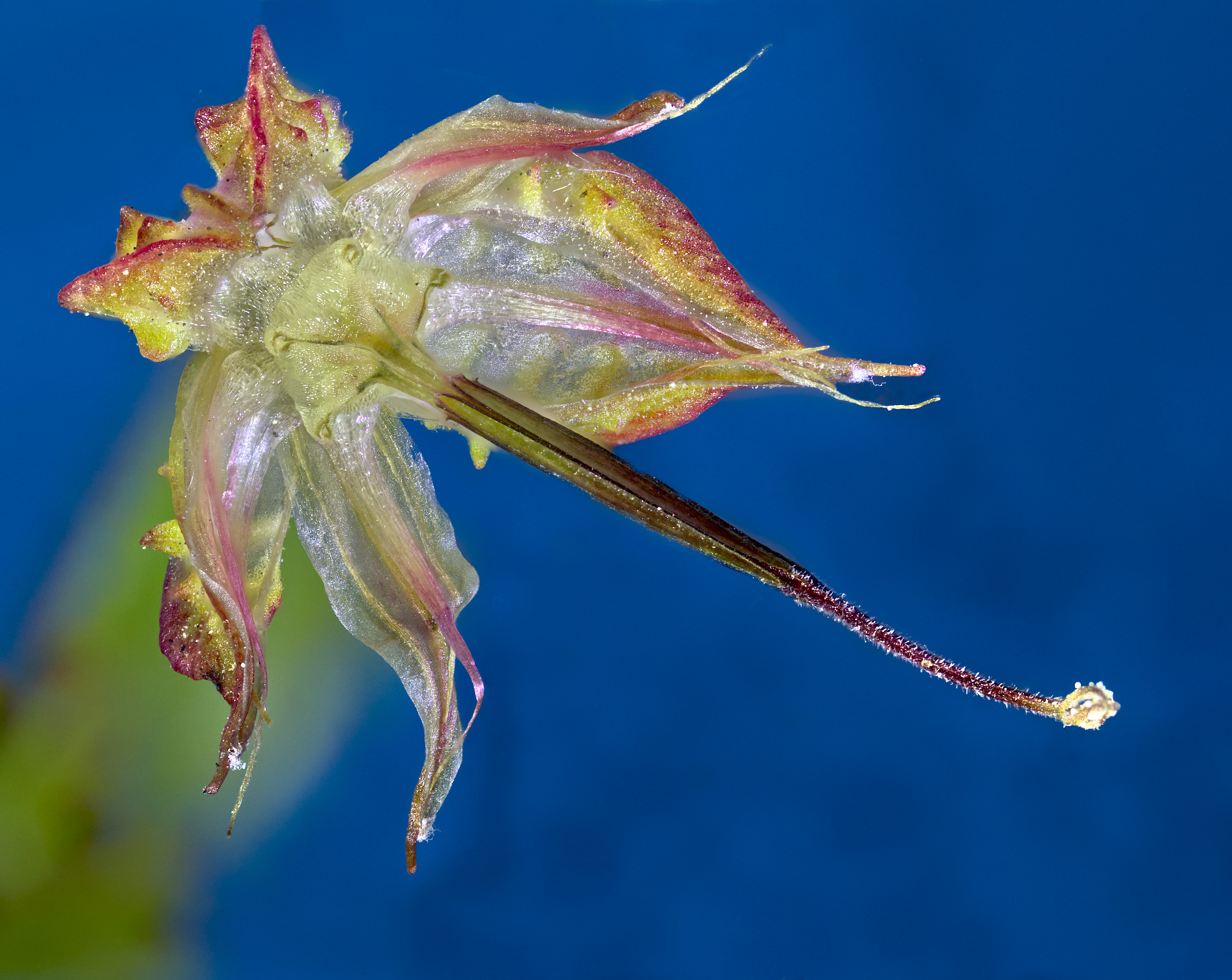
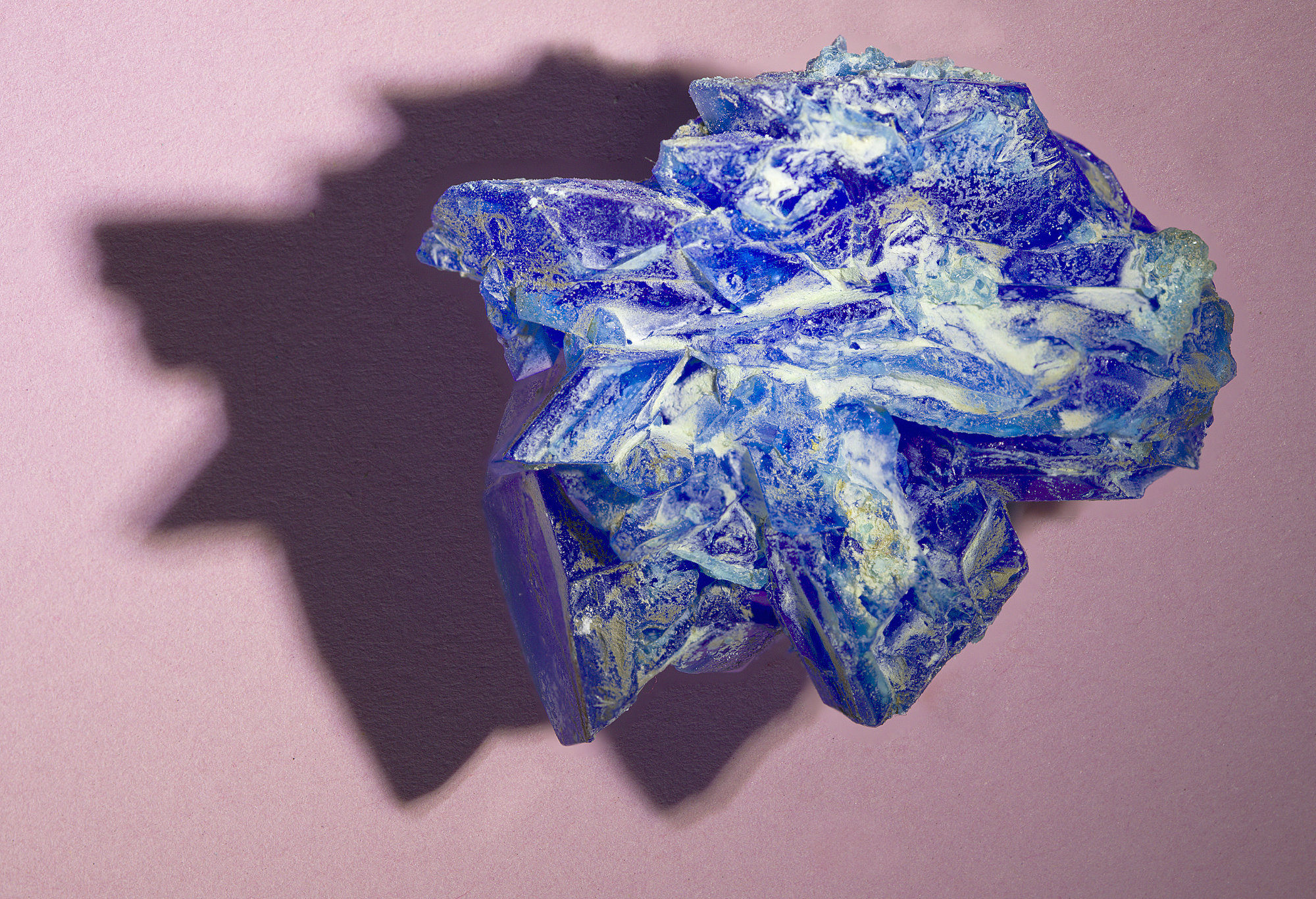
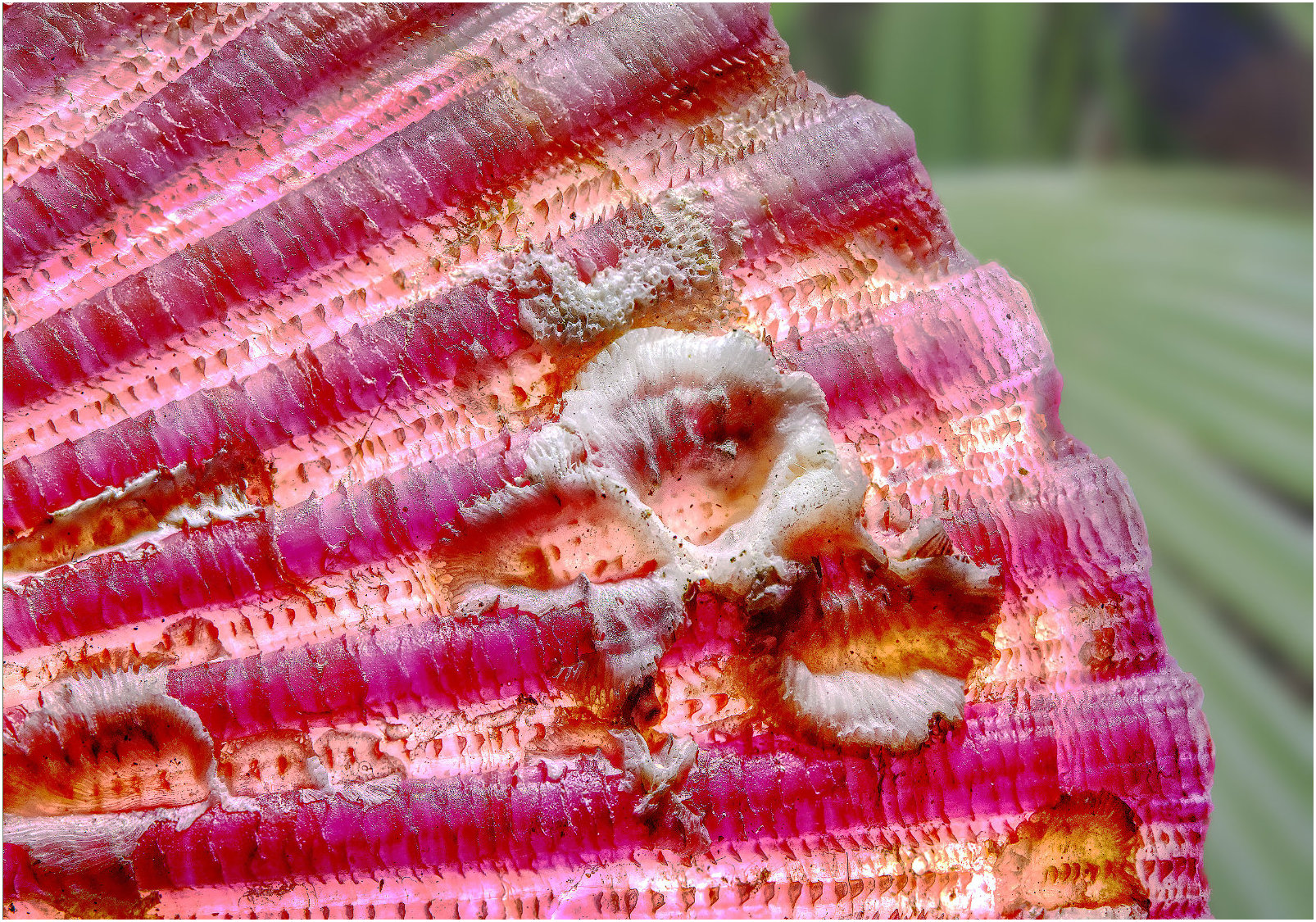
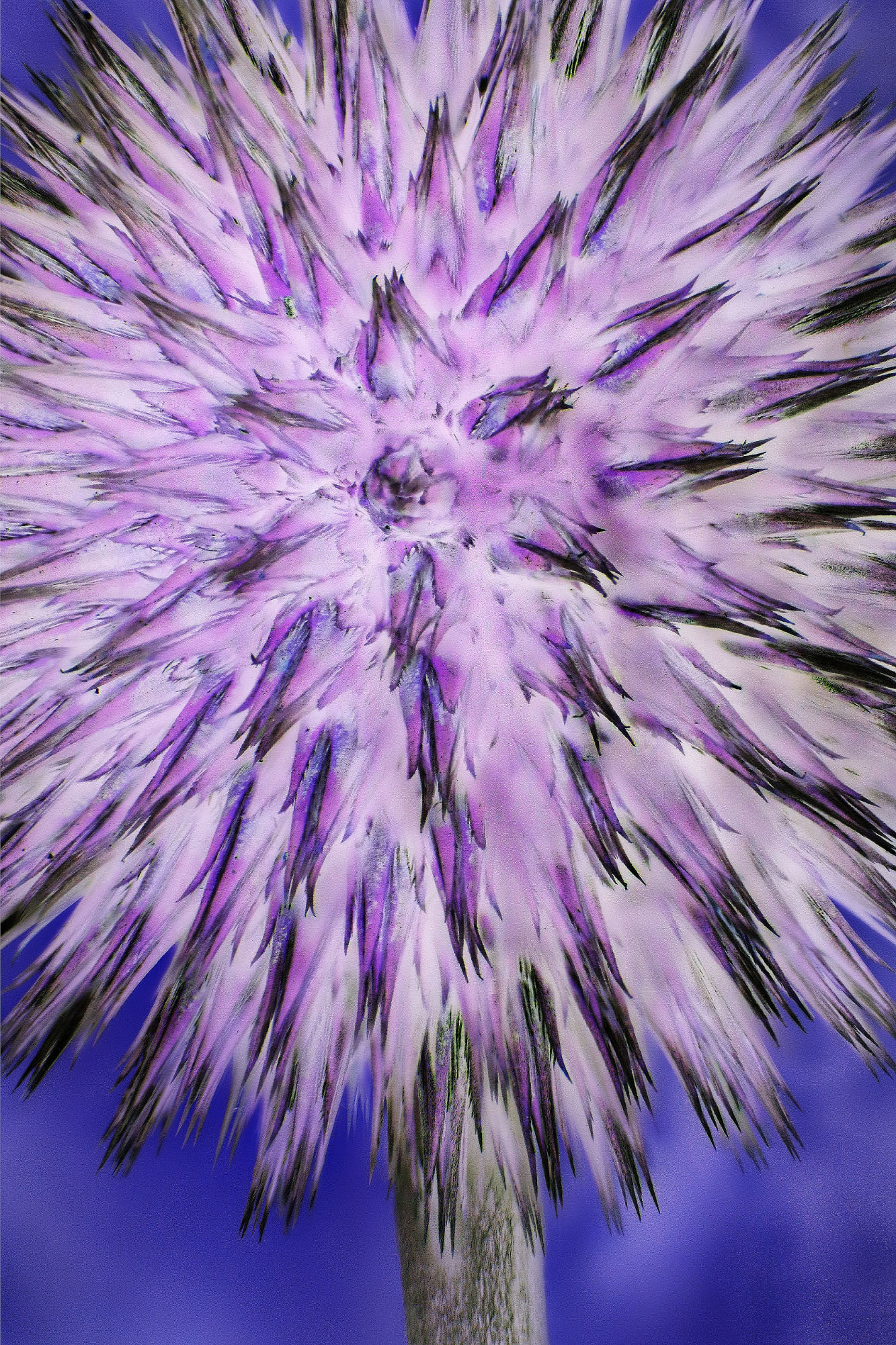
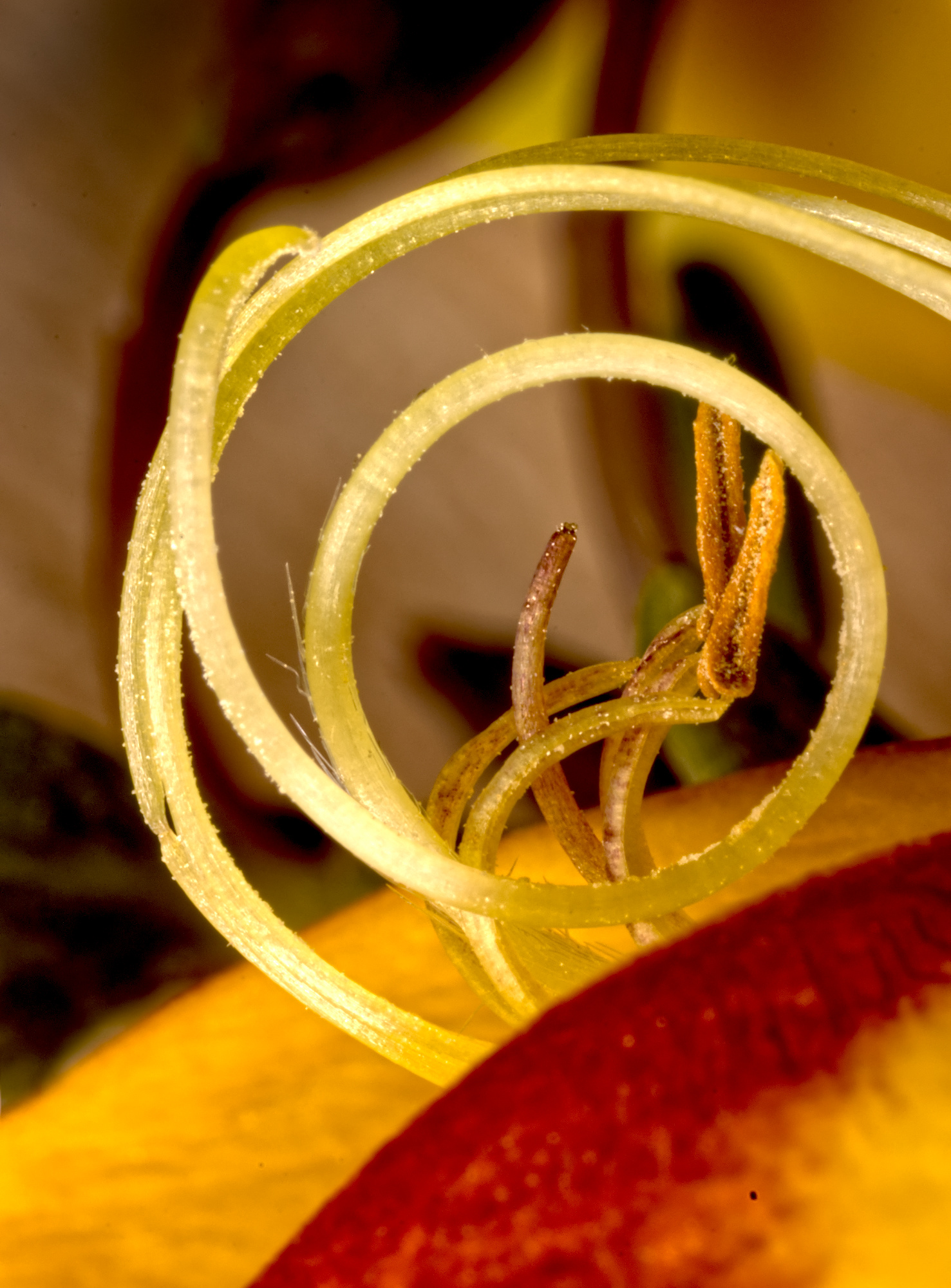
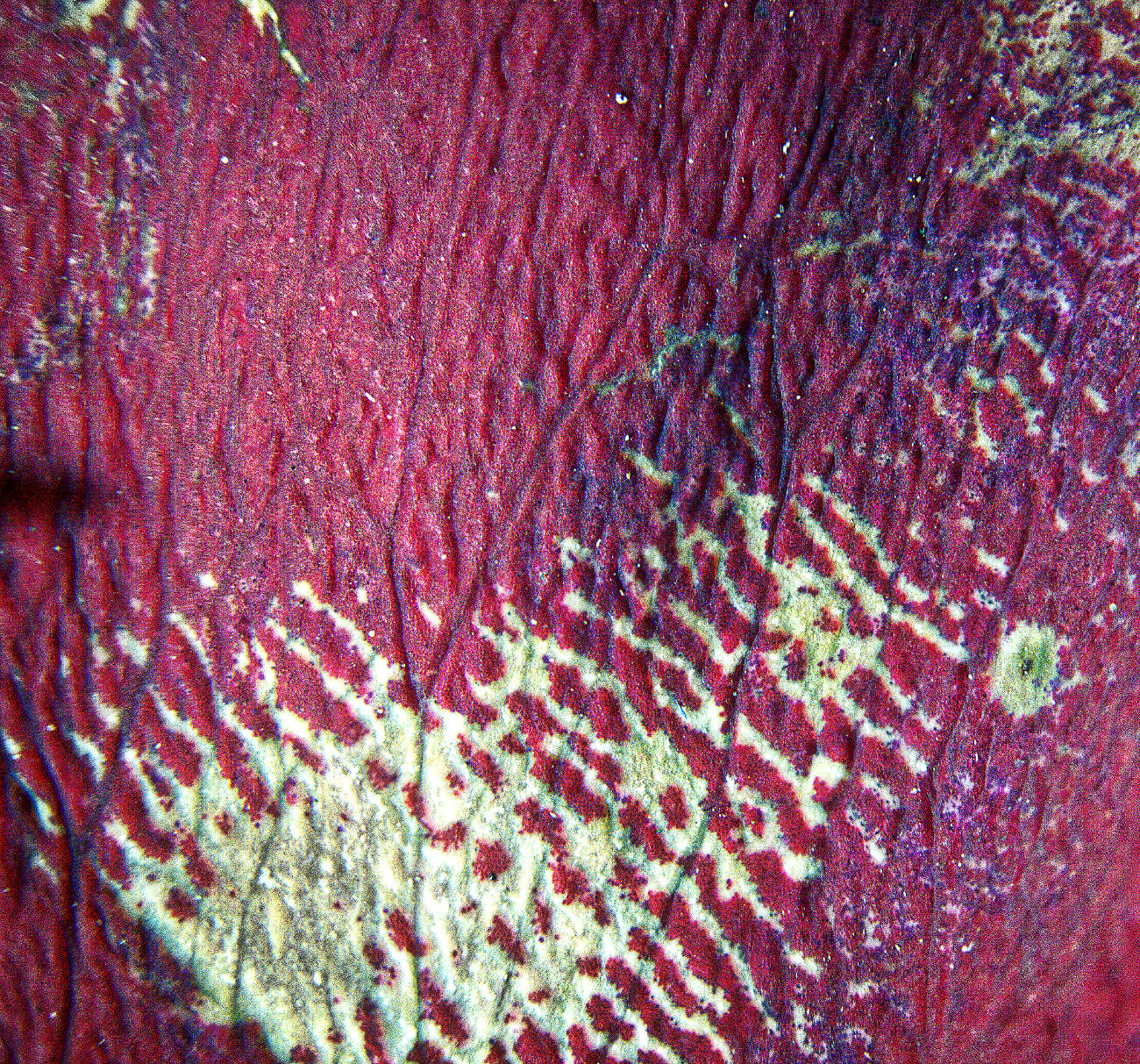
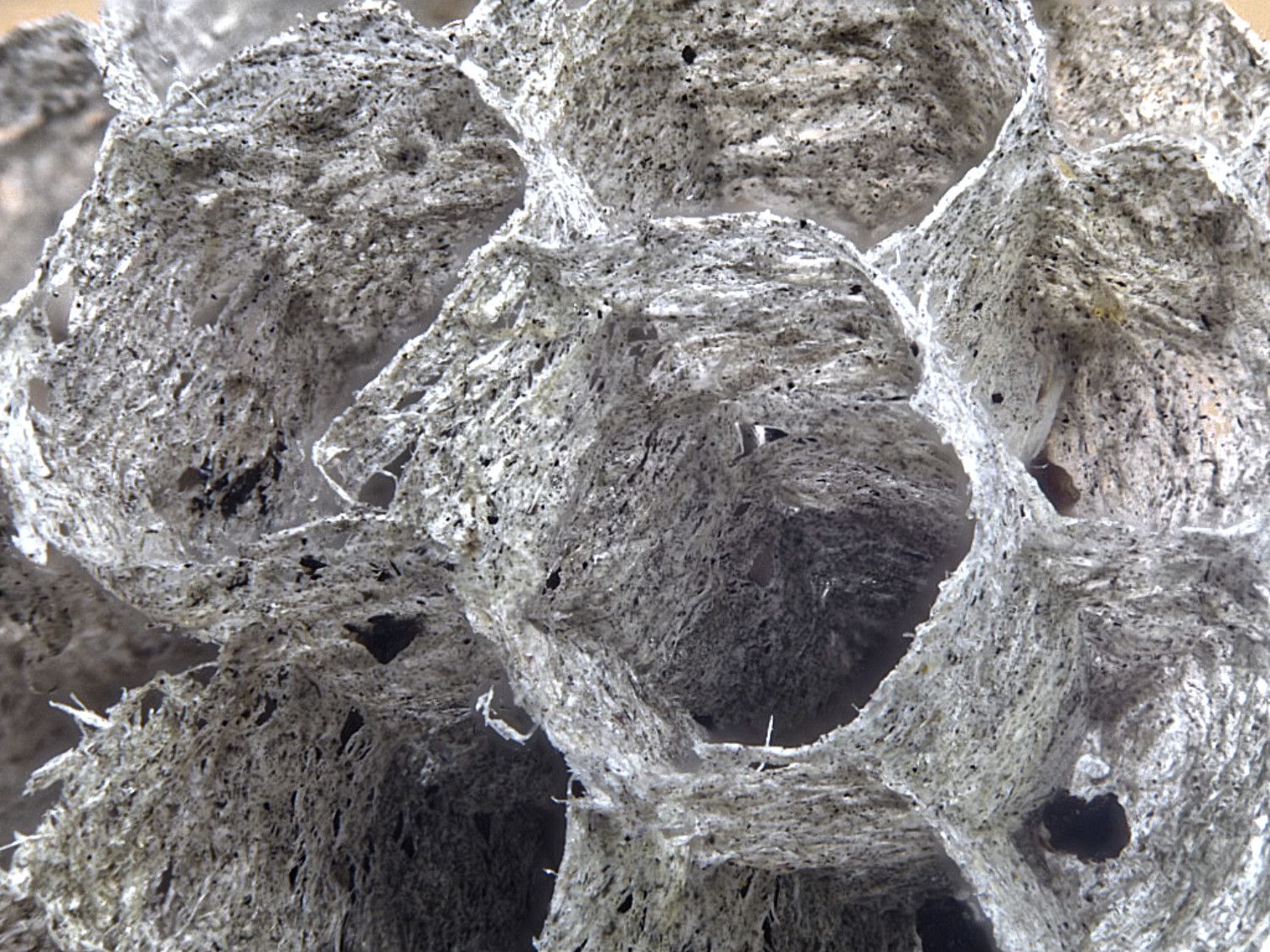
Hmm. The solar surface? No, you said in the house. An orange with the peeled skin at the top with a light behind it?? Maybe not. An extreme close up of a third water drop this month with orange light??? Could be! You've got me stumped, I think. In that case, this is an abstract, but that's fine.
I love it really, it has delightful shapes and textures, a bit like looking down a tunnel with raging water in the foreground, maybe over the top of a waterfall in a cave???? The imagination can run riot.
Oh yes, the photograph. Great, Pat, you've nailed the focus stack, worked wonders on the light and colour. Destined for the Tate Modern, I think :-)
|
Jan 6th |
| 95 |
Jan 25 |
Comment |
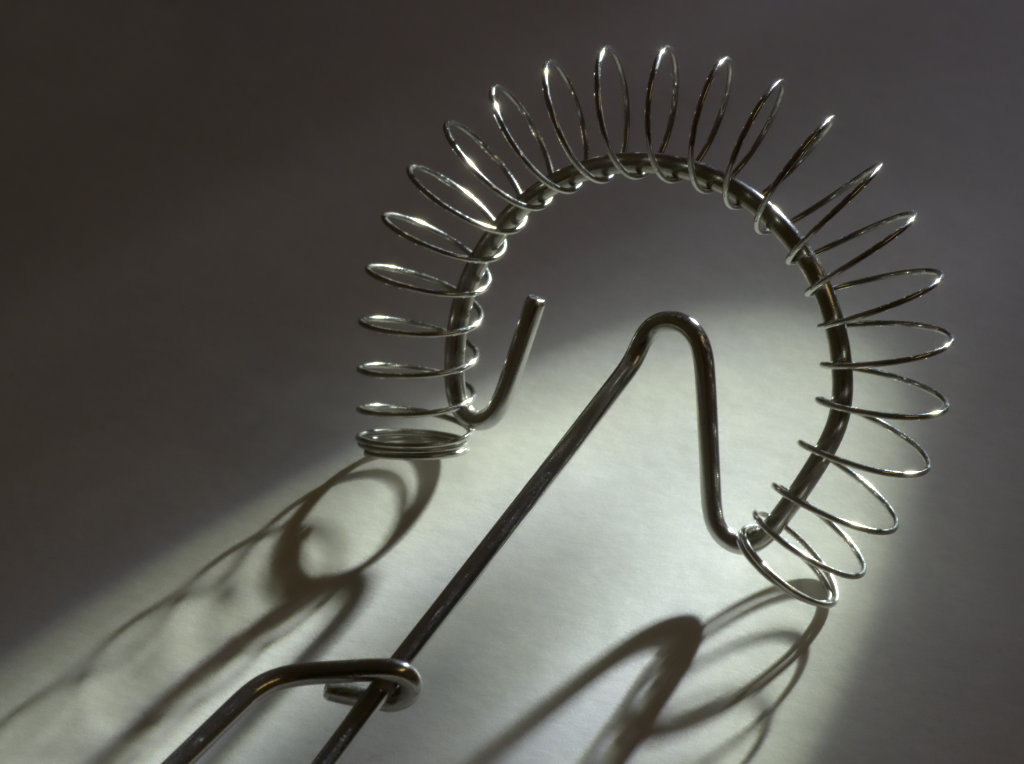
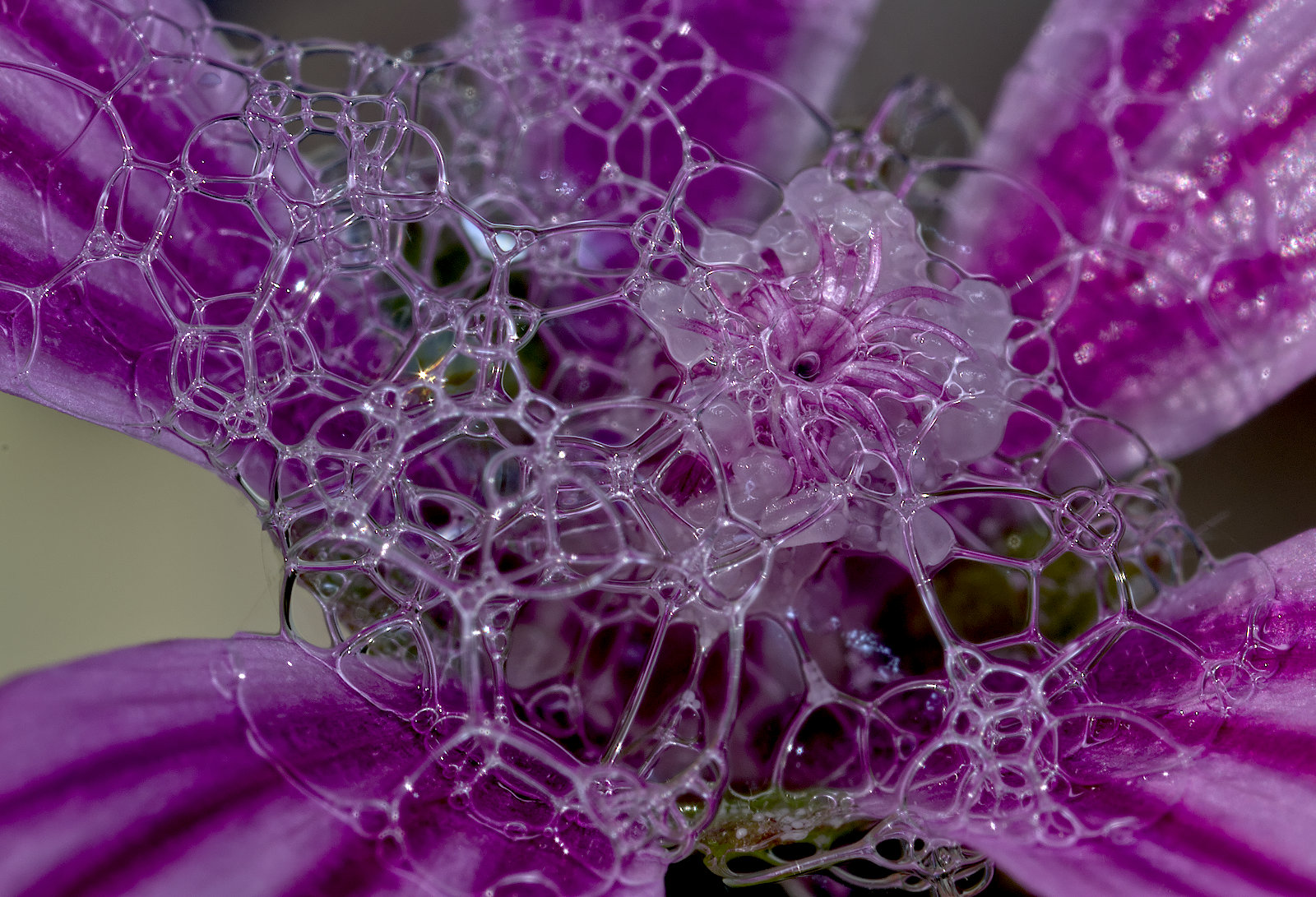
You and Carol will need to share ideas! I've also done water drops in the past, but just straight, single drops, using coloured water.
Now you mention the light, of course I look at that, and indeed immediately suspect a composite as it appears that the light for the spout is from the left. In fact, the highlights and shadows look odd as they are not consistent. I would have expected the rim in the centre on the right side to be in light, whereas it appears to be in shadow.
But whatever, light can do strange things. Perhaps you could flip the spout left to right (and the two droplets above it).
These type of photos are always interesting. I like the sharpness and general composition. I don't think I've seen one in mono before, but why not, it's fine. Well done!
I would however clone out that tiny dropletabove and to the right of the spout.
|
Jan 6th |
4 comments - 2 replies for Group 95
|
8 comments - 6 replies Total
|