|
| Group |
Round |
C/R |
Comment |
Date |
Image |
| 64 |
Nov 24 |
Reply |
Yes, you're right, and as I run the macro group I should be ashamed of myself! But it was a quick grab with non-ideal equipment. I should have taken lots in the expectation that one would be good, but I was in a hurry as usual. |
Nov 19th |
| 64 |
Nov 24 |
Reply |
Sort of. The filter lightens the whole area you selectit appears (I don't use Lightroom). I'd meant more selectively than that - alas more work. I've done the attached rather crudely, but hope it shows what I meant. |
Nov 14th |
 |
| 64 |
Nov 24 |
Comment |
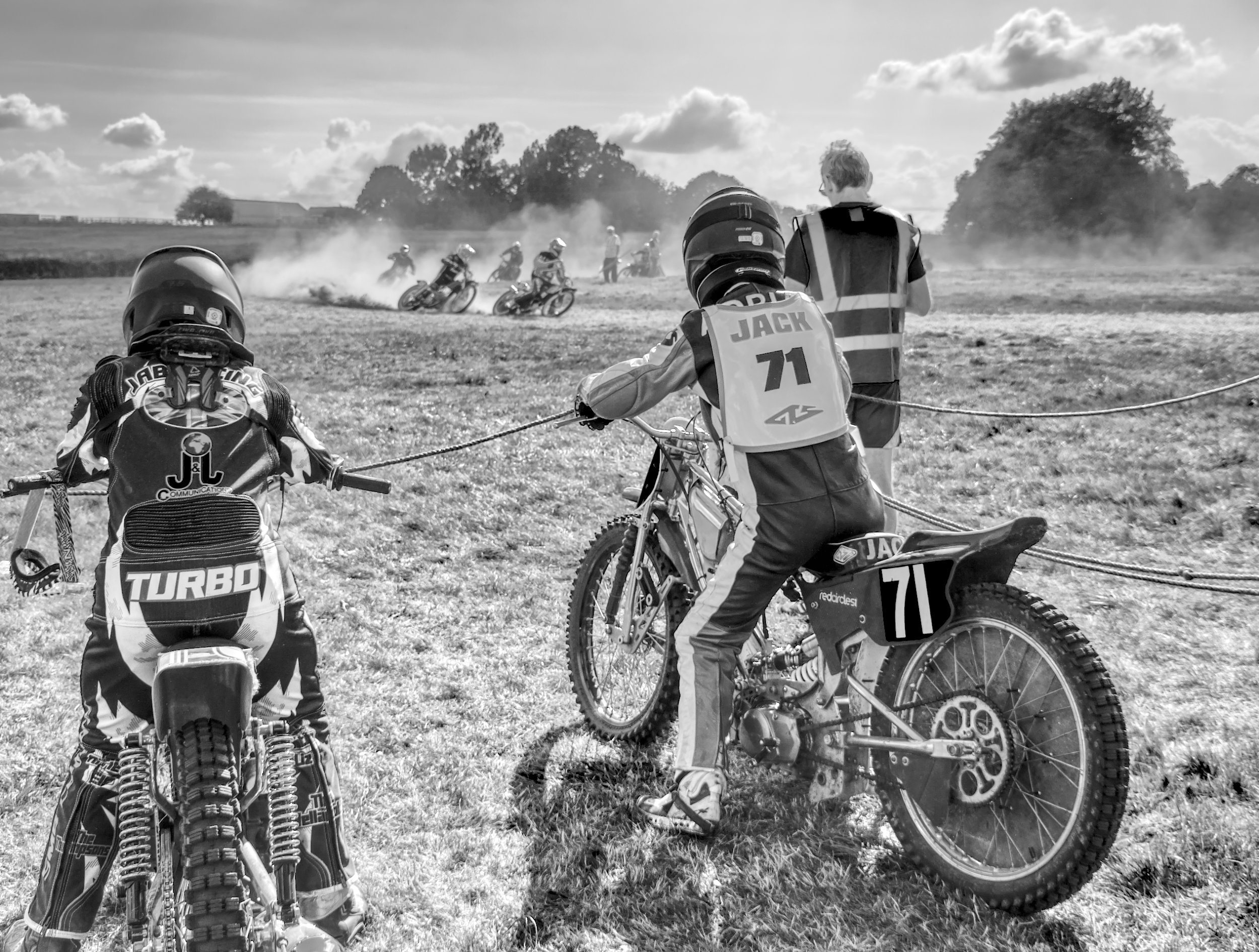
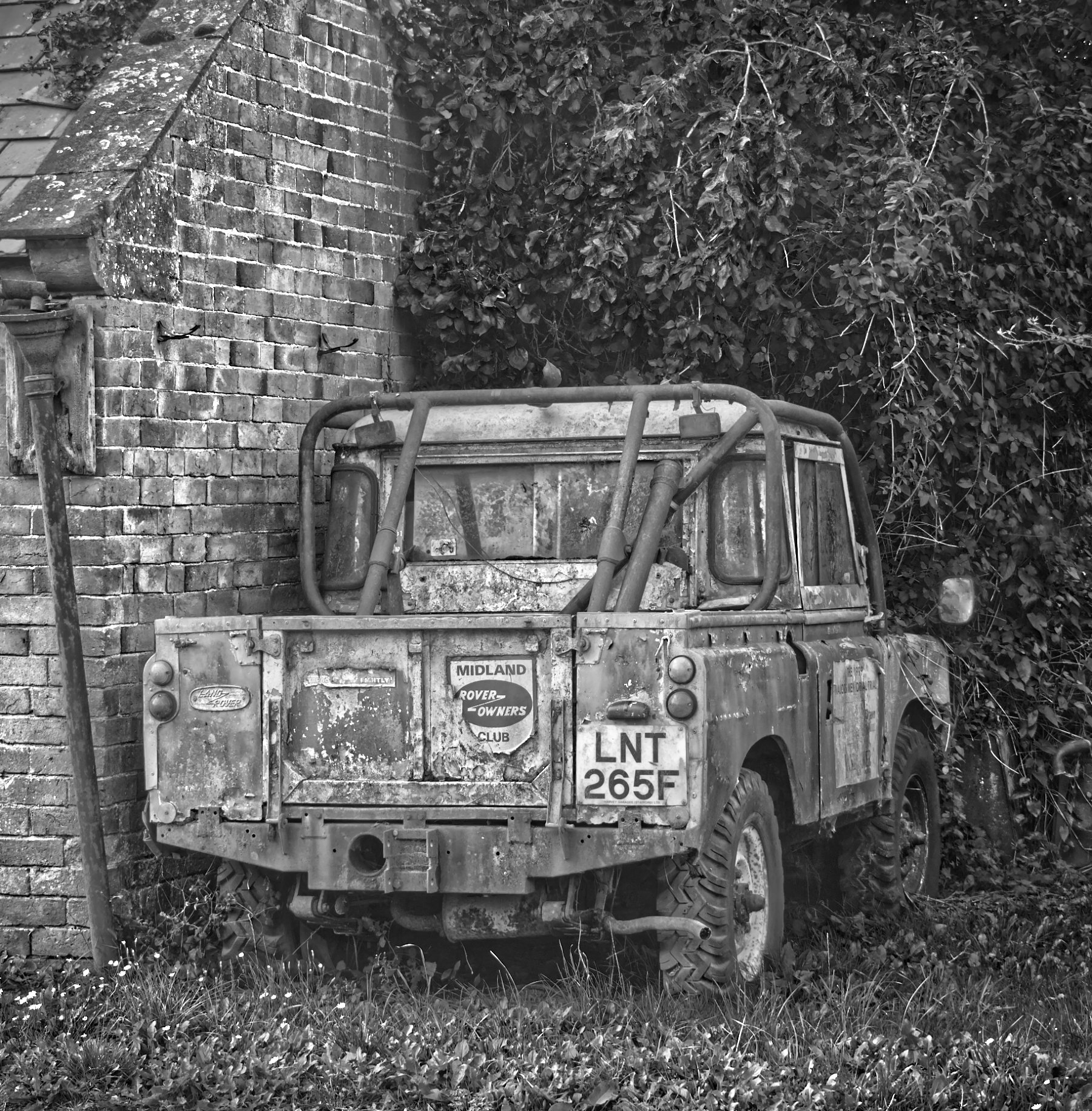
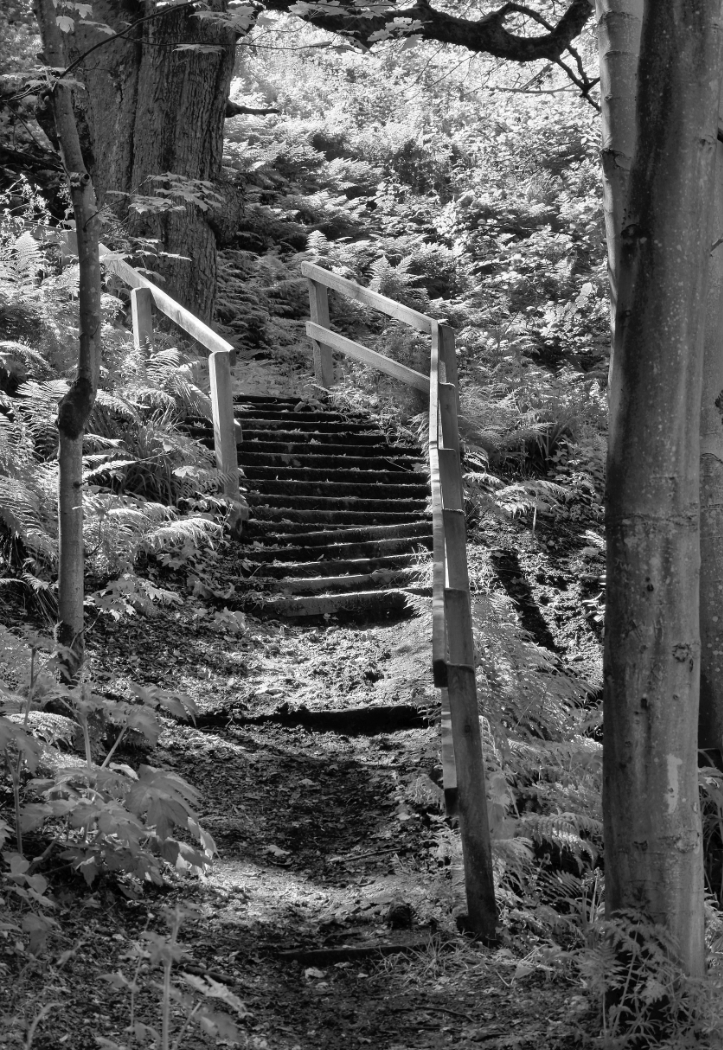
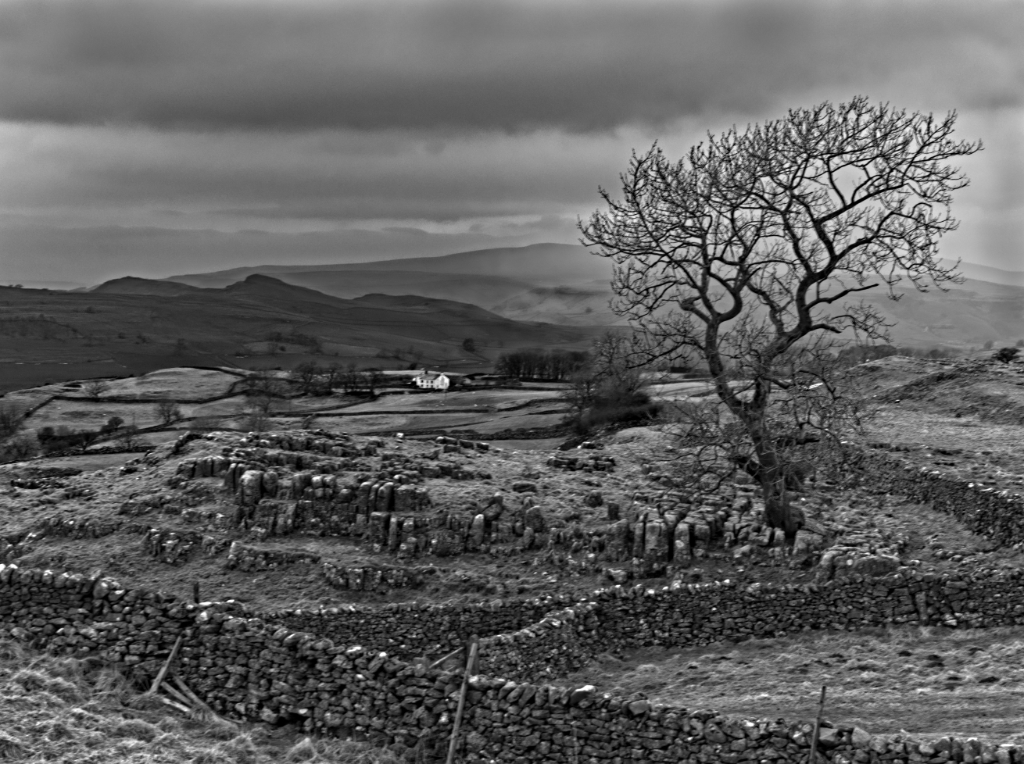
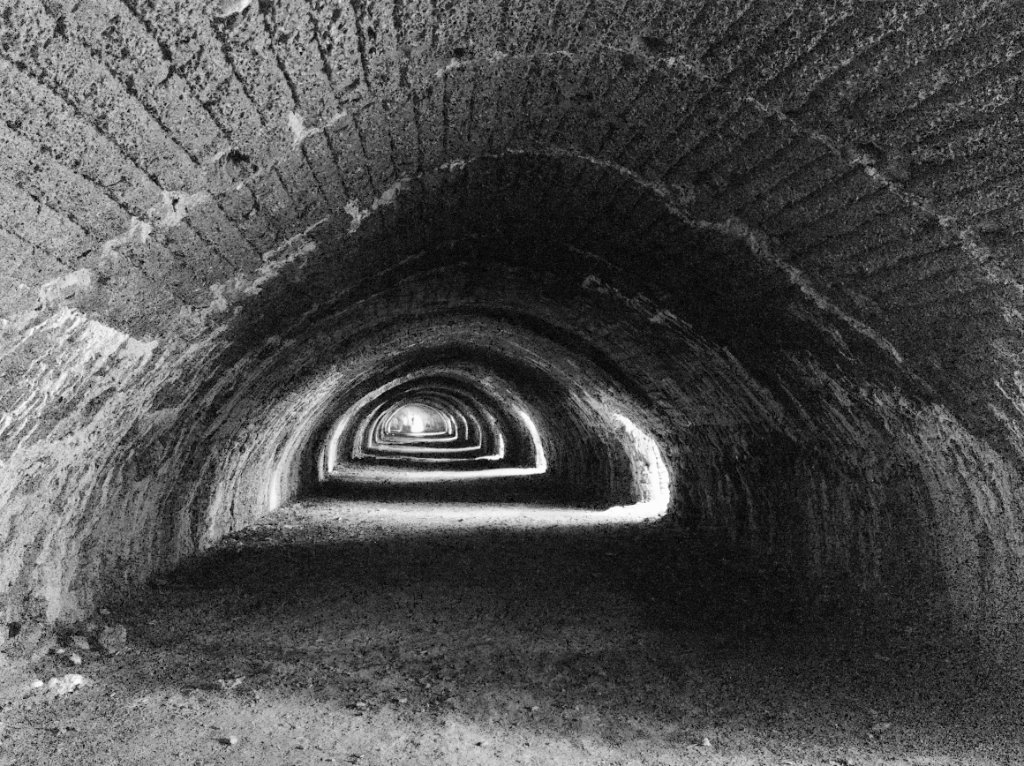
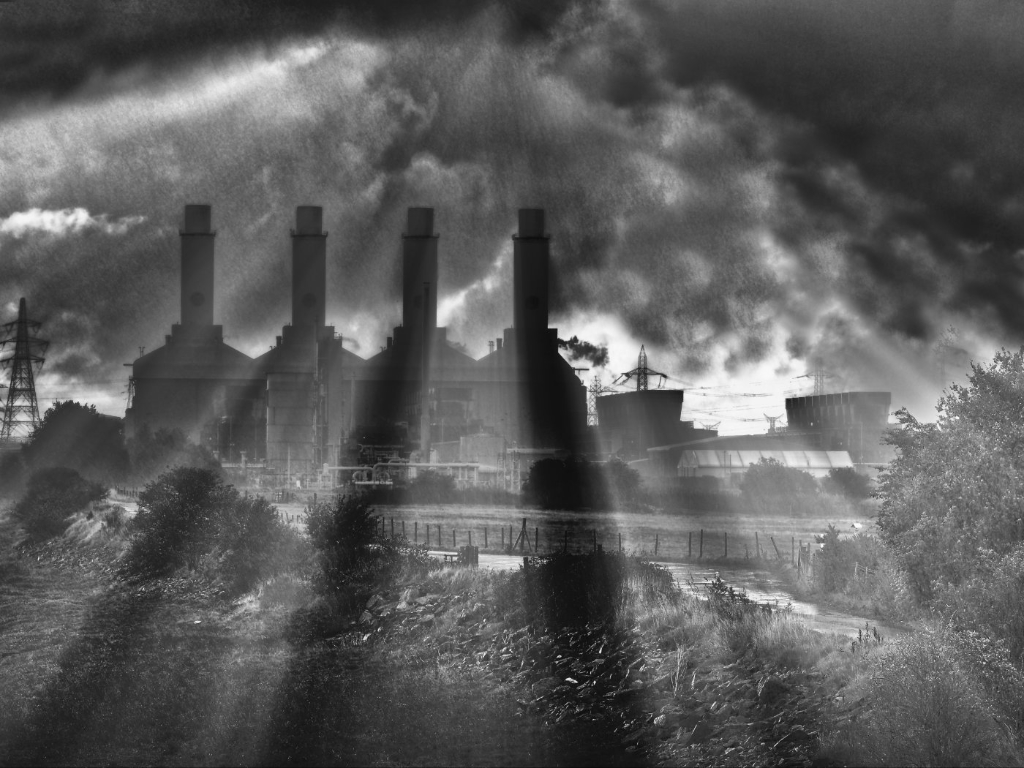
Yes you make several points here in my view. It's reminiscent of Charlton Heston's discovery of the Statue of Liberty in Planet of the Apes! (If my dodgy memory serves me this morning).
Flood damage. You've probably read of the recent floods in Spain, which were dramatic and unprecedented. Climate change is gathering pace, I do hope that certain prominent people in America and their followers realise it is part of the only world that we have. My first and probably only grandchild will arrive in a couple of weeks, and I worry a lot for his future. Sorry for being political, but it affects us all, it's very important.
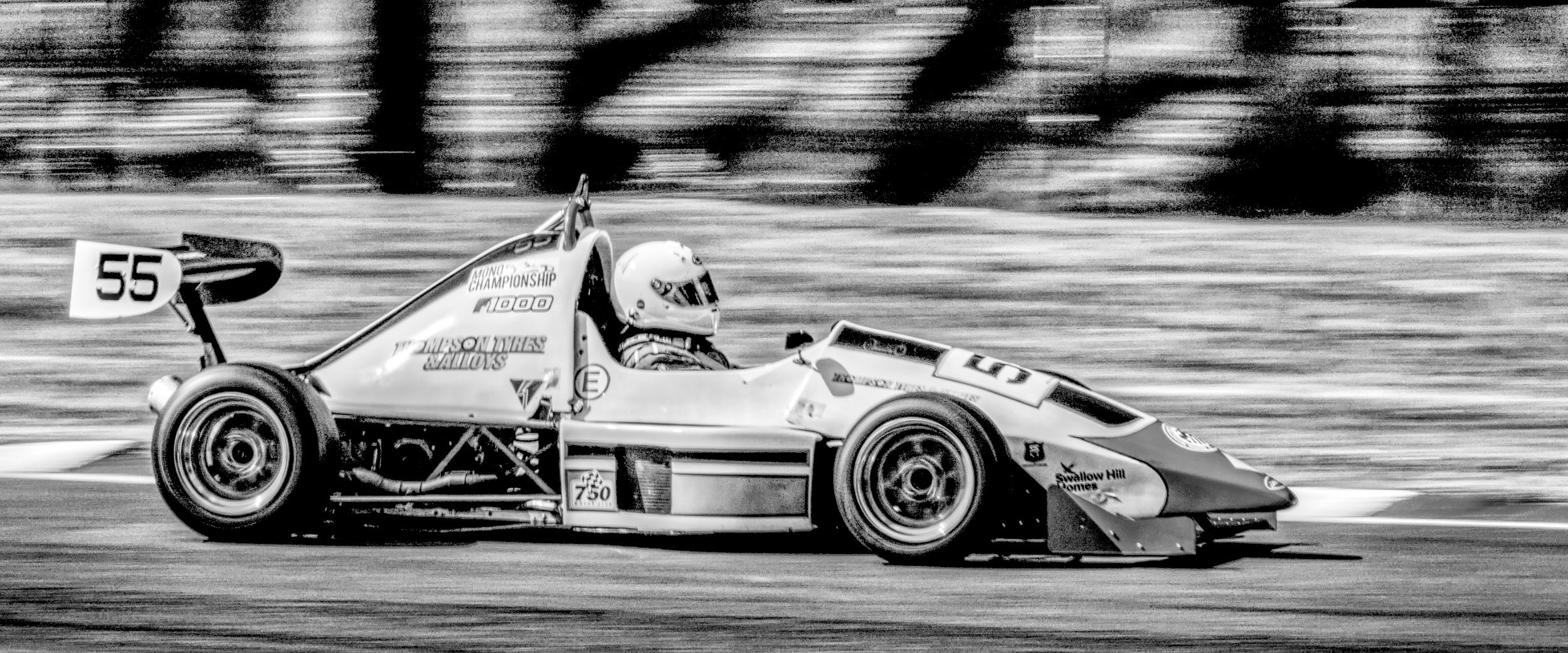
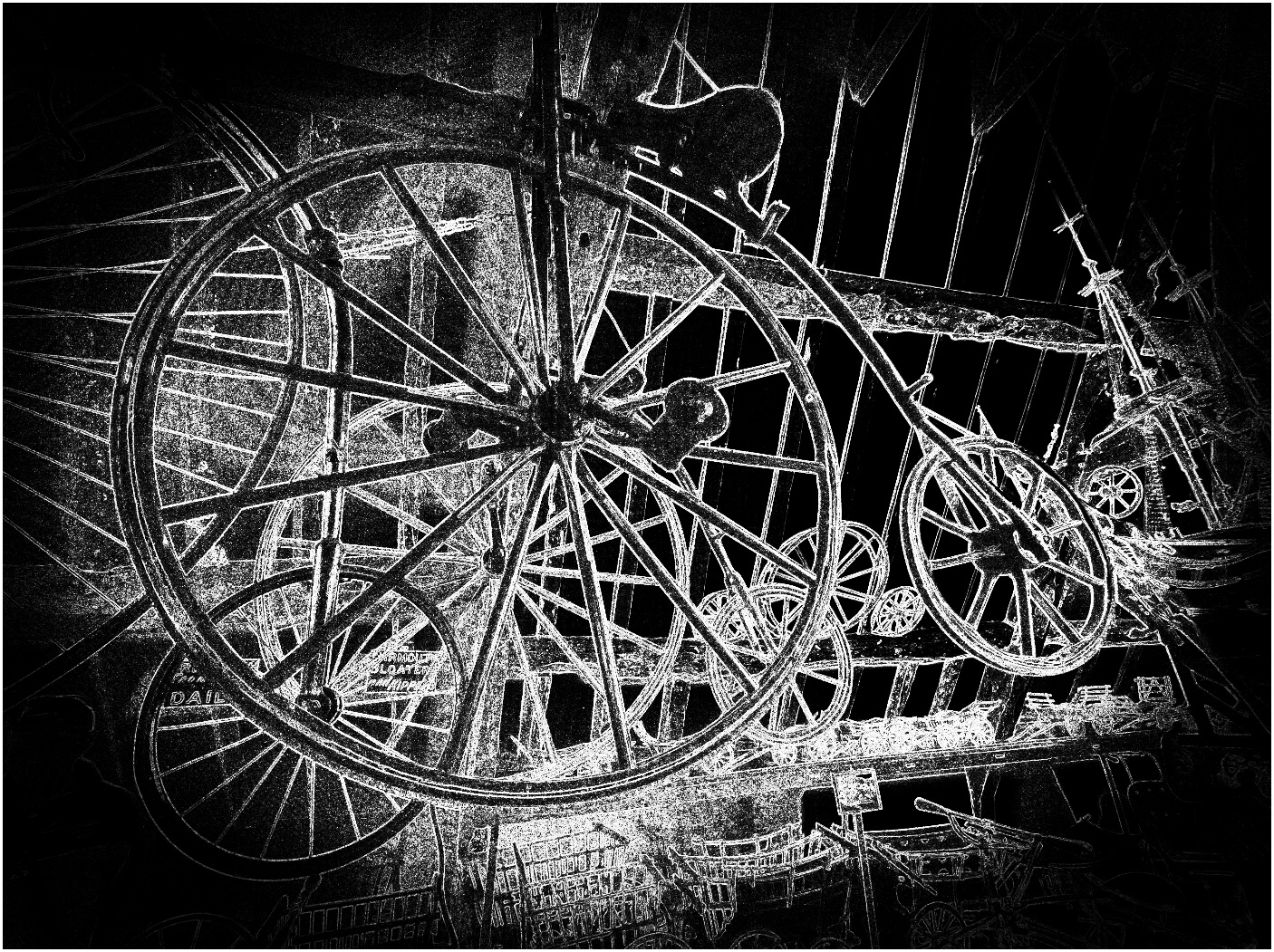
Anyway, I like the picture, but would suggest some lightening of the ride itself to lift it from its environs. As it is, I think it is rather obscured and disguised by the grass and trees.
|
Nov 14th |
| 64 |
Nov 24 |
Comment |
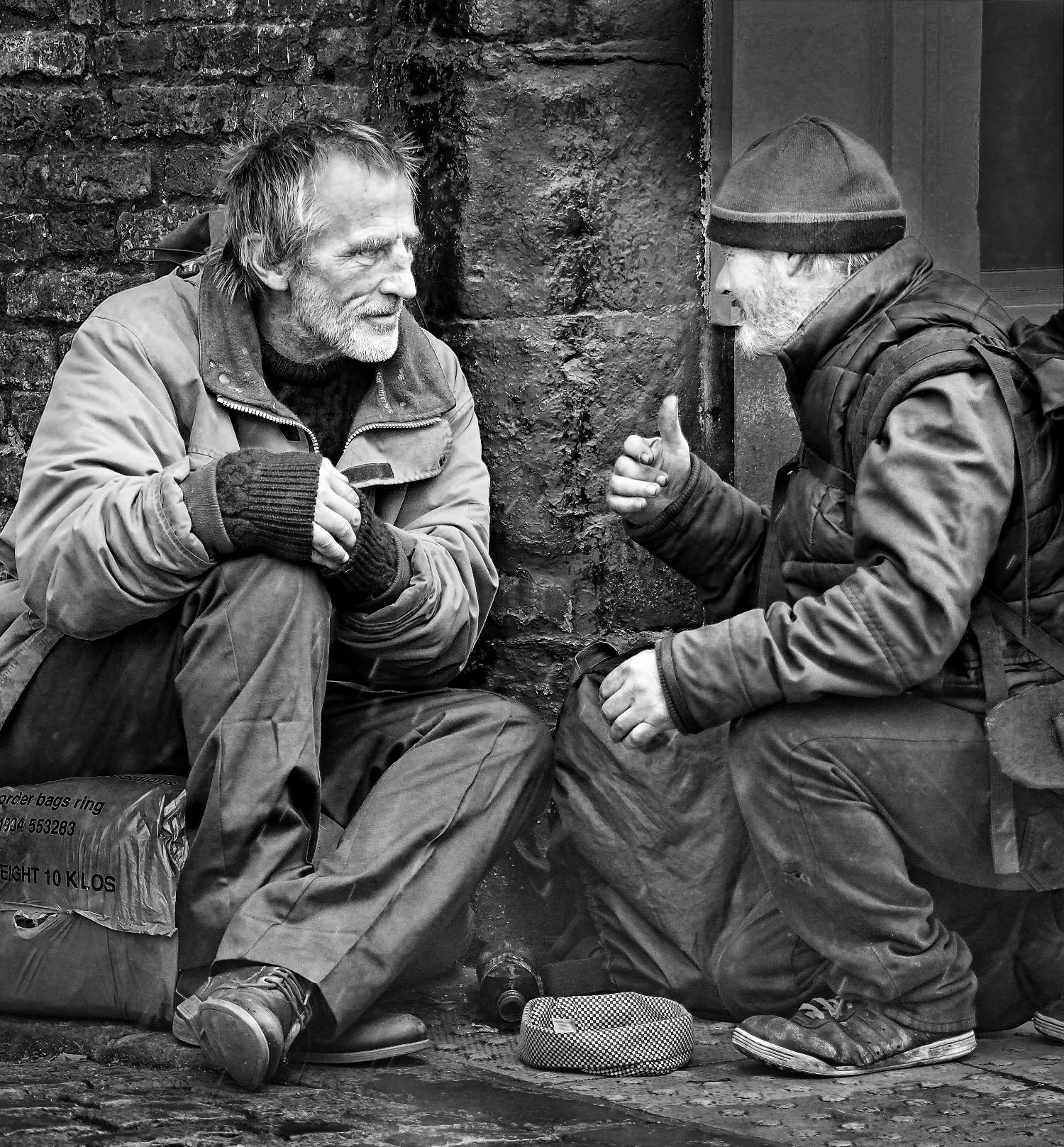
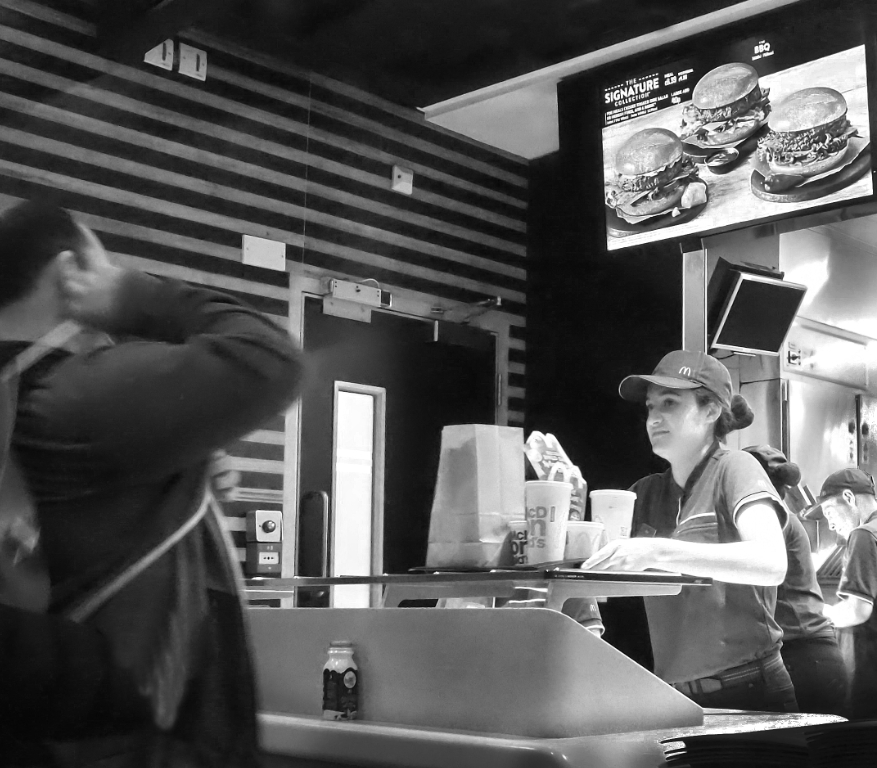
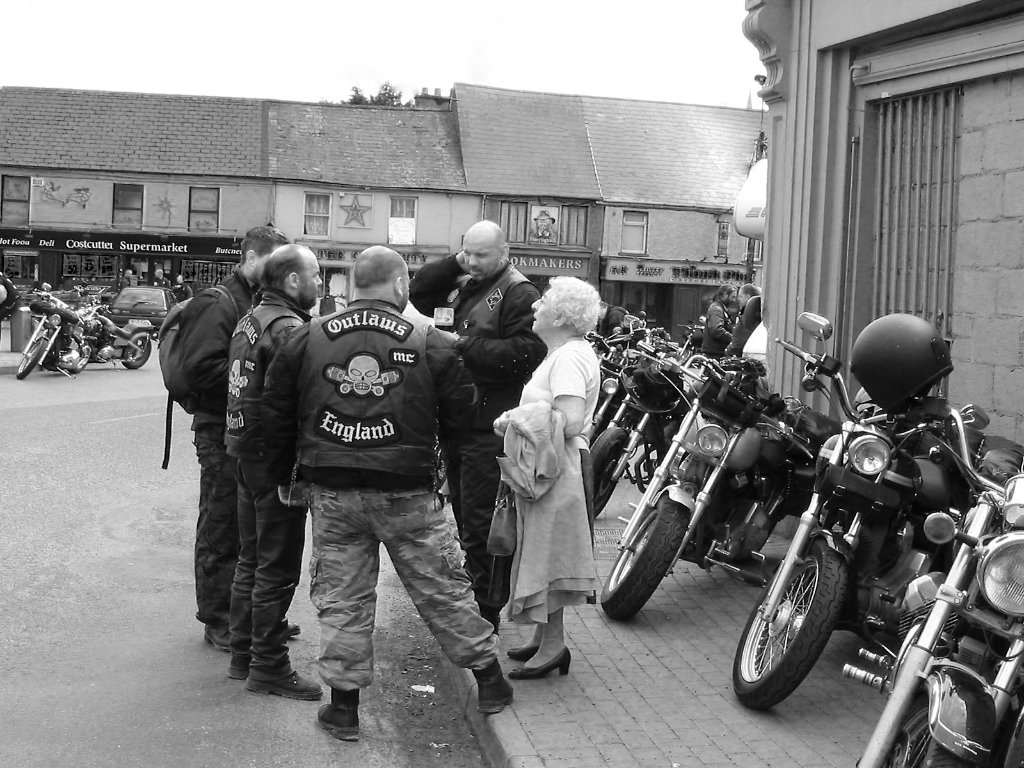
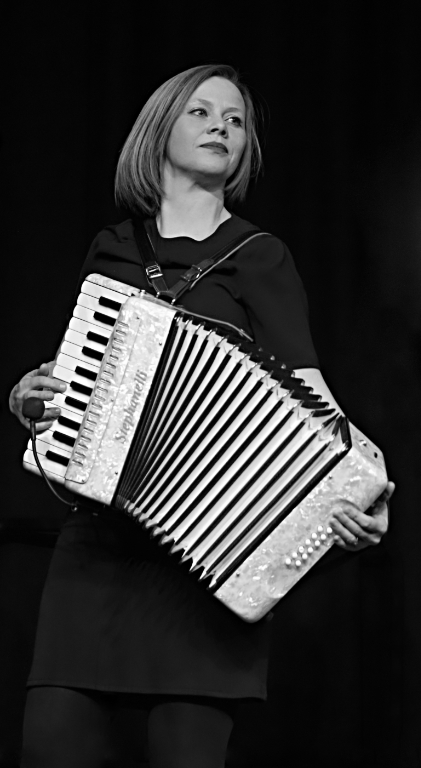
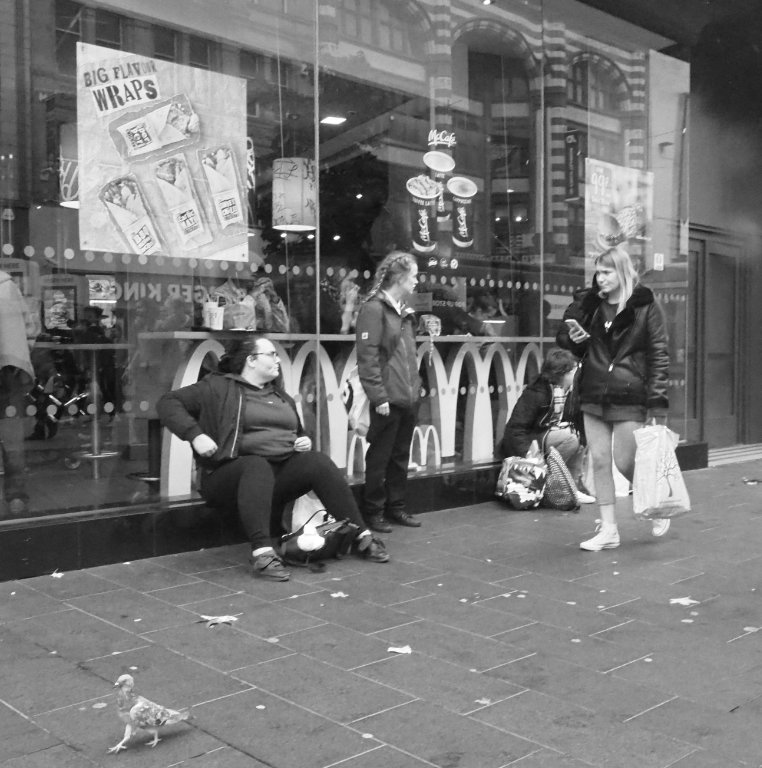
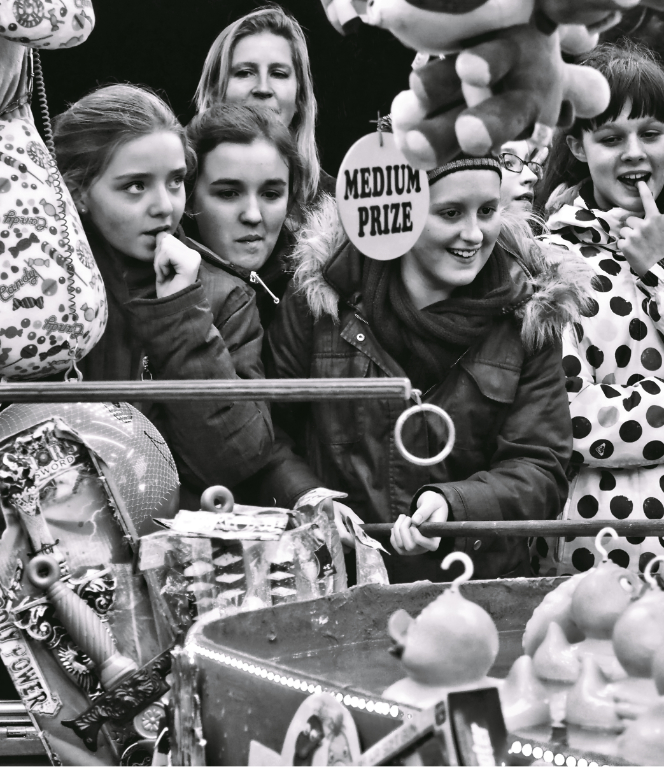
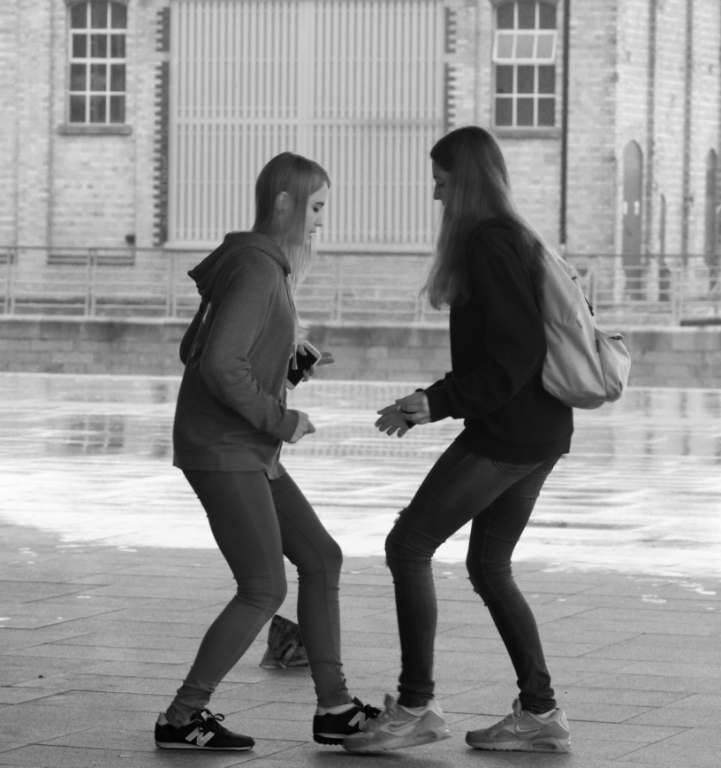
Keisha, this is lovely. I'd comment about her drink being on the edge of the frame, I think a little room between the two would look better. But your composition and processing are superb, well done. Street phtography seems to be being called "snapshots" in some circles now, which I really dislike. This isn't a snap, it's beautifully worked photographic street art.
I'm really going to miss you when you depart for group 20. You can do two groups (and certain favoured people are allowed a third!) (Alas not me. I do 95 as well as 64.) Do stay!
|
Nov 14th |
| 64 |
Nov 24 |
Comment |
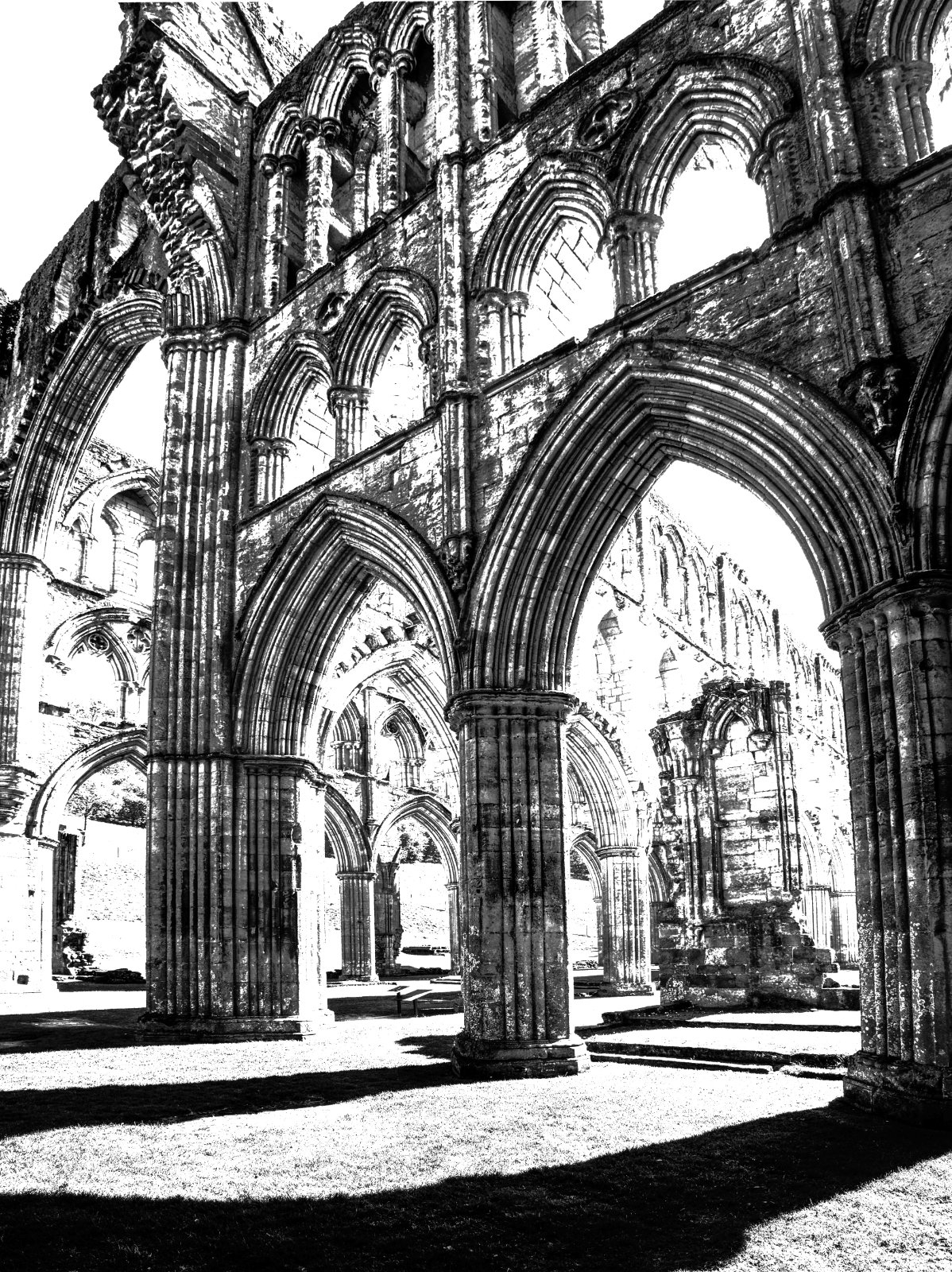
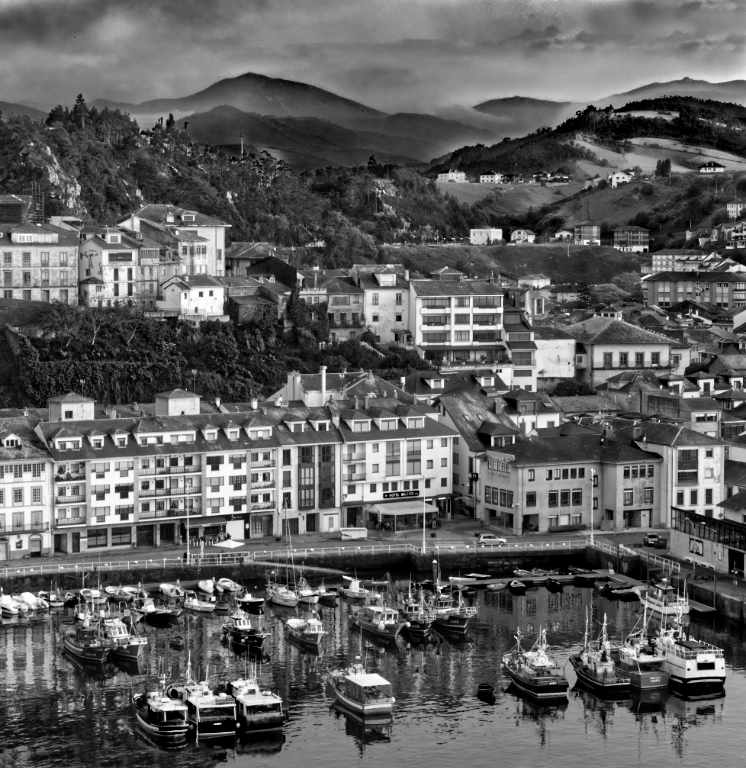
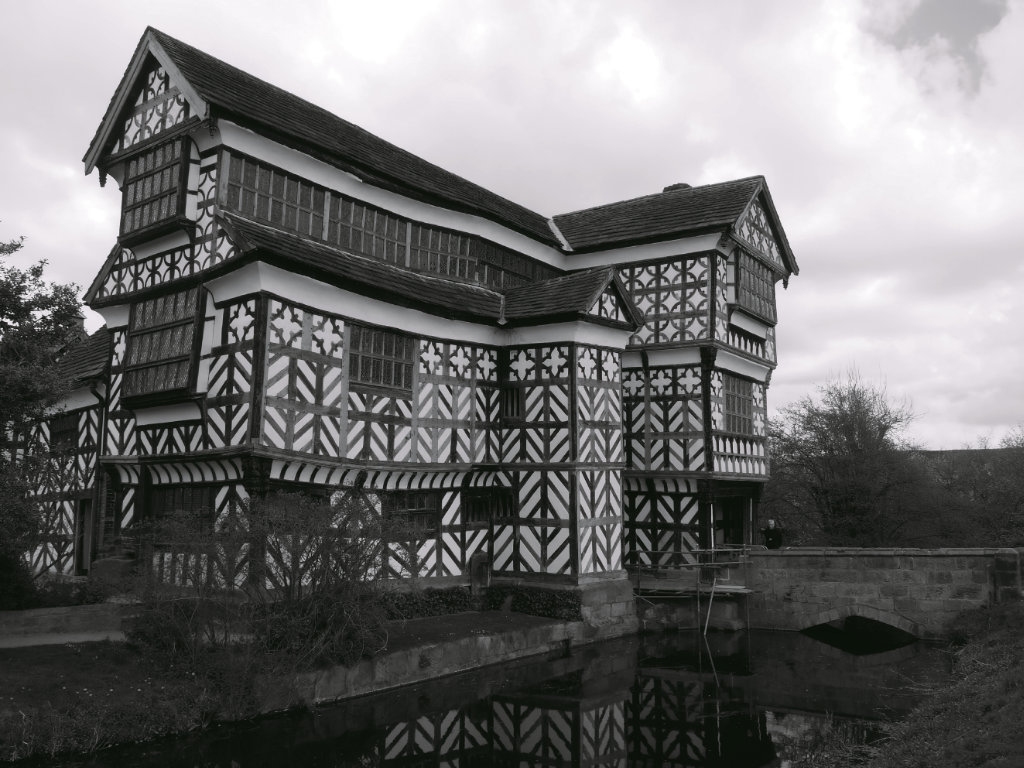
What a splendid building, and a great portrait of it. The composition is faultless I think, the people adding to the way it leads to those far parts of the building. Your processing generally makes it look good, although I wonder if the 3 central buildings being made a bit lighter might help the impact?
|
Nov 14th |
| 64 |
Nov 24 |
Comment |
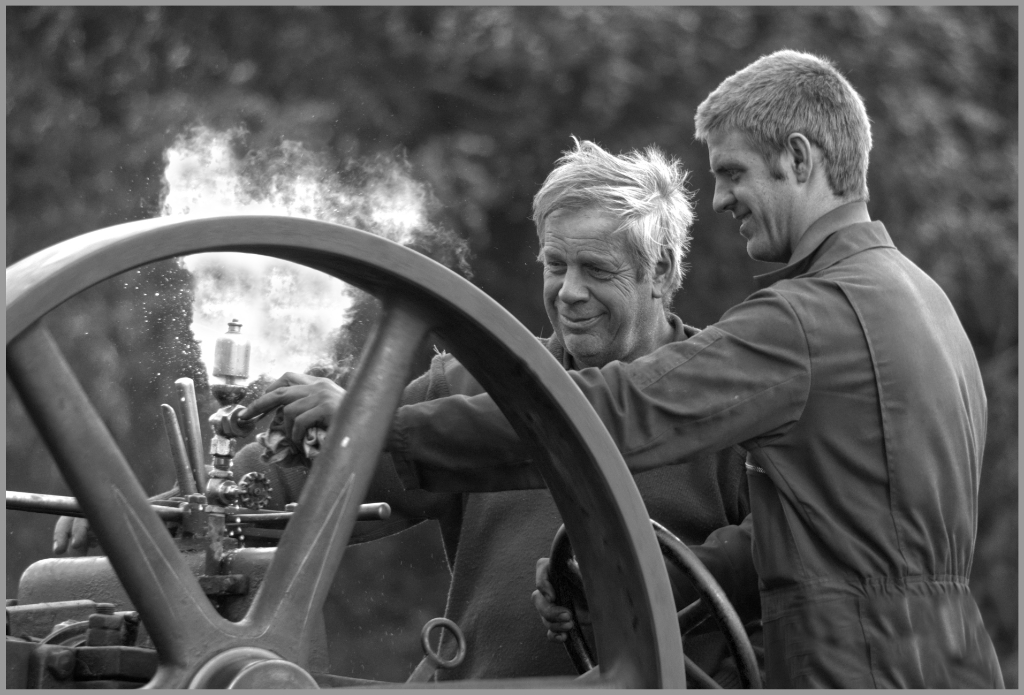
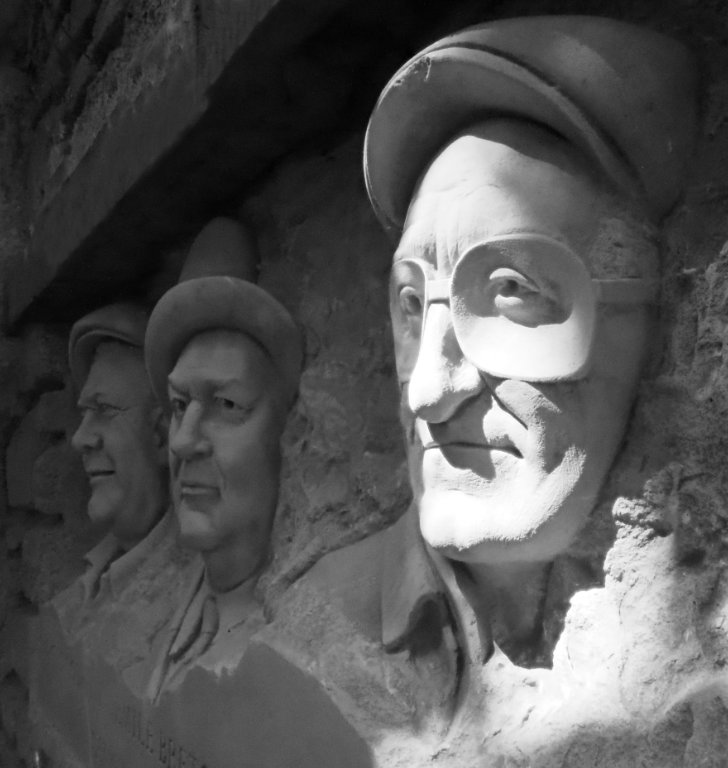
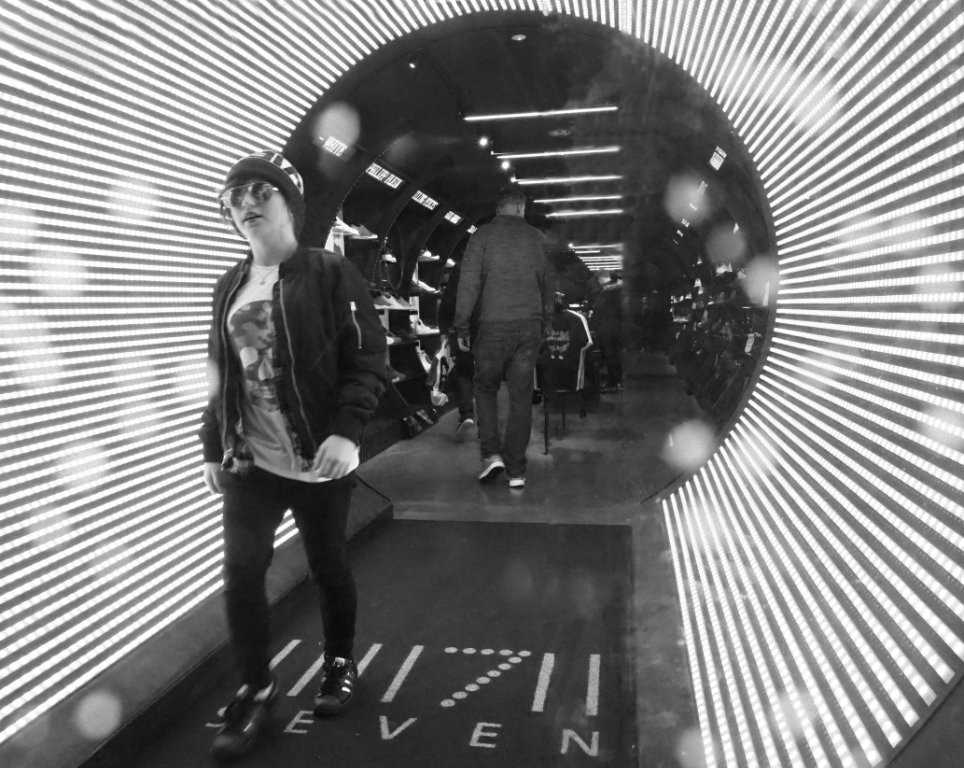
Super, Chris. Have you placed it at an angle? It does look a little unnatural to me, but on the other hand the composition does make it jump out more than being in level. But their faces and the tones and the tight crop make this very appealing. |
Nov 14th |
| 64 |
Nov 24 |
Comment |
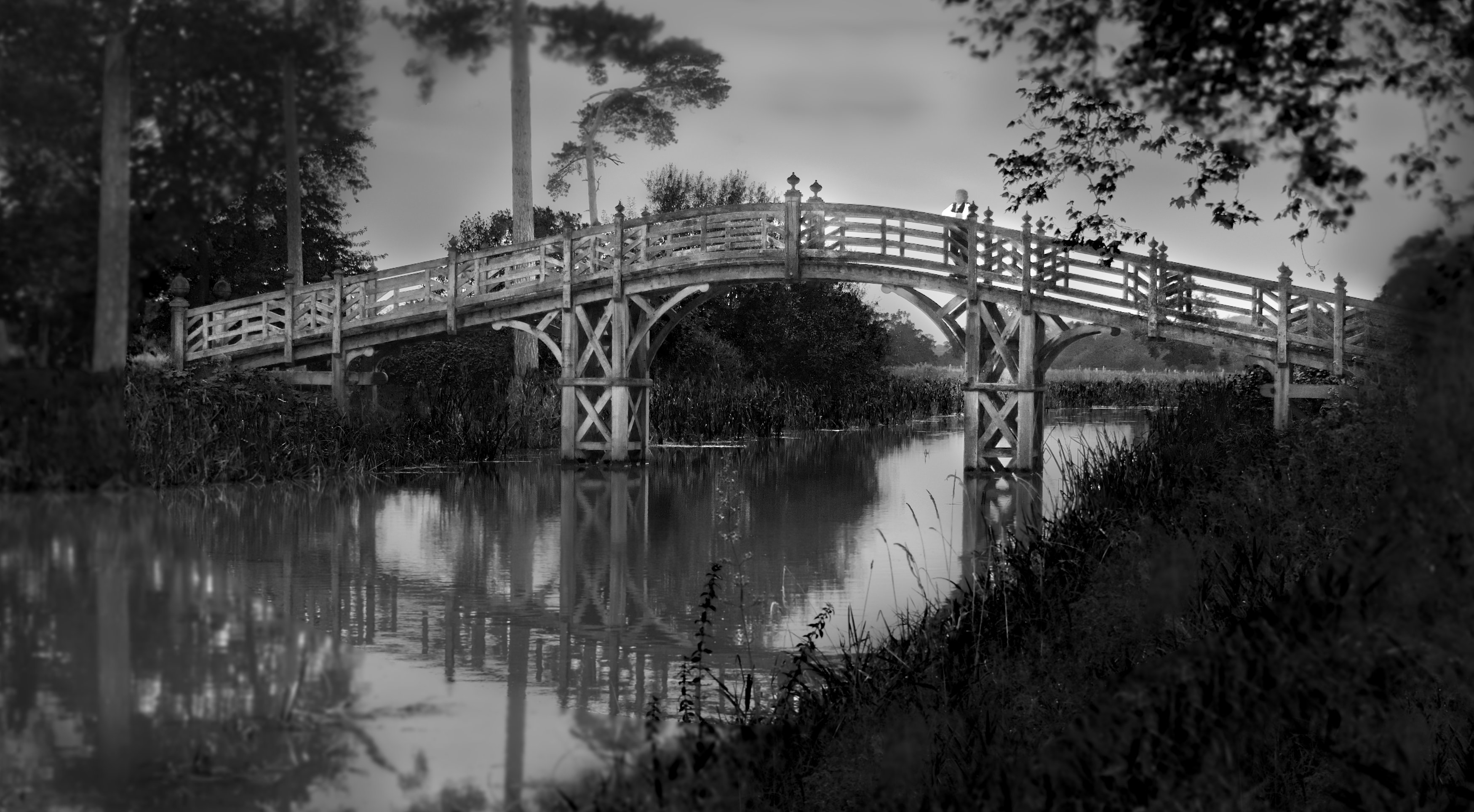
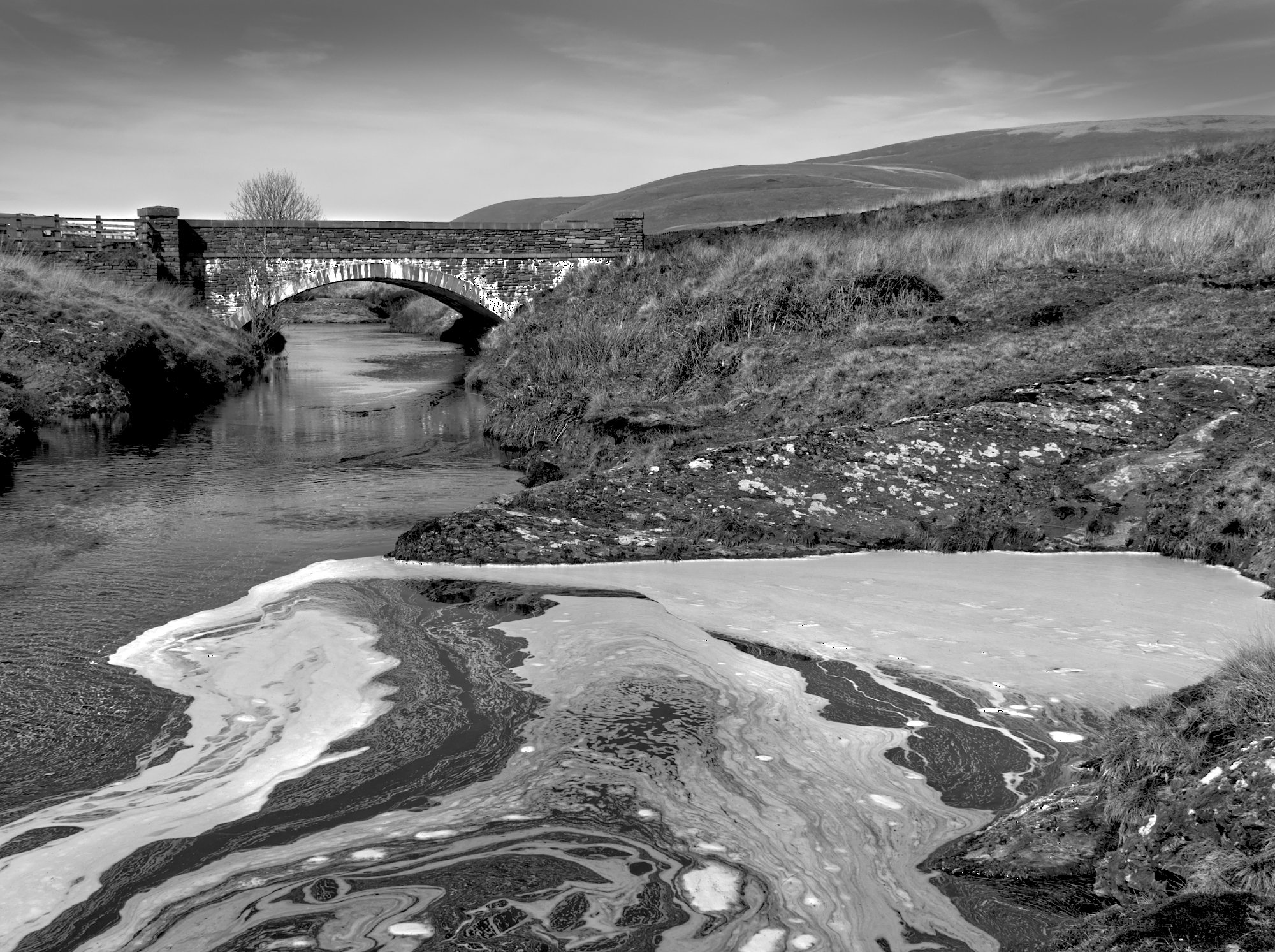
You got some good images when you were there, Don. Alas this isn't my favourite. The bridge and distant shore line are sloping, but the main verticals are vertical (is it lens distortion that causing the diverging verticals?), so the camera was level, but the feeling it gives me is unbalanced. There's also a lot of empty space in the river. I think it has more impact if the bottom half is cropped off and it becomes a panorama.
|
Nov 14th |
| 64 |
Nov 24 |
Comment |
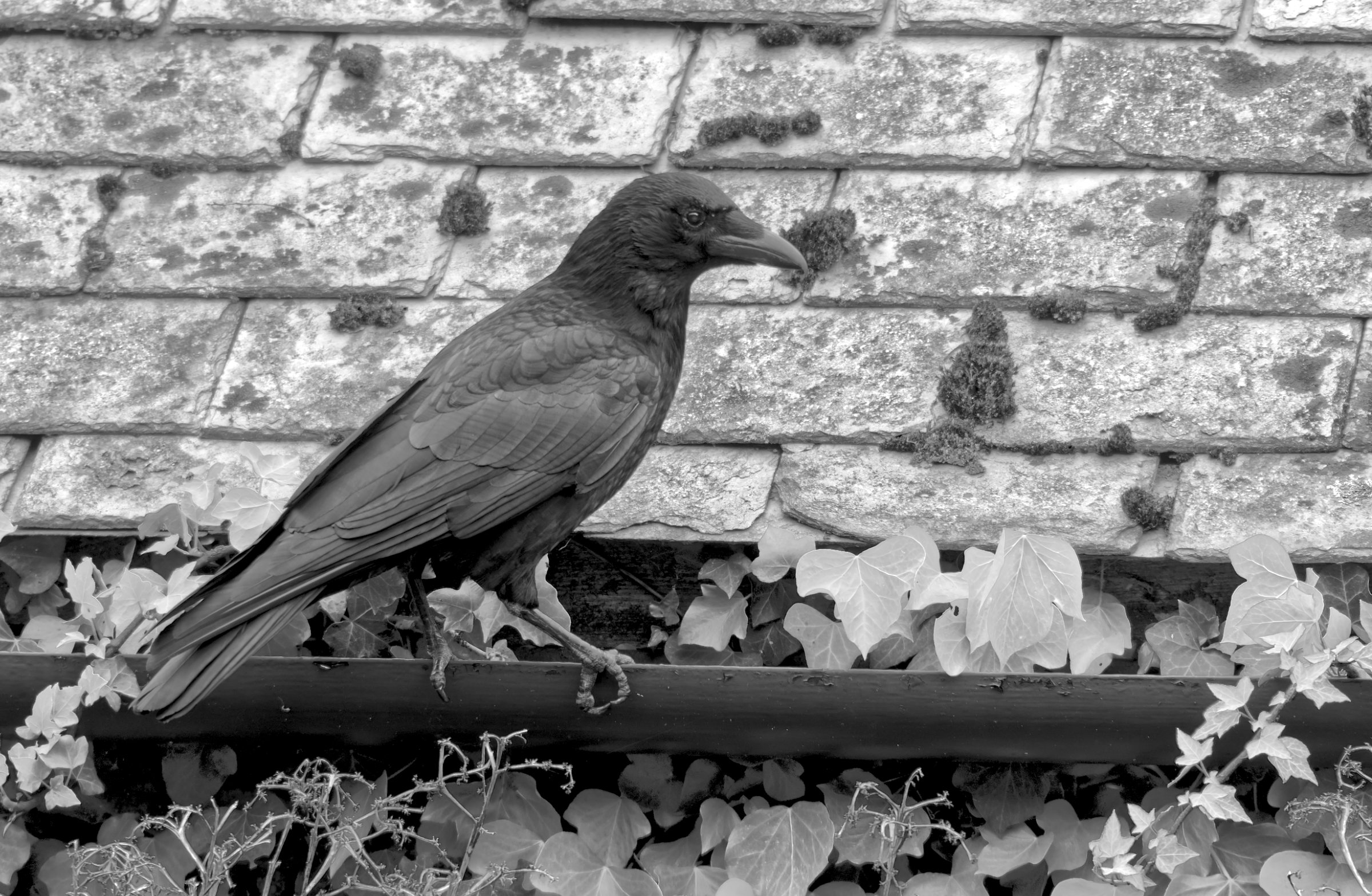
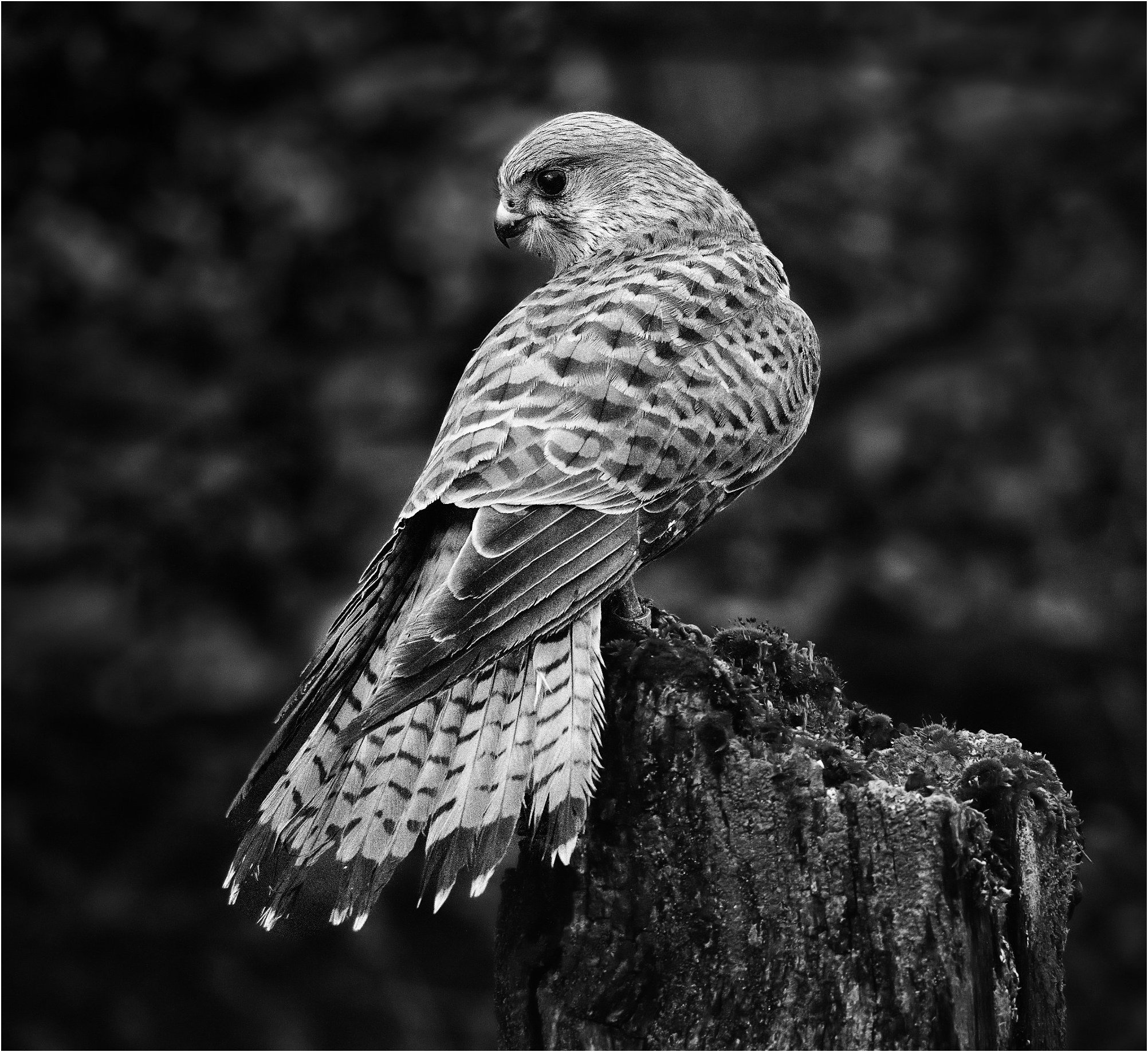
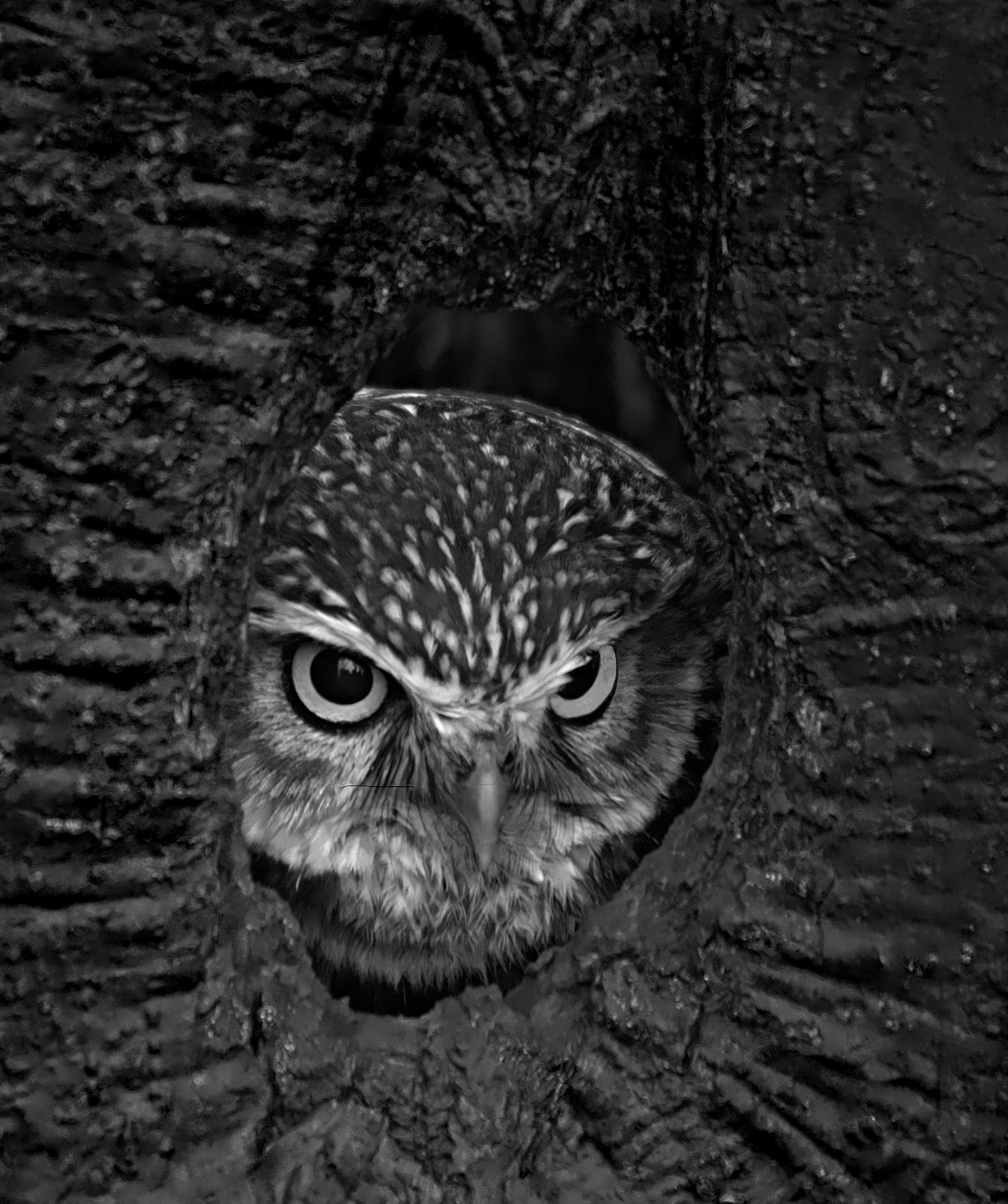
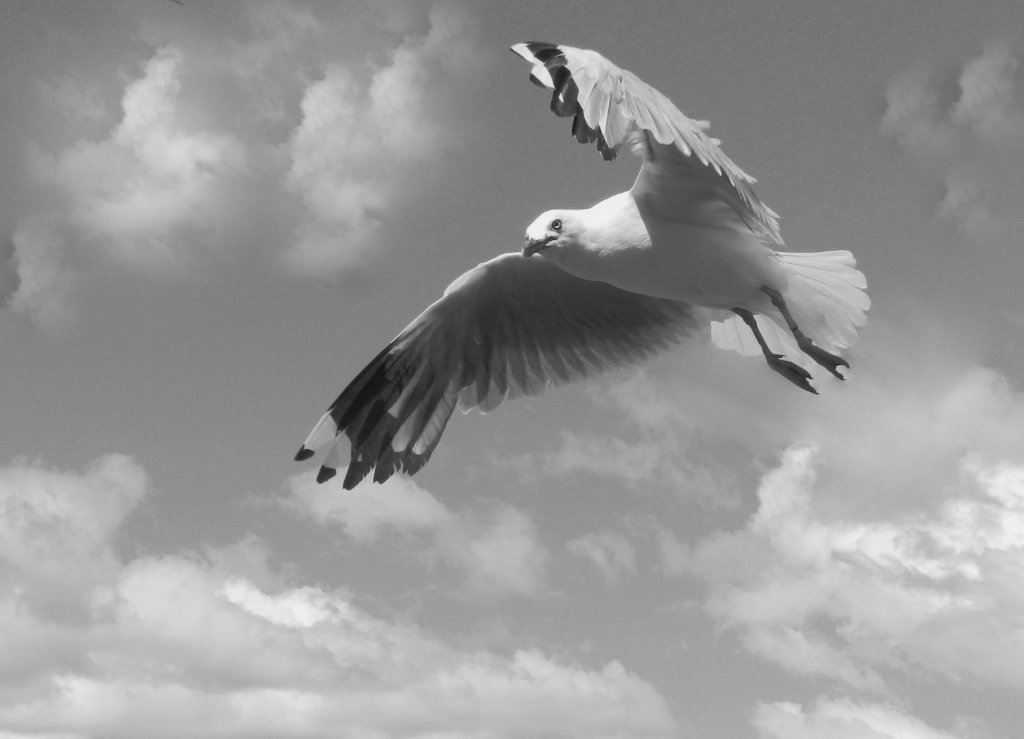
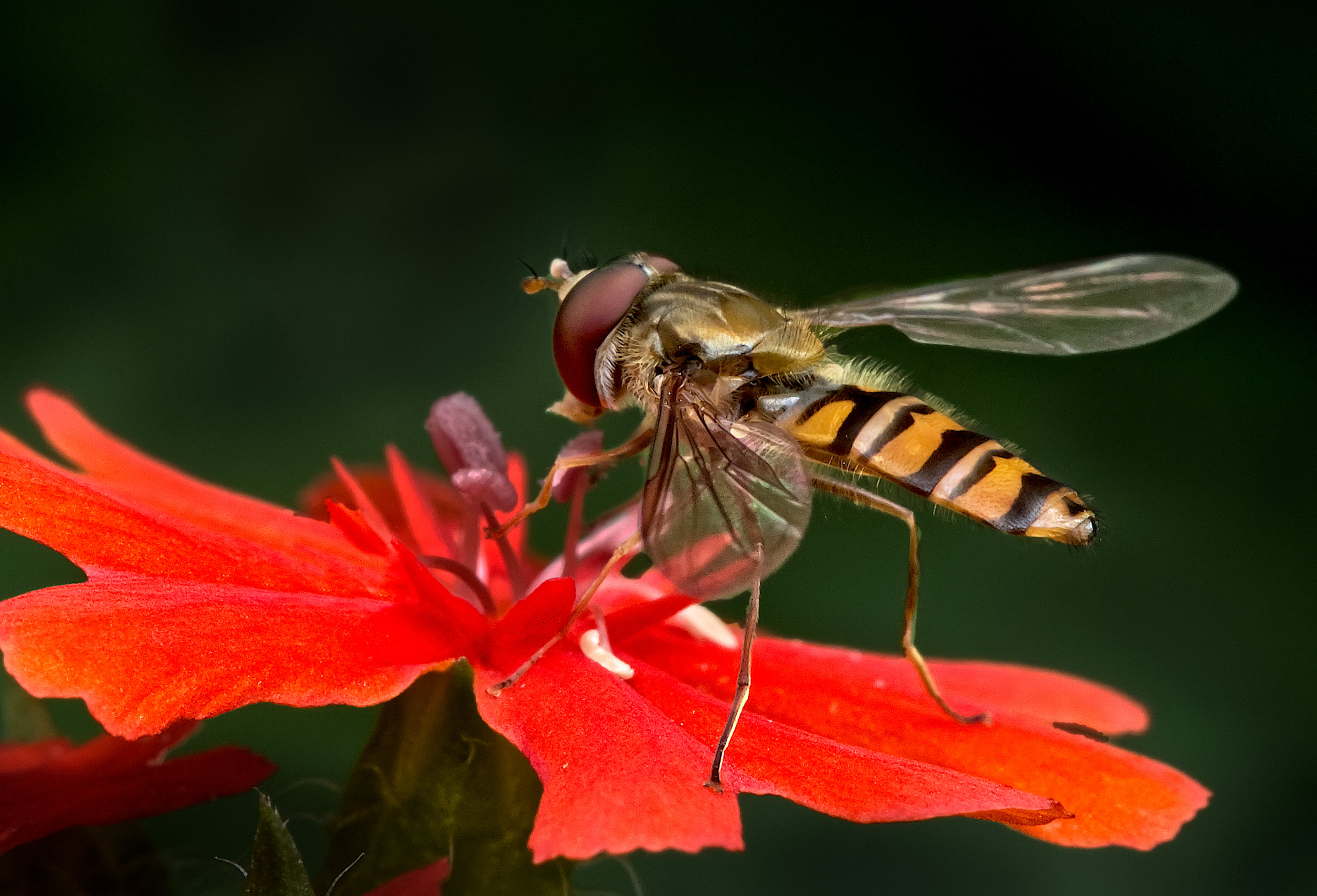
Oh, isn't he (she?) gorgeous? A superb result in my view, I'd hang it on my wall any day. I agree with Kiesha's comments. There is a little noise, but it doesn't spoil it at all for me.
|
Nov 14th |
6 comments - 2 replies for Group 64
|
| 95 |
Nov 24 |
Reply |
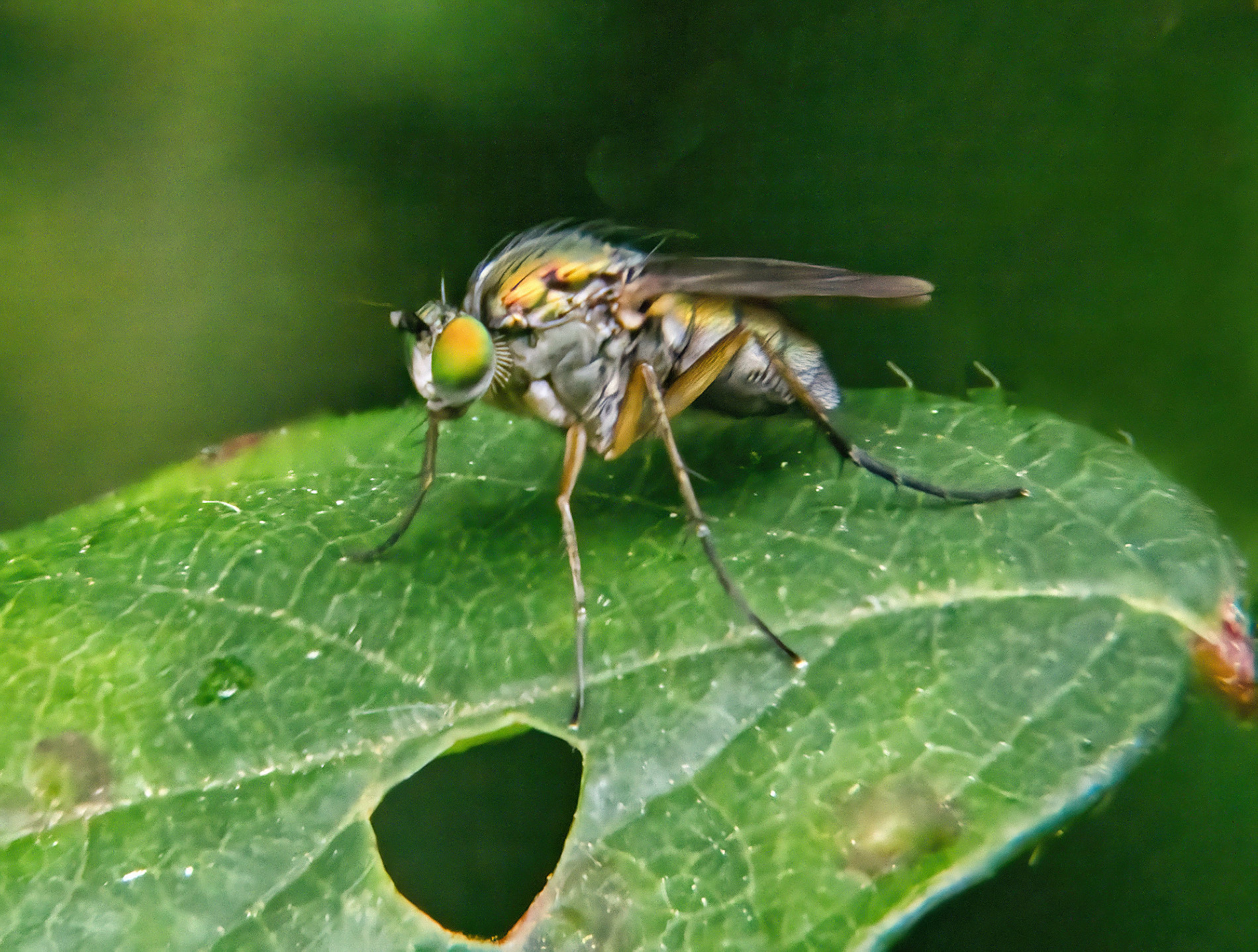
Yes, the definition of macro is a tedious subject really. But you did ask! If I wasn't clear, just ask again.
The point is, the lens used to take a macro doesn't matter, and macro lenses can take jolly good non-macro images! What does matter is the magnification between the subject and the sensor. The higher the magnification, the better for a macro group, but I certainly wouldn't like to see nice images like this excluded because of a requirement for a certain magnification.
|
Nov 15th |
| 95 |
Nov 24 |
Reply |
Yes it is only suitable for fun, too blurry. I'm letting other things distract me from my macro at the moment. I'll try to find some more time for December's entry. |
Nov 14th |
| 95 |
Nov 24 |
Comment |
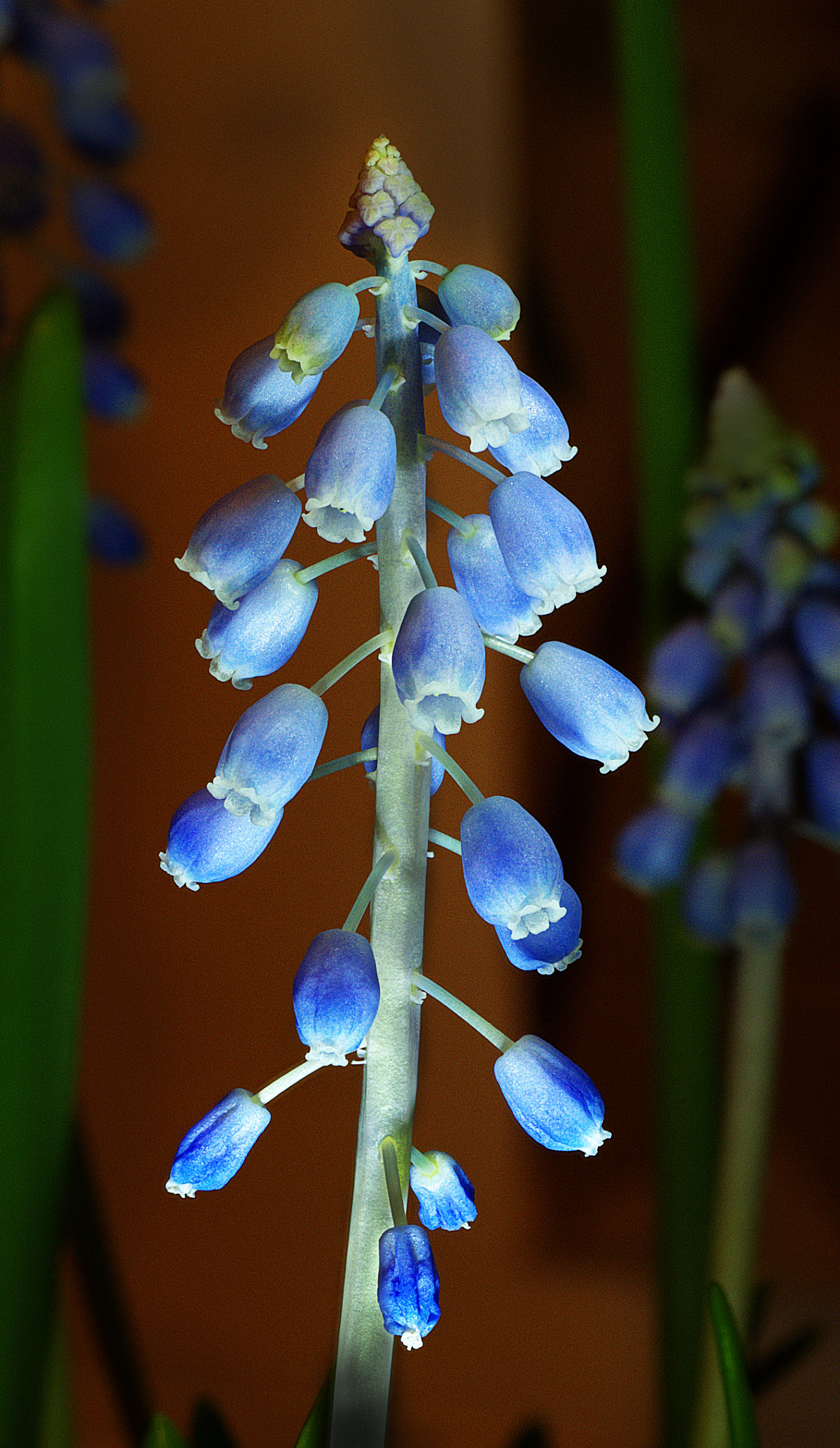
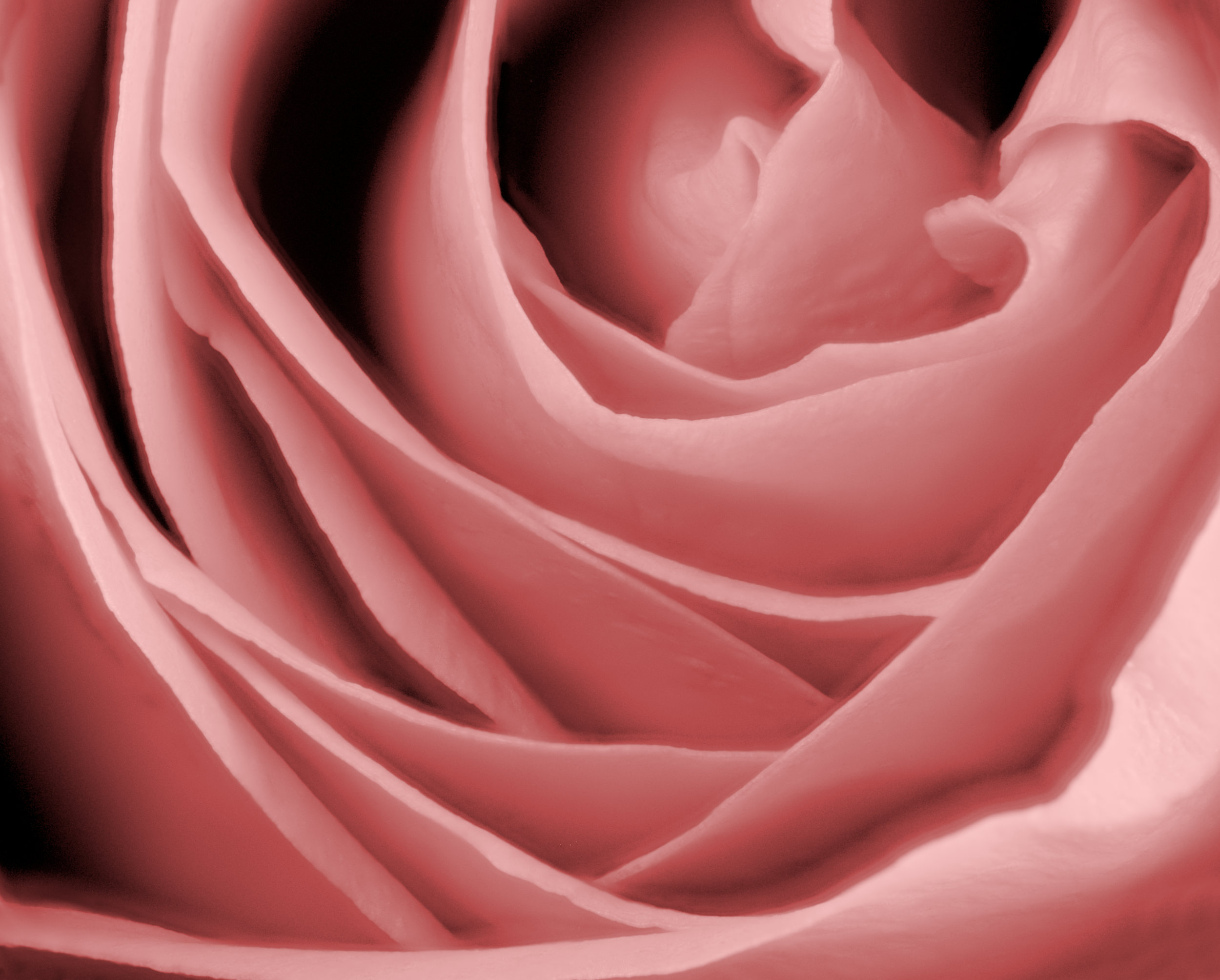
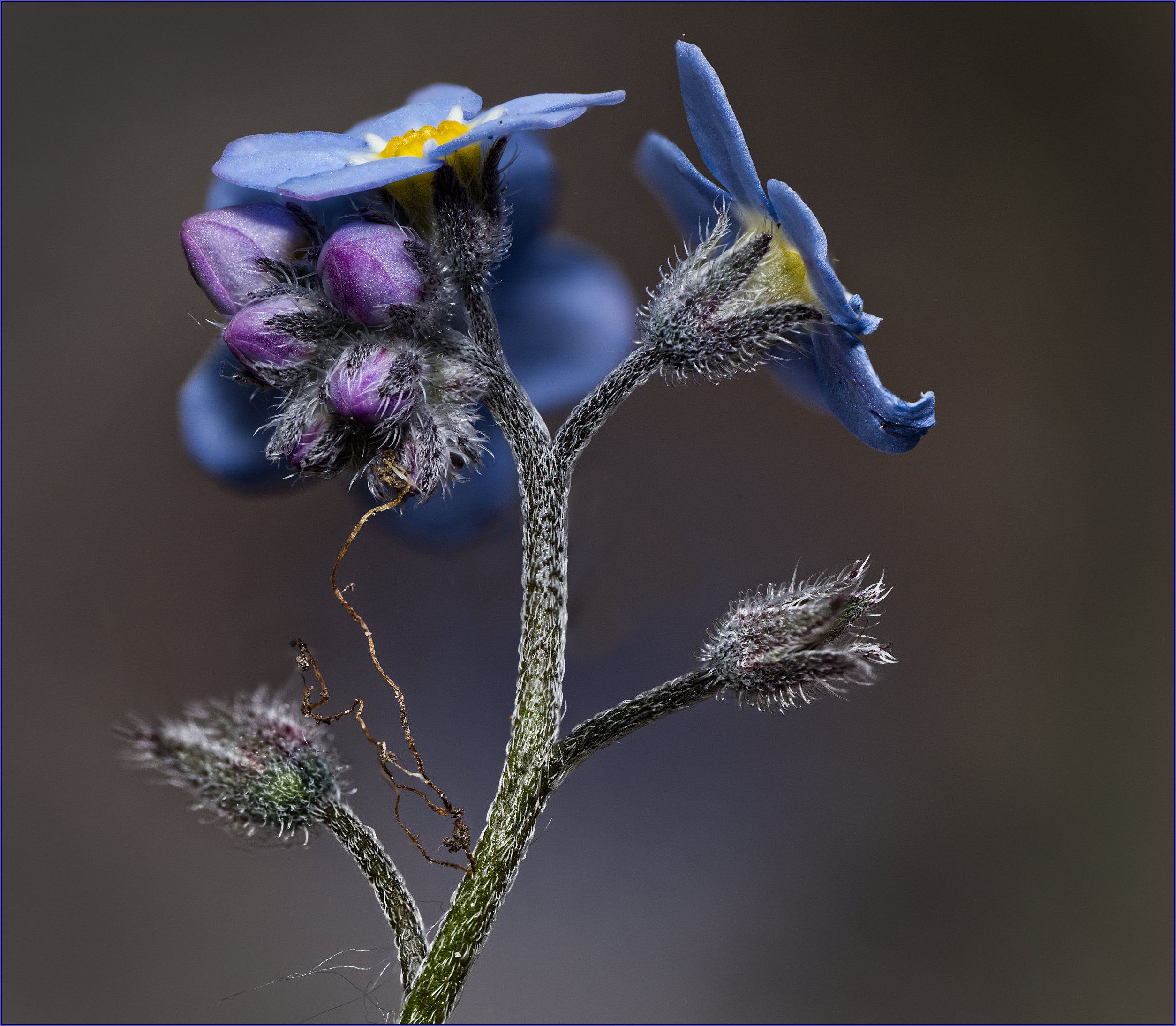
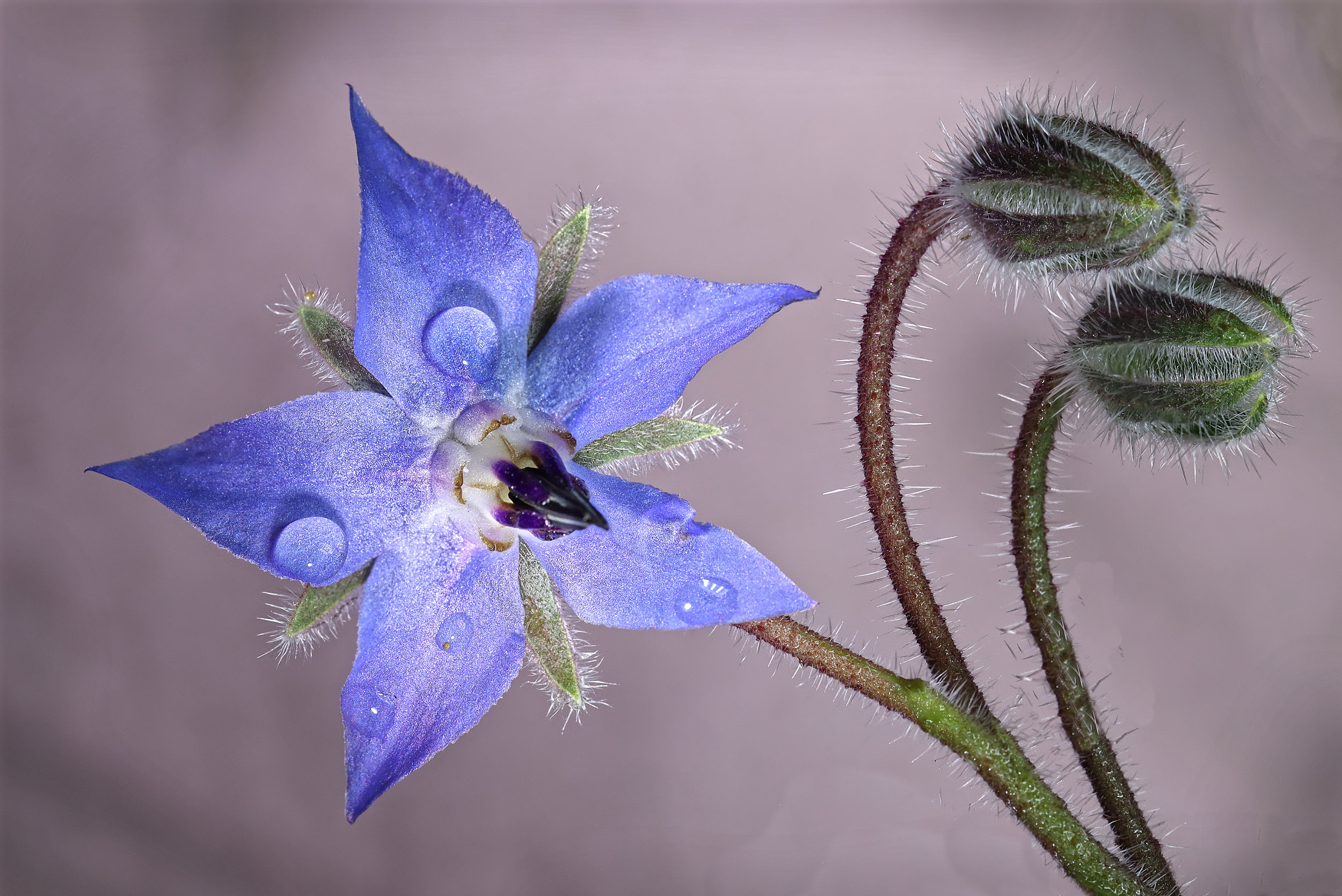
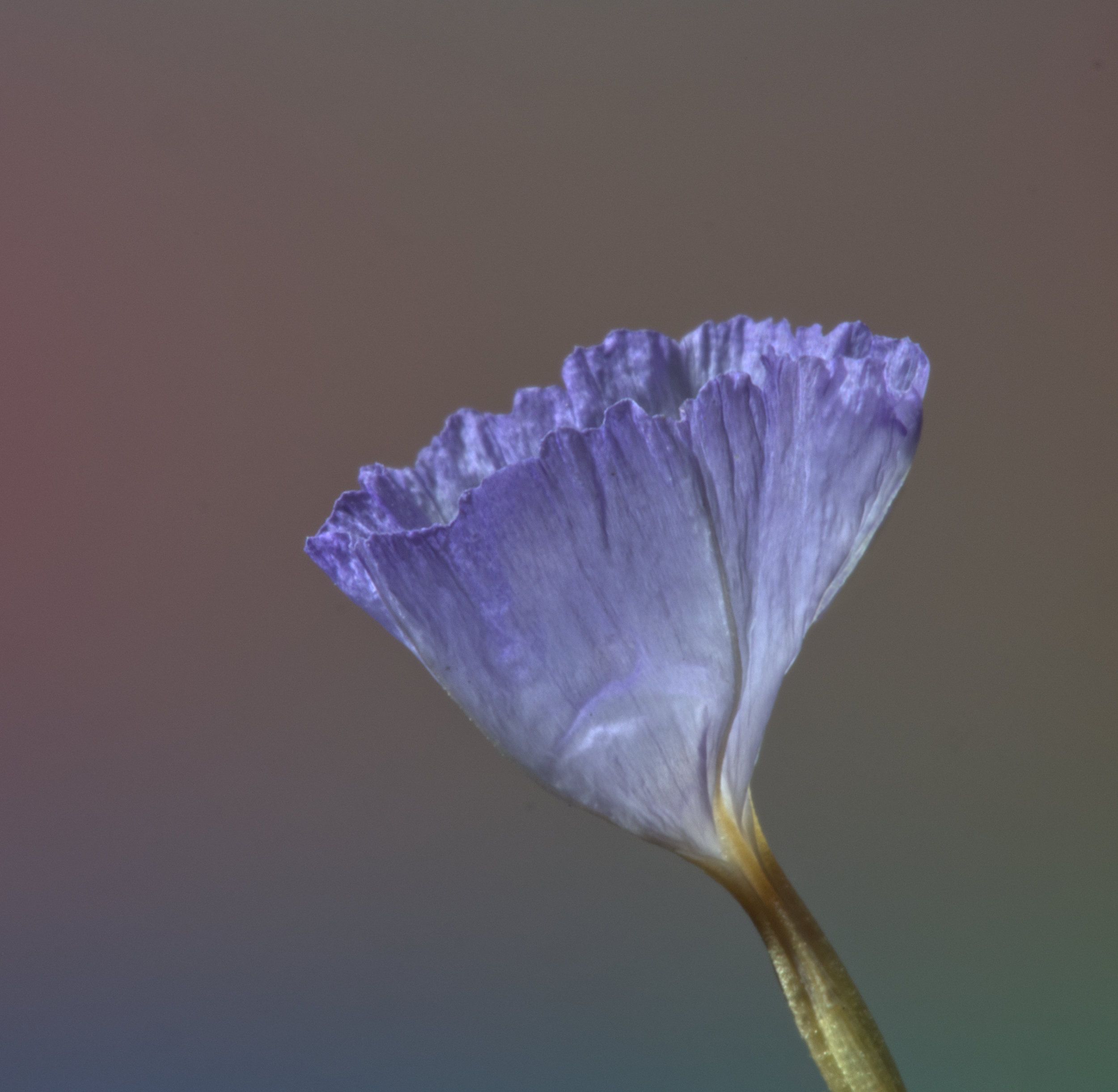
Well done, Carol. With the crazy world around us at the moment, it's a lovely restful yet interesting image. You are a master of minimal depth of field, and it succeeds again here, in my view.
Maybe make the stem a bit diagonal? It's a usual comment for pictures with this sort of composition. |
Nov 14th |
| 95 |
Nov 24 |
Comment |
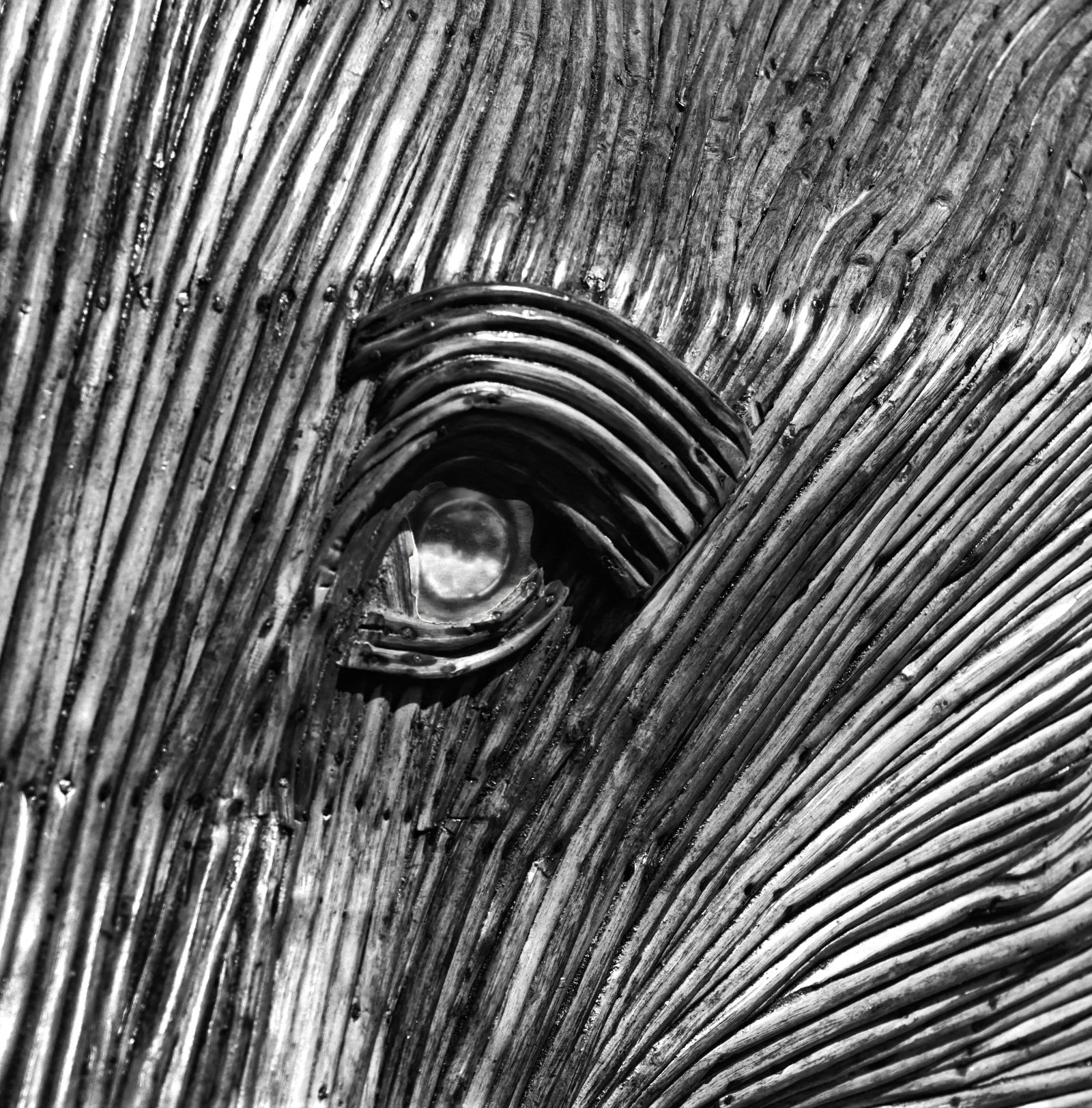
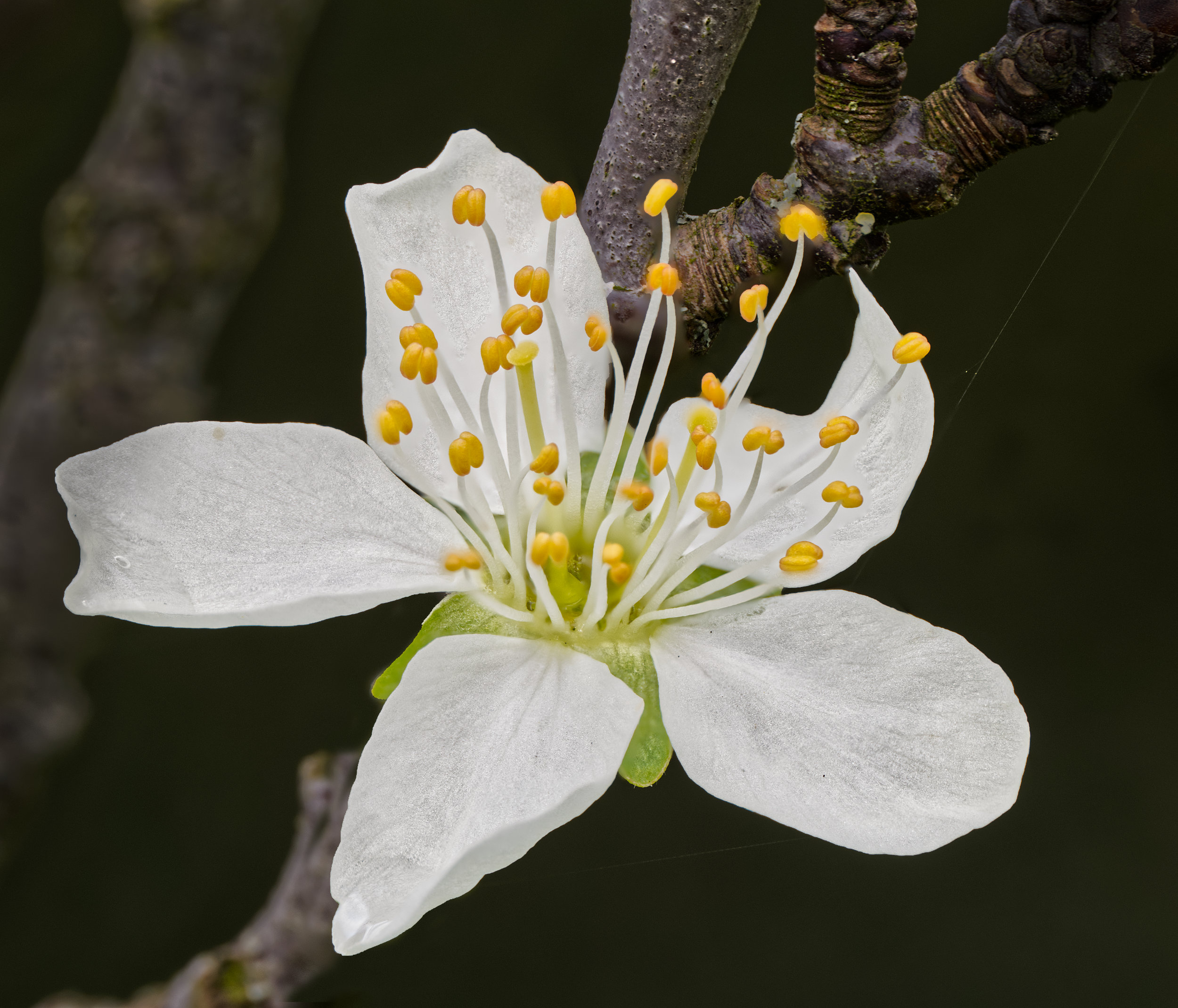
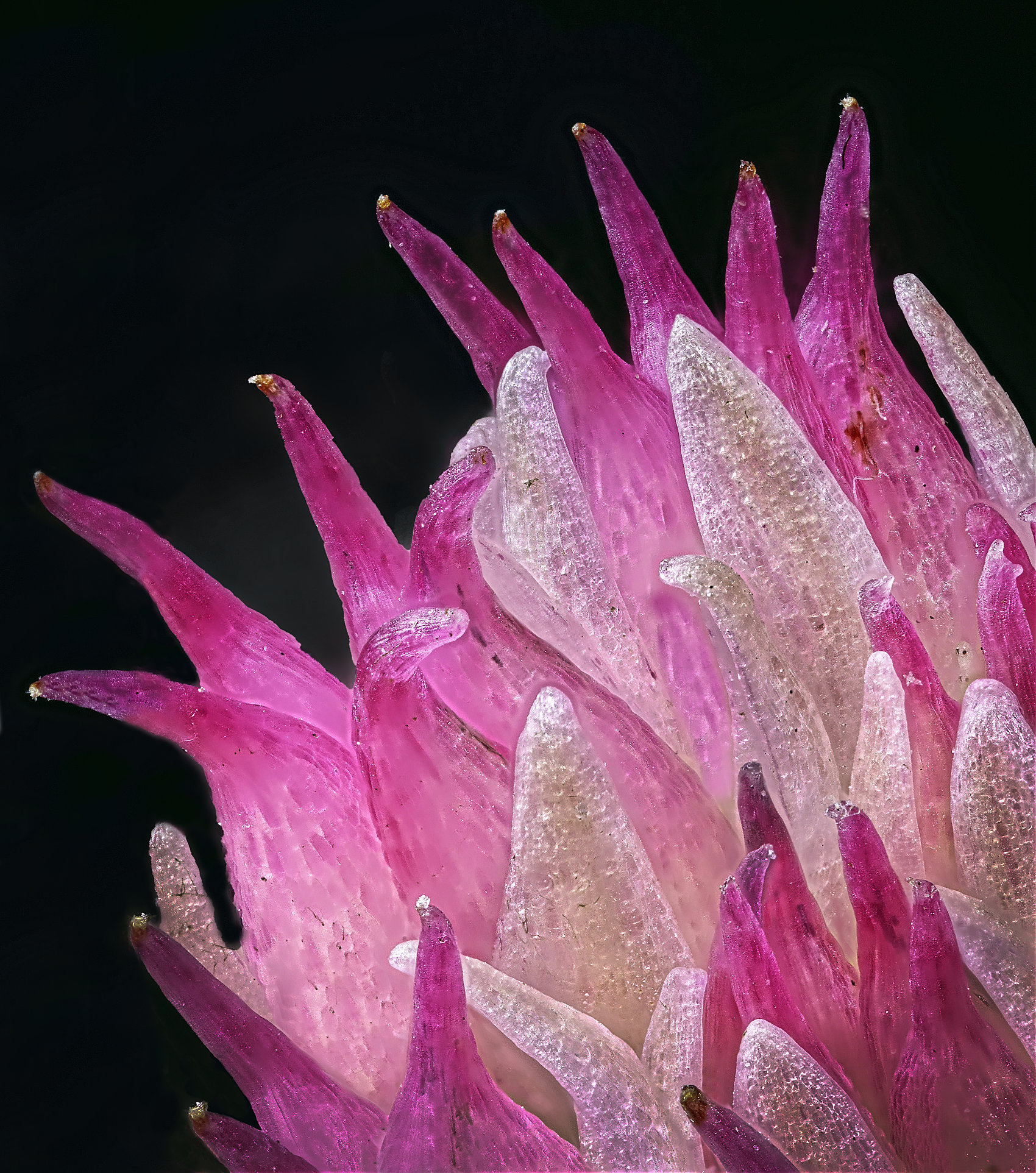
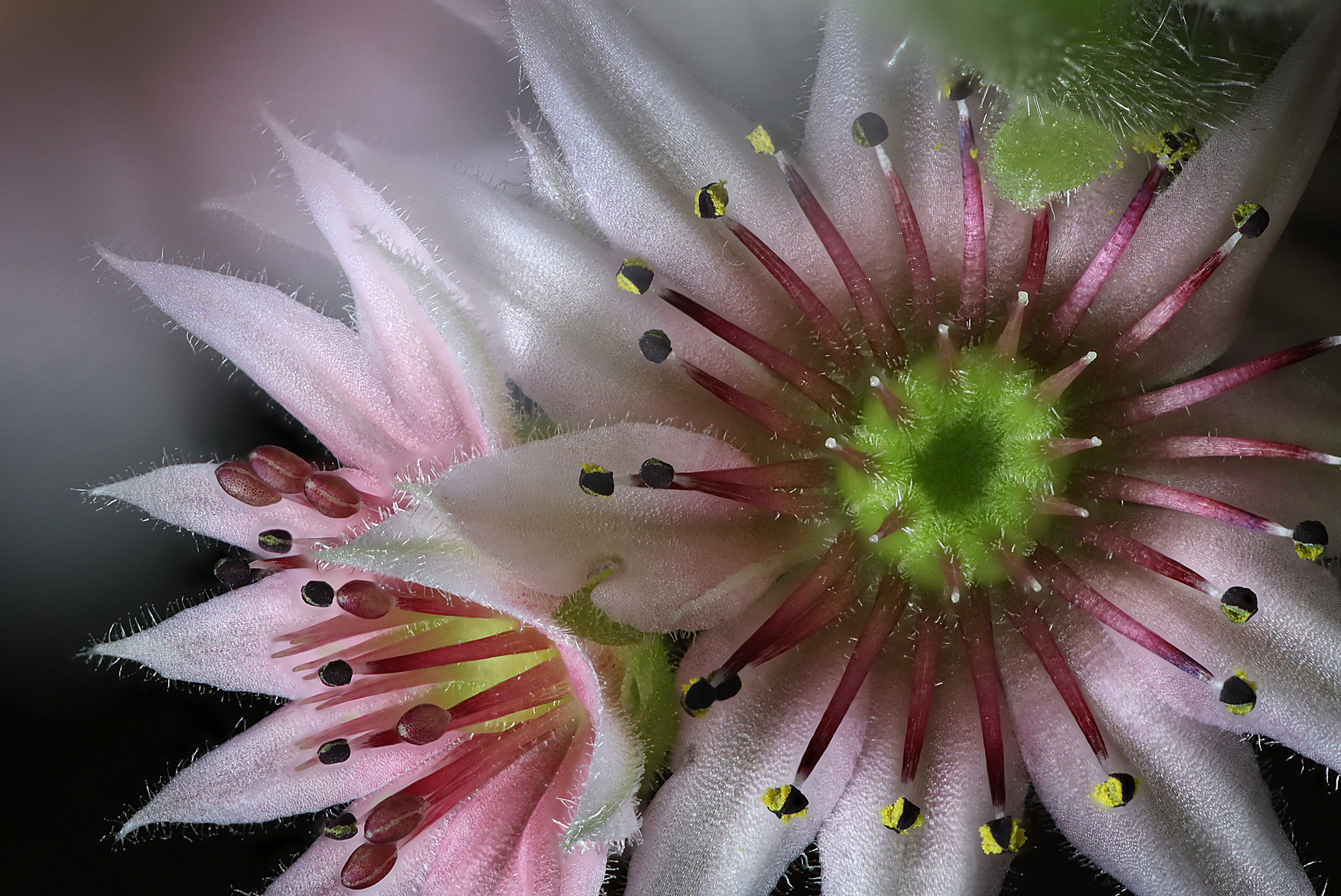
Yes, I think the peripheral petals from outside the frame take this from "just another flower photo" to something unique, which is great. The mono adds too, I do like macro mono, taking advantage of mono attributes (shape, texture, simplicity, avoidance of colour distractions). Your 28mm lens has given a decent depth of field at this distance, even at f4. |
Nov 14th |
| 95 |
Nov 24 |
Comment |
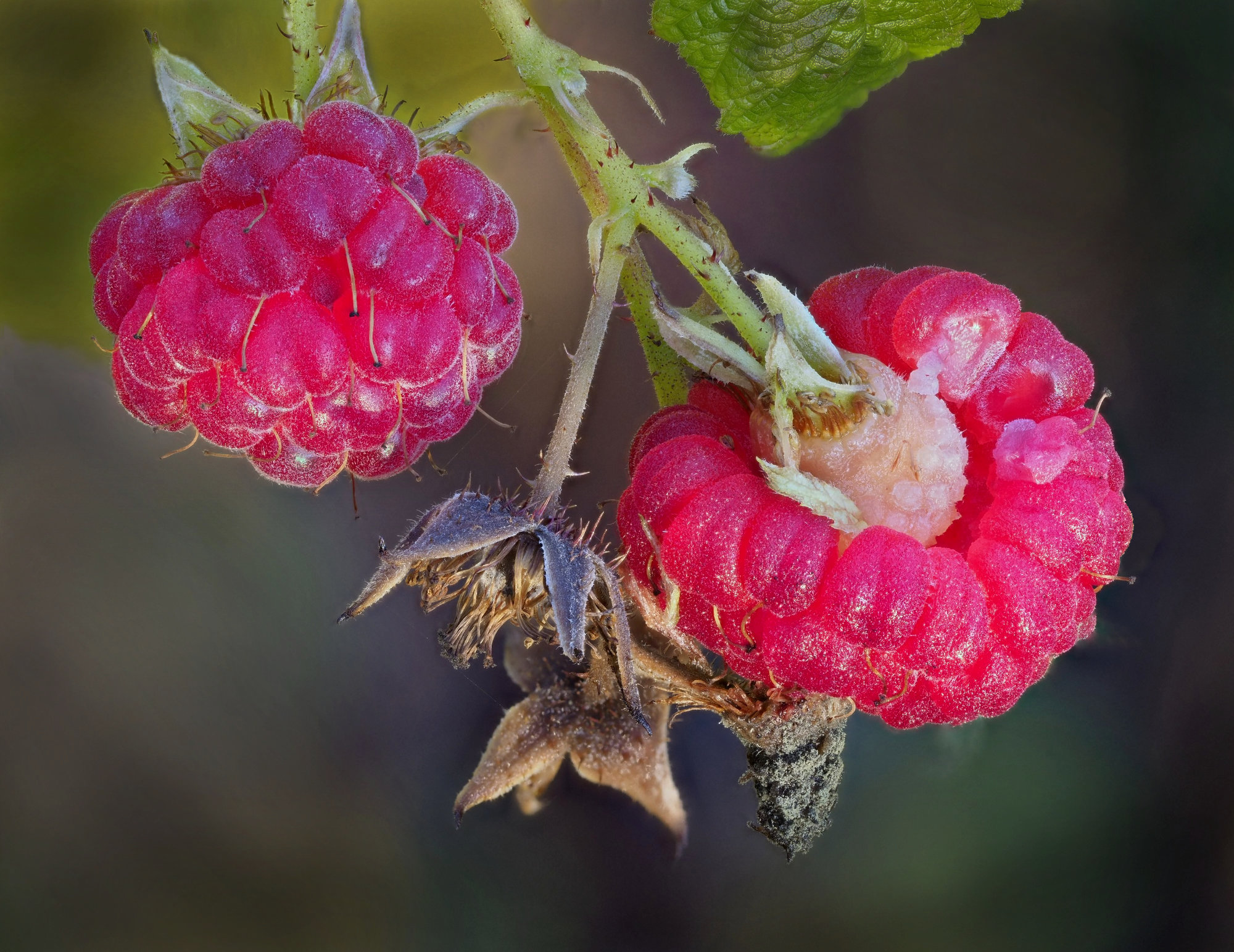
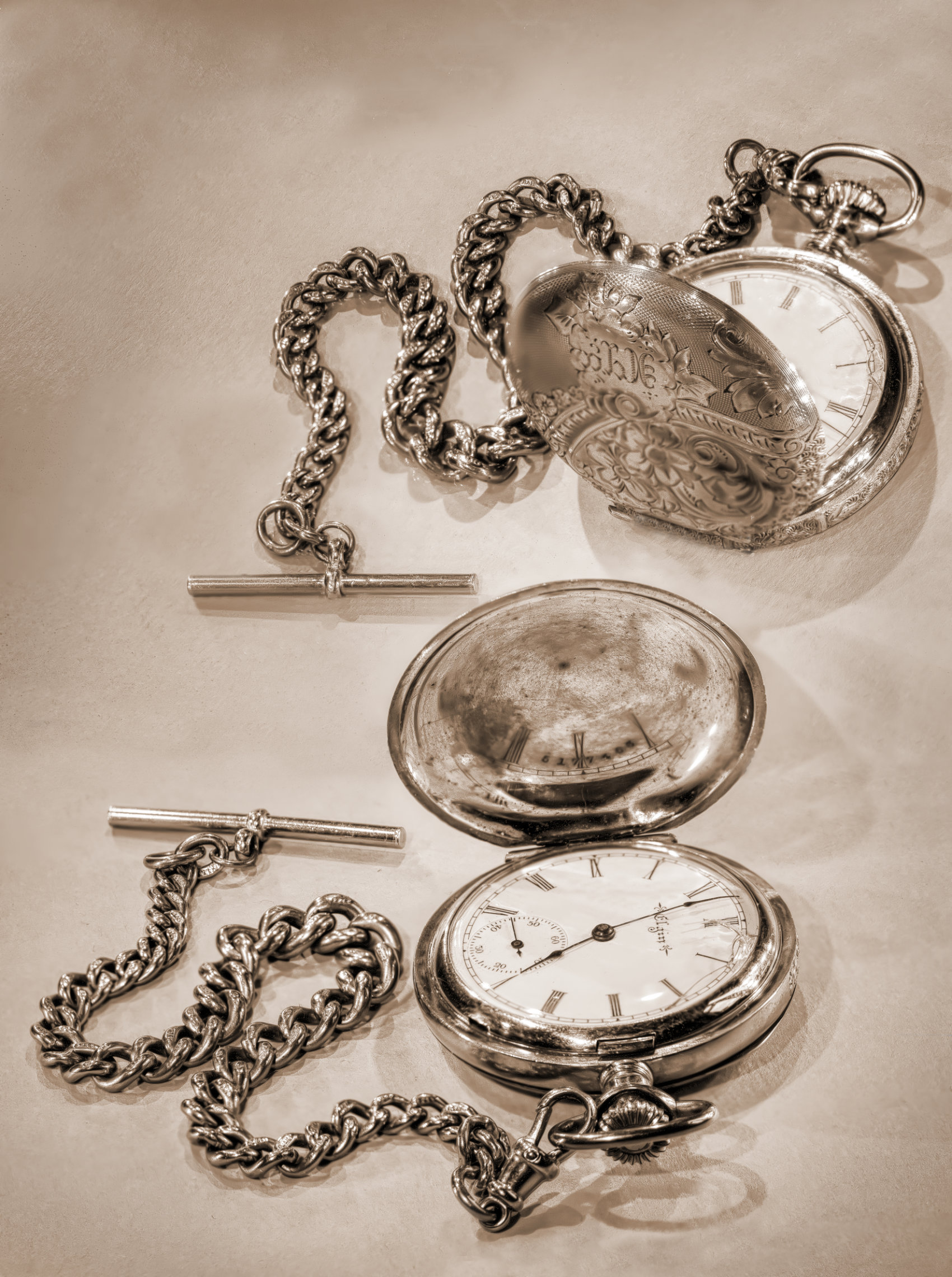
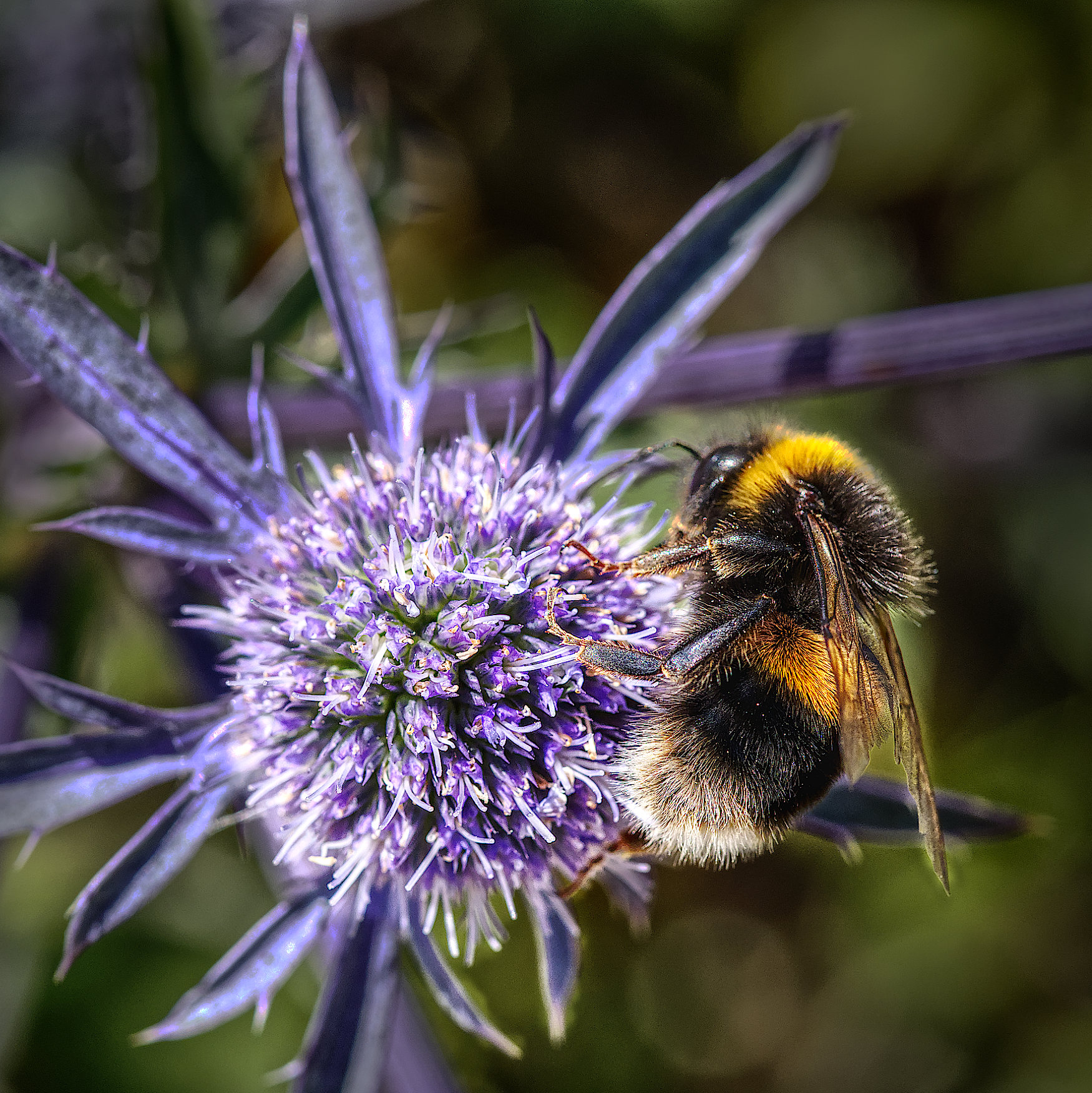
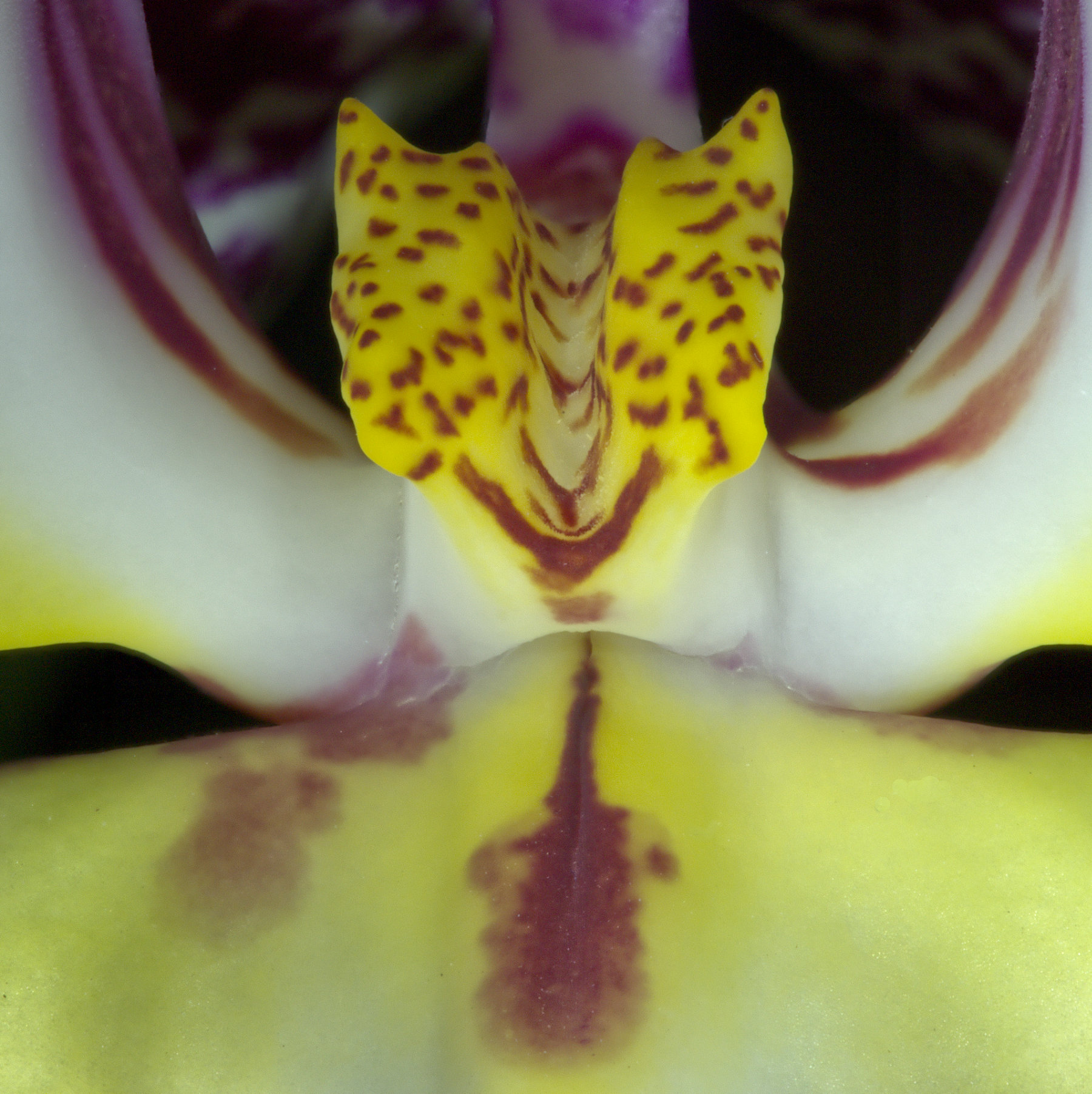
Very good! Macro subject are everywhere if you put your mind to it, thanks for reminding me!
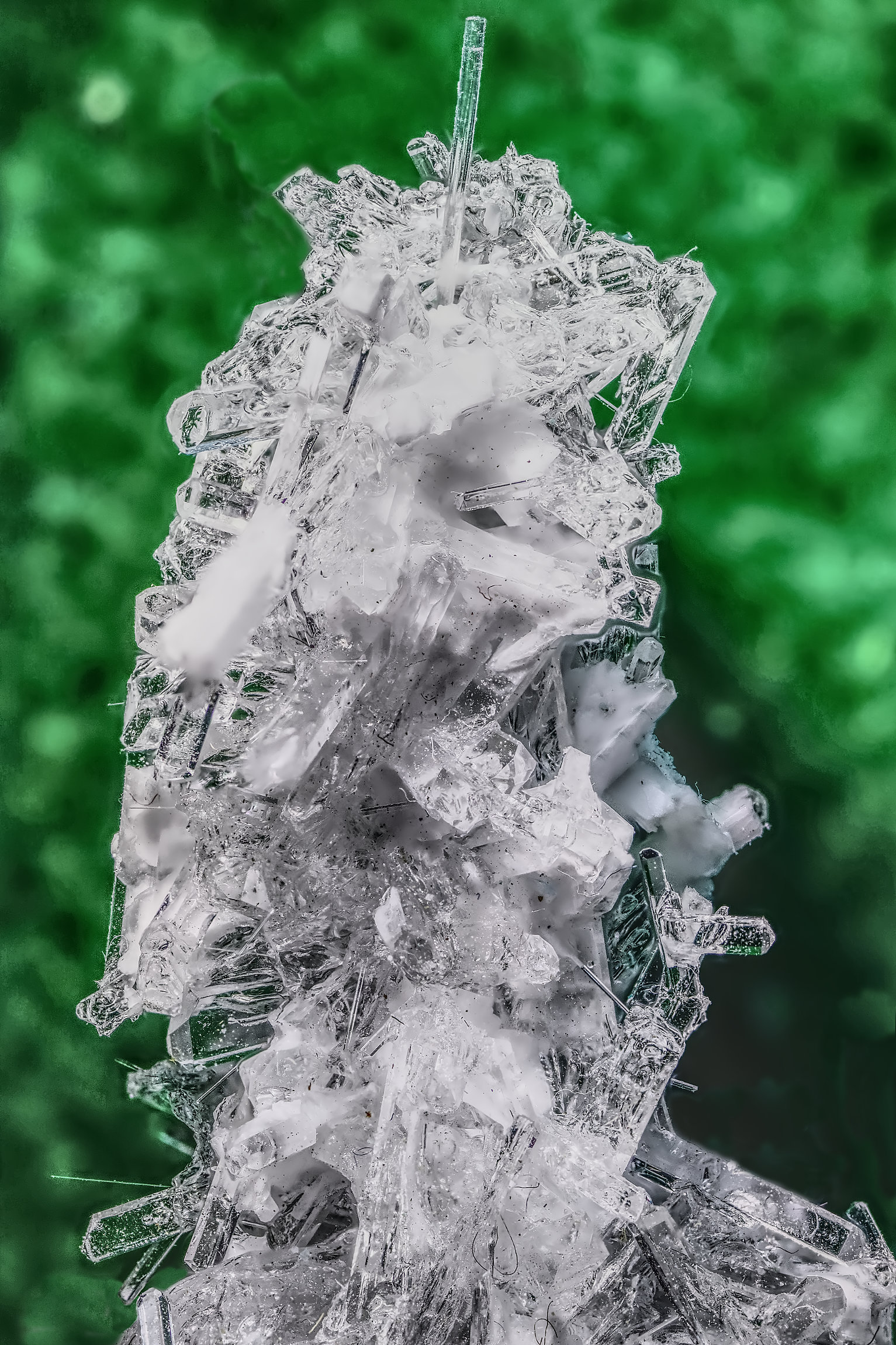
44 frames at f14 sounds like far more frames than necessary at this magnification. Thst's not a problem as you've stacked them perfectly, but it's more work than is necessary, I think. Working out how many frames and how much to shift the focus each time is a problem. There are simple solutions and more technically perfect complicated solutions!
There are programs to help - for example, with a Nikon, Helicon Focus would both work out the best setting and run the steps for you without a focus rail (by altering the focus point of the lens for each frame). Alas they don't do an Olympus version. I used Helicon Remote when I had a Canon, and I really miss it. Which reminds me, I must nag them again as they said they might do an Olympus version.
Then there's the Photopills app, but it costs nearly GBP 10 on the google app store. It does seem to have lots of other features, though, if you are interested.
Online DOF calculators are aplenty. DOFMaster is one, https://www.dofmaster.com/dofjs.html. Once you work out the DoF for the closest shot, use 75% of that distance for the distance between all the shots, as DoF gets larger as you focus further away.
DoF is another program you can download from https://www.dl-c.com/DoF/. I find it a bit too techie, but it calculates stack distances directly, and there's lots of info there on DoF as well.
Less techie is to step down your lens ("depth of field preview") and observe as you move the rail every time so that the bit of your last frame that was just out of focus comes into focus, and take your next from there.
None of these help with all the other aspects of macro though, and I think youve done a great job here!
|
Nov 14th |
| 95 |
Nov 24 |
Comment |
I think this is super! The composition and limited depth of field give a strong feeling of 3D, and the composition and colours makes it interesting. I would even venture that the highlights add to that too, but Margaret is right, they are also a bit distracting and whilst I don't think they are burned out, a judge might well say they are.
I'm sorry to hear you've lost your mum, but in many ways I think this is a perfect picture to add to your memories of her. |
Nov 14th |
| 95 |
Nov 24 |
Reply |
It doesn't matter a jot what lens you use to make a macro shot - only the magnification used matters, and non-macro lenses sometimes can deliver macro magnification, eg a lens with a "macro filter" (a converging lens screwed into the filter holder) can give macro images, or using extension tubes.
Macro used to be defined as 1:1 or higher magnification. 1:1, or 1x, means the size of the image on the film / sensor is the exact same size as the subject being photographed. 1.1x is fine, but 0.9x is not macro by this definition. It still is an accepted definition to many. But the number of sensor sizes available now makes this definition unworkable in my view. My Olympus camera has an 18x12mm sensor size. Olympus refer to their 60mm macro lens as "maximum magnification 1:1". Used at this setting you find a subject 18mm long will fill the long side of the frame. So Olympus /OM Systems are using this definition.
But when you look at the difficulty in taking the photo, you have to be closer to take an image of something 18mm high or wide fill the frame. Full frame cameras can meet 1x with a subject 36mm high / wide! Unfair!! So, I think an alternative definition, used by many, that 1:1 is a subject 36mm high filling the long side of the frame, regardless of the sensor size. Micro 4/3 being a "cropped sensor" is - well - cropping the image! As does an APSC camera, although it doesn't crop quite as much. I would imagine large format users might not like this definition!
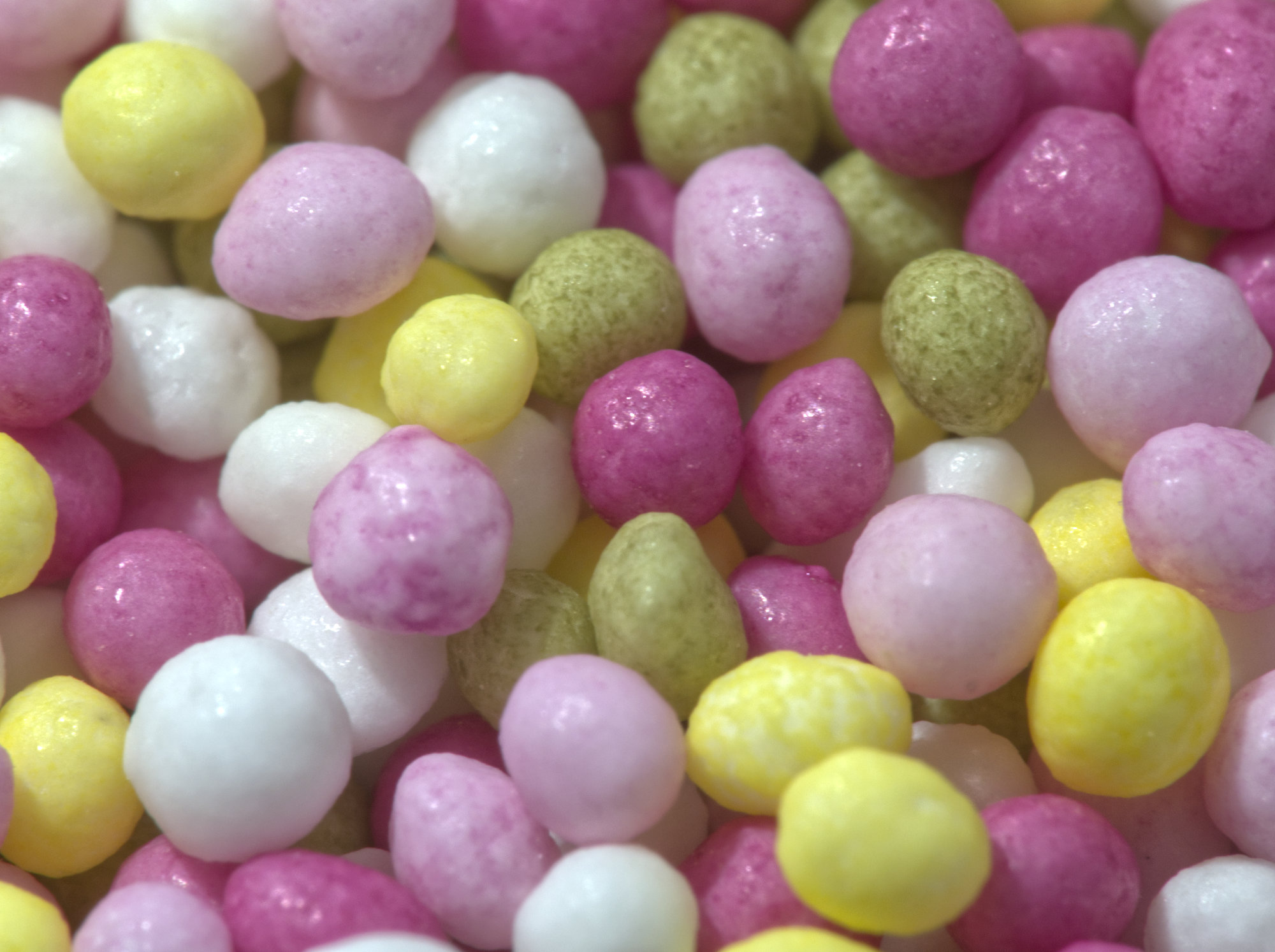
Another issue is that an inflexible definition of macro does limit what you are "allowed" to photograph. This image of Margaret's is not macro by any of these definitions. But is it a nice photo? - yes, definitely. People in the "close-up" groups on DD might say "well you should be in this group for that", and it's a fair point, many macro photographers would agree. But I don't think anyone doing macro shouts "Foul!" if someone doing "close-up" accidentally takes at 1x magnification! So my view is to be flexible. I think when the magnification gets below say 0.25:1 (0.25x magnification) then it's definitely not macro, and I encourage members of this group to keep their magnification up if possible. But I'm certainly "guilty" of posting photos that are 0.5x and less - I don't like wasting a nice image just to conform to a rule here.
So, do use your 70-200mm zoom lens. If you want to, crop the image down to make up the shortfall if you subject didn't fill the frame. Again, some purists say this isn't a macro technique, the original image should be 1x or more. But I, and you, might think that's too restrictive. You do lose quality of course when cropping, which is not ideal and exposes poorer images.
Actually, using a long focal length and cropping slightly increases the depth of field, the macro photographers' nemesis.
So, the long and short of it is, what magnification are you getting? not what lens are you using. |
Nov 13th |
| 95 |
Nov 24 |
Comment |
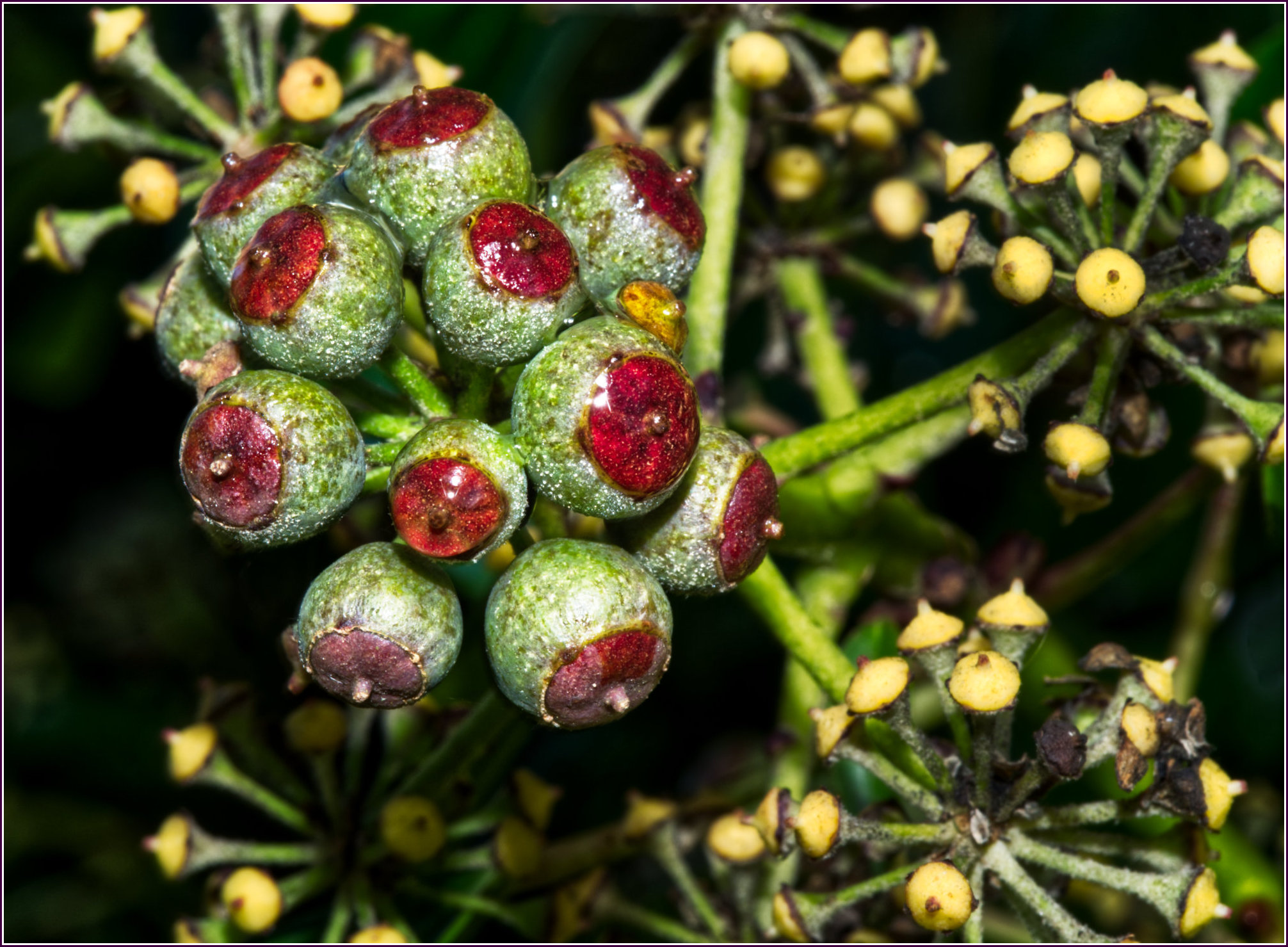
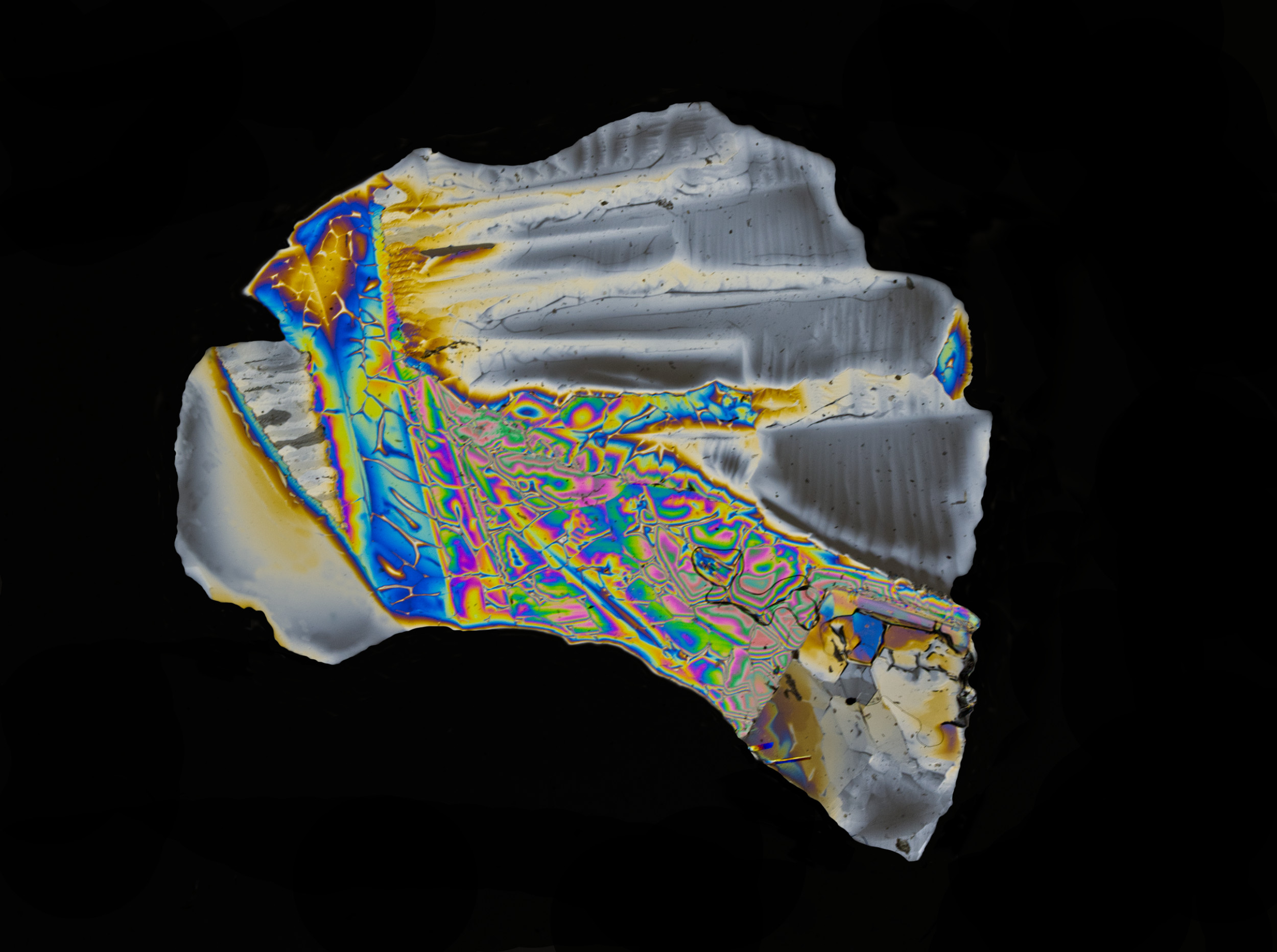
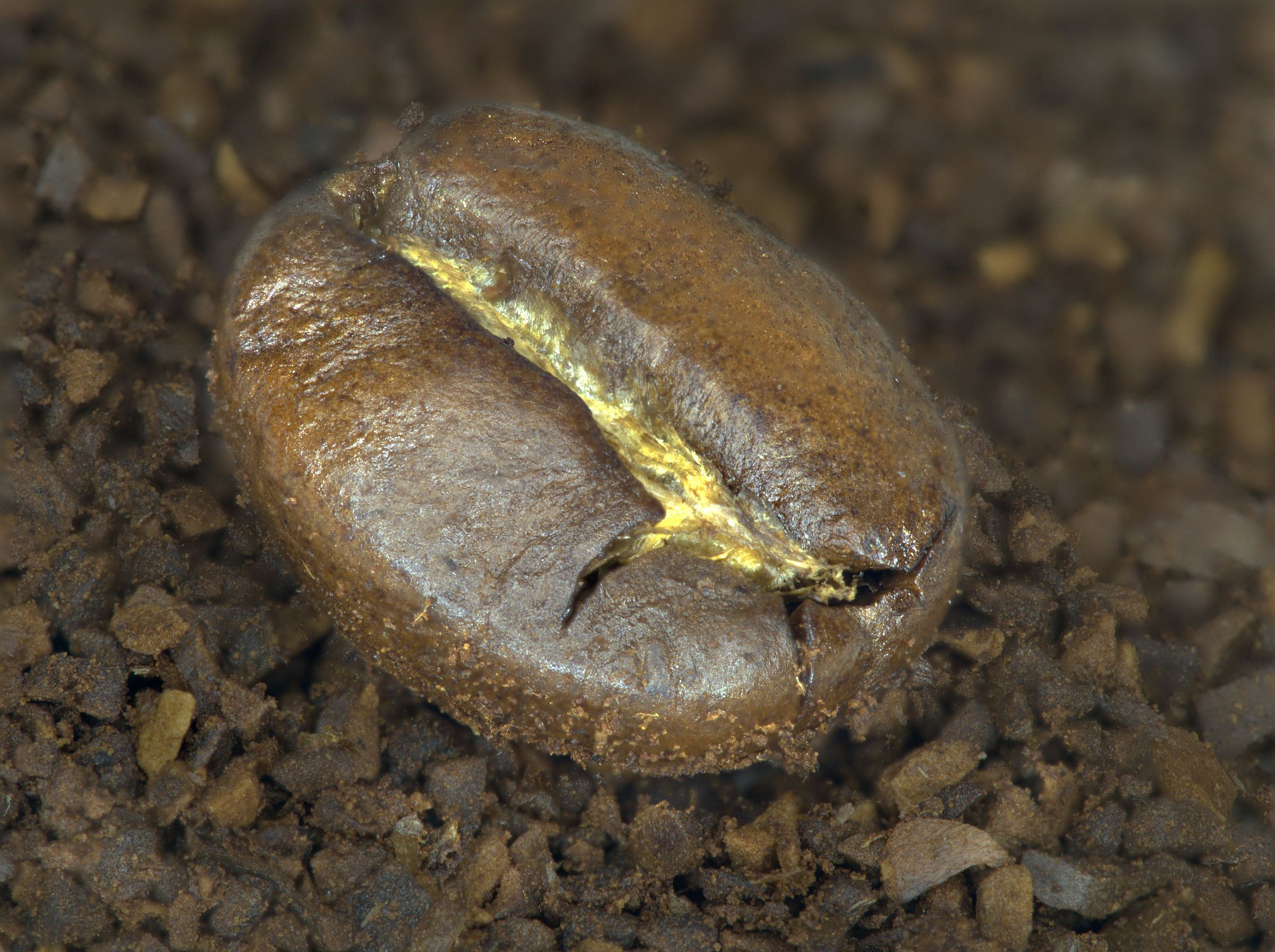
I like this too, there's lots of subdued detail. It's sharp at the front and only slightly softer at the back, which is no criticism, a limited depth of field is often an attribute. I've discussed DoF many times here in the past, and what's important is that the bits you wanted to be sharp, are sharp, and the rest not sharp to some degree. So I'm completely happy with the sharpness here. A little lighter (more exposure) might make it more lively, but again, I've no problems with the image as it is.
|
Nov 13th |
| 95 |
Nov 24 |
Comment |
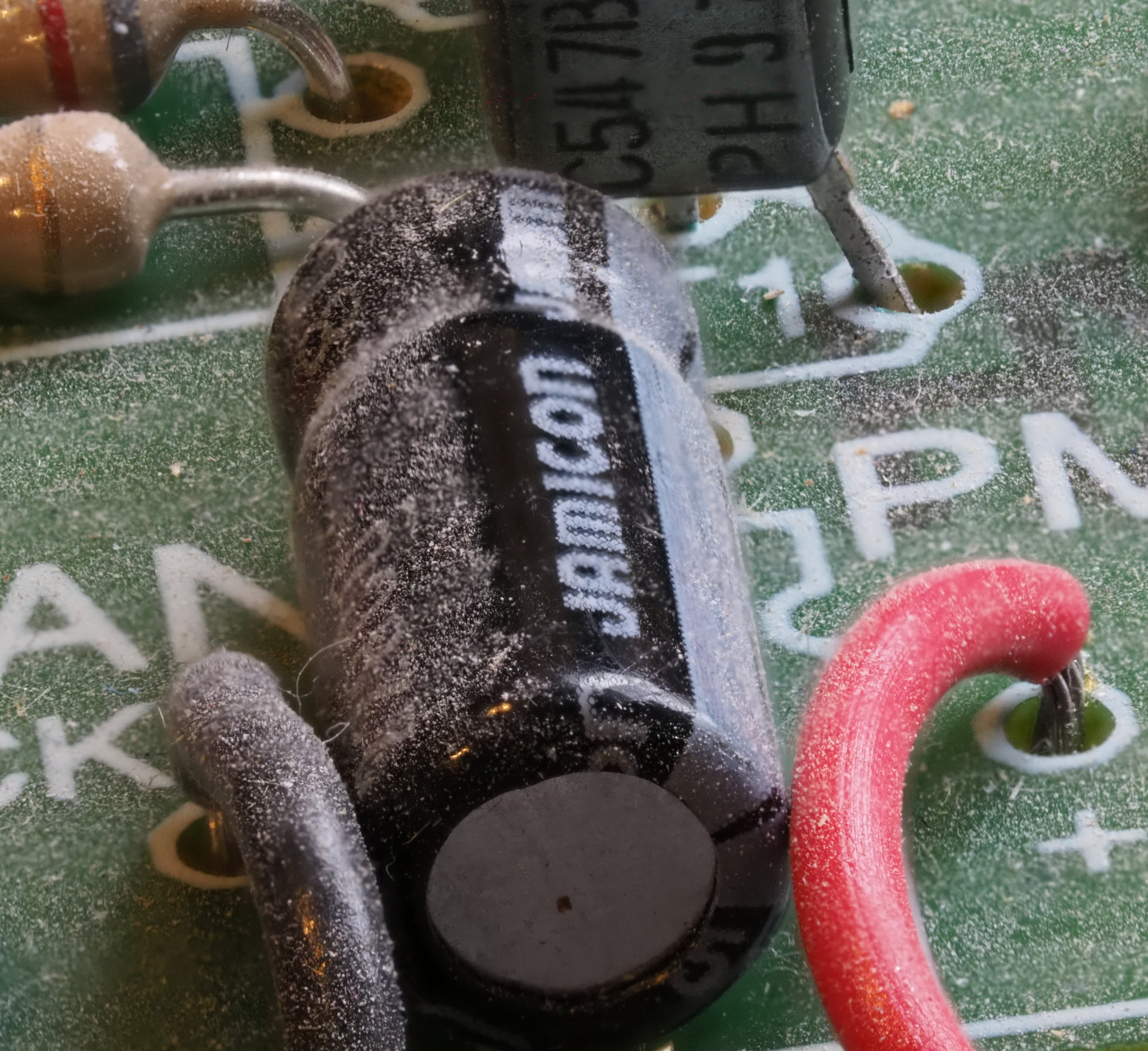
Thanks, Margaret. The light was such that I couldn't afford a smaller aperture, I too would have preferred more depth of field. Still, the result is worth the effort, I think.
Here's a quick "Extension tubes 101"
Extension tubes are a blast from the past, really. I had some with my first camera when I was in my teens, as macro lenses didn't exist and any extra lenses were way outside my pocket anyway. They are empty tubes which move the lens further away from the camera body. In modern cameras they have electrical connections to operate the diaphragm (aperture) and provide information to the camera's exposure system.
Being simple, they are fairly cheap. Usually you buy a set of tubes with different lengths, as how close they let the camera focus depends on the length of the extension.
They are also very light, which contrasts strongly with my 90mm macro lens which is rather heavy! So I have usually had a set in my "day bag" which usually only has the camera with 14-150mm lens attached. This lens works reasonably well with extension tubes. I say "had", as I've just bought a 30mm macro lens which is small and light, so it will probably displace the tubes.
Tubes can be used with a macro lens, and increase its maximum magnification. I found I could use 2 sets of tubes and a 1.6x tele extender with my 60mm macro lens, which took its maximum magnification of 1x up to about 3x.
If you had say a 50mm f2 lens and added 50mm of extension, you would get 1:1 magnification with the lens focussed on infinity, slightly more magnification if you used the lens focus ring. However tubes cause a loss of light, and so the lens would effectively be f4 maximum aperture.
|
Nov 10th |
6 comments - 3 replies for Group 95
|
12 comments - 5 replies Total
|