|
| Group |
Round |
C/R |
Comment |
Date |
Image |
| 64 |
Jul 24 |
Comment |
The hole gives me a "secret garden" feel. What might be down there???
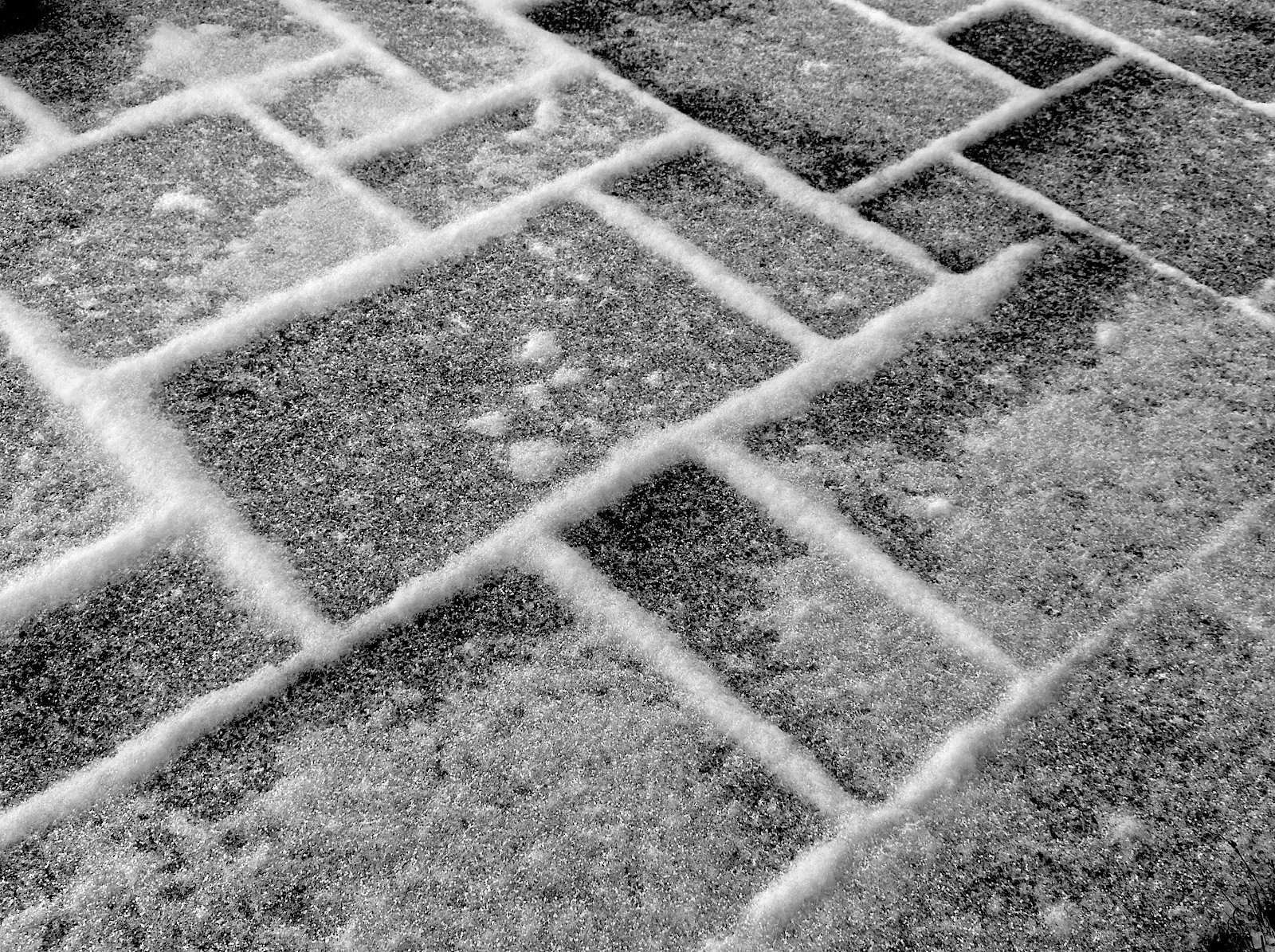
I like the texture in the snow, the brightness has been well controlled. |
Jul 25th |
| 64 |
Jul 24 |
Comment |
Thanks for your comments, sorry I'm late this month.
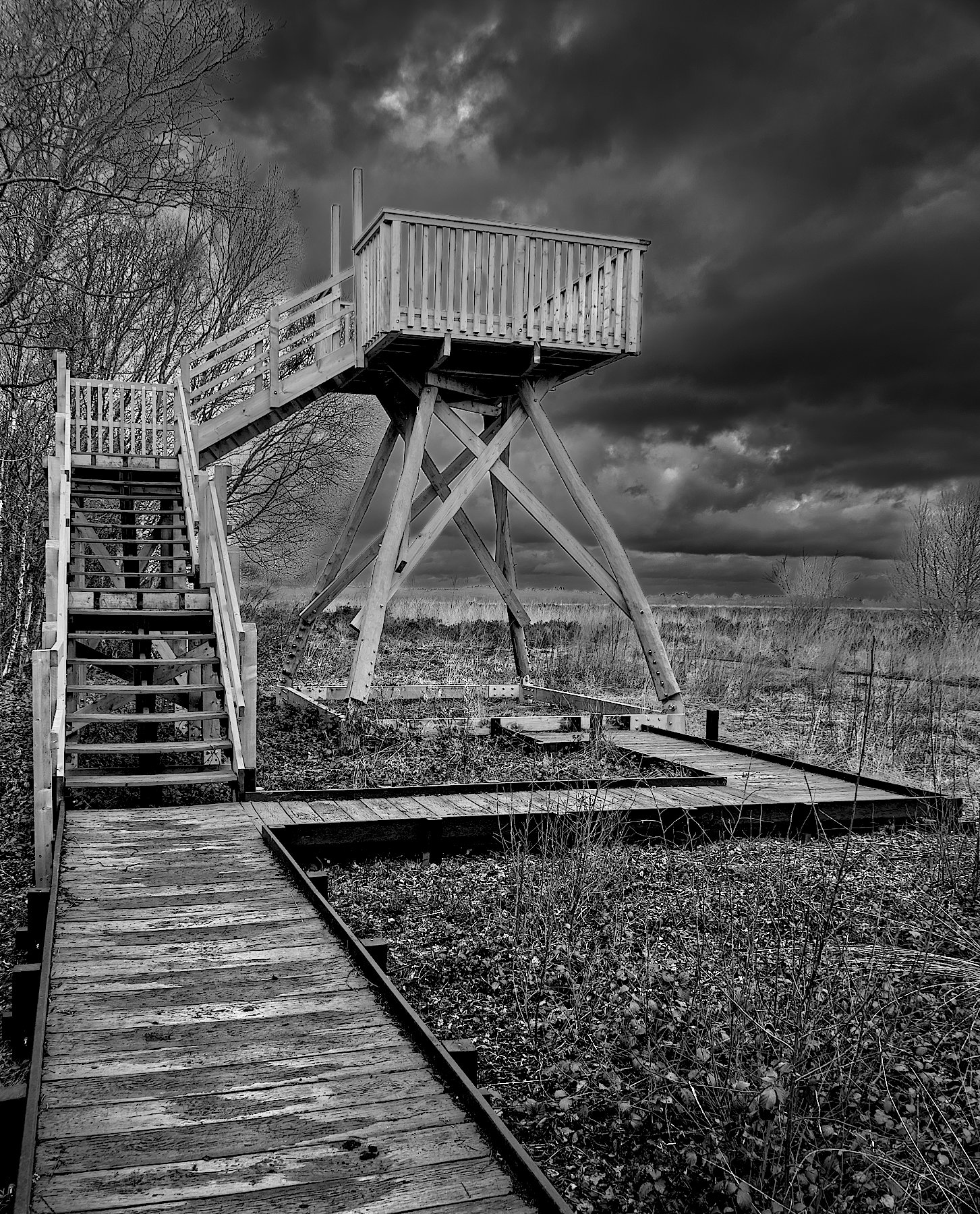
Yes, perhaps a slight rotate to the left would feel more upright. I could adjust the perspective, but I felt that I wanted to give a sense of the size of the building |
Jul 25th |
| 64 |
Jul 24 |
Comment |
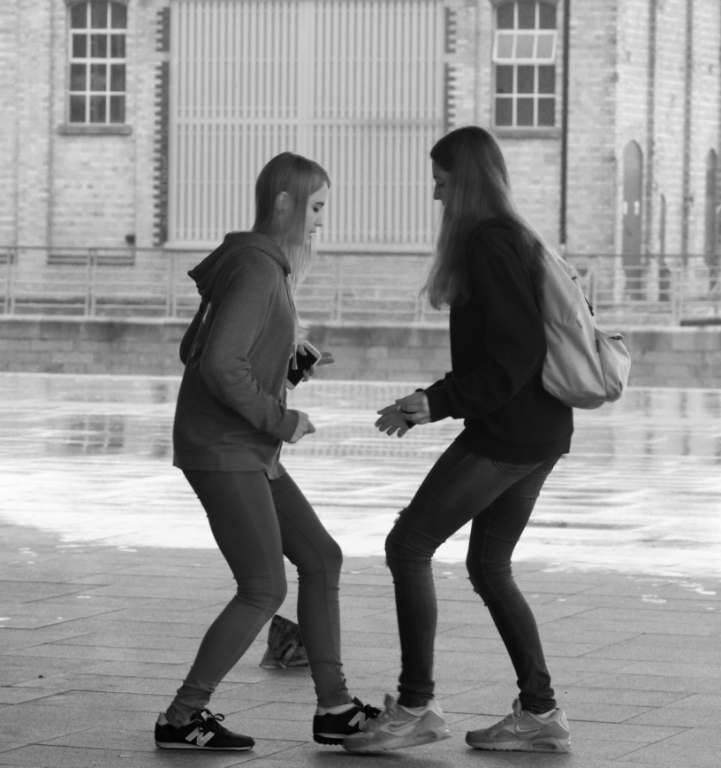
I'm struggling with this photo, trying to understand what I'm seeing, and what it means. A dancer? Where is that? The right area looks the best candidate to me, but I agree that cropping off those bright bits makes for a more restful result. |
Jul 25th |
| 64 |
Jul 24 |
Comment |
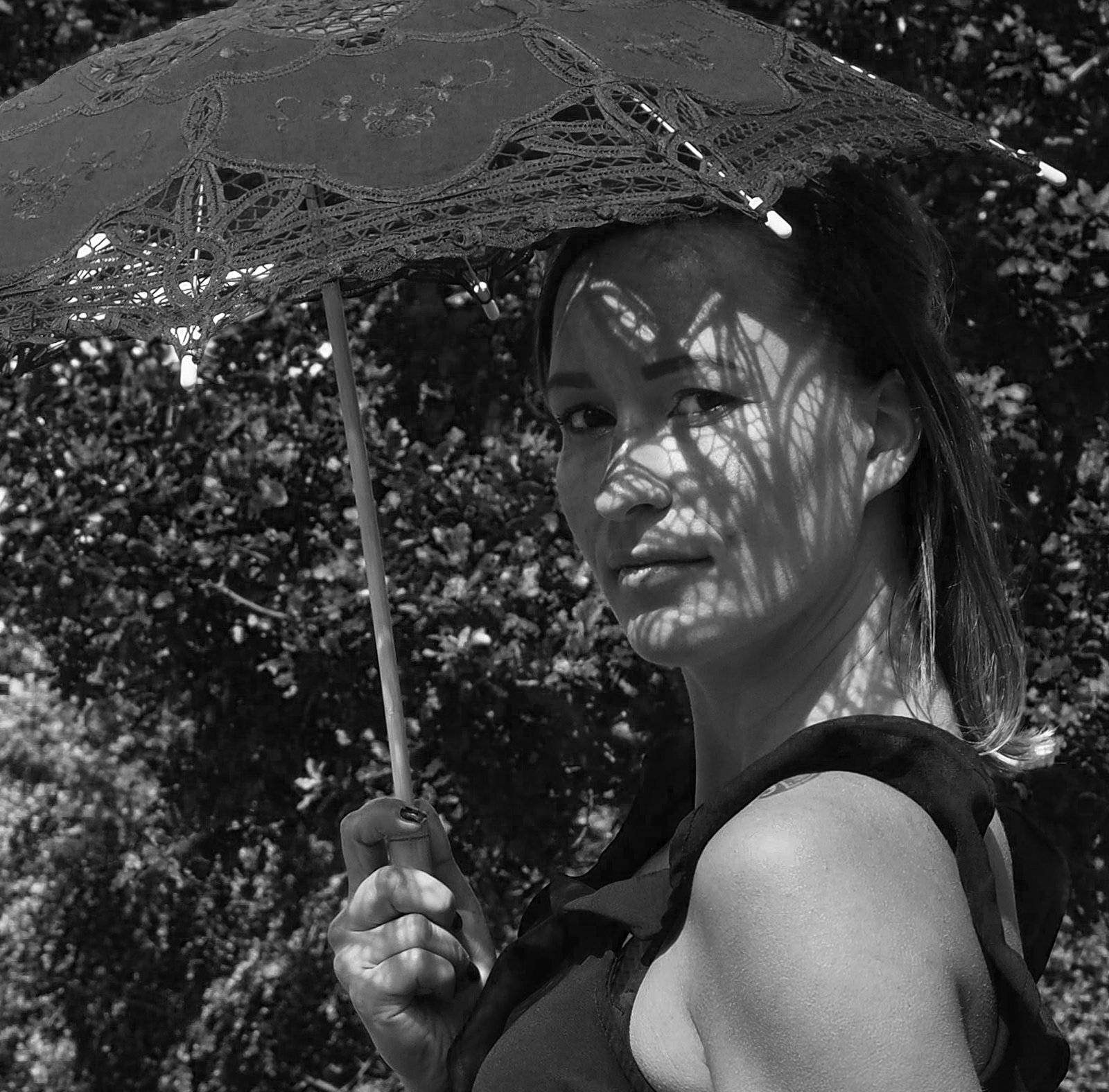
Agreed! An A1 picture. Even the parasols are against a dark background to make their shape stand out. I once took photos of a model with a parasol and let the shadow of the lace land on the models face, which we see here. Alas most others didn't like it, but I did, and I like it here!
I think I'd clone out the cars on the bridge, but it's nit-picking, I love this picture. |
Jul 25th |
| 64 |
Jul 24 |
Comment |
Yes, I love the wave and the way it frames the bathers, too.
Personally I'd try to bring some lightness to the figures, I don't think they silhouette suits the picture. Lighten the shadows in RAW? |
Jul 25th |
| 64 |
Jul 24 |
Comment |
I guess I concur with the previous comments, and I think this is a good rendition of what you saw.
As suggested, some post processing to liven it up might make it more of a picture. Getting some detail in the black neck and ears would be easy if you used RAW, and then the background could be darkened to make the dog stand out more. I'm happy with the composition, and maybe a bit of Gaussian blur on the moving limbs might add to the movement. |
Jul 25th |
| 64 |
Jul 24 |
Comment |
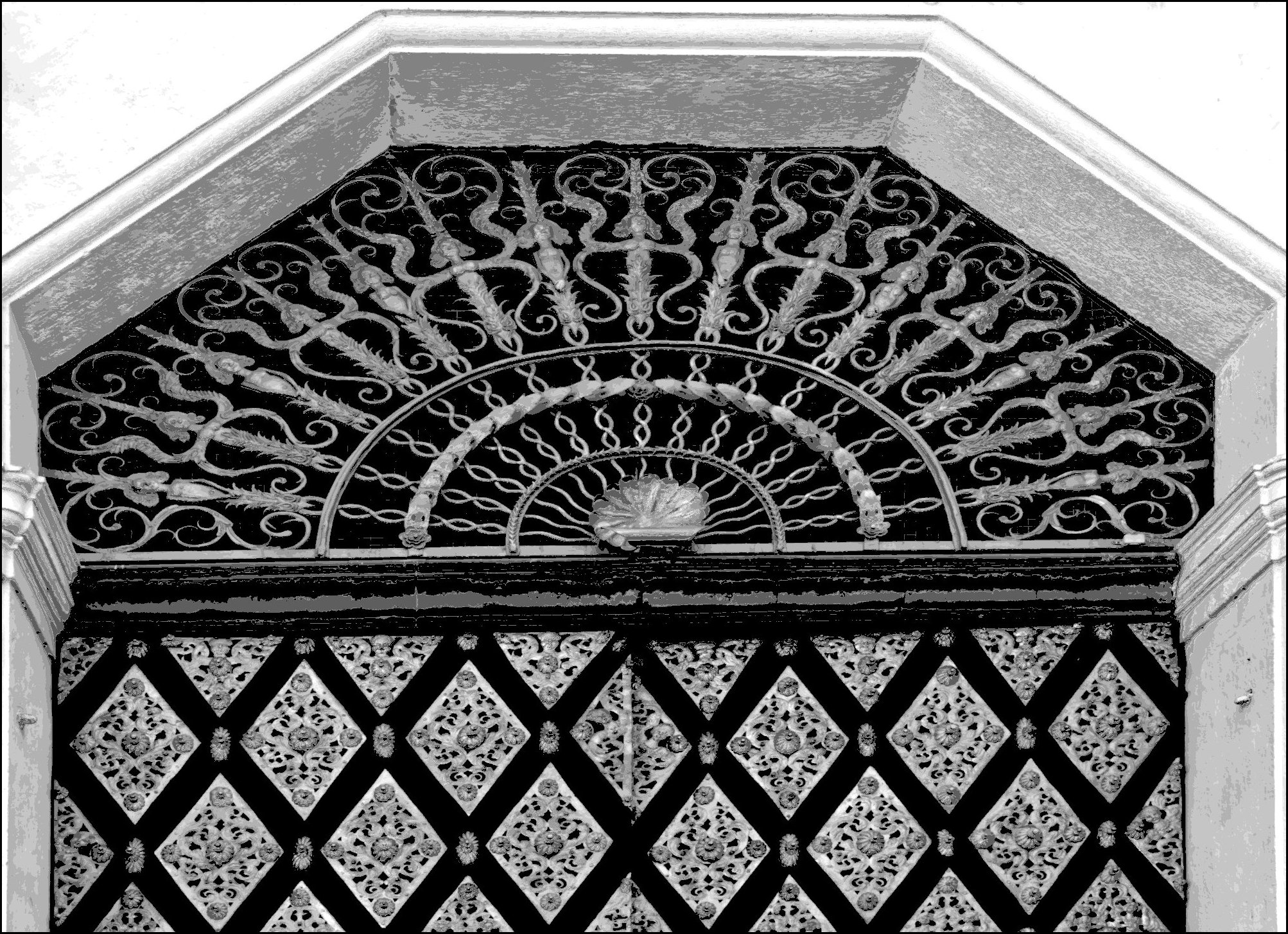
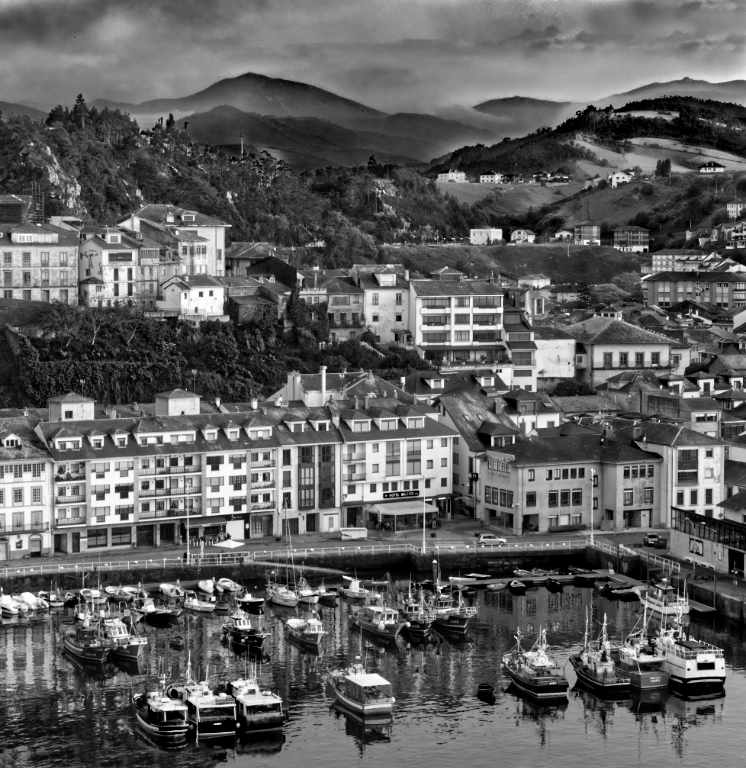
Your picture reminds me of the Alahambra, which is also in that part of Spain. The detail is spectacular, and well captured in such a wide view.
I'm still of the belief that places like this have to be captured in a portfolio. This is a good shot for the overview of this part of the building, and others of elsewhere, and close-ups to show the carving in even more detail, might give a complete picture of the building. I might have referred to "Seeing in Sixes" that was published by Lenswork - six frames often seems to be a good number, to me.
But that's not to detract from this as a stand-alone, I think it's a nice picture.
|
Jul 25th |
7 comments - 0 replies for Group 64
|
| 95 |
Jul 24 |
Reply |
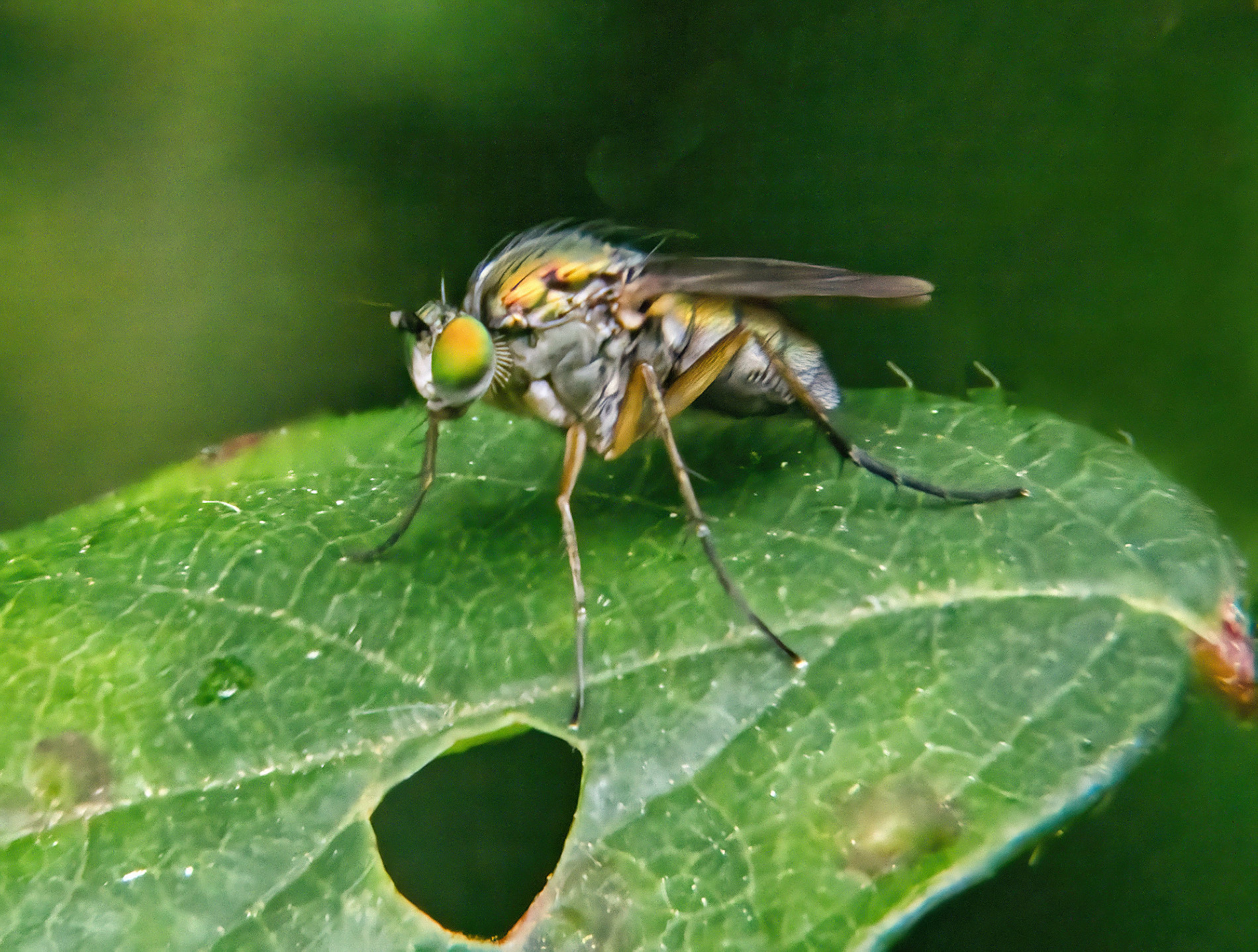
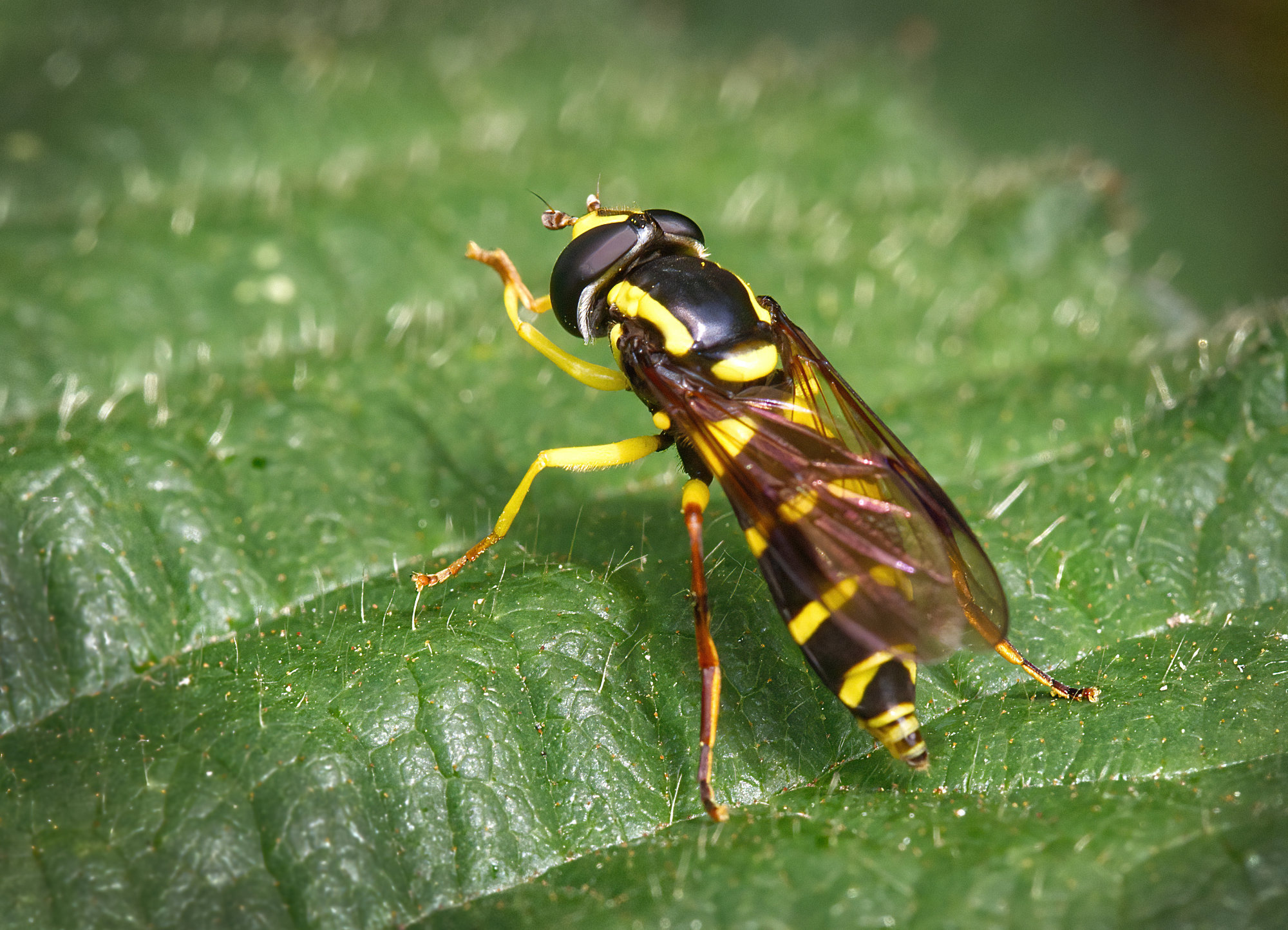
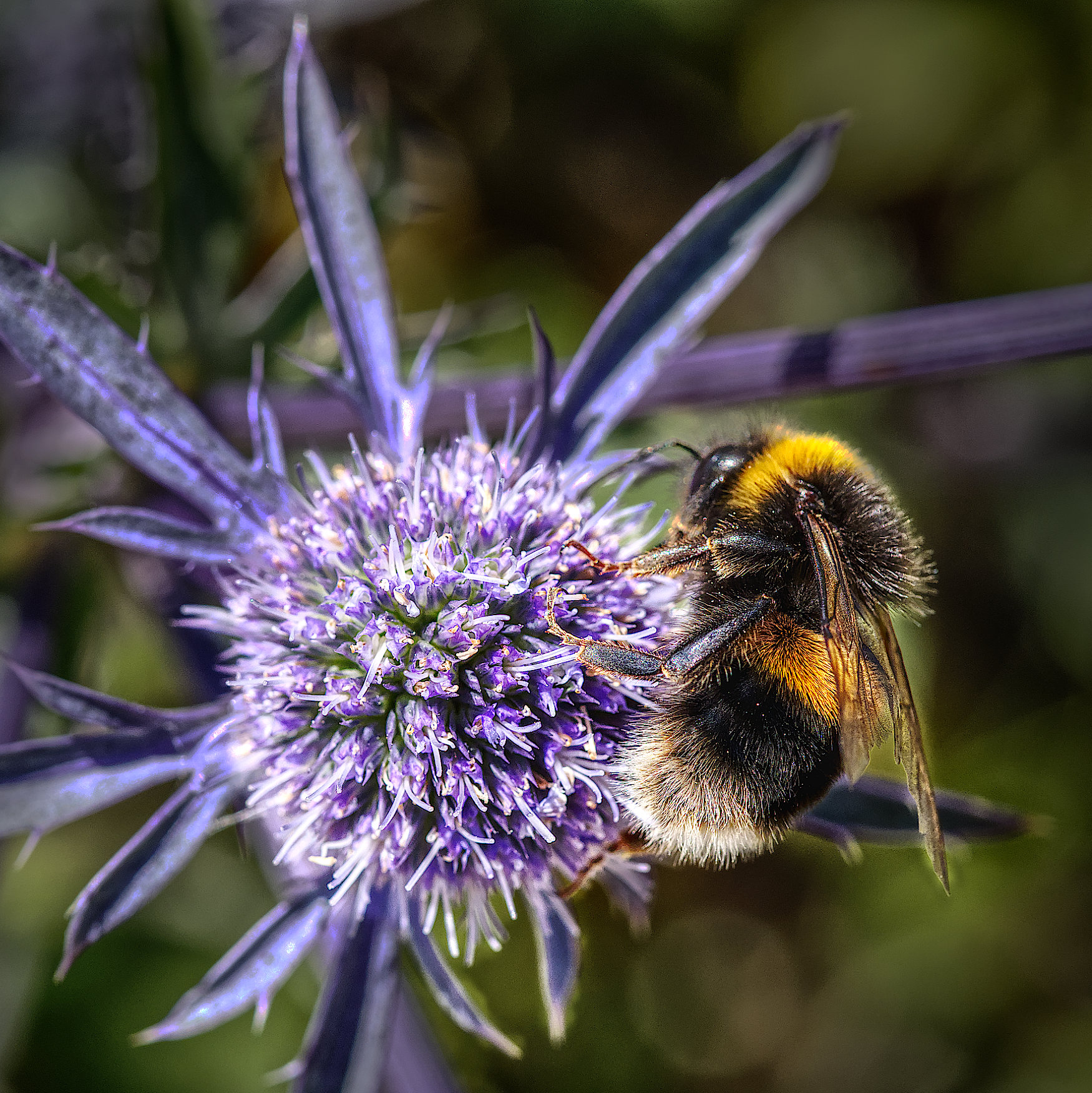
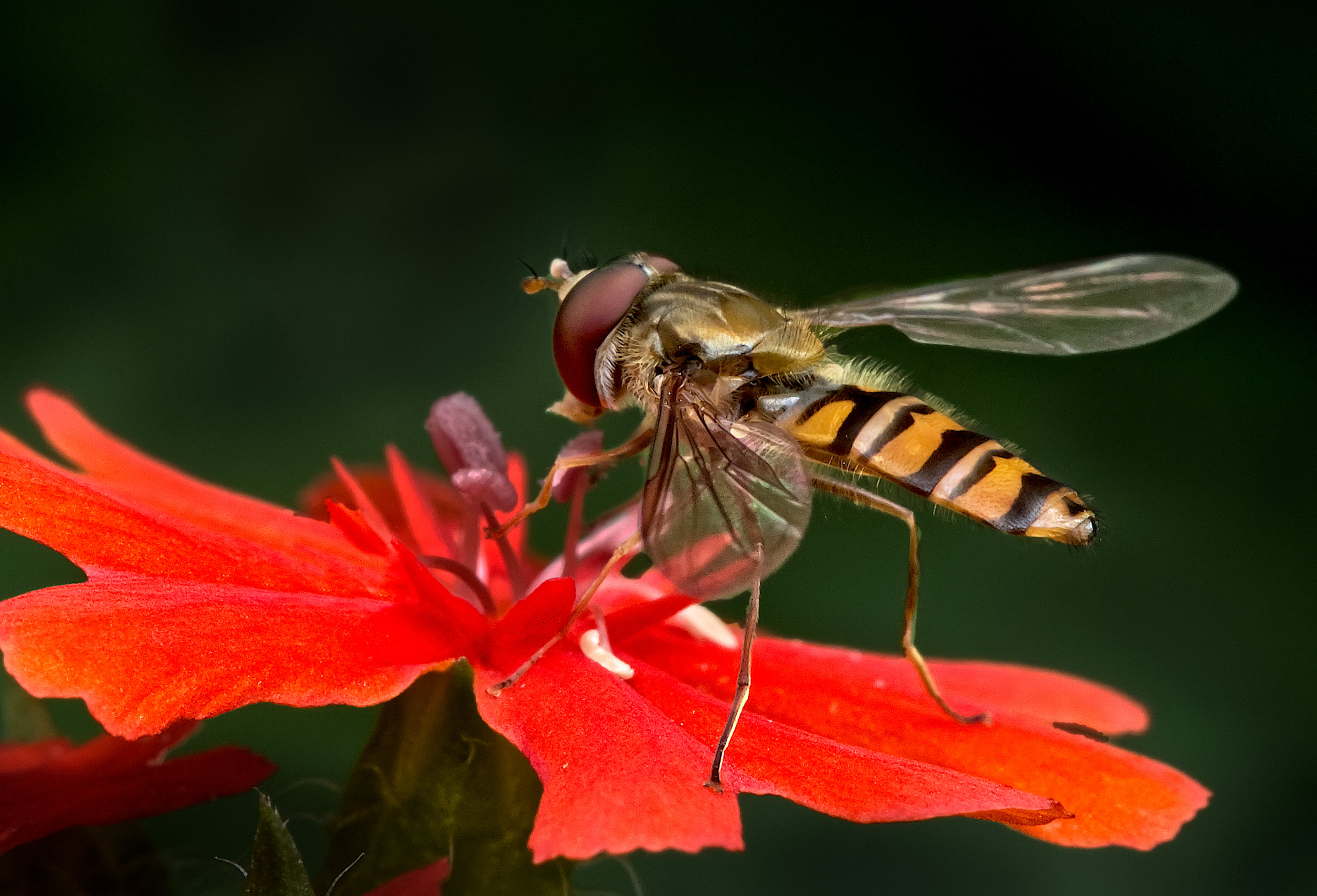
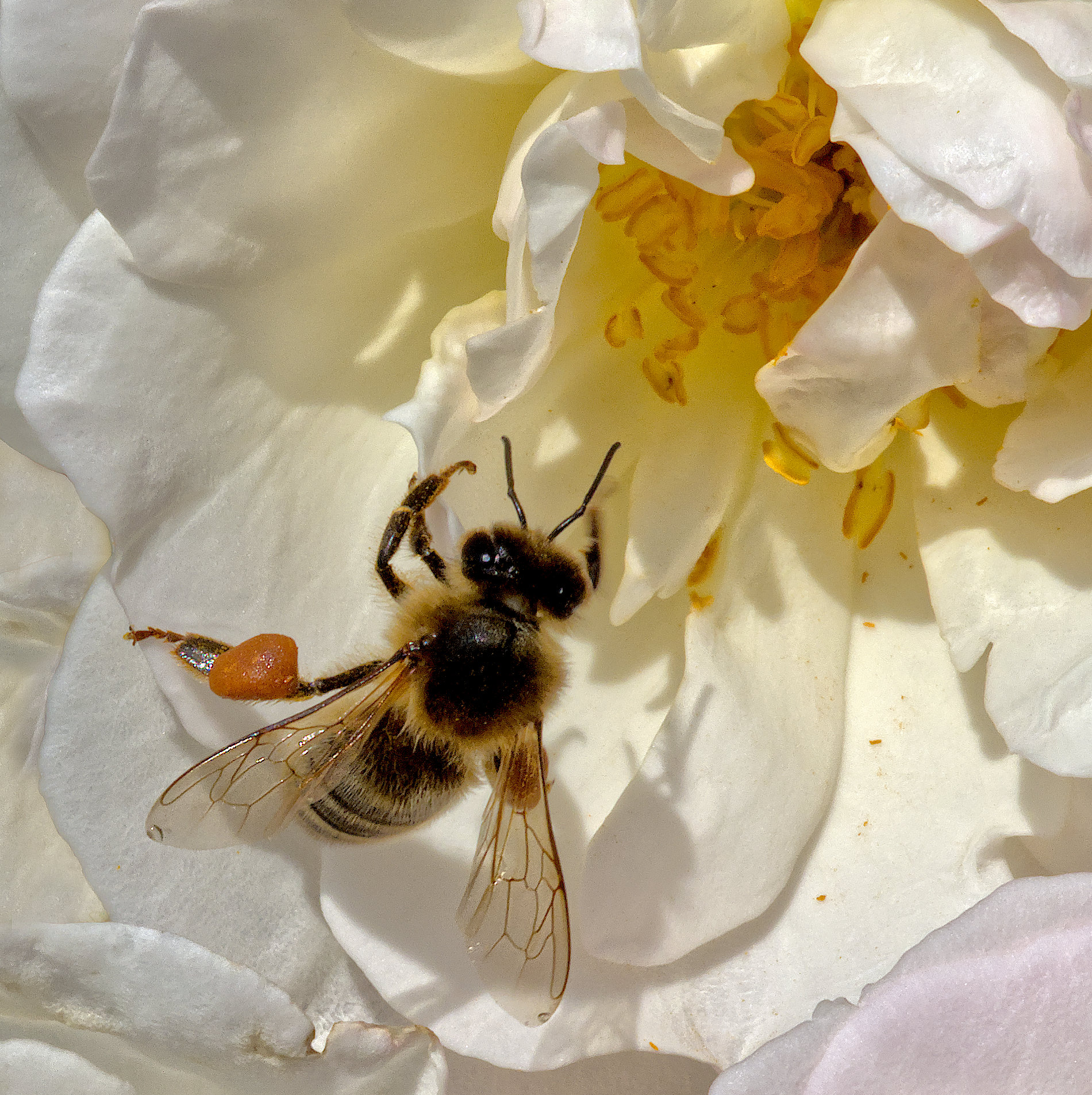
I keep a couple of colonies of bees in my garden. They are amazing insects. Did you know that the workers (all female) work themselves to death in about 6 weeks? They never stop while there's daylight. What a life. |
Jul 25th |
| 95 |
Jul 24 |
Comment |
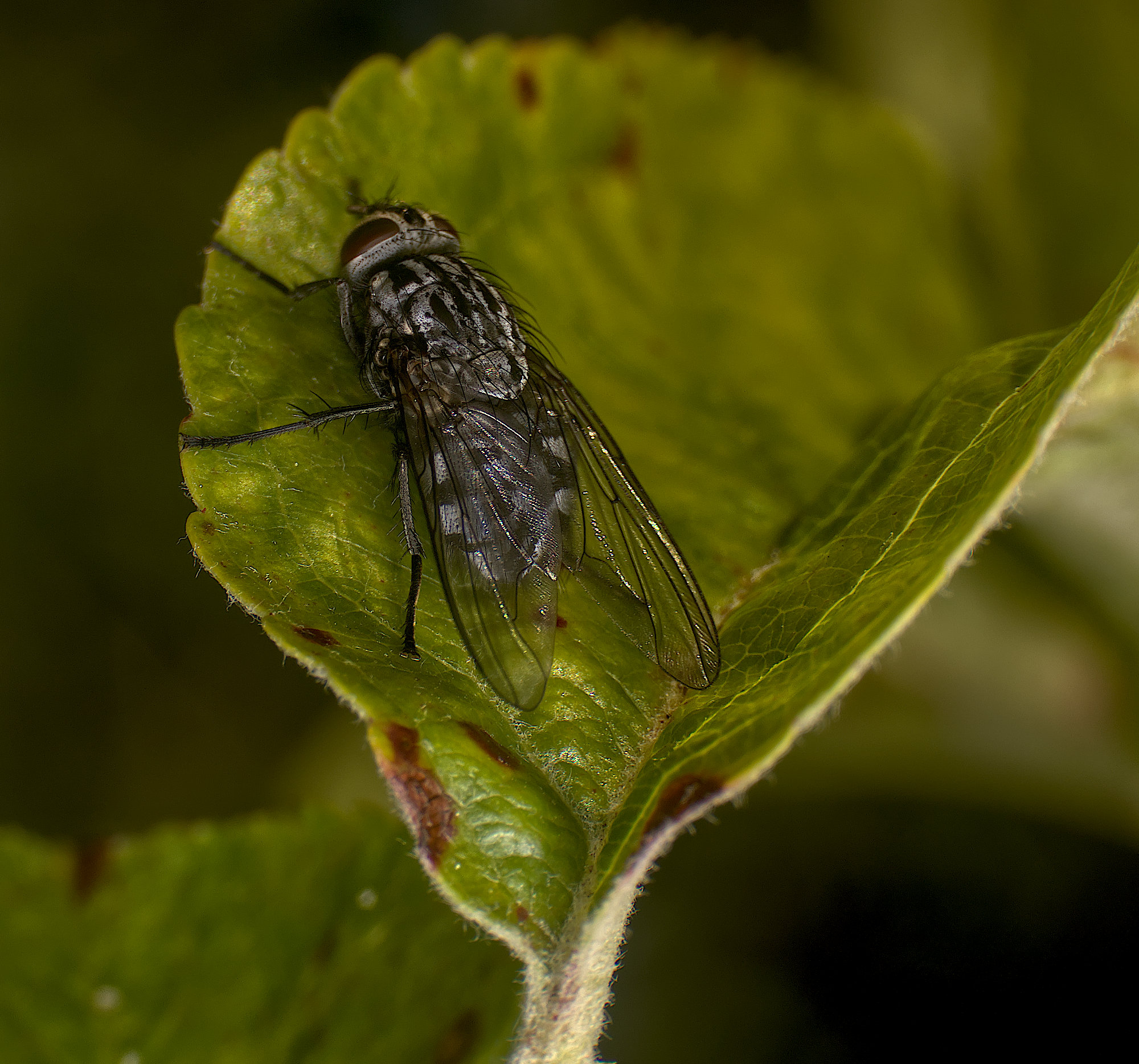
Ha! Everyone likes the fly. But it was a photo of the weed!Maybe I should have called it "The King of the Castle", then I couldn't omit the castle. Oh well, here you are.... |
Jul 10th |
 |
| 95 |
Jul 24 |
Reply |
Perfect! |
Jul 9th |
| 95 |
Jul 24 |
Reply |
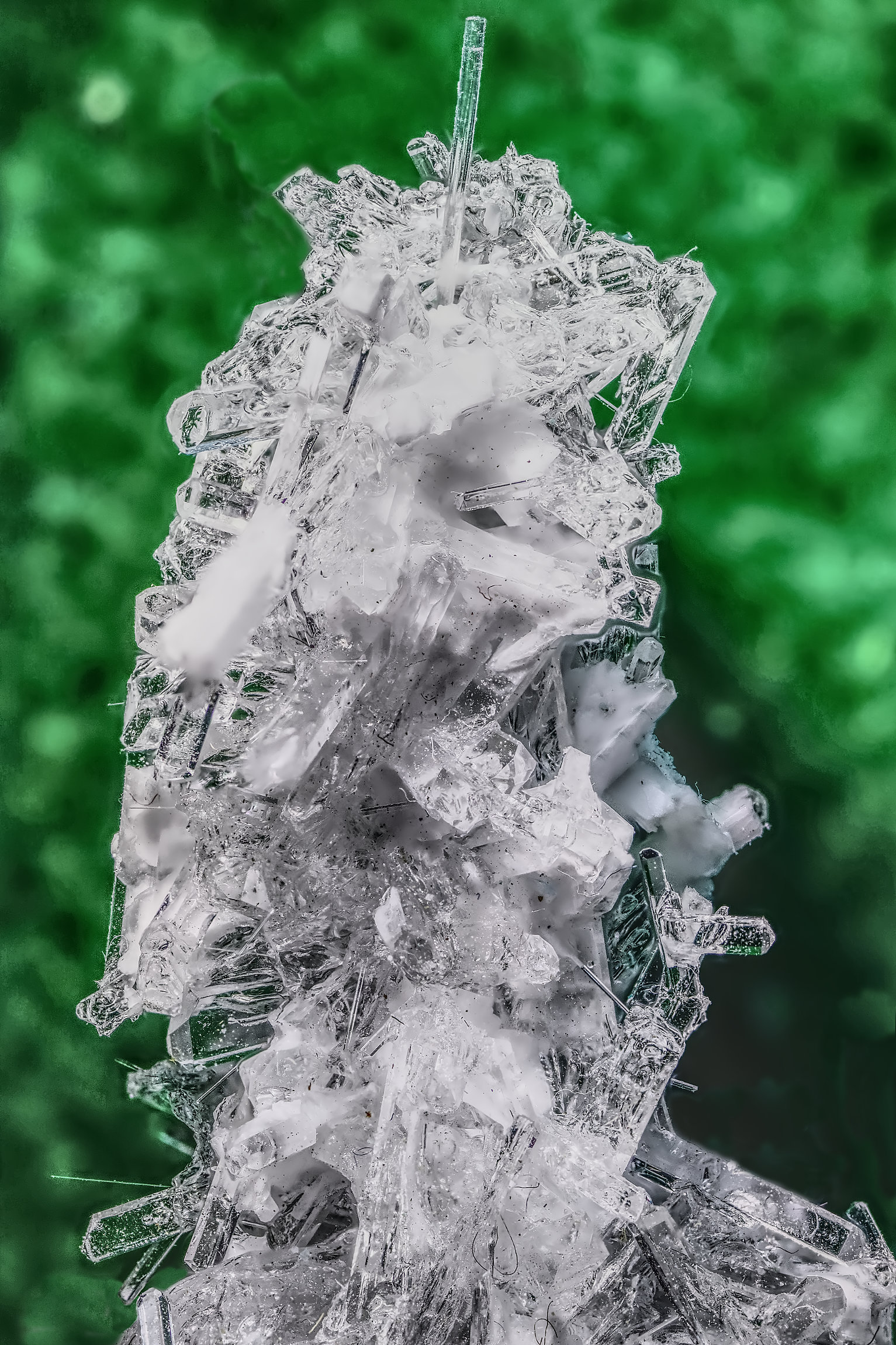
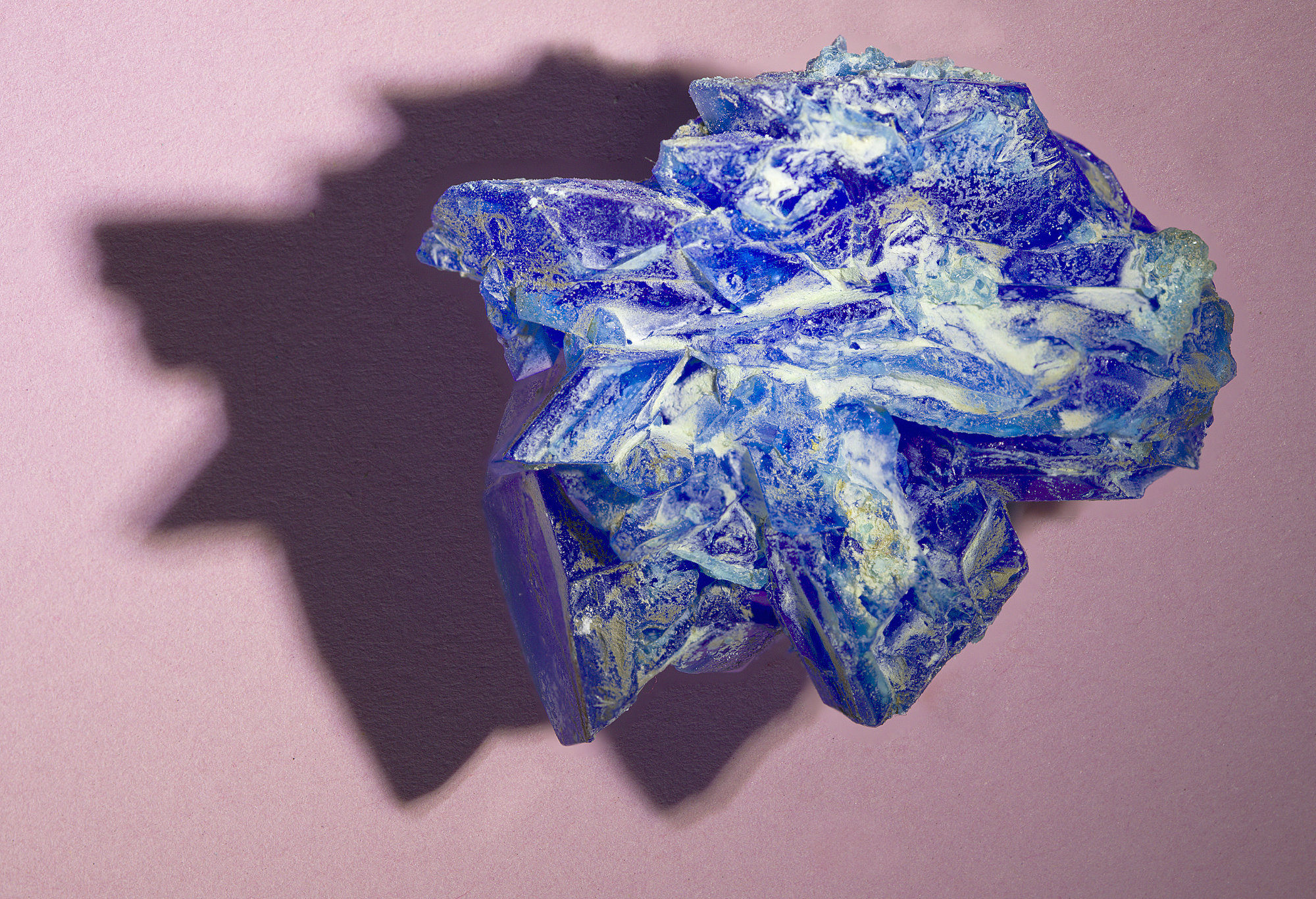
During COVID I made lots of crystals and photographed them. I can say that getting what look like sharp images is a real struggle. Even when they are bang in focus, the nature of the surface often makes it look slightly off focus.
Operating a microscope is a skill in itself. I bought a couple of microscope objectives (4x and 10x) and used them with a bellows unit. Much harder than I'd expected! I asked questions on a microscope forum, and they took pity on me and explained some basics like Numerical Aperture. It all sounded backwards to me. Are you trained in microscopy? If so, I have lots of questions for you!
|
Jul 8th |
| 95 |
Jul 24 |
Reply |
It's strange but true, you get more depth of field with a longer focal length taken from a further distance, and then crop it. It doesn't seem logical to me, but it seems to be true. The snag is that cropping causes different compromises, ie reduced pixels. But we know that even 1600x1200 pixels, the standard PDI dimensions, give a good image when projected, so it's worth experimenting with. I've found that my 100-400 mm zoom (micro 4/3) with a couple of extension tubes can give good close-ups from a distance (ideal for scorpion pics!), which can then be cropped if needed. |
Jul 8th |
| 95 |
Jul 24 |
Comment |
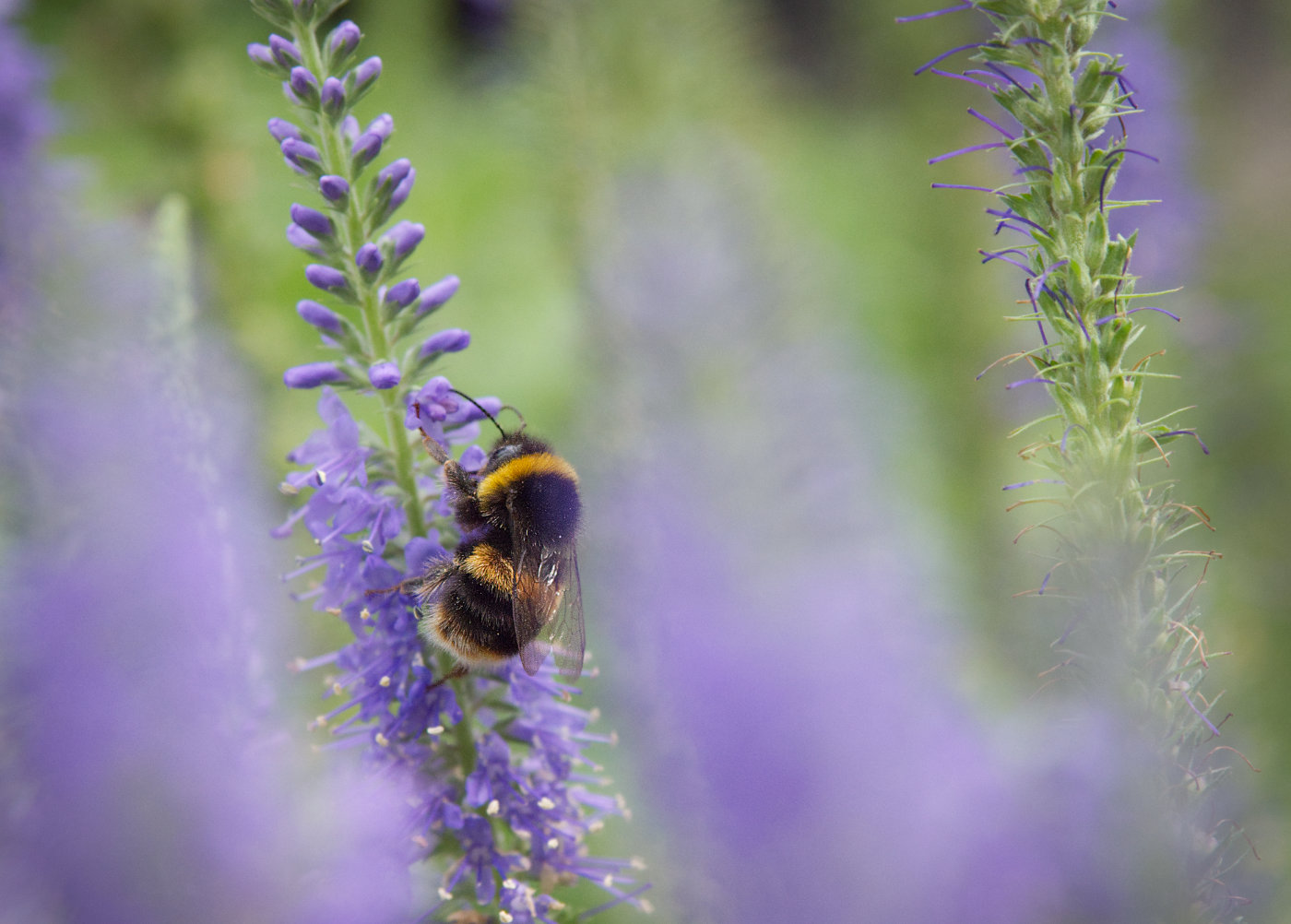
Firstly, I really like this, but you know I have a soft spot for honey bees! I hope mine are all as busy right now.
Sharpness, as usual for you, is spot on where it's needed. I think I'd have gone for a bit more depth of field, say f11, just to make the body a bit sharper, but as the wings and head are sharp, I think it's fine as it is. Balance, ccomposition and exposure all look good to me.
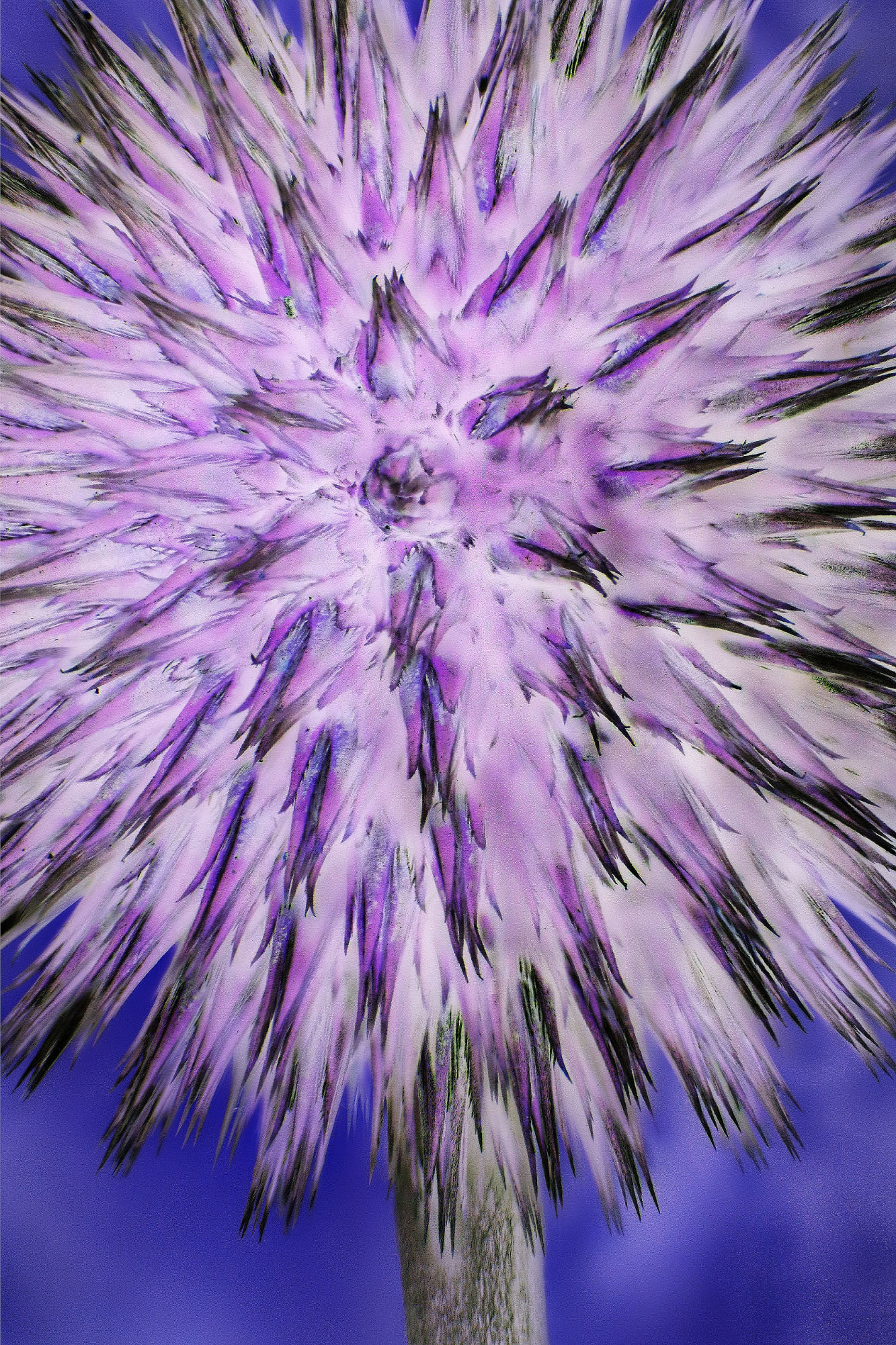
I think the light strip top right could do with being removed, maybe also the ligher blue bottom right. Plus please dull down the green stem a bit, it's a bit attention-grabbing.
|
Jul 8th |
| 95 |
Jul 24 |
Comment |
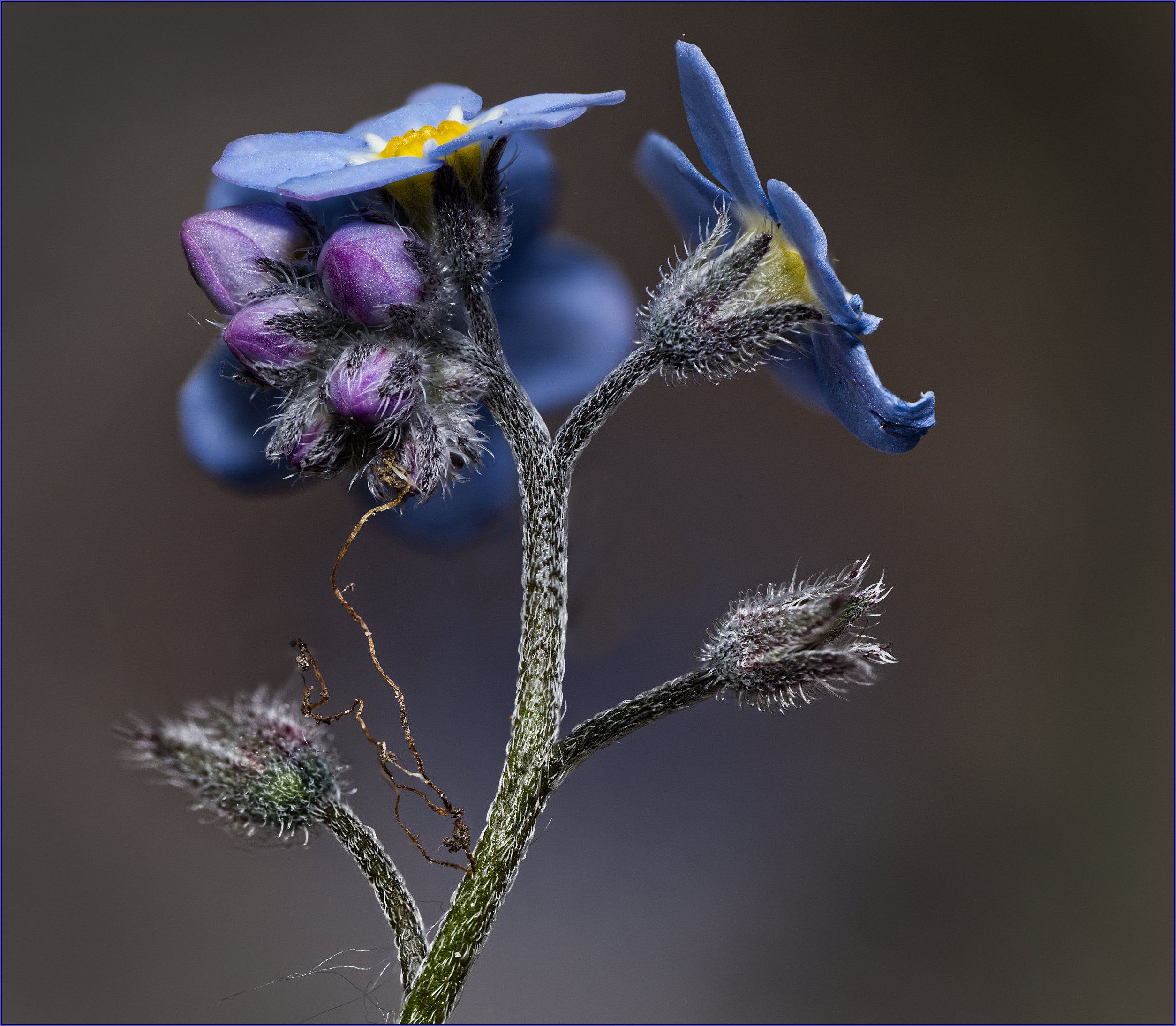
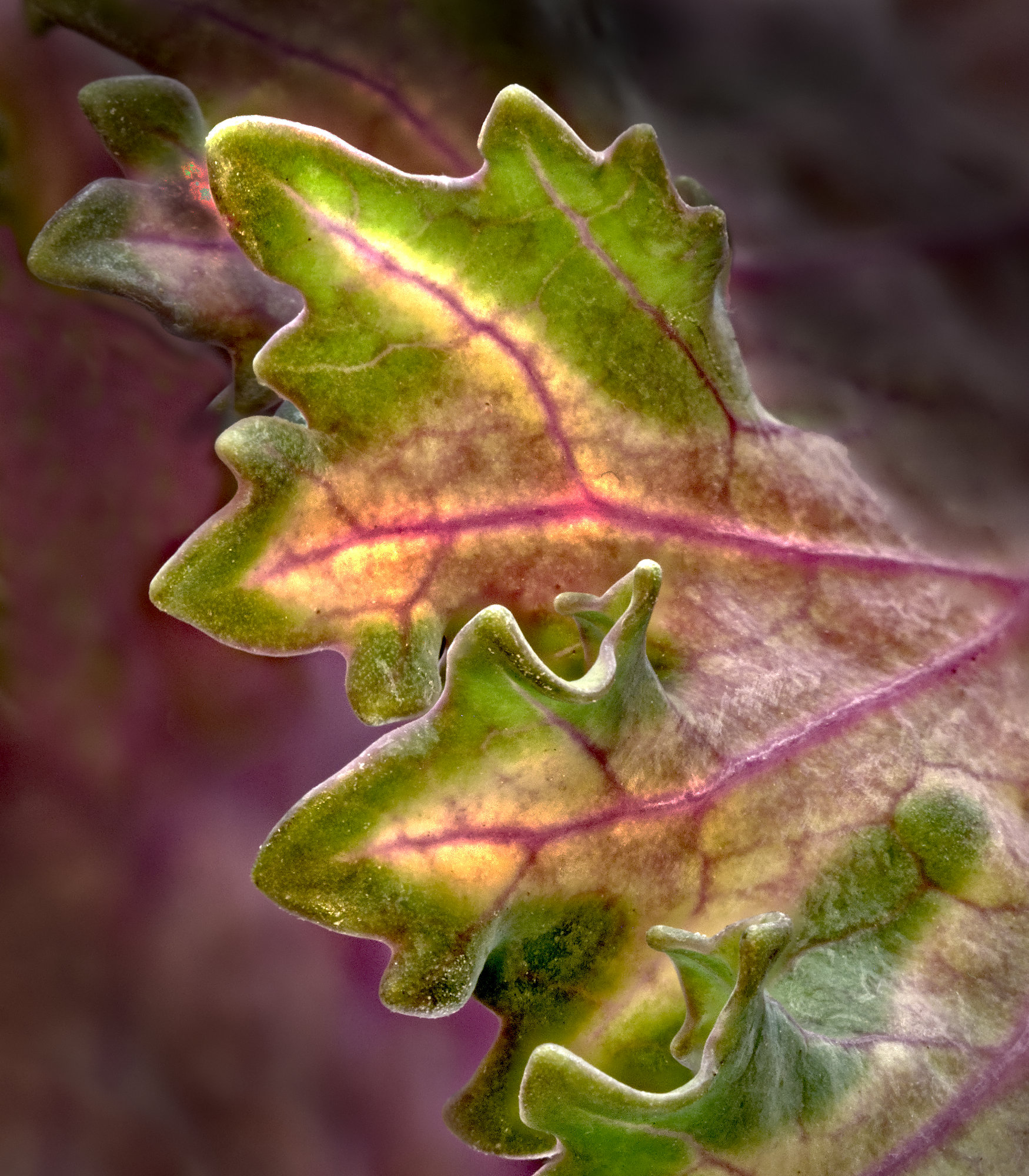
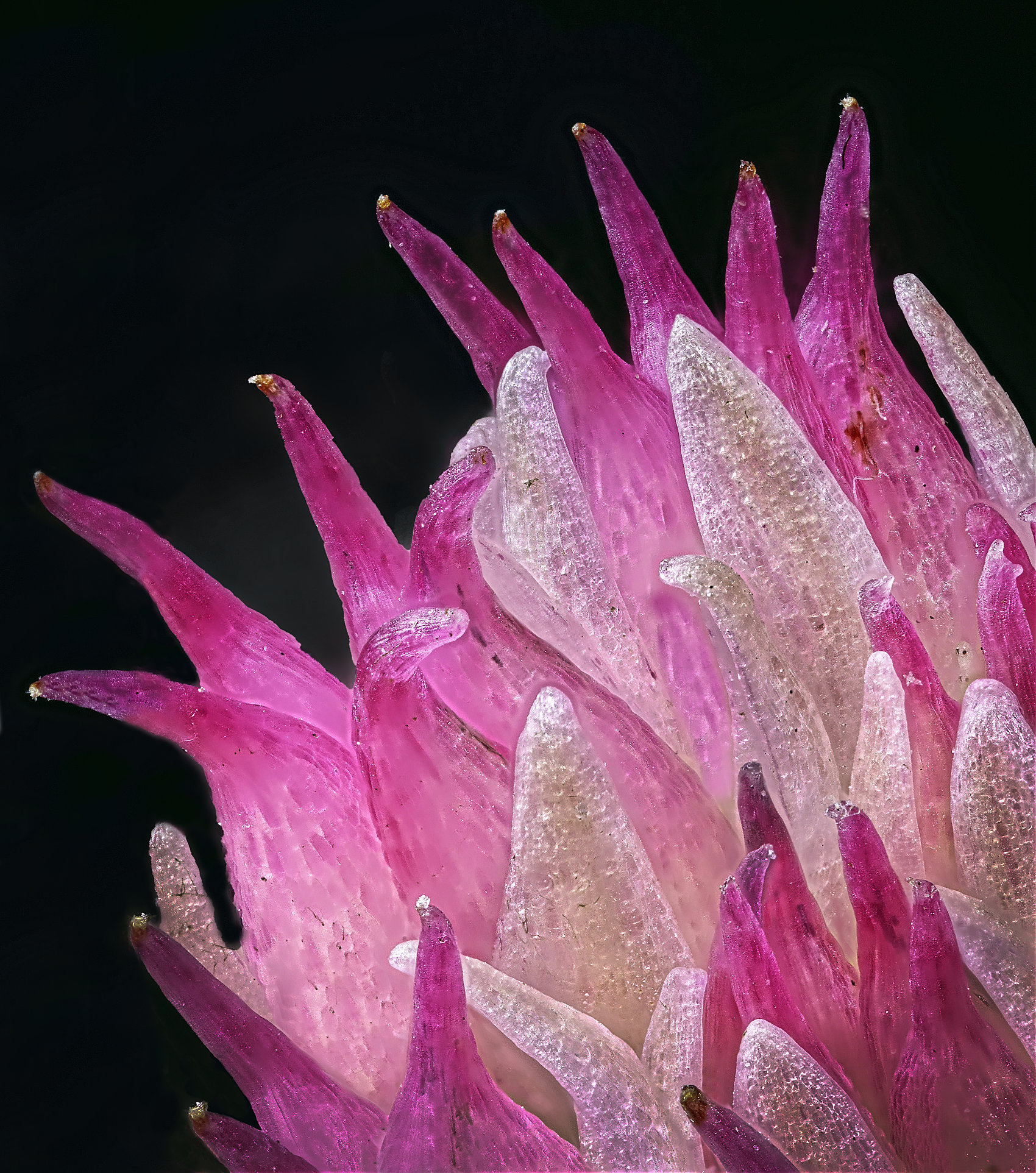
Hi Keith,
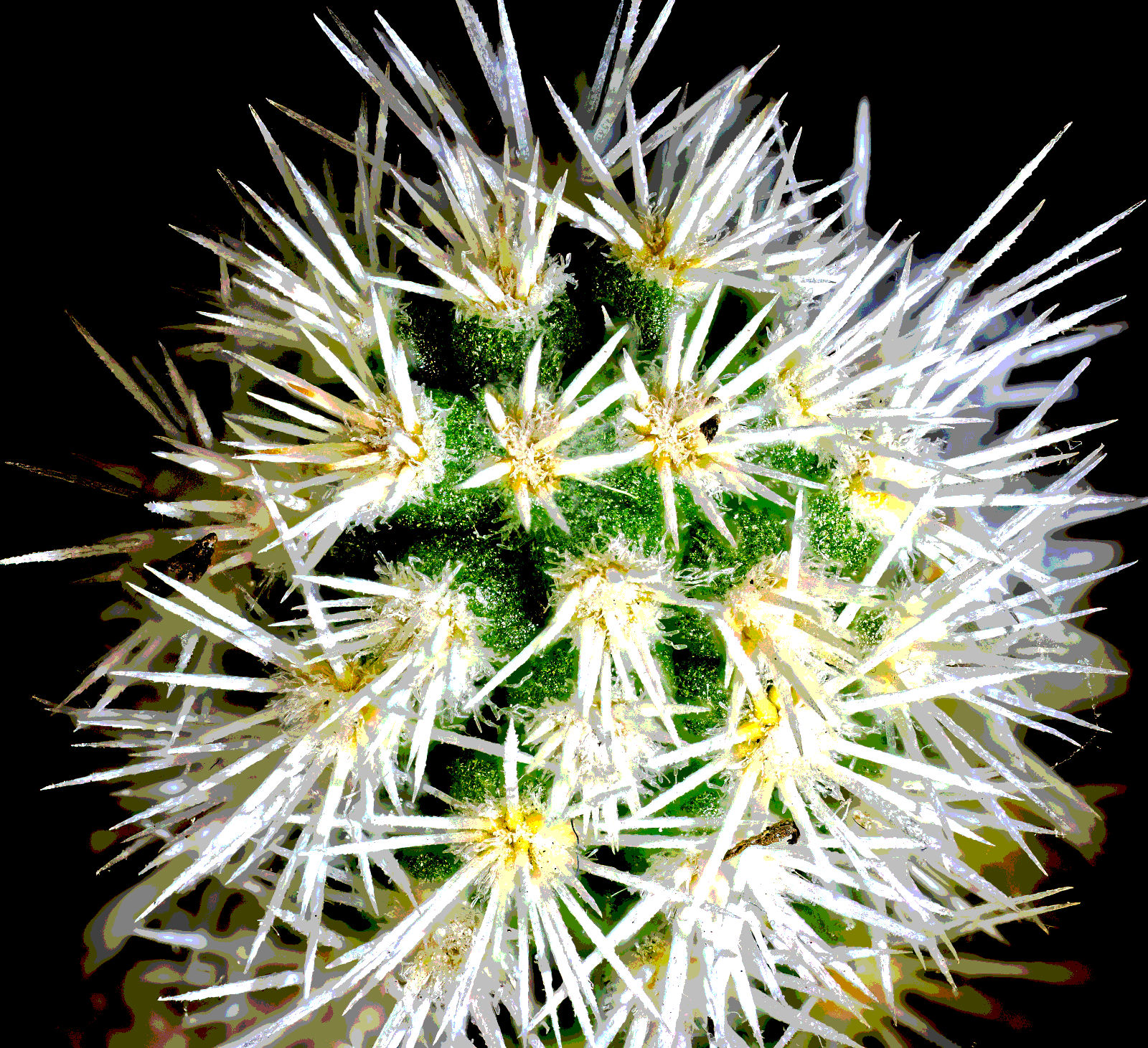
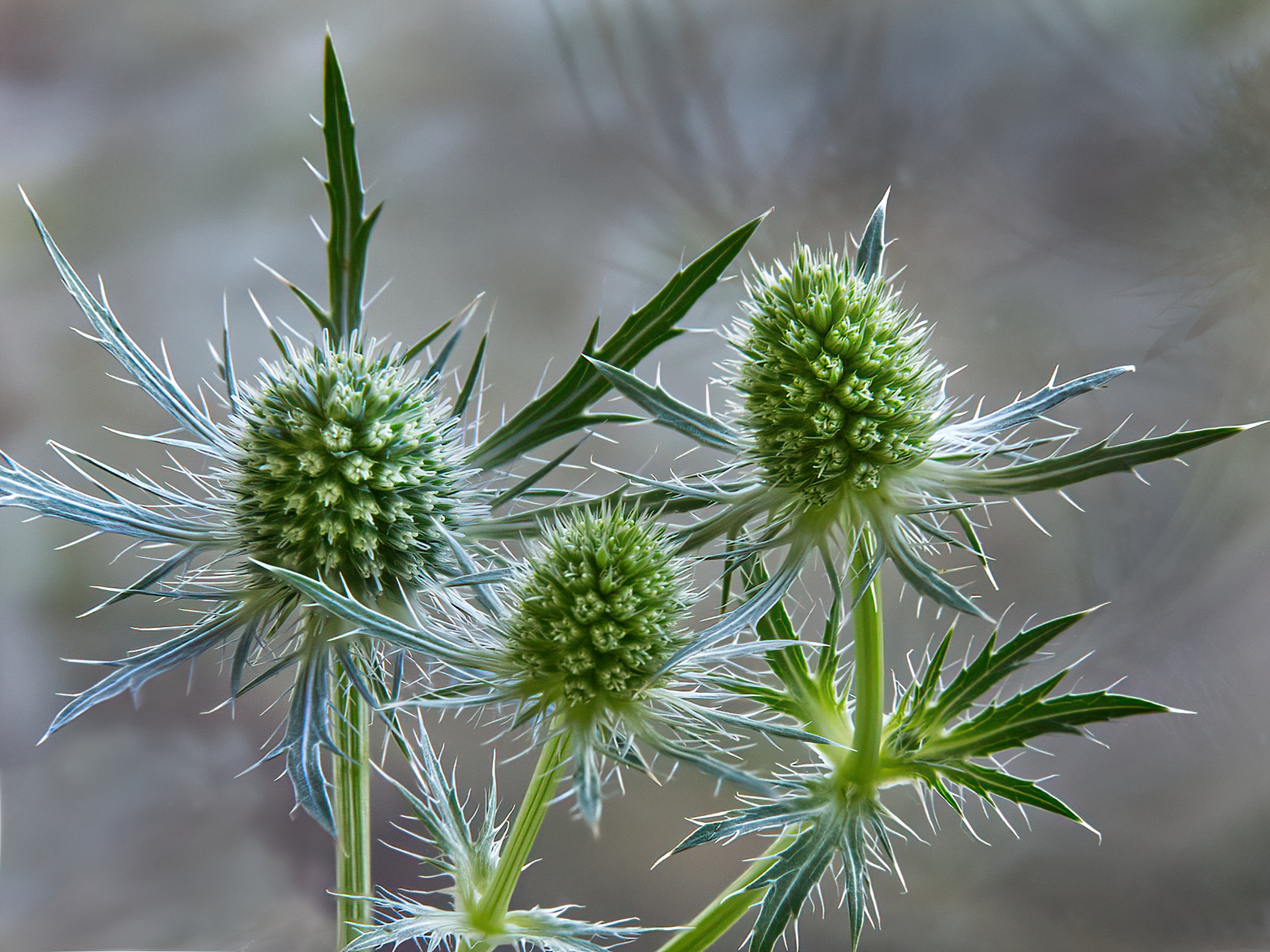
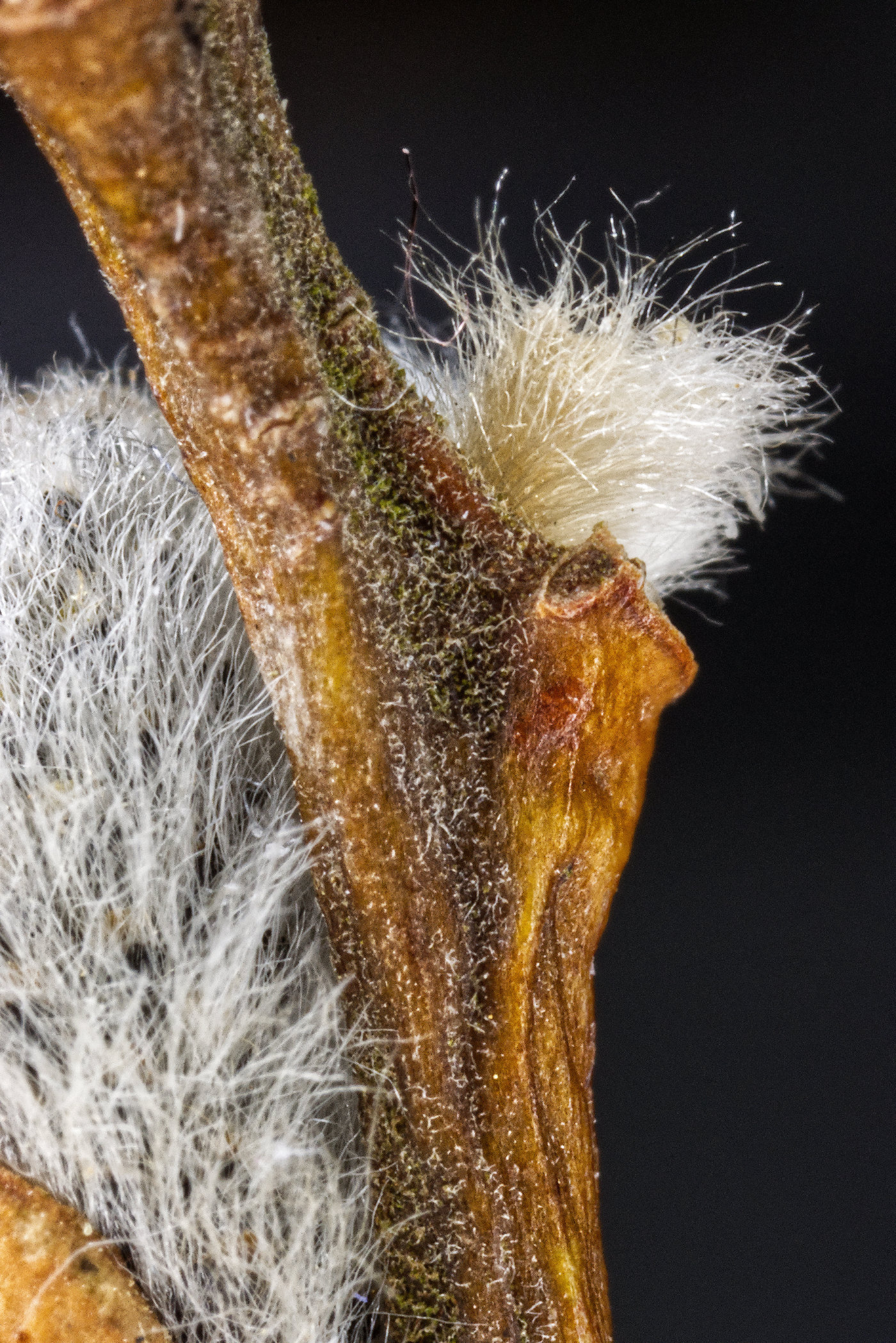
I think there's a lot to like in your photo. Most of the "leaves" seem sharp to me, only the ones at the back and pointing forwards seem to be less sharp.
The background is good, I love the gentle fading to complete blur behind the plant. I like your white vignette, too.
The pot legs are quite blurred, and the closest one is almost touching the bottom edge. These are quite off-putting to me. I suspect that you needed a wider step in your bracket, as at this magnification and aperture, each frame should have a fair old depth of field of its own. But if the frames overlap too much, the combined depth of field is still small. |
Jul 8th |
| 95 |
Jul 24 |
Comment |
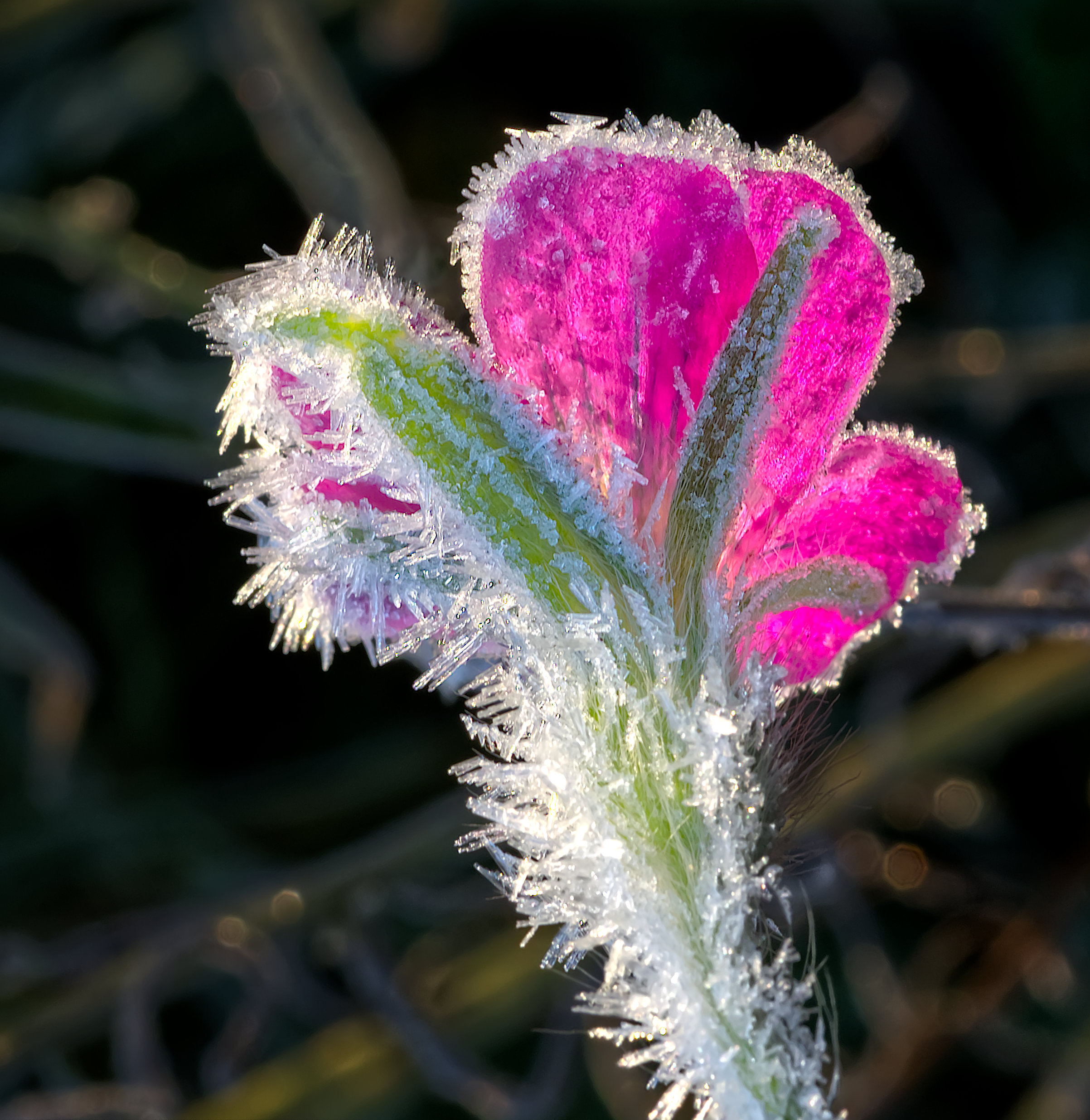
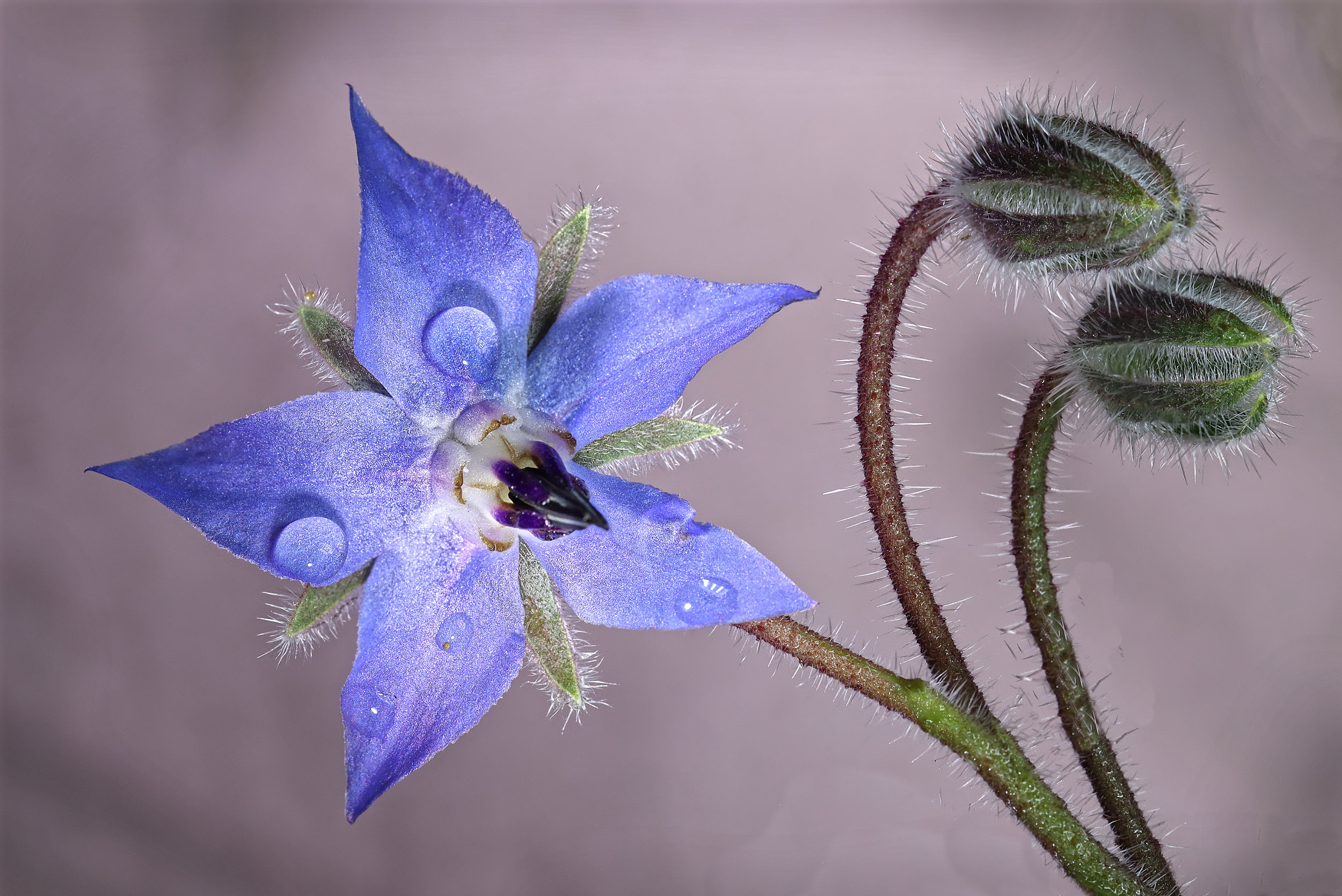
Hi everyone, please welcome John to our group.
Welcome, John! I hope you enjoy being in our group. We won't just "like" the good parts, we will comment on what we think could be improved - and hope you will do the same for ours!
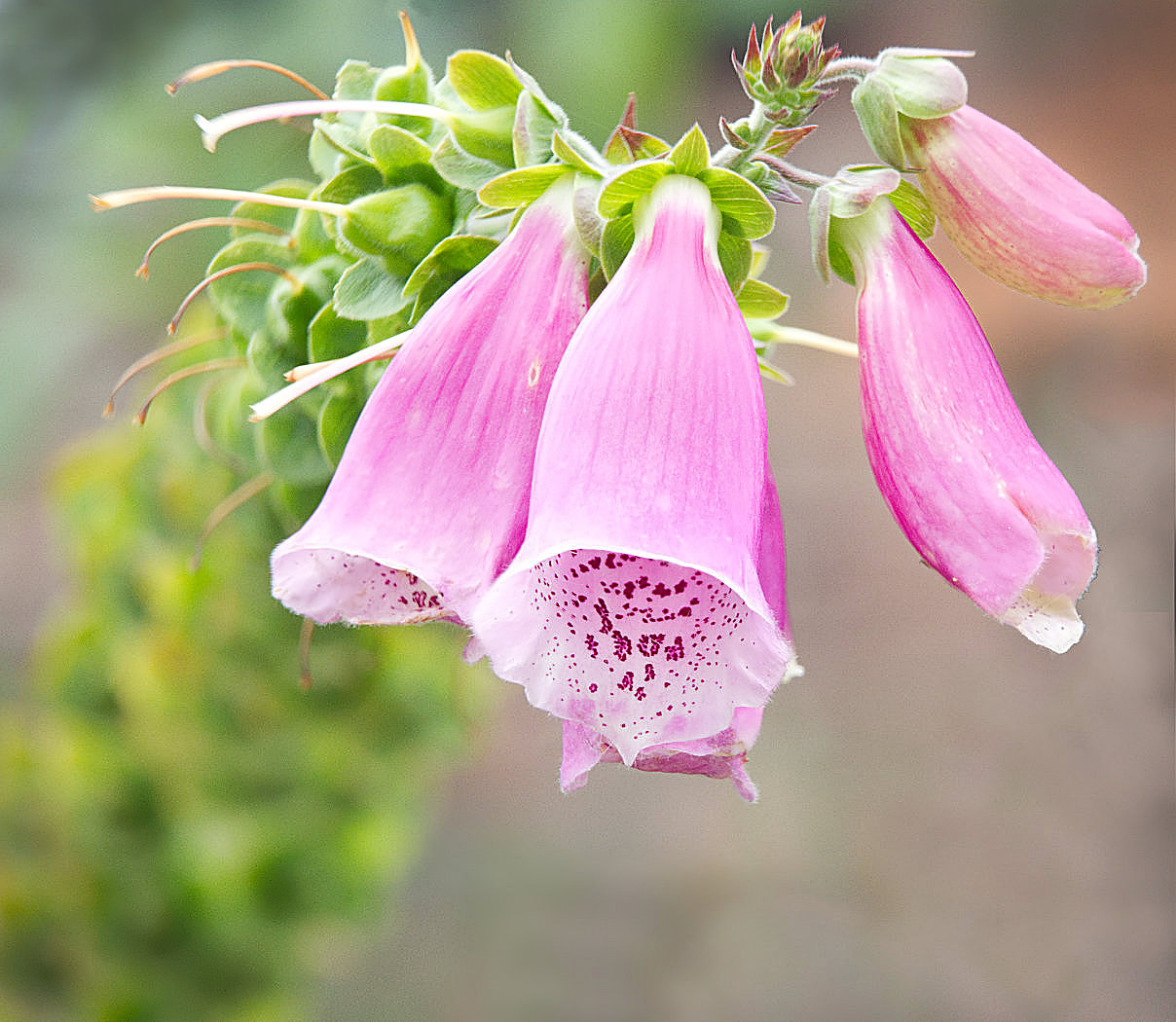
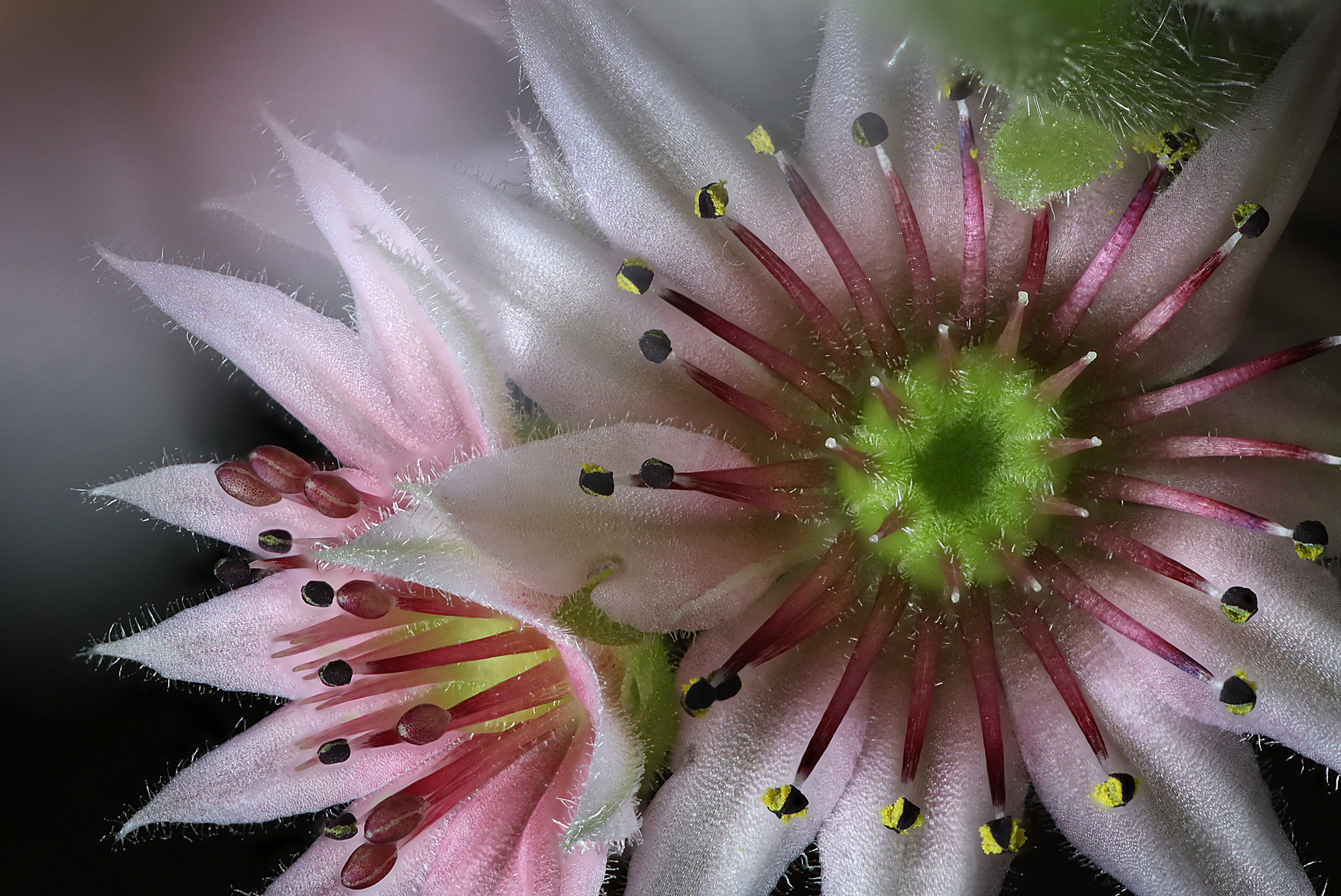
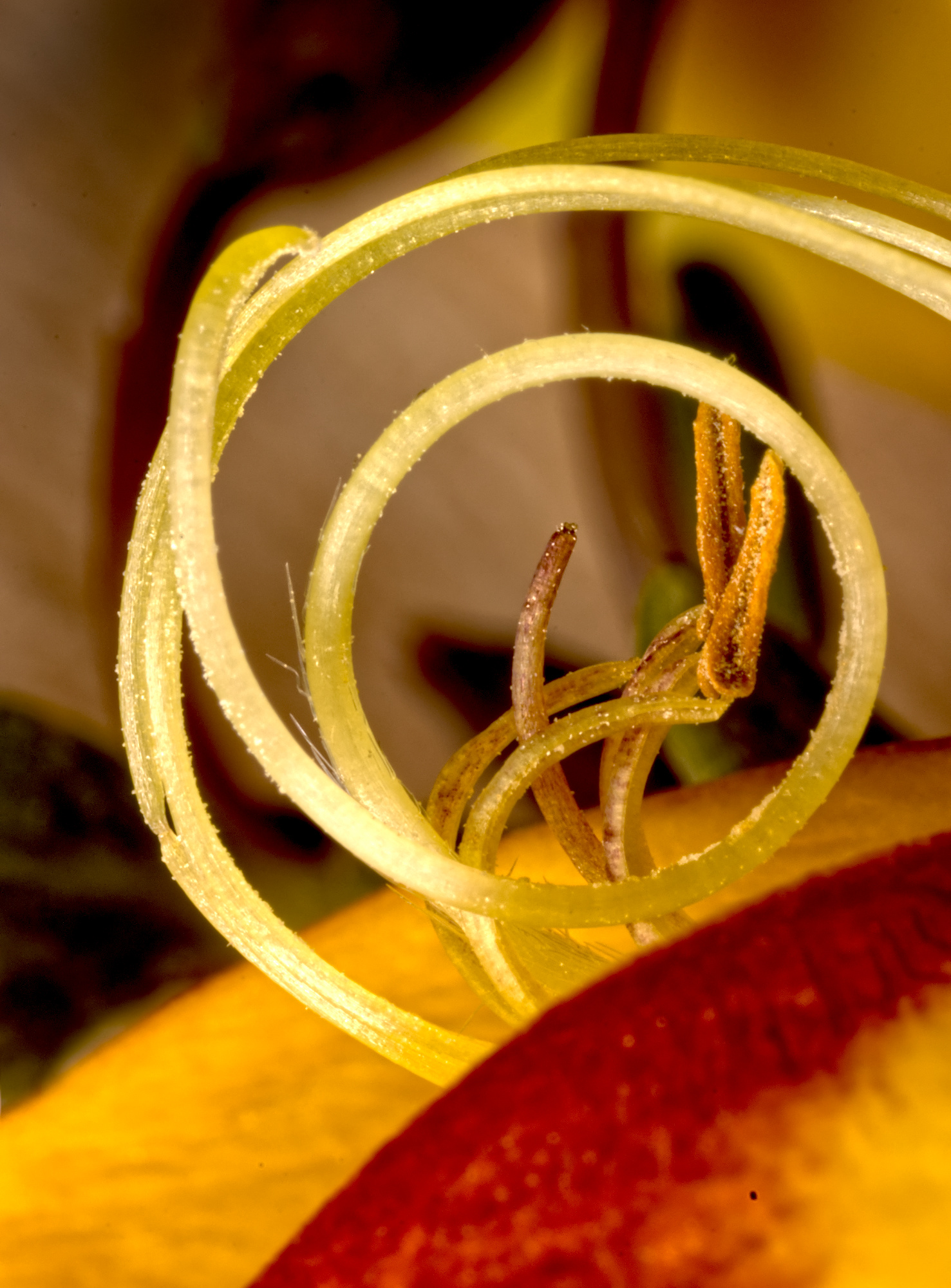
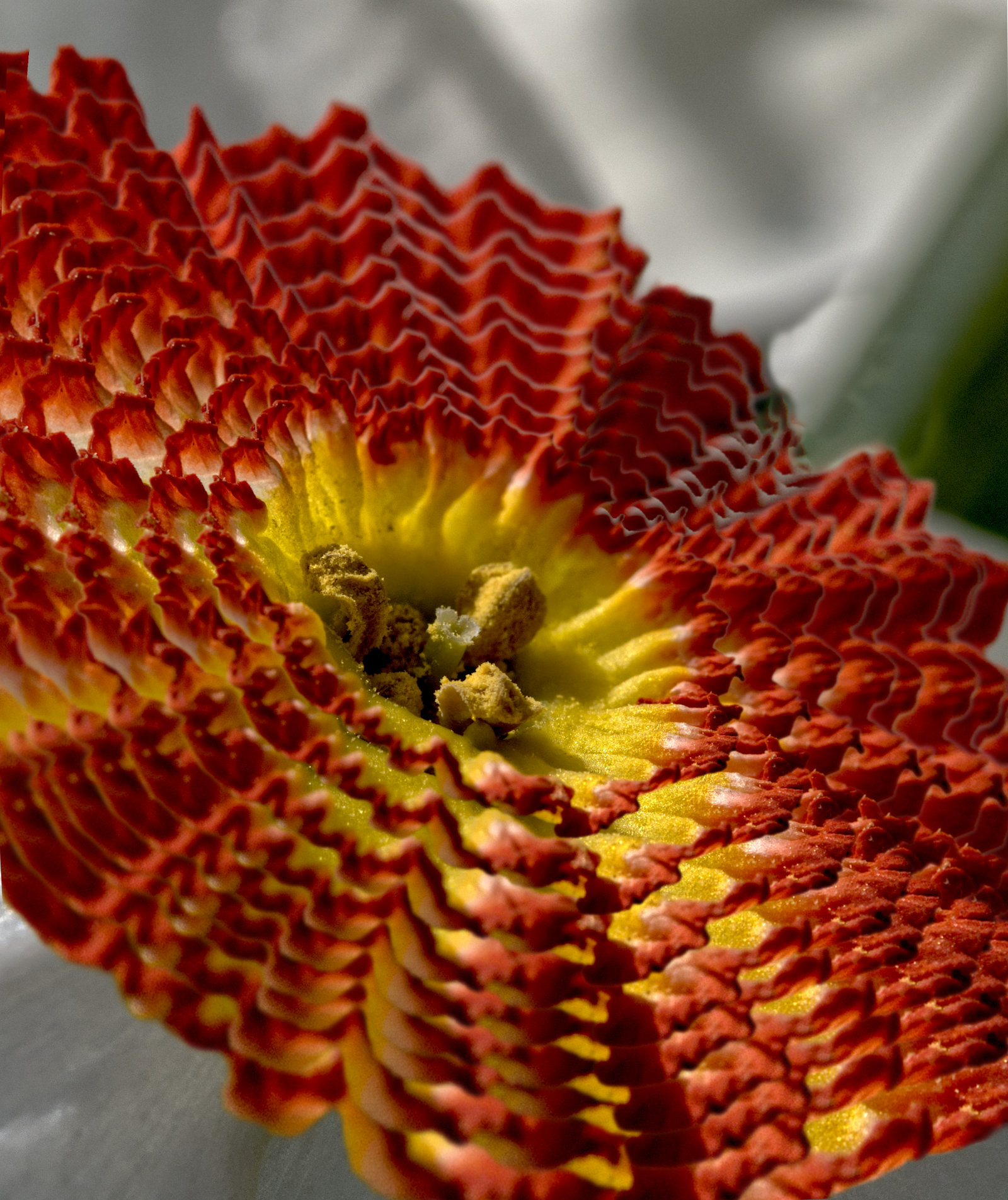
Here, I love the colour and texture of the centre of the flower. It's also nicely sharp there. The dark, out of focus background helps to push the flower forwards giving a nice 3D feeling. Loss of sharpness on the petals that are further away are fine to me.
I would suggest that you get to work on a couple of distractions - the petal in the upper right corner, and the light spots on the leaf in the lower left corner. It should be easy to clone these out in your photo editor programme.
We often get hung up on sharpness here, and it is perhaps that hardest issue in macro photography to master if you are new to the genre. If you hunt back through previous rounds, I'm sure you will find lots of debate on exactly how much of the subject is, or should be, sharp. The first issue is, "How much do you want to be sharp, for artistic reasons?" If an area is unsharp, it doesn't mean it's a fault. The photographer has the right to choose the sharpness, we can only say how it appears to us. Carol is a master of deliberately and artistically blurring her photos of flowers, mainly in post-production, a skill I've not learned yet.
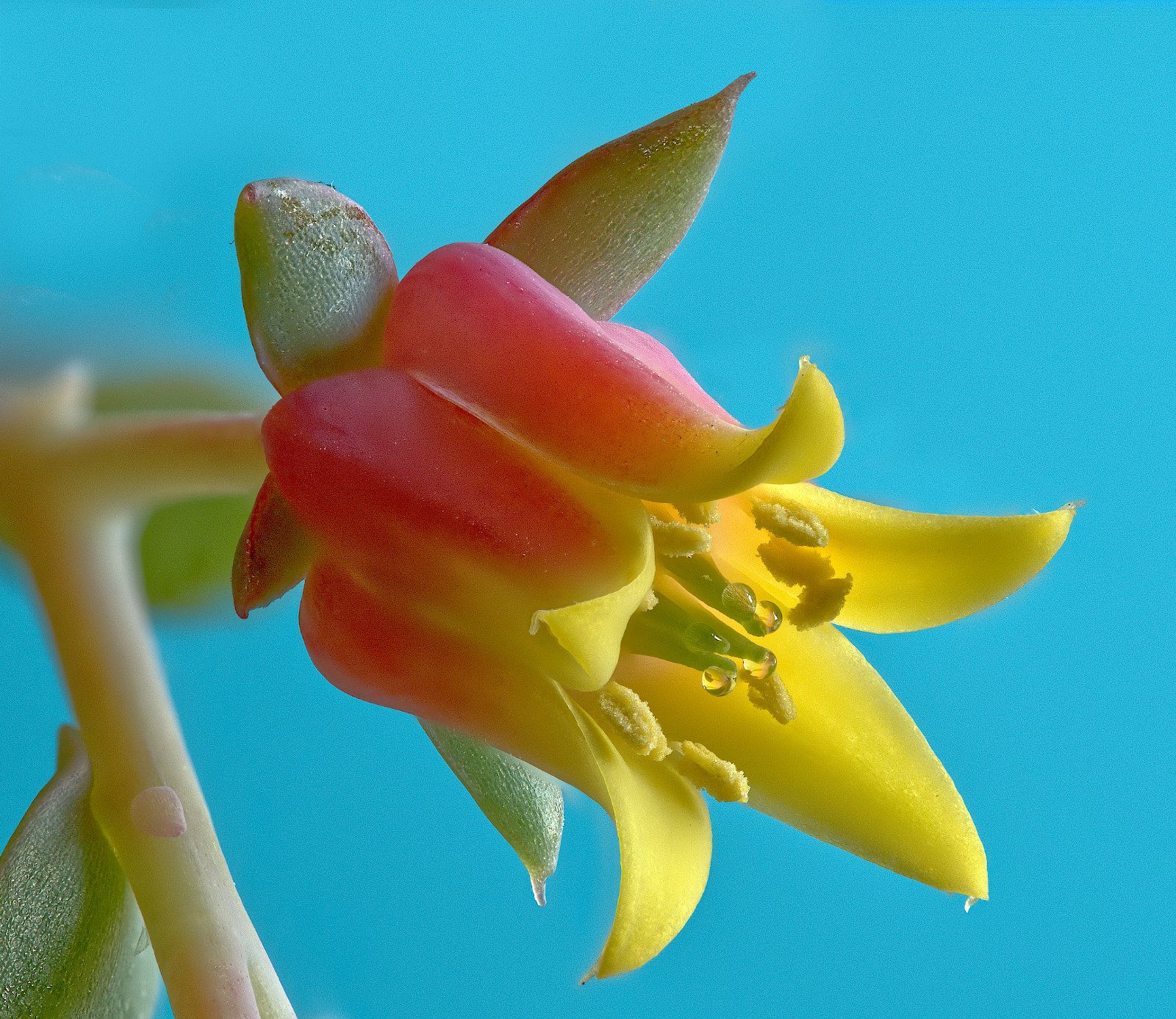
Here I see loss of sharpness on the tips of petals and the pistil. As the pistil (if I've identified it correctly, I'm no botanist!) is closest, I think it would look better if it were as sharp as the centre part.
The drop in sharpness on the petals that are further away is fine to me, if that's what you intended.
Regarding composition, the flower is exactly in the centre of the frame, and I would prefer it to be offset a bit. You could crop a little off one edge, but ideally if you cropped your original then positioning the flower less centrally, and having a little more stalk, would be a more pleasing composition for me. |
Jul 8th |
| 95 |
Jul 24 |
Comment |
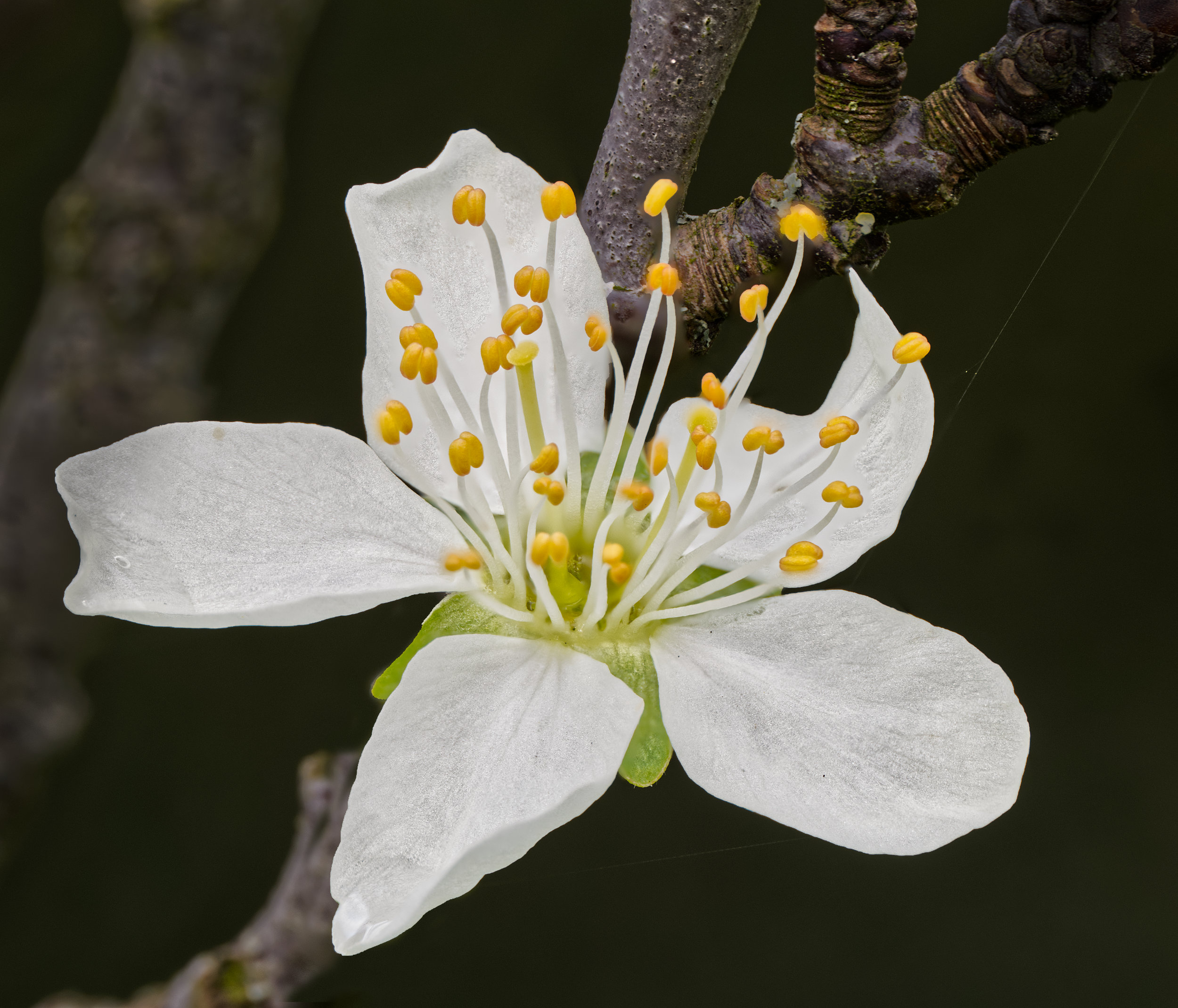
A super result, Pat! I love it. You've got the depth of field exactly right in my view, the main flower and its stamens are sharp as a razor, and all the rest does a great supporting act. The fully blurred background gives good depth. Lovely colour from a precise exposure.
|
Jul 8th |
| 95 |
Jul 24 |
Comment |
Yuk! I hate scorpions. I went to Kenya in the Rift Valley once and they loved to crawl into your shoes at night. Keep your socks in your shoes!! At least they don't jump.
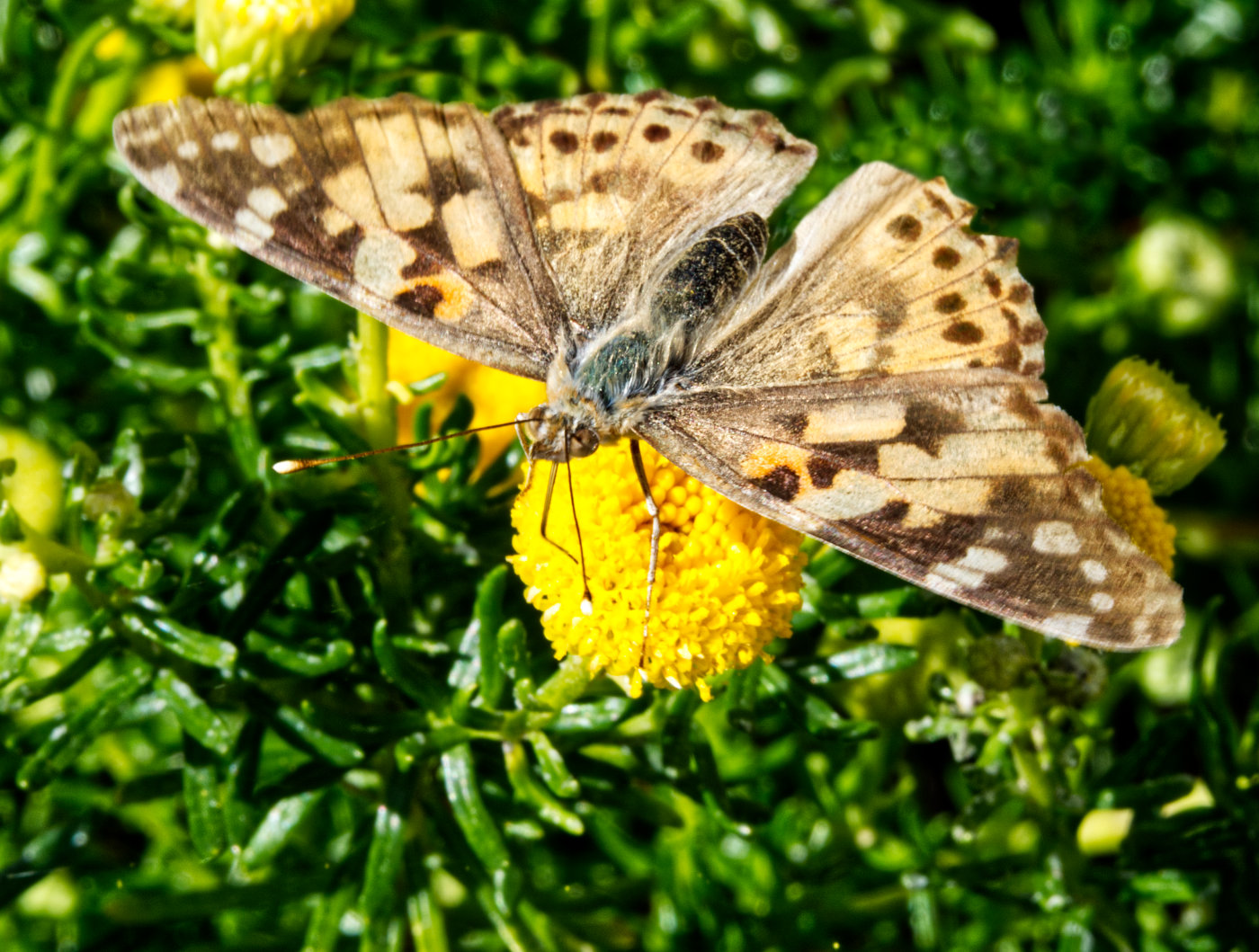
As always, the best chance of a fully sharp macro image without focus stacking comes from getting the subject in one plane and with that plane perpendicular to the lens axis. In practice, that might be good for butterflies, but not for more 3D objects, so do this as much as possible and reduce the aperture. Some say f16 and smaller degrades the image due to diffraction, which is true, but I've seen macros at f45 which were sharp and you've never have guessed the aperture used. Having said that, most lenses don't go that small - mine stop at f22, although at 1:1 this actually means f45. I think only Nikon macro lenses show the effect of magnification on effective aperture - Tom had one.
Clearly it was a sunny day, and the contrast is a bit high I think. The box would have given some reflected light to help, but a white sheet held nearby (if you could get a helper with nerves of steel....!) would also help.
|
Jul 8th |
| 95 |
Jul 24 |
Comment |
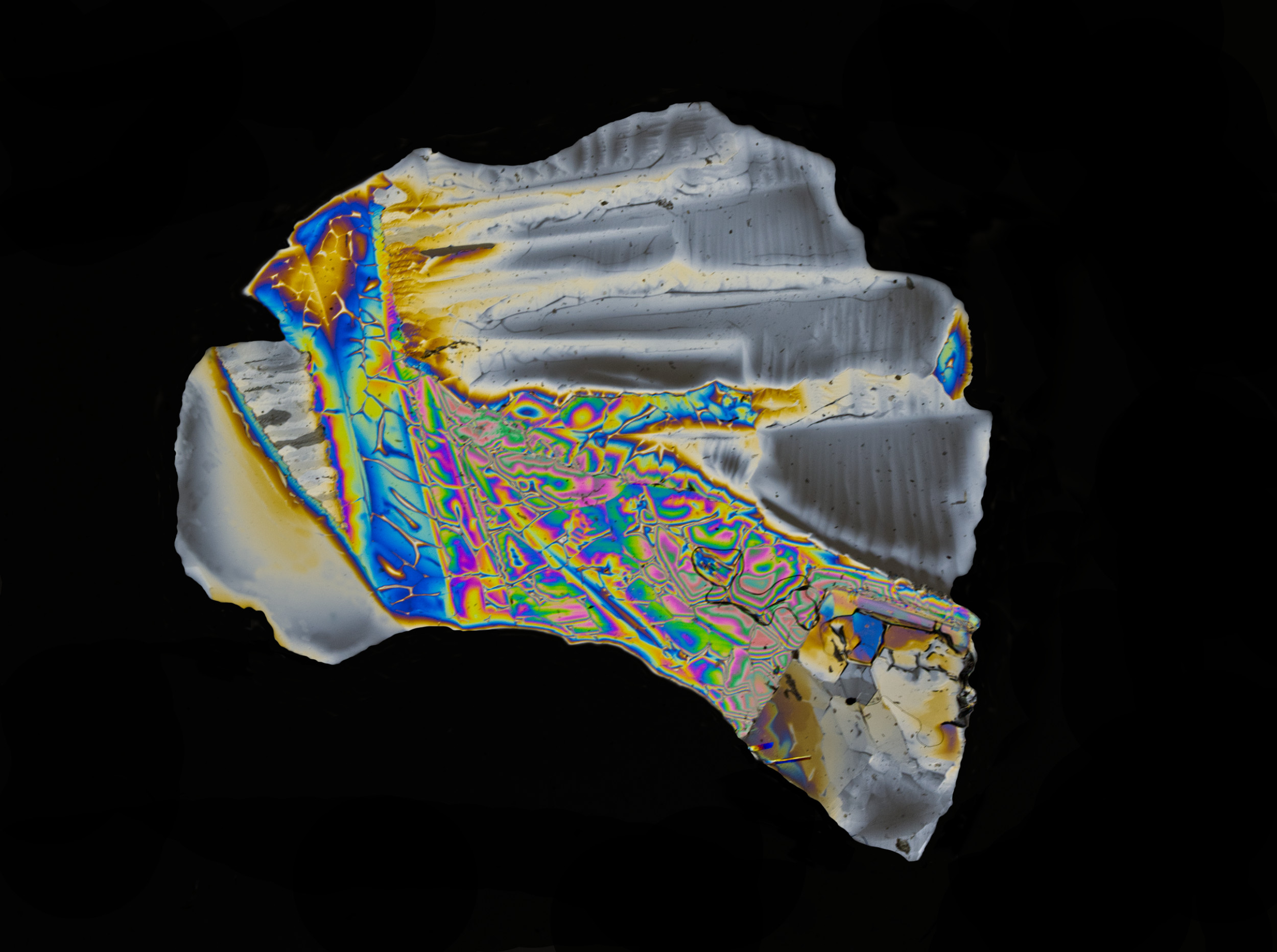
I've done a bit of similar work, Margaret. See my pictures in February and March 24.
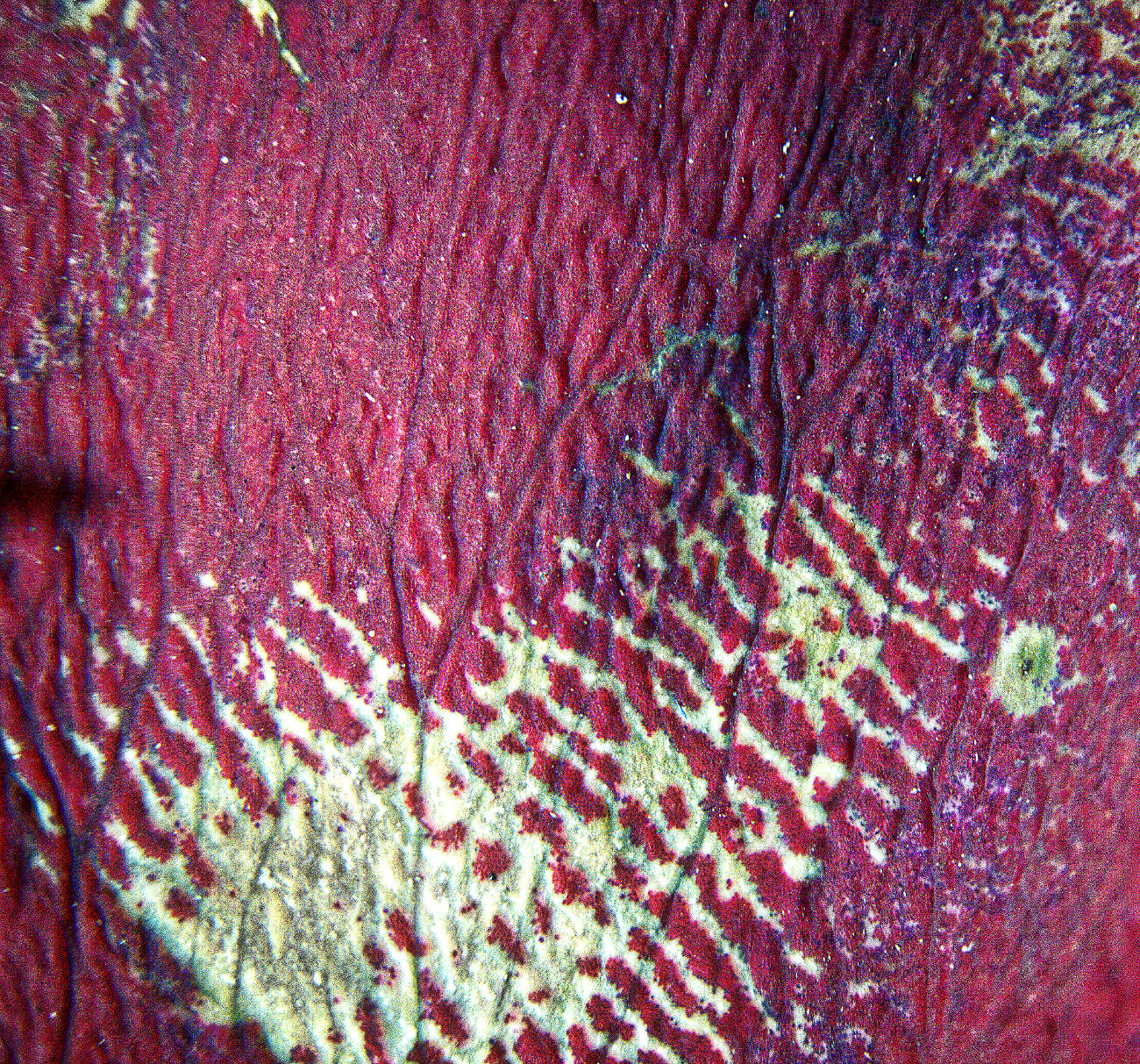
I think this is a super result. It's all sharp, with lovely colours and patterns. Well done for persisting!
You're right, getting good crystals is the first challenge. Most salts will crystalise nicely, and you can do it by spreading a thin flim of saturated solution over a glass slide, and build it up in layers as they dry. Or you can hang a crystal in a jar of saturated solution and leave the jar open so that some water (or solvent) evaporates, forcing super-saturation of the solution and growth of the crystal. You can get them an inch long or more that way, it depends on the salt and the presence of impurities. For thin layers, I mix my solutions in small glass bottles (say 5cc), and drop them onto microscope slides using a small pipette with a rubber bulb on (less than 1cc tubes). All cheap on ebay.
Thin films and bigger crystals present different challenges to get a good photo of them. Crystals I find usually need focus stacking, but thin films don't. Both need good and suitable light. Many colourful pictures like this one come from birefingence. If you google "birefingence photography" you'll get lots of information. You need 2 polarising filters to do this. I would guess your icroscope has the facility to hold them in place - 1 above the specimen, and one below it, above the illuminator.
In this case, we are seeing interference patterns - light is reflecting inside the crystals, and various light paths are hitting each other in such a way as they interfere with each other, causing the rainbow colours. A bit like a thin layer of oil on water. The result is very beautiful, I think, and the presence of some crystals having no colour improves the picture by giving colour contrast.
Having a proper microscope to use, I hope you do more for all our enjoyment. One day I'll get round to buying a small stereo one, which seem to be best suited to our scale of operation.
Have you seen the Nikon annual photomicrography competition? Lots of inspiration is there, albeit little help on techniques - eg https://www.nikonsmallworld.com/galleries/2019-photomicrography-competition and https://www.nikonsmallworld.com/galleries/2019-photomicrography-competition/crystallized-amino-acids-l-glutamine-and-beta-alanine-1
|
Jul 8th |
7 comments - 4 replies for Group 95
|
14 comments - 4 replies Total
|