|
| Group |
Round |
C/R |
Comment |
Date |
Image |
| 64 |
Nov 22 |
Reply |
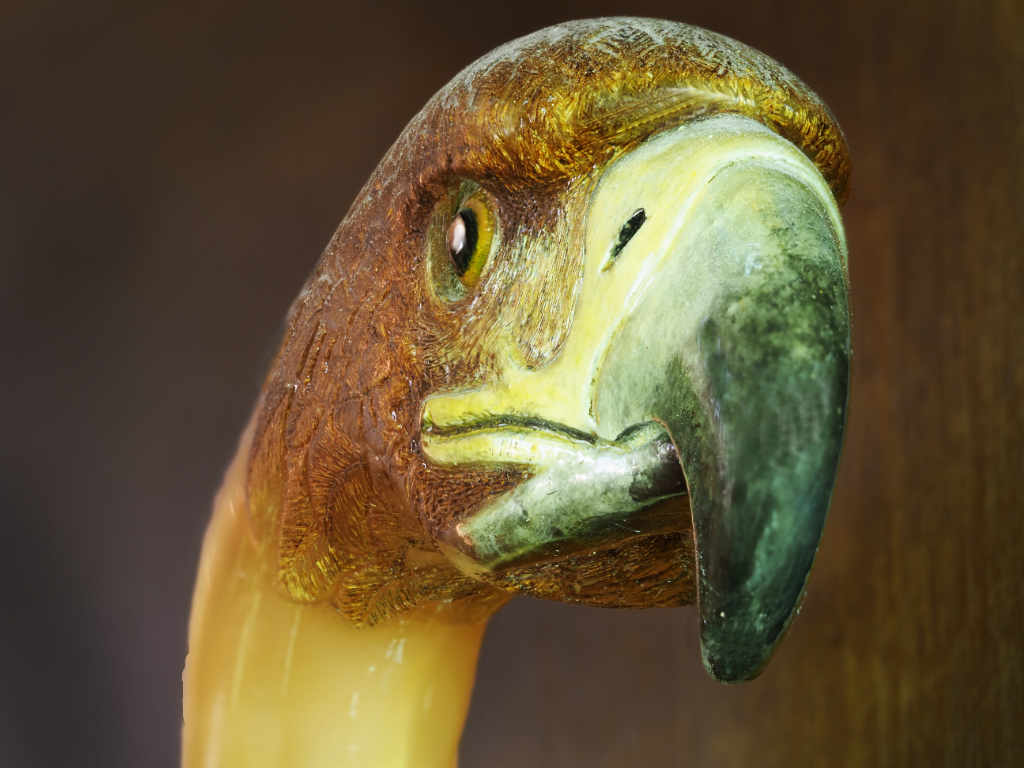
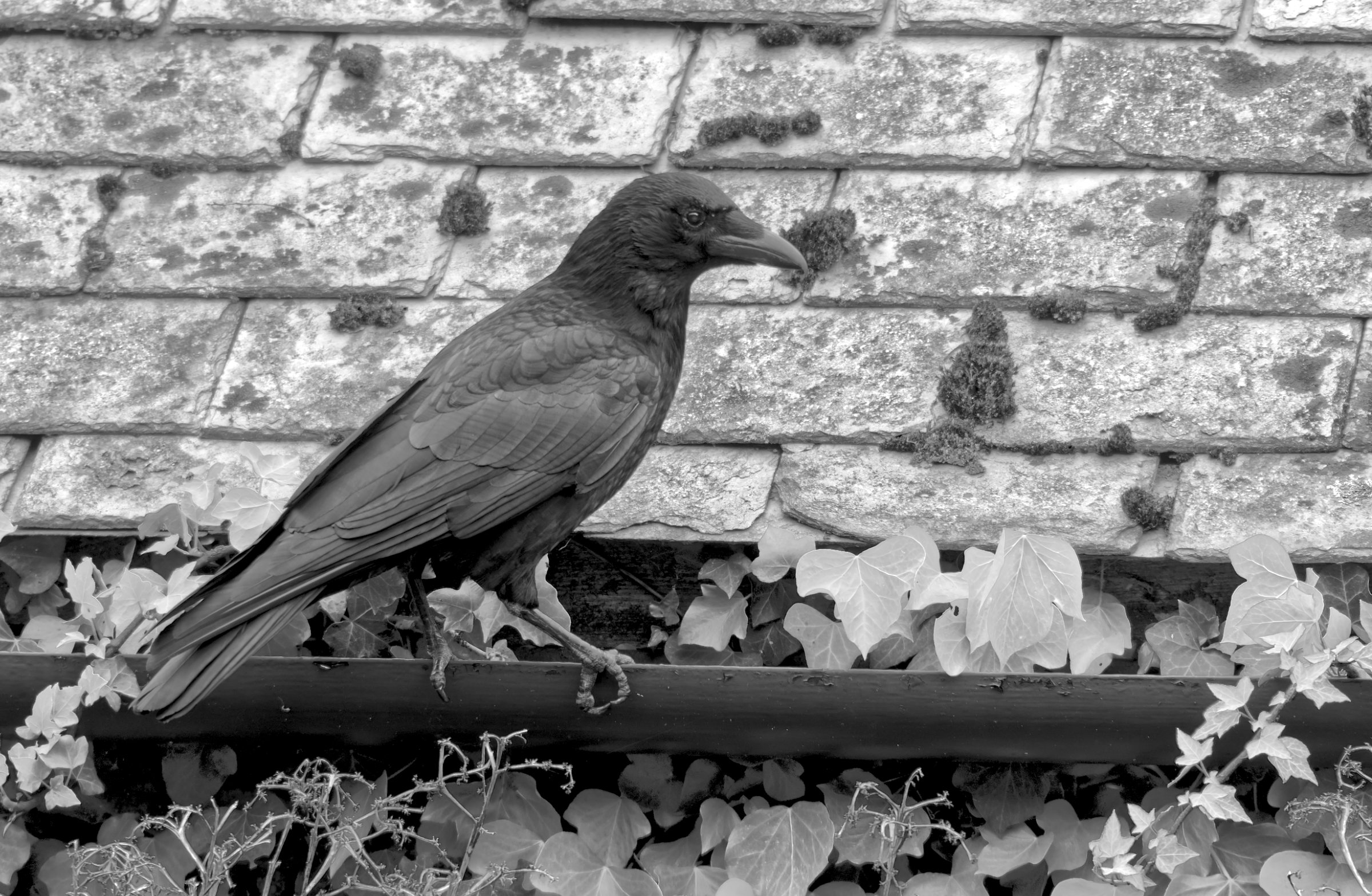
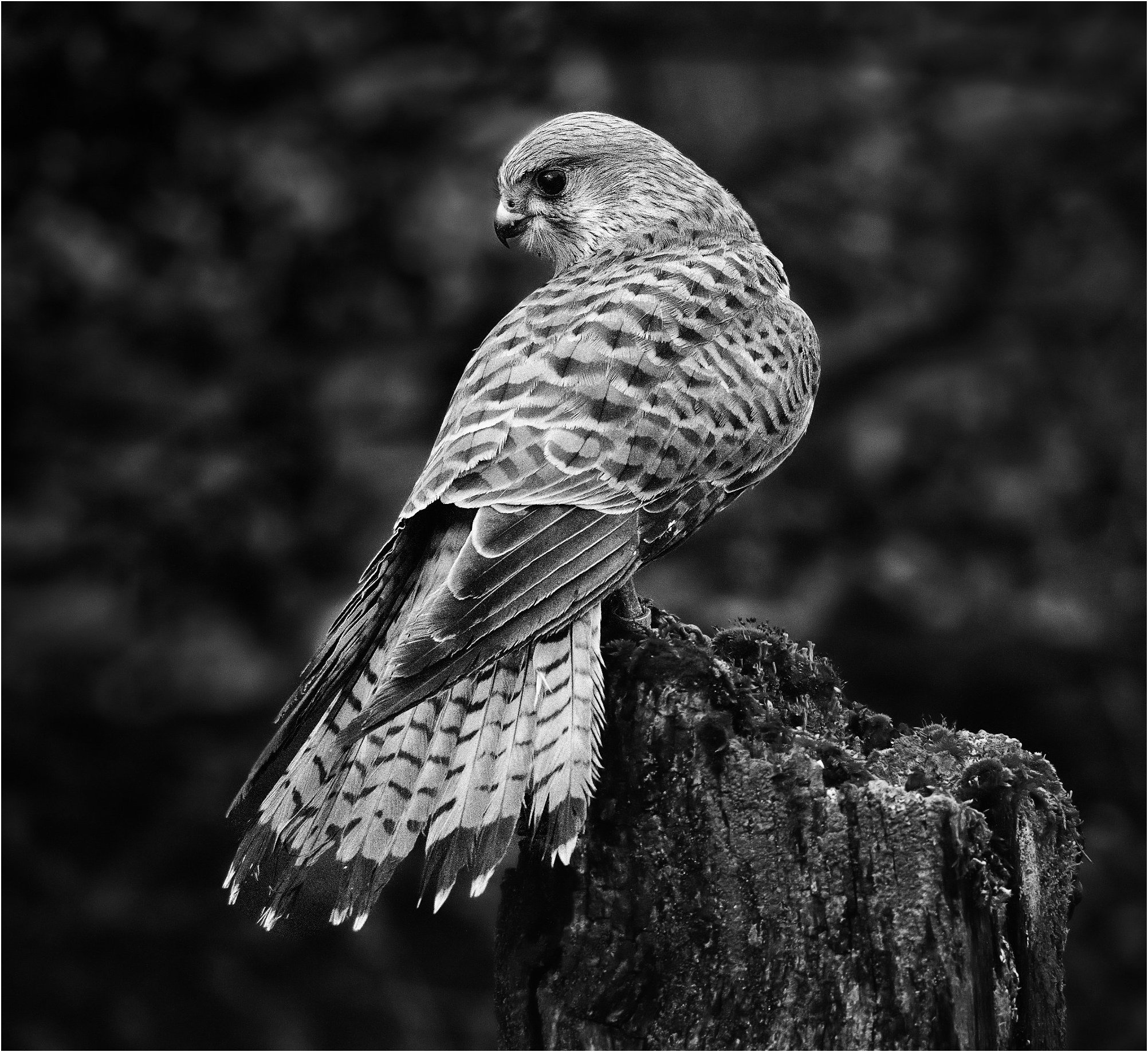
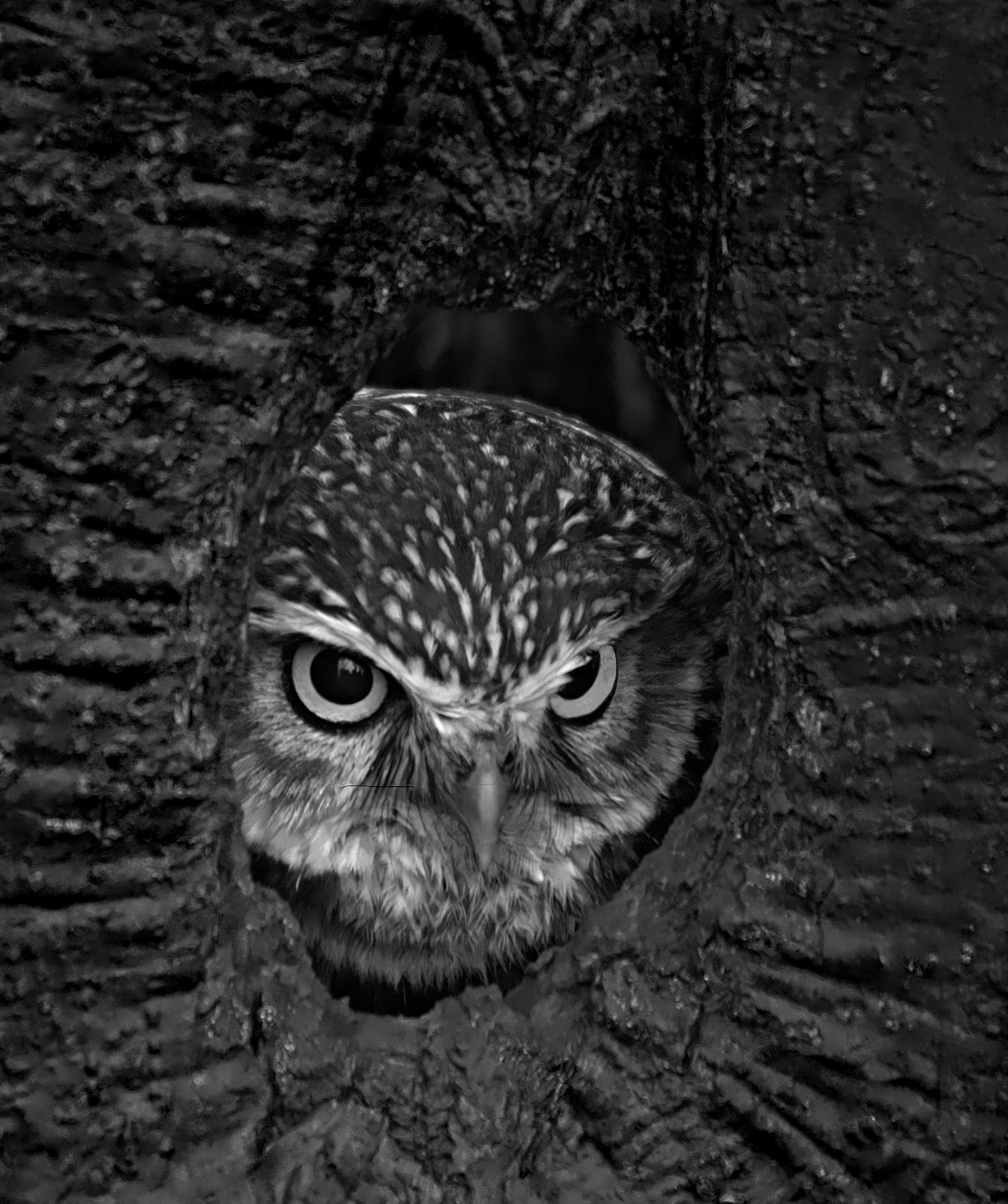
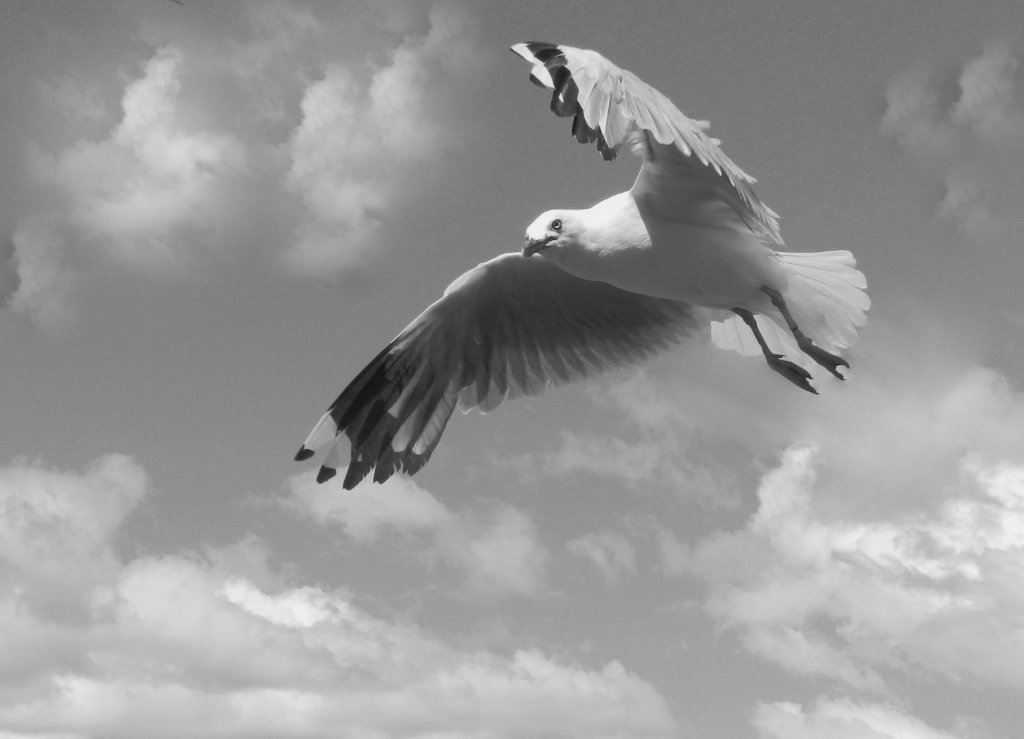
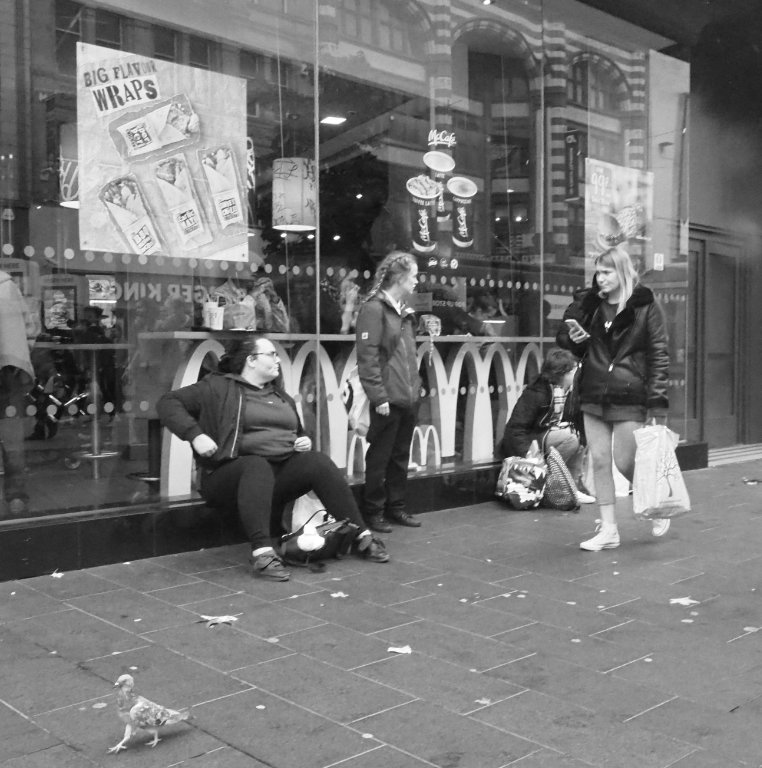
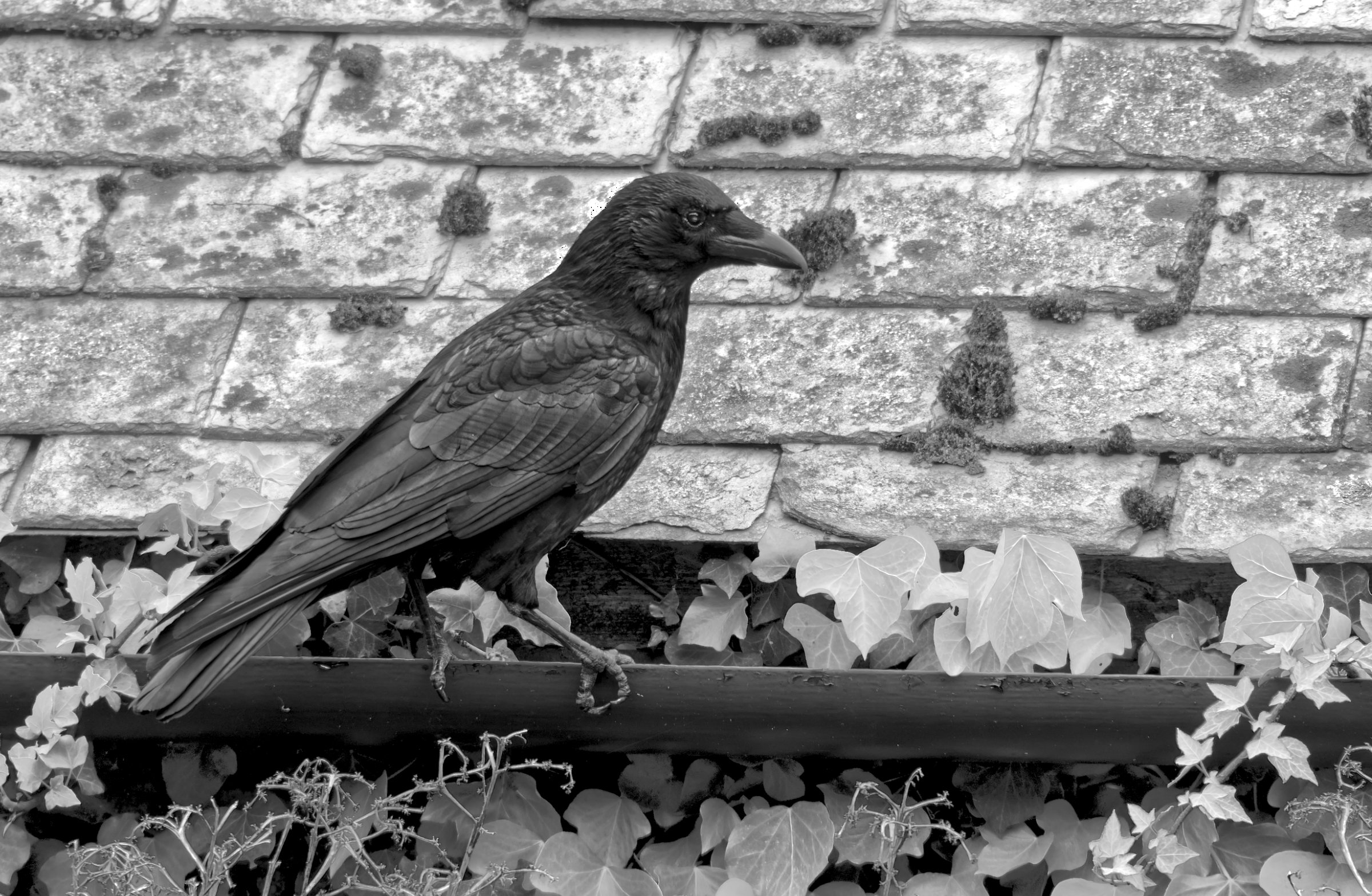
Thanks, Stan, it seems my attraction to the scene as a whole is echoed in this group. I'll try to spice the bird up for John.....
Any better? |
Nov 29th |
 |
| 64 |
Nov 22 |
Reply |
Thanks, Helen. I guess that was my aim. It was so used to scavenging food left at the cafe tables that it was more confident than usual, and so itjust stood there waiting for people to leave crumbs behind. Not quite a bird on a stick, though, and in true mono fashion a study in comparison of textures. |
Nov 27th |
| 64 |
Nov 22 |
Reply |
Thanks, Don, I like these too. He has quite a regal look, I think. |
Nov 20th |
| 64 |
Nov 22 |
Reply |
Yes, blackbirds aren't all that exciting, are they. I found it difficult to get a tone and density that I felt realistic. As a result it is quite flat, I agree. Most birds aren't bold enought to sit there waiting to grab any crumbs when people leave their table. |
Nov 20th |
| 64 |
Nov 22 |
Comment |
I much like this dramatic landscape. The clouds look great, they seem to be waves flowing over that high peak. Super! |
Nov 20th |
| 64 |
Nov 22 |
Comment |
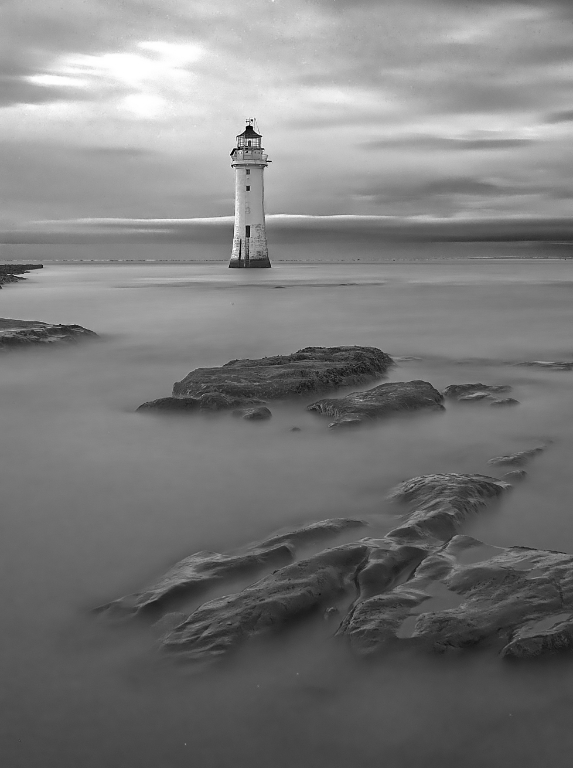
A good choice for conversion, I think. I'd agree with Jerry's comments, well done.
I would be tempted to try to increase the contrast in the sky, as there is a little texture coming from those wispy clouds which might be enhanced a little. Their angles on each side of the lighthouse lead the eye inwards nicely. |
Nov 20th |
| 64 |
Nov 22 |
Comment |
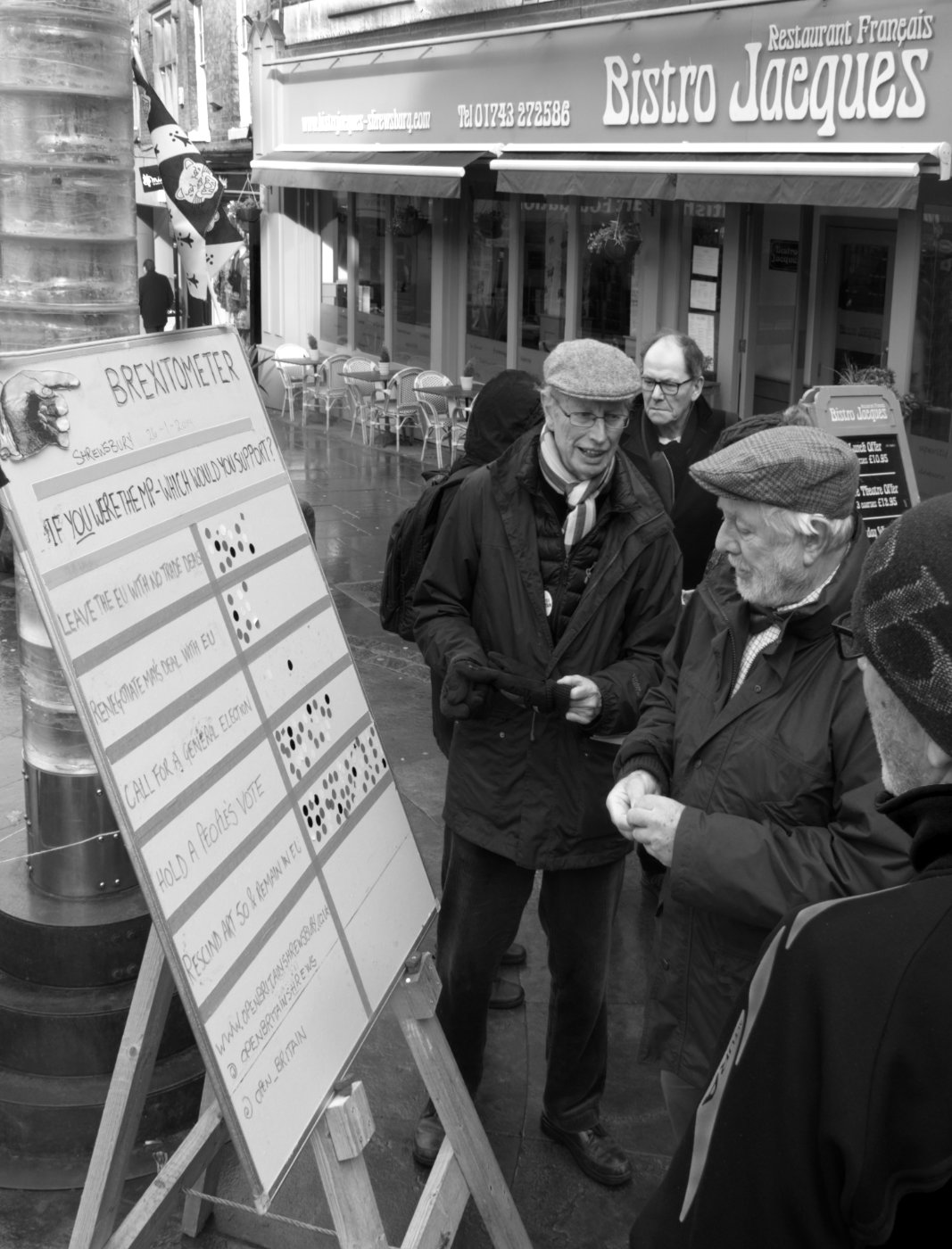
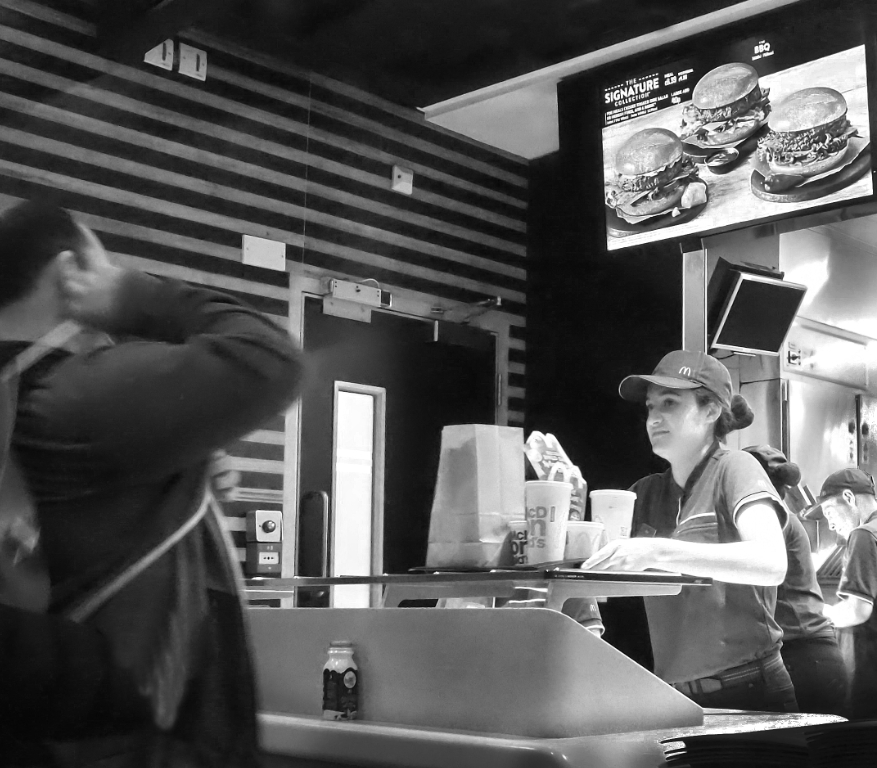
Smartphones only seem to come with fairly wide-angle lenses, but it was perfect here, giving a dramatic perspective from this viewpoint. I think it's a very enjoyable image.
I think the shop name on the right is distracting and leads the eye out of the picture. I would crop the right edge to just remove the right-most lady. That then leads me to consider the foreground, but I do like that strong diagonal. I do wonder though if a crop off the left to just remove the cyclist who's in front of the diagonal would make it cleaner? |
Nov 20th |
| 64 |
Nov 22 |
Comment |
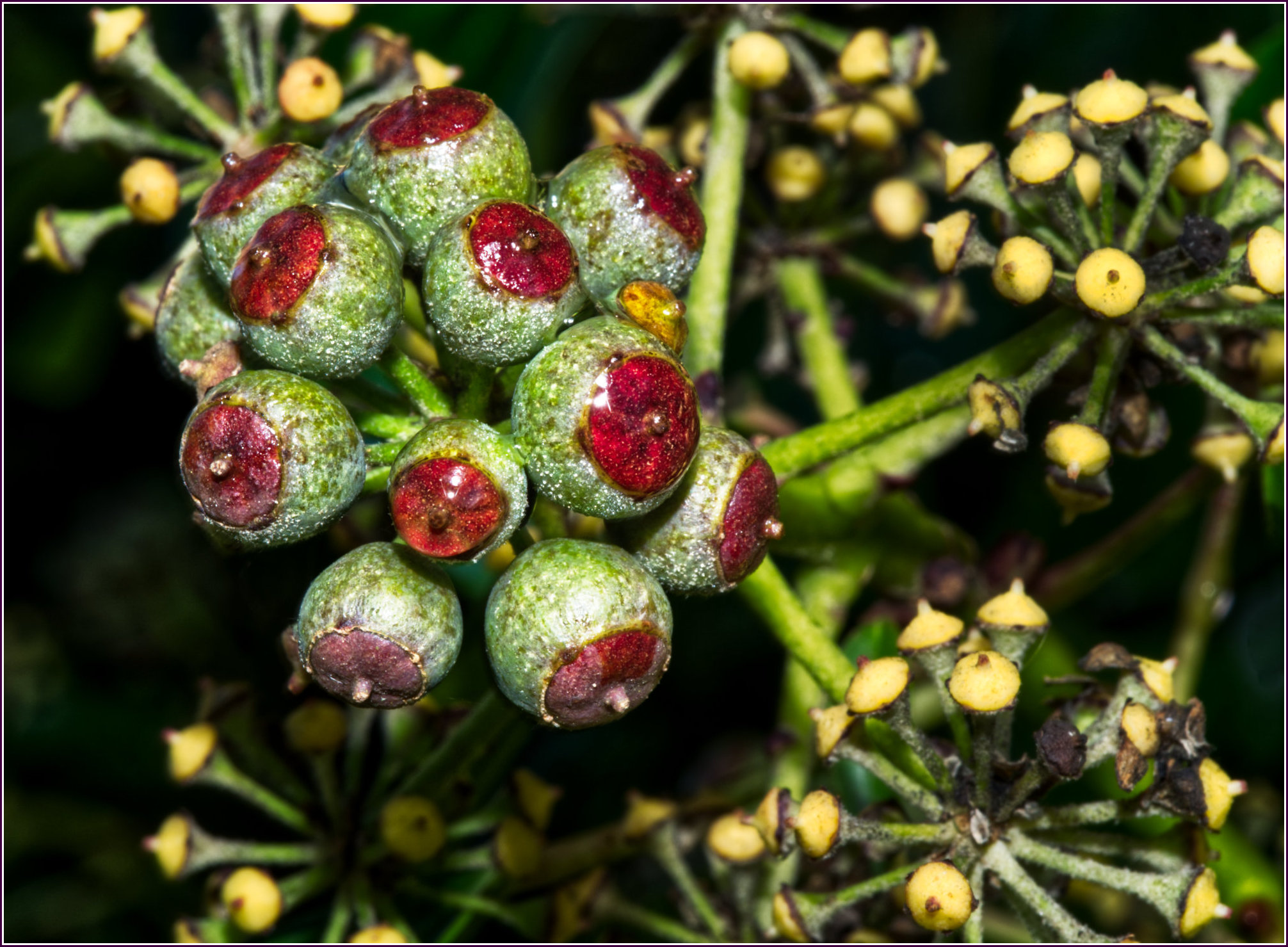
I think this is an interesting picture, and the lighting shows the seeds off well.
I don't know what size they were, but close enough I think for f6.3 to be too large,leading to a small depth of field. f16 or f22 might have made it a little crisper.
I'm not sure whether the blurred, grey item in the background is helpful, I think it would be better removed. |
Nov 20th |
| 64 |
Nov 22 |
Comment |
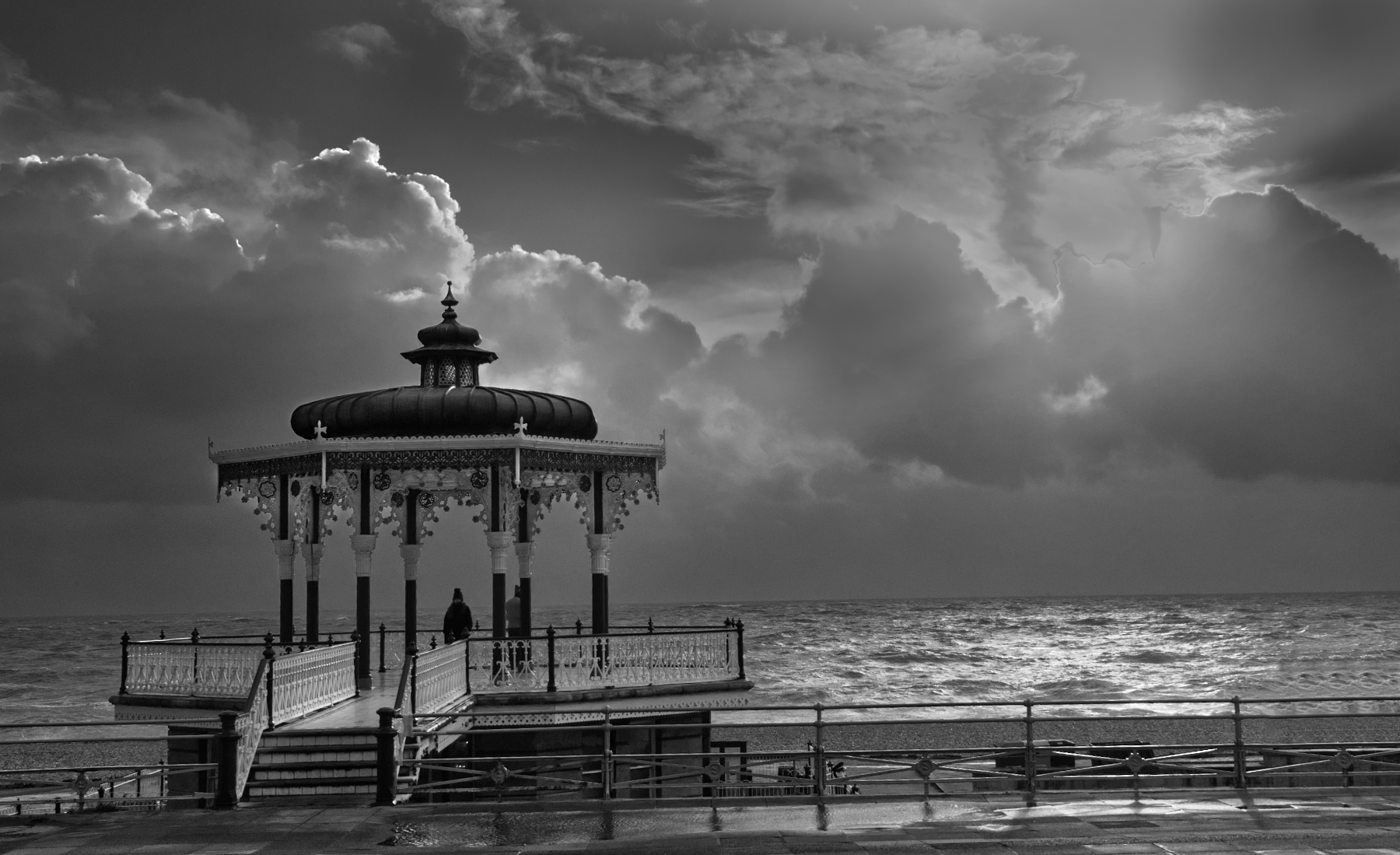
What a super reflection! I can see merit in both the colour and mono versions, hard to choose which one I prefer. I like Jerry's comment about lightening the gazebo and the land a little, it would be a little more dynamic for me, then. |
Nov 20th |
| 64 |
Nov 22 |
Reply |
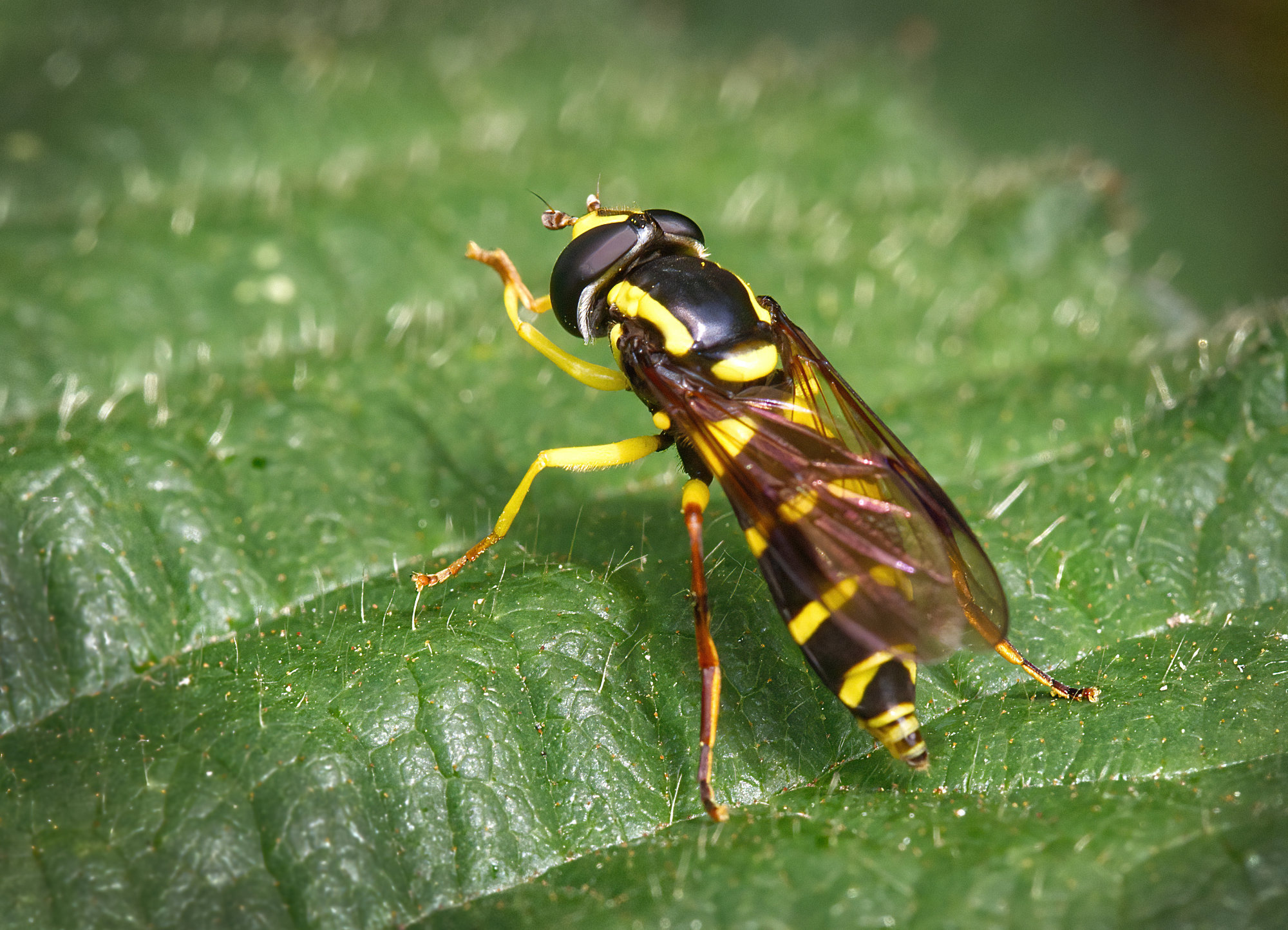
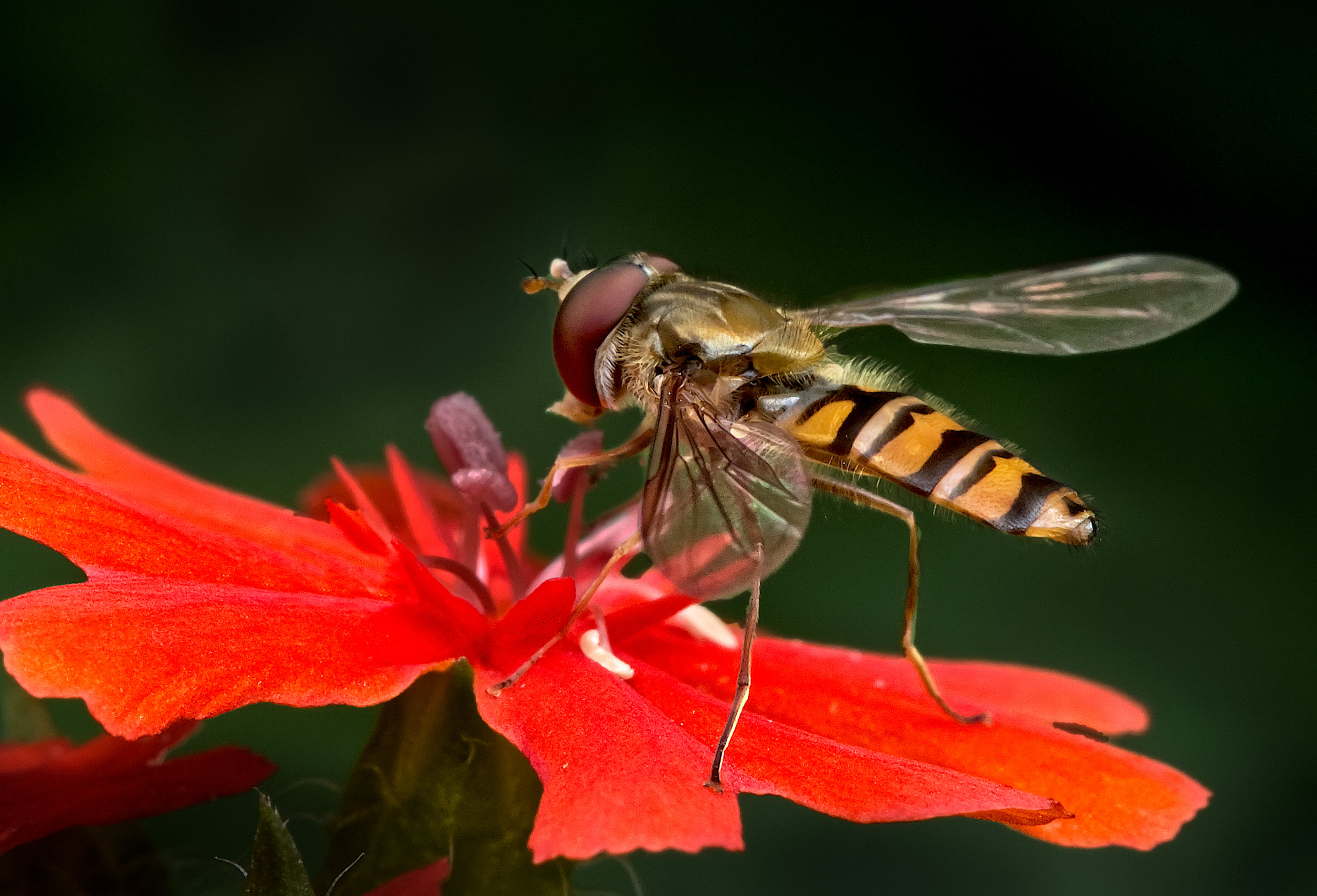
Thanks, Jerry. It seems a fairly uninteresting picture to me, not up to wildlife picture standards, but he was doing one of the things that he does, so is fair game. |
Nov 16th |
| 64 |
Nov 22 |
Reply |
That question is the cause of many a debate!
Many see a magnification ratio (ratio of the size of the image on the sensor to the size of the subject) of 1x (also written "1:1") as the start of macro, smaller magnification being "close-up". So a 24mm high subject would at least fill the frame vertically in landscape orientation on a full frame camera.
This was fine in wet photography days as we nearly all used 35mm, but now we have APS-C and micro 4/3 etc. Does an APS-C user have to fill the frame with a 15-16mm high subject now to be "macro"? I think an APS-C photographer being told his image of something 24mm high filling the frame is not macro, is not fair! So personally I think that the 1x definition is outdated, and macro is a soft boundary and slightly dependent on the sensor size used. But getting hung up on the definition isn't helpful in my view. If it shows details you wouldn't have seen by eye, it's macro in my view.
Similar debates from time to time in Group 95!
|
Nov 11th |
5 comments - 6 replies for Group 64
|
| 95 |
Nov 22 |
Reply |
Thanks, Gloria. We air our dirty washing for inspection and comments sometimes, such as this one. This I think leads to better learning than always putting forwards our most successful shots for everyone to like. |
Nov 23rd |
| 95 |
Nov 22 |
Reply |
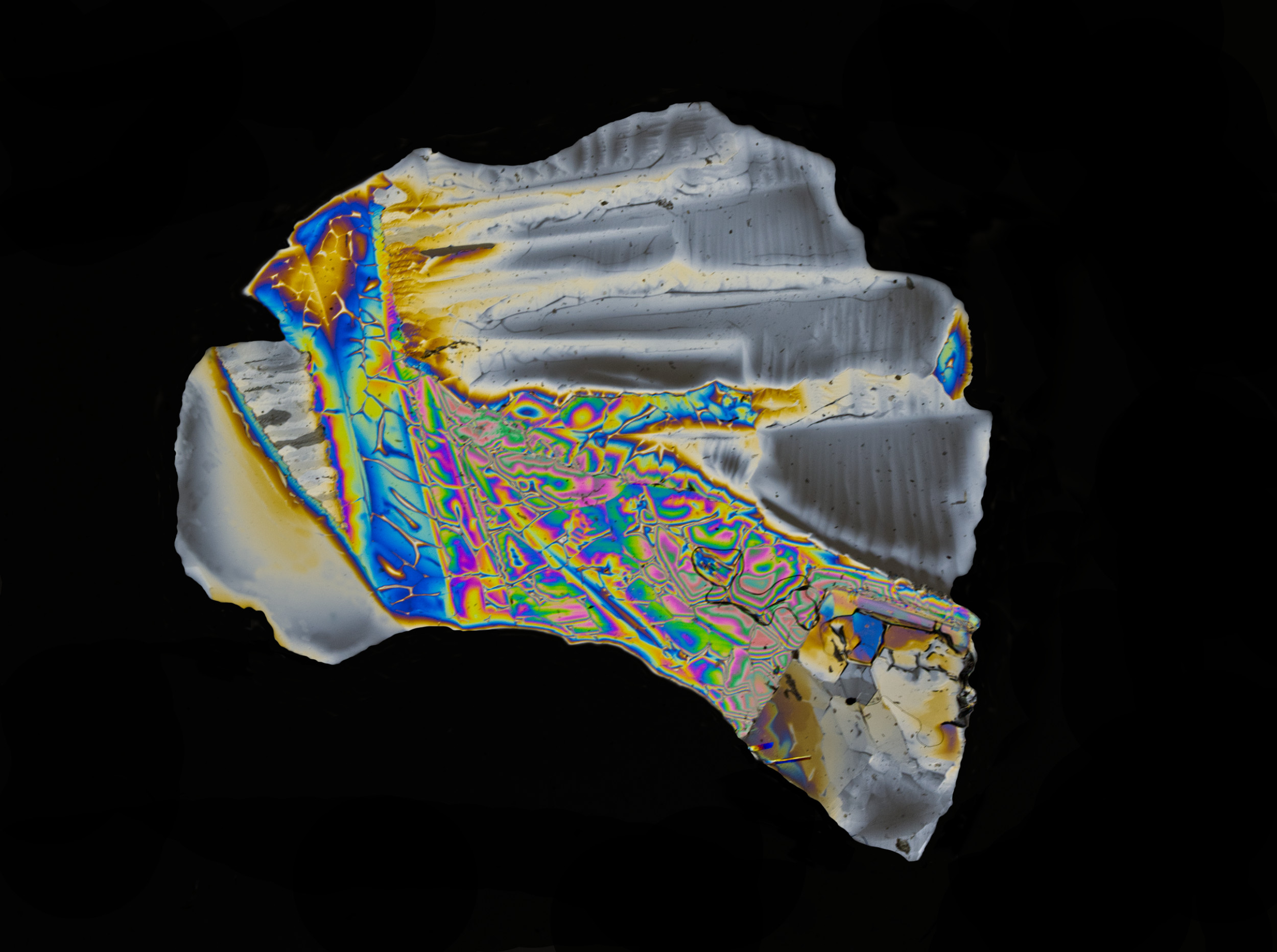
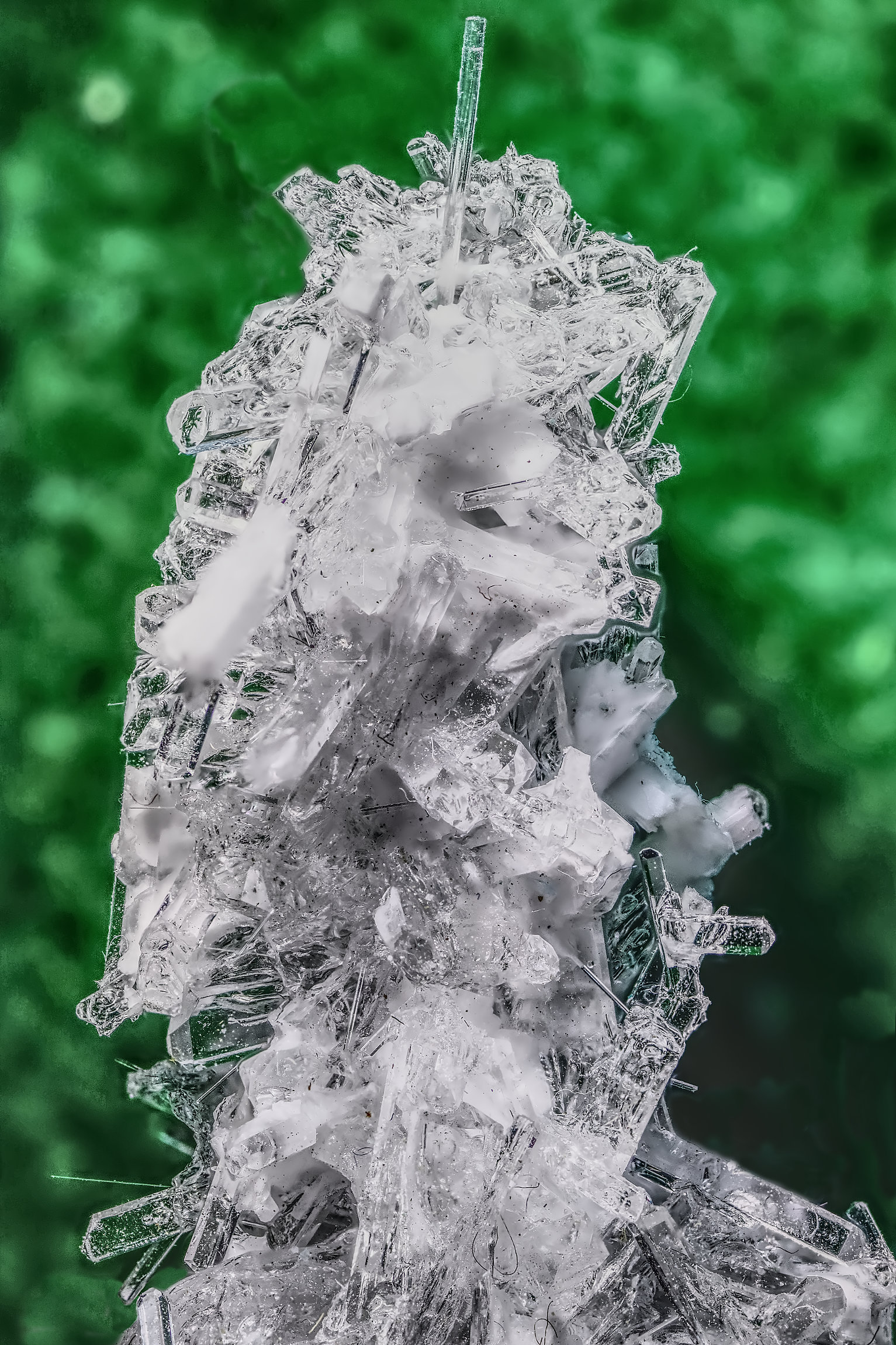
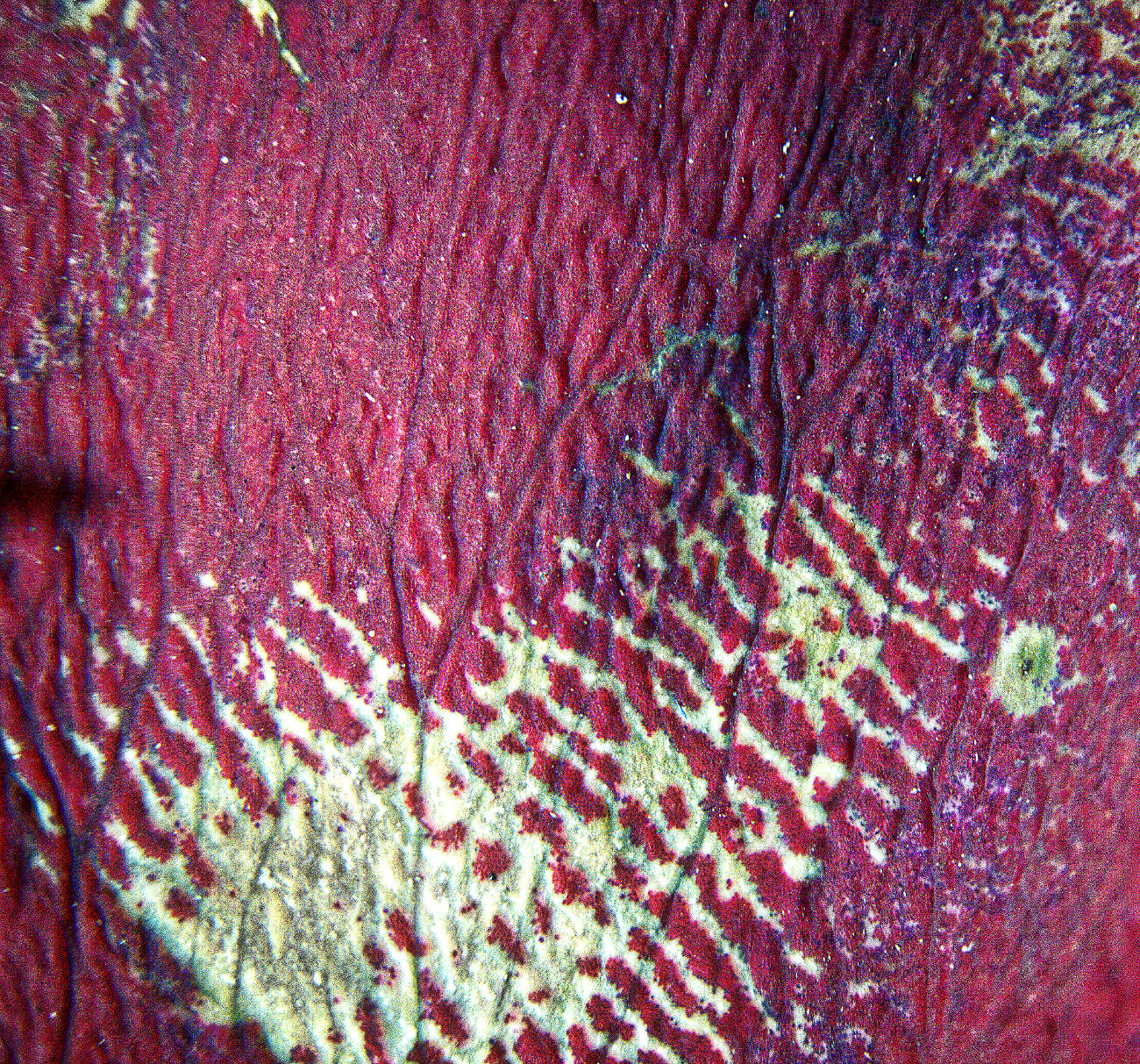
That sounds like a reasonable explanation, Tom. The edges of faces are quite visible in the camera, but the faces themselves less visible, and so might be more difficult to identify as "in focus" for the merging software. It's difficult to see how to get round that; maybe experimenting with the lighting might help it to see the faces better.
The crystals that are very transparent are also very sharp. They seem to have dust or air bubble inclusions which might have helped the software. The crystals that are white are the least sharp. On closer inspection, I'm wondering if they are actually closer to the camera than the sharp ones, so perhaps I might have messed up the setting of the closest point.
In which case, I should do as you suggest, and set it to photograph a wider range and then inspect and prune out any that are completely out of focus.
I'll try again! |
Nov 23rd |
| 95 |
Nov 22 |
Reply |
Agreed! |
Nov 21st |
| 95 |
Nov 22 |
Reply |
I've only seen one, in Kenya a long time ago. I thought they were only in Africa. There again, I believe there are scorpions in a railway station called Ongar in the south of England. These critters seem to get about. |
Nov 21st |
| 95 |
Nov 22 |
Comment |
It looks like a preying mantis to me - are they wild there?
A lovely picture, it grabs attention. Shame about the soft legs, but they don't spoil it for me. I think it is due to DoF, as the foreleg is soft on its end too, in much the same plane as the rear left leg, and matching the sharpness range of the surface it's standing on.
|
Nov 20th |
| 95 |
Nov 22 |
Comment |
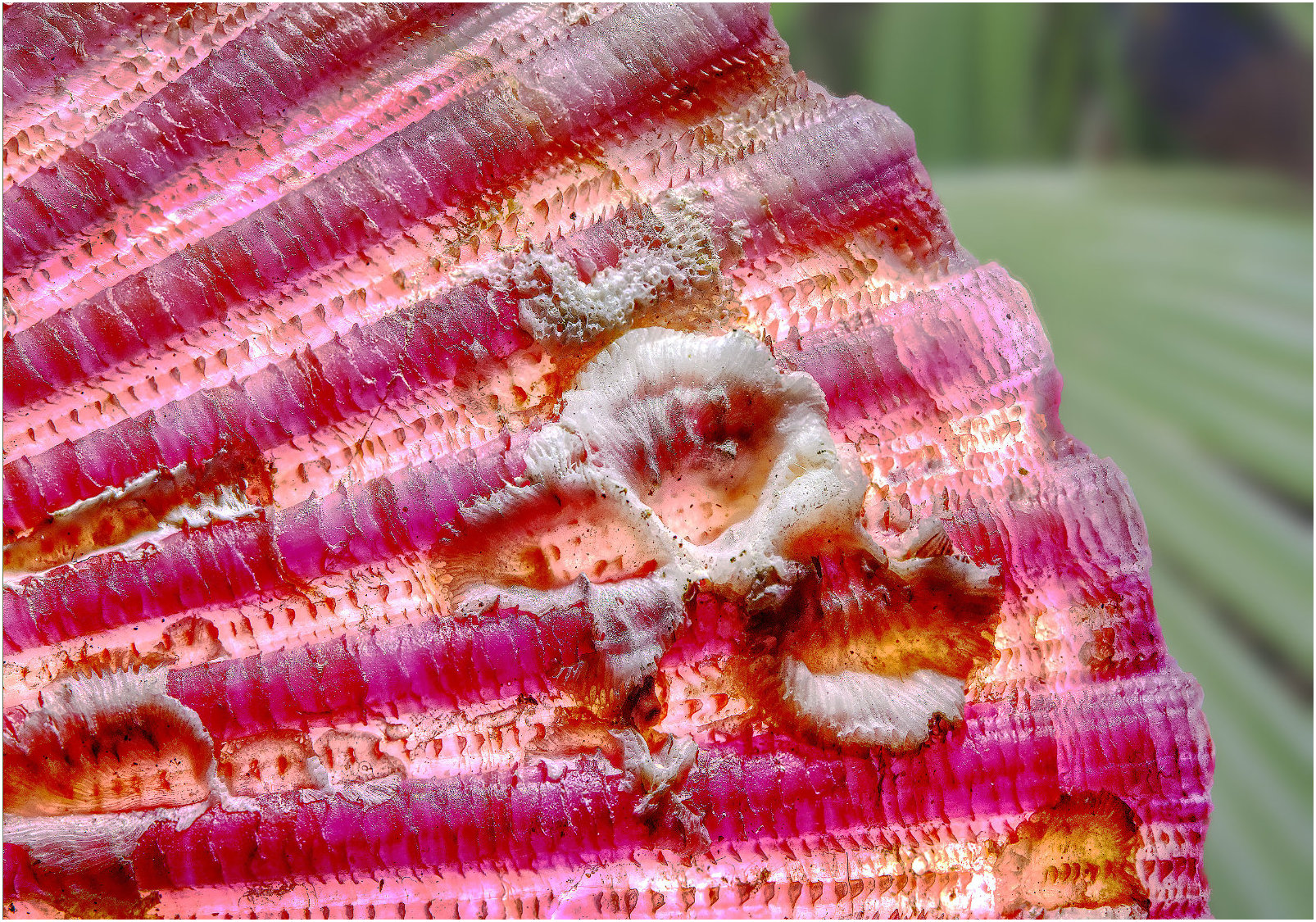
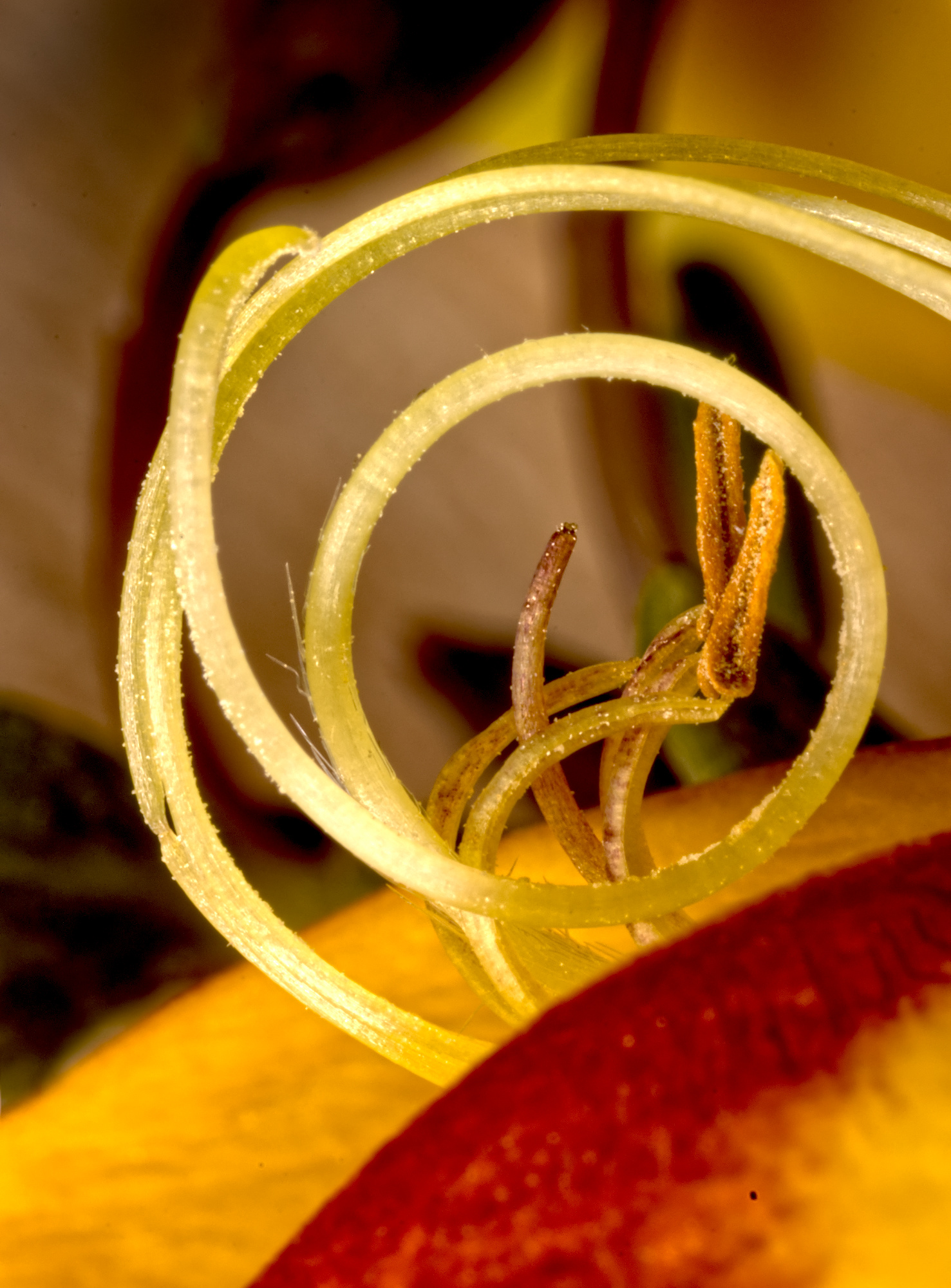
Yes, a nice job. I guess the magnification is about 0.25?
This is showing the same difficulty as Tom's picture in that getting very close to an object bigger than the sensor can lead to abstract type images. And it's why I would consider this a pleasant and acceptable result. Again I like Tom's rotation, it seems more natural even if the flower down't normally grow that way, |
Nov 20th |
| 95 |
Nov 22 |
Comment |
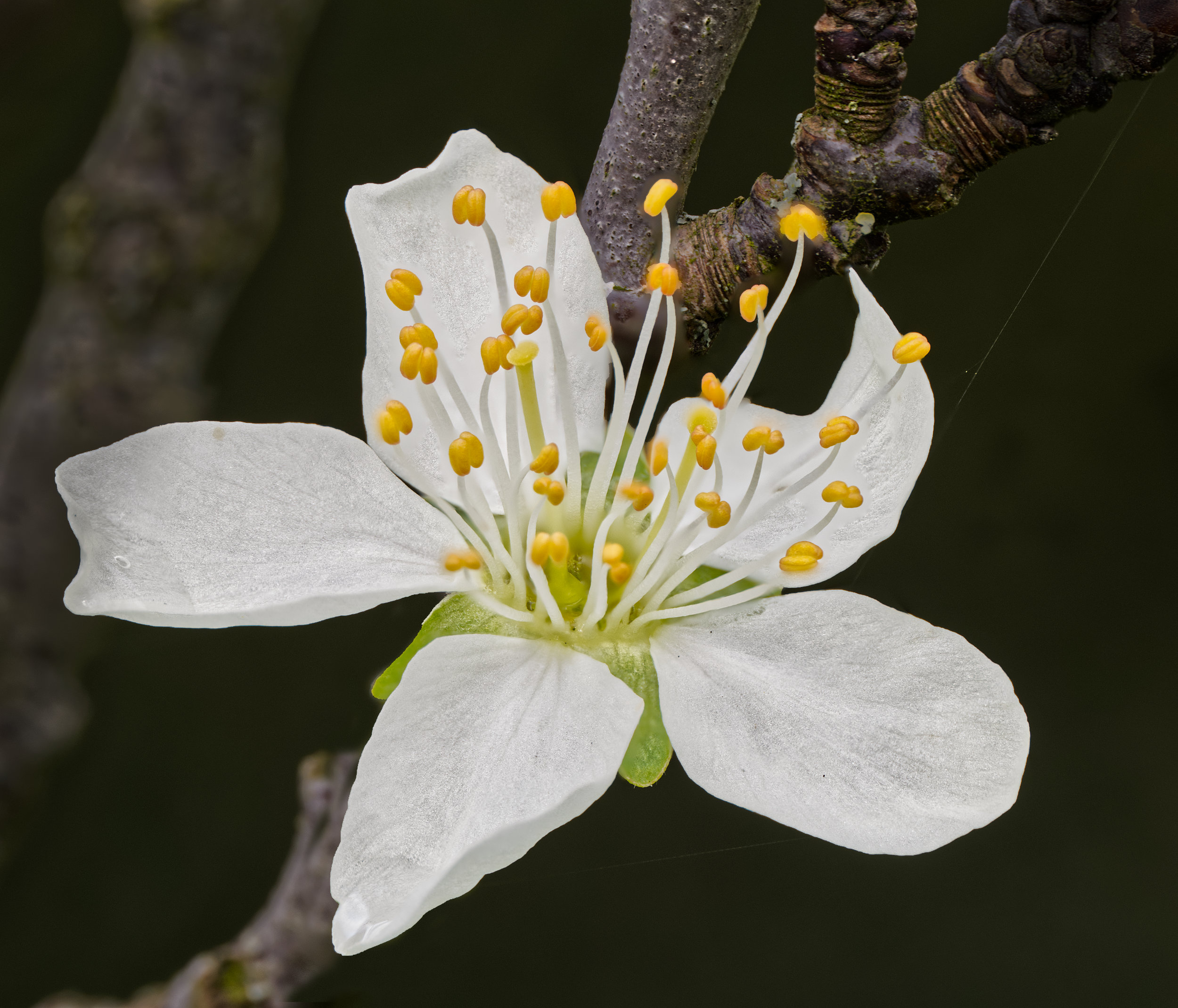
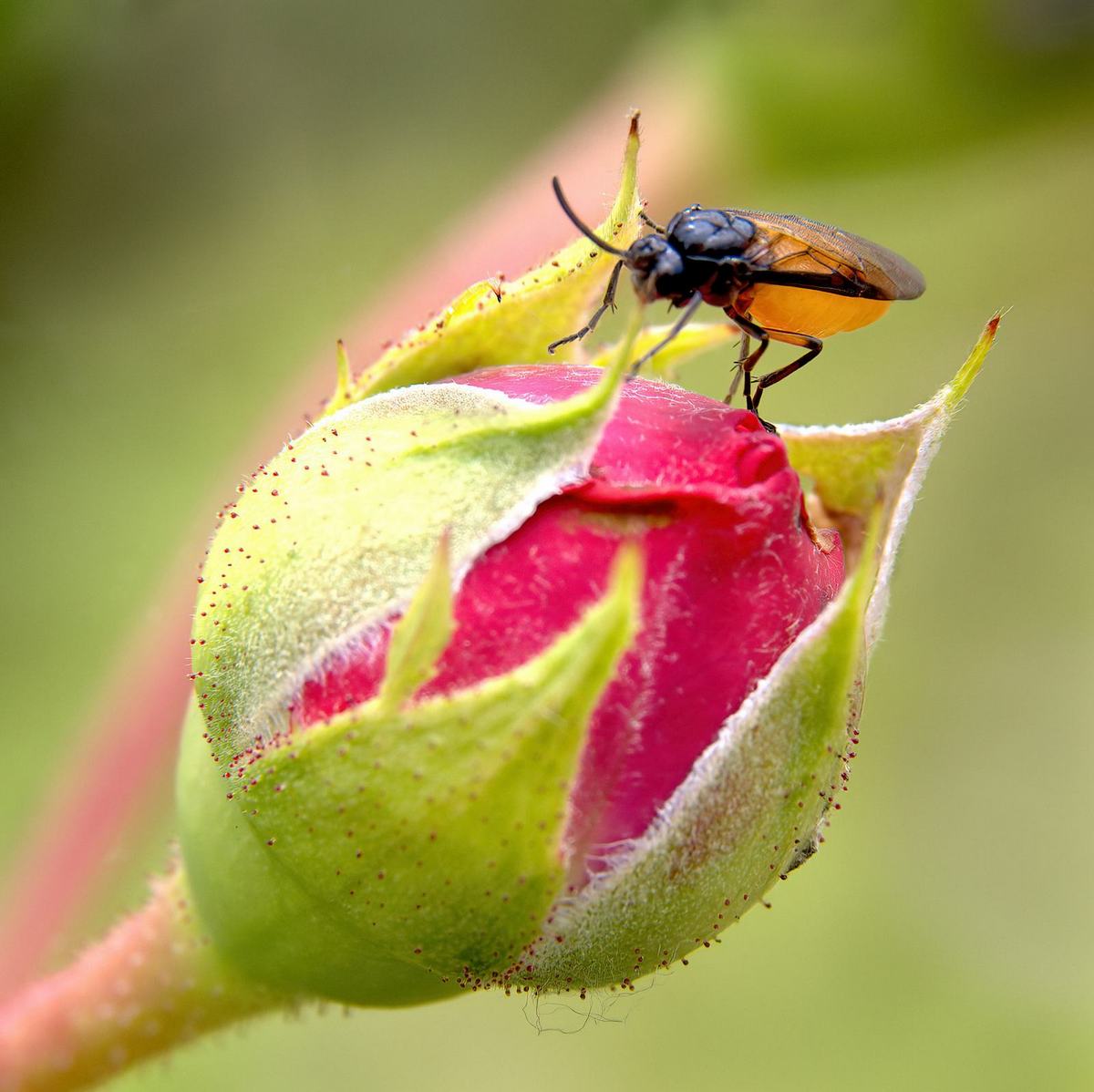
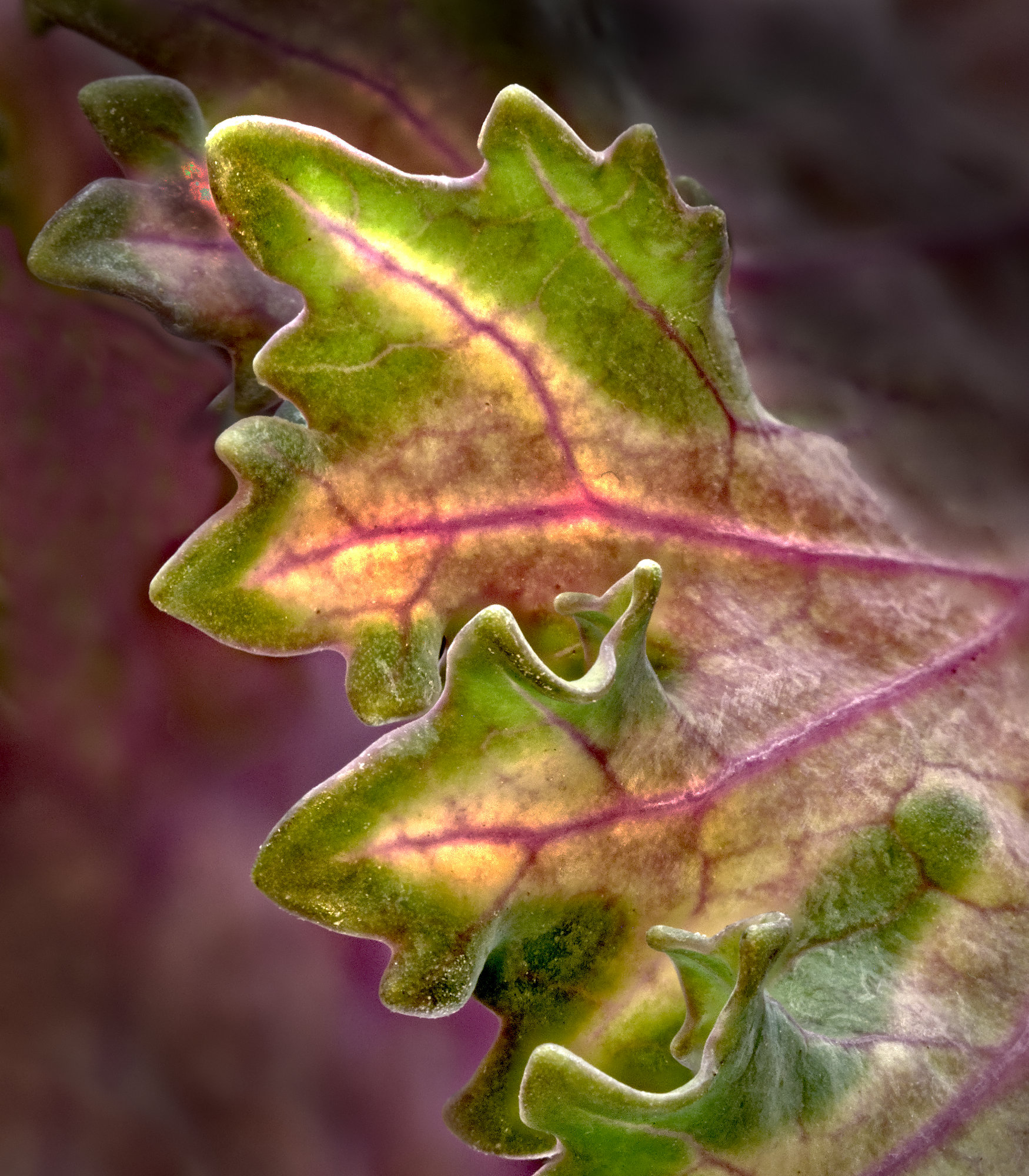
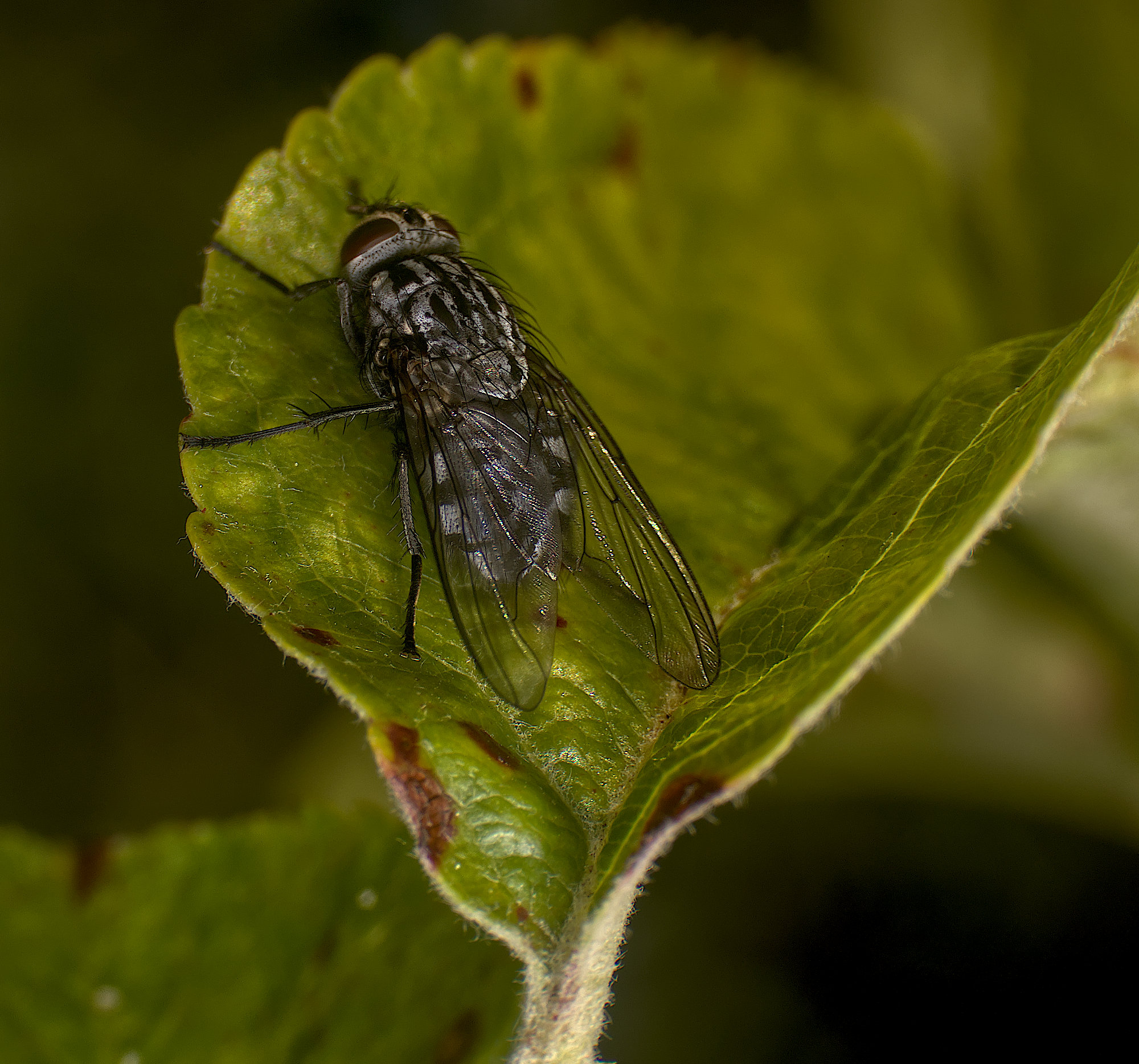
It's back to the difficulty of finding small subjects that people recognise. I guess it's why people like bugs as subjects - they are usually small and recognisable (as a bug at least). I just don't like them much!
I think it's fine - we can't be wowed by every image, and I find the texture and colour interesting, well worth looking at. |
Nov 20th |
| 95 |
Nov 22 |
Comment |
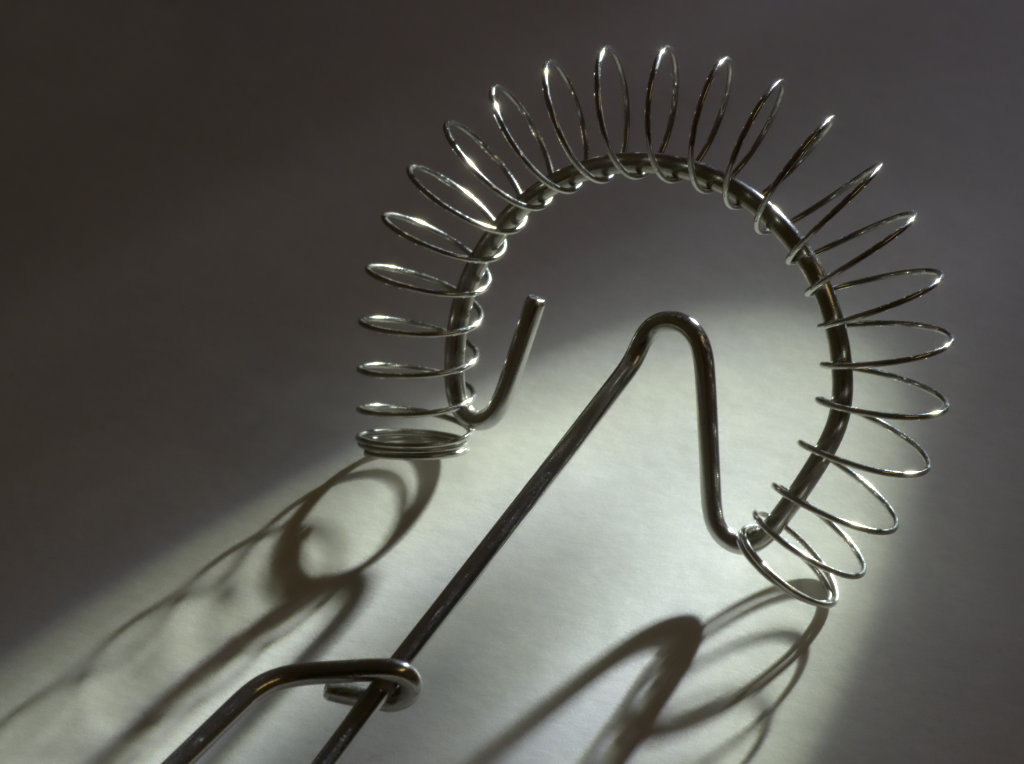
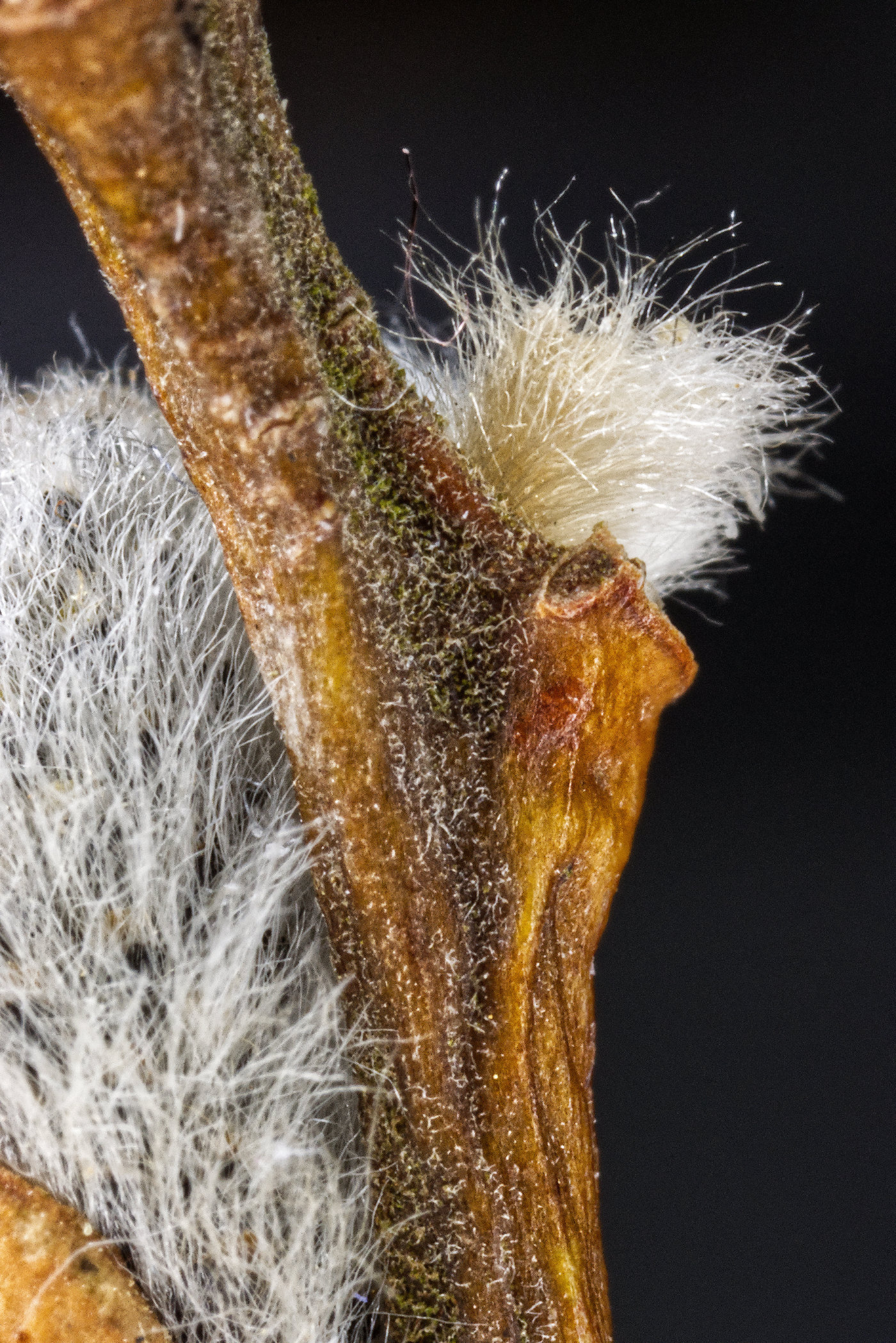
Given we don't know what this is, I find Tom's rotated image a bit more comfortable.The hook seems to be the subject, so it looks too far to the left to me - crop off 20% from the right, perhaps? |
Nov 20th |
| 95 |
Nov 22 |
Reply |
The in-camera stacking systems in the Olympus M1 can be confusing because it takes first the photo you've set the focus to, then it brings the focus point towards you to what it calculates is the first point, and takes the main sequence of frames, stepping away from you, missing the "first" point on its travel which it has already photographed. The amount of movement is set up in the "Number of frames" and the "Stepping distance" settings. So, the frames are out of order in the normal stacking sense, and getting the limits correct is a bit hit and miss. It's good, but not as clinical as Helicon Remote.
Here I used Helicon Remote. It works by the user setting the first point (nearest to the camera point) by telling it to focus the camera back until you can see on your computer monitor that is has come back far enough, then you mark that point. Then you tell it to move forwards until you can see that it has the point furthest away from the camera in focus, then you mark that point. You can set the step distance manually or let Helicon work it out based on aperture, focus distance etc automatically, then press "Go" and it does the job. First is brings the focus back to the first point set, then it takes all the frames moving the focus closer to the subject until it reaches the pre-determined number of frames at the second point set. It's pretty fool-proof!
So I'm confident I got the limit points set corrrectly, hence the puzzle. It has happened several times. Maybe I should deliberately set the limit points further in each direction than I think I need from watching the screen, as the software will effectively ignore frames with nothing sharp in them.
|
Nov 16th |
4 comments - 5 replies for Group 95
|
9 comments - 11 replies Total
|