|
| Group |
Round |
C/R |
Comment |
Date |
Image |
| 64 |
Sep 20 |
Reply |
That sounds like a good diversion, Jerry. We have a long weekend away in our motorhome coming up in a couple of days(Camping and Caravanning Club Photo Group). Alas Covid restrictions mean we can't have our usual social meetings and evening talks etc, so more free time to be filled. I've got a few photography projects to do and will add that idea. Results can't be seen here, of course! |
Sep 15th |
| 64 |
Sep 20 |
Comment |
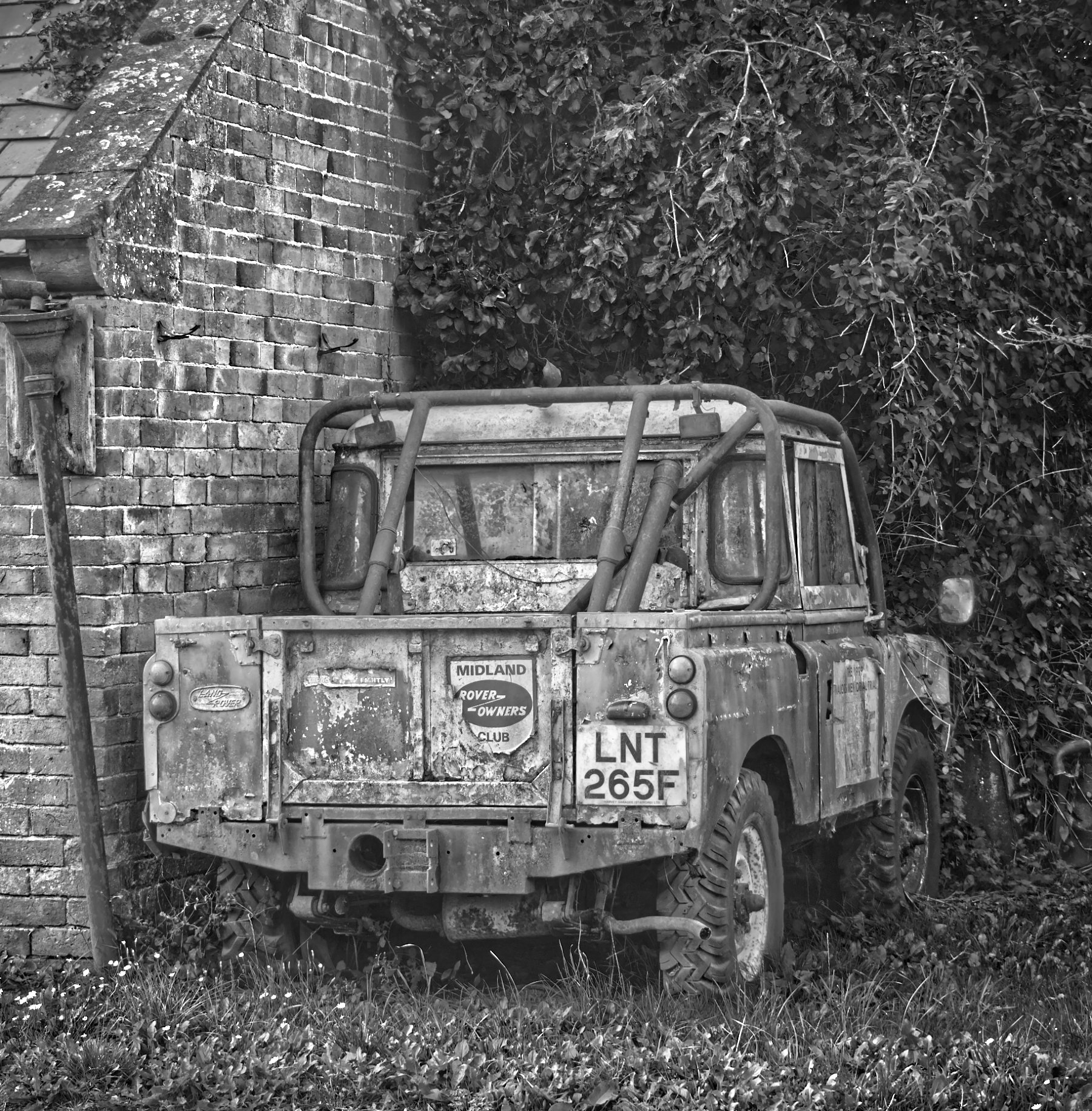
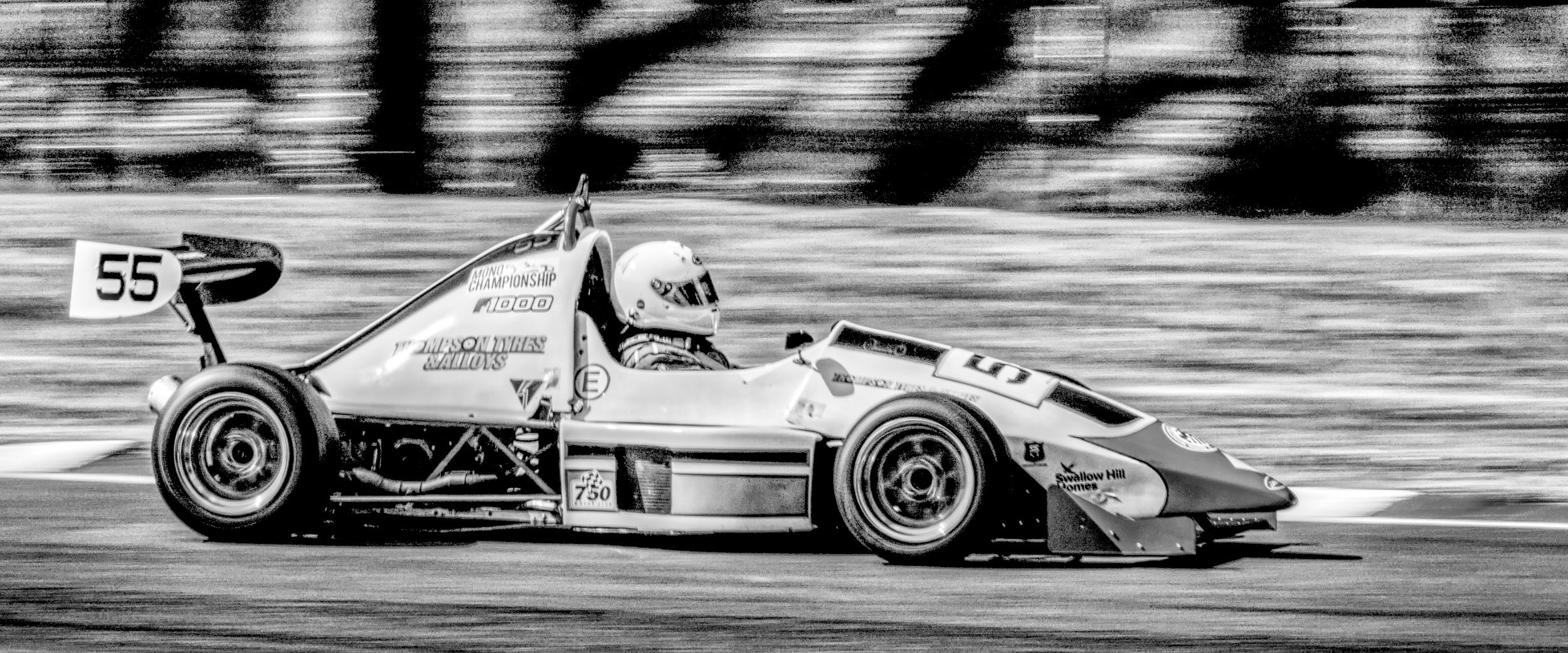
The shadows on their own would have been uninteresting, and the well-placed single car makes all the difference to produce a satisfying picture.
I think I would crop a little off the bottom as I find the oblique line a bit distracting. Ditto the sign with writing on it, the clone tool would improve this I think. |
Sep 11th |
| 64 |
Sep 20 |
Comment |
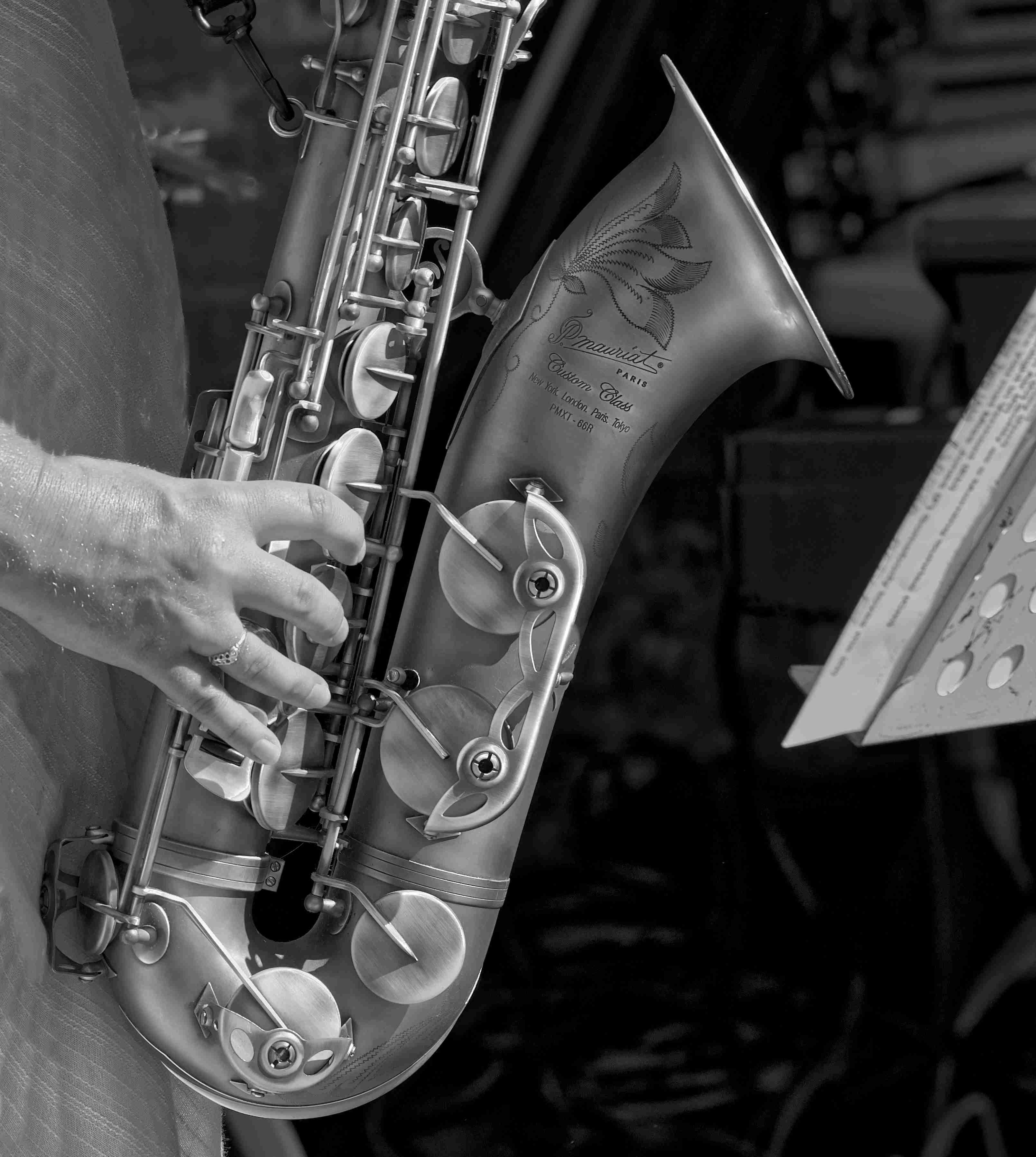
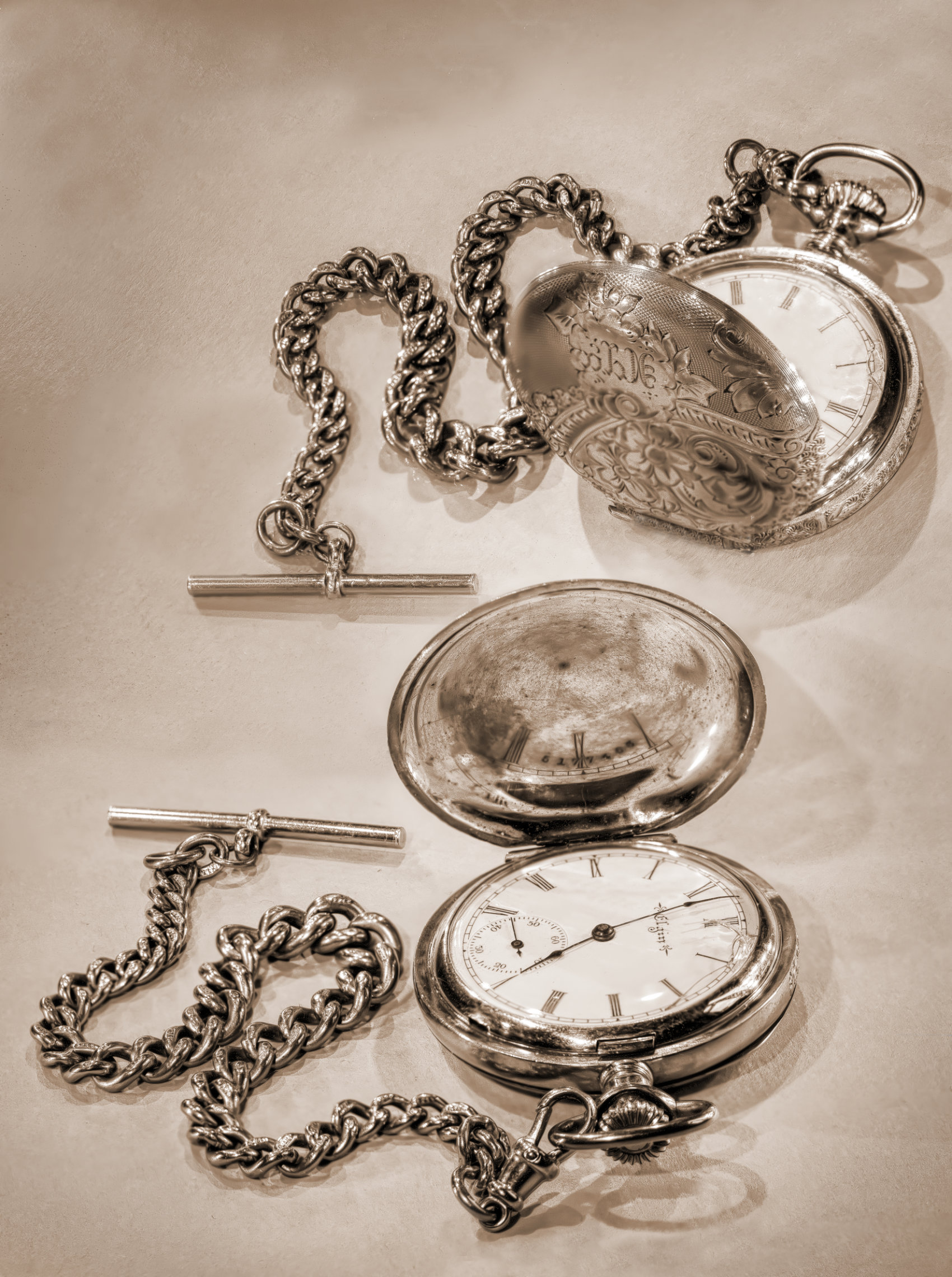
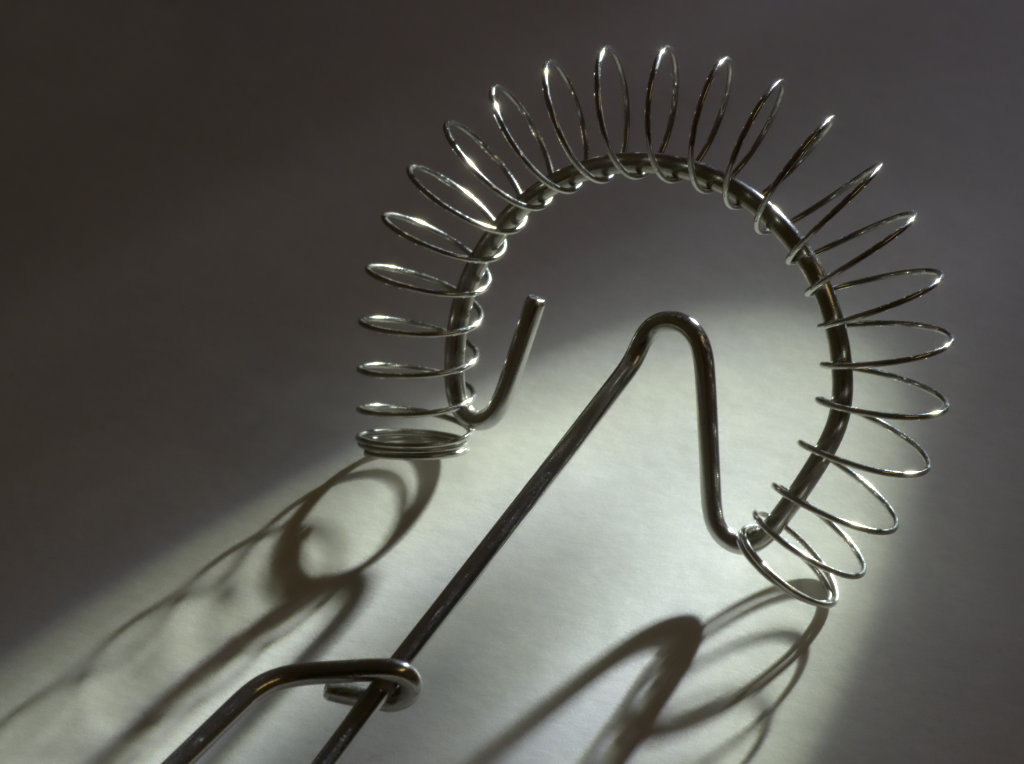
Less can often turn out to be more, and you've done a good job of that here. Photos don't have to be complex to be pleasing, and this is simple and very pleasing. The background I find to be very sucessful in complementing the paper roll without distracting or being boringly plain. Great, well done! |
Sep 11th |
| 64 |
Sep 20 |
Comment |
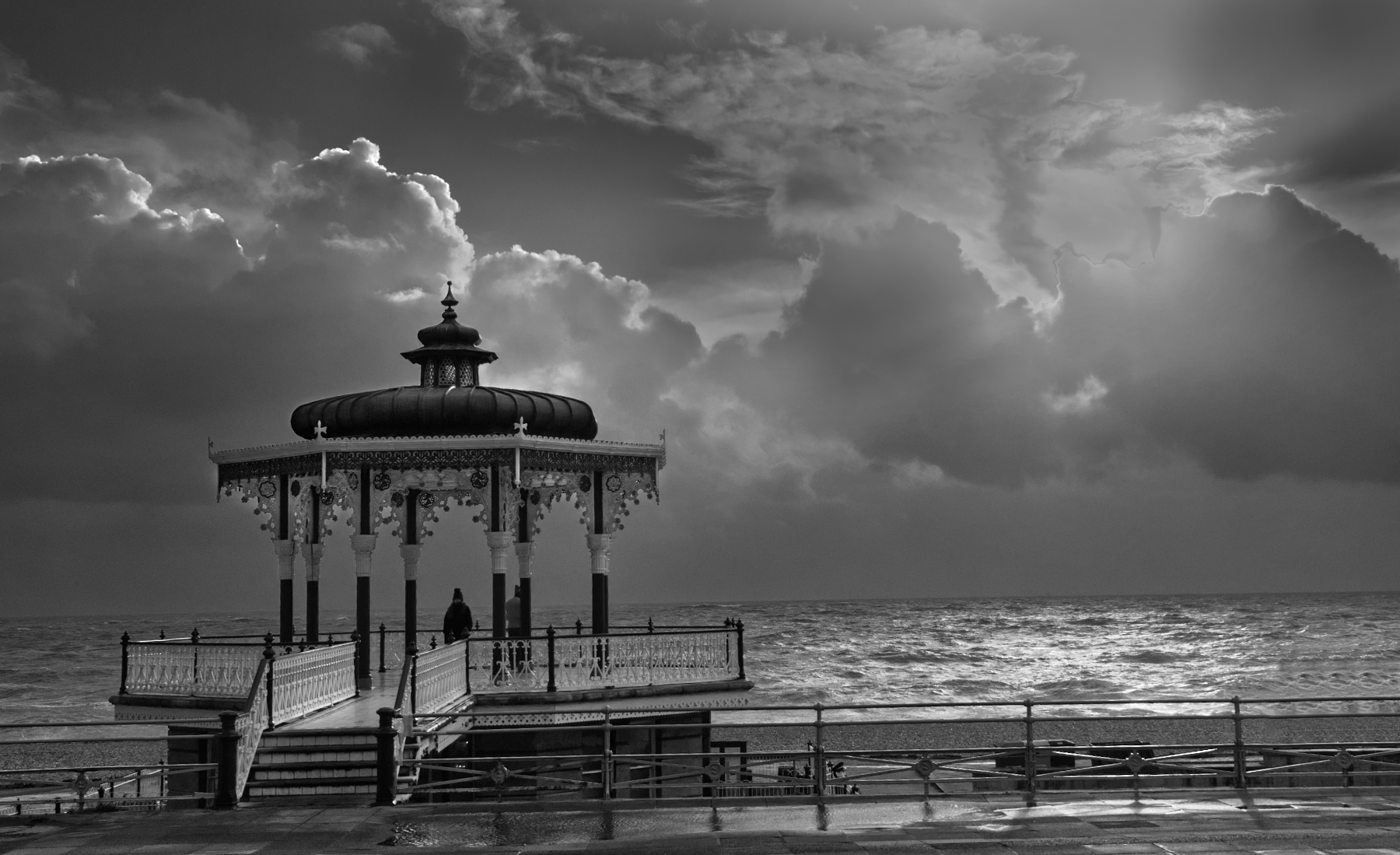
I like this picture, it seems to have coped with the high he contrast of the sunshine and shade and sky really well. I love the way the light clouds follows the skyline. Another square crop, and it suits this photo well I think. |
Sep 11th |
| 64 |
Sep 20 |
Comment |
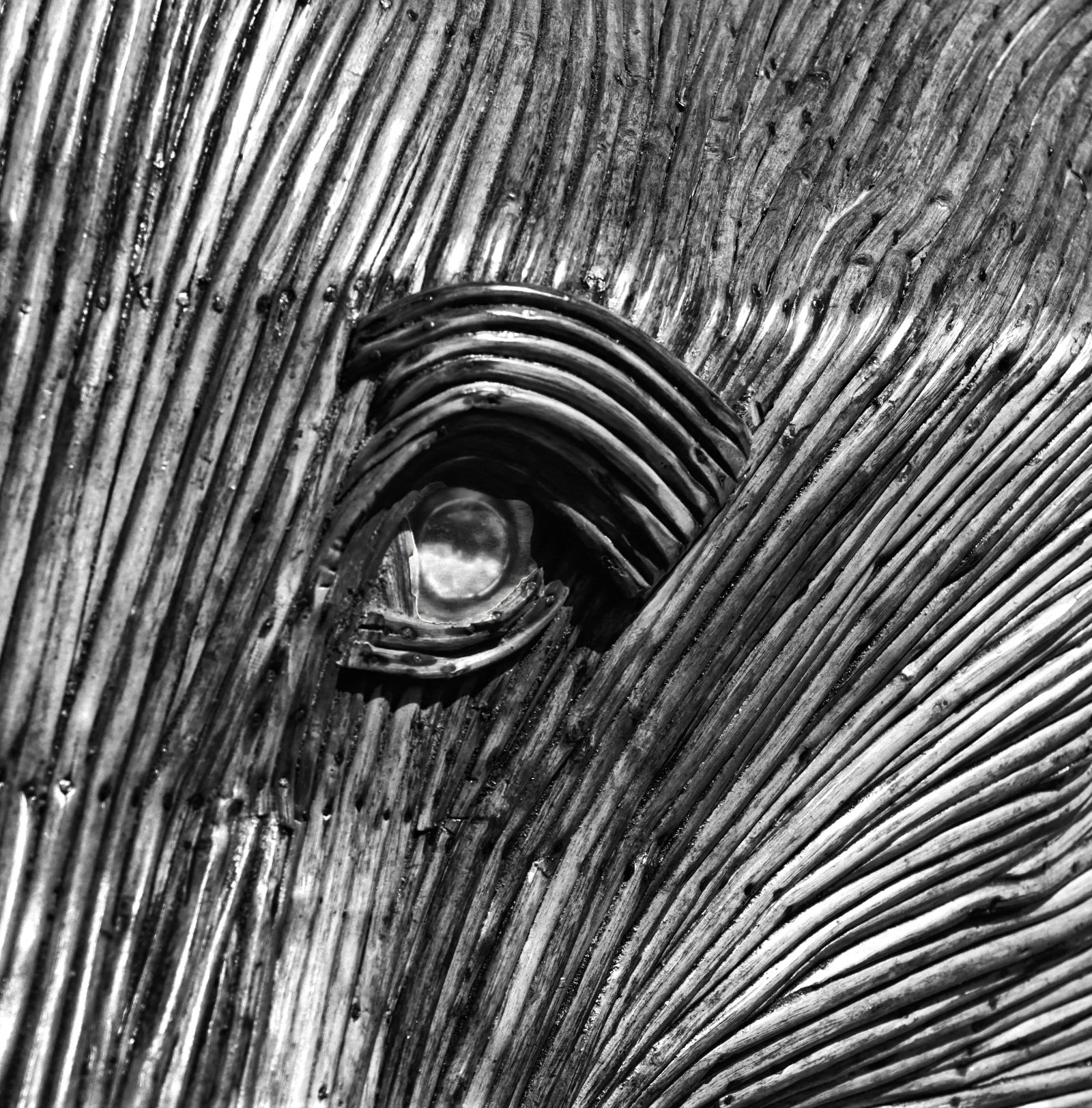
I'm quite happy with the square crop, although a tiny bit of the pulley would do no harm I think. However the stark contrast on the drum (wood or rope?) seems to me to be too great, it almost looks solarised. |
Sep 11th |
| 64 |
Sep 20 |
Comment |
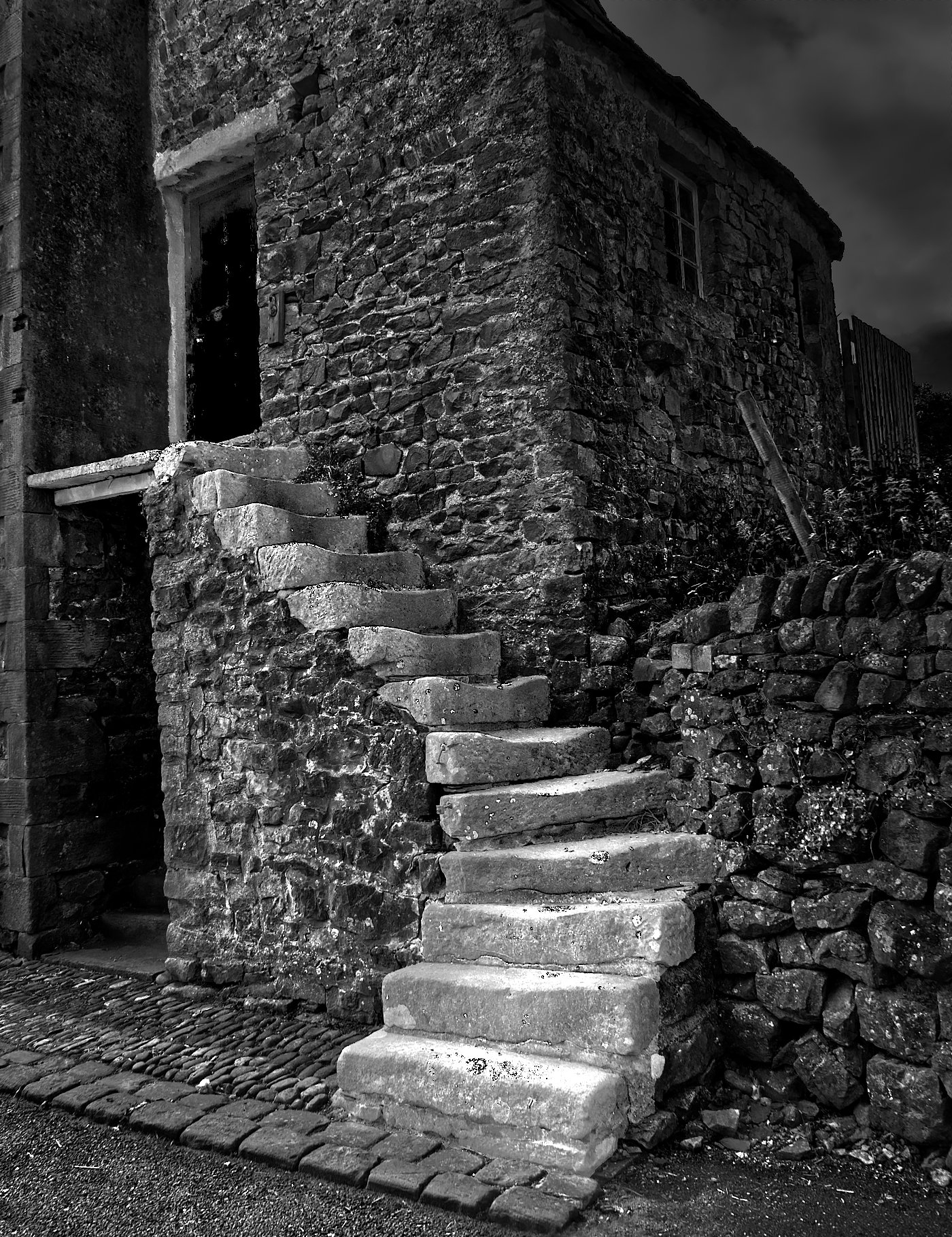
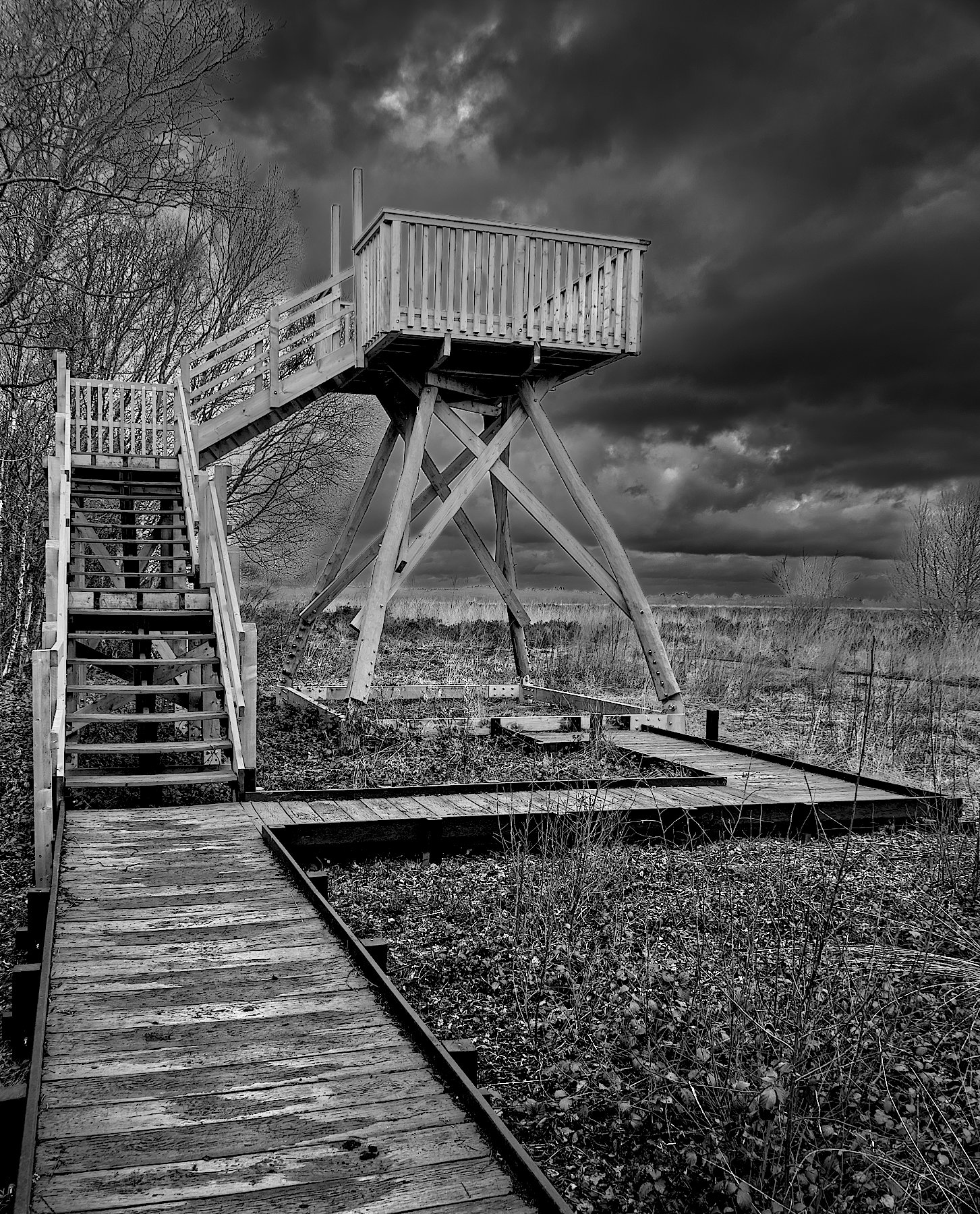
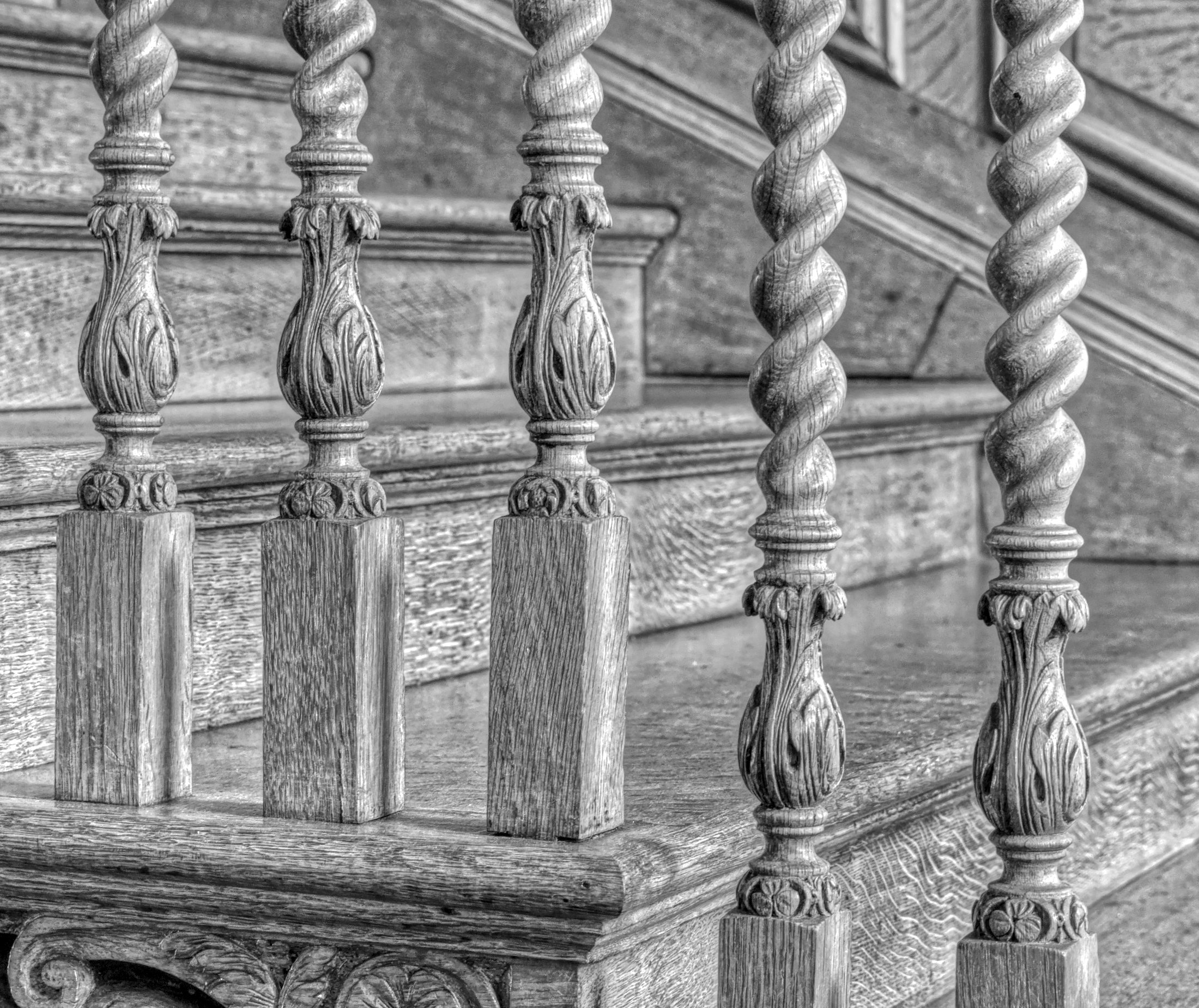
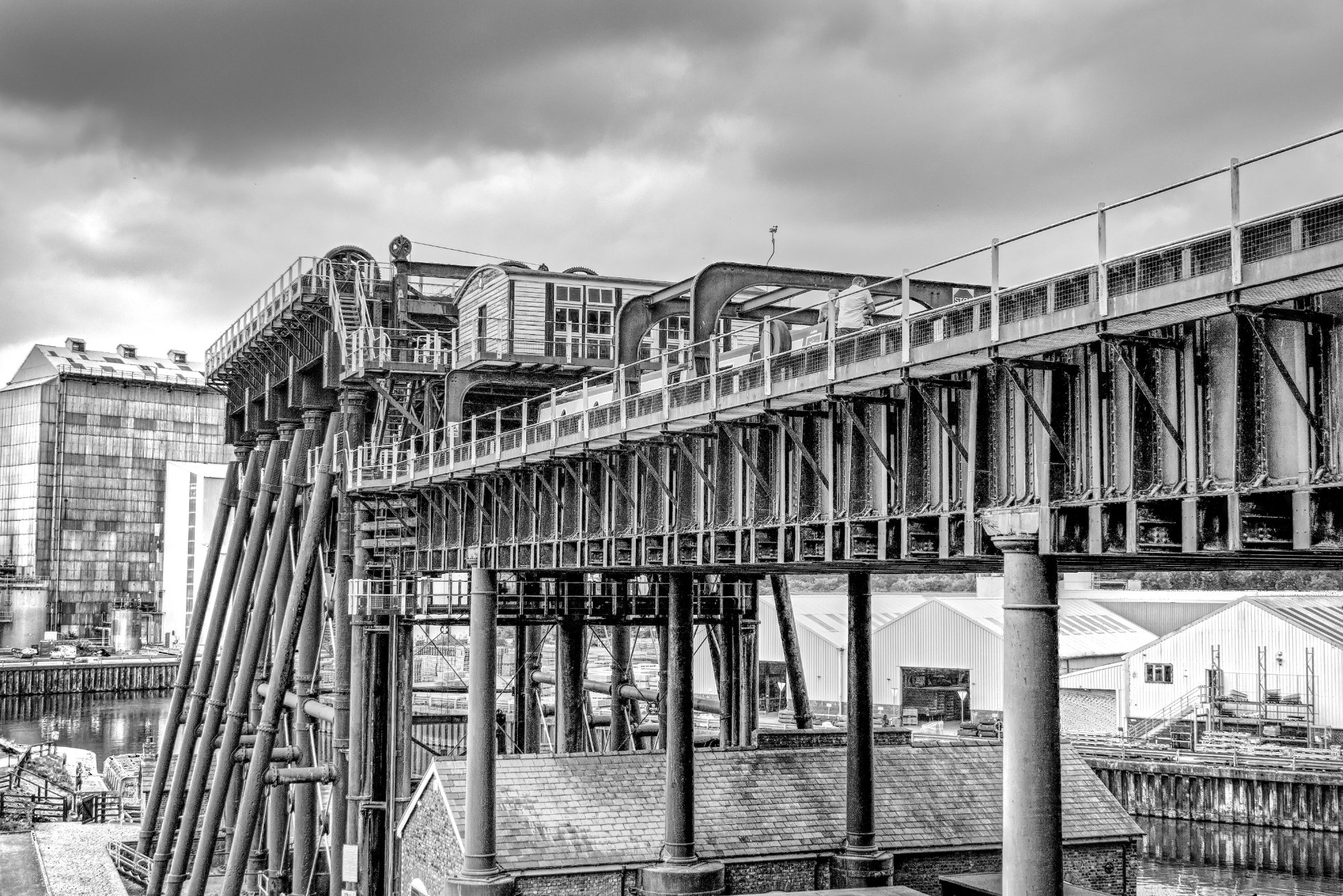
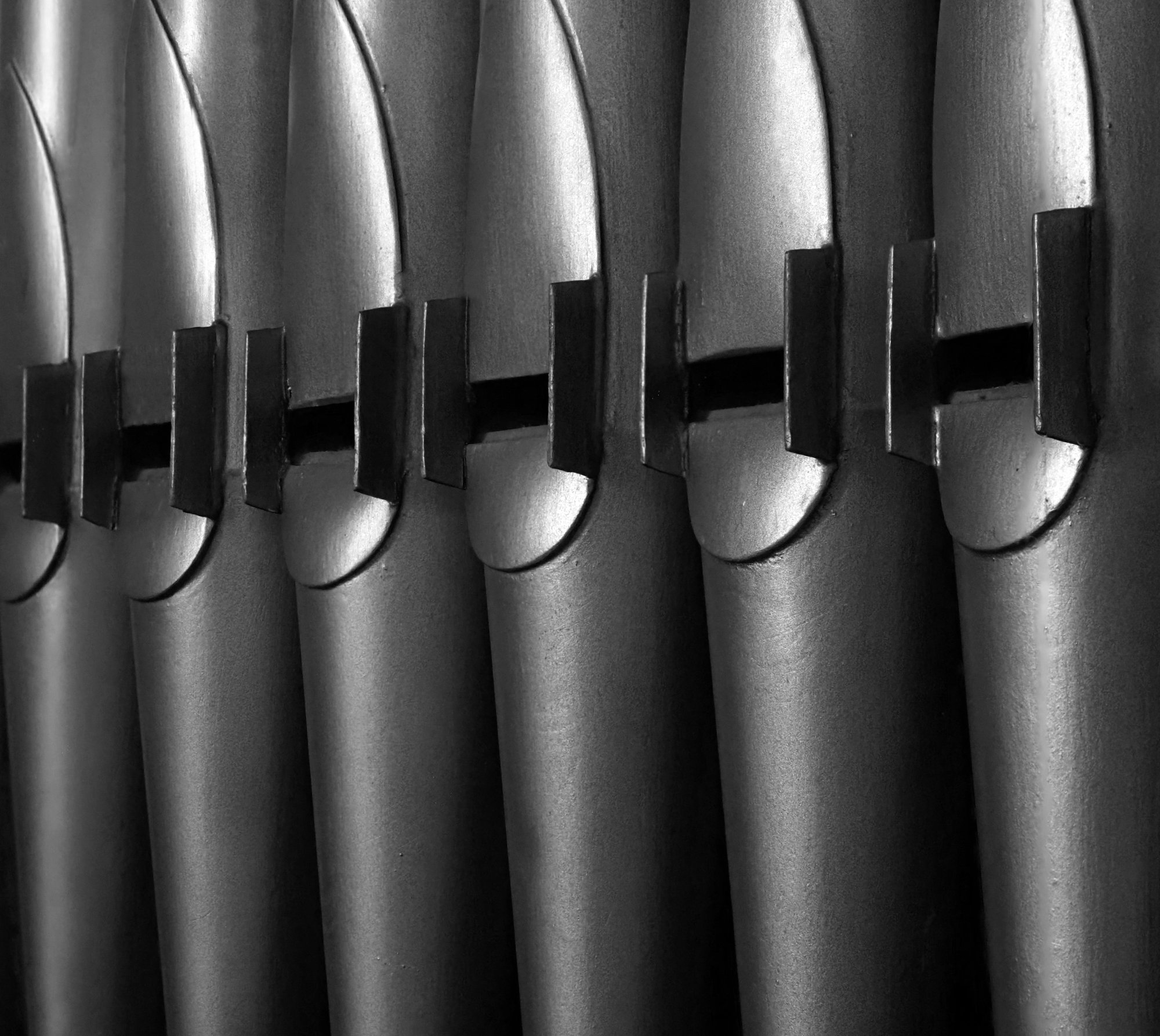
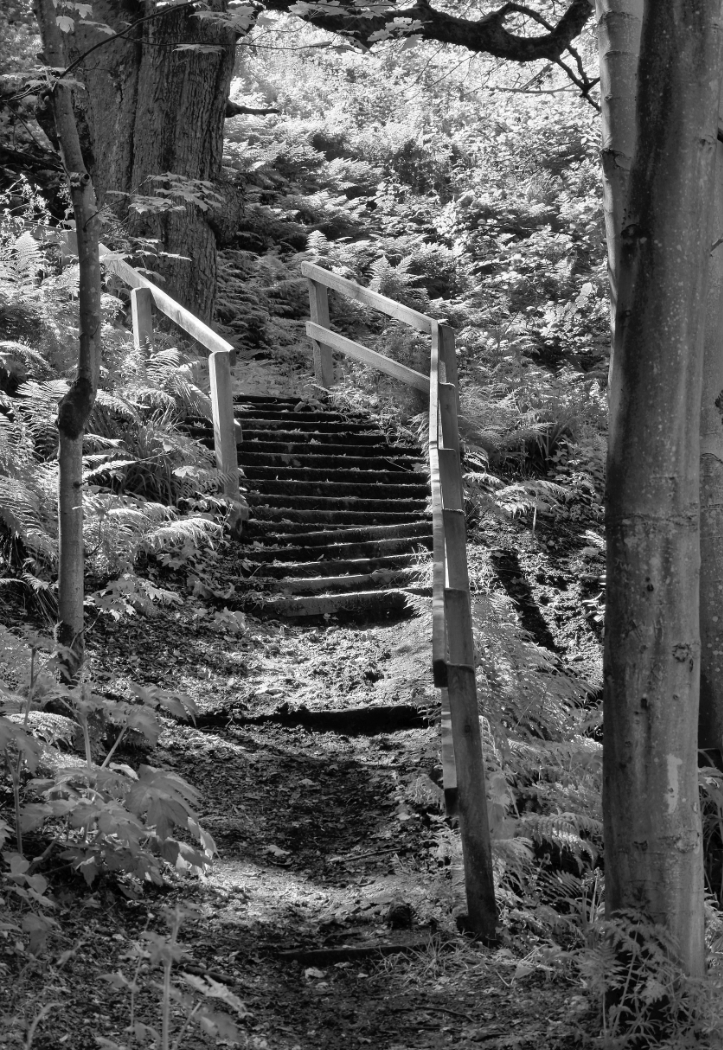
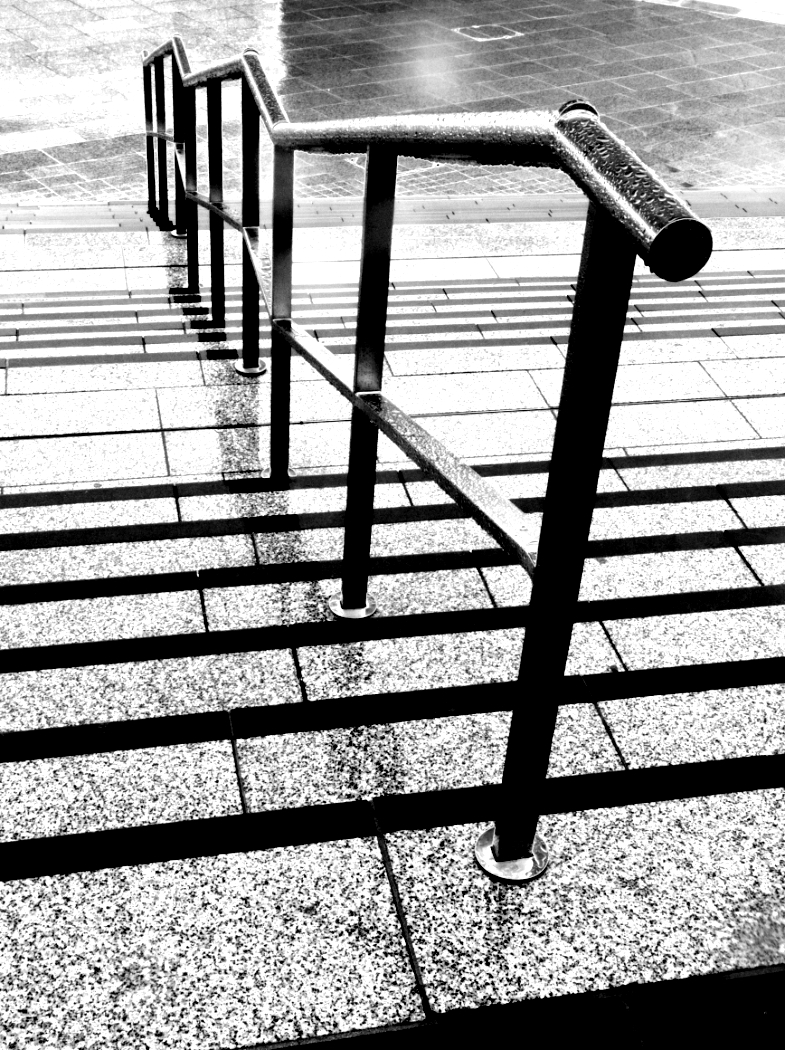
Fascinating. I like the way the bases of the "tridents" on the upper railings seem to point down to the stairs below.I love the tones and textures too. |
Sep 11th |
| 64 |
Sep 20 |
Comment |
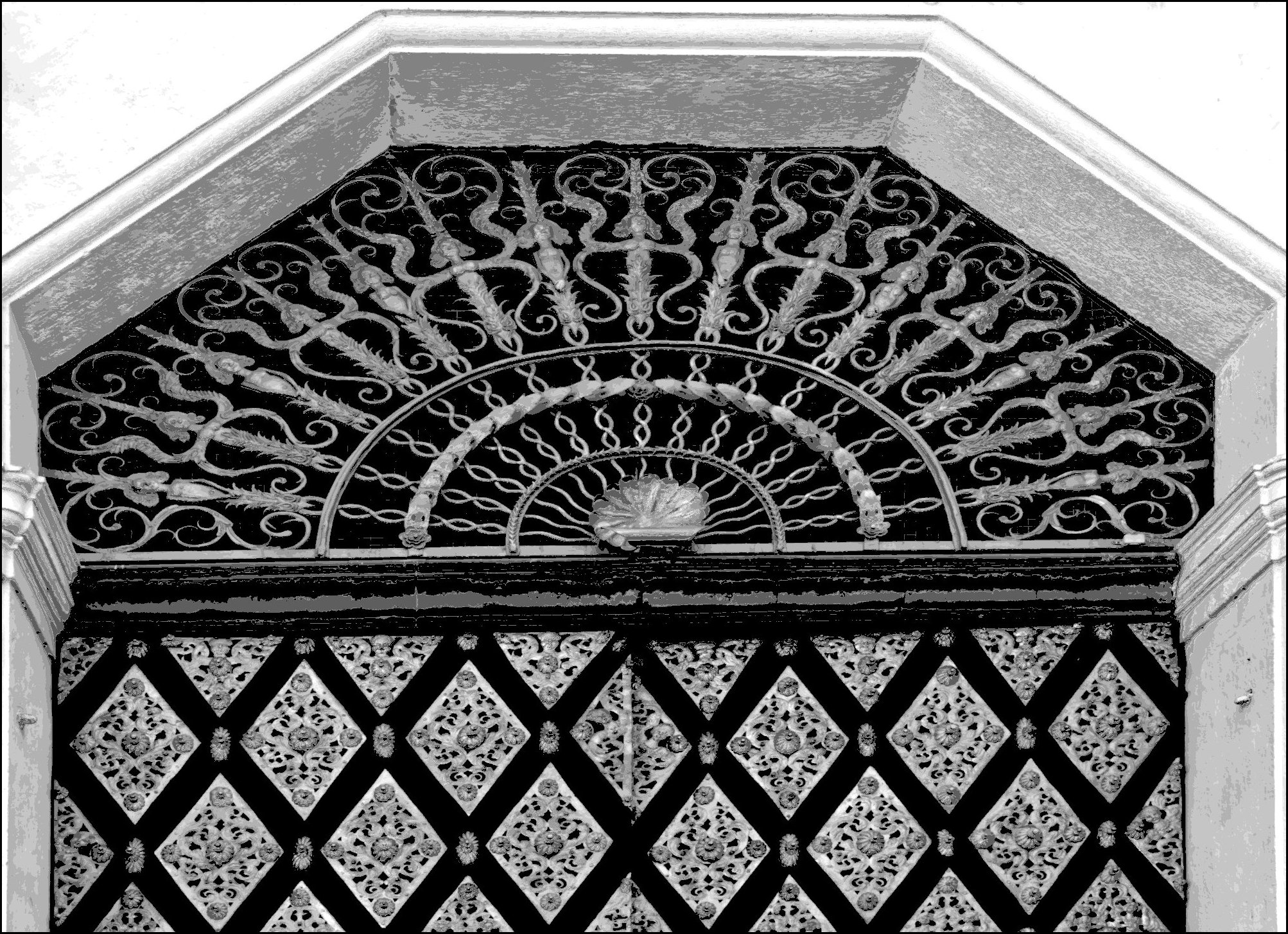
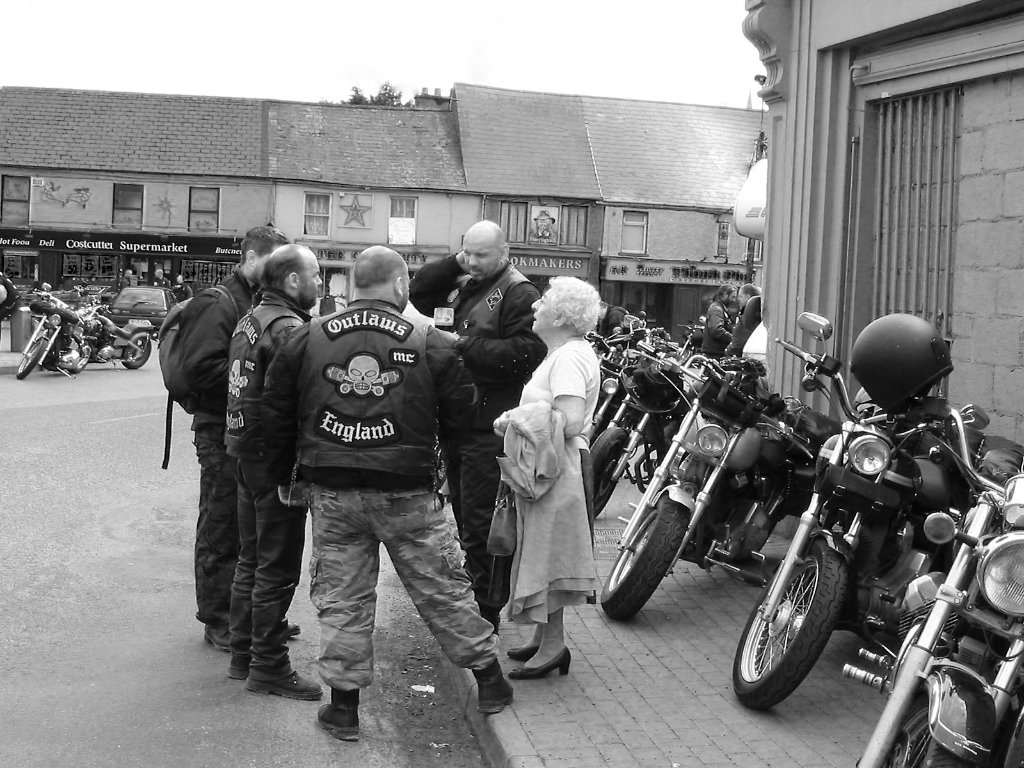
I think it's an attractive photo too, and would echo those comments. My only additional observation is that for me, the top of the stone sentry box and the lintel on the porch are a bit too close, making it a bit difficult to understand at first glance. |
Sep 11th |
| 64 |
Sep 20 |
Reply |
We were shown the current red skies in California on the TV News last night. Reminds me of a similar situation in Sidney Australia a couple of years ago (I also only saw this on TV). Take care! |
Sep 10th |
| 64 |
Sep 20 |
Reply |
I've got to agree with you both! Sorry, I was in a bit of a hurry to find one this month so I was tempted to be bold, but it's hardly exciting.
Next month mine will probably be a monochrome a la links posted by John on the discussion board, so should be more interesting. |
Sep 9th |
6 comments - 3 replies for Group 64
|
| 95 |
Sep 20 |
Comment |
The beauty of Photoshop etc is that everything is undo-able or at worst close without saving and start again. So have a go, personally I learn most things by making mistakes. I use Affinity rather than PS, I don't like cloud based and subscription software. However, they are very similar. Affinity has a colour replacement brush which can do things like that without ruining the texture by replacing all with a single colour. |
Sep 19th |
| 95 |
Sep 20 |
Reply |
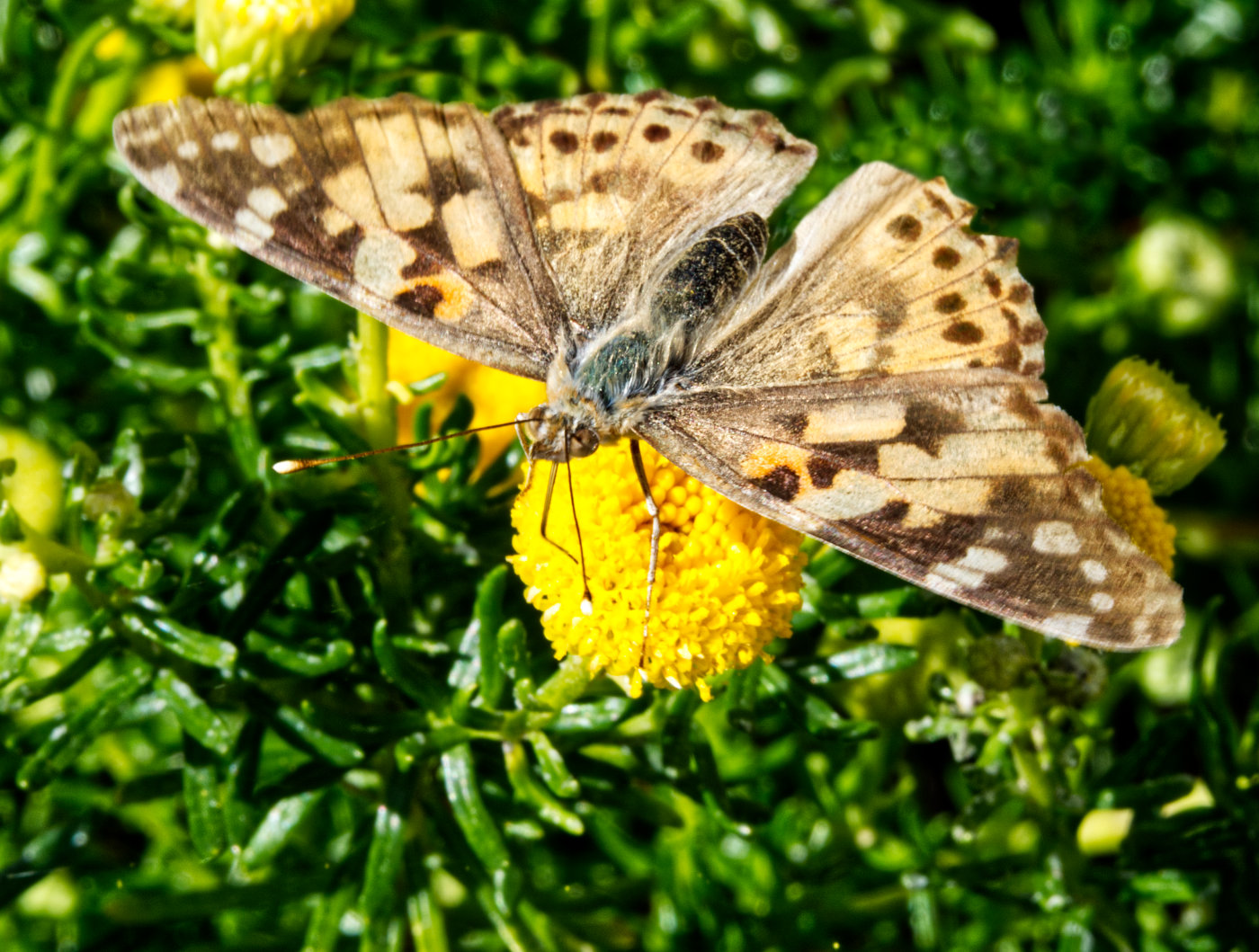
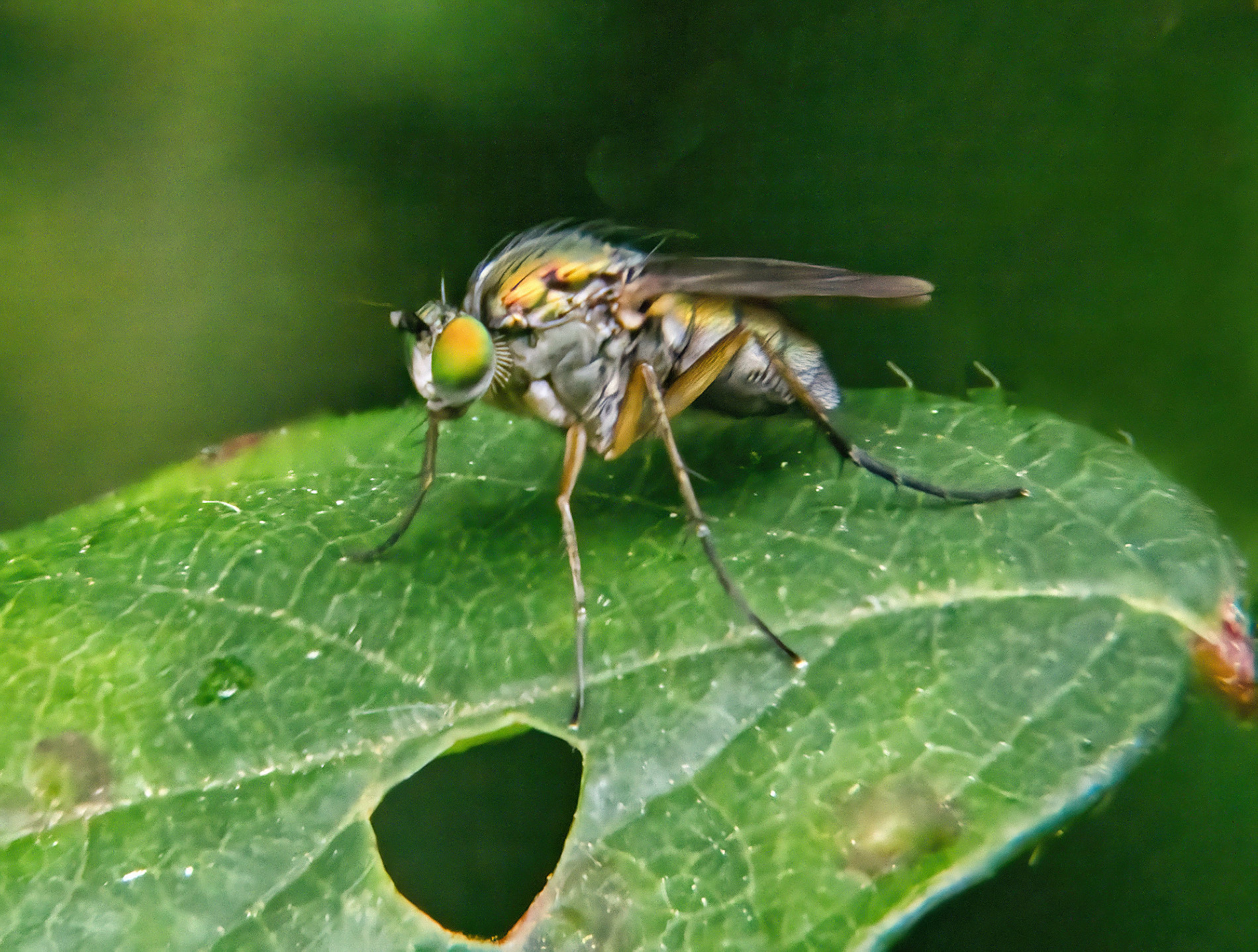
Hmm, a digitally-enhanced macro I think! The original was well below 1:1,perhaps 1:3, so I cropped down and "enlarged" the subject by cloning. Some would say "cheat!", and fair enough it was a bit so, but I do find it difficult to find true 1:1-worthy subjects given an aversion to photographing bugs! Others would point to the extra difficulty in micro 4/3 as subjects have to be half the size to fit on the sensor at 1:1 compared to a full frame equivalent. In that case the original was more like 1:1.5. So I think it's a blurred subject. (Pardon the pun.) |
Sep 18th |
| 95 |
Sep 20 |
Reply |
You're welcome. Tom and I are always happy to explain when we can! I hope you don't mind if I tell you things you already know, enthusiasm can carry me away sometimes! |
Sep 13th |
| 95 |
Sep 20 |
Reply |
Hi Barbara,
The key thing is to move the camera an appropriate amount each time.If you take too few so their sharp regions don't overlap, then you get an unusual result and i suspect tthat's what has happened here. With digital, it's best to take too many photos and discard ones focussed too close or too far away when you inspect them. There's no such thing as "too many" in the area you want to be sharp, although obviously there's little point in taking many times more exposures than are needed. Ideally you find the depth of field and move the camera say 50% of that each time. how to do that? Well experience is one way from trial and error, but there are charts and software on the internet which can calculate the depth of field. here is one which I like -https://www.dl-c.com/DoF/ Sorry if you are Mac, they only do Windows and Android, but there are plenty of others.
This site has lots of good information and some tutorials -
http://extreme-macro.co.uk/focus-stacking/
Another way to decide how much to move the camera is to take a single frame of your setup and then look in its EXIF. The following is again Windows, but Macs can show the EXIF as well of course. Get this program https://exiftool.org/ then install it and put a shortcut to it on your desk top. Then after putting your photo onto you computer, drag it onto this shortcut icon and by magic the program gives all the EXIF information. Look in there and you'll probably find DoF information (depending on what your camera saves into its EXIF data). Here is some from the EXIF of a photo I chose at random, taken by my Olympus -
....
Shutter Speed : 1/30
Aperture : 4.0
Extender Status : Not attached
Circle Of Confusion : 0.015 mm
Depth Of Field : 0.002 m (0.294 - 0.296 m)
Field Of View : 13.6 deg (0.07 m)
Focal Length : 60.0 mm (35 mm equivalent: 120.2 mm)..........
This is just a small part of the output, and was some of the information near the bottom of the results. As you can see hidden in there is the line "Depth of Field 0.002m" (ie 2mm)and the range in focus for this photo is 0.294 - 0.296 m.
(As an aside, this photo was less than 1:1. You can see it was focussed on about 300m (0.3m), and for a 60mm focal length lens, the focus distance at 1:1 is 120mm),so the photo was only about 1:2 or 1:3. At 1:1 the depth of field would have been under 1mm, all other things being equal. Alas my EXIF doesn't go down to under 1mm.)
Any of these can give you a good idea of the amount to move the camera each time. But trial and error is also good since digital photos cost very little!
|
Sep 12th |
| 95 |
Sep 20 |
Reply |
Still sounds like 3 hands (if not 4!) were needed! |
Sep 12th |
| 95 |
Sep 20 |
Comment |
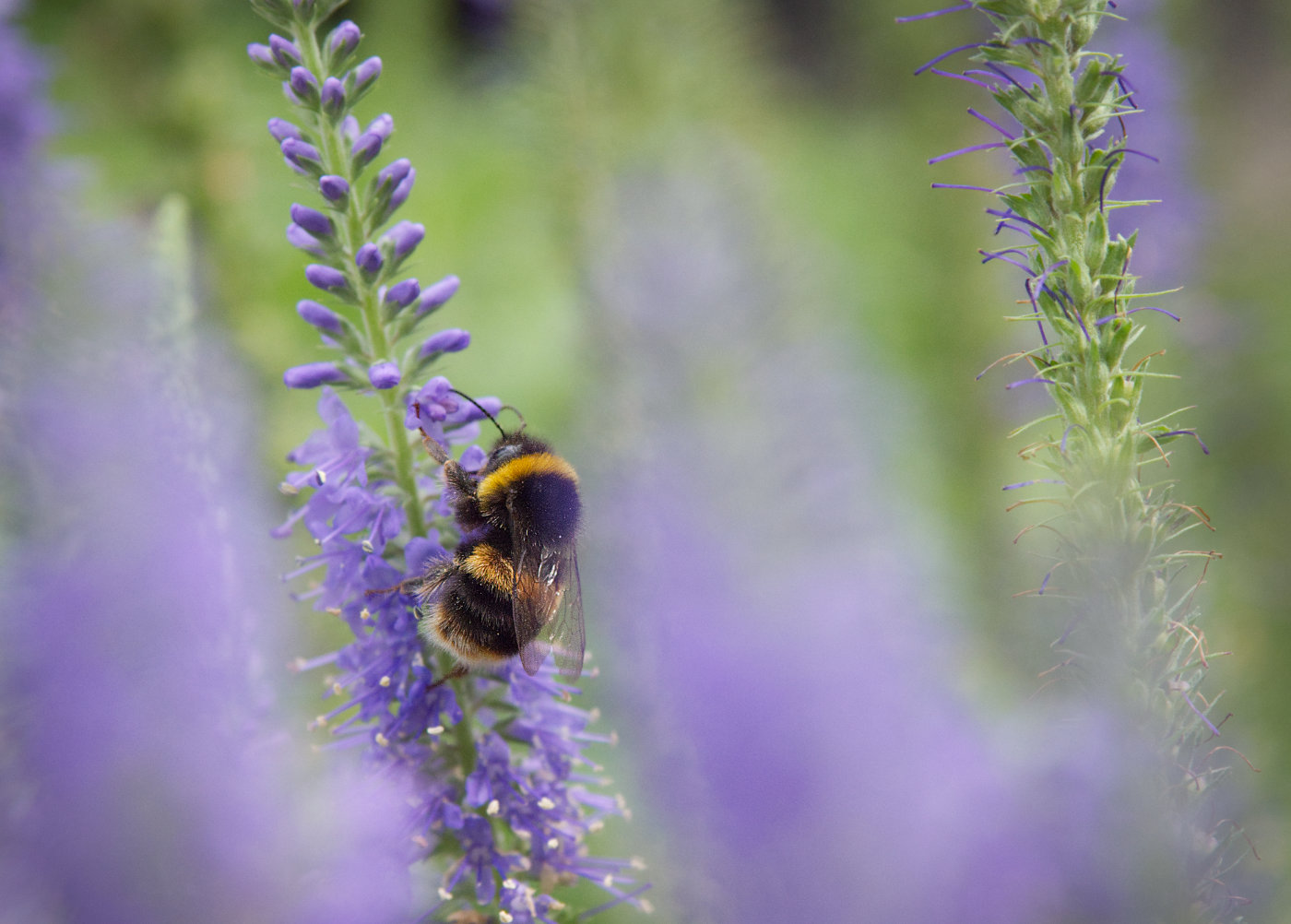
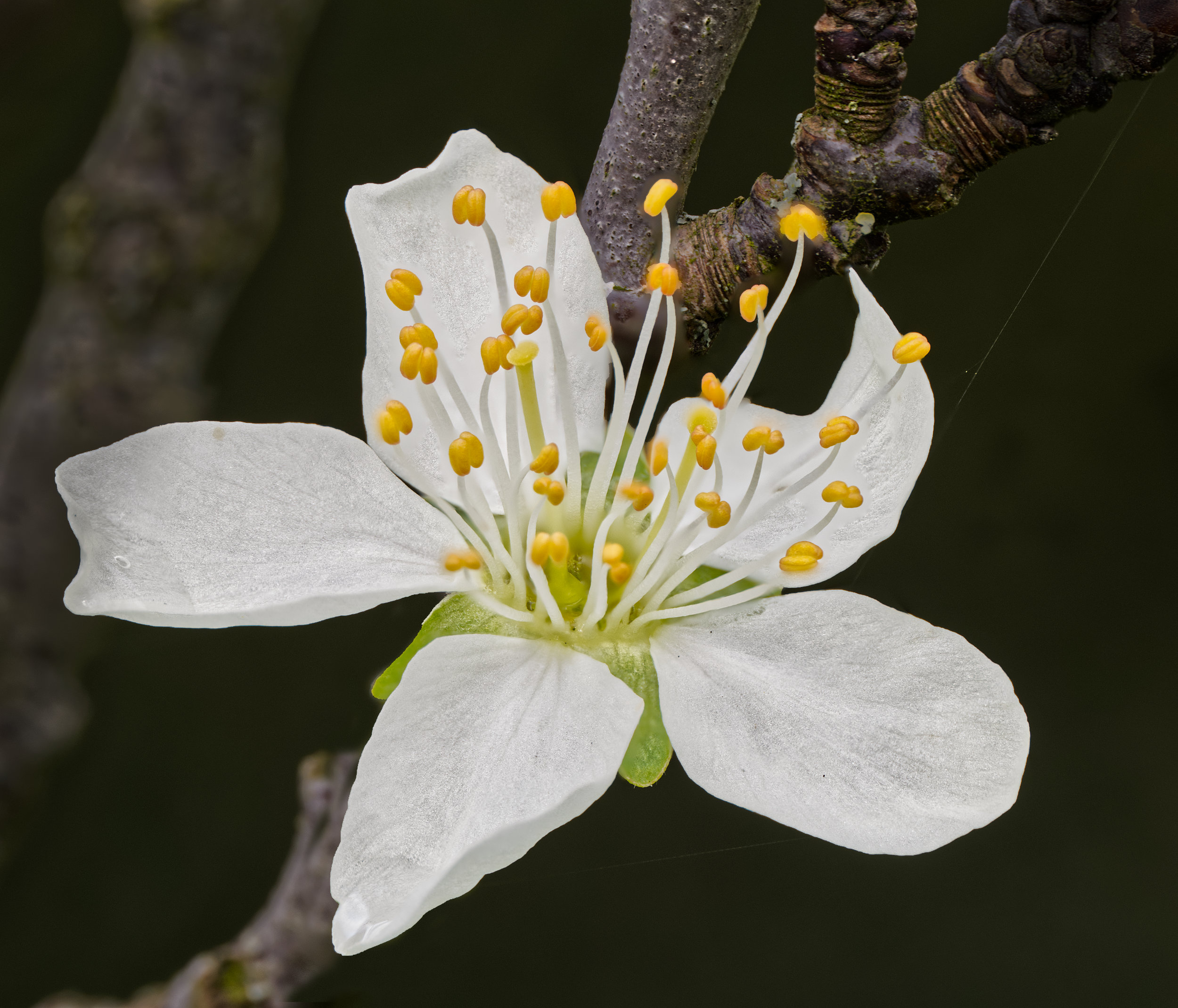
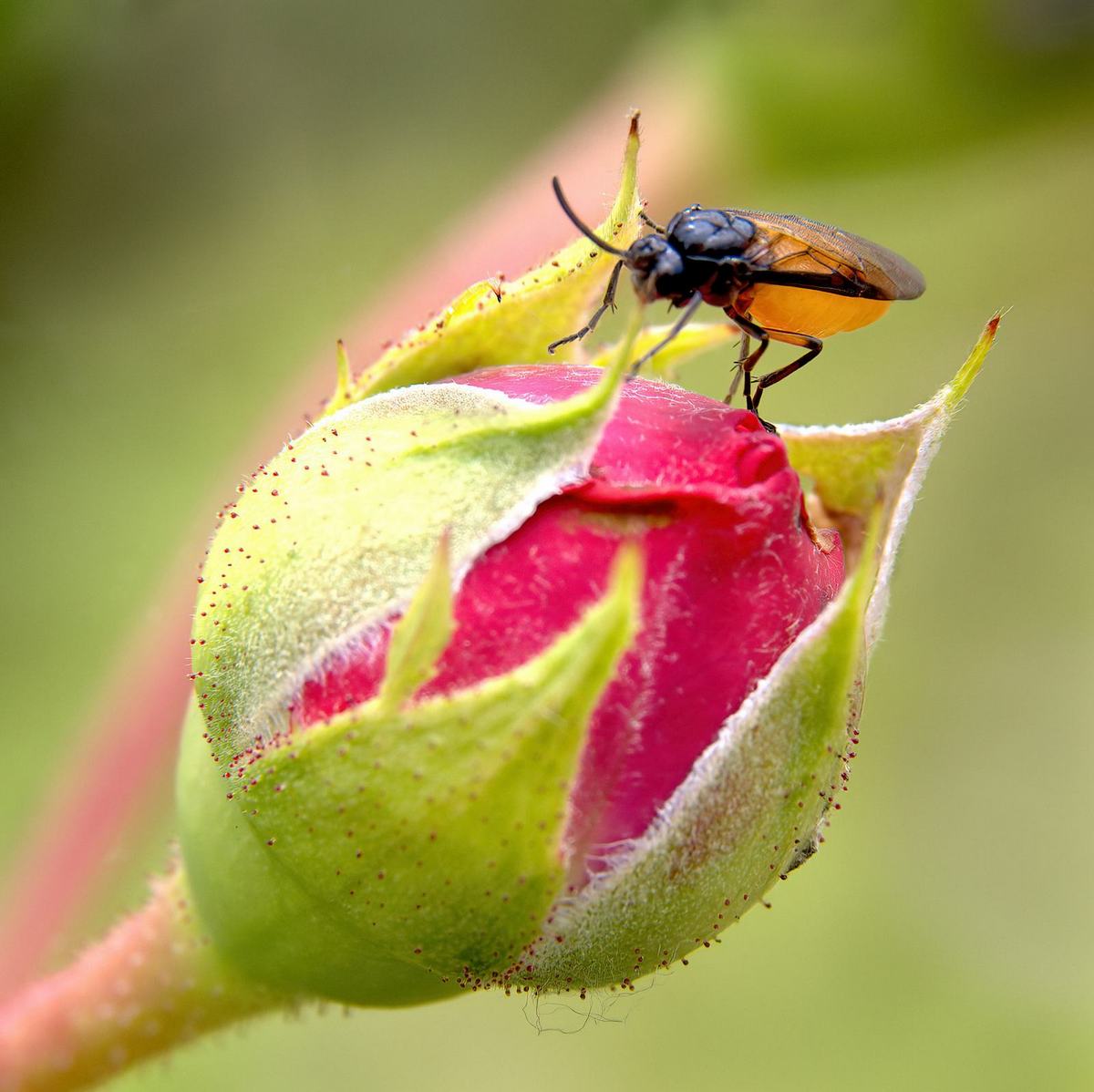
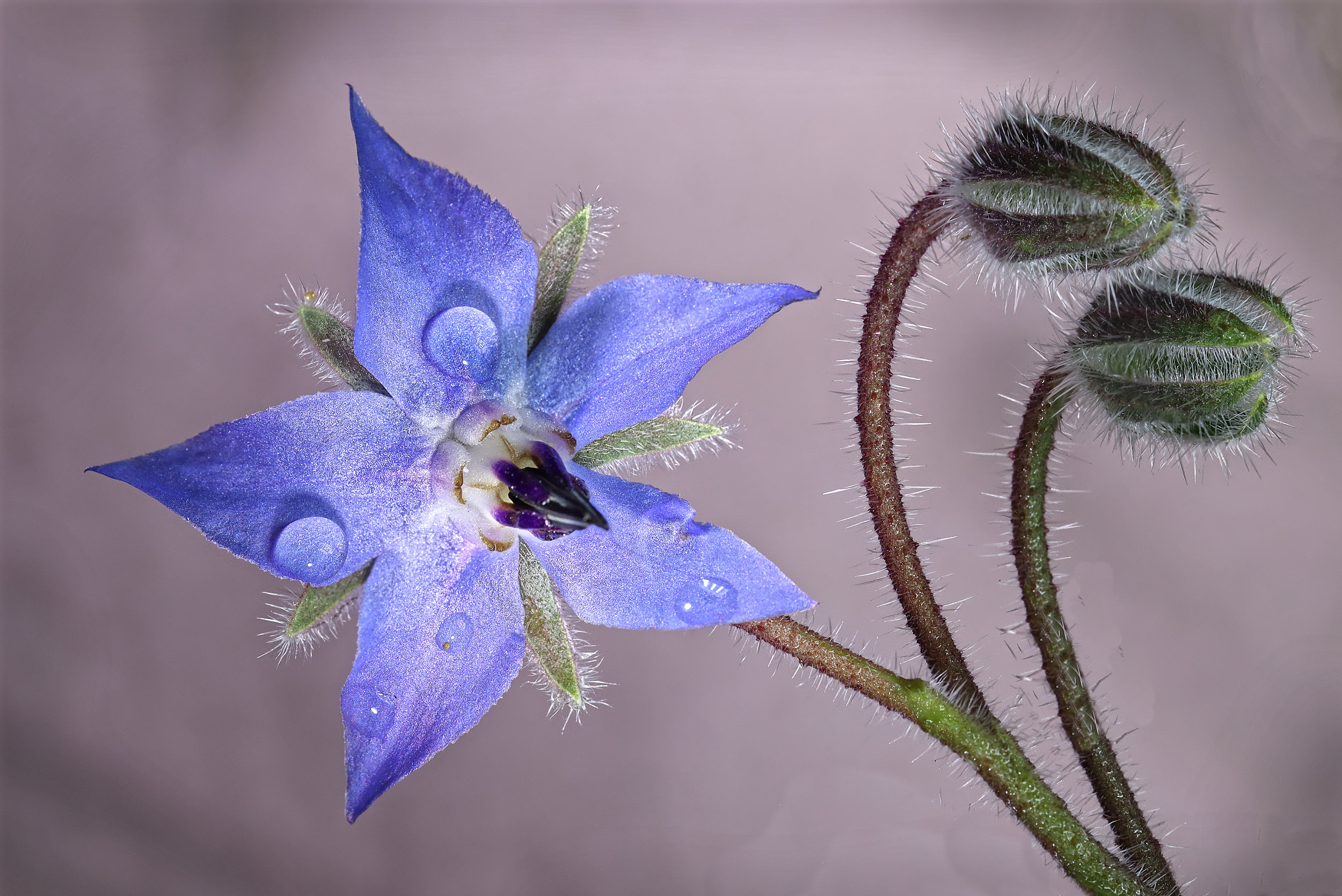
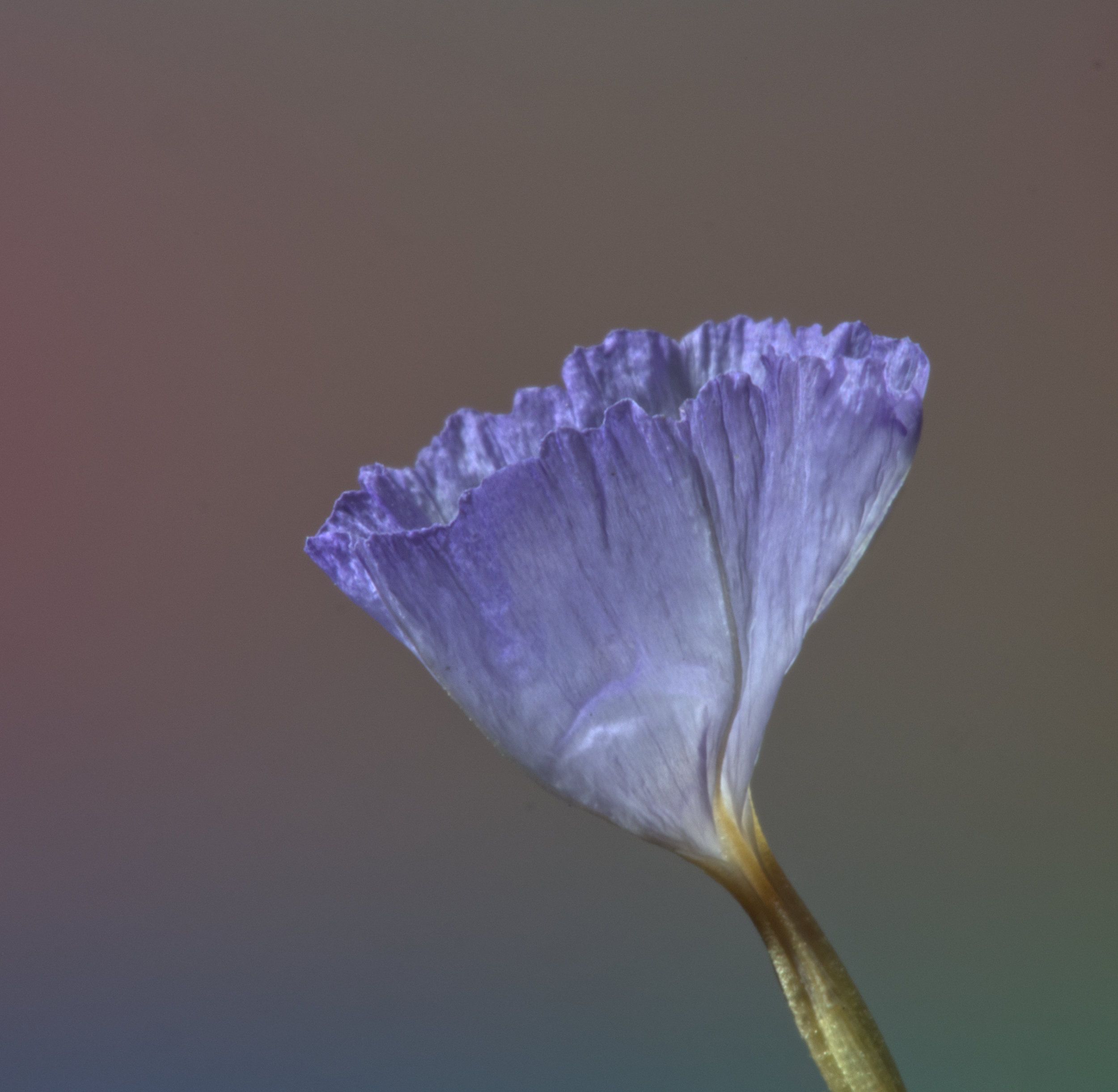
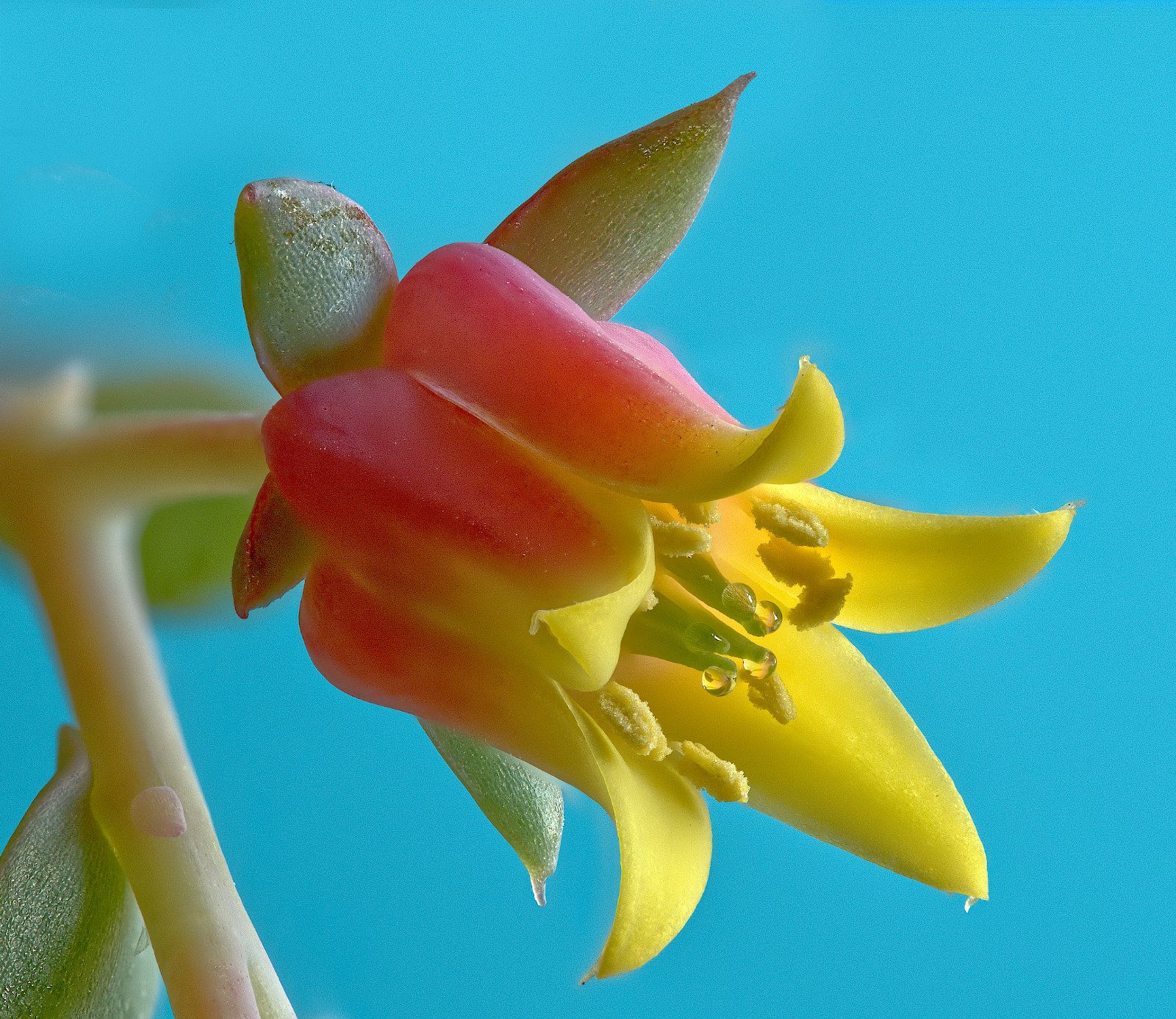
It must have been quite low light in there for ISO 5000! The result doesn't suffer from too much noise despite that, so it was a good call to keep the shutter speed high enough for hand held and apertures fairly small.
A nice flower and composition. Following my "for a sense of calmness, make the flow left to right" principle, I'd have flipped it horizontally.
Alas despite that, the depth of field is inadequate to get all the flower in sharp focus, I'm sure you'll agree? Even the sharper parts are a little soft. Did you take a jpg (in which case the camera will have done some sharpening) - if not, then adding some clarity might have helped. It might anyway.
Depth of field is THE critical macro technical skill. It doesn't all have to be sharp (as I delight in practicing) but the sharpness and blur have to be consistent and logical I think. The blurred background is great here (although I'd darken the lighter parts of background a little to make the flower stand out more) but the flower needs more depth of field to look comfortable to me.
=> Smaller sensor (your Olympus will give more depth of field than your Canon in a given situation. The Olly 60mm macro is a super lens, and there are simple ways to take it to 4x or even 5x magnification if you wish, or double that if you compare subject size to full frame as your yardstick, as some workers do)
=> Smaller aperture
=> Focus bracket and stack
=> Artificial light to get the exposure into a more comfortable region if long exposure isn't possible |
Sep 12th |
| 95 |
Sep 20 |
Comment |
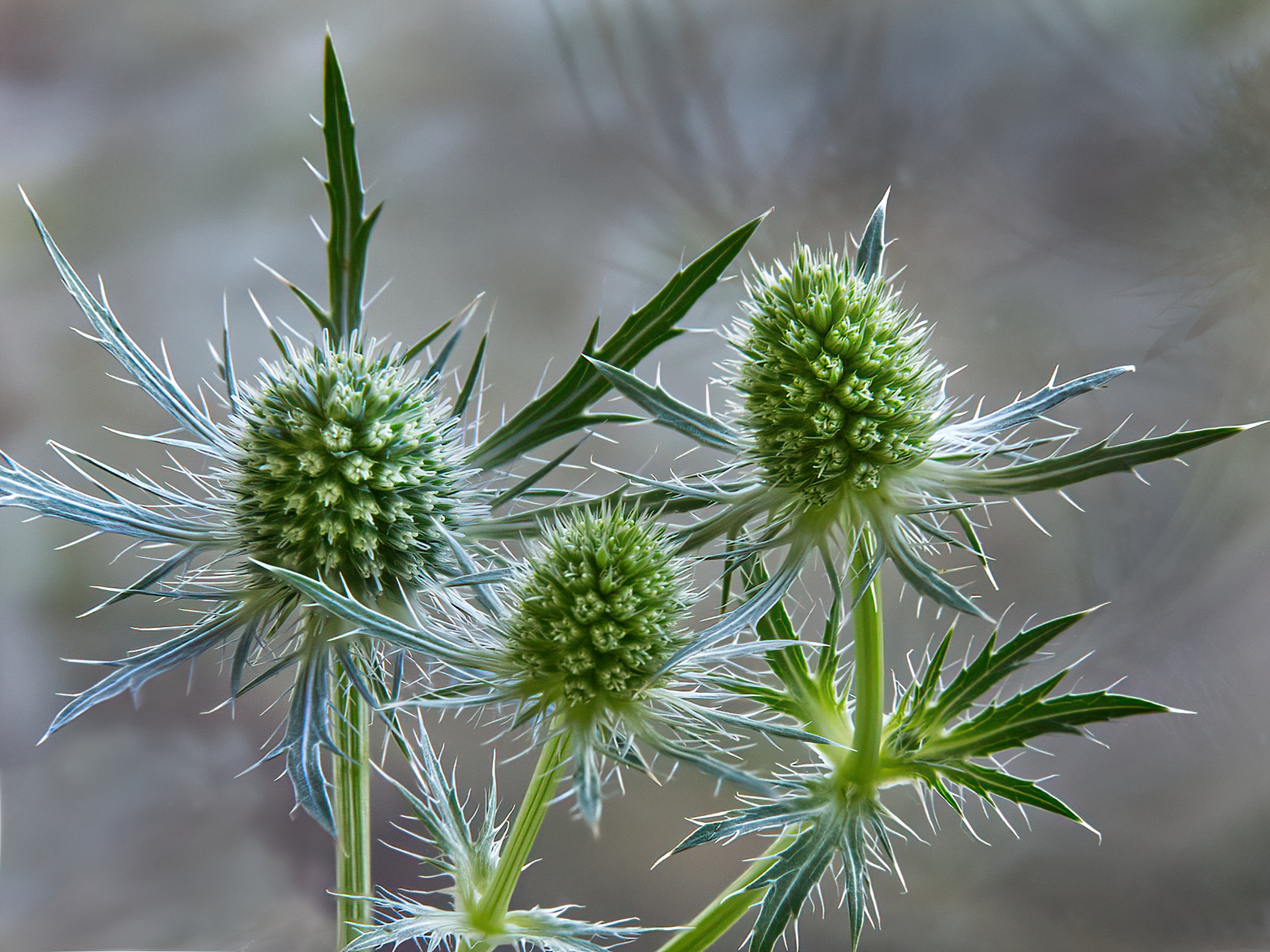
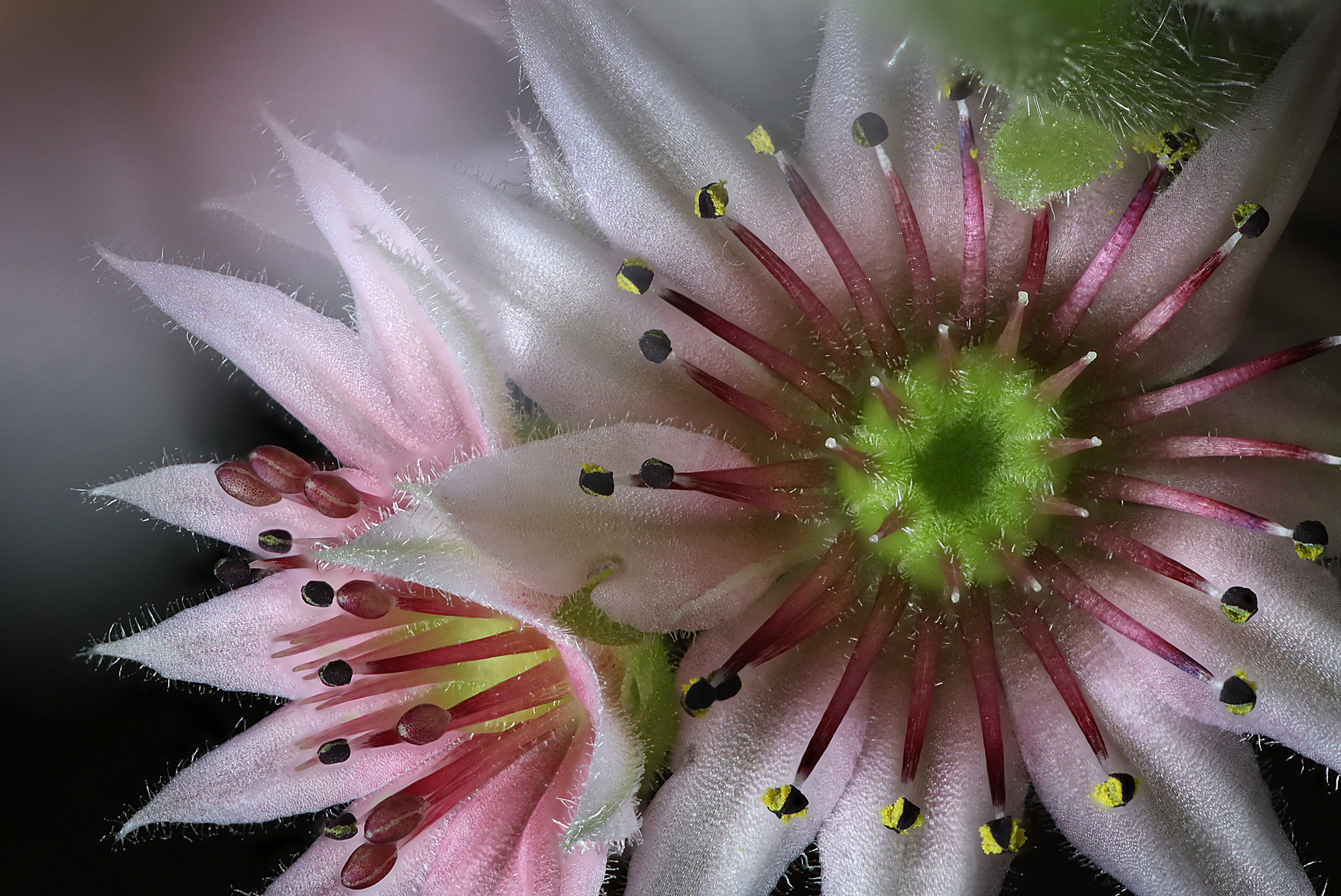
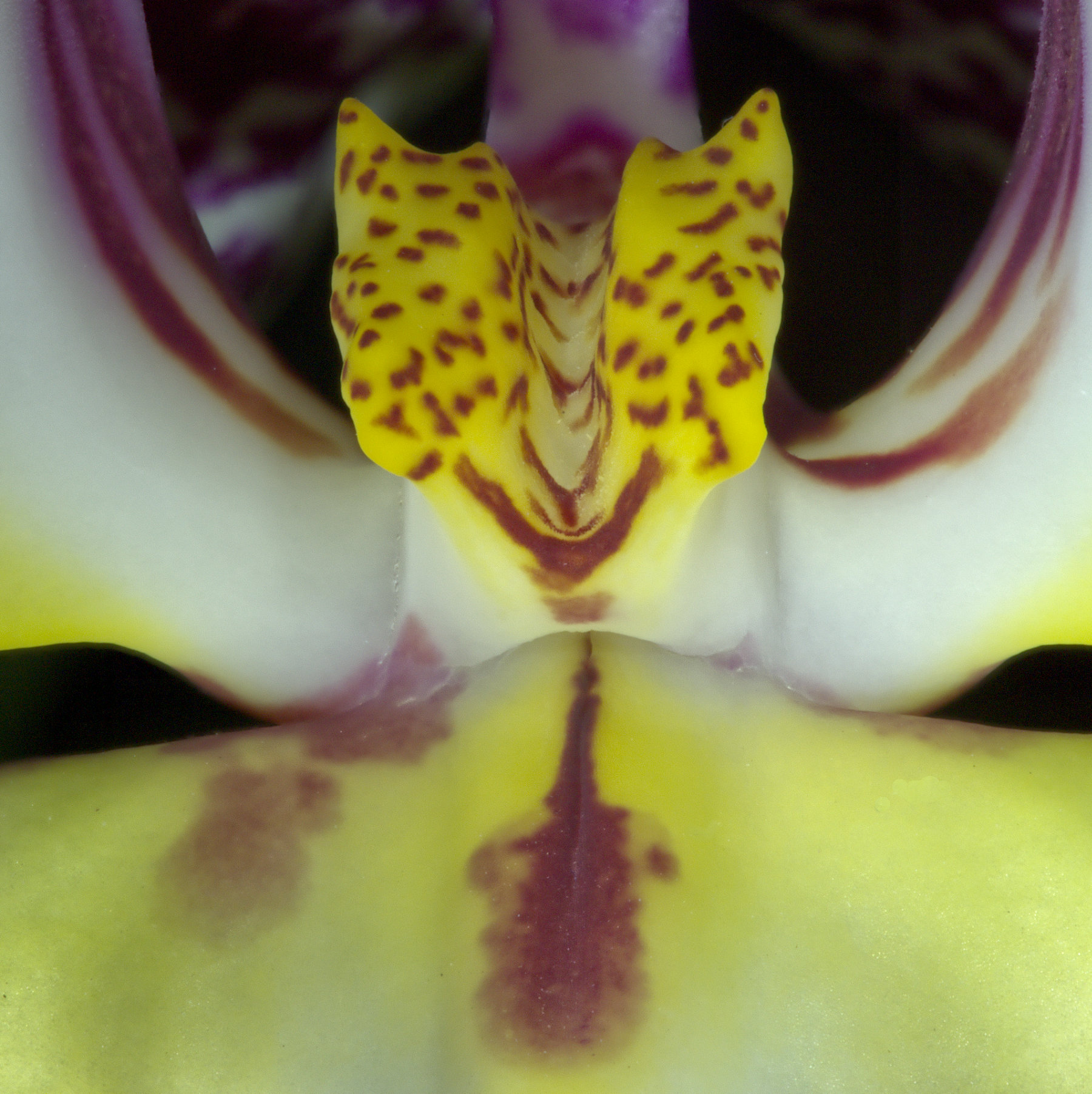
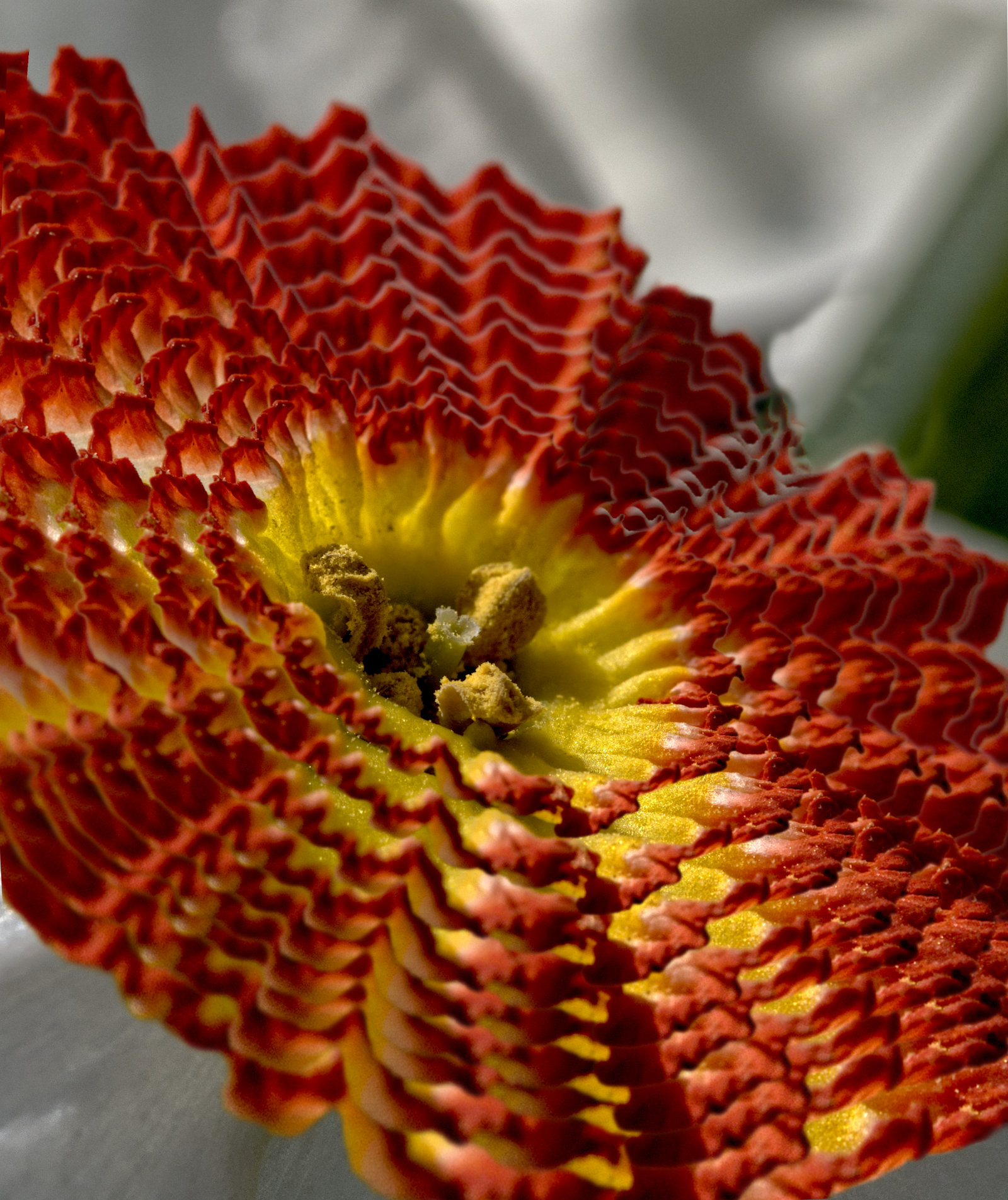
How odd, I was photographing one of these in a local garden a couple of days ago. Quite striking, aren't they?
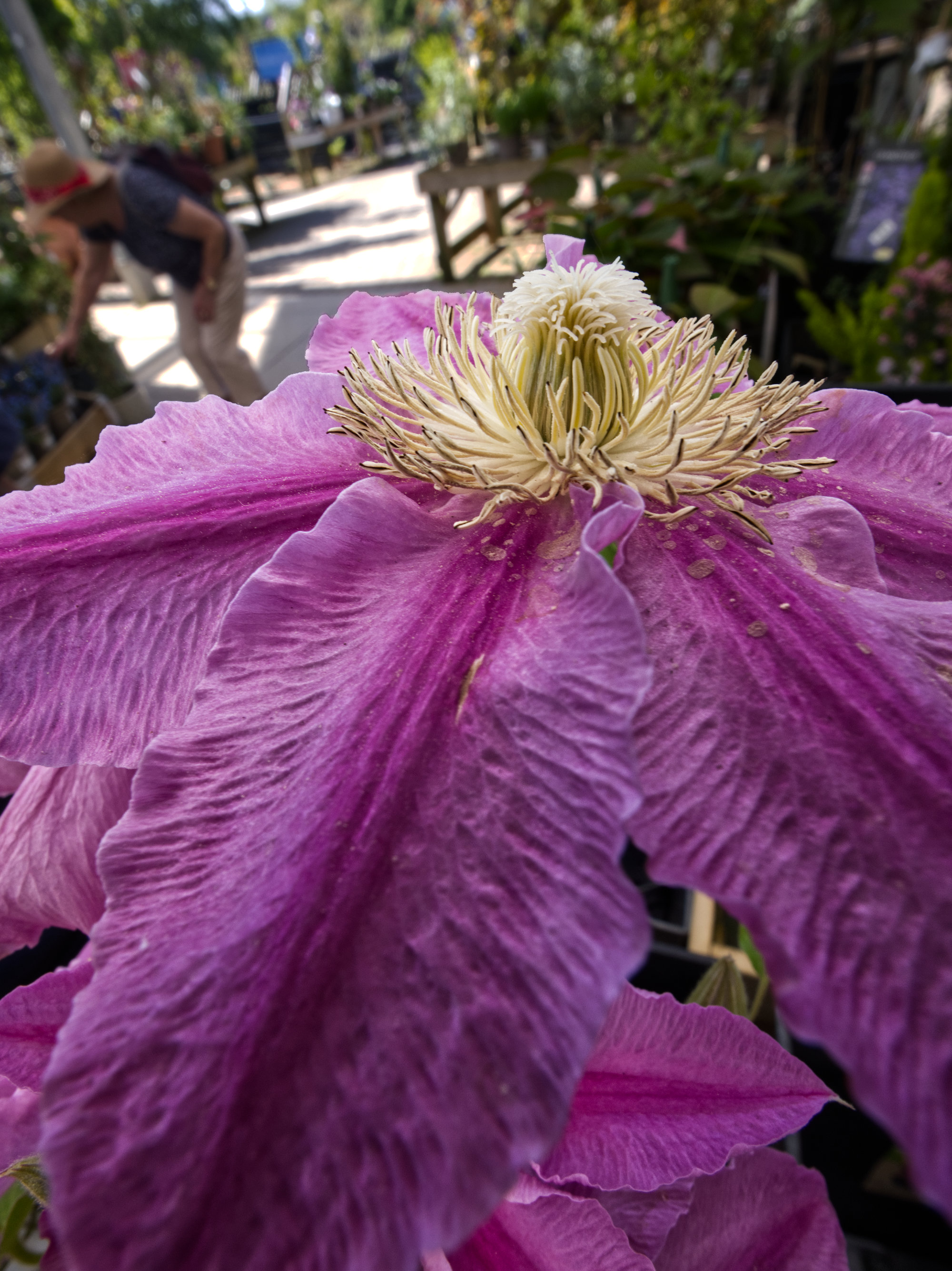
Of course most flowers are too big to take true macros of them if we fill the frame, even for full frame cameras. Taking just a part of the flower is a good way out, and relieves being repetitive. So I like this as a subject. The light is nice with no blocked shadows.
Your composition is interesting, but I would query what you found the real point of interest. I would normally assume that the sharpest part is the part you intended to emphasise and concentrate on. Here we have the centre of the pistil sharp, but also the petal above and to the left of this area. The sharpness is a bit varied as different parts are in and out of the composite depth of field. So I'm not sure what your focus (in the thinking, not in the camera sense) was.
If the subject was the pistil, then I'd have given a little more in view, say 3/4 of it or even all of it. Then I'd have made sure it was all sharp including its fringes, which here are soft. The petals could be sharp, blurred or both as suited your artistic intent. In terms of why your bracket failed to do this, I'd suggest that your steps were perhaps too large, and more, smaller steps would have rendered a sharper stack.
|
Sep 12th |
| 95 |
Sep 20 |
Comment |
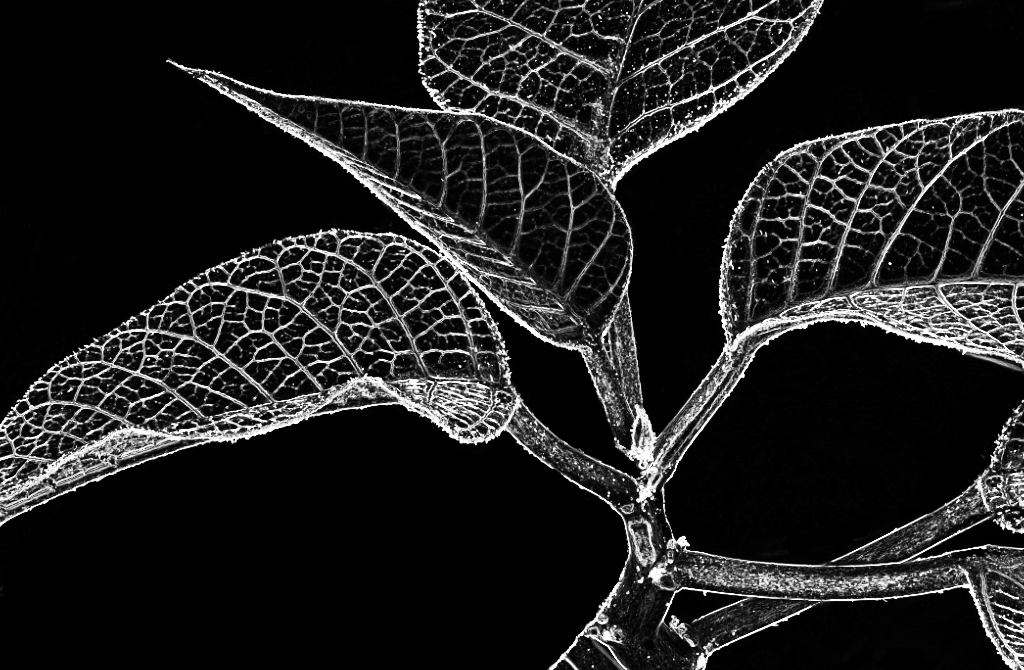
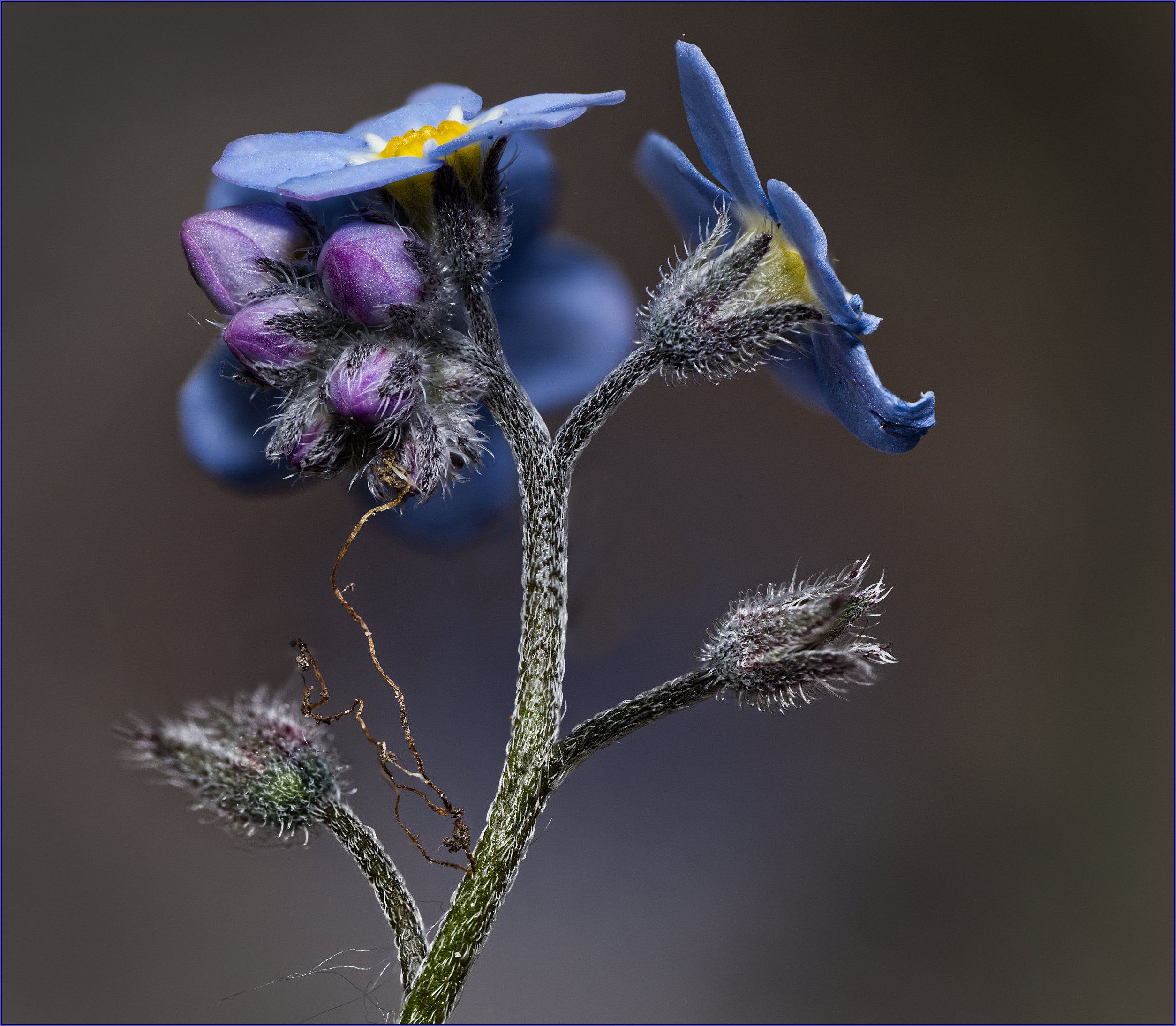
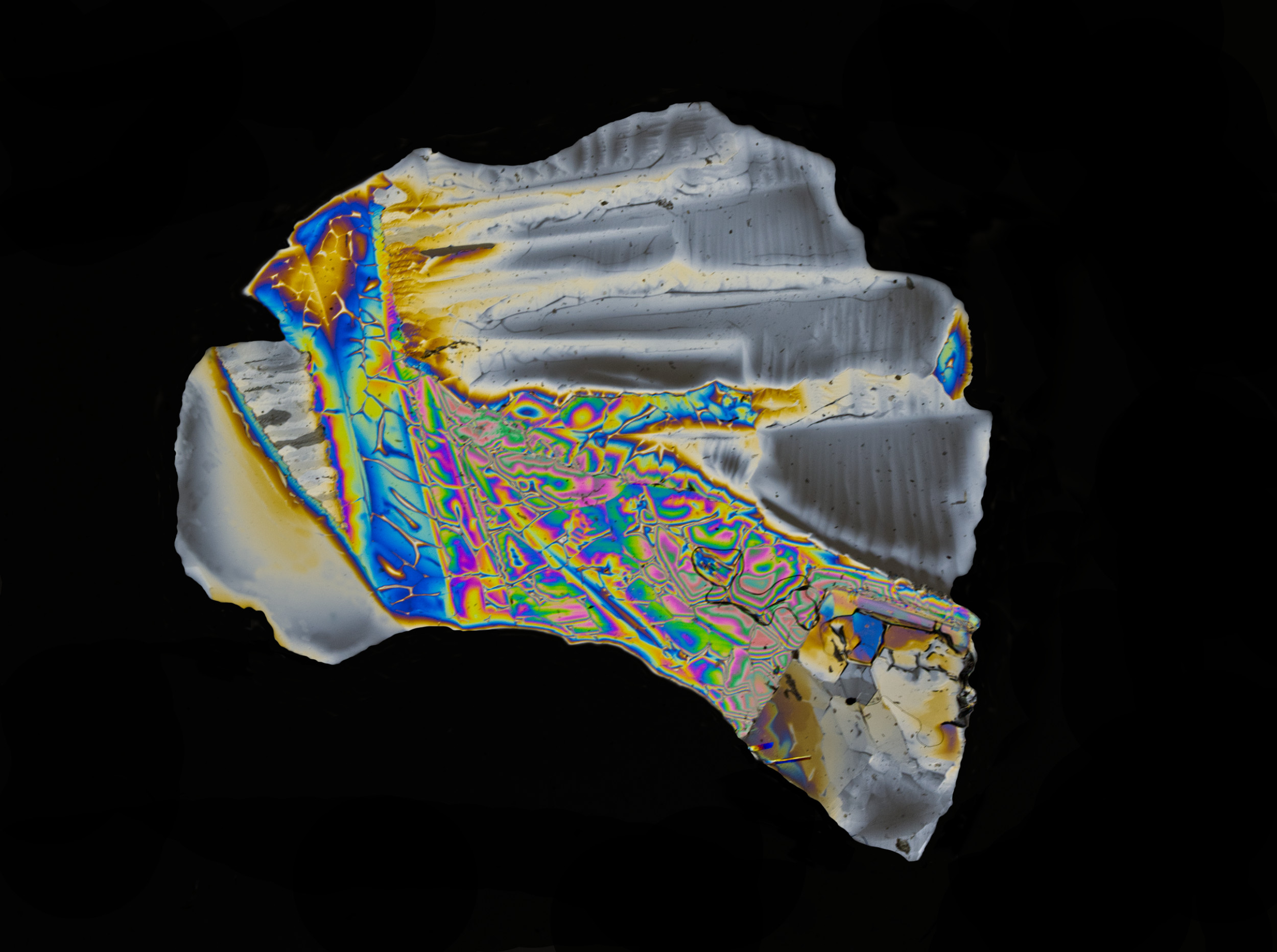
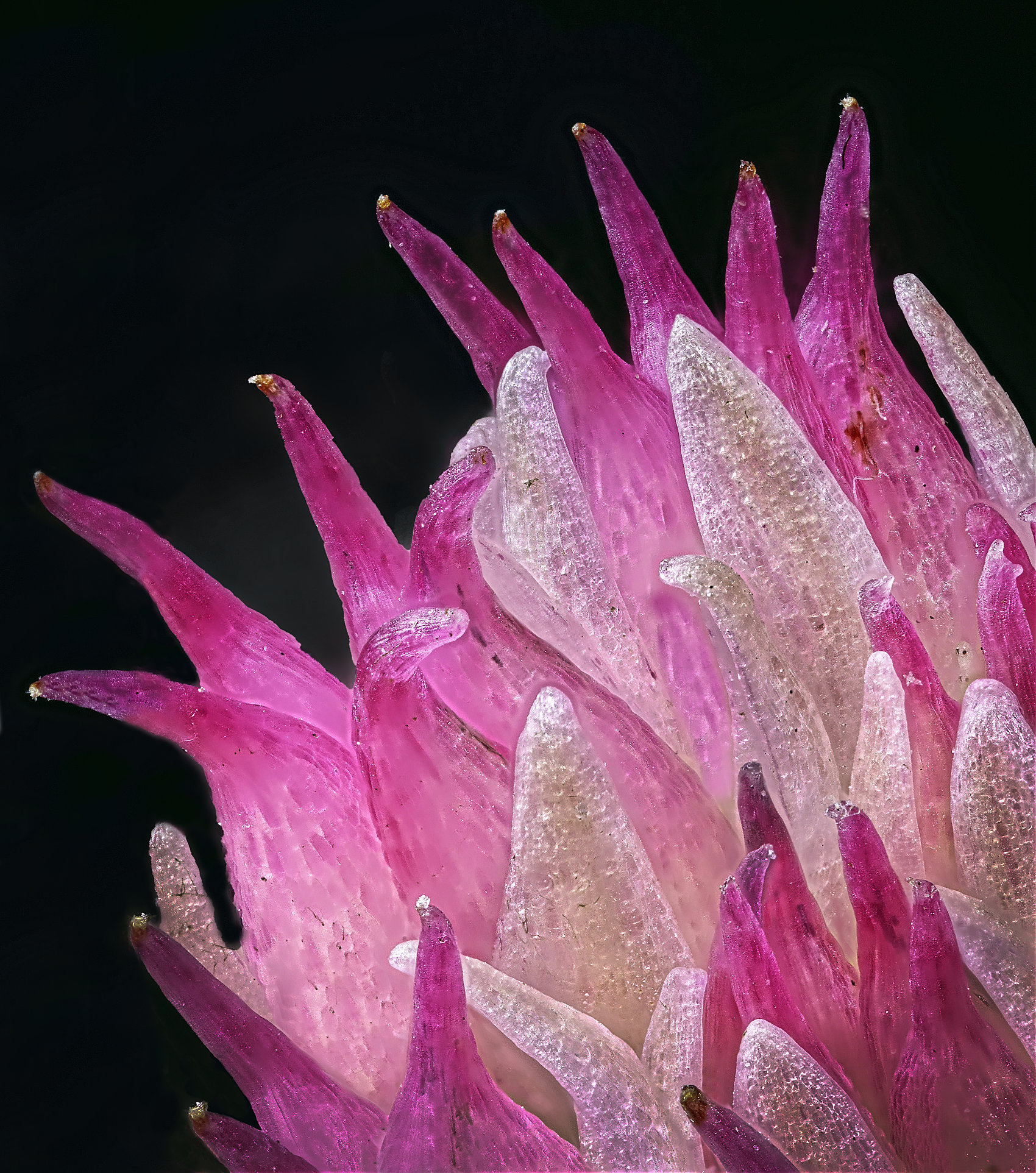
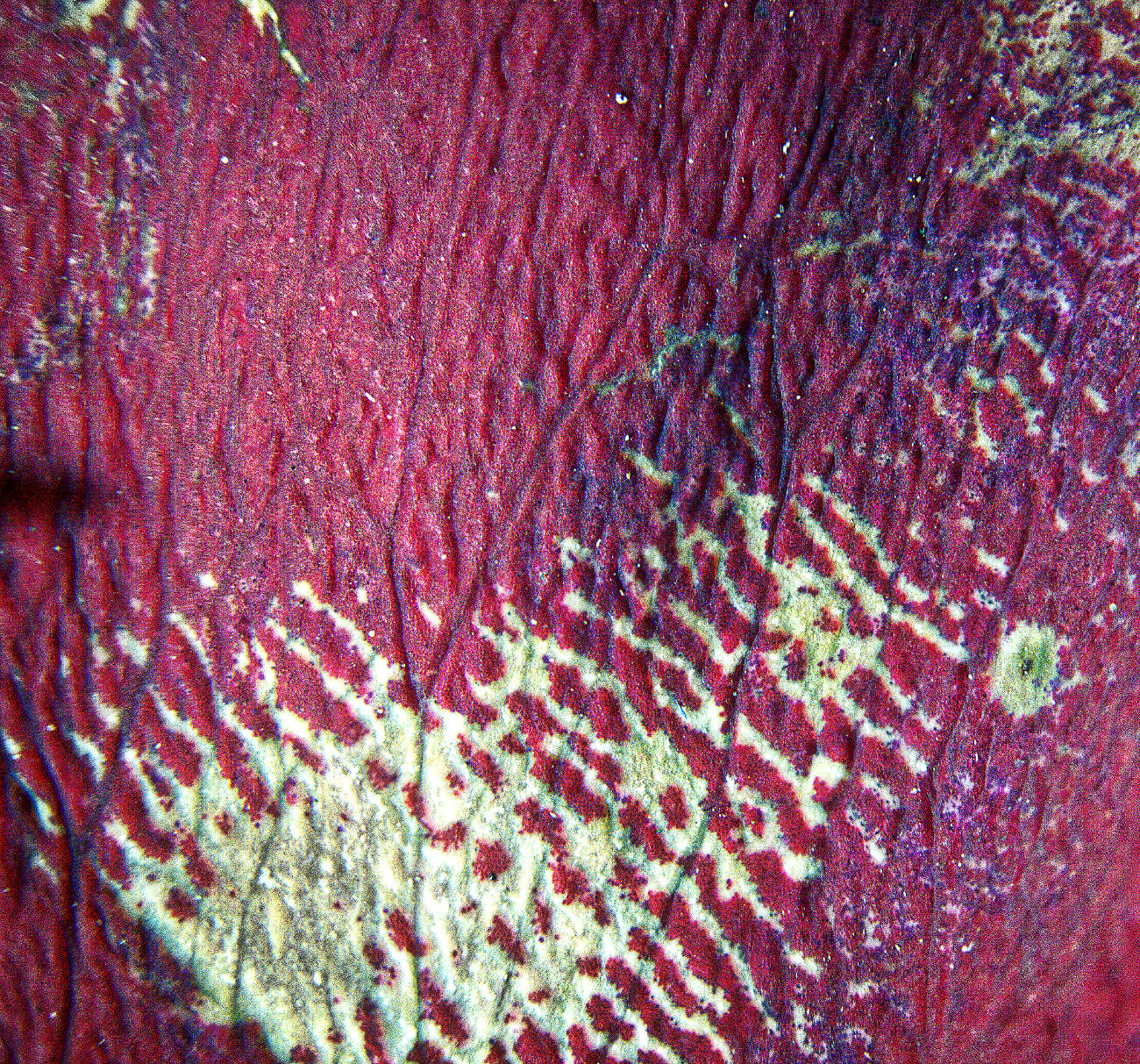
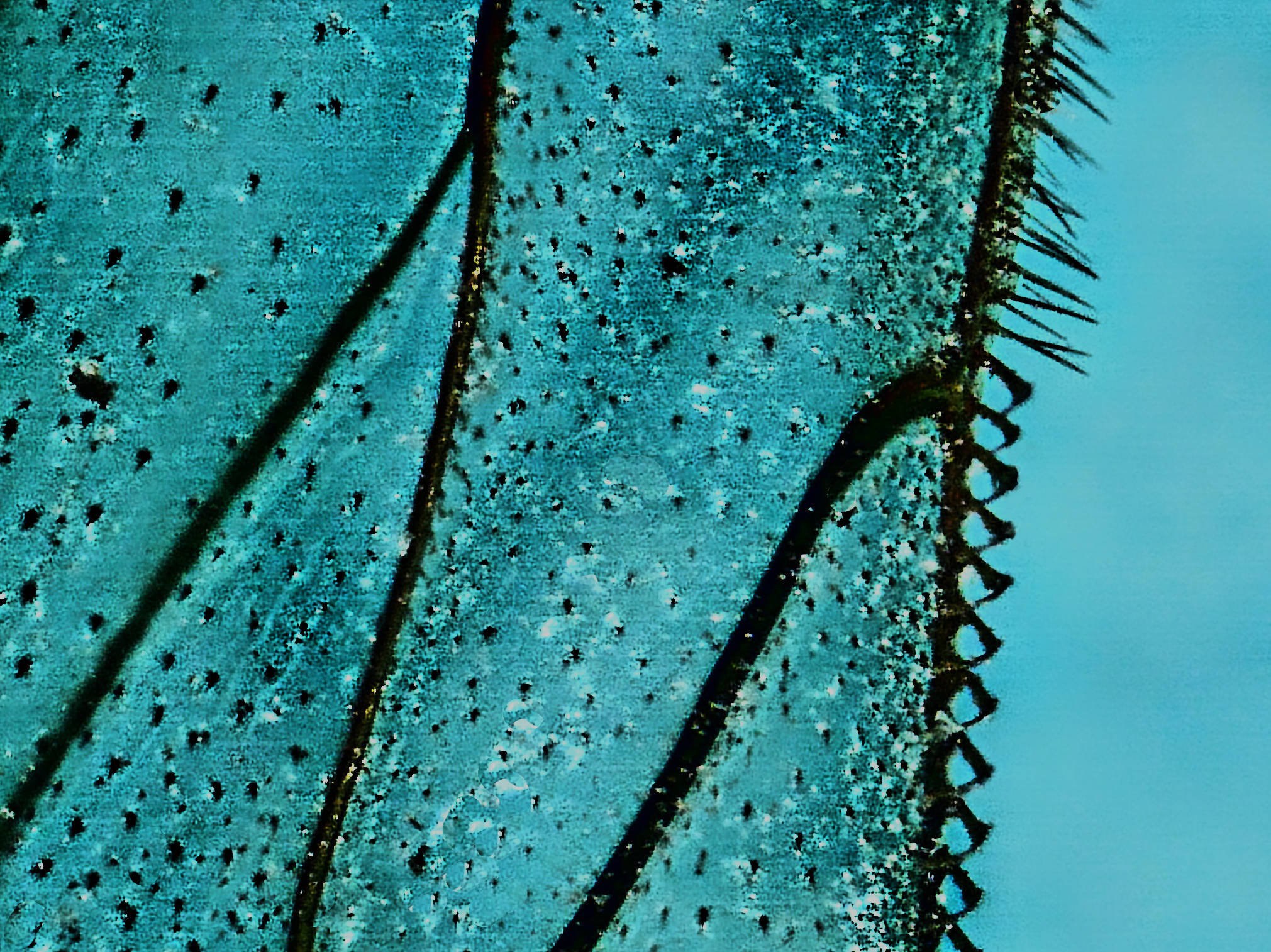
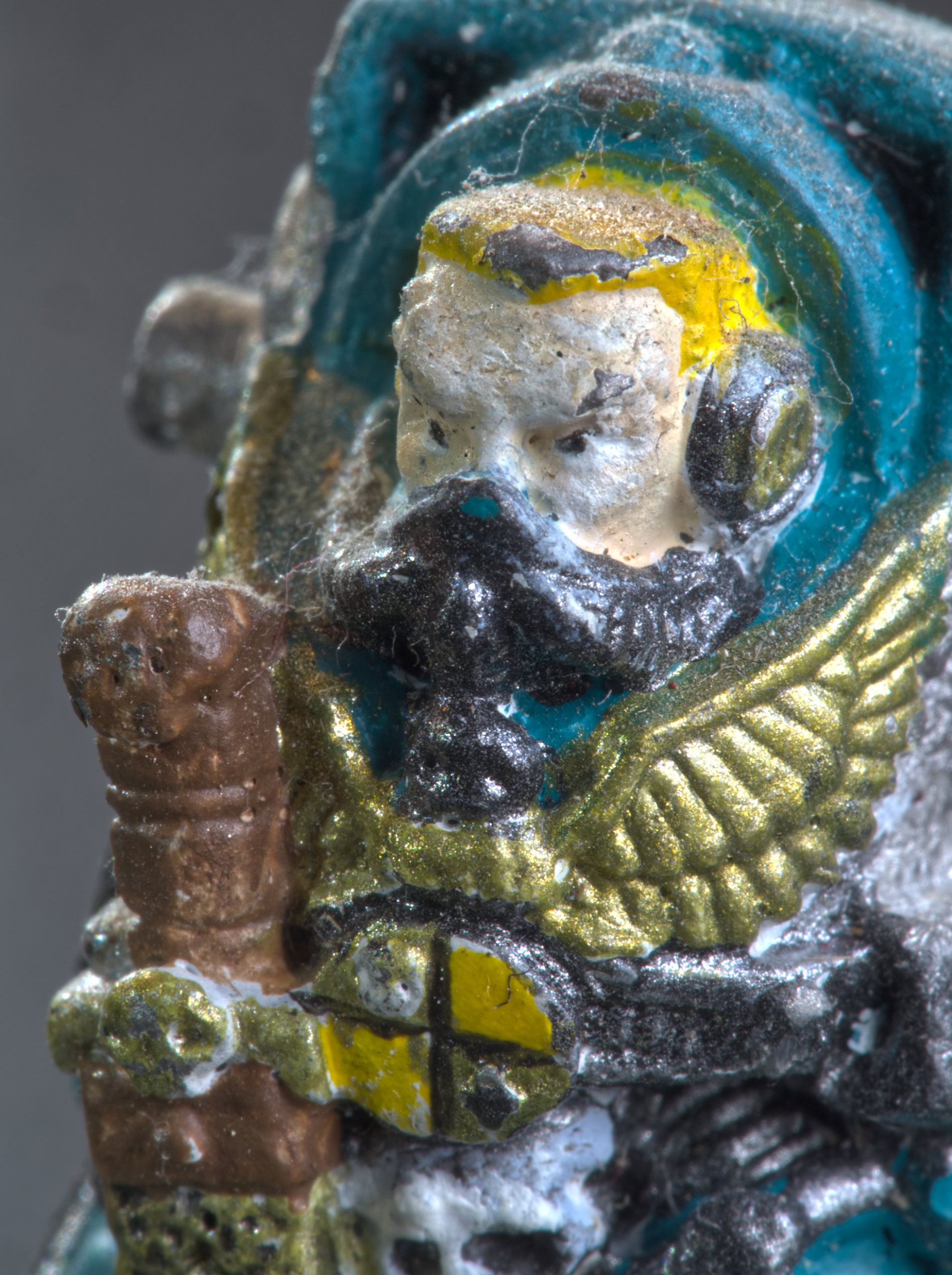
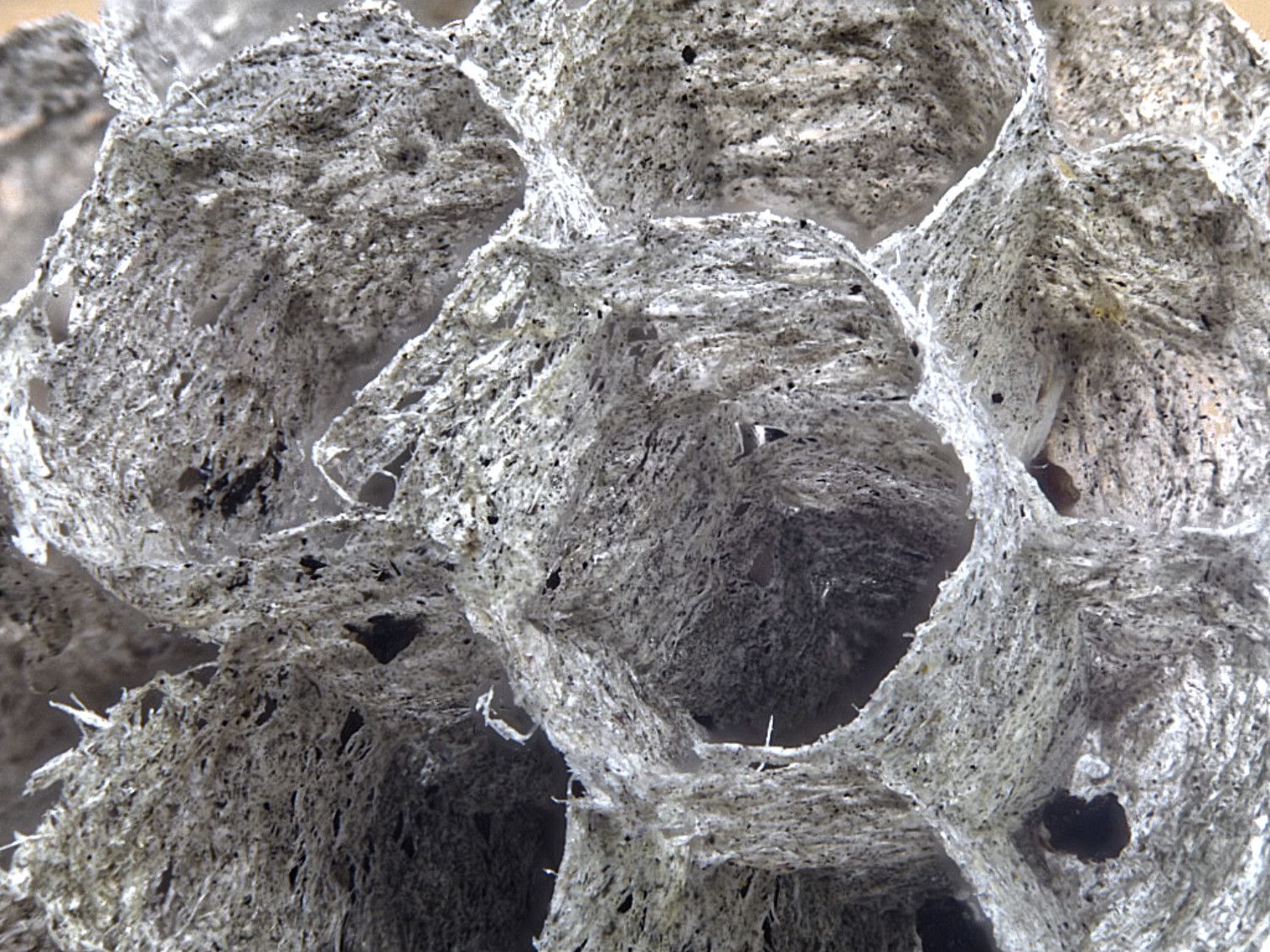
Well, I think it's a lot more interesing than the previous one, Tom, as it has some details to speculate on.
So what are we looking at? Are the sharper lines hairs, and the fainter ones veins? Any idea what magnification you are getting? My gues is it's well towards the microphotography area, and whilst the aperture and sensor size will be quite small (probably unknown?) the depth of field will of course be small, so I think you've done well to get it this sharp. My wife only photographs signatures and writing with hers so the subject is flat and doesn't have sharp edges, so I think you are challenging its capabilities here.
Still, I think it's learning what this simple and specialised camera can do. Maybe a helper to click the button is the best way to ease your operational struggle? Do you mean a mouse click or a physical button? My wife takes her pictures using a software button. |
Sep 12th |
| 95 |
Sep 20 |
Comment |
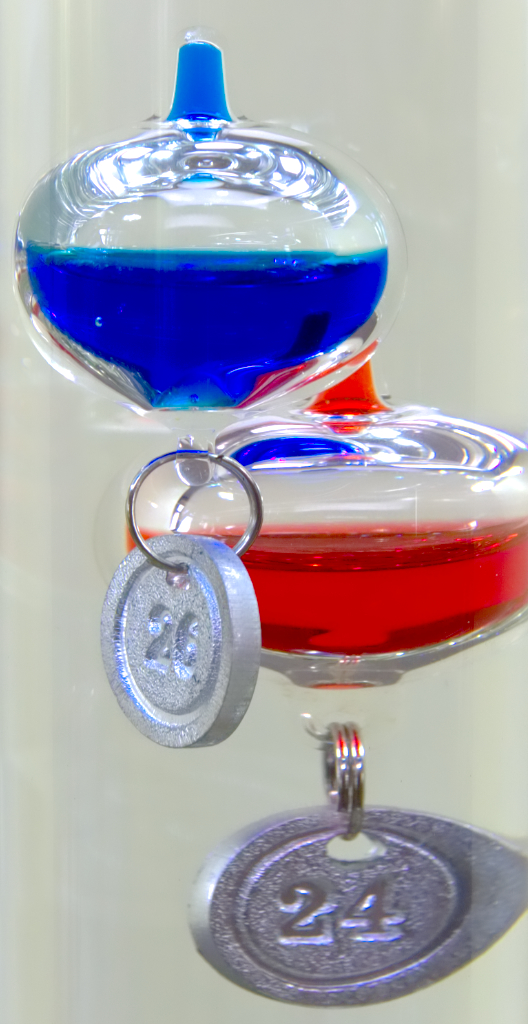
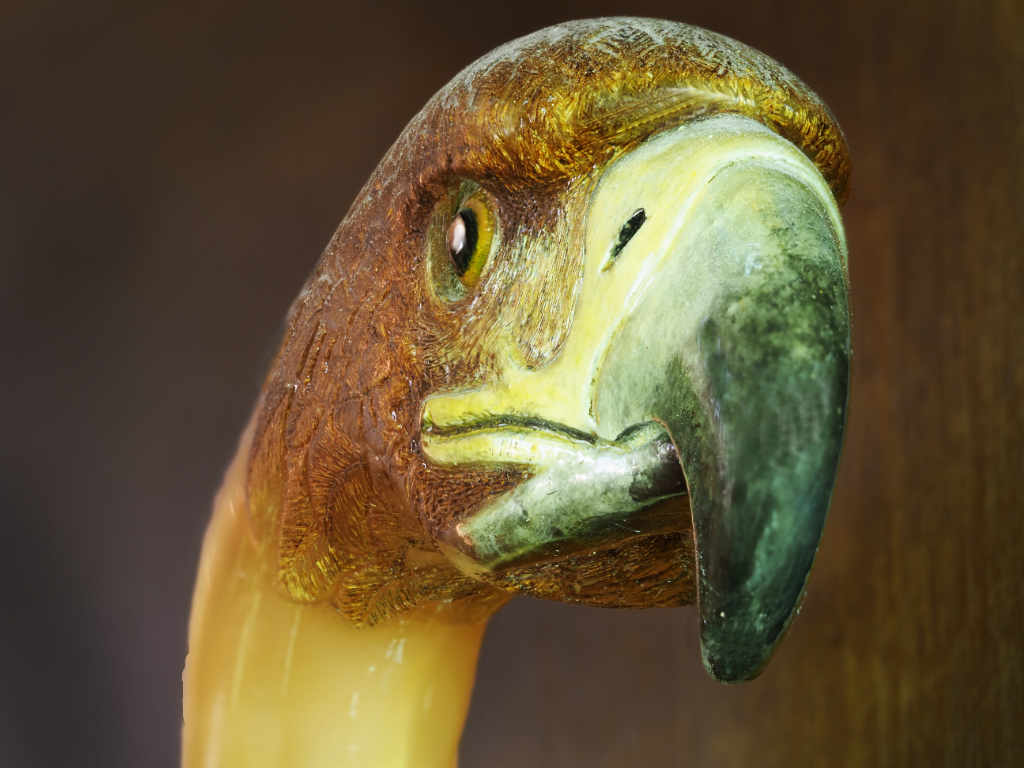
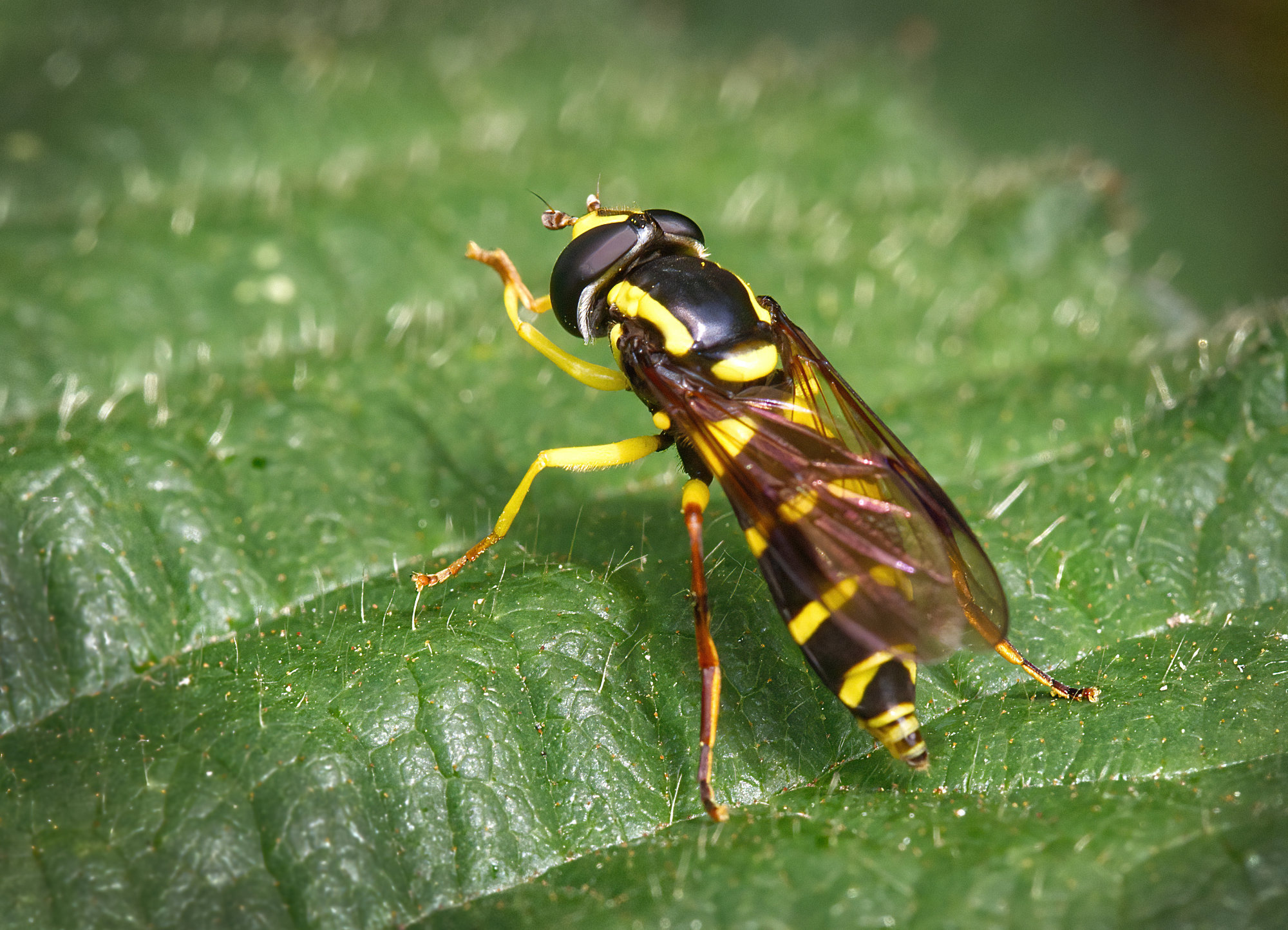
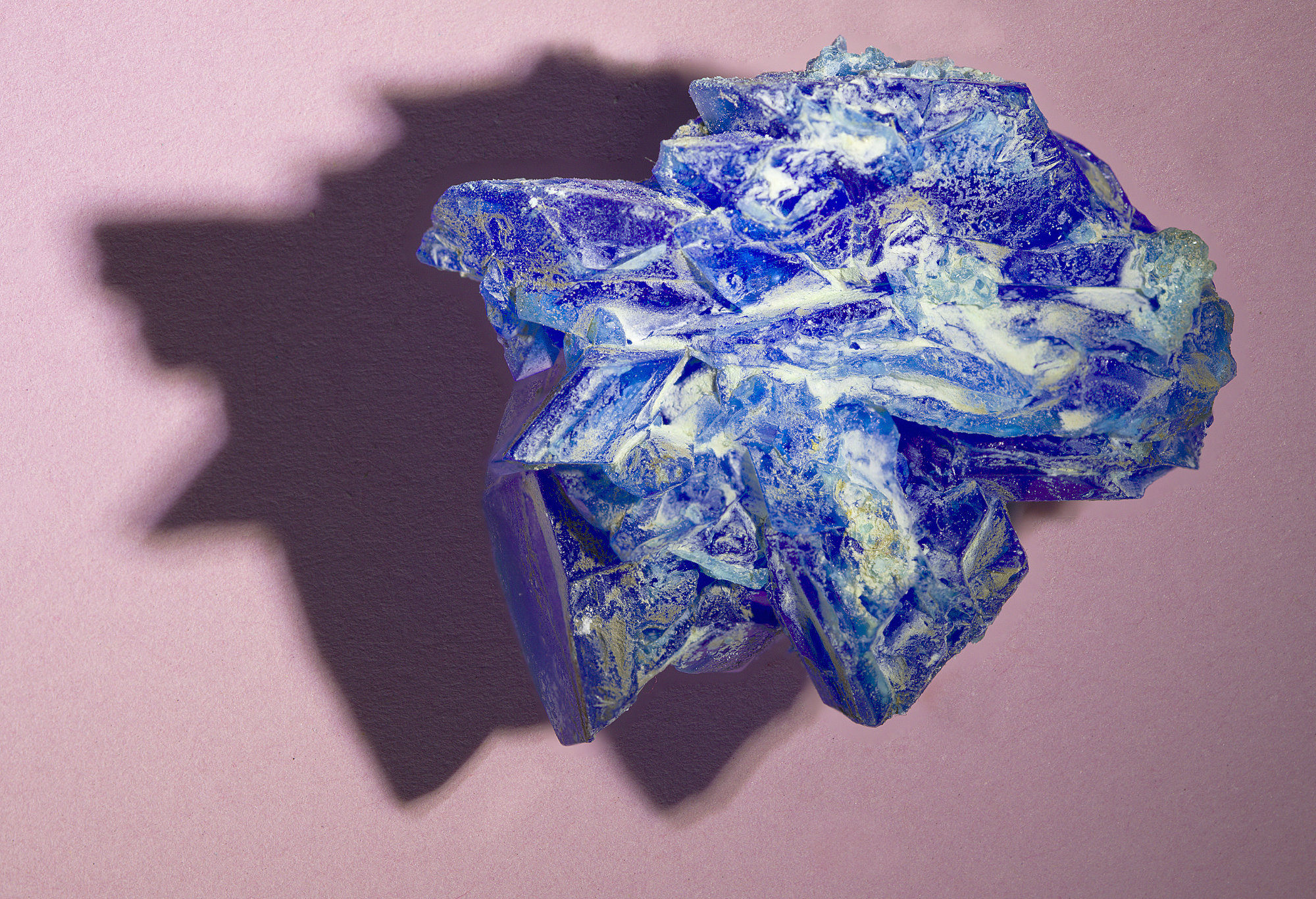
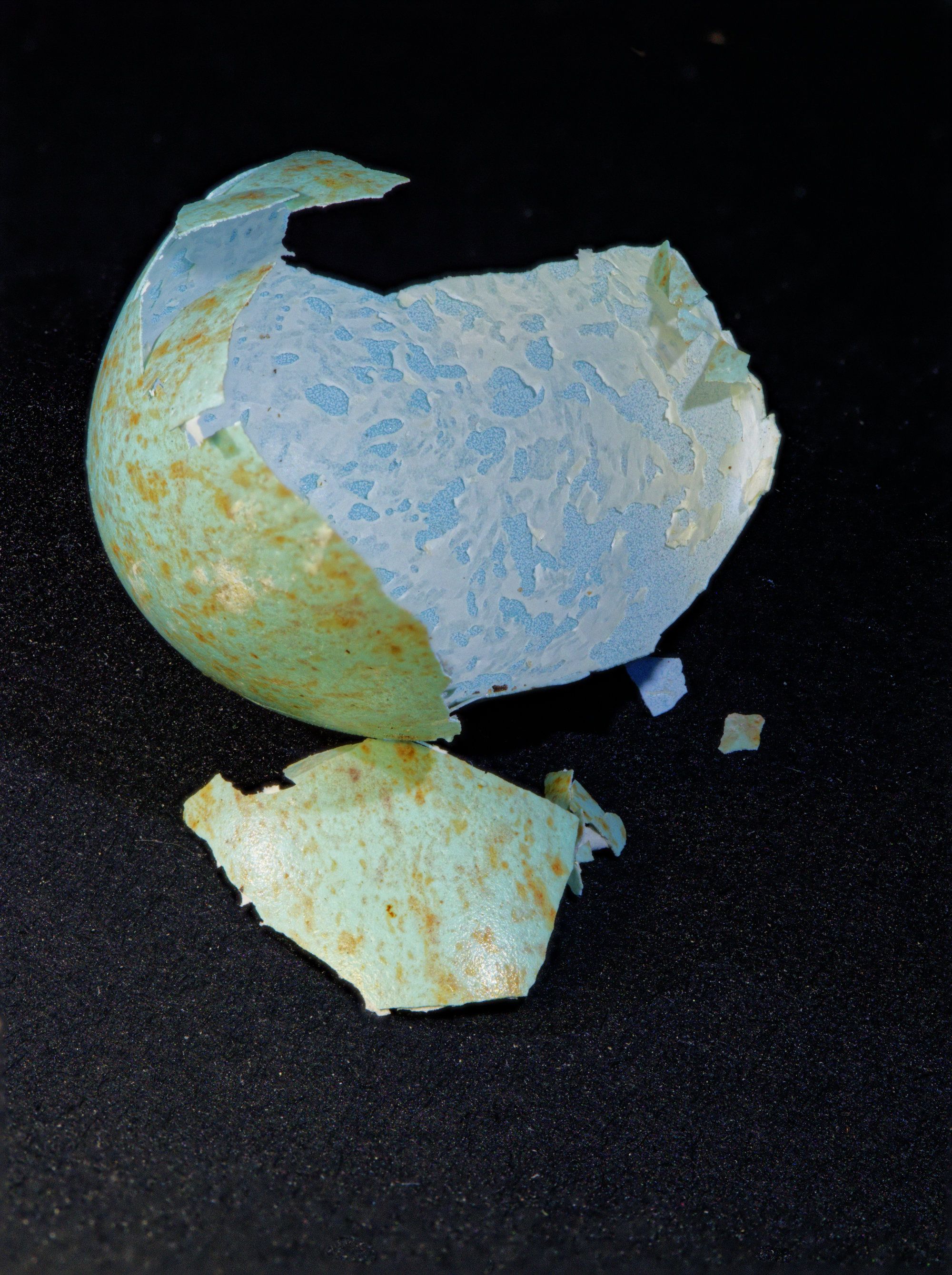
Somehow it reminds me of an ostrich!
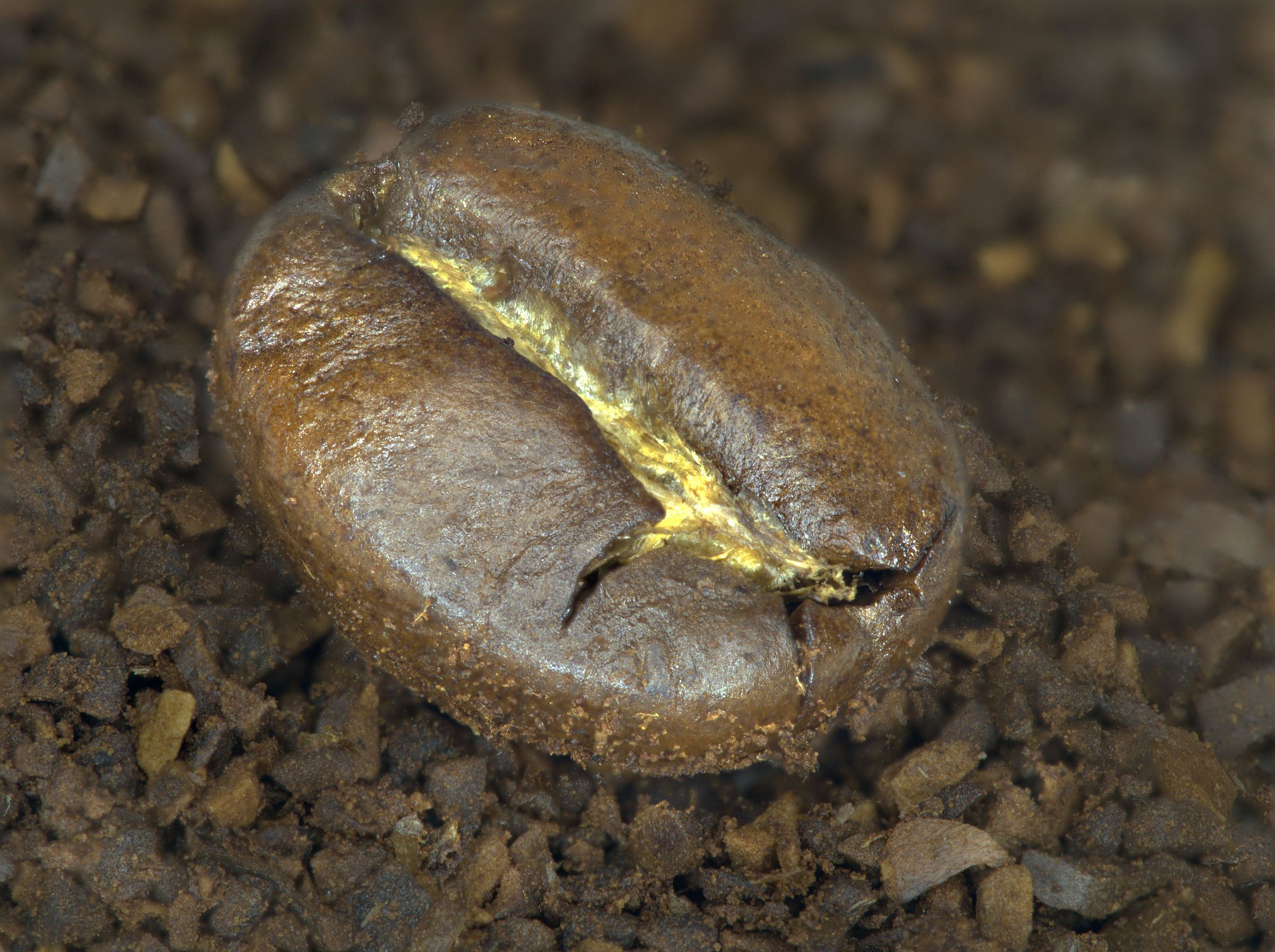
Well taken, just a little spoiled I think by the bright highlights on the upper surface. But good sharpness, good exposure and a nice complementary background. |
Sep 11th |
5 comments - 4 replies for Group 95
|
11 comments - 7 replies Total
|