|
| Group |
Round |
C/R |
Comment |
Date |
Image |
| 6 |
Feb 20 |
Reply |
Good, their advertising must be working!
My problem with them is that they are not quite bright enough in my view. They do have a "super bright" setting, but I could still do with more. It would reduce the battery life though, they've probably been trying to optimise / compromise various characteristics. Also you have to bend the arms ferociously sometimes to get them to stay where you want them, but they assured me they are unbreakable. We'll see....
Yes they are a bit expensive, perhaps less so over here (for once, as usually the reverse is true!). I just like helping young folks who are trying to make a living based on their interests and skills, and so I thought it was worth a punt. I'm not dissatisfied, they work well overall. |
Feb 19th |
| 6 |
Feb 20 |
Reply |
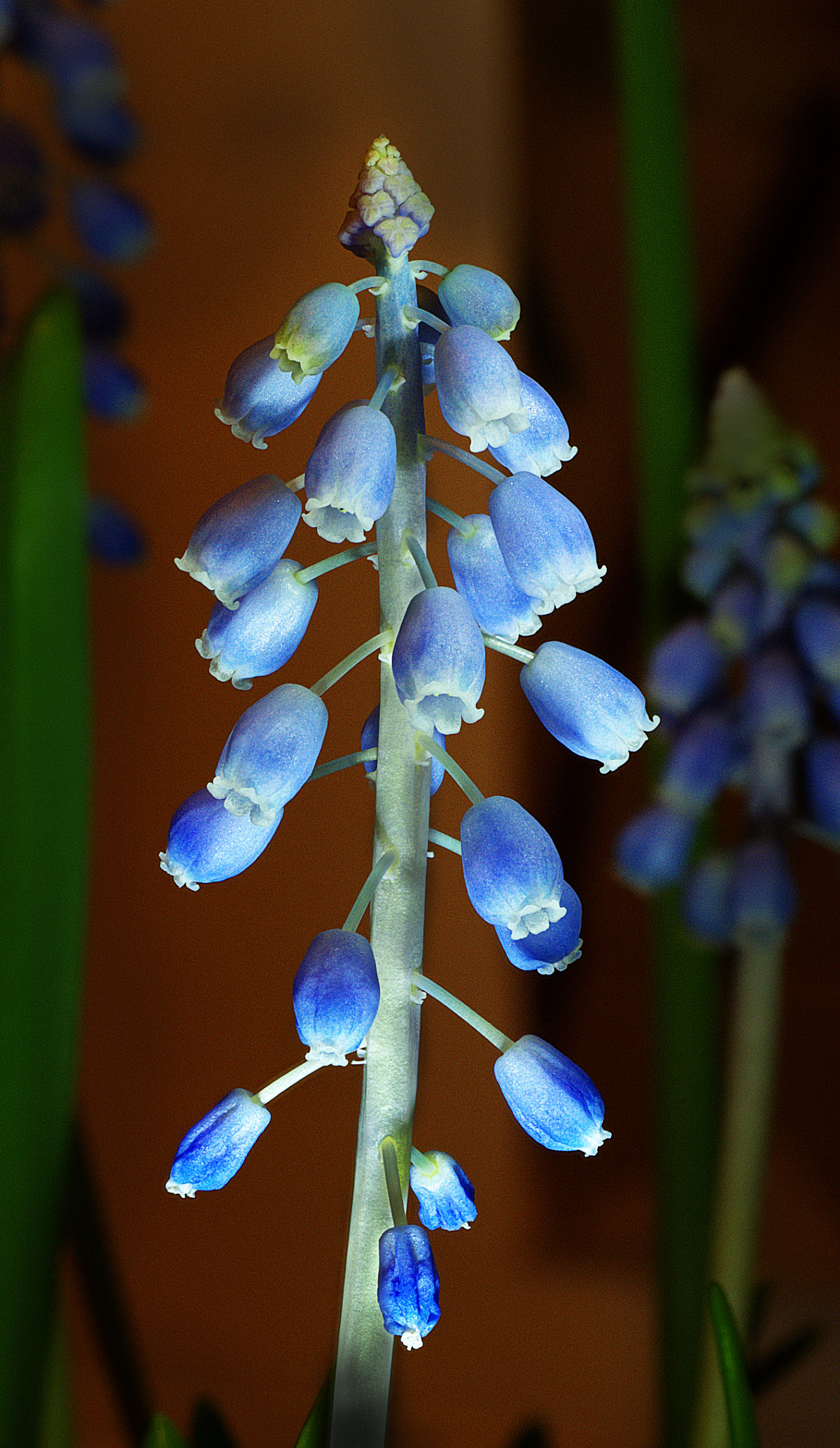
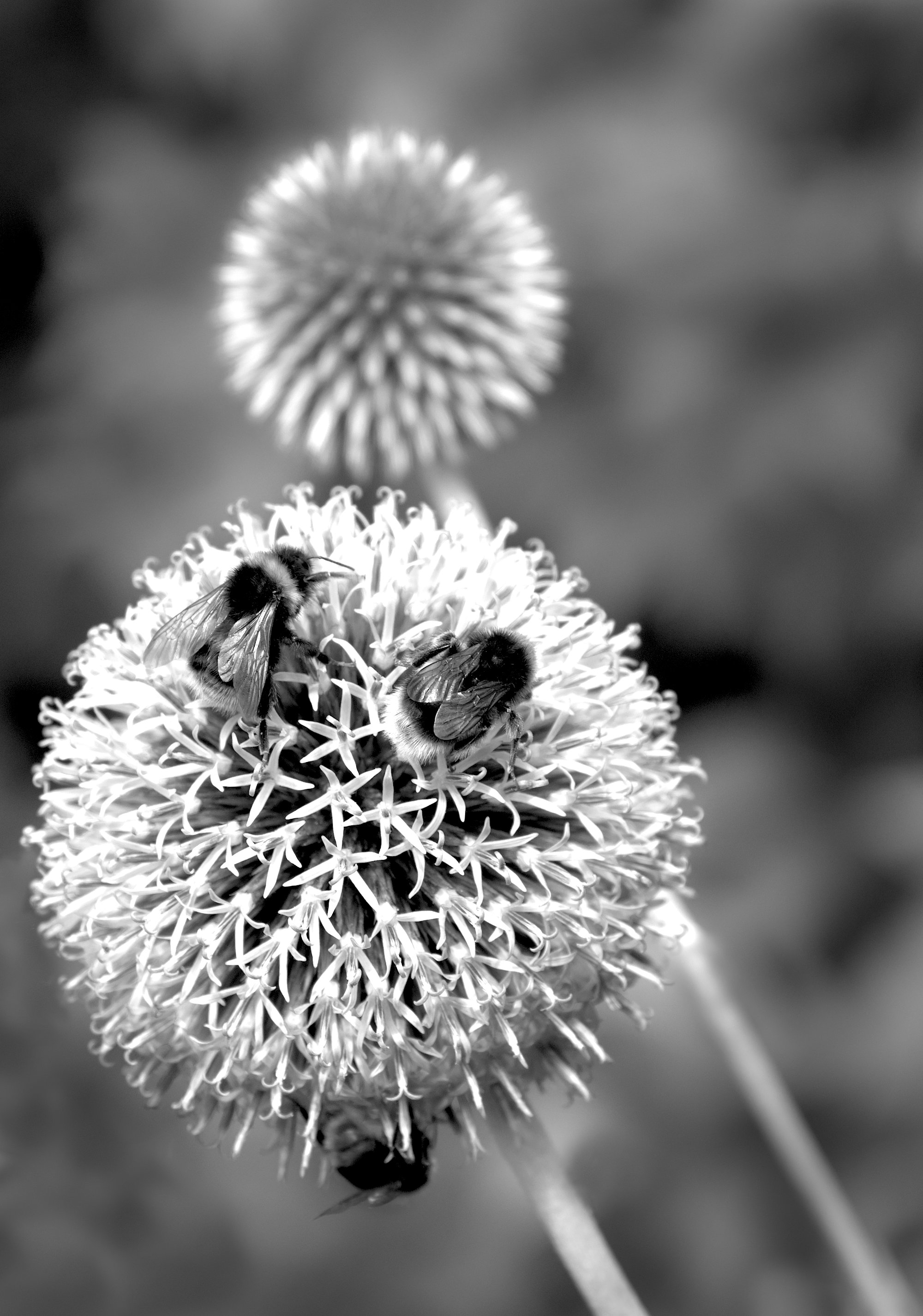
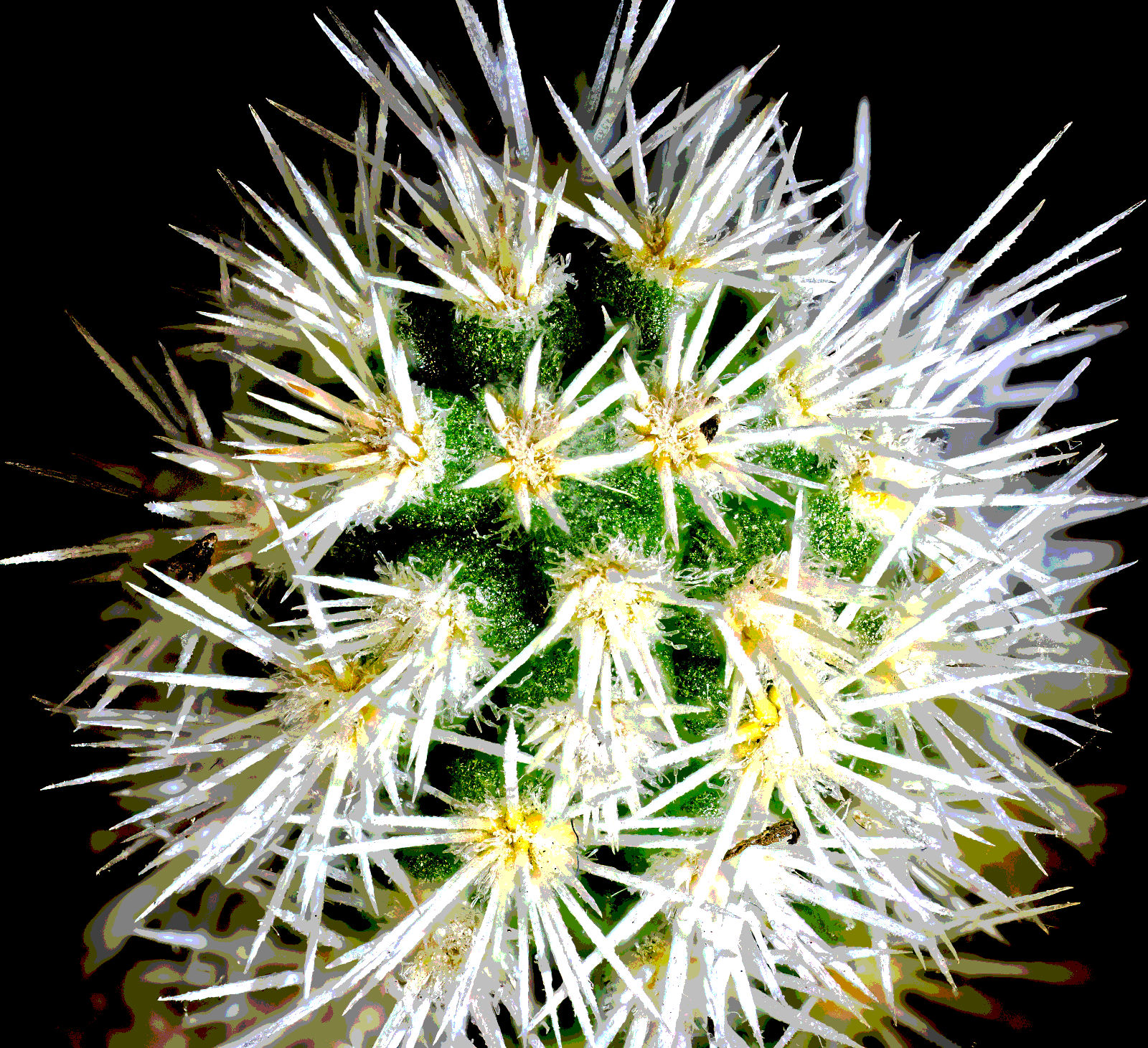
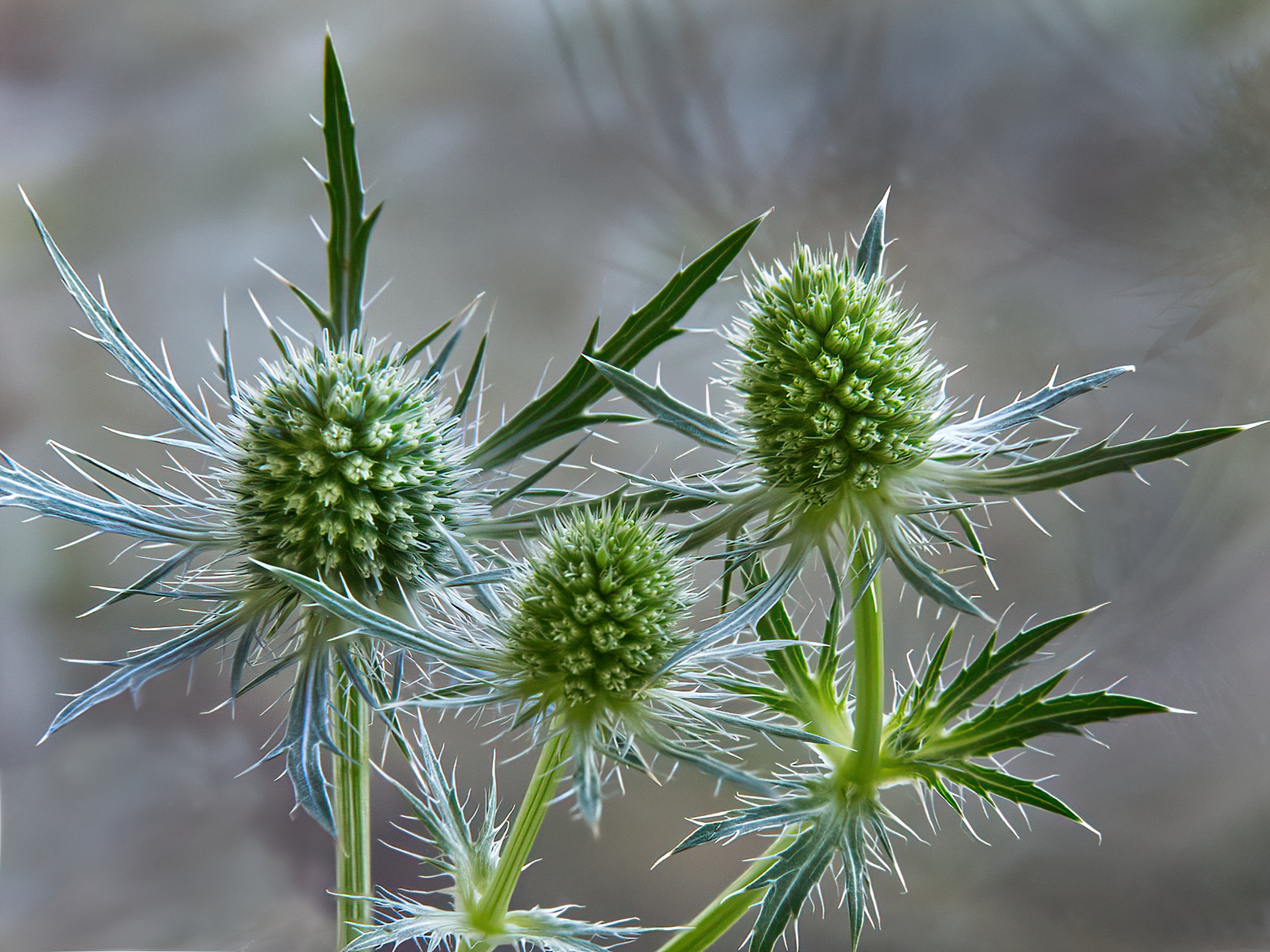
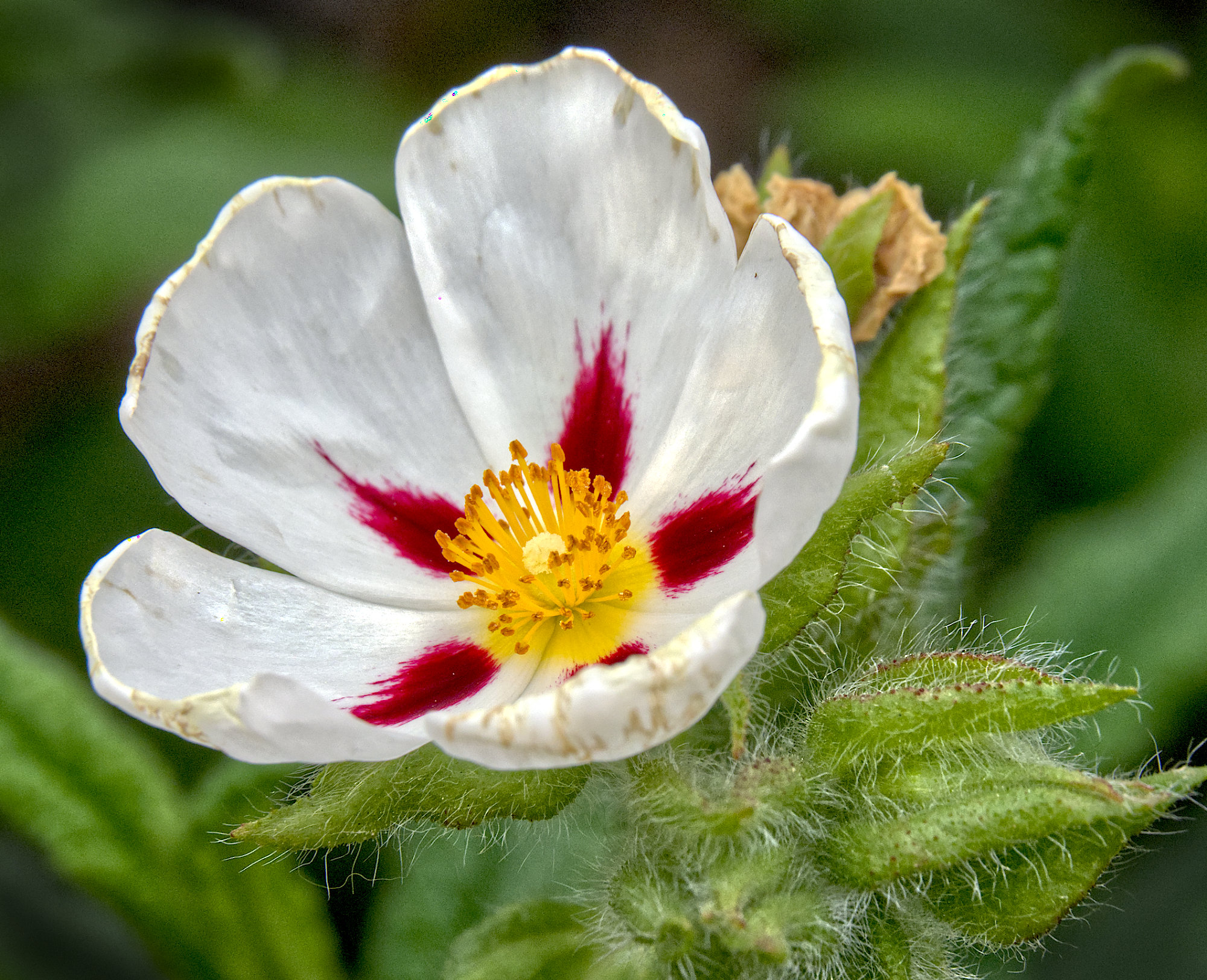
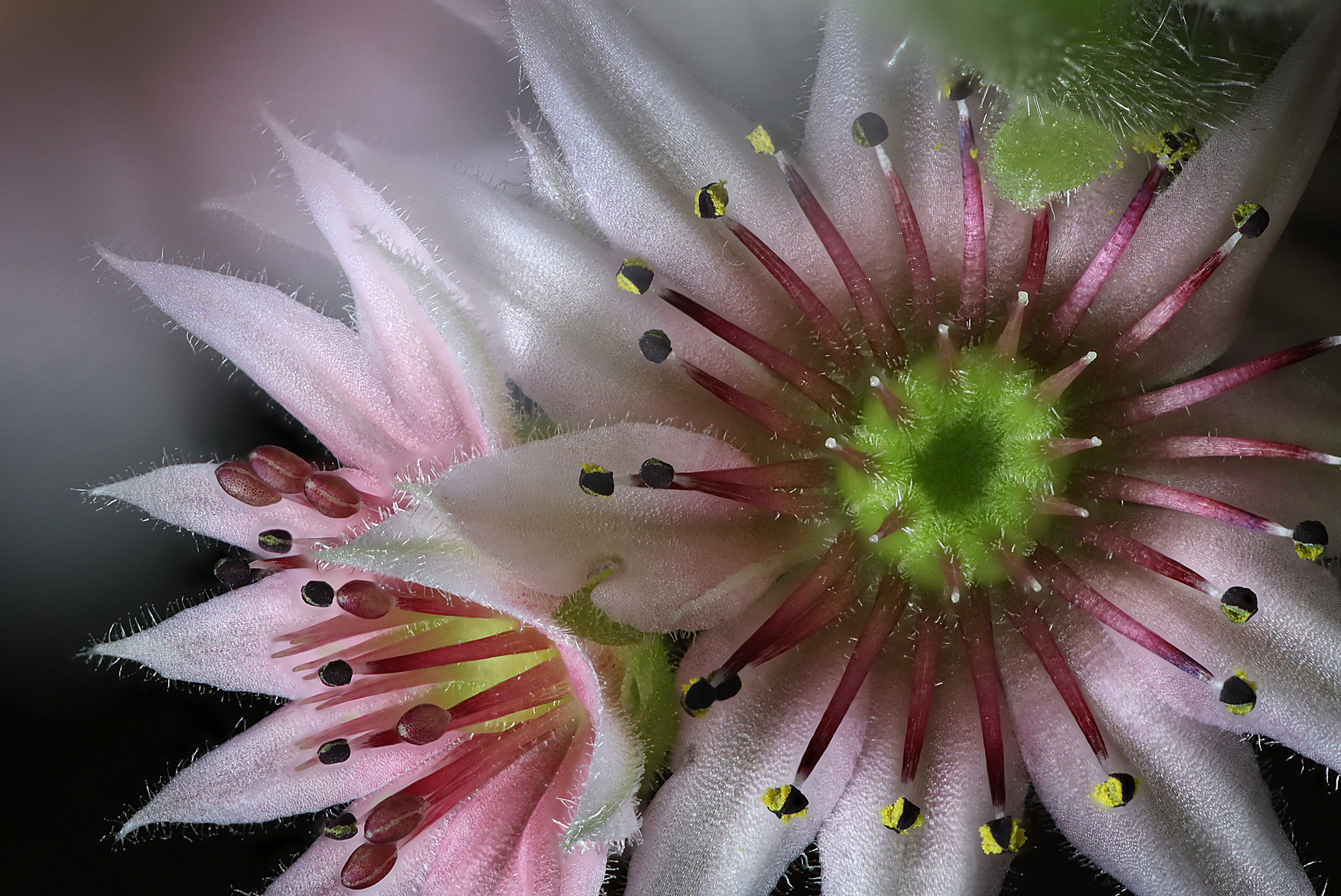
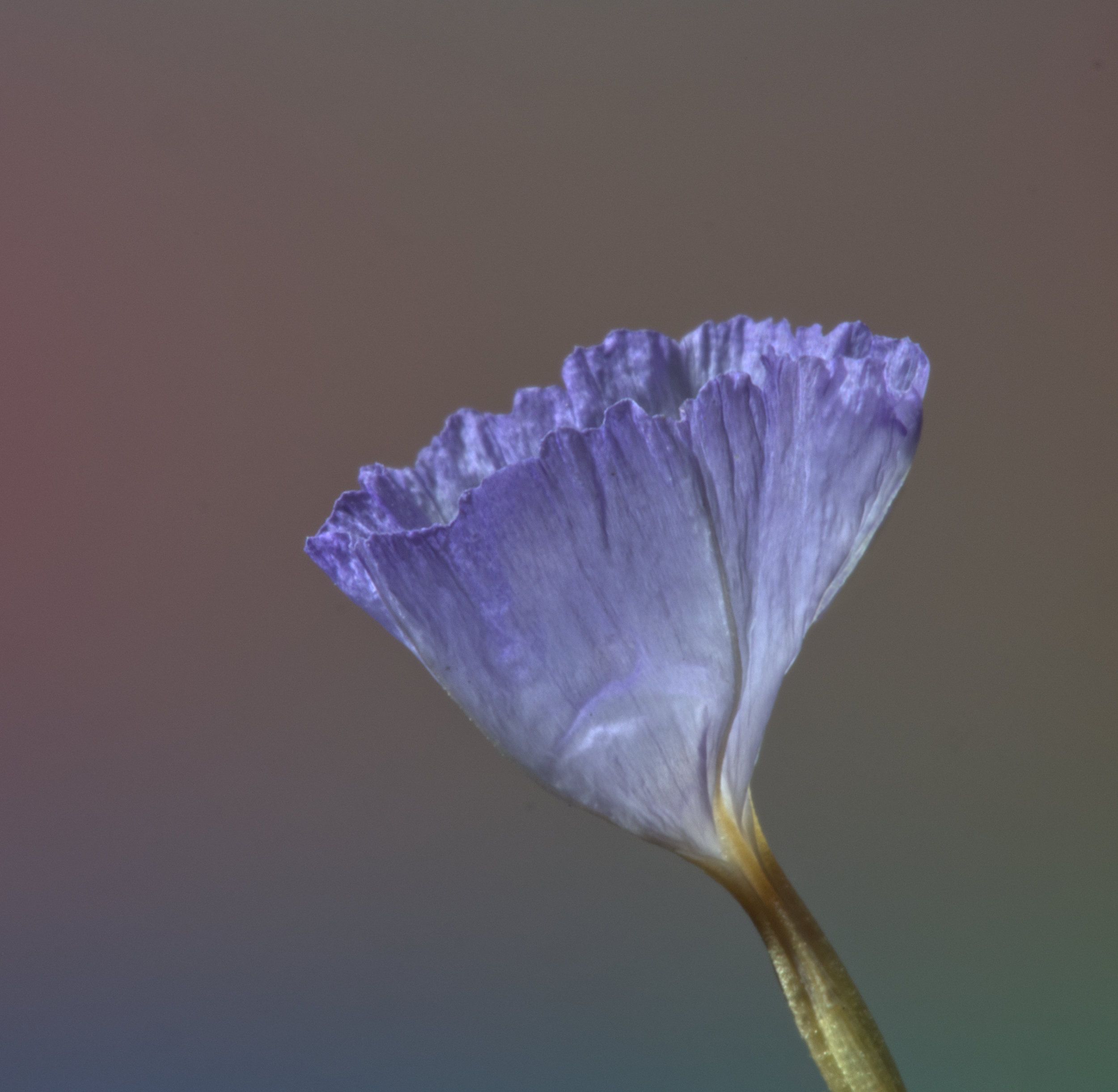
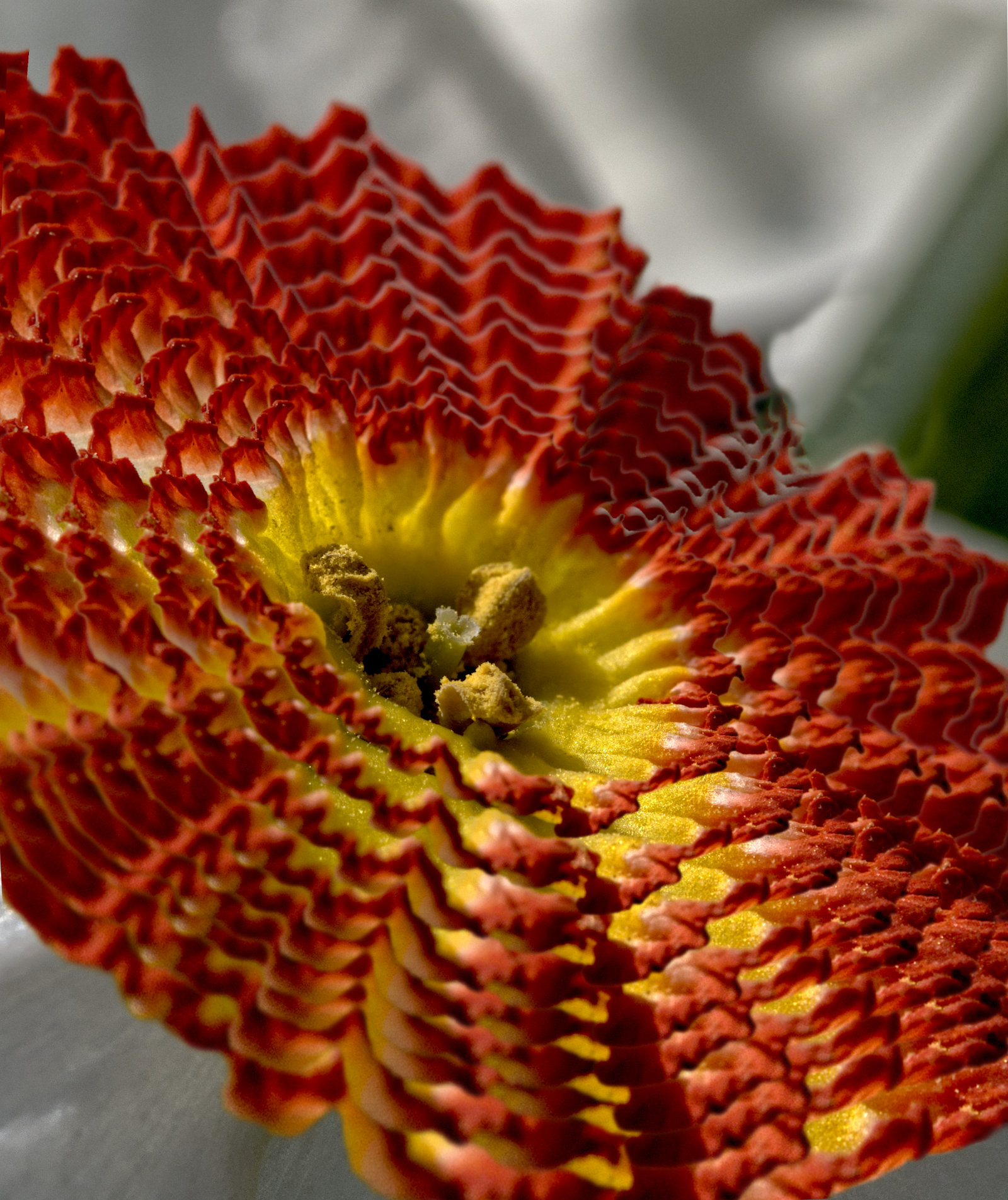
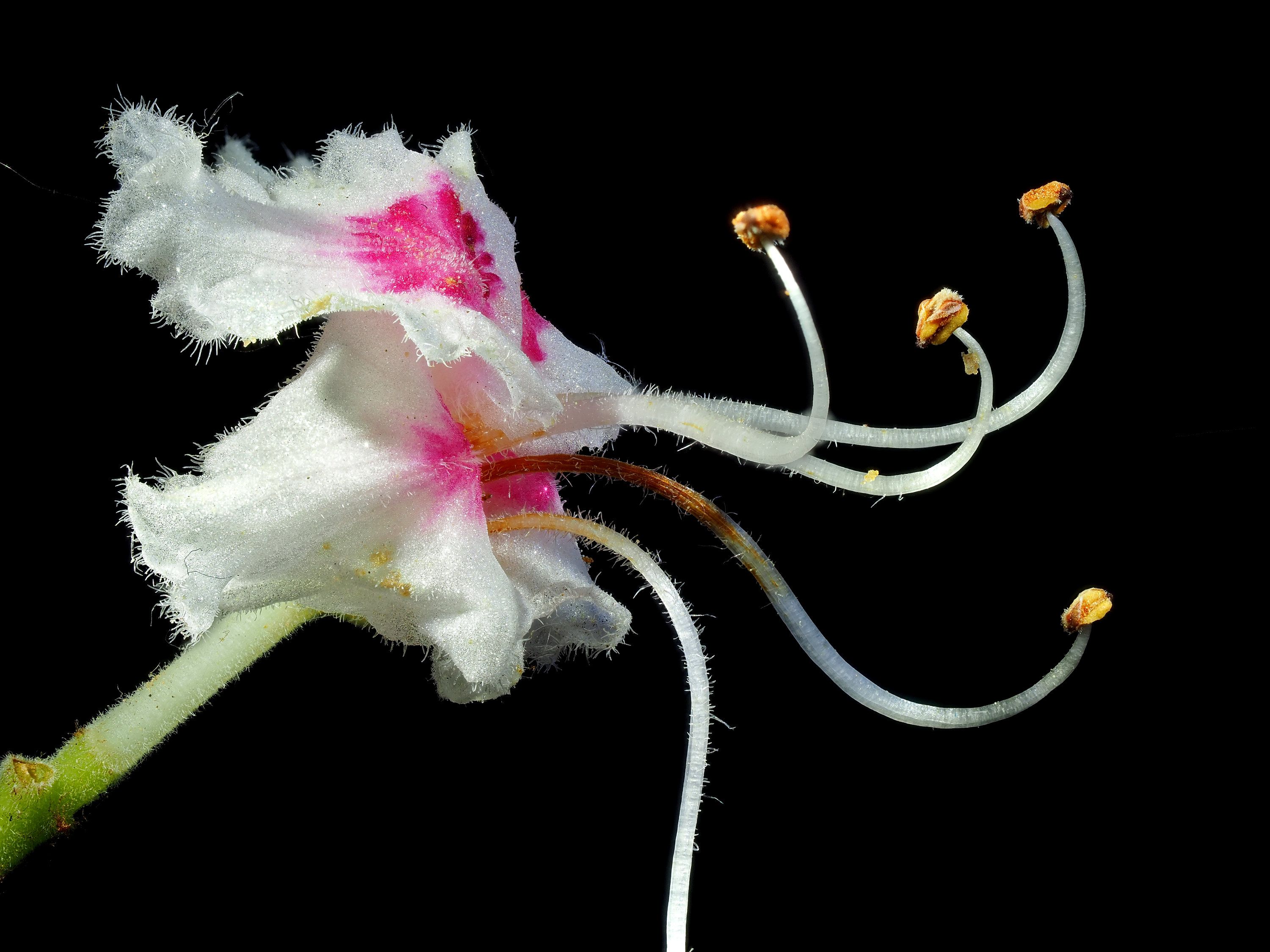
Interesting, Tom, because it seems far noisier now to me! Maybe because you were working on a screen capture? (I presume.)
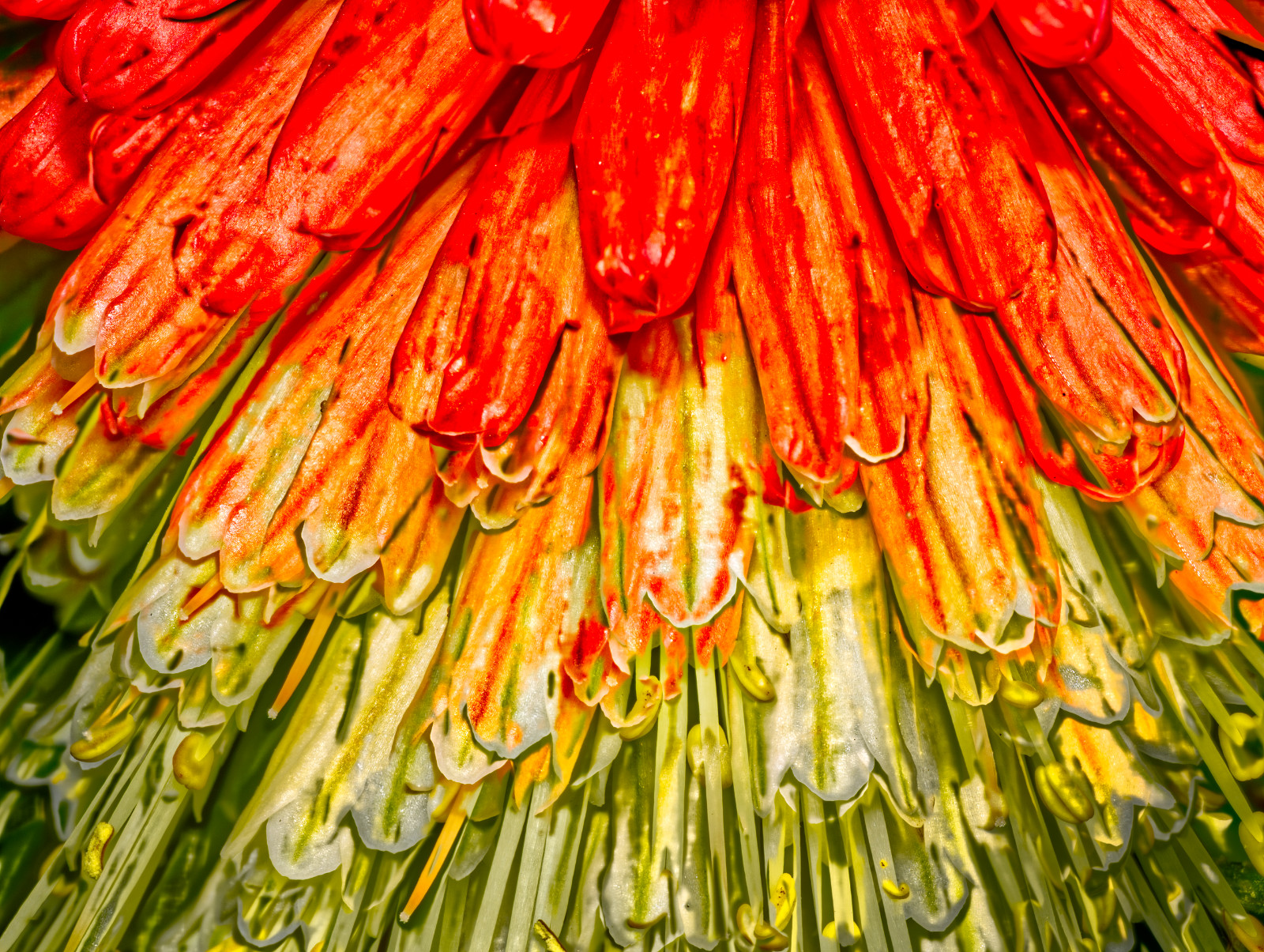
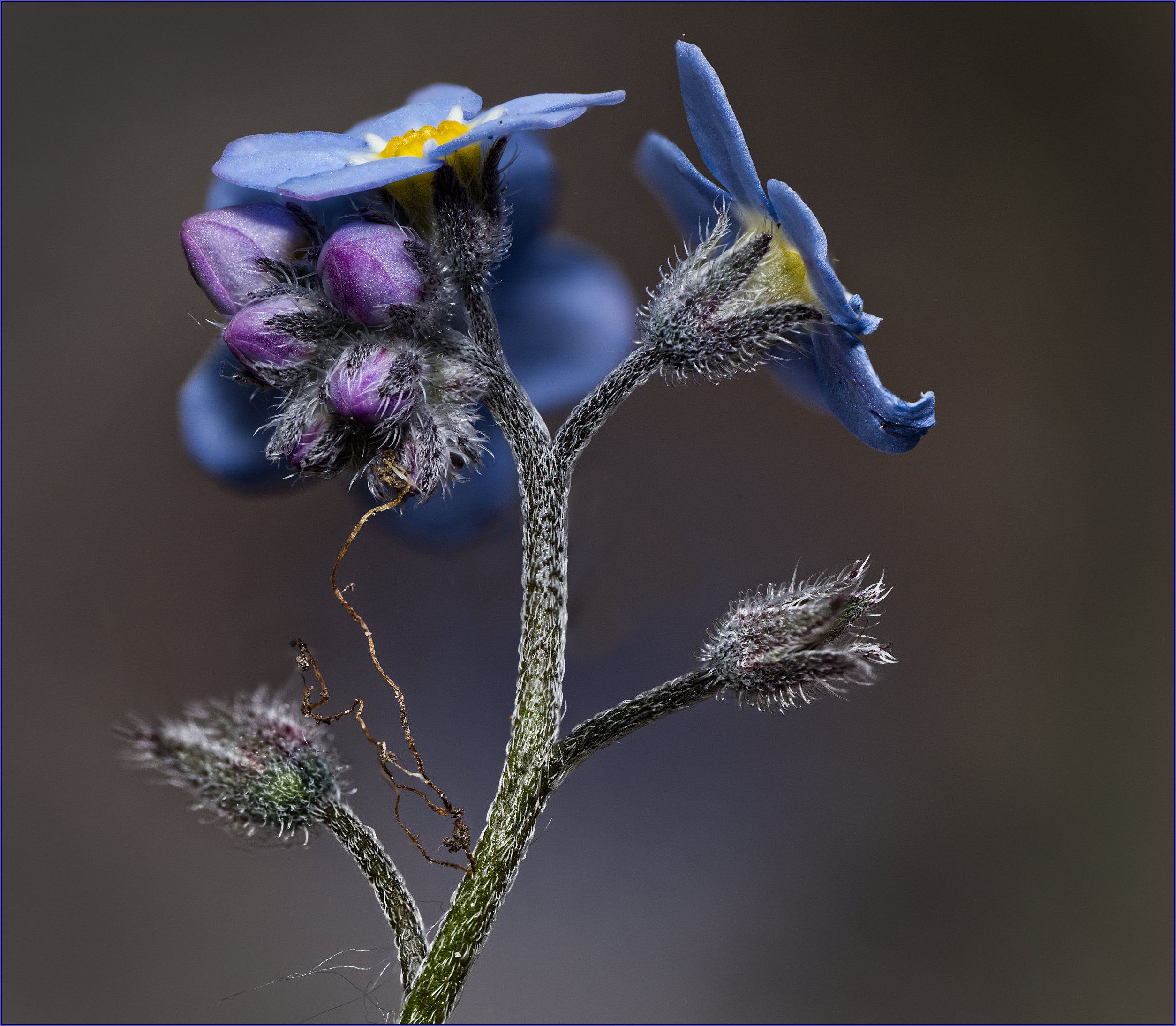
The brightness was because when I first saw the flowers, they were lit by sunlight and jumped out as me. I was trying to capture that, but it seems I failed, you and others see it as over bright, particularly the white tips.
I know you like dark backgrounds, and that's fair enough, it does give a 3D effect here, and perhaps that's better at getting what I was trying to achive as described above. But I was also trying to put it in the same context as I saw it, which was amongst another dozen of so stems of the same. Maybe the two are not achievable together.
Thanks for your insight as usual! |
Feb 19th |
| 6 |
Feb 20 |
Reply |
NIK was developed by a company of the same name and sold as a commercial product. Then Google acquired it and later they gave it away free. I had and maybe still have a copy. NIK is now owned by DxO and is sold with their software for £125 ($150?). It works as a plug-in (an extra program which works in conjunction with a host program)for their product PhotoLab, but also with Photoshop and Lightroom, and probably with Affinity too. You can get a free trial. I didn't find it very useful and this way it's rather expensive I think, but it has been developed by DxO since then. |
Feb 18th |
| 6 |
Feb 20 |
Reply |
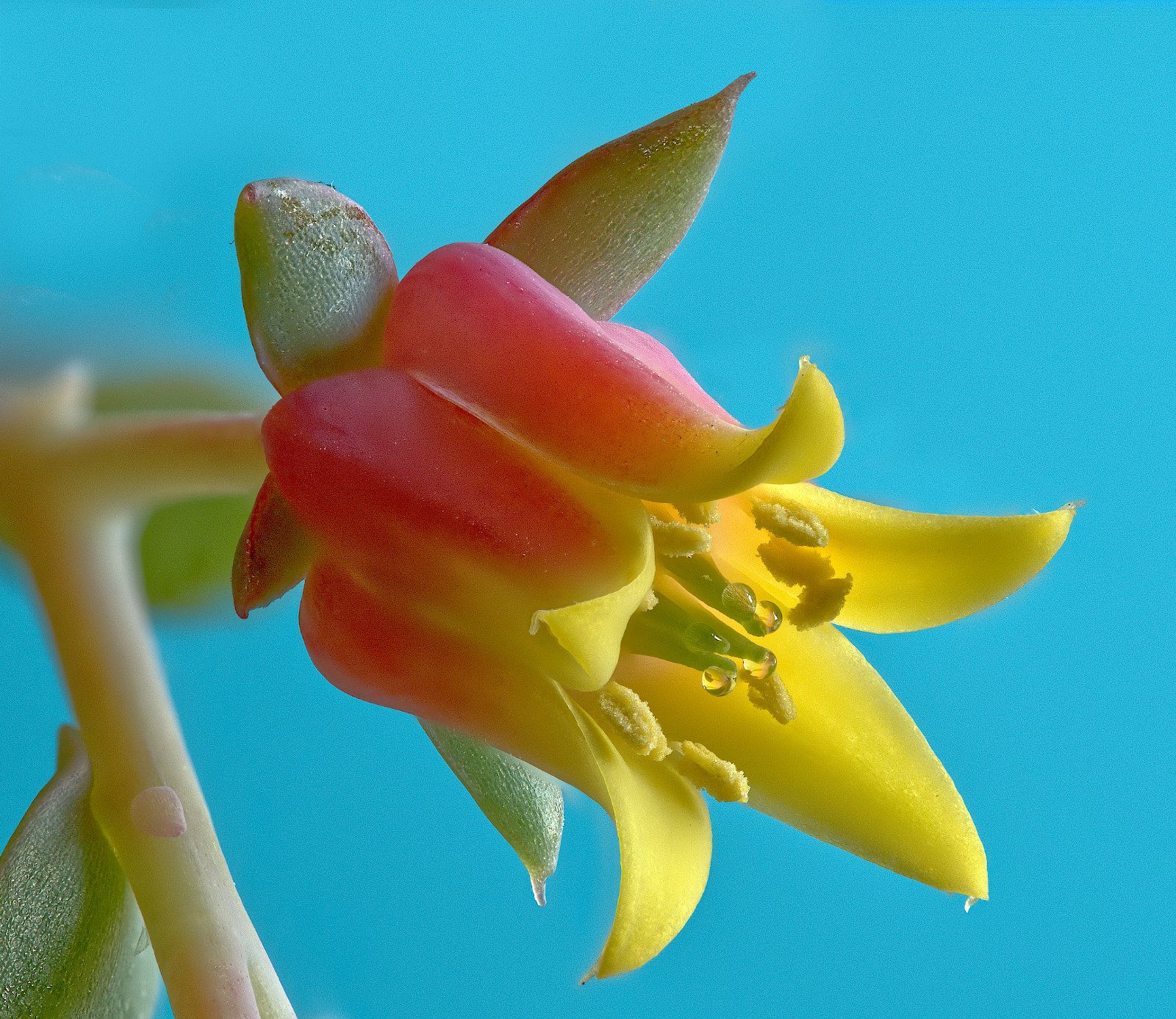
It's so hard to spot things in the viewfinder sometimes, and I didn't see that leaf properly or I'd have removed it physically.
As it was I though it looked a bit like a stem and was too dark to worry about, but I can see the eagle eyes have rumbled me! Thanks for all comments, I'm hoping to find another similar subject, but that flower alas has now expired.
I could have made the background flowers more blurred by having a larger aperture and more steps in the bracket, so I'll try that next time as well. |
Feb 18th |
| 6 |
Feb 20 |
Reply |
"Burning" is the term used to mean darkening an area. It comes from wet darkroom days when, to make a print darker, we exposed it to the enlarger light for longer, "burning" in more detail. It was quite an art as it is a technique to use selectively, so we used cardboard masks and little cardboard circles on wires, to prevent burning of parts that didn't need it when the enlarger light was on.
Now it's much easier using a program like Photoshop or Affinity etc. There is a tool which you can use to burn (and also one to lighten, called "dodging") the parts you want to alter, using a paintbrush type of action with your mouse or graphic table. There are various ways of doing burning and dodging actually, but the burning brush / dodge brush are the easiest and most interactive in many cases. Have a look on Youtube for help on this with whatever program you use - the result is quick and great! And if you over-do it, you can always step backwards in the history and undo / redo your last actions until you get it to your satisfaction.
This doesn't mean that any exposure fault can be corrected, it can only make the most of the image which is already there, but the visual difference can be spectacular. |
Feb 18th |
| 6 |
Feb 20 |
Reply |
I think he meant "I need to try..." |
Feb 17th |
| 6 |
Feb 20 |
Comment |
Hi Sandra,
Glad to hear you're on the mend!
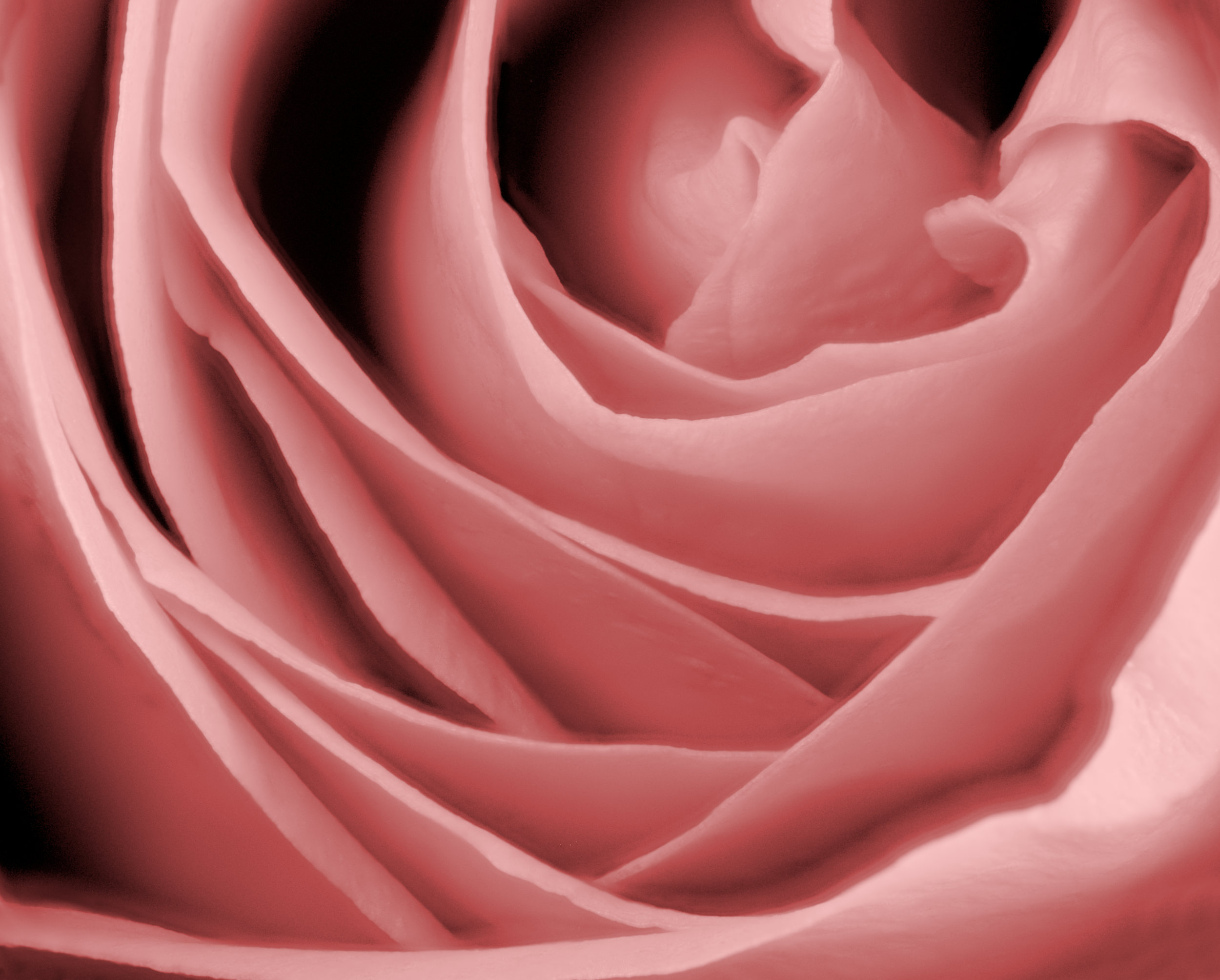
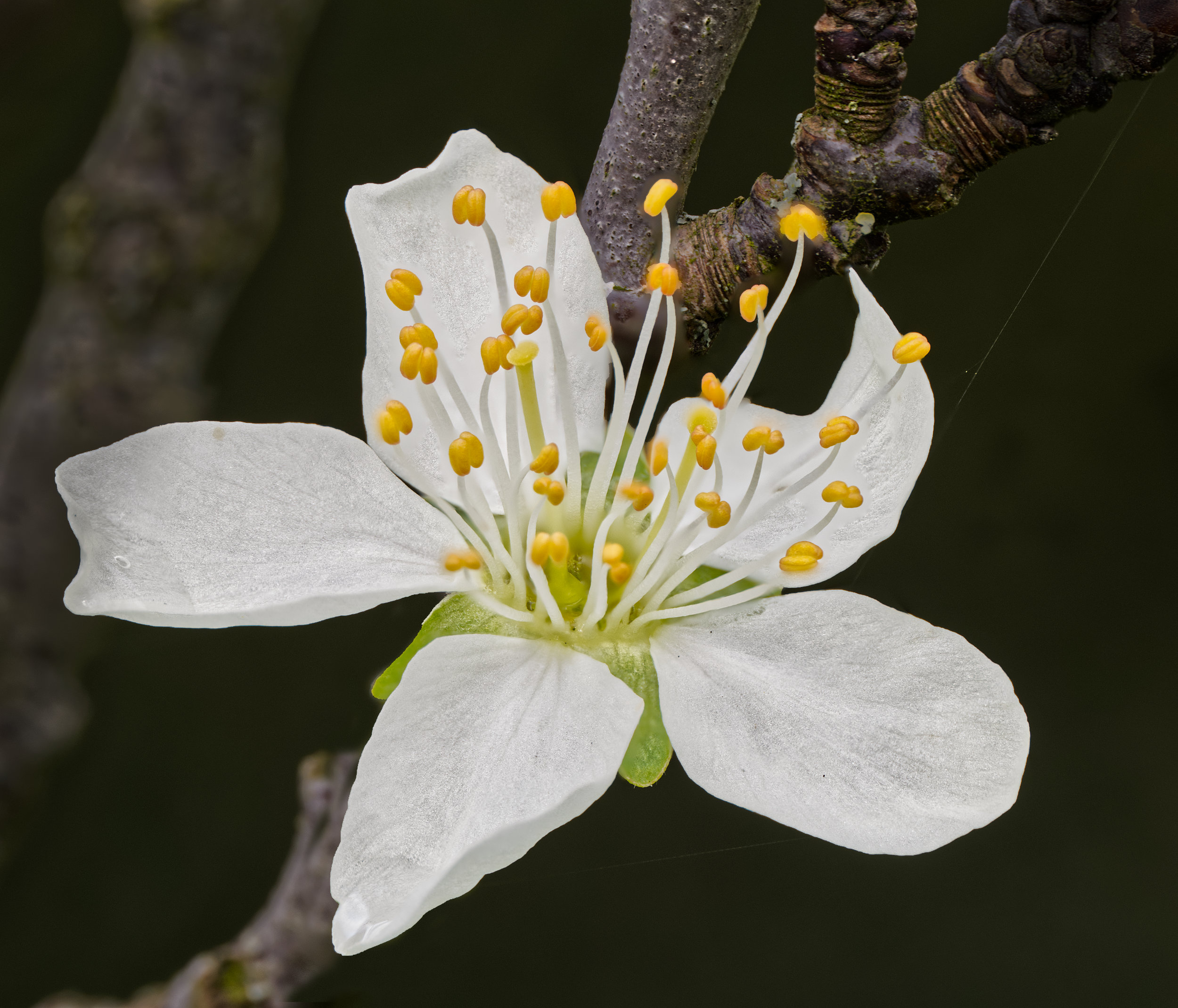
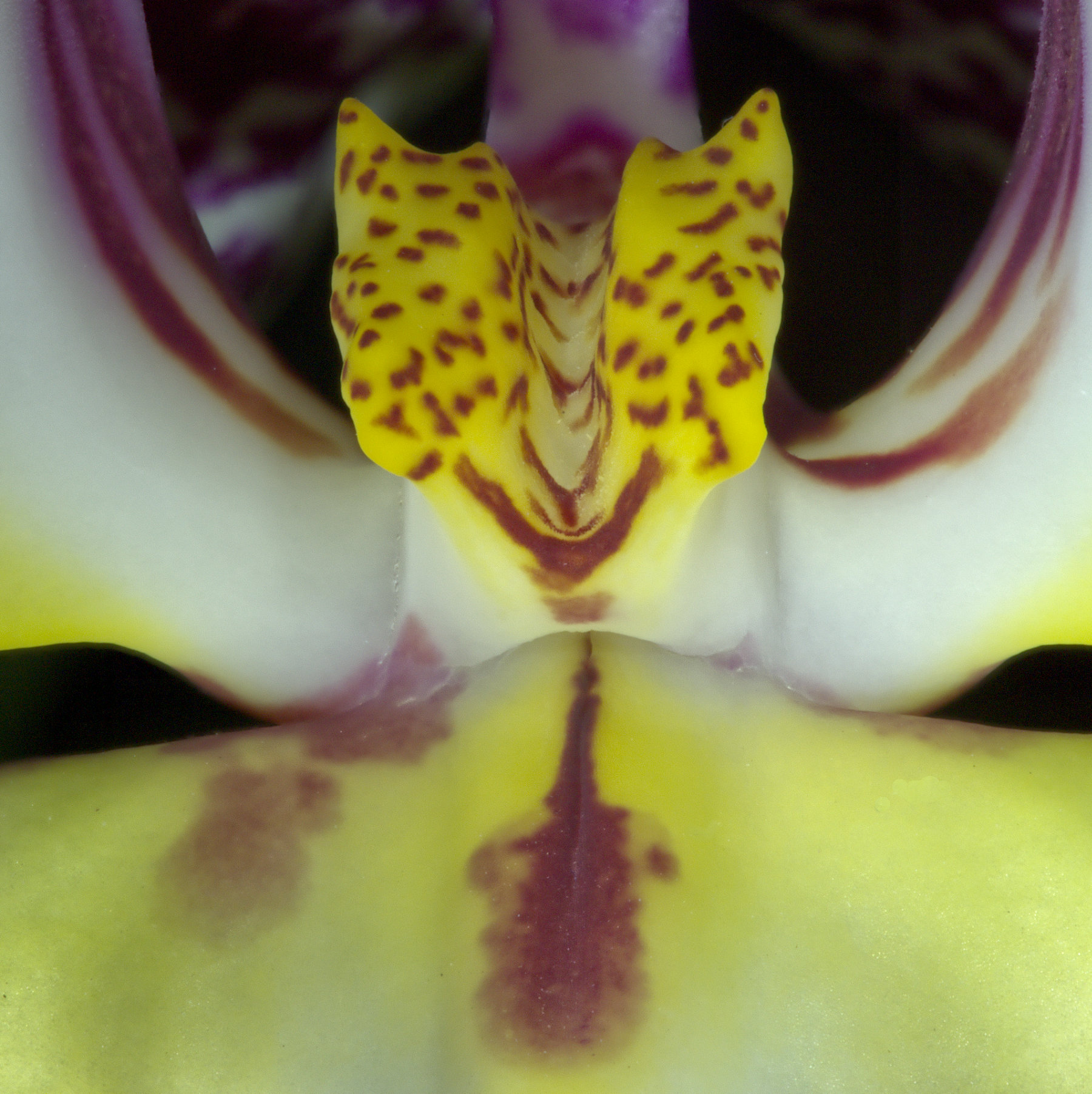
A nice flower. Most of the details are super, but I wonder if the centre part is a bit blown out. Perhaps a bit of burning of the lighter parts would give them more detail and punch? |
Feb 17th |
| 6 |
Feb 20 |
Reply |
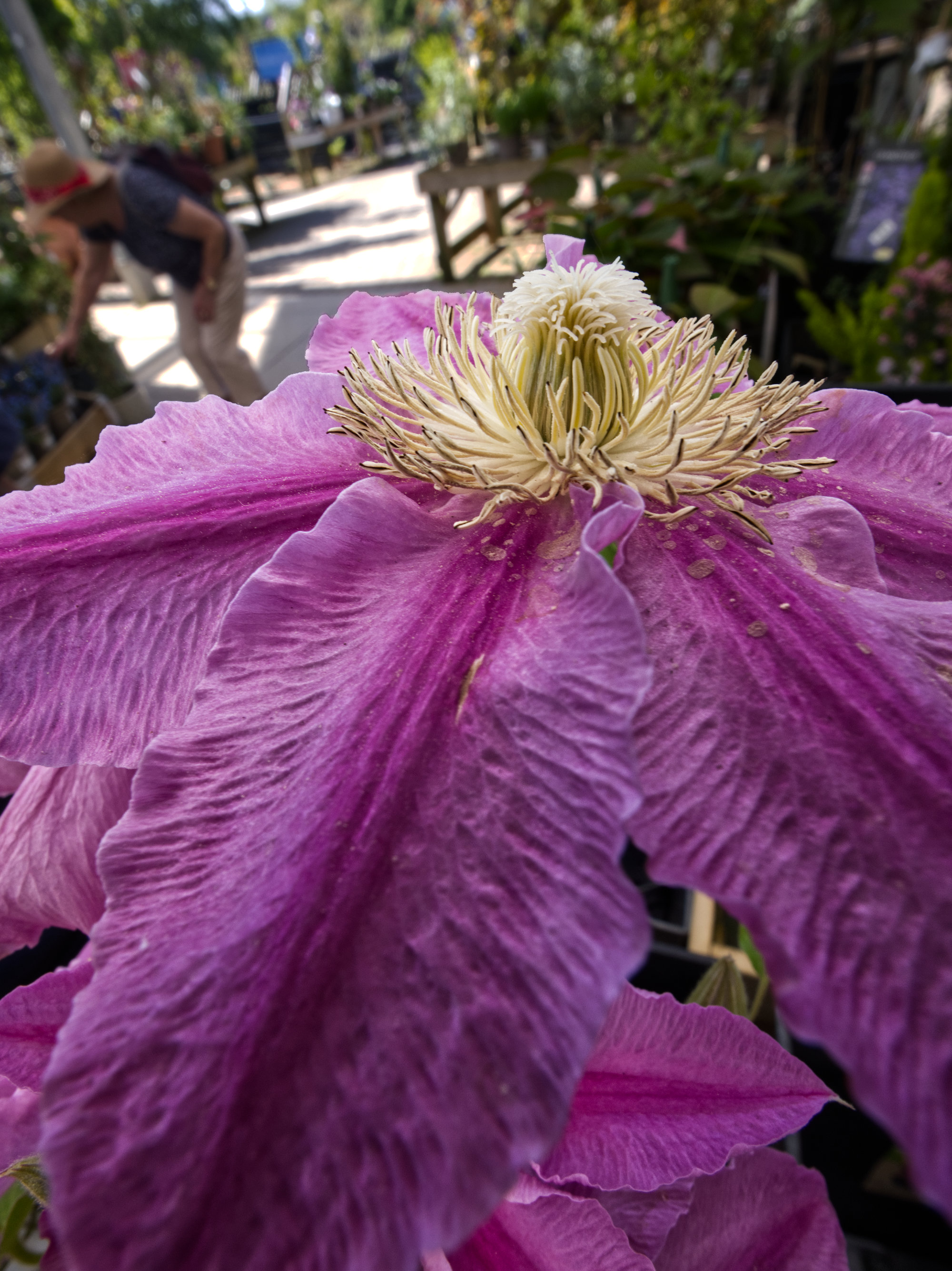
Thanks Janet. It's interesting I think sometimes how something can catch the attention, which this pot of flowers did, and then try to capture something of that impression. That's what I tried to do here.
In my view, the human eye and brain work very differently to a camera. The camera gives equal importance to everything in the viewfinder. The human eye doesn't. We are led to believe that a "standard" lens of around 50mm is "equivalent" to the angle of view of a human eye. This is only very approximate and relates more to perspective than to what the eye and brain are concentrating on. Our brain actually examines the centre of our view, a very small area, more like a telephoto lens, and the rest is peripheral vision. I therefore am much attracted to Charles Needle's approach, where we include peripheral elements to act as that peripheral vision, but lowering their relative impact by darkening, differential focus, and positioning. The foreground and background elements in this photo were treated this way both in lighting and in post processing.
I know not everyone will see this sort of composition this way, and I don't always do this, but in many cases I like it! The view of macro practitioners in this group is useful to me, I need to get the view of non-macro specialists too. |
Feb 13th |
| 6 |
Feb 20 |
Reply |
Marital harmony always comes first! |
Feb 8th |
| 6 |
Feb 20 |
Comment |
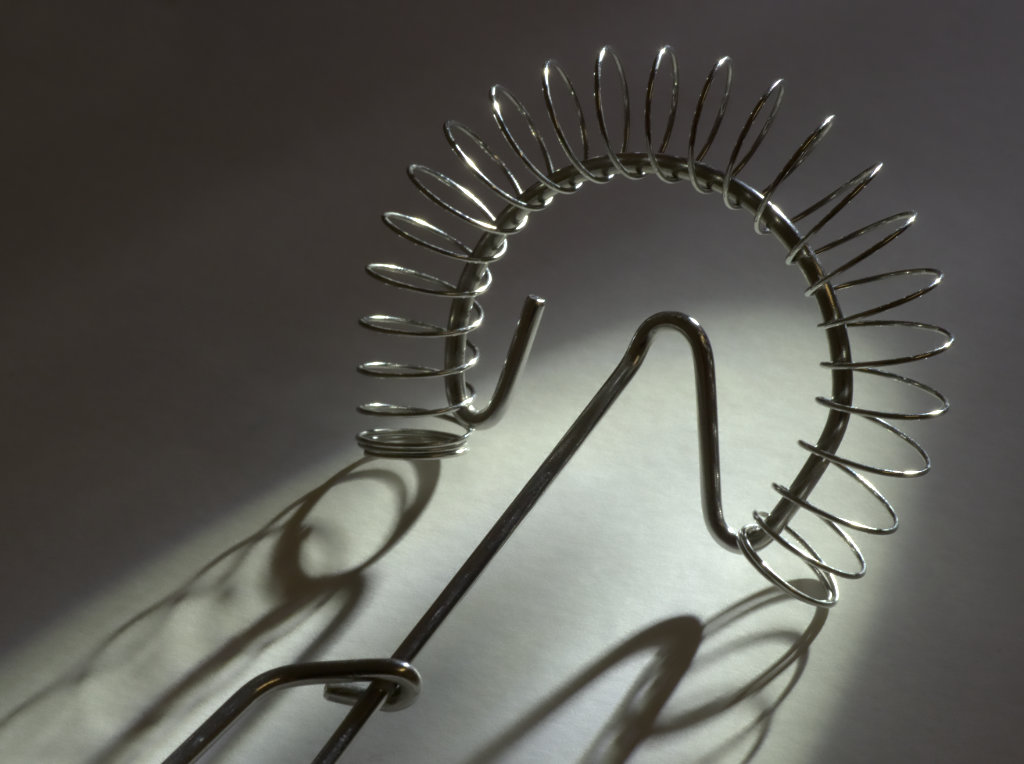
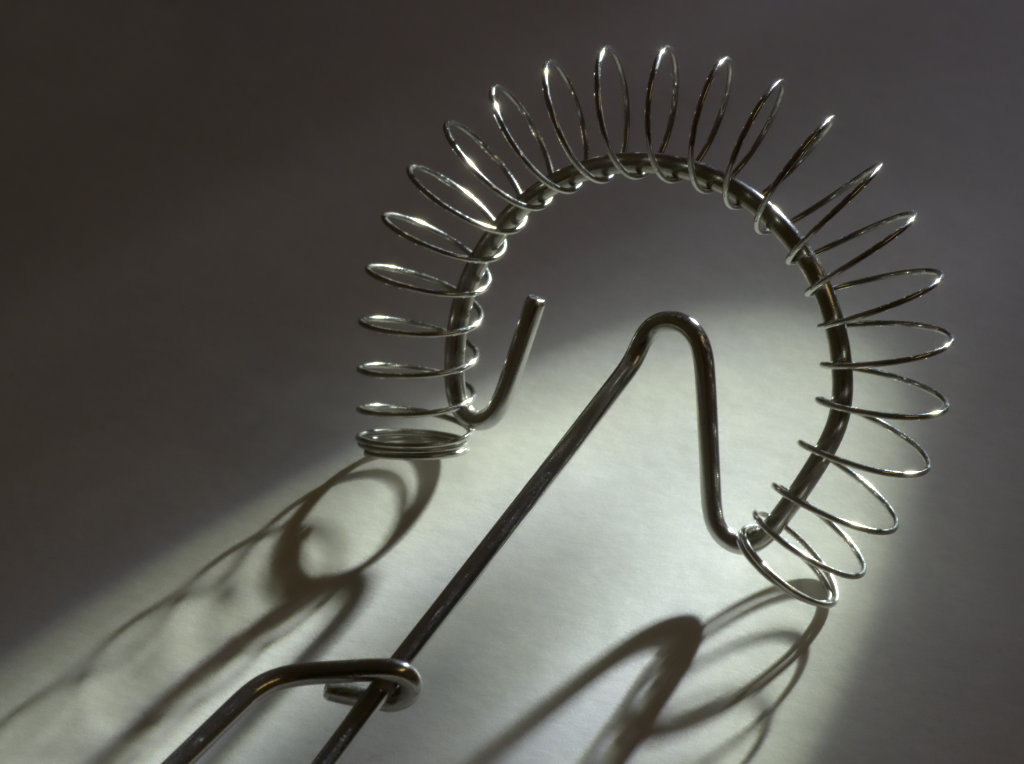
Very nice, Tom. It needs to be symmetrical I think. Or does it?? The shiney surfaces were a bit of a problem?
I guess you can play with the range of colours - a samle of each rainbow colour, alternating colours, (16!) shades of grey. If you want a number different to 16, you need a different pencil sharpener!
Or perhaps you could tilt it and have a deliberate OOF foreground and background?
Or a spiral background? |
Feb 8th |
| 6 |
Feb 20 |
Comment |
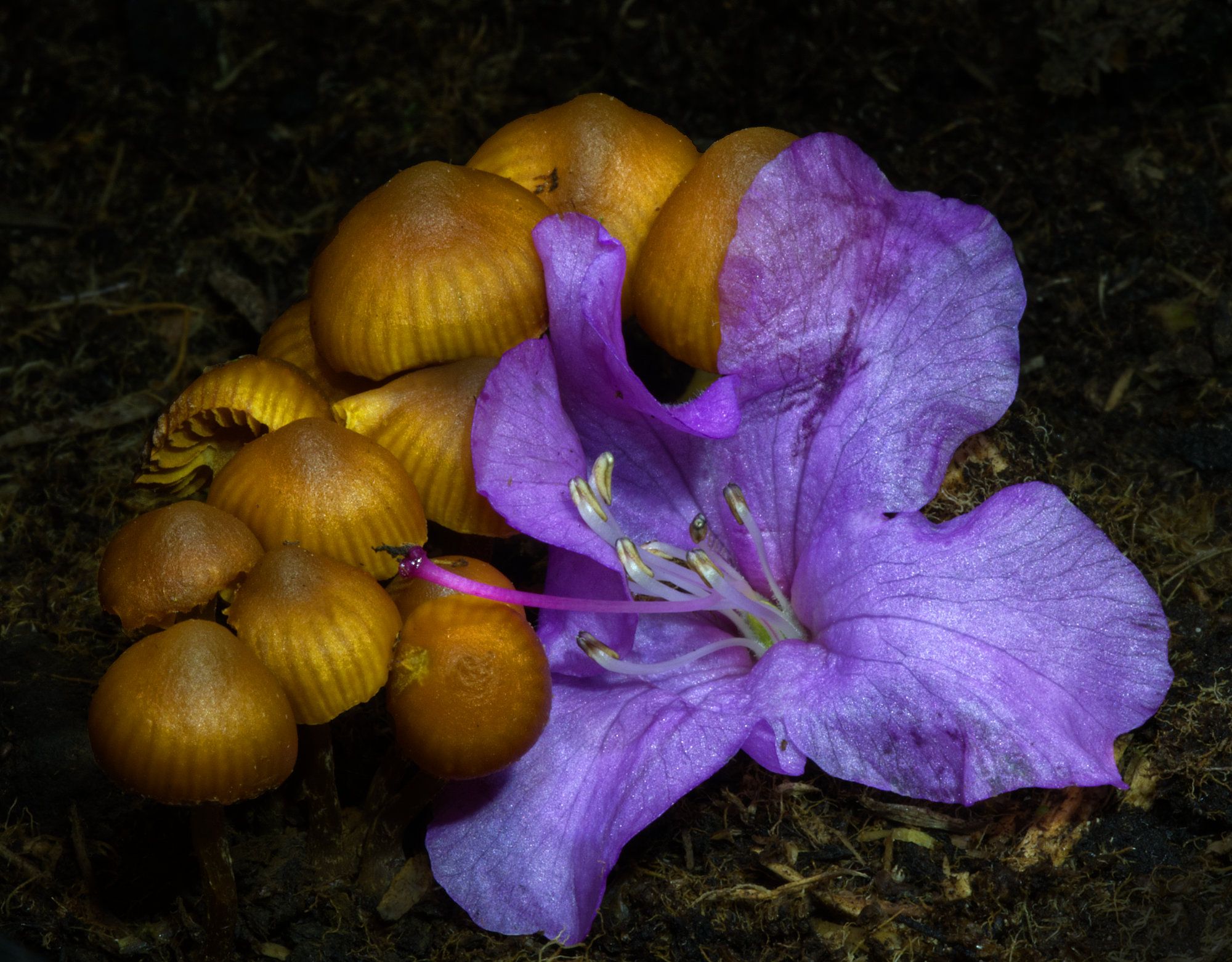
Ouch, it got me in the eye! This picture really leaps from the screen.
The yellow tone is interesting, but it looks a bit unreal to me. Maybe it's my limited knowledge of fungi. Perhaps it was yellowish on top and white below?
Anyway, another super lesson for me to aspire to.
|
Feb 8th |
| 6 |
Feb 20 |
Comment |
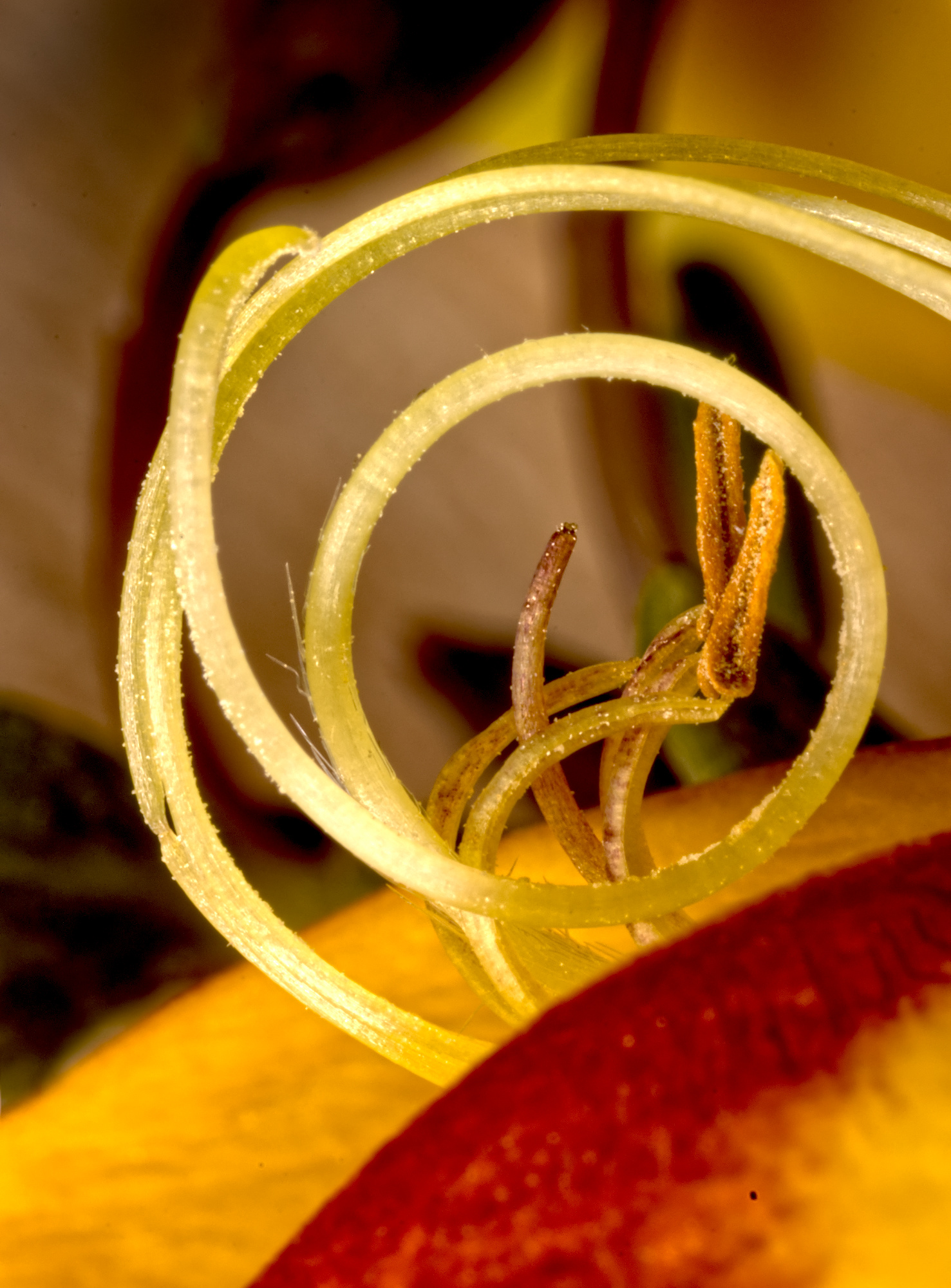
We have a couple of Amarylis plants. I always wonder how a plant can get that much nutrient out of the compost to grow at such an amazing speed.
Anyway, I really like your result, in particular the reflection. The focus, DoF and exposure are also spot on. Lovely colours and gradation, well done! A nice, steady tripod in use I suspect.
The lens has nothing to do with whether it's a macro shot or not, of course, only the magnification. I sometimes use my 100-400 lens for macro (it likes a bit of help from extension tubes sometimes) (200-800 full frame) which works fine when I can't get close. Here you chose to fill the frame with the flower which is fine for me. I'd never be hidebound by a "definition" of macro. It's close up, a lovely picture, period! |
Feb 8th |
4 comments - 8 replies for Group 6
|
| 64 |
Feb 20 |
Reply |
Hi Stephen,
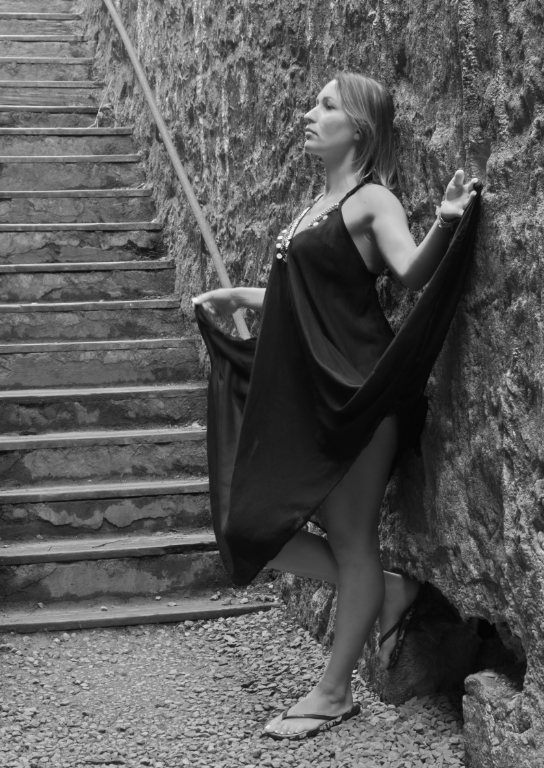
I don't think she has appeared before, as she only turned up once as a model when I was there at the portrait group I (very) occasionally visit at Ellesmere Port Boat Museum, near Liverpool.
Thanks for the El Greco - I'm not knowledgeable about paintings - but the "masters" of photography all get away with breaking rules that our club-level judges seem to hate when we copy them, in my experience! I suppose their assumption is that they are experts so did it deliberately, and we are the amateurs who should follow the rules. I've never followed that philosophy - when I make mistakes, I don't usually wash my dirty linen in public! Although a recent judge at a club competition said that he assumed that "mistakes" were deliberate, which is good, but he judged if the effect worked for him of course. |
Feb 23rd |
| 64 |
Feb 20 |
Reply |
Yes, I'd overlooked your input there, having not seen the colour version. I still think that the unusual gradation of this part of your photo is the most interesting as the lost highlights and graininess seem to transform it into an impressionist image which attracted my attention immediately, but the more mundane parts like the fountains and building reduce that impact. Oh well, I always see things differently to others! |
Feb 18th |
| 64 |
Feb 20 |
Comment |
I don't like over-cropping of wildlife pictures that lose the context of the habitat, but I don't think that applies here as the action is so captivating and the background is so well blurred. My only suggestion after Jerry's crop would be to lighten the beaks a little as they are a key feature. Perhaps it's not wildlife then, but I think it would be pictorially stronger. |
Feb 17th |
| 64 |
Feb 20 |
Comment |
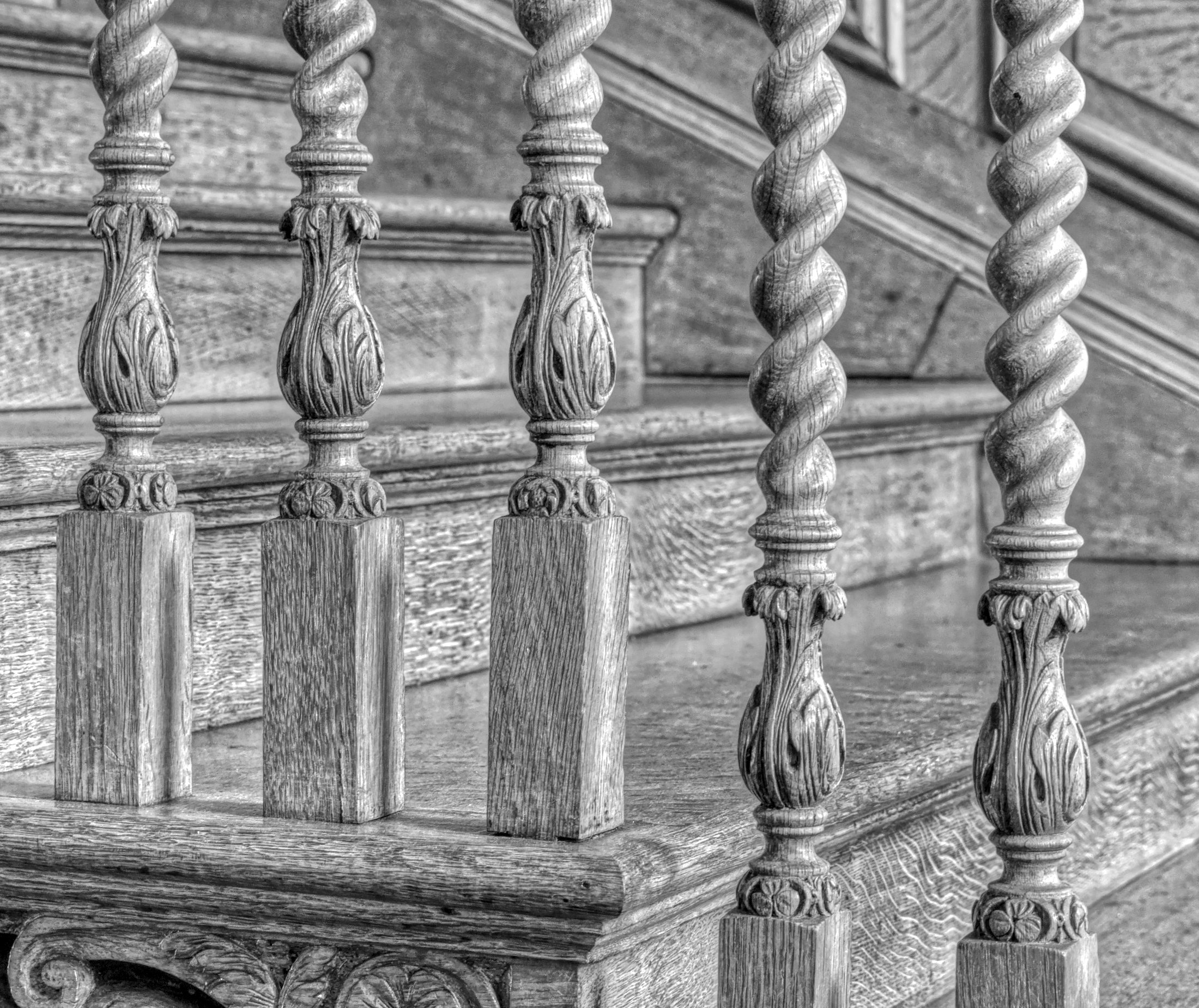
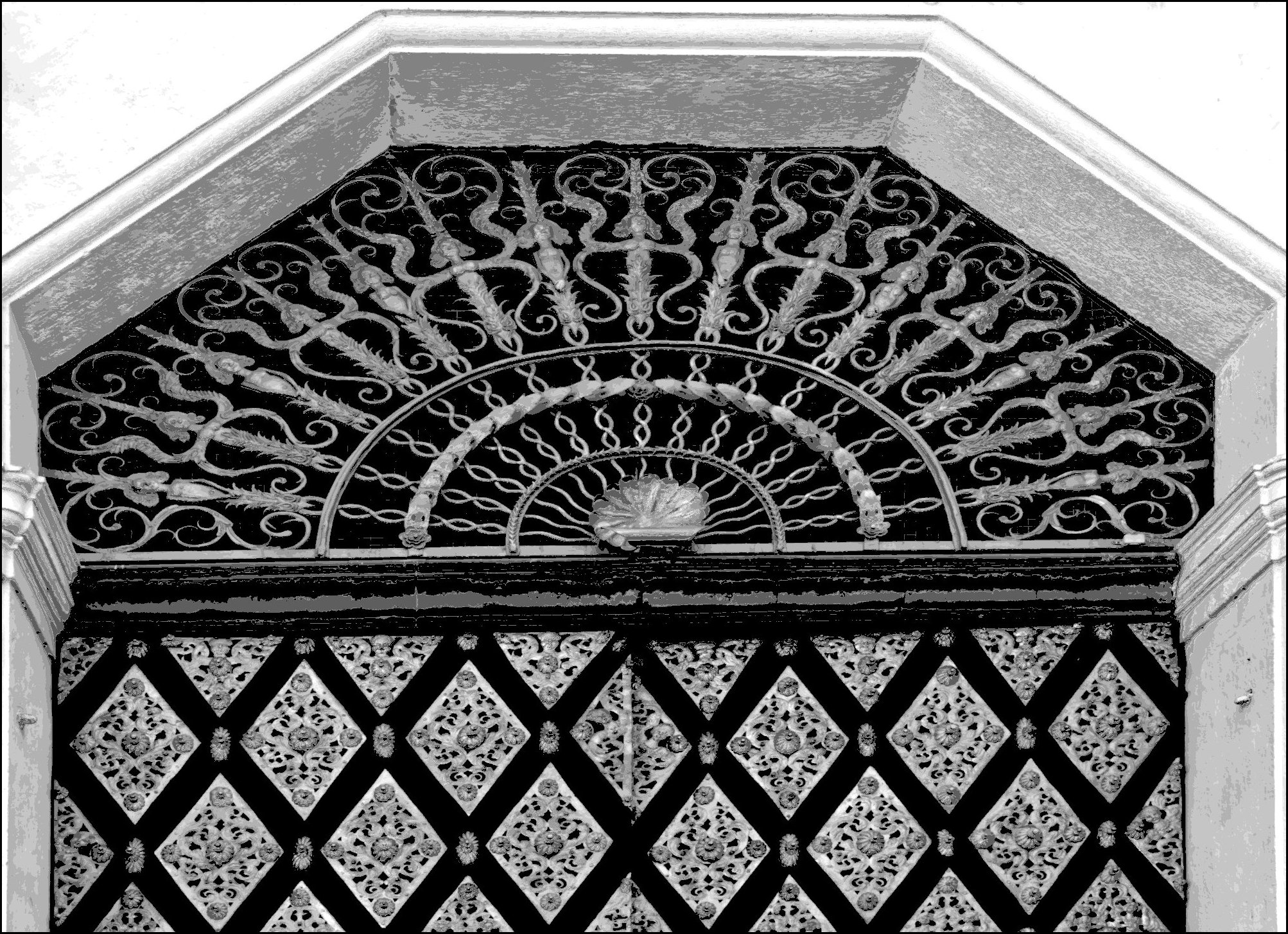
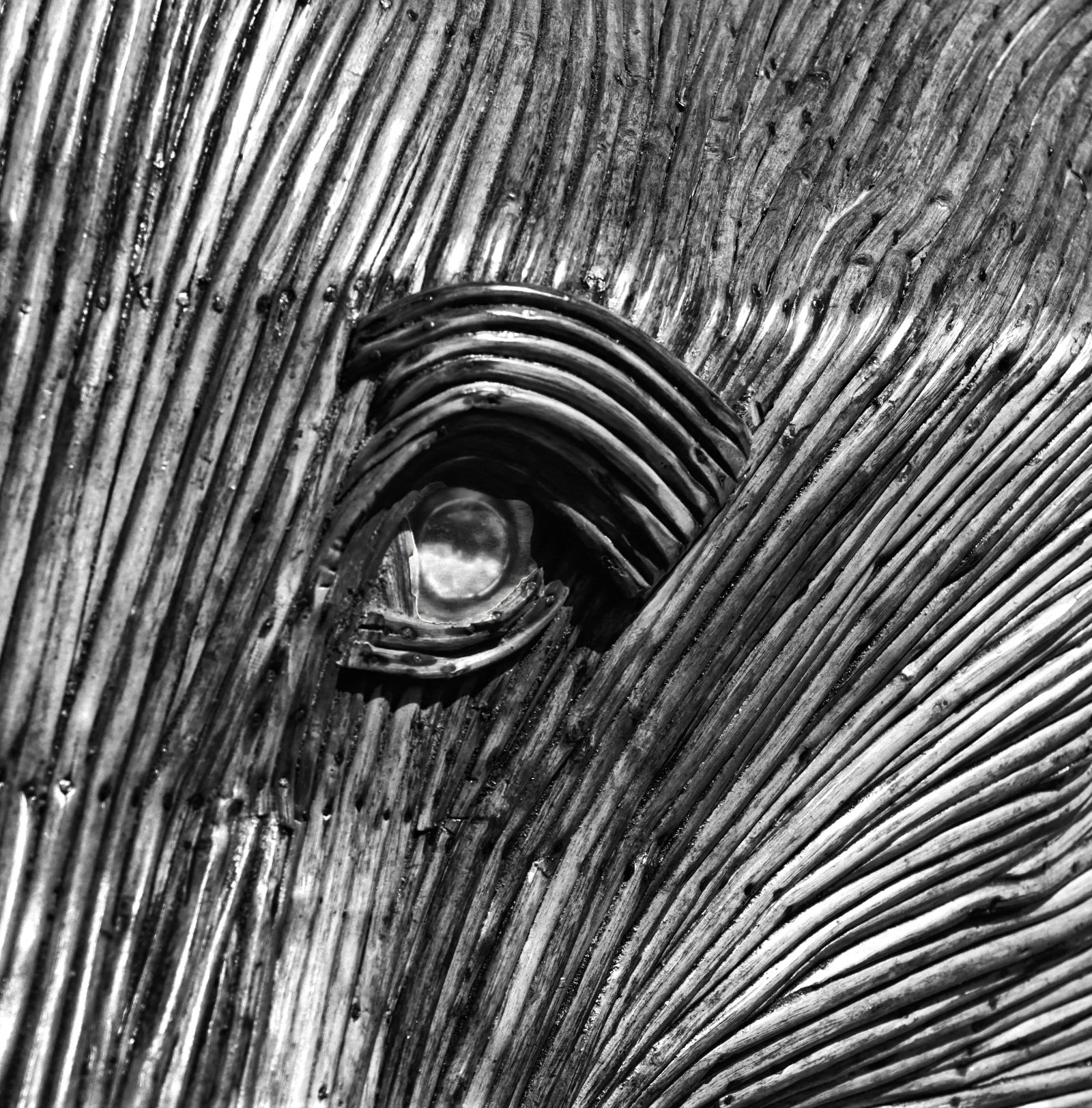
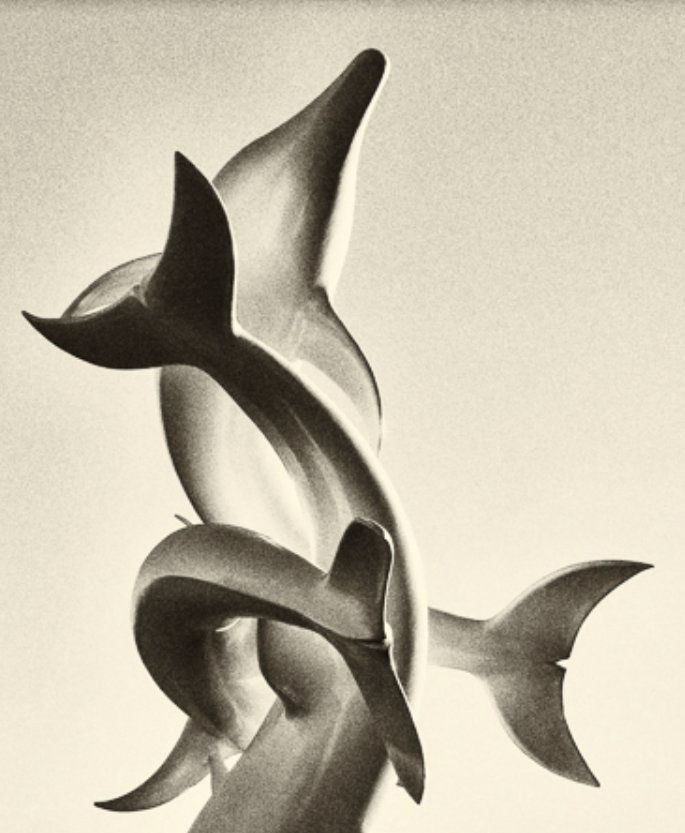
I've been taken to task before for photographing "other people's art", but given the future get-out if I brought in some art of my own to the result. So what extra is there here? I'm afraid I can't see much, it's a good record of the scene but not my taste. How about cropping in and concentrating on some of the intetwining parts with their high contrast? |
Feb 17th |
 |
| 64 |
Feb 20 |
Comment |
The give-away that the "original" is a stitched panorama is the absence of pixels along the top! I think the real original is in there somewhere!
I think it's another fascinating landscape, we have nothing like it in the UK or any part of Europe that I've been to.
I'd like to see the contrast between the foreground and midground made clearer, as it is in the colour. Personally I'd darken the midground a little to improve its detail but darken the foreground more to lead our eyes to the midground |
Feb 17th |
| 64 |
Feb 20 |
Comment |
I'm in agreement with Stan here, the barn roof merges too much with the background for me. I wonder how it manages to stay standing after a good storm. |
Feb 17th |
| 64 |
Feb 20 |
Reply |
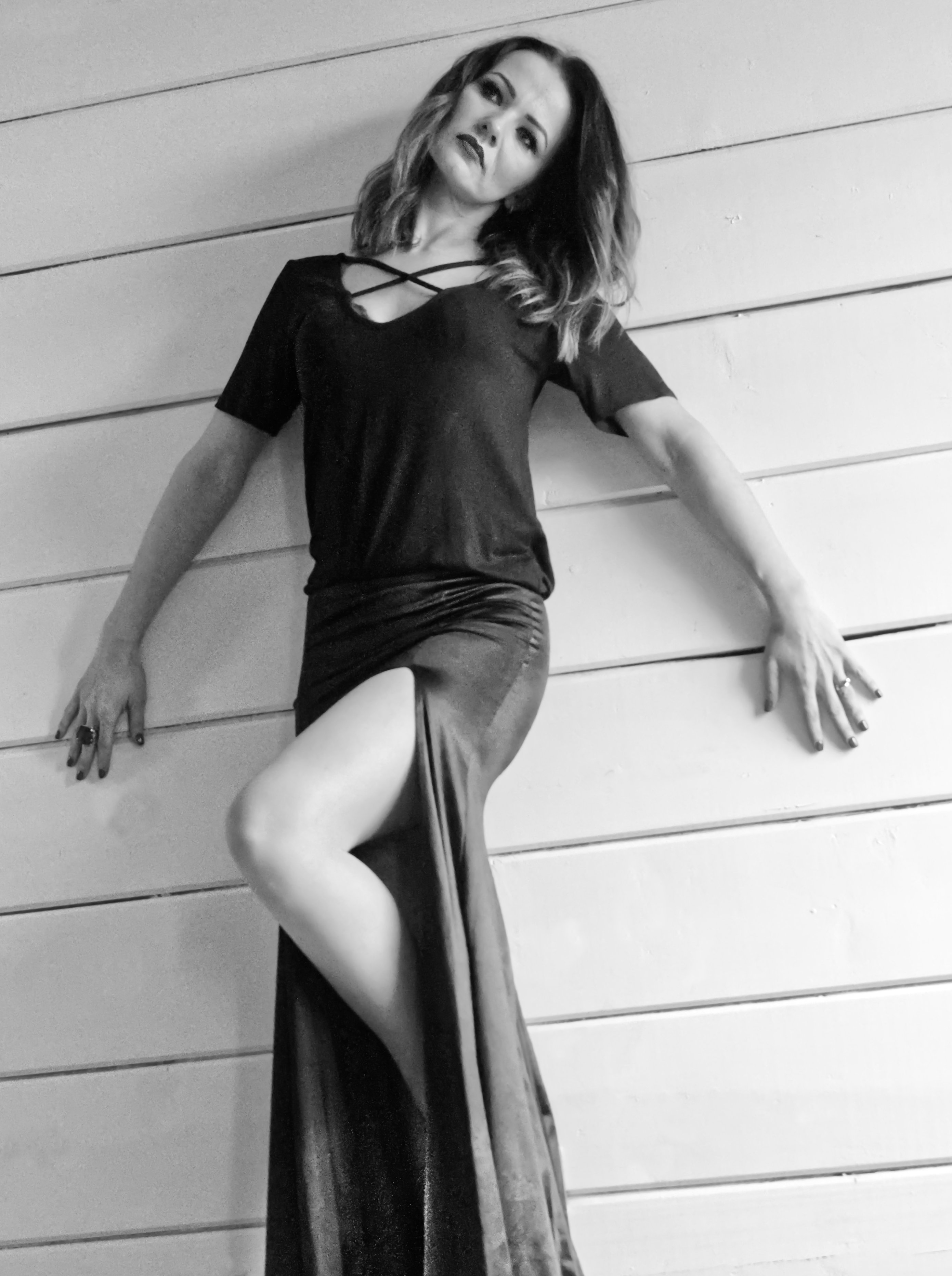
It's interesting I think, as I broke another "rule" too - don't show the underside of the nose! Actually, the model struck this pose without me requesting it, so she can't have been uncomfortable doing it. However it's the reaction of viewers that matters, so I'll bear all your comments in mind next time I go there. I just liked the contrast between the dark, hard, straight lines and her figure. |
Feb 10th |
| 64 |
Feb 20 |
Reply |
Yes, I don't remember the detail, but there were several windows, I don't think I introduced shadows in the post. |
Feb 10th |
| 64 |
Feb 20 |
Reply |
Thanks, that was the intention, not a conventional portrait. I should have called it "Back to the wall". |
Feb 9th |
| 64 |
Feb 20 |
Comment |
Nice picture, another one where the mono is distinctly better than the colour, in my view. I would have preferred a little more space on the right hand side to let the windows "look" into the space, but it's not on the original.
Are the verticals vertical? It seems a bit off to the left to me.
I'd agree with Don, darkening the woods would make it pop out more for me. |
Feb 8th |
| 64 |
Feb 20 |
Comment |
I think the mono is a great improvement on the colour version, with lots of nice detail popping out, a super picture now.
Maybe just altering the white point might be better than more contrast, just to give a bit more light tones? I would avoid making the building too white though, and also be wary of losing detail in the foreground shrubbery.
Also (sorry!) I would remove the light area (bottom right) and tone down the sun reflection on the sphere. |
Feb 8th |
6 comments - 5 replies for Group 64
|
10 comments - 13 replies Total
|