|
| Group |
Round |
C/R |
Comment |
Date |
Image |
| 60 |
May 24 |
Reply |
What made the image was the great crop. |
May 20th |
| 60 |
May 24 |
Reply |
What made the image was the great crop. |
May 20th |
| 60 |
May 24 |
Comment |
Blair,
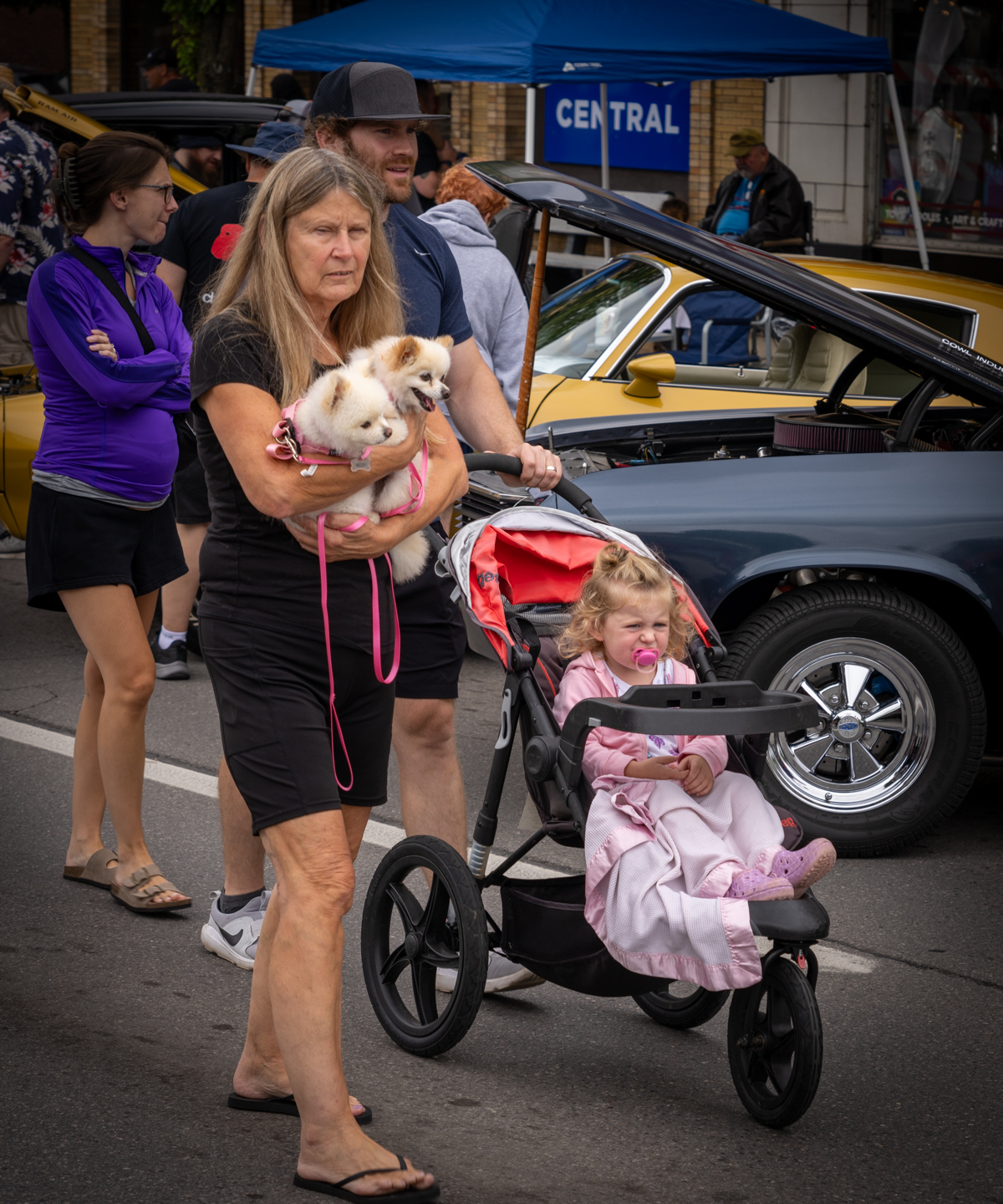
This is a pleasing candid photo of both children. I might lighten you granddaughter's face a bit and place a vignette on the background.
|
May 9th |
| 60 |
May 24 |
Reply |
Anne,
I am approaching 80 and I agree that getting older presents some challenges. But I know that learning and refining my photography is good for my brain and I expect you are fully capable of learning much more about your camera. I would urge you to explore all your camera's capabilities - P, S, A, auto ISO, manual exposure, manual ISO may each have a best application. There is no one "best" setting. There are many resources on the Internet - I particularly like Matt Kloskowsky and Simon d'Entremont. For bird photos, after some study and experimentation on site, these are the settings I use when trying to capture birds in flight. I set the camera to manual exposure so I can select the f-stop and shutter speed (independently). I set the ISO to auto because I don't want to keep adjusting either ISO, shutter, or aperture to maintain the correct exposure settings. For birds in flight, I would definitely set your shutter speed higher; probably much higher. If you use the settings above, the camera will adjust the ISO automatically to keep the correct exposure. If your camera has a tracking mode, I would set it to "birds". I would select a smaller focus area - spot or wide spot. And I would set the burst mode but beware you can get many photos very quickly in this mode. I did pixel peep your photo, looking at the eye of the bird but the resolution after your crop is so low that further enlargement just results in pixelation. If you actually wanted to print this photo, you would have to add some pixels but for electronic display it is fine. |
May 4th |
| 60 |
May 24 |
Comment |
Anne,
Nice in flight capture. Without doing any pixel pepping, the eye appears in focus as well as the body of the egret. That surprised me a bit because of the relatively slow shutter speed you used. I have found that 1/1000 - 1/2000 is usually what I need to capture birds in flight clearly. The exposure is excellent - good detail in the whites. I might reduce some of the open space (blue sky) above the bird since it doesn't really add to the visual interest. Also might remove the branches in the lower right which can easily be done in LR.
After I started taking more bird pictures I purchased an inexpensive gimble mount for my tripod. I don't always use it but it can help with tracking birds in flight. |
May 4th |
| 60 |
May 24 |
Reply |
Thanks Robert. |
May 3rd |
| 60 |
May 24 |
Reply |
Michelle,
We have all gone through this process of figuring out how to exposure triangle actually should be applied to camera setting when on site. And I think you have it right. If you set the ISO to 2000 and set the camera to shutter priority, then the only thing the camera can change to maintain the "best" exposure is to adjust the aperture. Since the shutter was set to 0.5 sec (relatively long) and the ISO to 2000 (relatively high), the camera had to reduce the amount of light (in that lighting situation) reaching the sensor by making the aperture smaller (f32). You might have selected manual exposure so you could select both the desired f stop and shutter speed and let the camera select the ISO (auto ISO). I often use these settings. For example, you might have been able to do 0.5 sec (selected by you), f8.0 (selected by you), and ISO 250 (selected by camera). Or, if you wanted to control all three, you could have selected manual exposure and manual ISO. Then you would need to be aware of the light meter to see if you are at the "best" exposure. Go out and experiment with all these settings so you get comfortable and better understand how your camera is working.
In this situation, where you are intentionally trying to blur the image with a slow shutter speed, I don't think that using a tripod would have made much difference. It might have reduced any camera movement, which might have reduced the blur but it might not because many cameras now compensate for camera shake. I still often use a tripod (if the situation permits) but these days cameras are much less subject to camera shake compared to back in the day when there was no electronic adjustment for camera movement when handholding. If you were in a crowd, setting up a tripod is often not possible without irritating a bunch of people. |
May 3rd |
| 60 |
May 24 |
Comment |
Michelle,
This is a very complex and interesting image. Cropping out the top portion of the original provides a better framing. Looking at the entire image presents a kaleidoscope of colors and implied motion. Looking at the details one can perceive the costumes and facial character of the participants. It was insightful to understand that you could produce a more interesting image by using a slower shutter speed and blurring the image.
You understand that f32 is the smallest aperture and would admit the least amount of light but would provide the greatest depth of field (depending on other variables)? Did you mean f3.2? |
May 2nd |
| 60 |
May 24 |
Reply |
I agree. |
May 2nd |
| 60 |
May 24 |
Comment |
Rita,
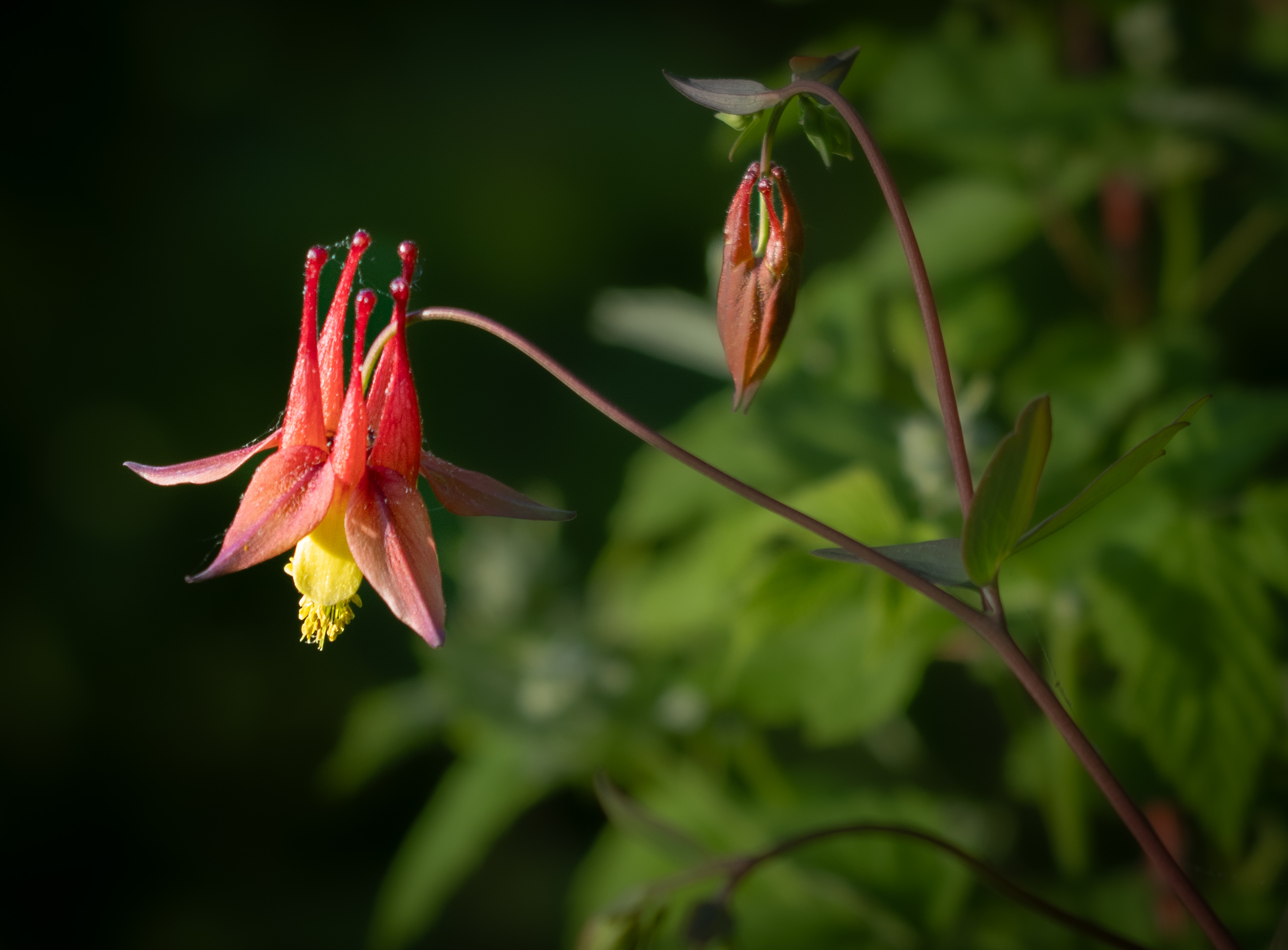
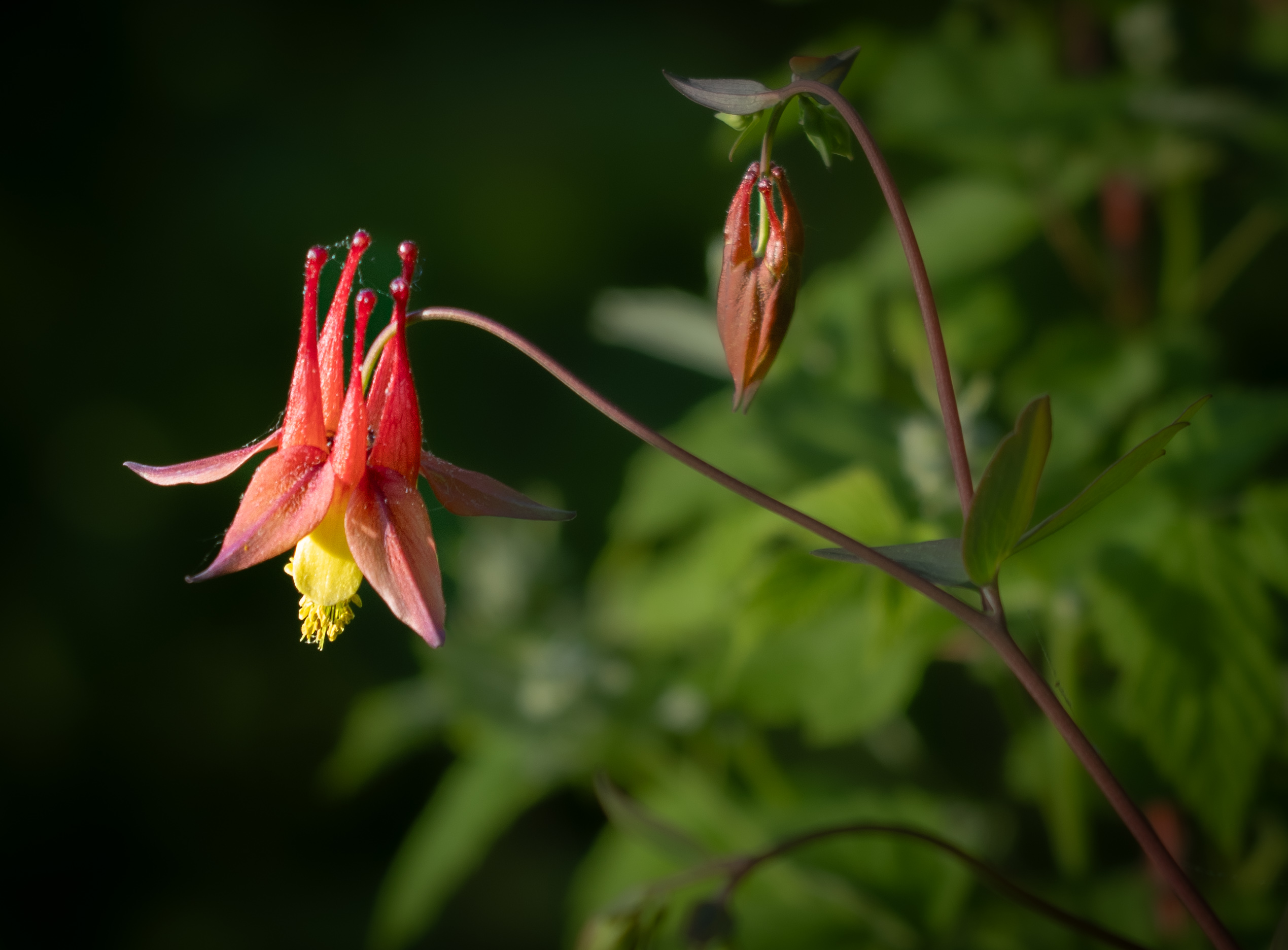
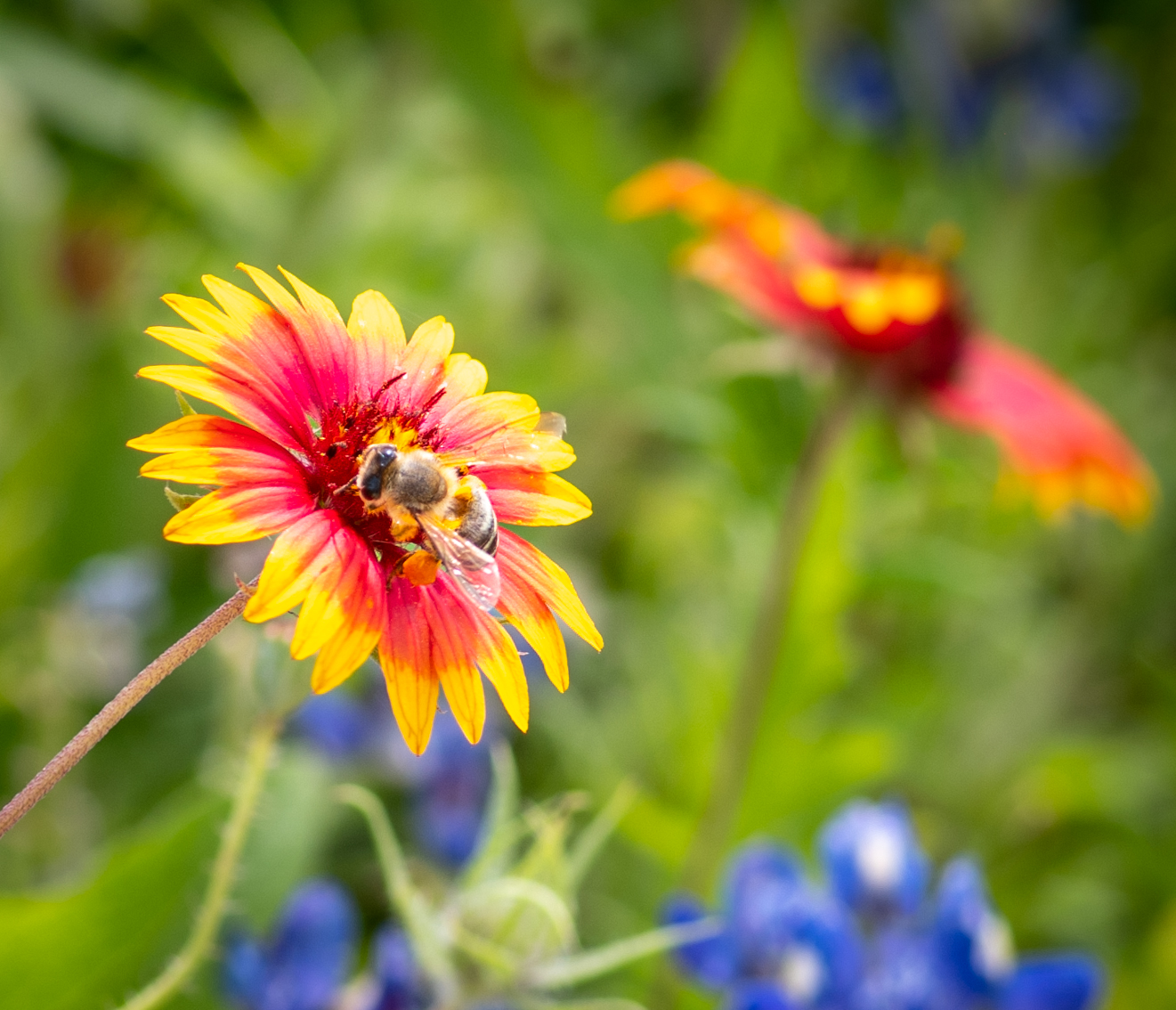
I am starting to begrudgingly realize that some subjects, including flowers, may be better photographed with a phone rather than a large and heavy DSLR, especially if you need to get down low.
The background is nicely muted and the red in-focus subject is vivid. I might crop out or remove the in-focus buds which are intruding on the lower right of the image. |
May 2nd |
| 60 |
May 24 |
Comment |
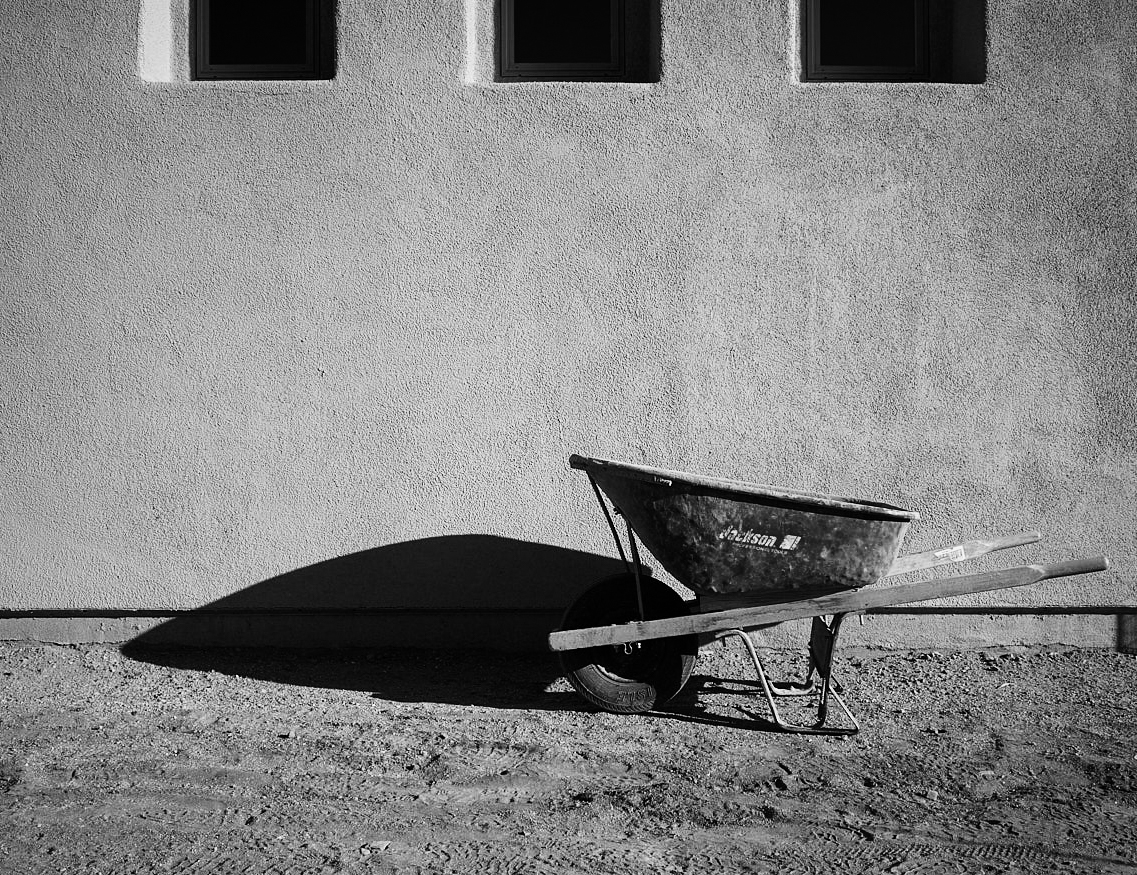
Robert,
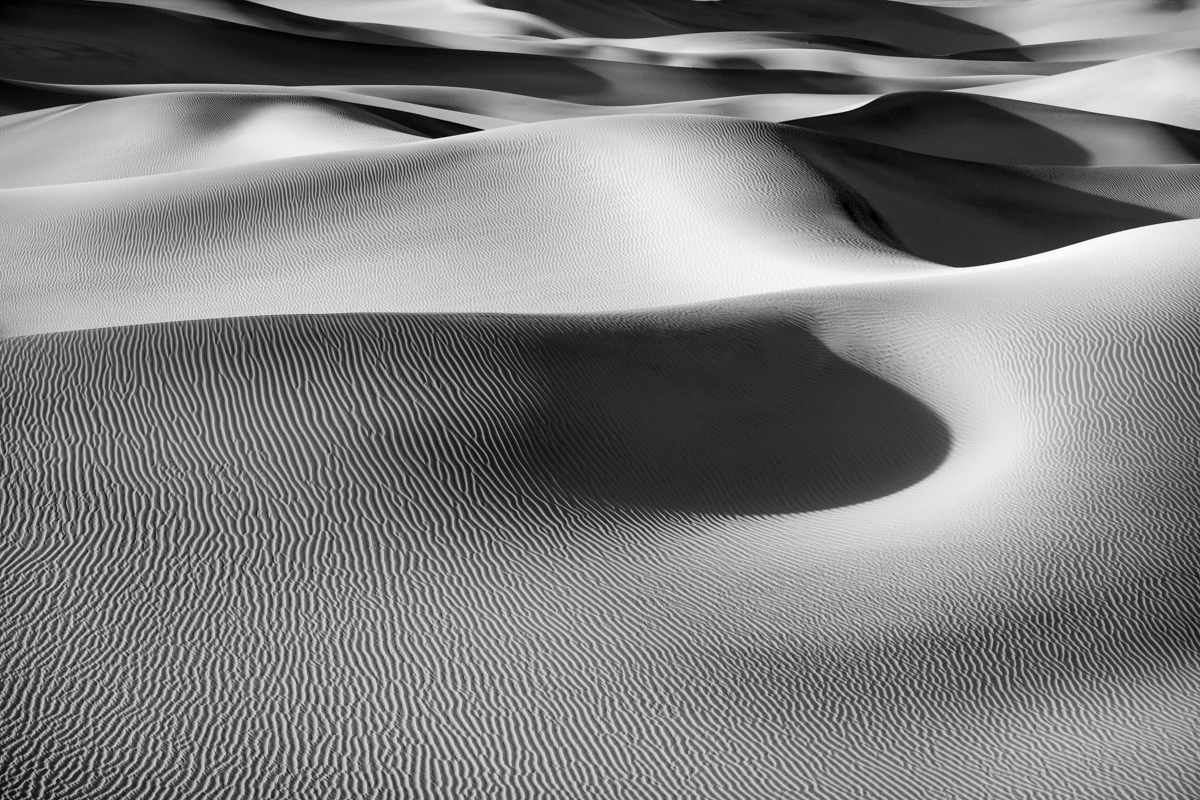
I like the simplicity and clarity of this composition. The crop eliminated the distracting shadows in the right lower part of the original image. It would make a good b/w image too. See attached for another possible version. |
May 2nd |
 |
| 60 |
May 24 |
Comment |
When I first saw this image it took me a while to comprehend that Tim had created a complex photographic composite which replicates very faithfully a famous painting by Caravaggio (as Tim noted in his description). And Tim himself is an amazingly faithful likeness to Caravaggio's rendition of Saint Jerome. I think this is one of the most amazing and well executed composites that I have ever seen. Maybe I should address Tim as Saint Tim henceforth. I have encouraged Tim to enter this image into the appropriate category of a photo contest. |
May 2nd |
6 comments - 6 replies for Group 60
|
| 69 |
May 24 |
Reply |
Yes, those are keepers for sure. |
May 23rd |
| 69 |
May 24 |
Reply |
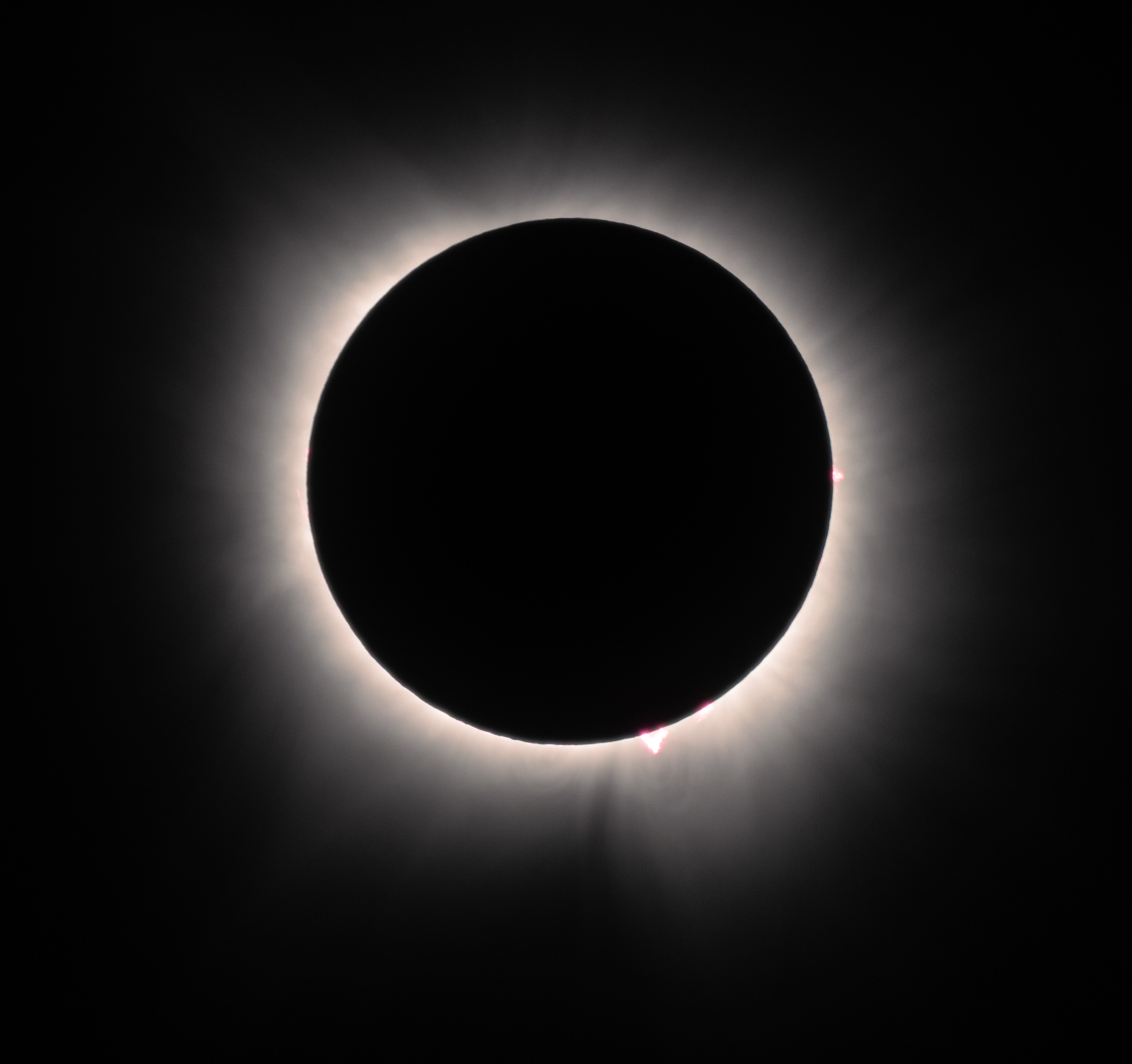
Jaswant,
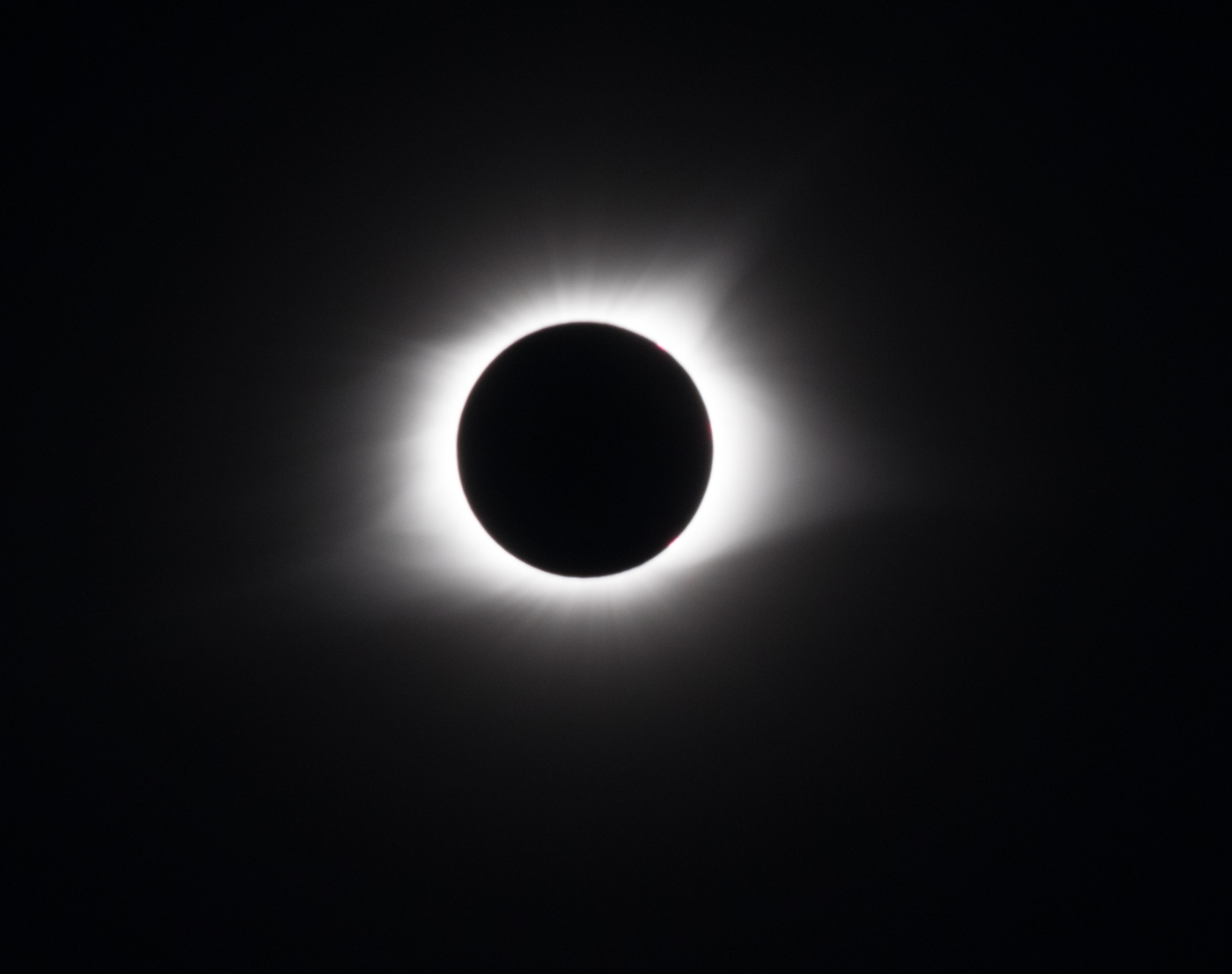
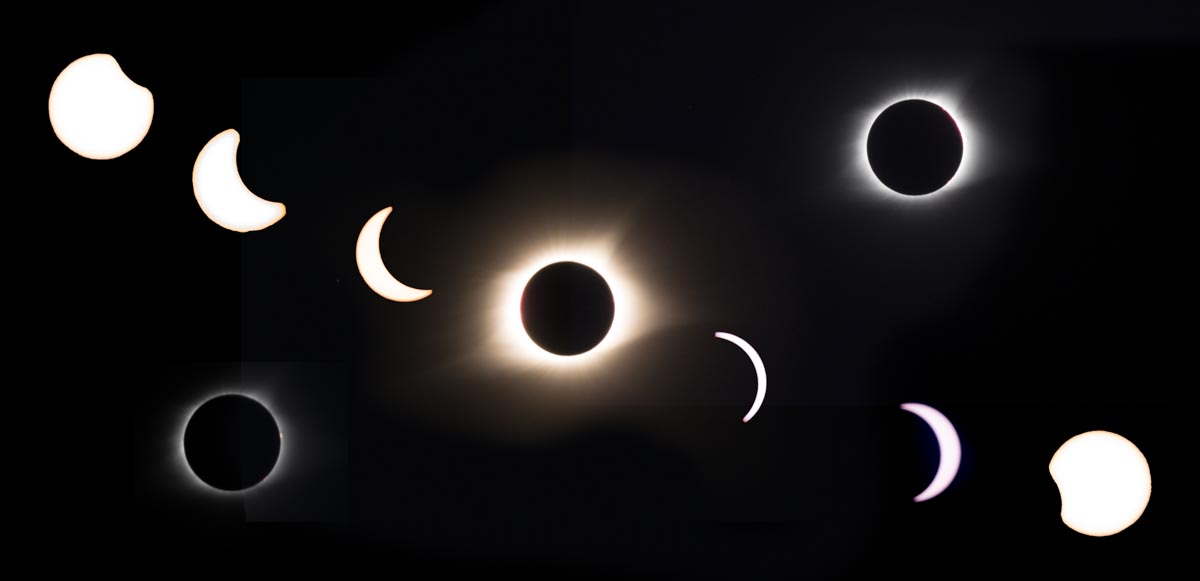
I have been fortunate to experience the last two in the U.S. but I think that will be all for me because the next one is in 2044 (in the U.S.). |
May 19th |
| 69 |
May 24 |
Reply |
This is nice too. Sounds like a good place but too far away from me. |
May 5th |
| 69 |
May 24 |
Reply |
Bummer. |
May 4th |
| 69 |
May 24 |
Comment |
Diane,
I like that the dog is in the light and the background in shadow. It certainly looks like it could be a domestic dog. I'd probably crop in and get the face as the center of attention. The tree and the background provide context but don't otherwise add much to the image. Including the pups might increase the interest. |
May 3rd |
| 69 |
May 24 |
Comment |
Why B/W? Does it work better than the color original? |
May 3rd |
| 69 |
May 24 |
Comment |
It looks like he was about to grab something? Where is the raptor preserve in Ontario? |
May 3rd |
| 69 |
May 24 |
Comment |
Cropped but still sharp - adding pixels worked well. Lovely color and good catch. |
May 3rd |
4 comments - 4 replies for Group 69
|
10 comments - 10 replies Total
|