|
| Group |
Round |
C/R |
Comment |
Date |
Image |
| 30 |
Jul 17 |
Reply |
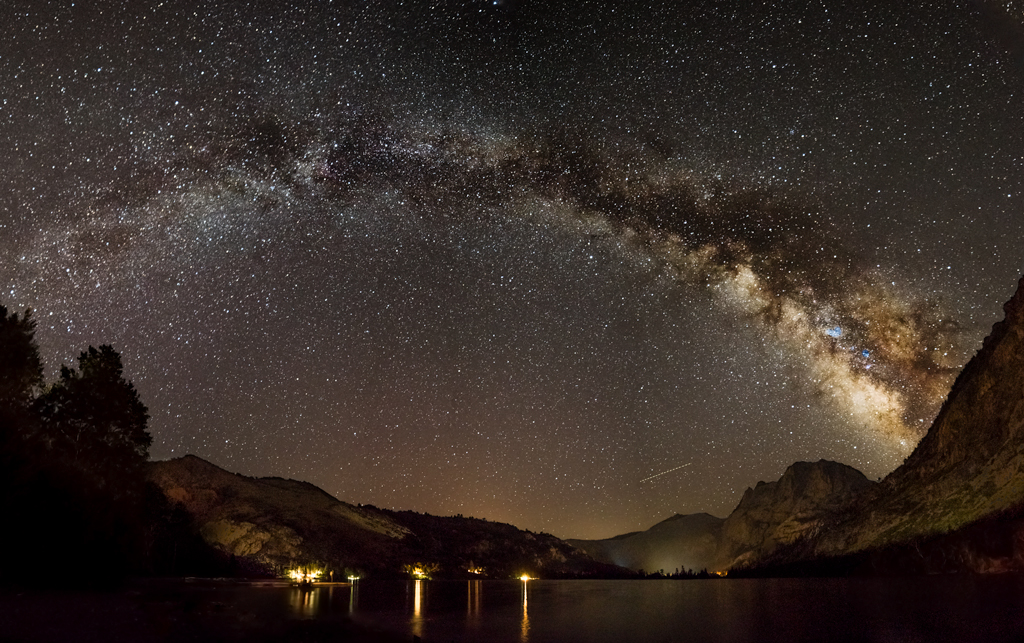
Robert, I really like the addition of the orange.
I was looking closer at two more advanced pieces of software for panos, PTgui and Hugin. Both show that the software chooses a reference frame, and then pick points that are common between frames, and treats the foreground and the sky independently. When shooting, there should be a %50 overlap from one photo to the next.
If you have a drop box or similar, I'd be happy to put the images out there so that you can play with them. |
Jul 10th |
| 30 |
Jul 17 |
Comment |
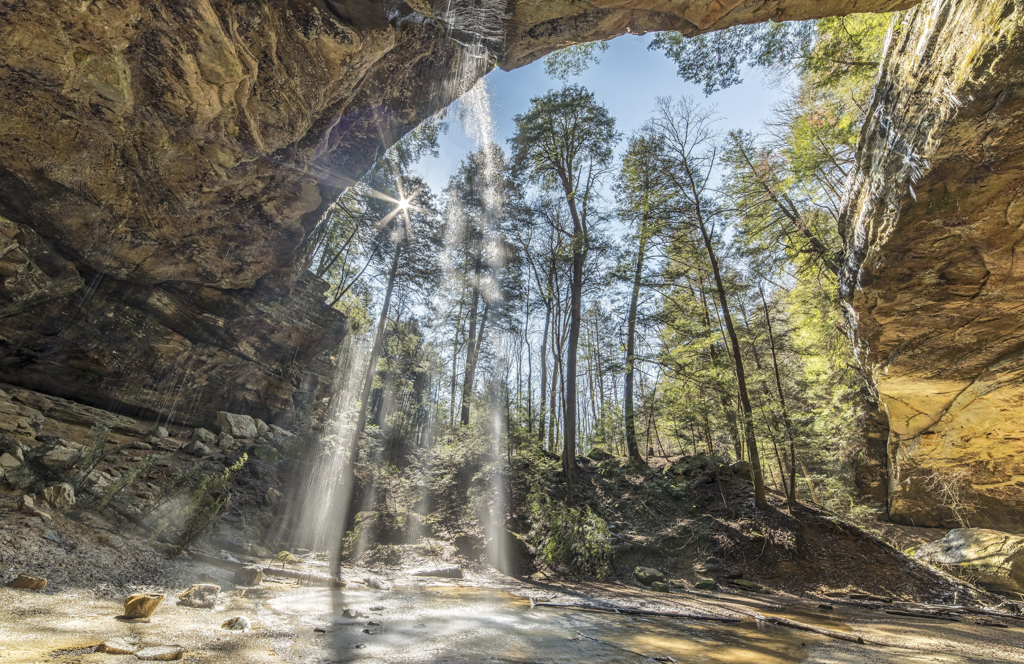
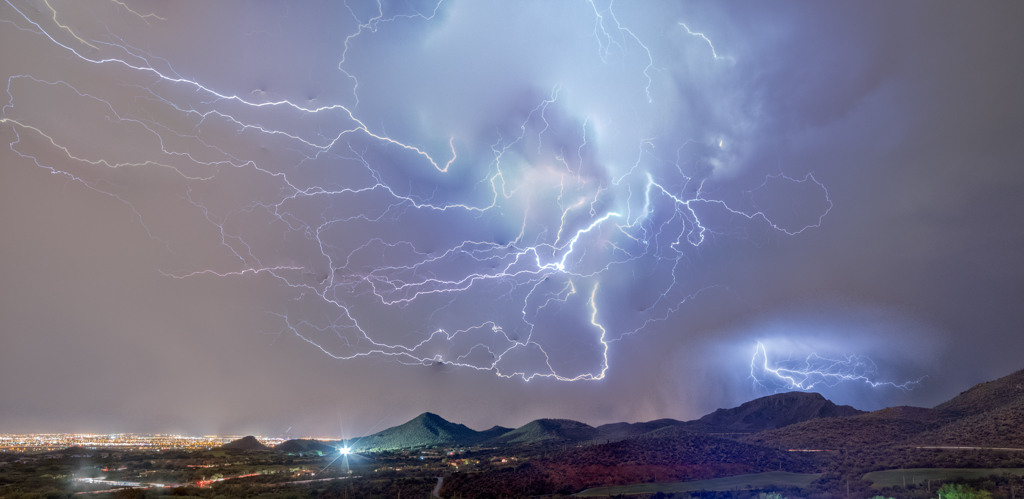
For me, the fog is what makes this photo unique. Like the others, I probably would have cropped a little bit off of the top. |
Jul 5th |
| 30 |
Jul 17 |
Comment |
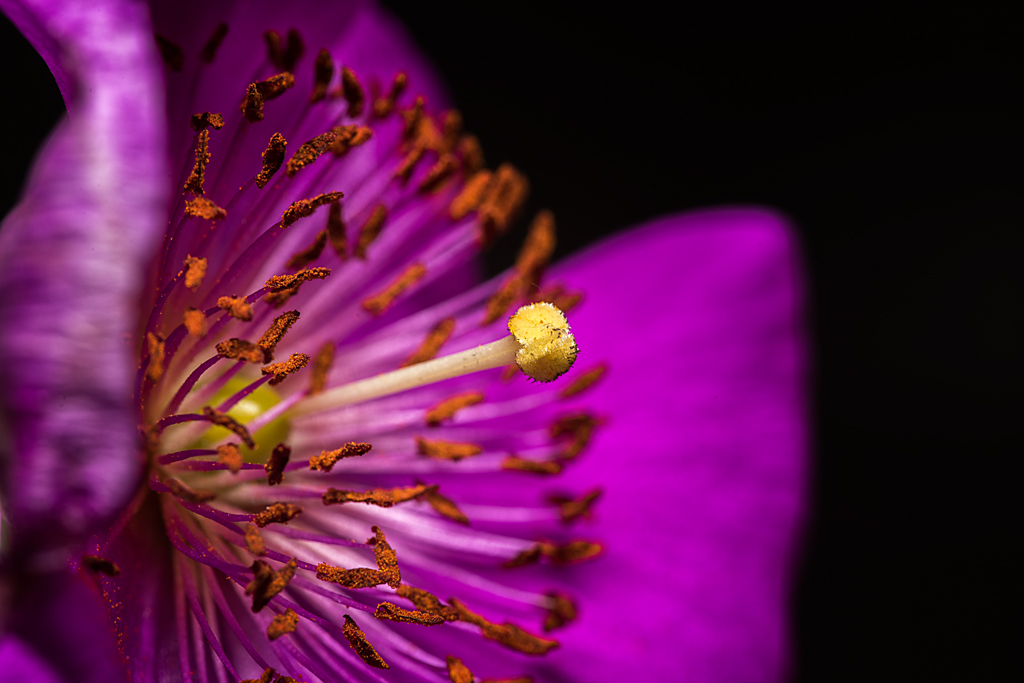
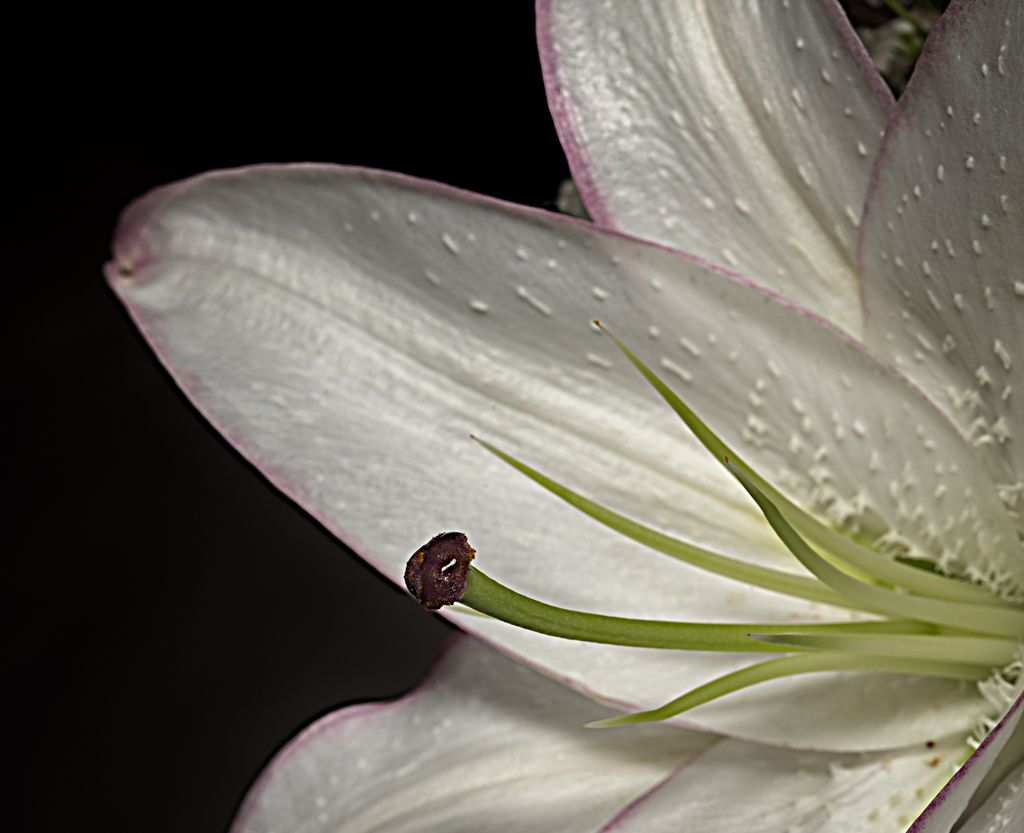
I really like what you did here. I like the low angle/horizontal shot.
You have a very shallow DOF, as expected with the extension tube and F 3.5, but to me all of the yellow stamen appear out of focus to me. Maybe it's just the low resolution pics that we are limited to. If they are in focus on your original then thumbs up!
Although the flower probably has the orientation that you present, I find myself tilting my head until I give up and rotate my whole laptop. |
Jul 5th |
| 30 |
Jul 17 |
Comment |
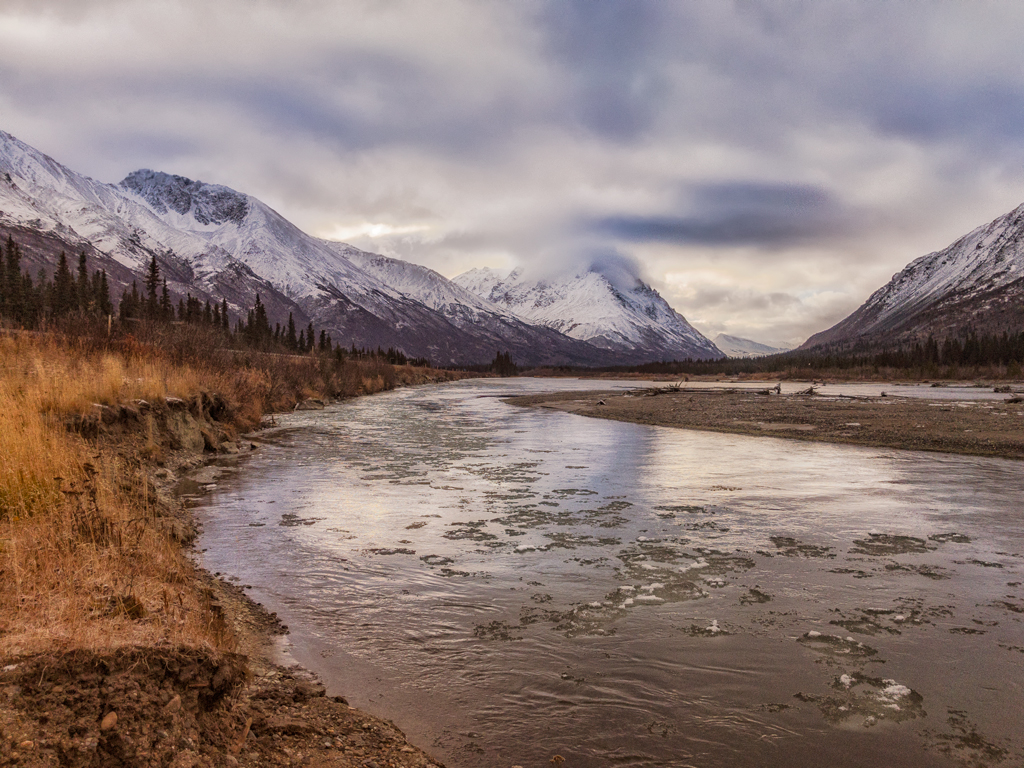
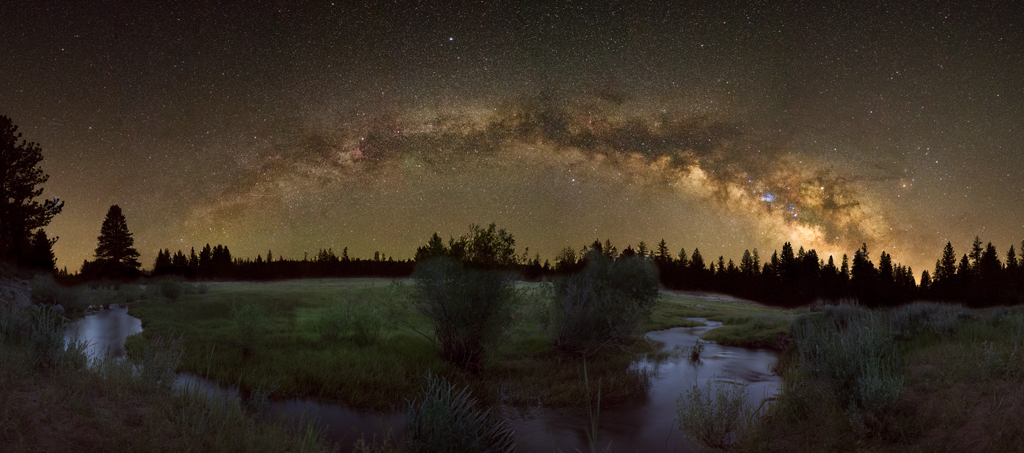
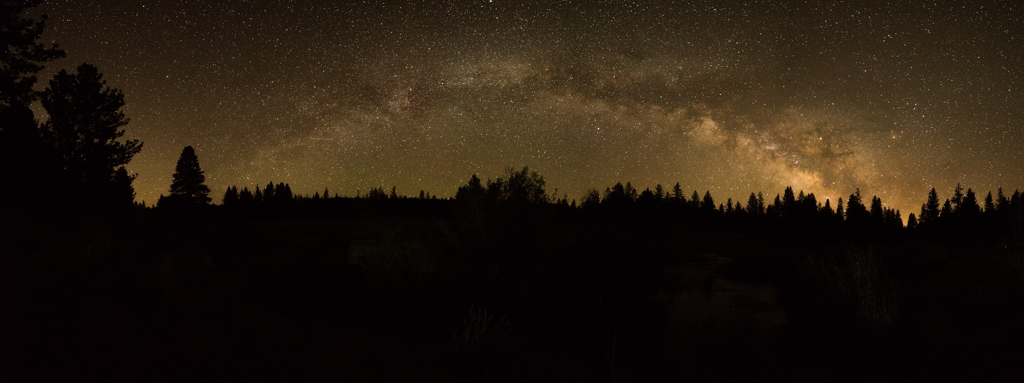
Here's a pano of the sky only, unprocessed other than the stitching. Is that what you were looking for Judy?
Robert, you always come up with the good questions to make me think. Like you say, I've noticed that the pano type shots nearly always show some type of distortion. In this case, the stream had a slight "U" to it, but the pano exaggerated it by 10 fold.
Because of the moving water, I wouldn't expect mirror like reflections. I keep trying to get to a lake and get a shot with the reflections but overtime I try, I get a breezy night and no reflections.
To the second point, the lack of star trails. The most common question I get from knowledgable photographers. Previously, you asked the question, and at the time I could only respond that there is magic in the software. Since then I've continued to learn a few a little bit.
I learned a new technique for noise reduction in high ISO astrophoto shots that involves stacking 6 or more images that were taken without moving the camera.
In Photoshop, you have to make masks of both the sky and the ground, then each sky shot is rotated to line up the stars, then blend it all back together.
A painful task in PS. I found a program for Mac "Stary Landscape Stacker" that does it almost automatically. The program stops to ask you the user if it has correctly identified the sky vs foreground, then it automatically aligns and combines.
So, I have to assume that LR and PS are essentially identifying the foreground and masking it while they align everything else similarly to the above.
Other than that, I have to stick with, it's magic. :-)
Regarding the start reduction, Hmm, a good observation, as I look at the photo, perhaps a little less reduction is appropriate
Thanks
|
Jul 5th |
 |
3 comments - 1 reply for Group 30
|
3 comments - 1 reply Total
|