|
| Group |
Round |
C/R |
Comment |
Date |
Image |
| 22 |
May 18 |
Reply |
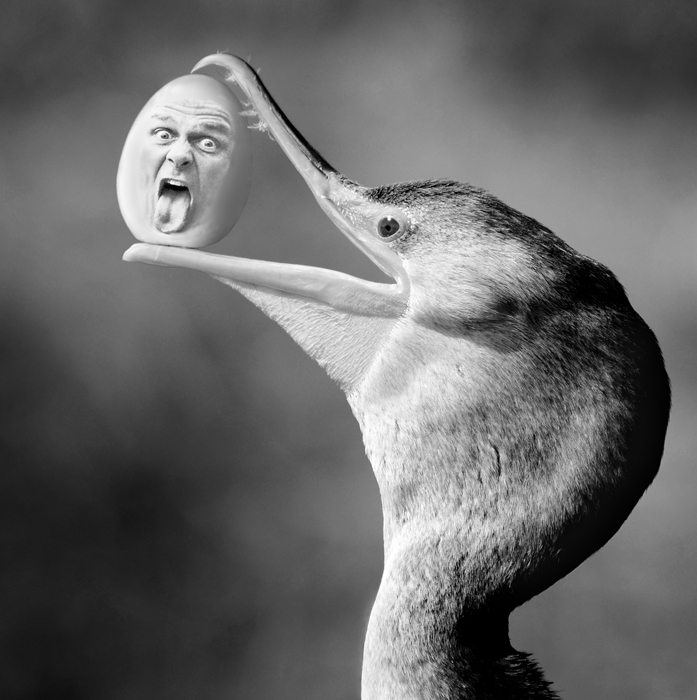
I think you're probably right -- in keeping with the times, maybe it can be called "fake" double exposure! |
May 19th |
| 22 |
May 18 |
Reply |
Hola, Sr. Doctor, Please see my reply to Joe, above. |
May 18th |
| 22 |
May 18 |
Reply |
Please see my latest reply, above. |
May 18th |
| 22 |
May 18 |
Reply |
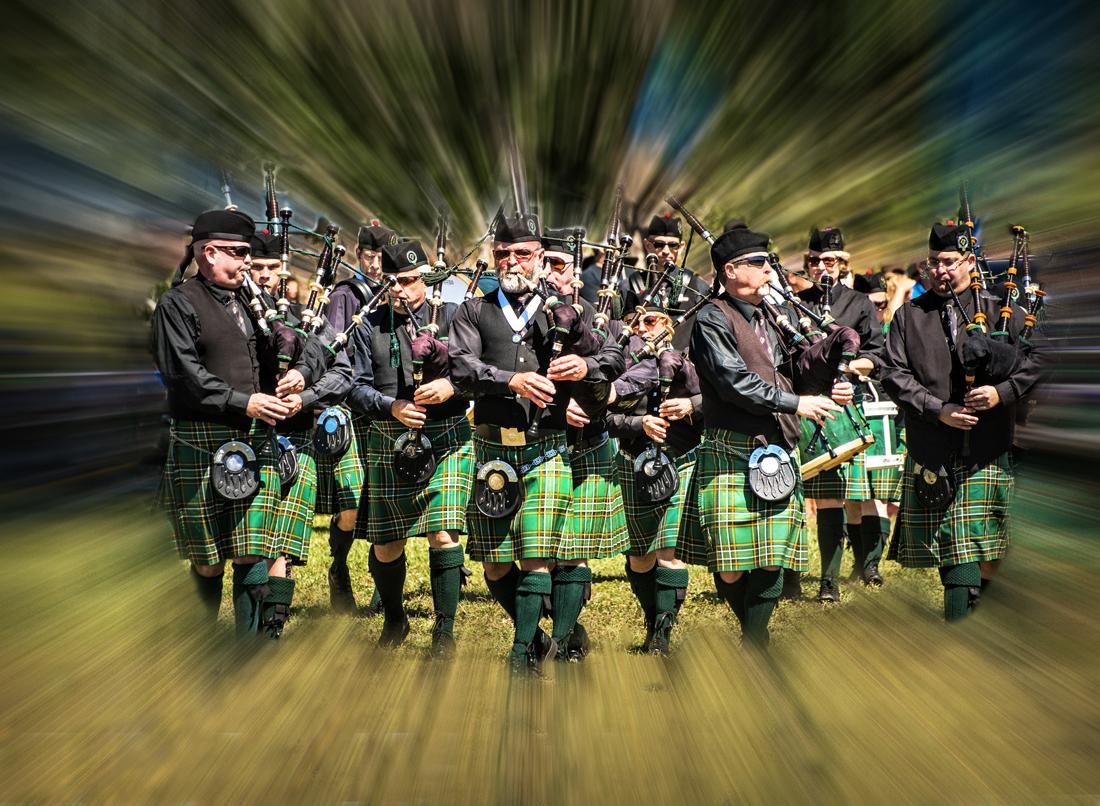
In going over the original image, I could see that the feet were never going to be entirely visible because the bands were marching on grass and maybe the organizers had left it growing a bit on the long side. I could see this would work out better if they had been performing on a solid surface. |
May 18th |
| 22 |
May 18 |
Reply |
Many thanks Ian. |
May 18th |
| 22 |
May 18 |
Reply |
Thanks, Stephen, for the kind words. There are certain times when you must witness something in person for the full effect to hit home. In my experience this applies to the sound of Formula 1 engines (at least up to a few years ago), watching ice hockey, and seeing and feeling bagpipe bands marching past on the parade ground. Seeing any of these events on TV just doesn't quite cut it. There's something about the rhythm, or cadence, and the ancient tradition that surrounds the music -- perhaps the best description is hypnotic. I would love to see the Tattoo in Edinburgh some day. |
May 18th |
| 22 |
May 18 |
Comment |
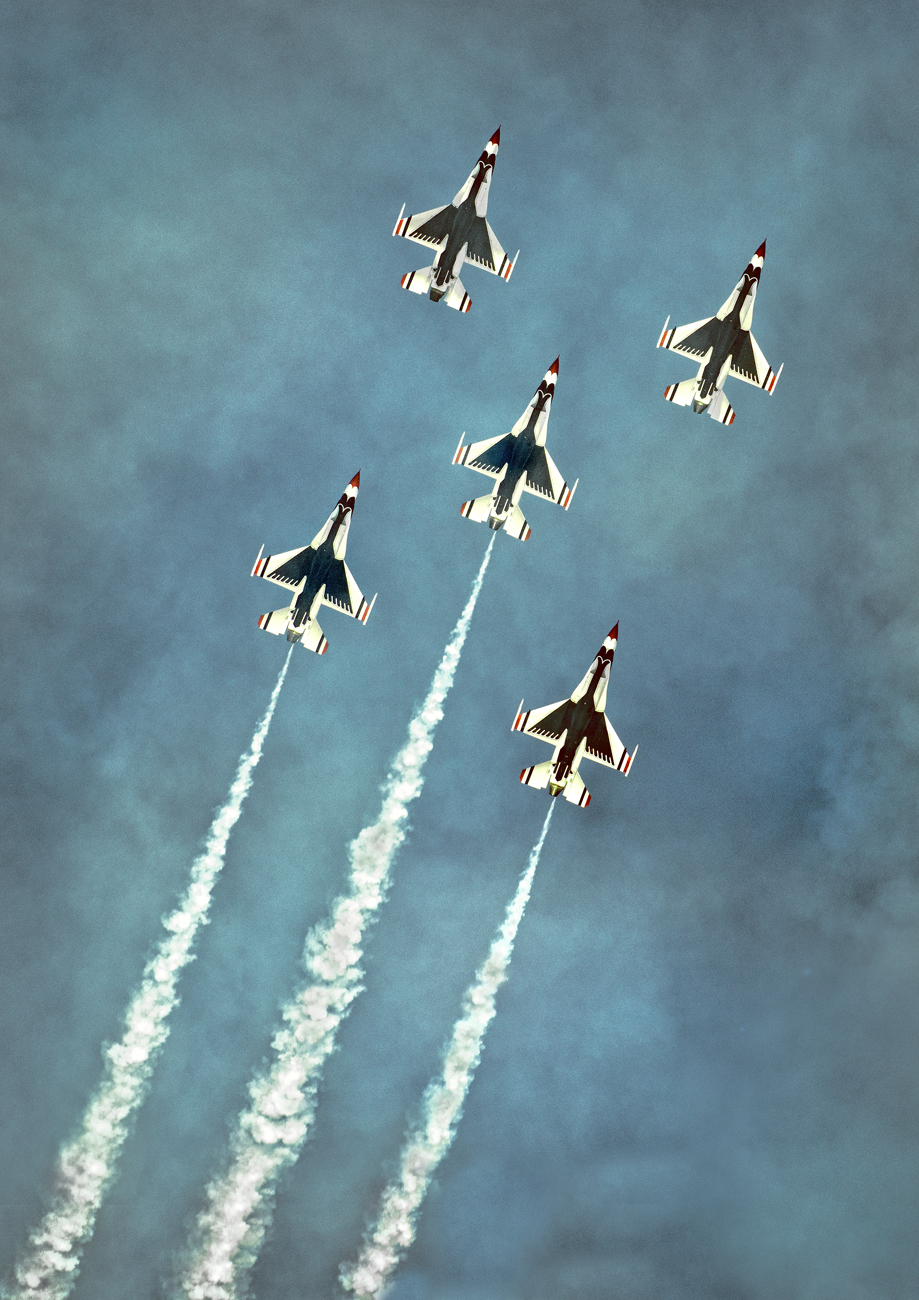
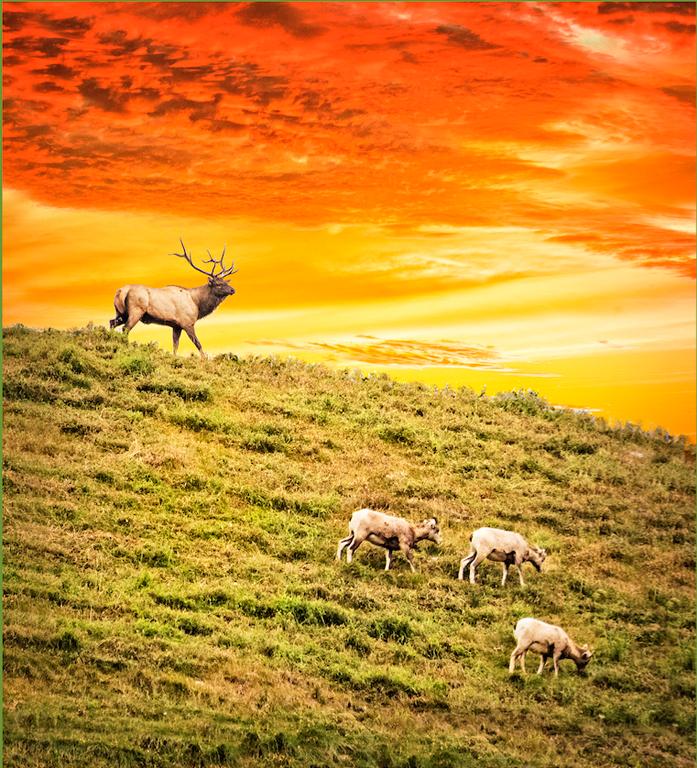
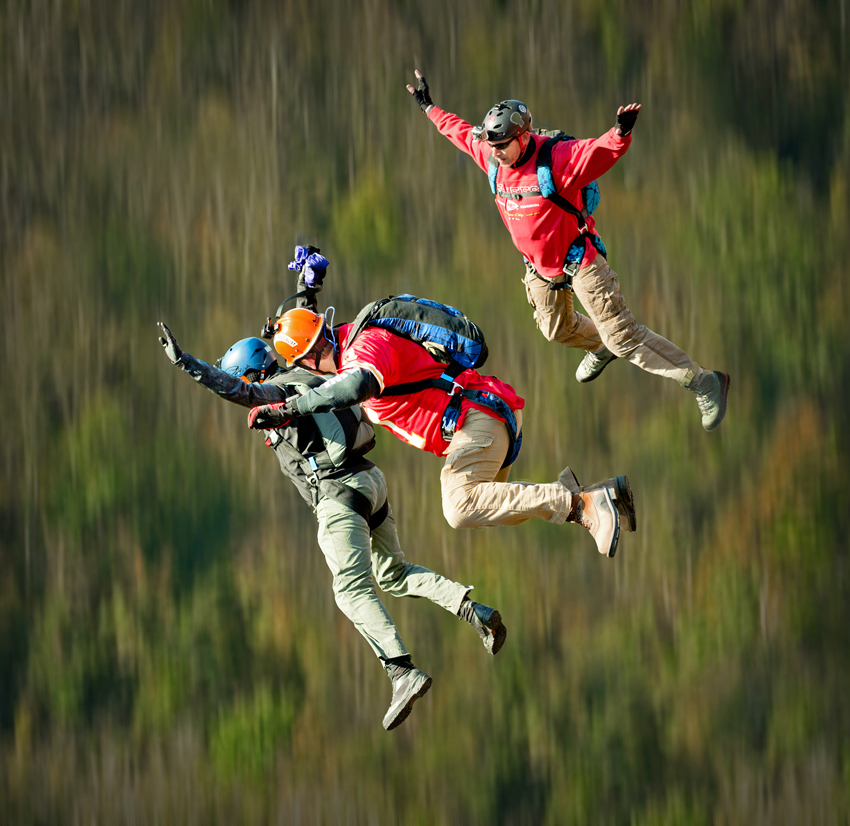
I kinda agree with Joe in that I wonder if both planes could have been separated one from the other via differing exposures or perhaps zooming back or even physically moving back from the subjects. As it is now they're just blended too much to the point where the planes are sort of melding into one. |
May 18th |
| 22 |
May 18 |
Reply |
I have the same issue trying to accurately judge my monitor. I have found that sometimes it's good to have a slightly bright image because very often the labs tend to print too dark. |
May 15th |
| 22 |
May 18 |
Comment |
I like the idea behind your picture, but on my monitor, at least, the flower tends to be too blown out, thus lessening its "starring role" in the overall composition. I don't see why you couldn't make the flower completely opaque, and you would still have it in a new setting. Also, and I have to be careful with this in my pictures, the vignetting is a little too "muddy," or gray looking. The edges of the image could still be saturated and dark at the same time.
|
May 14th |
| 22 |
May 18 |
Comment |
John, a nice creative picture, with the vivid red "supported" by the warm golds and browns in the background. I like that the flower (tulip?) is off-center and tends to fulfill the rule of thirds. Nice job of making it into a polaroid print. The dark area in the lower right acts as a counterbalancing negative space, perhaps you could lessen it a little, but I think it belongs there. Unique approach to a flower portrait. |
May 14th |
| 22 |
May 18 |
Comment |
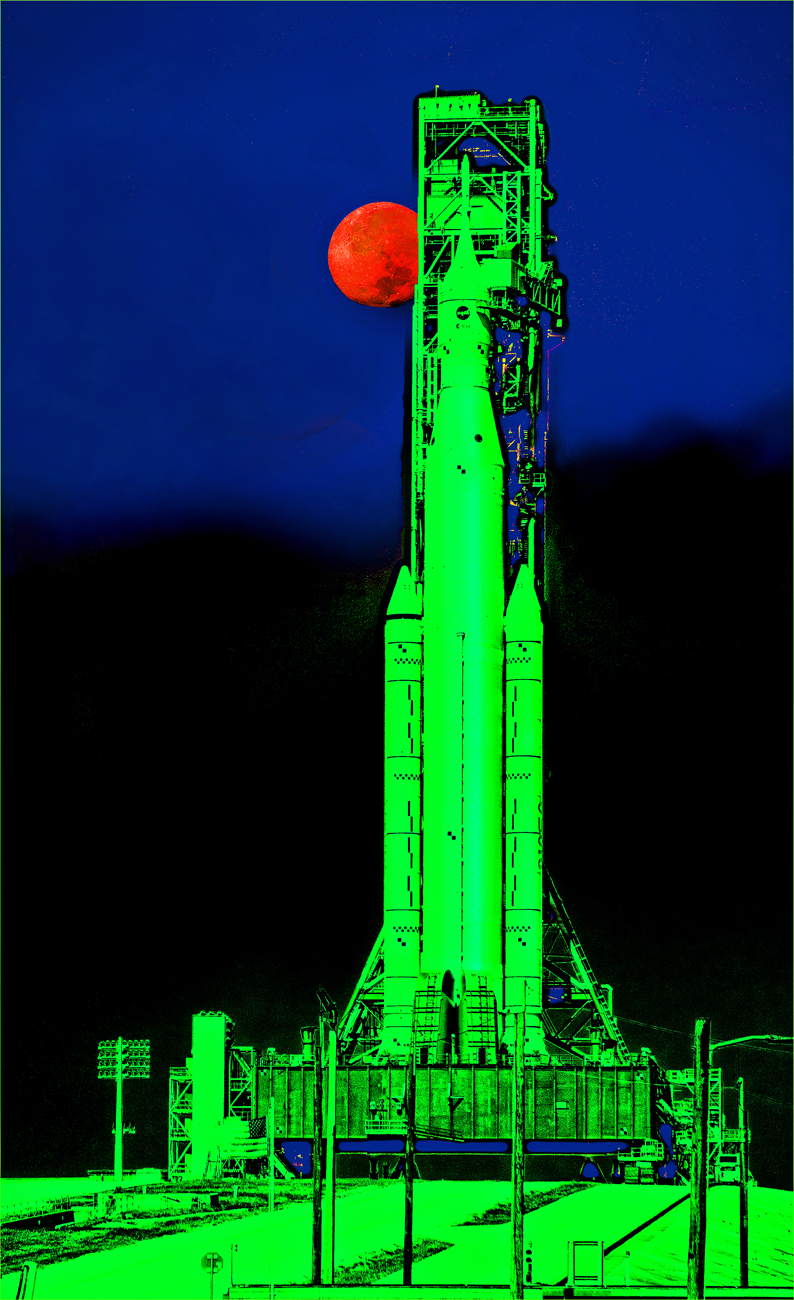
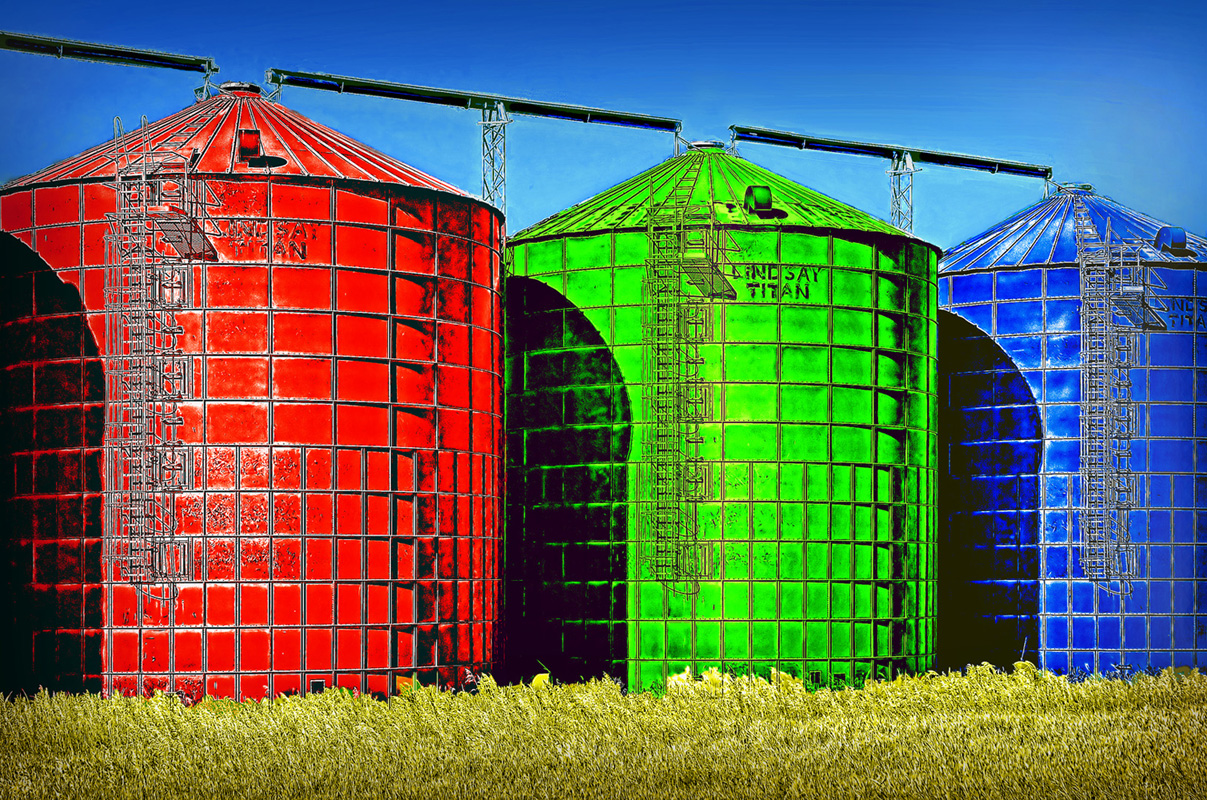
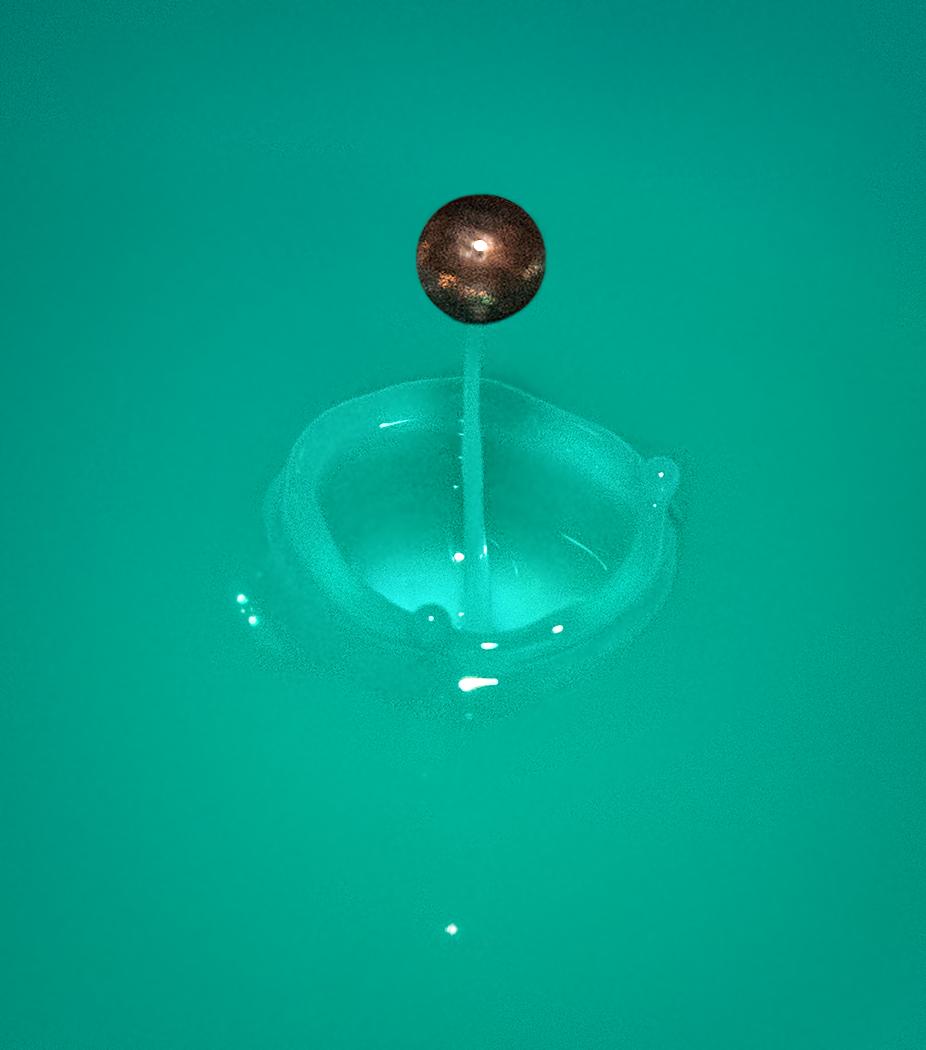
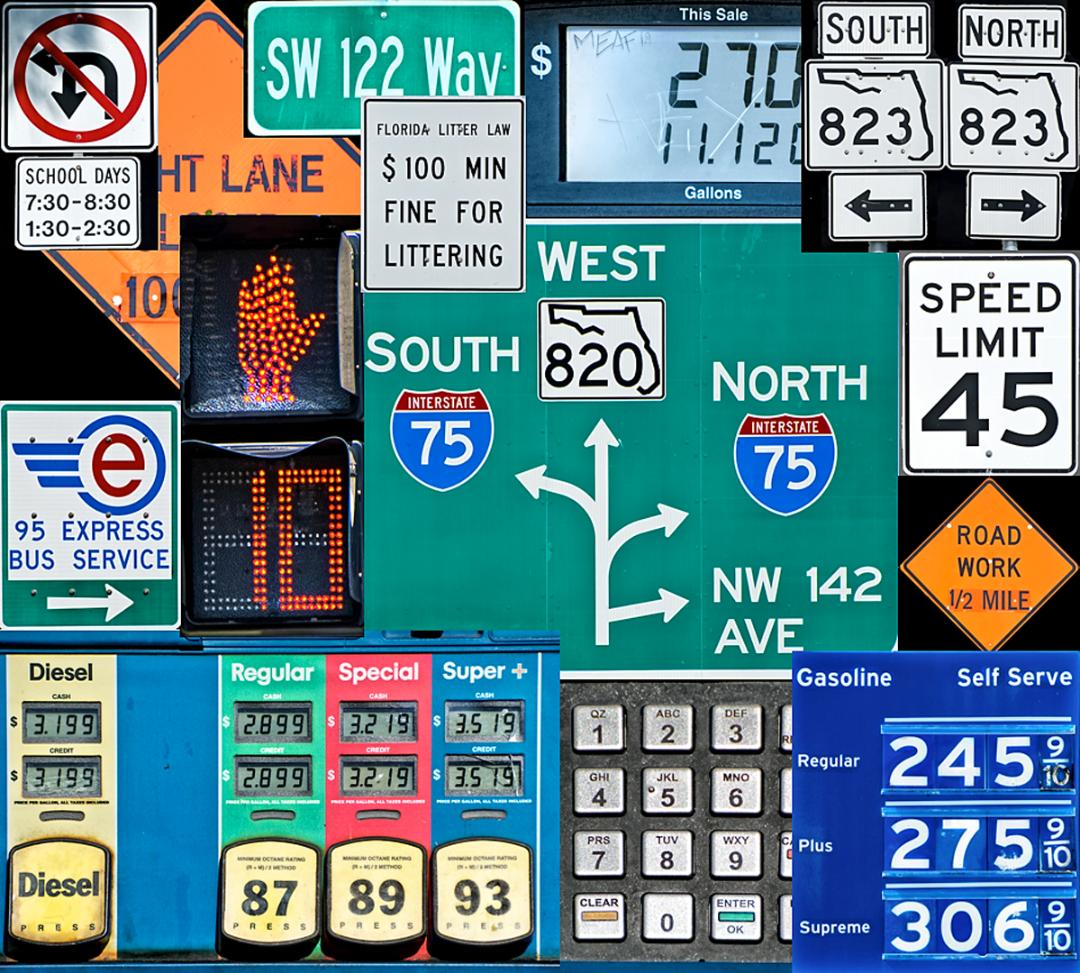
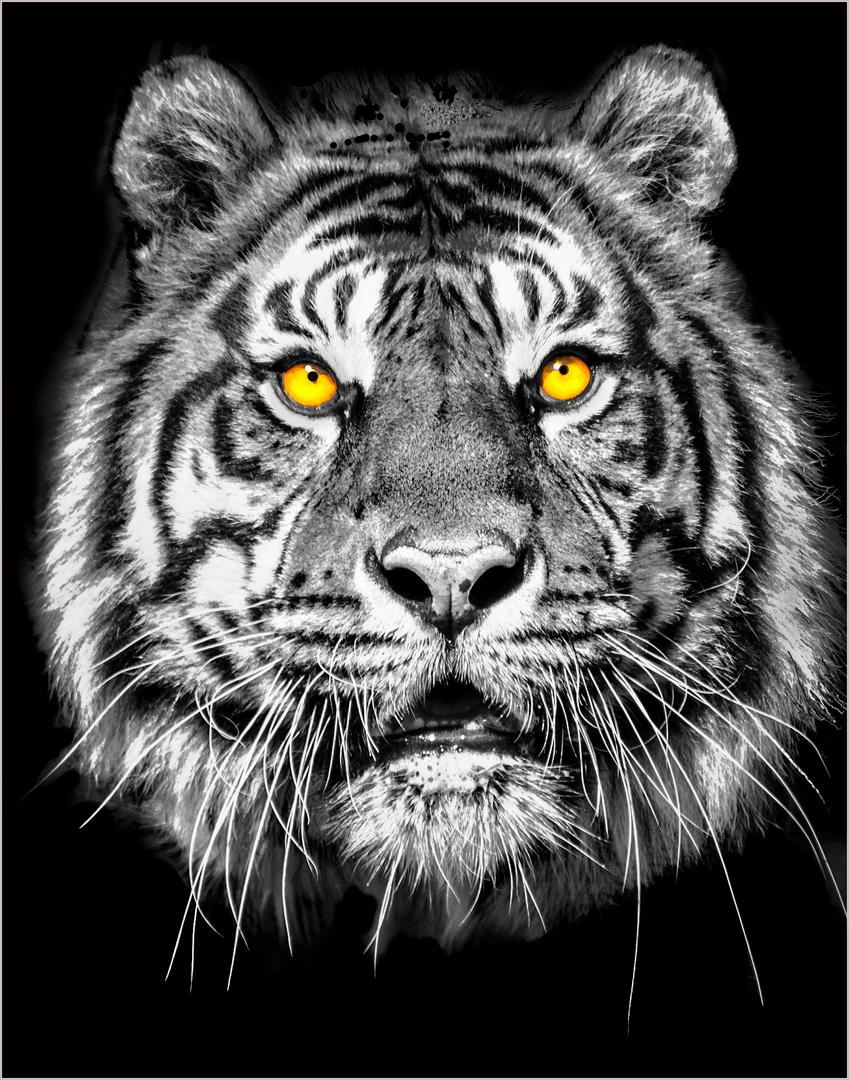
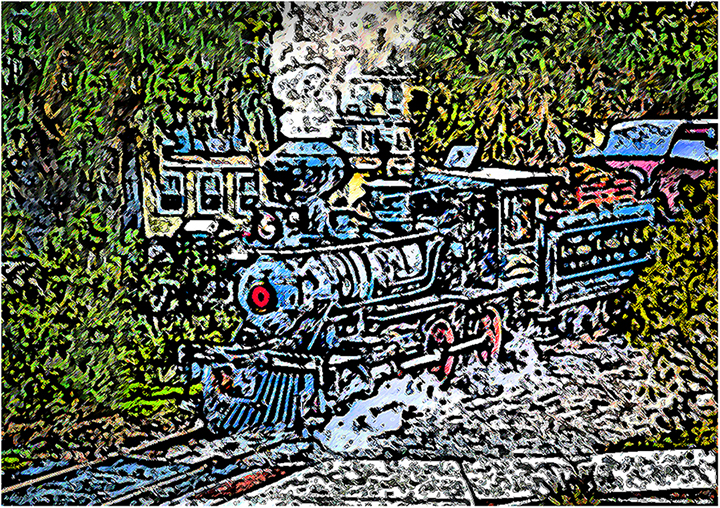
Brilliant graphic image! It almost reminds me of black light photography. I wonder how this would look on a metal print? Bit of trivia: when are red, green, and blue not the primary colors? |
May 13th |
| 22 |
May 18 |
Reply |
Joe and Isaac -- I agree with both of you on the composition. What I was trying to do was to create a Brigadoon kind of effect, with the band sort of appearing out of the mist, or perhaps a time tunnel. This was my first attempt at this sort of process and I soon figured out that I had done some of the steps out of order. This resulted in not enough room in the foreground, and I was having trouble using the clone tool convincingly. In the end, I started over from scratch and came out with a better result. |
May 13th |
| 22 |
May 18 |
Reply |
Do I know you? LOL .... |
May 13th |
4 comments - 9 replies for Group 22
|
4 comments - 9 replies Total
|