|
| Group |
Round |
C/R |
Comment |
Date |
Image |
| 63 |
Apr 25 |
Reply |
I do understand, and I hope I was not too critical. Good luck with your recovery. Take your time and know that we are not gong anywhere ... |
Apr 22nd |
| 63 |
Apr 25 |
Reply |
It is not that uncommon for one method to work well with on area of an image (say the near plane) and a different method works better with another (say decreasing "blooming" which might occur with hot spots of tips of objects). This is why there is an "editing" capability. This allows you to apply two different methods to the sample image, and then to "brush in" the good parts of one effort into another. Zyrene Stacker also has this capability as well. |
Apr 22nd |
| 63 |
Apr 25 |
Reply |
In this case I respectively disagree with the suggestions that a tighter crop would be more advantageous. Yes, the fly might be more predominant with a tighter crop, but that would detract from what I see as your vision here. The inclusion of the leaf edge and the empty space all play a significant role in creating your vision within this image and should not be discounted here. |
Apr 16th |
| 63 |
Apr 25 |
Reply |
We also tend to spend a bit more time when we are at home (as opposed to being "in the field"). I find that in taking more time, my images tend to be a bit better. These images are generally not 'snapshots' and take time and effort to create. This is such an important point that many photographers overlook. |
Apr 16th |
| 63 |
Apr 25 |
Reply |
Suggestions for improvement ?
. |
Apr 16th |
| 63 |
Apr 25 |
Reply |
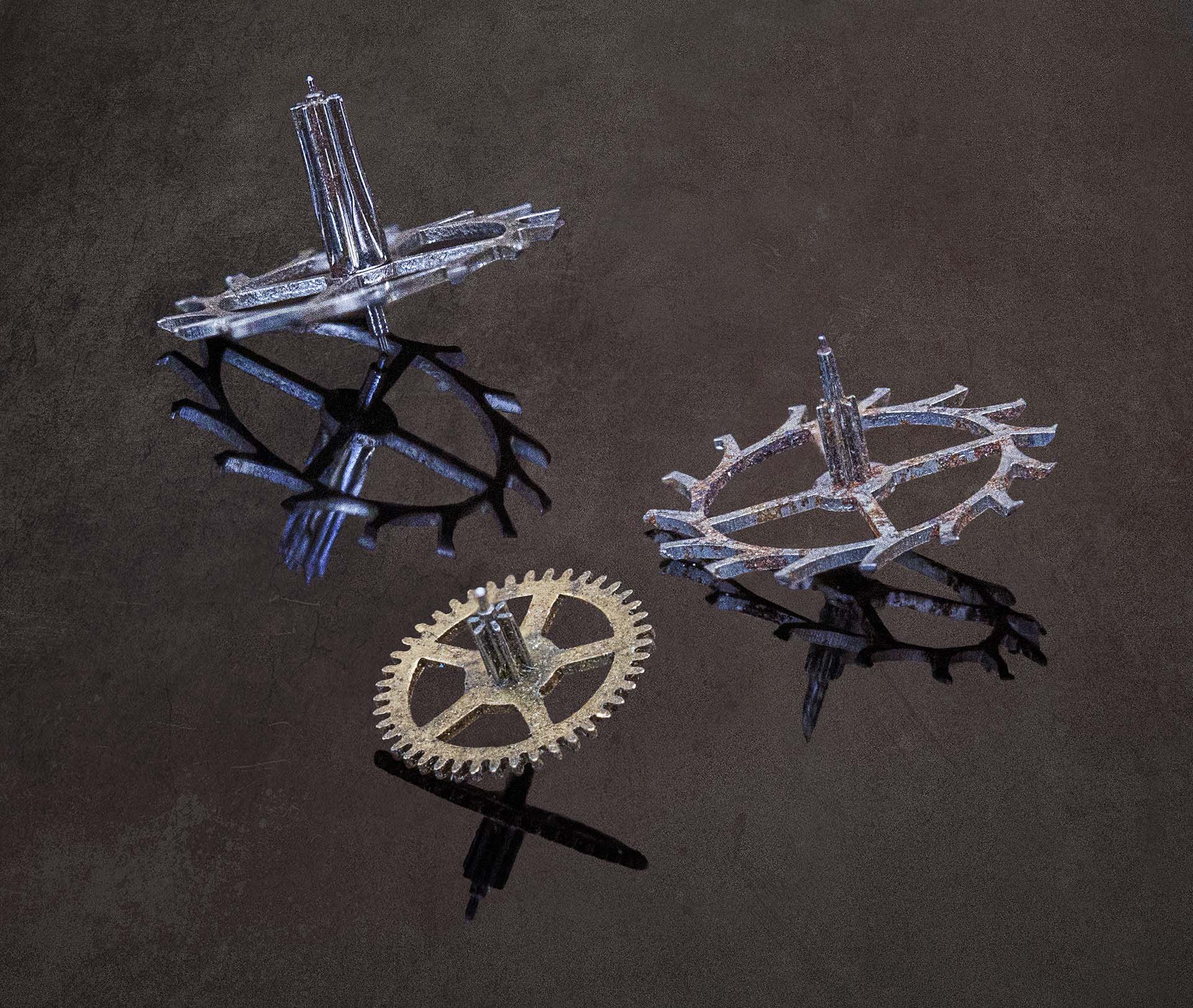
You are correct. In this case the actual depth-of-field was about 1/3 of a gear, so a lot of slices were needed to cover the entire subject field. See my response to Pierre below in this regard. |
Apr 16th |
| 63 |
Apr 25 |
Reply |
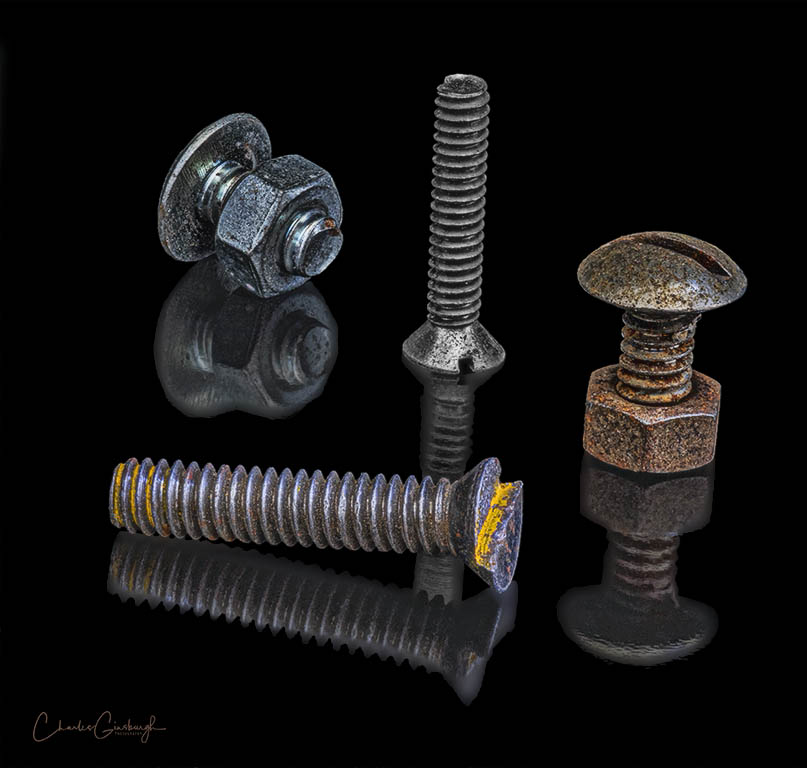
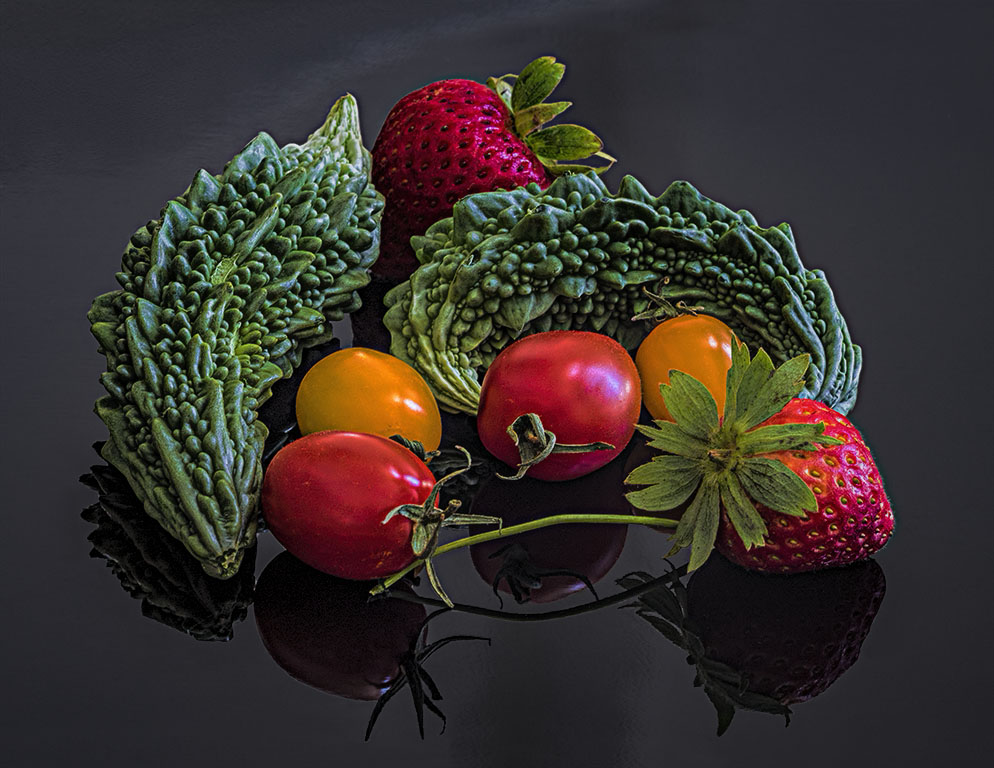
This is really a mini-still life image. In these types of images, it's always a challenge to create a composition that shows off the detail, while incorporating shadows, lighting, and the relationship between the subjects (when there are more than one). This is even more of a challenge when your visual sightline is different from the camera, and the subjects are so small that it's difficult to move them around. Aside from the technical issues and methods, these are some of the things that challenge us as the photographer.
How would you suggest changing the composition to make it less static?
|
Apr 16th |
| 63 |
Apr 25 |
Reply |
You are correct in regard to avoiding refraction issues as long as you consider the magnification. At a 1:1 (a 1 X magnification), the effective aperture is 2x the camera setting (Effective aperture = (1+magnification) X camera aperture setting), so that a f/10 is effectively a f/20. Refraction begins to raise its head beyond f/18 - f/20 or so. So, for a 1:1 magnification, an aperture of f/9 to f/10 may be fine. If though you employ a larger magnification (say a 2:1 or 2x magnification) the effective aperture is 3x the camera setting so a f/9 is effectively a f/27 and even at f/9 diffraction may begin to be an issue. Here (with a 2:1) I would go to f/5.6 (an effective aperture of f/16.8). Generally, in our close-up images, we are at 1:1 or less so your considerations are fine (and now you know why).
Regarding the Helicon Focus settings, for this image I used Method A with a radius of 20 or so. I don't spend a lot of time exploring different settings though. I cannot predict though which method may be best for which images, so I try A and then B and maybe C then see which one I like best. In complex images I may use 2 different methods, since in some parts of the image one method is better, while in other parts of the image this may not be the case and edit-in the best parts for each stacking effort. I did not need to do this in this image, but I have in the past. Note that while Photoshop can do stacking, it only has one pre-set method to choose from.
You are correct in that here I collected a lot of slices. The depth of field was quite small, and the subject field was relatively large, so a lot of slices were needed to get everything sharp that I wished. However, the collection part was run by the laptop computer so that I just needed to start the process, and the system automatically collected the slices. I hit the start button and walked away so that I did not knock anything while the slices were being collected. Generally, I don't find that is more difficult to deal with 80 slices as it is to deal with 20 (it really doesn't take a lot more time and effort), so there is little downside in collecting these many slices.
|
Apr 16th |
| 63 |
Apr 25 |
Comment |
What an interesting minimalist presentation. There is a simplicity captured here that is quite pleasing. The limited focus is quite effective in isolating the fly and the leaf edge. Although the entire fly is not entirely captured, enough was to carry the day here. The composition is nicely chosen, and the color / softness of the background makes this interesting image. Nice job! |
Apr 14th |
| 63 |
Apr 25 |
Comment |
What a clean clear portrait image of this swallow. Lots of interesting detail and color against a clean backdrop. The detail of the bird is nicely displayed. I do find that the eyes are shadowed a bit and here the native detail could be brought out a bit in post processing. I respectfully disagree with Xiao in that to me the image is as sharp as it needs to be, although one could bring of a bit more detail in the breast feathers and in the colored head feathers (with micro contrast rather than sharpening). Finally, I would consider darkening slightly the wood and post structures at the bottom of the images, to highlight your subject a bit more. I have included a version with these suggestions to illustrate my thoughts. |
Apr 14th |
 |
| 63 |
Apr 25 |
Comment |
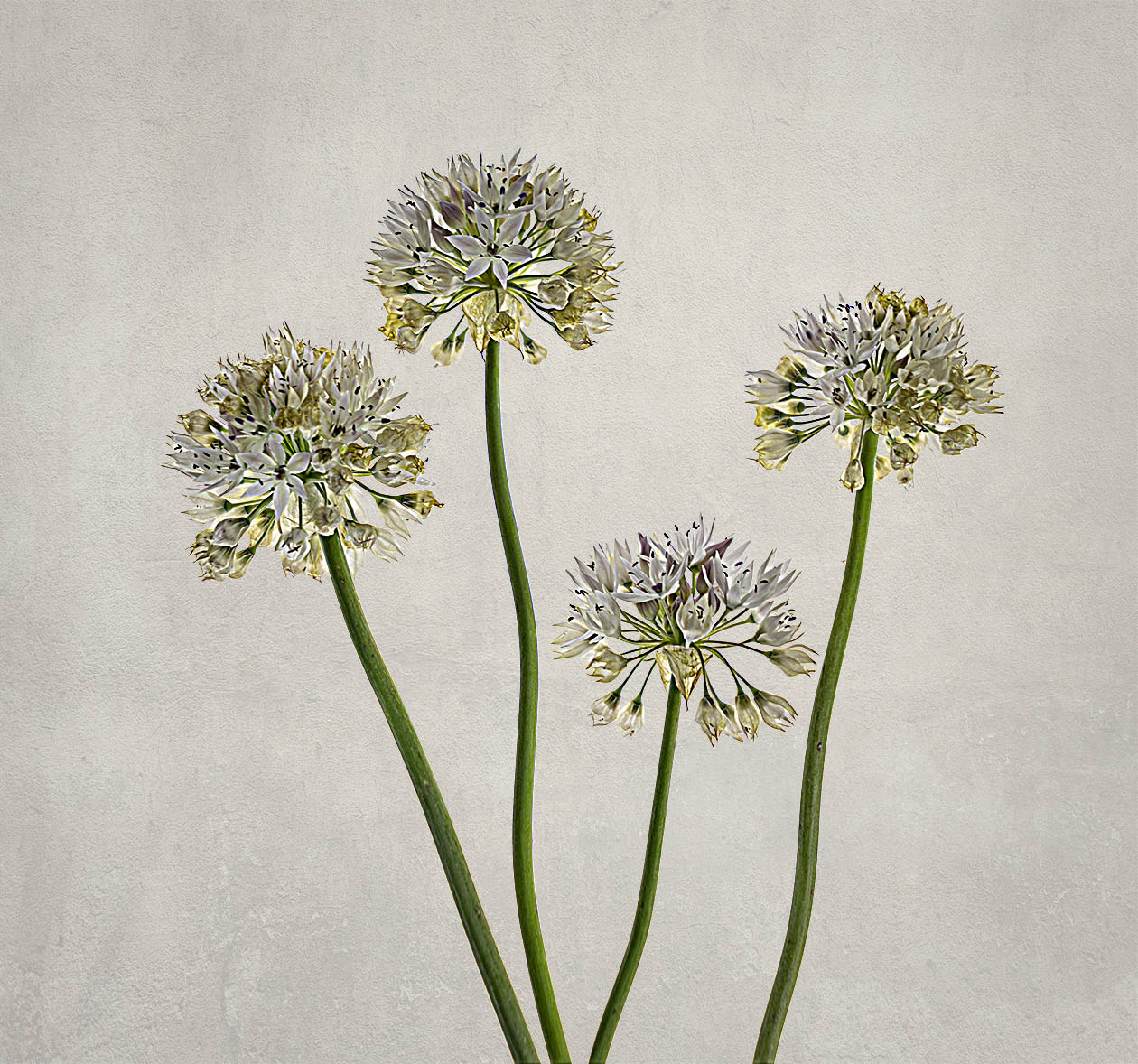
In this image it is quite clear that the maker is attempting to create a nice soft mood that fits the flower grouping within. The maker also discusses the challenge of capturing sufficient subject detail without the capture of a distracting background. In this case the maker has accomplished both of these objectives. The color and grouping of the blooms are quite effective, and the background supports the presentation without being distracting. I do find though that the blooms begin to blend into the background a bit. Perhaps this is due to the similarity of the color and tones between the subject blooms and blue soft blooms in the background. Here I might suggest darkening the background a bit to achieve a tonal difference between the subjects and the surrounds. I fell that this could be done without sacrificing your vision of a soft moody presentation. |
Apr 14th |
| 63 |
Apr 25 |
Comment |
An interesting image of this feeding bug with a lot of interesting color. The composition of the subject within the shot was quite effective. I do feel though, that clarity of the subject was a bit spotty and some of the more interesting areas are getting lost is the shadows. The later point could have been addressed in post processing. I realize that not every image we take will be our best, but for the purposes of this study group shouldn't we all try to show our best efforts? |
Apr 14th |
| 63 |
Apr 25 |
Comment |
I like this image of this little critter here. The colors and clarity are fine, although a bit more depth-of-field (aperture smaller than f/5.6) would ensure that more to the frog was sharp. I agree with the earlier comments that the subject is beginning to blend into the background. Here I might darken the background a bit and lighten slightly the rock that frog is on to allow your main subject to separate from the surrounds. You also noted that you used a Canon Mark II camera. This is an incomplete description, and I wonder what model you were using. Mark II often refers to a version of a specific model, and the model reference is missing here. |
Apr 14th |
| 63 |
Apr 25 |
Comment |
Here we are treated with a close-up view of this bloom. In this monochrome image there is a lot of detail and symmetry. Unfortunately, the image is too soft to keep my interest. In this close-up presentation the detail and structure are both highlighted, but it is so soft that I feel 'cheated' that I cannot see more of this detail. I also was a bit disappointed that no information as to how and why you shot this image was provided. Not one of your better efforts here. |
Apr 14th |
6 comments - 8 replies for Group 63
|
6 comments - 8 replies Total
|