|
| Group |
Round |
C/R |
Comment |
Date |
Image |
| 63 |
Oct 24 |
Reply |
Give it a try and see if you feel it's better |
Oct 24th |
| 63 |
Oct 24 |
Comment |
What a fun shot. I see that you are responding to my challenge and are really pushing your comfort zone here. Isn't it amazing what shows up with these high-magnification images? Here Is see that you used a 30 sec exposure @ ISO 100 for each slice. You also might have considered using higher ISO (how high depends upon your camera and its noise performance) and a shorter shutter speed, but once you are tripod mounted this is less of an issue.
I did note that there was a fair amount of "blooming" around the brush bristles (yellow halos around the bristles). Was this present in your slices or was this an artifact of the stacking process. Some stacking algorithms can yield this which is why I often stack images using different algorithms to see which may be best (rarely can I predict this ahead of time). It also may be that you needed more than 17 slices to capture this image sharply (given your extreme magnification). When I use this lens, I often need to collect a lot more slices with smaller shifts between each slice. The Canon MP-E65 lens is a challenging lens to master.
|
Oct 22nd |
| 63 |
Oct 24 |
Comment |
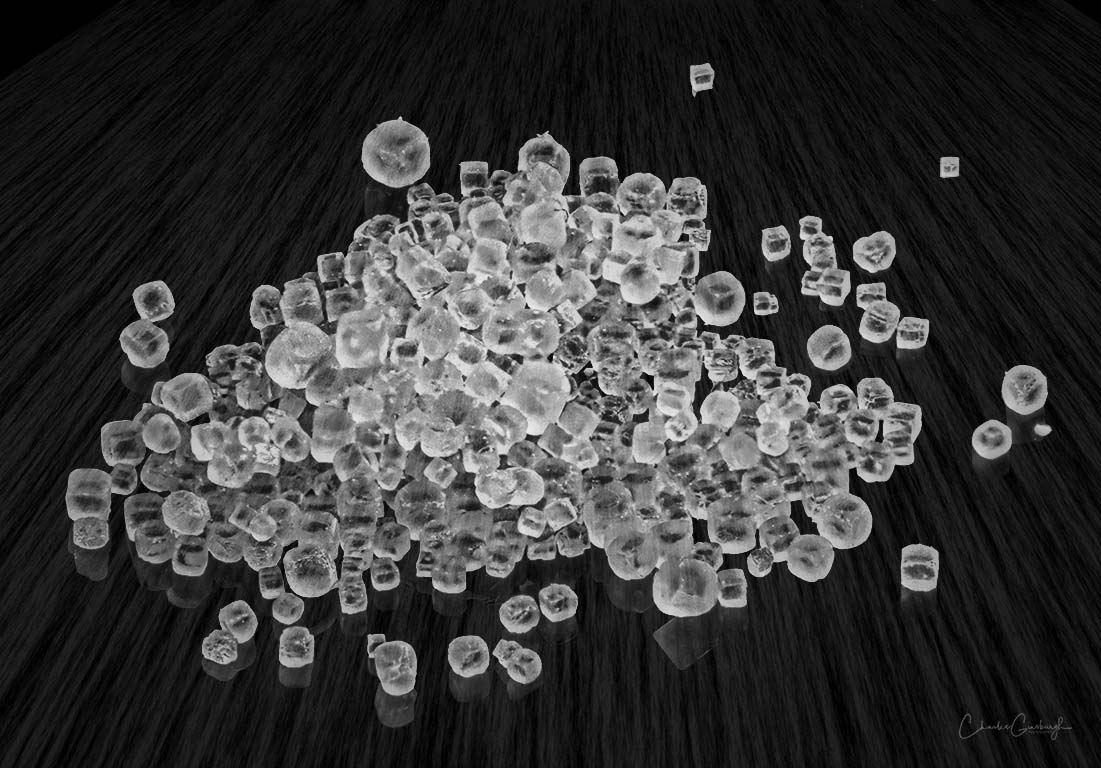
Nice job of seeing and capturing what is if front of you. This sounds easy but is a rather advance photographic skill. Good composition, color and clarity. I agree with the comment regarding spot removal. I suspect that you would get these even if you had cleaned the window ahead of time. It really does not take all that much time (not just a "rainy day" project) and the results may be well worth the effort. |
Oct 22nd |
| 63 |
Oct 24 |
Comment |
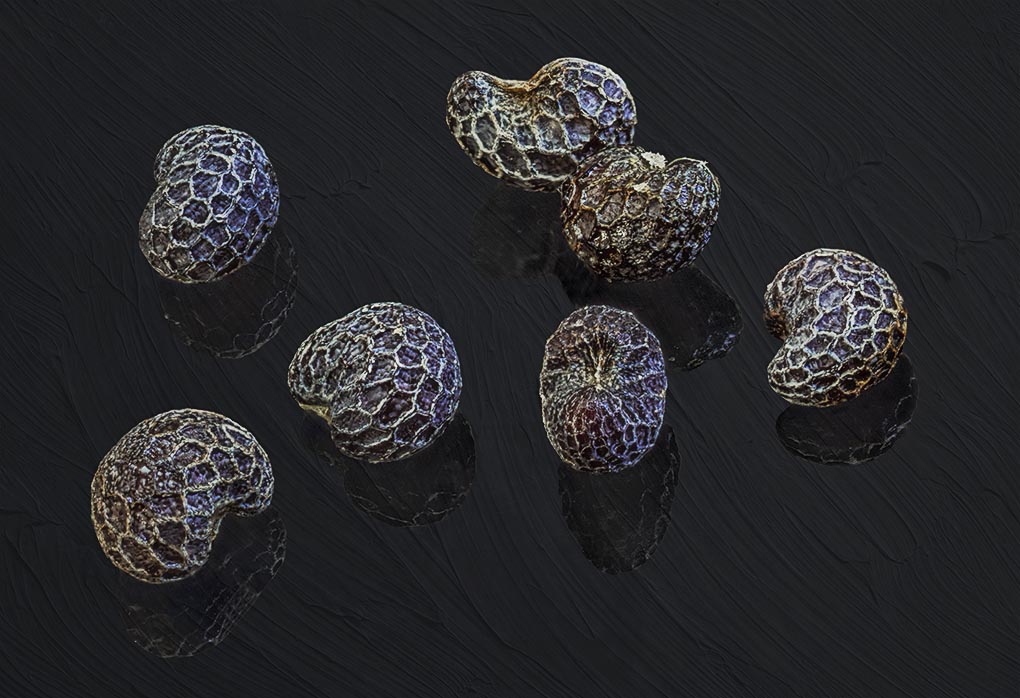
What a great response to my challenge. I think you found out that even the simplest images can present challenges. I really liked how you inserted the tip of the toothpick into the shell. This brings the toothpick off of the glass and makes the reflection even more effective.
The toothpick is a bit soft at the lower left tip and is most likely due to not having a sharp image of this area in your stack. It is not uncommon to start one's stack too late leaving out some of the subject. When I first started, I did this a lot which was very frustrating collecting all of the images only to miss a small area at the start. Now, I always start my stacks when nothing is sharp and move into the image. I can either remove these slices prior to stacking and/or the soft slices are ignored in the stacking process. Lessons learned the hard way.
|
Oct 22nd |
| 63 |
Oct 24 |
Comment |
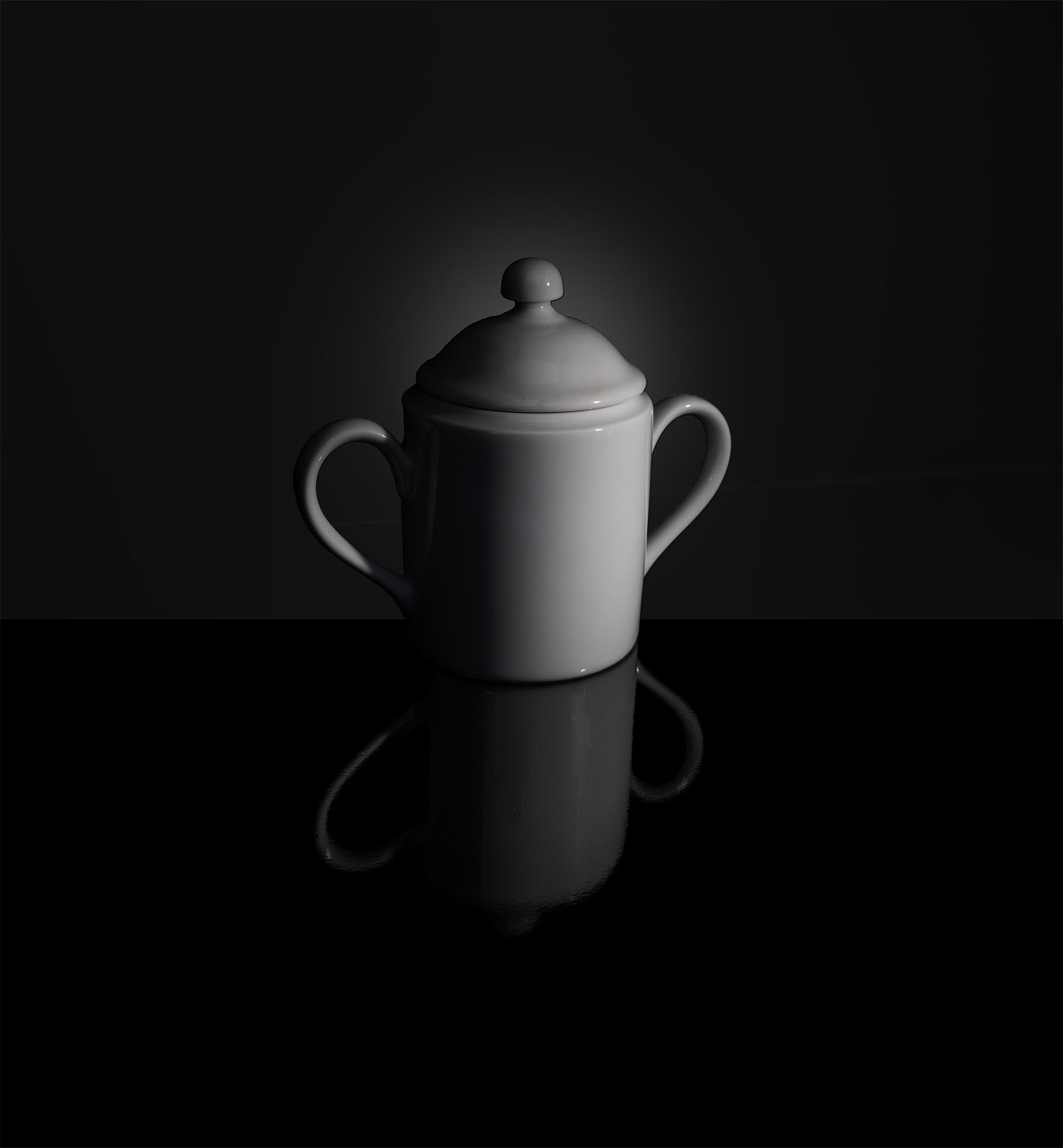
I agree with Pierre's comments. A wonderful moody and interesting image.
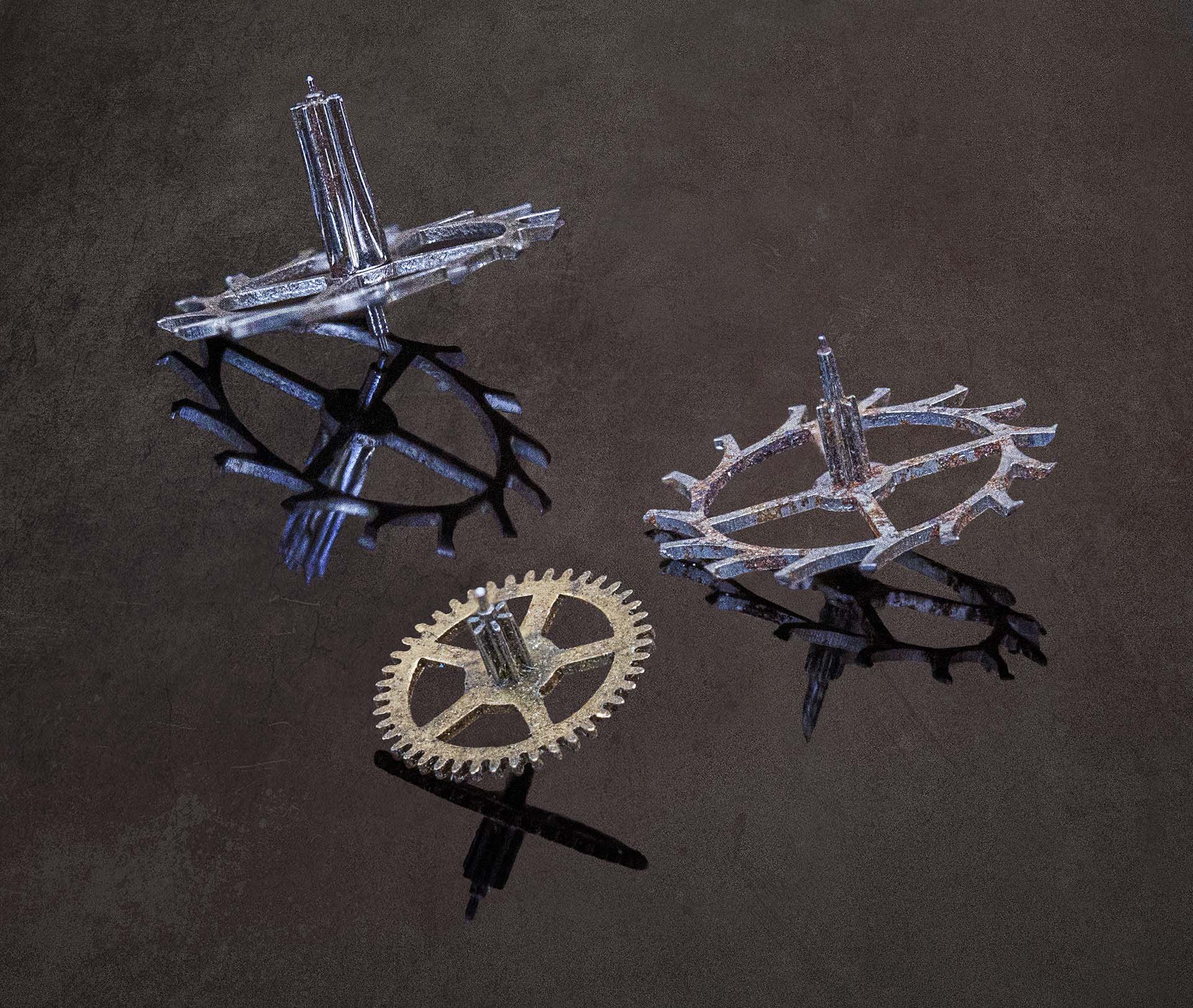
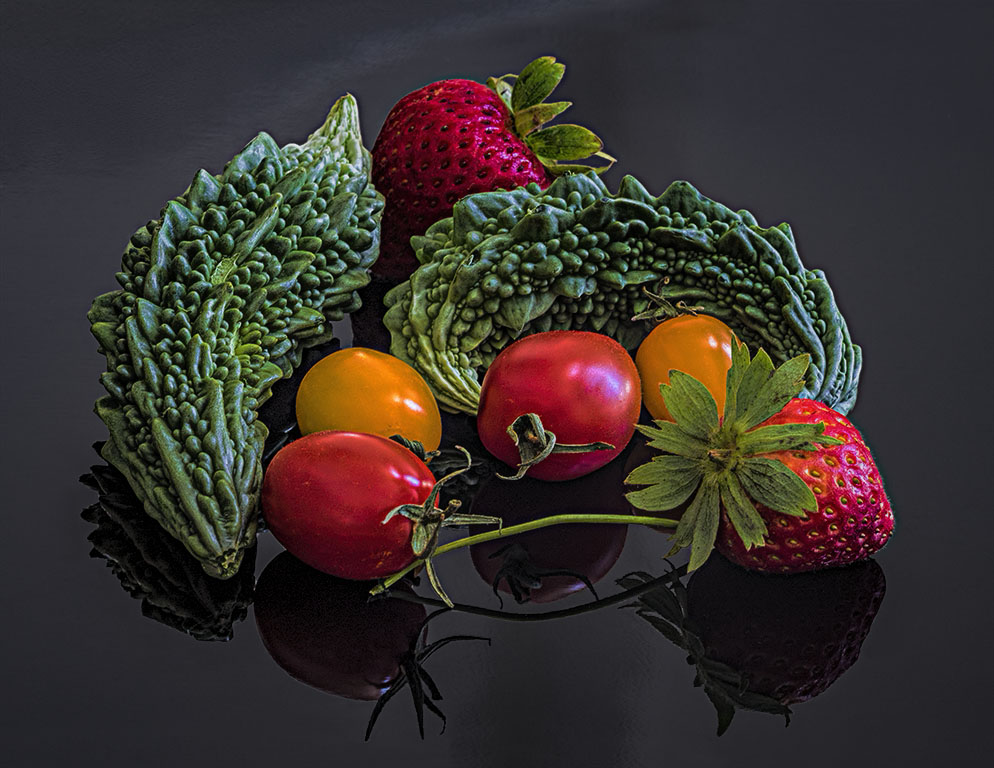
Mirrors have a reflective coating on the back side of the glass, with a layer of glass between the glass surface and the actual reflective surface. Thus the double image in the reflection (one image for actual reflection off of the glass surface and one from the reflection off of the reflective surface). Not something we normally notice. I encountered this when I first started trying to get reflections, and why I use the black glass to get my reflection shots.
|
Oct 22nd |
| 63 |
Oct 24 |
Comment |
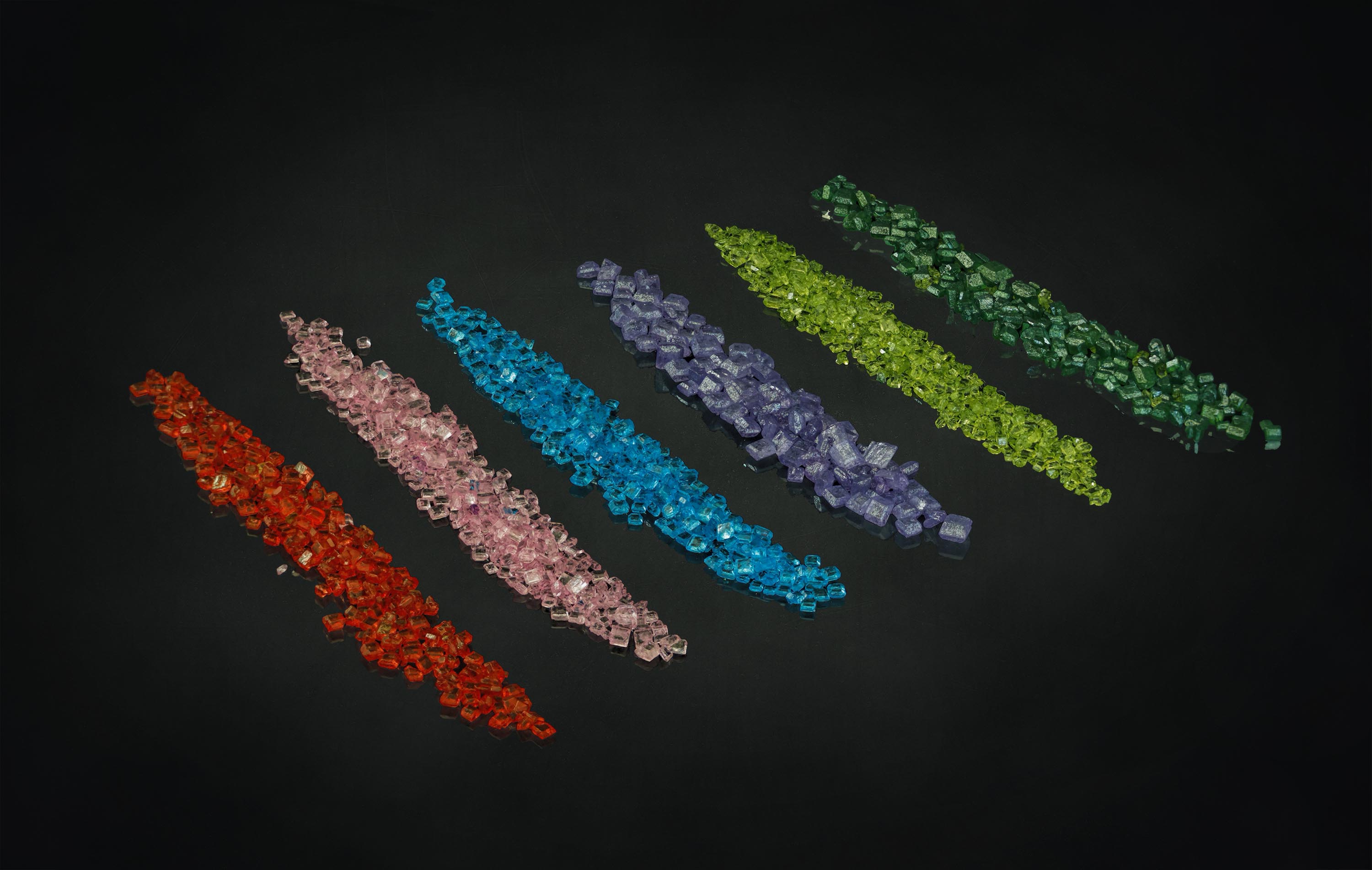
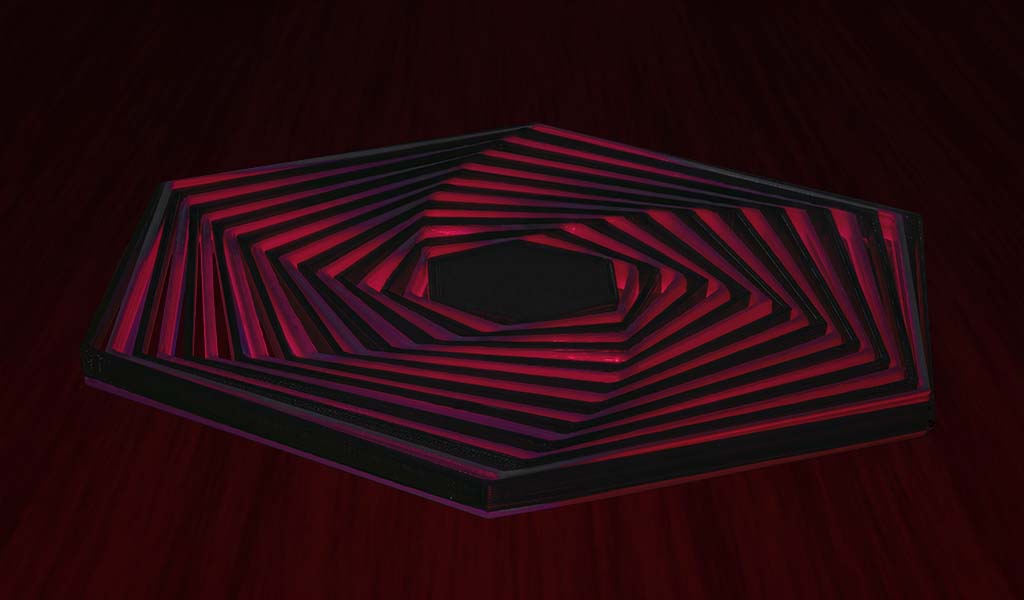
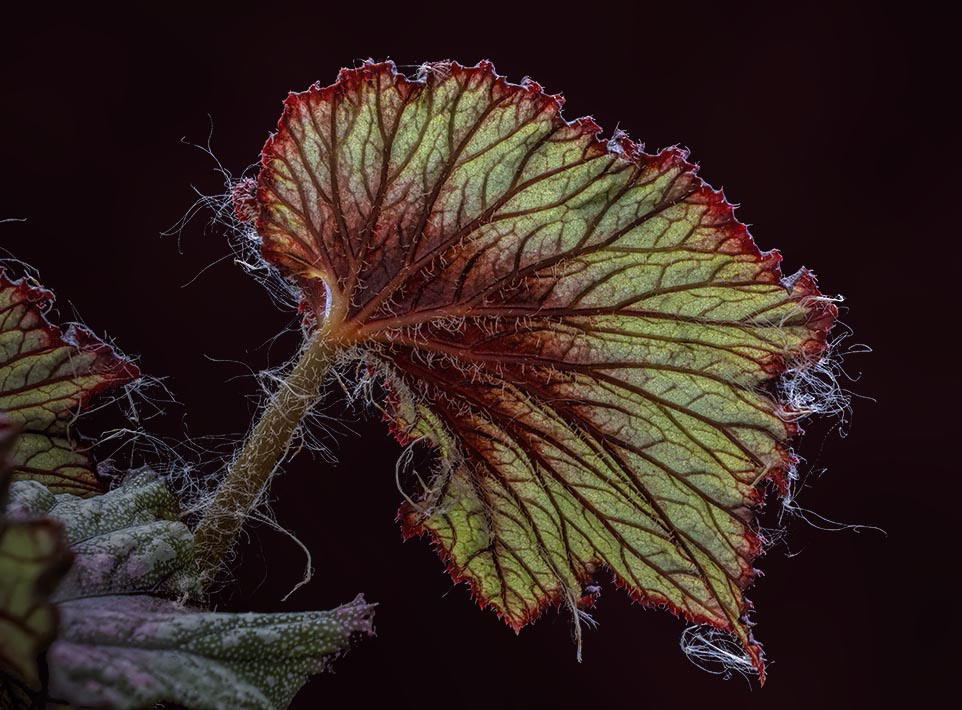
What an interesting image. Lots of color and detail. I do find the background distracting as it is not soft enough to blend in as a background, and sharp enough to make me wish for more detail. These images require some set-up and lots of patience / trials. It would be nice to indicate how you collected this image. |
Oct 22nd |
5 comments - 1 reply for Group 63
|
5 comments - 1 reply Total
|