|
| Group |
Round |
C/R |
Comment |
Date |
Image |
| 63 |
May 22 |
Reply |
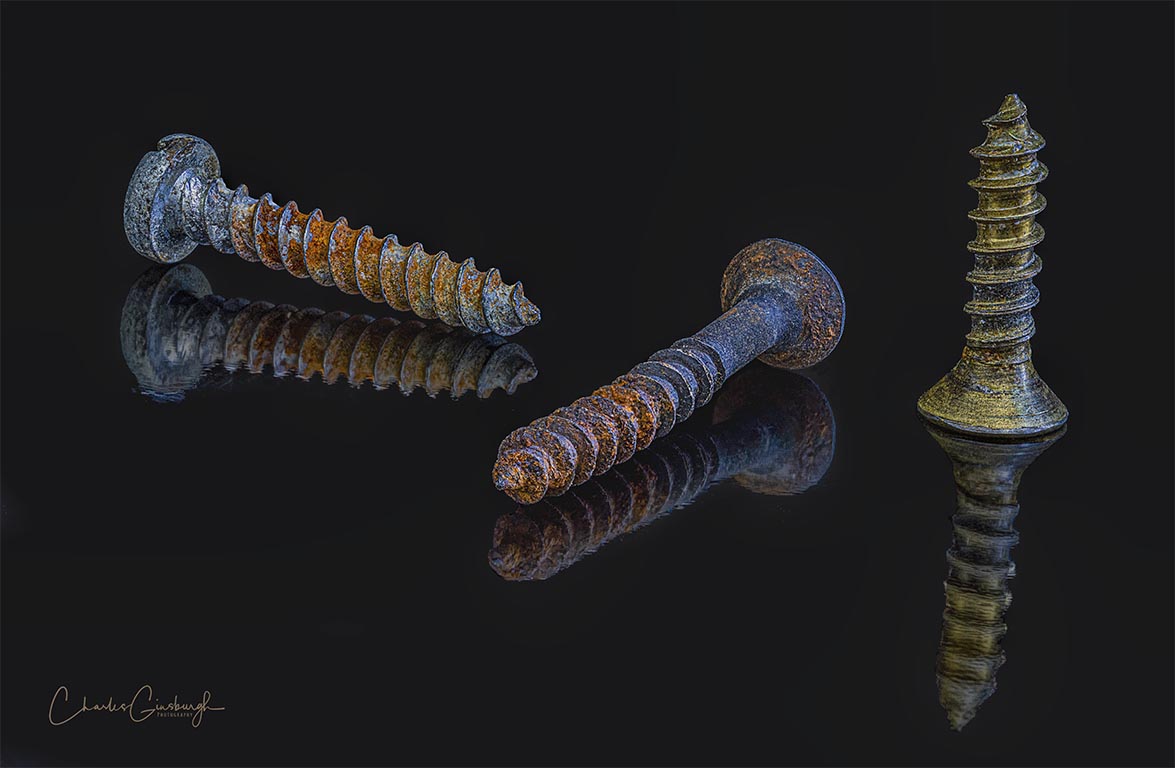
It is a rather challenging lens to work with. It has no auto-focus so you need to move the camera / lens to focus. The magnification can be so great that the resulting depth of field is so small that finding the range that the subject is in focus is in-itself challenging. I tend not to use it "in the field" but rather in a semi-studio (i.e. my dining room table) controlled environment, on a tripod where I can take the time to get the lens to work. That being said, once you wrestle down these challenges, you can get some amazing views. |
May 27th |
| 63 |
May 22 |
Comment |
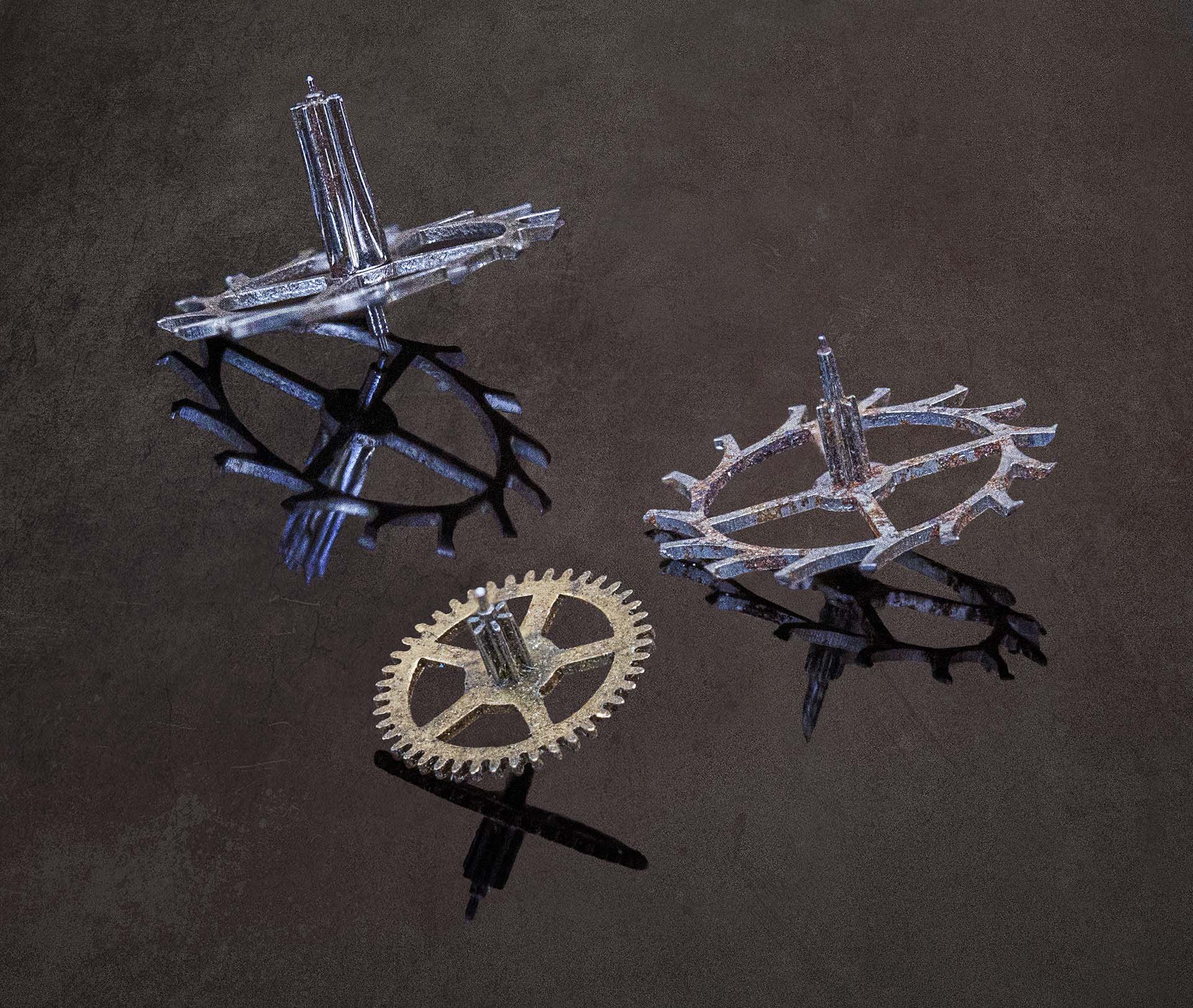
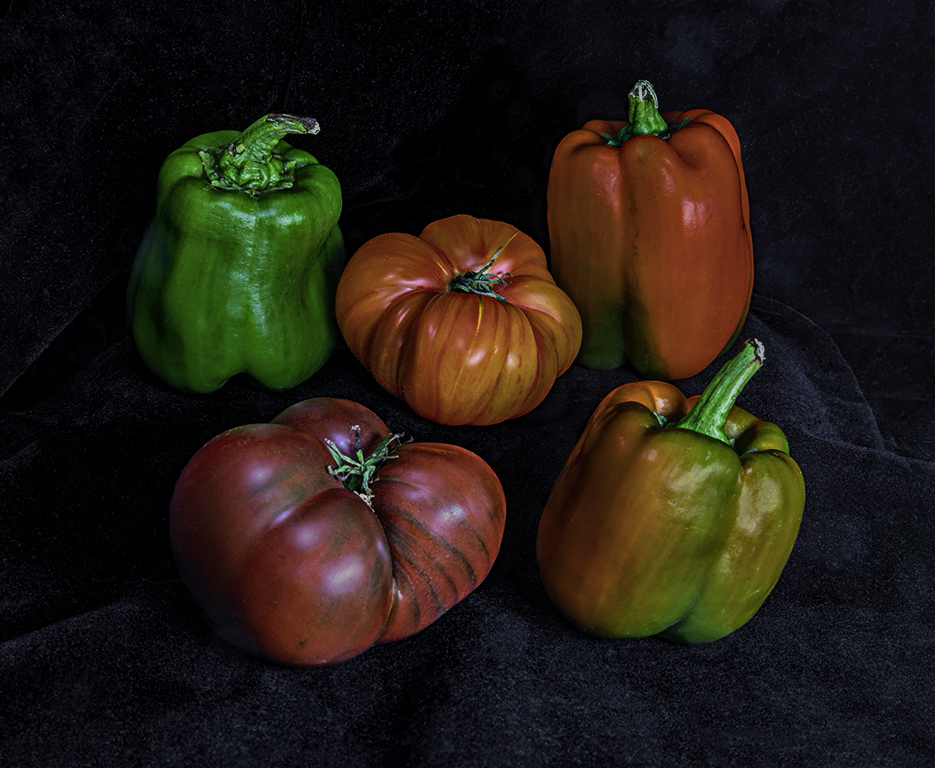
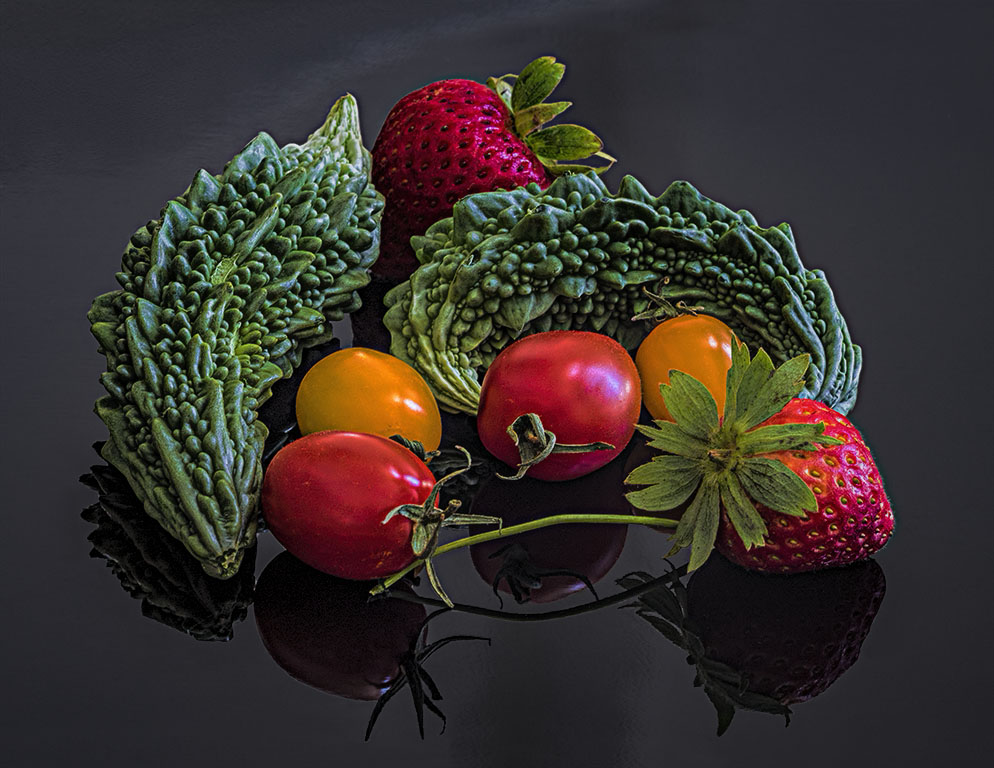
What a fun image. In this case one needs to decide if the composition or the presentation is most critical. Most of the earlier comments revolve around the composition and the story it communicates, which are both important elements. Here I suggest that the presentation (i.e. lighting and shadows) is a bit flat. This is a still-life presentation and one of the hallmarks of still-life is the effective use of light and shadow. To increase the depth and dimensionality (if this is a word) to the presentation one might add a bit more side lighting in such a way that there was a bit more fall-off of light across the subjects and the entire scene. Aside from that point, and wonderful example of storytelling. |
May 21st |
| 63 |
May 22 |
Comment |
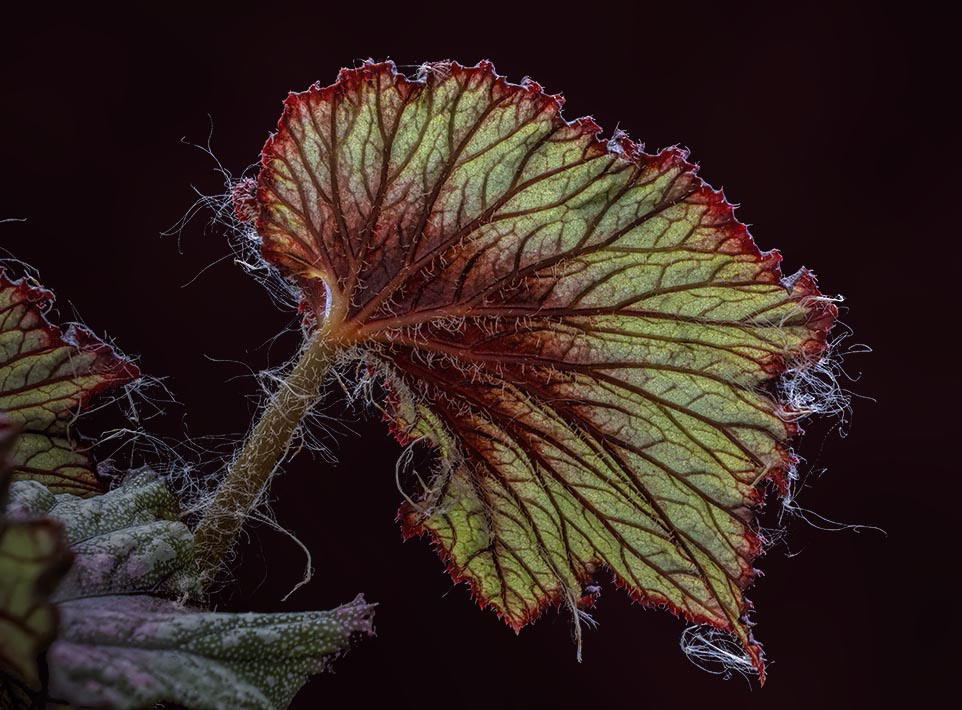
What a wonderful combination of simplicity and complexity. The simplicity of the single branch of leaves in a clean environment is both striking and effective. The complexity of the leave cluster with the variety of shapes, textures and shadows is impressive. Taken together this is an effective and pleasant composition. Your composition was well thought-out with the single stem leading the branch into the field and the space to the left of the leaves proving breathing space (which seems to be a theme with several of my comments this month). The colors work well but most importantly the sharp clarity of the leaves with their veins really makes this subject stand out. Your use of focus stacking paid dividends here and sets this presentation apart from what others might present. Finally I am enjoying the subtle texture in the background and the effective vignetting. Good Job !!! |
May 21st |
| 63 |
May 22 |
Comment |
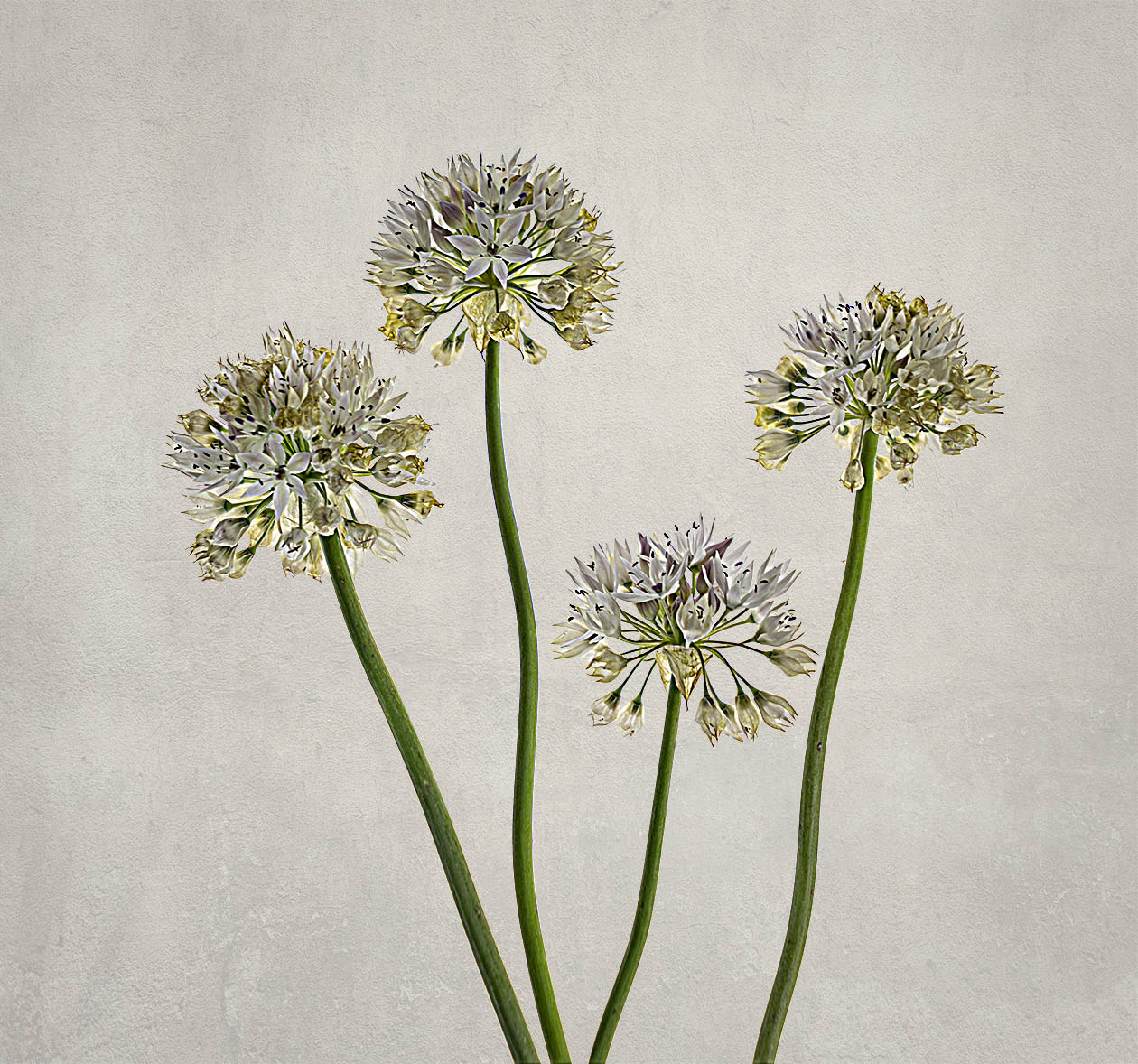
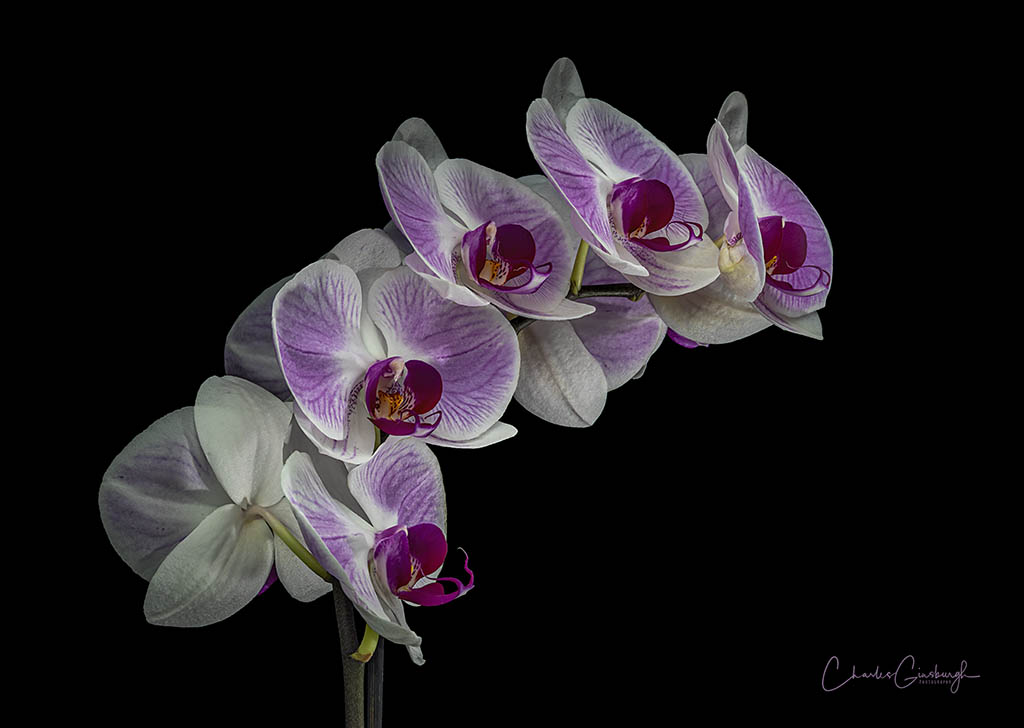
I really am enjoying the simplicity and clarity of this image. Great capture of the blooms and excellent depth-of-field control. I am in agreement with the comments made earlier regarding the leaf on the upper right. I respectively disagree with earlier suggestions that one might constrain (crop) the image to only show one bloom. While pictorially this would simplify the image it suggests that your vision should be something other that what you presented, and to my mind that is solely the purview of the maker and is not open to reinterpretation. If your vision here was of 'a nature story with both flower buds and the open flowers' perhaps if you backed up a bit and provided more clean space around the players, the story as a whole might the more effective communicated. As presented here, the individual players are emphasized a bit more than the story as a whole. Again, if this is not possible in the original image, this can be addressed in post processing. |
May 21st |
| 63 |
May 22 |
Comment |
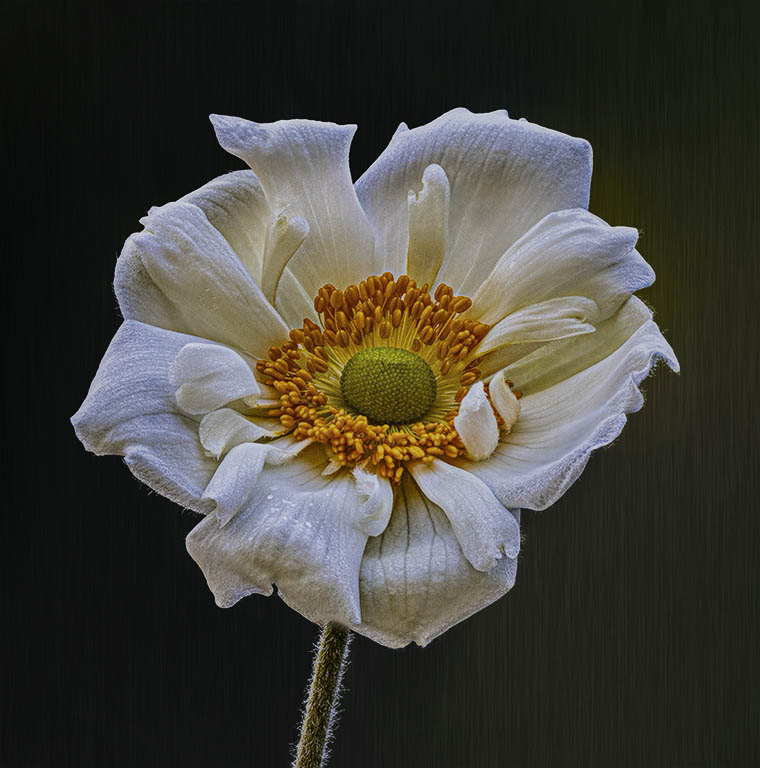
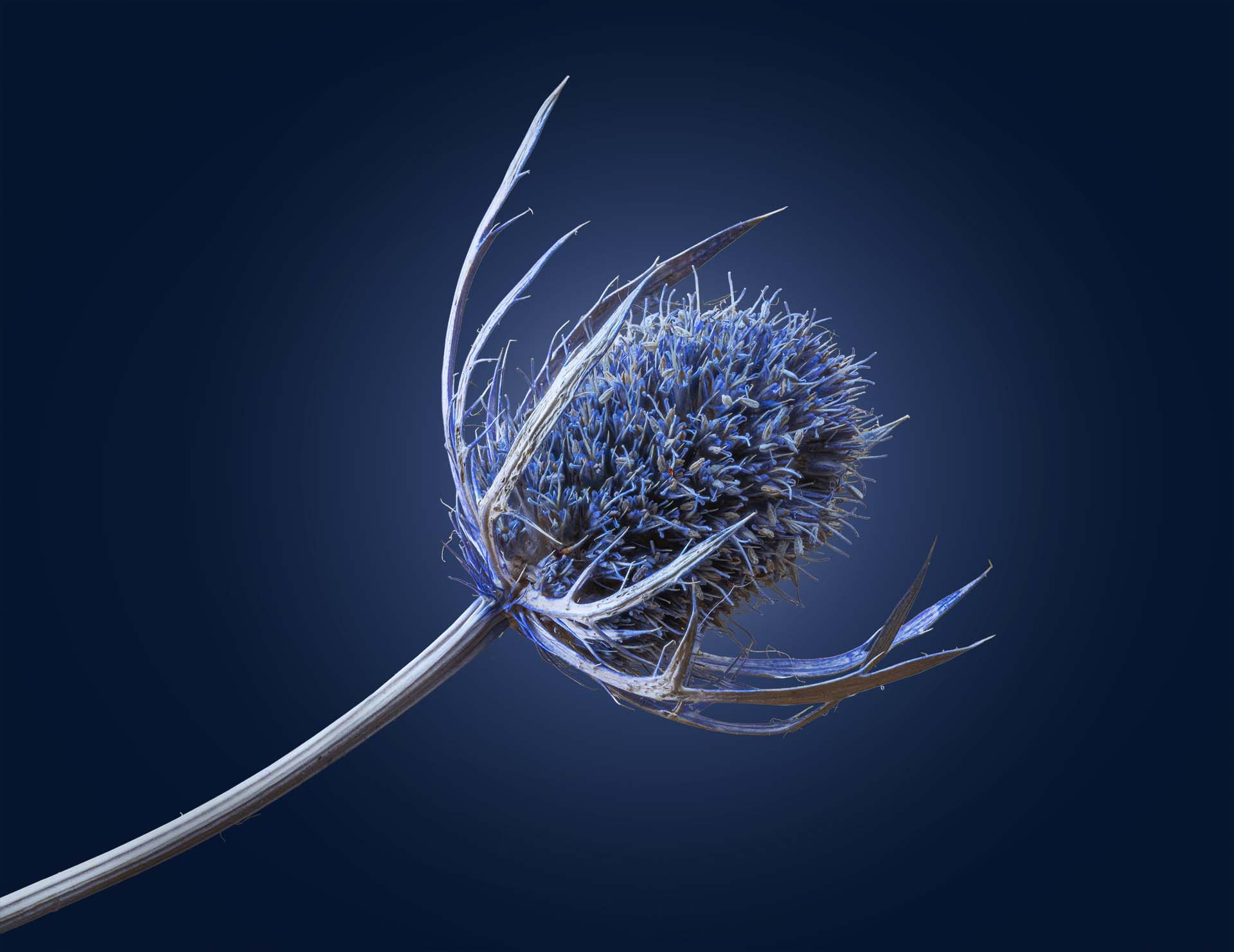
Great capture of a classic subject. Your version here is wonderfully executed in clarity, detail and color. I am especially enjoying the fall-off of light toward the edges of the subject and the unobtrusive background. My only thought here is that the entire subject is a bit constrained, and I would have liked to see a bit more of the background surrounding the subject flower. Some describe this as "giving the subject room to breathe", and in doing so the subject is emphasized and highlighted more effectively. In this case the density of blooms on the plant may have made this a bit difficult, but this could be addressed in post processing. |
May 21st |
| 63 |
May 22 |
Comment |
This is a wonderful image where an interesting subject is clearly shown in the midst of a plethora of vibrant colors. I might suggest though that this particular image is not a close-up image. Yes, you have closed-in to your subject from a distance, but the subject size is that of a small child. My understanding is that the subject size of close-up images should be roughly the size of a loaf of bread or smaller (my crude definition) and that macro subjects are roughly the size of a postage stamp or smaller. It's a fine image but does it belong in this group ? Just my thoughts … |
May 21st |
| 63 |
May 22 |
Reply |
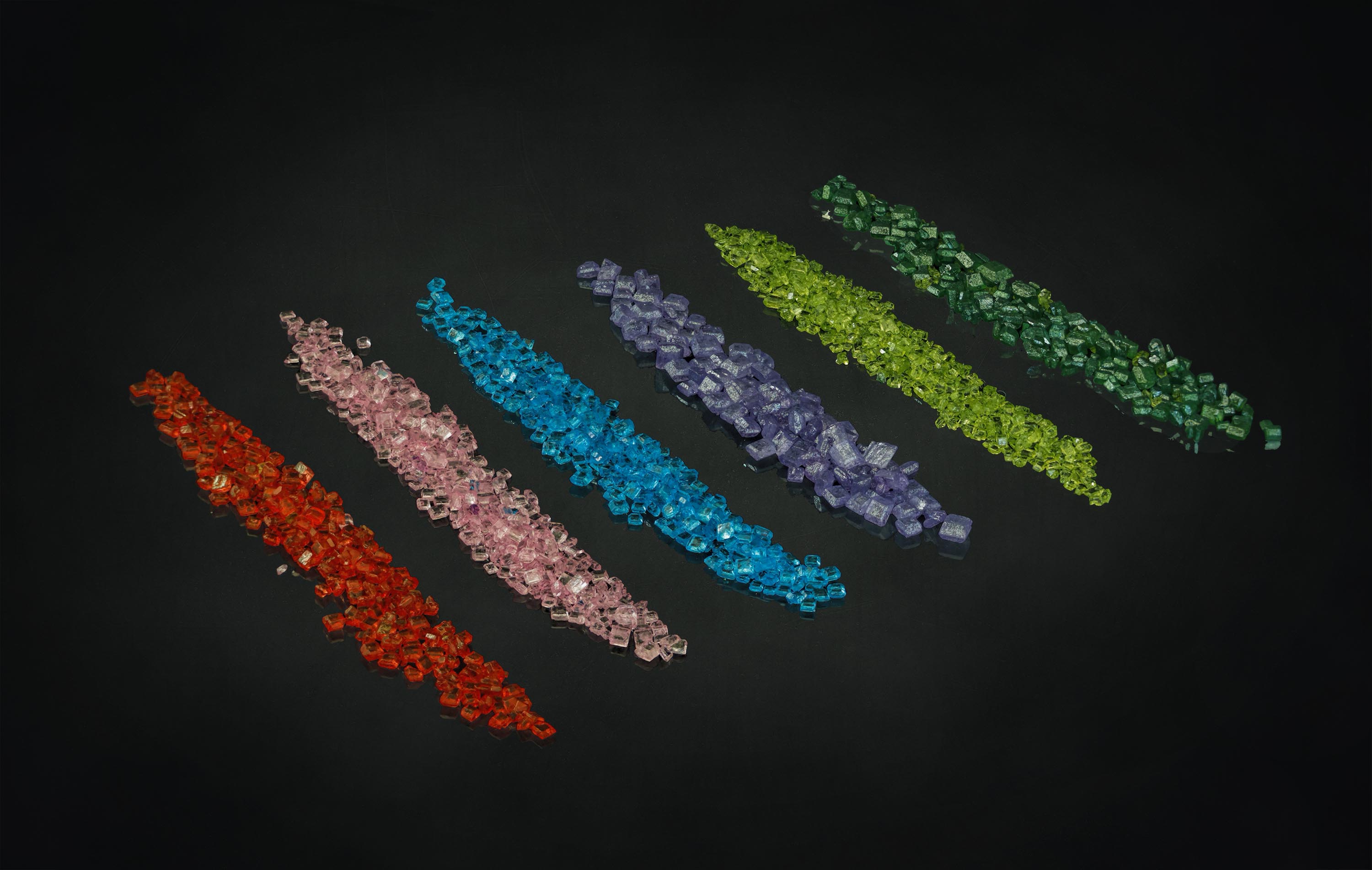
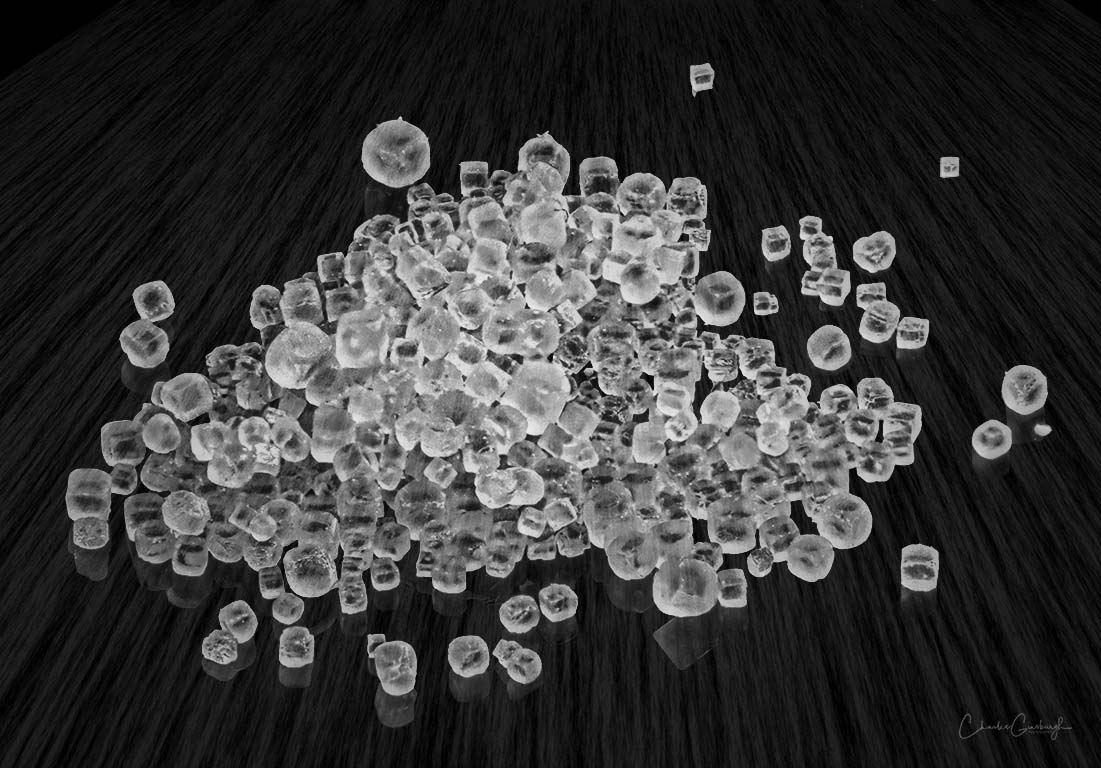
In this case the actual depth of field was around two to three grains of salt, and decreasing the aperture (to f/22, f/32 or smaller) has little impact. So, you are correct in that getting this image from a single shot was not possible. Here I was pushing the system trying to get as much magnification as possible using a 100 mm macro lens and the tubes, and not a using a more specialized lens (such as the Canon MP-E 65mm f/2.8 1-5x Macro lens). |
May 21st |
| 63 |
May 22 |
Reply |
I use the Photoshop clone tool predominantly, and a lot of patience. The healing brush tool (and spot healing brush) clones over new pixels and then blends the new pixels with the target pixels, and I can't always control the blend. There are times when the blending results in a better result, but in these cases I tend to go with the clone tool which gives me a bit more control. |
May 21st |
5 comments - 3 replies for Group 63
|
5 comments - 3 replies Total
|