|
| Group |
Round |
C/R |
Comment |
Date |
Image |
| 63 |
Jan 22 |
Comment |
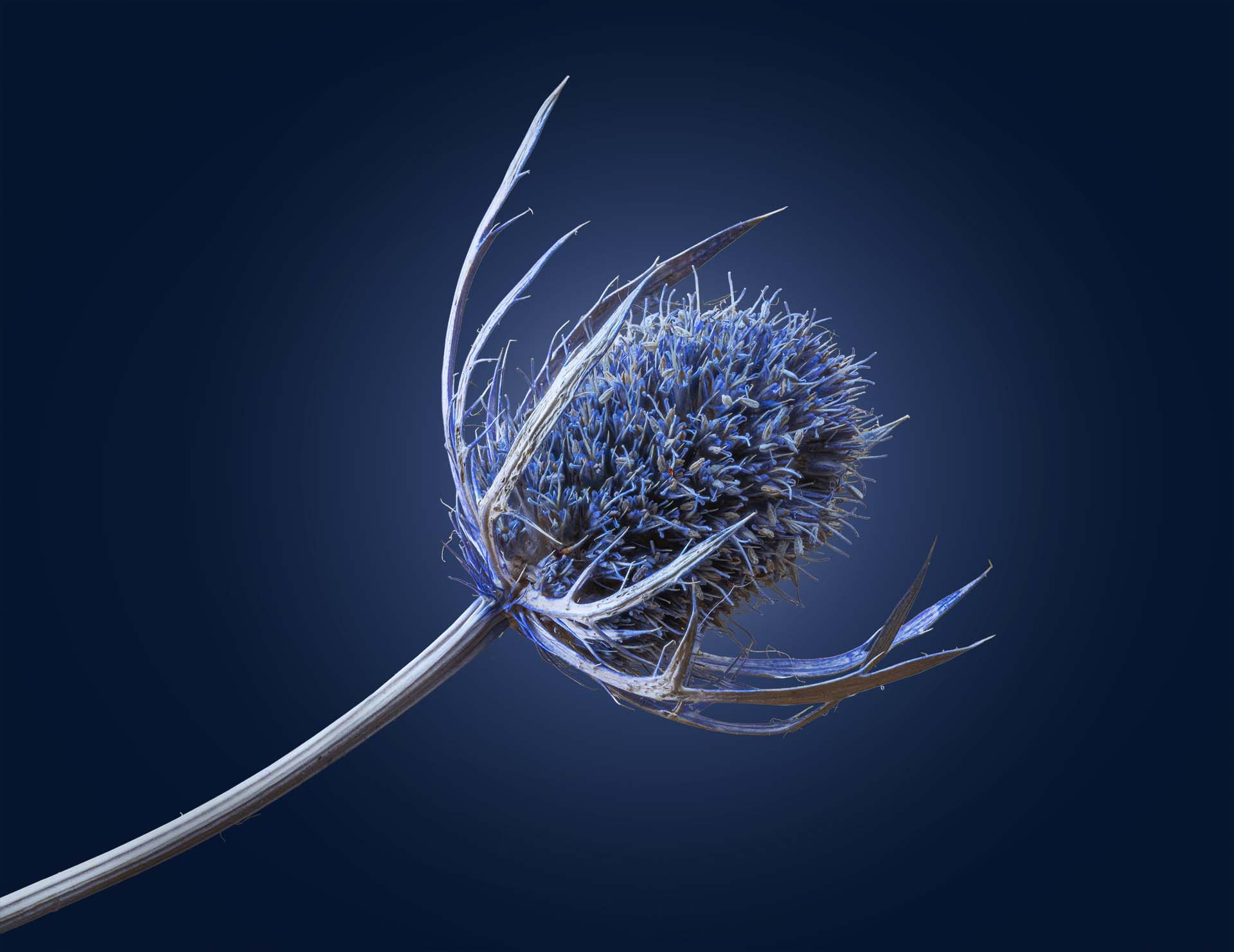
A nice image that highlights the entire flower, with the interesting presentation of the stem, leaves and thorns. The backlit lighting was well chosen to accent the thorns in an effective manner. I was a bit disappointed that I could not see more of the prickly blooms (or pods). There is so much interesting detail here, that the image fails to show off in an effective manner. Perhaps adding a bit of sharpening and micro-contrast might bring these areas out. As such though this image looks a bit mundane lacking the impact that these blooms can offer. |
Jan 10th |
| 63 |
Jan 22 |
Comment |
This image is rather pleasing in clarity and color, and I appreciate the inclusion of the flying bee to enhance the overall image. I do not mind that a few of the petals are a bit blurred as this adds to the realism of the image. The presentation through is a bit pedestrian with the face-on view of the flower with little evidence of how the bloom is connected to outside world. |
Jan 10th |
| 63 |
Jan 22 |
Comment |
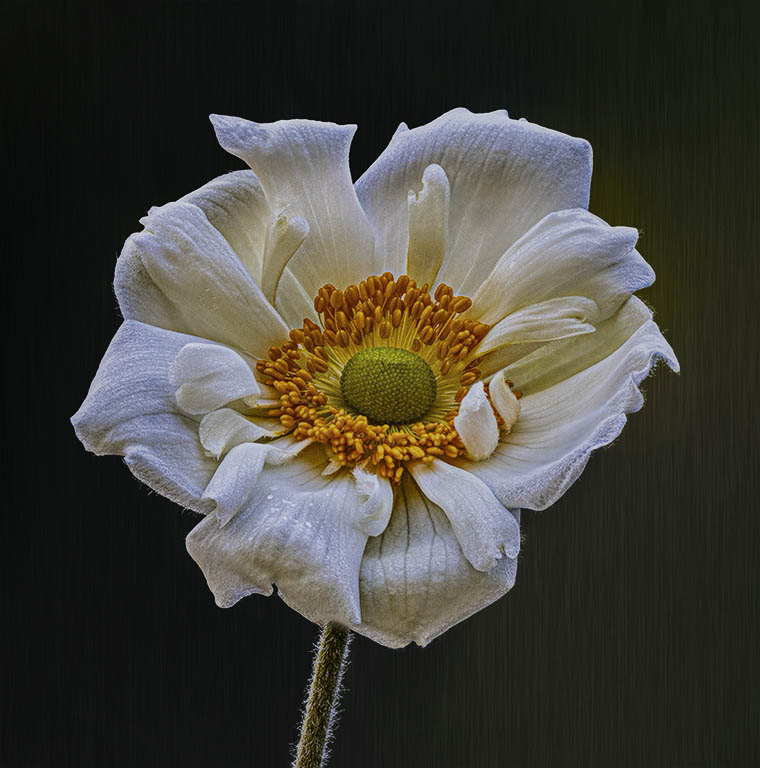
This is a really pleasing image. There is a real simplicity associated with this image that is enhanced by your inclusion of the water drops. I am enjoying the subtle blends of color with the pinks, whites and yellows. The composition is also very effectively and really emphases the flow of the individual peals. The only this that strikes me though is that the entire image appears a bit soft. Now, not every image needs to absolutely tack sharp, but when I first opened this image was immediately disappointed that the center portions of the bloom was not as distinct as I expected and that the glitter of the drops was absent. There is a balance to strike here though, and a lot resides upon the preferences of the maker. I am looking forward to seeing more of your submissions. |
Jan 4th |
| 63 |
Jan 22 |
Comment |
What a fun image (and in my book that is a complement). The subject is well presented in both clarity and color. The personality of this critter really comes out effectively. I agree with the comments made earlier by Richard. I too would have like to see a bit more space around the subject. Here he (or she) looks a bit crowded in the image. I also noted the apparent "halo" around the critter. Perhaps this might be due to how you made your selections (and mask if you used them in your processing). If this were my image I might be tempted to clone some of the background foliage around the bird to add a bit more background uniformity when the bird meets the background. I like though, how you addressed this to some extent with your burning and desaturation efforts. It's so easy to miss these types of things in our own images. It happens to me often. We get so used to seeing the images (as we live with the images from "cradle to grave") that we tend to look past these types of issues. Nice Job though in presenting this image to us. |
Jan 4th |
| 63 |
Jan 22 |
Comment |
I love what you did with this image. Adding an appropriate background really enhances the image and makes it all that much more believable and intriguing. This is a good example of looking past the "macro" aspect of your image to improve the overall effect and presentation. Technically the effort is quite remarkable, and the clarity, color hues and tonal ranges of the subject and background match quite nicely.
In making this attempt you have uncovered one of the technically challenging aspects of creating these types of images. To my eye it looks as though there is a "halo" around the spider, and this is both distracting and suggests post-processing. I suspect that this is due to the selection process that you employed to add the background. In my experience this is a difficult thing to accomplish and no one automated Photoshop selection process will satisfactory capture all of the individual hairs of the spider that are so critical to your image. When I do a similar thing (such as capturing all of the hairs of a sunflower bloom in a selection) I need to generate a crude mask and then to "paint in" each individual hair on the mask. This does take a considerable amount of time and a glass of wine (or two), but it is essential in presenting elements that contribute to the essential "WOW" factor this image has.
If you want to know more, let me know (cginsburgh@gmail.com) and perhaps we can discuss this offline.
|
Jan 4th |
| 63 |
Jan 22 |
Comment |
The purpose of focus stacking is to expand your achieved "depth of field" beyond what you can achieve with any one image. Typically we lose depth of field when we magnify an image and after a point (when the subject is around the size of the camera's sensor) increasing the aperture (to f/22 or so) fails to help. To stack, one generates a series of images of the same subject (called focus slices), where the focus point varies, and in the entire subject field is sharply represented in at least one of the focus slices. We then combine the slices keeping the sharp areas of each slice (similar to HDR and exposure), and this is done with specialized "stacking" software. Photoshop will do this in a limited manner, and there it is used primarily used in landscape photography (combining images where the foreground, midground and background areas are separately in focus). Aside from Photoshop, the most commonly used stacking applications are Zerene Stacker and Helicon Focus. Each of these applications stack using one of several algorithms (mathematically driven processes to identify and keep the sharp areas in the final stack). It is not uncommon in creating a stacked image that one algorithm works best in some parts of the image while another algorithm works best in other regions. These applications allow you to pick the successful areas from several stacking effort in generating one's final image. Photoshop only uses one algorithm. Zerene Stacker and Helicon Focus are both highly specialized and effective, often stacking collections in the 100s of slices.
In case you want to learn a bit more on Focus Stacking, here I provide a link (https://photopxl.com/focus-stacking-and-its-application-within-macro-photography) to an article of mine on Focus Stacking that was published awhile ago
Hope this helps some.
|
Jan 4th |
6 comments - 0 replies for Group 63
|
6 comments - 0 replies Total
|