|
| Group |
Round |
C/R |
Comment |
Date |
Image |
| 65 |
Feb 21 |
Comment |
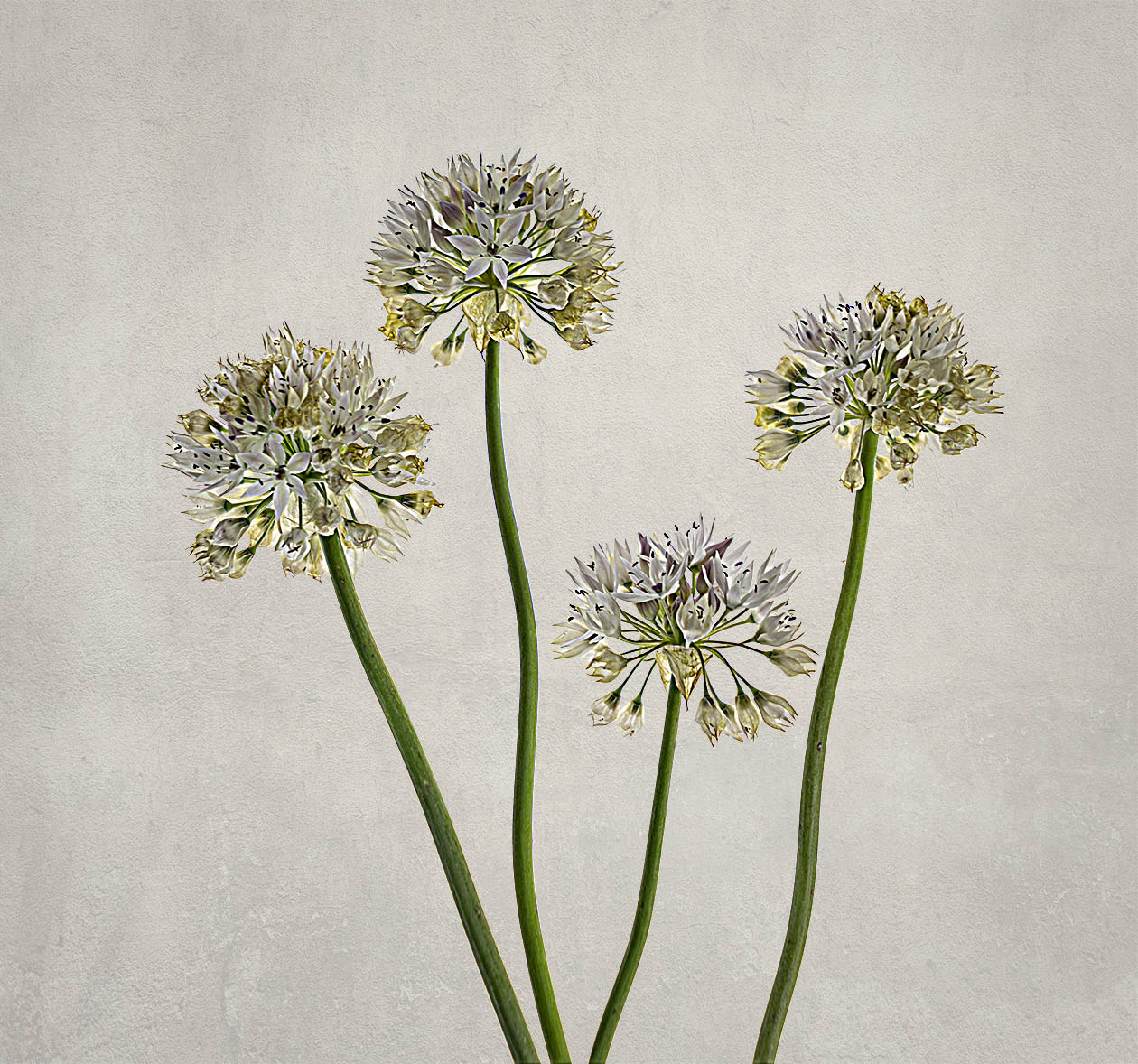
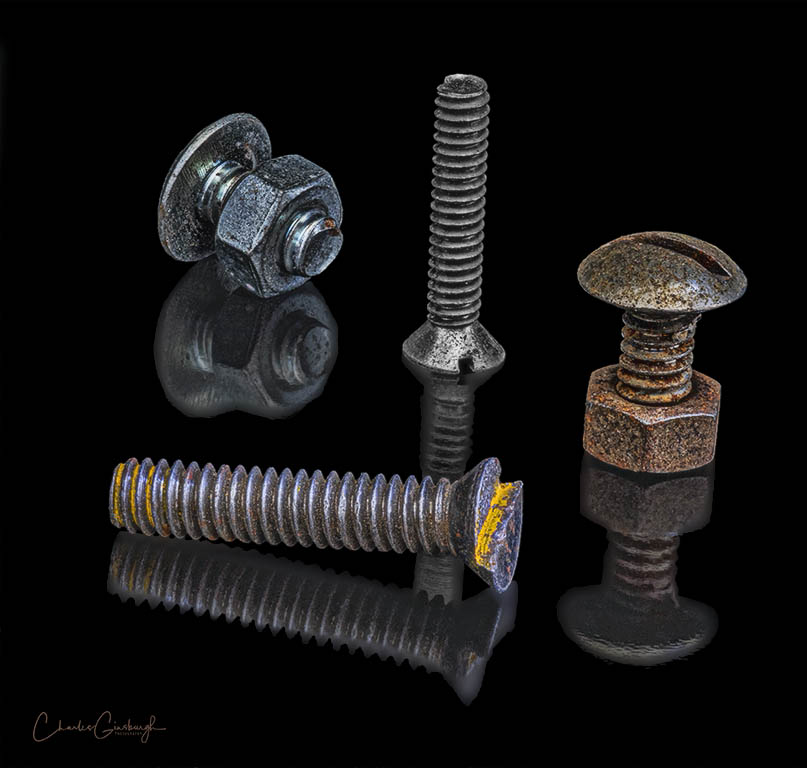
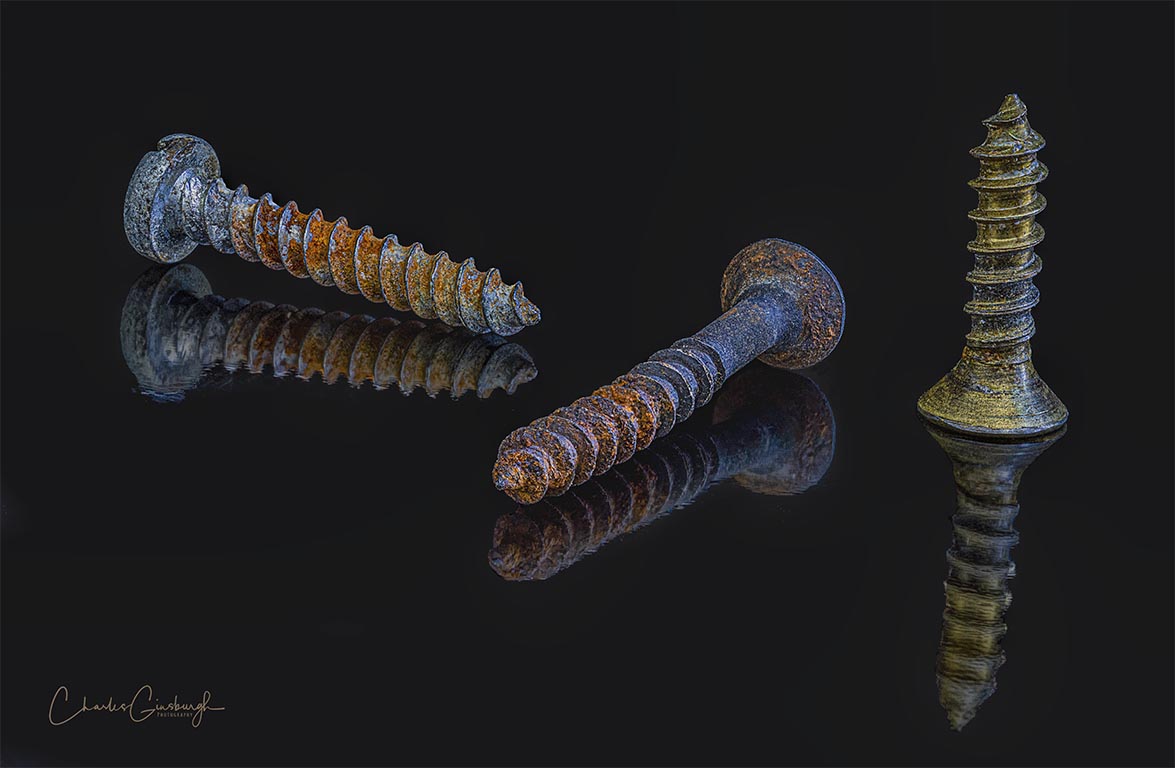
I wholeheartedly and respectively disagree the comments you passed on. To my mind the essence of macrophotography is to shown the subject in all of it's detail, such that the viewer sees the subject in a way they might never of seen it before. I try to refrain from removing detail because it doesn't conform to a viewers idea as to what should be there. |
Feb 14th |
| 65 |
Feb 21 |
Comment |
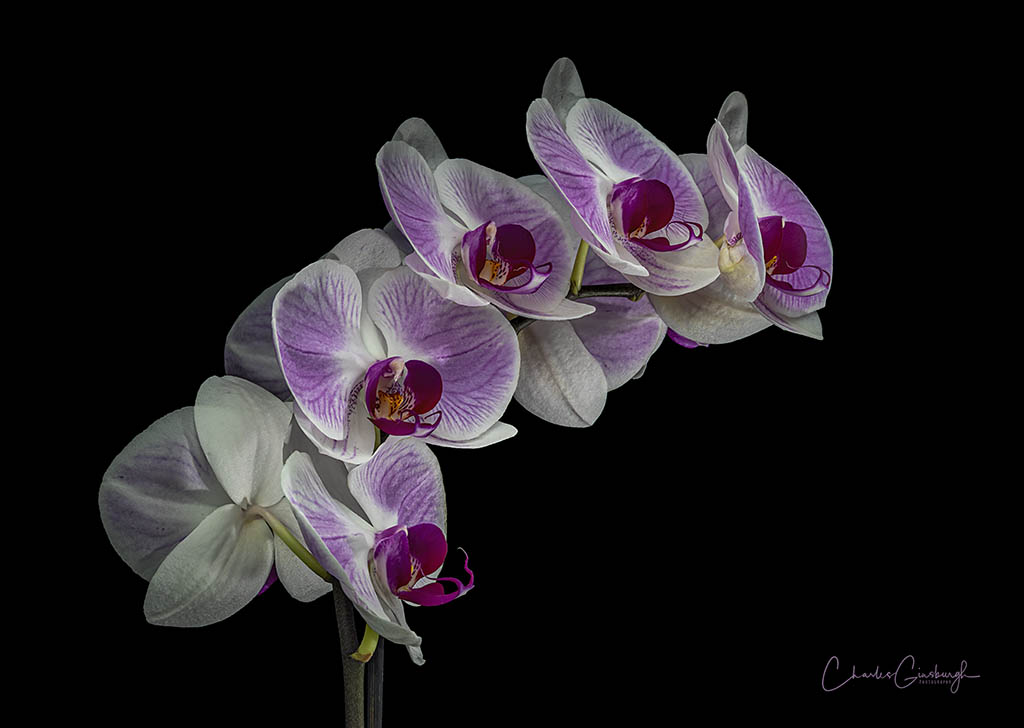
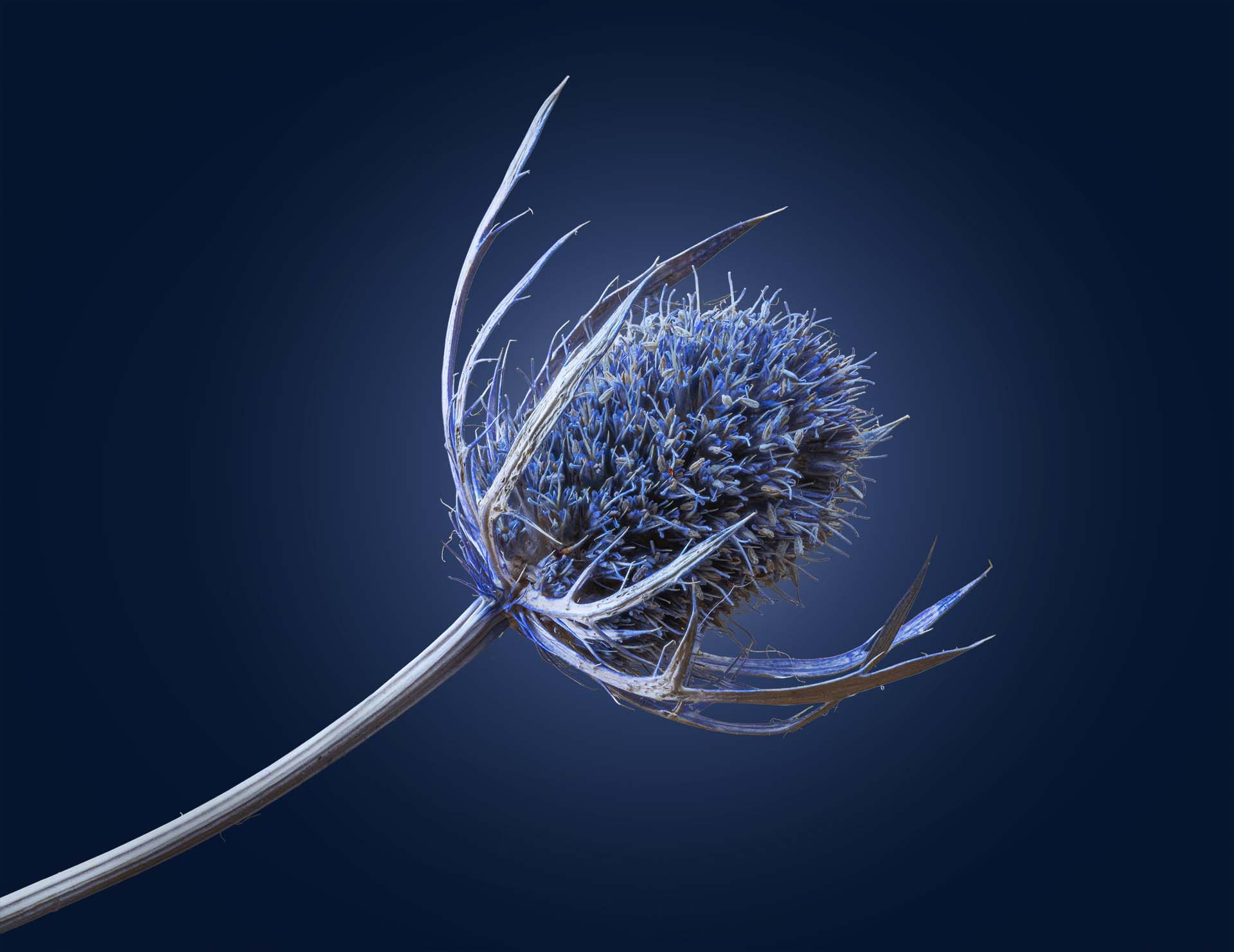
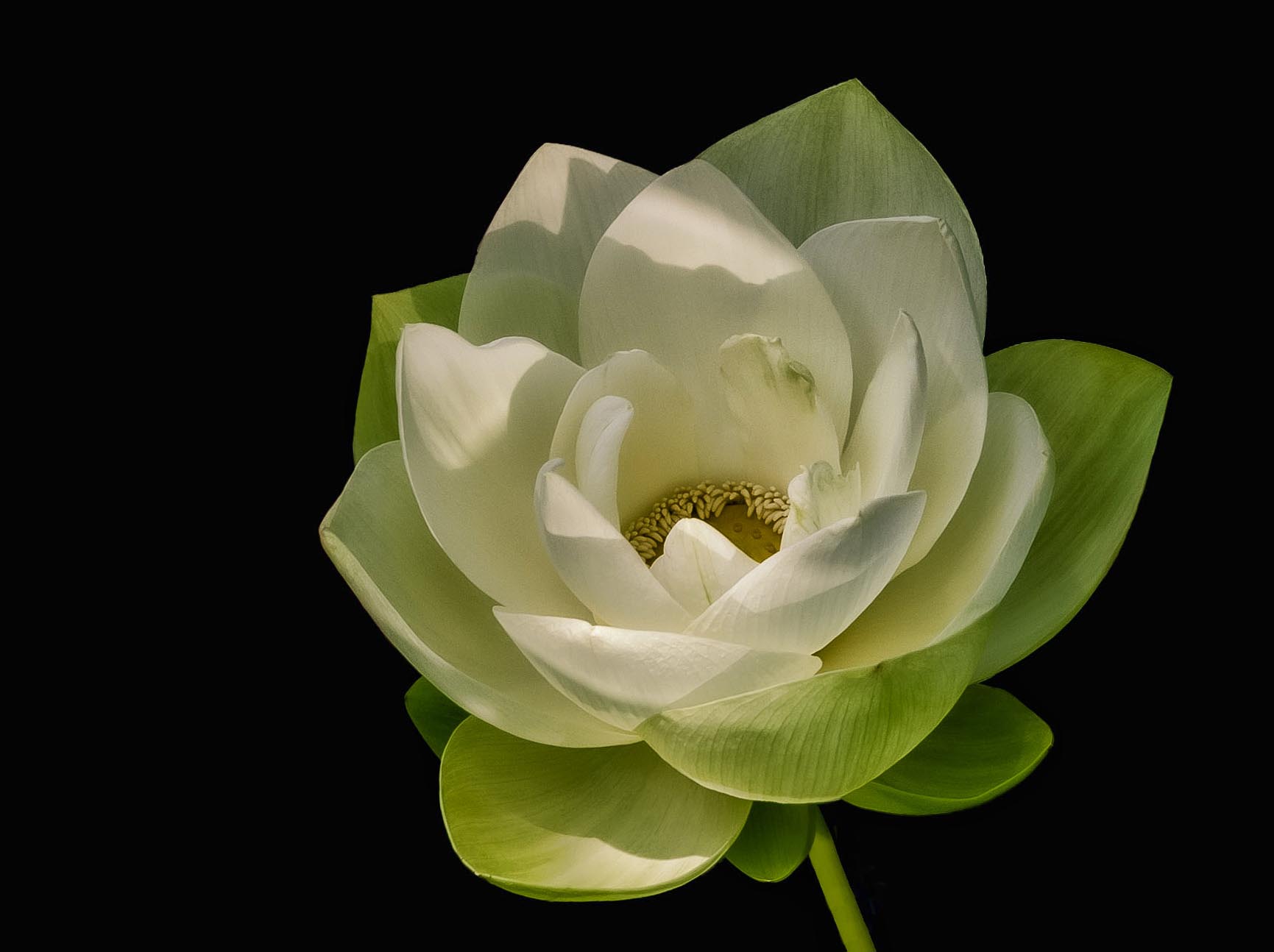
I love this image. I love how you have captured the feel of the bloom emerging from the darkness, while reveling in the nascent beauty of the bloom's detail. This is something I hope I could capture as well. In choosing the dark background the bloom is really emphasized, and rightfully so. I also love the detail and subtle fall-off of light across the entire bloom.
I do feel that the crop of the image is not as effective as it might be. It is a bit hard to see in this presentation since the background of the image presentation program is nearly identical to the dark black background tones within the image. However, I feel that the bloom is overly constrained to the lower right quadrant of the submitted image. I appreciate that you have left room toward the left and upper left for the bloom to breather or move (visually) into, but I think that this is overdone some. Here I suggest that you expand the canvas on the right, bottom and top, to clone the stem to continue its flow downward, and crop of a bit from the far left. This is all relatively easy to do since as you expand the canvas to give more space, and you can easily clone in or "fill" in more of the background. If this were my image, I would also be tempted to add a bit of micro-contrast to the bloom as well. This will enhance both the detail within the bloom and the fall-off of light across the bloom, making this image even more spectacular. I have included a version of this image, which incorporates these suggestions as a means to illustrate my thoughts.
Aside from these minor points, a spectacular image you should be proud of.
|
Feb 11th |
 |
| 65 |
Feb 21 |
Reply |
As you adjust the focus, the image captured within the focus slices will magnify slightly, and this may look as though this is camera movement, but it is not (and it is normal). However, the focus stacking applications re-scales each slice image and accounts for the slight magnification in the image sizes. Concerning camera movement as you shoot, I use a shutter release cable attached to a tripod-mounted camera. Alternately, you can also employ a 2 sec delay to each shot as well (which I do when I forget my shutter release cable). Most the time though, I just need to remind myself to slow down during the image collection phase. |
Feb 10th |
| 65 |
Feb 21 |
Comment |
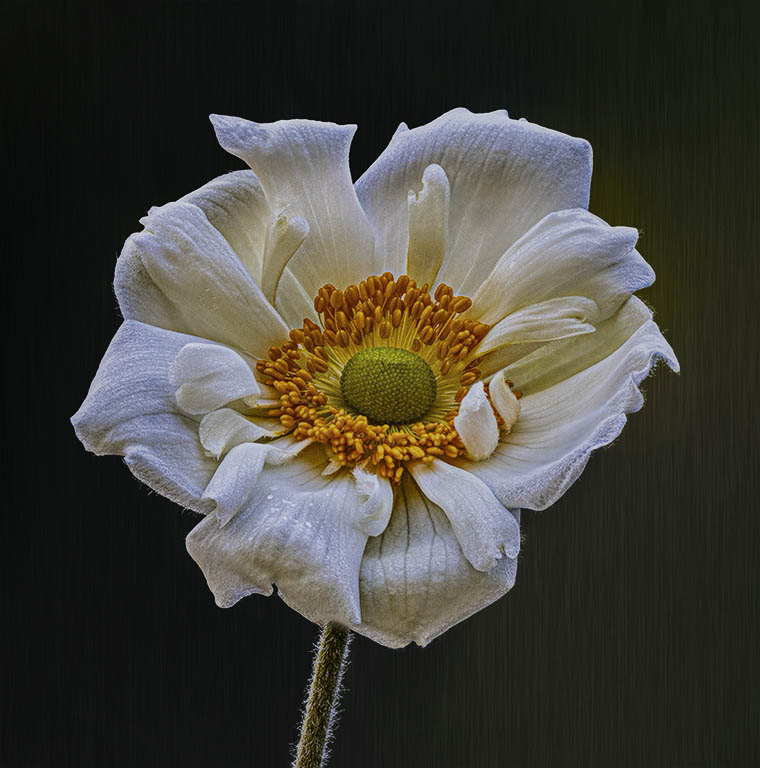
The LensBaby series of lens do offer an interesting mix of soft and sharp areas in a photo, and some people just love them (the lenses and the images they create). Personally, I am not a real fan of the effects that they generate so I find them a bit frustrating to work with. They require a fair amount of trial and error to get the right expected mix of clarity in the image. My bent is to add more clarity to the image and these lens are not designed to do so, therefore I get frustrated when I use them. I guess I should not be surprised.
Aside from my personal preferences, the image you have submitted is very ethereal and 'artistic' in its feel. There is just enough detail in the center to allow us to identify the subject while allowing the remaining subject to go so soft that is borders upon the abstract. The technical aspects of the image (composition, hot spots, and color palate) are all well done.
|
Feb 10th |
| 65 |
Feb 21 |
Comment |
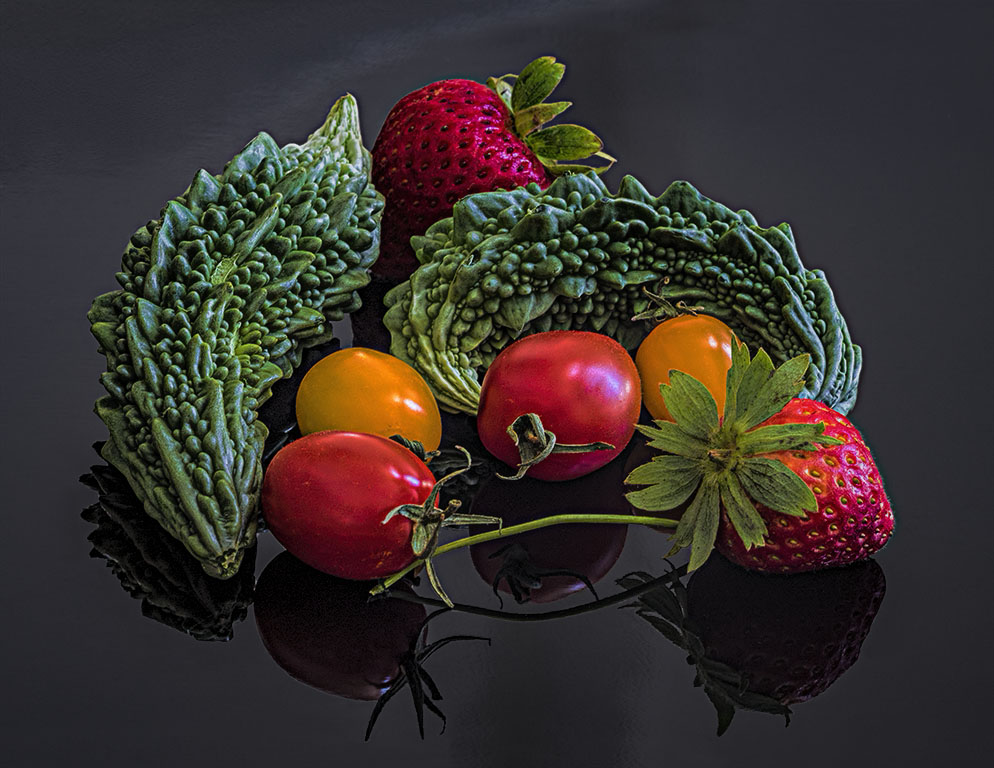
This is really a very effective image. I love how you combined different techniques to achieve your goals in generating this image. It is nice to see examples when the goal is to achieve a specific vision within an image as opposed to the use of a technique. As for the image, I love the cleanliness and simplicity of the presentation. I am also enjoying the background as it is clean and non-distracting while still imparting a context to the main subjects. I did note that there is just a bit of halo to the branch, on the top side that I might have addressed, but this is a minor point. Nice Job. |
Feb 7th |
| 65 |
Feb 21 |
Comment |
This is an interesting image that you have converted from a photo to a fun sketch. As a piece of art it is quite good, but I feel it is less appropriate here since this is a photography study group, rather than a pure art or sketching study group.
Concerning the CamRanger accessory that you have and it's use in collecting focus slices. There are several attachments and accessories that you can use to aid in collecting focus slices. Also, newer cameras tend to have this functionality built in as well, taking repetitive shots after small focus adjustments. They can be useful if you are not patent or feel a bit fumble fingered. However, when I collect my focus slices I tend to do so manually. As I do so I can see the new focus plane each slice captures, and in doing so I can ensure that all of the interesting parts of the subject are captured in at least one sharp slice. I may take more slices when the most interesting parts are in focus and less so when it more of a general or background focus. When you use a system that does this (collecting images and refocusing) automatically, there is a bit of a hit-and-miss aspect to the collection process. However there are times when it is very useful, and I do use my new camera (Canon R6 Mirrorless dSLR) capability from time to time, although I am still trying to figure out how best to configure these settings. The camranger might be useful when the camera set-up makes it difficult to see through the viewfinder or see the back of the camera,. There is a bit of set-up involved to get things just so. Let me know how this works for you.
|
Feb 7th |
5 comments - 1 reply for Group 65
|
5 comments - 1 reply Total
|