|
| Group |
Round |
C/R |
Comment |
Date |
Image |
| 65 |
Sep 20 |
Comment |
Here you have provided another wonderful example of these water drop collision, and again shows us what is happened in front of our eyes, even though we often fail to see it. The form and texture of the water is effective and the shapes presented are very interesting. I do think though that the bright colors compete with the water jets and droplets, and to my eye is rather distracting. The green is so intense and glaring that I loose sight of the water structure. I also think that there is also a bit too much space at the top. Although this crop may follow some "rule" (see my thoughts submitted under Jeff's image), here I think that less space at the top will force more attention to the drop collision table, which is one of the "stars of the show". |
Sep 27th |
| 65 |
Sep 20 |
Comment |
Jeff - Welcome to the group. I am sorry I am so late in offering my commentary. This was a challenging month and time just slipped by.
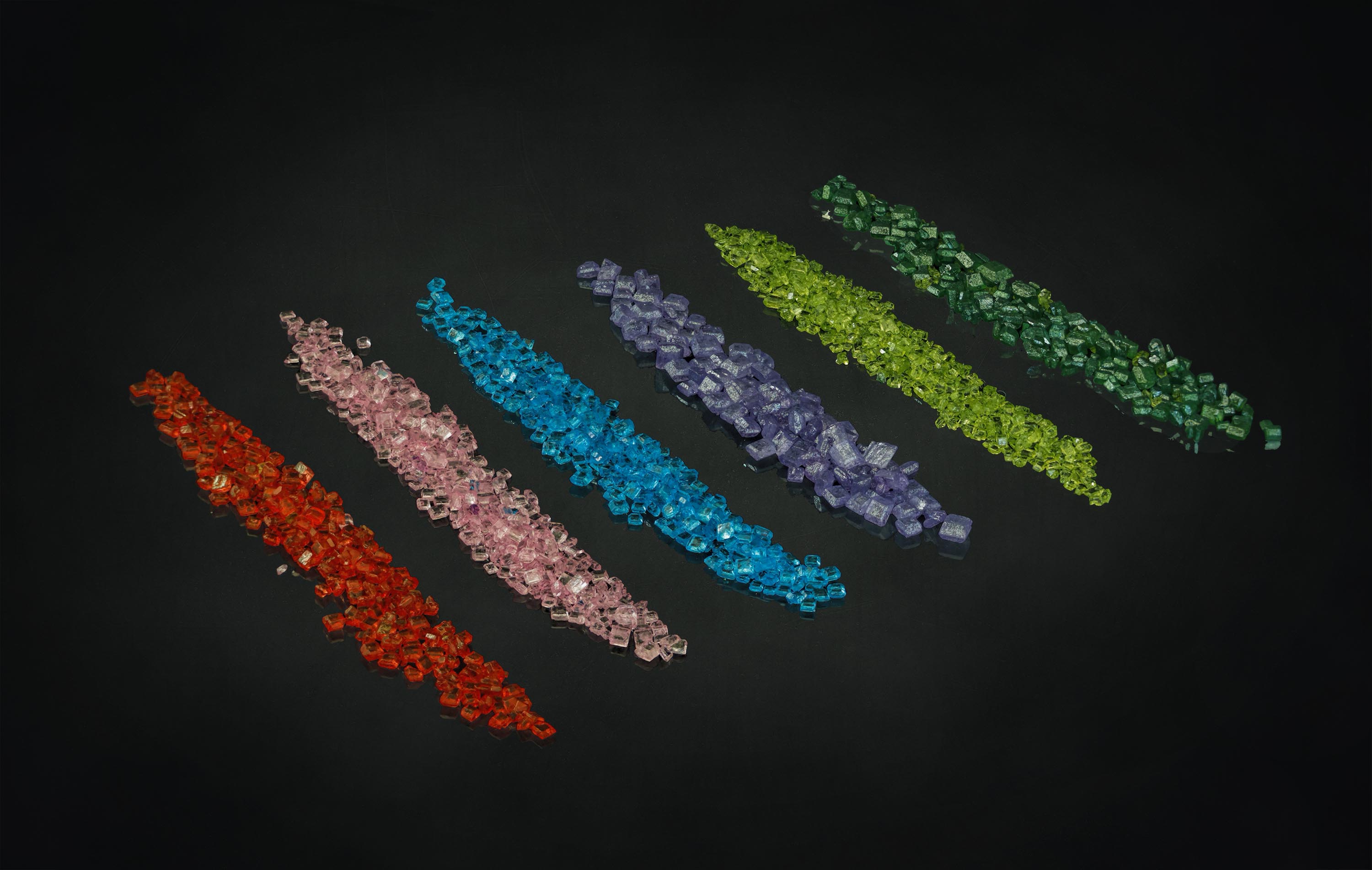
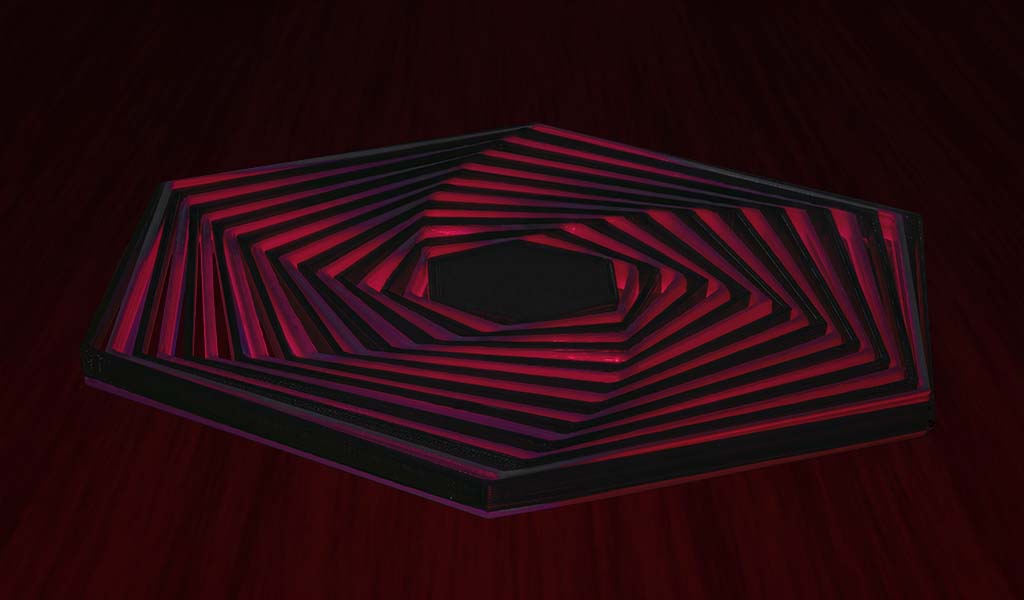
I really appreciate your whole approach here. Rather than creating close-up (or macro) images for the sake of creating an image, you have embraced the technique to convey a purposeful story or specific concept. The panoramic feel of your image portrays a greater sense of the environment than a standard presentation might, and I am enjoying what you have provided. I will set aside any specific comments regarding color, tone or technical presentation as these have been discussed earlier. Much of that ultimately falls back to the eye and intent of the maker. I do though, wish to applaud what it is you are doing in this presentation, and look forward to seeing more.
|
Sep 27th |
| 65 |
Sep 20 |
Reply |
The way I describe the "rules" are that they are just a restatement of what the human eye tends to be attracted to, in visual records (Painting, Photos or anything else visual). As humans, we are weird beasts, and tend to like things that are not as centered, in odd numbers and all of those other annoying things that have evolved into "rules". To my mind rules should be interpreted as "if these compositional elements are present, humans tend to be more comfortable with these images". They are not dictates as what you should or should not do. In understanding these rules or 'Human tendencies' you can appreciate what things might attract the human eye, and can apply them as required to achieve the result you are striving to attain. I reject the thought or approach that you should apply the rules since they are rules. We need to apply a bit of thought and intent as we craft our images. |
Sep 27th |
| 65 |
Sep 20 |
Comment |
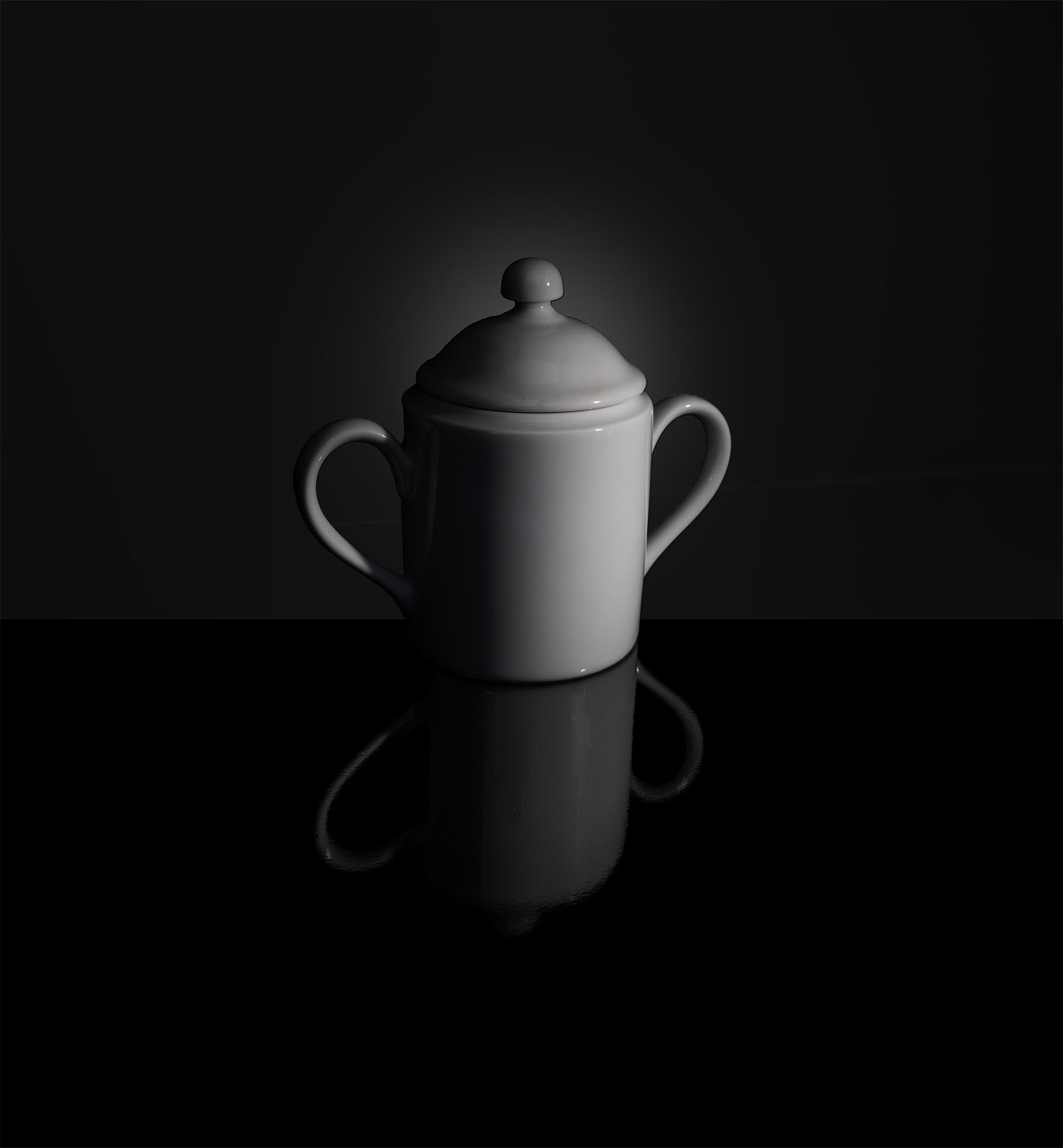
This is a fun shot and a bit different form many of the close-up images that we have been seeing. I am enjoying the concept but I must admit that since Lynn has mentioned the pacifier I cant get that vision out of my mind ! I do not disagree with any of the comment made above. |
Sep 27th |
| 65 |
Sep 20 |
Reply |
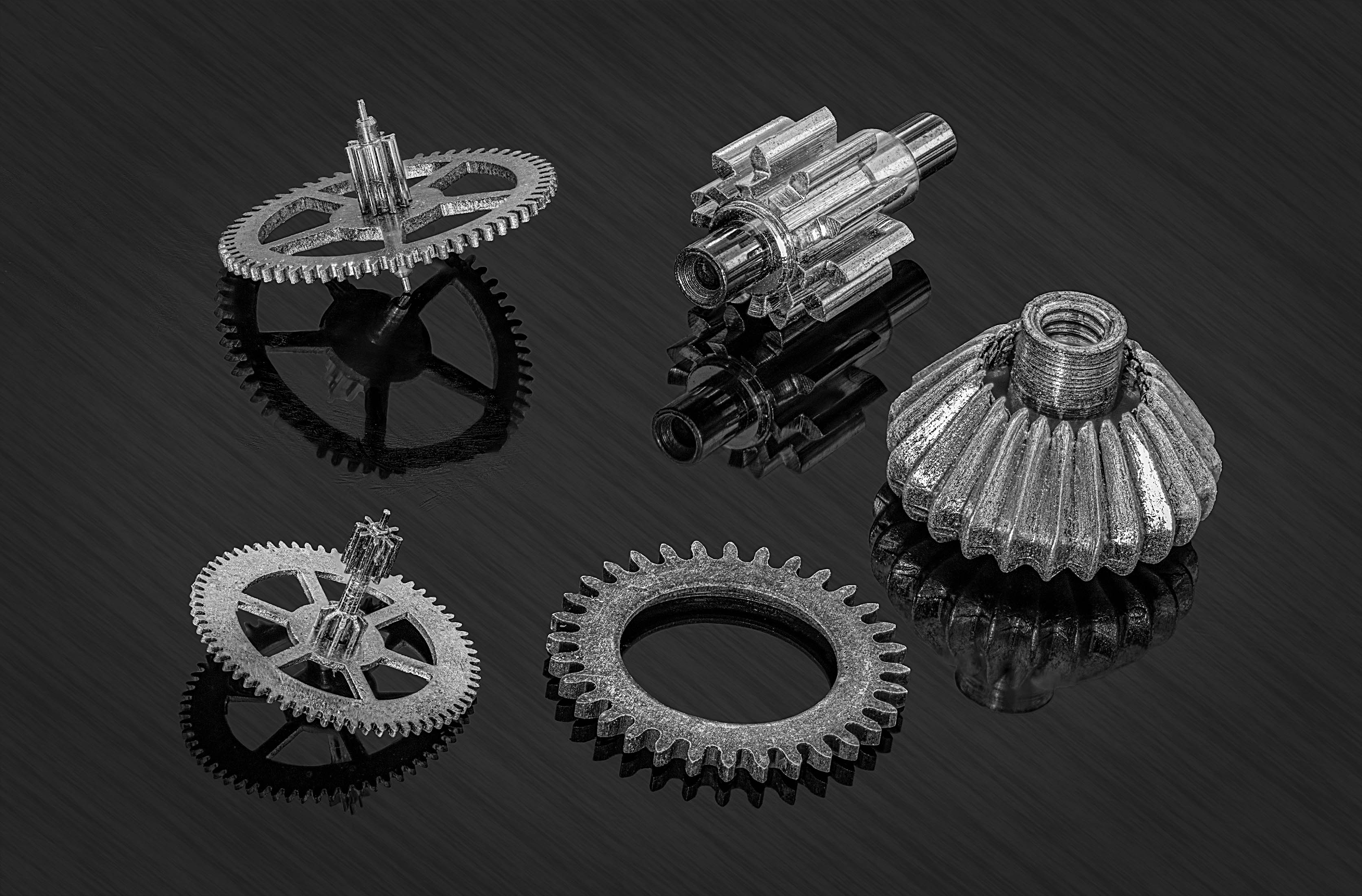
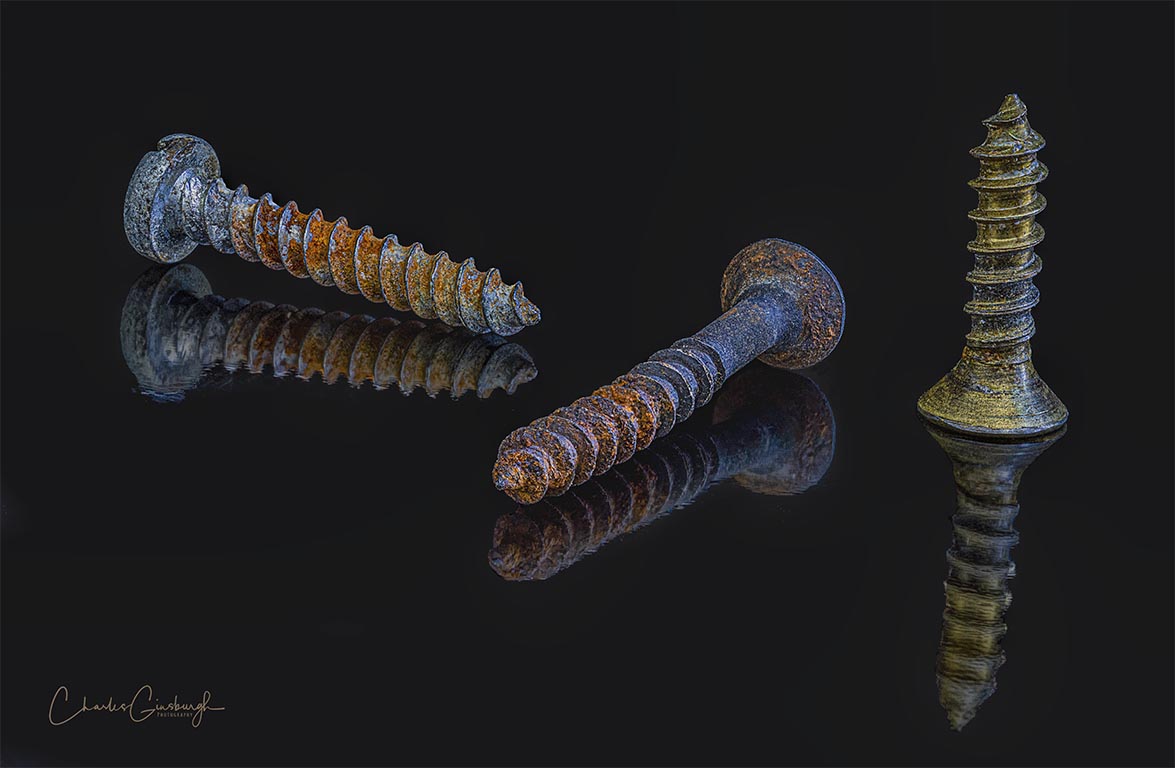
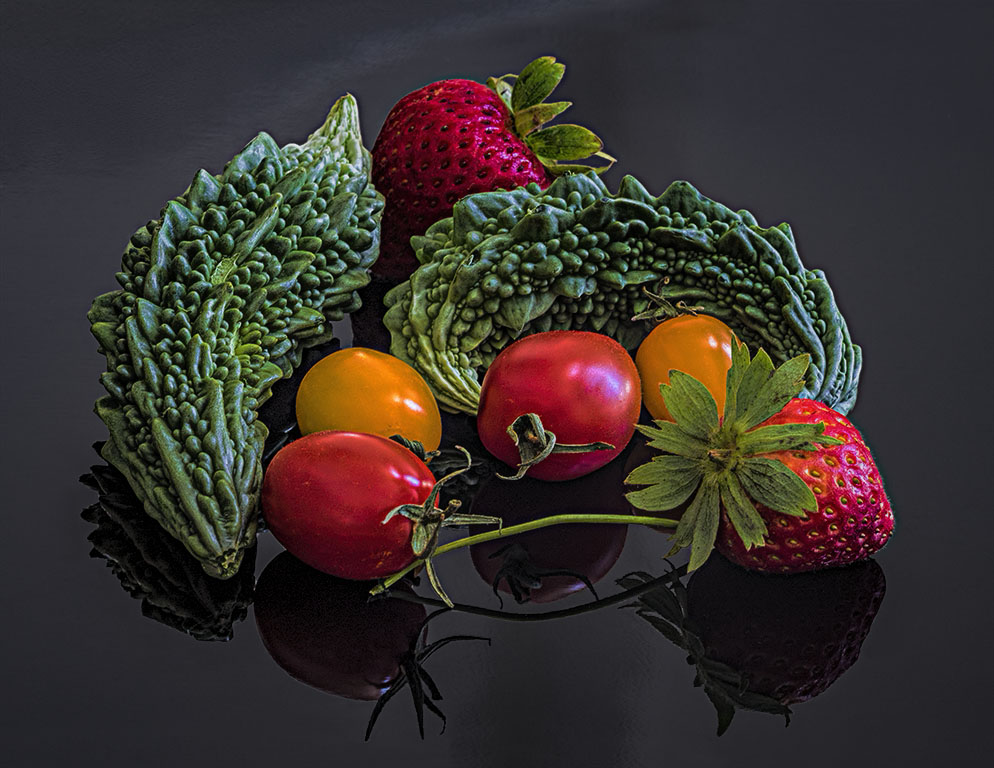
One of the challenges with Focus Stacking relates to how the software deals with the size of the final stacked image. Since the size of each focus slice is slightly different, the software will "scale" the images to a common size. Often this scaling yields images where in some images the edge of the subject is maintained while in other it is removed (I do not know if I described this very well). The result is that at times we lose the edges of subject in the final stacking image. This has happened to me more times that I can count. My solution is to not get in so tight that critical parts of the subject are near the edge. I try to leave more space around the edges than I think I might need so that when the stacked images are tighter than I would have expected, I do not lose part of my subject (or its reflection). |
Sep 27th |
3 comments - 2 replies for Group 65
|
3 comments - 2 replies Total
|