|
| Group |
Round |
C/R |
Comment |
Date |
Image |
| 65 |
Jun 18 |
Reply |
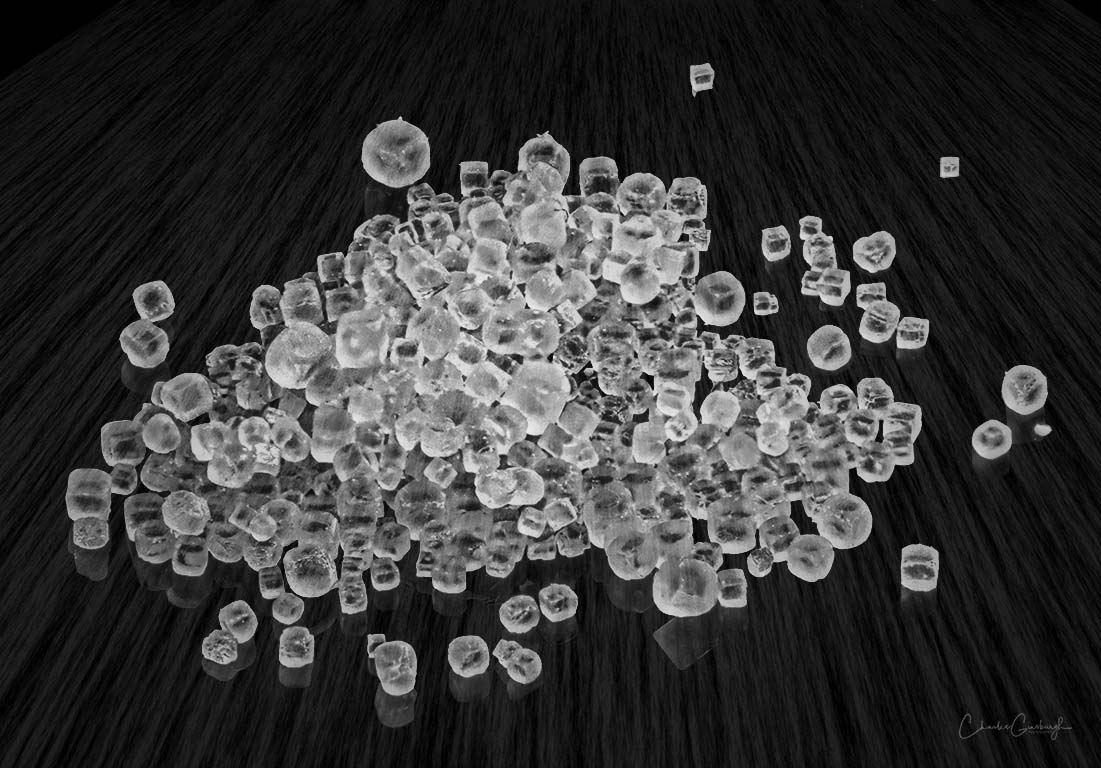
I wish that I could offer some technically astute rationale for my choice of shutter speed and ISO, but alas, I am at a loss for a reasonable explanation, except for "it works". You are correct in noting that with a tripod mounted camera I could easily have decreased the ISO and increased the shutter speed, yielding a set of images with less noise. With my specific camera (Canon 5d Mark IV) using a ISO of 640 is not an issue so in this specific case that pressure did not exist, but in a camera with a less favorable noise tolerance this might have been an issue. In this image I also played around quite of bit with the exposure, to balance the over-all exposure with the reflections off of the bead facets so perhaps that why I ended up with these settings. Great question and comment though. |
Jun 28th |
| 65 |
Jun 18 |
Comment |
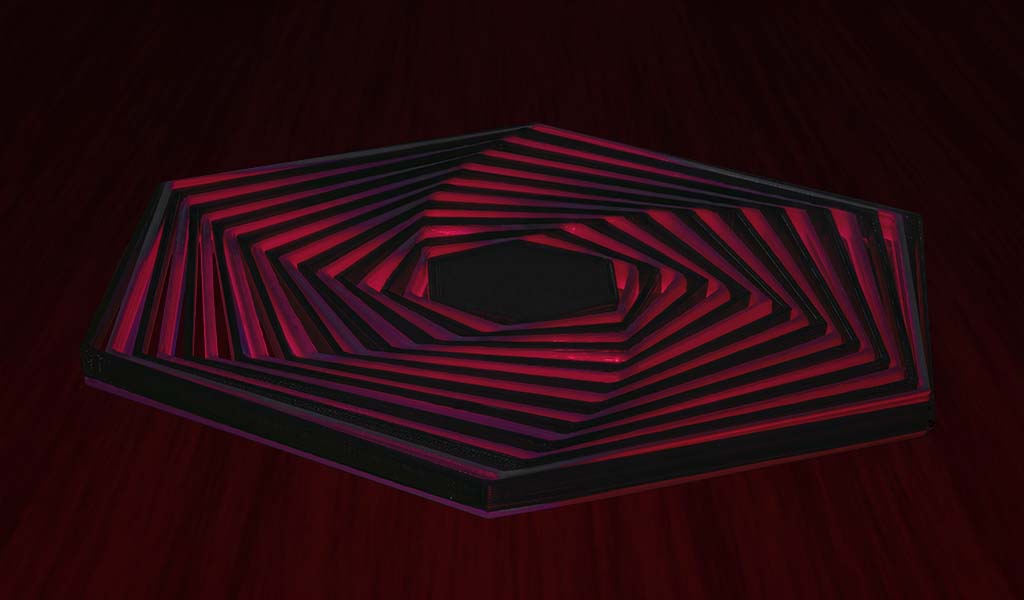
In this image you are discovering the bane of the Macro Photographer, that being too little depth-of-field. In normal photography we address the depth-of-field issue by decreasing the aperture, as you did by "stopping down" the aperture to f/29. However when there is a lot of magnification is involved, this often fails to provide sufficient depth-of-field. Generally when the subject is smaller than your camera's sensor (about the size of a postage stamp), reducing the aperture doses not give enough depth-of-field, and that is what is happening here. I see that you also tried to set the camera parallel to your subject to minimize the amount of depth-of-field you needed to deal with but again that did help enough. Don't feel bad though. I specifically suggested these subjects to confront you with just this issue. Your solution as a Macro Photographers is to apply the technique of focus stacking, to expand the apparent depth-of-field. In this technique, we take many images of the subject each focusing on a different part of the subject (focus slices), and then using software (including Photoshop), we combine the slices such that only the sharp parts of each image is retained. Sort of like HDR with focus sharpness rather than exposure being the main variable. That is what the group is talking about when they mention focus slices. If you are not familiar with this topic try Google the subject or drop me a line (cginsburgh@gmail.com) and I will send you a good primer on the subject.
That issue aside, I am enjoying your subject and composition with this shot. The choice of rice grains works nicely, that the colors and position give us and wonderfully imaginative image. Nice Job ! |
Jun 28th |
| 65 |
Jun 18 |
Comment |
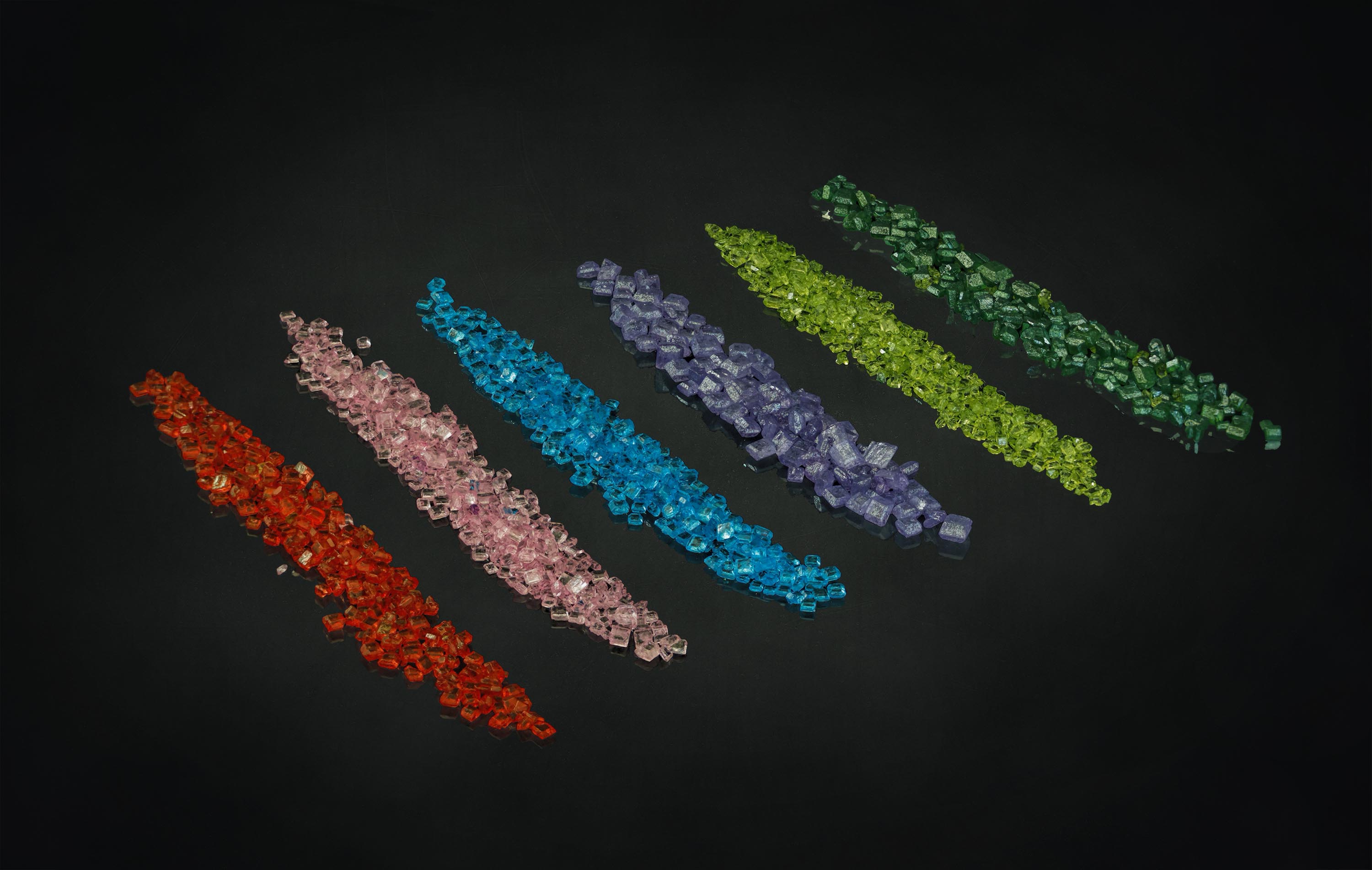
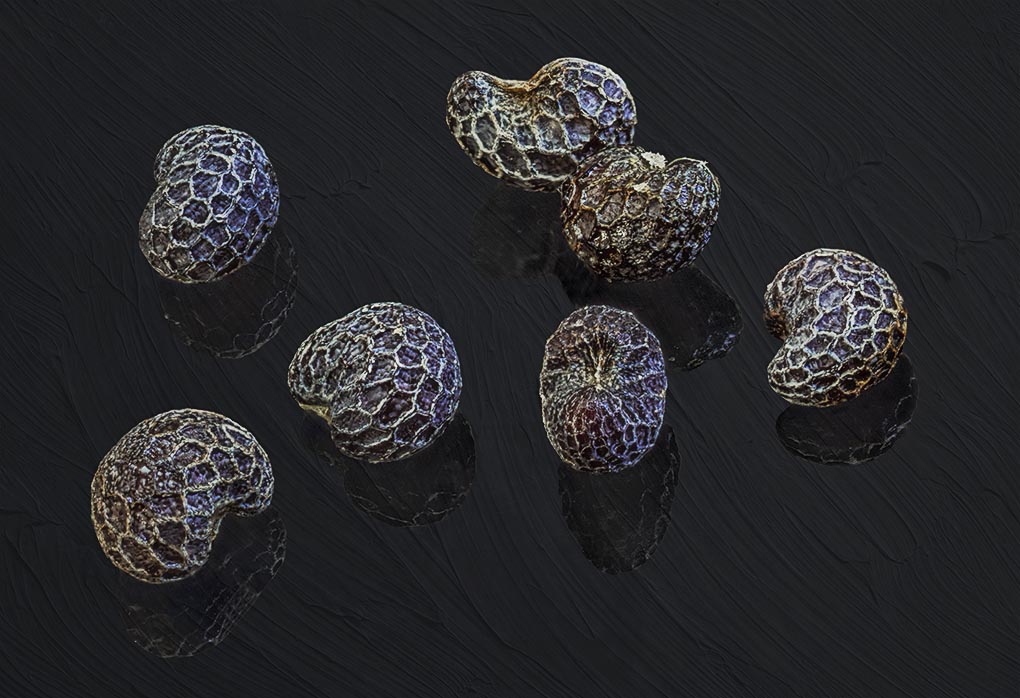
Another great choice of subject, color and texture. When I try using a light or white glass I also get the effect seen here where the seeds look as though they are floating above the surface. I find that a bit distracting so I don't do it as much. I don't disagree with Lynn's comments regarding the sharpness or cropping and I like the results seen in her edited image. I don't think that the overall softness in due to too few slices. If that were the case, you would get "waves" of sharpness and softness throughout the image, and that is not the case here. Here the detail is all captured, but all of the image is a bit soft suggesting something uniformly applied to the image. Did you apply any sort of de-noise filters or dehazing in your post processing ? Both of these techniques can soften up an image some. Try this again using a type of seed (or subject) which has sharper edges, and see if your get the same soft effect. That aside though, great image and nice job ! |
Jun 28th |
| 65 |
Jun 18 |
Comment |
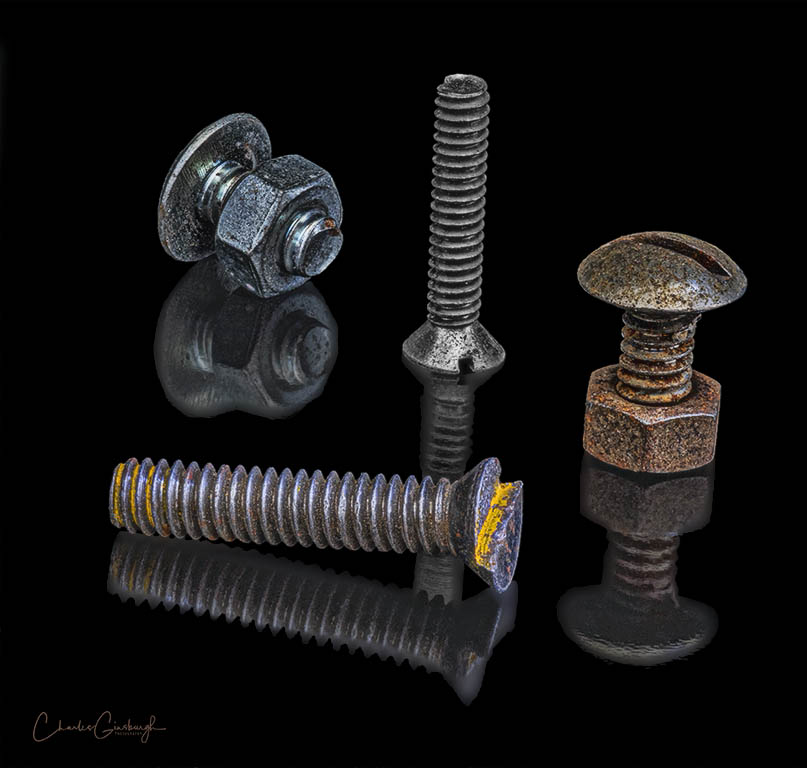
Great choice of subject and background. The subjects are all sharp enough for this presentation. The differences in the textures and color adds a lot to the composition. I would have added a bit more space between the main elements to give each subject a bit more space to breath. I know that this is an odd way of speaking about the subjects, but the concept and its effect are real and effective. Personally I would have arranged the corns to avoid cutting off as many of the corns at the edges as you did, but you do this a lot and I suspect that this is part of your preferred "style". Nice Job ! |
Jun 28th |
| 65 |
Jun 18 |
Comment |
Nice job using "refraction" as the main element. You have given us the macro subject (spices) in an entirely a new and imaginative way. This composition gives us a sense of depth, with the blurred spices in the background. I would have added a bit more contrast and clarity to the main three drops to bring out the subject a bit more. I do though, like the idea of letting the composition fade out at the edges. I don't disagree with Mary's comments regarding cutting off some of the subject drops around the edges, or Janos's thoughts regarding the number of complete drops, but these are editorial thoughts that may be addressed in upcoming compositions. Kudos for the imaginative skills you demonstrate here ! |
Jun 28th |
4 comments - 1 reply for Group 65
|
4 comments - 1 reply Total
|