|
| Group |
Round |
C/R |
Comment |
Date |
Image |
| 63 |
Apr 25 |
Reply |
This is a great suggestion. |
Apr 16th |
| 63 |
Apr 25 |
Reply |
Thanks you for all these details. I do believe that only Helicon Focus can allow focus stacking using so many slices. For sure, ON1 Photo Raw does not allow it. I am not sure about Photoshop.
I use Helicon Focus once in a while, trying all 3 methods and than select the most pleasing one. One of my biggest issue is when a near plane interferes with a deeper plane, such as with Orchids. Helicon Focus can see the deep and the near plane in focus (providing full coverage of the flower). It is possible to remove the interfering slices, but I found this an arduous problem! |
Apr 16th |
| 63 |
Apr 25 |
Reply |
Hi Alane,
Wishing you a prompt and successful recovery period. |
Apr 16th |
| 63 |
Apr 25 |
Comment |
Hi Xiao,
Nice image.
I agree with the comments above.
I personally prefer a tighter crop, but frequently I am limited by the definition and noise issues when cropping too tightly. |
Apr 14th |
| 63 |
Apr 25 |
Comment |
Thank you all for these comments and suggestions.
Yes, it was a cloudy day, providing me with a natural light diffusion. Furthermore, is was early in the morning as I do not like the harsh shadows that are present in the middle of the day (especially on a very sunny day!) |
Apr 14th |
| 63 |
Apr 25 |
Comment |
Hi Murphy,
Thank you for a very fine example of a selective focus with relatively thin depth of field to create a "dreamy" image. Very well done.
I find it very difficult to perform this technique "just right".
I am also looking forward to see Barbara's images with the Lensbaby system.
|
Apr 14th |
| 63 |
Apr 25 |
Comment |
Hi Charles,
This is nicely done, with all the bells and whistles technology can offer!
As mentioned, as one increases the magnification, the diffraction becomes more of an issue. I was told to try to keep the f stop at 9 or less to avoid this problem.
Your image is a great example of what can be done, with excellent preservation of all the fine details and textures, even in the reflected image.
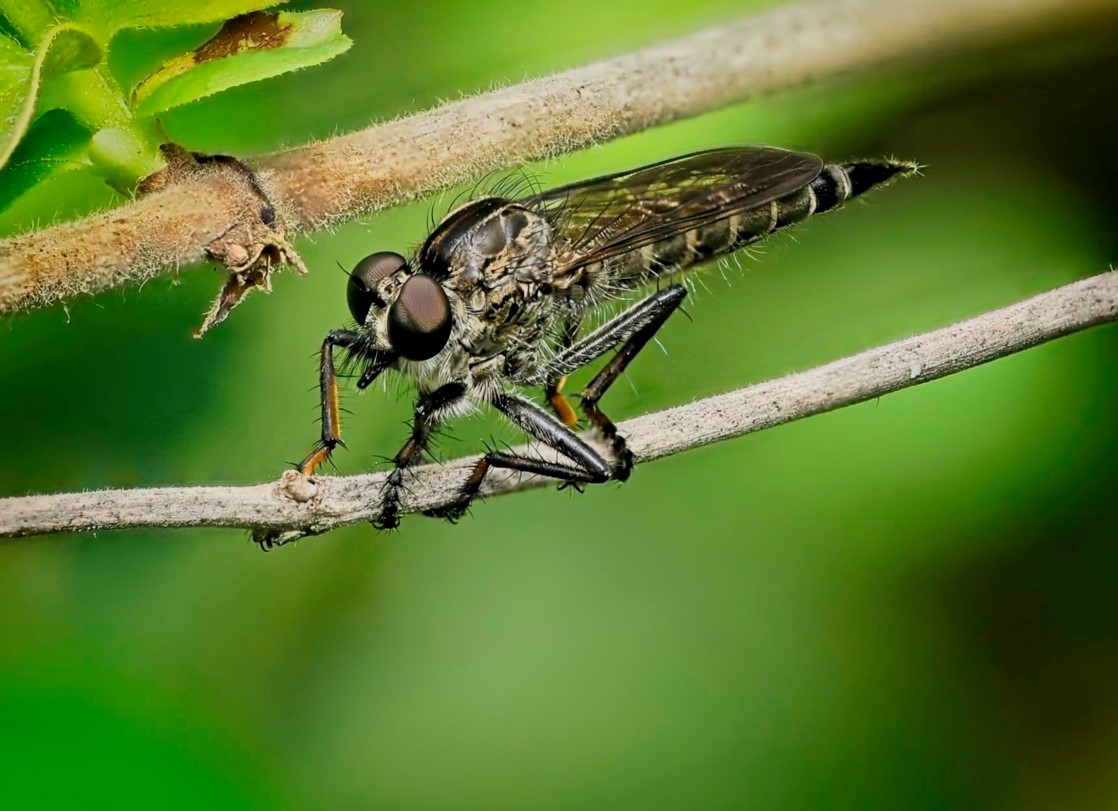
This is a lot of slices!
Can you share what was your Helicon set-up as many options are available? |
Apr 14th |
| 63 |
Apr 25 |
Comment |
Hi Alane,
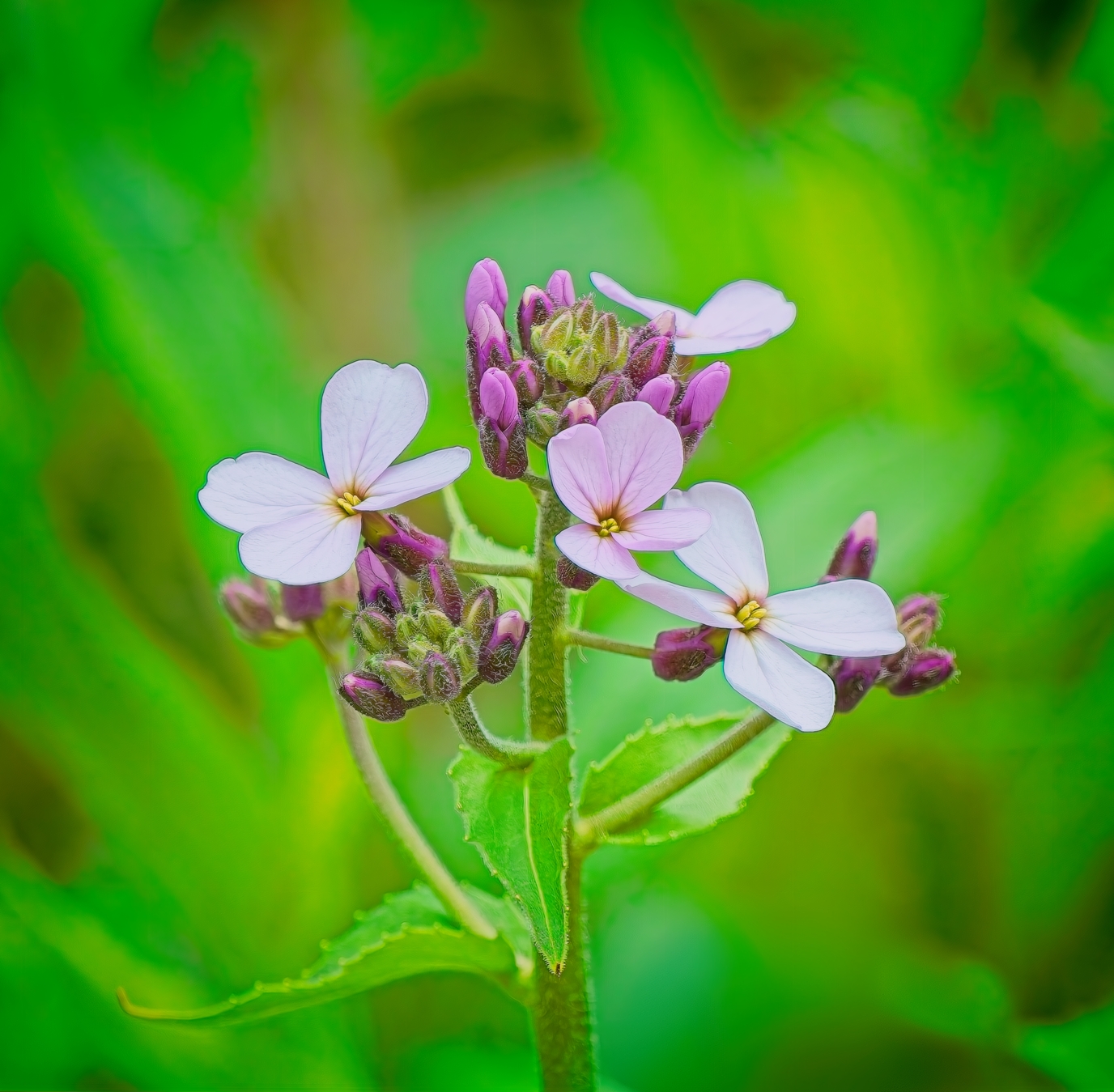
Nice B/W Close-up photography. Plenty of details on the center of the flower and the distal ends of the petals.
It would have been very interesting to have some details re: equipment used, setting, post-processing, etc...
One of the main issues with macro and close-up photography is to select the "perfect" subject. This can be quite difficult and frustrating. In my view, there are 2 options available if I can't find the ideal subject: 1) a tight crop of the "perfect" area and 2) the use of Stamping/cloning tools to fill up the "bruised", previously eaten areas, etc... |
Apr 14th |
| 63 |
Apr 25 |
Comment |
Nice capture. I agree with the above comments and like the darker background version offered by Xiao.
|
Apr 14th |
| 63 |
Apr 25 |
Comment |
Hi Barbara,
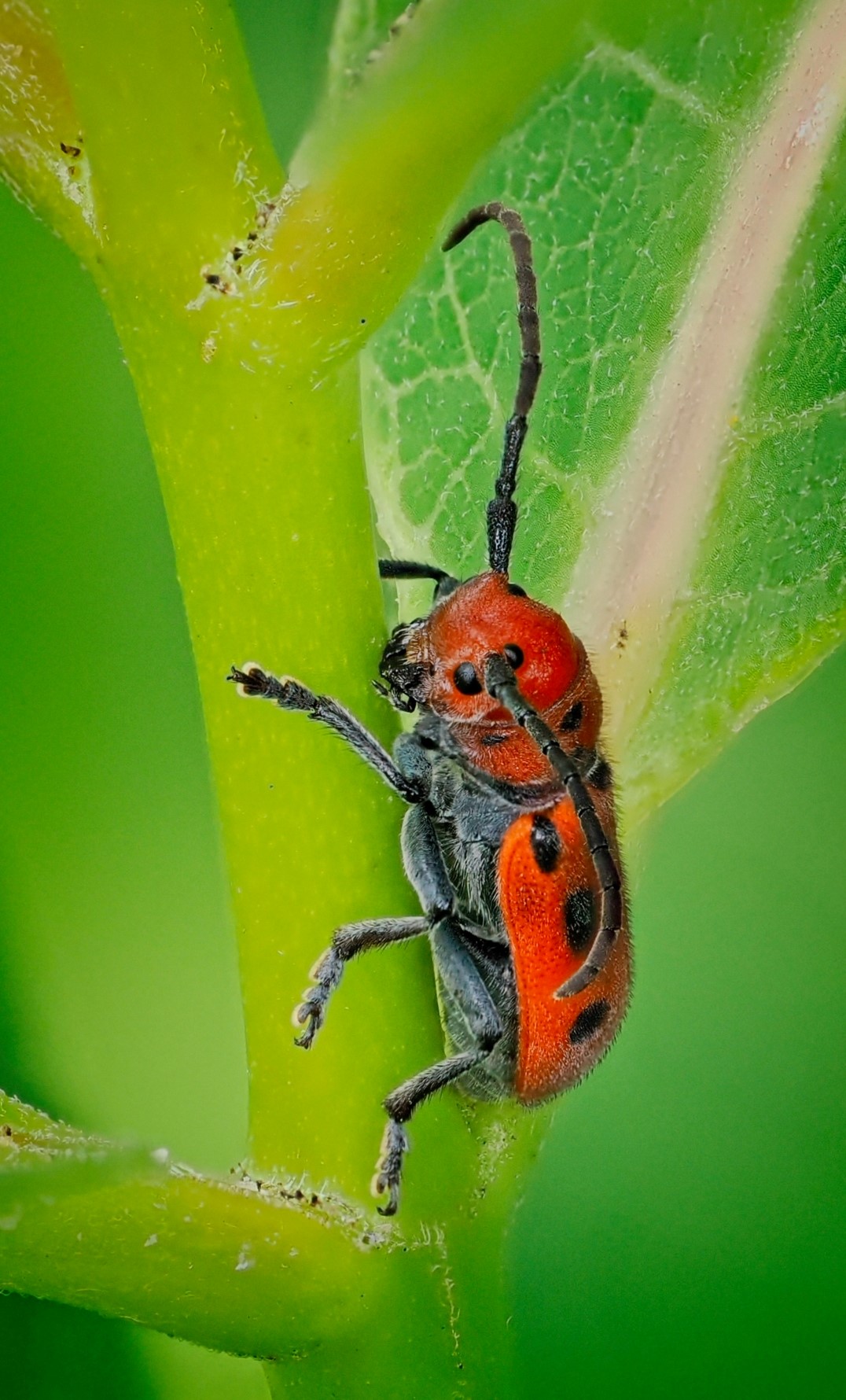
Nicely done. Sharp color contrast between the plant and the worm. The focus is on the caterpillar and the front edge of the plant.
My suggestions would be to decrease the highlights on the back side of the plant and decrease the shadows on the portion of the plant that faces the caterpillar. |
Apr 14th |
7 comments - 3 replies for Group 63
|
| 69 |
Apr 25 |
Reply |
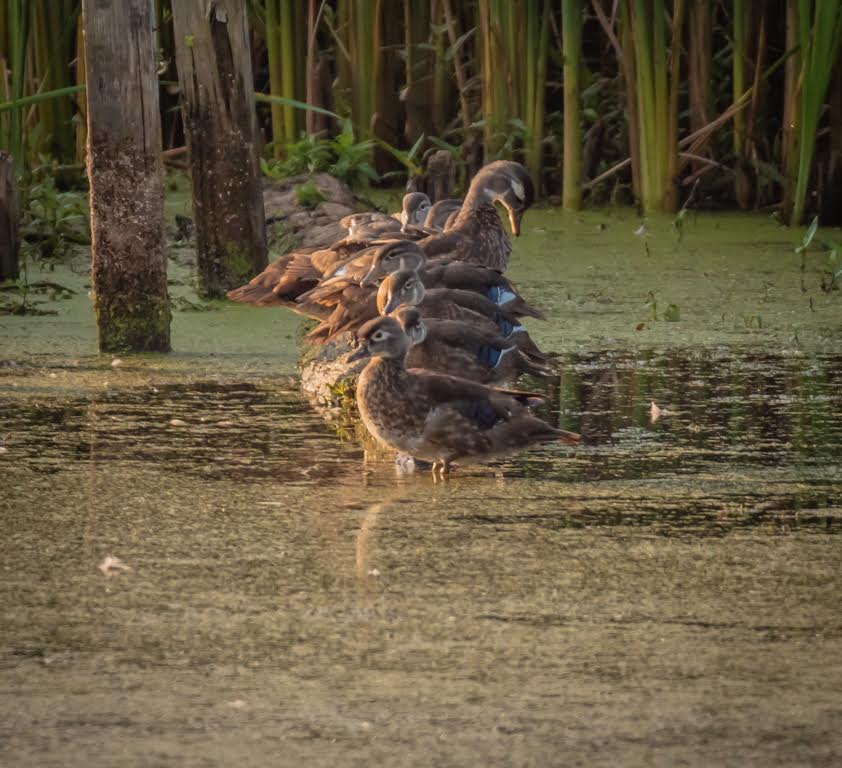
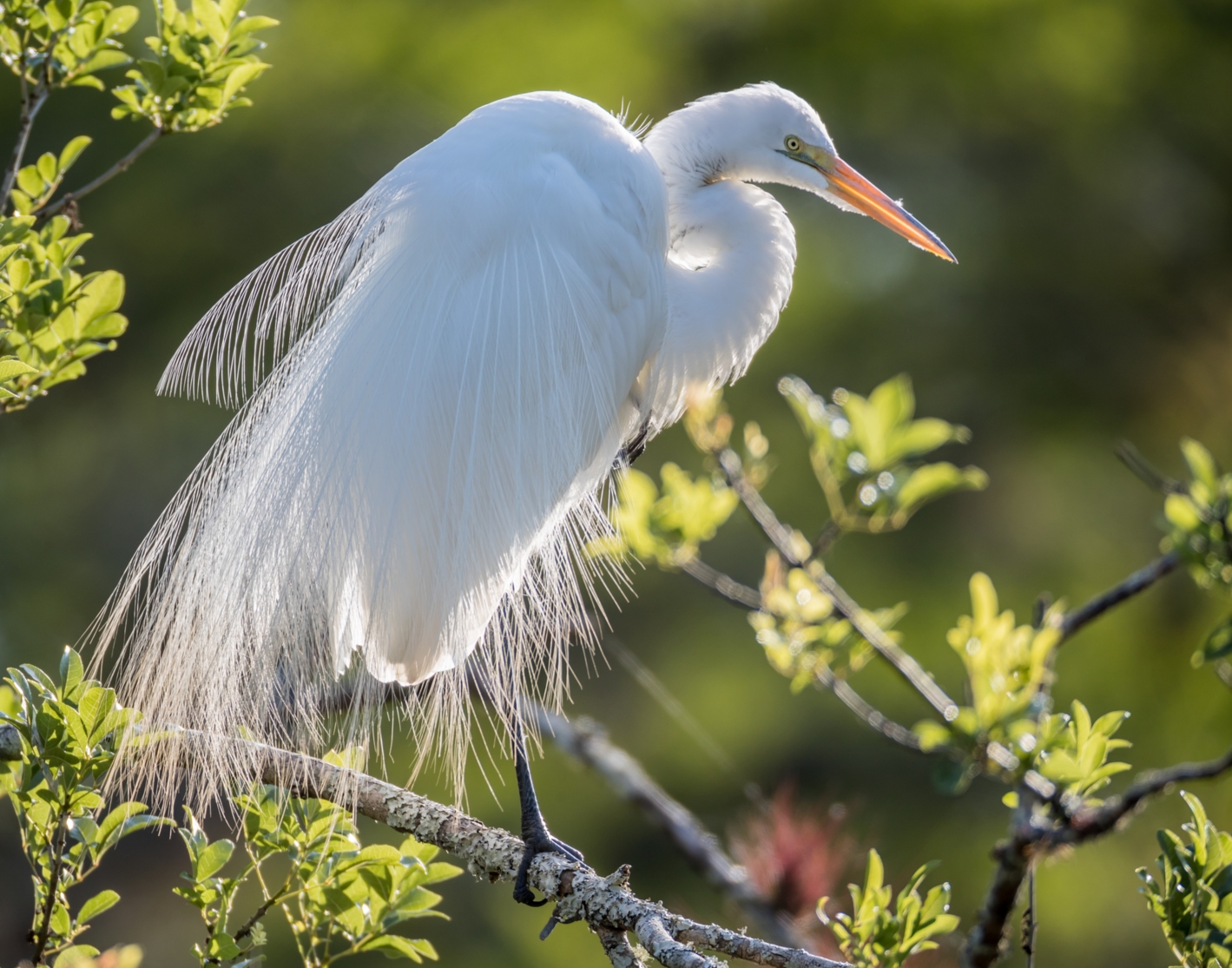
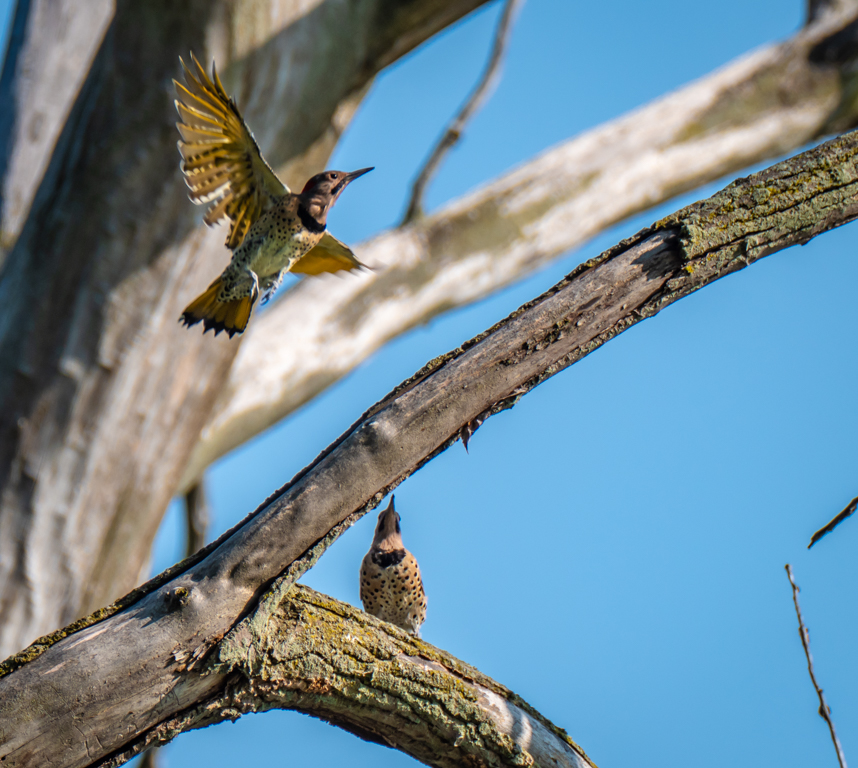
I tried over and over to have birds lining up properly, moving their head exactly as I wanted to catch the light, etc…. But they don't cooperate! Patience is key, and can sometimes rewarding.
Keep on the good work. |
Apr 22nd |
| 69 |
Apr 25 |
Reply |
Hi Diane,
Just a few thoughts....
The Canon 5D Mark III has a 22.3MP sensor - full frame. This camera produces great images and very good in low light conditions. This is particularly true if you can "fill the frame".
Tight cropping can dramatically reduce the number of pixels available on your subject. A 1.4X or 2X teleconverter can allow a higher magnification but can decrease the sharpness.
I believe that the easier way would be to use the same lens on a Cropped sensor Camera such as the 7D (18 MP) or the 7D MII (20.2MP) and would provide you with 1.6x magnification without significant quality difference (except in low light condition). |
Apr 16th |
| 69 |
Apr 25 |
Reply |
Hi Dean,
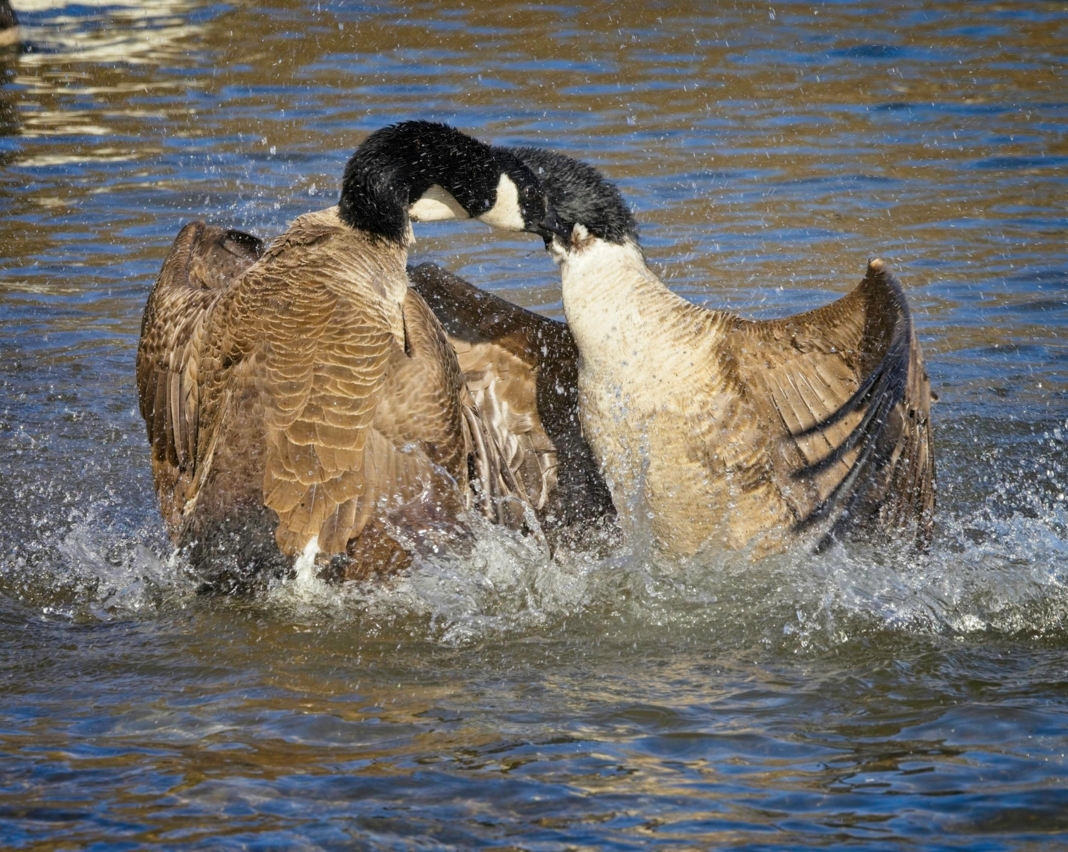
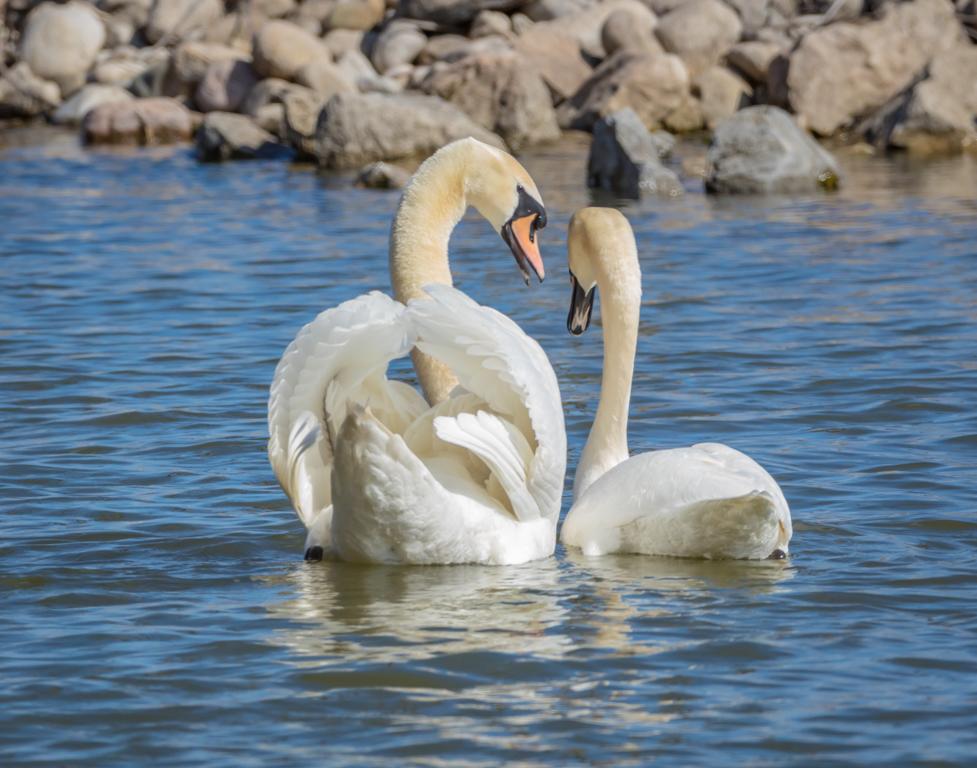
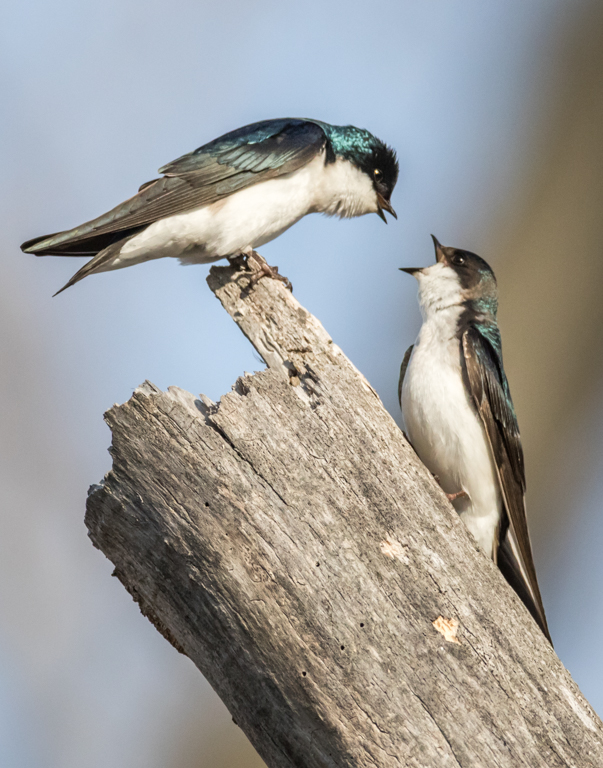
I agree with your observation. There was another male that was courting this same female. I believe that she had made her choice. This goofy male in this image, became the happy winner. They got close together, and then flew away leaving the other male alone! |
Apr 16th |
| 69 |
Apr 25 |
Reply |
Thanks Jacob,
As mentioned earlier, I love catching animal behaviour, especially during the mating season.
|
Apr 16th |
| 69 |
Apr 25 |
Reply |
Hi Diane,
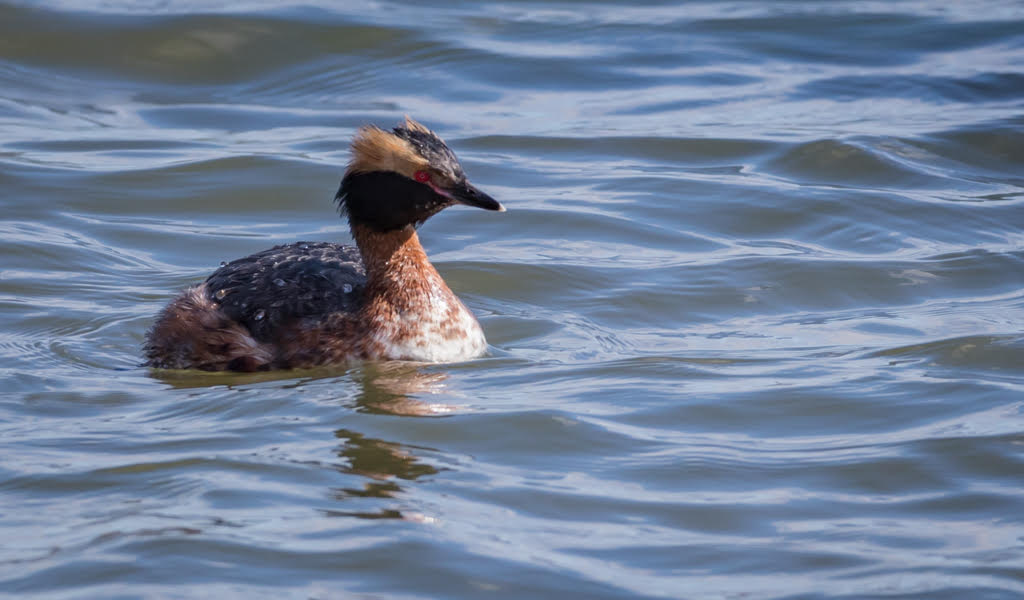
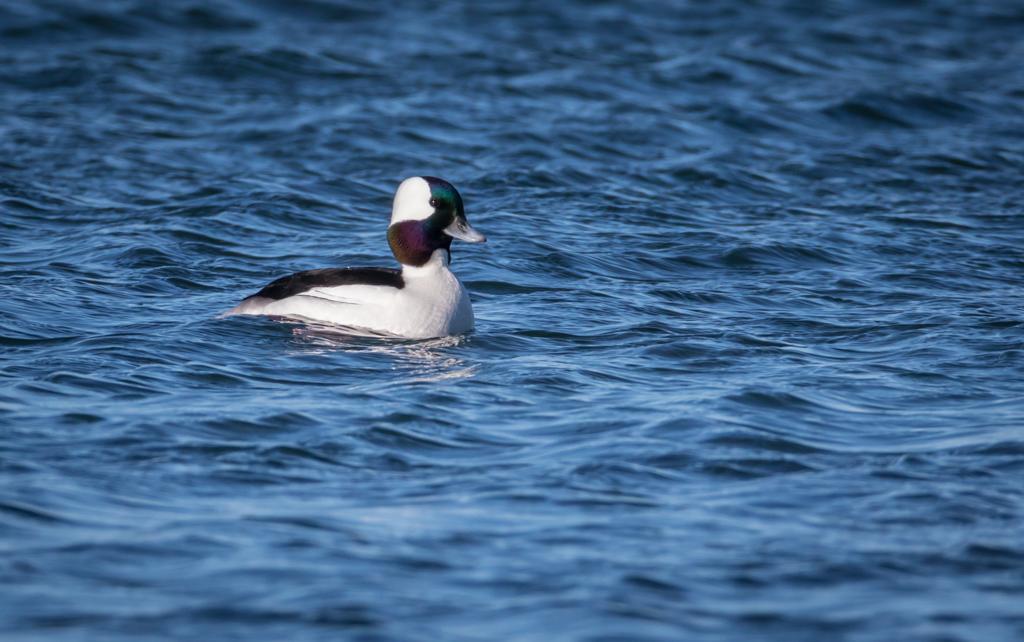
On my screen, without the file size limitations as per PSA guides, the eyes are fairly sharp. The Iris of both Males and Females is bright orange with a narrow white trim around. The female also has black feathers surrounding the eyes, giving the appearance of a Black Eye! |
Apr 16th |
| 69 |
Apr 25 |
Comment |
Hi Diane,
I agree with the above comments.
Wildlife photography of quickly moving small creatures can be a real challenge!
I am assuming that despite using a 600 mm lens, you had to crop your image significantly. Unfortunately, this prevents keeping the details and induces noise.
Suggestions: 1) one needs to be very patient, and slowly advance to the subject (much easier said than done!), 2) take a lot of images while moving the manual focus ring (autofocus with manual focus override) 3) I believe that you could have sacrificed speed for a smaller aperture and a lower ISO - as one increase the power of the telephoto, one is also decreasing the depth of field for the same f stop (same problem with macro photography).
I would have like to have know what camera you used. High MP sensors are great for tight cropping but more difficult to achieve sharp focus. A cropped sensor would can also give you a little more telephoto power.
|
Apr 14th |
| 69 |
Apr 25 |
Comment |
Hi Jaswant,
I love the hummingbird, but I am not sure that I would keep the wasp (looks out of focus on my screen).
Your post-processing brought this capture to life with wonderful details, textures and colors on this lovely hummingbird.
Keep on the good work! |
Apr 14th |
| 69 |
Apr 25 |
Comment |
Hi Jacob,
Although not always possible, being at "eye" level with the animal makes an image more powerful, and also helps decreasing the clutter of the background.
When it is not possible to get at eye level, I like to perform a perspective correction when possible.
I took the liberty to perform a quick correction on your original (as the vertical perspective correction partly crop the image). It is not perfect as the background is still the grass. |
Apr 14th |
 |
| 69 |
Apr 25 |
Comment |
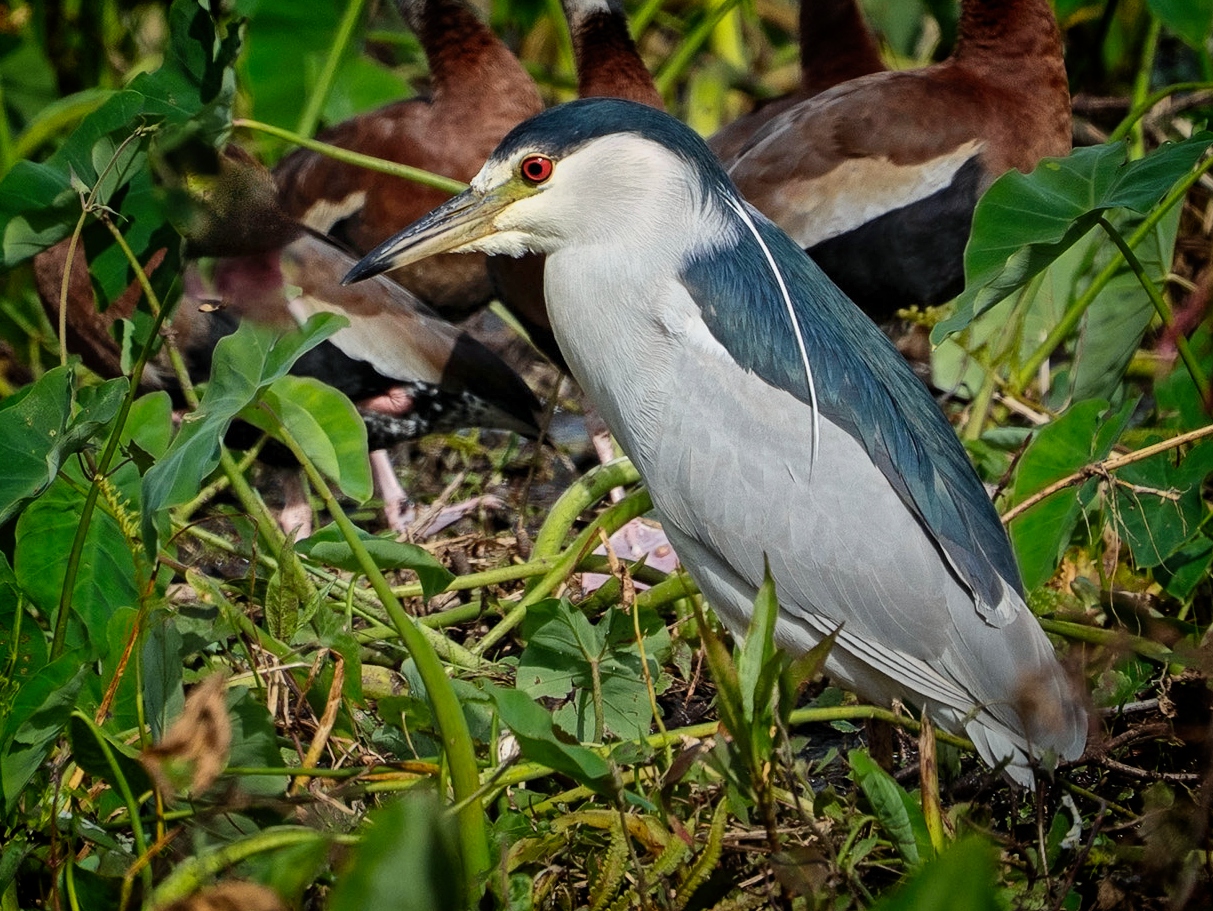
Hi Cindy,
With wildlife photography, I really prefer to have non overlapping subjects.
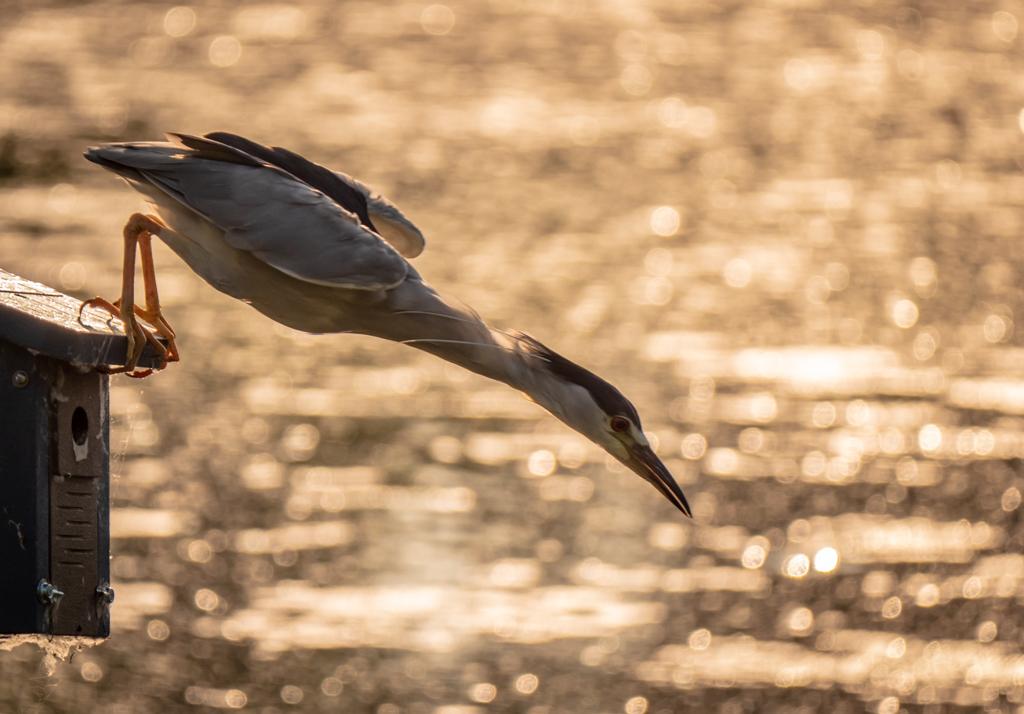
Here, I would probably crop around the Black-crowned Night heron and darkened the background. The only 2 Whistling ducks in good focus are the one on the right side.
I took the liberty of performing a quick edit to demonstrate my take: |
Apr 14th |
 |
| 69 |
Apr 25 |
Comment |
Hi Dean,
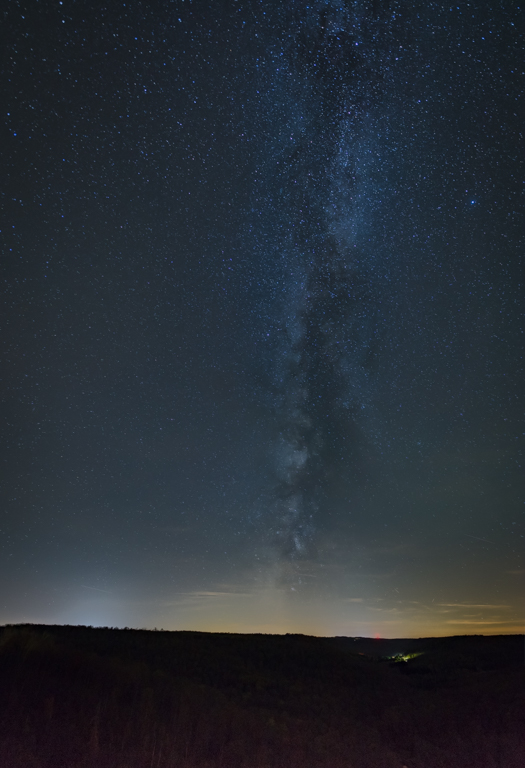
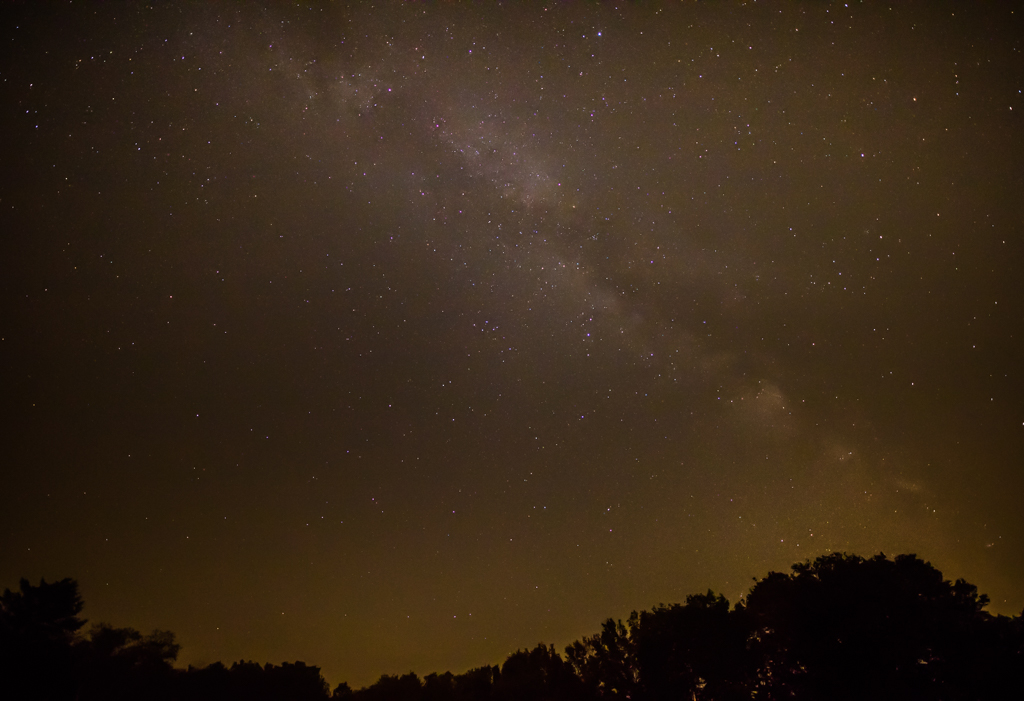
I like it. I am not sure that I would have predicted that you used an IR converted camera. This explains that you ended up at 1/8000 sec with a ISO of 100. I am wondering why you did not increased your f stop?
I did astro converted my Canon 6D and use a IR filter to block everything else. I normally convert my RAW image to B/W and then tweak the channels as per taste. I tried to capture day time images with this astro-converted camera without any filter, but I found it essentially impossible to perform a proper "white balance"! Much easier to do so with the milky way (unfortunately, I like to sleep at night).
Nice work. Looking forward to see more images with that camera. |
Apr 14th |
| 69 |
Apr 25 |
Comment |
Hi Mervyn,
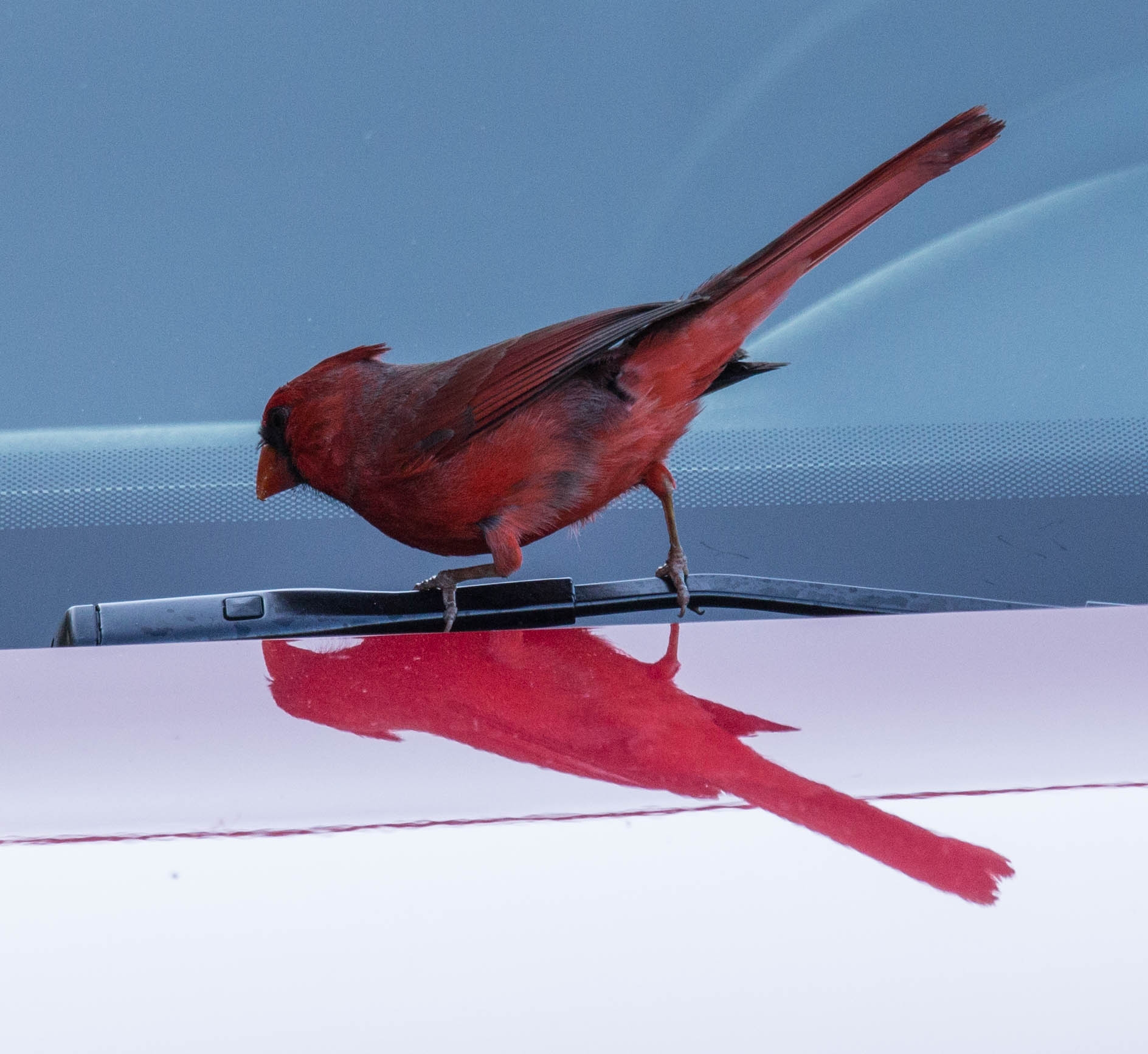
I completely agree with Jaswant. Furthermore, Red is a "bad" color for the sensors as red over exposure is frequently the issue. This is one of the reasons that I normally use a color histogram and check for the red clipping.
Again, I love courtship time of the year! |
Apr 14th |
| 69 |
Apr 25 |
Comment |
Thanks for these comments and considerations. Effectively, being at "eye" level would have been impossible as I was on a break wall walkway. I will frequently try to correct the perspective, but there are limits on what one can achieve. The "easiest" way is to be fairly far away to decrease the view angle. I could have laid on the walkway, but unfortunately getting back up is becoming progressively more difficult, even with a "new" knee!
I love spring with the bird migration and the courtship behaviors exhibited during the mating season. |
Apr 14th |
7 comments - 5 replies for Group 69
|
| 70 |
Apr 25 |
Reply |
Nicely done Kirk. You nailed it. Thanks for this suggestion and demonstration. |
Apr 22nd |
| 70 |
Apr 25 |
Comment |
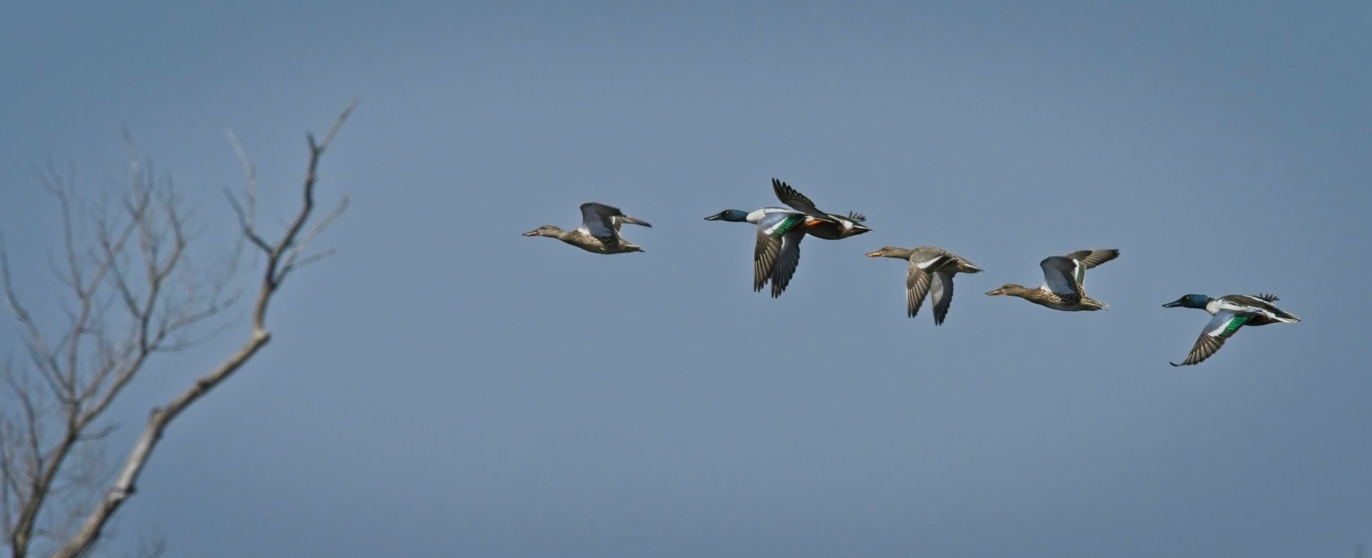
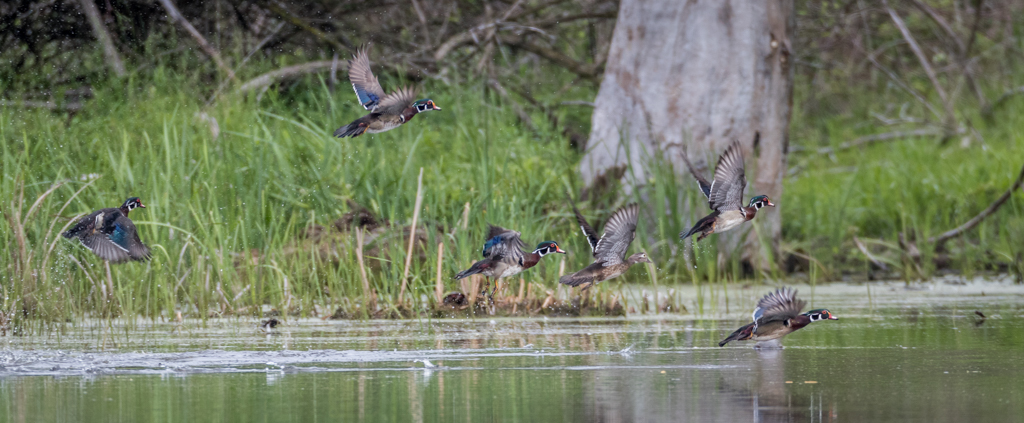
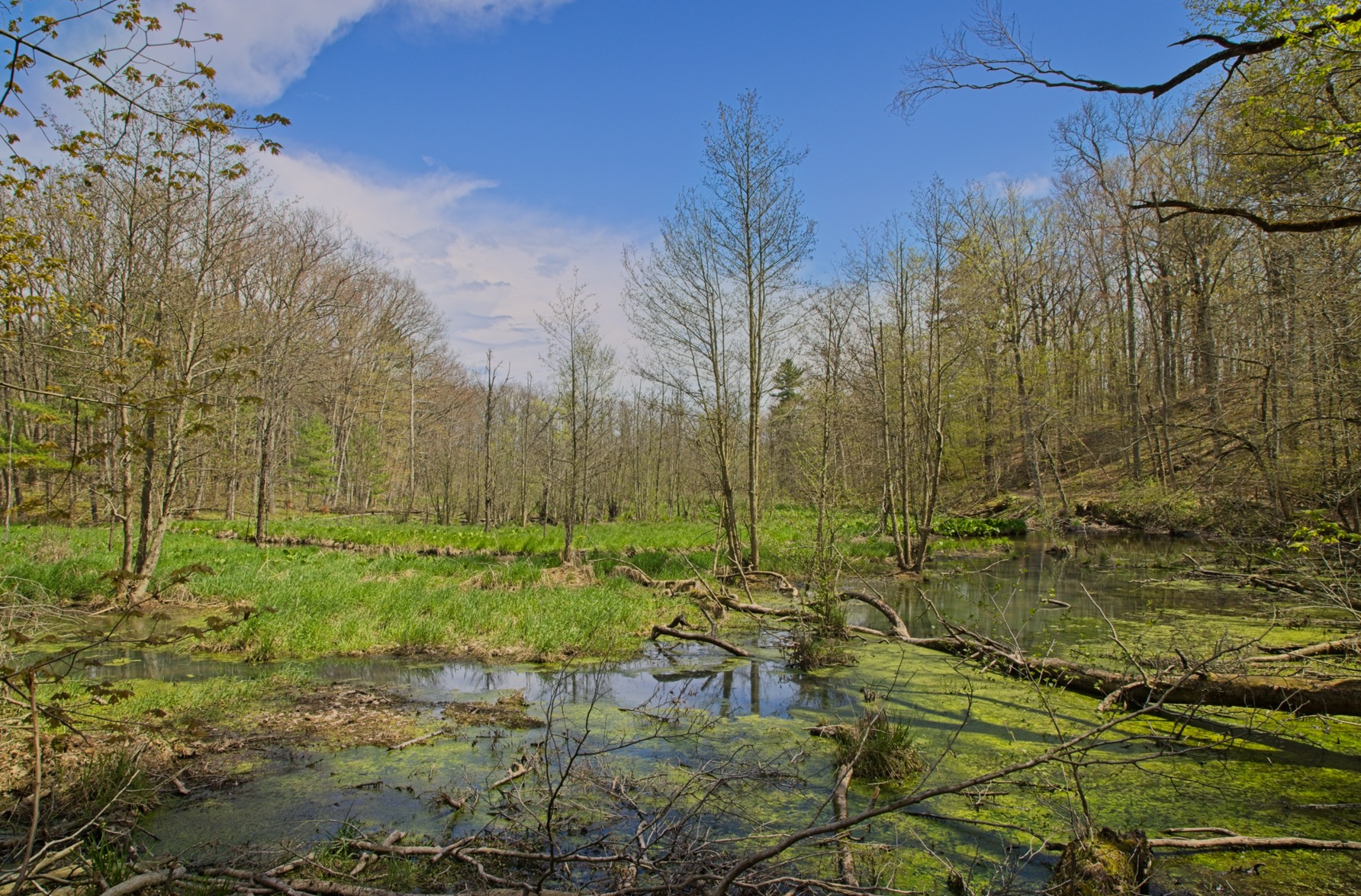
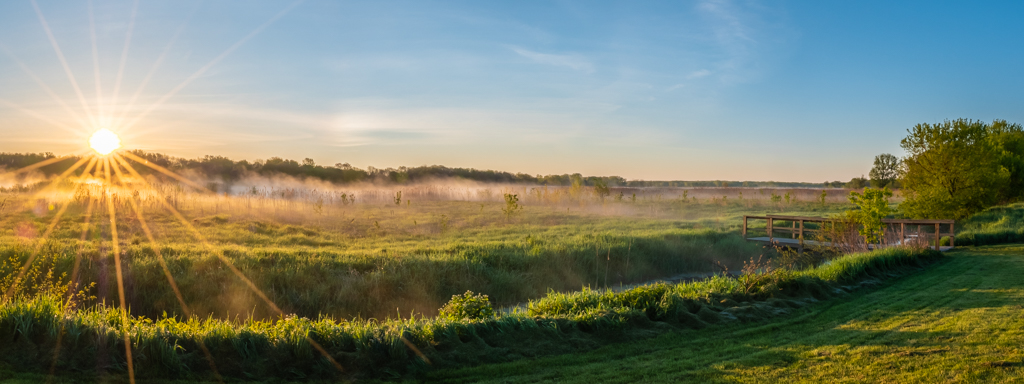
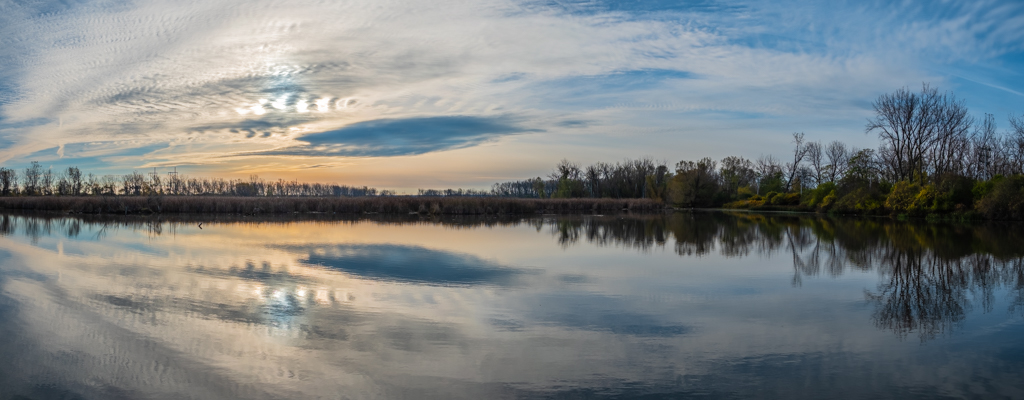
Hi Geoff, I agree with you. This is a fairly large marsh and a great rest stop for migrating birds in the spring. These birds were far away. I did multiple photographies of these birds using telephoto lens in the 800 mm range but this time I wanted to show this migration environment. When I try to bring clusters of birds as a main subject, the tall grass and bird superpositions makes it very difficult to achieve any « nice » results. |
Apr 22nd |
| 70 |
Apr 25 |
Comment |
Hi Kirk,
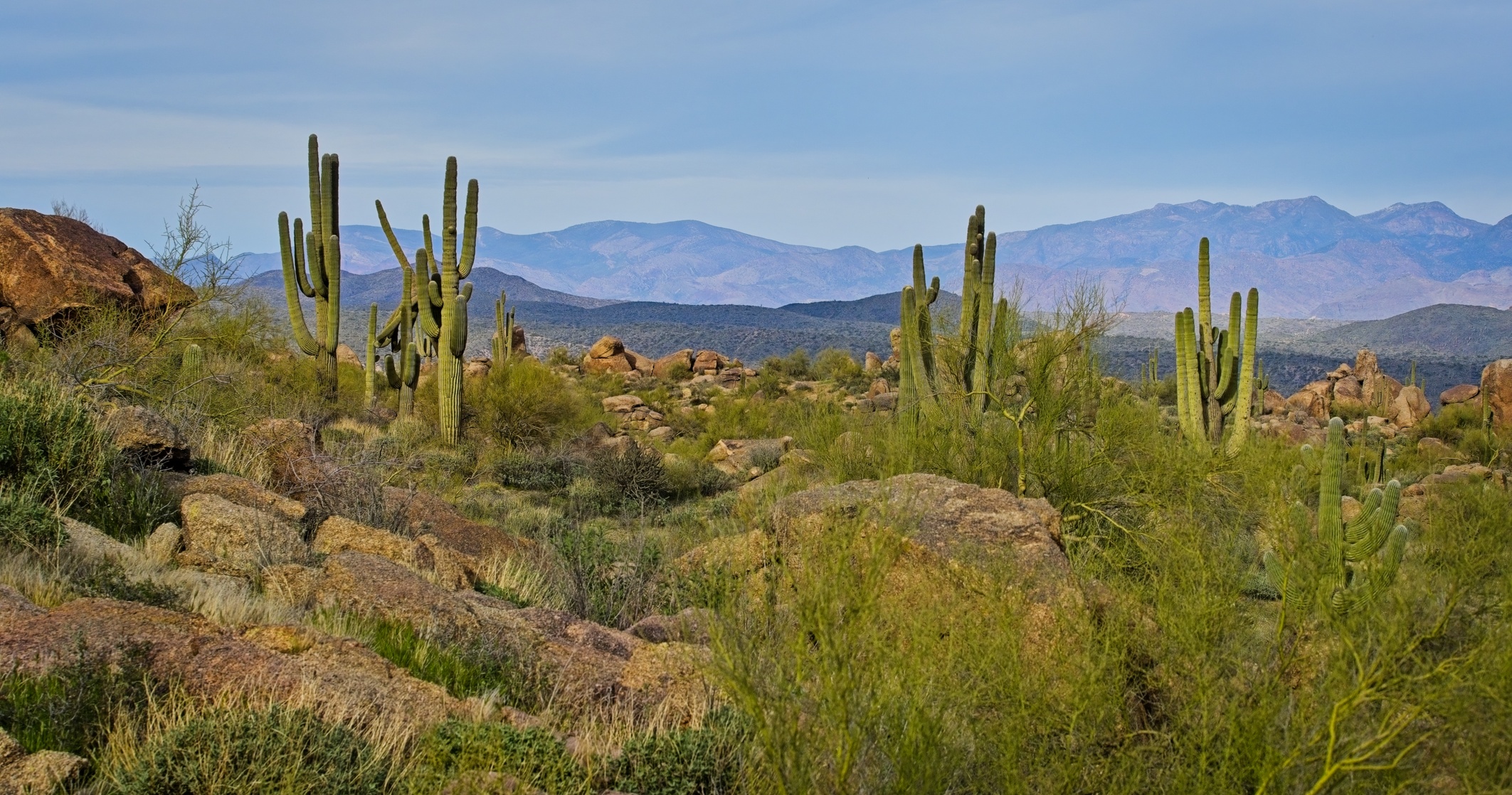
Just beautiful desert landscape with a very nice anchor point with multiple planes providing a convincing depth to the image. 18mm at F16 provided you with a huge depth of field with everything sharp without using a focus stacking technique. Great color palette. Fantastic Saguaro cactus texture details.
Well done. Keep on the good work.
p.s.: I am assuming that you shot this image perfectly horizontally as I do not perceive any significant distortion that can occur with wide angle lenses.
|
Apr 14th |
| 70 |
Apr 25 |
Comment |
Hi Frans,
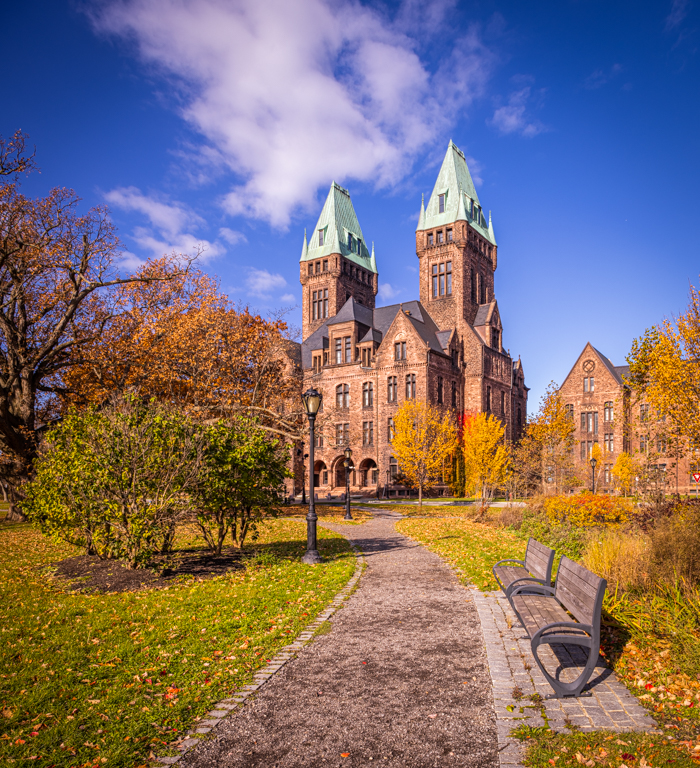
I really do not have a problem with vertical landscape photography, especially with tall buildings. Your cropping easily removed the distracting lower lit tree.
I found that lower MP sensors, like the Canon R6 and 6D, are providing higher quality images in low light conditions.
Well done.
|
Apr 14th |
| 70 |
Apr 25 |
Comment |
Wow....
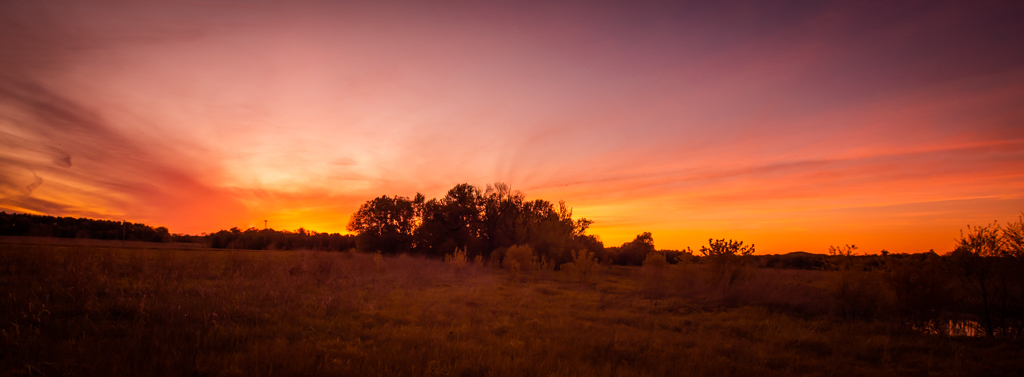
Lovely colors. Very long shadows suggesting that the sun must have been fairly low. Very interesting color palette.
Nicely done. |
Apr 14th |
4 comments - 1 reply for Group 70
|
18 comments - 9 replies Total
|