|
| Group |
Round |
C/R |
Comment |
Date |
Image |
| 41 |
Oct 24 |
Reply |
Tom, I like your idea of the man in colour and pulling back the individual photos. This would add a new dynamic and visual story to the end result. It could be achieved by making the background layer monochrome and leaving the foreground layer in colour. |
Oct 28th |
| 41 |
Oct 24 |
Reply |
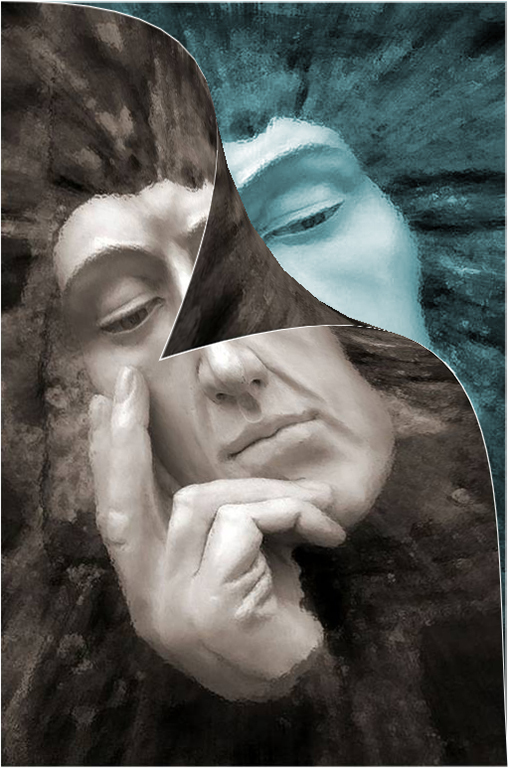
Brad, Regarding the image on the back of the peeled back wall: I was trying to show a transfer printing effect where the monochrome is being lifted from the background to reveal the colour underneath. Regarding the black line at the edge: I have found in the past that there is sometimes a bleed-over between the layers which is prevented by the stroked black line. |
Oct 26th |
| 41 |
Oct 24 |
Reply |
Thank you Lisa. You are too kind. |
Oct 26th |
| 41 |
Oct 24 |
Reply |
Lisa, Thank you for your kind words which are much appreciated. I always enjoy reading your comments which add an academic, aesthetic gloss to the process. I like the notion of intersection of accessibility and art, how the audio recording serves as a bridge and how conventional views are challenged. My inspiration for the piece came from the fact that one of the students on my MA Photography Course was wheelchair-bound and one of her projects focussed on movement captured in monochrome. Playing around one day with the Transform Tools, the two ideas popped into my subconscious and 'Pulling Back Time' was born. I agree with your comments about more space on the right-hand-side and the hand deformity. |
Oct 26th |
| 41 |
Oct 24 |
Comment |
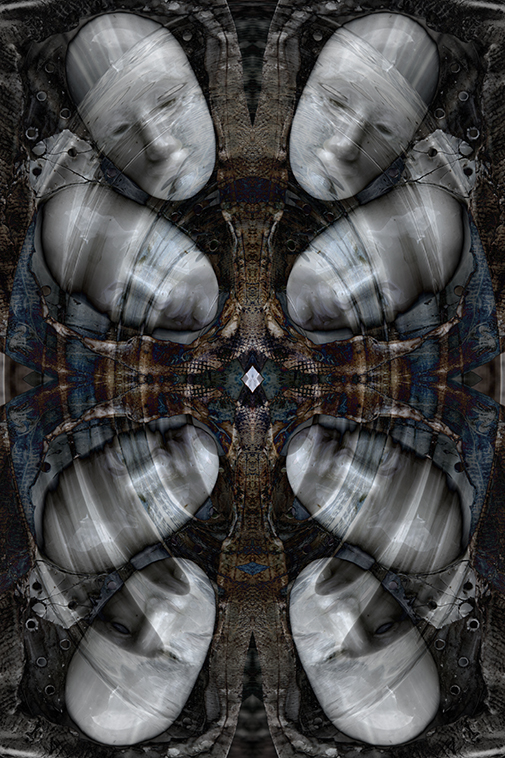
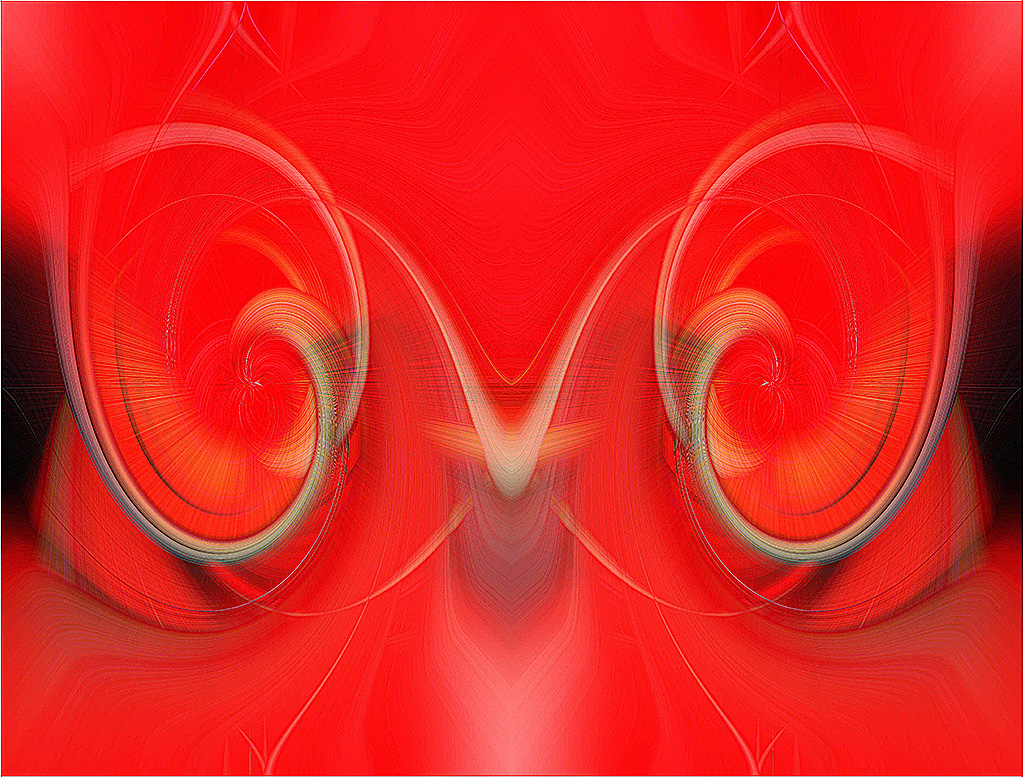
Lisa, My philosophy in photography has always been 'An image is an image is an image'. It matters not how it was produced; the end result is the important thing, unless of course you want to try to produce it yourself ... I agree with Brad's comment on Escher, of whom a favourite quote is 'We adore chaos because we love to produce order.' I love these kind of visual puzzles and optical illusions (a bit like the Necker Cube) which take you off on a tangential journey. This is one of those images that you can rotate it in different orientations and it will still look correct. It is not unlike those infinity curves where no matter where you are on your journey, you always return to the same start point. |
Oct 25th |
| 41 |
Oct 24 |
Comment |
Nadia, I like your thought processes and pre-visualisation behind this image which works at different levels. It contains much symbolism which makes the viewer question in their mind's eye exactly what they are looking at. Overall for me, I find there is too much in it and too many choices for different directions of travel. For my taste, it would be much stronger if there were fewer visual choices. I am afraid that I am a staunch advocate of the old adage 'Less is More'. As a reflection of this I offer the following cropped version in which there is only one pathway to travel. In this version, I find the essence of the image is not only the engagement between model and photographer but also the beckoning, brightly-lit pathway that is drawing her ever onwards. |
Oct 25th |
 |
| 41 |
Oct 24 |
Comment |
Tom, I like the way that your two original images have been combined to create the granular theatre backdrop against which you (the main player) are performing. Compositionally, you are perfectly placed off-centre in the frame which adds to the overall visual dynamic. The lighting on the right side of your face, shoulder and arm is a master-stoke and blends you in perfectly with the monster behind. I agree with the others that it is a pity that you are not actually grasping the control lever. I would prefer not to crop the right-hand-side of the image as it provides a good visual blocker and contains some excellent detail in the ironwork paraphenalia which adds to the overall visual story. |
Oct 25th |
| 41 |
Oct 24 |
Reply |
Nadia, Thank you for your kind words which are much appreciated. The man in the wheelchair would be listening to the audio sound-track trying to understand a bit more about the artist, the painting and/or the model(s). Or, as you say, perhaps he has simply drifted off into a daydream about life in general or the painting(s) in particular. I did try to position the corner of the peel-back in the man's right hand although looking at the image again, it appears that his right hand is deformed. I take your point about more space on the right-hand-side would have been beneficial to allow the composition to breathe. |
Oct 25th |
| 41 |
Oct 24 |
Reply |
Brad, Many thanks for your comments which are much appreciated. I'm not sure I understand your reference to '... image on the back of the peeled back wall ...' What I am trying to portray here is a chap who is wheelchair-bound, who's vision is limited to monochrome and (with the help of his audio guide) is fleshing out his vision of the world with colour. I decided not to peel back to the join of the walls as I wanted to create the illusion that the man was in control of the peeling-back process and there was still more of the process to go. These things are always going to be very subjective; you can have ten individuals doing the same process and ending up with ten different interpretations. |
Oct 25th |
| 41 |
Oct 24 |
Reply |
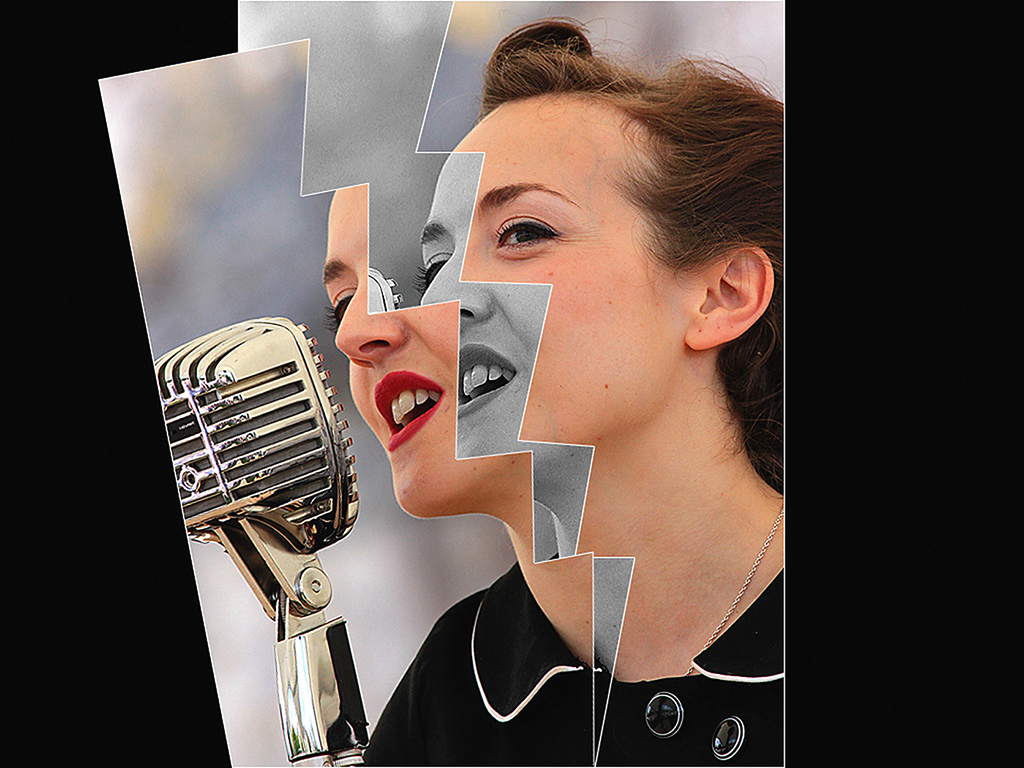
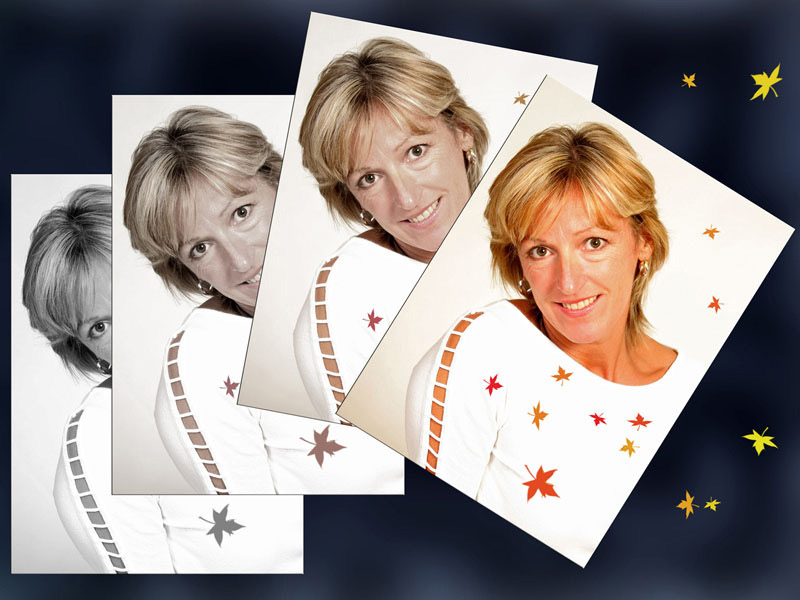
Melissa, Thank you for your kind words which are much appreciated. This 'peeling back' effect works on anything and anyone; of course some subjects work better than others and that is a matter of trial and error. I have attached below a quick example for your information. |
Oct 25th |
 |
3 comments - 7 replies for Group 41
|
3 comments - 7 replies Total
|