|
| Group |
Round |
C/R |
Comment |
Date |
Image |
| 53 |
Dec 23 |
Comment |
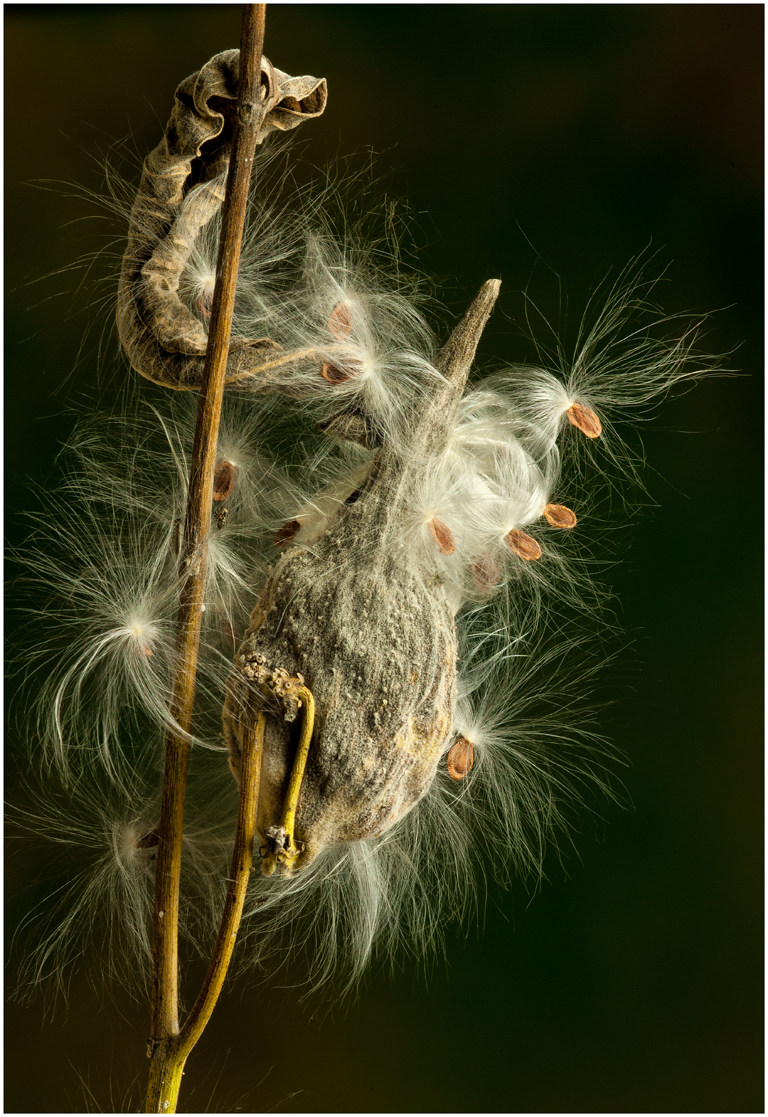
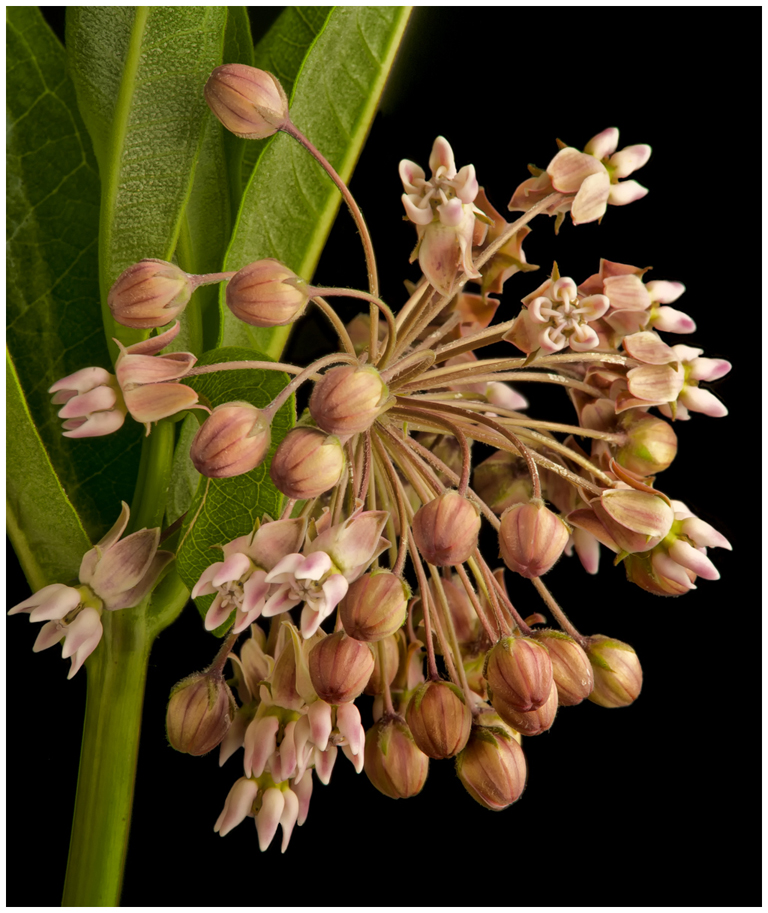
Hi Tom,
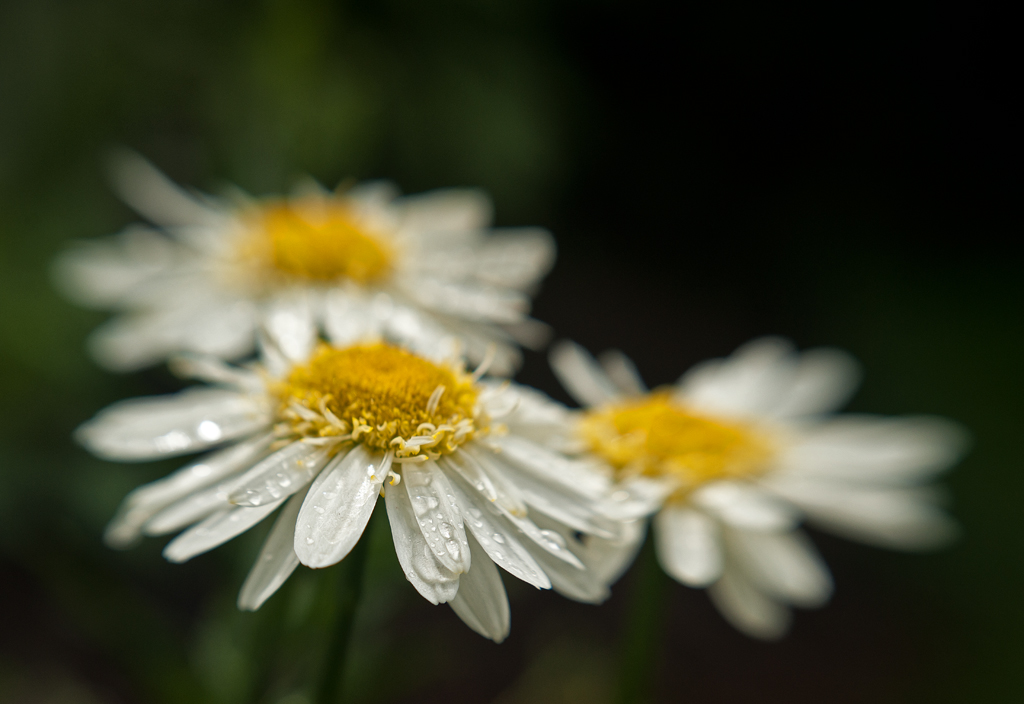
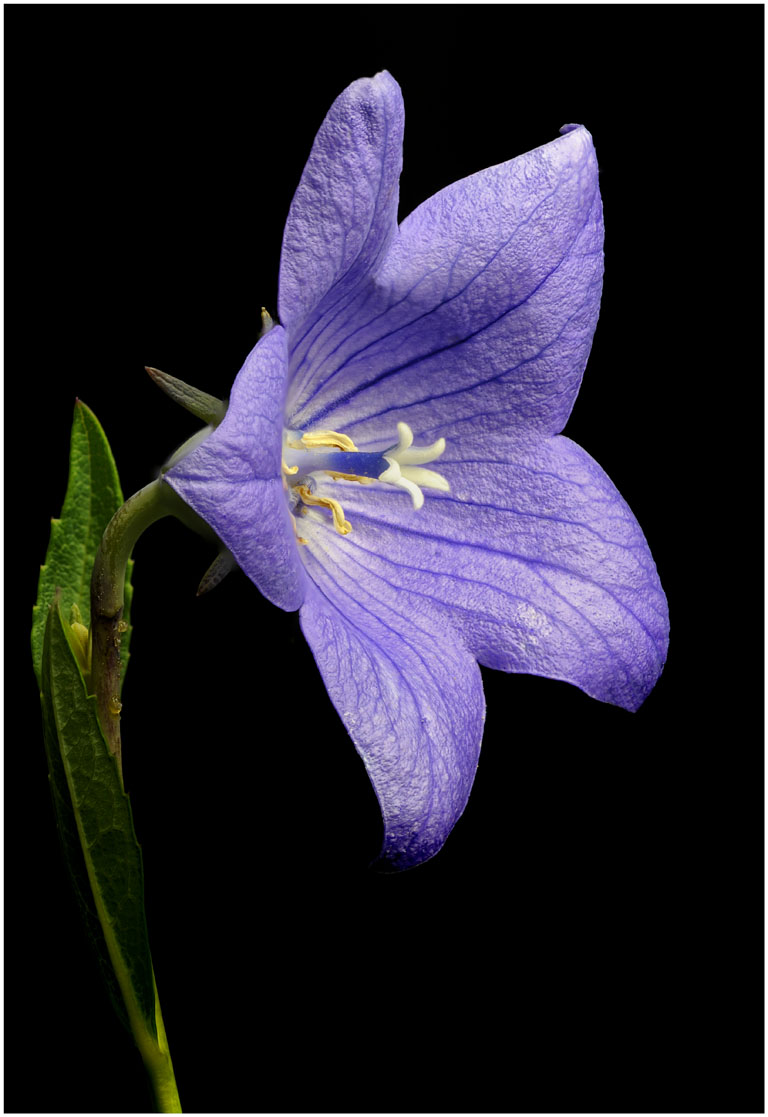
I love to do focus stacks and I know you do too. The problem we all have when doing close-ups or macro work is the DOF it's very shallow. The closer we get to the subject we lose DOF. So, if we want to increase the DOF we can go to a smaller aperture such as f-22 orf-32. The problem with doing this is lens diffraction and it does not matter what lens you are using this happens. Even at f-32 you will still have a very shallow DOF as you well know. The problem is lens diffraction.
As we both know this is where focus stacking works great. The main reason to use focus stacking, you are able to use the aperture on your lens where it is sharpest or sometimes called the sweet spot. The sweet spot is always two, and sometimes three stops up from wide open. You should shoot from front to back taking as many shots as needed, the results, a very sharp image from front to back with no lens diffraction.
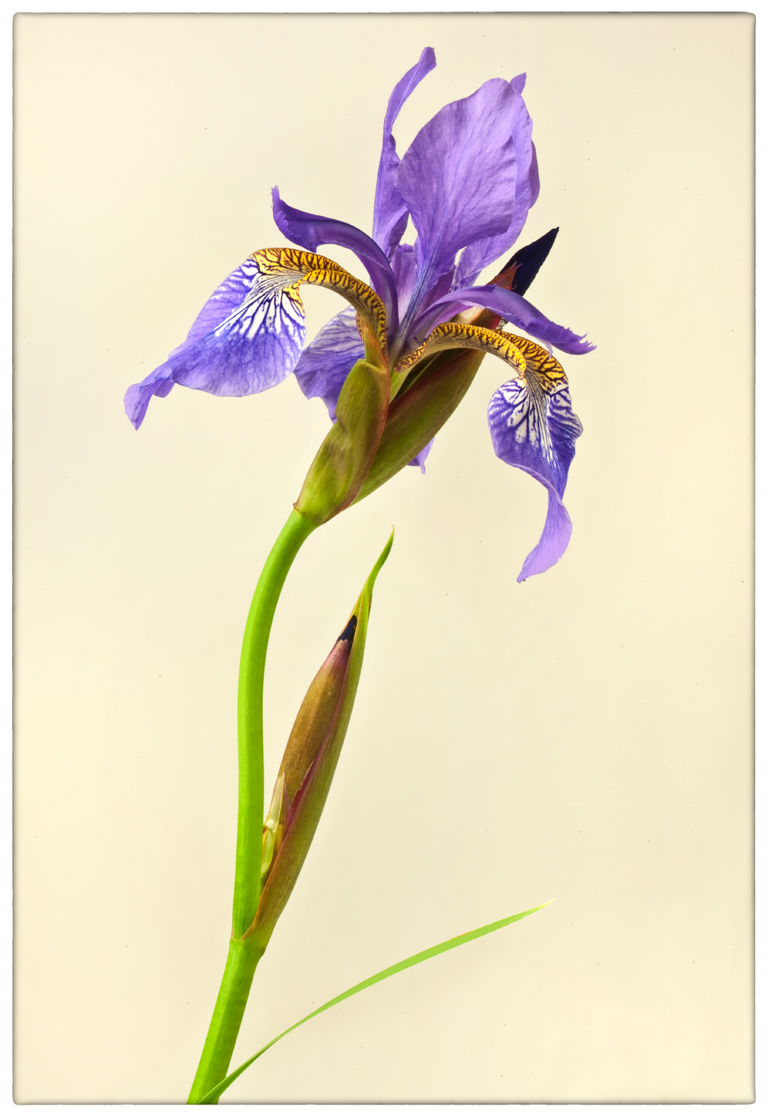
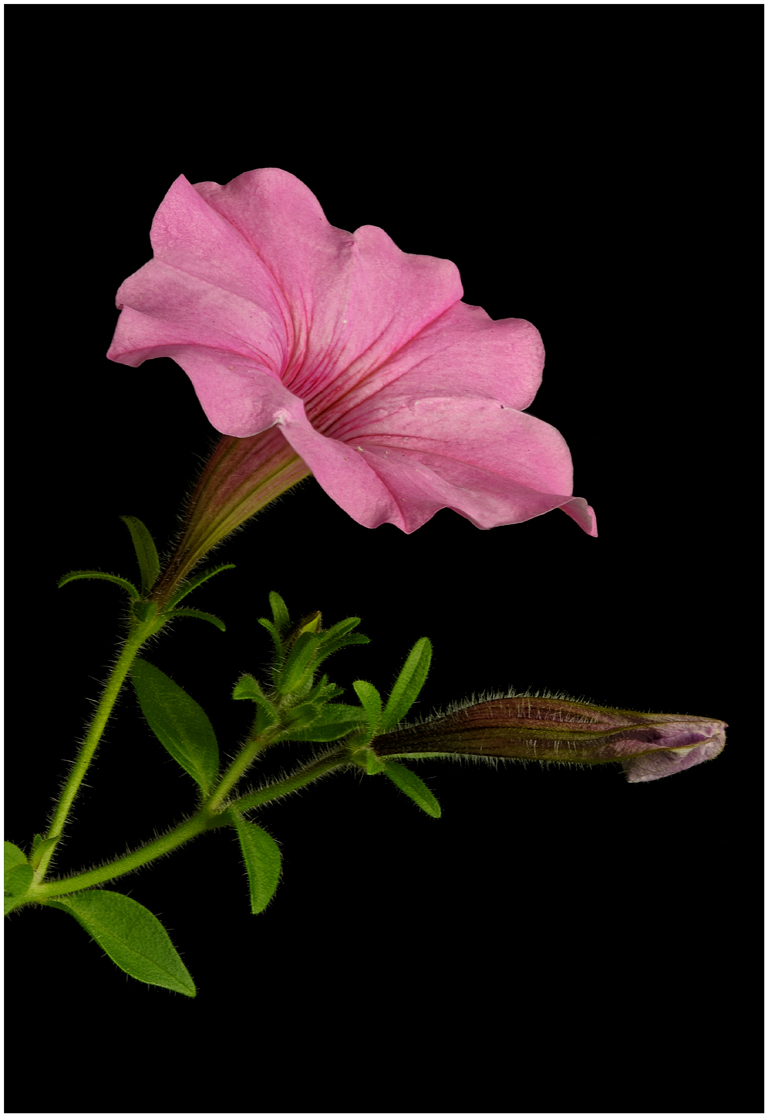
I see you shot this at f-32, the result is diffraction with every shot. You need to shoot using the sharpest aperture, up two stops from wide open. You now need to take many more shots due to the reduced DOF. On a shot like this you may need to take 25 shots. Now when you merge all the shots with Helicon Focus you will have a tack sharp image with no diffraction. Diffraction keeps an image from being sharp.
The following is a great web site about lens diffraction.
WWW.bhphotovideo.com/explora/photography/features/lens-sharpest-aperture-sweet-spot
Tom, I'm not trying to be hard just helpful. These are just my suggestions. I just want to help anyone who reads this.
|
Dec 13th |
1 comment - 0 replies for Group 53
|
| 65 |
Dec 23 |
Comment |
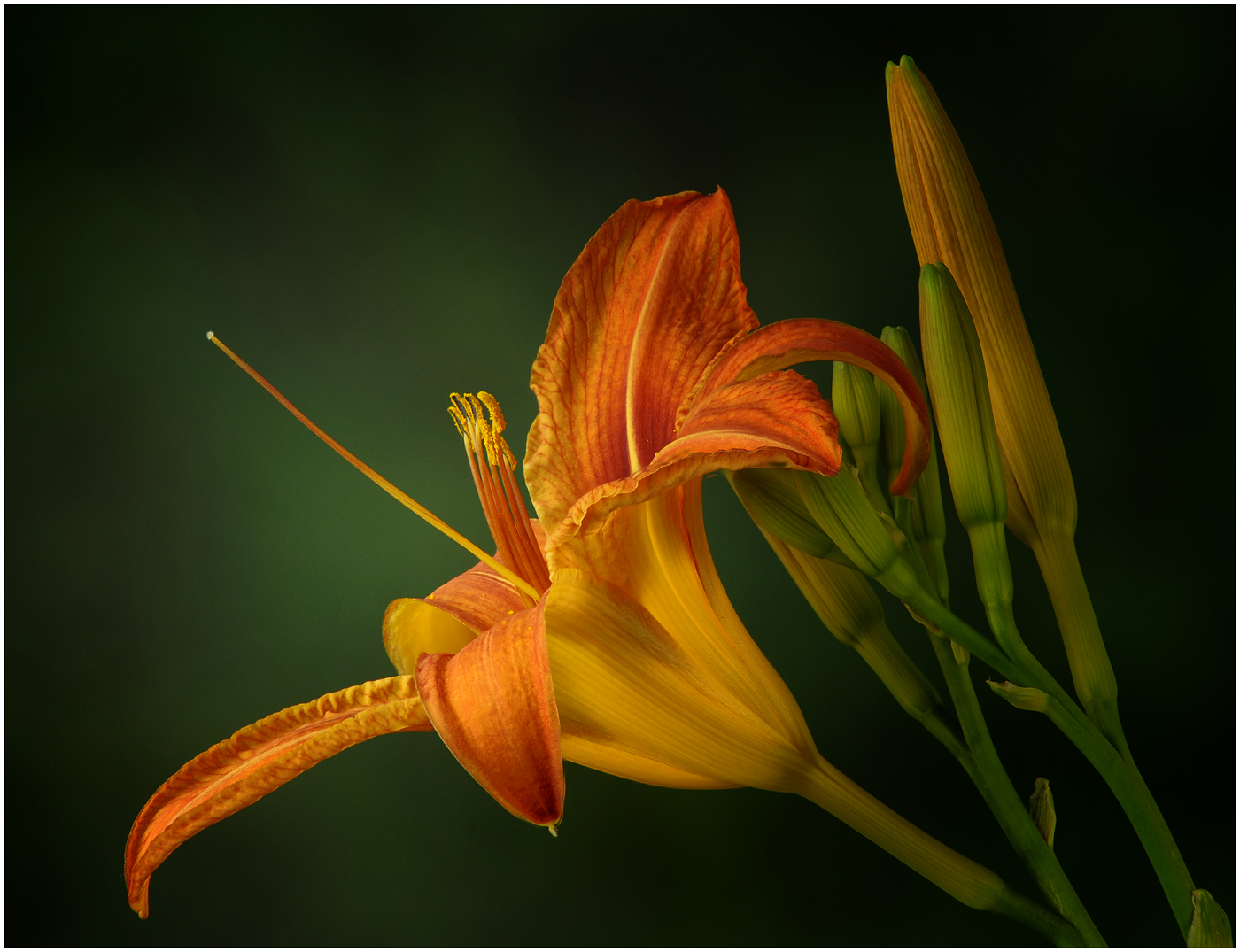
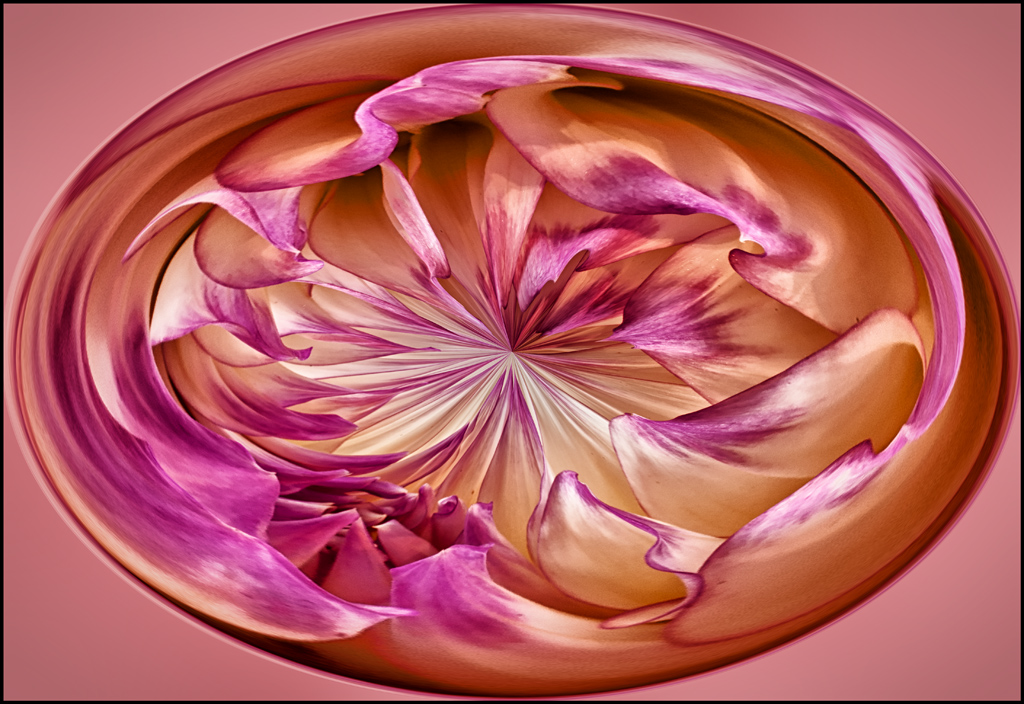
I feel you have a nice image here; I just don't feel I enough knowledge about high key to give a credible critique or comments. I know little about high key other than to recognize it when I see it. |
Dec 17th |
| 65 |
Dec 23 |
Comment |
For everyone on the group a great web site is WWW.dofmaster.com When that page comes up click on the second part where it reads on-line depth of field calculator.
This will tell you the exact DOF you are working with. I have used this a lot when doing flowers. I also love to use focus stacking. |
Dec 11th |
| 65 |
Dec 23 |
Reply |
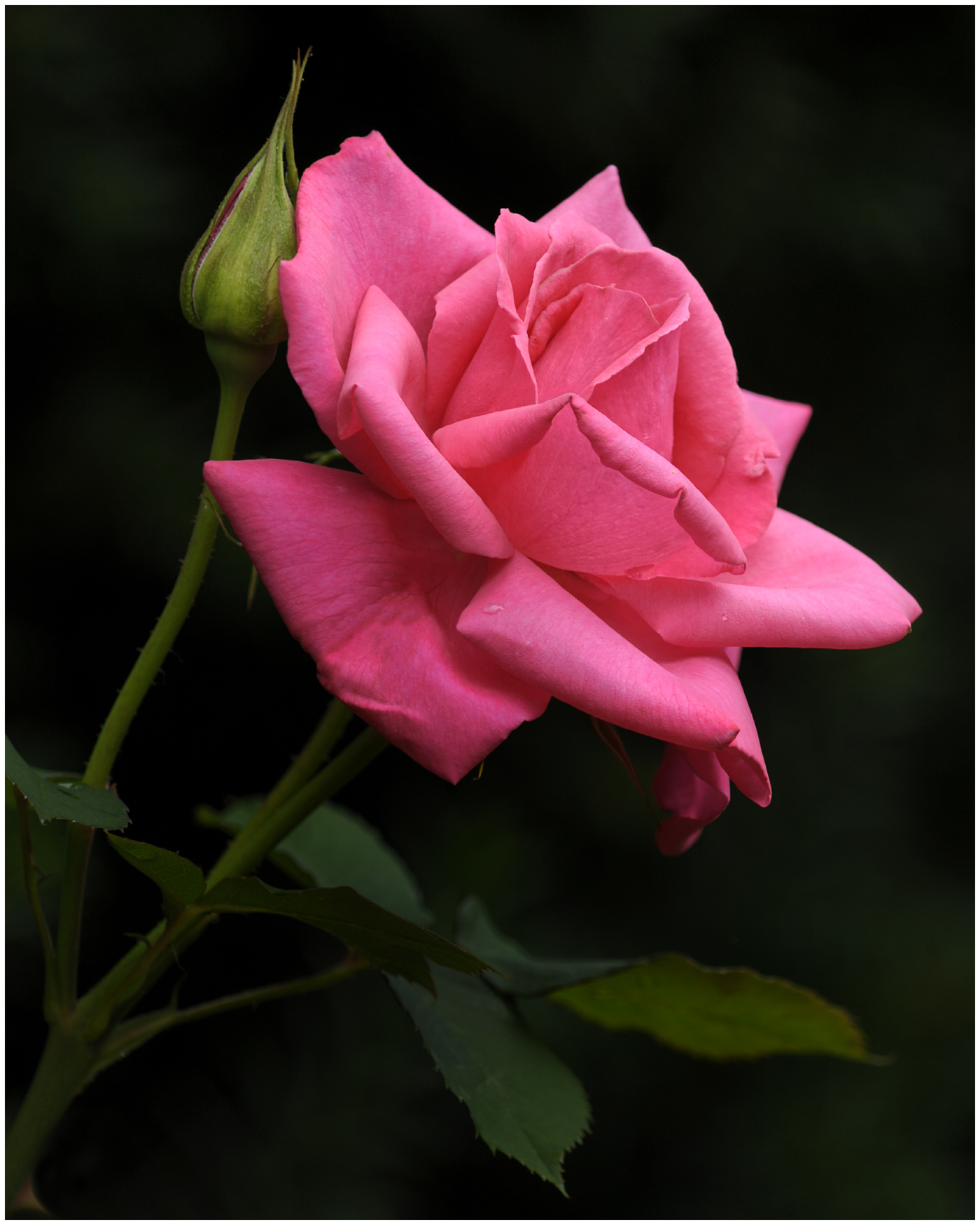
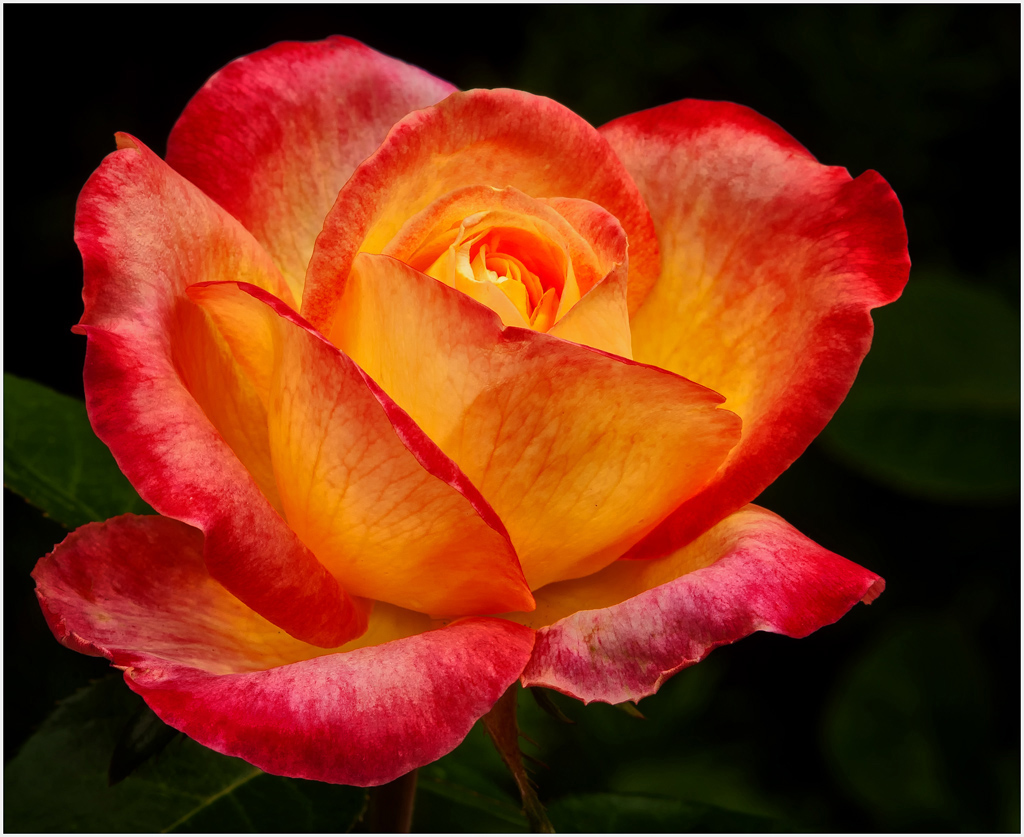
Remember when doing close-ups like this, the DOF is 50% in front of the focus point and 50% behind that point. That's why it's important to know where the focus point is located and that's why it's important to manual focus. In a case like this I visually look to see which petal is closest to the camera then I manually focus back towards to flower so not to lose any DOF. The trick is knowing how far back to go. DOF all depends on the f-stop. What F-stop you can use depends on if you hand hold or use a tripod and the ASA. When you do a scenic picture the DOF is different. Now it's about 1/3 in front of the focus point and 2/3 behind the focus point. I still manual focus. I do not let my camera do its thing. I hope I'm some help to you. I'm not trying to be hard I am trying to kelp. I was in one of the top camera clubs in America and learned so much and I'm still learning from this group. I would still like to know if you manual focused this image. |
Dec 11th |
| 65 |
Dec 23 |
Comment |
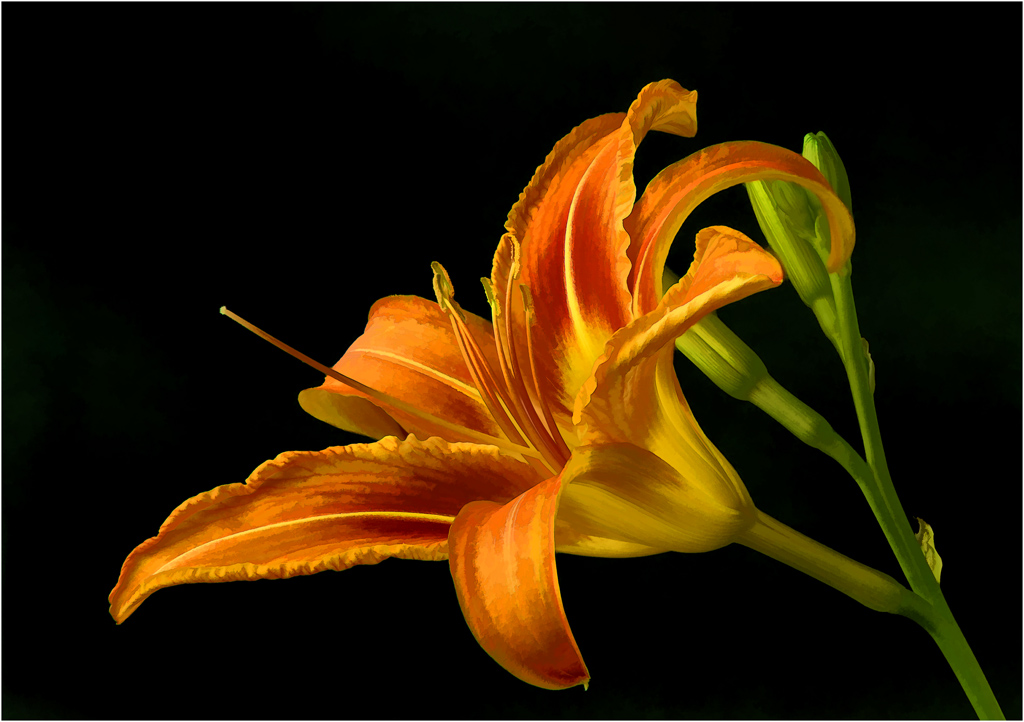
Beautiful shot of a red clover. Like the clarity of the flower head. Great out of focus background.
Would like to see the flower rotated clockwise enough to hide the out of focus leaf on the left. That tack sharp leaf would then make a great diagonal lead in line to the flower. I would also like to see the stem rotated to the left to create more a diagonal. I too would like to see some cropped off the left side.
This is a great image with good impact which is important to an image. Impact spells points in competition. |
Dec 10th |
| 65 |
Dec 23 |
Comment |
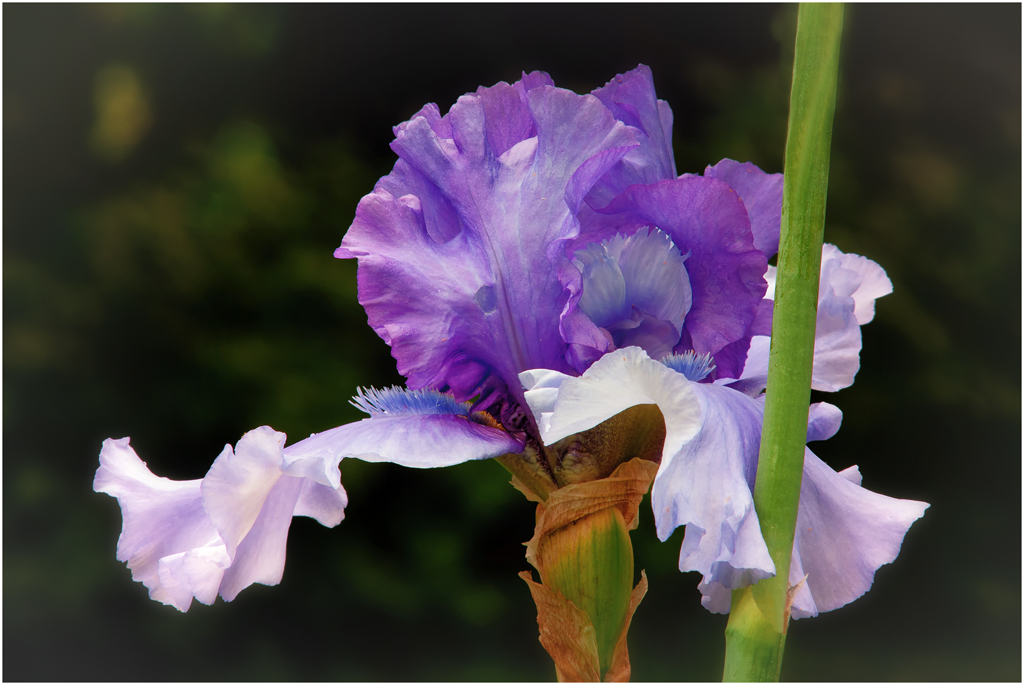
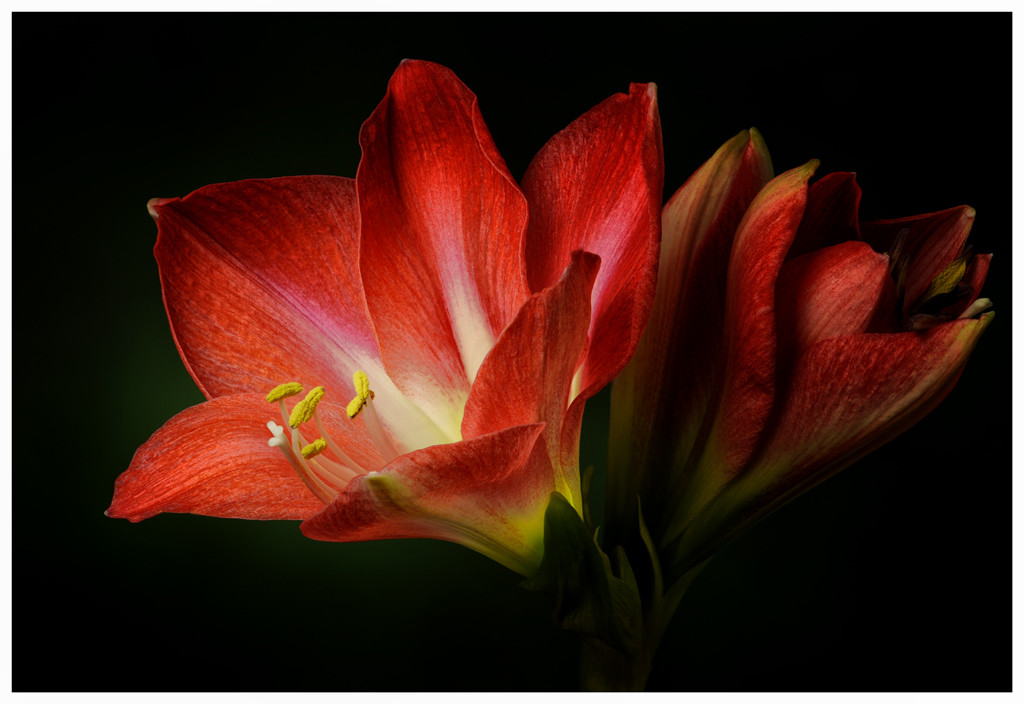
I agree with Melanie on your image. I like the lighting on this image. I like the distance you used to make a nice close-up.
I would like to see the flower rotated so the stem was coming in on the bottom left side. Somewhere between the bottom left corner and the center. The stem would then be on a diagonal. This I feel would improve the composition. I like to do this when I shoot the image be rotating the camera. I too would like to see a different crop by moving in on the sides. I would like to see this image as a vertical. Most flowers of this type grow as verticals, so I like to keep that format.
Do you know where your focus point was on the flower? The bottom half looks much sharper than the top half. Was this auto focus or manual? |
Dec 10th |
| 65 |
Dec 23 |
Reply |
Thanks, Melanie, for your comments. I made a small repair on both the top petals. You have a good eye. |
Dec 10th |
 |
4 comments - 2 replies for Group 65
|
5 comments - 2 replies Total
|