|
| Group |
Round |
C/R |
Comment |
Date |
Image |
| 1 |
Jul 21 |
Comment |
Your insect image caught my eye. This is a ladybug larvae. We call them ladybugs but they are really ladybeetles.
Ladybug larvae will consume 350 to 400 aphids in two weeks. That's how long they are in the larvae stage. Not sure you knew the ID of this critter. |
Jul 14th |
1 comment - 0 replies for Group 1
|
| 6 |
Jul 21 |
Reply |
I used the burn tool. |
Jul 18th |
| 6 |
Jul 21 |
Reply |
Now that's funny! |
Jul 9th |
| 6 |
Jul 21 |
Comment |
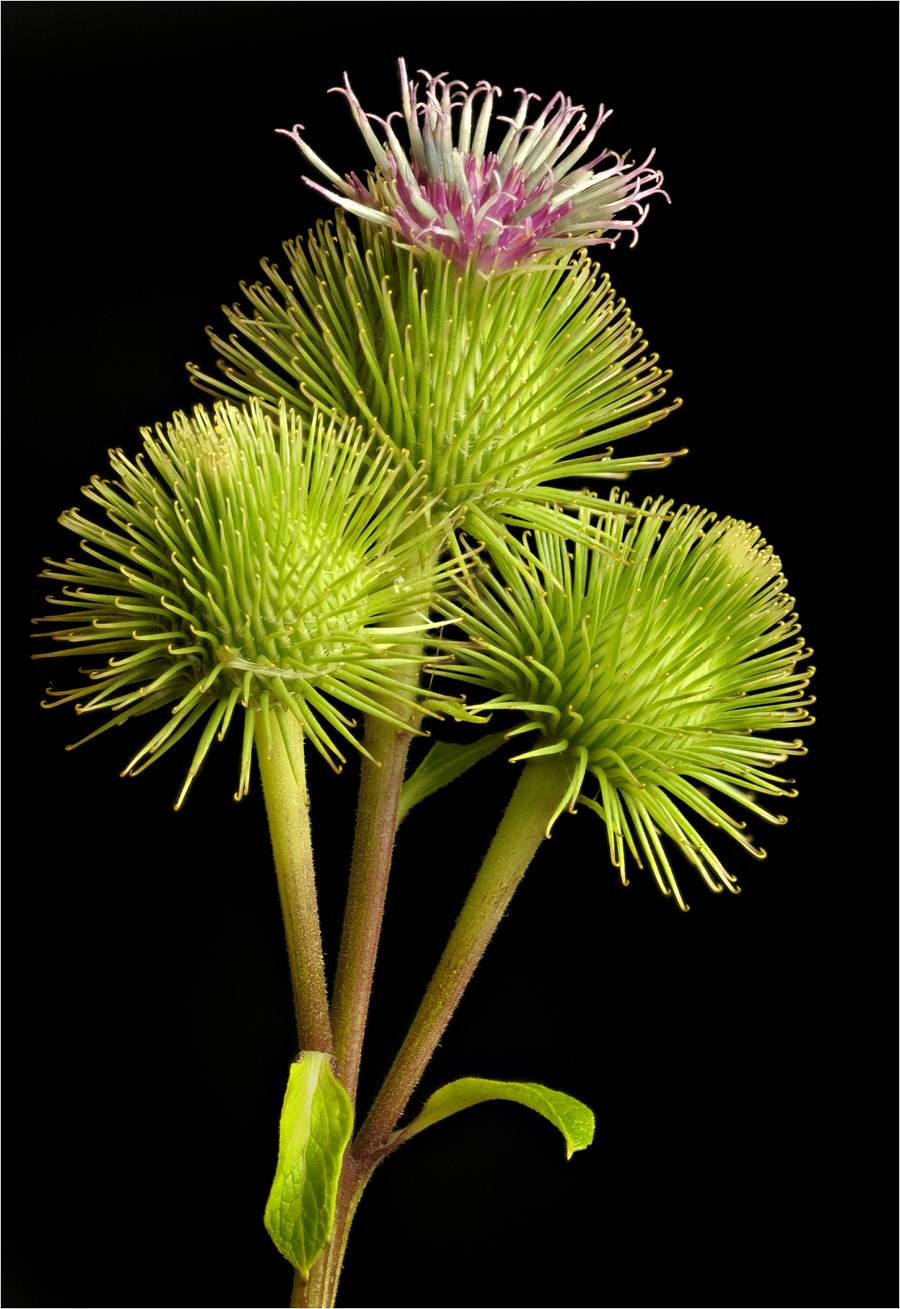
I love this plant usually called Flowering Kale. I love to grow this, and shoot close-ups of it. Flowering Kale likes cool fall weather. Cabbage worms love it also.
I agree with the other members and their comments. The focal point to my eye is definitely in the upper right corner where small flower buds are found. If you can shoot this again you need to place these flower buds in the upper right intersection of the rule of thirds. The other possibility, that would work, would be to find the right arrangement of just leaves that would make a pleasing composition. I like the crop Sandra made. |
Jul 7th |
| 6 |
Jul 21 |
Reply |
This has been a fun journey. |
Jul 7th |
| 6 |
Jul 21 |
Comment |
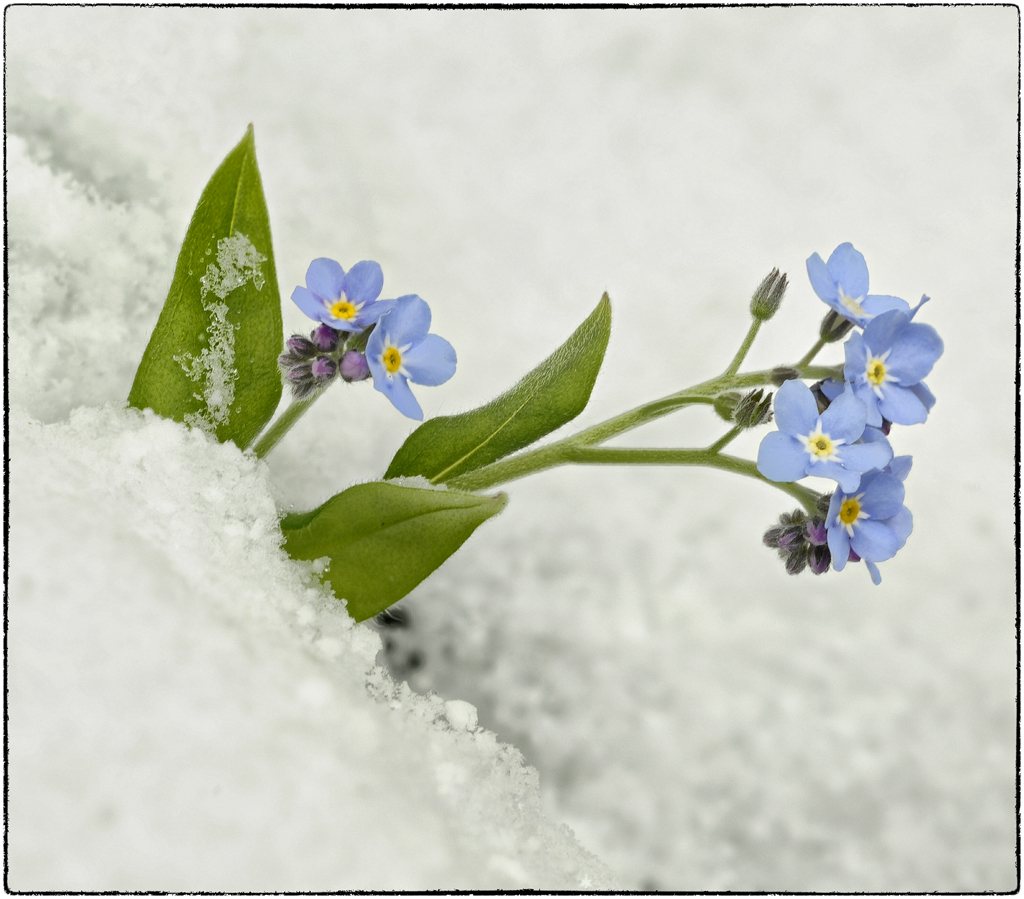
I really like the final image. I really think the thin border puts the finishing touches to a great image. I feel the thin border does a lot to present this image and set it apart. It's your image I want to know how you like it best? |
Jul 7th |
| 6 |
Jul 21 |
Reply |
I like this is much better. I might like to see a thin black or white stroke around the edge. Try it, see what everyone thinks. |
Jul 7th |
| 6 |
Jul 21 |
Reply |
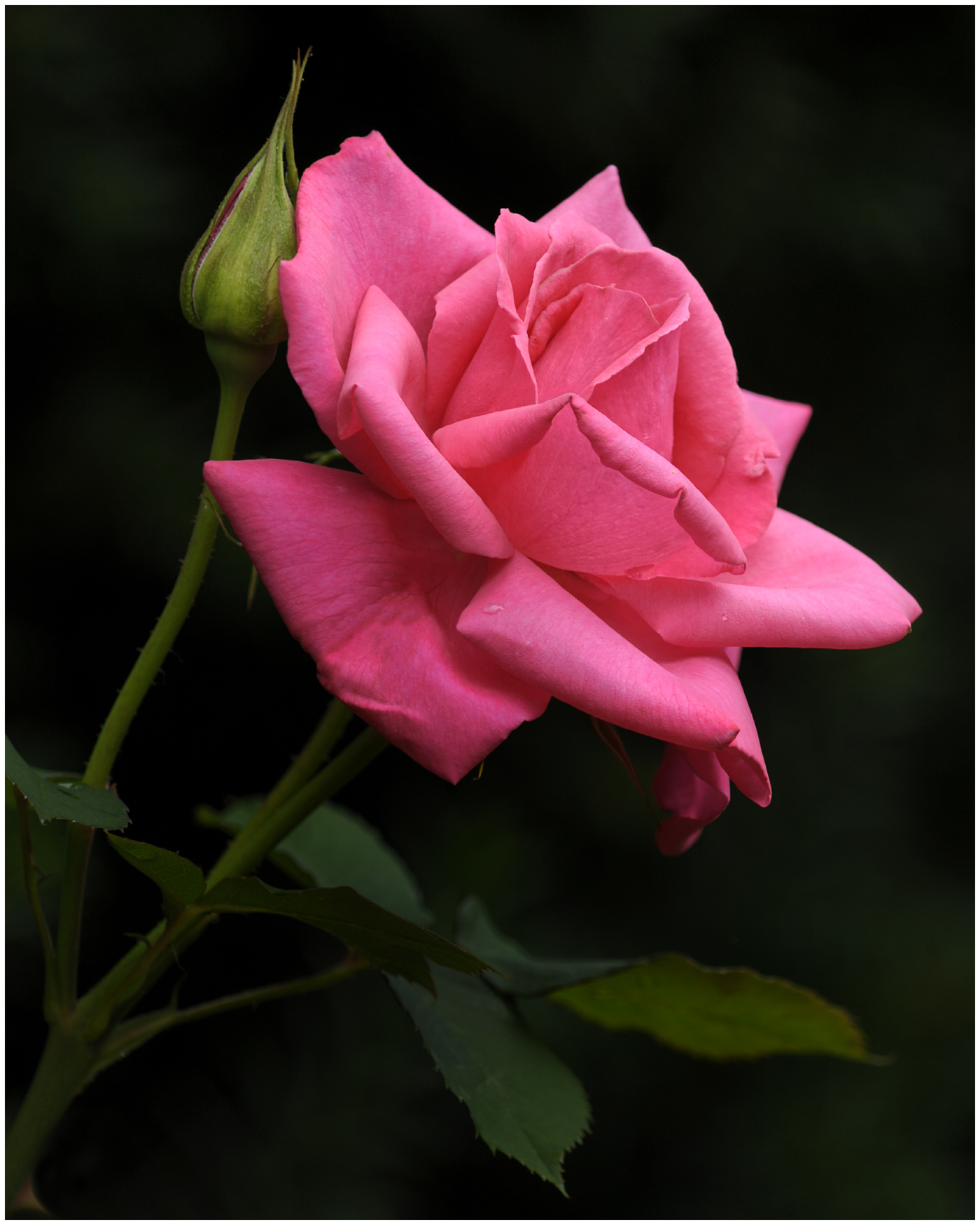
One additional note. If you look at the information under my Spring beauty you will see I had to under expose my shot by two stops (-2). That's because my camera was reading a lot of black background. I took a shot and looked at the histogram and made - adjustments. I did this until the histogram was right meaning nothing, on the pink flowers, was blown out. I then got my keeper shot. The others were deleted.
|
Jul 7th |
| 6 |
Jul 21 |
Comment |
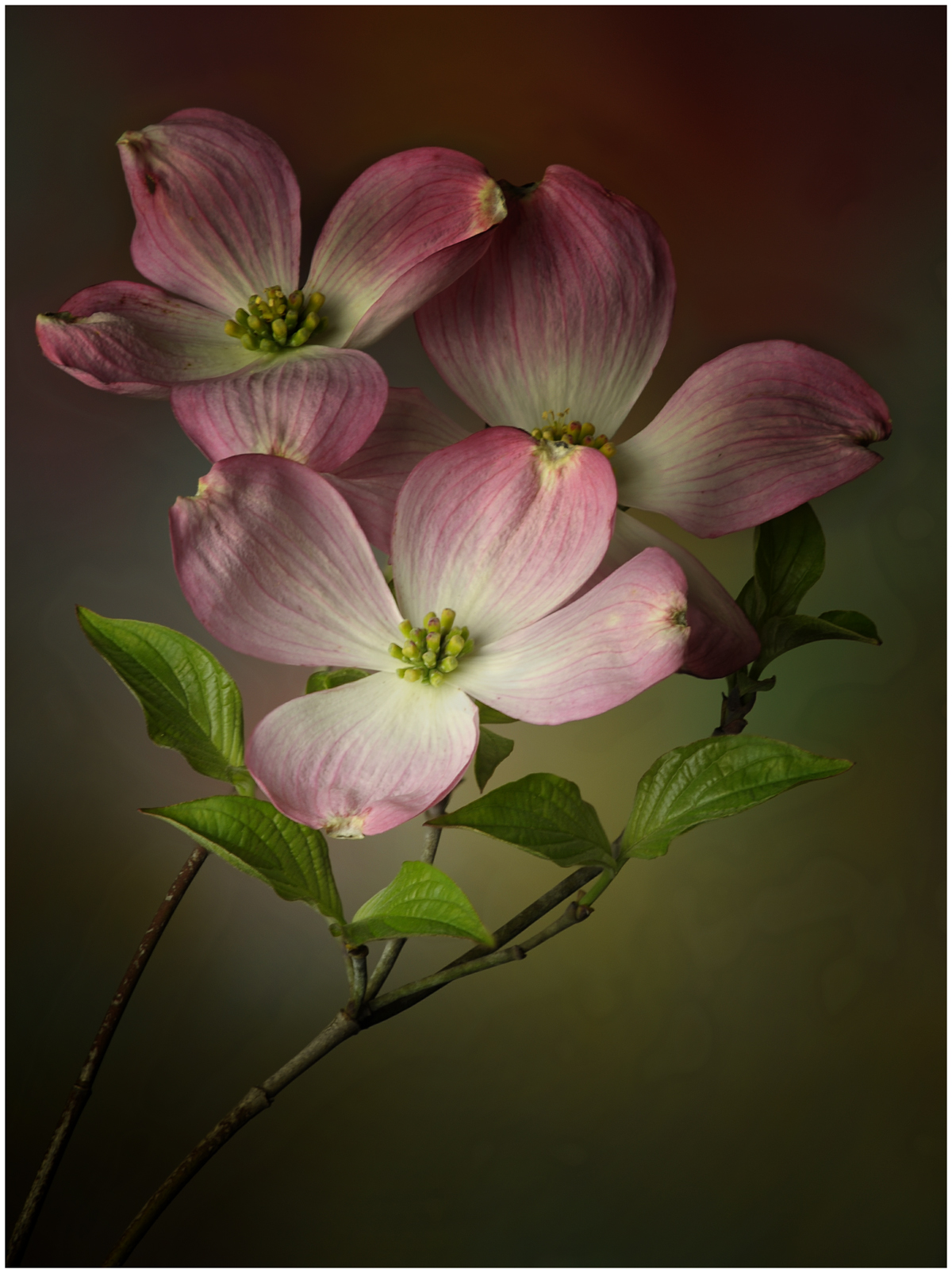
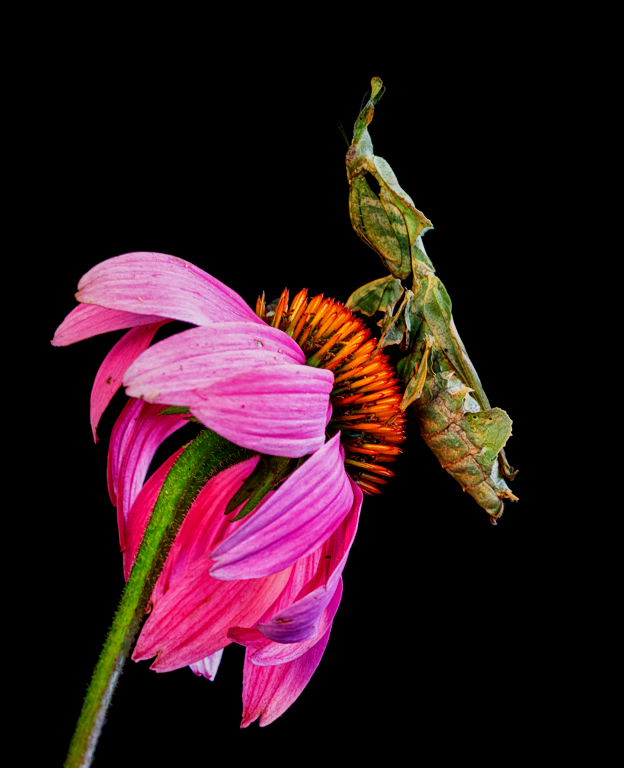
Hi Tracy. Very interesting mantis for sure. We don't have those kind that I know of in our area. I agree with the flip Janet made. Love the composition with the flip. The entire image is over exposed by about a half stop. I looked at the histogram and the pinks are blown out. This means when something is blown out this information is lost. You can't really fix it. I pulled the exposure back but really can't do much for the top two petals. I also darkened the background to make true black. When your doing a set up like this it easy to take a shot then look at your histogram and make adjustments to get the exposure right. It easy to blow things out when using a black background. The meter in the camera will see the background and try to make the black gray 18% and at the same time over expose your subject. You had a great set up to work with. |
Jul 7th |
 |
| 6 |
Jul 21 |
Reply |
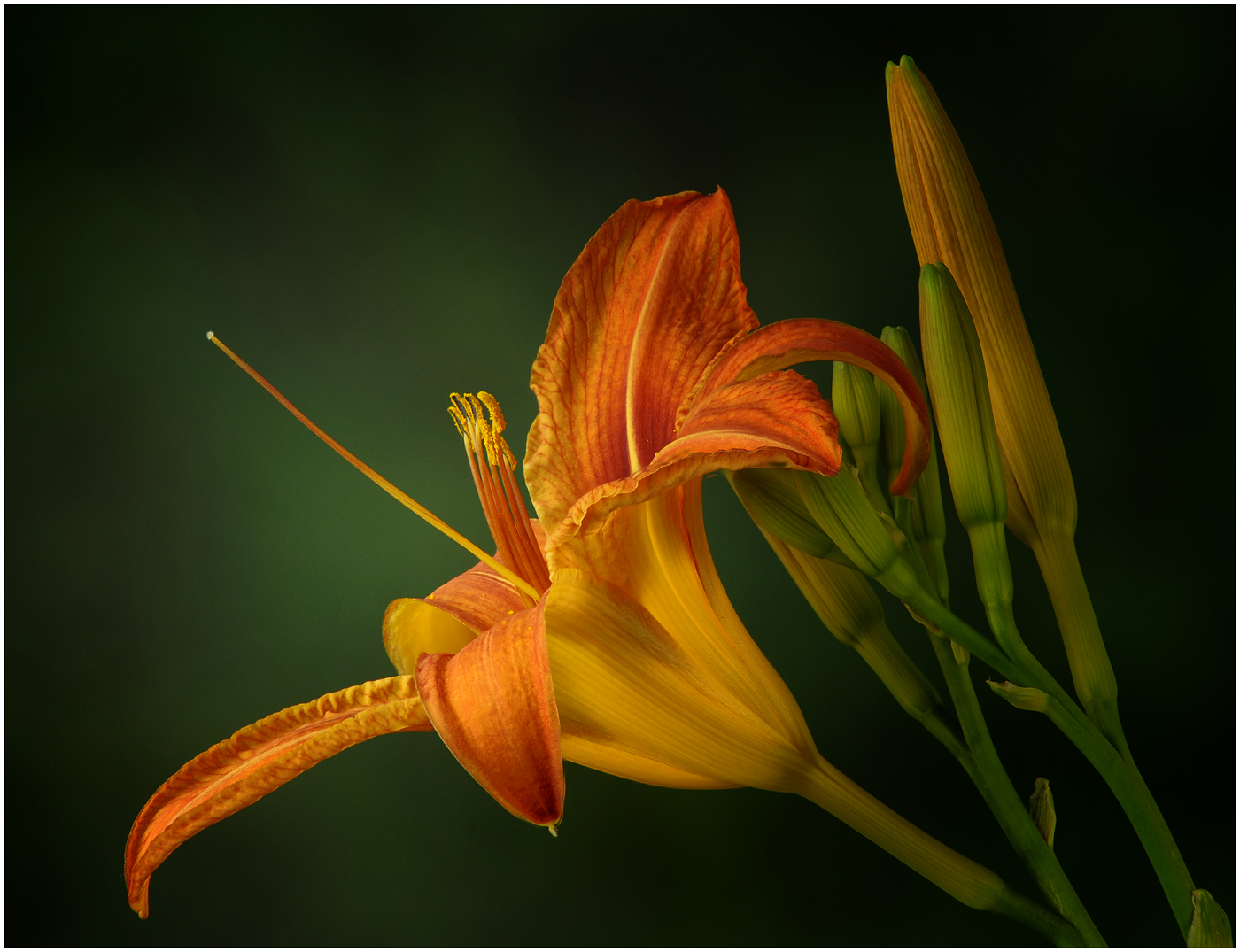
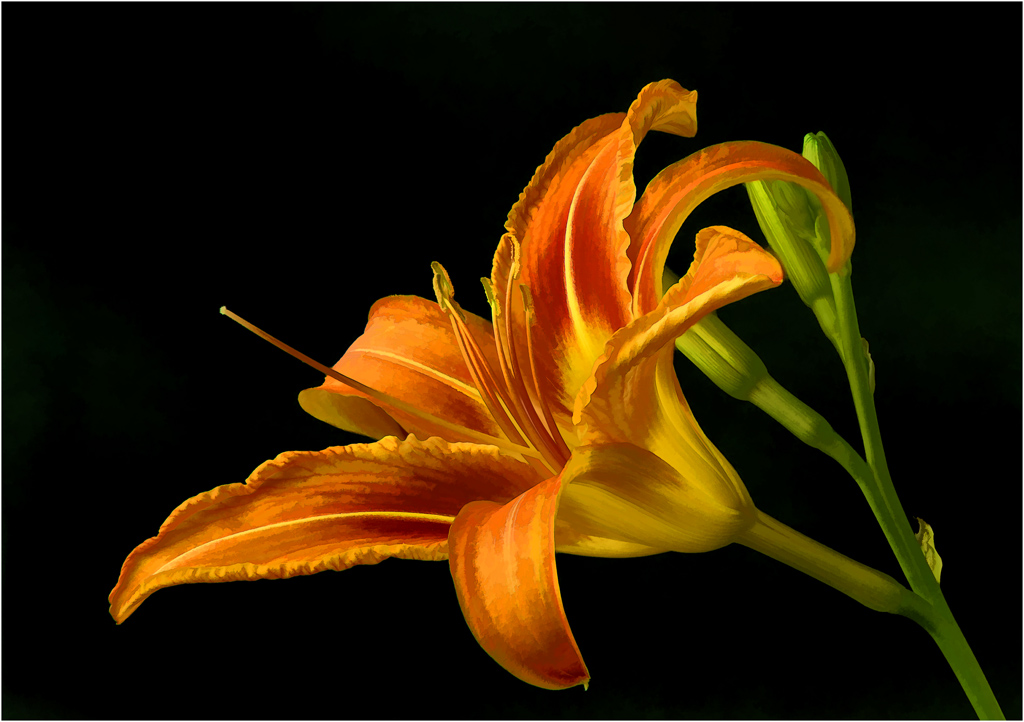
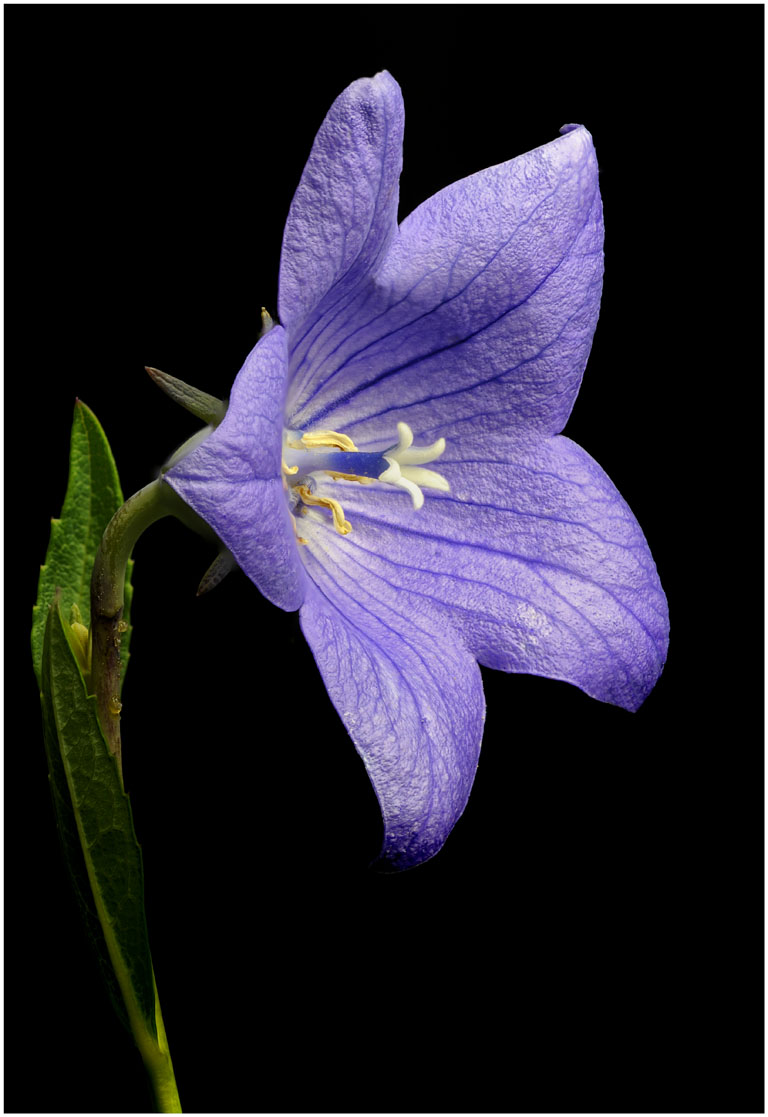
Yes everything you see in Georges image is characteristic of the Day lily family. One pistil and usually six stamens. |
Jul 7th |
| 6 |
Jul 21 |
Reply |
Sorry Georges and Janet you are both wrong about this flower. Check my bio out.
This is a Day Lily, Hemerocallis species and all the parts in this flower are just the way they are suppose to be. Nothing is broken or missing.
This is what's called a perfect flower in that it has both male and female parts together in a single flower. The part that Georges thinks is broken is the female part called a pistil. In day lilies there is only one pistil. The pistil is made up three parts. The white tip is called the stigma which is sticky used to catch the pollen from the male. The long stem like part is called the style (a tube) the pollen travels down this tube to the the ovary. Seeds form in the ovary if it gets pollinated. The other six parts are called stamens these are the male parts of the flower. The yellow tips are called anthers. The anthers are covered with pollen. The anthers are attached to the filament (the long stem). So the pollen has to get to the stigma some how to produce seeds.
So Georges there's nothing broken or wrong with your flower. This would not be allowed in nature because this is a cultivated domesticated flower. |
Jul 7th |
| 6 |
Jul 21 |
Comment |
You need to just dry different amounts of vignette and save each one so you can compare them. Now go with the one you like. The vignette needs to be suttle. You just want to use enough so the image still looks natural and not fake. I like to use it when the backgrounds are light in color but you have to be careful you don't over do it. I do use it in lots of my images regardless of the color of the background only you would not recognize it. The vignette helps keep the eye in the image and from wondering out of the frame.
If you saved a copy of the image before the vignette would you please rework the vignette and submit the change for all the members to see?
These kind of things make these groups interesting and educational. I just hope we all become better photographers because of our group. |
Jul 7th |
| 6 |
Jul 21 |
Comment |
You caught the masked bandit in action. I would have to guess there was or will be a nest in the chimney with a larger family.
Great capture. I feel Bev did sharpen the over all image and it works. I feel both images are good. What's the most important question in an image like this? Are the eyes sharp? I feel the answer to that question is yes. If the eyes are sharp the surrounding may not be as sharp as they could be but the image is still successful. To my eye that makes this a successful image for Janet.
I think the composition is right on. Love the little bit of tail being visible along the edge. This is a very important element in this image. It starts a great diagonal. With the racoons head looking back at me, this keeps my eye in the image.
I feel the vignette is a little over powering. To my eye this is a great image. |
Jul 6th |
| 6 |
Jul 21 |
Comment |
There's everything to love about this image. Great DOF, beautiful lighting, composition is right on and the cropping could not be better. Great texture. All these elements provide great impact to this image. Studying this image provides me with a positive impact. This should score well. Beautiful image. |
Jul 6th |
| 6 |
Jul 21 |
Comment |
I think you did great with this. I like the composition and the colors. Did you you use a tripod? and was your focus point? Did you use a polarizer? The reason for the question about a polarizer, I see in the top half of the glass it looks like there is some glare coming off the glass. Its more so in the upper right corner. Nice image.
I use to do a workshop at SWMCCC with this kind of of setup with a number of stations. This is a great workshop for camera clubs in the winter. If you belong to a club you should do this the members would enjoy this. |
Jul 5th |
| 6 |
Jul 21 |
Reply |
Please post the changes you made so we can compare the difference. |
Jul 4th |
| 6 |
Jul 21 |
Reply |
Thank you for your critique and comments. I agree the background could be a number of styles and colors. This depends upon what the maker is trying to accomplish with the image. I feel the background can make or break an image. Too many times the background can become a distraction and sometimes becomes a study on its own. I feel this is the case with the object you placed as a background in this image. With the s-curve and sharpness, for my eye it becomes a distraction and carries equal weight to the main subject. I feel this reduces the impact of the overall image. I'm sure there are a number of ideas that could work very well. It will be interesting to see what the other members think. |
Jul 3rd |
7 comments - 9 replies for Group 6
|
8 comments - 9 replies Total
|