|
| Group |
Round |
C/R |
Comment |
Date |
Image |
| 6 |
Apr 20 |
Reply |
I should have said soft box. |
Apr 20th |
| 6 |
Apr 20 |
Comment |
This is to answer Sandra's question, what is a light box? It's a type of lighting you use in a studio. It's on a light stand. It's 20"X28", the is bulb inside. The inside has a reflective surface. There's a white diffuser cloth that covers the front to give me a really great soft light at 5560 K. I purchased this from B&H Photo. It came in a nice carrier and there are two sets of lights. I usually use one light (main light) on one side with a reflector called sunlight on the opposite side (secondary light) to reflect a little light back on the subject. This set up has worked very well for me. Its set up in my garage all the time.
I should have said soft box. Look at B&H Photo, look at Interfit f5 two-head fluorescent lighting kit. BH#ININT502 That a little different from mine but almost the same. |
Apr 19th |
| 6 |
Apr 20 |
Reply |
It's a type of lighting you use in a studio. It's a light source on a light stand. It's 20'X28", the light bulb is inside a reflective surface. It comes with a white diffuser cloth that covers the front to give me really great soft light at 5560 K. I purchased this from B&H Photo. It came with a nice carrier and there are two sets of lights. I usually use one light on one side(the main light) then on the opposite side I use a reflector called sunlight (secondary light) to reflect a little light back on the subject. This setup works very well for me. I keep this set up in my garage all the time. |
Apr 19th |
| 6 |
Apr 20 |
Reply |
Its a type of lighting you use in a photography studio. It's on a light stand. Its 20"X28", the bulb is inside and there is a white diffuser cloth that covers the front to give me really great soft light at 5560 K. I purchased this from B&H Photo. It came in a nice carrier and there are two sets of lights. I usually use one light on one side(main light) with a reflector called sunlight on the opposite side to reflect a little light back on the subject (secondary light source). This set up works very well for me. It is set up all the time in my garage. |
Apr 19th |
| 6 |
Apr 20 |
Reply |
A good number of my images are shot indoors using a good lightbox and I always use a circular polarizer to remove glare. I like B+W from B&H Photo. Make sure if you get one its a circular polarizer. With a circular one you can rotate the polarizer to get the amount of polarization you desire. It's pretty neat to see the glare disappear as you rotate the polarizer. |
Apr 19th |
| 6 |
Apr 20 |
Reply |
I too like to include parts of the plant including a leaf or parts of the leaf as long as there is not glare coming off of them. Most plant foliage or stems have a waxy surface and present a glare problem even with an overcast sky. Anytime you have a bright area or in this case a white surface (glare) in a image this will cause the eye to be go to that point, a distraction. The best way to prevent this issue is to shoot on a overcast day and I also use a polarizer on all my shots. A polarizer will kelp eliminate glare and make all colors in the image better.
I too, like you, love to see the sunlight on flowers and foliage but when it comes to a photograph it will not score well or do very poor in competitions and contests. When we view a flower in full sunlight we can visually handle that much contrast and appreciate the beauty of that flower. When we shoot a flower in full sunlight a camera cannot handle that much contrast. We usually lose detail in the shadows and blow out bright areas. When an area is blown out that information is lost and you can not get it back in post.
I do like the reflection on the Plexiglas and would like to see more of that area included. |
Apr 18th |
| 6 |
Apr 20 |
Reply |
I actually like the ice on the left. I think it's an important part of the overall picture. Kind of like a important part of the puzzle. I also like the tiny part on the lower left. Very delicate. |
Apr 16th |
| 6 |
Apr 20 |
Comment |
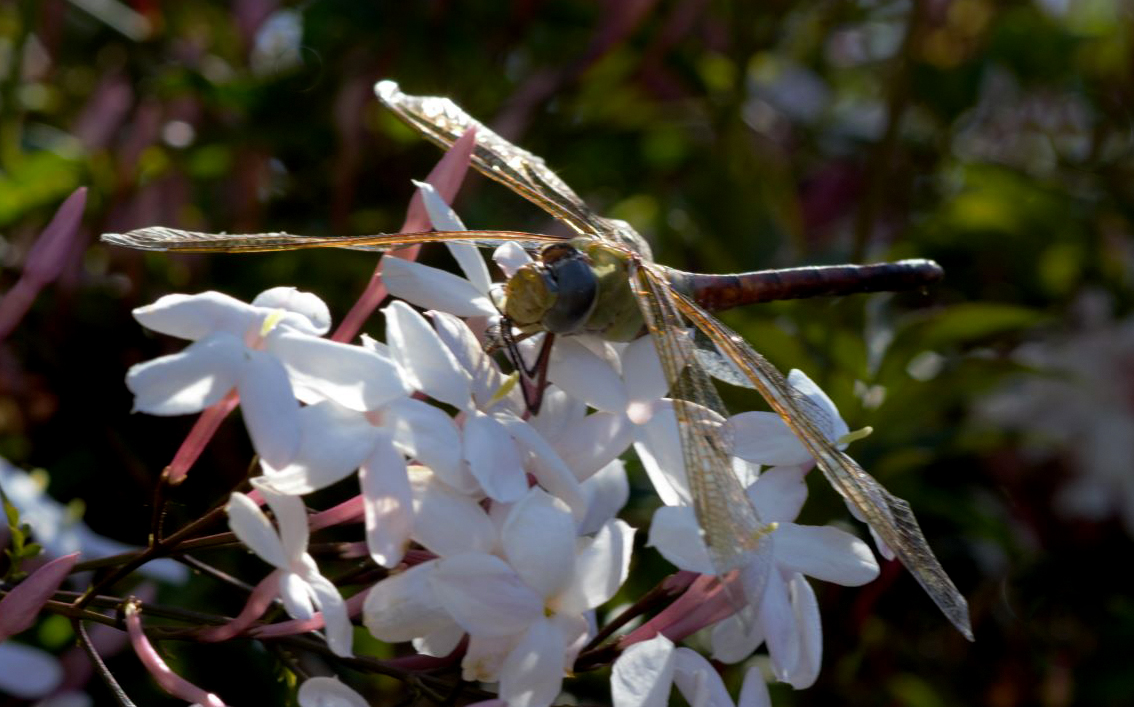
Hi Jean. You have a great subject here to shoot and it's on a great bunch of flowers. Dragonflies are a very difficult to shoot due to them moving all over and the difficulty of being able to get close enough. First you need to zoom in closer on the critter to eliminate a lot of the surrounding
area which is a distraction. There are a lot of hot spots due to the full sunshine. It is best to shoot a subject like this on an overcast day or use a fill flash so there's better lighting on the dragonfly. The bright contrast of the white flowers makes it hard to appreciate the dragonfly. I did crop the image to try to eliminate some of the area on the right. Maybe some of the other group members will have some ideas.
|
Apr 15th |
 |
| 6 |
Apr 20 |
Reply |
You ask a great question and I hope I can answer it so it makes sense. I shoot everything in aperture priority so I control the f-stop. I also have pretty much used matrix metering. I take a shot and look at the histogram. I look at the luminosity and the three color channels to see what the histogram looks like. I like to shoot with the histogram as far right as I can (the histogram is logarithmic so that means there's more information recorded on the right) without clipping any color or the luminosity. So I adjust the exposure bias + or - to get the histogram as far right without any clipping. Exposure bias would be the same as changing the shutter speed or the ISO. I love my histogram, probably the most important feature in a camera. Most people when they take a picture of a red flower will always blow out the reds and that's why. I hope I answered you question, if I didn't ask more. |
Apr 14th |
| 6 |
Apr 20 |
Comment |
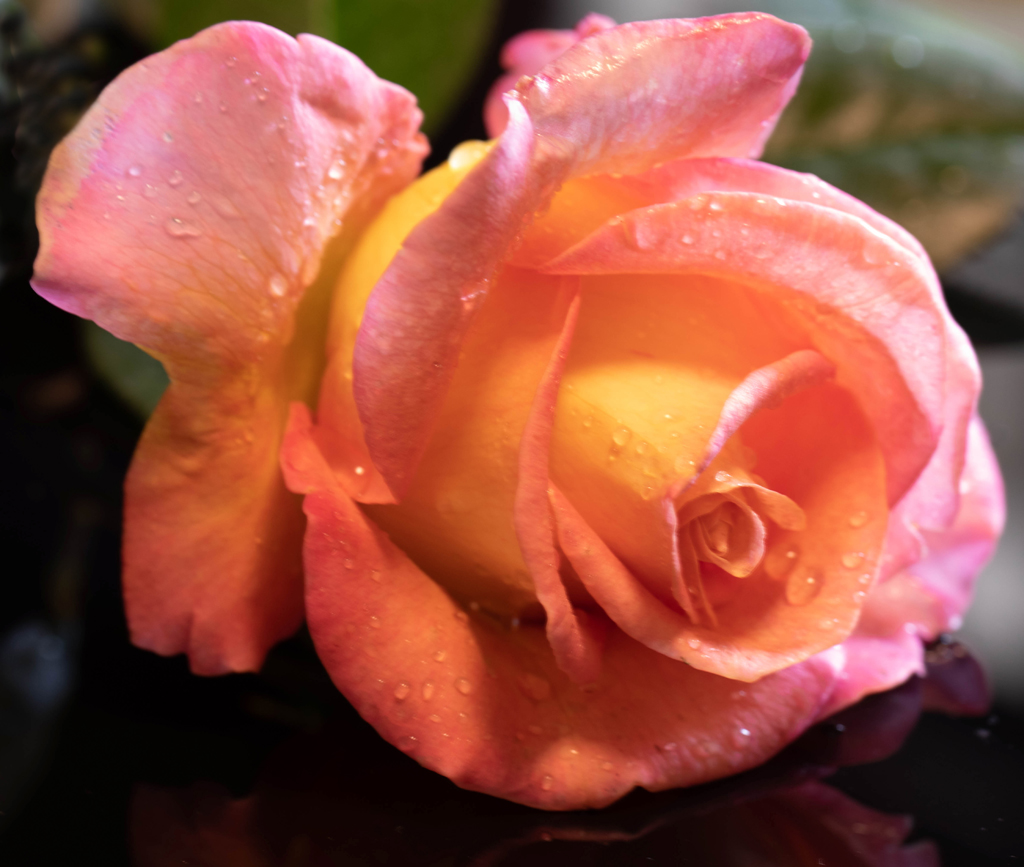
Great subject and great color also like the rain drops. The rose is not sharp. There's several things I feel would help improve this image during the process of the capture. I have found it best to shoot during an overcast sky to eliminate the extreme contrast of light. In full sunlight I will use a diffuser to diffuse the bright sunlight which eliminates blown out areas or areas that are too bright. I also feel it is best to manual focus. You need to use your tripod.
To my eye the leaf in the upper left corner with the glare pulls my eye to that area. I cropped as much I could and cloned out the rest of it. I also cropped a little off the bottom. What do you think? |
Apr 9th |
 |
| 6 |
Apr 20 |
Comment |
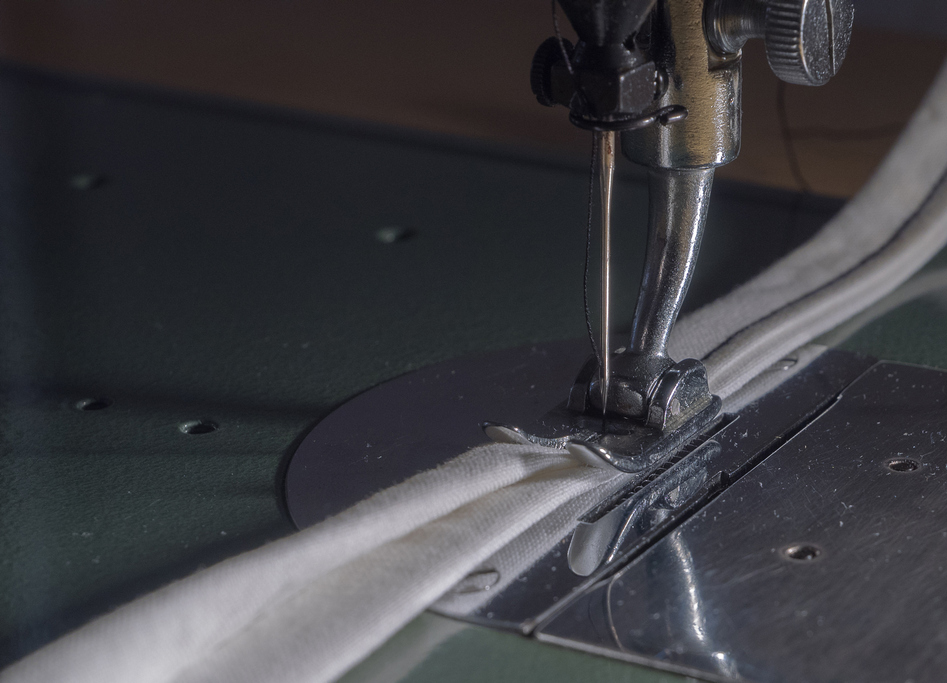
Great shot. Nice lighting and I like the depth of field. Brings the eye right to the focal point and keeps it there. Nice and sharp where it needs to be. I did make a flip to give the image a diagonal from the lower left corner. What do you think of the flip? |
Apr 9th |
 |
| 6 |
Apr 20 |
Comment |
I like this image. Very sharp and like the colors, nice composition. I agree with the way you cropped the books, very well done. Like the reflection on the bottom. Not sure I like the type of border you used. Have to see what others think. Makes a great still life image. |
Apr 7th |
| 6 |
Apr 20 |
Comment |
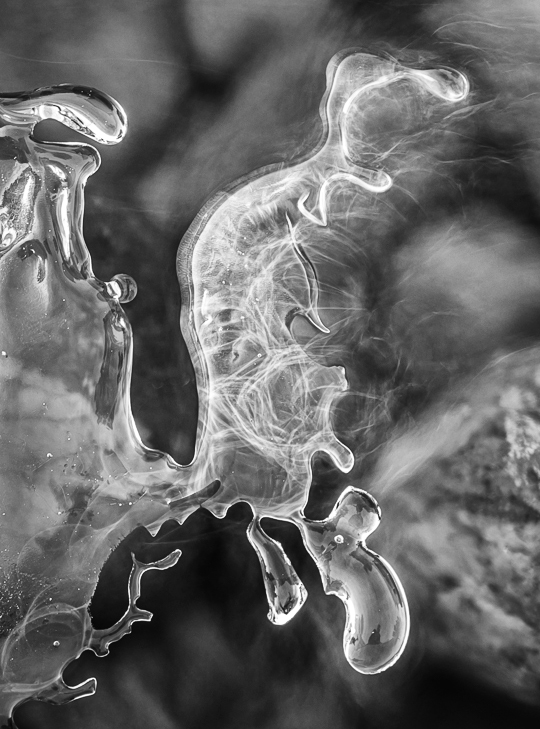
Zolt, it's so good to have you on our group, welcome.
Nice shot. I have always wanted to do this but never got the chance. Great composition, lighting and nice background. Love all the interesting shapes, so many great things to shoot in nature if we only get out and look. I'm thinking the fine lines in the top part of the ice is the water falls in the background? Nice to see you are using a tripod, so many want to shoot without. You can't hand hold at .6 sec. Not that the image needed any changes but I cropped a little off the top and a little off the right side. I'm not sure it helped an already great image. |
Apr 7th |
 |
| 6 |
Apr 20 |
Reply |
Thank you Angela stopping by, appreciate the nice comments. Had a smile on my face when I read the last sentence. You caught me, its or. |
Apr 7th |
6 comments - 8 replies for Group 6
|
| 95 |
Apr 20 |
Comment |
Nice shot, Tom. |
Apr 8th |
| 95 |
Apr 20 |
Reply |
Best way to keep reds from being blown out. Take a shot, then look at your histogram. If the reds (red channel) are being blown out use your exposure compensation and back off the exposure until its right. You may have to take several shots until its right. Then dump the bad shots. If a color is blown out its lost, you can't get something back that's lost. Reds will blow out before any other color. Just a thought. |
Apr 8th |
| 95 |
Apr 20 |
Reply |
Hi guys, I'm enjoy looking in on your group. I miss you guys we always had a lot of great discussions with lots of learning and sharing going on.
I don't consider myself that great of a stacker. You might
find this interesting, I do not use use a rail. I have one but don't use it.
I'm not sure there's any stackers at this point in time I would call great. I use Helicon but but it's not without problems. Artifacts and halos are hard to avoid. It depends a lot on the subject. I usually use method B with a radius of 22 and smoothing at 4. Today I tried method C and it did pretty well, I was pretty happy with it but had to do a little clean-up. Most of the problems are where a leaf or flower stem meets the plant stem. Also where a leaf overlaps a plant part you tend to get halos. I read a article in Outdoor Photographer by George Lepp, he likes Zerene.
I felt that last month Toms tulip picture had halos. They are hard to see until you blow the image up then they show up. Looking forward to seeing some images that Tom does with a reversing ring. Now your talking. |
Apr 8th |
1 comment - 2 replies for Group 95
|
7 comments - 10 replies Total
|