|
| Group |
Round |
C/R |
Comment |
Date |
Image |
| 63 |
Jul 23 |
Reply |
Hi Priscilla: YES, you are correct in that bright mid-day sun is not a good test, I plan on testing the cell phone camera in cloudy soft lighting conditions.
What I have noticed thus far is you have no control regarding backgrounds in close up work, far too busy with distractions due to more depth of field. If the photographer has some way to control the background from becoming a distraction then yes, the cell phone camera is sharp enough if you are not planning to make large prints. I enjoy your work too, creative and refreshing. |
Jul 22nd |
| 63 |
Jul 23 |
Comment |
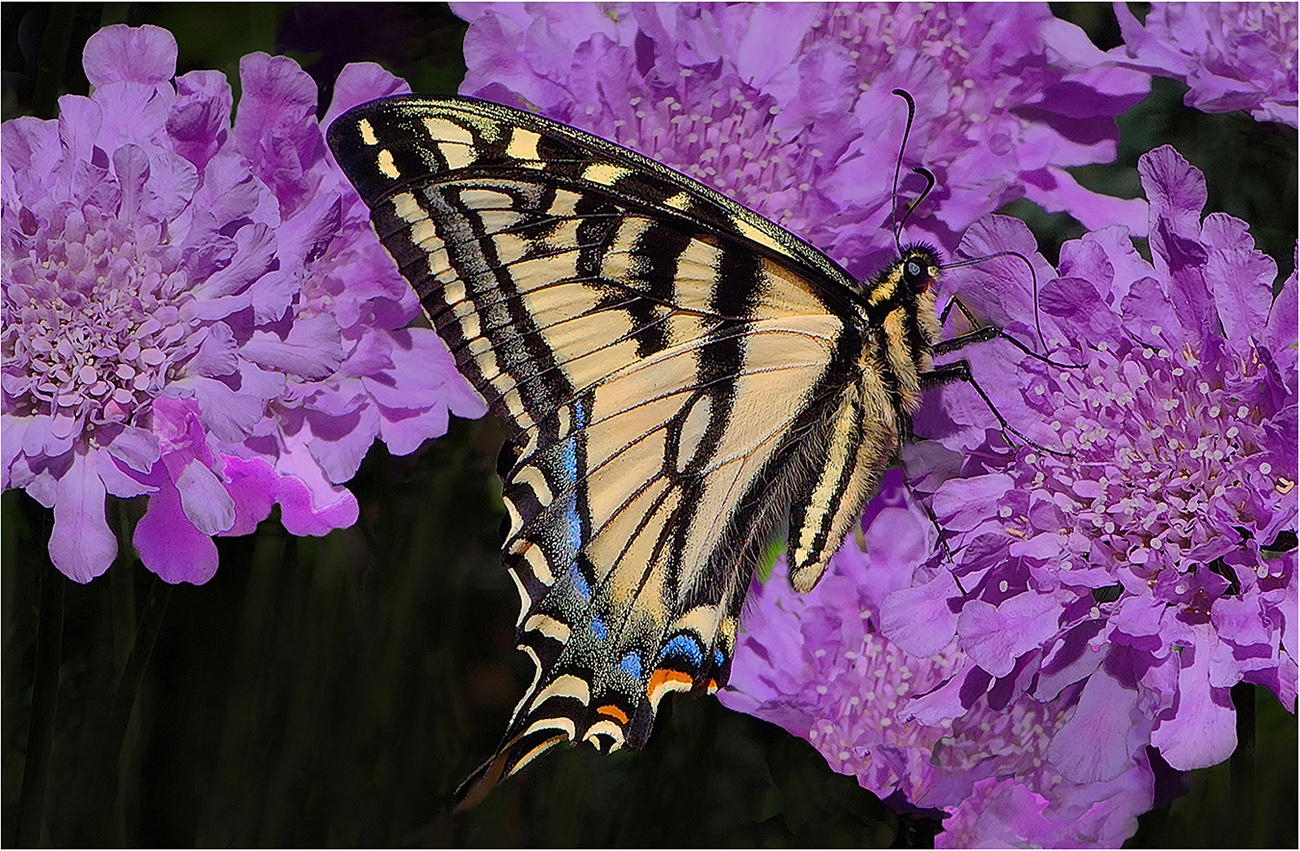
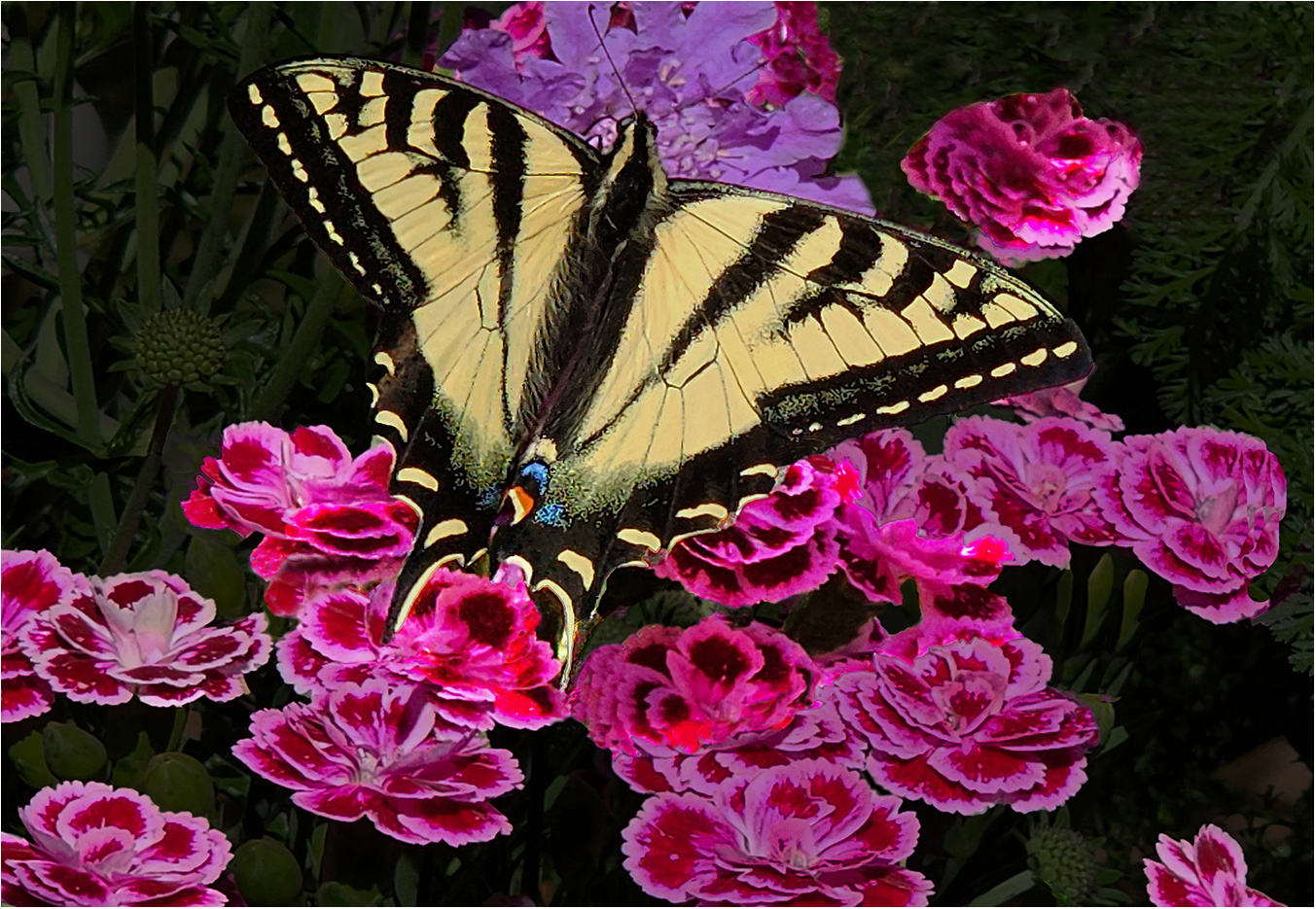
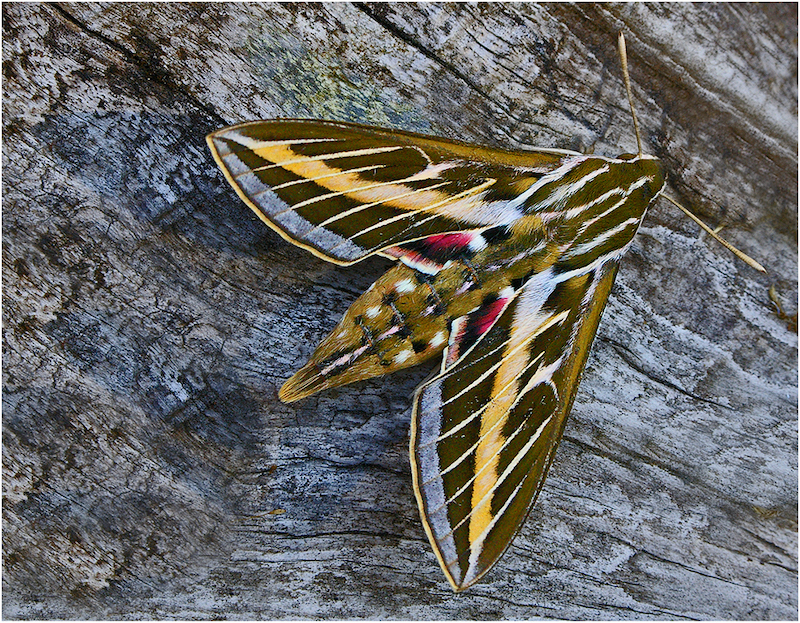
Hi All: Thanks for your comments on the butterfly image, very much appreciated. Have enjoyed working with the new cell phone camera, a learning experience. As the camera in my new cell phone is a vast improvement over the camera in my old cell phone it will never replace my digital camera body and macro lenses. That being said the technology in the new cell phone camera is amazing. |
Jul 10th |
| 63 |
Jul 23 |
Reply |
HI Barbara: Thanks for checking out the reason for the black background, now I understand.
Apparently you will be leaving our group, so sorry to hear that, but the very best to you going forward. |
Jul 10th |
| 63 |
Jul 23 |
Comment |
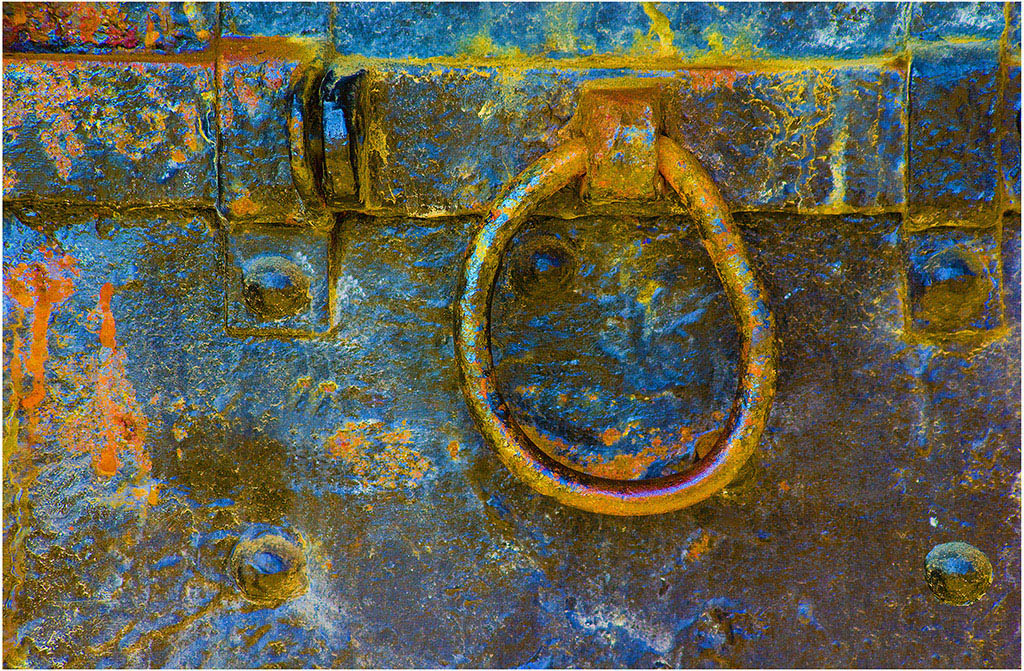
Hi Priscilla: Nice abstract photos. As far as which one you prefer is a matter of taste as I like both the original and finished copy also. To me they are simply two different pictures. The cooler toned original does not have the "color punch" of the warmer toned finished picture.
Your have created a really nice compositional arrangement in your viewfinder using the design elements in the cement structure. |
Jul 8th |
| 63 |
Jul 23 |
Comment |
Hi Barbara: The Daylily flower has good impact against the green background. Am wondering what kind of lighting you used?? Parts of the background are black, however the flower is very well lit.
The front flower petal is soft in focus as well as the far back petal. Here is the problem with a single frame shot, if you stop the lens down to f/16 you likely could have entire sharpness on the flower, however in doing so the background would become very busy and distracting with the added depth of field provided by using f/16. It seems like there are always compromises, if you fix one area you mess up another area. It would be interesting to see how a focus stacked picture would appear. Just some thoughts !! |
Jul 8th |
| 63 |
Jul 23 |
Comment |
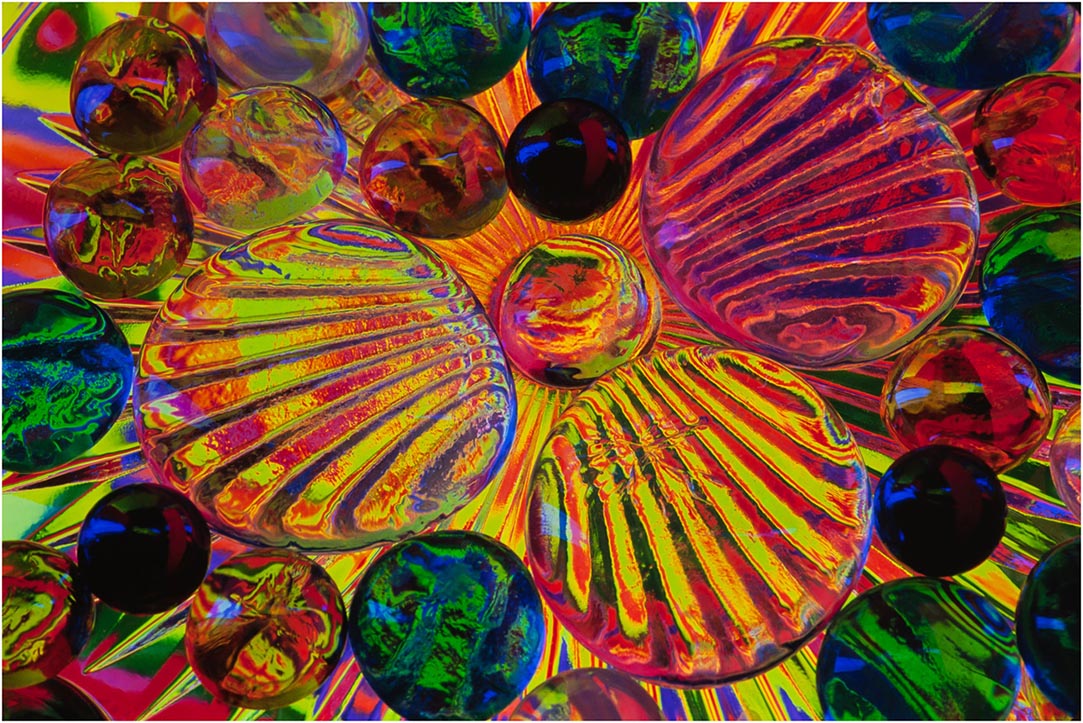
Hi Charlie: I really appreciate these "still life" type of images where the maker has needed to be very creative in the set-up of the entire image. The warms color tones you have added to the base and the background are very well chosen as everything blends perfectly, and then your lighting choice ties everything together.
If I had one 'nit' I would suggest leaving a little more "breathing room" between the two left goblets as they are almost merging together. KUDOS on fine work. |
Jul 8th |
| 63 |
Jul 23 |
Comment |
Hi Alane: Really good picture of the Cardinal pair composed well. The male is very sharp with good feather detail while the other bird is sharp enough. My only nit is the picture could be improved a lot if you could tone down the very light green background and white area to the left of the male bird.
You do not want to darken the birds as they are exposed well.
Nice bird picture!! |
Jul 8th |
| 63 |
Jul 23 |
Comment |
Hi Neal: A very well executed picture of what appears to be some type of a beetle perched on the yellow central part of the white daisy like flower. Your photo stacked 46 slices allowed for very sharp detail from the bottom stem to the top white petals. Lighting on the white petals is handled very well with good shadow detail and texture in the petals, and then no blown out white petals either. Great background not totally black. Excellent Work!! |
Jul 8th |
| 63 |
Jul 23 |
Comment |
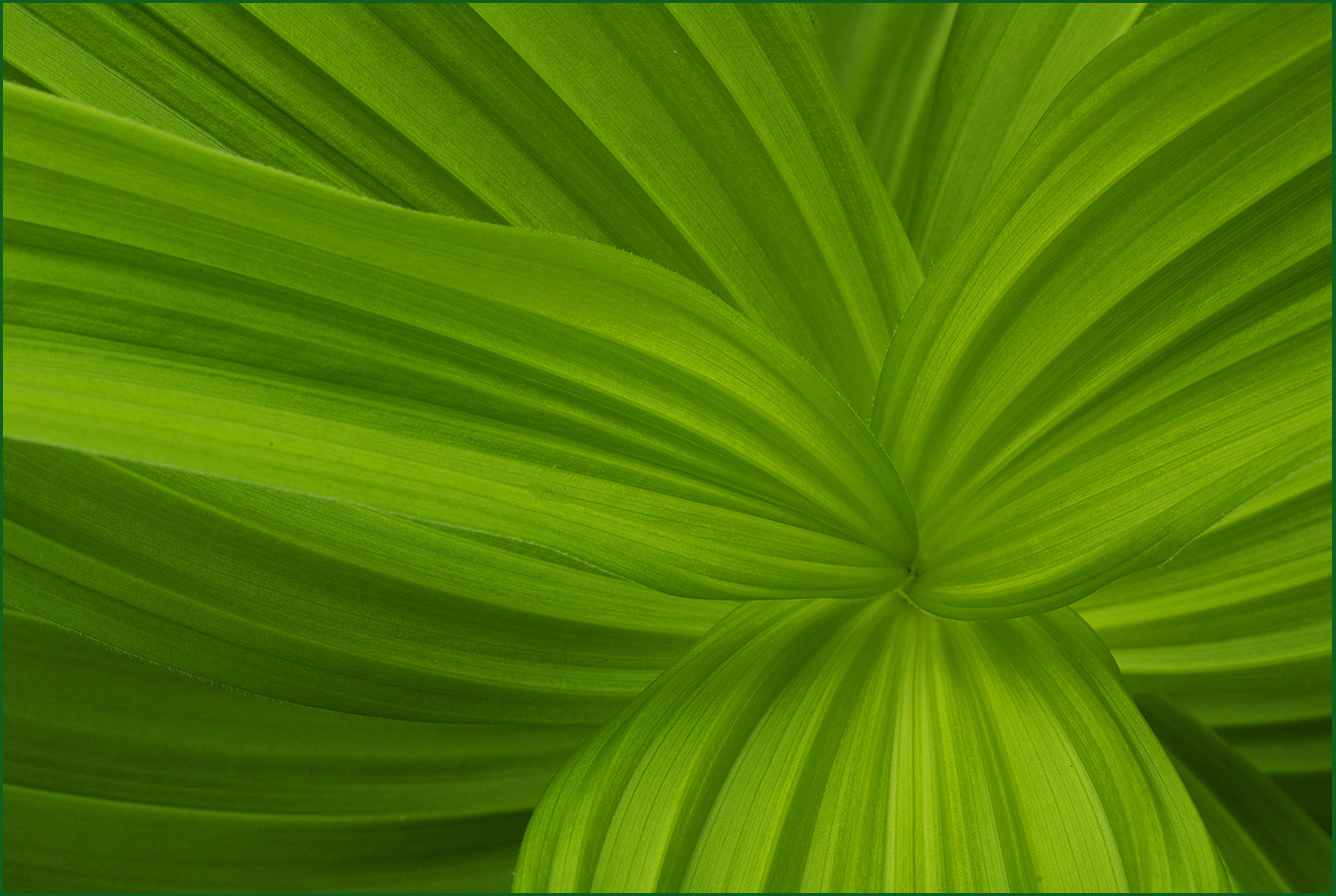
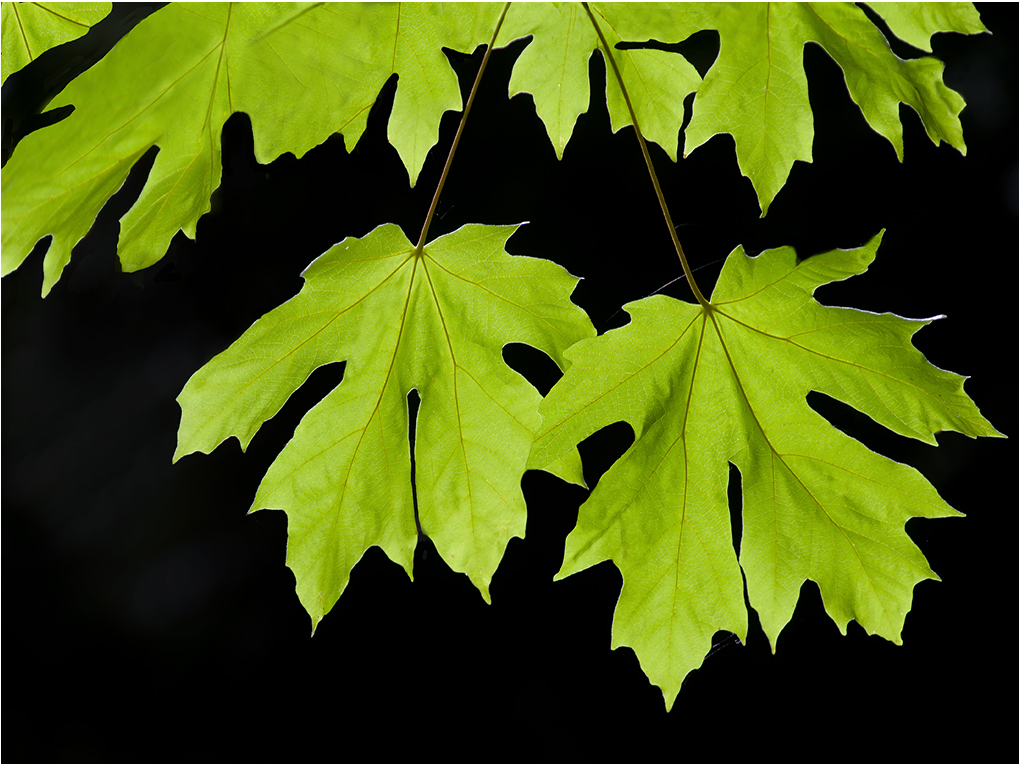
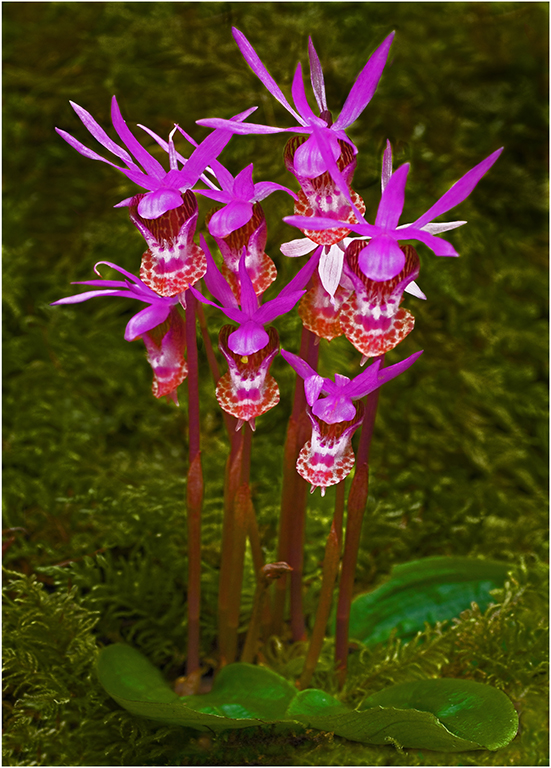
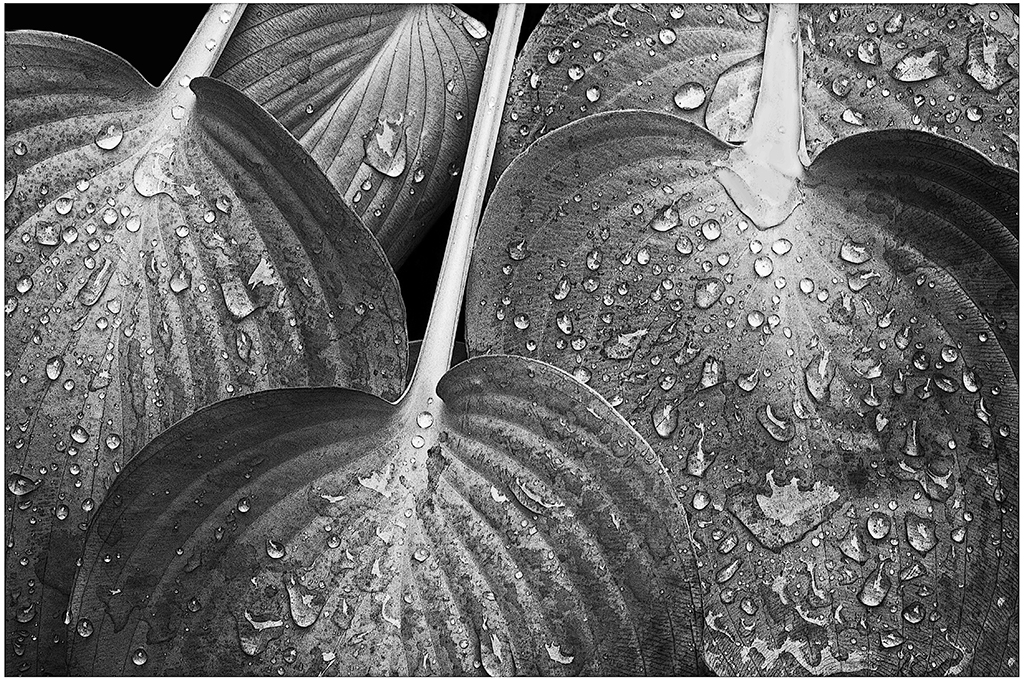
Hi Barbara: This is an interesting subject from your landscaping photographed very well. The outdoor lighting through your sliding glass door worked well, and I like the way the bottom leaf is partly shaded. This is one instance I would have used a border of some type, as is it is difficult to determine where the outer edges of your picture frame ends and the black webpage begins. |
Jul 8th |
7 comments - 2 replies for Group 63
|
| 75 |
Jul 23 |
Reply |
Hi Charlie: Thanks for your thoughts. Hand painting each hair on a stem would require immense patience on a rainy winter day. If you possess the patience to do this "a tip of my cap to you". Cheers. |
Jul 10th |
| 75 |
Jul 23 |
Reply |
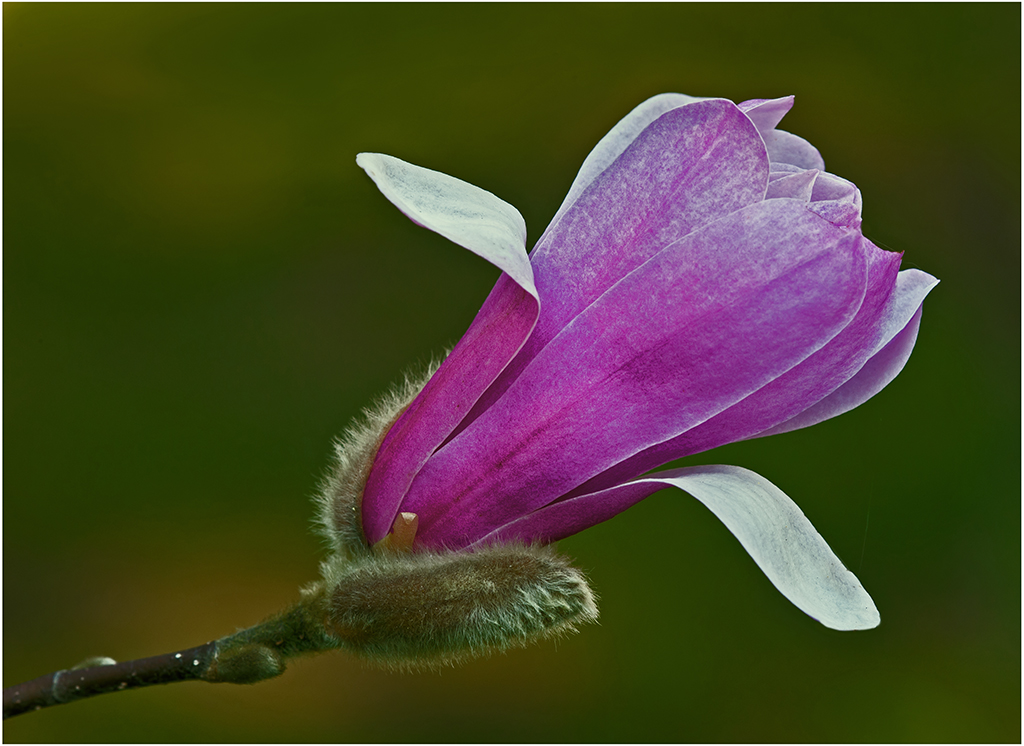
Hi Ray: Photographers have personal ideas regarding the use of borders, some like thin borders, others prefer them on the thicker side, then others do not like borders at all. I like thin borders on some images.
Regarding the Magnolia picture; perhaps a thin green border would work well here, you would just need to experiment and determine if it adds that finishing touch to the picture or if it does not.
|
Jul 4th |
| 75 |
Jul 23 |
Reply |
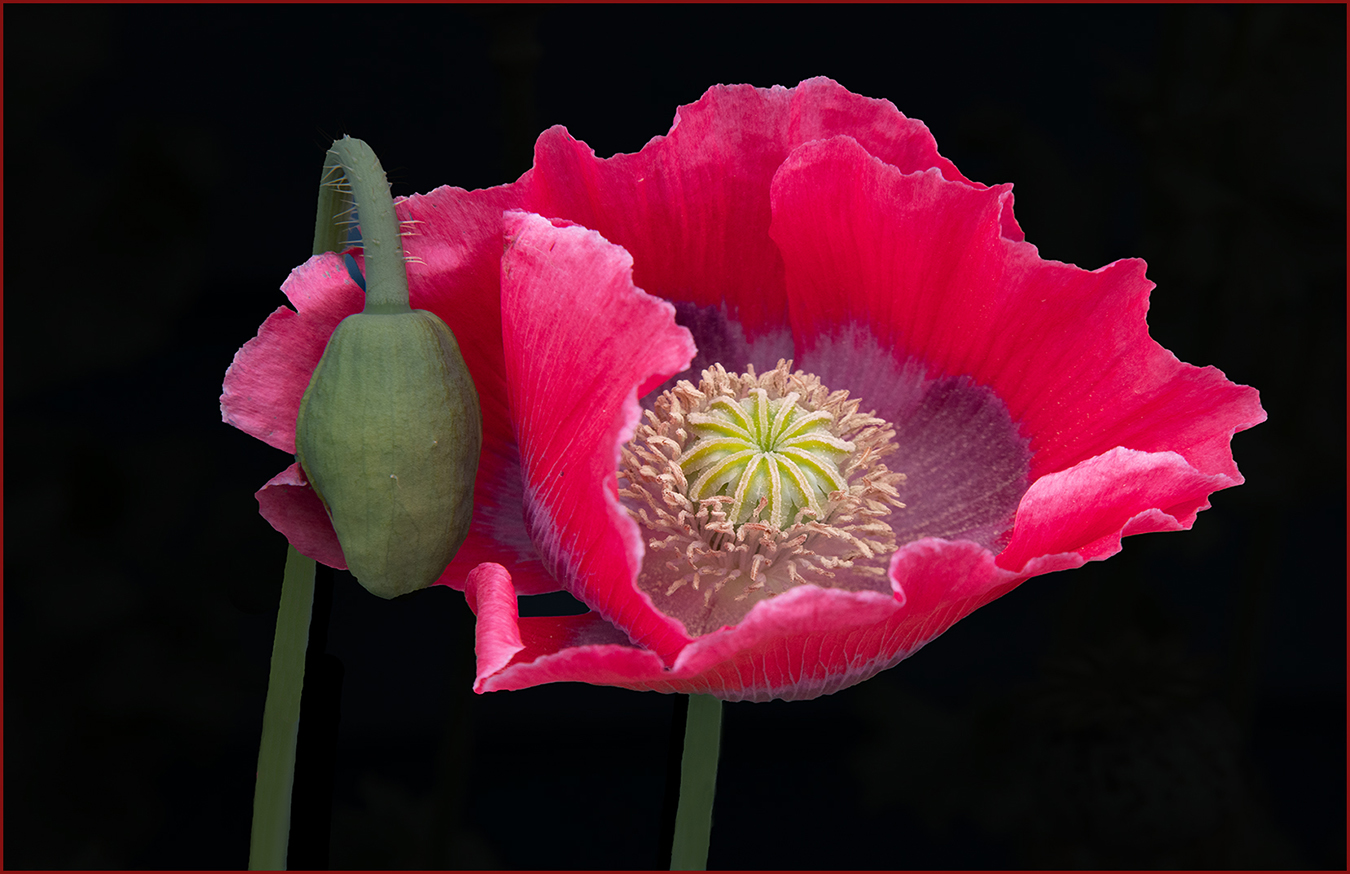
Hi Ray: Part of the price one pays in making the background jet black is that it tends to remove some items you would prefer to keep, like hairs on the stems for instance. This Poppy flower was in a home landscaping area with a picket fence in the background, it would have required a lot of cloning to remove that fence and make the background look natural, so simply made the background black.
There could be a post processing program out there that would black out the background and yet keep the stem hairs in place. Am not exactly a post processing guru, so not certain about that. Appreciate your comments. |
Jul 4th |
| 75 |
Jul 23 |
Comment |
Hi Charlie: A very pleasing picture showing excellent craftsmanship in the field as well as in post processing work. A lot of interesting detail in this image with a really nicely darkened out of focus background that supports the old flower well.
There is slight softness on the leaf at the right side of the picture which to me is not a big deal as it is not the main center of interest in the picture, but a supporting member.
I have mentioned previously photographing flowers sometimes calls for compromises especially if you are using a single frame and not focus stacking. If you correct for one aspect to make it perfect you may compromise in another area. Using f/10 aperture brought most of the flower and supporting leaves into sharp focus except for the right side leaf. In my past experience if the maker had stopped down the aperture to f/16 it would have likely brought the entire plant structure into sharp focus, However in doing so would have resulted in a much busier and distracting background than the maker wanted to present to us.
As I mentioned sometimes we make "compromises" for the good of the whole.
|
Jul 3rd |
| 75 |
Jul 23 |
Comment |
Hi Ray: Thanks for the information on the Magnolia, did not realize it is such an old genus.
You had simply ideal lighting conditions for this white Magnolia flower, the soft overcast lighting was perfect and helps portray a delicate soft mood which fits this flower so very well. The white petals are so smooth, however if one looks closely you can see some slight veins in the upper left flower petal.
You have darkened down the background leaves so they add a nice base for the white flower, however not to the point one cannot tell where the picture area stops an the black web page begins.
This Magnolia picture is an excellent example of a flower picture done to perfection, and thanks for sharing. |
Jul 3rd |
| 75 |
Jul 23 |
Comment |
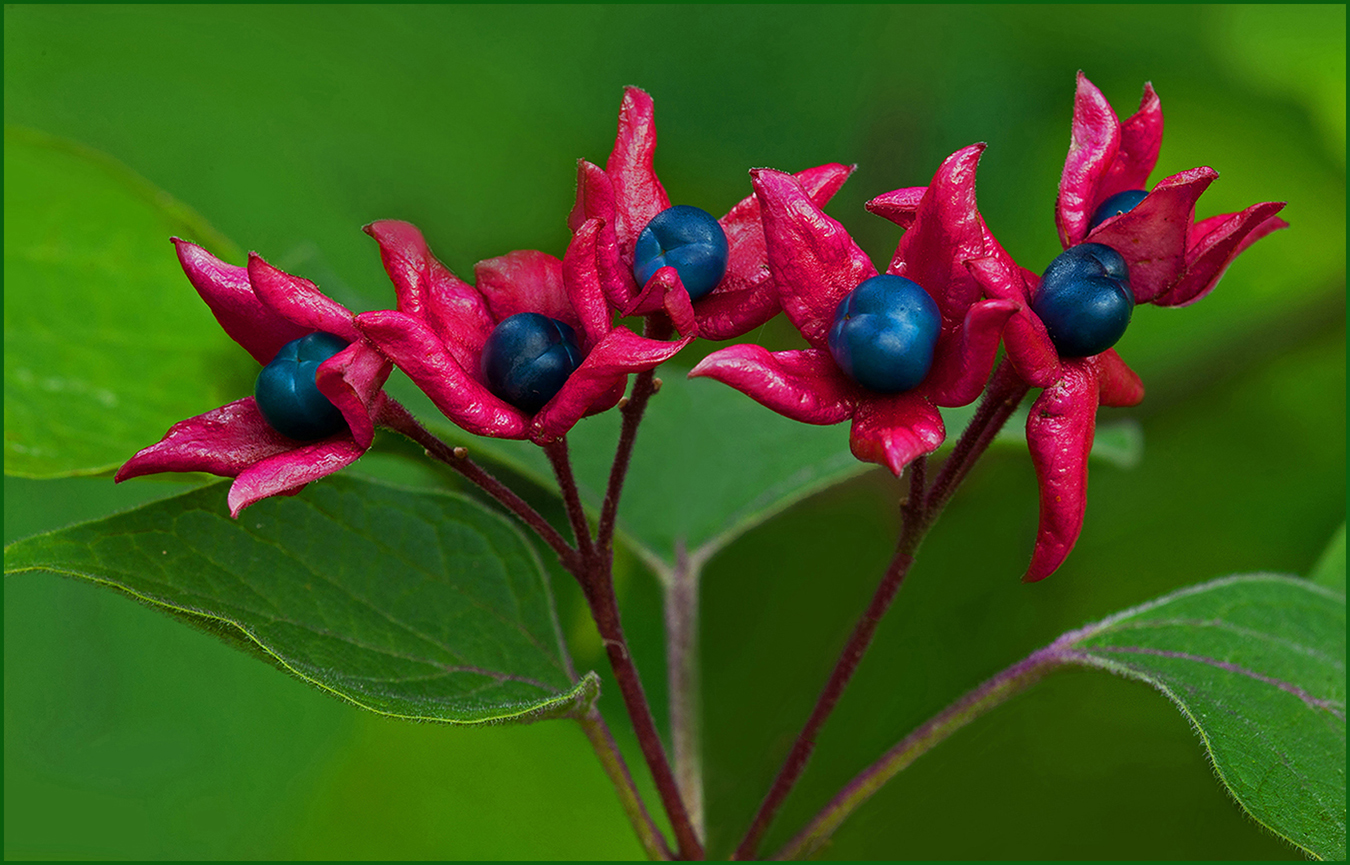
Hi Judy: The Red-Pink fruit cluster is pretty sharp in detail, the other cluster in the background less so. In my humble opinion your picture could be improved on a lot by doing some post processing work on the background. As is it is busy and has bright areas that are distracting, if you could diffuse and darken down the background it would be quite an improvement. A flower photographer wants the background to support the subject well and not be a distraction.
The "bug" on the fruit cluster adds a point of interest. |
Jul 3rd |
| 75 |
Jul 23 |
Comment |
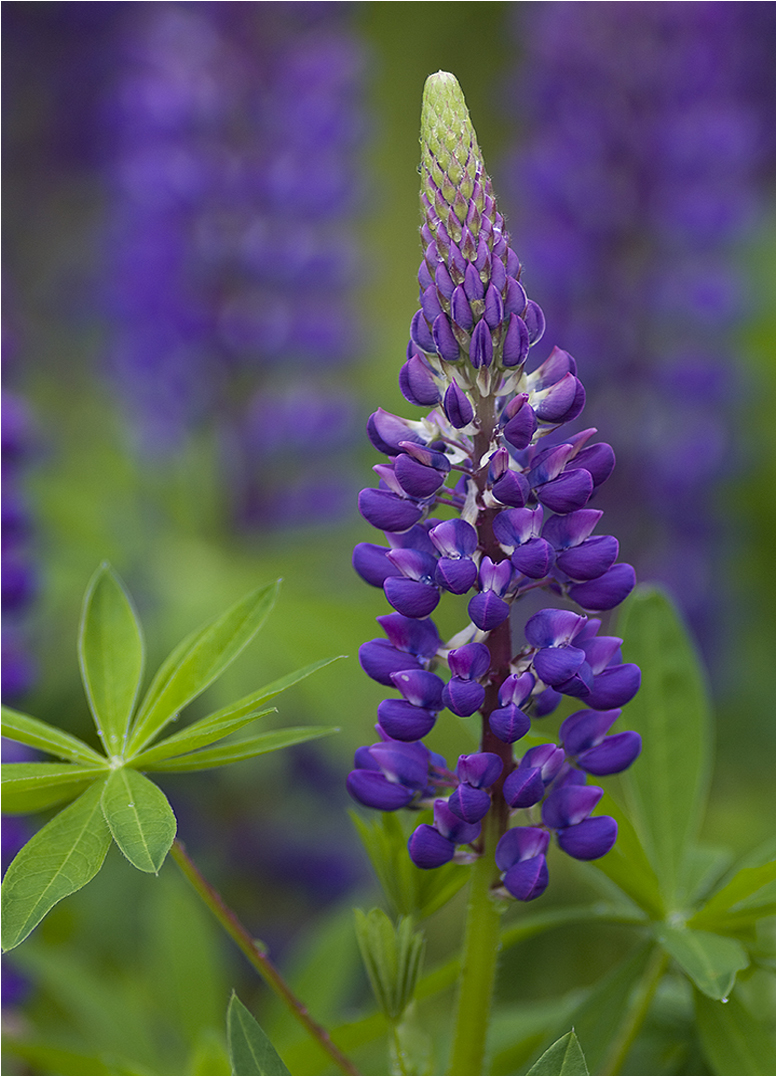
Hi Dan: I have found and photographed this same Larkspur on the east slope of our Cascade Mountains. Nice to see your version of it and thanks for sharing. Like the natural habitat type picture however to me the large tree branch in the background kind of attracts to much attention. If you could tone it down somewhat it would improve your picture. Very sharp detail on flower itself, about as good as it gets. The strong blue color of the flower adds a lot of impact.
|
Jul 3rd |
| 75 |
Jul 23 |
Comment |
Hi Vincent: You have managed to photograph the single Rose in sunlight without having any of the petals burnt out, this is a challenge in open sun lighting. Colors that burn out easily are white, yellow, and pink. Cloudy days without wind is an ideal time for outdoor flower photography, no harsh shadows or burnt out flower petals, just soft lighting which fits many flower types very well.
Like the way you have darkened down the busy background elements evident in the original, but subdued in your finished picture.
If you have a picture with a very dark background consider using a border, kind of difficult to determine where your picture stops and the black background of our webpage begins. |
Jul 3rd |
5 comments - 3 replies for Group 75
|
12 comments - 5 replies Total
|