|
| Group |
Round |
C/R |
Comment |
Date |
Image |
| 63 |
Aug 20 |
Comment |
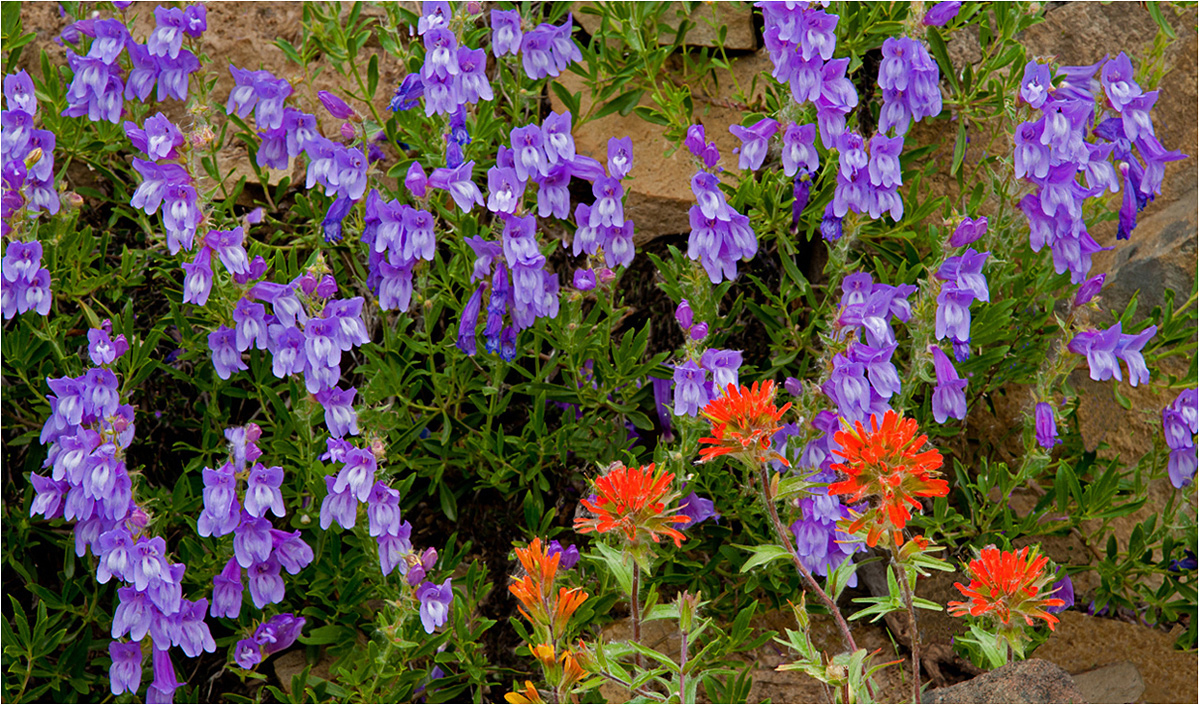
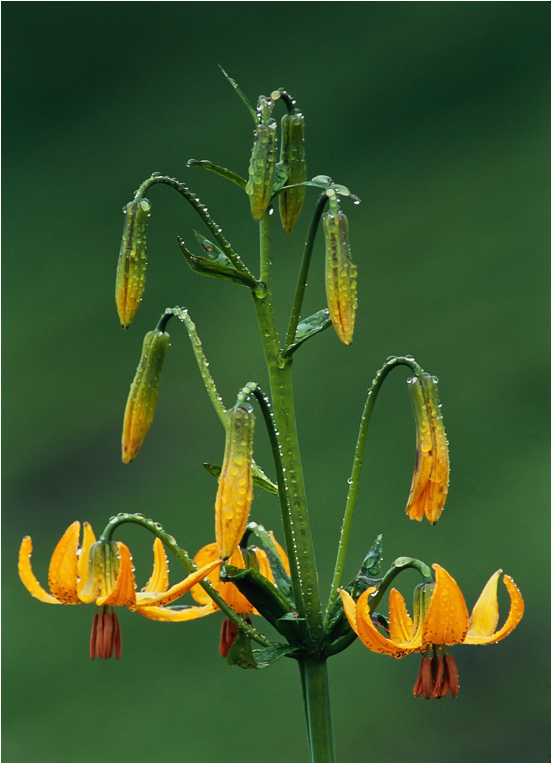
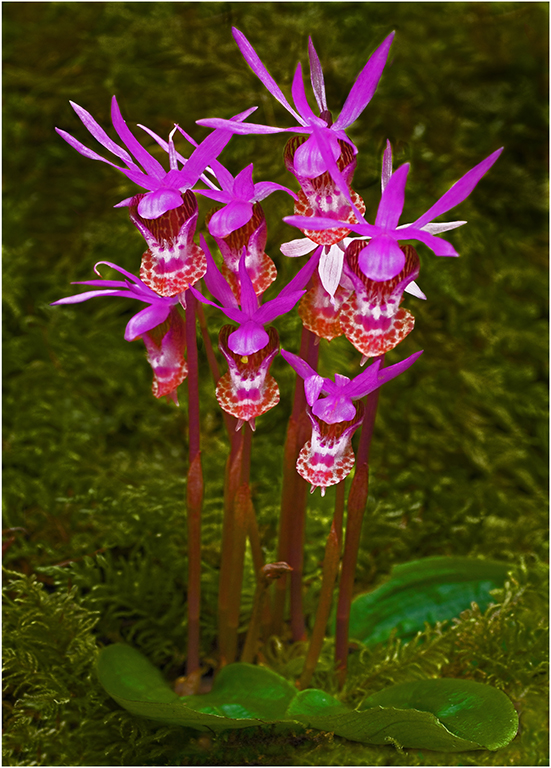
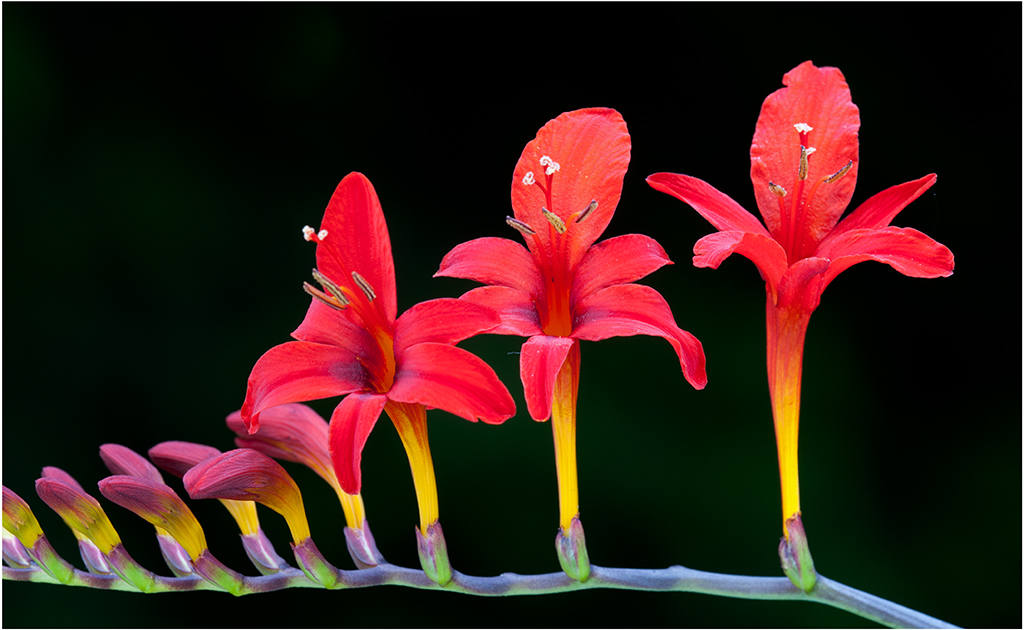
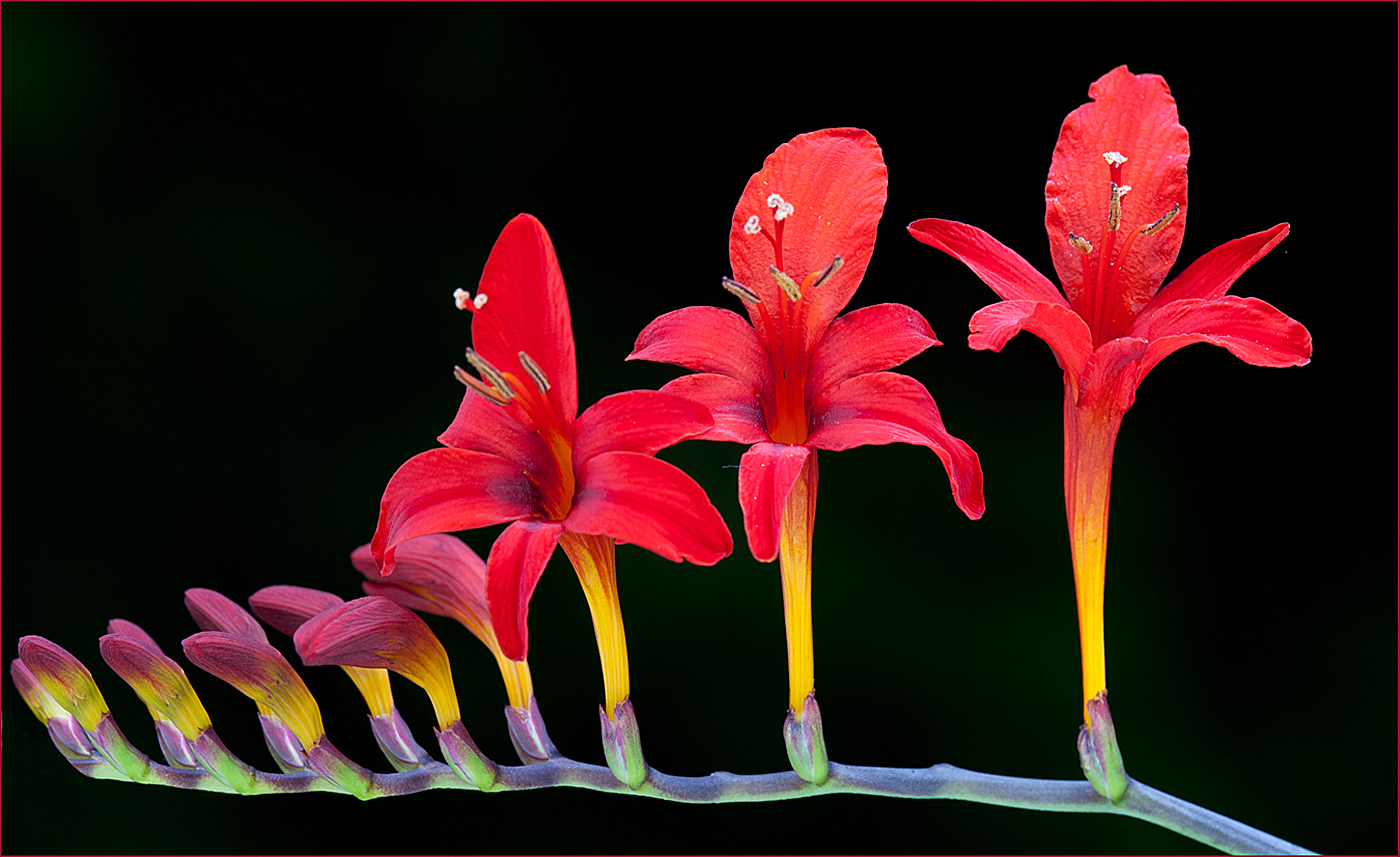
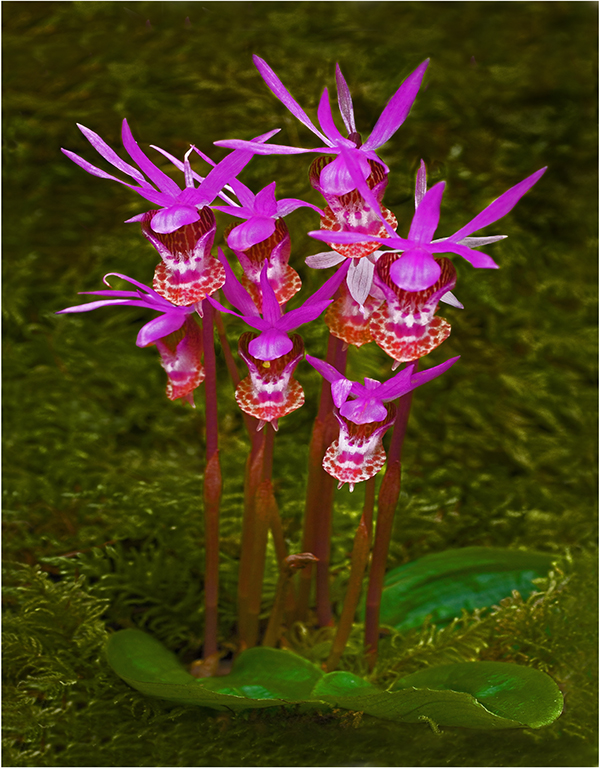
Hi Richard: Thank you for your helpful comments on the Calypso group. This grouping was photographed in damp rainforest conditions in good soil, the plant was growing in thick heavy moss. In WA. state we have a large variety of habitats from damp rainforest to desert lands, and each location has its own special plant communities that offer the botanical photographer an abundance of opportunities, and we do enjoy the 'playground'. Imagine you have some very interesting more tropical species of wildflowers in Florida to enjoy photographing. Look forward to seeing your Florida species sometime. |
Aug 7th |
| 63 |
Aug 20 |
Comment |
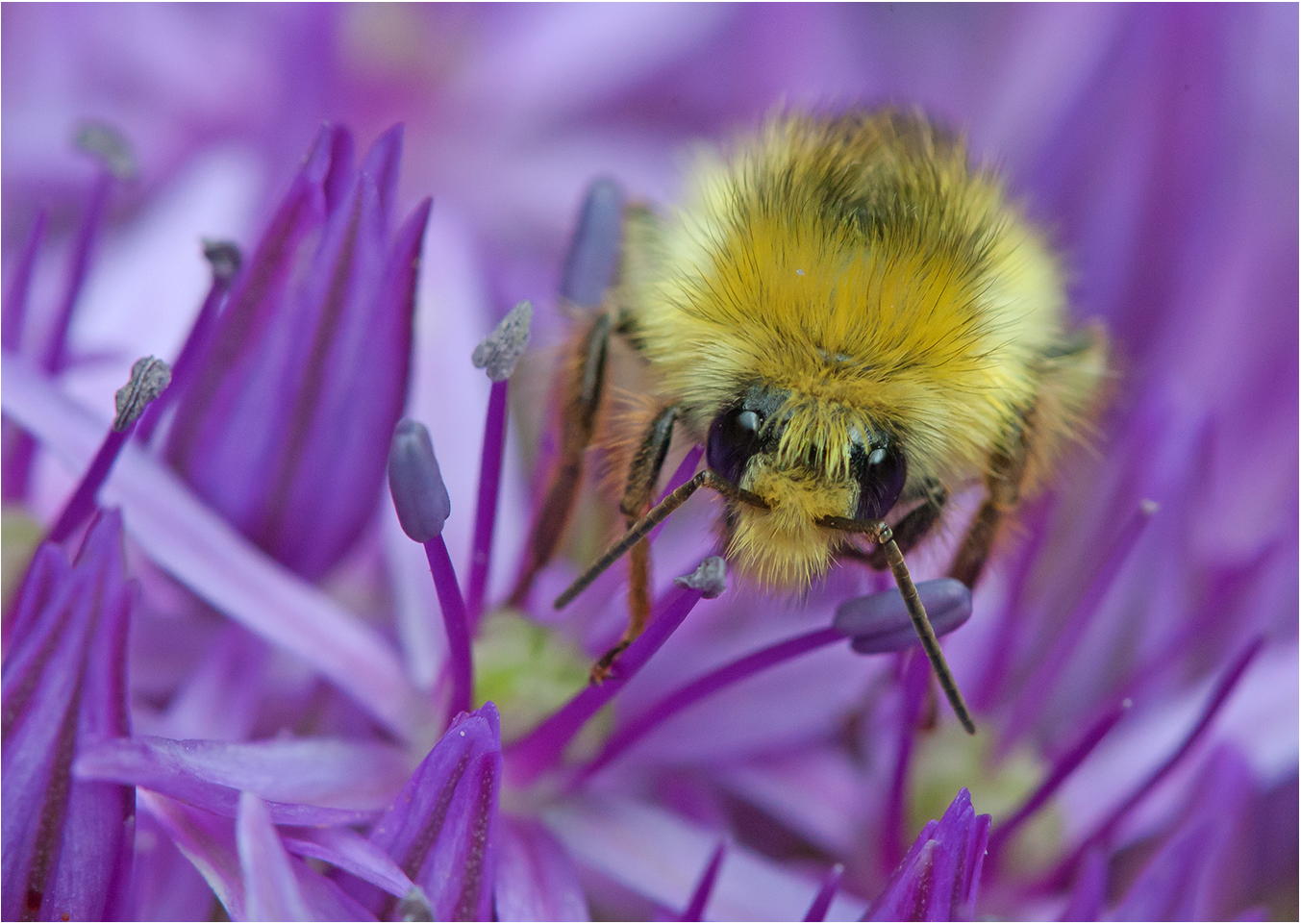
Hi Lou: Good technical qualities with vivid punchy colors on the head of the insect, those blue eyes grab the viewers attention. At this very high magnification depth of field is very shallow at f/6.3 with the 105 macro lens. The yellow band across the face is soft in focus, next time out try stopping your lens down to f/16. You will obtain a larger zone of sharp focus than what is possible using f/6.3.
In my humble opinion the image seems cropped in too tightly, need a little more breathing room around the subject. |
Aug 4th |
| 63 |
Aug 20 |
Comment |
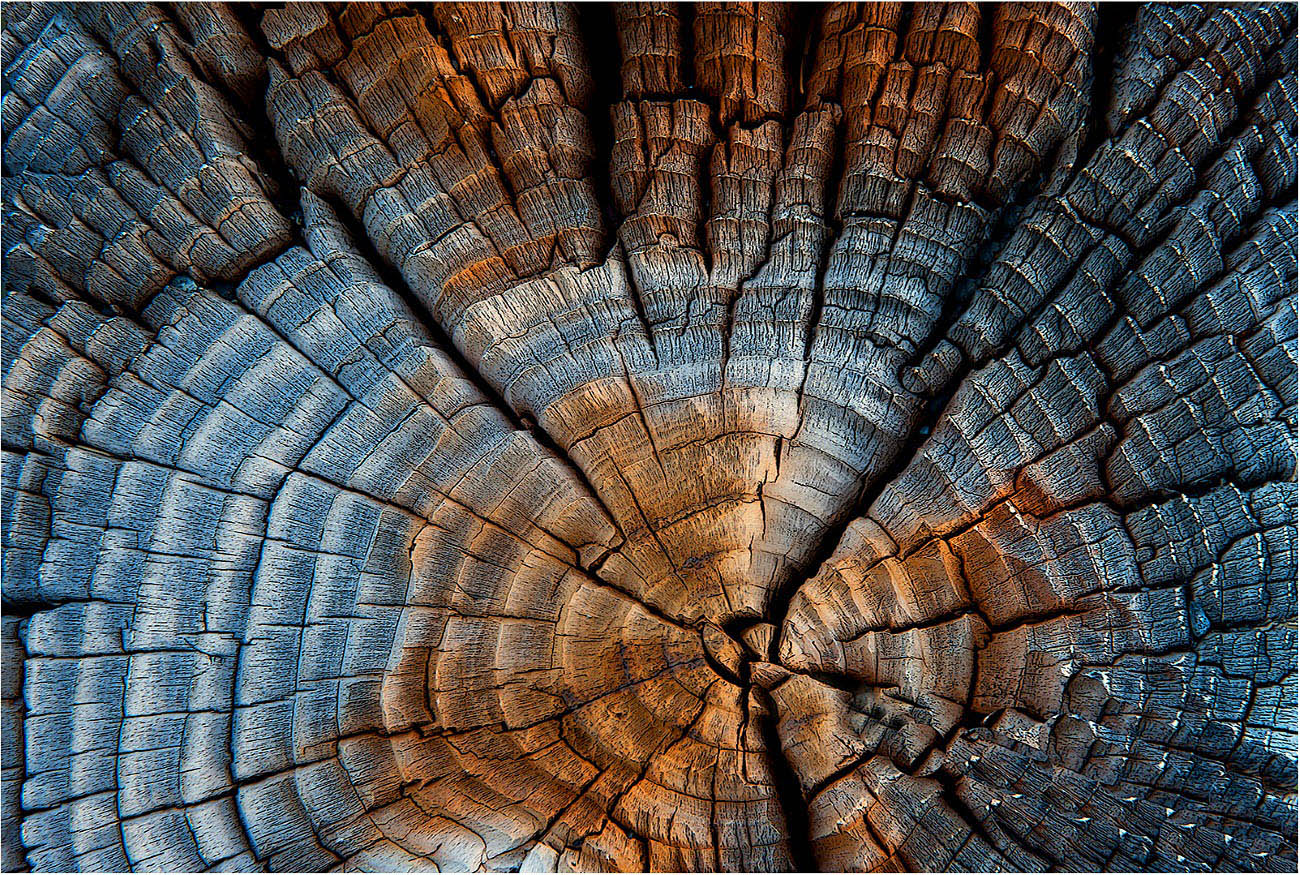
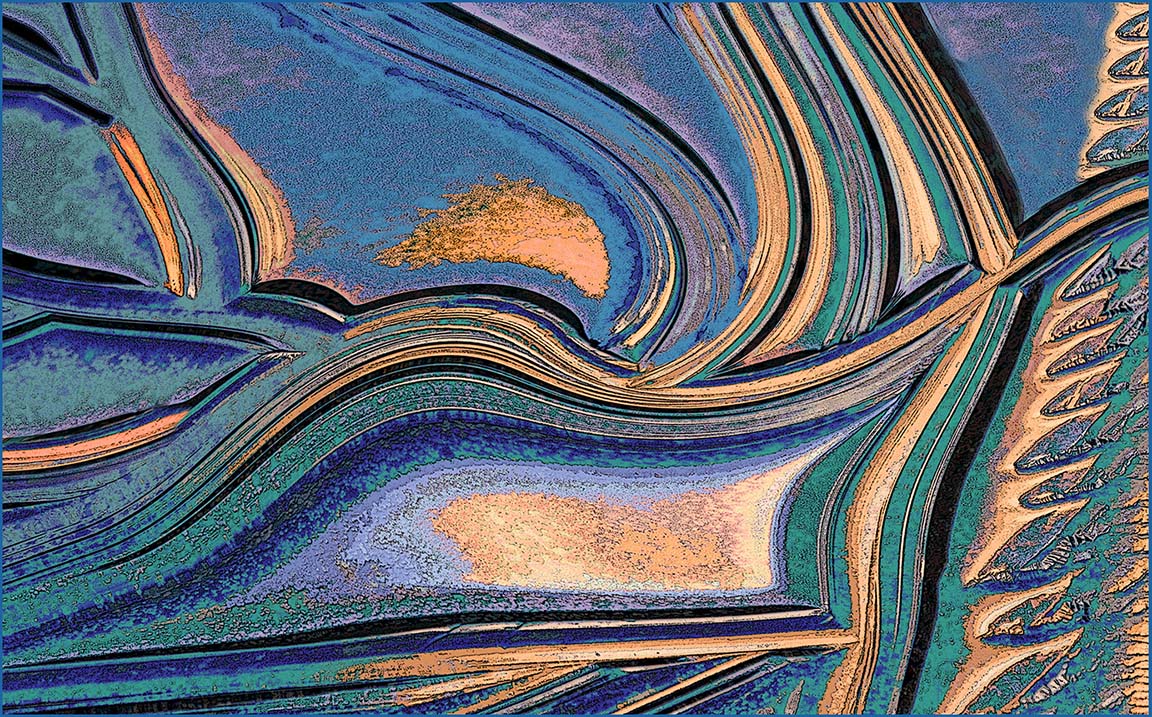
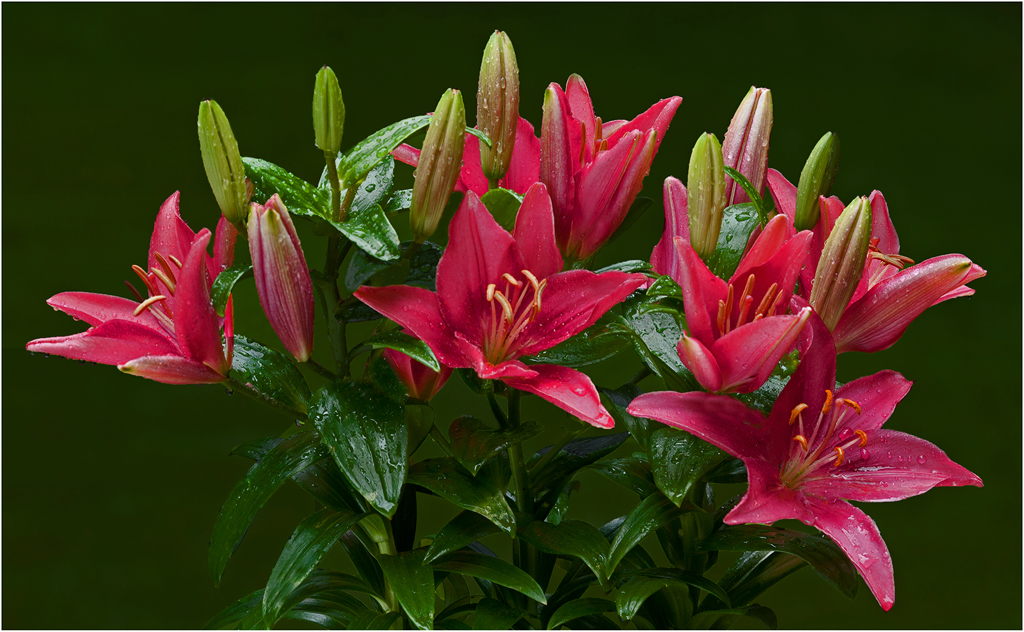
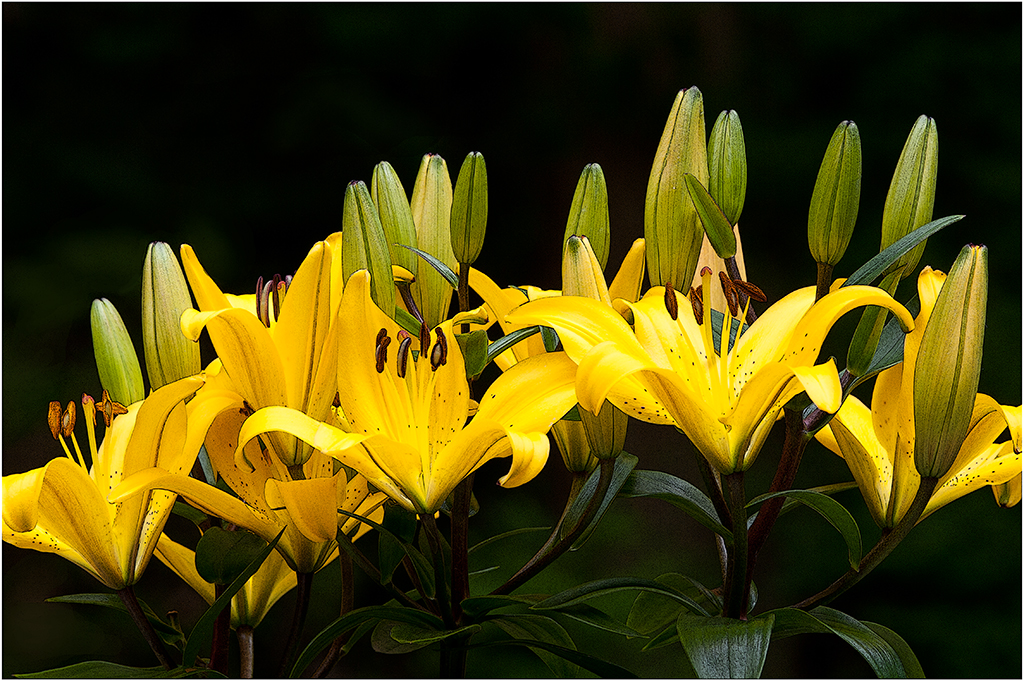
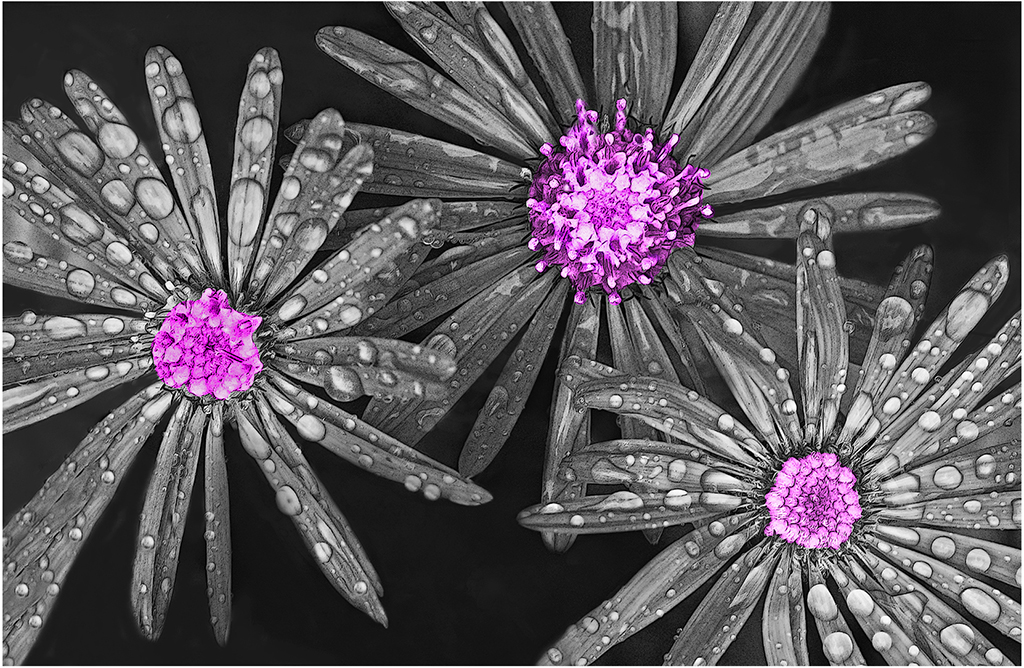
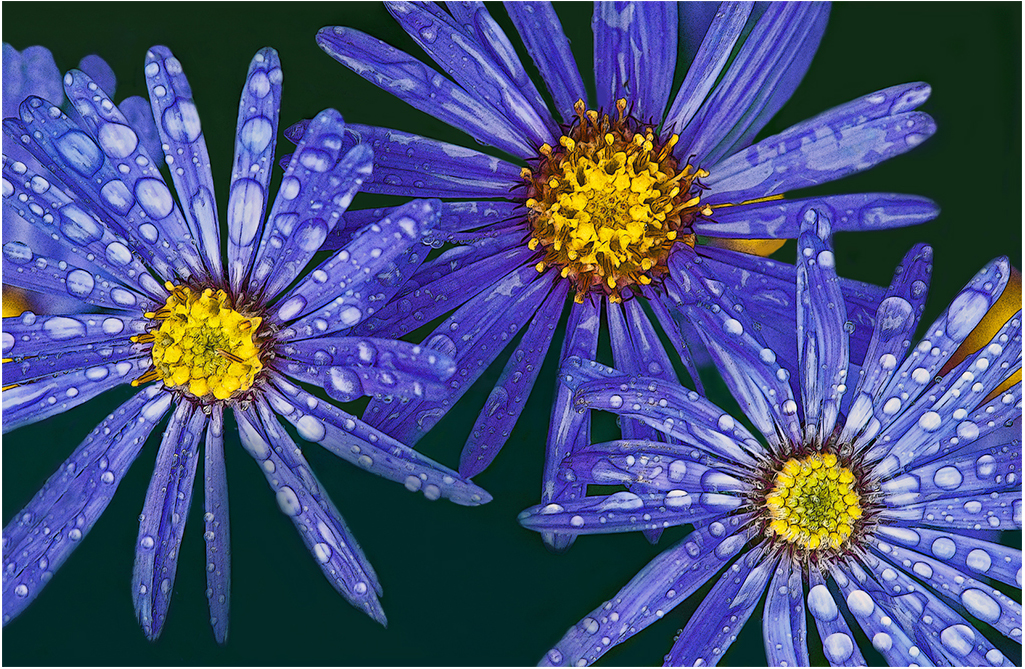
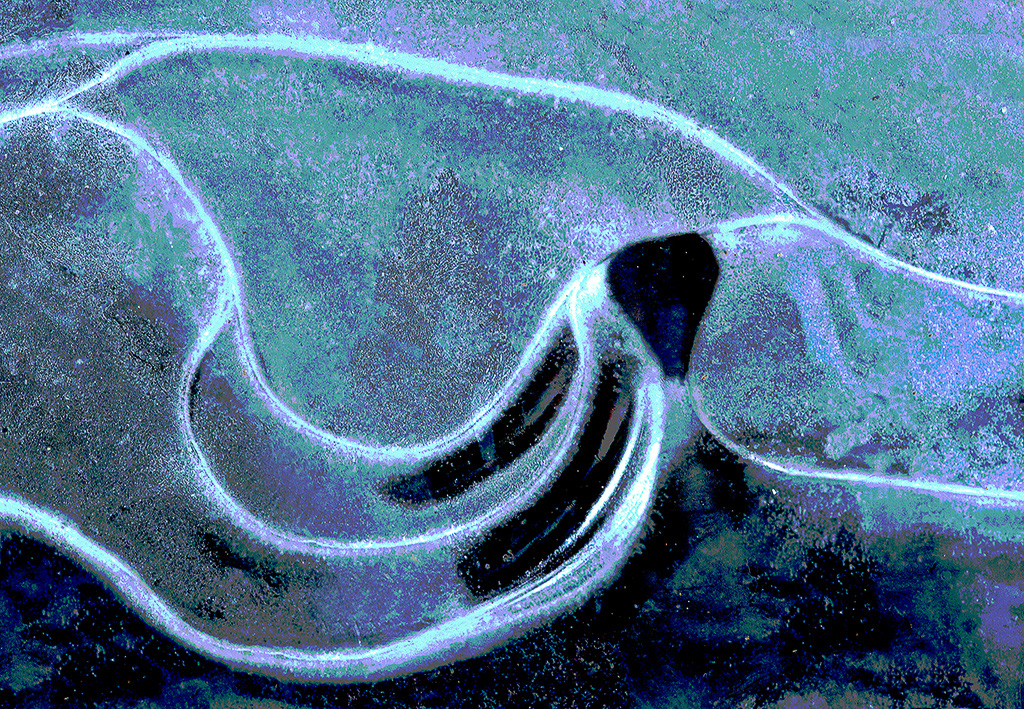
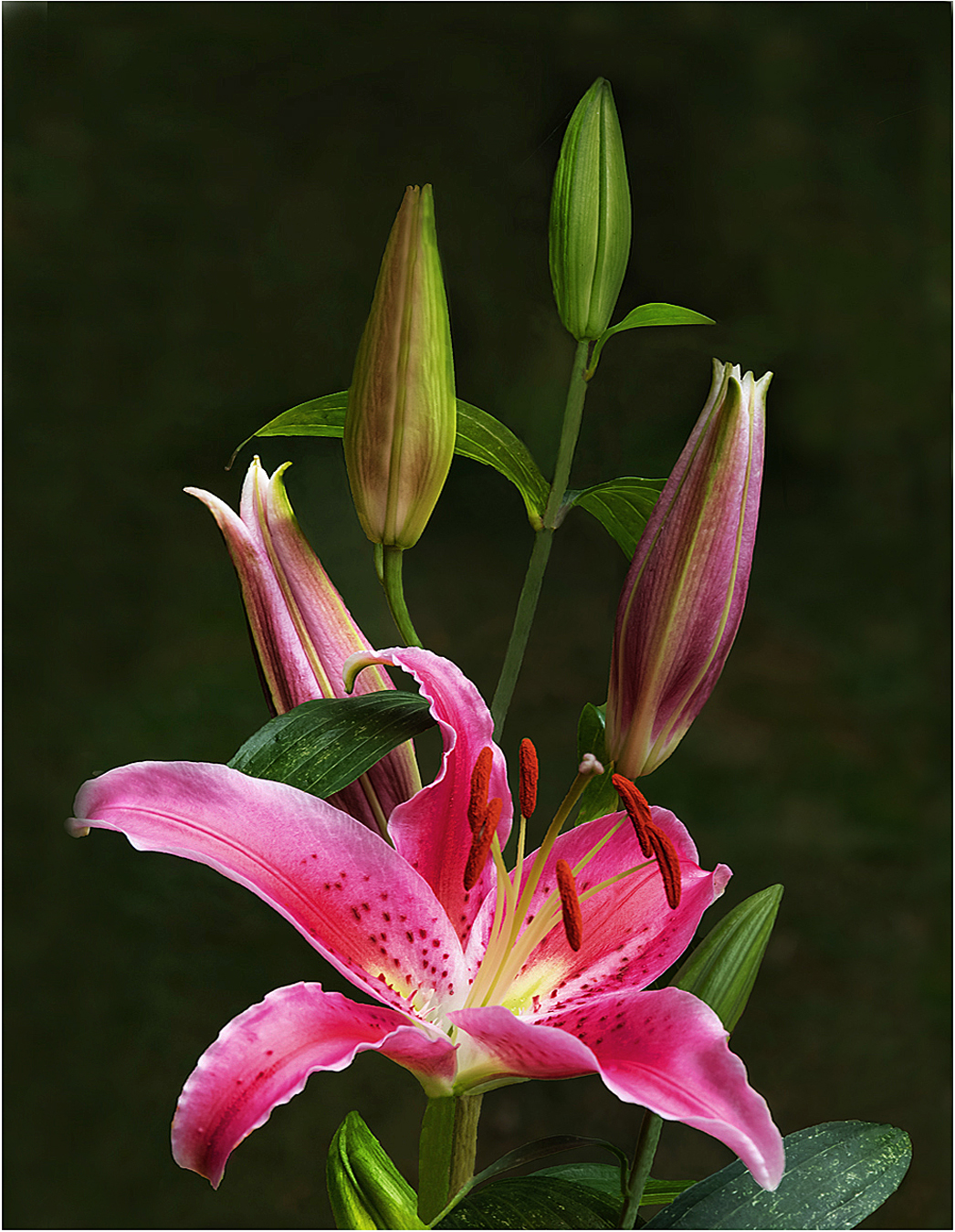
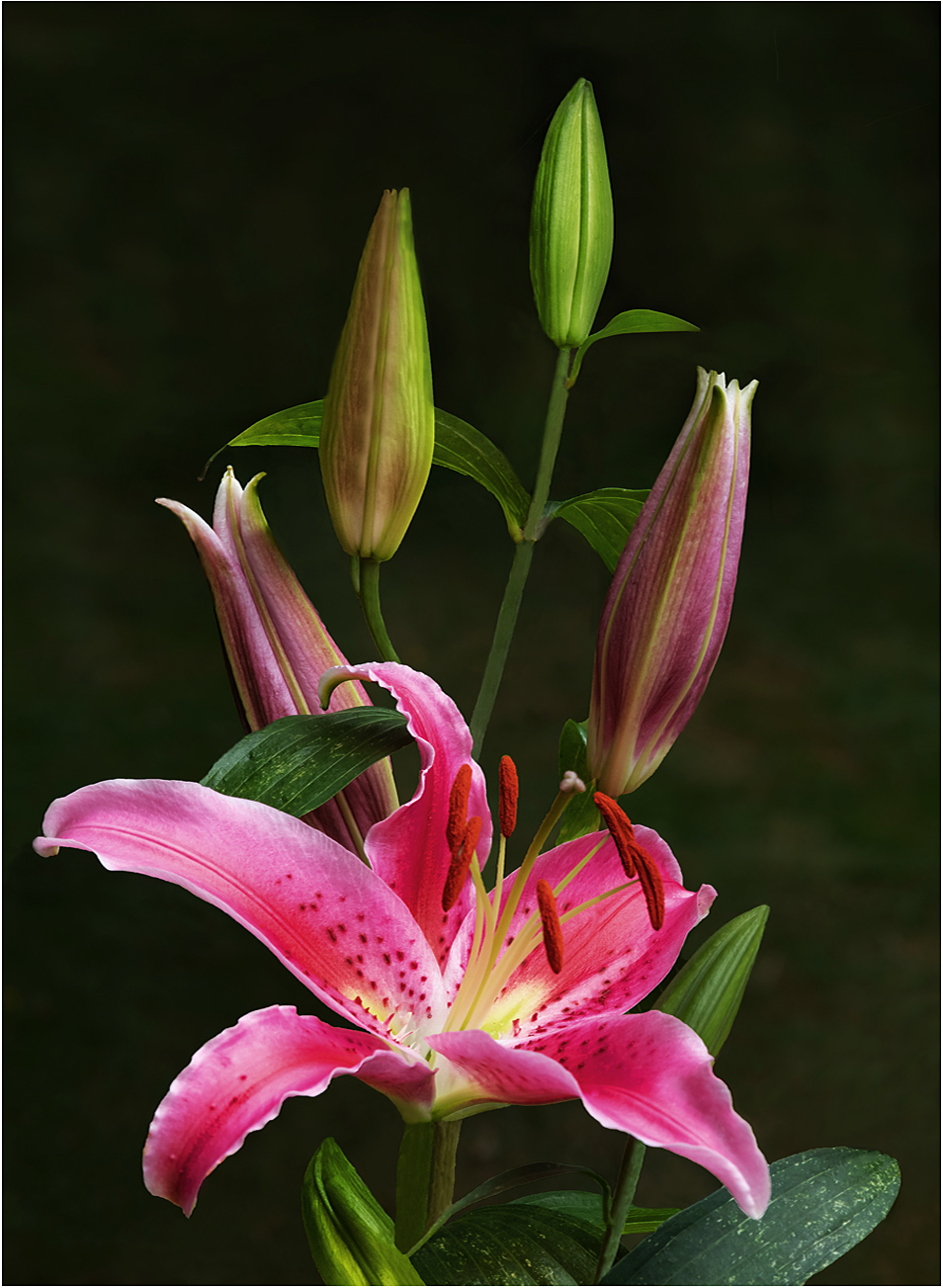
Hi Priscilla: It is always fun to work with filters to see what effect each one has, some work well with certain subjects while others simply do not fit. If you are working with old wood sometime, try Poster Edges filter in Elements at its lowest setting.
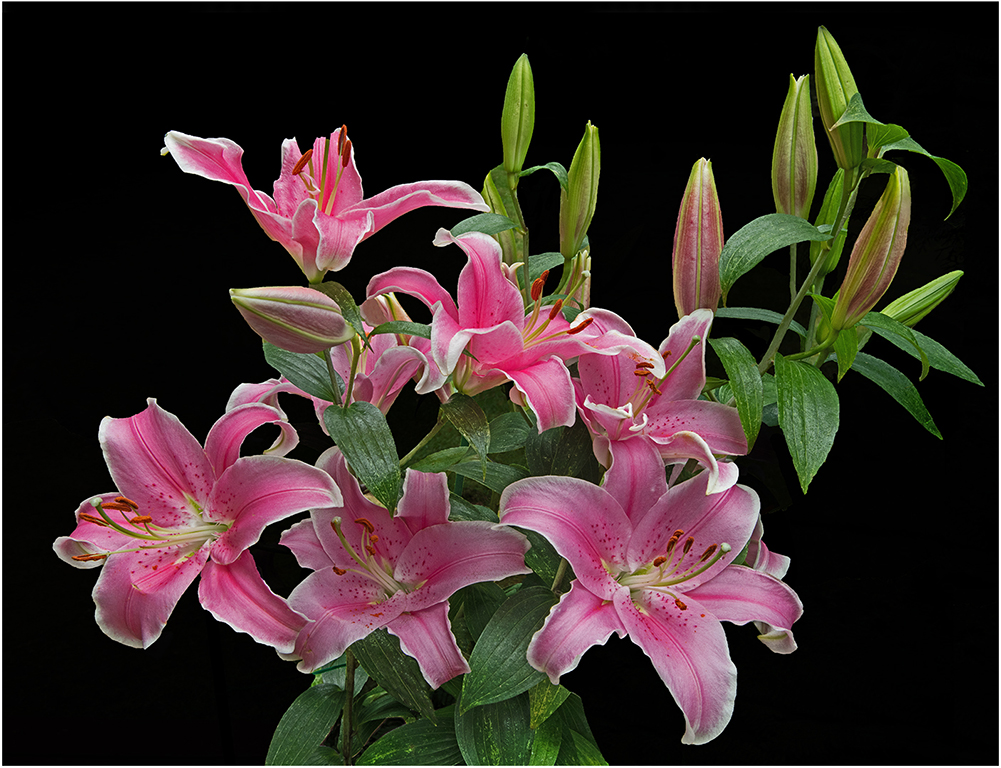
This filter you have used on the Lily at least to me provides more of an old world painterly look, totally a different feeling and mood than the original.
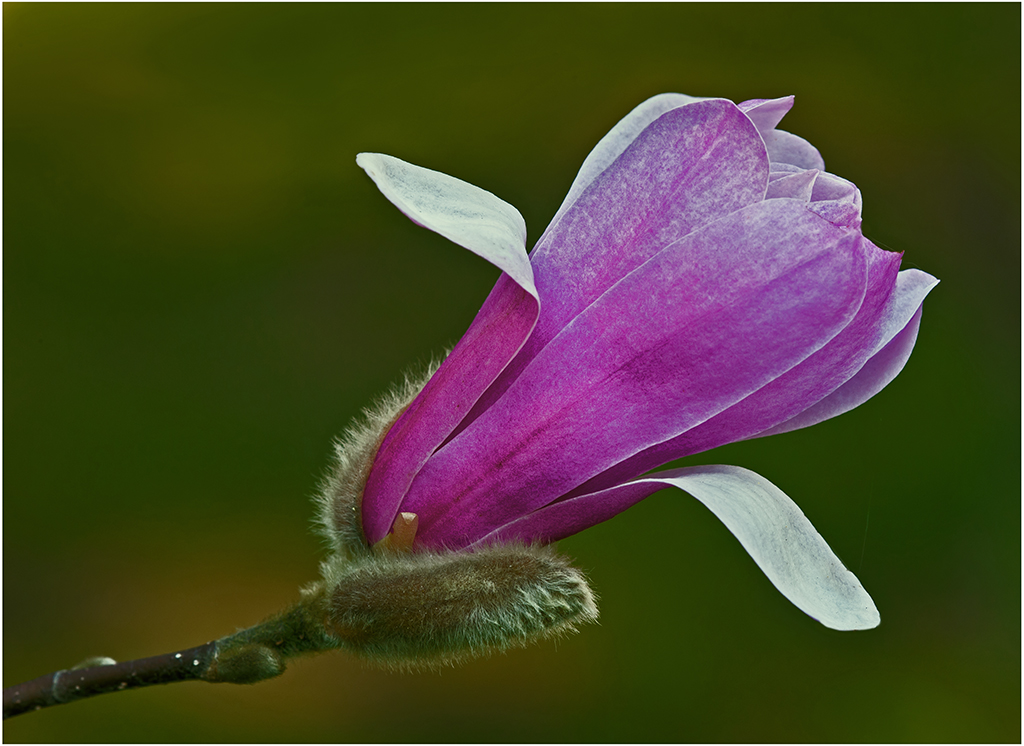
I really like your pink original too, wonderful soft mood
and a fine example of selective focus in flower photography. You chose just the right background for your pink original as it fits very well. KUDOS on both efforts.
|
Aug 4th |
| 63 |
Aug 20 |
Comment |
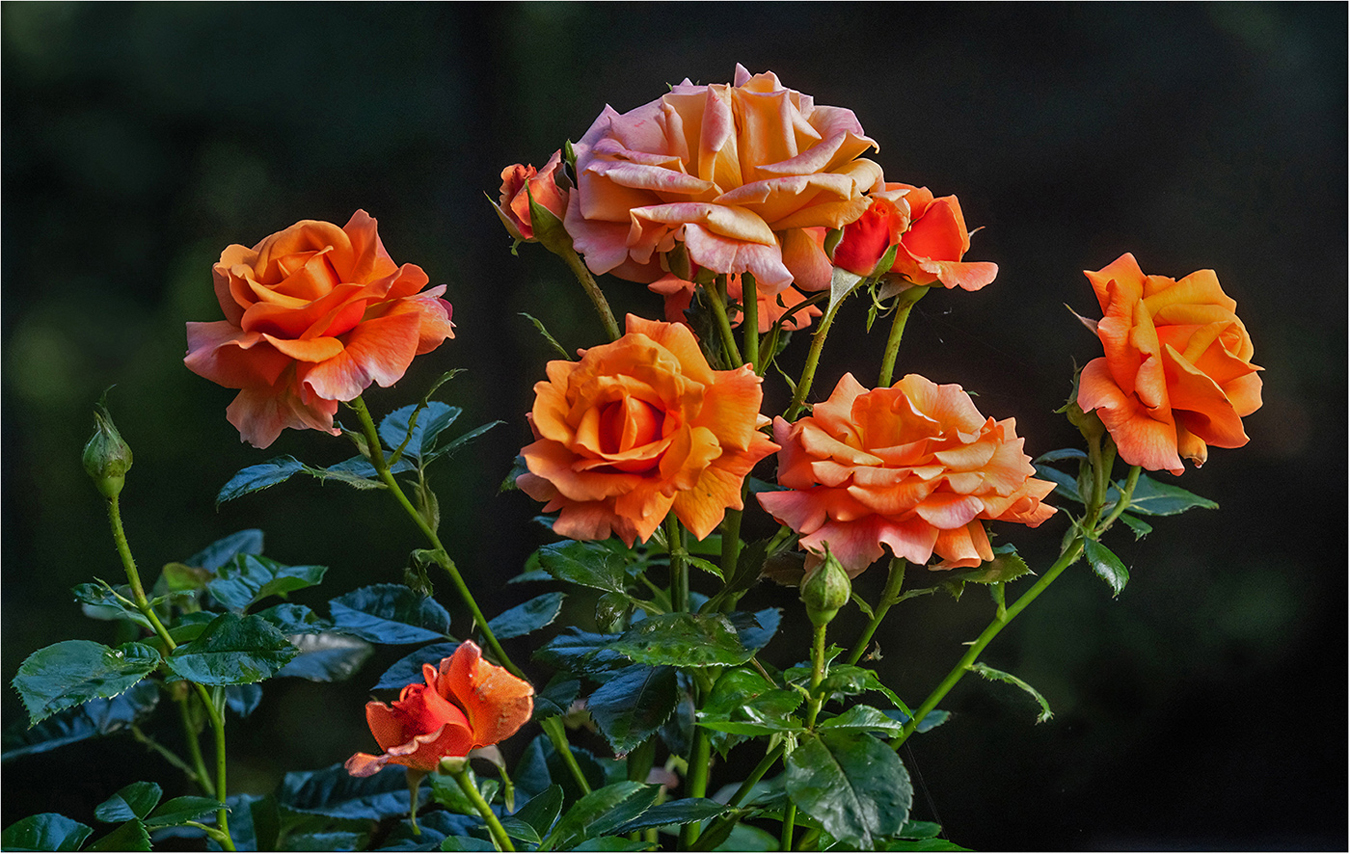
Hi Barbara: Welcome to group #63.
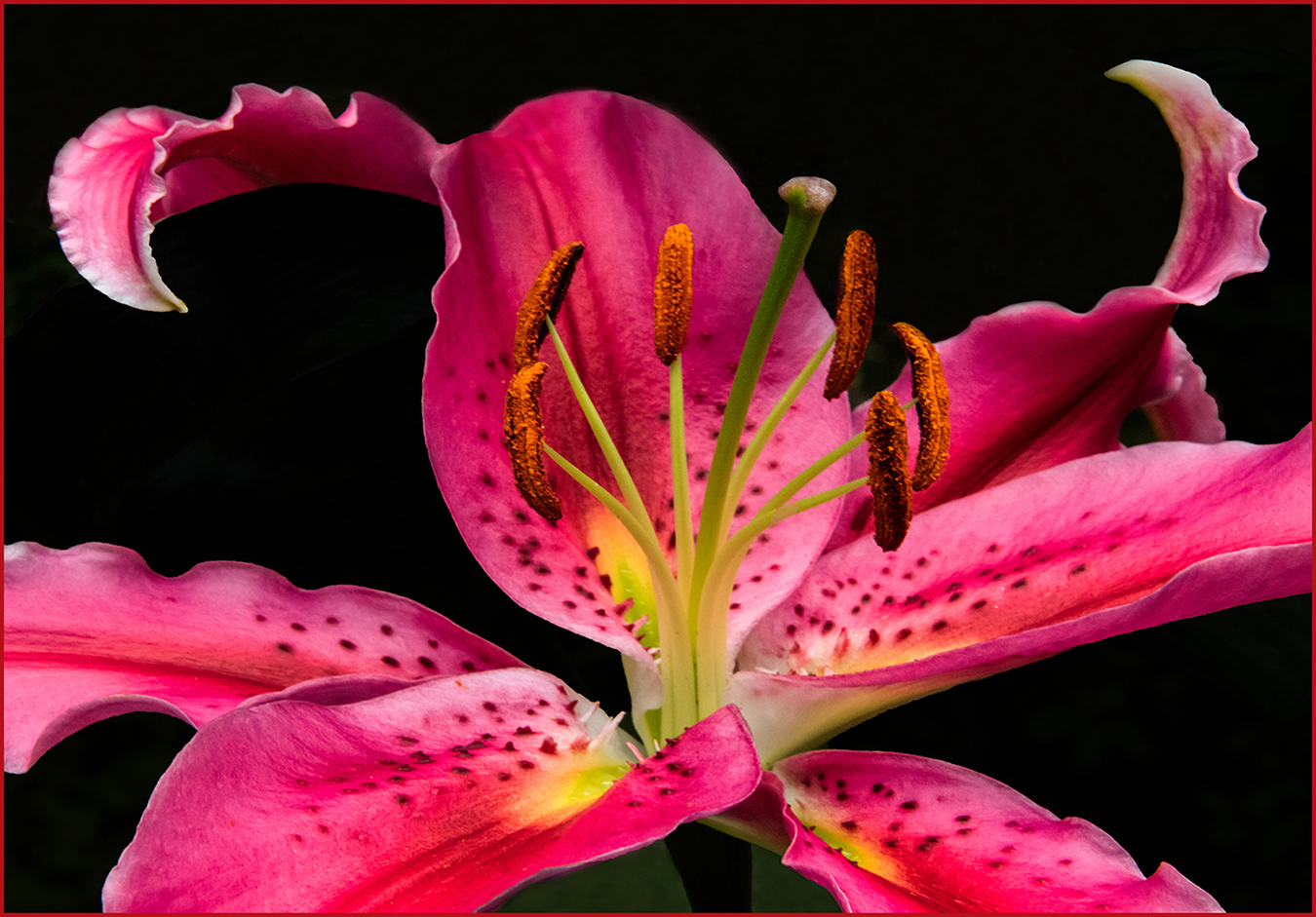
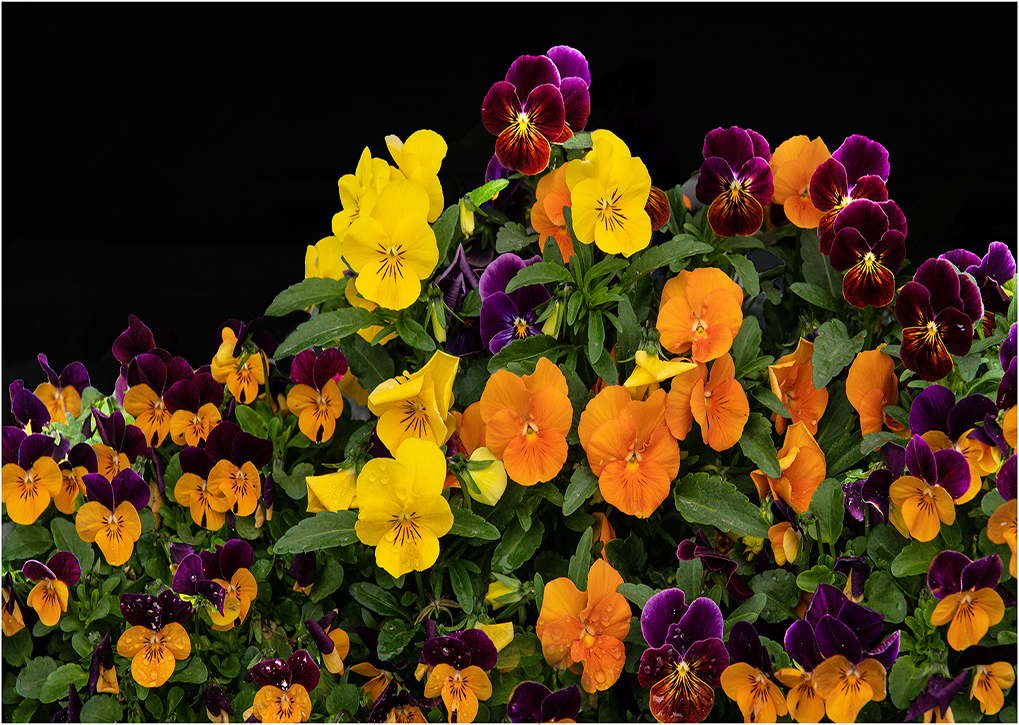
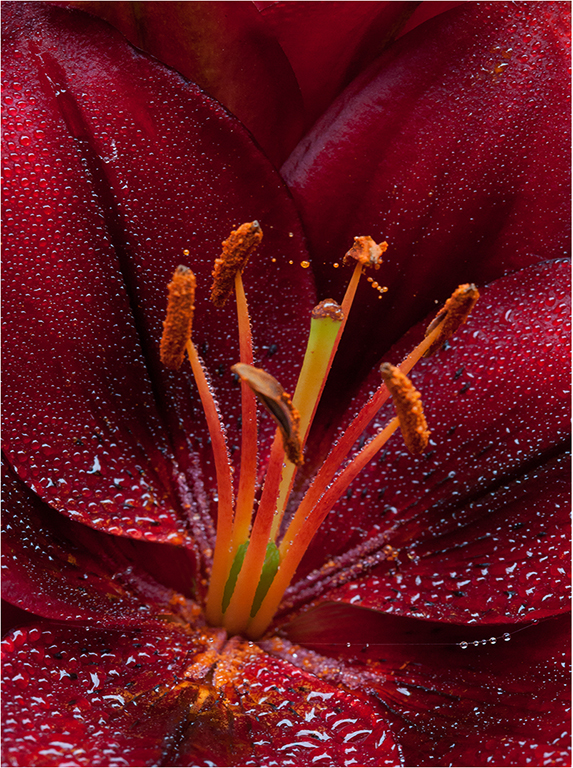
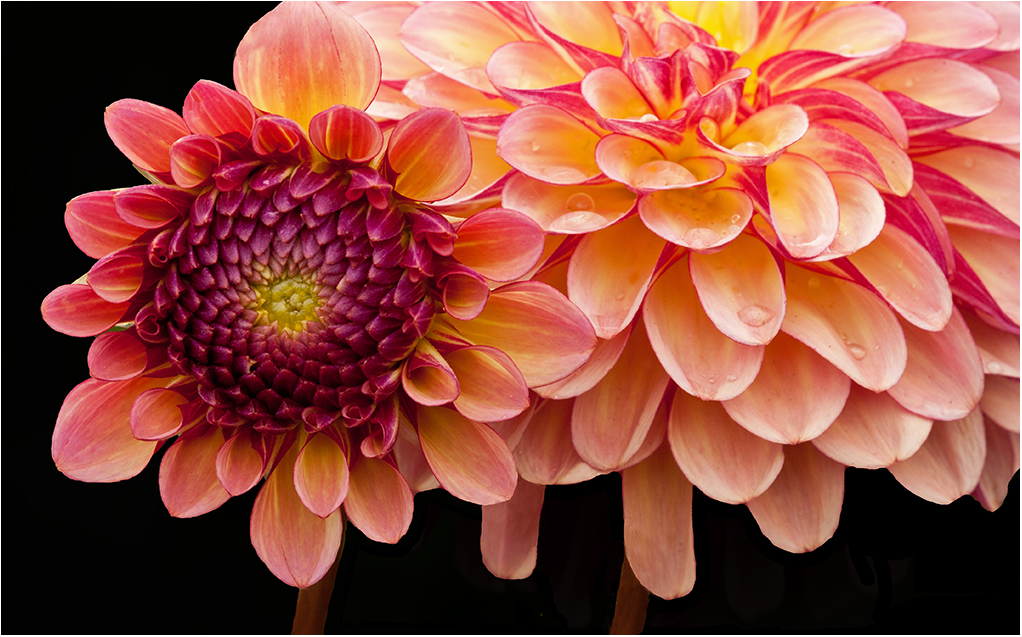
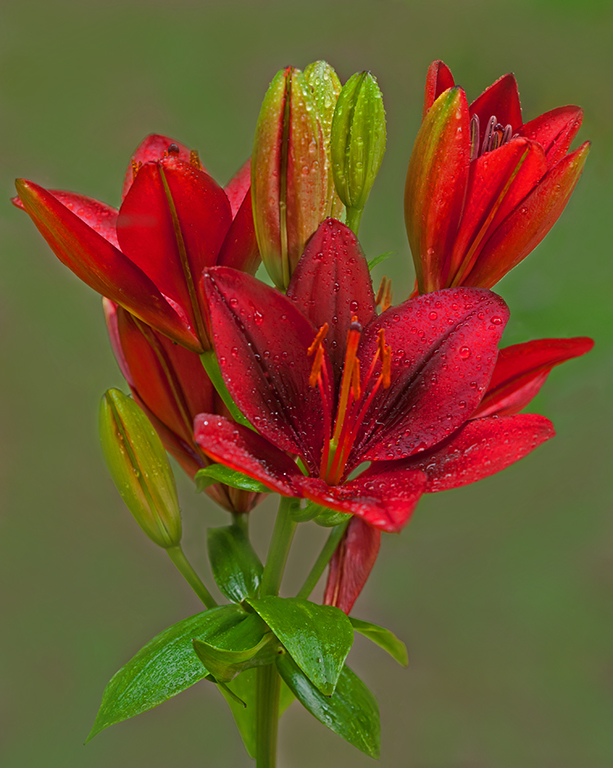
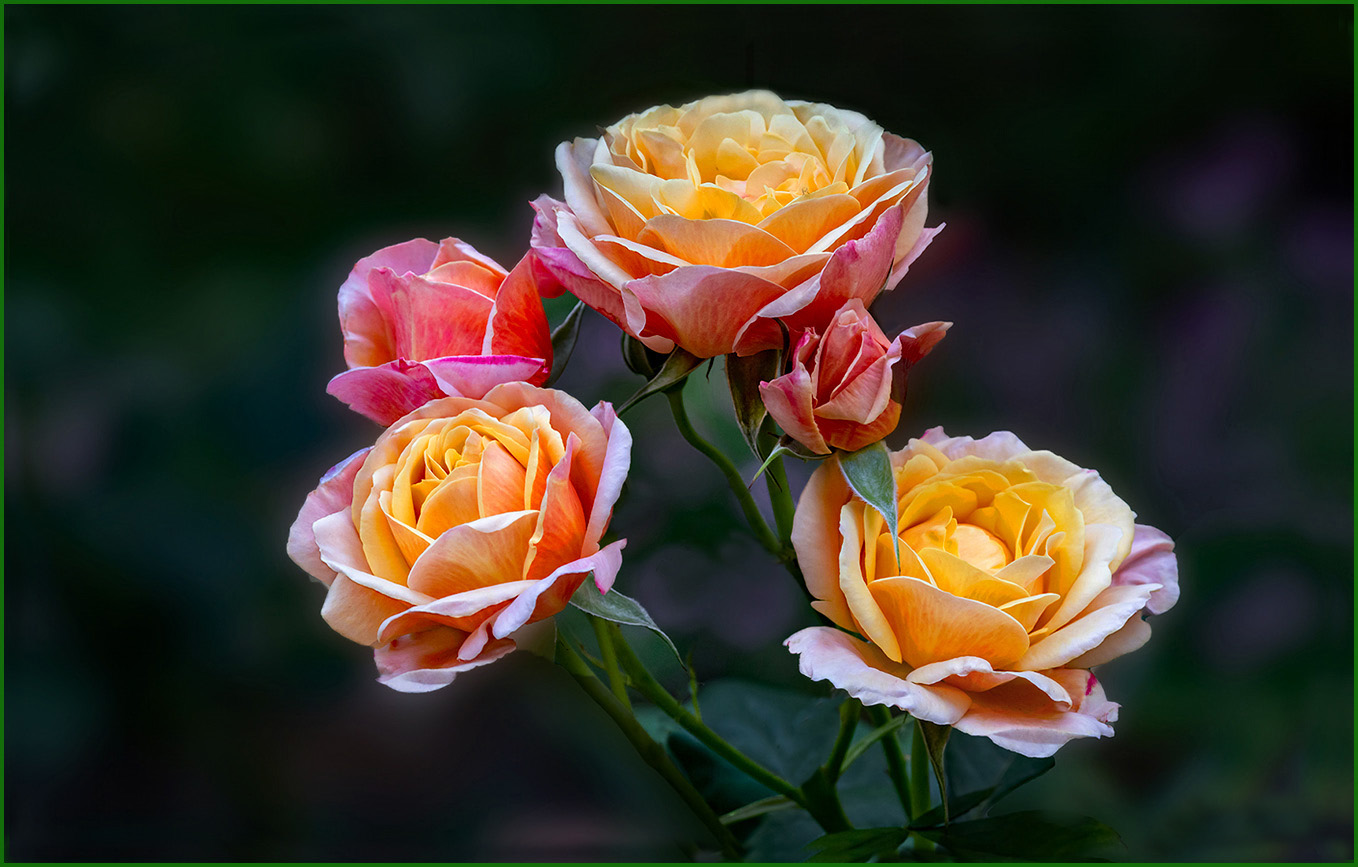
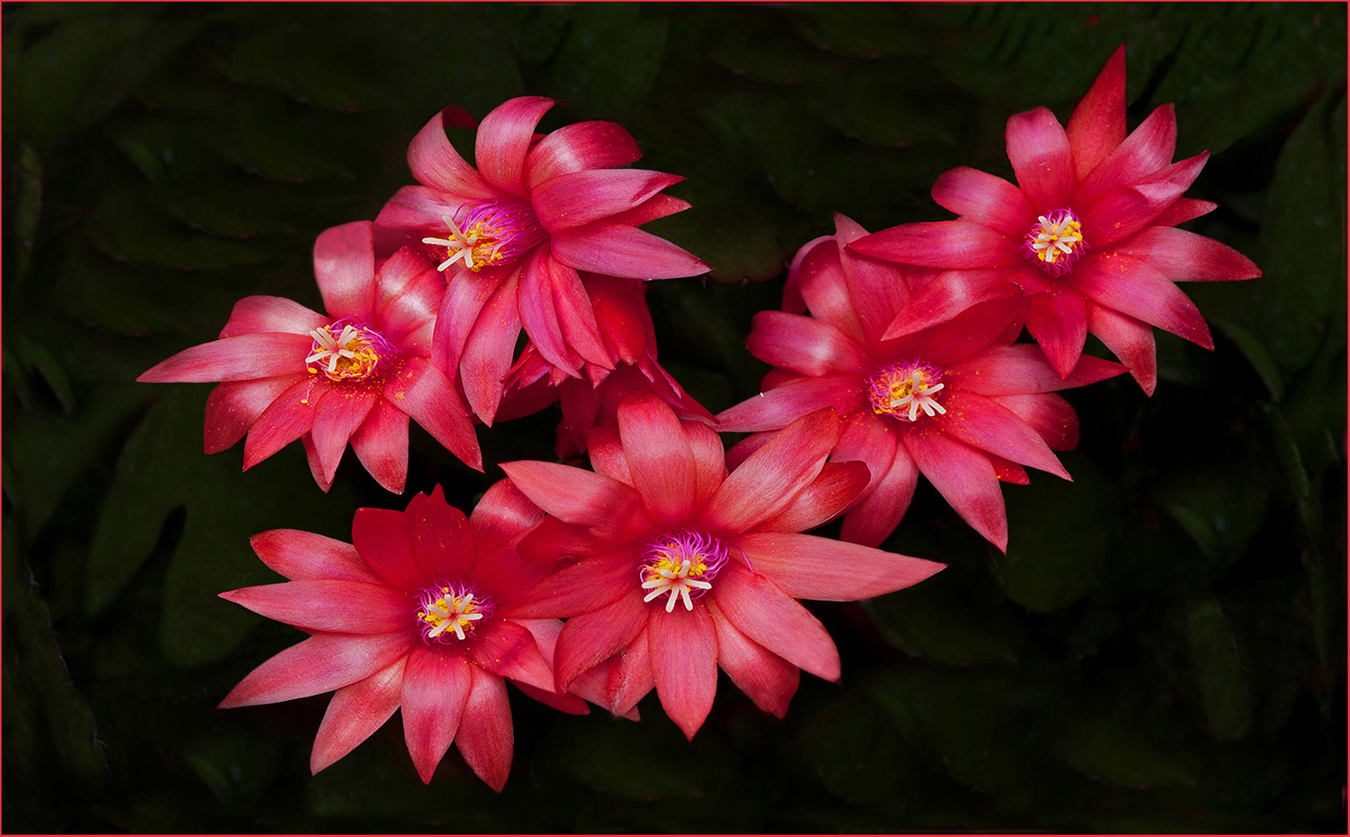
The warm tones of this flower are very engaging and create a soft mood. The flower stamens are quite sharp with the back flower petal slightly soft, however in this image I think the soft back petal is okay. If I had a nit it would be the top of the flowers are cut off, think it would improve the picture if the top of the flowers were included. With the black interface of our webpage and your very dark background it would define the picture area better with a border of some sort. |
Aug 4th |
| 63 |
Aug 20 |
Comment |
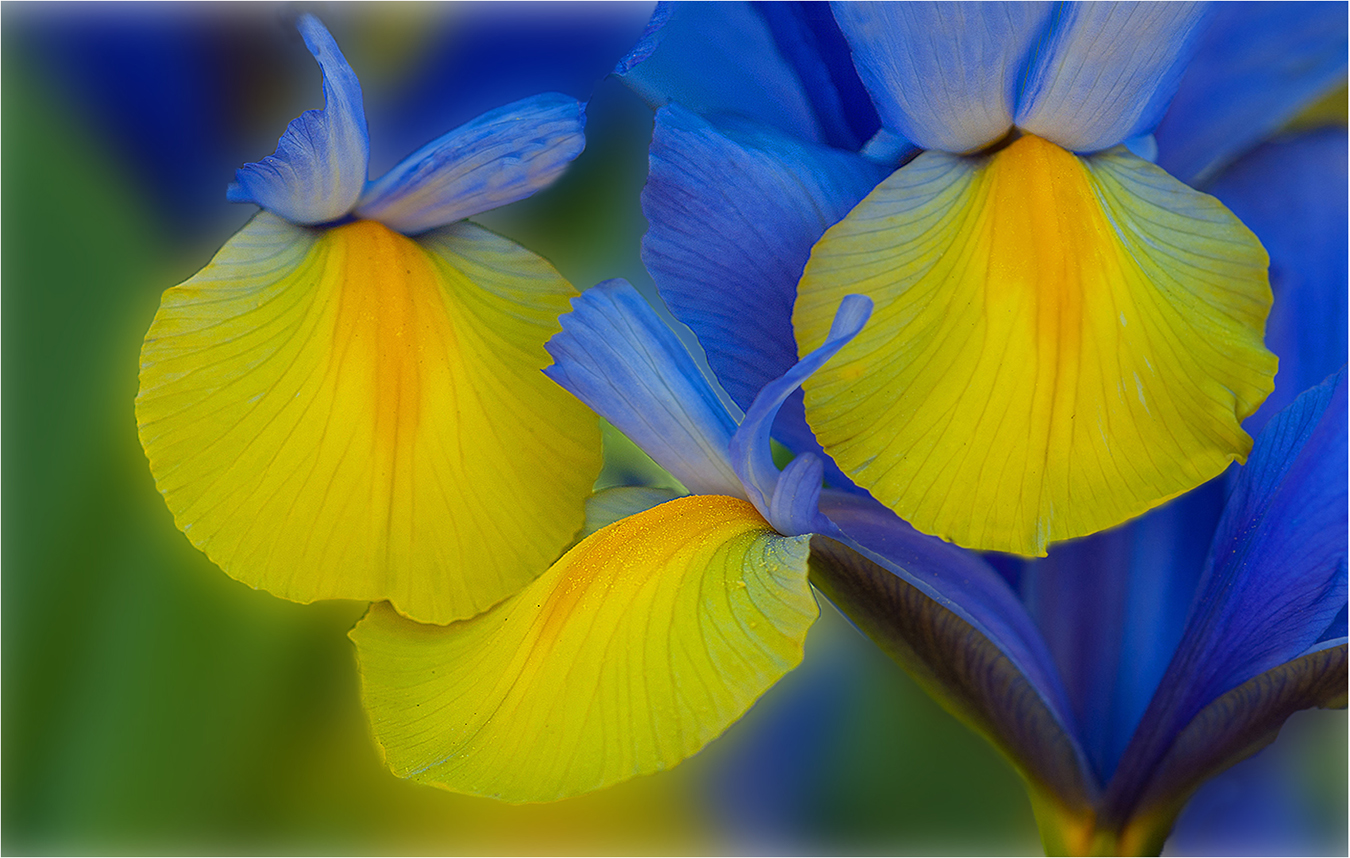
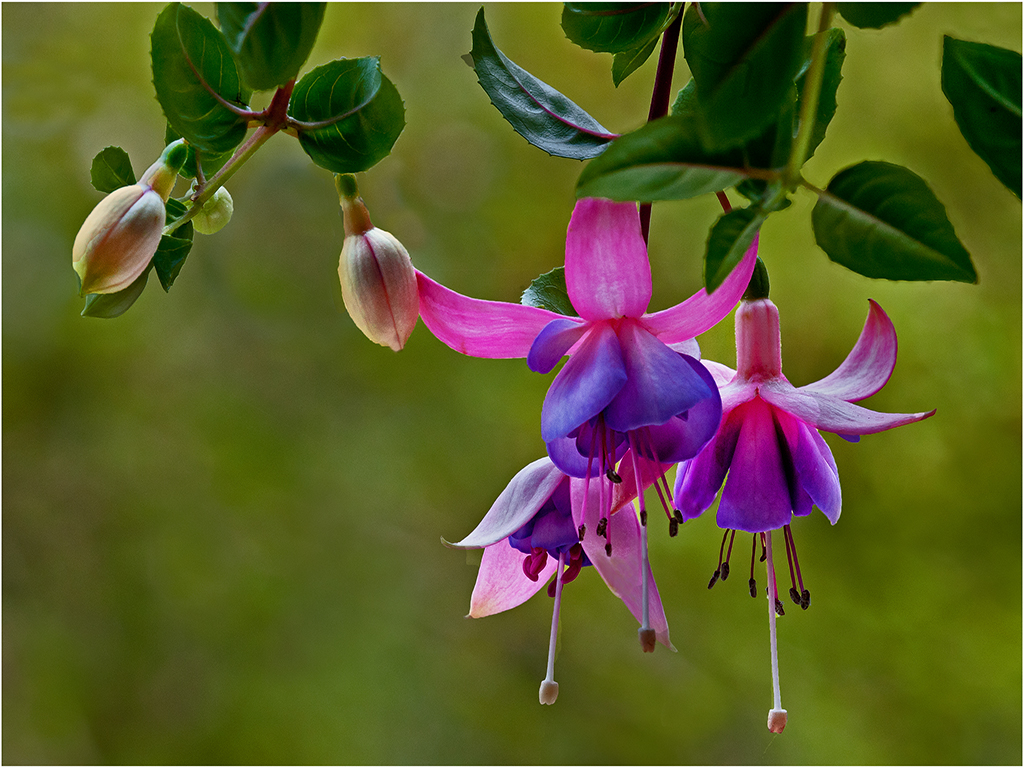
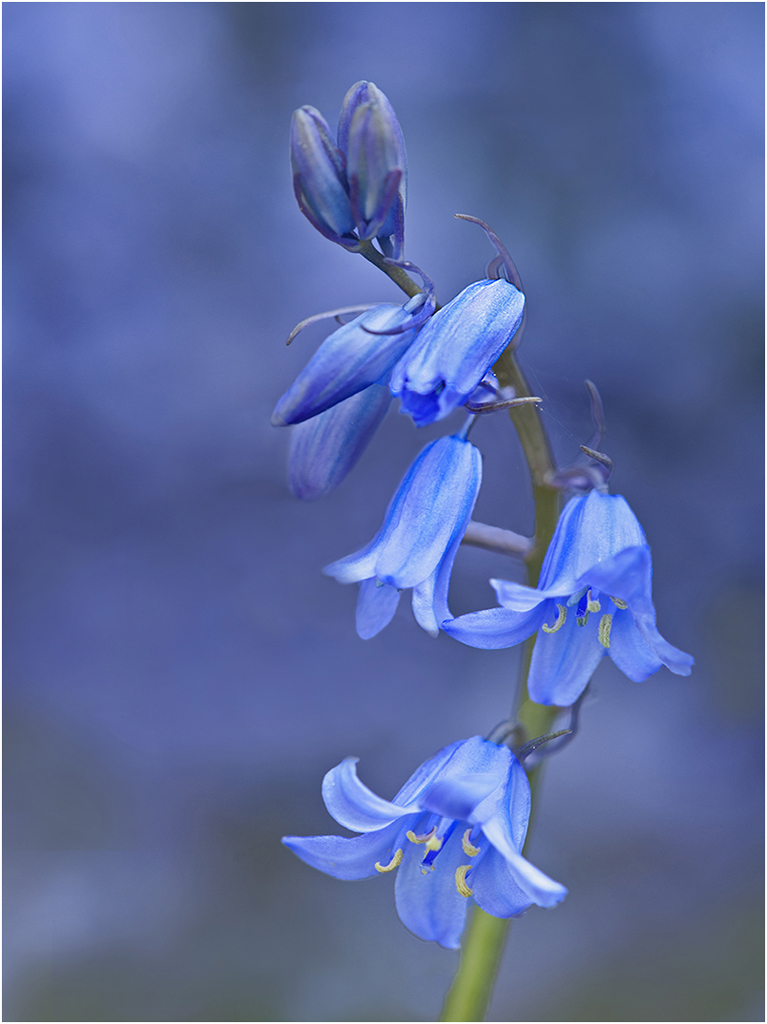
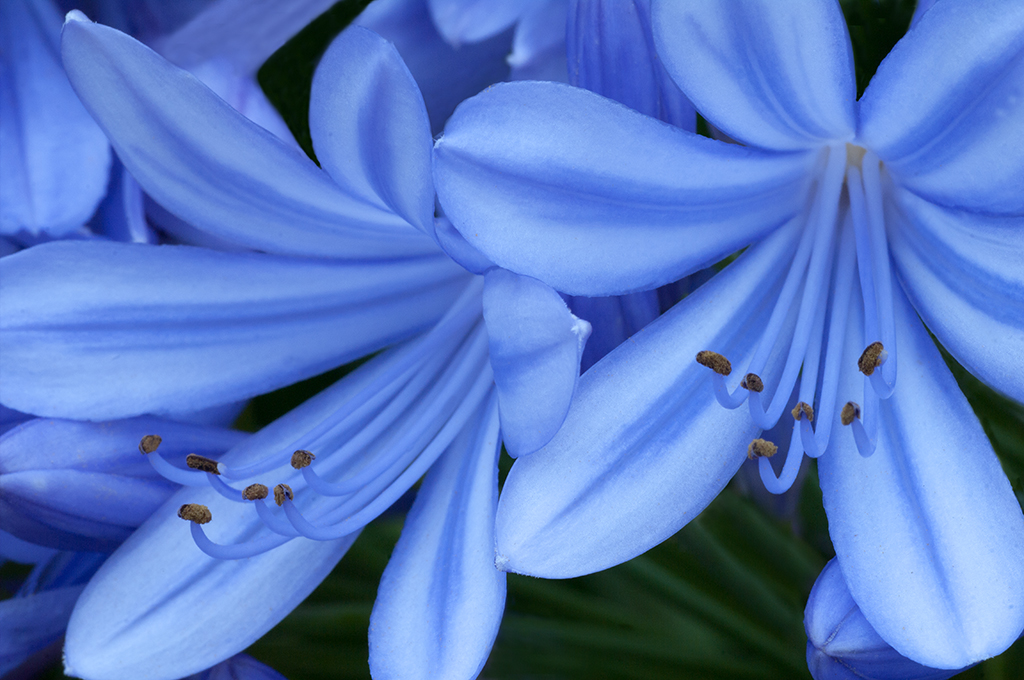
Hi Lorna: Welcome to group #63. Living in Victoria as you do I am only 45 miles to the east across Puget Sound in Mount Vernon. Your picture Butchart Beauty is a very good example of the use of selective focus in flower photography. You have set focus on the stamens which are quite sharp and the rest of your picture is out of focus petals which create a fine soft focus mood. The soft green out of focus background supports the subject well; I do agree with you regarding the small blue area at the top, it would be very easy to clone in some green and then your background would be seamless. If you were to clone in the blue to green, enlarge the picture to 200% as this will make your cloning job much easier. |
Aug 4th |
| 63 |
Aug 20 |
Comment |
Hi Neal: Just another fine example of your focus stacking expertise you have shared with us on occasion. Super sharpness on the entire grasshopper, every hair stands out well from the black background and your use of studio lighting is well handled as the subject is perfectly lit. The small shadows on the body of the subject certainly do not take anything away from your picture in my opinion, but if they bother you they would be easy to clone out. Your choice of border color fits the subject well. KUDOS. |
Aug 4th |
| 63 |
Aug 20 |
Comment |
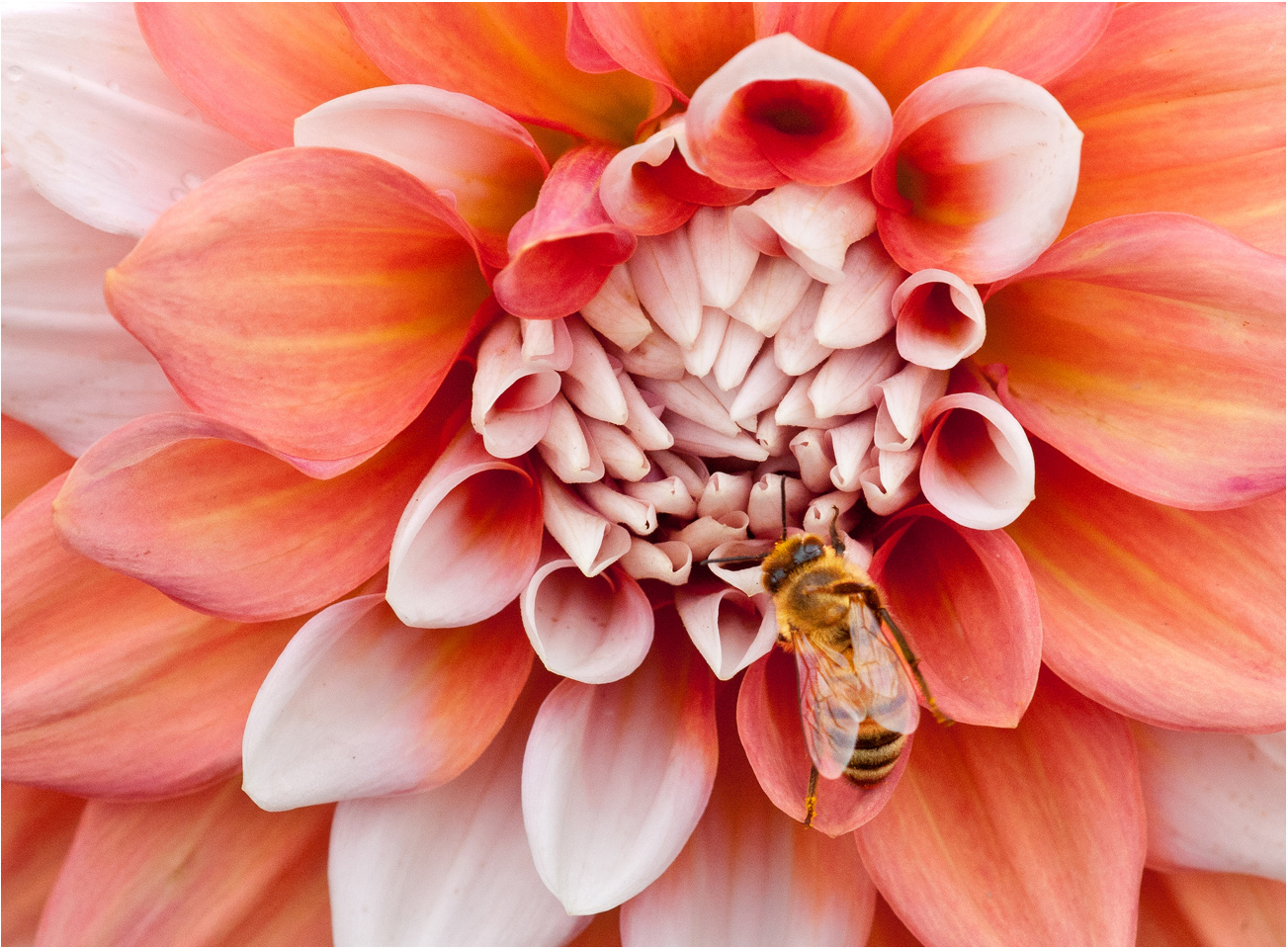
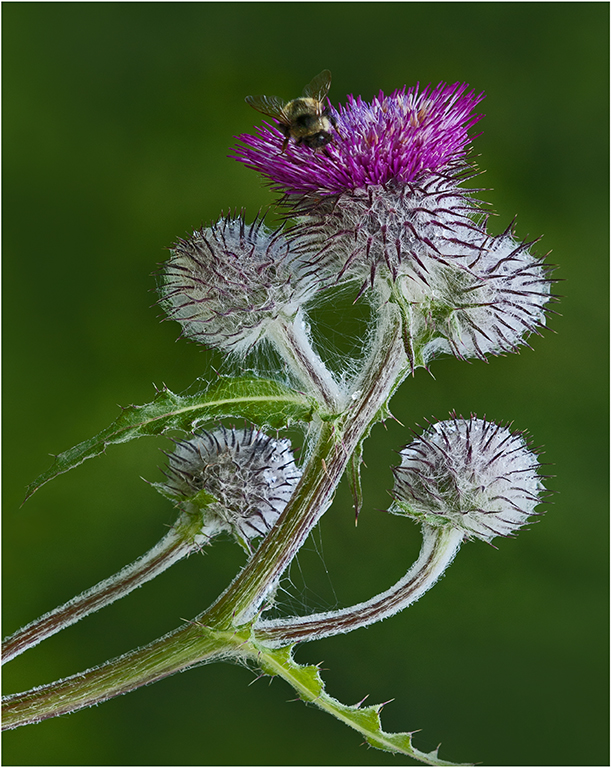
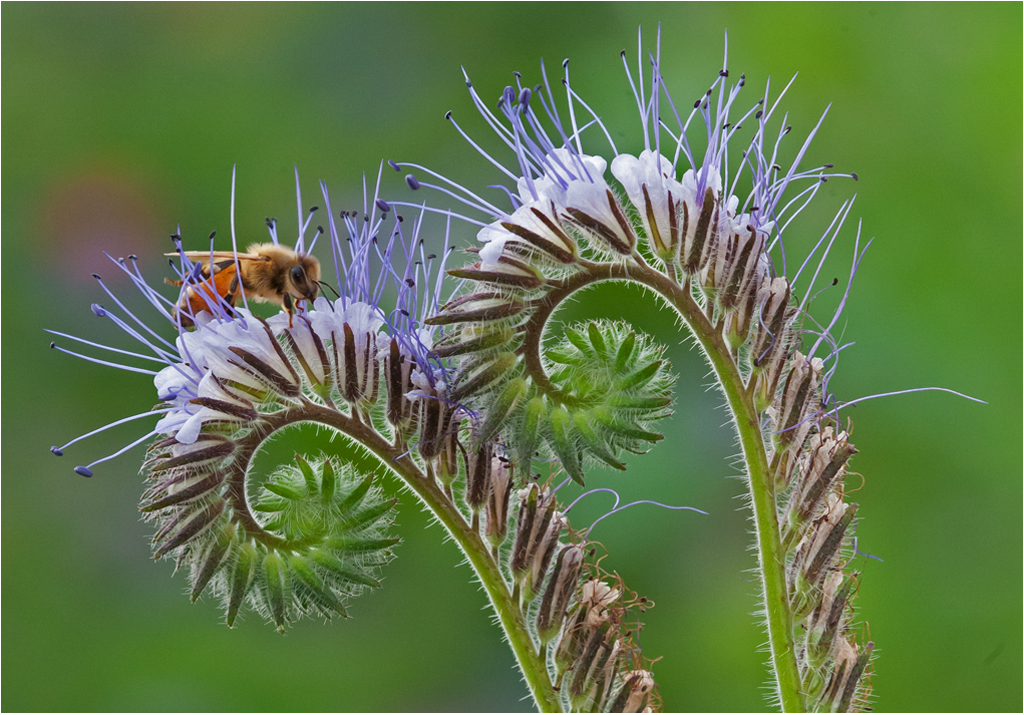
Hi Richard: You got in close and personal to the bee, they are a real challenge to photograph well as they are continually on the move much of the time.
In reading your meta data I have one suggestion to offer and just my humble opinion of course. Shooting with your 100-400 zoom @ 400mm with 1.4X attached and using f/8 your depth of field is extremely shallow to begin with. You can help this out somewhat by stopping your lens down to f/16 which will gain some added sharpness on the body of the bee. Shooting at shutter speed of 1/3200 is a faster speed than needed for this subject, you could easily give up some shutter speed for added depth of field and better sharpness on the bee. I do not recommend using f/22 as you will be experiencing diffraction issues. Like your composition and a really good effort !! |
Aug 4th |
7 comments - 0 replies for Group 63
|
7 comments - 0 replies Total
|