|
| Group |
Round |
C/R |
Comment |
Date |
Image |
| 54 |
Jan 23 |
Reply |
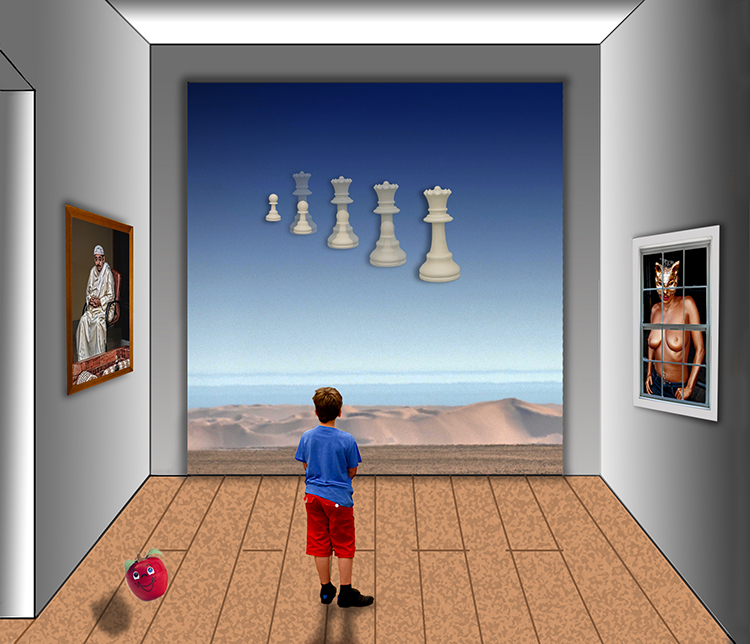
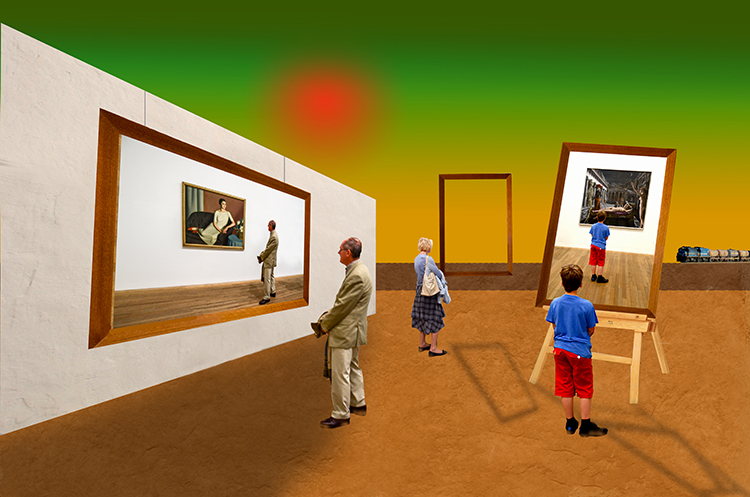
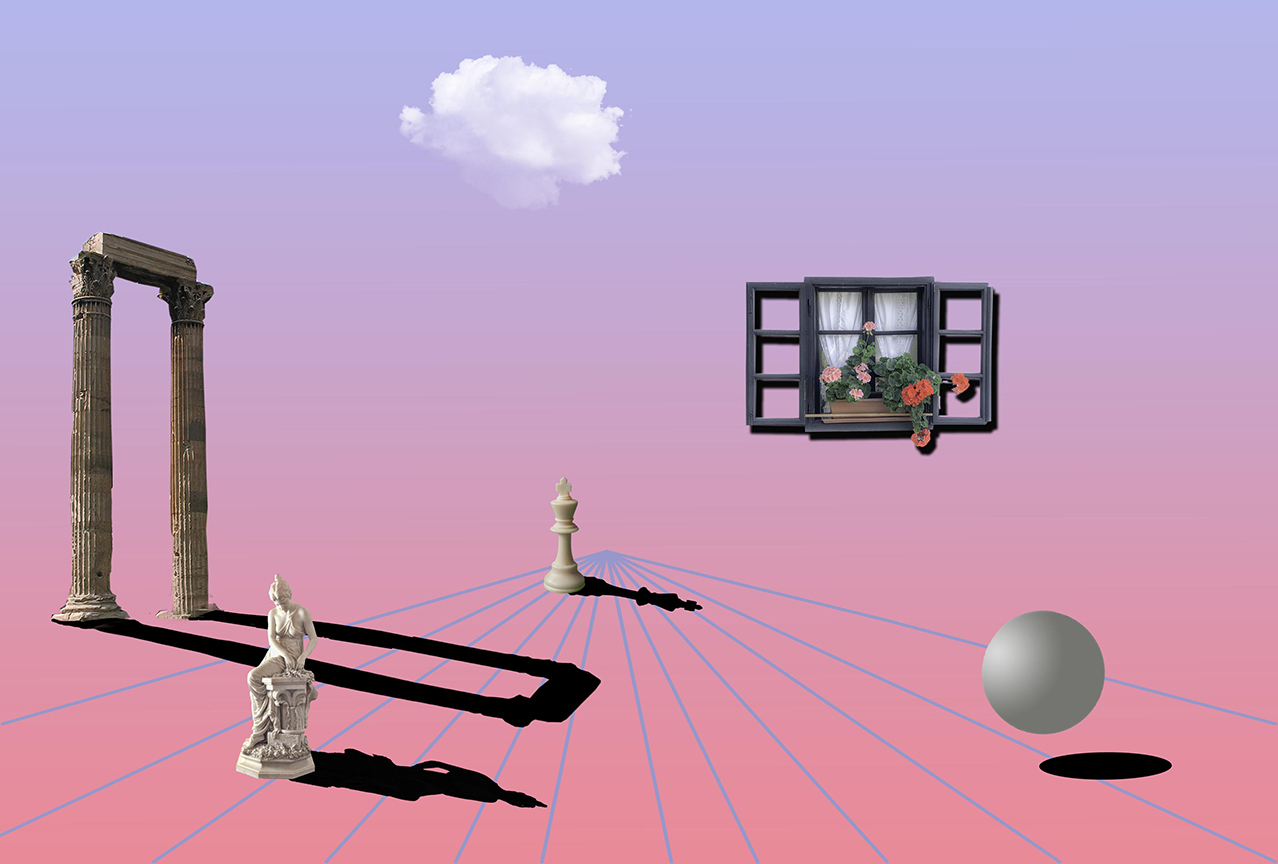
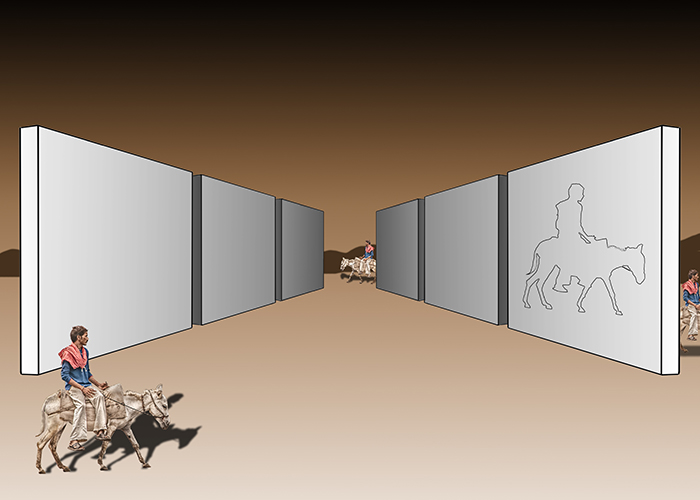
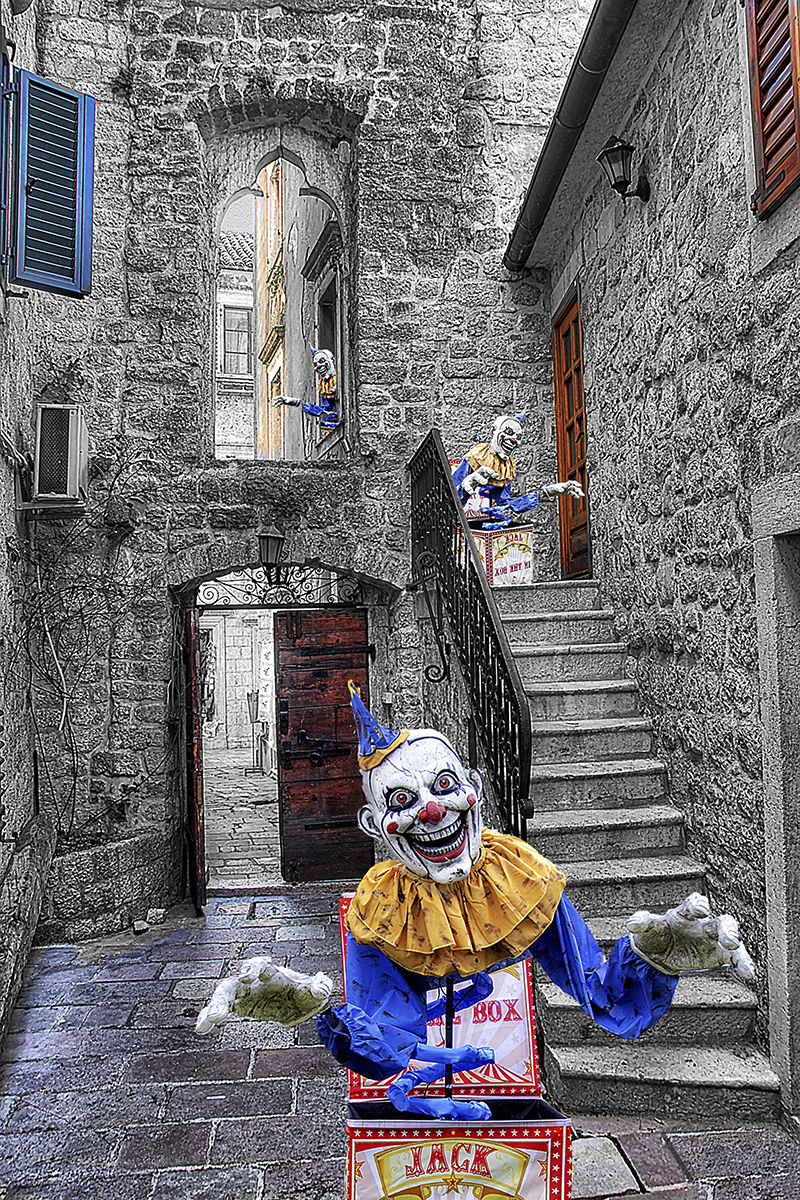
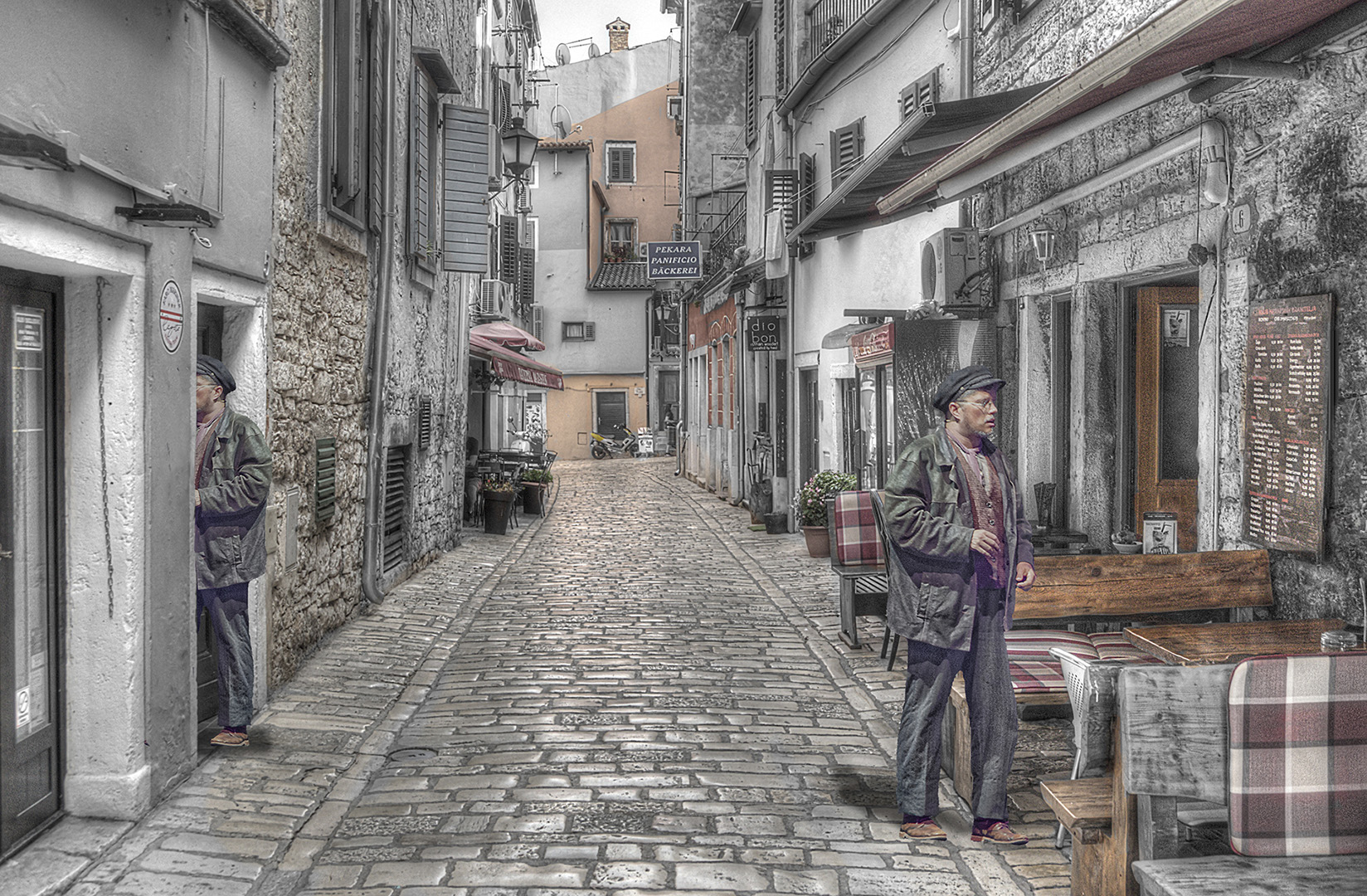
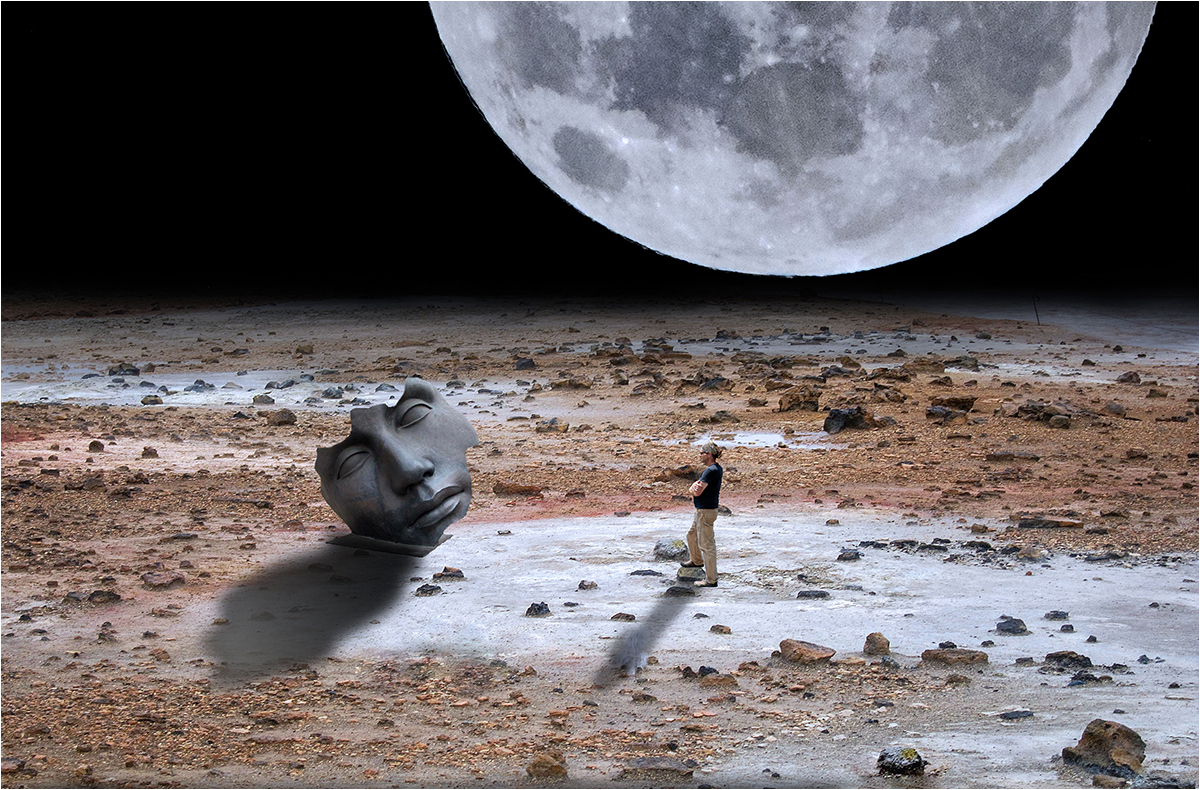
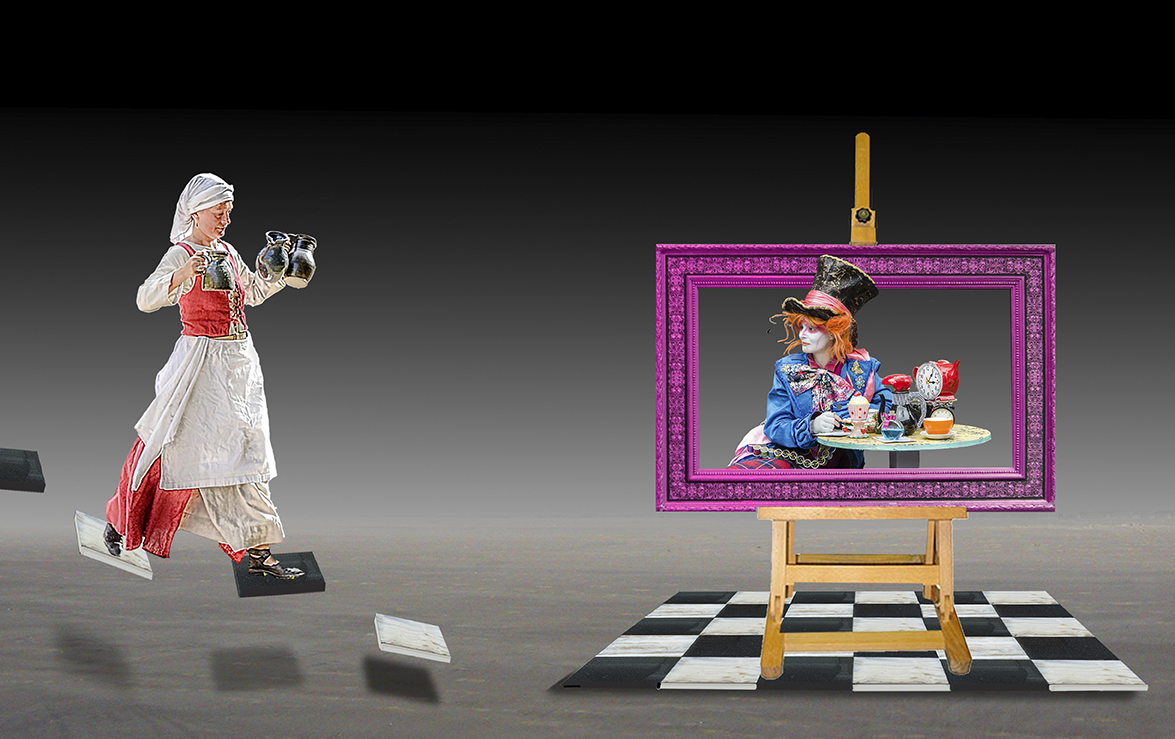
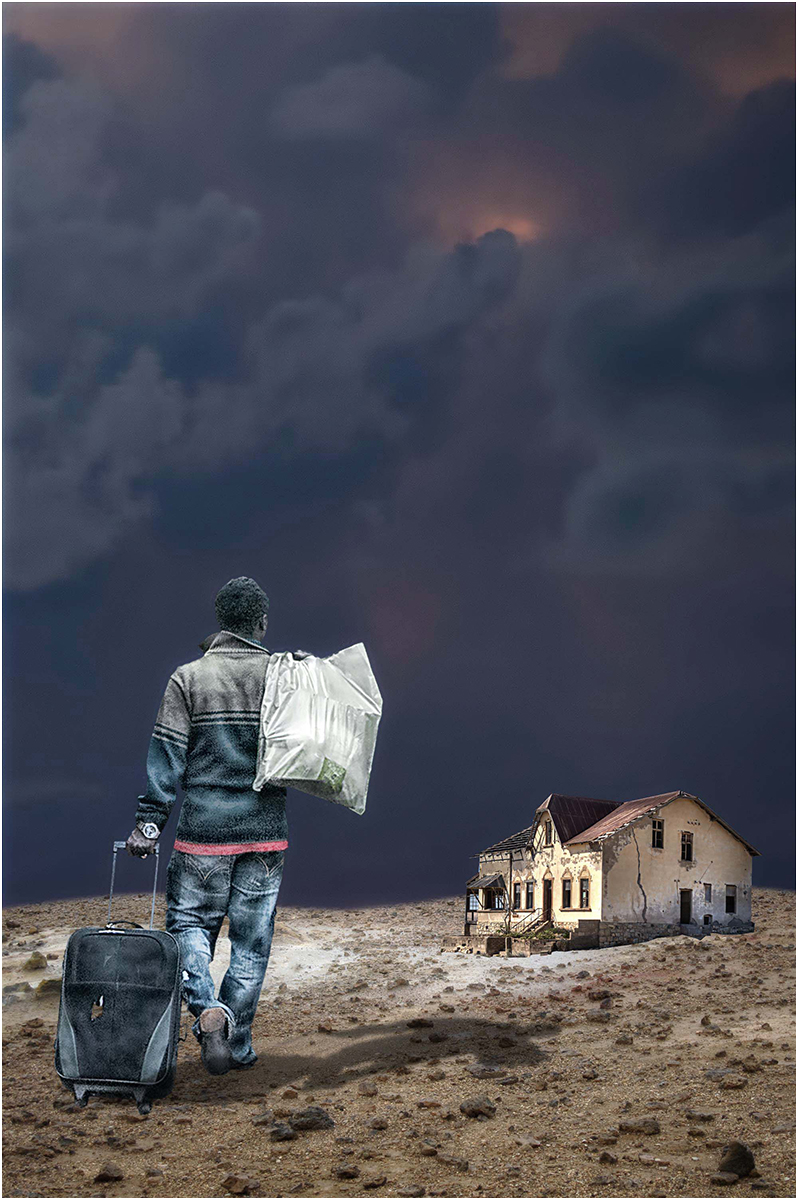
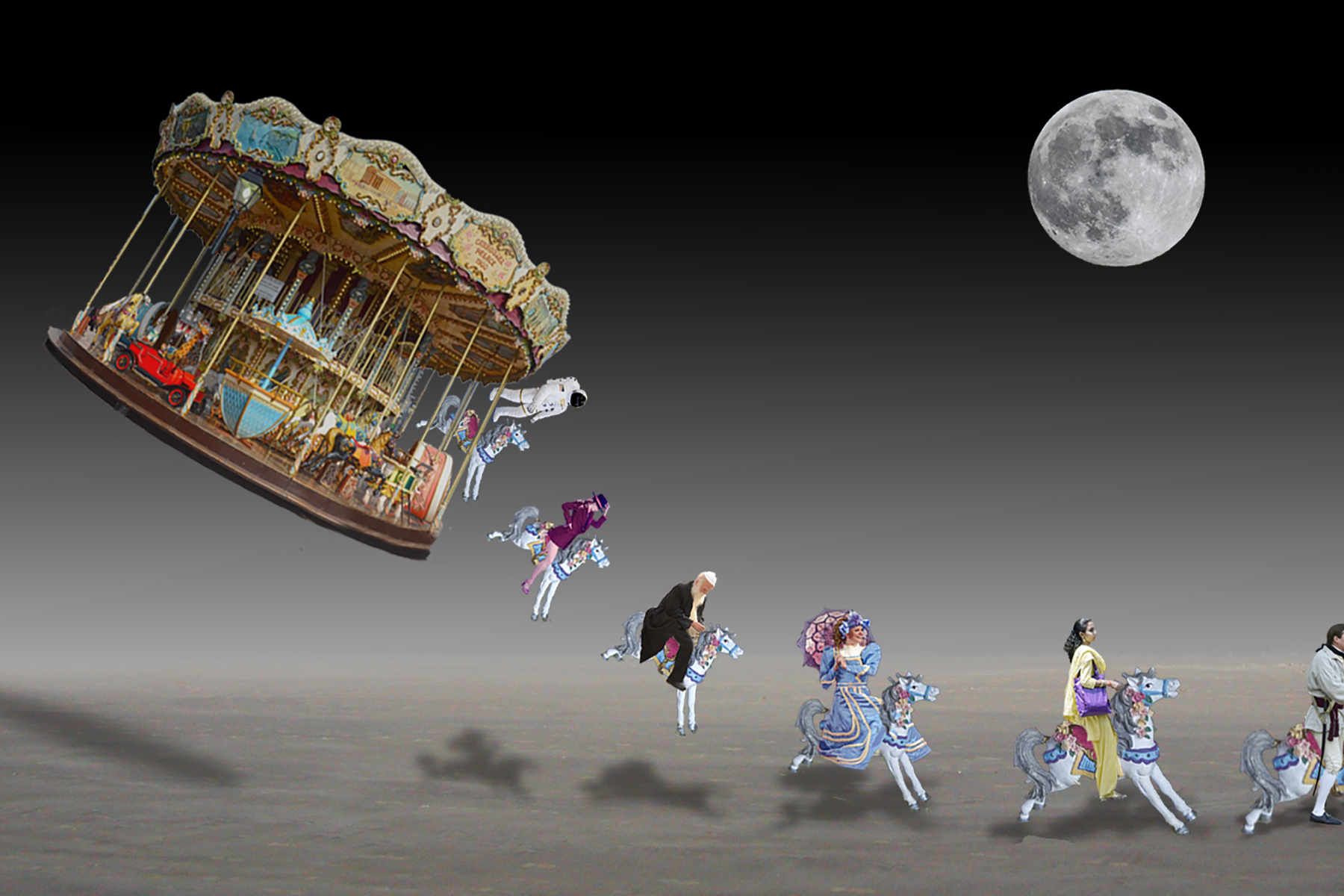
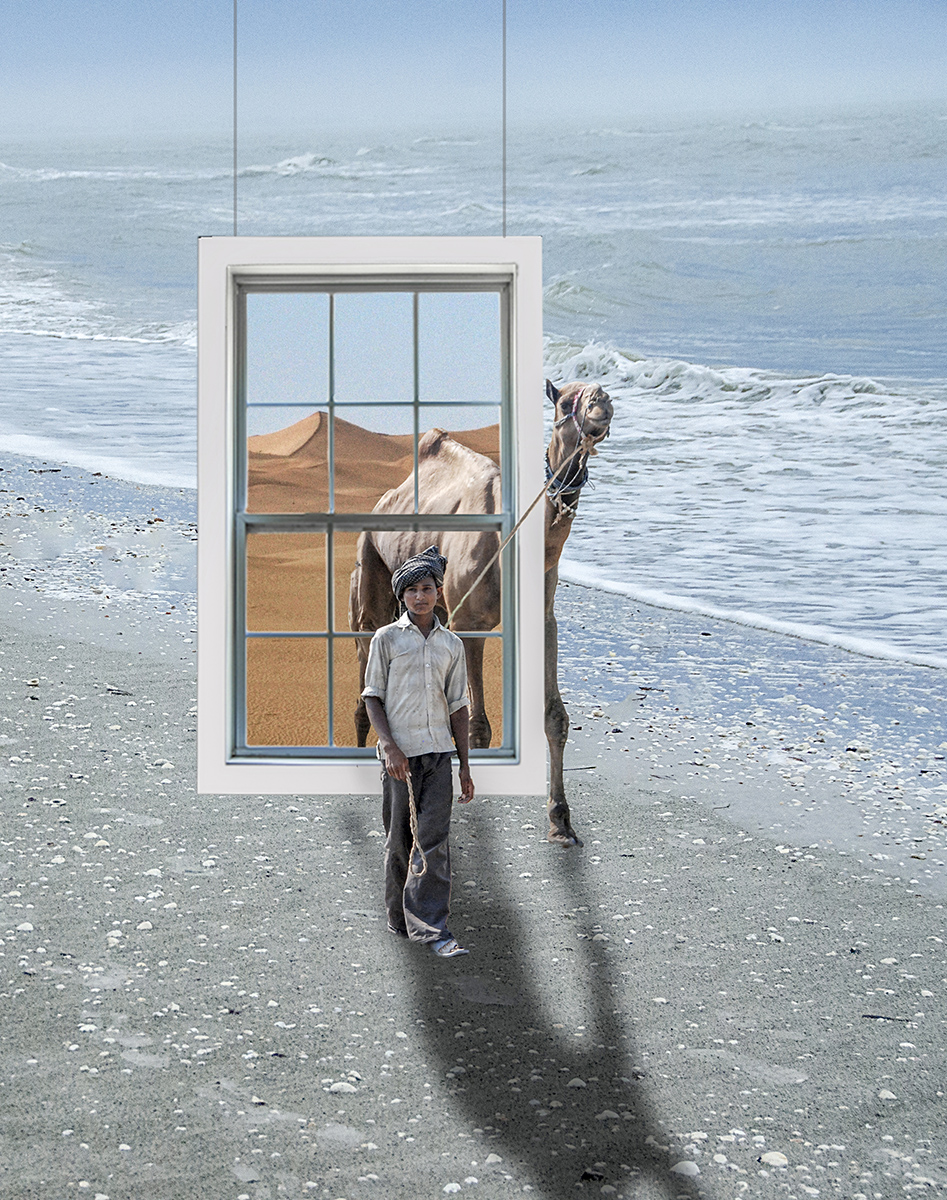
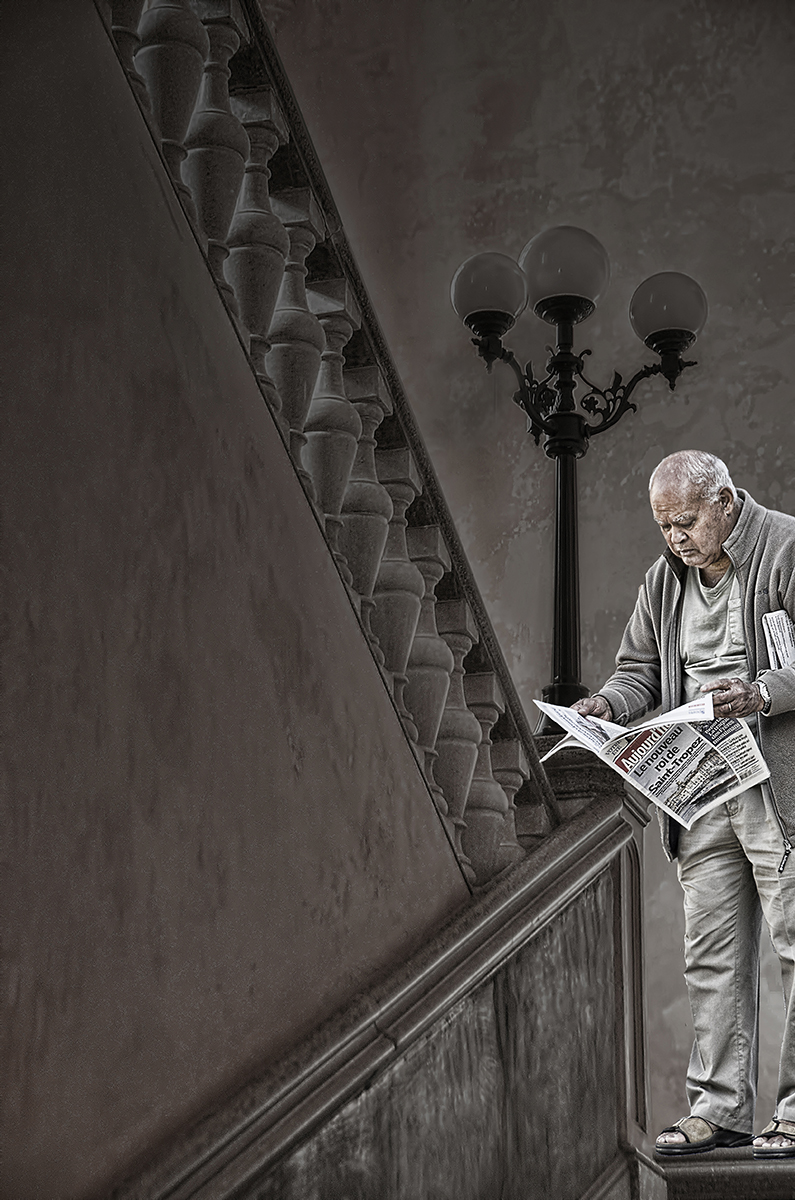
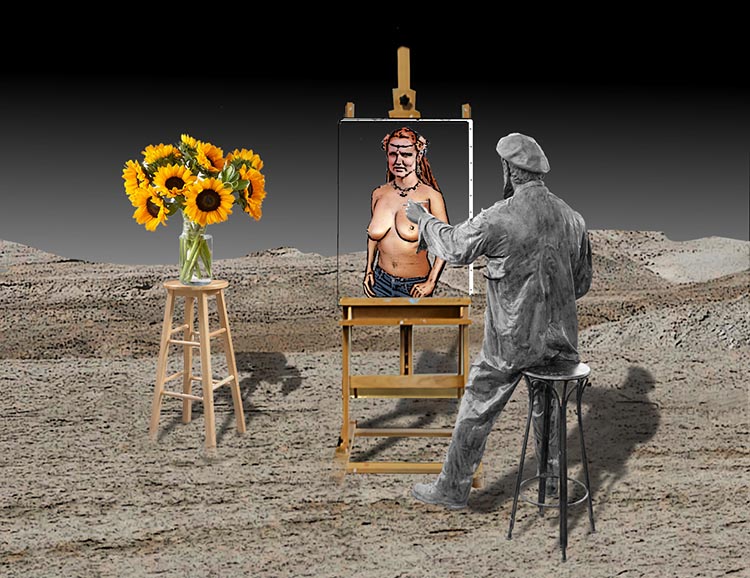
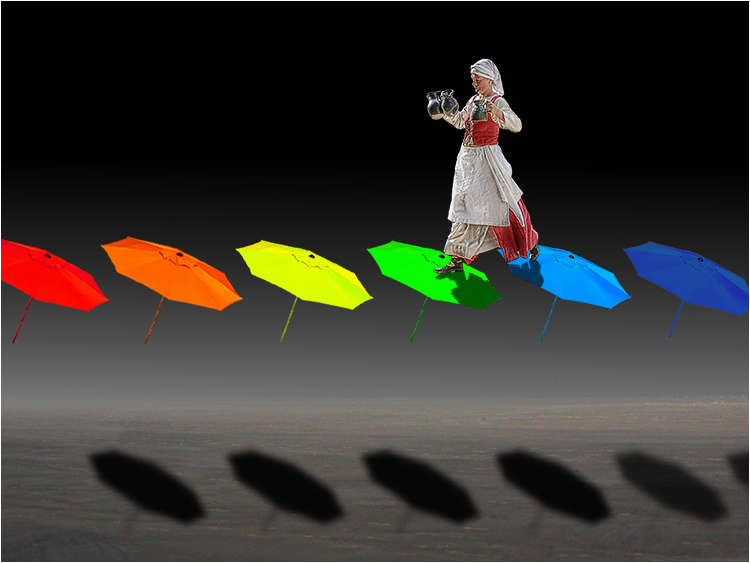
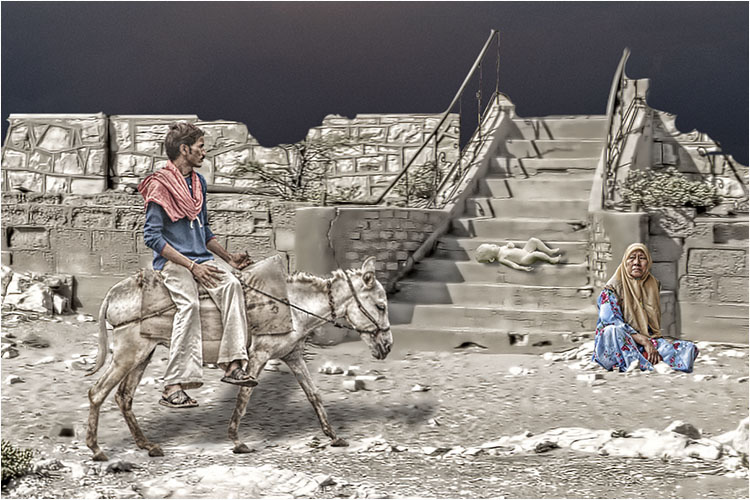
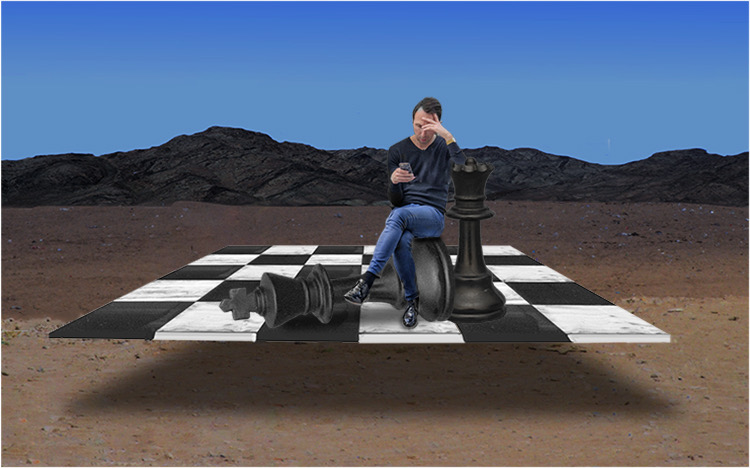
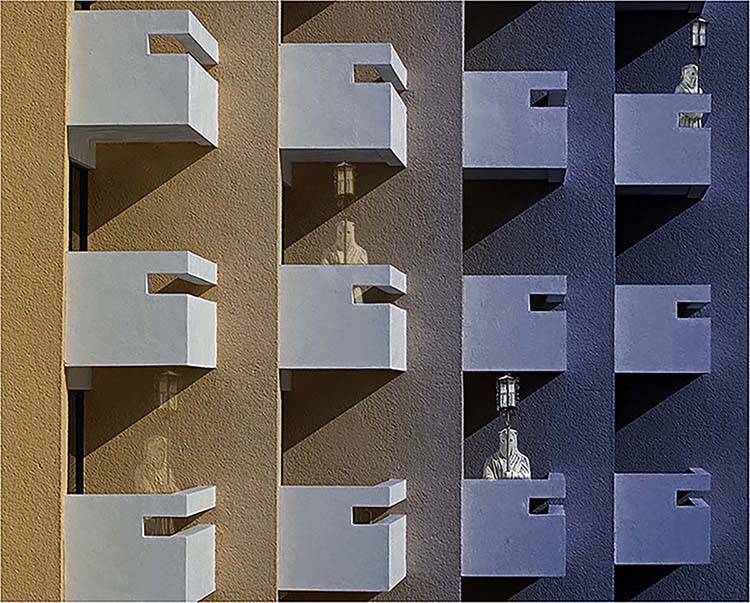
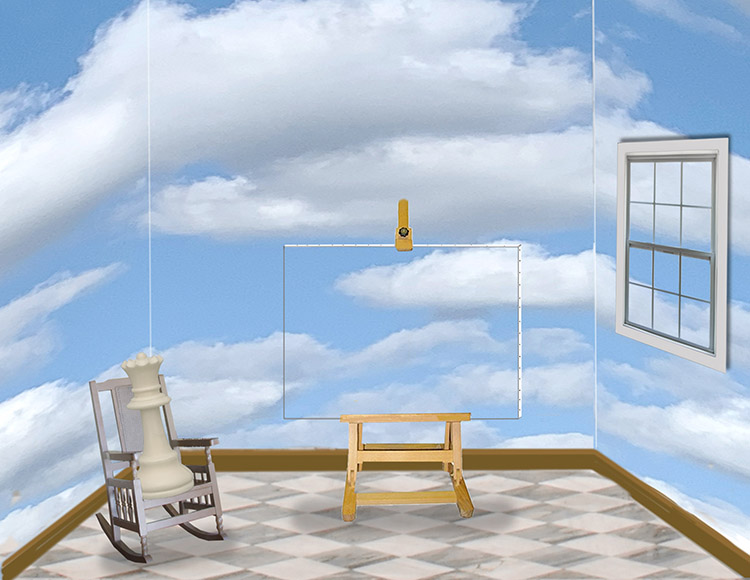
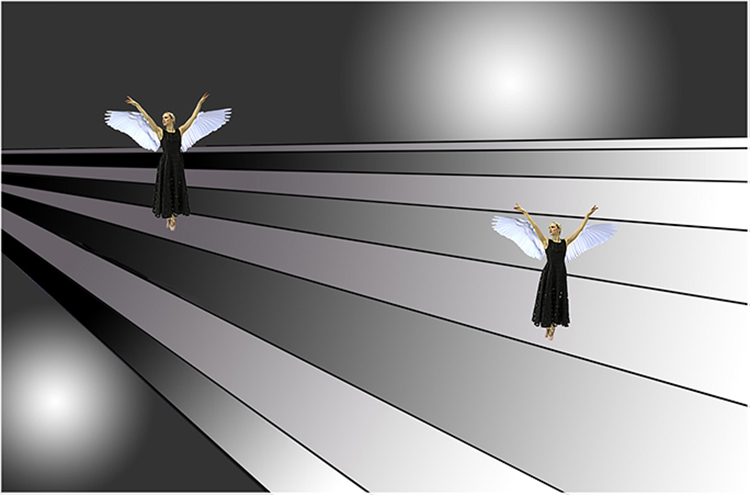
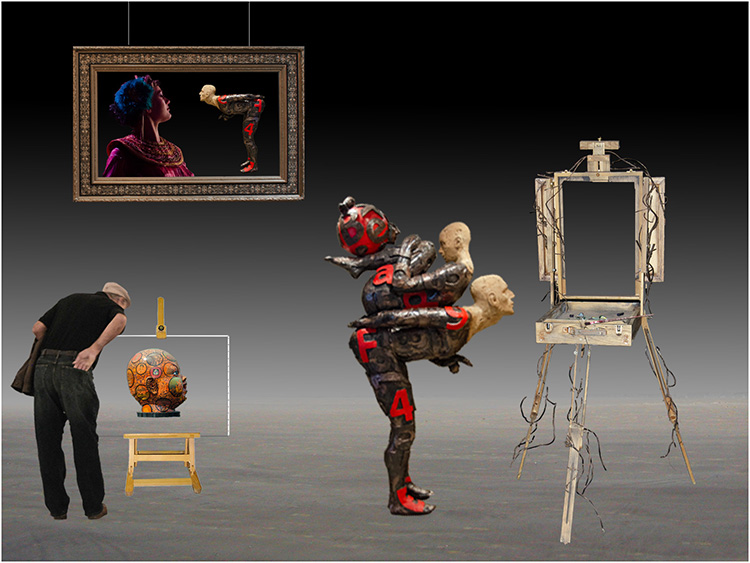
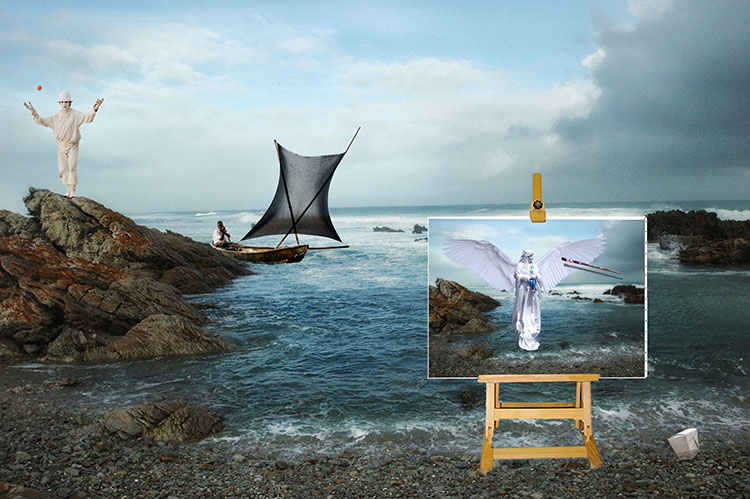
Aavo said "the artist is ignoring the model and painting from memory." I felt that the artist should paint a metaphorical image instead of a realistic image. The invention of the camera in the 1800's was a key contributor to Impressionism. The need to paint realistic images was replaced by, dare I say it, a machine. Jackson Pollack could paint a drop of water on a rose so realistically that a viewer would swear that the canvas was wet. He abandoned that perspective to embrace non-representational images. I lean towards surrealism in my composites, trying to allow my unconscious to influence the line between real and surreal. I do not always follow the "rules" of composition in my composites. I prefer to have a viewer take time to look at the whole work. Thank you for taking your time to give such informative feedback. Food for thought is the whole purpose of the Digital Dialogue groups. |
Jan 24th |
| 54 |
Jan 23 |
Reply |
The standard cliche about perception and reality is that perception IS reality. The role of the unconscious in the perception/reality dynamic is certainly food for thought. You're right about the painted woman's hands. They do "break the barrier" as you say, but the conundrum is to discern what barrier is being broken. I lean towards surrealism in my composites, trying to allow my unconscious to influence the barrier between real and surreal. (I minored in Art History in college where we spent a lot of time discussing "What is art?".) |
Jan 24th |
| 54 |
Jan 23 |
Reply |
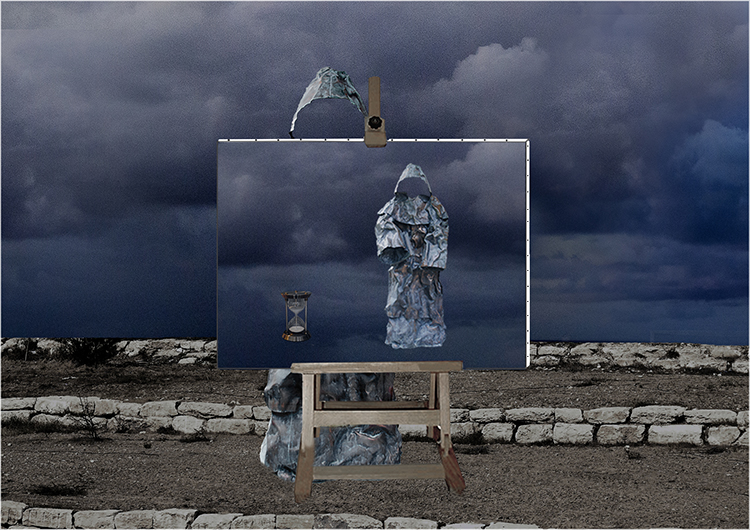
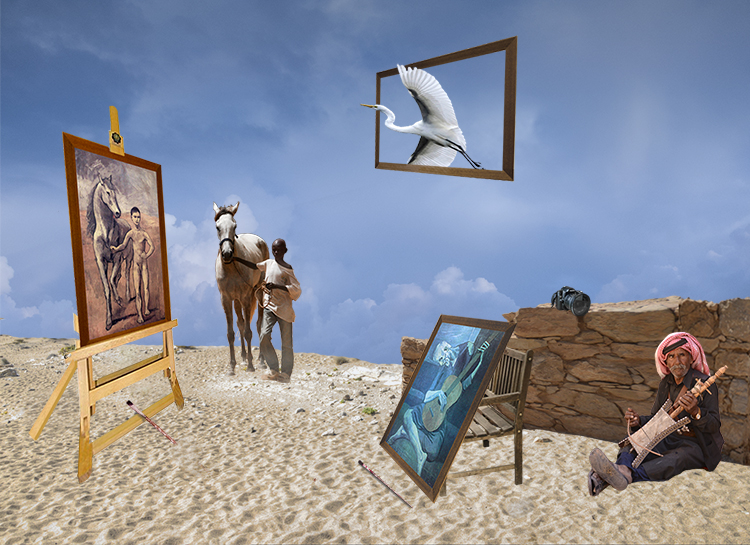
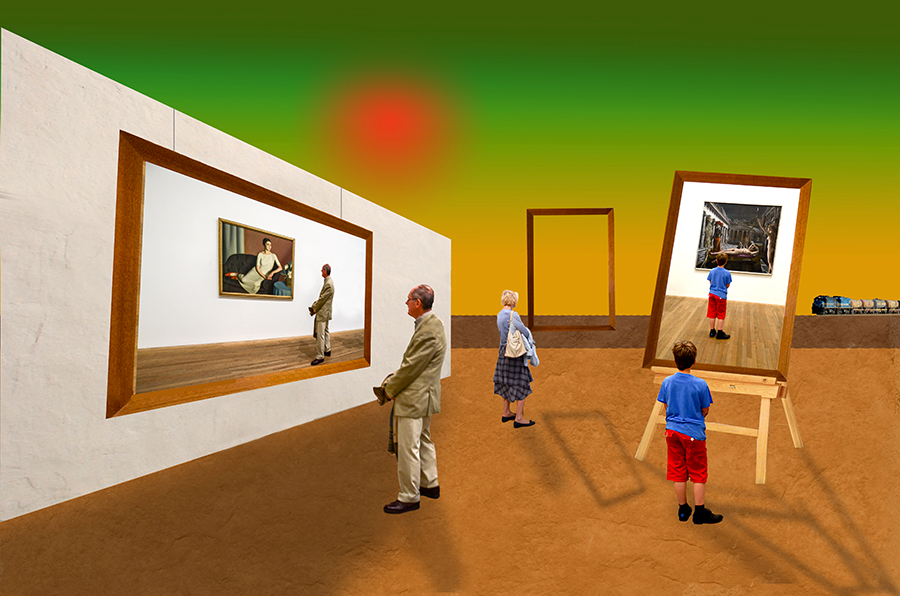
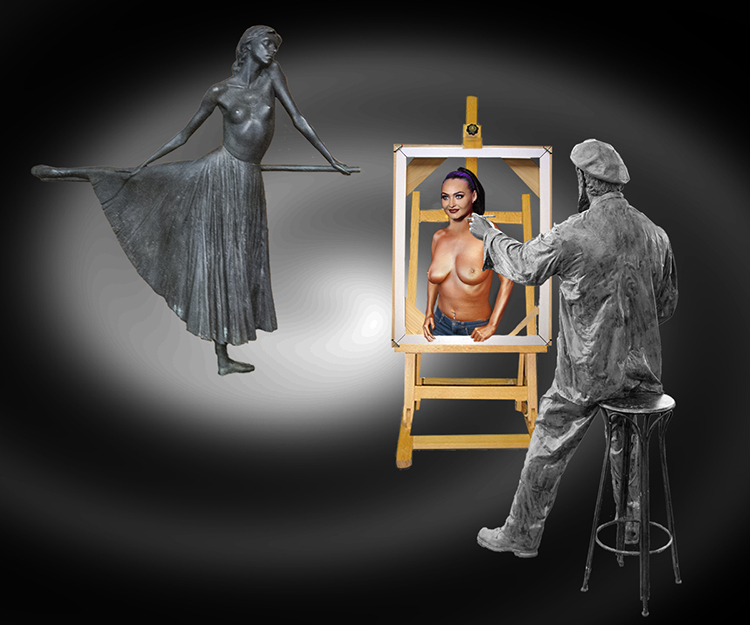
Kirsti, Aavo, Brad, and Peggy, I'm writing one response that encompasses observations from all of you. Thank you for taking the time to give this composite some thought. The artist is not "ignoring reality," he is painting something "more real than reality" that exists in a "surreal atmosphere" in a distorted gradient background." In other words, "surreal." I did not "anchor [the painting] in a real world" background as, I felt, that would have reduced the surreal impact. The easel is a central part of the composite. Its color draws the eye to the center of the composite, and as a couple of you mentioned, the painted model's hands "break the barrier" between real and surreal. I don't profess to be George Bernard Shaw, but perhaps this is a Pygmalion moment of sorts. |
Jan 15th |
| 54 |
Jan 23 |
Reply |
Kirsti, Aavo, Brad, and Peggy, I'm writing one response that encompasses observations from all of you. Thank you for taking the time to give this composite some thought. The artist is not "ignoring reality," he is painting something "more real than reality" that exists in a "surreal atmosphere" in a distorted gradient background." In other words, "surreal." I did not "anchor [the painting] in a real world" background as, I felt, that would have reduced the surreal impact. The easel is a central part of the composite. Its color draws the eye to the center of the composite, and as a couple of you mentioned, the painted model's hands "break the barrier" between real and surreal. I don't profess to be George Bernard Shaw, but perhaps this is a Pygmalion moment of sorts. |
Jan 15th |
| 54 |
Jan 23 |
Reply |
Kirsti, Aavo, Brad, and Peggy, I'm writing one response that encompasses observations from all of you. Thank you for taking the time to give this composite some thought. The artist is not "ignoring reality," he is painting something "more real than reality" that exists in a "surreal atmosphere" in a distorted gradient background." In other words, "surreal." I did not "anchor [the painting] in a real world" background as, I felt, that would have reduced the surreal impact. The easel is a central part of the composite. Its color draws the eye to the center of the composite, and as a couple of you mentioned, the painted model's hands "break the barrier" between real and surreal. I don't profess to be George Bernard Shaw, but perhaps this is a Pygmalion moment of sorts. |
Jan 15th |
| 54 |
Jan 23 |
Reply |
Kirsti, Aavo, Brad, and Peggy, I'm writing one response that encompasses observations from all of you. Thank you for taking the time to give this composite some thought. The artist is not "ignoring reality," he is painting something "more real than reality" that exists in a "surreal atmosphere" in a distorted gradient background." In other words, "surreal." I did not "anchor [the painting] in a real world" background as, I felt, that would have reduced the surreal impact. The easel is a central part of the composite. Its color draws the eye to the center of the composite, and as a couple of you mentioned, the painted model's hands "break the barrier" between real and surreal. I don't profess to be George Bernard Shaw, but perhaps this is a Pygmalion moment of sorts. |
Jan 15th |
| 54 |
Jan 23 |
Comment |
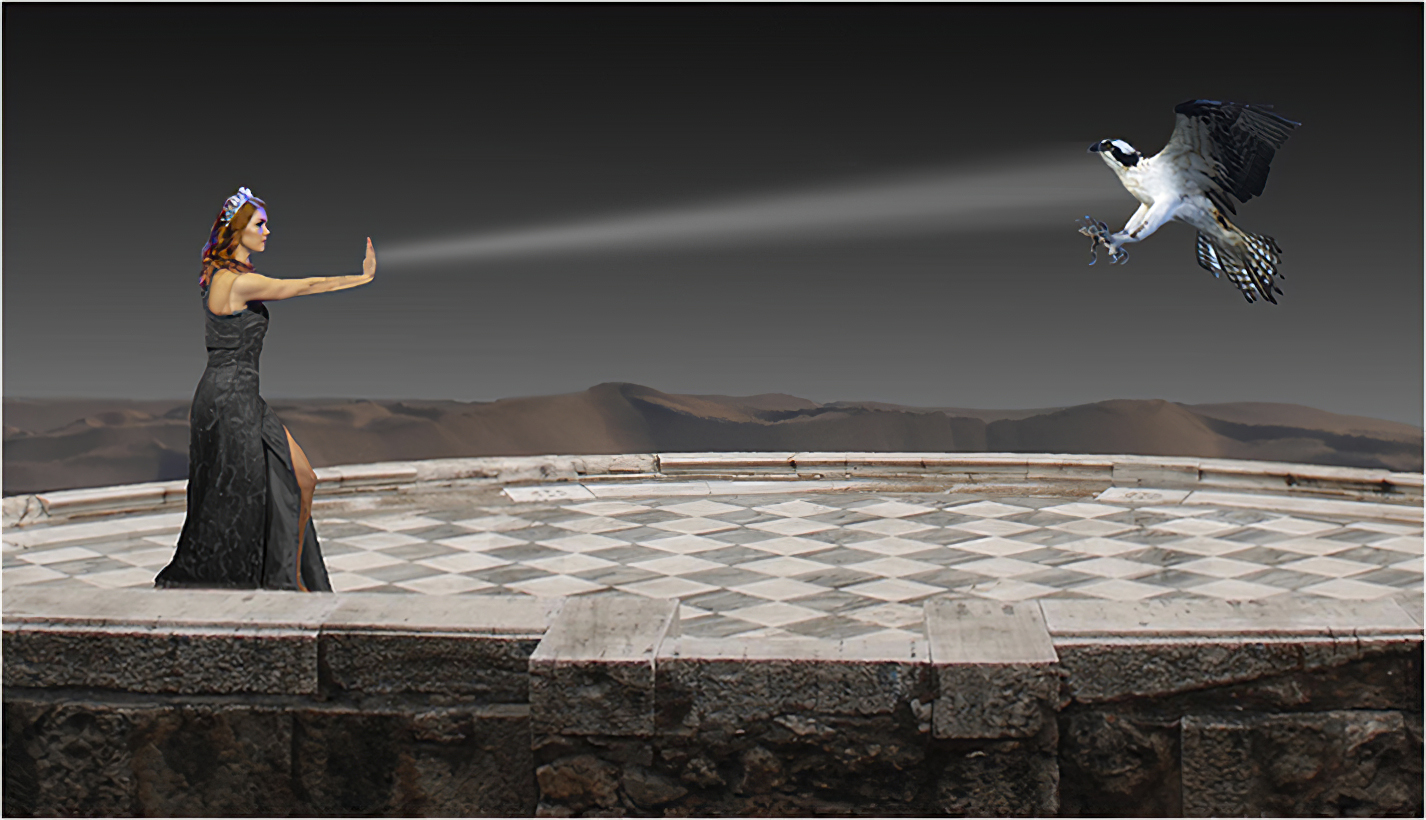
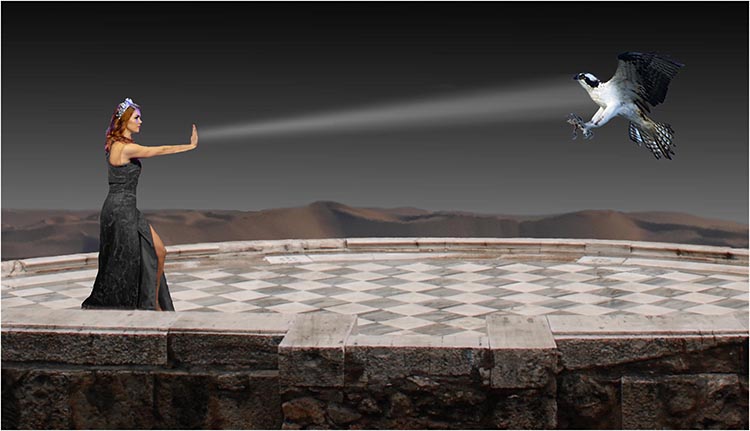
You have here a bright full moon embodied in the whiteness of the bird. The whole image comes together beautifully. You generally "stich" your images together effortlessly (or so it seems). A viewer does not need to know the connection of this composite and your retirement to appreciate the quiet beauty here. |
Jan 11th |
| 54 |
Jan 23 |
Comment |
I basically agree with what has been said above including trying my hand at having water come out a phone or picture. You have here more success that I have had. |
Jan 11th |
| 54 |
Jan 23 |
Comment |
I'm not a fan of so much blur in an image. For my taste, Sunray would be the only blurry part of the image so the viewer's eye is riveted on her. You have captured her beautifully and I feel she would command more attention if she were the only blurry aspect of the composite. |
Jan 11th |
| 54 |
Jan 23 |
Comment |
I'm afraid I'm not a fan of the entire image being blurry. I much prefer to use a blur effect for emphasis. |
Jan 11th |
| 54 |
Jan 23 |
Comment |
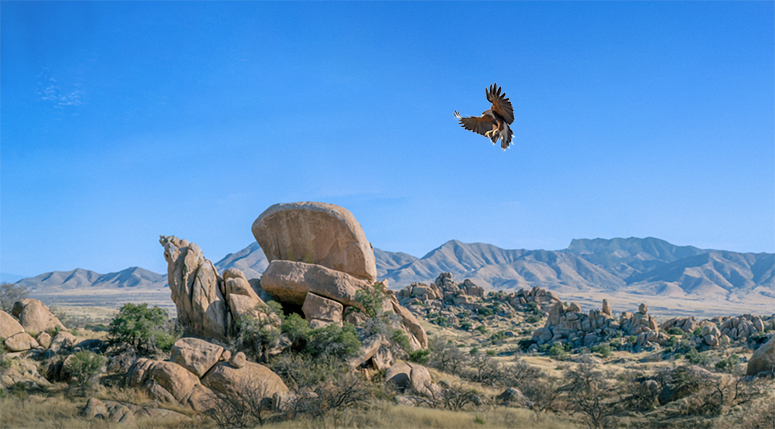
You have captured the beauty of the landscape so well that anyone looking at this image would immediately want to walk among the boulders. I have a couple of suggestions that could possibly focus an observer even more. I try to use a "less is more" approach to my composites. I don't always succeed, but I try. I removed most of the clouds and moved the hawk so it is not cut in half by the mountains and so its descent onto the boulder is more dramatic. I also cropped the right side of the image to address the horizontal question you had. You have the makings of a good image here. Nice work. |
Jan 11th |
 |
| 54 |
Jan 23 |
Comment |
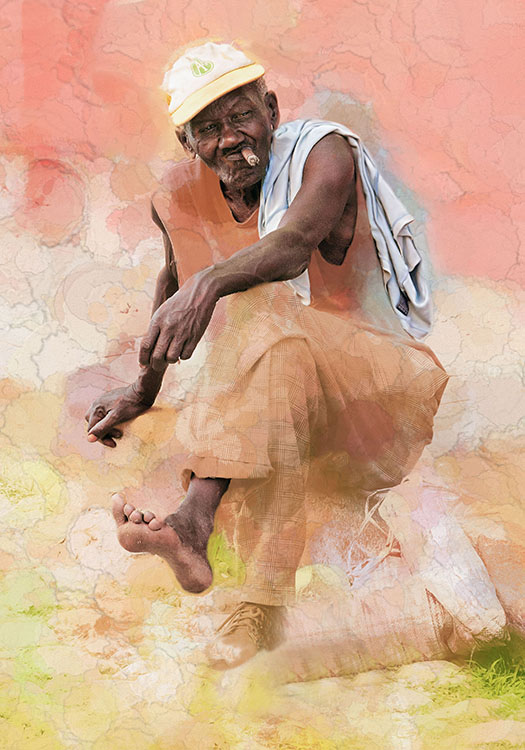
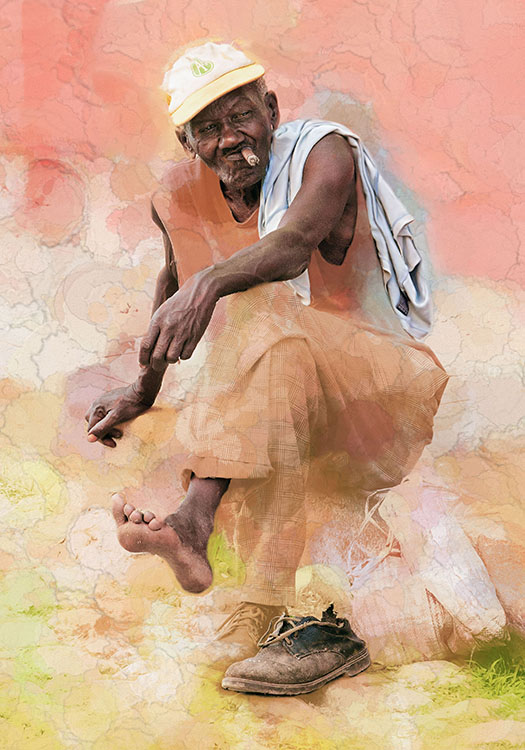
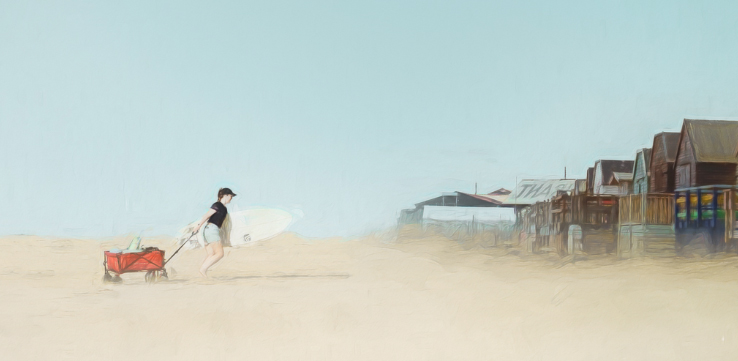
The mantra of my camera club's judges seems to be "crop." I've taken the liberty of cropping your image so that the girl and the delightful houses are more central to your image. The overall image has a soft, delightful painterly effect that I think benefits from the crop. This is nice work you managed with one hand tied behind your back! |
Jan 4th |
 |
6 comments - 6 replies for Group 54
|
6 comments - 6 replies Total
|