|
| Group |
Round |
C/R |
Comment |
Date |
Image |
| 25 |
Jan 19 |
Reply |
Interesting suggestion. I usually don't like "soft" water, but I have a friend who does reflections, and I think that might be the trick he uses to get his results. I will have to get back to serious photography and try it. Thanks for the tip. |
Jan 30th |
| 25 |
Jan 19 |
Comment |
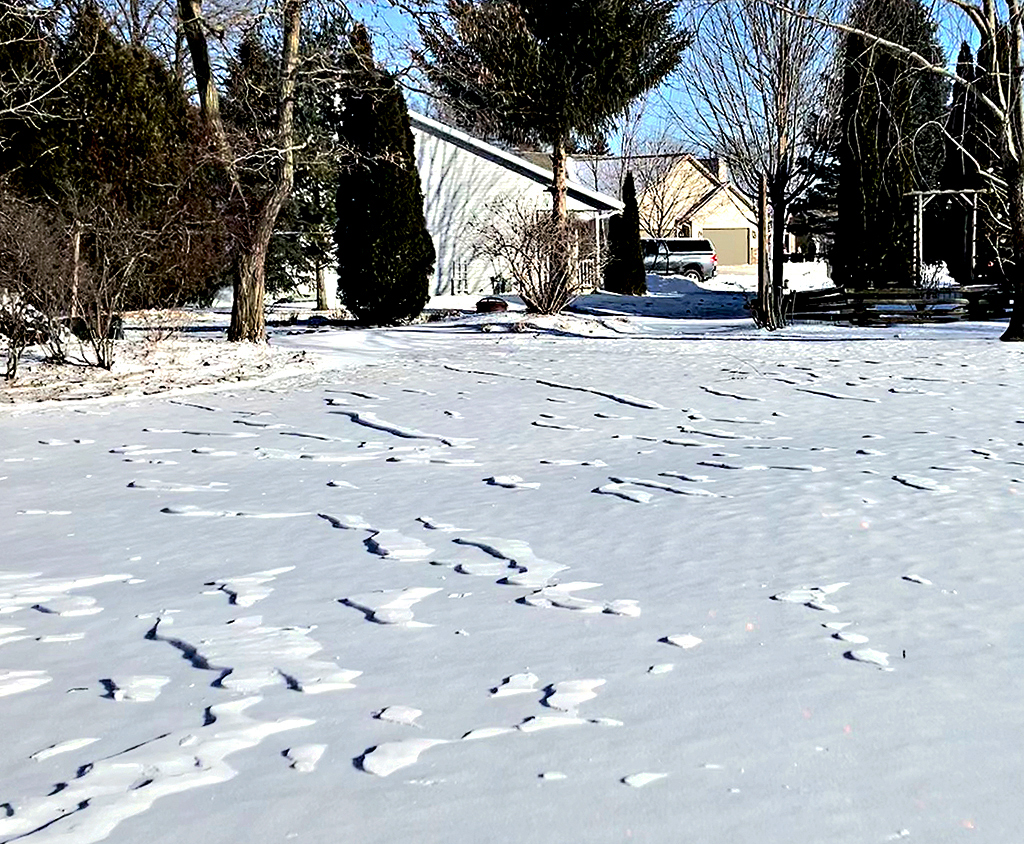
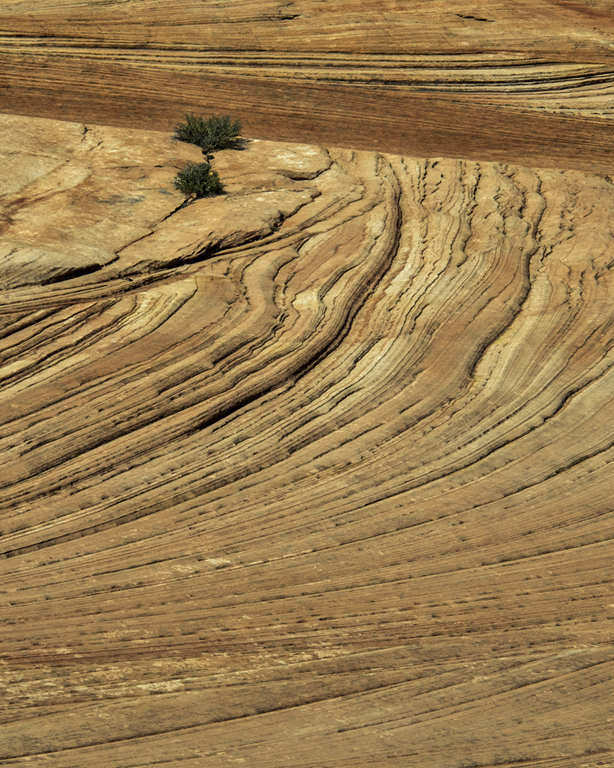
I was hoping some of the other comments would help me with this one. I totally agree with Ruth that the diagonals are wonderful, and I like the colors. But I can't figure out the upper third of the photo. It looks to me like a large river flowing from the top center and turning towards the right edge of the photo. But I'm sure that's wrong because of the textures on the surface. The pale reflections look like they are reflecting a very bright sky to me. But I'm guessing that might be snow on a plain. I'm just having trouble seeing the dimensionality in the distance past the third diagonal, especially in the farthest distance. It's a beautiful scene, but I have no idea how to figure it out. |
Jan 22nd |
| 25 |
Jan 19 |
Reply |
Because Transform has several options, be sure to try various ones if at first you don't succeed. The most important first step is to create a new layer from the background layer before you even start. If you are going to try more than one of the choices (Distort, Skew, Perspective, Warp, etc.) make a new layer from the background for each one and name it so you know which one it is. Then you can turn off all the layers except the layer you want to work on or see to compare with the others. When you have decided which works best, just save with only the background and the chosen technique layer active. |
Jan 13th |
| 25 |
Jan 19 |
Comment |
I totally agree with Mark that this is a spectacular image. I also agree that the bird could be farther left (no surprise we agree, he was one of my earliest teachers!). But I would not want to crop off the left side of the photo because of the beautiful lake reflections. For me it's a lovely photo and my comment is strictly from the "rules are meant to be broken (if you have a good reason)" category. That was also a lesson from Mark and all my mentors :) |
Jan 11th |
| 25 |
Jan 19 |
Comment |
I get what you were going after and it's a wonderful story. I think cropping so that your daughter's face is in one of the "rule of thirds" spots focuses attention on her. I also was careful to crop so that her father's hand is still a big part of the photo to keep the story line intact. I do like the black and white, but I think I like it a little brighter because it seems to bring out the young-girlishness more. |
Jan 11th |
 |
| 25 |
Jan 19 |
Comment |
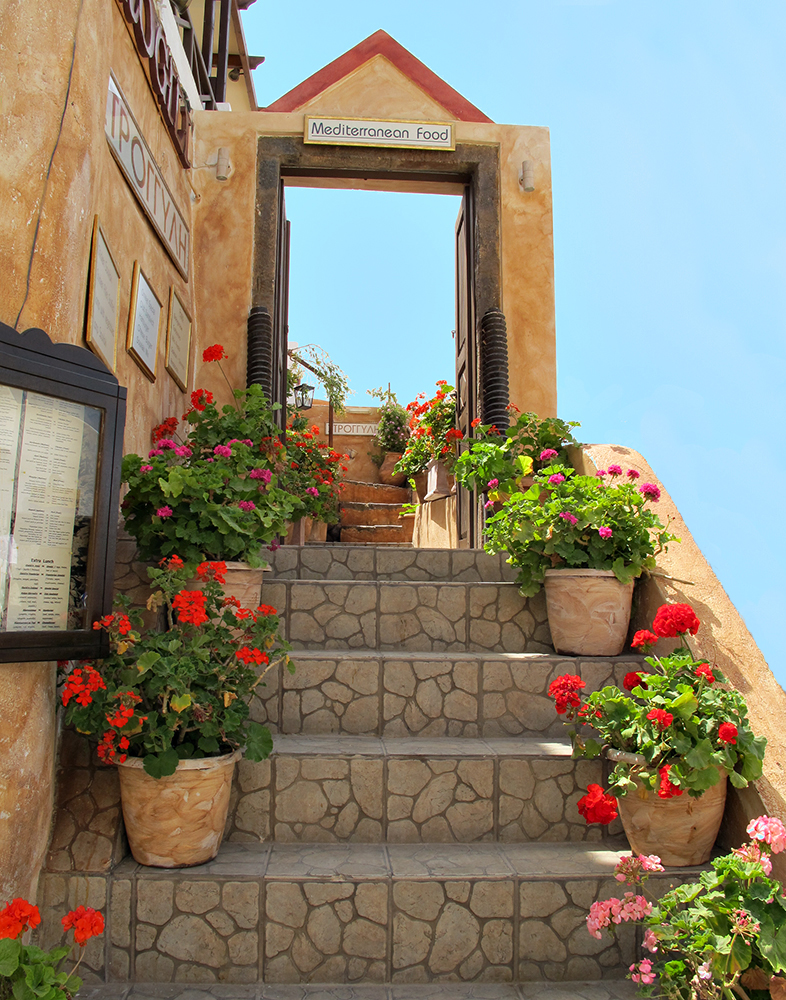
I'm glad I didn't comment before you posted the daytime photo. Those colors look quite unreal, but seeing the daytime photo it is even more surprising. I think I like the colors in the daytime better, and wonder why the strong lighting brings out such primary tones. I also figured that you must have been below the structure and fairly close, because it seems to be keystoning up from the bottom to the top. I took it into Photoshop and tried a few transforms: my usual favorite (Distort) didn't really work; the next most logical (Perspective) wasn't really any better; then I tried Transform:Warp and was able to produce a more squared-up appearance. See what you think. |
Jan 11th |
 |
| 25 |
Jan 19 |
Comment |
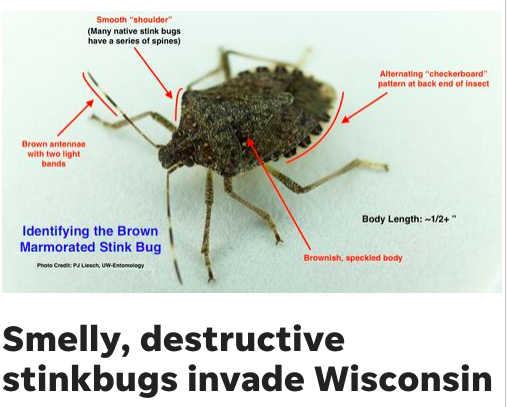
I think you did a great job of portraying this fellow by putting him on a piece of paper, especially because it allows for his shadow to give a sense of depth to the picture. I DO know who he is, and I am sorry to know he is found where you are. I've attached a screenshot that appeared in our local paper the very morning after I posted you photo. You definitely have a very nice photo of an invasive species known as the brown marmorated stink bug. It was first found in Pennsylvania as early as 1996. It is thought that it possibly arrived in shipping material from the far east. It has since spread throughout this country. It feeds voraciously on a variety of plants, including fruit trees, ornamentals, and some crops. And like all stink bugs, it releases an unpleasant odor when it is squashed.
|
Jan 11th |
 |
5 comments - 2 replies for Group 25
|
5 comments - 2 replies Total
|