|
| Group |
Round |
C/R |
Comment |
Date |
Image |
| 25 |
Apr 17 |
Comment |
I don't find an immediate draw into this photo. For me it doesn't seem there is a place to focus. I cropped yet another way to have the bush and fence as a leading line drawing the eye across the wonderful field of flowers. |
Apr 29th |
 |
| 25 |
Apr 17 |
Comment |
I tend to agree that it is not a good criteria for the judging of "people at work" because in this photo the very fact that her face is turned toward the camera makes it looked like a typical posed shot rather than a photo of someone absorbed in their work.
On the other hand, for our purposes judging photos on their own merit, I find it a very well presented story. |
Apr 29th |
| 25 |
Apr 17 |
Comment |
I find this interesting but confusing. The shadows of the outcroppings are so long and sharp that I'm left wondering why there are no other shadows. I guess I would have to see the terrain to understand the angle of the sun relative to the rest of the slopes. |
Apr 29th |
| 25 |
Apr 17 |
Comment |
eally excellent capture, especially the shadow. I agree with Eric's crop because the most phenomenal aspect of this photo for me is the shadow, and his crop places the focus on it while still giving the bird room to fly out of the picture. |
Apr 29th |
| 25 |
Apr 17 |
Comment |
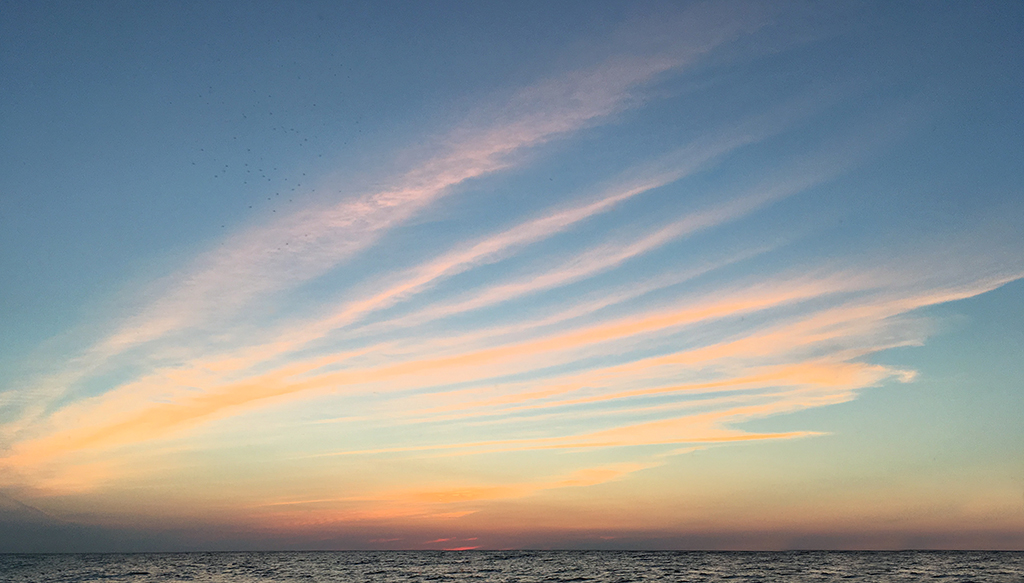
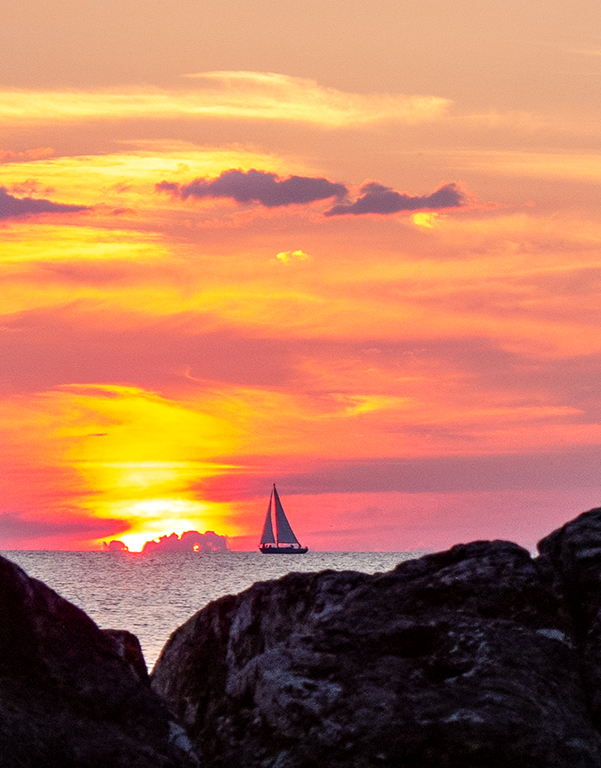
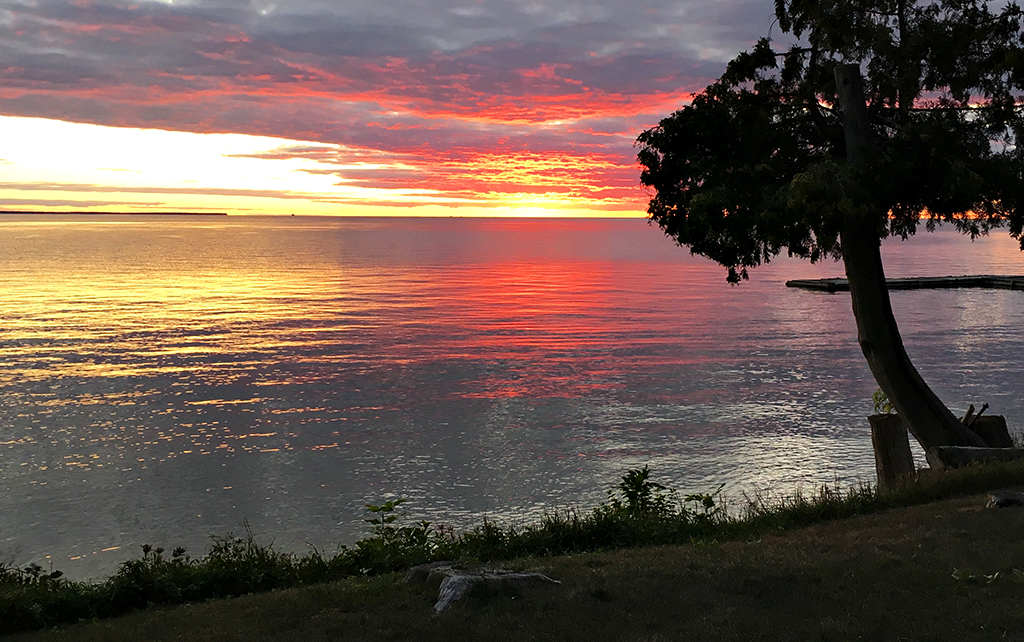
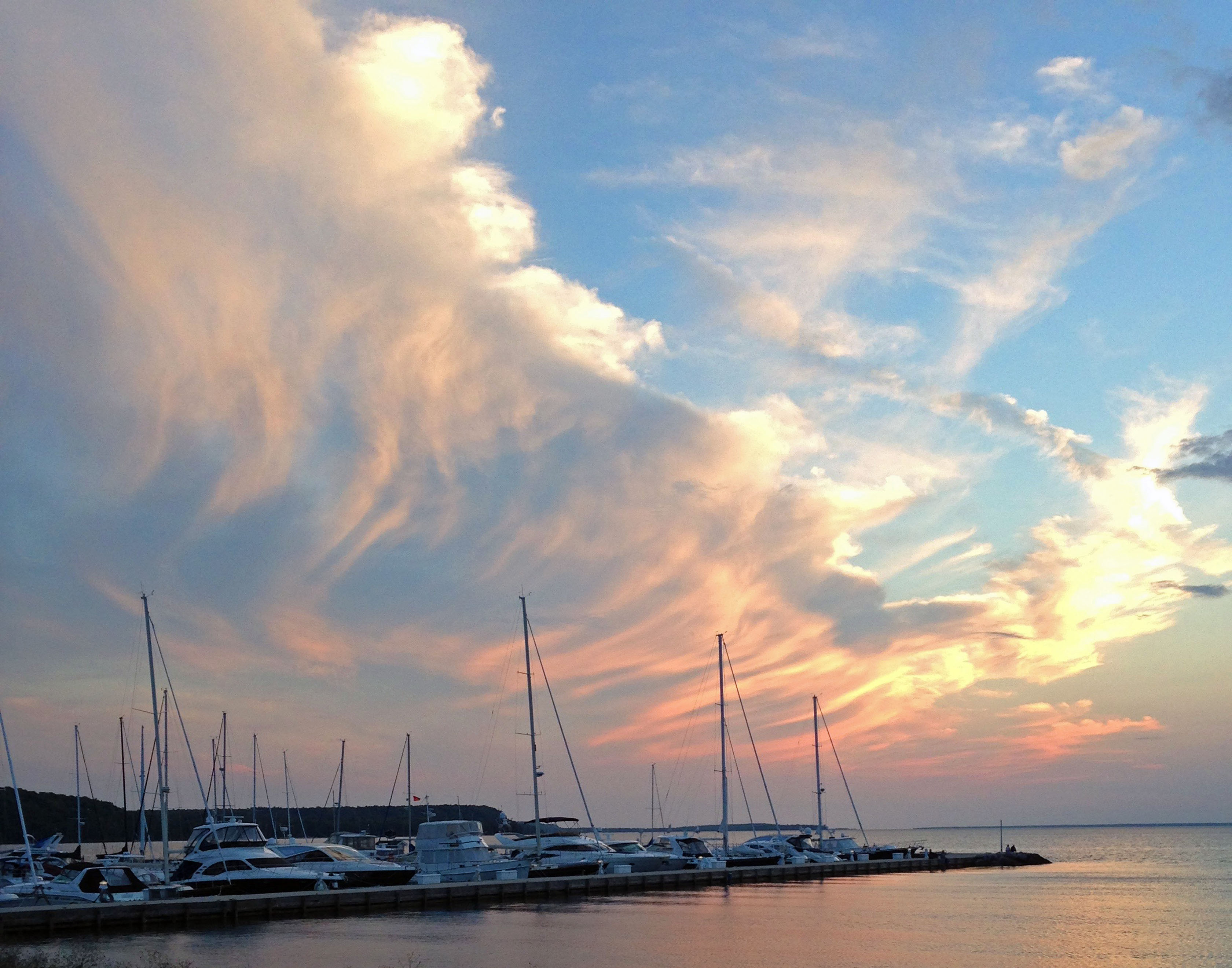
Great photo and super comments. I like the idea of making it more of a pano. It would give more of an "endless sky" effect. As for the two versions, I could not begin to choose between them. They are both perfectly valid and perfectly lovely.
I once attended a PSA Conference session presented by Jennifer Wu who is considered a guru on night photography. I seem to have misplaced my notes, but her website is jenniferwu.com and she has a book out called "Night Sky" which I'm sure includes her very detailed guidelines for camera setup and settings, as well as other considerations. |
Apr 23rd |
| 25 |
Apr 17 |
Comment |
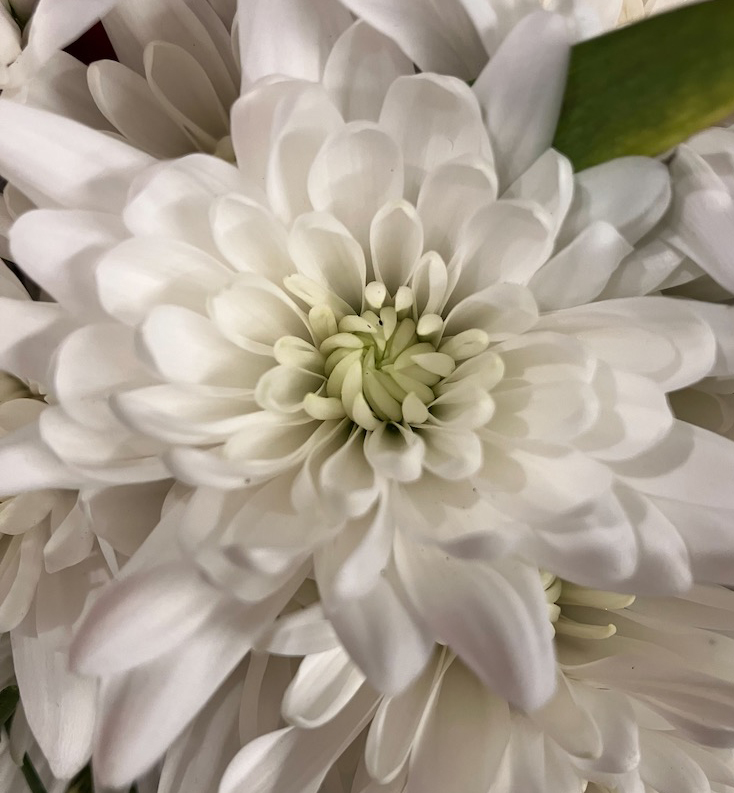
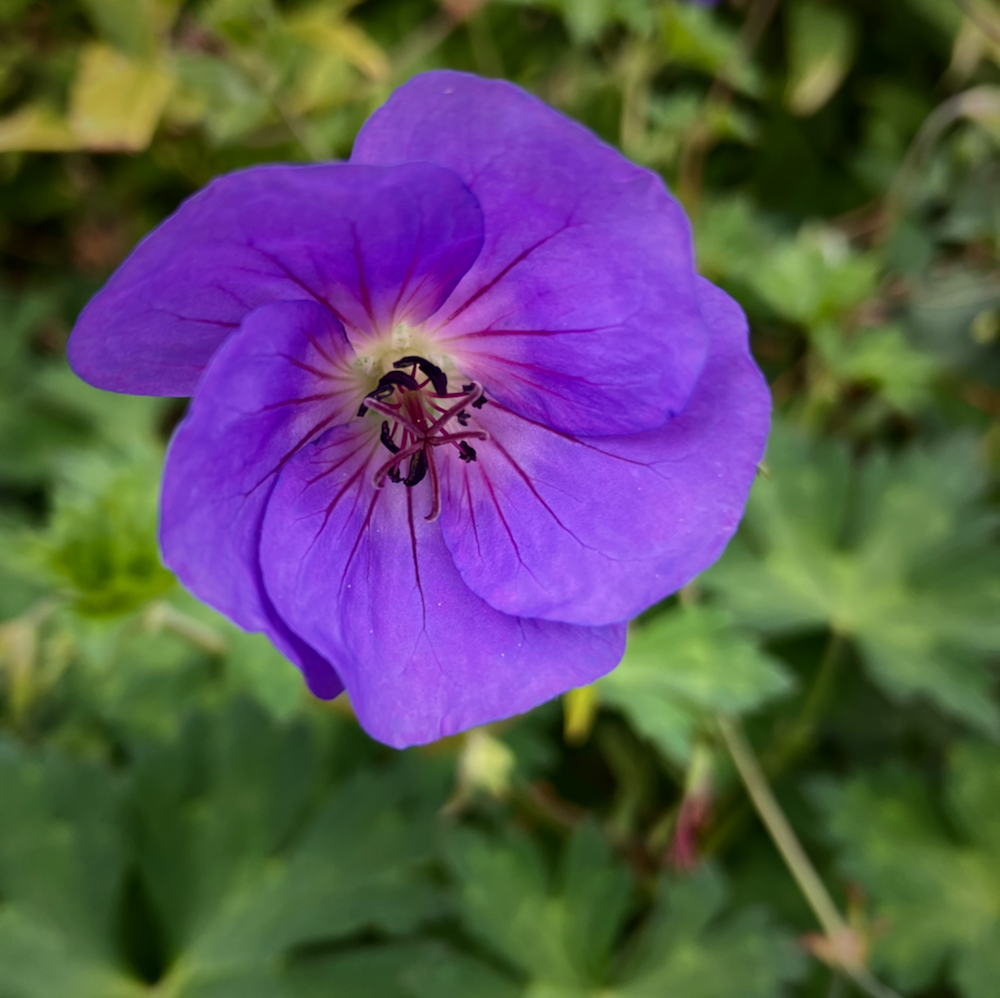
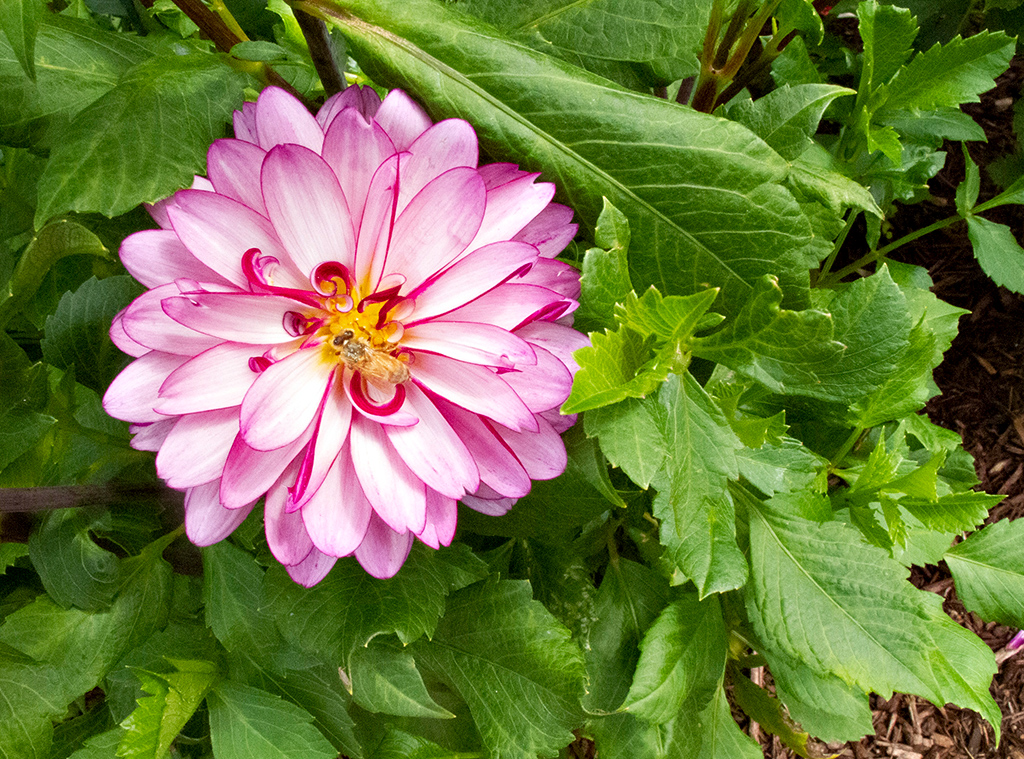
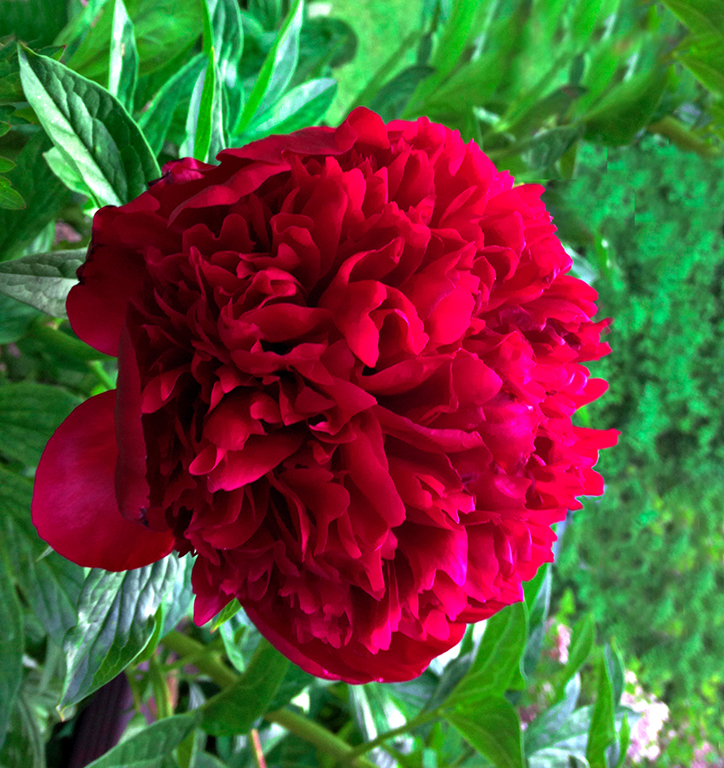
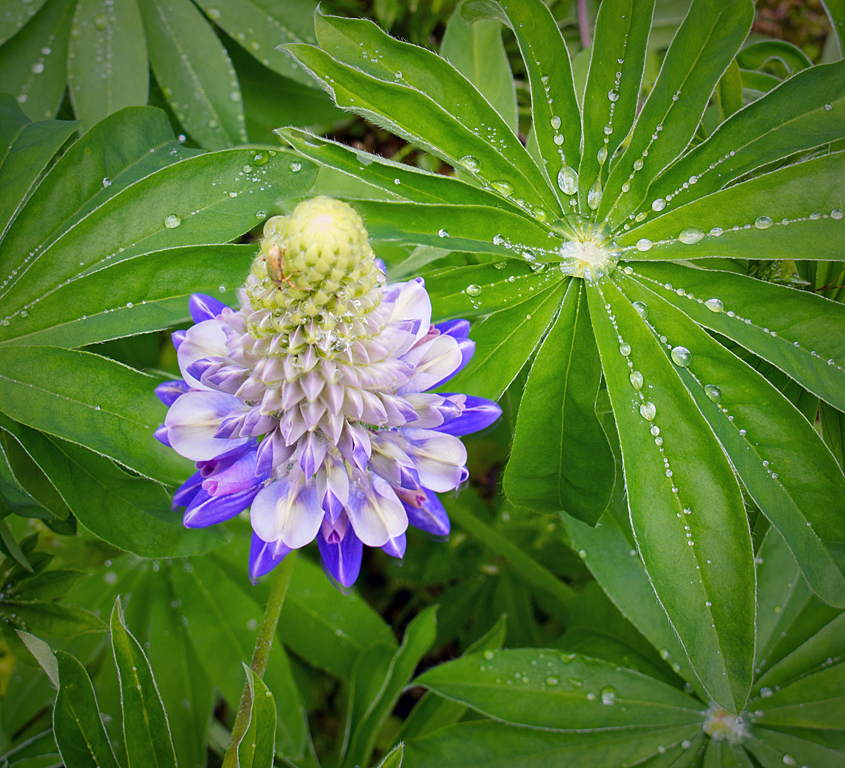
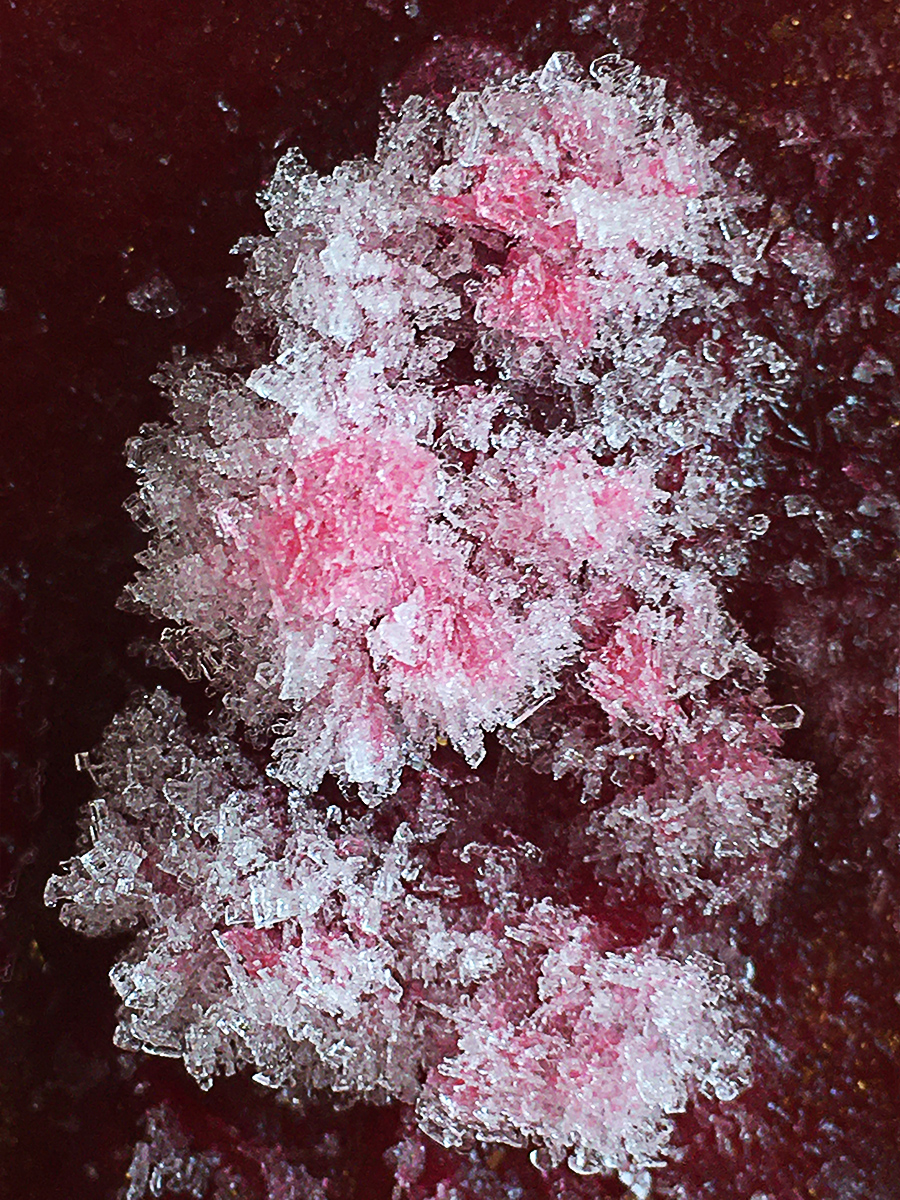
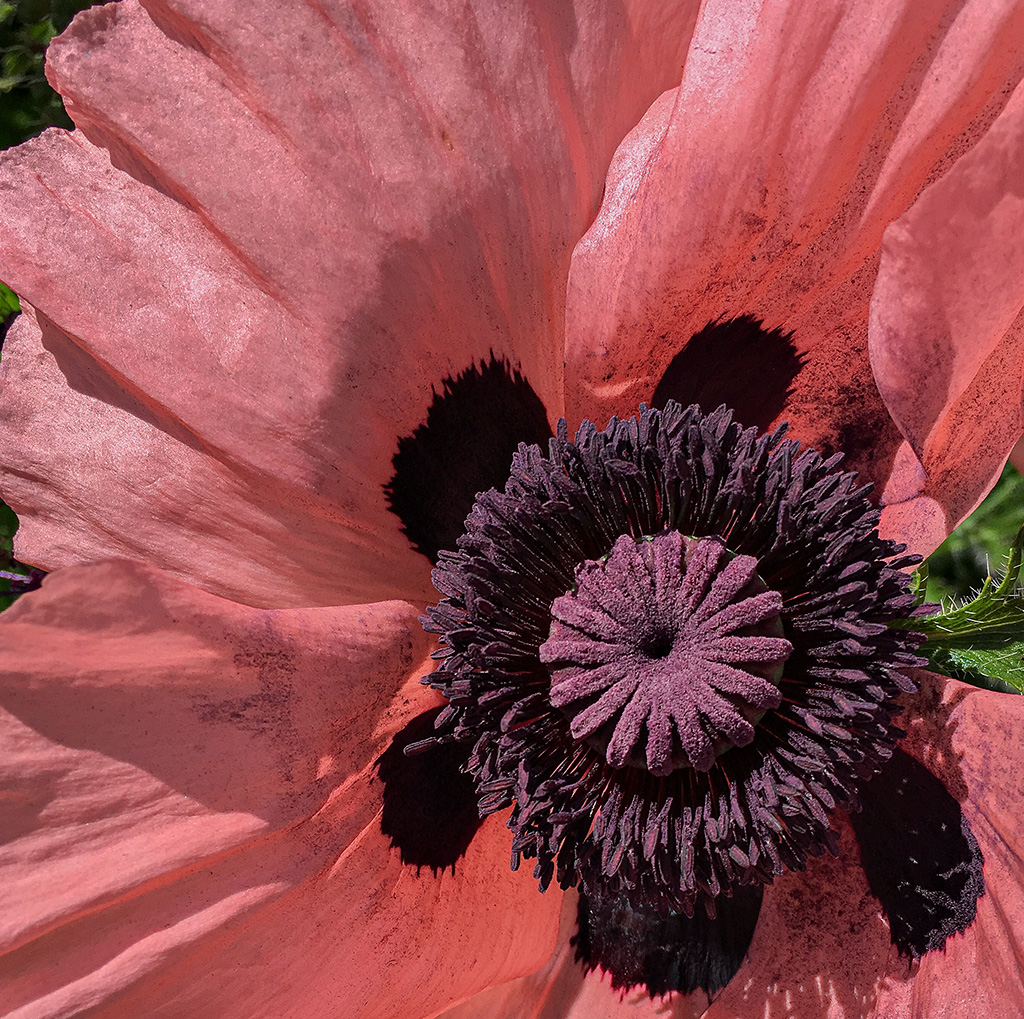
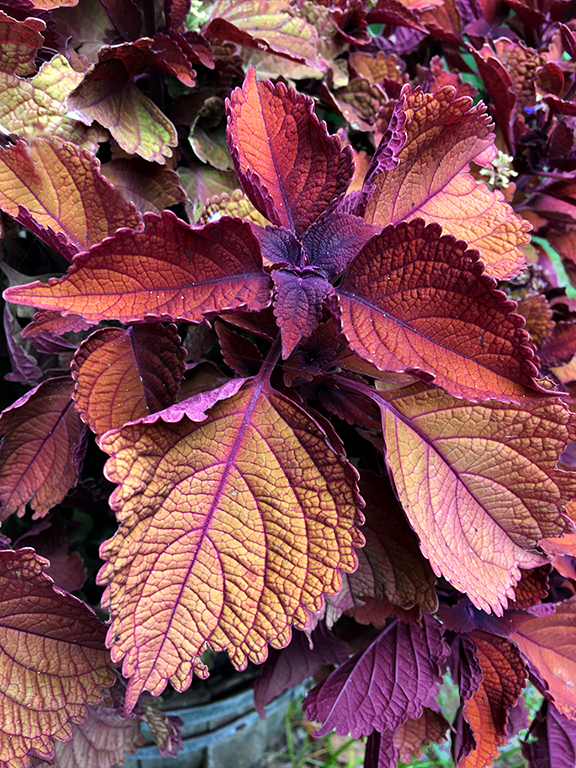
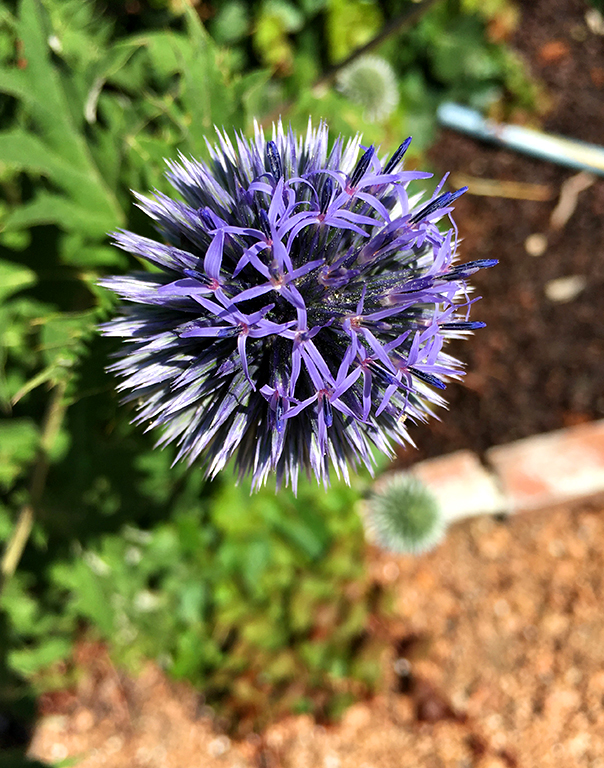
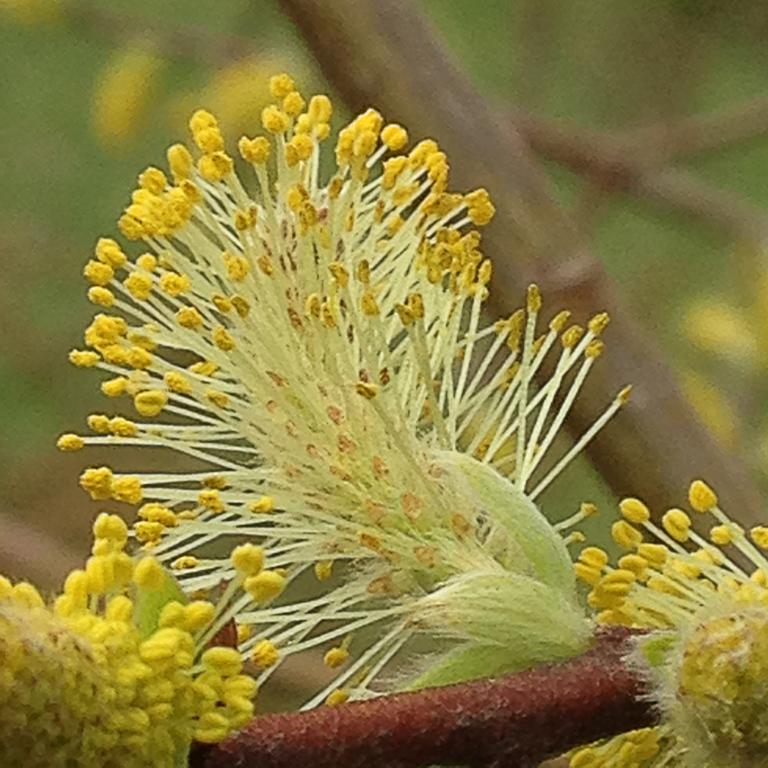
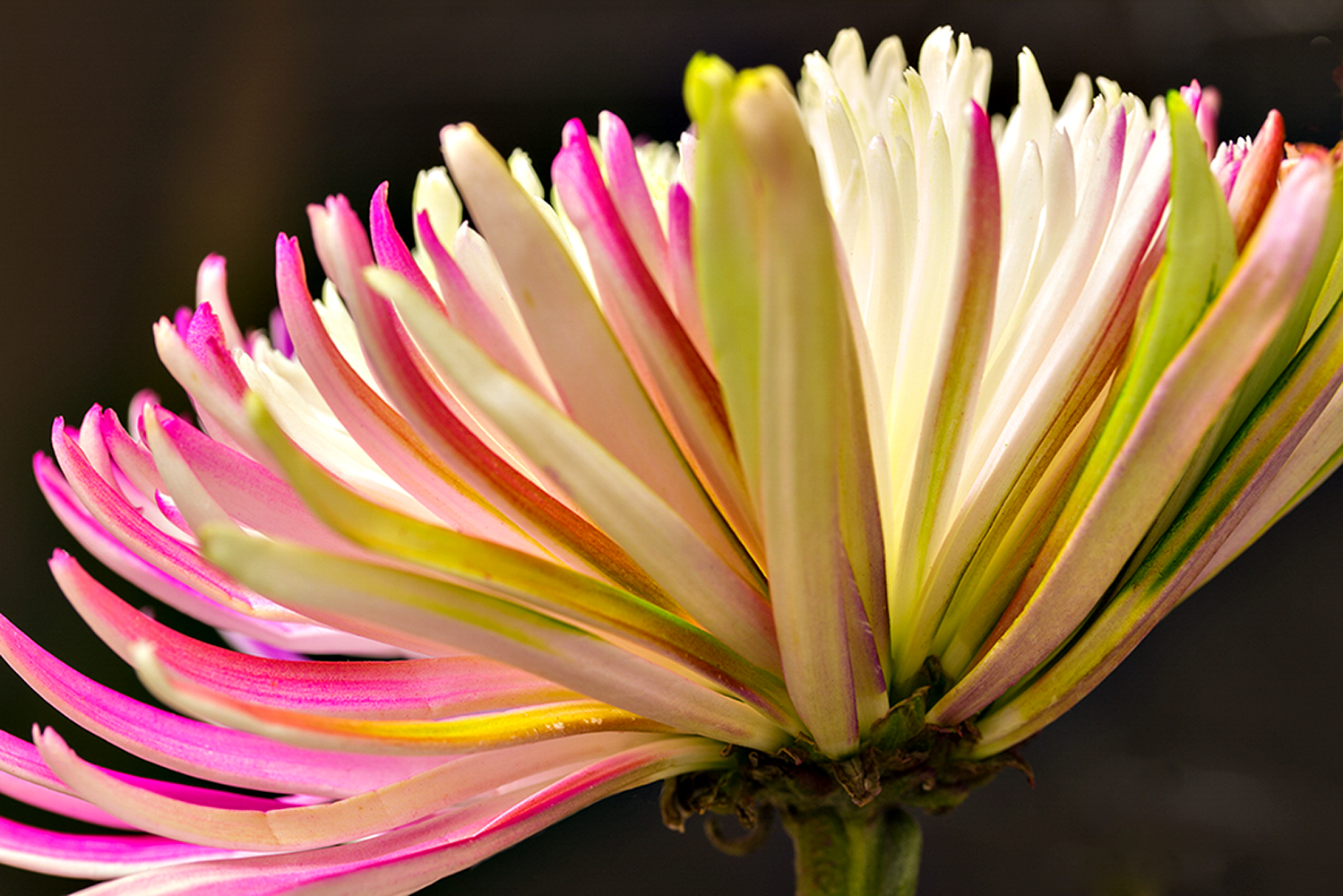
Wow you guys are perceptive. I wondered whether anyone would ask exactly where I had "chosen" to focus. It's probably anybody's guess, because there really wasn't anything to choose like there is with a poppy's center or such. I wanted to be "inside" the flower, so it's nearly impossible to find an exact perfect focus.
As for Eric's crop, I do like it. But one of the really special things I round with this flower was the beautiful downward-turning-up curve of the lower left petals. I also like the way the more rectangular aspect ratio mimics the shape of the flower.
Marla - I know where you're coming from. I was once told not to bother entering flower closeups into competition, because for the judges "once you've seen one rose, you've seen them all" - I'm very flattered that you might be inspired to look further "into" flower photography. My impetus to go in that direction was looking through a 3-D microscope many years ago into the center of a daisy and finding successive ranks of flowers within flowers within flowers. |
Apr 23rd |
| 25 |
Apr 17 |
Comment |
I definitely hear what you're saying about focus, especially when I see those flowers that look so perfect that I can see every detail. I learned focus stacking (at that time called selective focus based on the Scheimpflug principle) more than ten years ago from a mentor who believes that landscapes should be in focus from nearest to farthest points. I was skeptical then because I felt it robbed the image of a sense of depth and distance. When I applied the method to flowers, and especially to macro work, I felt exactly the same. I can control where I want you to focus by keeping that point or area sharper. For example with this photo I want you to feel you've fallen into the flower and are surrounded by the color. Don't get me wrong, there is also great beauty in presenting a flower entirely in perfect focus because that is the way we believe we actually see it. There is a fairly scientific discussion pointing out the fact that our eyes do not see everything in focus, but only a very small area we are actually looking at, and that we think we see everything in focus because our brains refocus automatically as we move our point of focus. Try focusing on a paragraph and, without moving your eyes, see if you can read the paragraph below it. Focus stacking is a wonderful technique to help get however much of an image you wish in the exact focus you envision to direct the viewer's eye to you intended point of interest. An easy way to try it is to take two photos focusing at different depths into the scene, layer them in your processing software, and mask out areas to show what you want. Stacking usually employs many layers, and it becomes difficult to manage the masking manually. But as they say, "We have an app for that" :) |
Apr 17th |
7 comments - 0 replies for Group 25
|
7 comments - 0 replies Total
|