|
| Group |
Round |
C/R |
Comment |
Date |
Image |
| 19 |
Oct 17 |
Reply |
The monochrome is much better. I think I could go with flipped or not flipped, it is the artist's choice. The color adds nothing and we tend to think of the sky as near blown out in the color version, where in the mono it is just near white. This is another example of a monochrome where the large white area does not in my opinion draw the eye out of the image. It provides a background with excellent contrast with the important part of the image. I think I am held looking at the silhouette and enjoying the lighter area of the debris field knowing this guy is really at work. |
Oct 18th |
| 19 |
Oct 17 |
Comment |
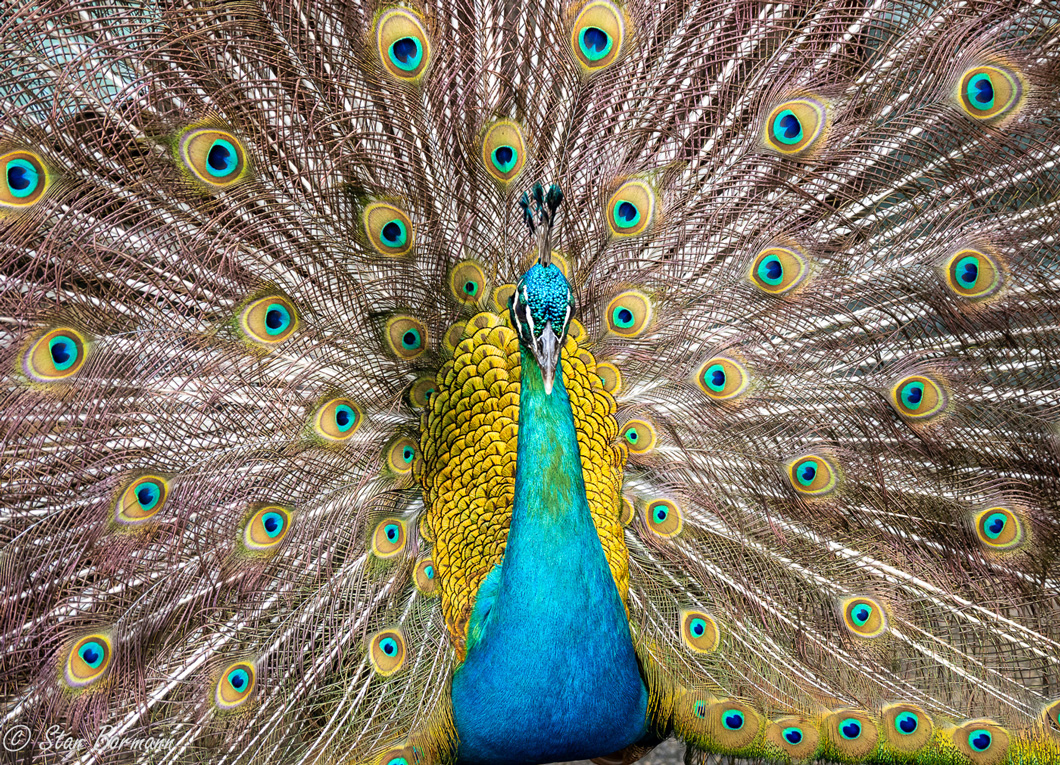
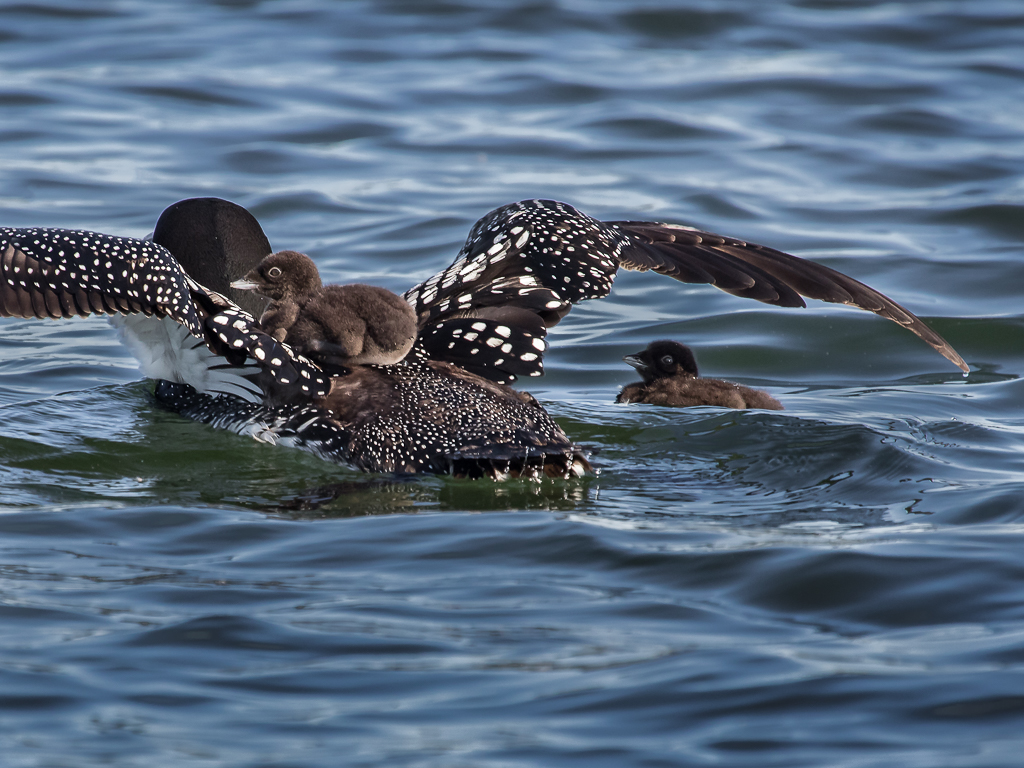
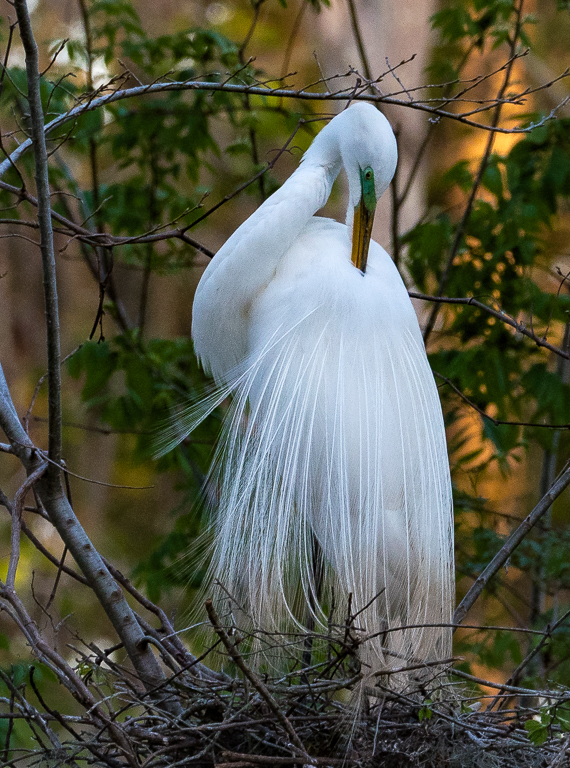
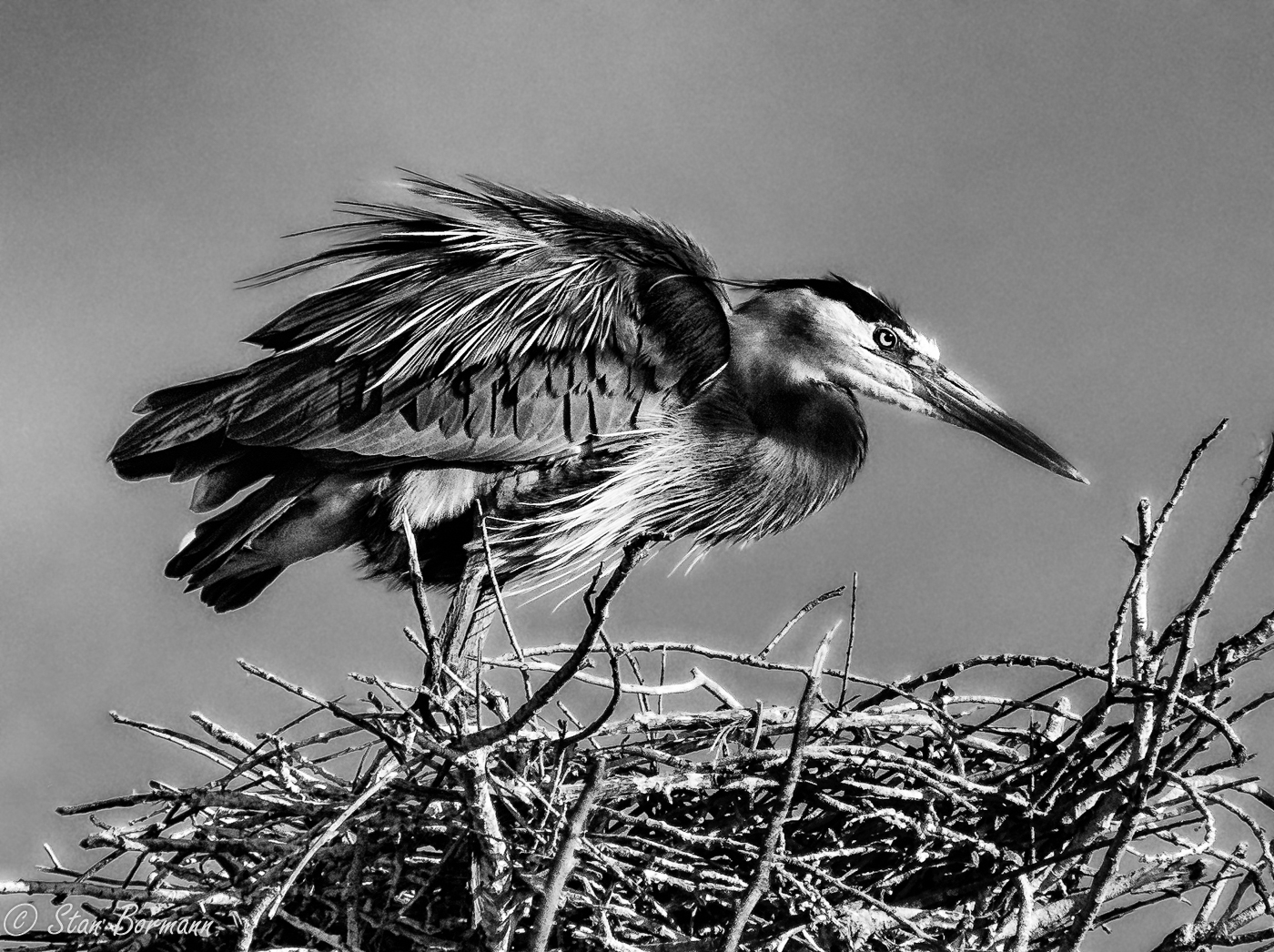
A beautiful image. I don't mind a slight clip of a small area of white and think this is fine. You might want to consider giving the feathers on the left a little more room to the edge of the image. Whatever the case this is a great image that I would expect to be at least accepted in most Nature exhibitions. In nature I don't like a vignette to show, but I think I would darken the corners ever so little, perhaps a bit more in the lower corners and just a touch in the upper. |
Oct 18th |
| 19 |
Oct 17 |
Comment |
the trouble with coming late is what is important has been said. I agree that the antennae not being complete is a problem, but many would not even notice. The black large area is a more serious problem. I don't see an easy way to fix this and whatever you do would probably make the image not eligible for a Nature exhibition. |
Oct 18th |
| 19 |
Oct 17 |
Comment |
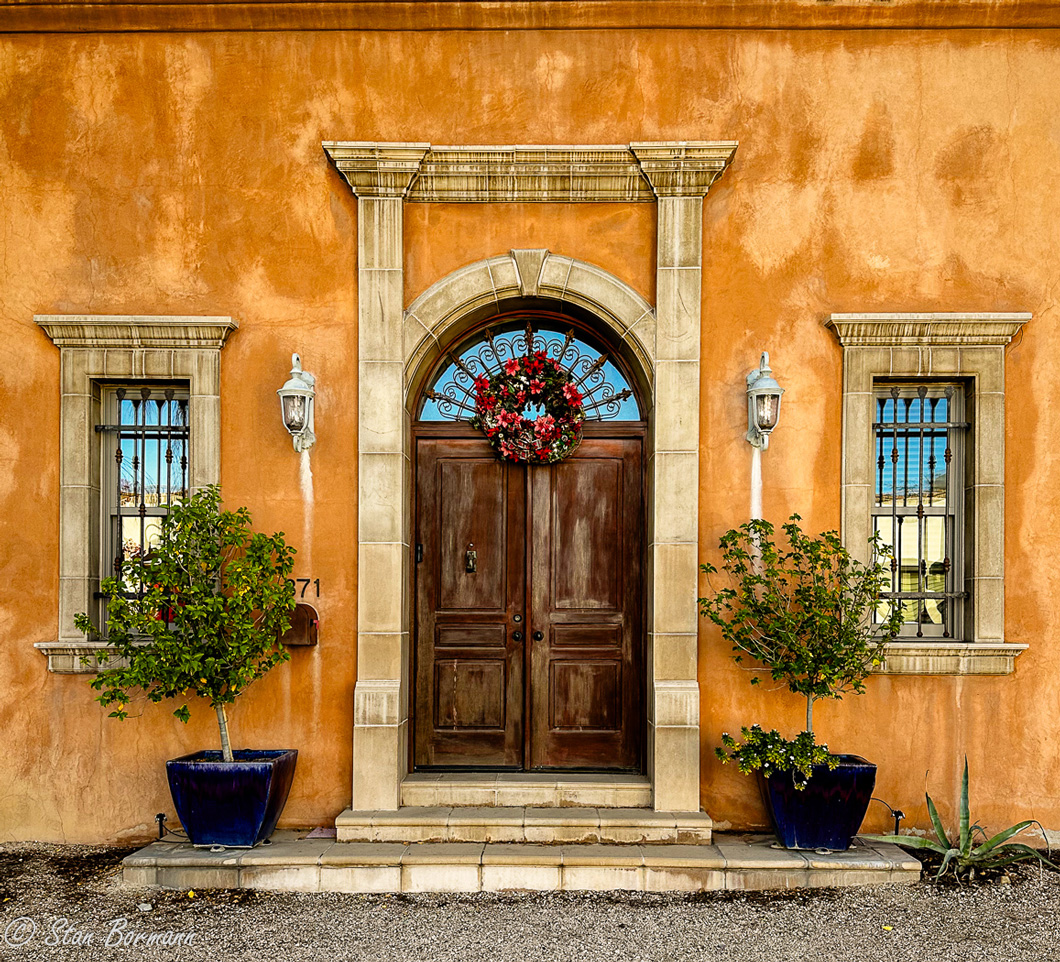
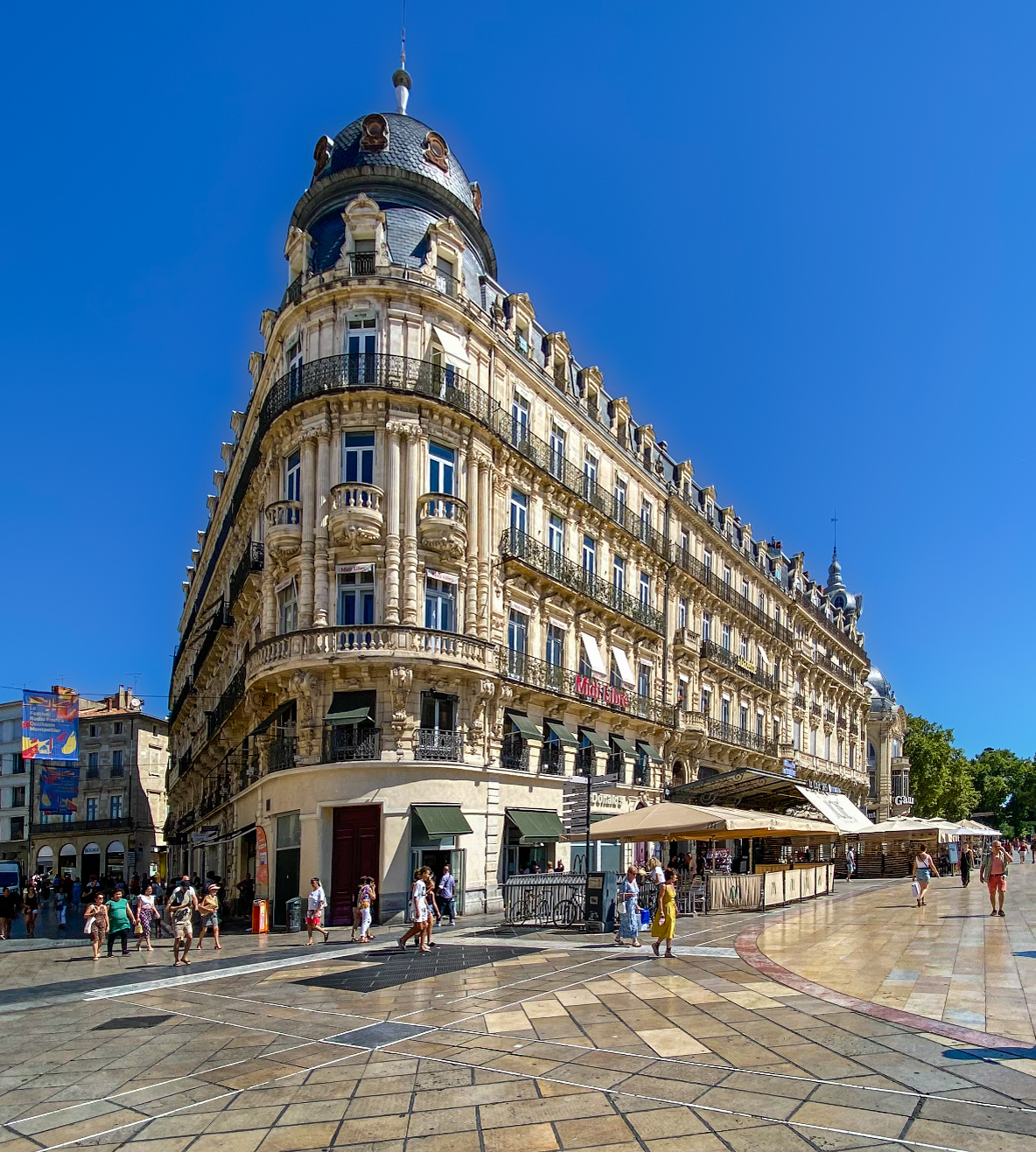
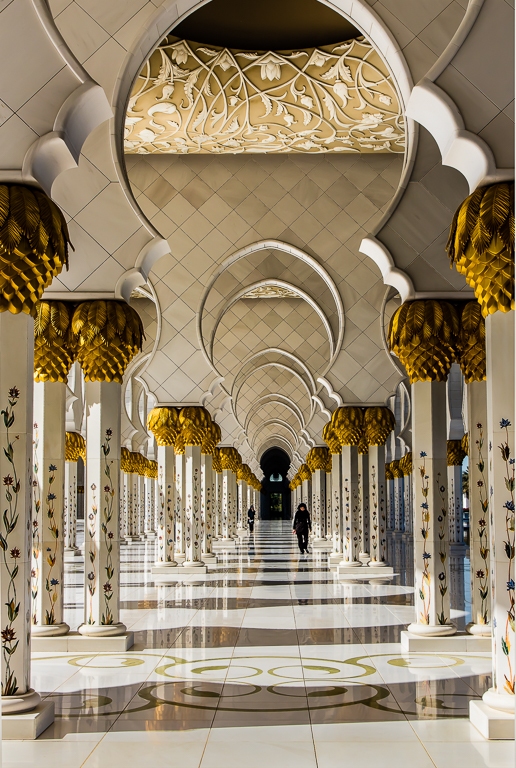
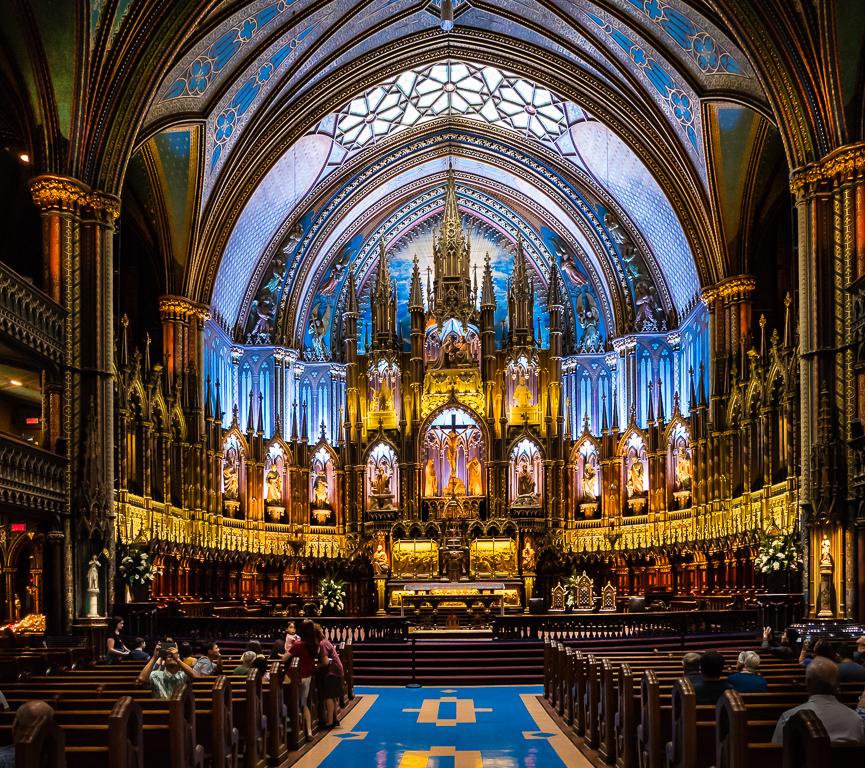
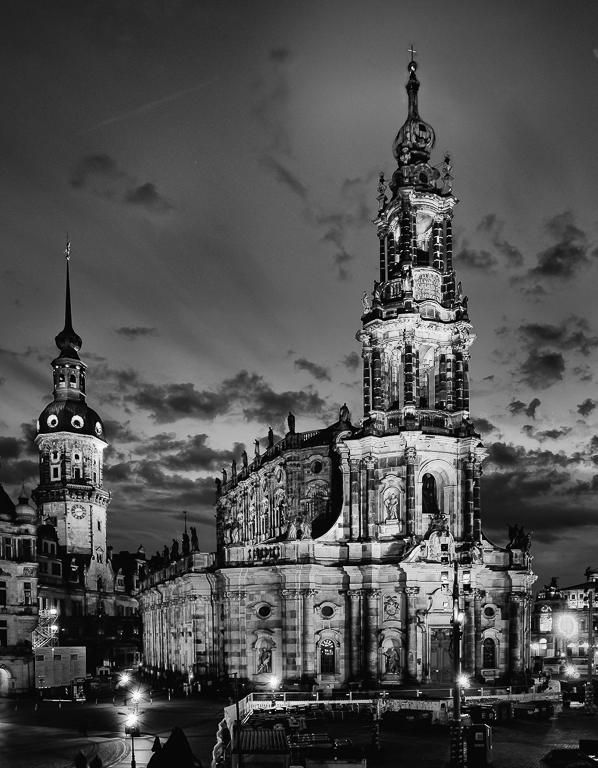
This is an awesome image. I like the way you have cropped it if you cropped or set this in the camera. The colors are great and it seems very sharp for the conditions you were working with. We seem to be talking perspective in this round. You could correct perspective and loose very little that is important to the image, but I don't think I would. You have nice formal treatment of the image from side to side. We all know this image as taken would have some perspective distortion and it doesn't bother me. Prints it, mat it and frame it. Hang it in a place of honor. |
Oct 18th |
| 19 |
Oct 17 |
Reply |
This just shows the power of digital dialog. I agree with your comment, but would need to do more perspective correction to make that column vertical. I just might do that the next time I enter this in an exhibition. I have resolved to loosen up on what I do for images for PID and PPD. The result of some presentations at the conference. I might even play with making the left edge of the image totally vertical and leaving the right edge something other than that. Thanks for the comments everyone. |
Oct 18th |
| 19 |
Oct 17 |
Comment |
Another image with a dark subject and a light sky. I don't think the light sky is a problem, but I wish there was more contrast between the engine and the trees. I think I like Carroll's suggestion of darkening the lower right a bit. I like the lines of the tracks, but they do tend to lead me out the side. The engineer looking out the window is a major contributor, I like the near white object on the front of the engine, but the white object behind the engine is not part of the subject, and I think I would try to darken it, perhaps part of a vignette of darkening some of the edges. Another great train image with the train actually in use. The "in use" part makes your images strong. |
Oct 6th |
| 19 |
Oct 17 |
Comment |
The image is well done. The contrast of the silhouette on the light background immediately draws me to the worker. What I think is backlighting makes the debris from his work an important image element. While the technique is excellent, the image is strong, I don't know that the subject has enough impact or interest.
You can't crop the left because the debris is important. You could crop the right to get him out of the middle and it isn't really important, but then he might be considered looking out of the image, but I think he is looking down at his equipment and I think you could consider some crop of the right. |
Oct 6th |
| 19 |
Oct 17 |
Comment |
Great image, his expression is perfect and the story is told with him looking at you holding the cup. I have a monochrome presentation that I give to clubs. At one presentation a member took issue with the position that the eye is drawn to light areas. He said there is no scientific evidence of that. After thinking of this for six months or a year, I decided he was pretty much right. There are a couple of examples this month. I believe the eye is drawn more to the high contrast areas. The man stands out very well from the background and draws me immediately. The pavement is very light compared to almost everything else. It doesn't draw my eye. The high contrast from the pavement immediately tells me where to look. Only then do the light cup and beard draw my eye which are not only the lightest areas, but also the highest contrast. Well done. Another clear example is a silhouette. Here one of the darkest parts of the image is also the highest contrast and draws you immediately and holds you. We have an example this month. |
Oct 6th |
| 19 |
Oct 17 |
Comment |
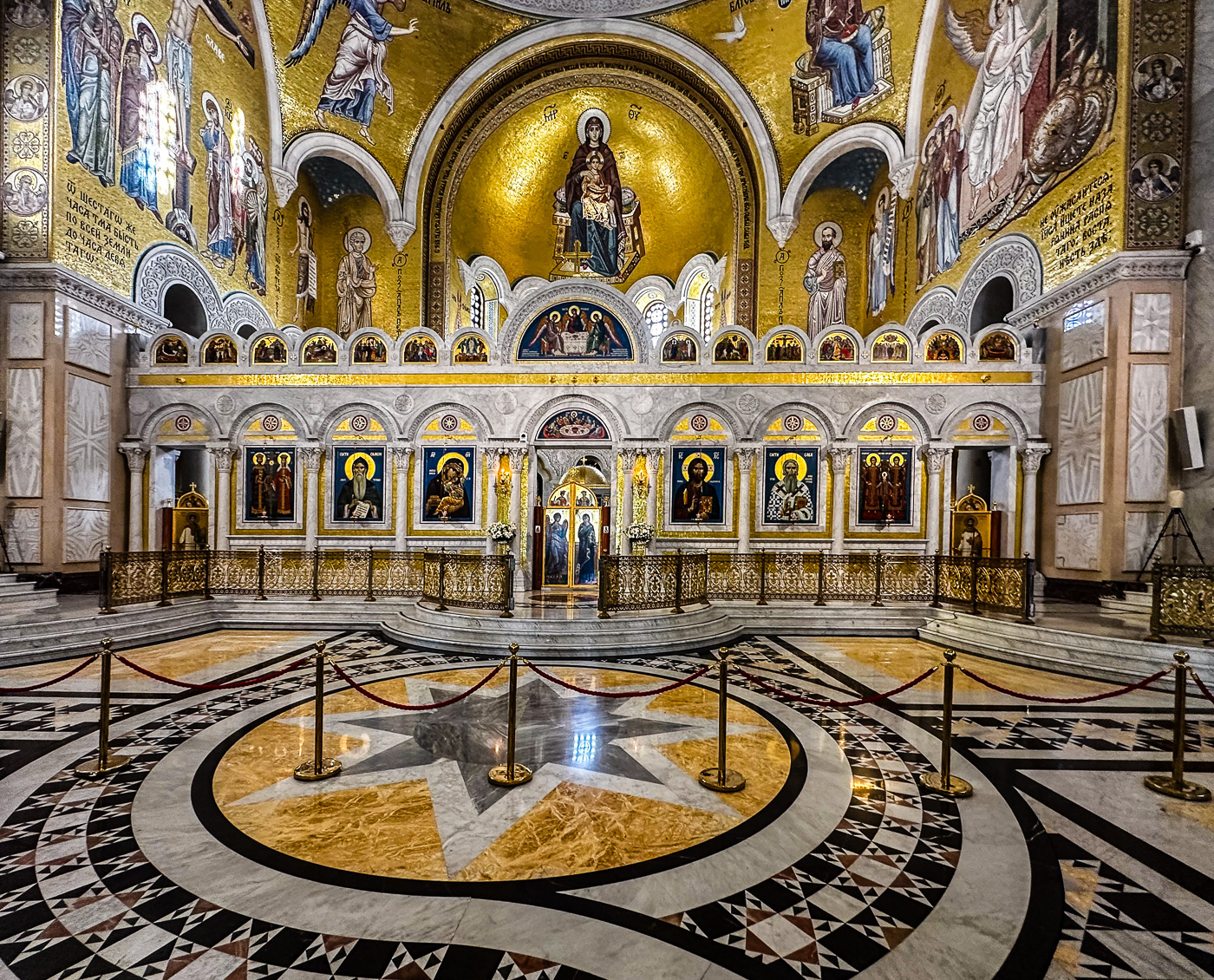
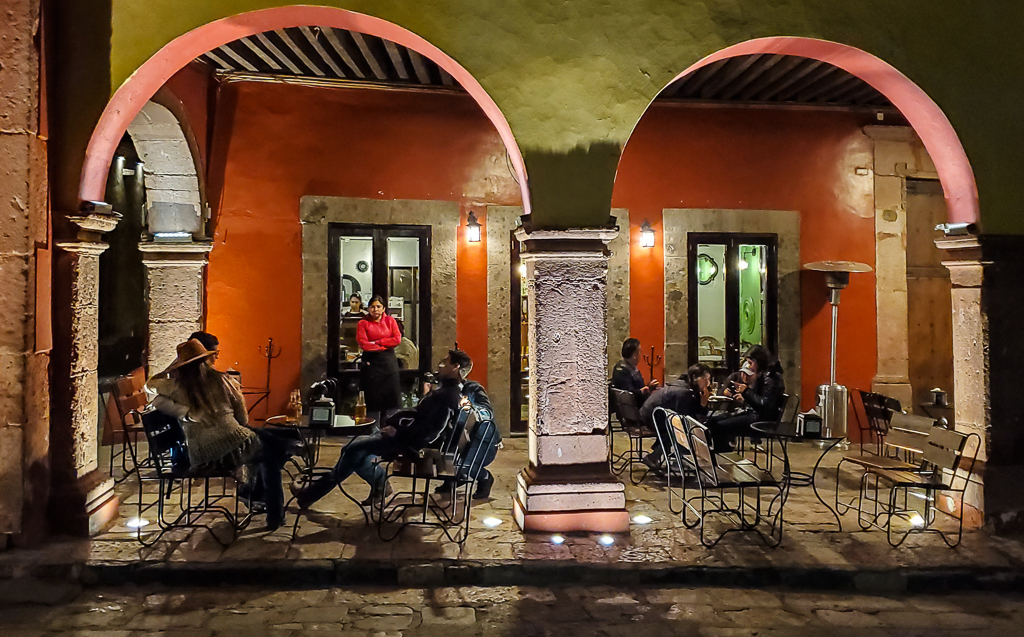
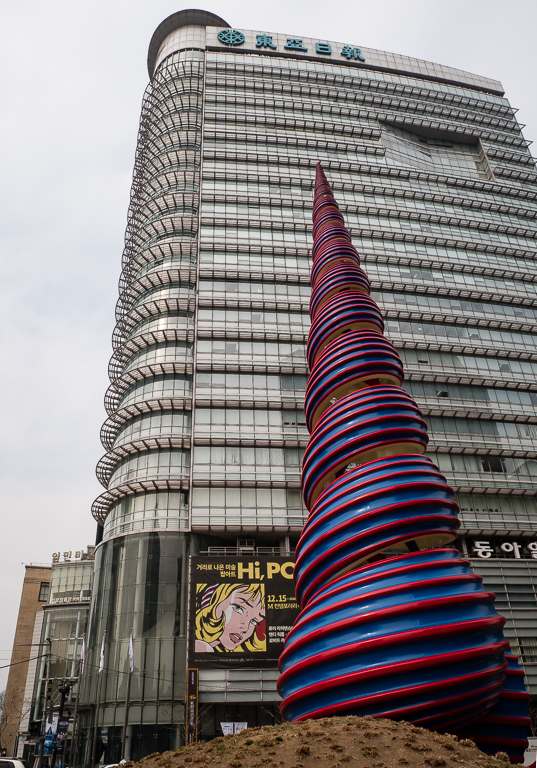
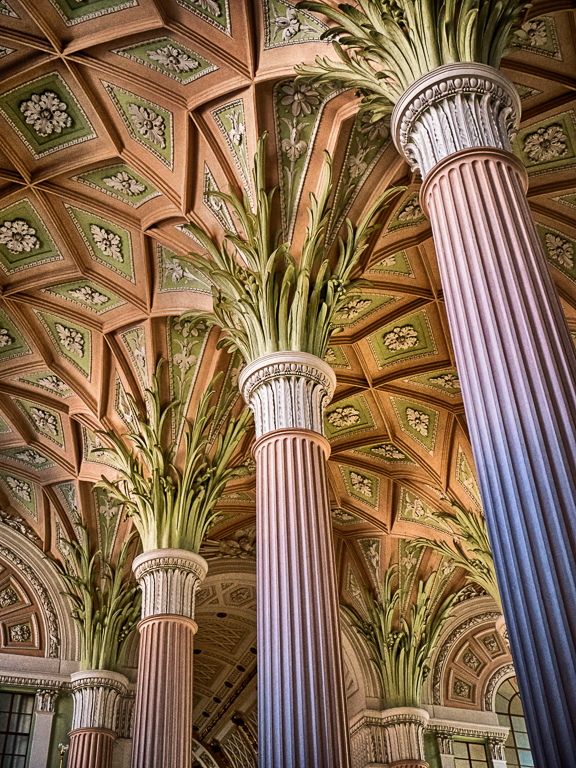
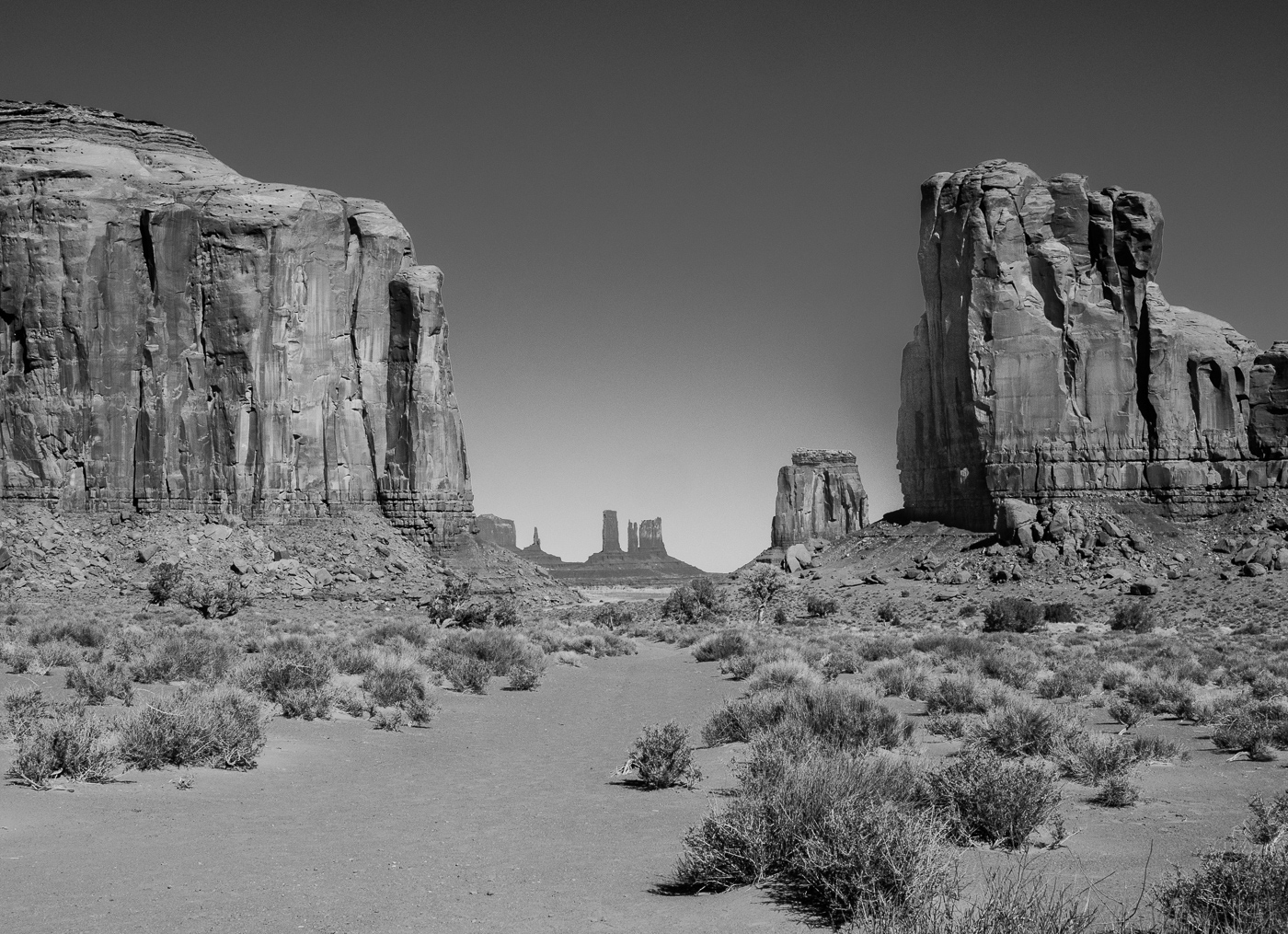
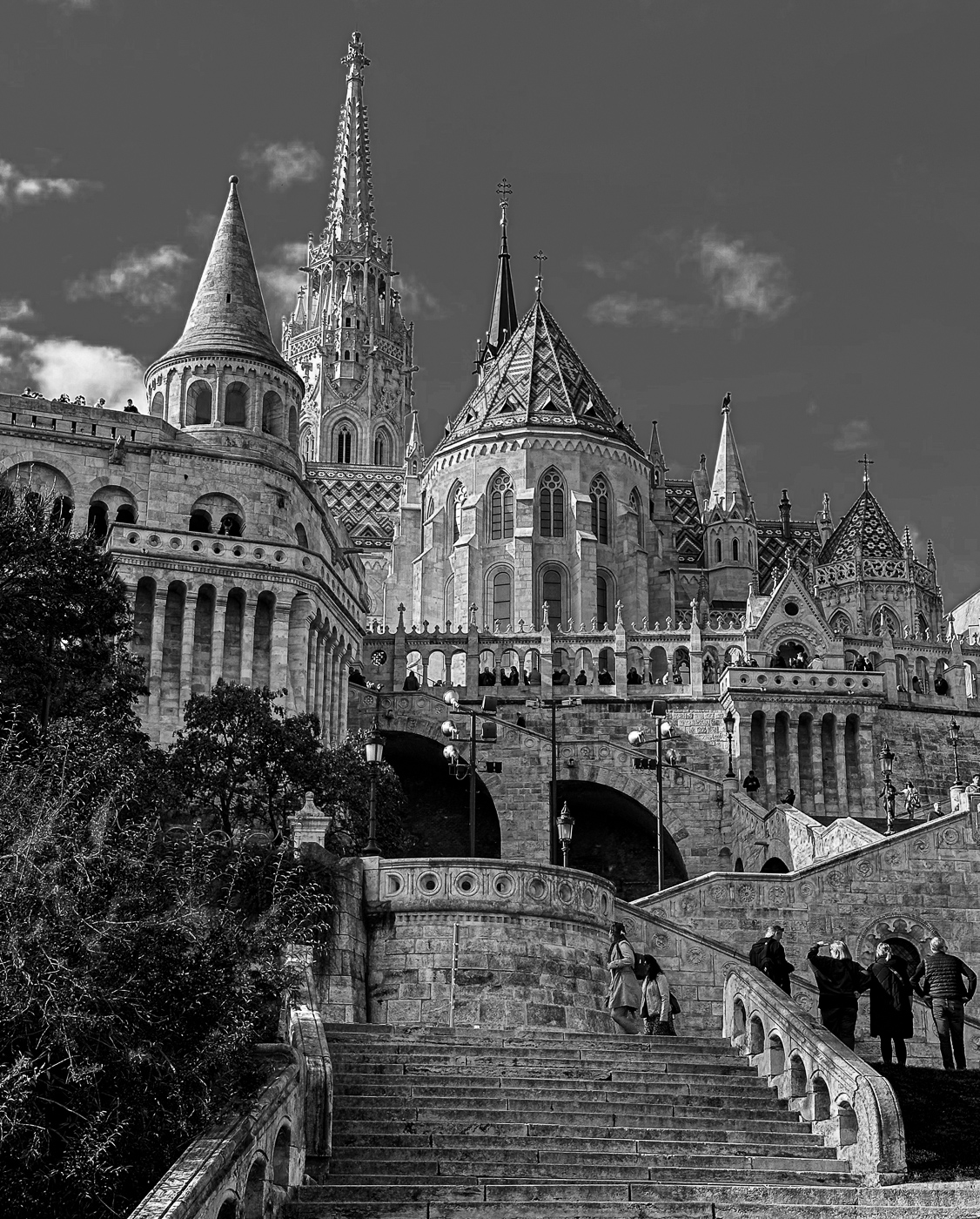
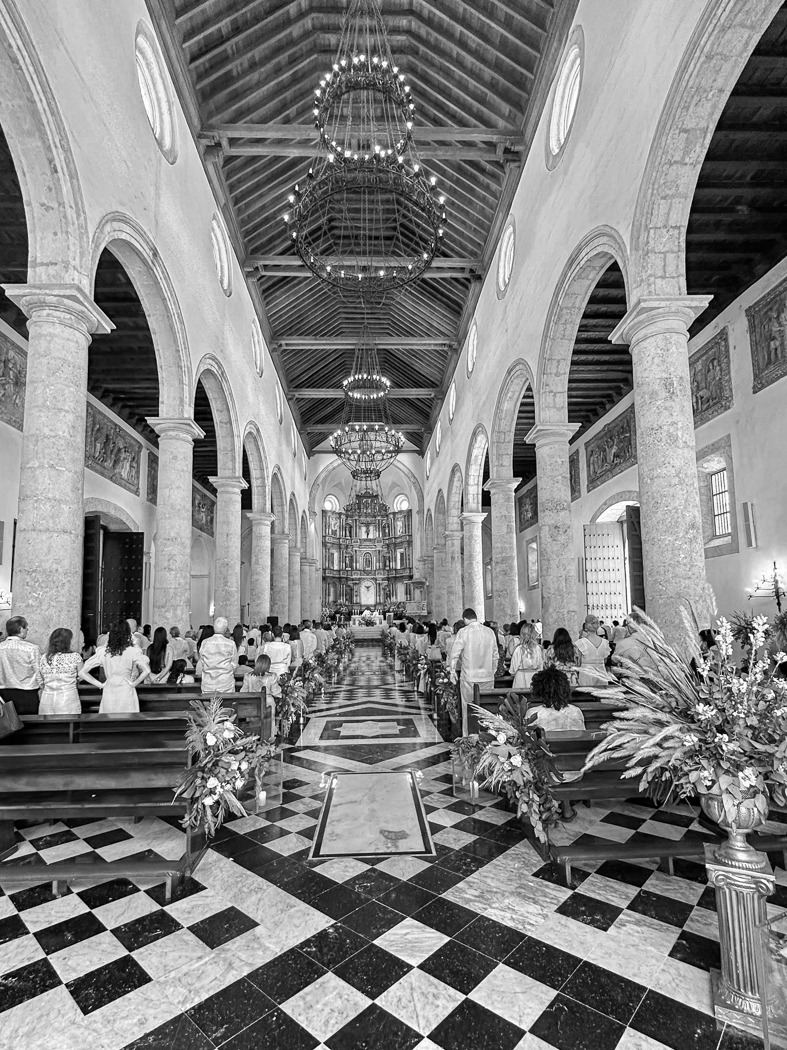
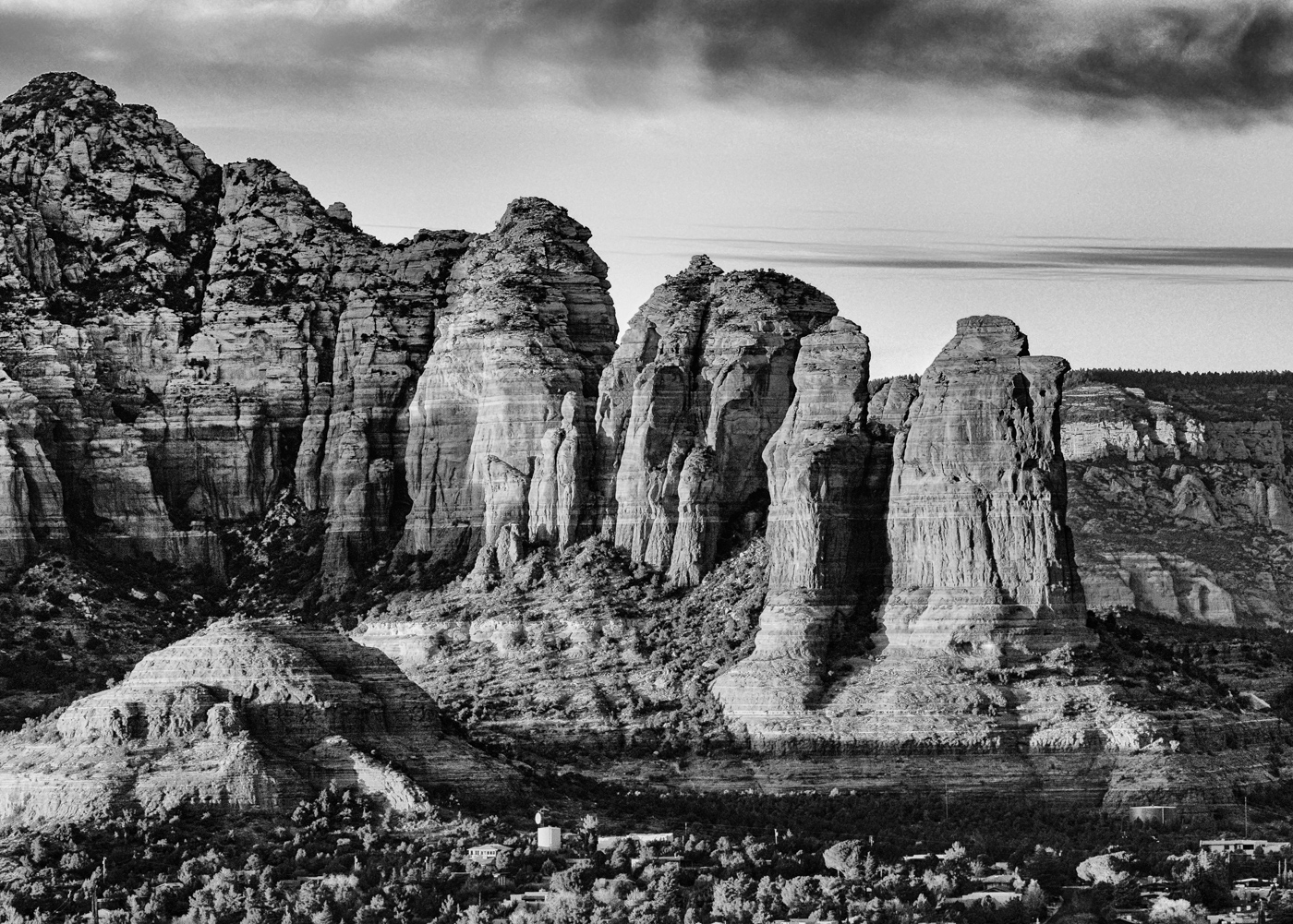
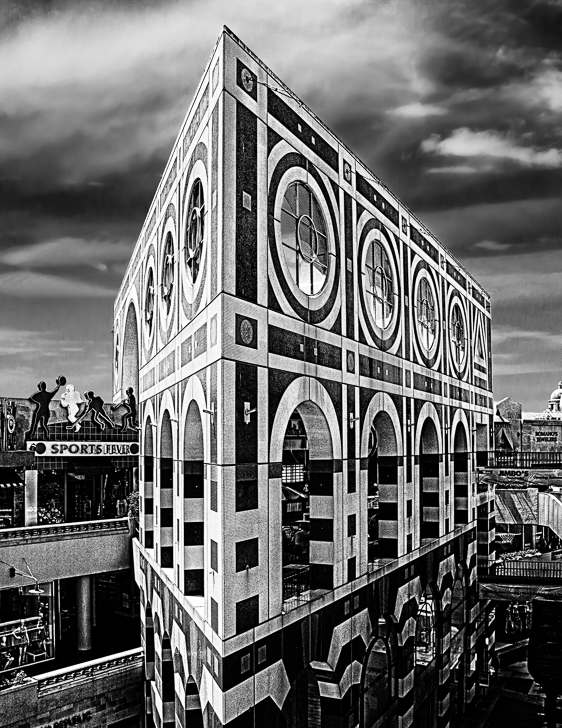
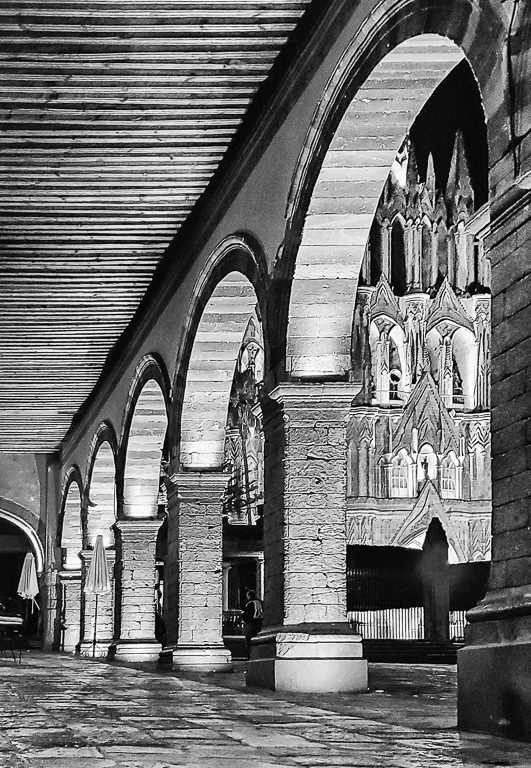
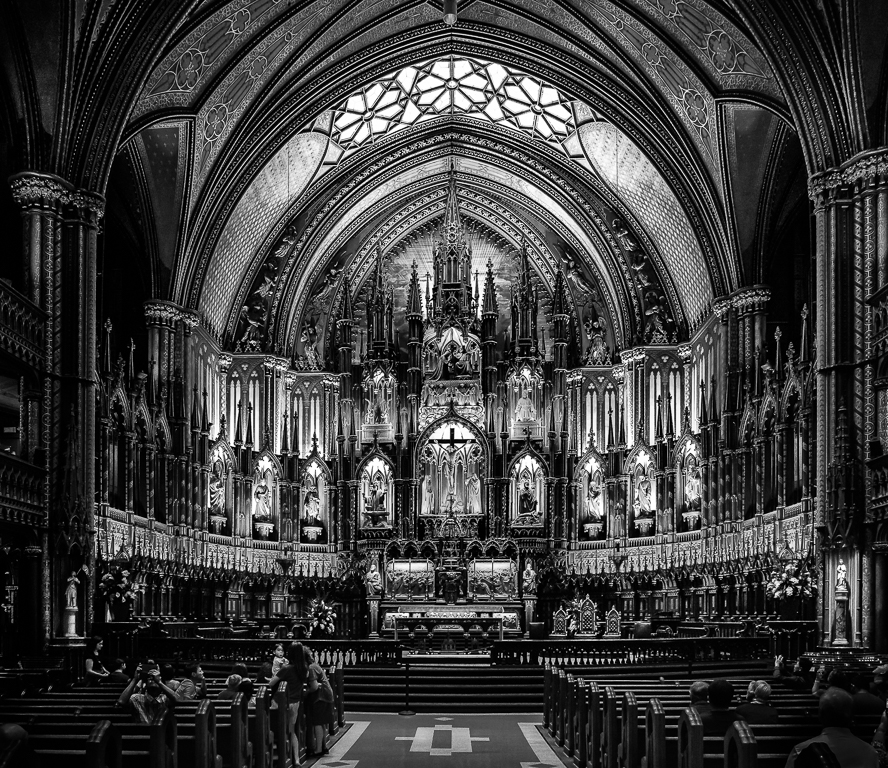
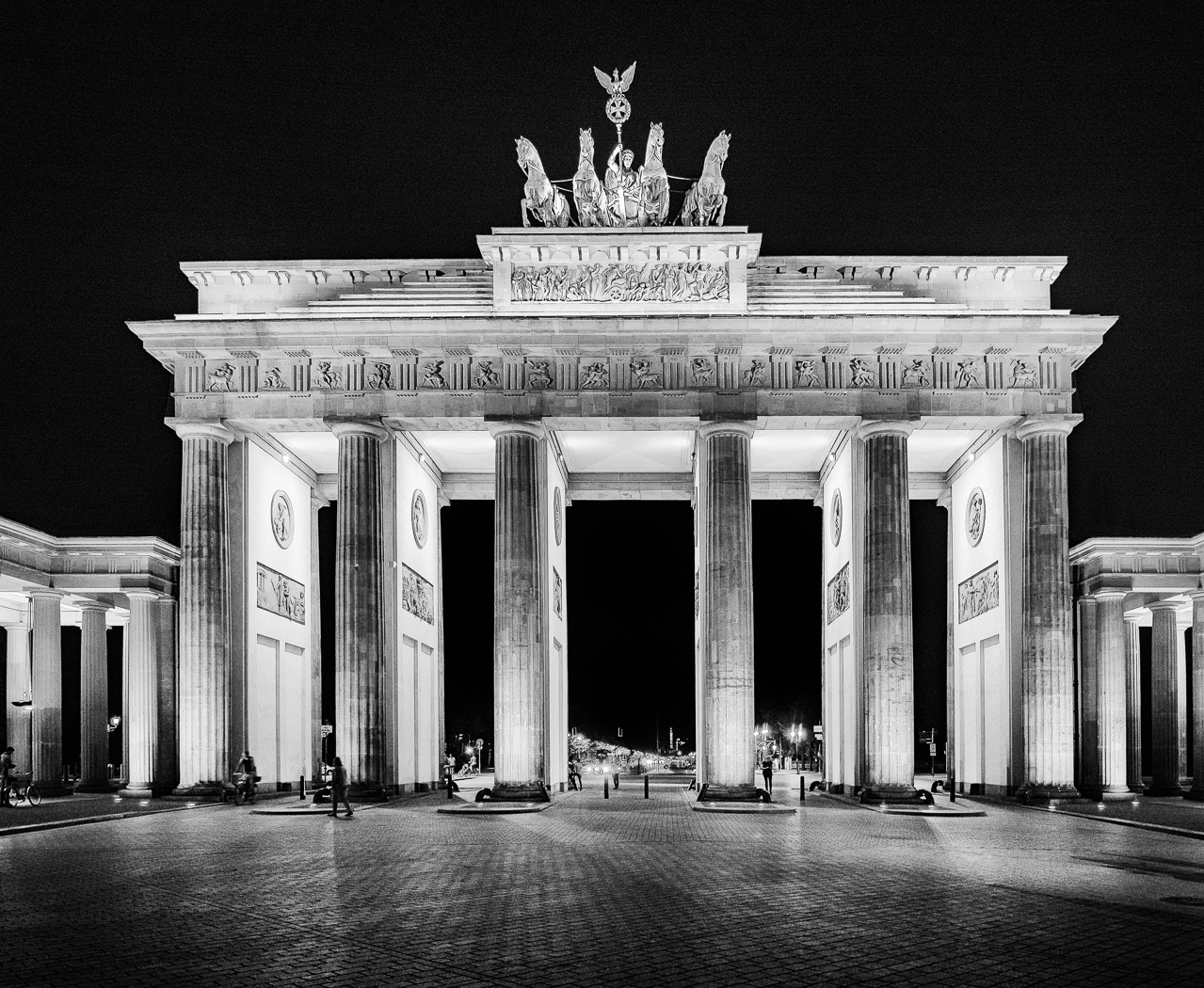
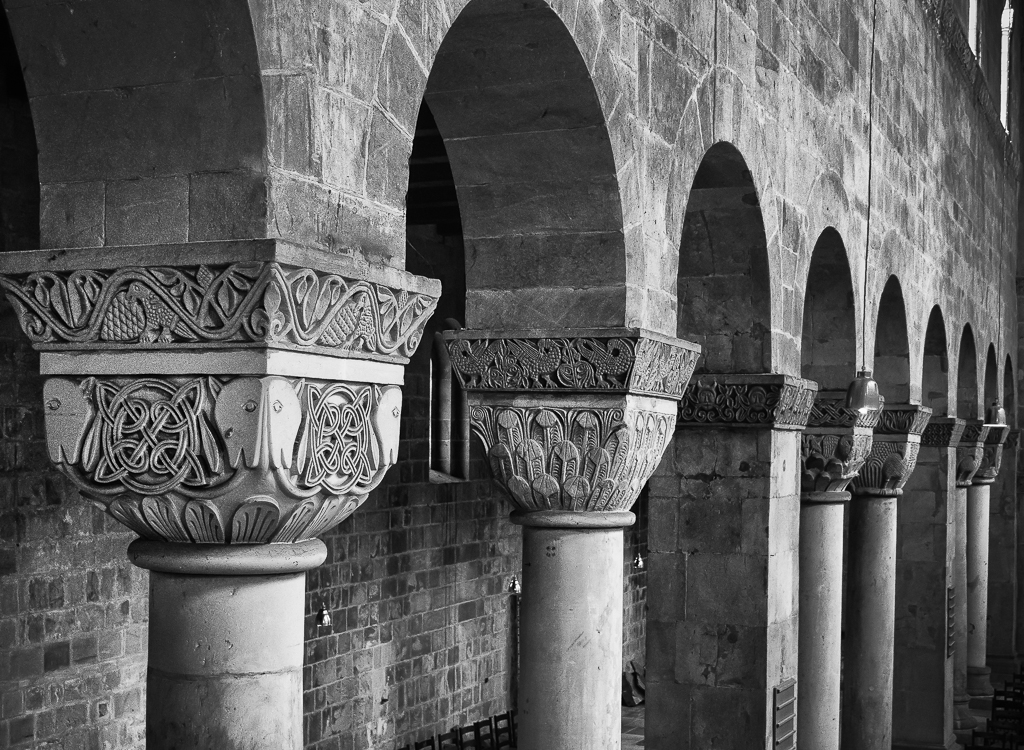
I often don't completely fix perspective. Perspective is real and I think we expect it. If it is extreme it might be a concern or it might be creative. Full correction often results in loosing more of the image than I want to lose. I don't recall what I did with this, but I try to get a vertical line that is closest to the center vertical. In this case, the left side of the middle pillar is probably tilted a bit right. I probably will try to get that vertical. If I feel in the field that I want to correct or minimize perspective distortion, I often go to a wider angle zoom turn the camera down until I am close to loosing what I want on the top, get the level line in the viewfinder level and then later crop off the bottom to where I want the bottom of the image. Then I may or may not correct any remaining perspective distortion . |
Oct 6th |
7 comments - 2 replies for Group 19
|
| 64 |
Oct 17 |
Reply |
I don't know that I would want to use Auto ISO in A or S mode. that would make it so the camera picks two of the three parameters, sort of like shooting in "P" mode. Most photographers don't like to do that. I think I am going to like it a lot in Manual, which really becomes auto with the camera controlling ISO. I am going to try making that my standard mode. |
Oct 19th |
| 64 |
Oct 17 |
Comment |
Such a well composed image of something that was part of our life a few decades ago is a sure winner for interest. I like the diagonal you placed it on. I agree this needs a thin white border if it is a projected image which will probably be viewed on black, printed I just leave white paper around it. I think the tack sharp hammers with high contrast catch all the attention as you probably intended. The arms are a bit out of focus with your excellent choice of f-stop. Great planning of the shot with an excellent result. |
Oct 19th |
| 64 |
Oct 17 |
Reply |
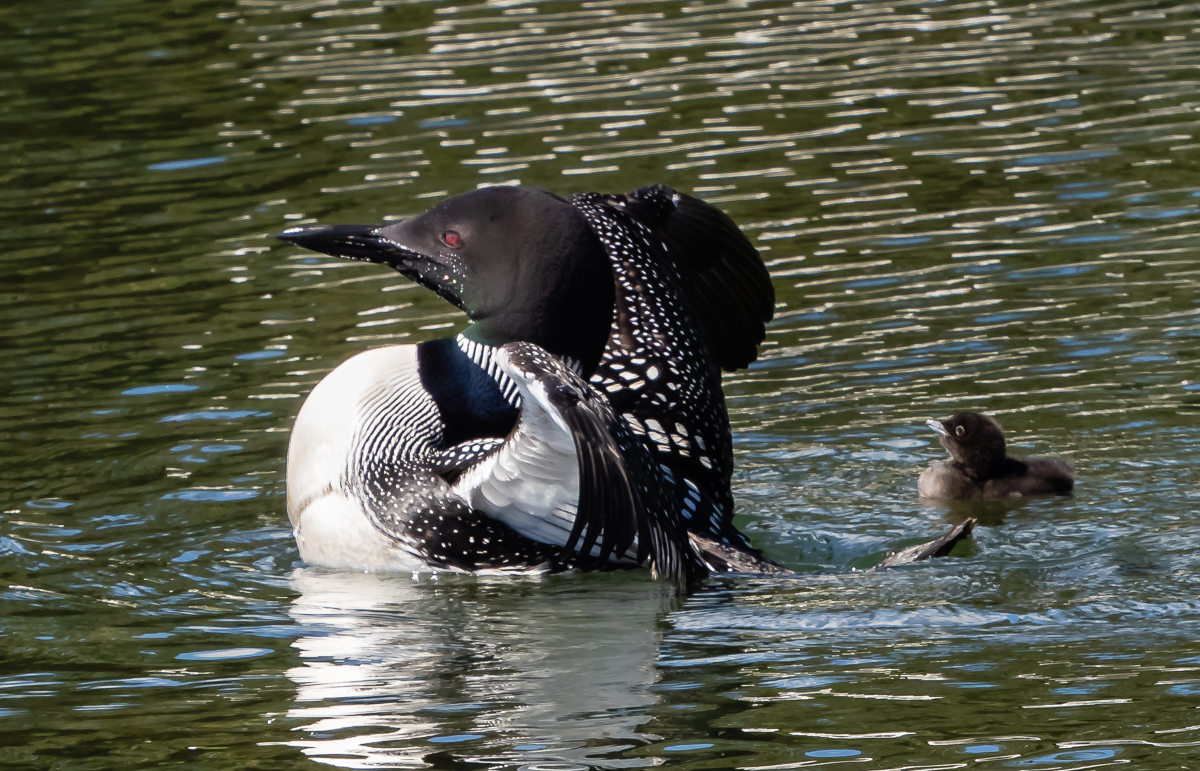
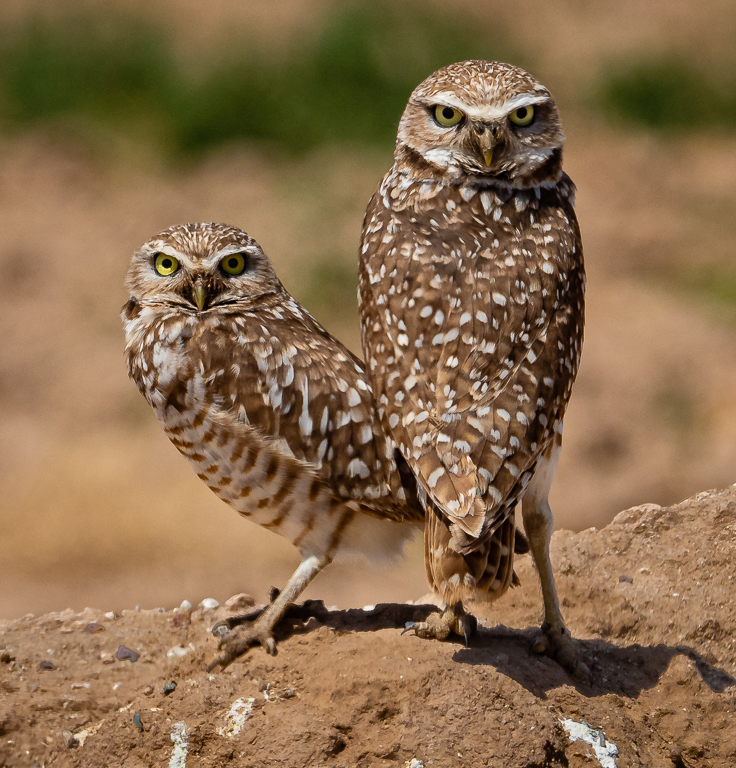
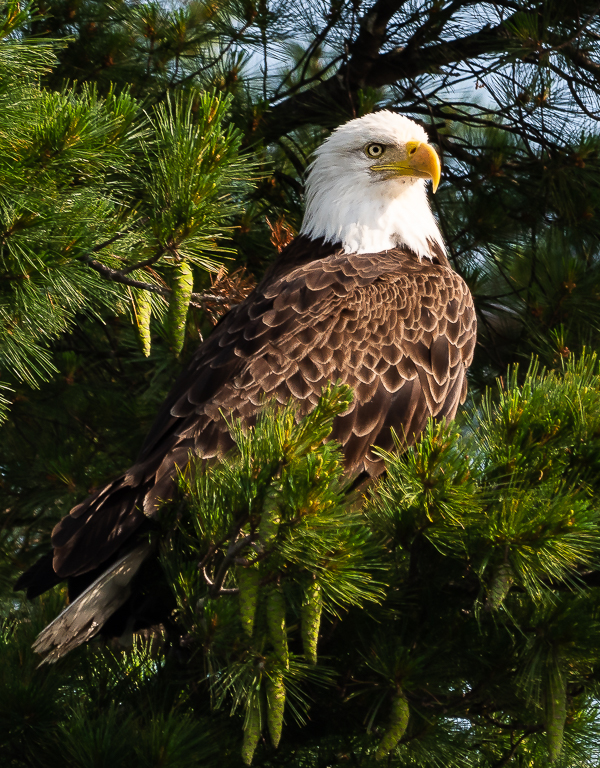
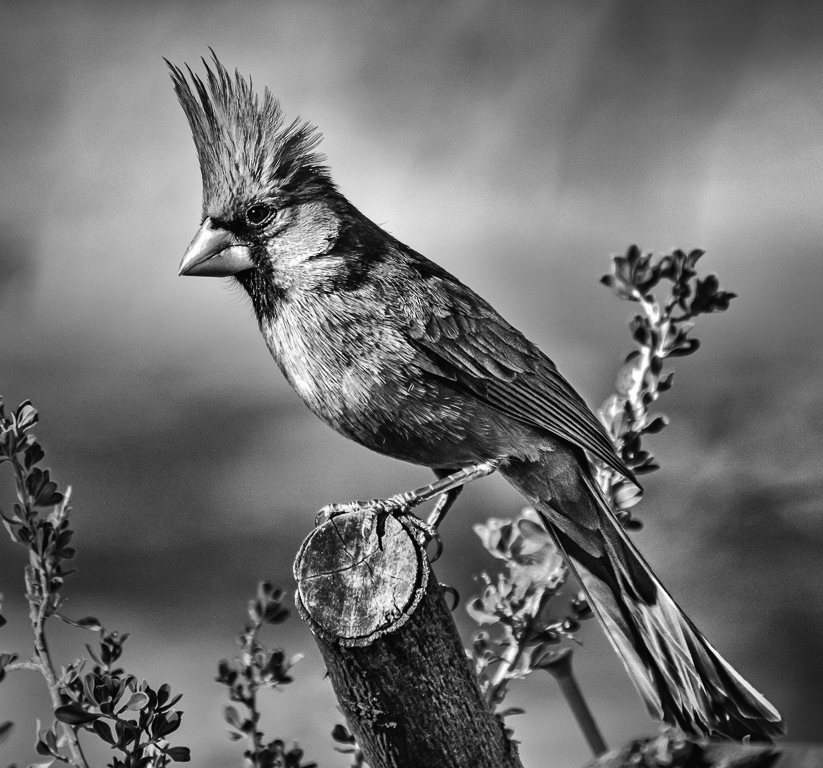
I am sorry, I always try to include camera settings. This was at 400mm, ISO 400, f/6.3, 1/1250 sec. I was trying to totally blur the background which was trees some distance behind the bird. I appear to have kept enough DOF for the bird. I made some attempt to take out what looks almost like a nail between his tail and the cut branch. I wasn't getting what I wanted and gave up. It might be possible to tone down the branch on the right and it would better match the tones of the branches on the left. Sounds like a good suggestion.
I came home from the conference with a Panasonic GH5 camera. I think it will do well with higher ISO than I have been using and would now shoot this with higher ISO, perhaps a little more DOF and faster shutter. Fast shutters are always good to catch sudden motion with wildlife which often goes with the best behavior. |
Oct 19th |
| 64 |
Oct 17 |
Comment |
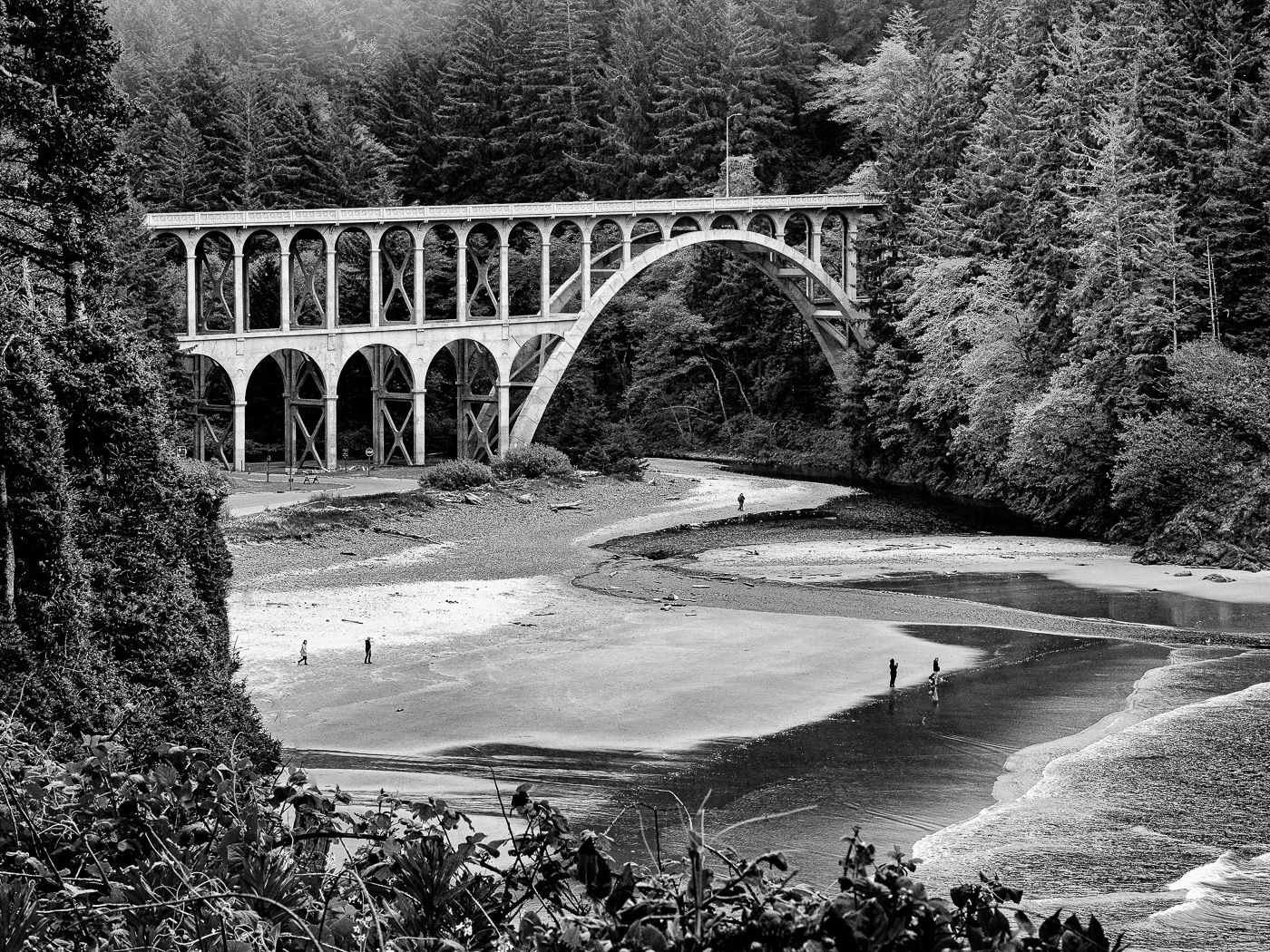
Interesting discussion before I reviewed this. Frankly I can't think of anything new to discuss but will weigh in on what others have said. I think making the noise into grain was a great idea. There is something about making things look deliberate that makes them not an issue. I think I would support cropping out the light area at the top. taking the bridge closer to the top 1/3. It might also work to crop the right hand side a bit. If you follow this suggestion perhaps just take out the larger puddle on the right. The puddle might draw attention to the edge of the image. Nice capture with a lot of mood. |
Oct 19th |
| 64 |
Oct 17 |
Comment |
I don't know what was around "mum's" face, but removing with black certainly worked and didn't show any trace of the action. I think the lower part of the image is needed to tell the story as Stuart said. I think I would keep it in. I think I would prefer that part of the image to be in better focus, but understand that you were pushing the envelope. There was too much potential for movement to go to allow a lower shutter speed to get a smaller aperture and the ISO is already pretty high. This might be the very best pick for how to set the exposure and the soft foreground still tells the story and perhaps helps keep the attention on the people. Their expressions do a pretty good job of that in any case. Nice capture. I wonder, did you use manual f-stop and shutter speed with auto ISO to plan this shot? With our low noise new cameras, I am considering making that pretty much my typical shooting. |
Oct 19th |
| 64 |
Oct 17 |
Comment |
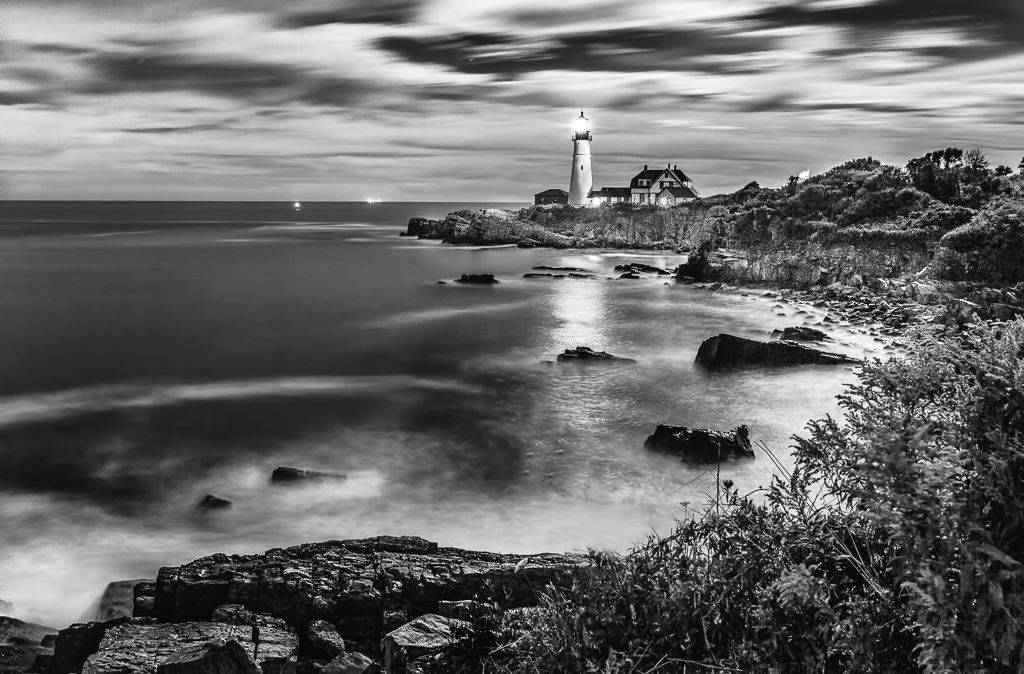
I don't do this kind of photography, so it is hard to understand the process. I know there is a "formula" of shutter speed to prevent star trails and this was successful in this case. I recall shooting the Portland Light, covering the lens when the light came our way to prevent blow out around the light. I had a shot I was proud of that was 57 seconds, perhaps 2/3 of those seconds the lens was uncovered, but it clearly showed trails. This is a beautiful image. Another great example of true black is a useful color in a monochrome image and should not be considered a problem. I tend to think it might be better with the tree moved a bit to the left and more under the milky way, but I would not like recomposing in a way that might remove the silhouetted tree on the lower right. Great shot. |
Oct 18th |
| 64 |
Oct 17 |
Comment |
A lot of interesting comments proceed me. It just shows there are a lot of options for the artist to take. I don't think I would do anything with this excellent image, but the image lends itself to a lot of crop options. I think you could crop the top to provide a number of different aspect ratios without loosing anything very important. it is fine the way it is, but if you want a 4:3 ratio like 16 x 12 you might be able to crop this much at the top, I think the foreground is important and would not want to touch the bottom. By the way, in vertical images when you crop the top or bottom it puts more pixels on the screen for projected judging because it will project wider. |
Oct 18th |
5 comments - 2 replies for Group 64
|
12 comments - 4 replies Total
|