|
| Group |
Round |
C/R |
Comment |
Date |
Image |
| 72 |
Jun 25 |
Comment |
Hi Karen,
I tend to agree with Isaac here. Your capture is fantastic, but the tighter crop and darkening of the background makes the giraffe "pop" more and draws at least my eyes more to the beauty of the giraffe that you captured. The blurred background provides very nice subject-background separation. We don't know your settings, but you must have been using a wide aperture. The blurry background provides all the more reason to crop out portions far from the giraffe. If the background were in focus and provided additional items of interest, then a crop that included them could make more sense. But with a blurry background (which is very desirable) and a strong subject, I would probably crop just like Isaac did. |
Jun 16th |
| 72 |
Jun 25 |
Comment |
Thanks Karen! I agree about the tighter crop and I've actually made several jpeg versions from the same original raw. Not sure what you mean by 'portrait mode' though. I confess to struggling a lot to find the right crop, trying to get the right balance between detail and context. |
Jun 14th |
| 72 |
Jun 25 |
Comment |
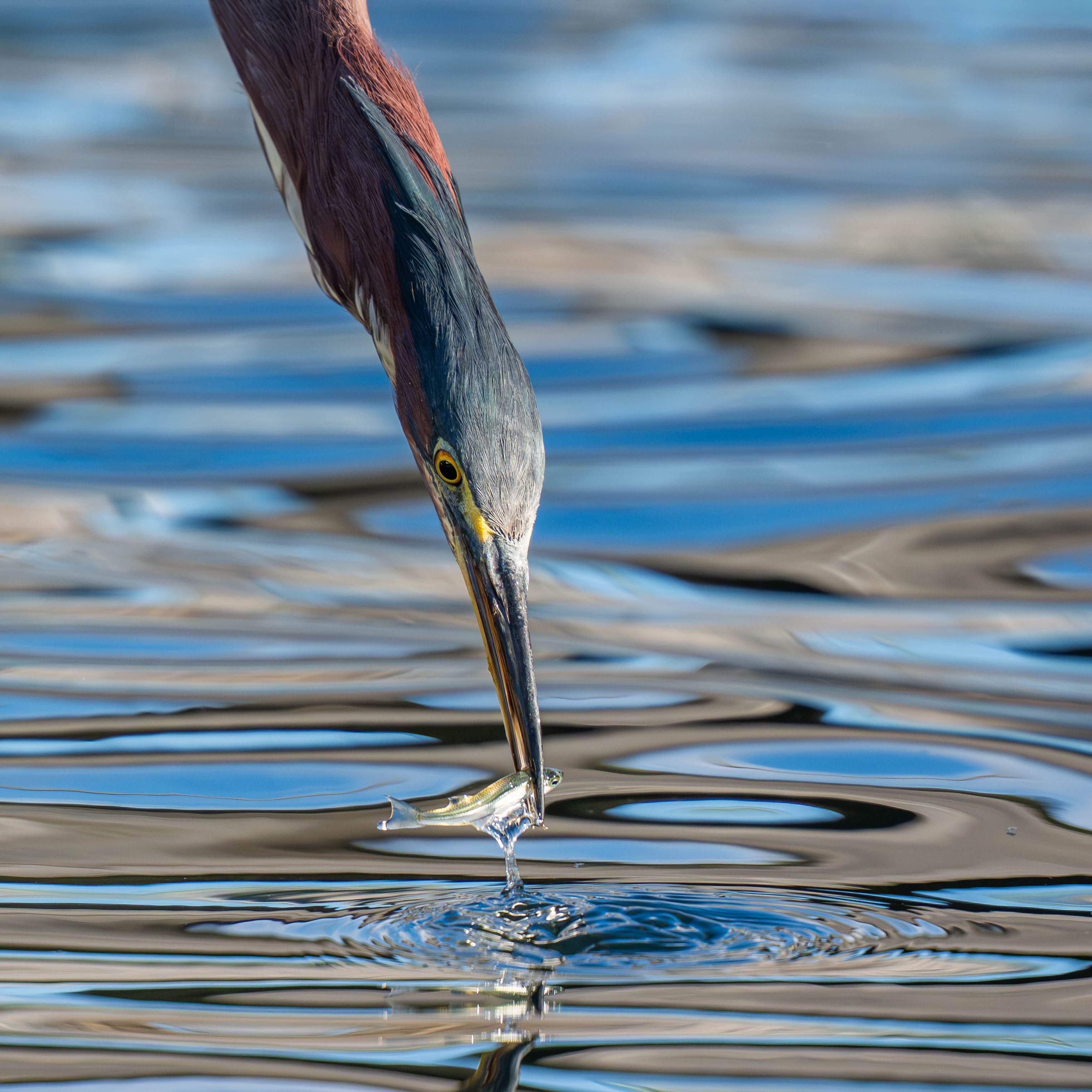
Bruce - What can I say other than "congratulations?" Wildlife image of the year! We are in the presence of greatness. You've given me something to aspire to.
Did you have to get wet to capture this image? Or were you safely on dry land? |
Jun 7th |
| 72 |
Jun 25 |
Comment |
Maria - There's a lot to love about this image: the colors on the bird's wing and back, the hole in the mud made by the plunging beak, the red tones at the knees, the pose of the raised foot, the purplish stripes extending from the eye - so much great stuff going on here. Great job on the post-processing for making those features pop. The only thing I'd consider doing differently would be enlarging the crop a bit - the bird feels a little crowded, like it needs more room to move and breathe, especially at the left side where the tail feathers are so close to the edge. Expanding the crop would probably introduce other problems, but that's the one thing I would have explored were this (beautiful) image one of mine. |
Jun 7th |
| 72 |
Jun 25 |
Comment |
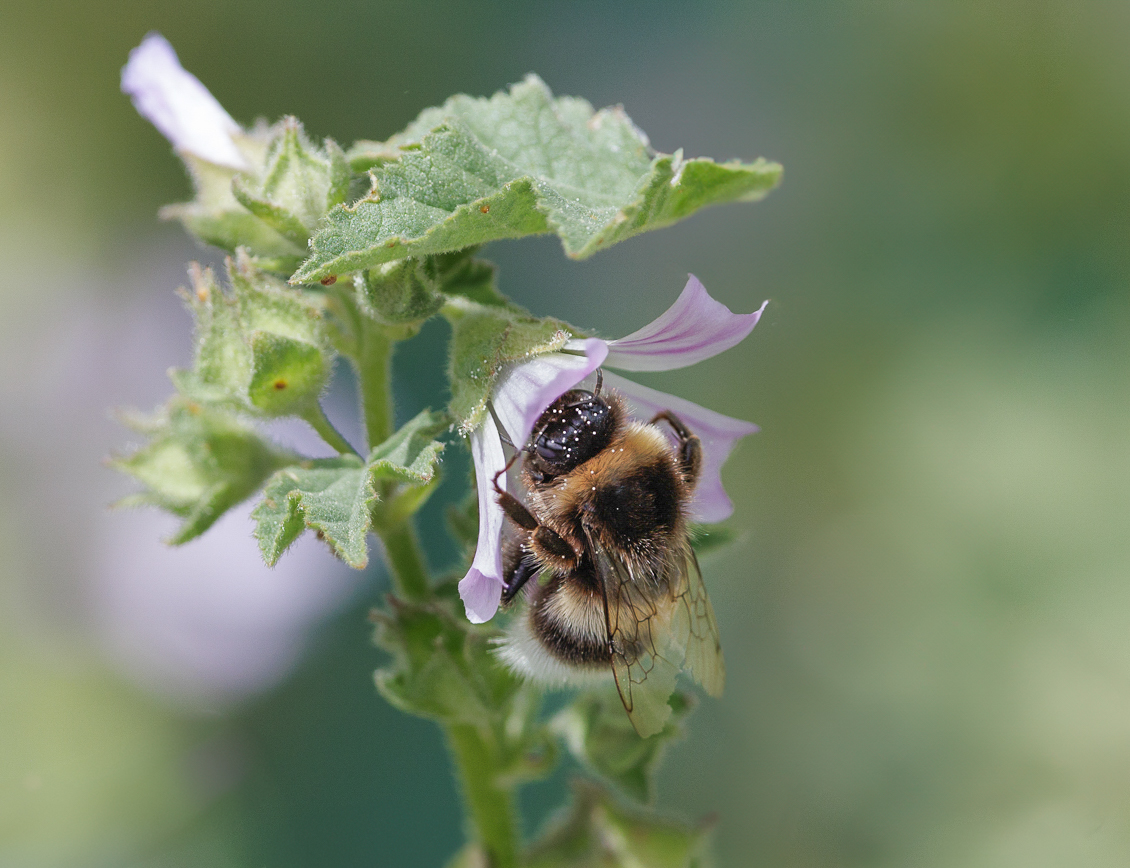
Maria - Great capture! The details (pollen grains on the bee, the bee's "hairs," and the veins in the wings) are fantastic. I made another version just to see how it turned out. The flower to the right of the bee seemed a little distracting so I tried removing that flower and its associated stems and leaves. Everyone has a different comfort level re: what's OK to remove - my version is just for your consideration. |
Jun 5th |
 |
| 72 |
Jun 25 |
Comment |
Adrian - Fantastic image and I like the black-and-white best of all. Great use of black-and-white! |
Jun 3rd |
| 72 |
Jun 25 |
Reply |
Thanks Isaac - I didn't know that was allowed. Good to know. |
Jun 3rd |
| 72 |
Jun 25 |
Comment |
Isaac - That's a very interesting image! I would have been very puzzled about the skin in the bird's beak if not for your explanation, which is so interesting. I suspect that the image posted as the original may not actually be the original - it doesn't seem to show the skin in the bird's beak and in the finished image the bird's right foot is on the rock, but it's on the iguana in the original. I suspect this image would be amenable to many different crops, but I like the one you chose showing only portions of the iguana and focusing the attention on the story of the symbiotic relationship. |
Jun 2nd |
7 comments - 1 reply for Group 72
|
7 comments - 1 reply Total
|