|
| Group |
Round |
C/R |
Comment |
Date |
Image |
| 32 |
May 24 |
Comment |
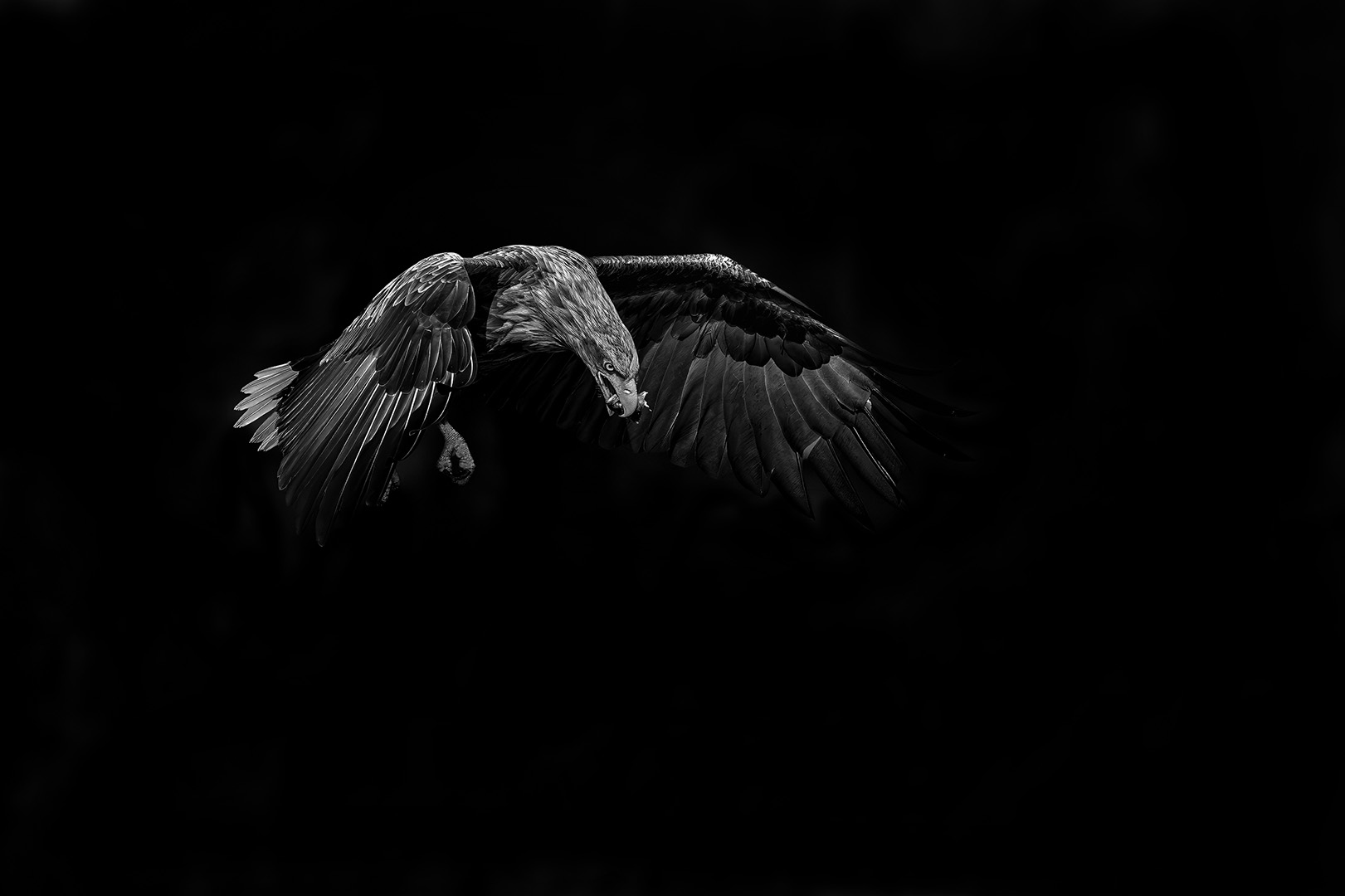
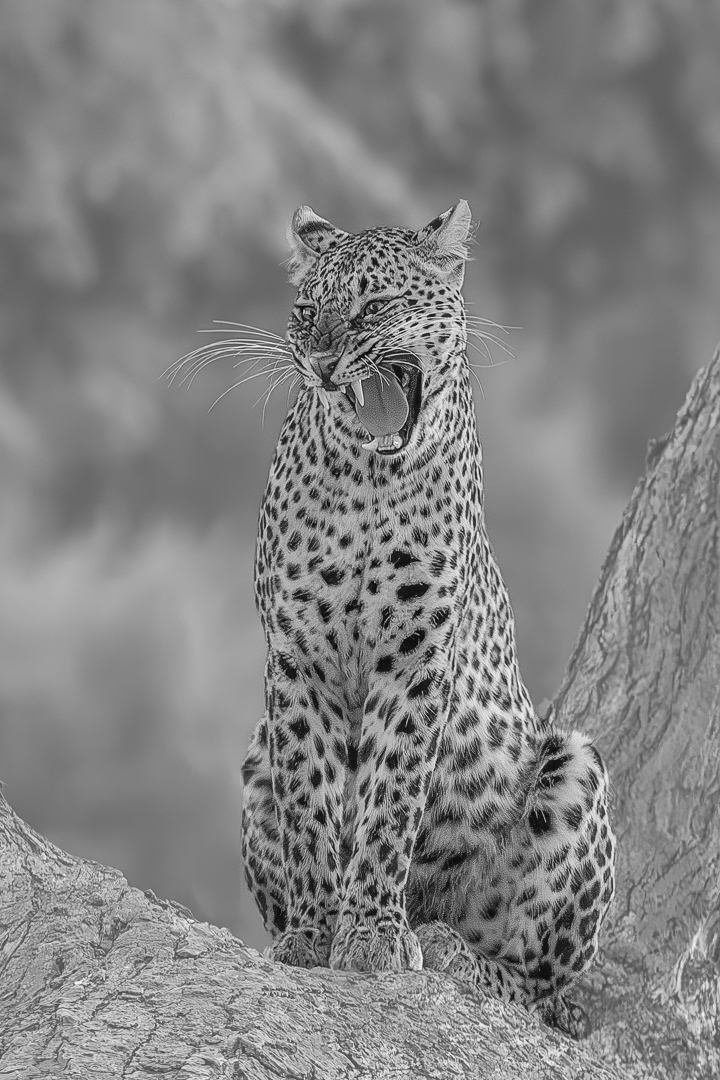
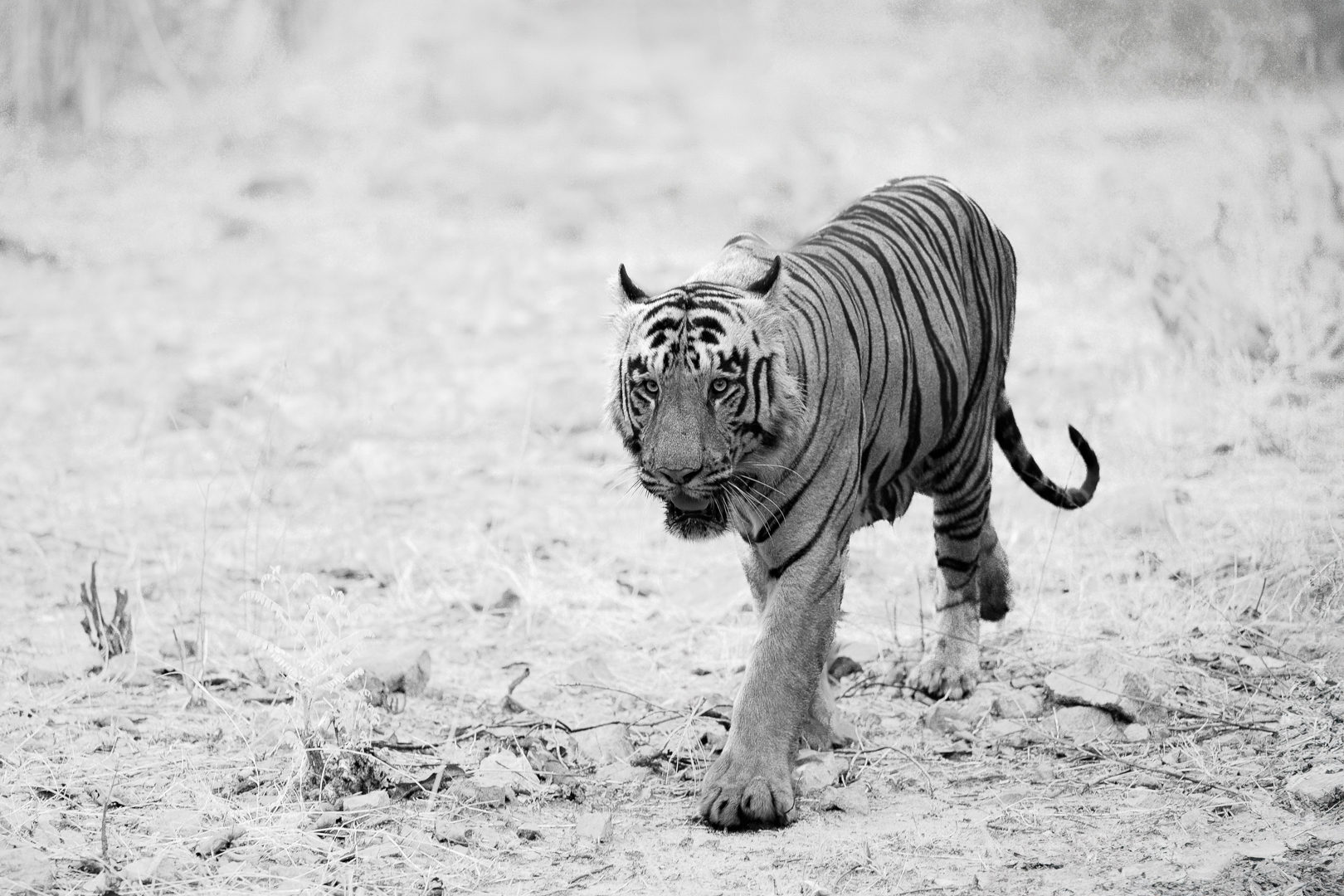
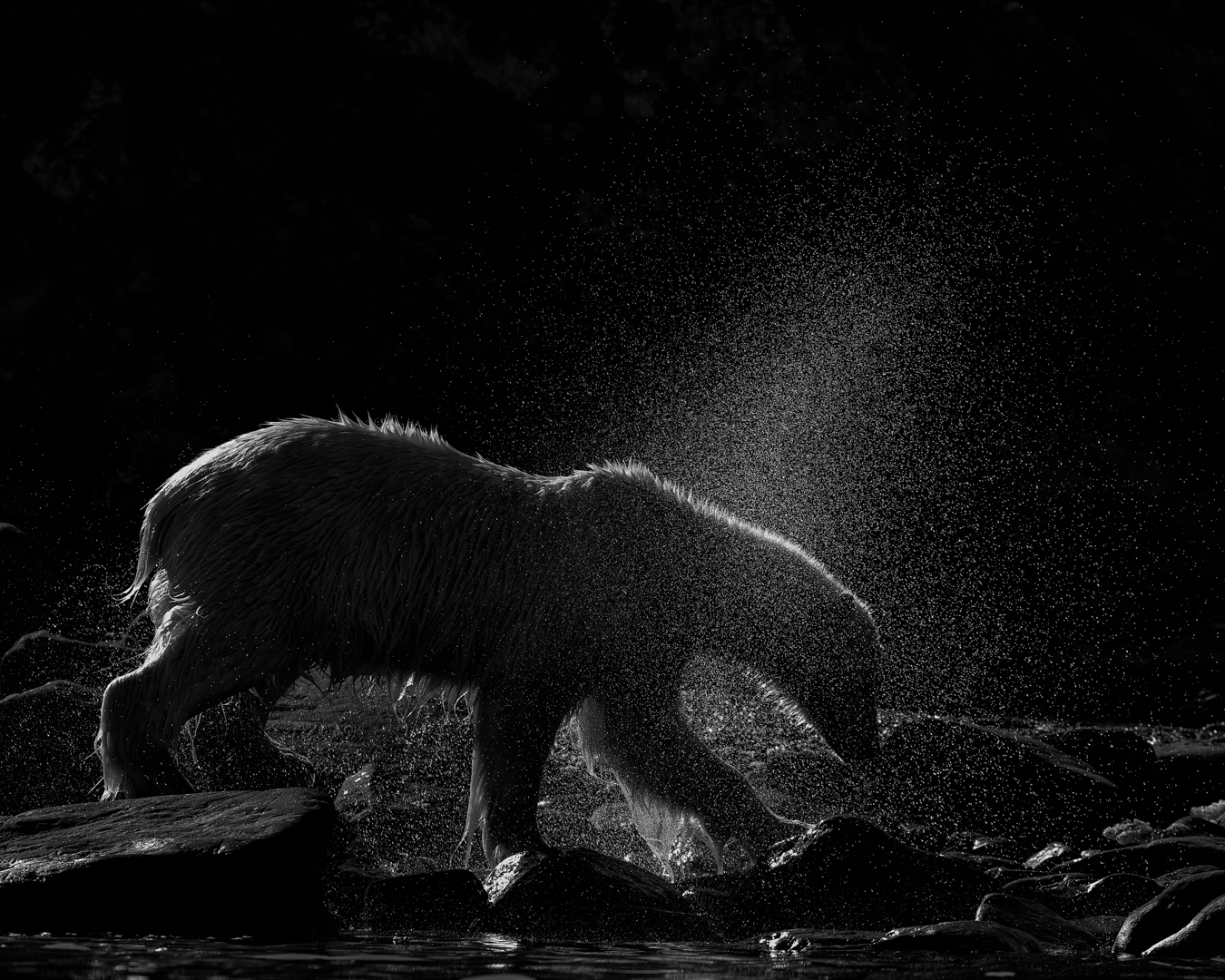
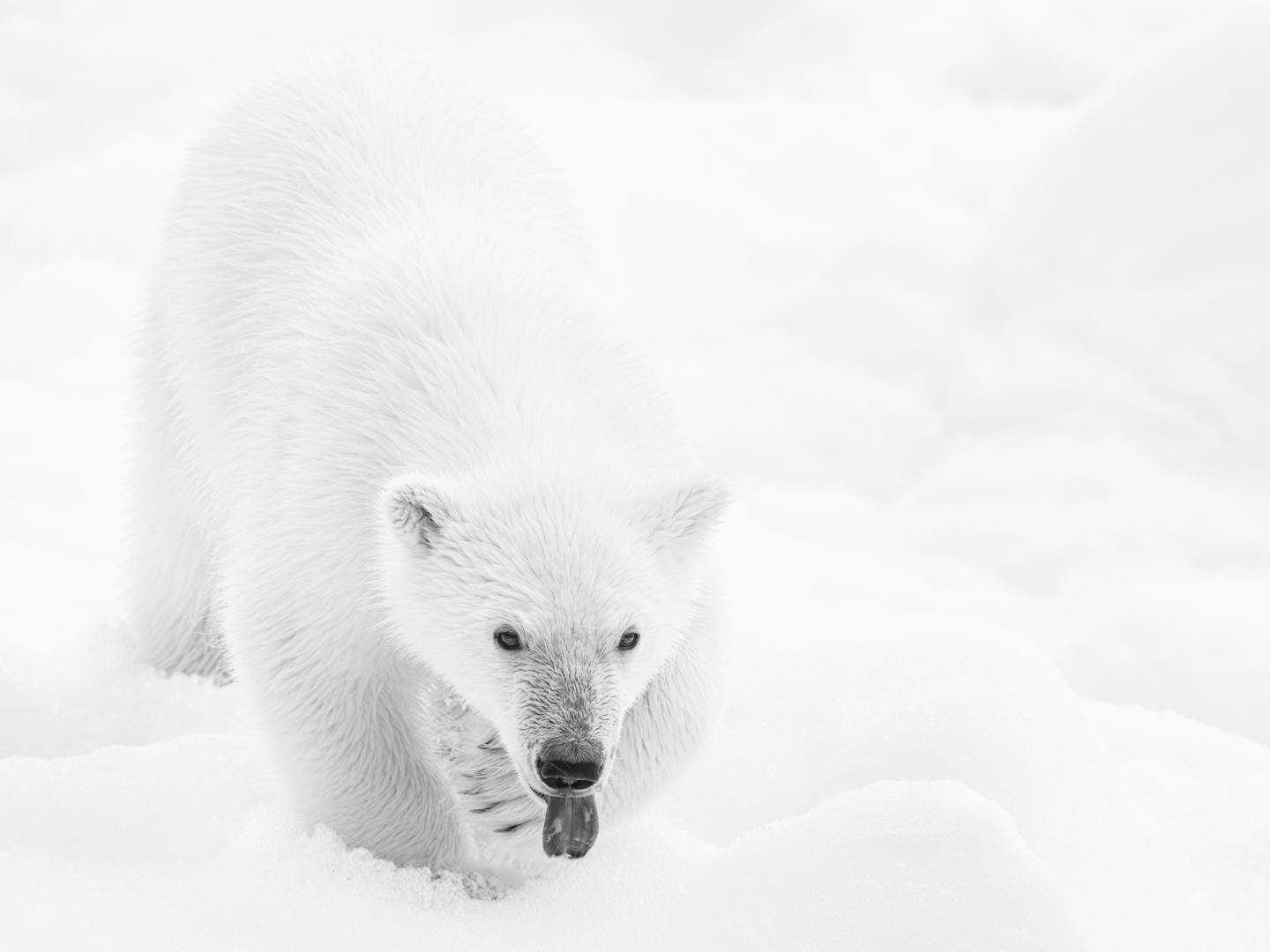
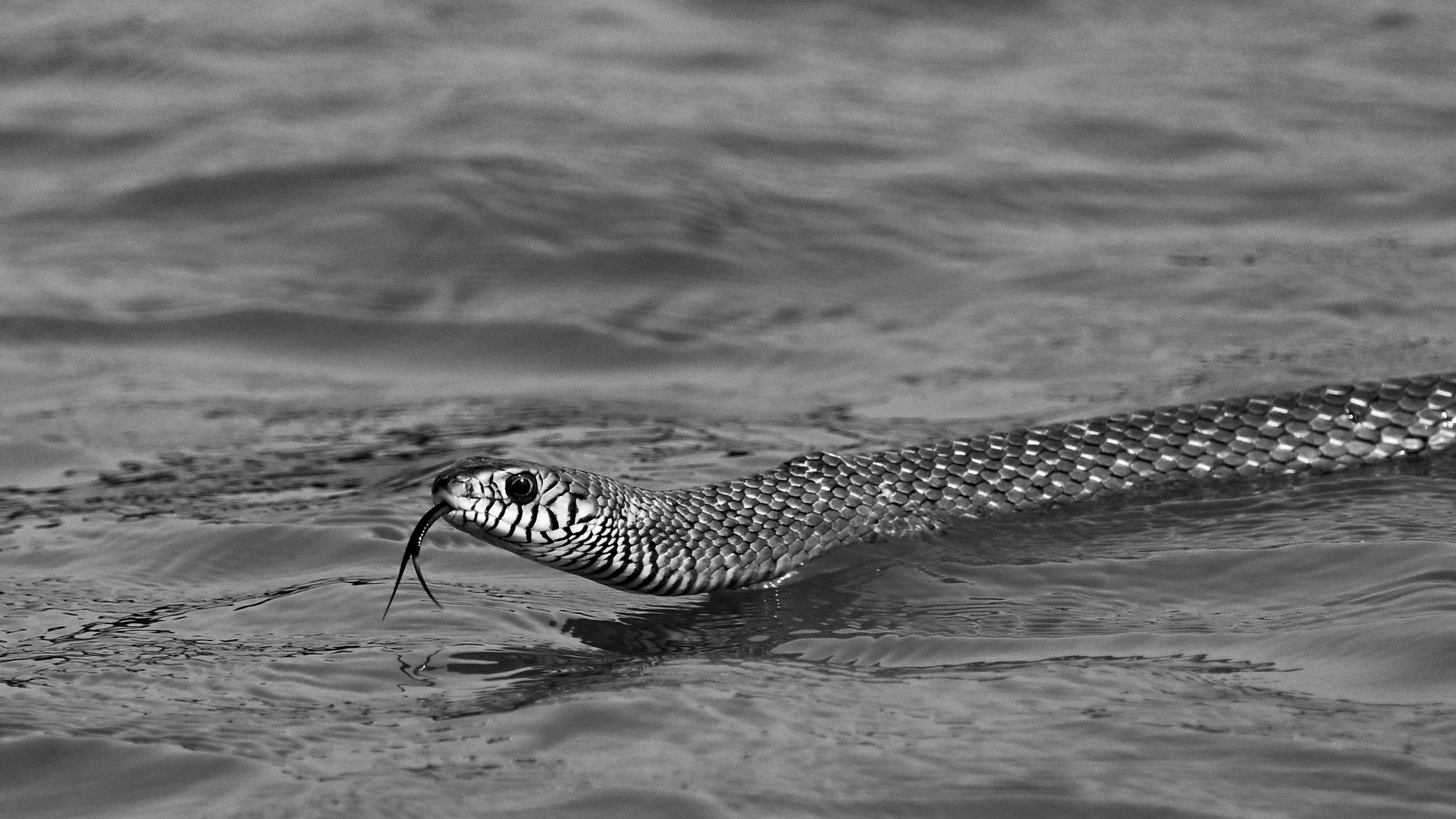
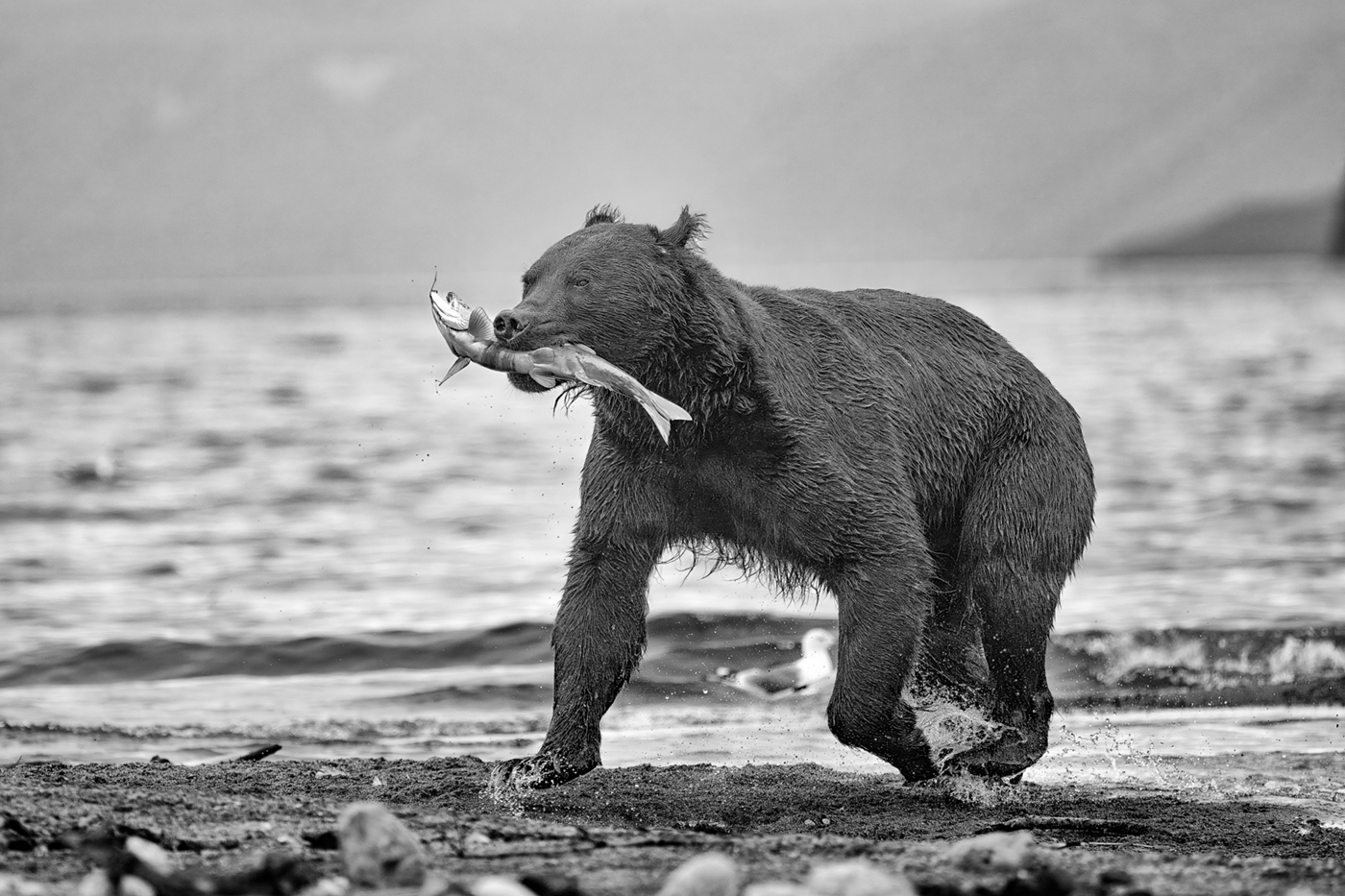
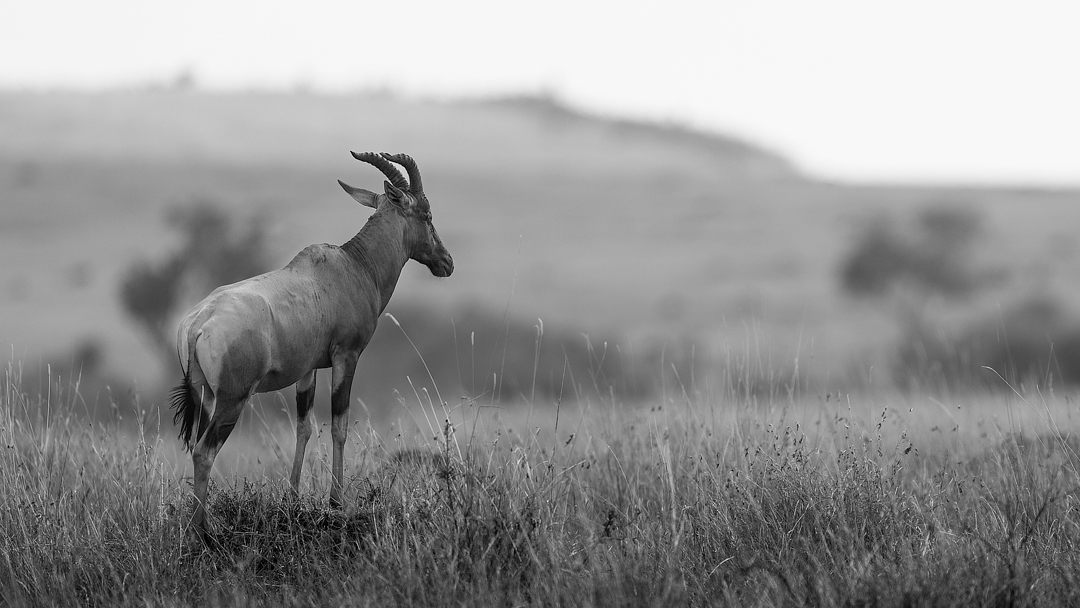
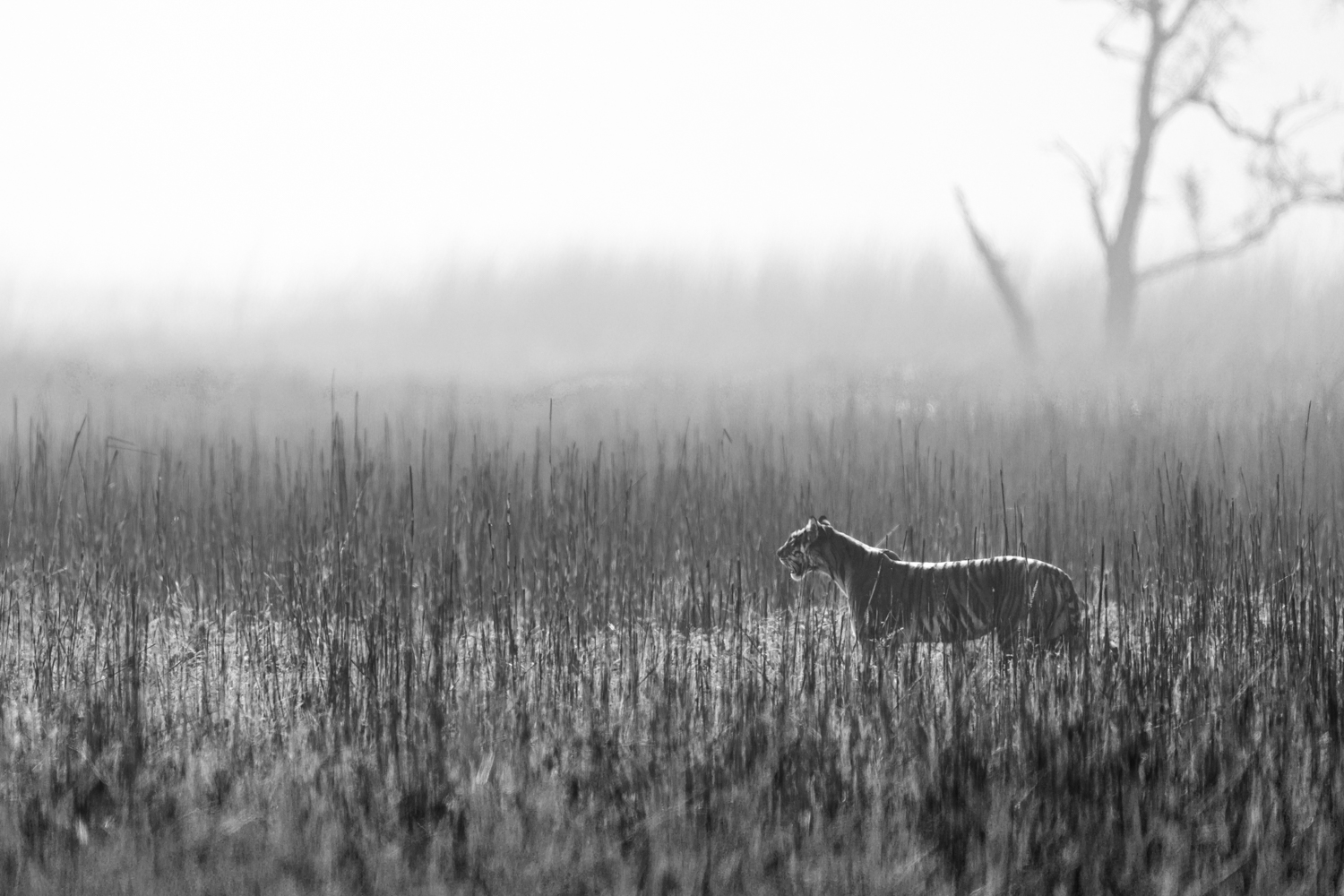
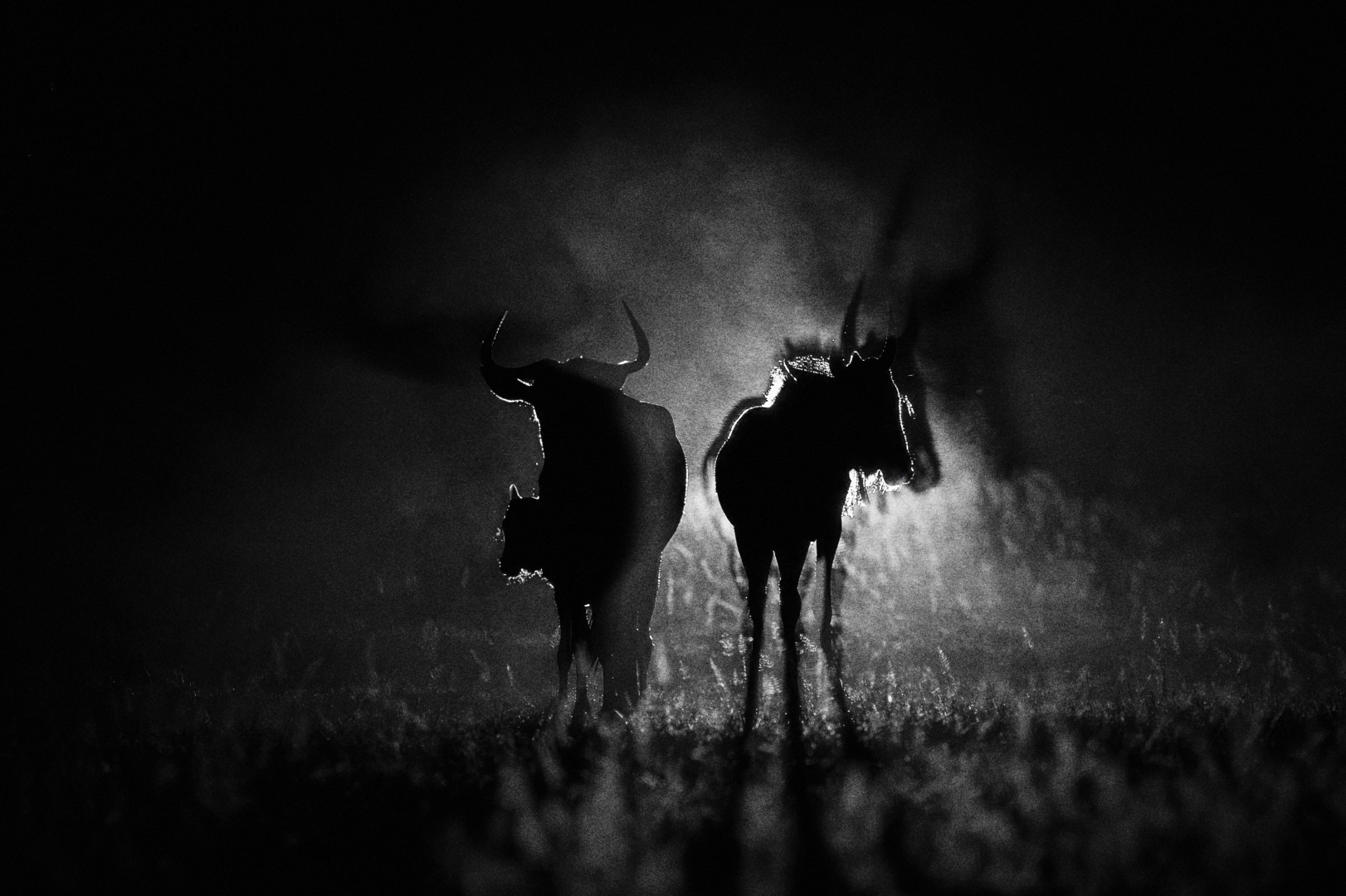
Since this one seems to have created a lot of interest, here is another one from the series. These were taken at a rather exclusive conservancy in southern Kenya (well away from Masai Mara), only 6 guests and two vehicles. So no overcrowding. All six were keen wildlife photographers I have known for sometime, so we had a natural respect for the animals. It is a pleasure being without the crowds (although expensive), with people who have the same interest and are knowledgeable about what to do. |
May 27th |
 |
| 32 |
May 24 |
Reply |
Thanks so much, Stephen and Candie |
May 20th |
| 32 |
May 24 |
Reply |
I like that, goes further on the only white idea, nicely edited. |
May 20th |
| 32 |
May 24 |
Comment |
PSA definition of stressing: Stressing. This includes removing any creature from its natural environment so that it can be photographed, particularly if the creature is placed in an unusual situation. (Example: Placing a frog inside a flower that would not be a normal part of the environment for the frog.) Stressing may also occur when a photographer approaches a subject too closely or too rapidly. Photographers are expected to carefully observe the behavior of their chosen subject and to back away from or even abandon a subject whose behavior indicates it is reacting adversely to the photographer's presence. Those pursuing nature photography in an ethical manner should know enough about the subject and its behavior to ensure the subject is not stressed and the photographer is not placed in danger by a response from the subject |
May 15th |
| 32 |
May 24 |
Comment |
PSA definition of stressing: Stressing. This includes removing any creature from its natural environment so that it can be photographed, particularly if the creature is placed in an unusual situation. (Example: Placing a frog inside a flower that would not be a normal part of the environment for the frog.) Stressing may also occur when a photographer approaches a subject too closely or too rapidly. Photographers are expected to carefully observe the behavior of their chosen subject and to back away from or even abandon a subject whose behavior indicates it is reacting adversely to the photographer's presence. Those pursuing nature photography in an ethical manner should know enough about the subject and its behavior to ensure the subject is not stressed and the photographer is not placed in danger by a response from the subject |
May 15th |
| 32 |
May 24 |
Comment |
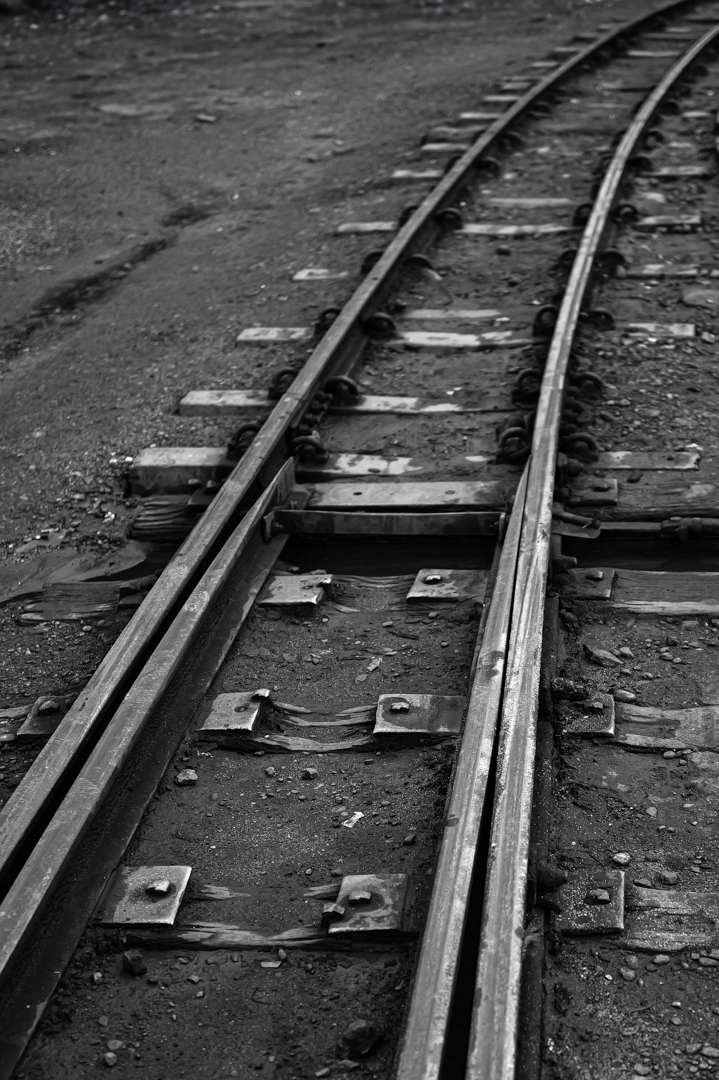
The lines lead nicely to the car. The clouds have drama. A good shot. If you had the time to plan it and it was possible to get hold of an older model car, that woul have been the icing on the cake. As t stands it works well as an image andd serves your interest in documenting vintage objects. |
May 15th |
| 32 |
May 24 |
Comment |
Nice image Tom, mono gives it a timeles feel |
May 15th |
| 32 |
May 24 |
Comment |
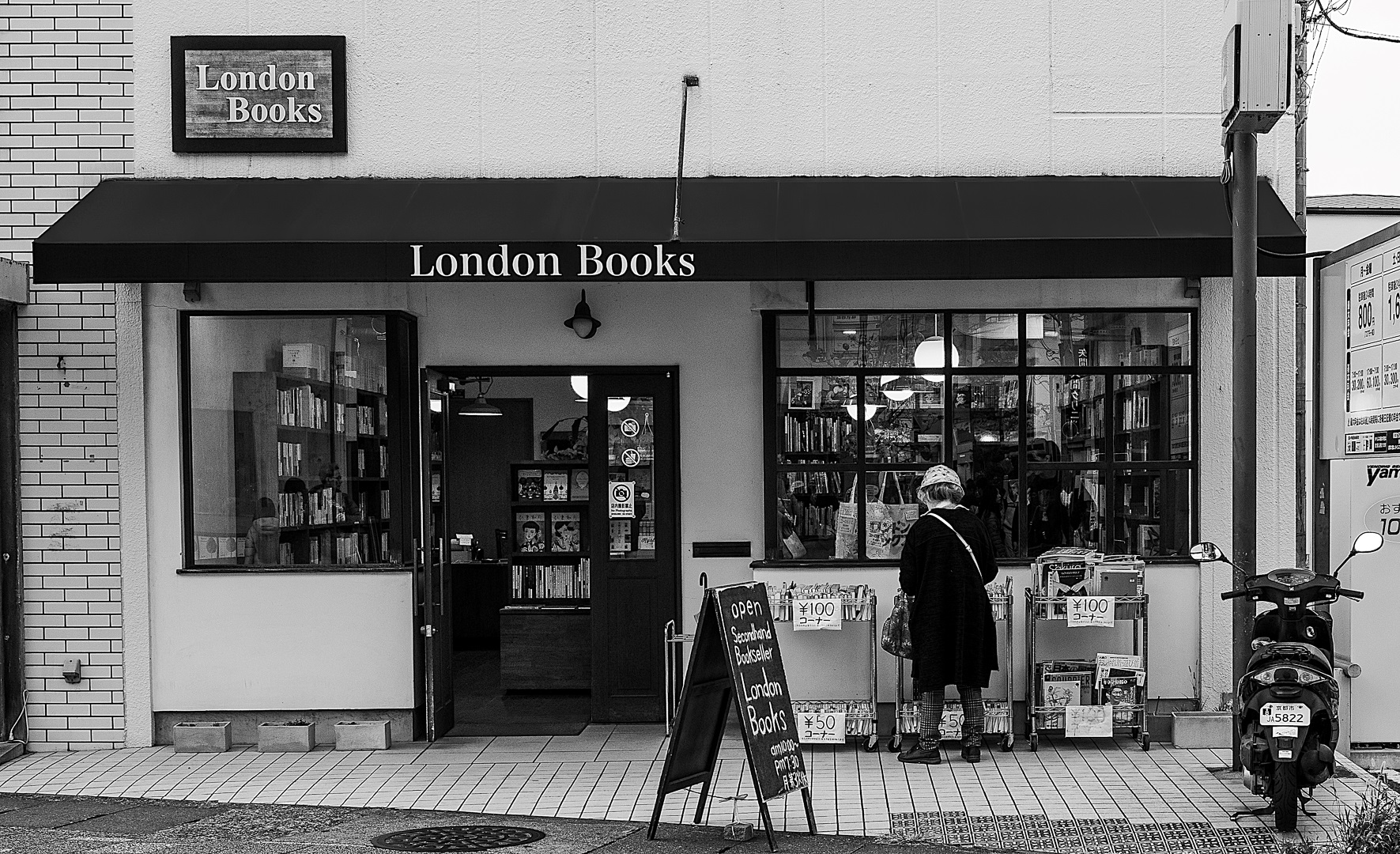
Generally, portraits should be eye-level unless one is going for some dramatic effect. The image tells the story nicely. The furniture and other stuff in the background is distracting, a shallower depth of field may have helped. Or give the new lens blur tool in Lightrooom a try? You will probrbly be able to blur the background just a bit, so that the furniture behind the lady is still discerninble, but just out of focus enough to draw attention to the lady an not the detail behind. I agree mono is a good choice here.
|
May 15th |
| 32 |
May 24 |
Reply |
sort of image one would see in a hotel, very modern and clean. I like it |
May 15th |
| 32 |
May 24 |
Comment |
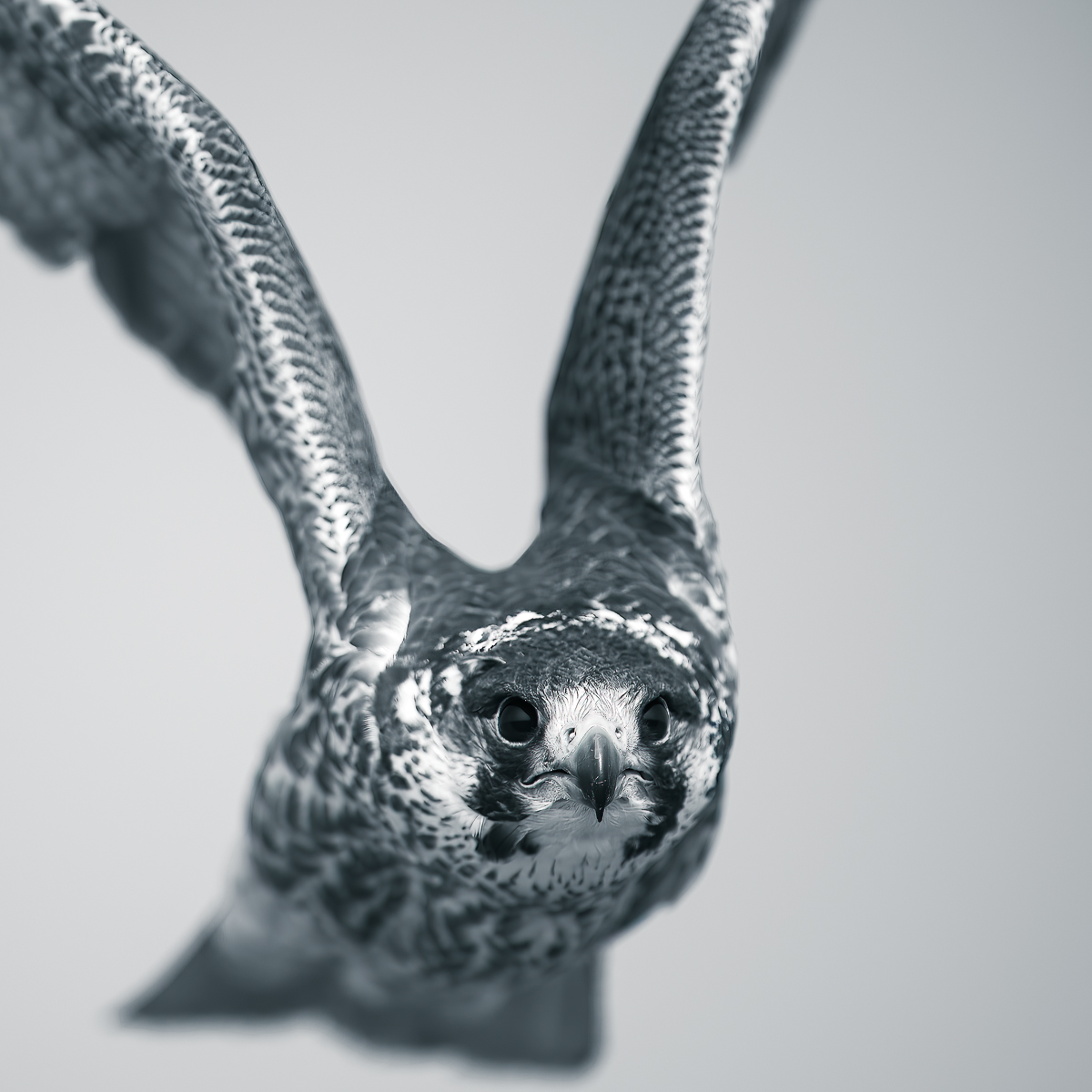
I think the blur is a depth of field issue and completely acceptable, it's a great image. Any chance we could see the colour version? Humming birds have irridescent colours and mono migh not do it justice, unless you were doing as part odf a series, or really wanted to draw attention to the texture of the feathers only, by removing the colour information. Nice capture ofa diffcult subject.
|
May 14th |
| 32 |
May 24 |
Comment |
Candie,
Nice image, good light, a diagonal ine leading across the frame. I agree with giving more room at the top, if your original frame allows. I might leave the blobs in the background or darken them a bit to make them less obvious. Solid black looks good but is so cliched (at least to my mind), that I avoid it. An alternate idea, if you want a clean look is to replace the background with a solid white background and reduce the exposure of the calla a tiny bit to allow separation on what would essentially be a white on white image. Have try, they can look very elegant. All the best
|
May 14th |
| 32 |
May 24 |
Comment |
I like the image, there is a wee tilt to the left if you look at the top of the setee and the top of the bookcase, and I would correct that. The bust and pictures on the wall are part of the piece, and I would leave them be. Maybe bring down the highlights a bit, so the textures ofthe dress and hair come out. What focal length were you using? |
May 14th |
| 32 |
May 24 |
Comment |
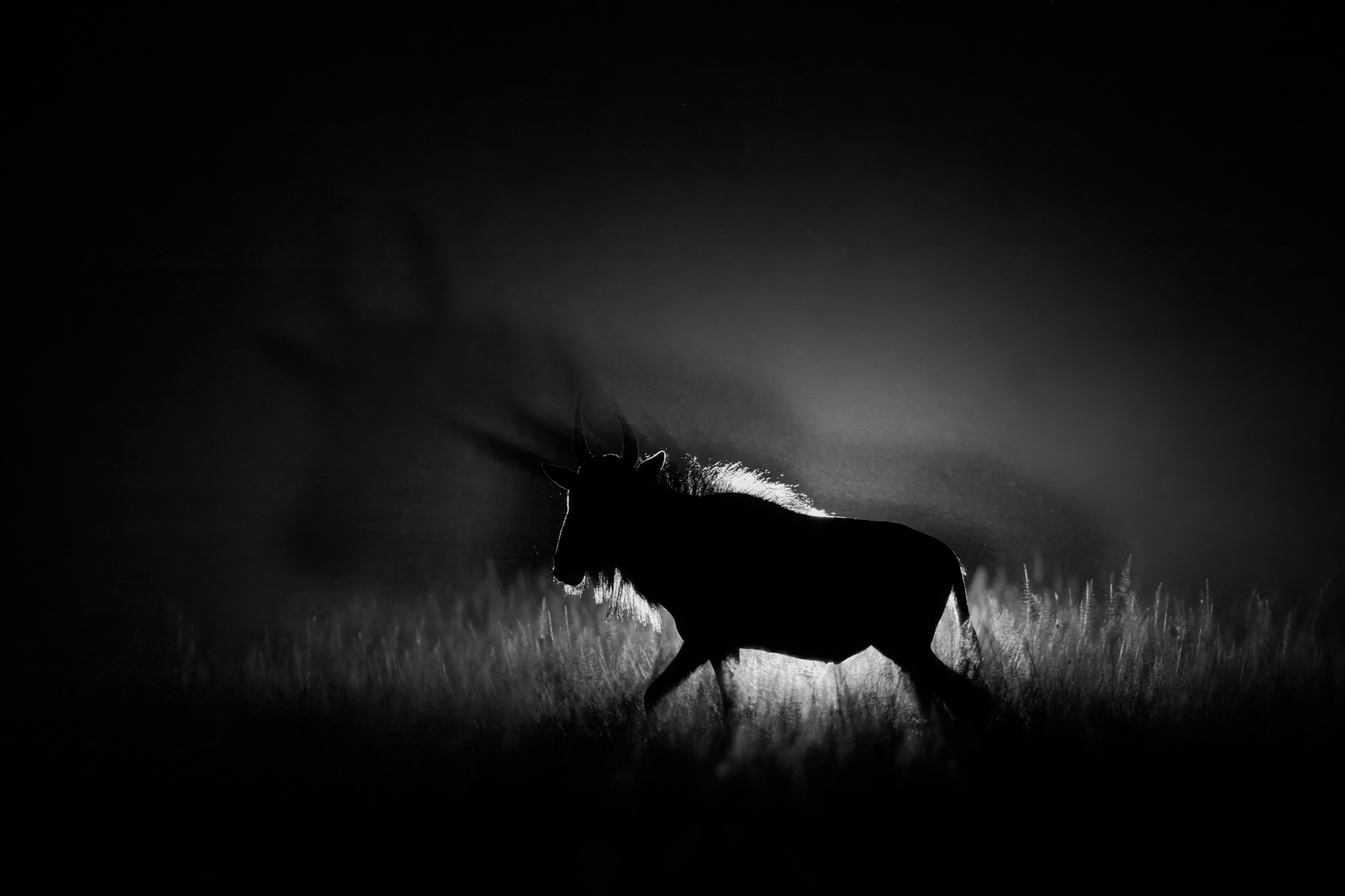
Hi Tom and Stephen, Like I said before, it is an interesting point. We were driving around at night to see where the animals are, but we were always keeping a respectful distance (say about 500metres) and there were only two vehicles out at night, no hordes Whether the animals were getting stressed by this is open to interpration. In the daytime when there is a good sighting there can be anything from 10 to 50 vehicles jostling for position and the animals just carry on with their business, are they stressed by the tourists? Who knows! We like to think that we are in a jungle, but where we are is a nature reserve be it national reserve, a conservancy, or a private reserve. The animals there have grown up seeing these vehicles with tourists. I am not going to argue that two wrongs make a right. But if the animals do get stressed by two vehicles a fair distance away at night, then they must be getting stressed by the hordes of tourists in the day who get much closer. If we are to follow that line of reasoning then all safaris should be stopped, or at least PSA should stop accepting all images of animals taken on safari. Tom, thank you for quoting the PSA statement, I have recently started a volunteer position as ESD (Exhibitions Standards Director) with PSA, and because of these I have re-read all the rules and am well versed with the rules. I have been doing at least one trip to Africa (sometimes two) a year for over a decade, 2-3 trips to Indian national reserves and an occasional trip to other places for wilddlife photography and am well acquainted with what to do and what not do. In spite of what we pretend, tourism does influence animals, but is also essential. The success of Project Tiger in India would not have been possible without tourists. The Masai in Kenya depend on wildlife tourism for their livelihood. So the question is where do you draw the line? Leaving aside the philosphical question andd the complex interplays between humans, animals, conservation and the economy, should PSA stop accepting all safari images, is the pertinent question in a PSA forum.
As a photographer one is always looking for a new approach to photographing the same subject, and at least to some extent I have achieve that with this and a series of such images. |
May 14th |
| 32 |
May 24 |
Comment |
I take your point, we were keeping a fair distance (about 500 metres at least), these were taken with a 400 or 560mm lens and then cropped. These are animals that move at night naturally. I wouldn't say harassing, but maybe disturbing. Where does one draw the line?
But yes, you have raised an important issue. |
May 13th |
11 comments - 3 replies for Group 32
|
11 comments - 3 replies Total
|