|
| Group |
Round |
C/R |
Comment |
Date |
Image |
| 67 |
Apr 24 |
Reply |
Thanks. Can you tell I learned in film days? ;-) |
Apr 14th |
| 67 |
Apr 24 |
Comment |
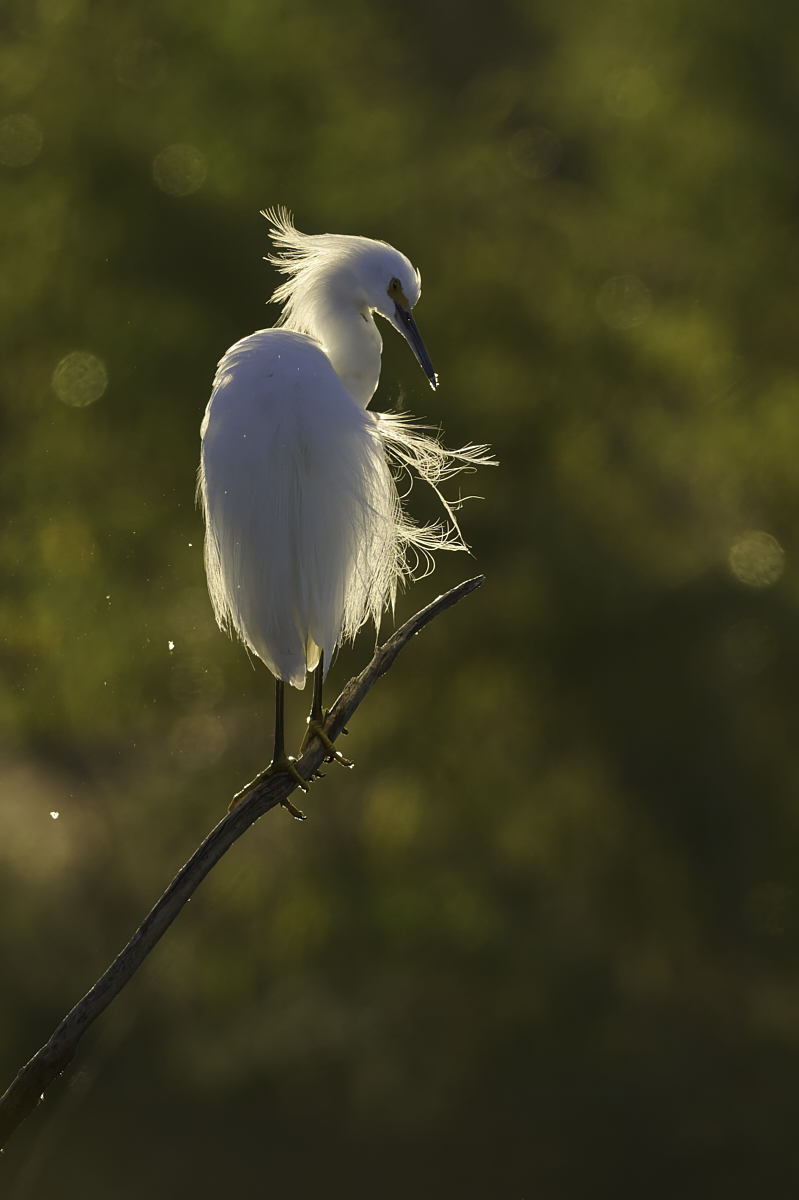
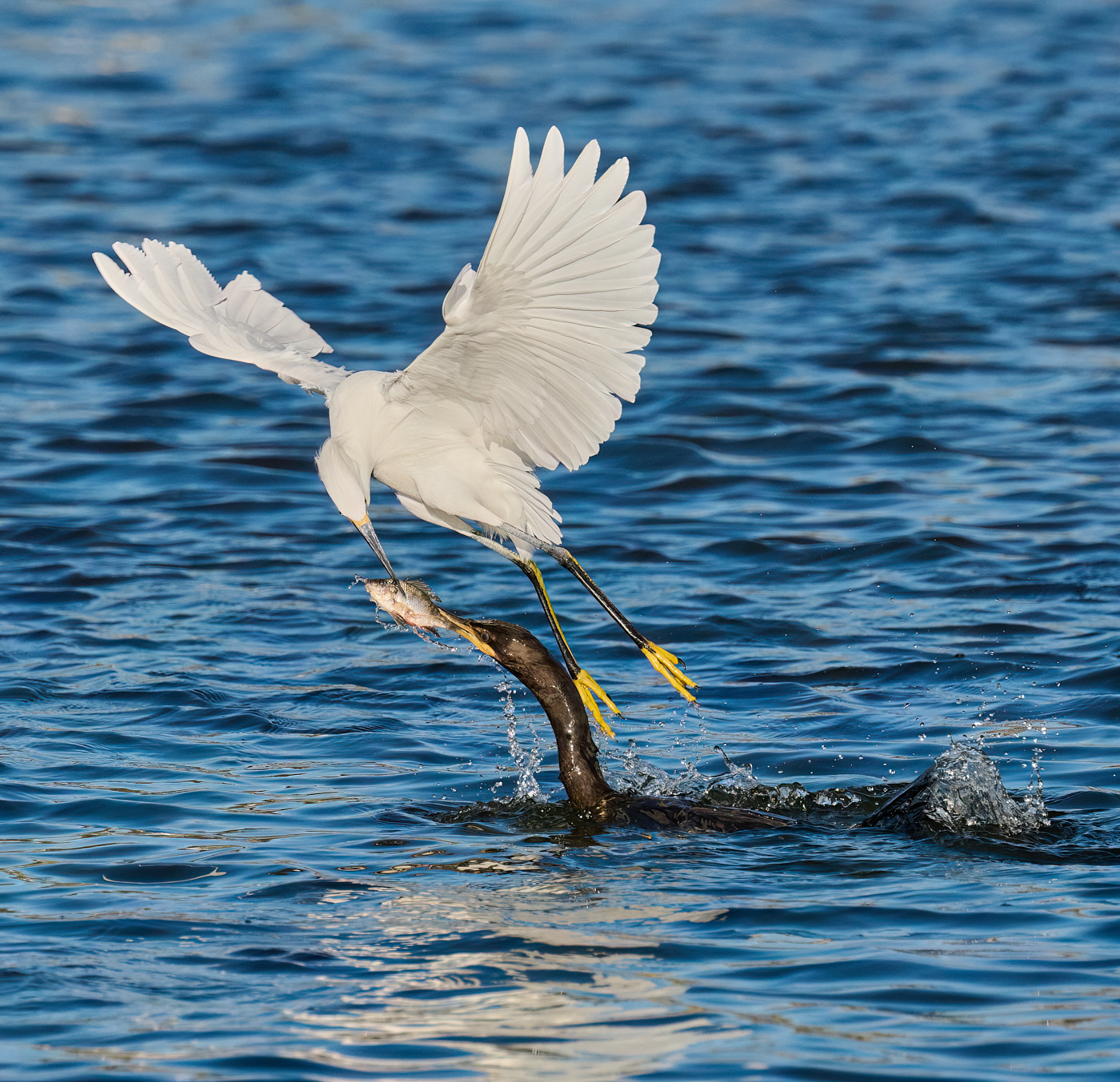
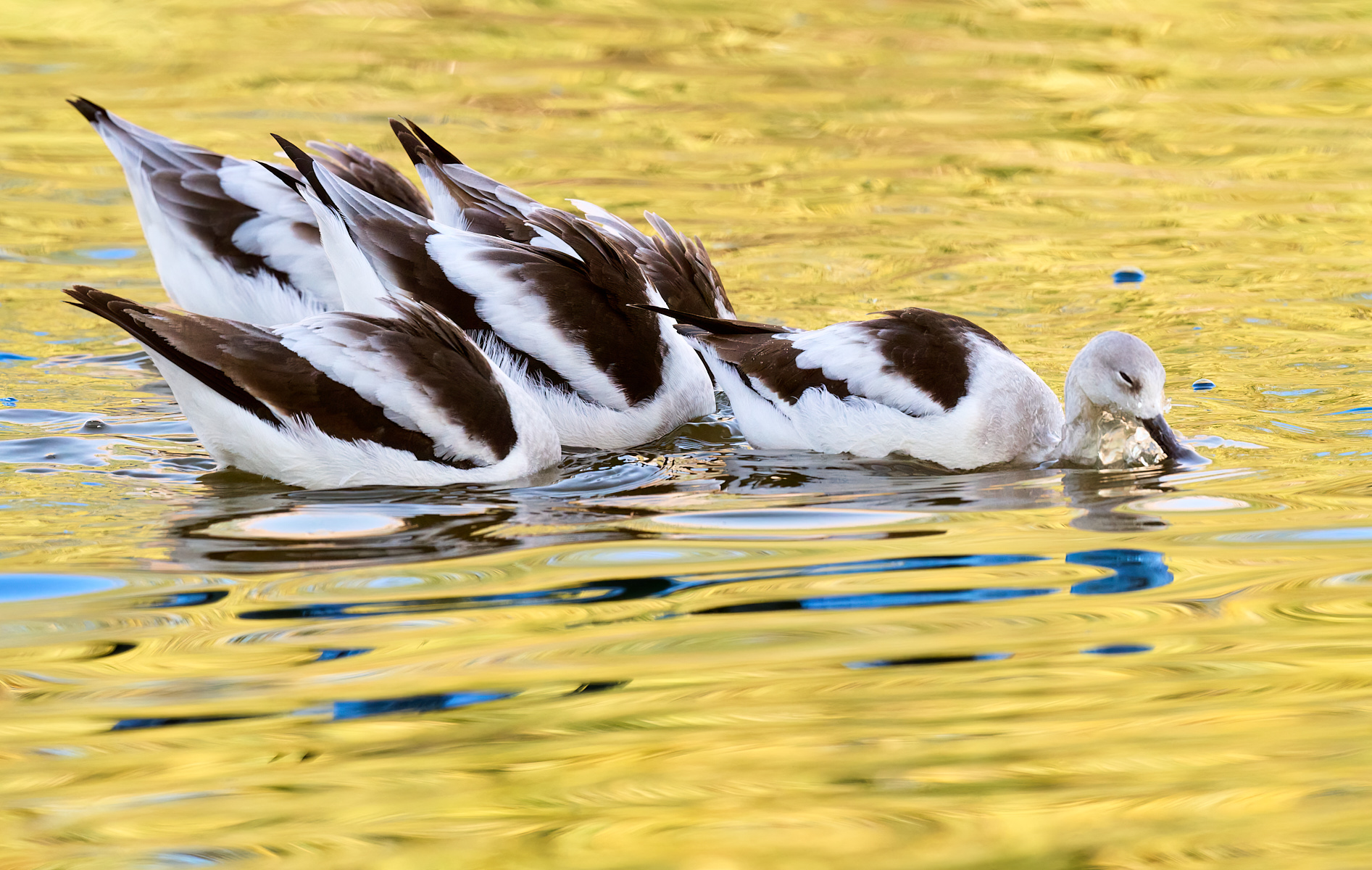
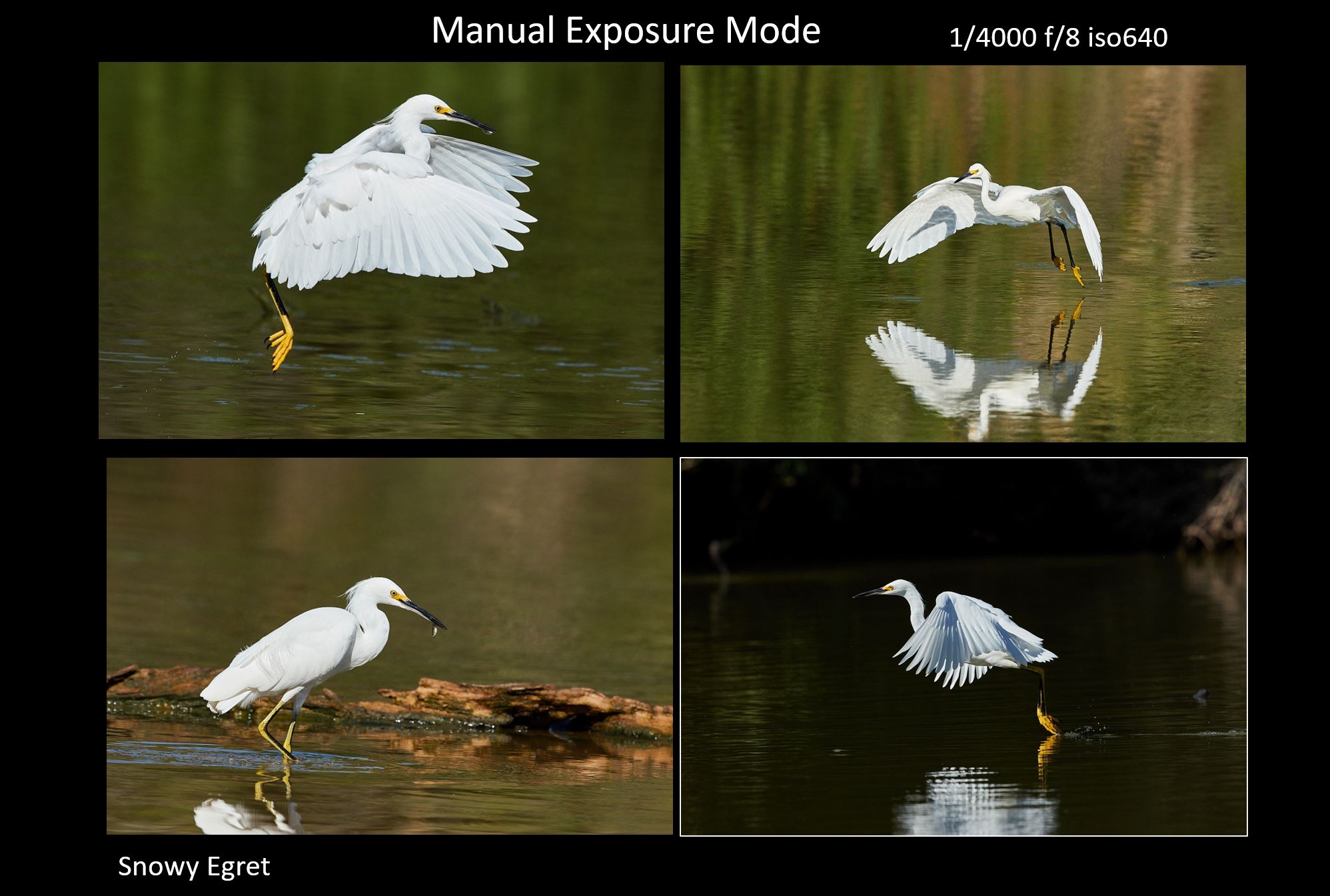
Here's my example I use when lecturing about this. All images shot within 30 minutes at the same spot, using the manual settings shown. Each of these shots would give you a different meter reading unless you were able to keep that spot meter squarely on the moving white bird. But with the magic of manual, the bird is properly exposed without me having to think about it. |
Apr 14th |
 |
| 67 |
Apr 24 |
Comment |
Hi Susan, When I edited the photo, I had the exposure warning turned on so that I could stop increasing before hitting the blown-out point. You could certainly choose to have less bright white. There just isn't detail in the one wing due to motion blur (I think anyway).
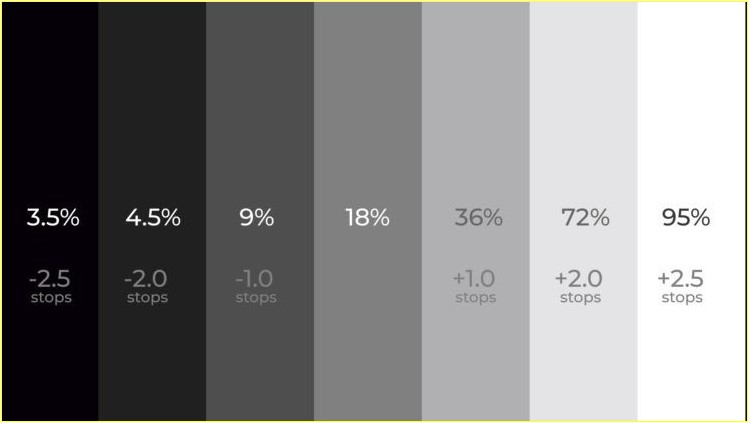
So now I'm going to make your head spin, and this explanation is why I do the test shot-manual method with big white birds :) Meters don't give the correct exposure for either white or black. Meters are calibrated to give you an exposure that makes the thing being metered turn 18% gray. So if you have your spot meter on that white bird, the meter will give you an exposure that makes that white be gray. So in your original image, you probably did have the spot on the white bird, and with 0 compensation, it turned the white bird gray. Or parts of it anyway. And underexposed the background. So if you spot meter a white subject, you must set your exposure compensation to something like +1.5 or even +2. Counter-intuitive, but correct, AS LONG AS the meter is squarely on that white thing.
But here's why I don't do that. Should the meter change to point at something middle-tone or dark, your white subject is going to blow out. Meaning if that spot slips off the bird to the background, it'll over expose the whites, even without that +2 compensation dialed in.
Bottom line- metering fast-moving white subjects when the background is middle-tone or dark, is a situation that's going to lead to some images improperly exposed- you just can't adjust the compensation fast enough.
Take a look at your images from this session and look at the how the ISO changed (from using auto-iso) and I bet you see wild swings between the frames where the whites are blown and not- directly related to the meter being on white or not-white.
|
Apr 14th |
 |
| 67 |
Apr 24 |
Reply |
I had put a comment about "acceptably sharp" that I must've accidentally deleted before submitting.
For me, it means does it look sharp enough in the intended viewing medium- be that print or digital display. When you zoom in to 100%, there may be a lack of fine detail that isn't noticeable in the print or projected image. But that lack of fine detail would be noticeable if you cropped in. |
Apr 10th |
| 67 |
Apr 24 |
Comment |
Yikes. About as spooky as they come! What a mesmerizing image. |
Apr 10th |
| 67 |
Apr 24 |
Comment |
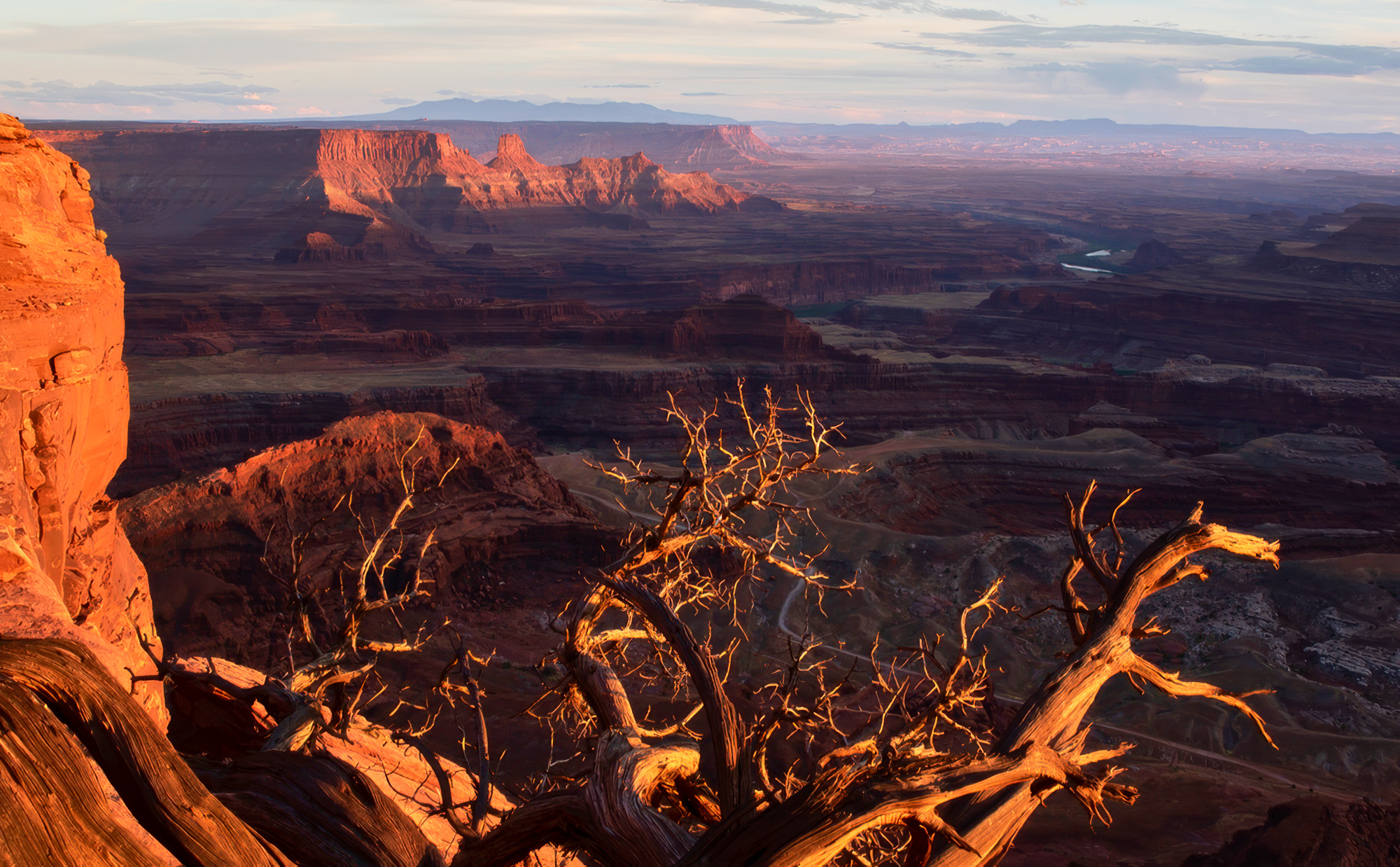
A lovely scene and the spotlight on the buttes is wonderful. You had some nice, interesting clouds too.
I do like your panoramic version. Personally I'd leave the right side as I think the bright water adds by pulling your eye across the scene. It gives a reason to look across the whole thing- but if the intent is just the buttes, then yes eliminate it for that same reason.
I actually like your original foreground. It gives nice depth, it's pretty in the light, and helps establish a sense of diagonal movement across the image. I messed with it a bit, starting with overall exposure, then increasing contrast with clarity and dehaze. |
Apr 10th |
 |
| 67 |
Apr 24 |
Comment |
Great pose captured with the outstretched feet and wings. You had some very nice light here that helps to bring out the texture in the snow, creating a pleasing setting for the bird and action. These owls are such beautiful birds, what a treat to get such nice photos. |
Apr 10th |
| 67 |
Apr 24 |
Comment |
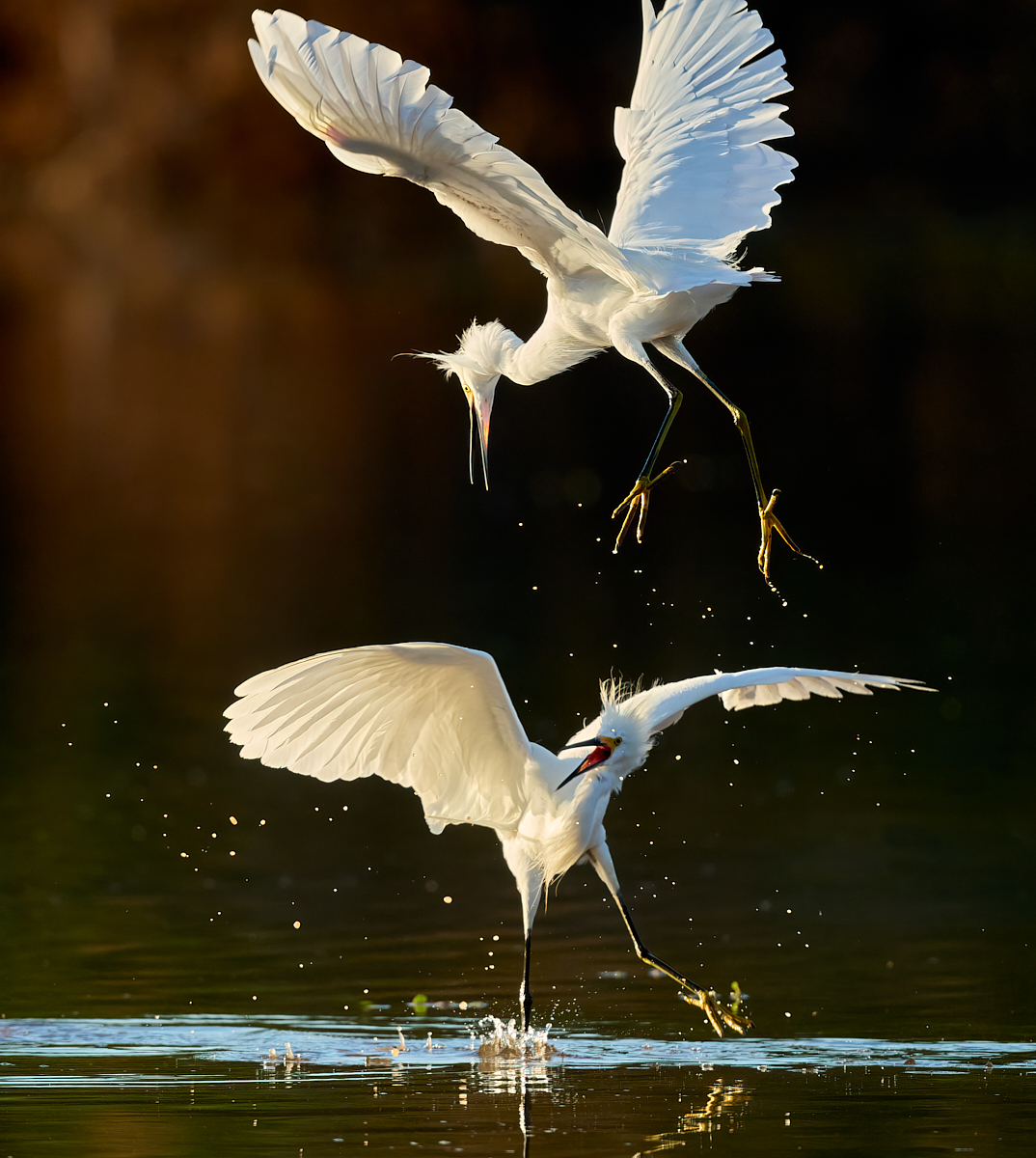
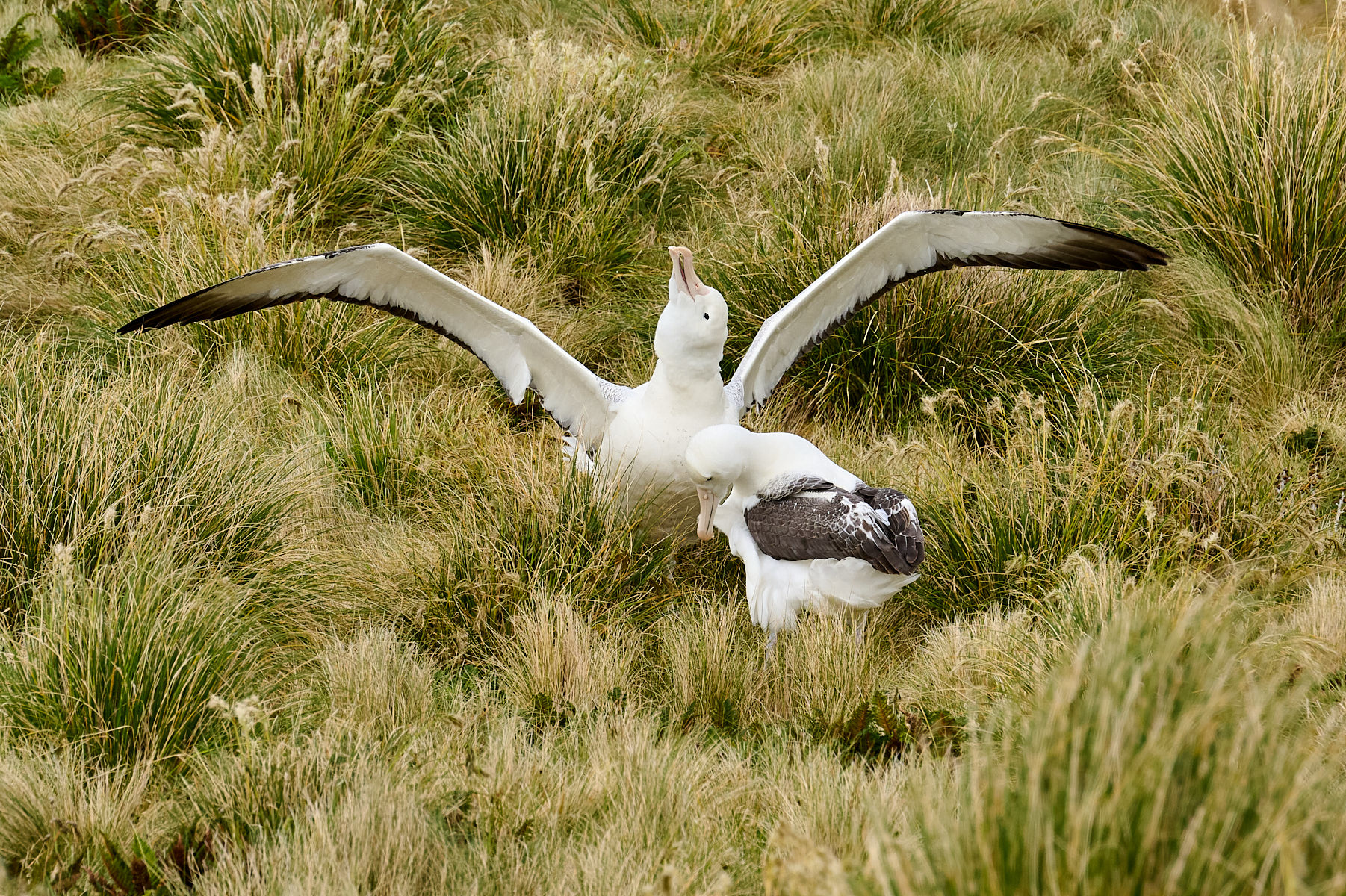
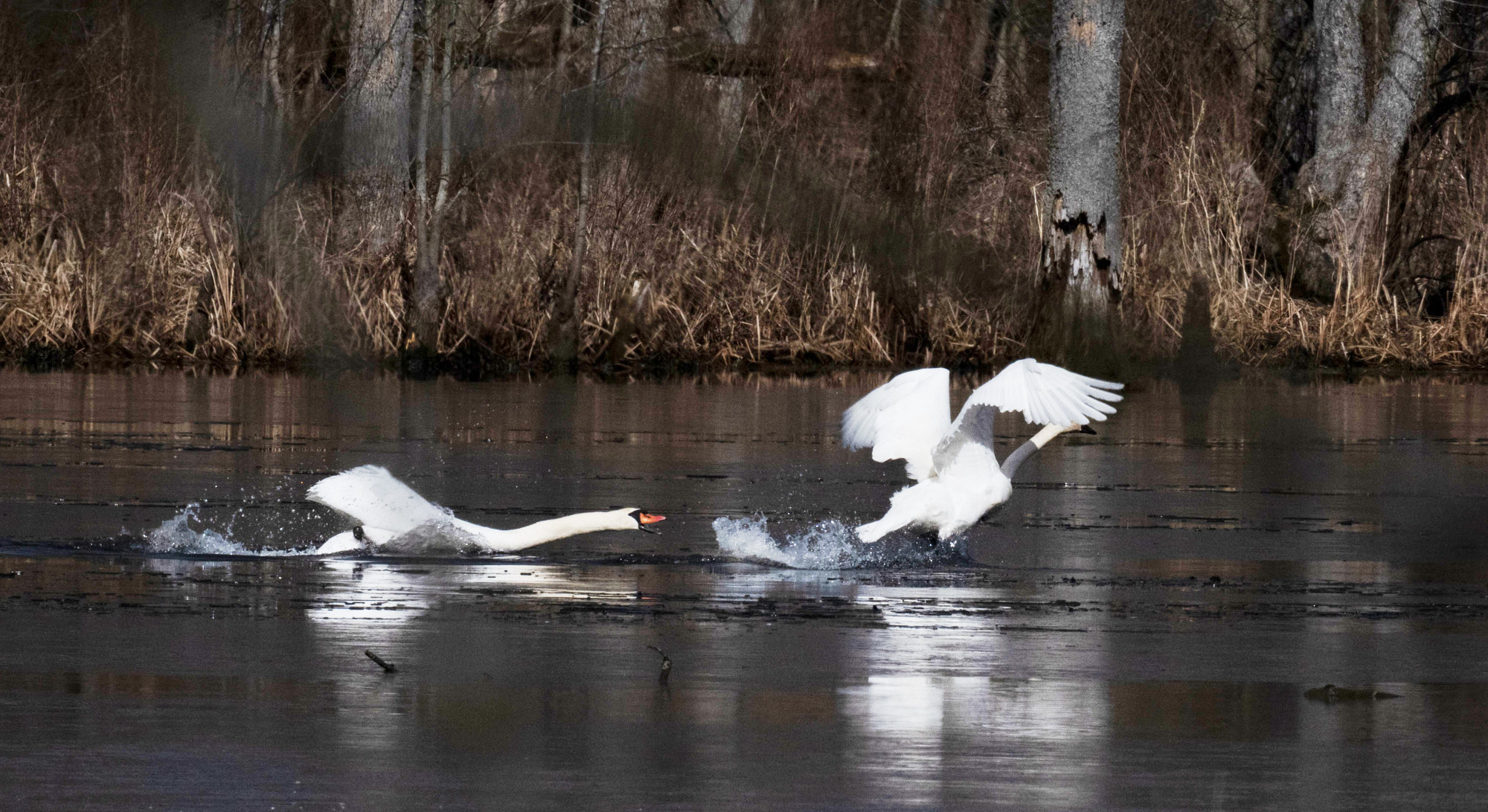
Susan, Great action and interaction going on here. We see similar behavior among the Egrets here and often have one we call Mr. Meany. The f/stop and extra depth of field was a good choice here as these are big birds to get both reasonably sharp. You caught a nice moment of action here.
I do a lot of big white birds (unfortunately not swans though!) here in the bright desert sun (clouds? what's that??). My technique to keep them from blowing out is to use full manual mode (not even auto-iso which is not full manual). Take test shots and dial in the exposure so the whites aren't blown. Then leave the exposure alone (unless the light changes). A white subject against a dark background is going to give problems in any automatic exposure mode because no matter what the meter hits you need to compensate. With a spot meter on a moving bird, that spot is going to sometimes slip off and hit the dark background resulting in blown out whites. If you keep it on the white, with no exposure compensation, it will underexpose as it did here, because the meter wants to make that white be gray. If you use matrix metering, you could still have a similar problem with adjusting compensation depending on how big the white birds are in the frame. So full manual is the answer for this situation.
Since the shot is about 2 stops under exposed, for post processing start with just increasing overall exposure (as I did in the attached).
Keep up the good work! |
Apr 10th |
 |
| 67 |
Apr 24 |
Comment |
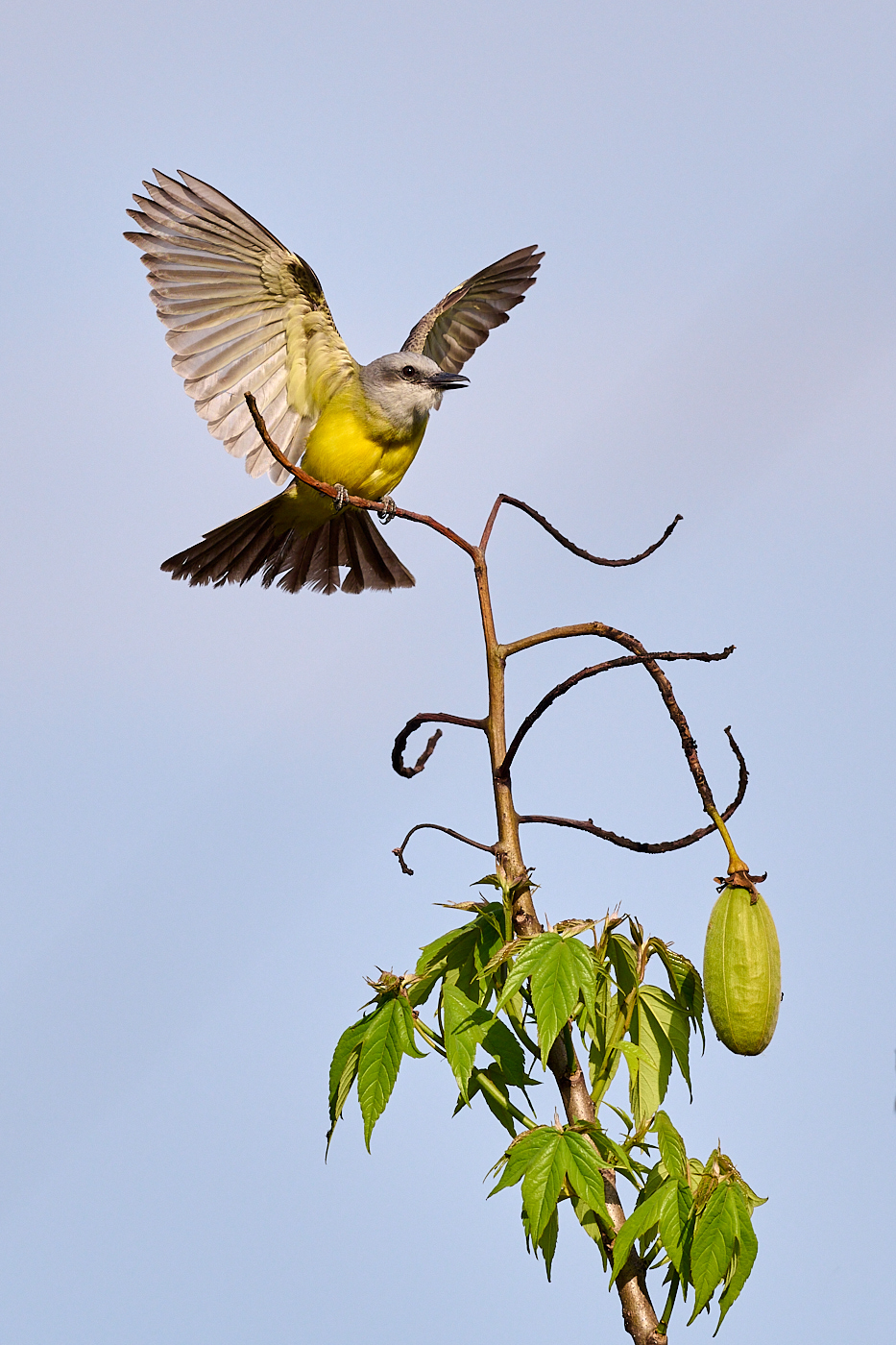
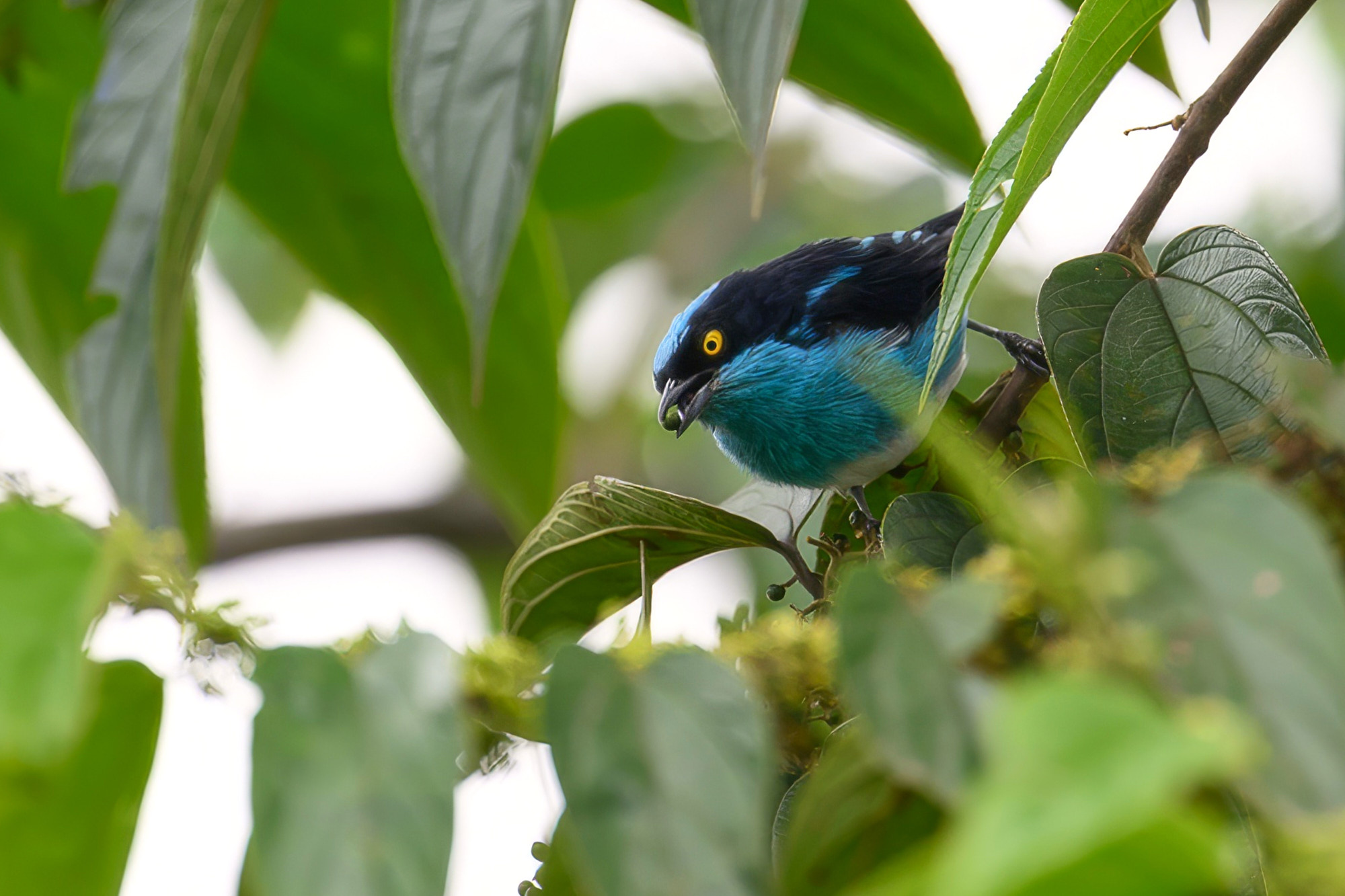
Michael, Having been a photographer among a birding group, I understand completely! Great way to see birds but certainly a challenge to get decent photos. I've seen Dacnis before but not this species.
The berry does make this a nice story shot. The close crop helps that to stand out. I like the generally diagonal flow to the image as well. This held up well to the crop, good detail in the bird.
It's so hard to deal with the white sky. One thing I'd do here is brighten the bird and foliage a bit more- brightness or shadows slider, as opposed to overall exposure.
I do like your close crop. An alternative would be a bit looser, my taste tends toward that style. I think it would help with making the out of focus foreground foliage more a part of the image. Noting Larry's comment about removing more of it, I'd go the other way and include more of it.
|
Apr 10th |
 |
7 comments - 2 replies for Group 67
|
| 91 |
Apr 24 |
Reply |
Hi Marge, yes- when the reflection doesn't line up it generally means the camera wasn't level. My cameras let me display a level in the viewfinder which is helpful for this (although with birds it can still be a challenge!). I found info that says the 60D has a level that you can display on the monitor- if it can be in the viewfinder it's even better, for birds having it separate is not very useful. |
Apr 16th |
| 91 |
Apr 24 |
Reply |
Interesting observation about the wings, Jerry. I do like Bruce's interpretation making them a bit darker.
|
Apr 16th |
| 91 |
Apr 24 |
Reply |
Thanks Marge! It was one of those lucky catches for sure.
Bruce's enhancements are acceptable for PSA Nature- enhancements for brightness, hue, saturation and contrast are specifically mentioned as being ok. Now, if those enhancements get taken to a ridiculous extreme and produce something fakey-looking, it might not be disqualified but it almost surely wouldn't get a good score. Nature has to look "real".
If you were to enter it in the Open Division instead of Nature, anything goes. |
Apr 13th |
| 91 |
Apr 24 |
Reply |
Thanks Bruce, that's a nice enhancement! |
Apr 10th |
| 91 |
Apr 24 |
Comment |
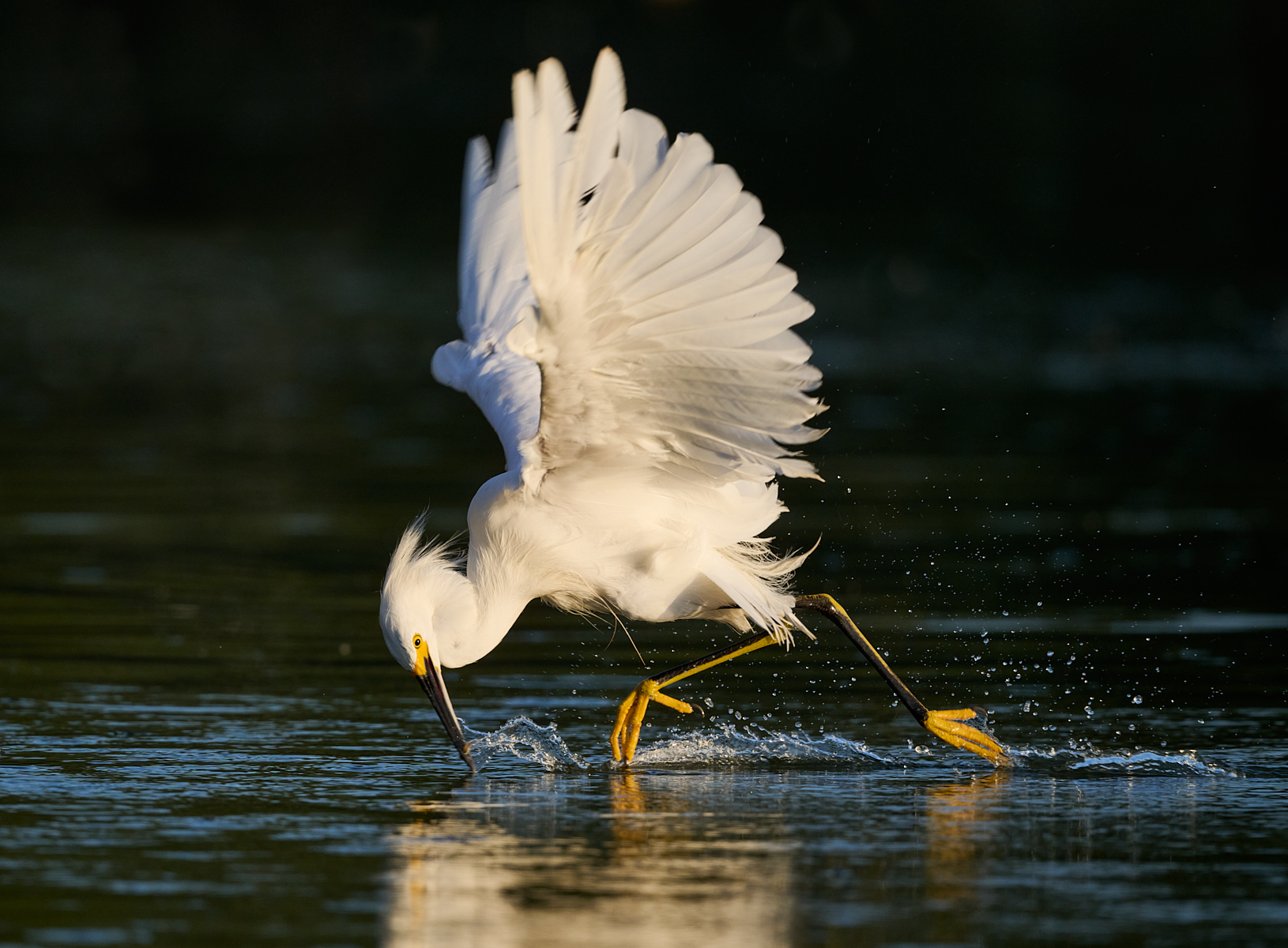
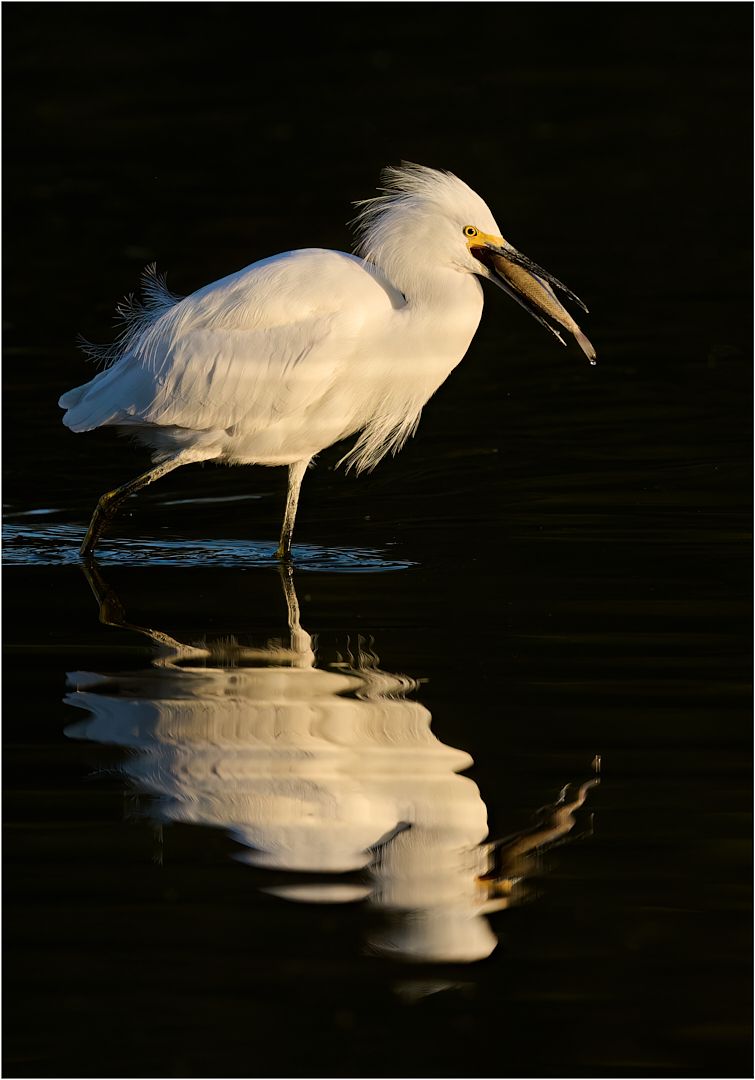
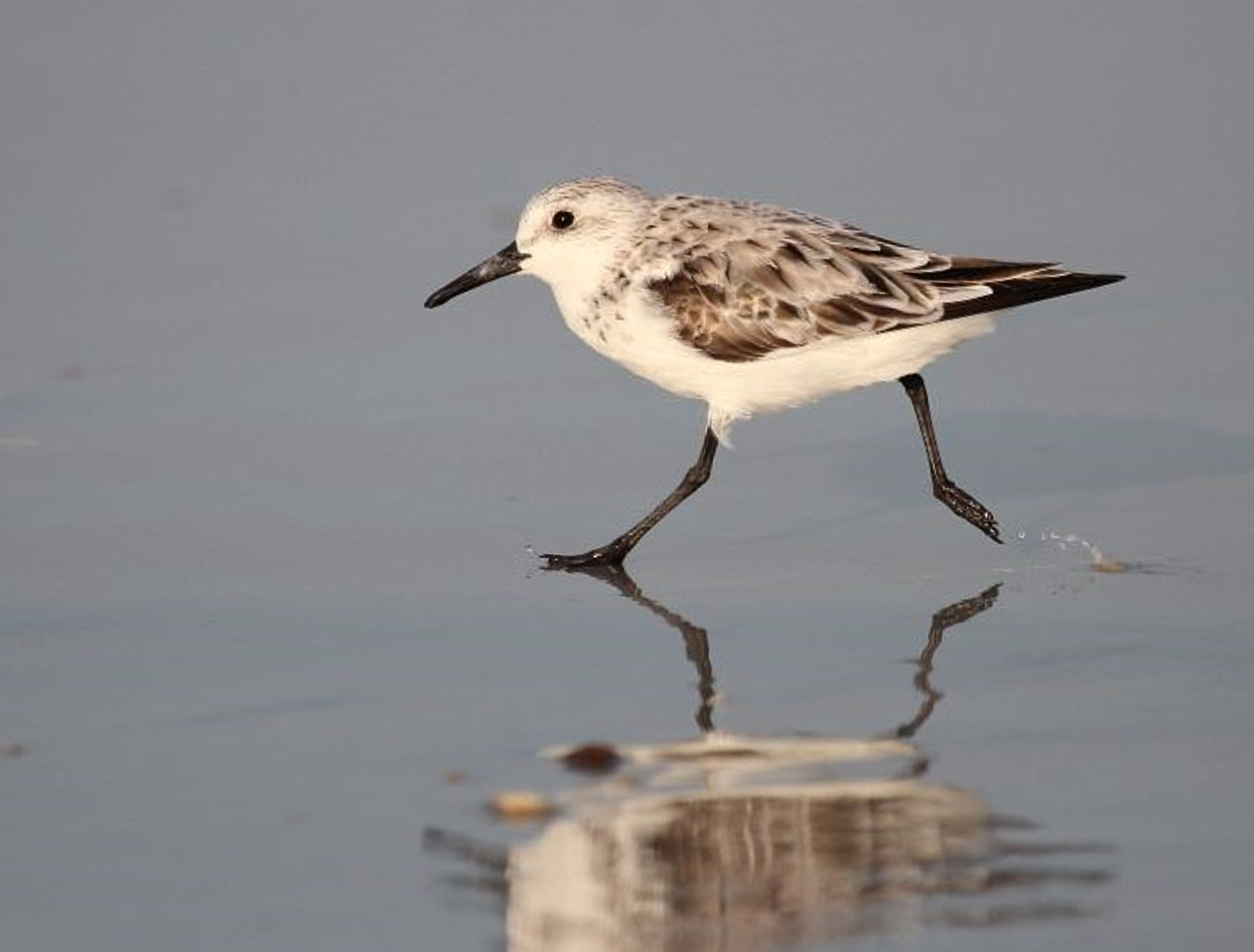
I can see why it's a favorite. I love the mid-stride pose with the little trail of water coming off the back foot. Nice low perspective on it as well giving a nice sense of contact.
Compositionally, the image needs some rotation as the reflection doesn't line up with the bird. A gauge of whether it's straight is to draw a vertical line between the subject and its reflection, the line should intersect exactly the same point, i.e. the eye or the bill-tip, on both. I straightened it and cropped it a bit to get it out of the middle of the frame (from left-right). |
Apr 10th |
 |
| 91 |
Apr 24 |
Comment |
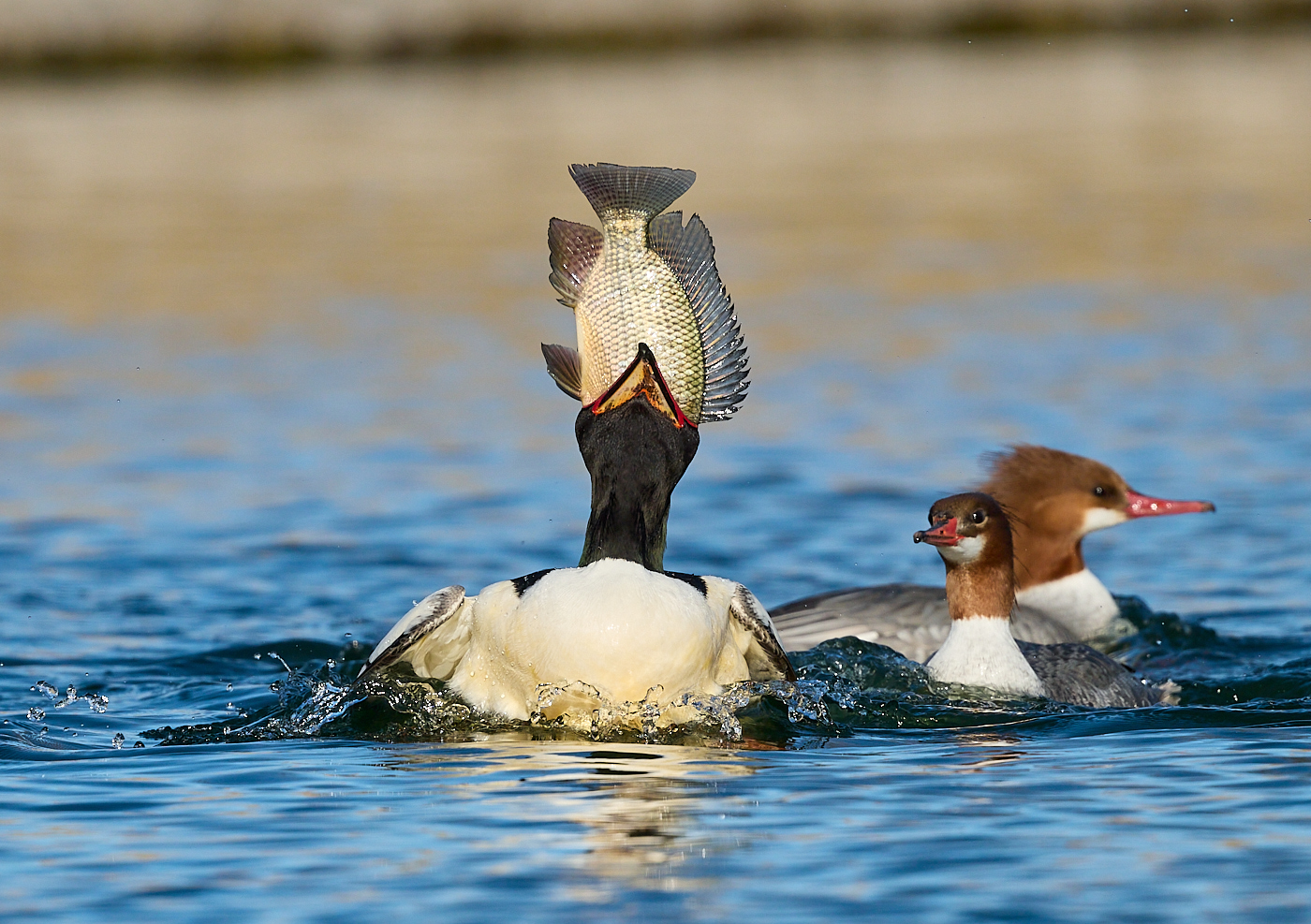
I've tried several times to get this kind of shot, but it's tough to get the timing down. I guess that's where having the super-fast frame rate is helpful! Very cool to catch just that moment of the impact. The processing and colors look good.
I think the yellow is the feathers that surround the eye being flattened out, either from being wet or just by the speed of the dive and impact or both. |
Apr 10th |
| 91 |
Apr 24 |
Comment |
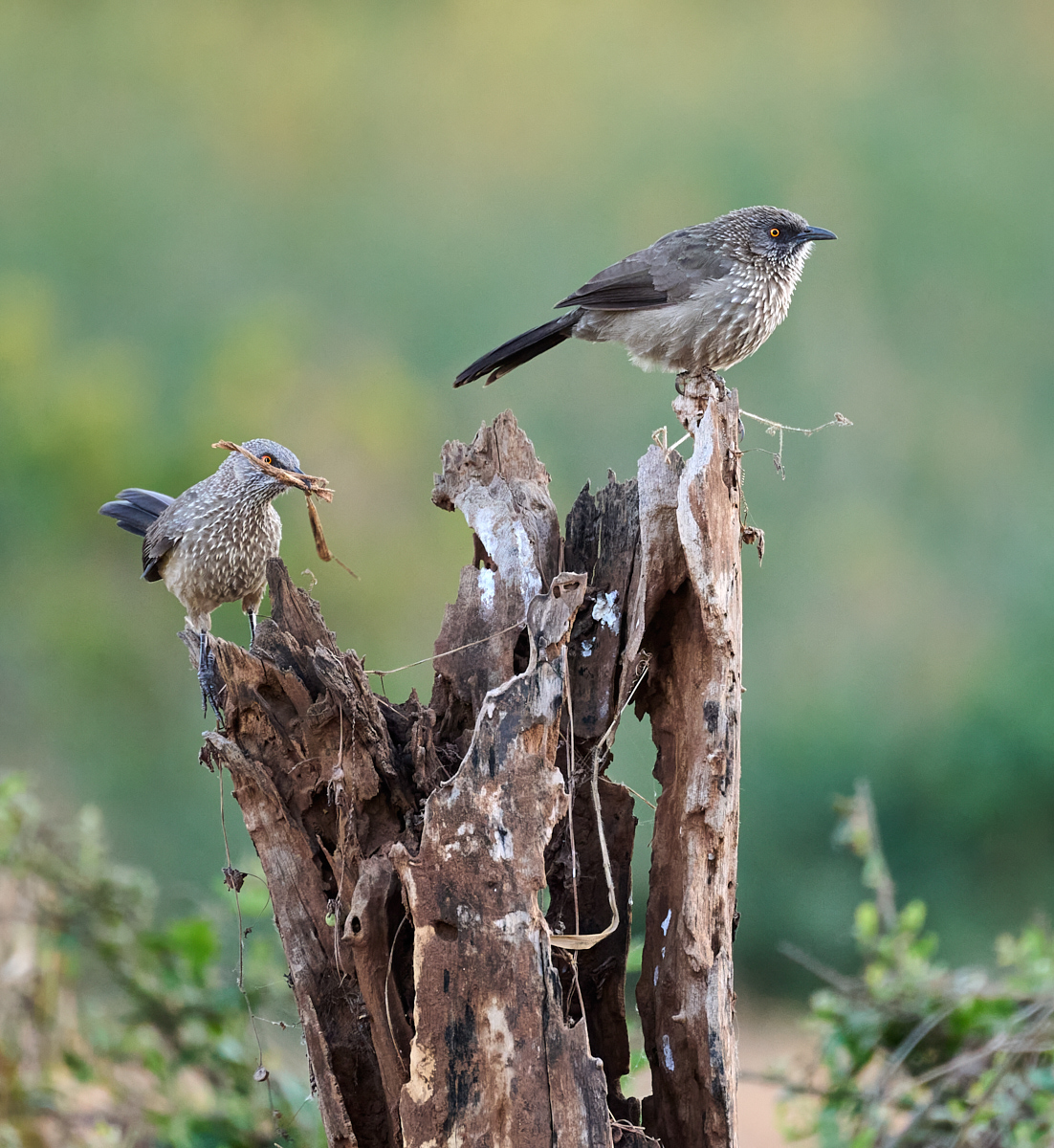
What a lovely portrait. Not only a nice pose of the bird, but the stalk she's posing on is also attractive and adds to the image. Jerry's note about the "Z" shape - the opposing diagonals- is a good observation, another reason why this is such a pleasing shot.
|
Apr 10th |
| 91 |
Apr 24 |
Comment |
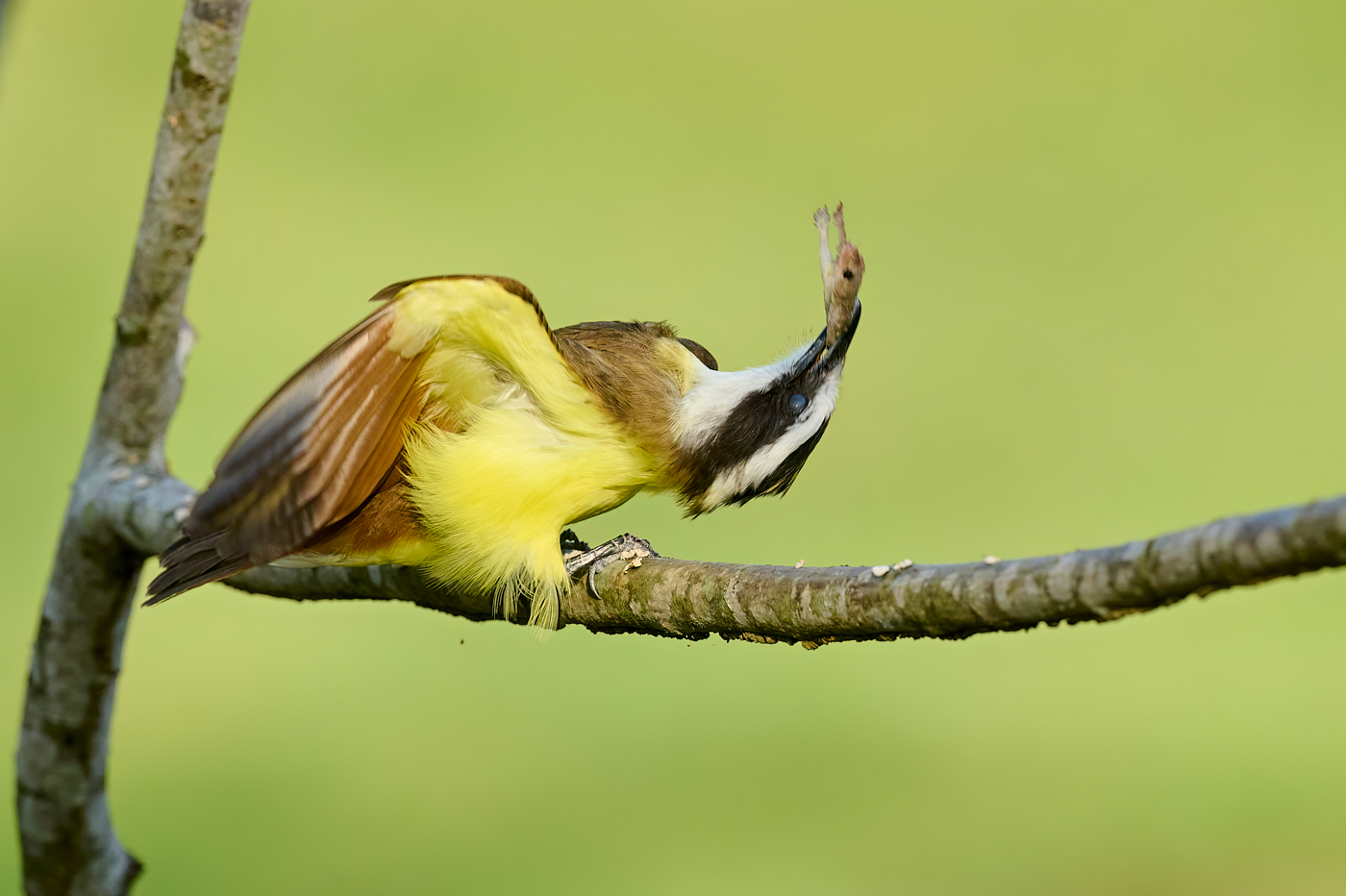
Sounds like a very fun time of year! The prey item makes such a good nature story. I'm impressed that you could get such a sharp image at only 1/100 shutter speed, with no motion blur from the bird moving.
The light is nice and soft which lets you see all the detail in the feathers. The diagonal of the perch also adds.
|
Apr 10th |
| 91 |
Apr 24 |
Comment |
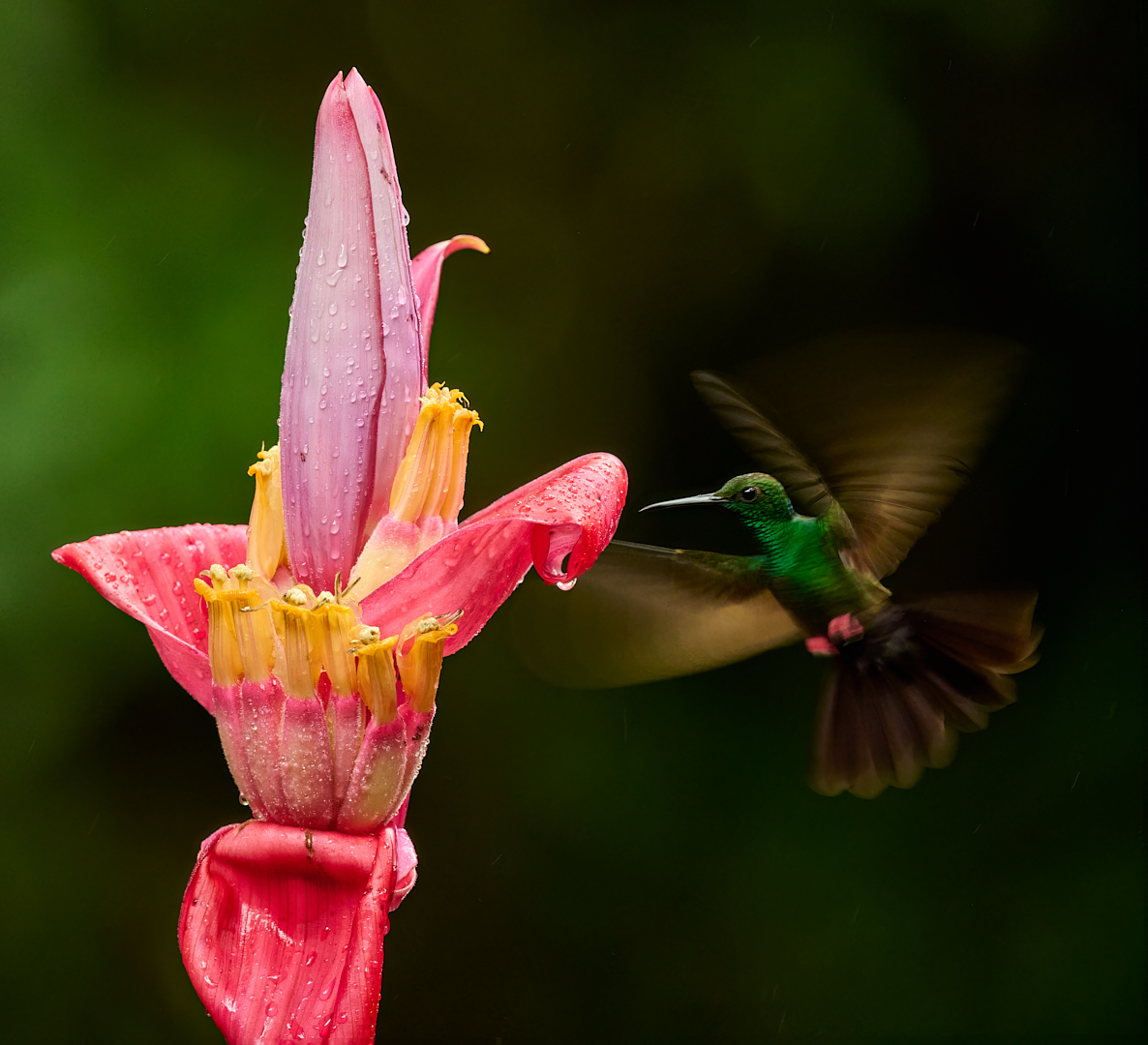
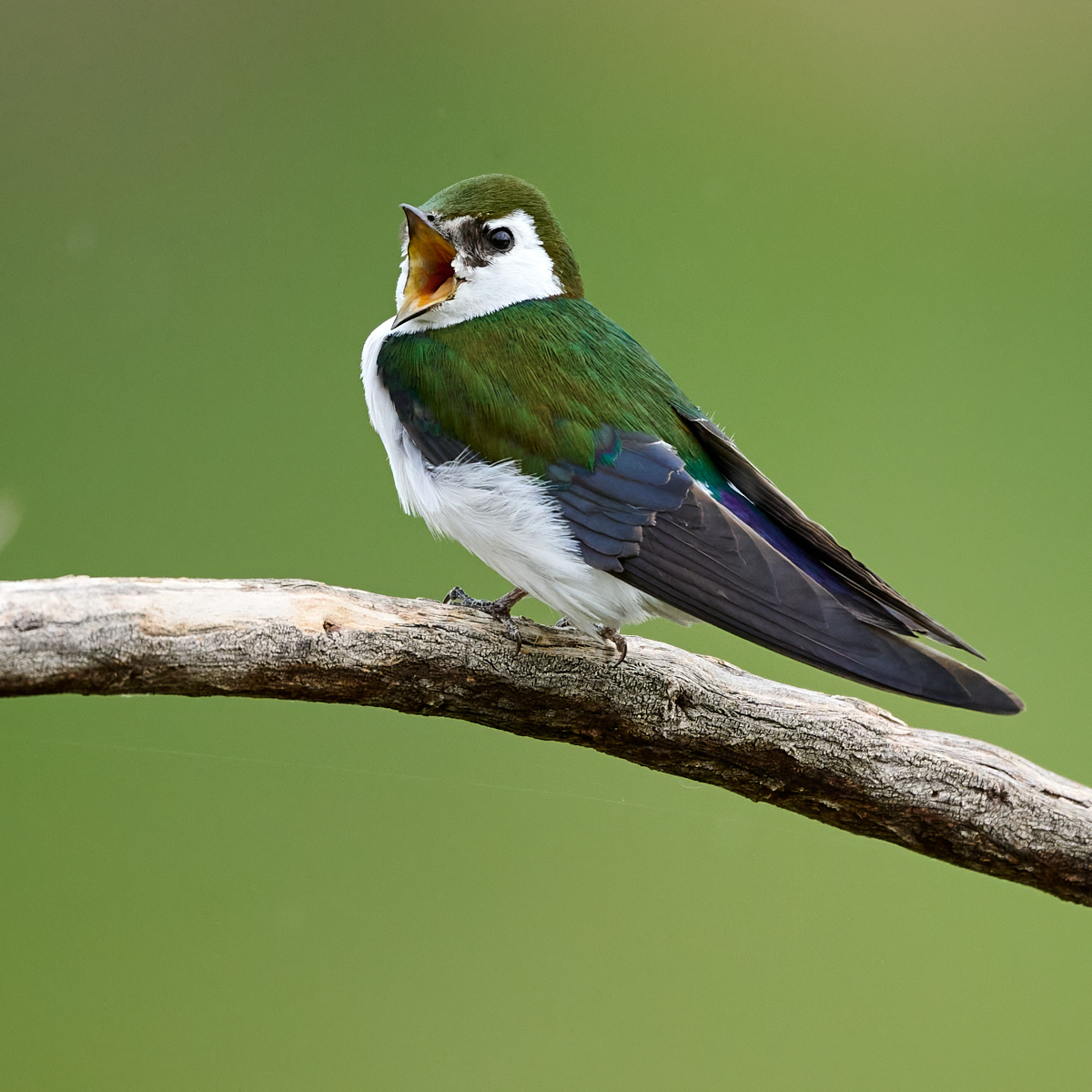
What a nice display pose you captured. It really shows just how much of the plumage takes on the orange-y color. Nice job of setting it off from the background in your post- work. |
Apr 10th |
5 comments - 4 replies for Group 91
|
12 comments - 6 replies Total
|