|
| Group |
Round |
C/R |
Comment |
Date |
Image |
| 76 |
Oct 23 |
Reply |
Thank-you Sophie. Go for it if you are interested! |
Oct 26th |
| 76 |
Oct 23 |
Reply |
Ha ha on the astroturf comment! Regarding verticals, I might have another go as both you and Ian have mentioned them. I would like to keep most of the foreground as a base to the image. |
Oct 21st |
| 76 |
Oct 23 |
Reply |
Thanks Jay. Regarding Ian's image, I have tracked the problem to my laptop screen, so it's at my end. |
Oct 21st |
| 76 |
Oct 23 |
Comment |
Rhododendrons always make good subjects and you have captured the colours and the detail beautifully and the square crop suits the subject. I think you did the right thing to remove the other flower in the background, but I also think the green leaf in the foreground is a little distracting. A useful tool for the flower photographer is a pair of scissors, though you have to be careful not to get caught if it is someone else's garden! |
Oct 21st |
| 76 |
Oct 23 |
Comment |
A couple of weeks ago I was trying to photograph a WWII Hurricane fighter, which is considerably slower than your F18, and all I got were fuzzy images, or empty areas of sky. So well done on a sharp, well exposed image. Jet aircraft can look 'stationary' so the image really benefits from those vapour trails that add some dynamics and lift the image above the ordinary. And you have a good interesting sky, so well done - an image to be proud of. |
Oct 21st |
| 76 |
Oct 23 |
Comment |
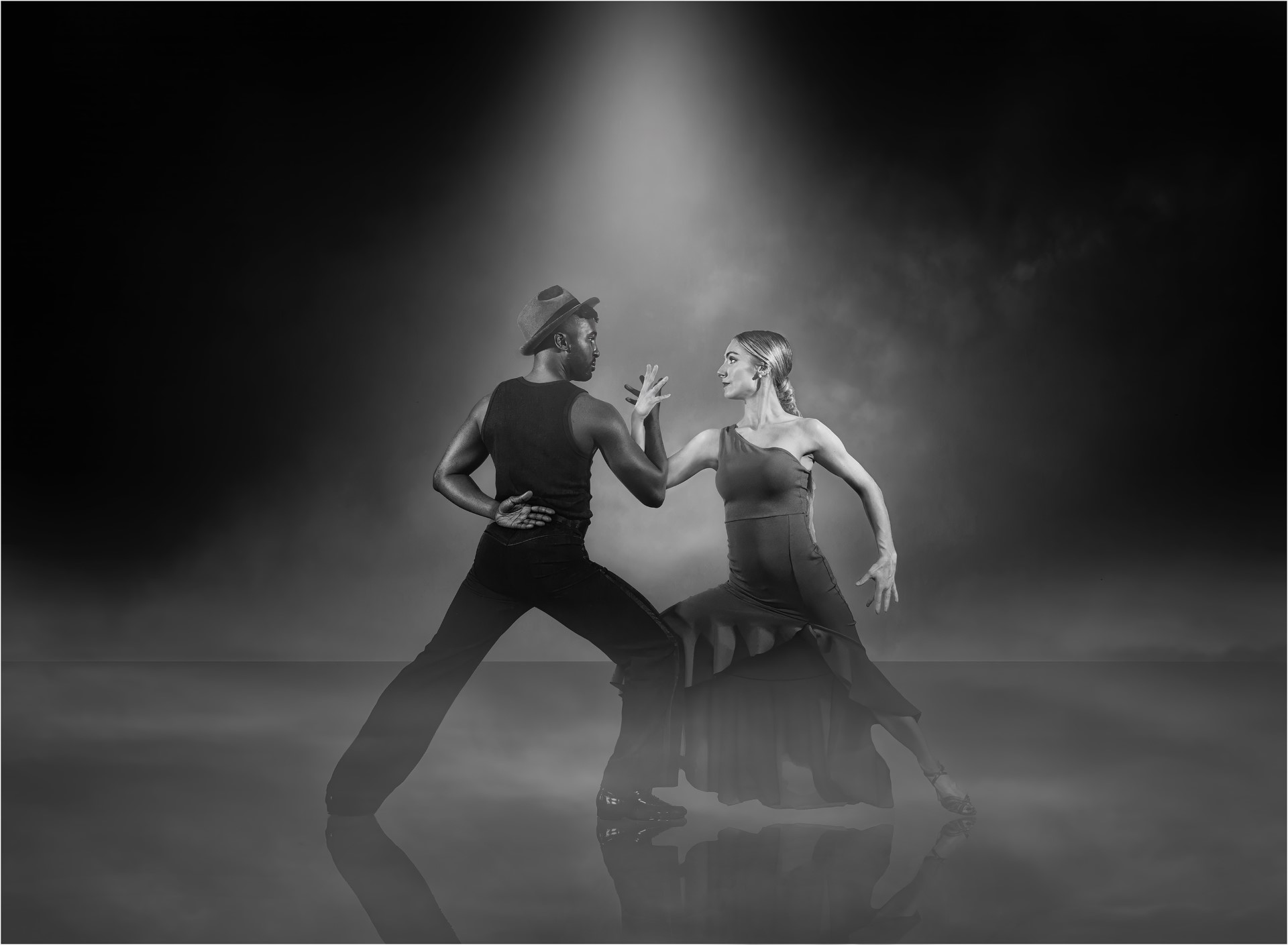
Another vote for the colour version - unless you need B&W images for competitions? There is a harmony to the reds in the colour version - the dress and the lighting - that is a shame to loose by converting to mono. One suggestion is to darken the dancer's right arm and lighten her face a little - at the moment her arm is brighter than her face, and this is even more noticeable in the mono version. Aside from that, it's a good dynamic image, and I like the catchlights in the eyes. |
Oct 21st |
| 76 |
Oct 23 |
Comment |
I like the dark richness of the final image, which is a subtle but definite improvement on the original. Usually, I would look for a 'perfect' specimen, but in this case the tear in the mushroom allows us to see more detail in the gills. A thought on removing the little twigs - could you have removed them before taking the shot? On review you obviously decided they were a distraction, so why not take them out at the time, then the image would retain its pure 'Nature' status. |
Oct 21st |
| 76 |
Oct 23 |
Reply |
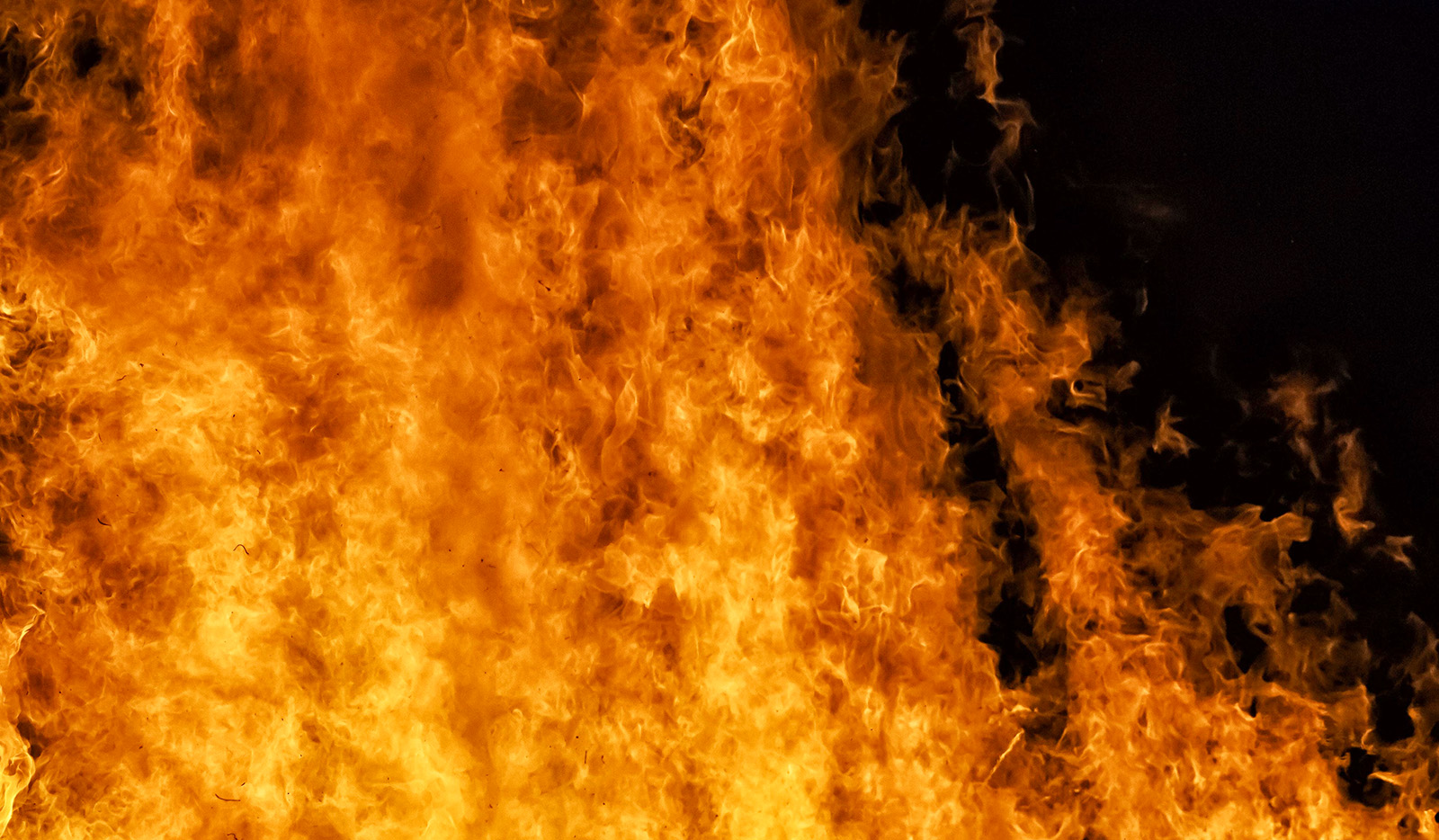
Ian, I am a bit closer to understanding what is going on. I was looking at your image whilst on holiday, so I was using my laptop screen. When I got home, and looked on my larger external display, I can see all the detail in your fire. So there is something wrong with how my laptop screen has rendered the image (though I have never seen this effect before). In future I must remember to use my external display, otherwise I may not be seeing images as intended.
All of which is nothing to do with your image, which is an impressive fire, with lots of detail and good control of exposure. A good one to have in your image library if you ever wish to do some composite images. |
Oct 21st |
| 76 |
Oct 23 |
Comment |
That looks like quite a fire, so I can see why you used a 150mm lens and stood well back! Now, there is something a bit odd going on. In your image, I am seeing quite large areas all with the same flat colour of red, so lacking detail. I tried copying and pasting into Photoshop and immediately a lot more detail popped out, as well as a different colour palette. I've attached my version which is just a re-save of your image, but it looks quite different. Not sure what's going on, but there's a lot more detail in your image than I am seeing at my end. I would appreciate some-one else's opinion as it might be something wrong at my end. |
Oct 20th |
 |
| 76 |
Oct 23 |
Reply |
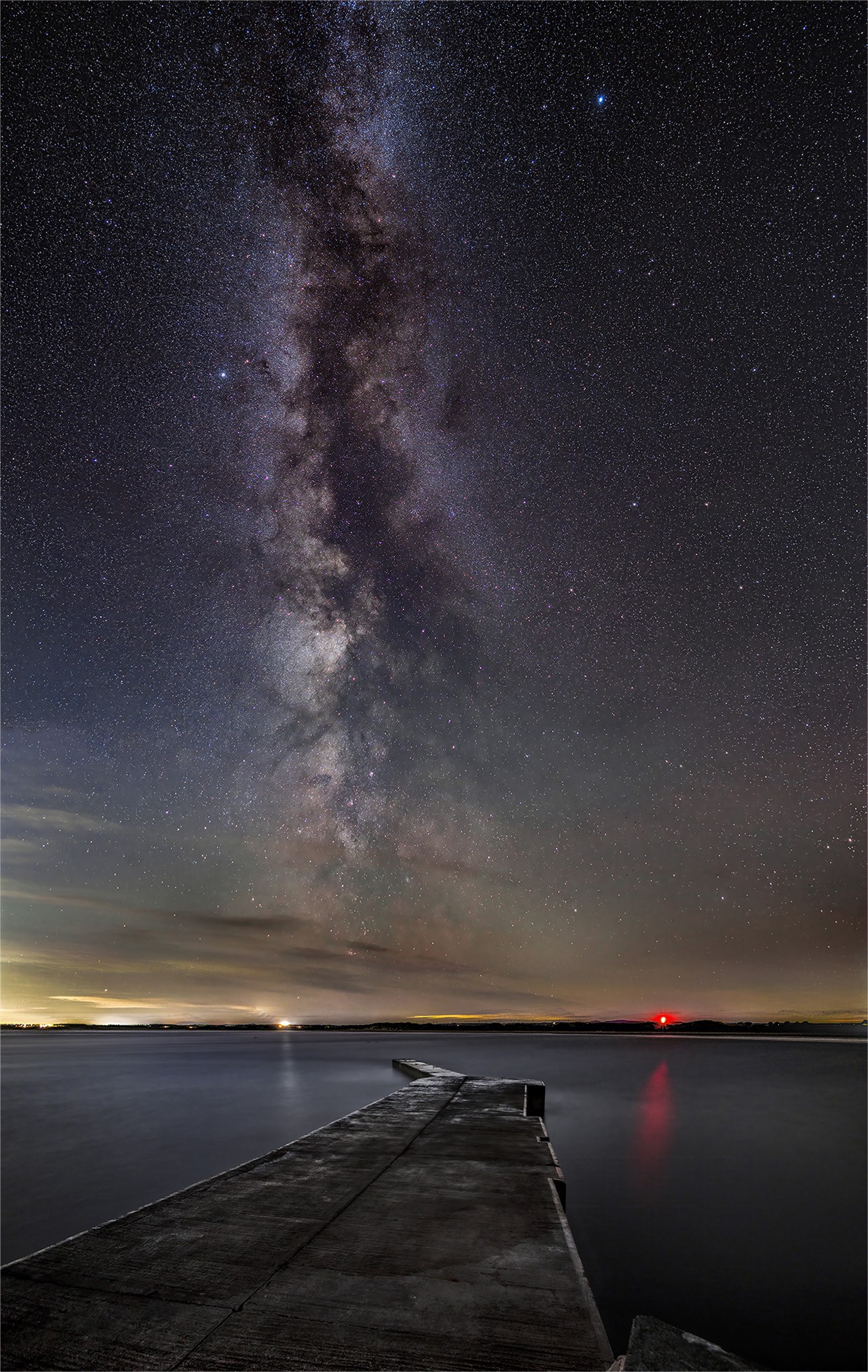
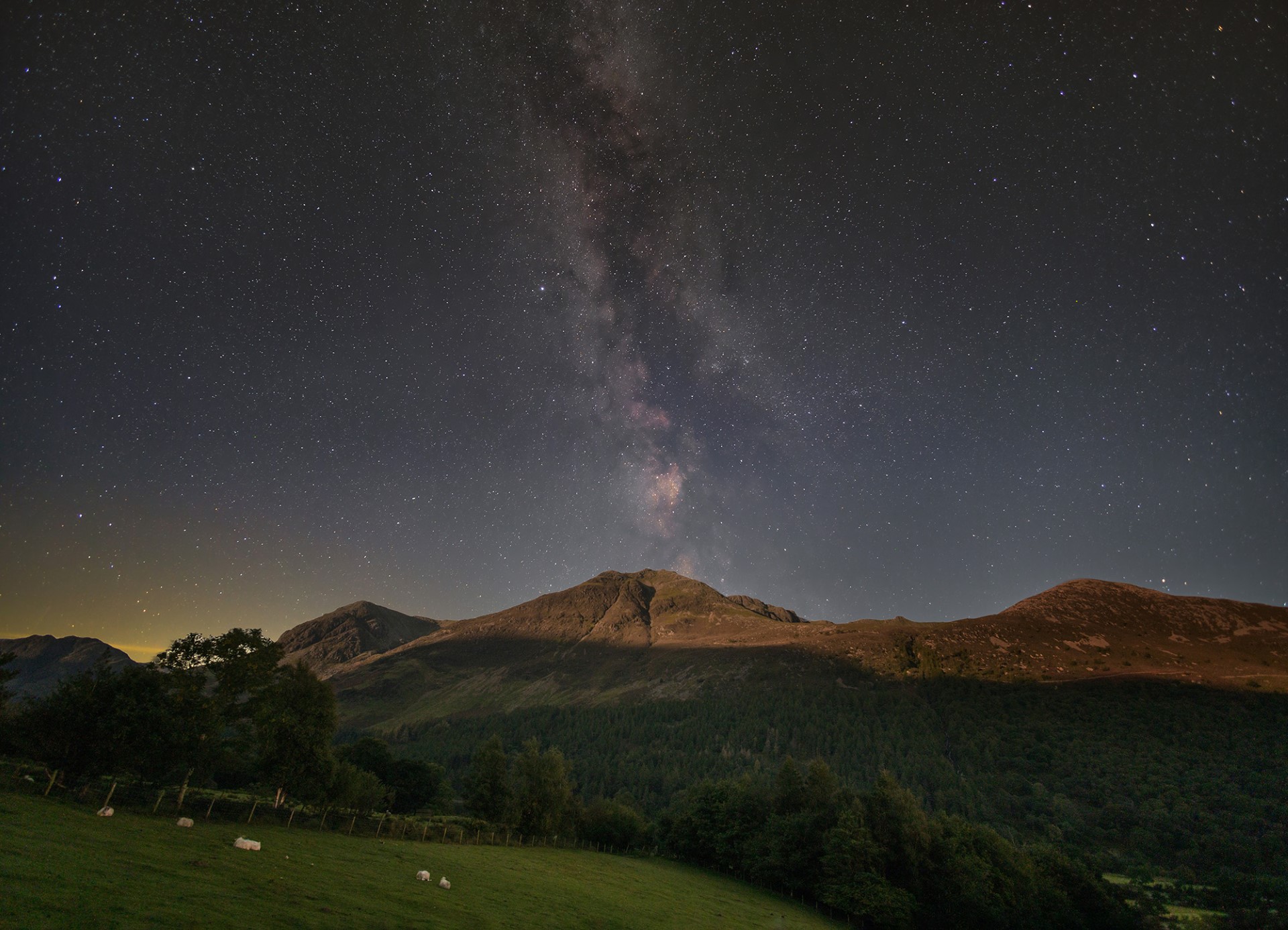
Thanks Henriette. Those are sheep in the image. It was quite eerie as the field was really very dark, except where our head torches picked out dozens of sheep's eyes shining in the night. The trails in the original image crop are satellite trails. There are now thousands of satellites in orbit (thanks Elon Musk) so in any 30 second 'sample' of the night sky there will be several satellite trails, but stacking and averaging removes them. |
Oct 16th |
| 76 |
Oct 23 |
Reply |
Thanks Ian. Yes, the rising moon is not ideal, but getting a clear, moonless night at a dark sky location in the UK is a bit like winning the lottery - it doesn't happen very often! I wasn't bothered about the converging verticals until you mentioned them. I tried a simple perspective correction in Photoshop and it doesn't quite work as it stretches out the the stars, so I think I'll live with it. |
Oct 16th |
5 comments - 6 replies for Group 76
|
5 comments - 6 replies Total
|