|
| Group |
Round |
C/R |
Comment |
Date |
Image |
| 21 |
Jun 22 |
Reply |
Thank you, Brian, for your kind comments. |
Jun 22nd |
| 21 |
Jun 22 |
Comment |
Thanks, Mike. Love your images. |
Jun 21st |
| 21 |
Jun 22 |
Reply |
Hi Brian. One of the takeaways from the several conversations I had with Stephanie was that it helps to have an interesting landscape with architecture or people when you are creating ICM. She developed her techniques based on many trips to Ireland and Scotland. She said it was a downer at first when she returned to Iowa, where the land is flat and featureless.
Now she has settled in and uses ICM exclusively in her local environment. Her images are very abstract, mainly swooshes of color. But she emphasizes that everyone style will be different. I recommend going through the previous issues of ICM Photo Magazine and looking up the featured artist on the Internet to see the different styles that have developed. Some artists have been successful in developing a following and interesting persona. |
Jun 21st |
| 21 |
Jun 22 |
Comment |
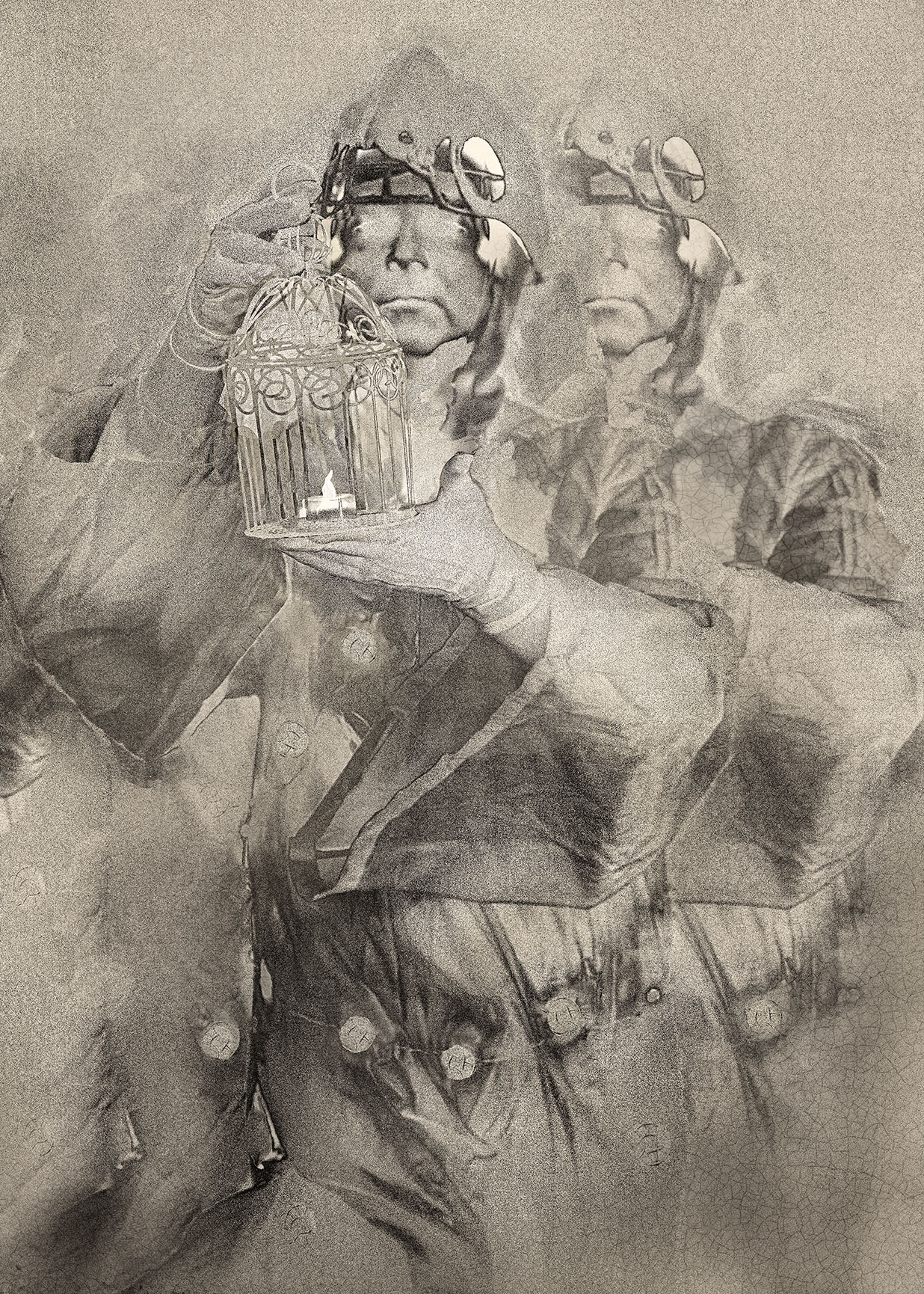
Thank you, Brian, for all your kind comments. Initially when I processed the image, the idea was that these lost men where in a sand storm (I know that's illogical, but I guess that's the way things happen in my head). Then there was a final twist. I am taking the PSA History of Photography course (under Mike Todd). I made an additional adjustment, by selectively blending two textures into parts of the image to emulate the fiberous effects of the paper negative in the Calotype. It was then printed by a local gallery and also entered in a competition where it took Best in Show. I almost entered another print as I felt this image might be a bit too far out. |
Jun 21st |
| 21 |
Jun 22 |
Comment |
|
Jun 17th |
| 21 |
Jun 22 |
Comment |
Hi Hazel. Thank you for your comments. I do quite a lot of night photography, including light painting and fire poi. I don't like to use flash. I find it fascinating. |
Jun 17th |
| 21 |
Jun 22 |
Comment |
Hi Brian. ICM is a fun exercise, but good results can be tough to come by. I communicated with Stephanie Johnson earlier this year. I subscribed to her magazine, ICM Photography Magazine. She emphacized that I should chimp each image and make adjustments according to what I see on the fly. I was surprized when she told me that she's usually only happy with less than 1% of her images. She also said that ICM is as much therapy as it is a serious photographic project. I do see in the magazine that there are some serious practioners. If you're serious about ICM and haven't checked out the magazine, it's worth a look. |
Jun 13th |
 |
| 21 |
Jun 22 |
Comment |
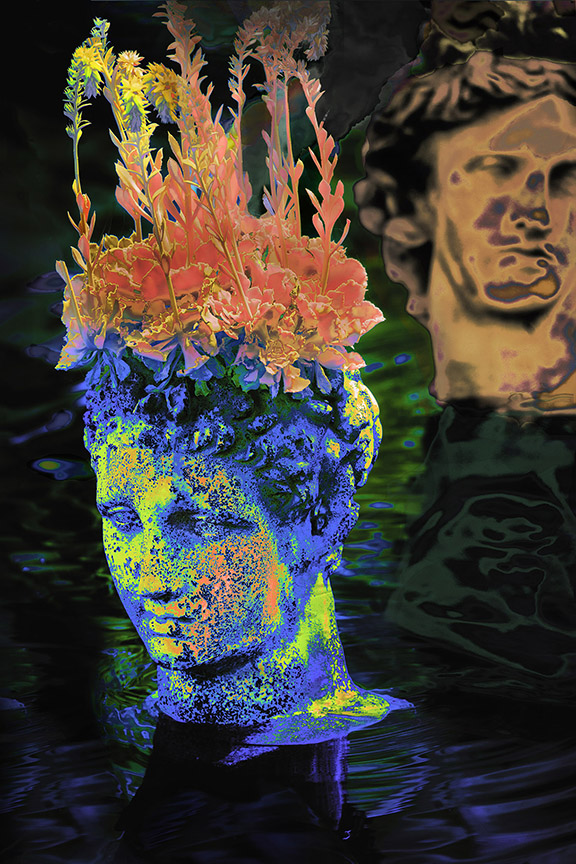
Hi Mike. I like the concepts and execution of each of your images. This one conveys a very clear visual message. Kind of an extention of the paintings by Rene Margritte. |
Jun 13th |
| 21 |
Jun 22 |
Comment |
Hi. Very nice. I have found that this type of image, with blurred backgrounds, do very well in competitions. The blurring helps isolate the subject. Did you use a texture, the smudge tool, or some other method? |
Jun 13th |
| 21 |
Jun 22 |
Comment |
Hi Kalaidescope images are fun. There is a software developed by a Russian designer called Artscope. There is a learning curve but it produces outstanding results. I prefer using a natural image that has brecognisable components. I have attached one.
I'm not sure how the designer has payment facilities set up as credit cards are cut off in Russia. He must have something set up outside the country. Here's the site:
https://helpsoft.ru/artscope/en/ |
Jun 13th |
 |
| 21 |
Jun 22 |
Comment |
Nice concept and execution. This type of composite is a lot of fun. |
Jun 13th |
9 comments - 2 replies for Group 21
|
9 comments - 2 replies Total
|