|
| Group |
Round |
C/R |
Comment |
Date |
Image |
| 21 |
Mar 22 |
Reply |
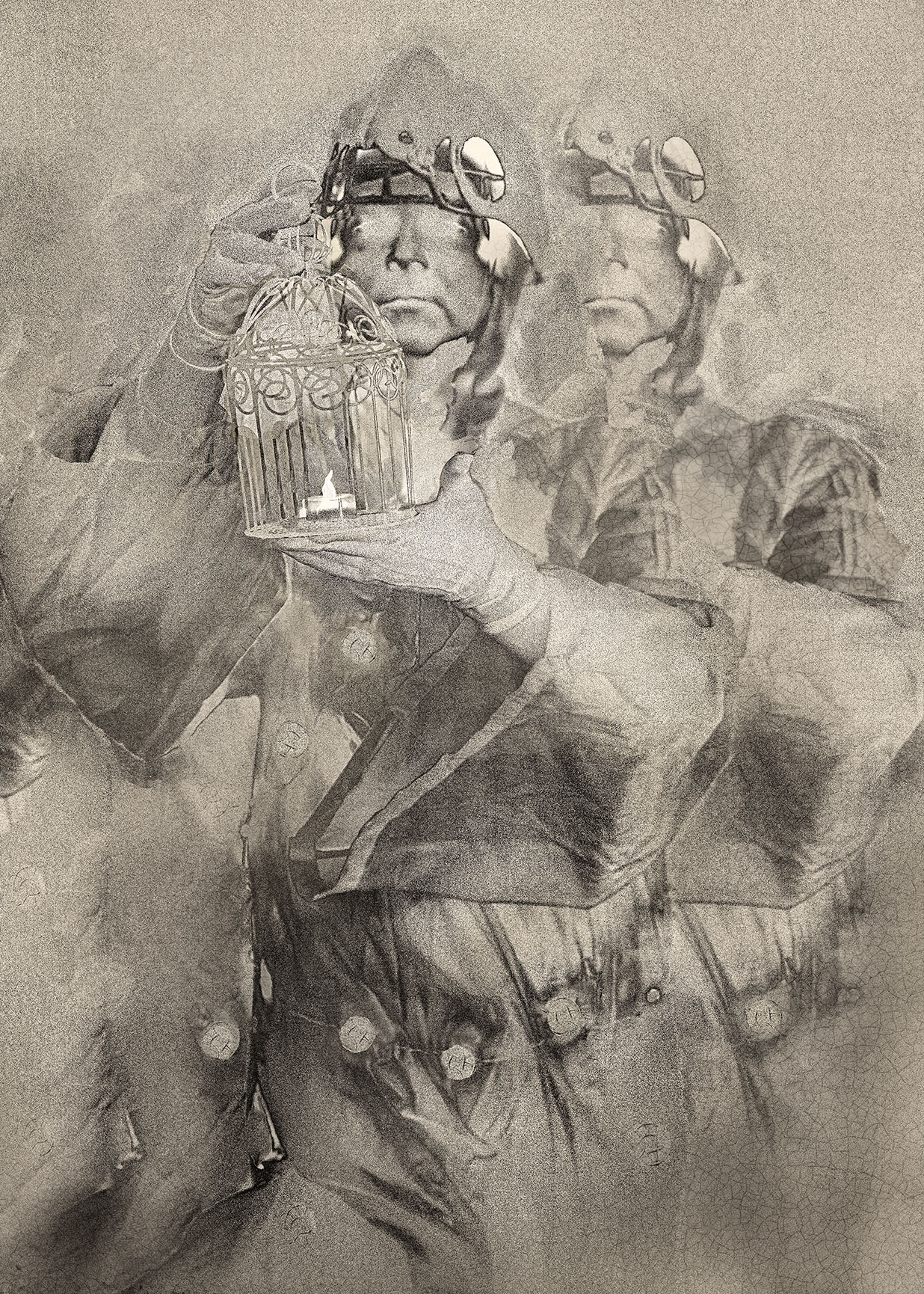
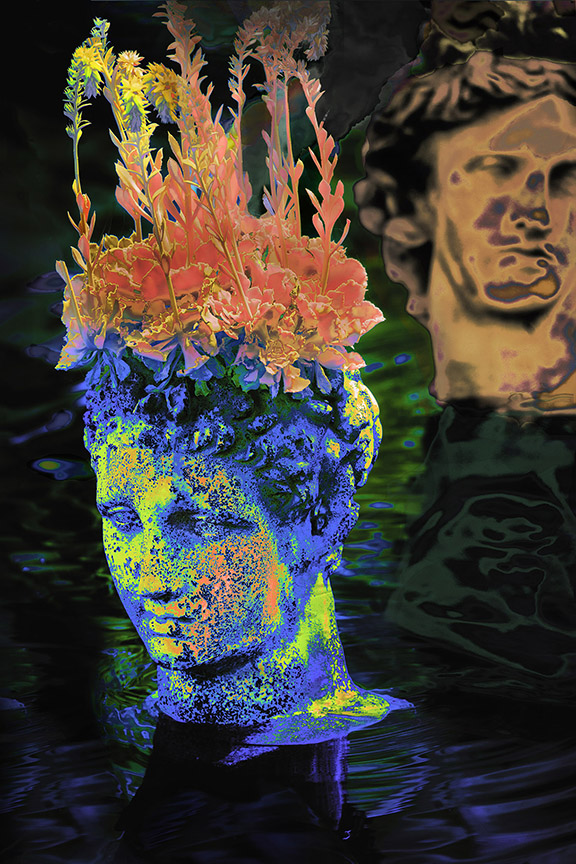
Thanks, Brian. I then use a lot of solarizations, LAB Color and Color Range masks in my processing. That creates an image that is somewhere in between positive and negative, and as you shift solarization curves in Photoshop different things are happening. The fun starts when you stack layers and use blend modes and blend if. Results vary. I feel that the process works best when the image has been cropped a lot, simplifying the composition. |
Mar 30th |
| 21 |
Mar 22 |
Comment |
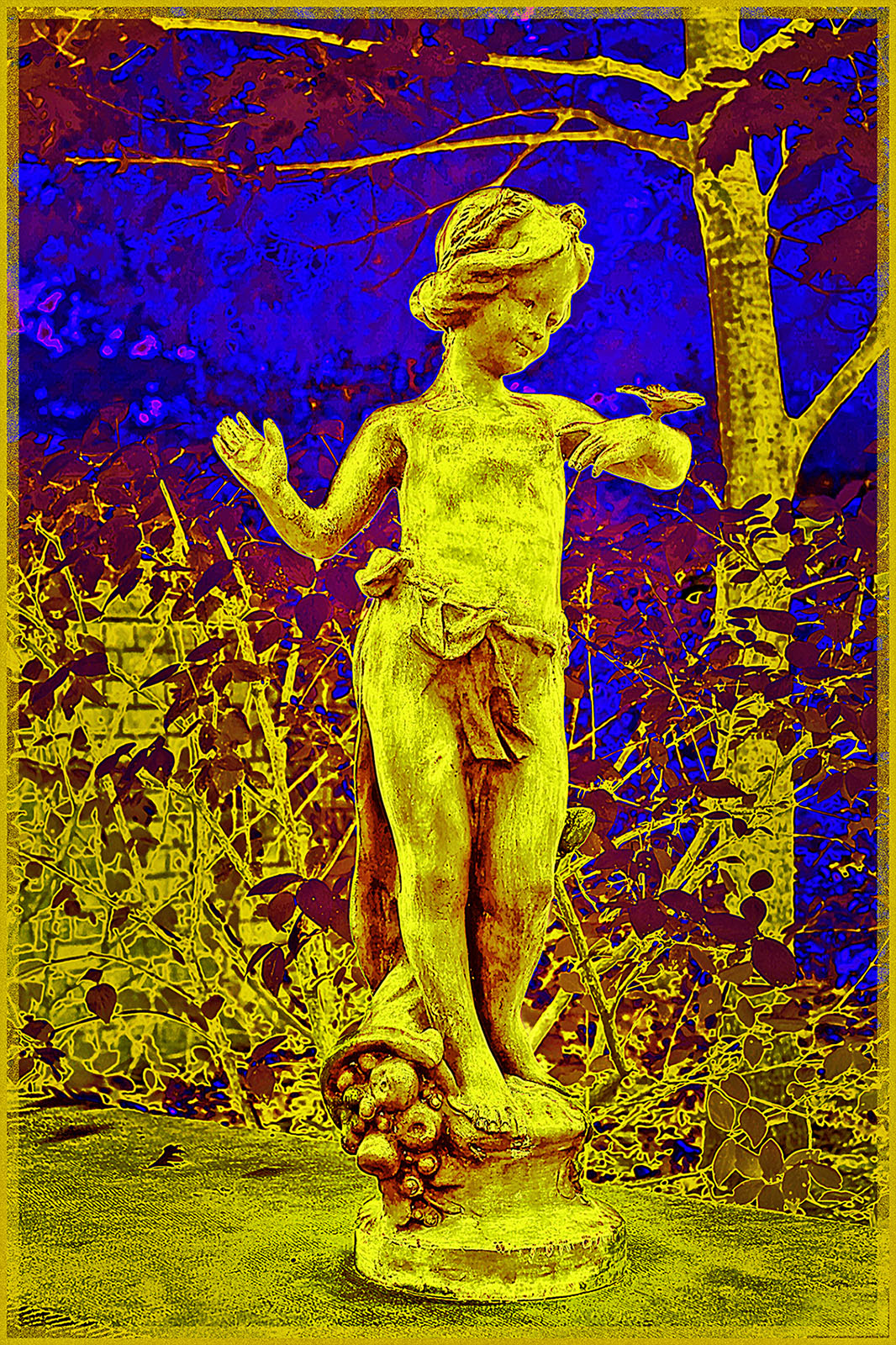
I should add to those comments about The Girl with a Butterfly. Using Infrared or in this case Dual Band filtration only establishes a base image. In this image the Infrared component is only about 30% or less of the RAW file. "Infrared" is not a creative process per se. How one processes the image starting from the "white balanced" RAW file is where the magic happens. And that magic happens in Photoshop not in RAW conversion. The choice of having an Infrared component simply opens up new pathways to creative interpretation. |
Mar 30th |
| 21 |
Mar 22 |
Comment |
Thanks, Peter. I think the biggest considerations if you are going to work with Infrared are to choose a Full Spectrum conversion and to choose a body that is full frame and over 40MP. The reason for the former is that when you use external filters like the 590nm or 720nm the green and blue channels are blocked (except for lower sensitivity to IR above 700nm). So a 40MP is really about a 20MP body. A 20MP is really a 10MP body, etc. Also choose a mirrorless body. Much easier to focus and work with. Personally I use a Sony A7Rii, which are available on the used market and affordable. |
Mar 28th |
| 21 |
Mar 22 |
Reply |
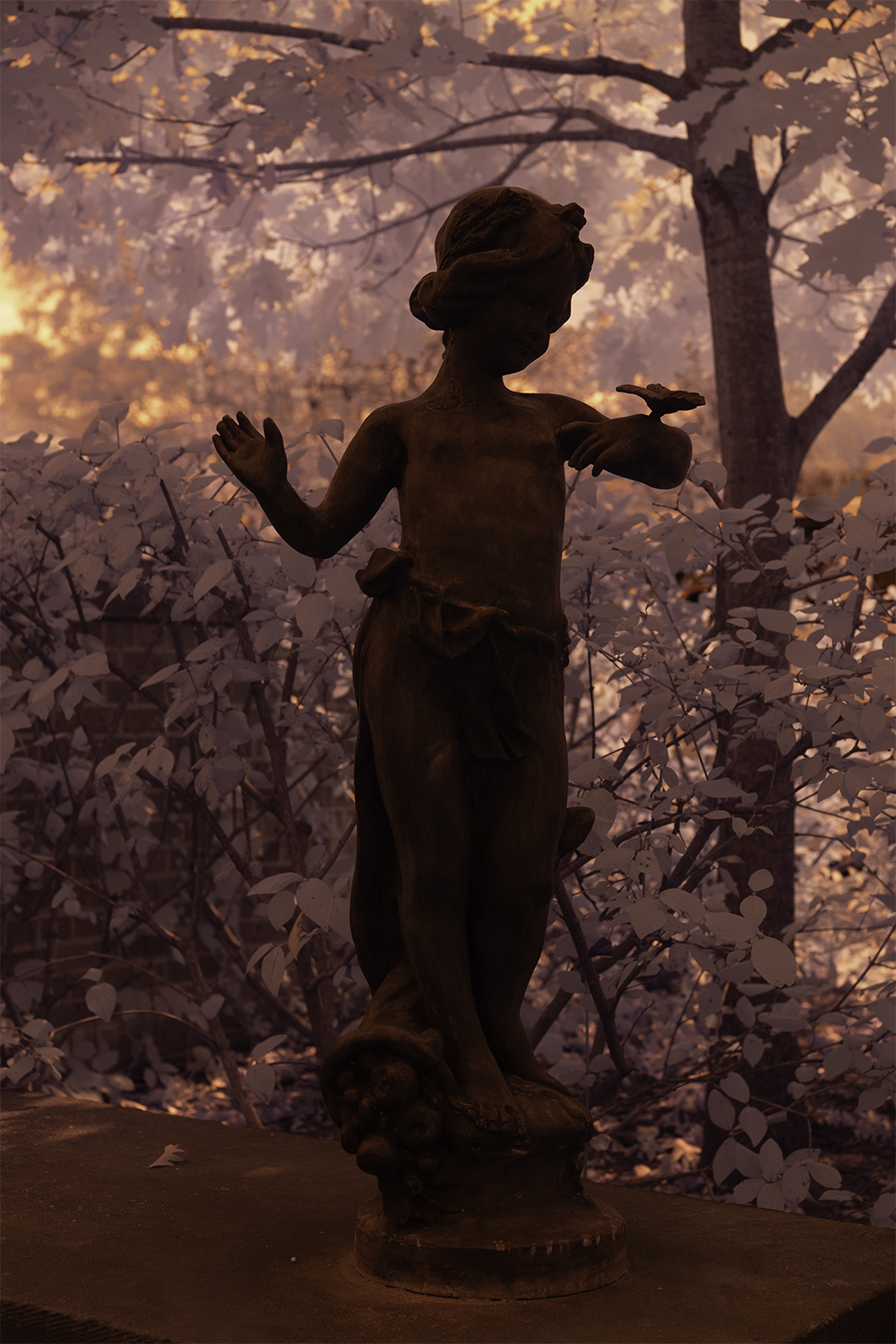
Hi Joan. It turns out that the original was made in 2015. The attached file is simply the unprocessed file in which the color balance has been pushed to 2500 K. This "digital positive" then gets reversed several times (i.e. solarized using Photoshop curves) and then is further processed using many other techniques. I never save TIFF files or other records of my processing as I believe that each experience of working with a file should be unique, and also should be informed by new insights about the image. The output is merely a snapshot of a new processing experience. Having said that I would say that although the way I process is intuitive I feel that it is well grounded in using actual tools in Photoshop. Rarely do I apply filters and looks from plugins. I have a friend who is a painter from Romania, who grew up behind the Iron Curtain. She introduced me to the concept of "Metarealism", of which I wrote in some detail. You might find it an interesting read. (my site does not have a security certificate but will not harm your computer) http://www.monograffi.com/meta.htm |
Mar 26th |
 |
| 21 |
Mar 22 |
Comment |
Hi Steve. I did a bit of reading about stereoscopic photography. It seems that you want to take it one step further in stereoscopic IR photography. So I am guessing that there would be two types. One in Black & White (probably needing high contrast edges). The other in Color (I am guessing where the two sides would have different color components). These would be very feasible. They just would require some experimentation. I would be happy to help.
|
Mar 20th |
| 21 |
Mar 22 |
Comment |
Hi Steve. I did a bit of reading about stereoscopic photography. It seems that you want to take it one step further in stereoscopic IR photography. So I am guessing that there would be two types. One in Black & White (probably needing high contrast edges). The other in Color (I am guessing where the two sides would have different color components). These would be very feasible. They just would require some experimentation. I would be happy to help.
|
Mar 20th |
| 21 |
Mar 22 |
Comment |
Thank you, Brian, for your comments. Yes, Infrared can add magic to many images. I sometimes use up to 15 different filter combinations in the field. The idea is to balance various ranges of visible light with the infrared range, to obtain a pleasing result of complimentary colors. As you well know chlorophylls in leafy plants and tree leaves absorb a lot of infrared light in the 650-700nm range, but the water in the leafy material reflects Infrared. All three channels (Red, Green and Blue) of the "converted" digital camera are very sensitive to the near Infrared band above 800nm. |
Mar 19th |
| 21 |
Mar 22 |
Comment |
|
Mar 15th |
| 21 |
Mar 22 |
Comment |
Whenever I use dual band or infrared filtration there is always a visit from Serendipity. I am always thankful for her contributions. Thank you for your comment. |
Mar 15th |
7 comments - 2 replies for Group 21
|
7 comments - 2 replies Total
|