|
| Group |
Round |
C/R |
Comment |
Date |
Image |
| 52 |
Oct 21 |
Reply |
Thanks, Judith. I actually have all those images. Last year my husband and I documented the entire life cycle from egg to mature butterfly for our local Audubon group. |
Oct 21st |
| 52 |
Oct 21 |
Comment |
Oh, my...I see that I did swap the original and the final. Very sorry - don't know how tht happened, and this time I did not have much time to double-check after posting. However,I like the wing positon on the image posted as the original. I do feel itnis cropped a bit too tight - it maybe needs half again of the space on that side to give more of a sense of the forward flight. The colors are appealing and everything seems sharp to me. Your usual excellent work! |
Oct 18th |
| 52 |
Oct 21 |
Comment |
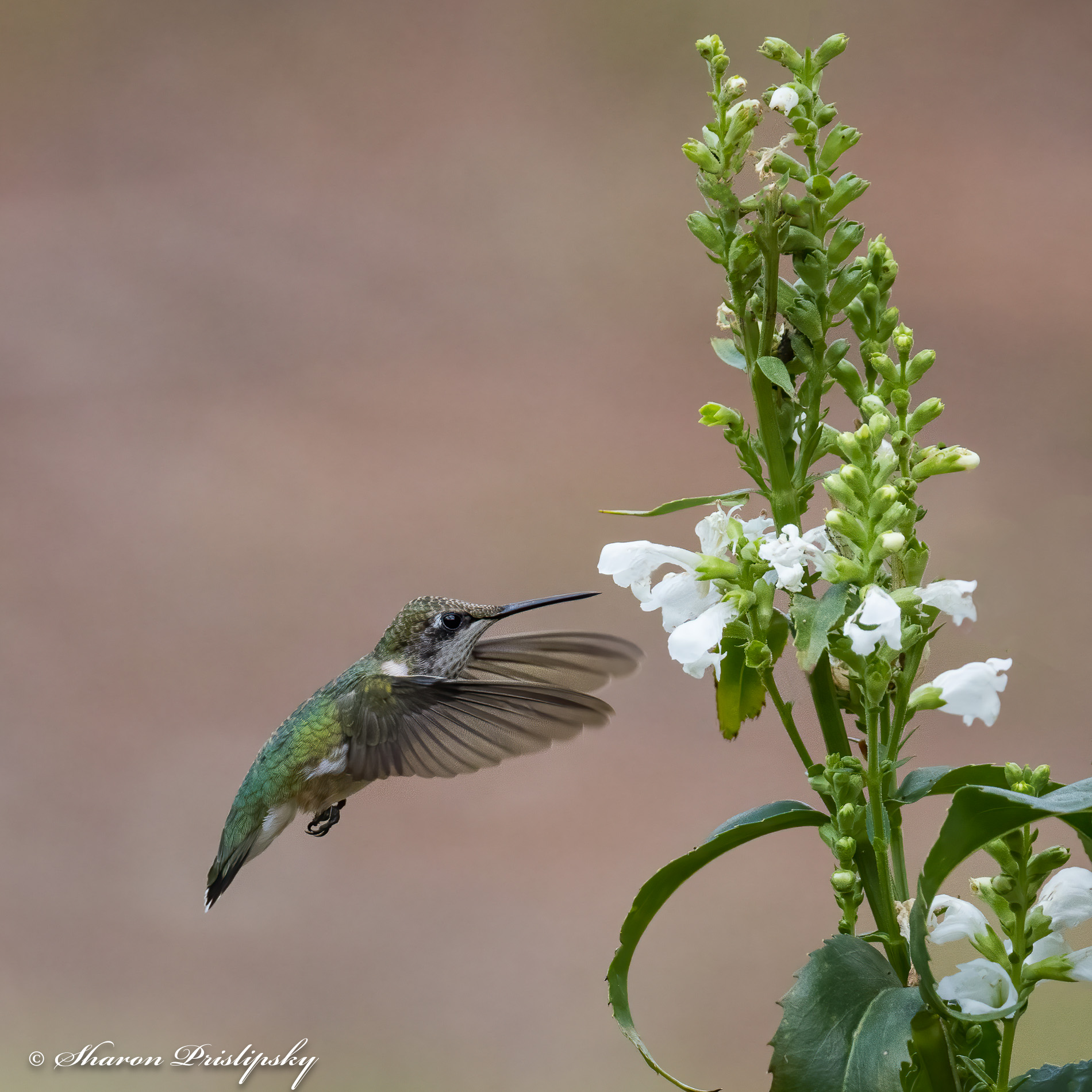
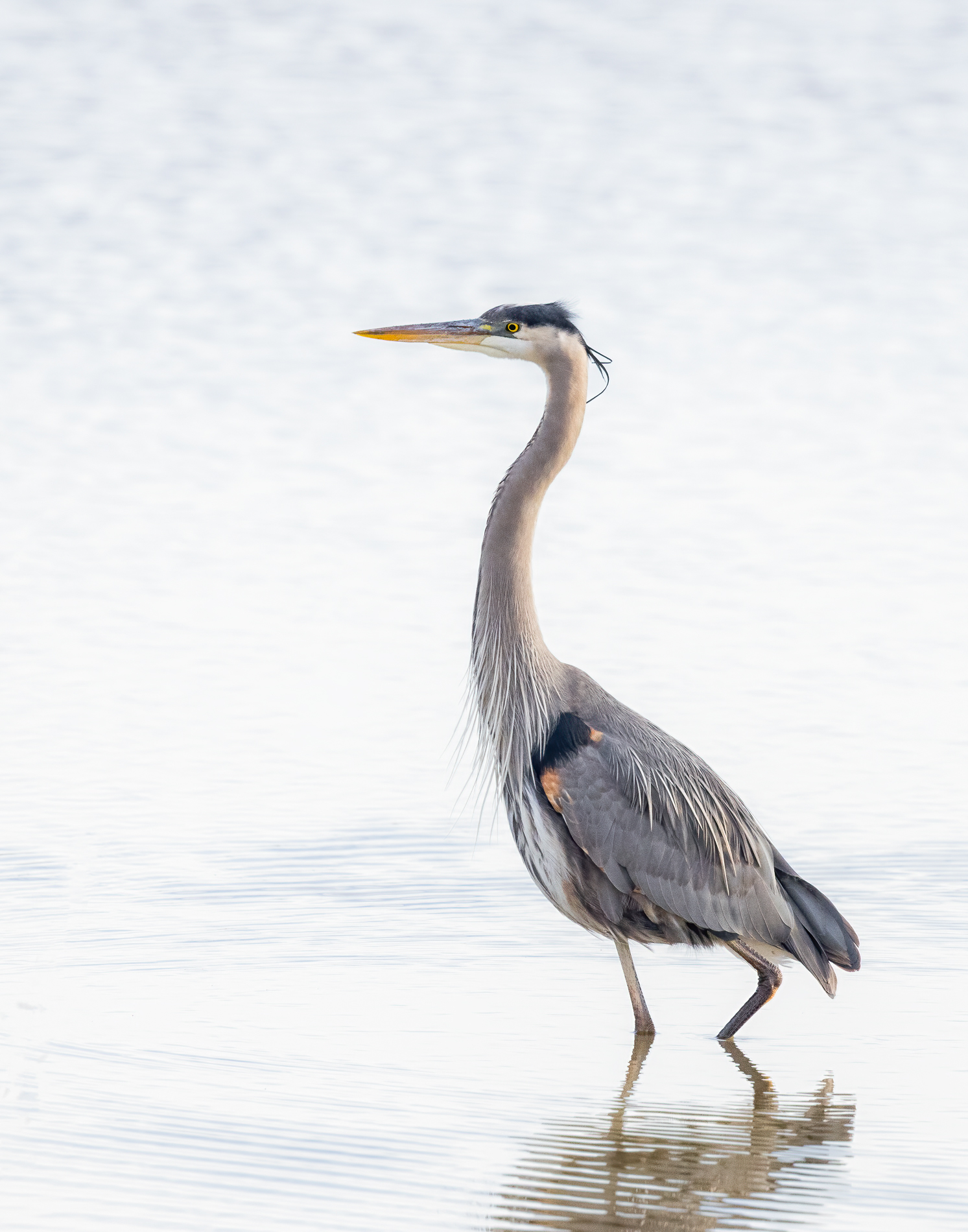
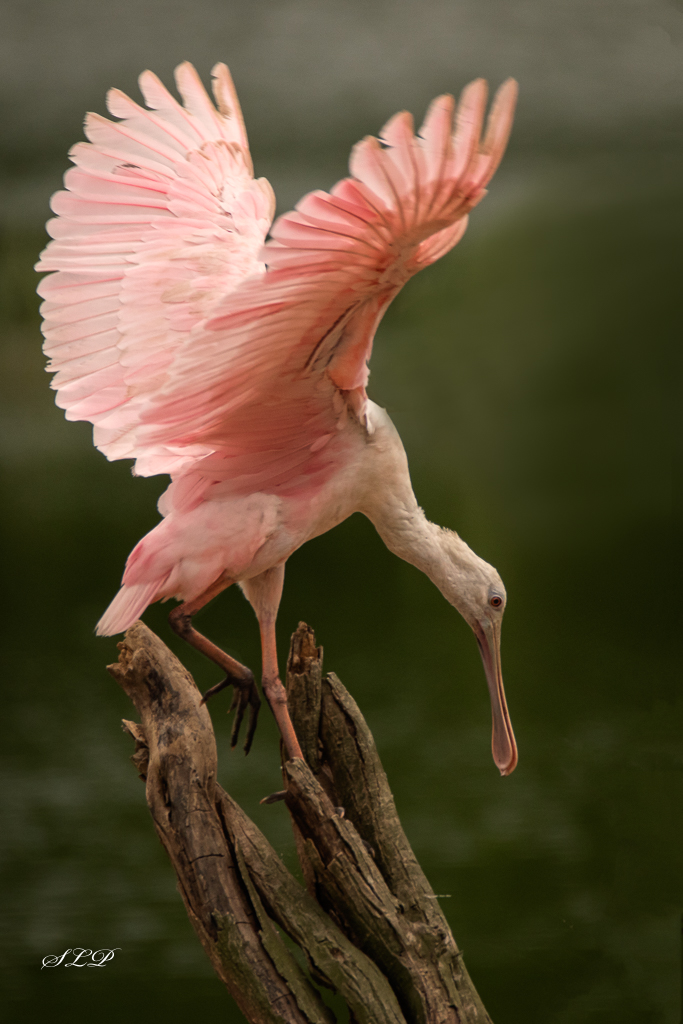
Good for you for going back! It really paid off. You asked about camera settings. I almost always shoot birds hand held. I start with ISO 800 and adjust up or down after taking a test shot. I am usually at f/8.0 because that is the widest aperture I can get with my 100-400mm lens and a 1.4X teleconverter. If I could get down to 6.3 I would do it, but only works at shorter focal lengths. Since your background was pretty far behind your subject if you couod open the shutter up some it would start to blur the background which would make it less busy. For flying birds I find the lowest possible shutter speed to be 1/1250 sec., but for birds that are perched up you can go much lower. One other thing to think about is that with a polarizer you lose a stop or two of light, so you have either crank up ISO which causes noise, or dial in a slower shutter speed which will mess you oup if the subject moves at all. I ditch the polarizer for for all wildlife. |
Oct 18th |
| 52 |
Oct 21 |
Comment |
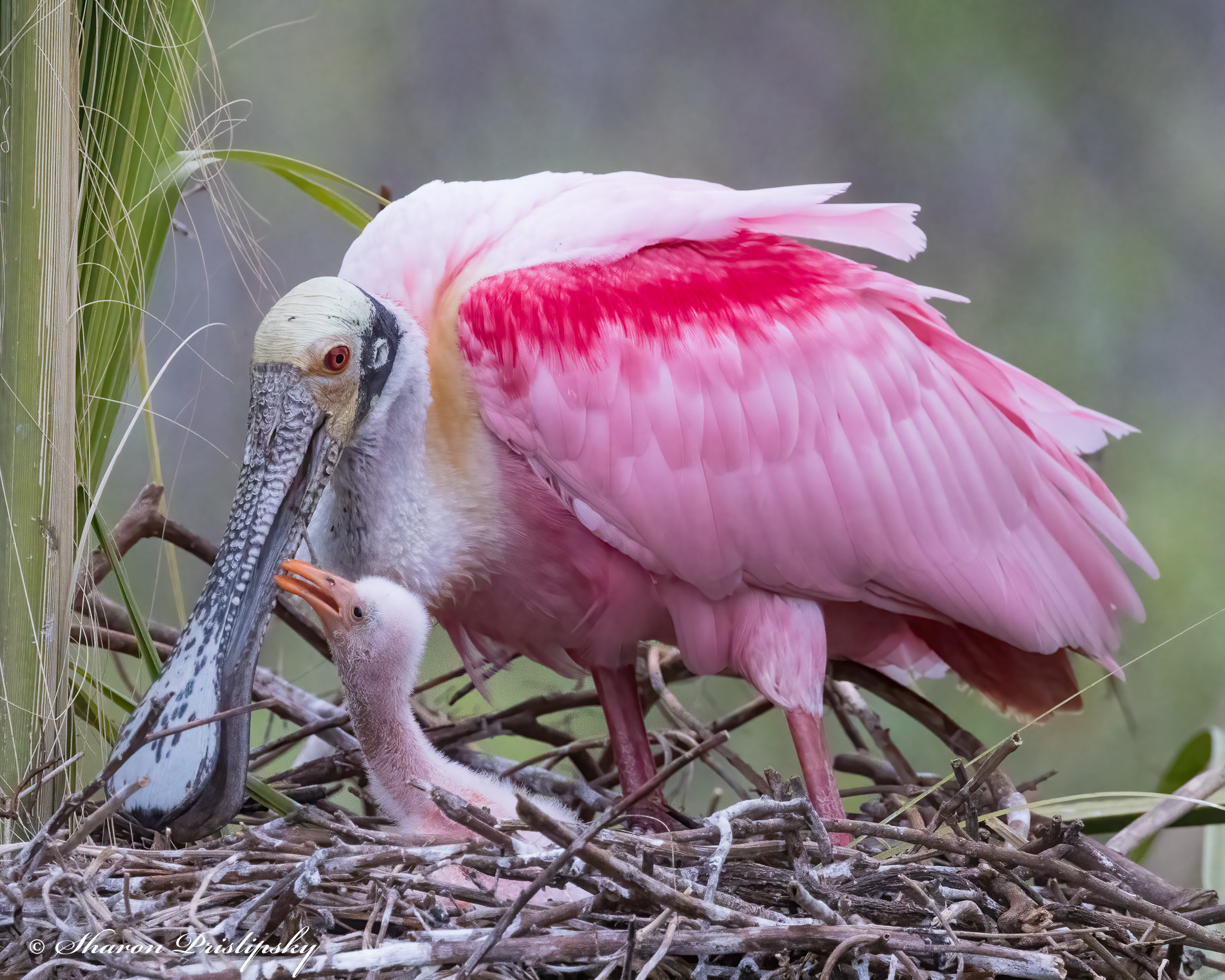
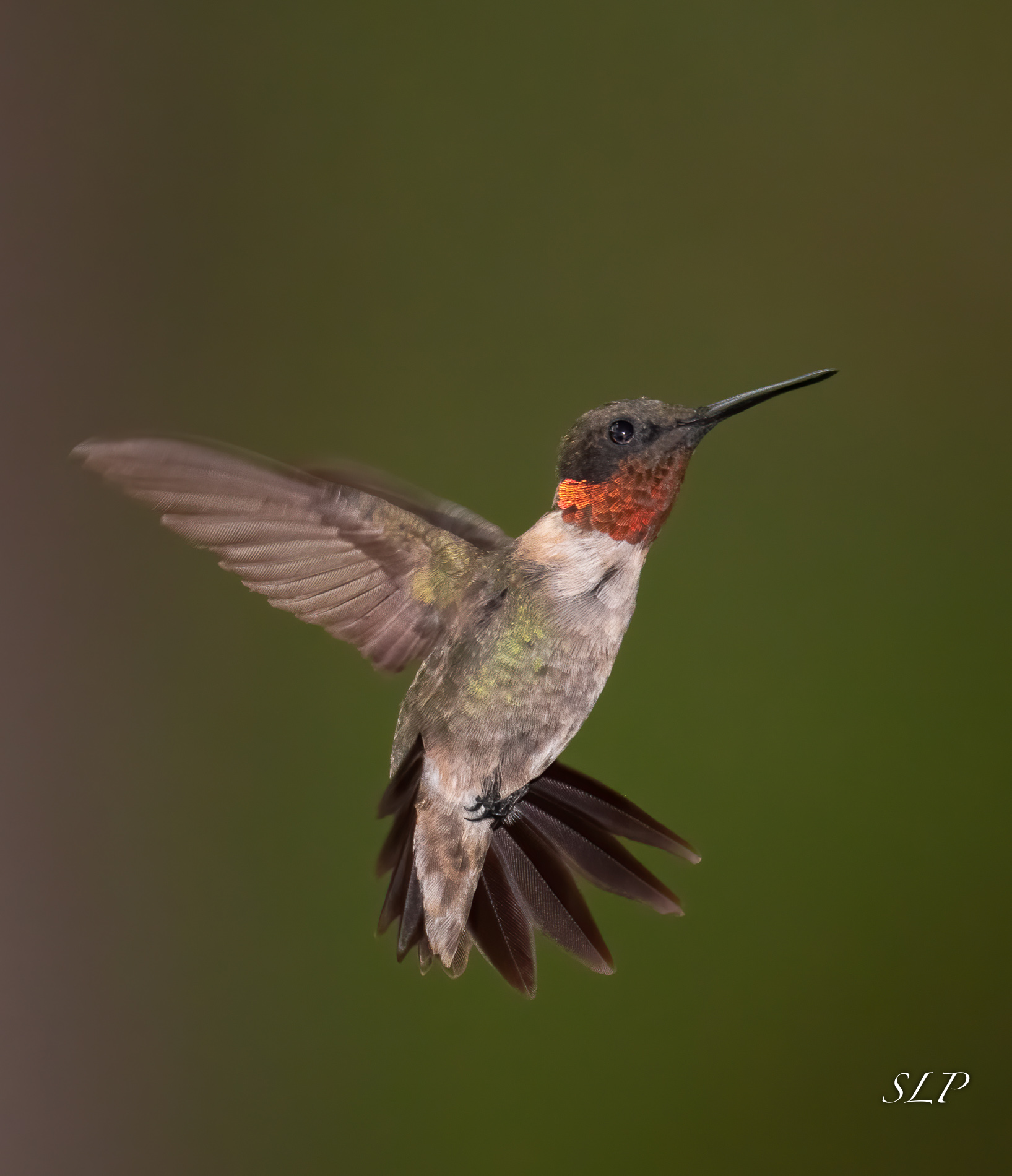
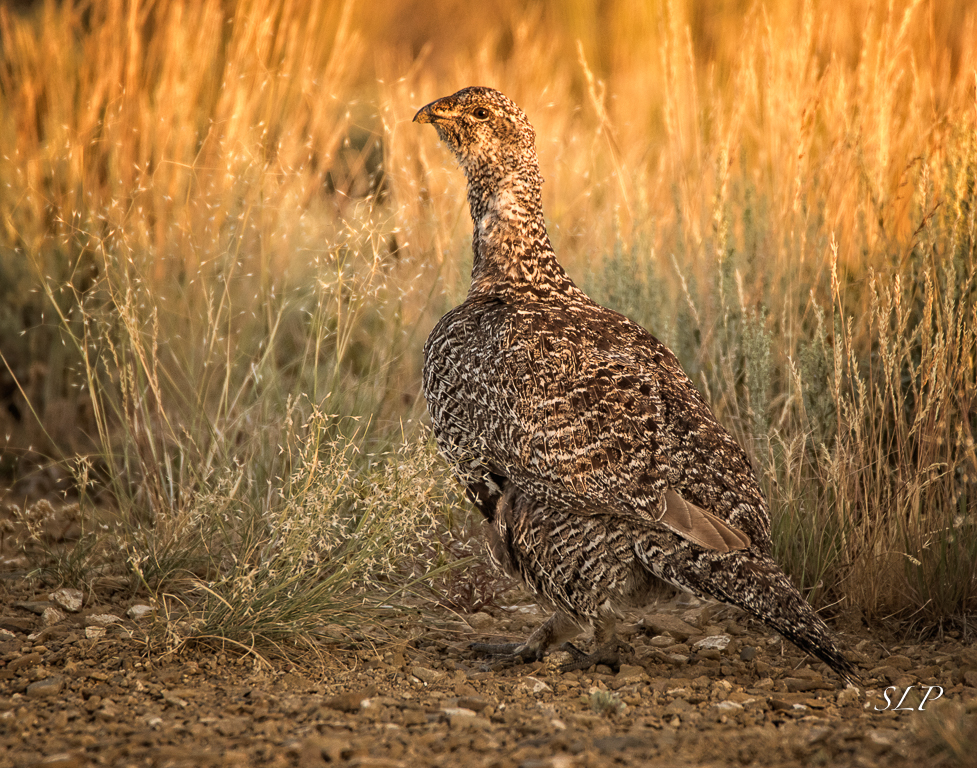
This is an interesting shot of a bird most of us have not seen often or at all. I like the texture of the downy feathers and the inquisitive look he is giving to whatever is below. I would not crop this any more if it were mine, because I feel it would make the subject feel cramped.The two things tht I feel need some work are the out of focus leaves on the left and specular highlights on the right. If you want to stay true to the Nature definition there probably is nothing you can do about those, but some careful cloning of sharper leaves sampled from above and a dark vignette might work for a more artistic rendition. |
Oct 18th |
| 52 |
Oct 21 |
Comment |
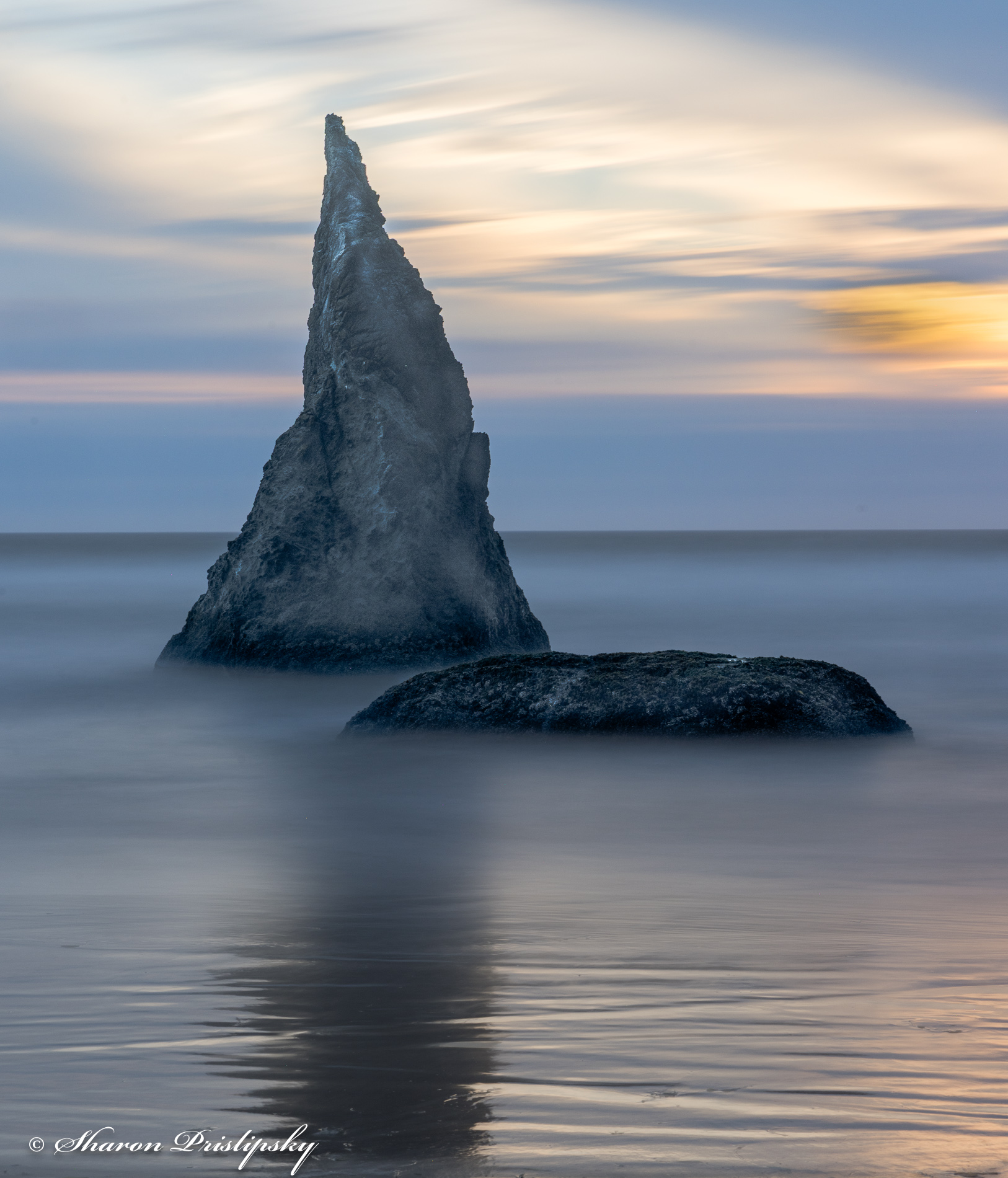
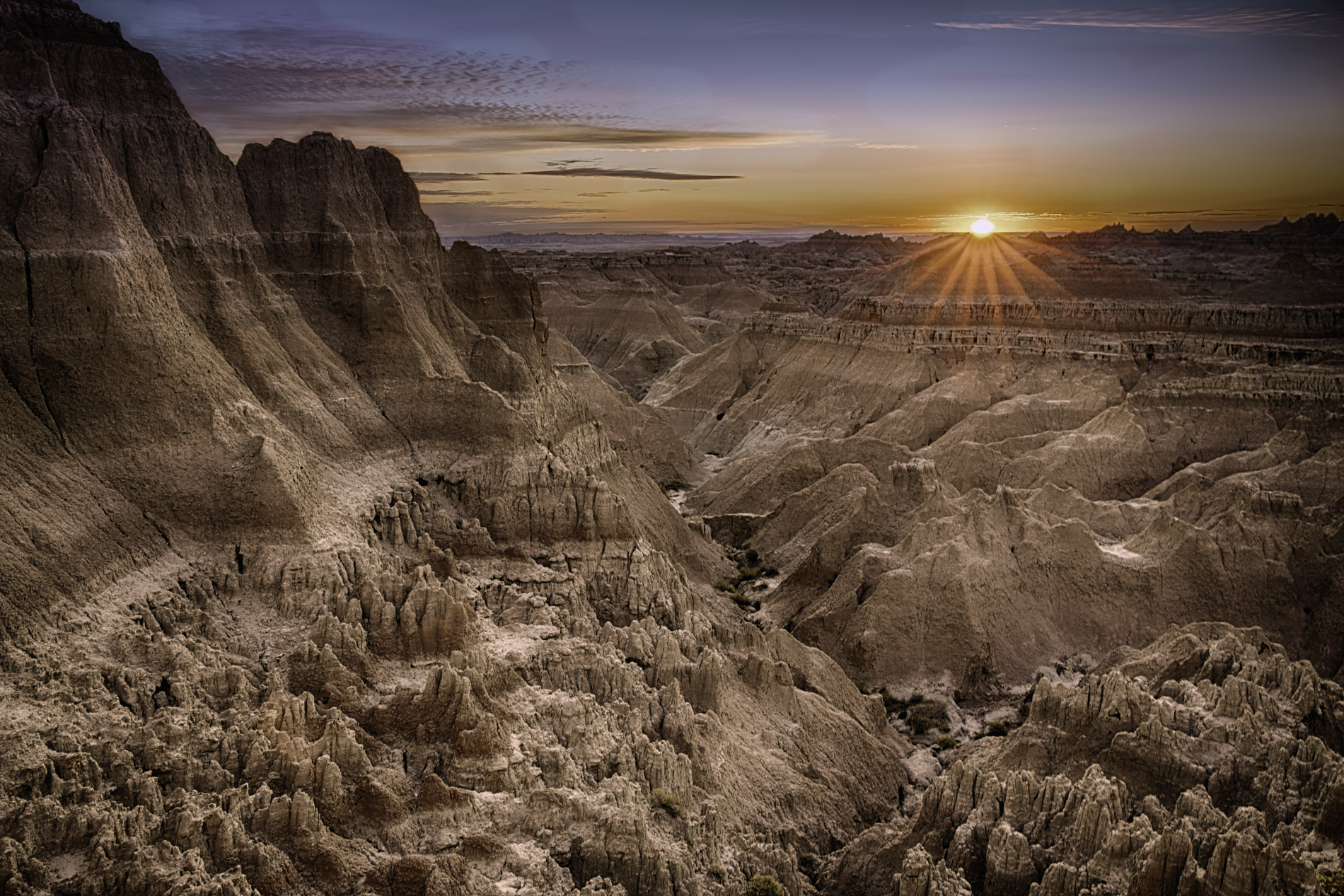
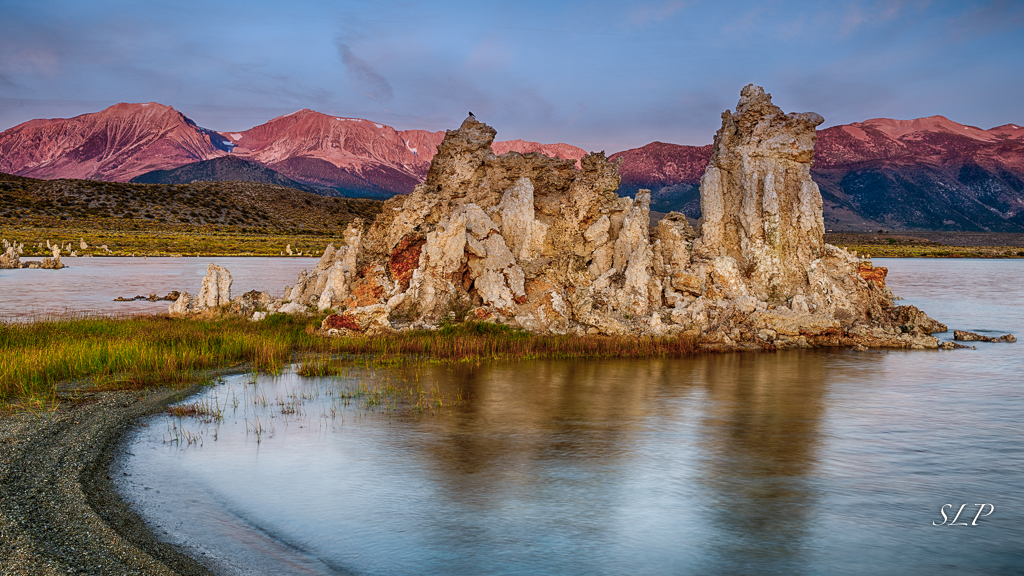
What an inspiring and beautiful place. Your image makes me want to go there (keep dreaming!). I think Pamela's suggestion about adding contrast has merit. I would do it by selective dodge and burn, or use Viveza for selective adjustments. I like to add a tiny bit of glow to my landscape images. My favorite ones are Diffuse Glow and Rich Glow in OnOne, although Galmor Glow in NIK works well too. I keep the opacity around twenty percent. My final suggestion would be to a a subtle vignette. |
Oct 18th |
| 52 |
Oct 21 |
Comment |
Personally, I like what you did with the water. It looks very natural to me, although I think the yellow spot could still be toned down a bit more. I am impessed that you did not smudge the edges of the turtle's back foot. Having said that, Pamela's edit works too and would probably be more acceptable under the Nature definition. If I were you I would keep both versions...who knows where you might find a use for one or the other of them. |
Oct 18th |
| 52 |
Oct 21 |
Comment |
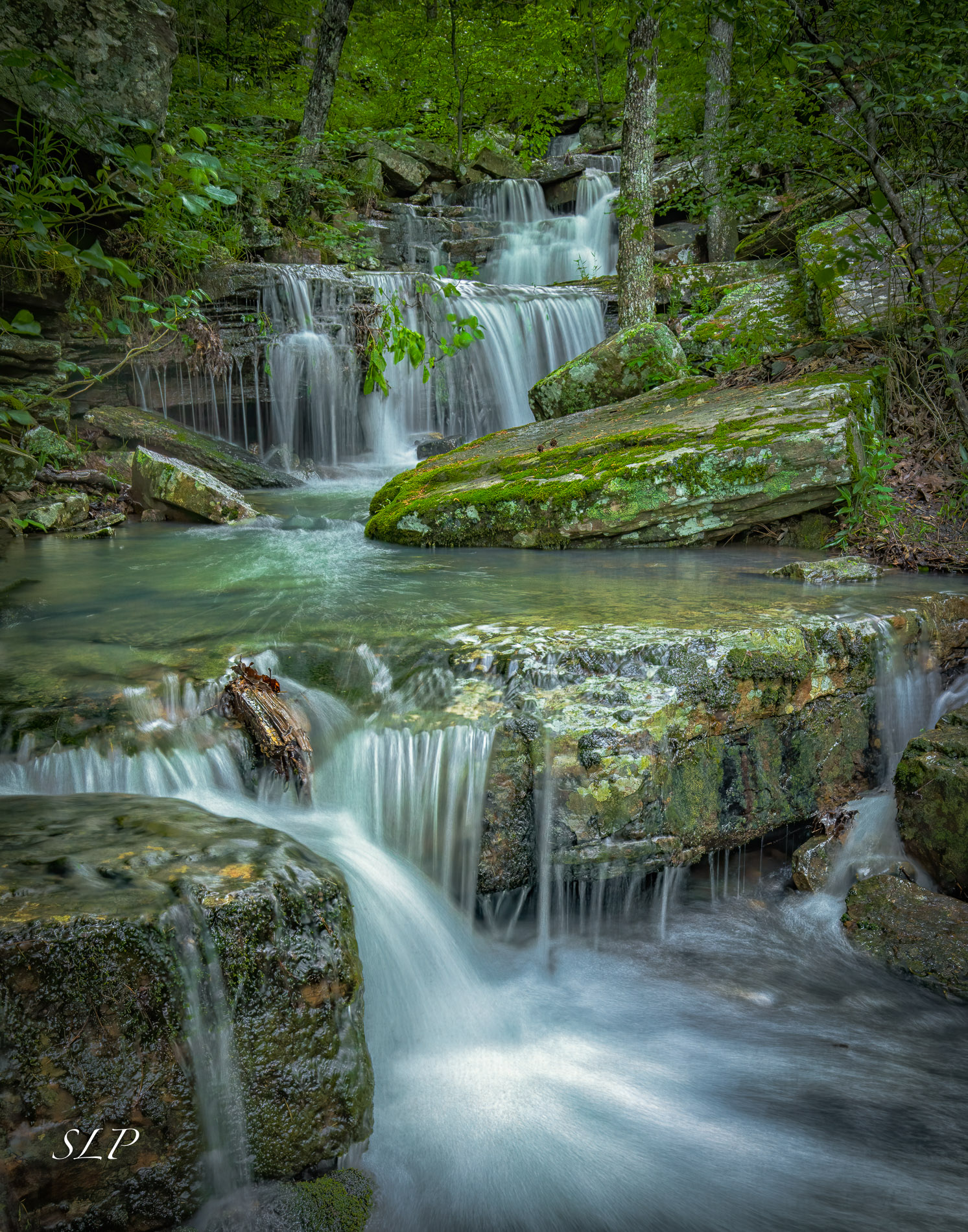
I have a pictureof this same falls in my catalogue, so I recognized the location een before reading your description. It brought back some good memories. You did really well with bracketing hand-held. That is not easy. I like the original image a lot. To me it is moody and intriguing. I find the sky much more interesting in it. I wonder if you could blend the original with the HDR in PS and tone down the highlights on the water. |
Oct 18th |
| 52 |
Oct 21 |
Reply |
Thanks, Ally. This is the third time I have had monarch chrysaises, but the other times they were from a friend's garden, so this was really exciting. The small round spot on the wing is a drop of water. When the new butterflies emerge their wings are wet, so I am reluctant to remove it. |
Oct 18th |
| 52 |
Oct 21 |
Reply |
Good point. Thanks for directing my eye to that vegetation. Howeer, the little spot on the wing is actually a drop of water. When they emerge their wings are wet and they cannot fly until they dry out. So I am reluctant to remove it. Yes, I am thinking about a gallery wrap for this as part of group of Monarch images. |
Oct 18th |
6 comments - 3 replies for Group 52
|
6 comments - 3 replies Total
|