|
| Group |
Round |
C/R |
Comment |
Date |
Image |
| 93 |
Apr 22 |
Comment |
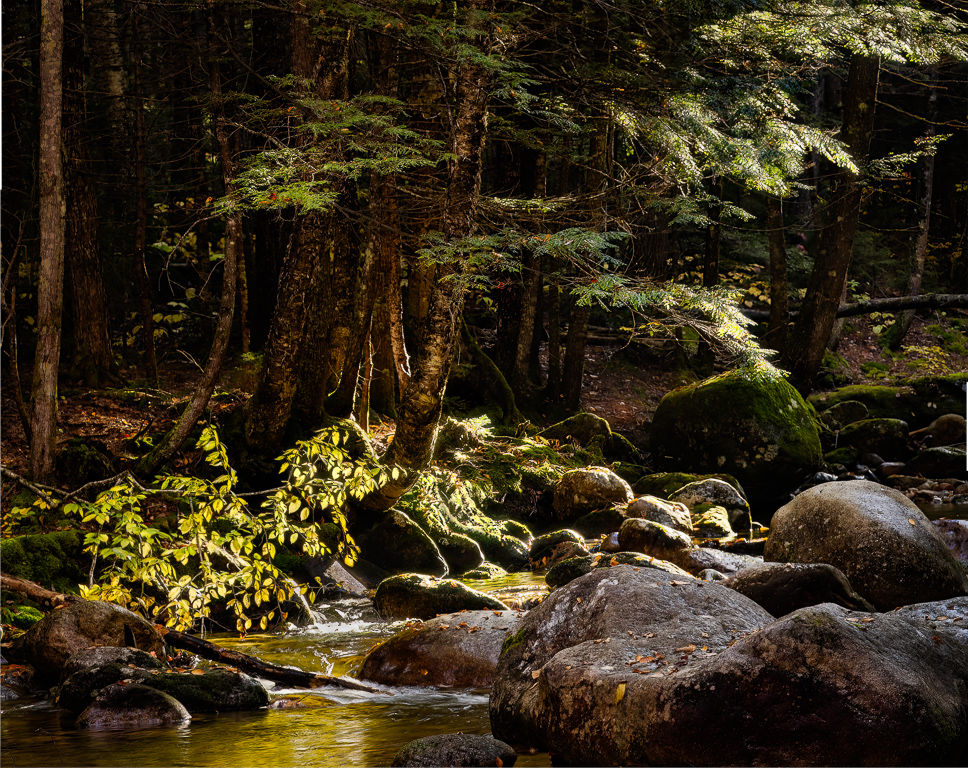
Ed, you have a good eye for the "quiet story." And, in my opinion, there's a bit of daring in trying to tell such a story. I remember the first time I came upon, camera in hand, a somewhat similar scene. You did a far better job with the scene than did I. Looking back on it, I now understand what I needed to be thinking about (but didn't know enough to be thinking about) when I tried to shoot that scene: the lush undergrowth forms a dense carpet; one has the sense (even if not actually true) that it can extend forever an all directions. It is lush, and variation in tone and hue is subtle. This field of uniformity is punctuated by the repeating dark vertical shadowy trunks, through which distant light filters. So (I think) the "quiet story" is in the contrasts: lush, verdant and soft versus hard, vertical, and piercing.
I think your framing did a good job at catching that story. It would probably help to reduce the distortion; I used PS and the Transform/Warp edit to achieve that. Now, I know not everyone takes as much pleasure as I when it comes to editing, but I took the liberty of "fiddling" around to show you at least one possibility. To my mind, the image would benefit from increasing the separation of hues along the green / magenta axis, which called for taking a trip over into the LAB color space. I also felt it helped to reduce the dehaze towards the middle horizontal third of the frame, together with a reduction in contrast, in order to impart a sense of distance. I trimmed a bit aggressively off the top, as the visual impact of the verticals seemed to outweigh the lush undergrowth, and trimmed a bit off the right in the interest of balance. I was pleased with a side-effect of the crop: the moss-covered stump assumes a bit more prominence. Finally, I think a slight vignette helps keep the eye within the frame.
This is a location that would bear repeated visits, different times of day, of the year, and under different atmospheric conditions. I'd love to see the result if you make more visits to it.
|
Apr 26th |
 |
| 93 |
Apr 22 |
Reply |
Sorry, one other note: it's unfortunate that one, but only one, of the two blocks is truncated at the top. |
Apr 26th |
| 93 |
Apr 22 |
Comment |
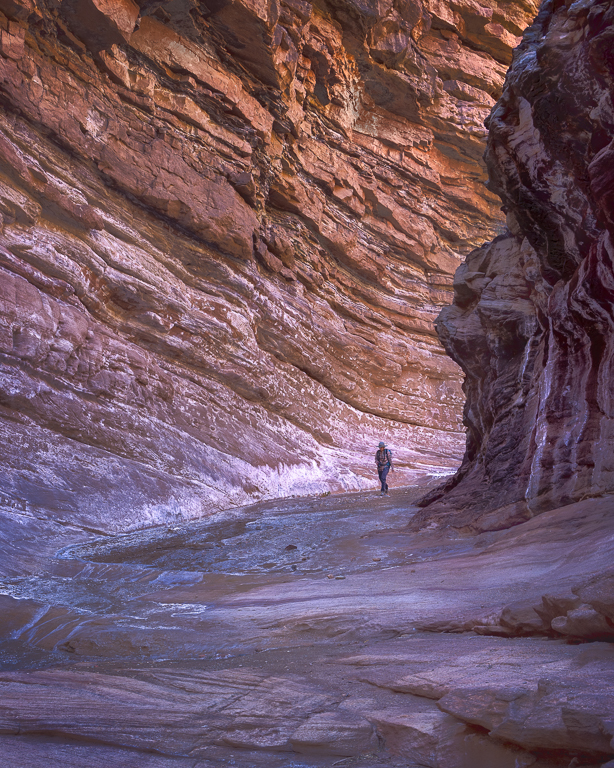
This is definitely an eyecatcher! I think that's primarily due to the strong geometries, the pronounced distortion, as well as the strong diagonals and (IRL) verticals; the unambiguous vanishing point, the strong luminosity constrast; and the impactful contrast between the blue sky and the nearly monochrome stone that fills the frame.
The severe distortion presents a challenge. I think it's a perfectly valid choice to leave it as captured; the effect (to me, ast least) is to intensify the feeling of immersion, and powerlessness. However, having made that decision, I think it would be wise to take some steps to disambiguate the upper corners, especially the upper right. I'd suggest either bringing up the luminance a tad, so that it becomes obvious that the corners are yet another pair of stone blocks; or darkening them to nearly black, so as to effectively reshape the perimeter of the image.
Were it my image, I might have made two additional edits. I think I'd have cloned out the grate entirely; I find it a serious distraction, an impediment to the flow of the eye from the foreground towards the vanishing point. I'd also likely have taken steps to accentuate the green of the distant tree.
All in all, a very powerful and evocative image. Were it an option, it could be interesting to revisit the location and reshoot the same framing at other times of day and other lighting conditions. |
Apr 26th |
| 93 |
Apr 22 |
Reply |
If I may make (yet another) suggestion: if you don't already, try practicing a bit in "manual mode". It's not as challenging as one might think. And in manual mode, it becomes immediately apparent how the three primary settings (ISO, aperture, and shutter speed) work together. I'm not suggesting that you should always shoot in manual mode (there are times when that's just a plain bad idea). It's just that using it a bit will give you a lot more confidence and you'll quickly develop an intuitive feel for how to expose for the situation. |
Apr 25th |
| 93 |
Apr 22 |
Comment |
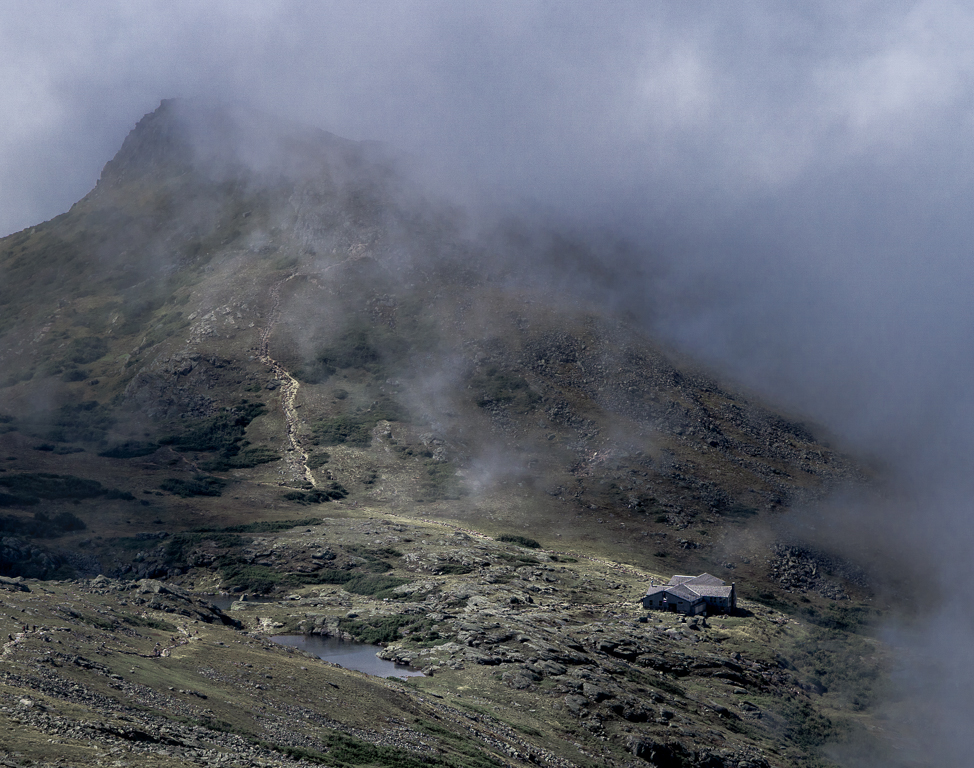
Paul, I really REALLY like this image. The range of tones, the contrasting textures, it has it all. The story, too, is one that I suspect has universal appeal, evoking a sense of homecoming, warmth, and welcome. This is an image I'd be proud to have made. |
Apr 24th |
| 93 |
Apr 22 |
Comment |
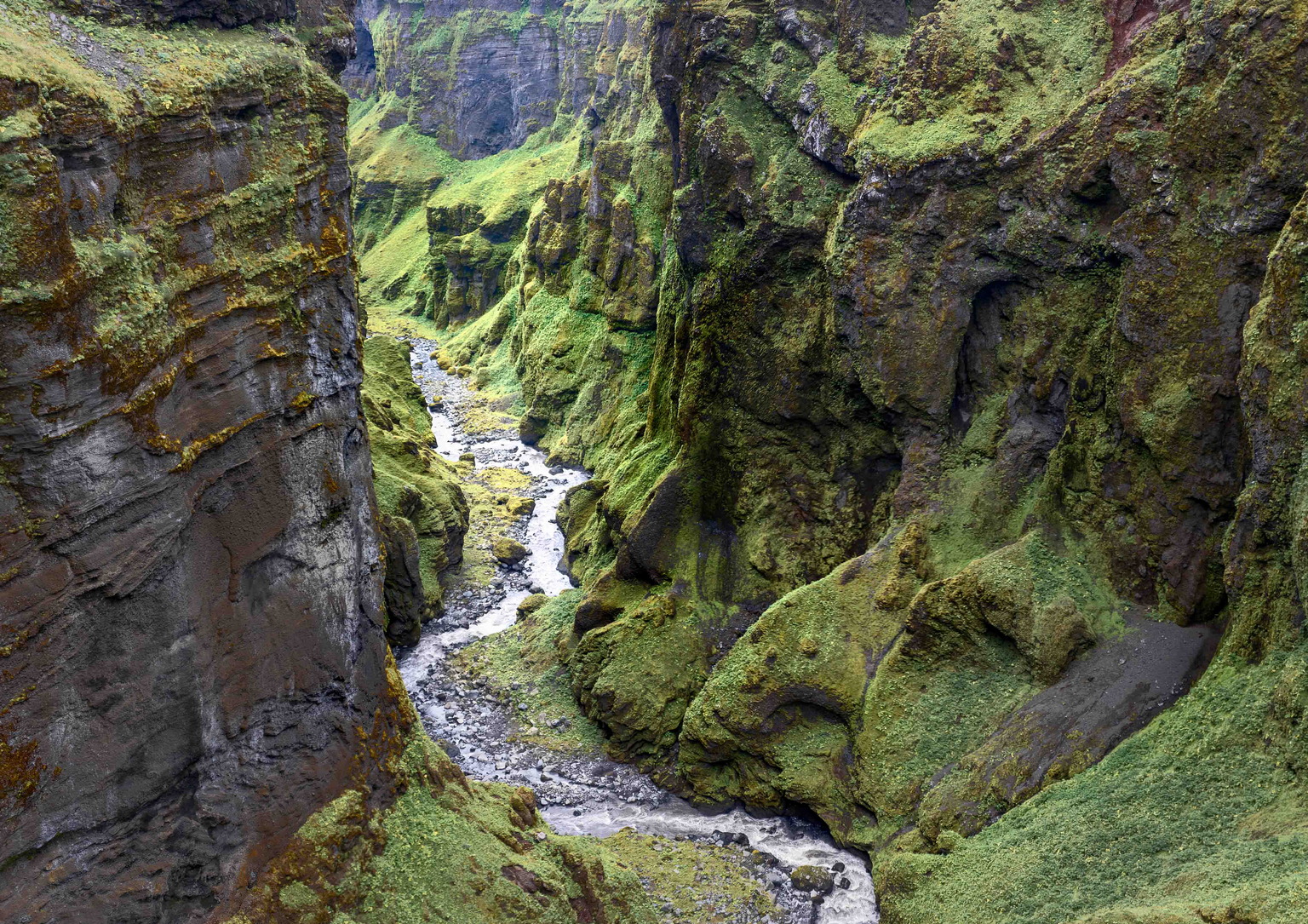
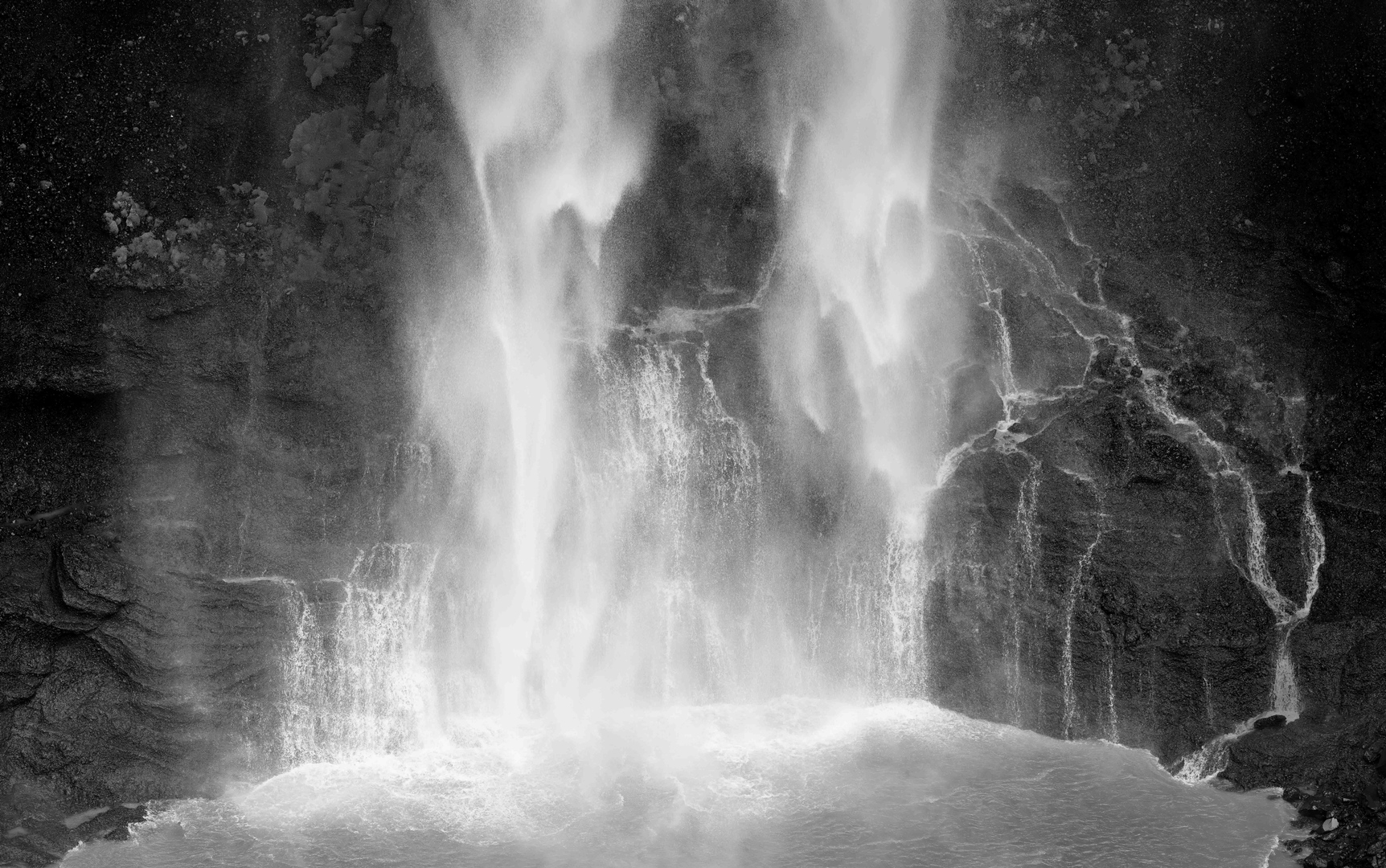
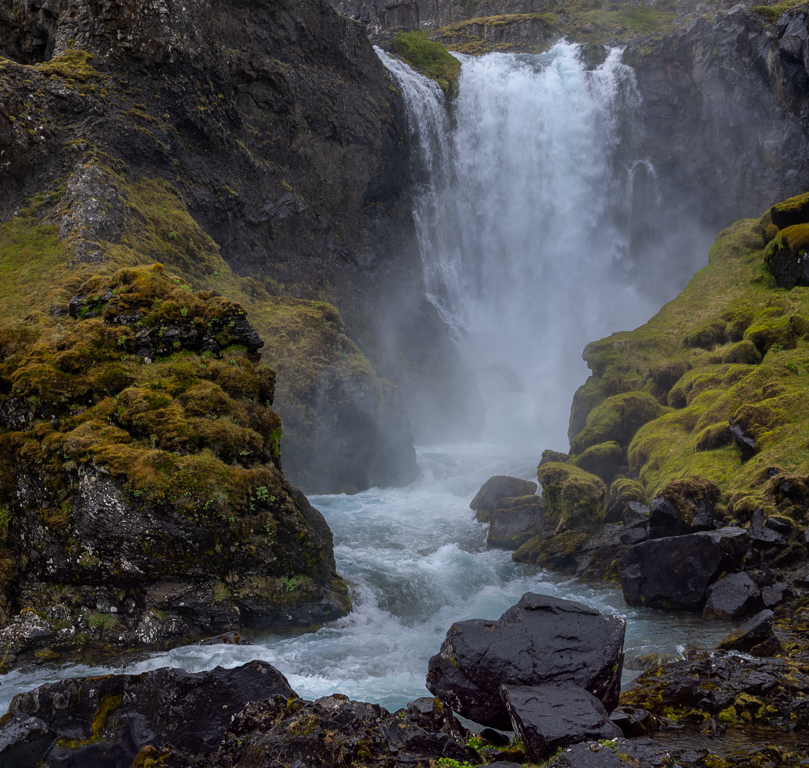
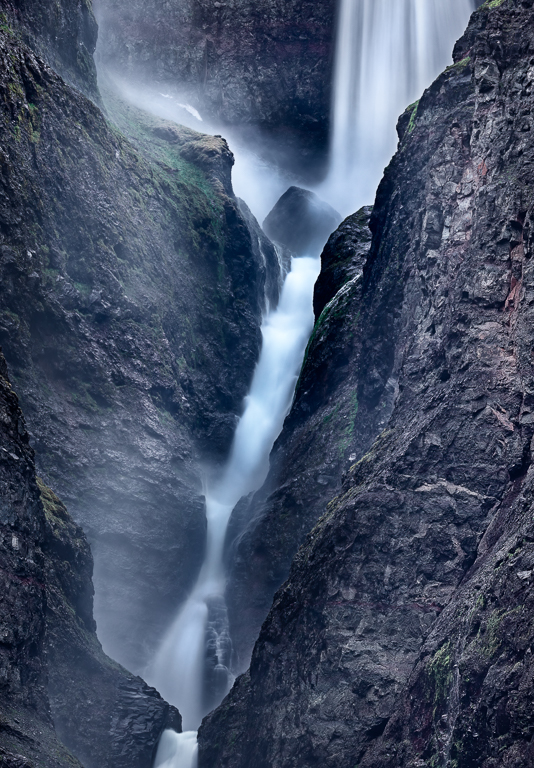
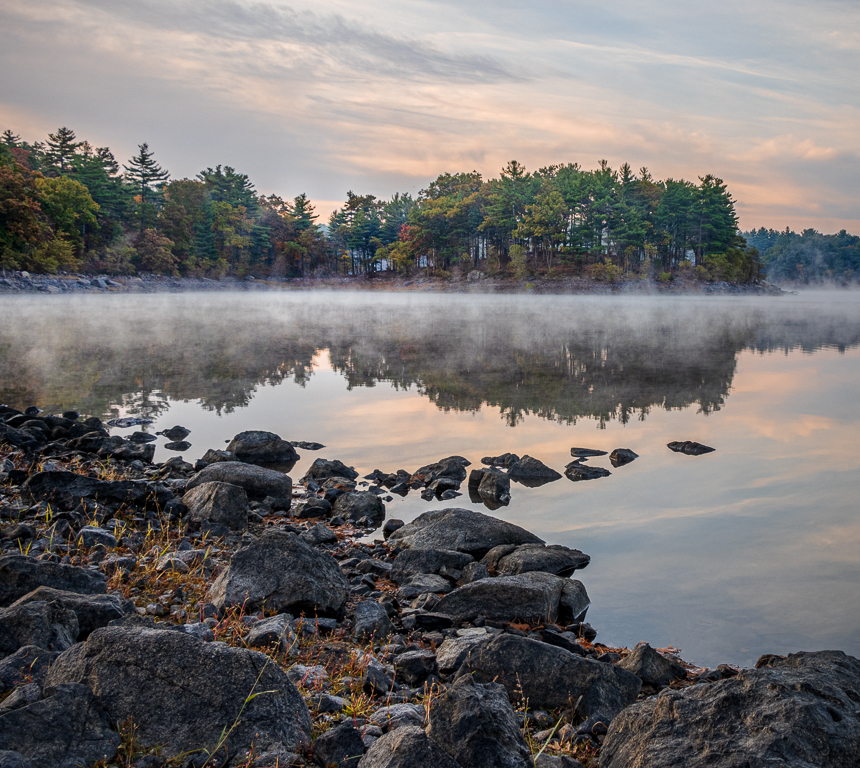
Darcy, I remember the first time I tried to make an impactful photograph of flowing water (not just a documentation snapshot). I also remember clearly how disappointed I was when I saw the results. It's not easy!
The are numerous tips as to how to succeed, easily found on YT or by "googling" around. I find they fall into two categories: avoiding problems, and achieving effects. It's the first of these that are the most valuable, in my opinion. As for achieving effects, one is well served by shooting at a variety of shutter speeds; remember that when trying to change shutter speed you can play withy both ISO and aperture. Also, the water changes instant to instant; multiple shots with the same parameters, taken moments apart, can feel quite different. With a little practice you'll get to the point where you can decide at the time of the capture just what effect you want, and can concentrate on achieving it.
As for avoiding problems, well it seems to me that that's largely a matter of recognizing them when you see them. It's really hard to make water stand out from it's surroundings, and if the story you want to tell is about the water, then it seems to me (usually) that it's important to look at the scene and ask whether it does stand out. One of the neatest "tricks" I've come ac ross is really simple: SQUINT!
I think the most important point, though, is that you *knew* what you were drawn to. That's so important. I find that the few images I make that I feel really succeed are the ones where, first of all, I knew what it was that tugged at me, and secondly, I took the time to stop and simply *feel* the tug and pay attention to what it felt like. When I look at your images, I sense that you're already making a good start at that. |
Apr 24th |
| 93 |
Apr 22 |
Comment |
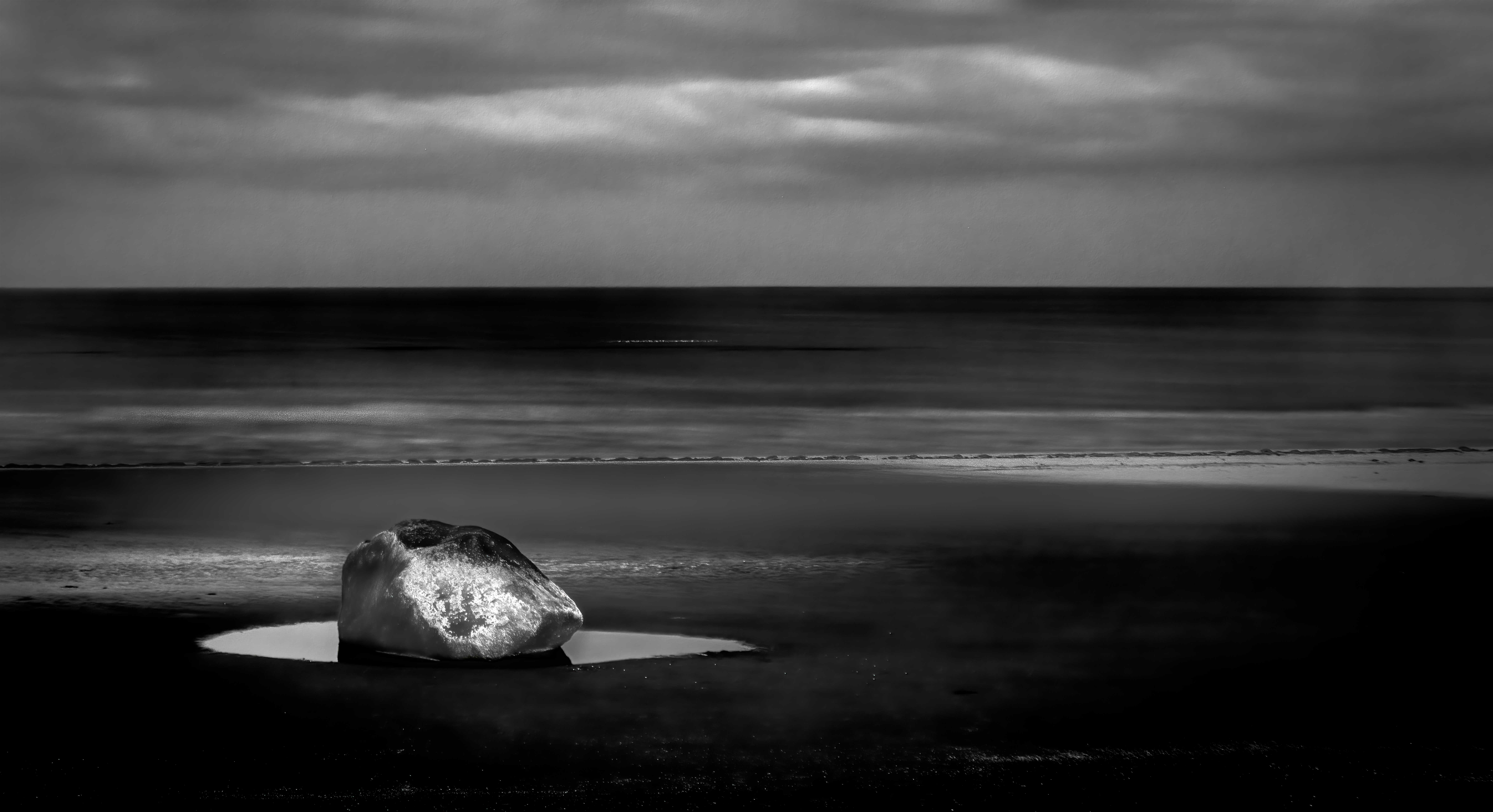
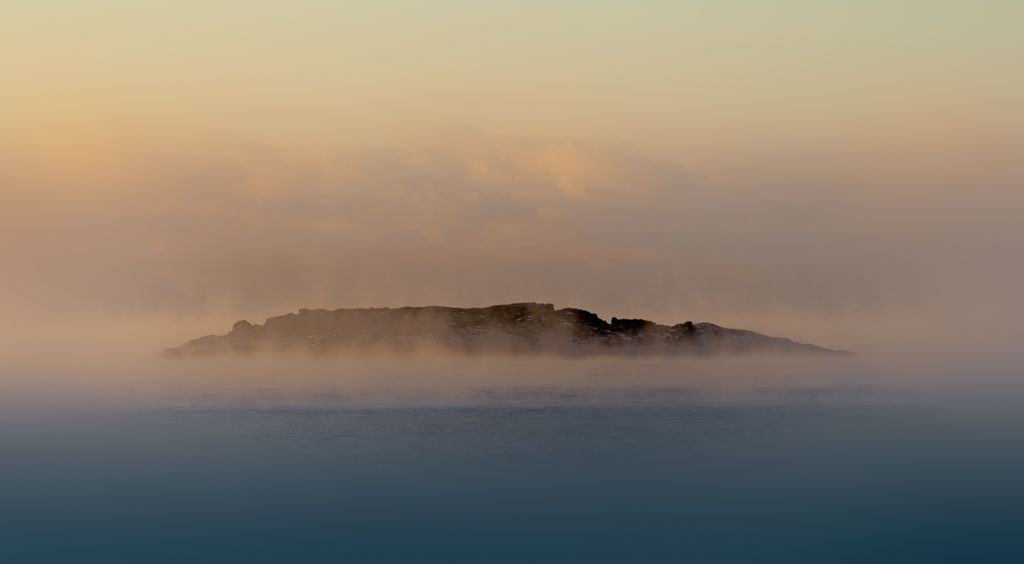
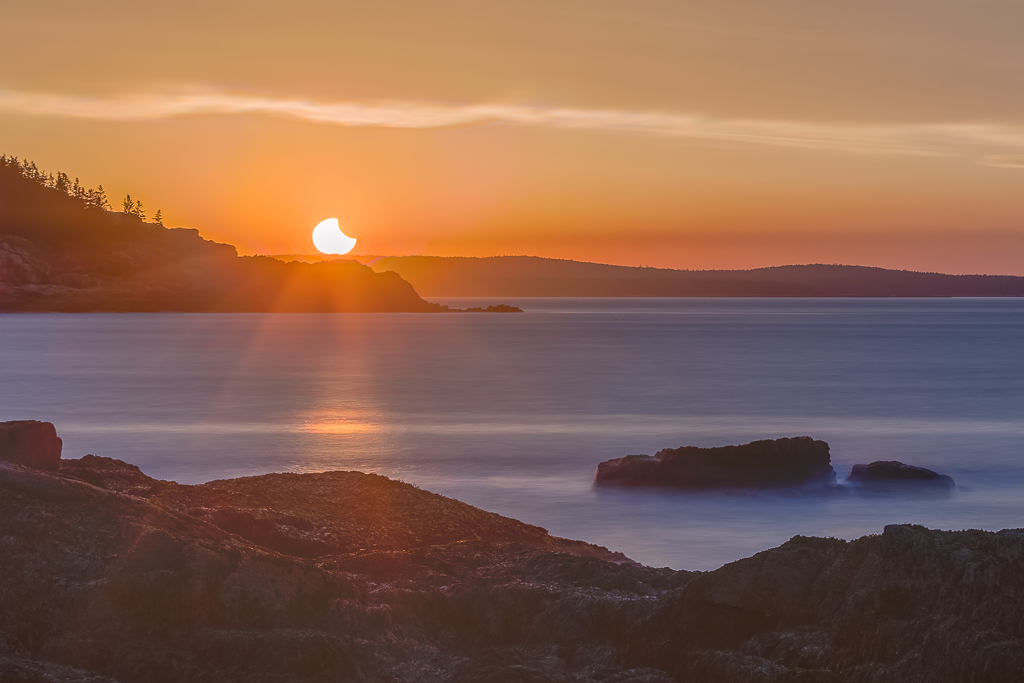
Dawn, it was good fortune to have the surfer there, and it was your smarts to make use of him! It does make the sotry.
I really like the palette of this image. Having had the opportunity to view the original I find that some of the subtlety of the tones in the water in the original are very attractive (to my eye, at least). I find your processing choices to be fine ones, but I think I might have taken the image in a different direction.
In the original, I find the vegetation on the seastack to be quite sharp and contrasty against the warm tones of the rock. To my eye, I'm reminded of a stubbly beard. I think you've made a good start at toning that down. If you agree that it could use a bit more work, uyou might experiment with a radial gradient centered on the seastack, reducing the dehaze and clarity a bit, and then also reducing the shadows and highlights a bit as well to compensate for the side effects of the first two adjustments. (One of my big frustrations with LrC is the way almost every action has an unwanted secondary effect ... sigh ...)
I like your choice of shutter speed and how you conveyed some sense of ednergy in the water, but so much as to make that distracting. Composition feels really nice to me.
|
Apr 24th |
| 93 |
Apr 22 |
Reply |
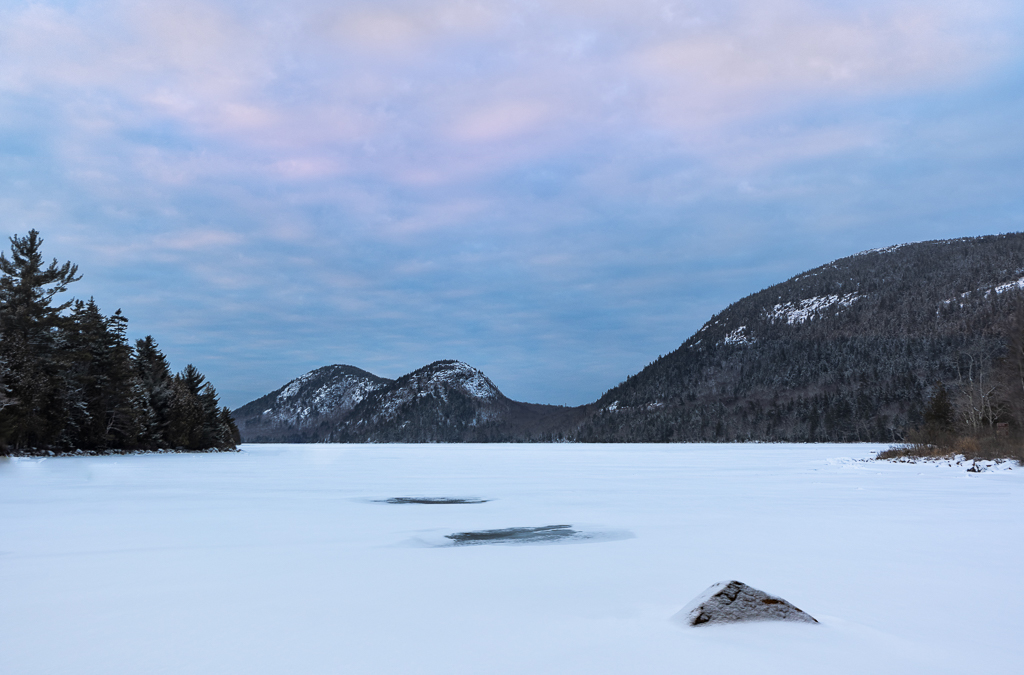
Thanks, Paul. So the "shoot vertical crop horizontal" bit was unplanned. Probably wouldn't ever do that on purpose.
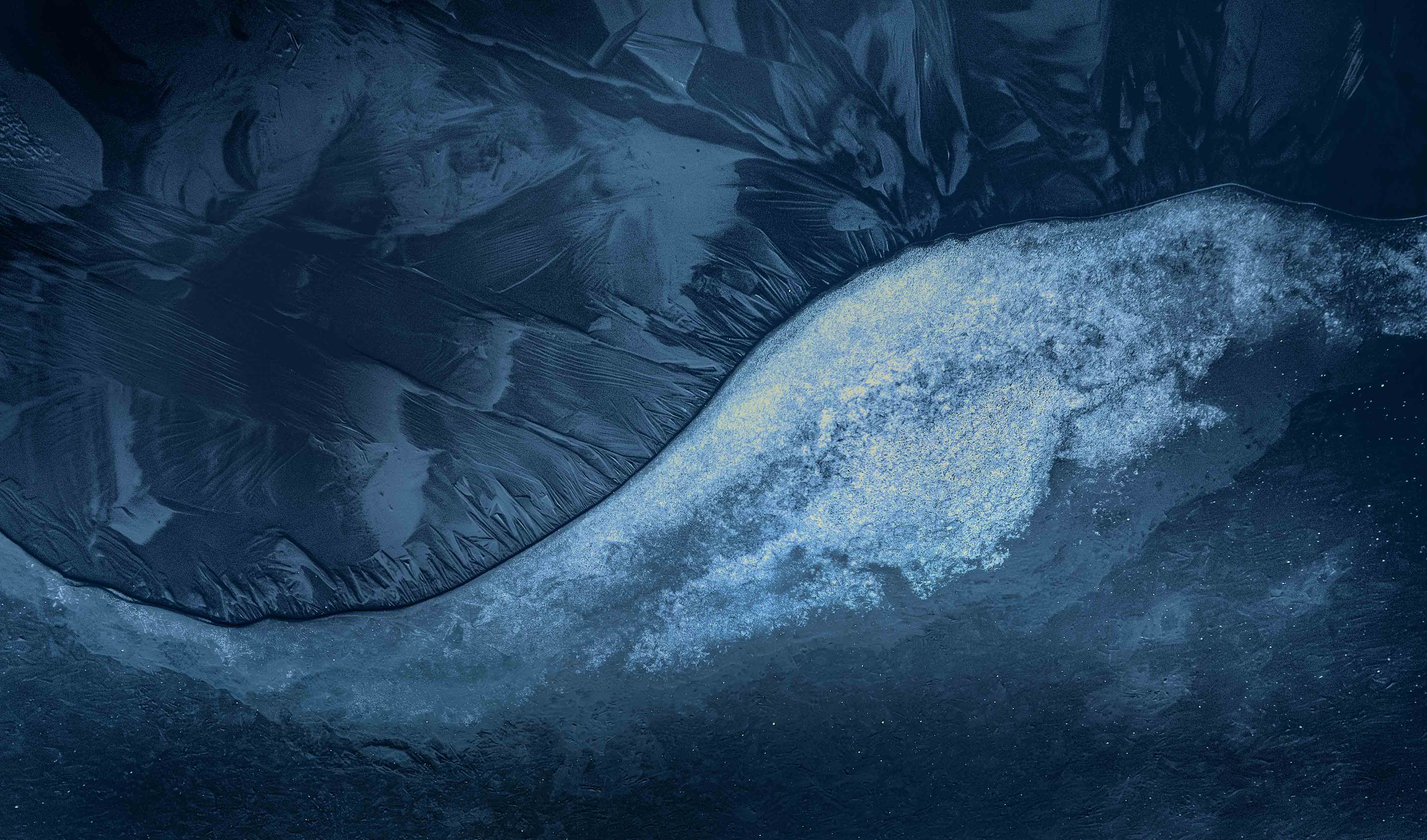
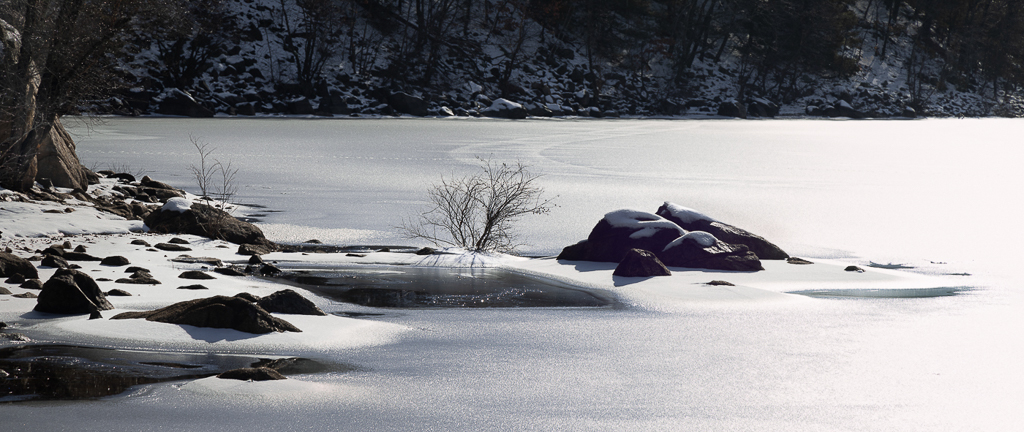
As for focus points, I was focusing manually with focus peaking. Took several passes at this shot, as I was actually practicing for shootung in the dark. Focused first on the nearest rock a few times and noted the distance. Then on the furthest Bubble. Again noticed the distance (effectively infinity). Then experimented with how many intermediate exposures I would need. Expected to meed more, but it seems one intermediate was enough. Wasn't actually paying attention to what that point was, but I'm guessing it was about where the furthest break in the ice lies.
Never saw the movie, sorry to say. Don't do a lot of movies. Usually too vivid for me. |
Apr 10th |
5 comments - 3 replies for Group 93
|
5 comments - 3 replies Total
|