|
| Group |
Round |
C/R |
Comment |
Date |
Image |
| 94 |
Dec 20 |
Reply |
Just to clarify, I do all of this in Lightroom, I never use Photoshop :) |
Dec 27th |
| 94 |
Dec 20 |
Comment |
I don't do it often, only on otherwise pleasing pix that have a more obtrusive background than I'd like. My goal is to made a certain part of the bird - usually the head and the eyes - stand out more from the background. Of course it varies from photo to photo, but often I'll use the adjustment brush with some mix of clarity, sharpness, and exposure on the birds head and parts of the body that may blend into the background too much for my taste. For the background, I'll try the clarity and sharpness decrease as you have indicated, sometimes also darkening the background as well. It's not always an effective fix.
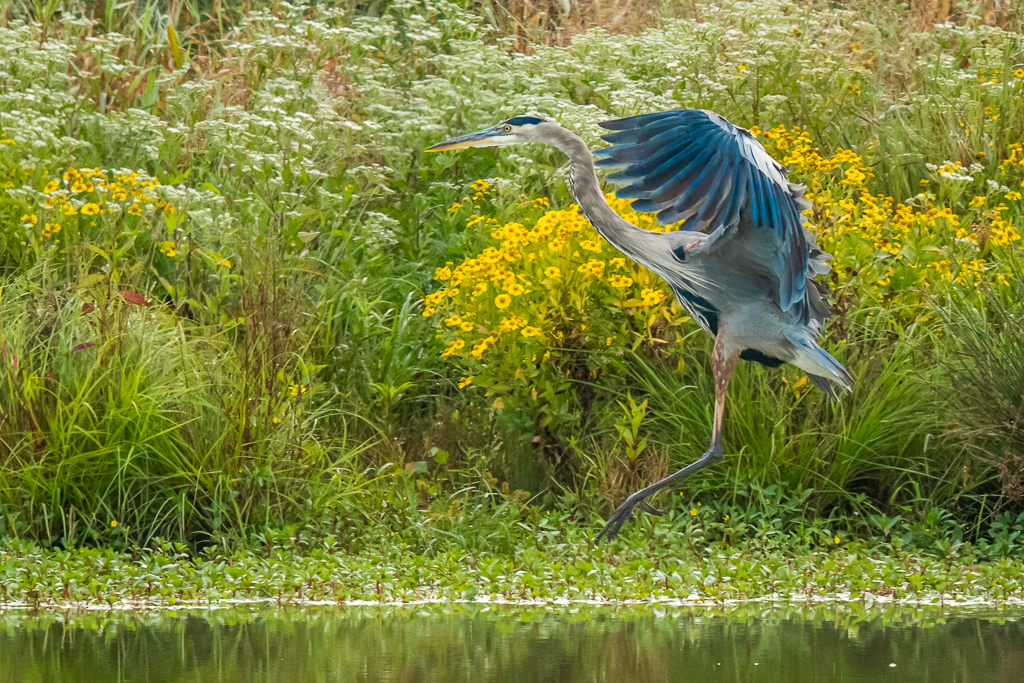
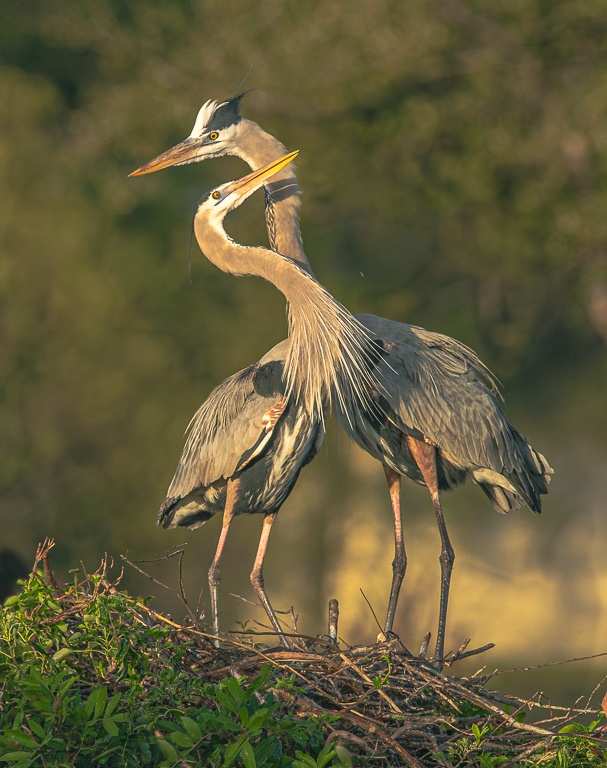
I used that technique in my photo of the two Great Blue Herons. I gave the trees in the background more 'bokeh,' and the white reflection in the lower right of the background now looks like a reflection of water, but actually it's part of someone's white trailer house in the background :). I prefer how it looks now to the original.
May not be everyone's cup of tea, and it varies so much in different photos, but it's a technique I sometimes use when I love a photo but the background is not ideal. |
Dec 27th |
| 94 |
Dec 20 |
Reply |
Thank you for your kind comments, Sherry! I am happy to be a part of this group. |
Dec 27th |
| 94 |
Dec 20 |
Reply |
Since dodging and burning are allowed, presumably using the adjustment brushes should be acceptable, since that it one way to accomplish that in Lightroom.
I never use Photoshop (not a value judgment, just my personal workflow) therefore have never undertaken major removal of items in the photo, which in most cases I would assume to be unacceptable.
I'm sure others are far more familiar with the rules than I am, but my general rule of thumb is, if I could do it in a darkroom, it is acceptable in Lightroom for nature photography. If I couldn't do it in a darkroom, I need to tread carefully.
Would be interesting to see what others think... |
Dec 17th |
| 94 |
Dec 20 |
Reply |
Thanks so much for the feedback, Jeffrey!
I've had photos I thought were pretty good but when I shared them, others were kind enough to point out their flaws. I've also had photos I wasn't too sure about that I received positive feedback on which gave me more confidence in them. |
Dec 17th |
| 94 |
Dec 20 |
Comment |
Our Photography Club uses the PSA Guidelines for Nature, which are as follows:
Nature Photography is restricted to the use of the photographic process to depict all branches of natural history, except anthropology and archeology, in such a fashion that a well-informed person will be able to identify the subject material and certify its honest presentation.
The story telling value of a photograph must be weighed more than the pictorial quality while maintaining high technical quality.
Human elements must not be present, except where those human elements are integral parts of the nature story such as nature subjects, like barn owls or storks, adapted to an environment modified by humans, or where those human elements are in situations depicting natural forces, like hurricanes or tidal waves.
Scientific bands, scientific tags or radio collars on wild animals are permissible.
Photographs of human created hybrid plants, cultivated plants, feral animals, domestic animals, or mounted specimens are ineligible, as is any form of manipulation that alters the truth of the photographic statement.
No techniques that add, relocate, replace, or remove pictorial elements except by cropping are permitted.
Techniques that enhance the presentation of the photograph without changing the nature story or the pictorial content, or without altering the content of the original scene, are permitted including HDR, focus stacking and dodging/burning.
Techniques that remove elements added by the camera, such as dust spots, digital noise, and film scratches, are allowed.
Stitched images are not permitted
Color images can be converted to greyscale monochrome.
Infrared images, either direct-captures or derivations, are not allowed.
Images entered in Nature sections meeting the Nature Photography Definition above can have landscapes, geologic formations, weather phenomena, and extant organisms as the primary subject matter. This includes images taken with subjects in controlled conditions, such as zoos, game farms, botanical gardens, aquariums and any enclosure where the subjects are totally dependent on man for food. |
Dec 14th |
| 94 |
Dec 20 |
Comment |
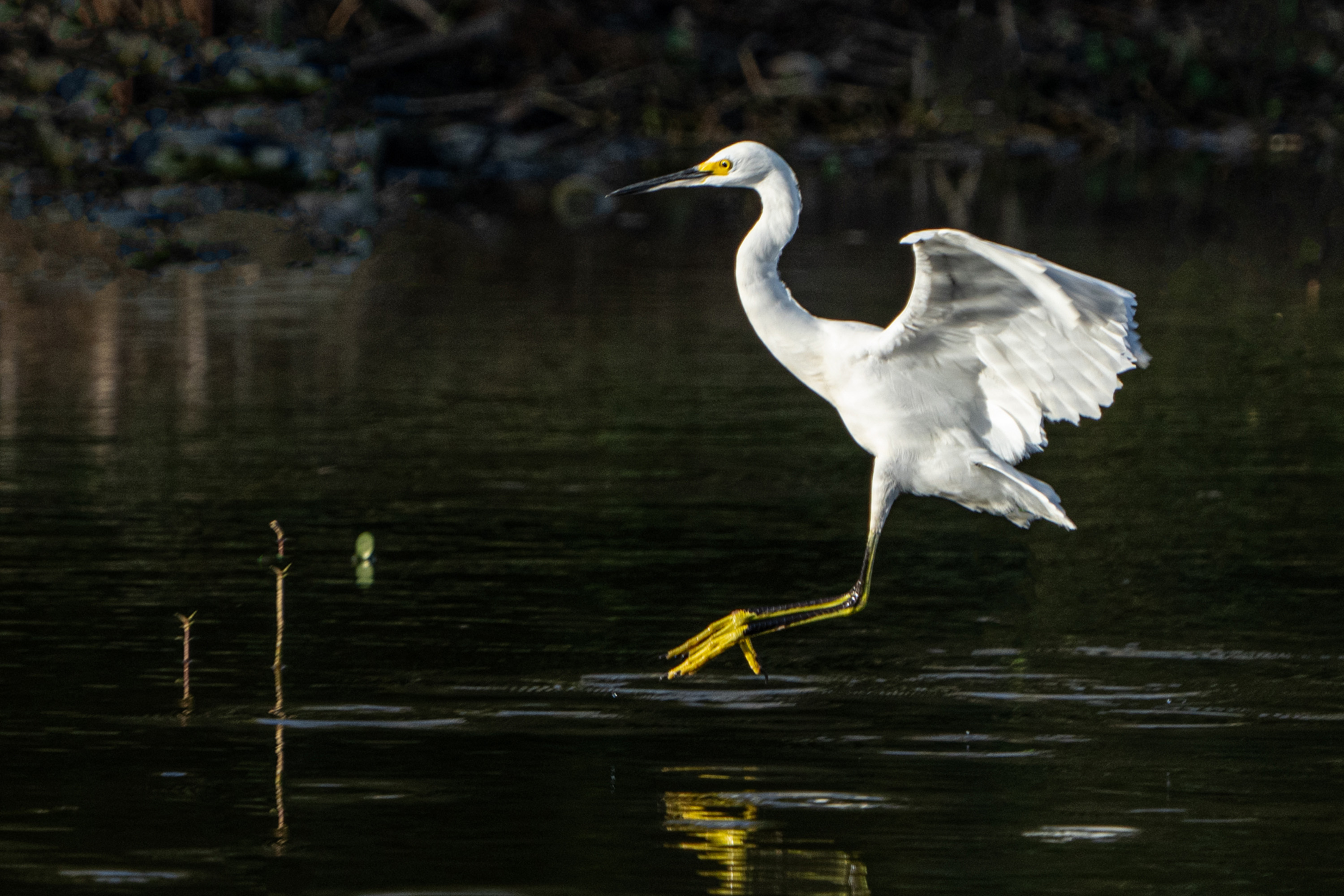
Fine BIF shot...you froze the action, and the eye of the widgeon is very clear. I also really like the water as a background; it's interesting without being intrusive.
Agree with Sherry's idea about Topaz Denoise; I use it successfully on some of my images. |
Dec 14th |
| 94 |
Dec 20 |
Comment |
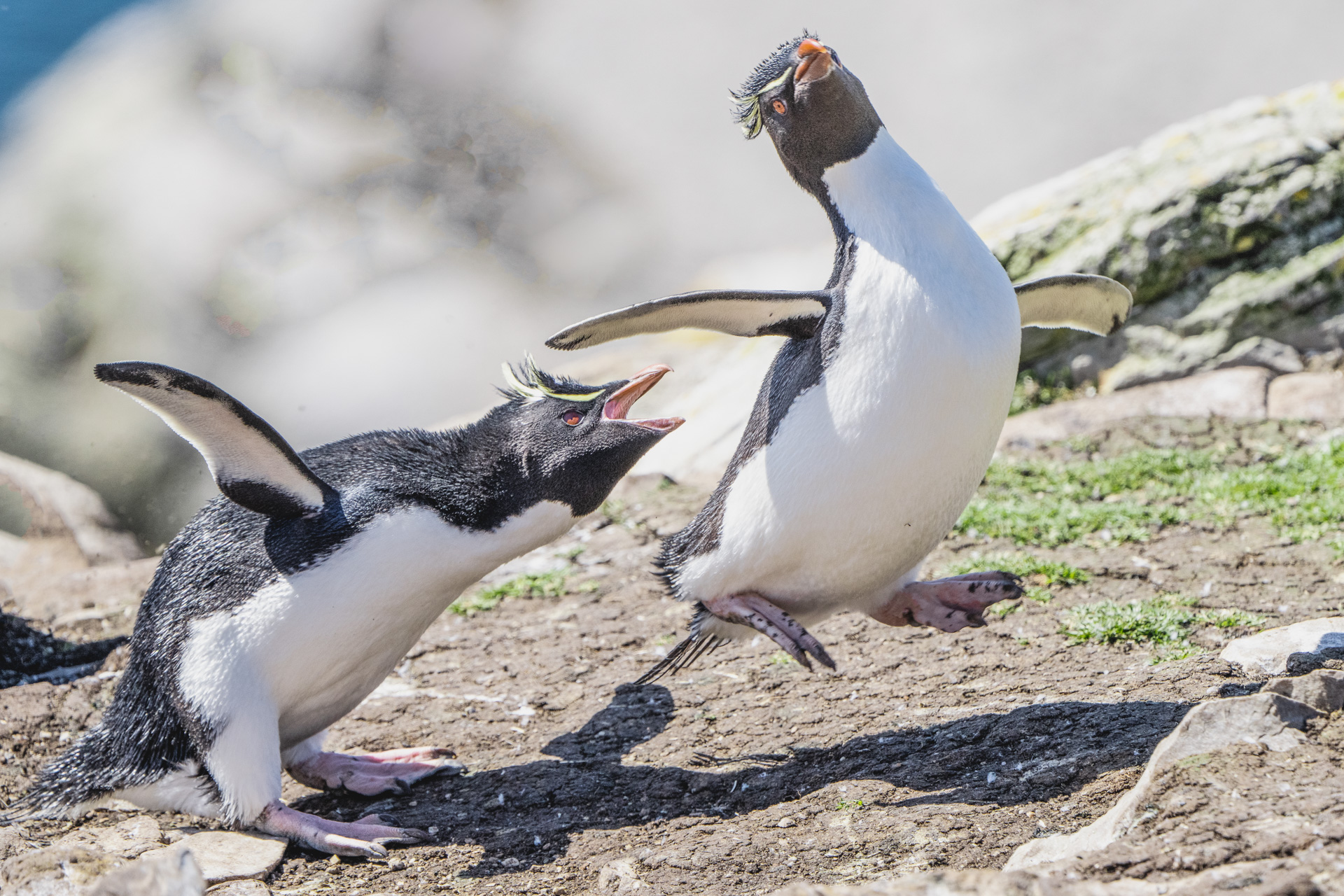
Incredible birds I absolutely love the interaction between them that you captured in this photo. Beautiful sharpness and colors. Wish I'd taken this photo :)
I agree with some of the previous comments about cropping; the bird on the left needs a little more space at the bottom of its tail. Once you do that you might consider cropping the sky at the top; IMHO, the large amount of sky at the top of the photo calls even more attention to the lack of space at the bottom left of the photo. Also the eyes of the vulture on the right lead your attention to the left bottom of the photo, which also draws attention to the tight cropping.
Would be fun to see what the picture would look like with these very minor changes. |
Dec 14th |
| 94 |
Dec 20 |
Comment |
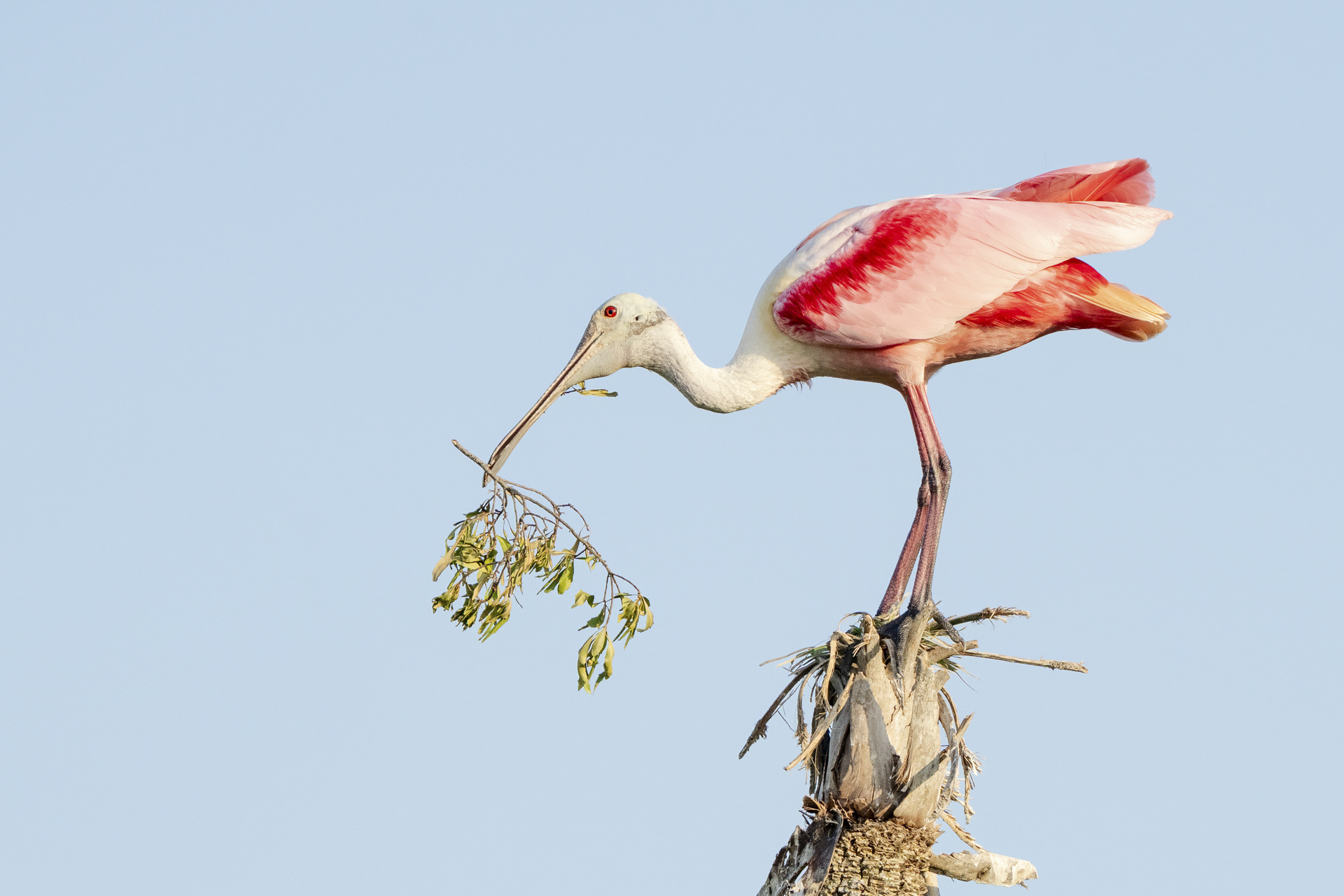
What a great bird, and you caught it engaging in an interesting natural behavior. Just wonderful.
Isn't it amazing that when you're a bird photographer, leaves and sticks almost always are in the wrong place :)
Not sure if you use Lightroom, but if you do, you may want to consider experimenting with the adjustment brush by adding some sharpening to the eye and black area surrounding it; might make this beautiful feature stand out even more!
|
Dec 14th |
| 94 |
Dec 20 |
Comment |
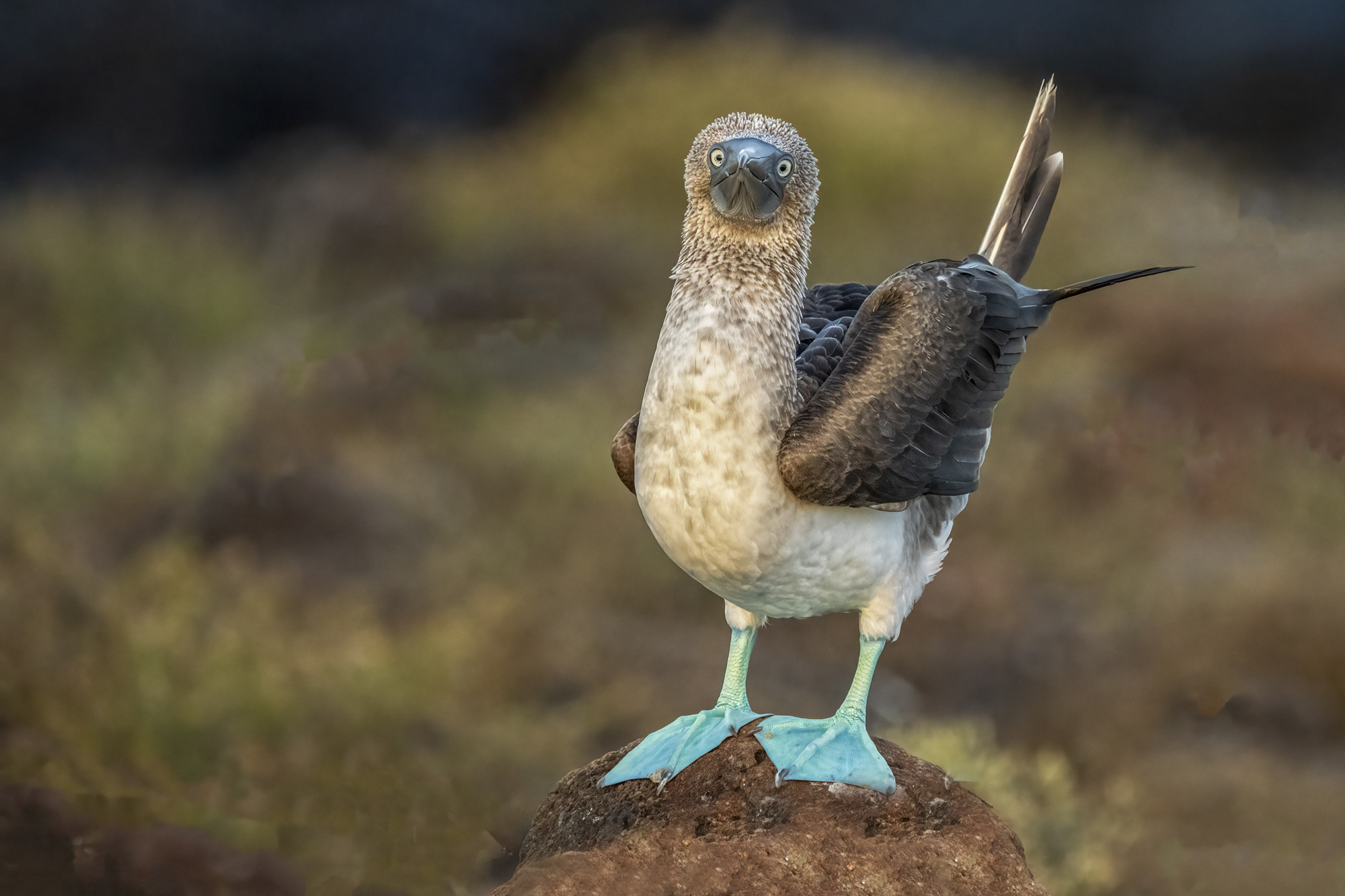
A very beautiful bird and interesting shot. Also enjoy the texture of the blog the bird is standing on.
Others have already discussed the decreased exposure; perhaps a brighter exposure on the bird would make it stand out a bit better from the background, which is a bit busy.
I've never shot with the lens you are using, but perhaps shooting at a lower f-stop would have blurred the background a bit more.
If you are so inclined, you could also experiment with the adjustment brush in LR to try to de-emphasize the background a bit.
Just some ideas to consider :)
|
Dec 14th |
| 94 |
Dec 20 |
Comment |
So nice to see this bird so clearly! Great uncluttered background, everything appears to be in focus to my eyes.
You may prefer to keep your bird portraits completely natural, which I respect. A tiny suggestion would be to experiment with the highlights and texture sliders in LR, to bring out additional details on the shrike's white breast. |
Dec 14th |
7 comments - 4 replies for Group 94
|
7 comments - 4 replies Total
|