|
| Group |
Round |
C/R |
Comment |
Date |
Image |
| 27 |
Sep 20 |
Reply |
The main advantage is that you are in complete tonal control, and you are only changing the tone of a specific area, as if you were using an adjustment layer on apart of the image - you allow the computer to auto mask based on your sharp focus area selection. Rather than changing the exposure at the taking stage, you could select the frame out of your stack with the desired in focus area and then adjust the tone before the blending is applied.
Using HDR gives you very little control as the program calculates all the tonal levels for you. |
Sep 13th |
| 27 |
Sep 20 |
Comment |
It sounds as if you had an interesting club exercise. I really like you idea of steaming irons, even though getting the steam was a challenge. I feel that the base of the iron on the far left is distraction because it is the lightest/brightest patch in the image, and would be better cropped off. |
Sep 13th |
| 27 |
Sep 20 |
Reply |
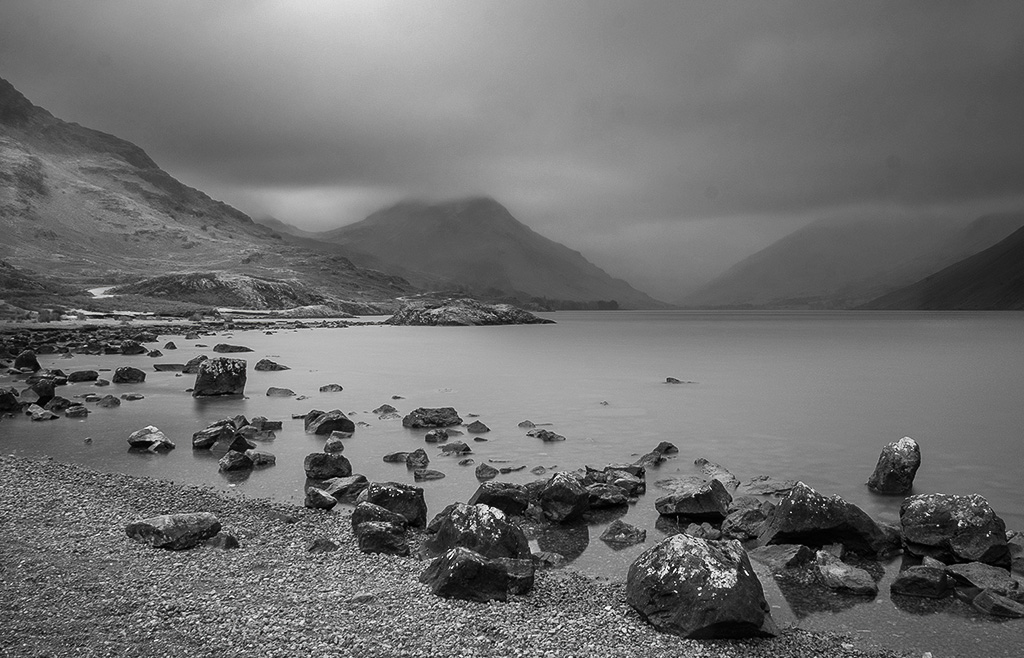
Yes it much better and with the lighter smaller rocks near the base, they create a start for a good lead in along the canyon towards the two 'lakes'. |
Sep 11th |
| 27 |
Sep 20 |
Comment |
The contrast between the bight yellow of the flowers and the green background gives this image some impact. Photographing bees on flowers can be quite a challenge as they are constantly moving and flitting from flower to flower.
To me there are two images here, one for each flower, and I would prefer the one on the right as it gives the flower some depth. |
Sep 11th |
| 27 |
Sep 20 |
Comment |
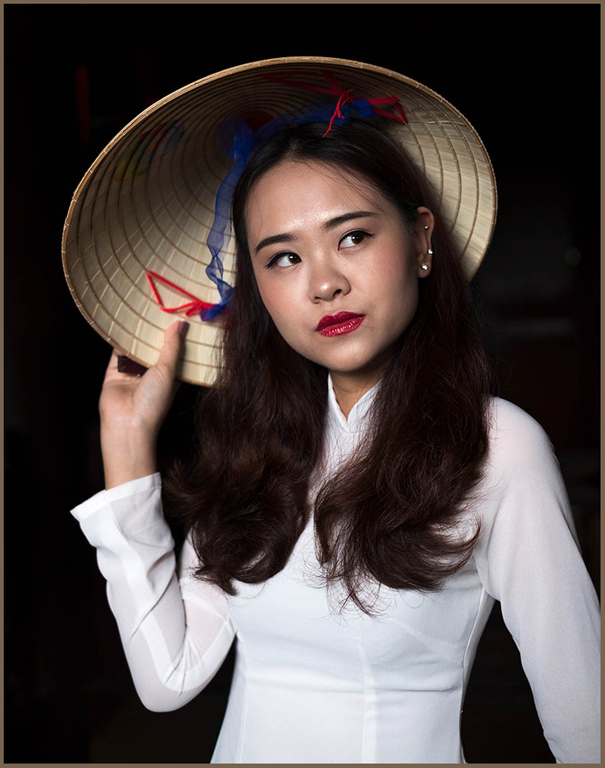
To me the model has been badly positioned so that she is lit by the sun coming through the trees, which has created a combination of burnt out or in shadow areas across her. The use of a large reflector or flash could have helped to even up the contrast. I find the background quite distracting and being too much in sharp focus. |
Sep 11th |
| 27 |
Sep 20 |
Comment |
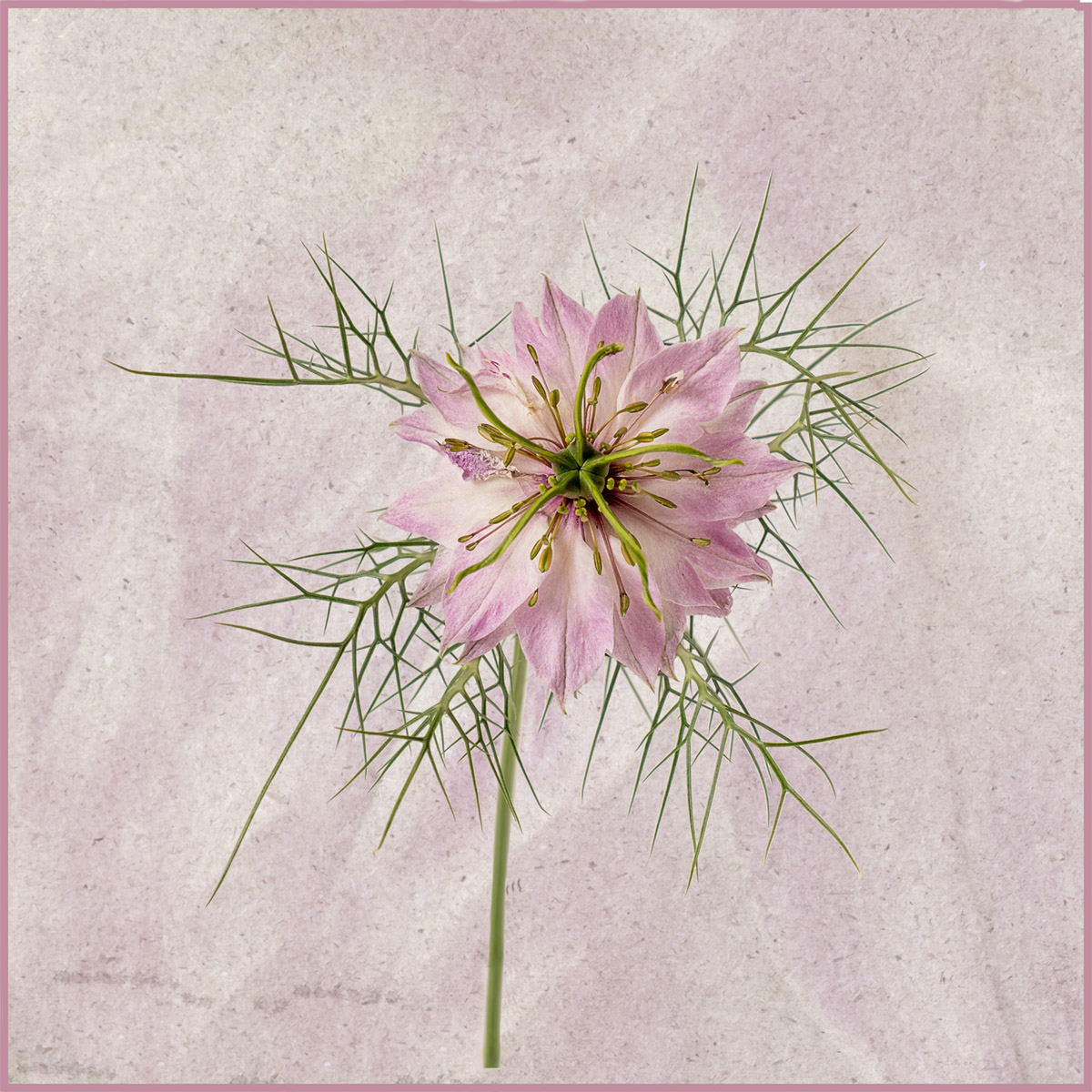
The photo stacking has worked very well with this image, making all of the flower head sharp. Did you stack in PS or was it done in camera, as some of the Olympus cameras have it built in ?
In another group I am in I have been looking at a stacked image in which the exposure has ben varied between shots to eliminate burn out or to lighten up a shadow area. A technique like that could have been used to brighten up the stem in this image. |
Sep 11th |
| 27 |
Sep 20 |
Comment |
As what is happening in many nature reserves at present, the increased influx of visitors has made much the local wildlife to become harder to find, also the mid- summer period with its early dawn and late dusks means that much of the wildlife is less active at the times that visitors go.
You have captured the butterfly on the thistle well, and your use of a smallish aperture has created a very good diffuse background. I quite like the diagonal positioning of the flower heads, it helps to direct attention to the main subject. I wonder whether there would be a stronger image, if it was square without the left hand flower, which is not really contributing to the story part of the image. |
Sep 11th |
| 27 |
Sep 20 |
Comment |
This was taken shortly after sunset, when the light had that cool blue colour that photographs record at that time or just before sunrise. This light has an inherent problem in that it is relatively flat and therefore creates little if any modelling on the landscape. To me the interesting part of this image is the top half with the cloud formation in the sky. I feel that the large rock in the bottom right foreground, being lighter than the rest of the canyon draws the eye down to it and away from the distant horizon. |
Sep 11th |
6 comments - 2 replies for Group 27
|
6 comments - 2 replies Total
|