|
| Group |
Round |
C/R |
Comment |
Date |
Image |
| 24 |
Mar 21 |
Reply |
Hi Thorro. I think it is an entirely different image now, and in a very positive way. I think that you have set a more clearly defined subject for the viewer to interact with while placing it in an engaging environment |
Mar 15th |
| 24 |
Mar 21 |
Comment |
Hi Thorro,
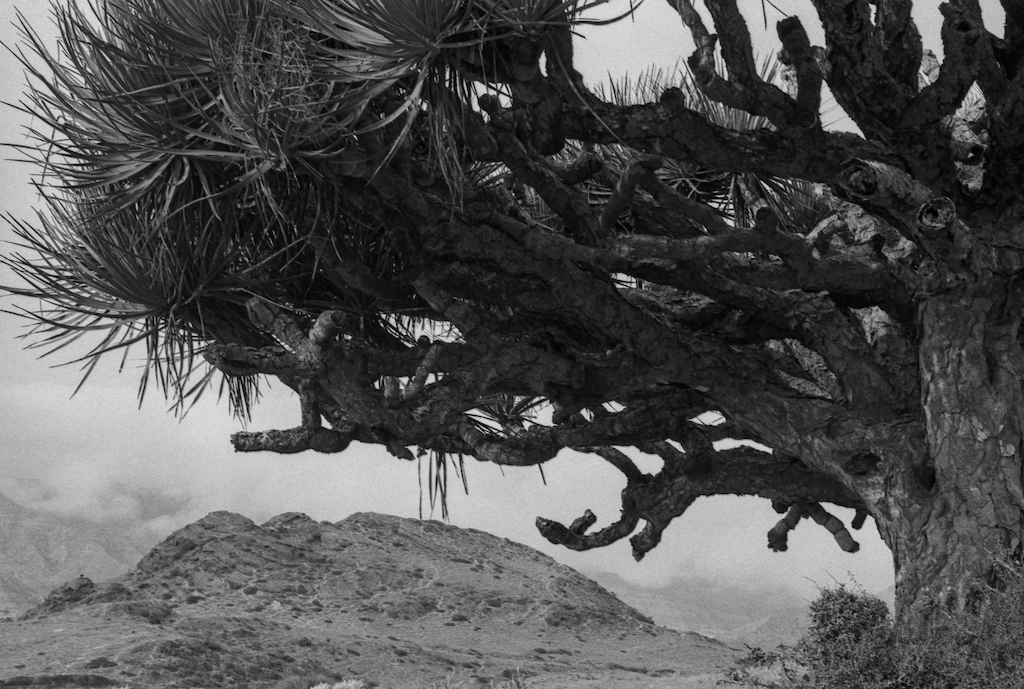
I got to be honest, I don't know about the composition. To me, it doesn't feel like either the tree or the canyon have clearly taken the place as the subject. As I look at the tree, I want to see the canyon. Maybe I just find the canyon more visually appealing, complex and interesting? Or is it that I want the tree to be much closer in the foreground to really tell me it is the subject? |
Mar 13th |
| 24 |
Mar 21 |
Reply |
Hi Jim, it's a beauty |
Mar 13th |
| 24 |
Mar 21 |
Reply |
Hi Tab,
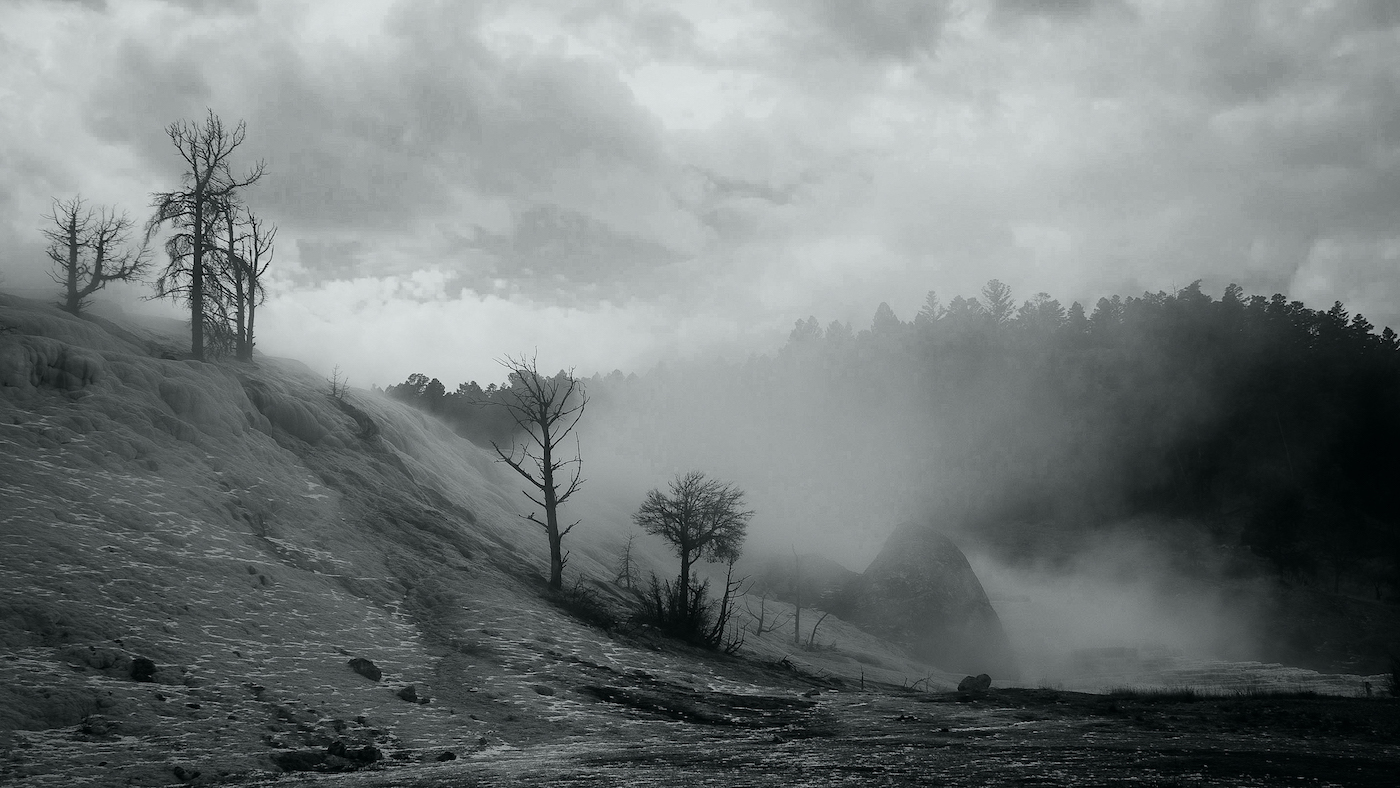
The reason I mentioned fire is because two summers prior to your photo there were three named fires in the park; the Alder Fire, the Druid Fire and the Alum Fire. I am not familiar with the geography of the entire park, so I am not sure if these fires burnt the area of the Mammoth Hot Springs. The other reason is that the trees in the foreground resemble ones that have been burnt versus the trees on the in the background. |
Mar 7th |
| 24 |
Mar 21 |
Reply |
|
Mar 7th |
 |
| 24 |
Mar 21 |
Comment |
Hi John. Great image. The remains of the devastation of fire still scare the landscape. Because of that, it is hard to tell if what I am looking it is smoke from burning vegetation or something else. Just for fun, I gave editing a go from your original. I don't think it competes hahaha |
Mar 7th |
| 24 |
Mar 21 |
Comment |
Hi Albert,
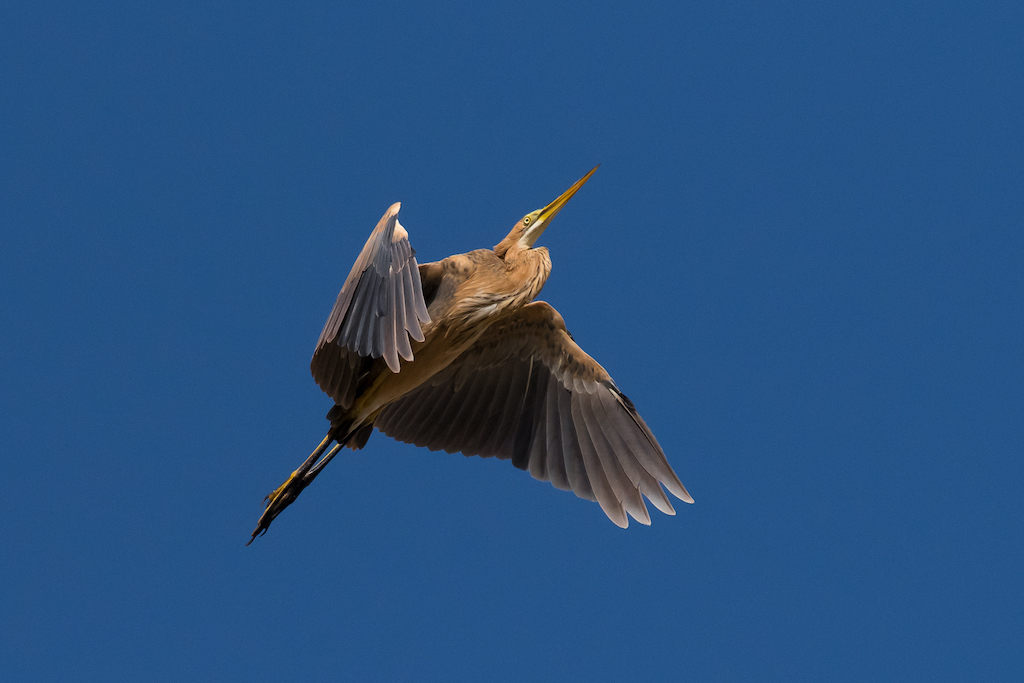
I believe that you have captured a Striated Heron, aka Mangrove
Heron, aka green-backed heron. I am a big fan of the original framing. Maybe trim off ~10% from all the edges and drop the bird down frame. The reason I think the original image is it has the bird in natural habitat. There is already great lighting and shadow, so there is already a dramatic effect. I think it is great to get super sharp super close shots of birds, but sometimes expanding the image and including their environment adds substance to an image. |
Mar 6th |
| 24 |
Mar 21 |
Reply |
Hi Jim,
My pleasure to share. Check out group 97 for an Arabian Partridge. I'm in a very fortunate spot to be right on a migration highway, but that season is coming to a close. As for your edits, I have a few that I formatted as portrait, especially to try and get the entire tail in frame. I trust in the changes you made, but I'm not sure if the image posted is the same as your intention. It has to be because of the limited file sizes that some edits don't translate well. |
Mar 6th |
3 comments - 5 replies for Group 24
|
| 32 |
Mar 21 |
Comment |
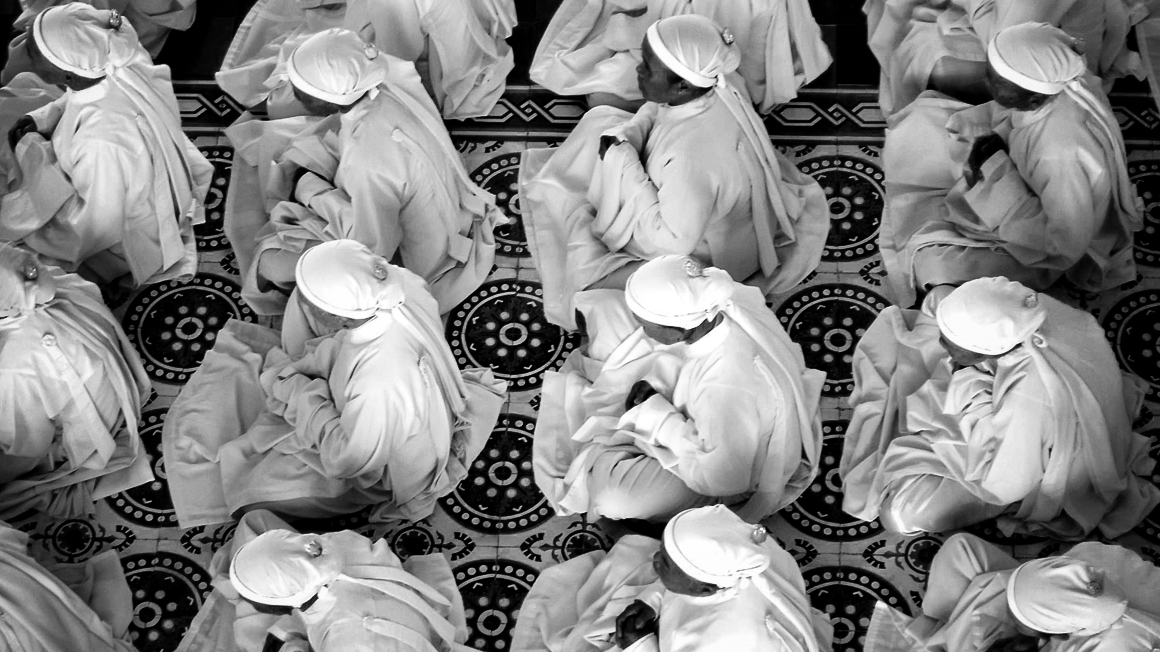
Hi Stephen. Have you thought about using 16:9 with this image? A couple have suggested cropping out the top row of worshipers. I agree with that suggestion. I keep to set aspect ratios when I do my cropping, and 16:9 fits pretty well. |
Mar 13th |
 |
1 comment - 0 replies for Group 32
|
| 97 |
Mar 21 |
Comment |
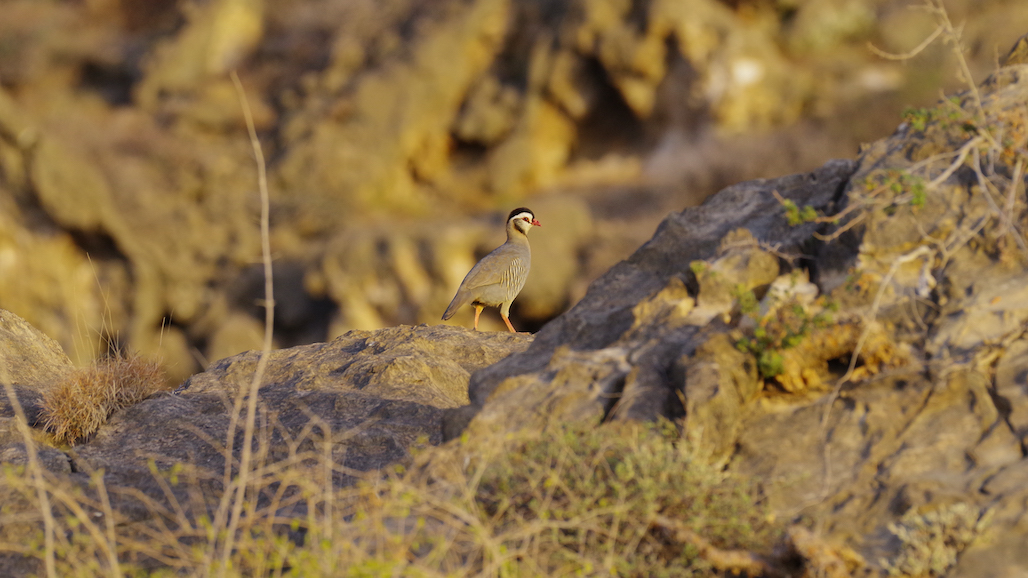
Hi Andy, I think that you have put together a very well composed photograph. I like the Bokeh of the foreground and background, and the fact that I can see the rock that the bird is perched on. The bird's pose is just suspicious enough, but still relaxed; aware of your presence but not overly disturbed. Look forward to seeing your next submissions. |
Mar 15th |
| 97 |
Mar 21 |
Comment |
Hi Jeffery, thanks for sharing such a marvelous animal with us. Your edit is spot on. Great job bringing out the textures and colors. Love the color tones. I have never shot at night with a flashlight, so I can only image the challenges faced to get this image. |
Mar 15th |
| 97 |
Mar 21 |
Comment |
Hi Sophia, First off, what a marvelous capture. Even without the background knowledge, it is still marvelous. I always enjoy seeing wildlife doing what they do, and getting a chance to experience their lives. Thanks for sharing this image.
As for the shadow, I'm not that bothered by it actually. I would probably just try to minimize it by playing with tone curve and exposure tones. That way it might not draw the eye towards it. But for me, I see head, talon, fish, head as the main triangle of my eye movement. I know it may sound odd, but I would probably remove the crop and stick to the original image. I kind of like the space that it gives the image. |
Mar 15th |
| 97 |
Mar 21 |
Reply |
Hi Stanley,
As for eyes, I don't have any great suggestions. I only use LR and I don't do any brushing or burning, split tones, masking. I try approach an image in its totality and look at how any changes I make affect the entire image and composition. There is no question that between Thorro's edit and mine, the eye does fade into the black plumage. I really don't know how to go about changing that. |
Mar 13th |
| 97 |
Mar 21 |
Reply |
hahaha I'm sorry Stanley. I actually went about editing your submission more for my own learning opportunity. Kind of like a What would Steve do in this situation? I had recently read some stuff about getting more into color manipulation and enhancement, or the lack enhancement, and wanted to put it to the test. And in doing so, I also have a ton of bird photos I need to revisit after seeing how these manipulations worked on your submission. |
Mar 13th |
| 97 |
Mar 21 |
Reply |
Hi Sophia,
You have touched on what I find to be a fascinating intersection of semiotics and linguistics, and how the two inform and construct interpretation. Although image creation comes before written language, it is written language that has influenced the way we interpret images. Because of this, there is an inherent bias based on the language system of the viewer. Now, I'm not saying this is a negative, or a positive for that matter, it just is. People who use a different language system, will interpret an image differently.
One could argue that the photographer simply captures the image, but it is the viewer that gives it meaning. Of course, the photographer can, and does, employ various methods and techniques to move the viewer towards a desired narrative, and in doing so is applying their linguistic bias to the image to create the desired result. That desired result can be achieved when the viewer is of the same or similar linguistic system that shares the same system of semiotic interpretation. I'm going to stop here before I write ten pages on this :)
As for my submission, I would say that if there is a perceived tension, then that would be a more authentic interpretation of the image then flipping it to remove that tension. The Arabian Partridge, just like other ground birds, are wired to sense threats. These birds can fly when necessary, but most often will look to escape by running. The partridge that I captured is on high ground to assess the situation, namely the threat caused by my presence. For the bird, it is a tense situation, and the viewer is the cause of that tension. So, for me, flipping the image to create a more calm or serene interpretation would not be an authentic representation of that interaction between me and the subject. We all know that different people will take a different approach with their photography. Finding our voice is part of this great and wonderful process. For me, I strive to be as true to the moment as possible.
After all that being said :) I can completely understand the value of your suggestion and why you proposed it as an edit suggestion. As in any art, we need to know our audience. Will my image be better received by doing this or that, or changing this or that? These are important questions to consider when I think about the purpose behind what I am doing. |
Mar 13th |
| 97 |
Mar 21 |
Reply |
Hi Sophia,
Just curious as to why you suggest flipping the image? I wonder what would be gained by doing so?
As for a bit more crop, yeah, maybe. I'm not against the idea. My intention with this image was to balance the habitat with the partridge. For people who don't live or haven't been to the Arabian Peninsula, they may not be able envision the landscape and the habitats of the wildlife. It is my hope that the image conveys that intention. |
Mar 7th |
| 97 |
Mar 21 |
Reply |
The basic science of it relates to blue sky versus direct sunlight giving illumination. Also,it might have something to do with the fur. Like human hair, it reacts to light. So, it will absorb or reflect certain wavelengths under certain conditions. Maybe you just got all conditions pointing towards blue. A bit of Google work and there seems to be a few pointers out there on fixing blue in shade and shadows and blue in snow or ice. |
Mar 7th |
| 97 |
Mar 21 |
Comment |
Hi Stanley.
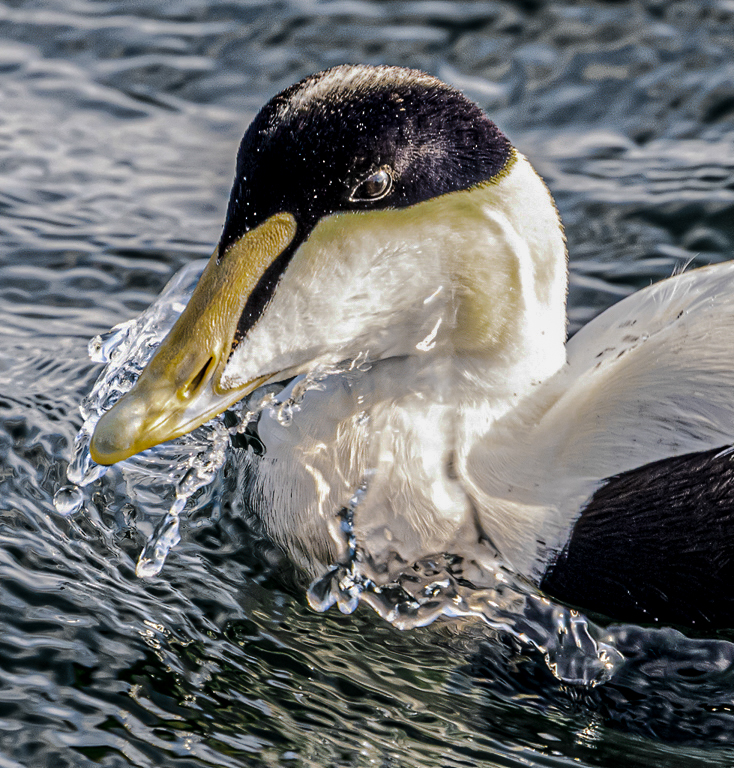
I too struggle with hot spots and blown out whites when trying to photograph brilliant white-feathered birds. Also, don't get much cloud cover out here which doesn't help. So, I took your submission as another opportunity to get some post-processing practice. But, before I begin, love the image. Timing is perfect. The pose, the look, the angles are spot on. Here is what I did in LR:
exposure: -.4, contrast -35, clarity +25, Tone highlights -20, Tone whites -18, Tone blacks -24, Tone Curve highlights -25, Tone Curve lights -30, Purple saturation and luminance +10, magenta saturation and luminance +12, aqua saturation -75 luminance -65, Green hue + 6 saturation +26 luminance +30, Yellow saturation +55 luminance - 30 |
Mar 7th |
 |
| 97 |
Mar 21 |
Comment |
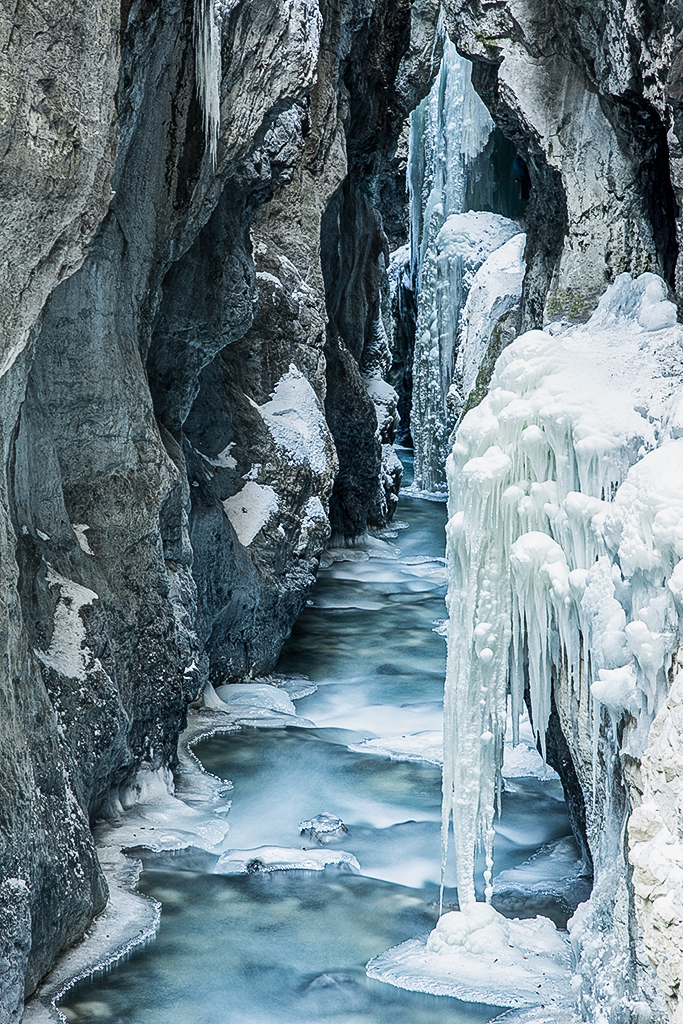
Not to sound redundant, but the long shutter speed changes the dynamic of the water. I thought that everything was ice and that there wasn't any flowing water. I don't think that the edit I have done can address that ambiguity, but it is a great image to play with color. Edits done with LR
exposure +.4, contrast +15 tone shadow -15, tone black -12, clarity +20, aqua saturation -50, yellow saturation -20, yellow luminance -50, blue saturation -20, blue luminance -14, sharpen +40.
Don't know if it is an improvement in any way whatsoever. |
Mar 7th |
 |
| 97 |
Mar 21 |
Comment |
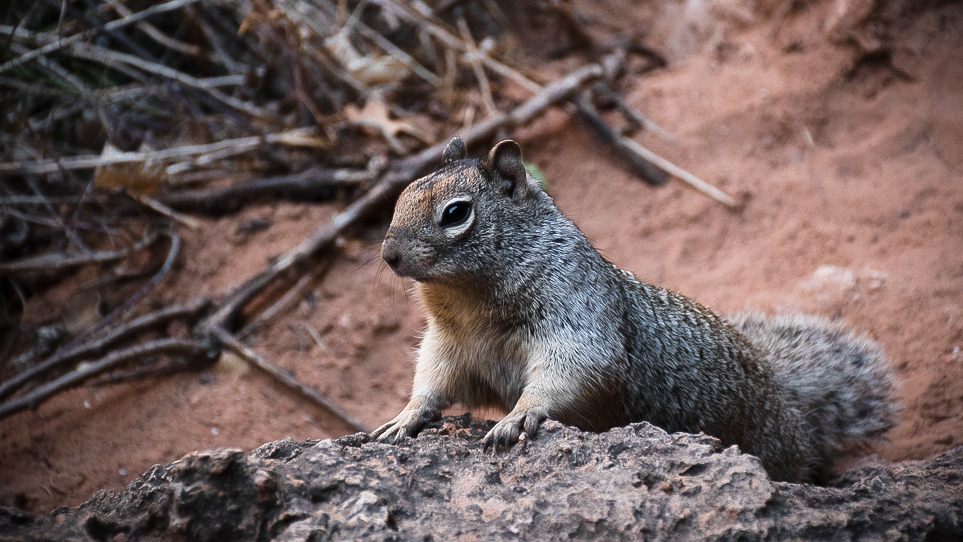
Too much trail mix for that squirrel. Can you remember what time of day it was when you took the photograph? That might have something to do with the blue showing up during the editing process. Just something to think about.
Great image with a great challenge, so I thought I would give editing it a shot. Not sure if it is where you would want to go with it. This experiment was done in LR.
Exposure +2.2, contrast +12, clarity +15, Tone highlights +14, Tone whites +14, Tone Curve highlights +14, Tone curve lights +
12, Blue saturation -45, Blue luminance -45, sharpen +40, luminance +20, vignette -90, scale 16:9 with a slight reduction. What do you think? |
Mar 7th |
 |
| 97 |
Mar 21 |
Reply |
Hi Jeffery. I have one of those. In that one, the partridge is pensively looking off the left. That left a pretty nice shadow across the head. I went with this to share the birds of the Arabian Peninsula that I have been able to photograph as well as to get more practice and feedback on my post-processing choices. Dawn sunlight isn't something that I have much experience in dealing with when it comes to touching things up. |
Mar 6th |
| 97 |
Mar 21 |
Reply |
Thanks for the feedback Thorro. I debated this for a while. I had positioned the partridge kind of like how you suggested, but the near boulder/rocks are heavy and blurred, and this, I felt, took over the image too much. That is why I have tried to cut the right side out as much as I have. |
Mar 6th |
6 comments - 7 replies for Group 97
|
10 comments - 12 replies Total
|