|
| Group |
Round |
C/R |
Comment |
Date |
Image |
| 24 |
Dec 20 |
Comment |
Hi Thorro,
Fantastic image. I love hunting around the Dhofar mountains looking for window rocks. Haven't seen anything of that scale yet. I generally try to avoid people in these types of photos, but being able to gauge scale really enhances the magnitude of the window. |
Dec 15th |
| 24 |
Dec 20 |
Reply |
Hi John,
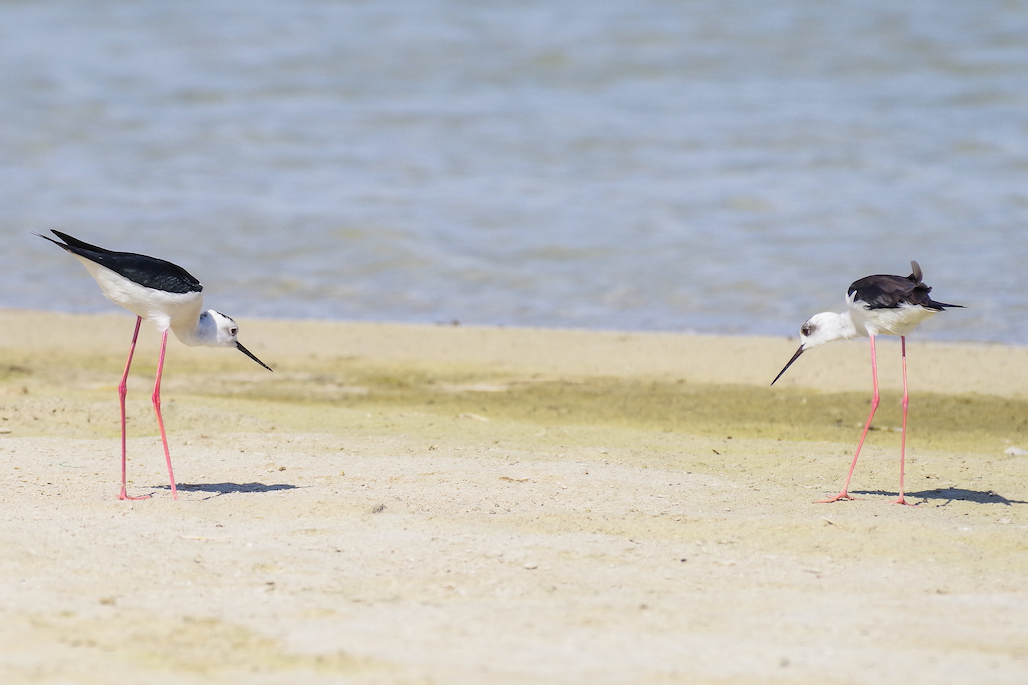
Went back through the photos. No luck. Only one eye photos. |
Dec 9th |
| 24 |
Dec 20 |
Reply |
Hi Thorro,
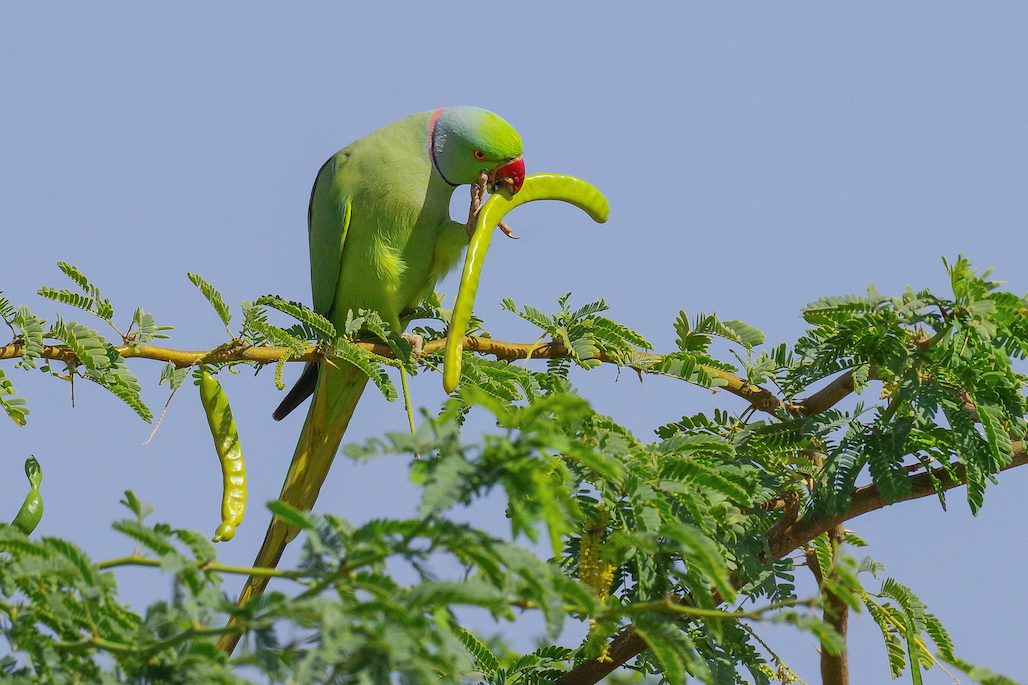
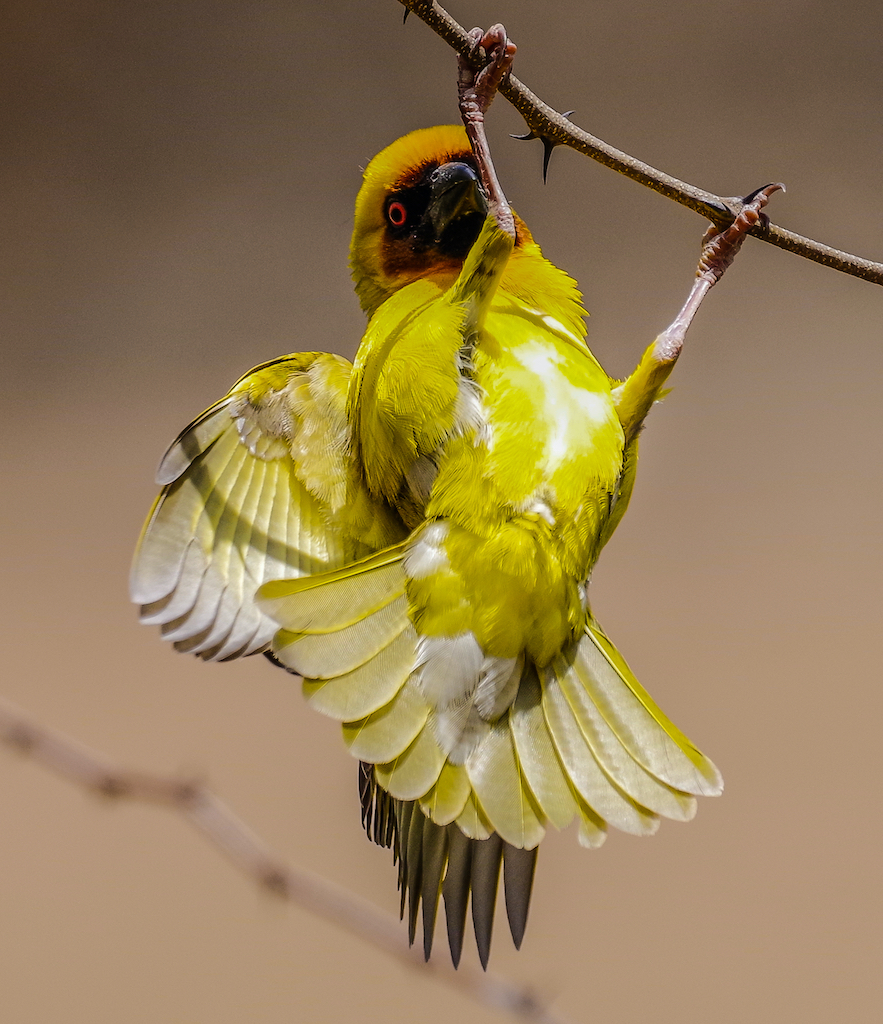
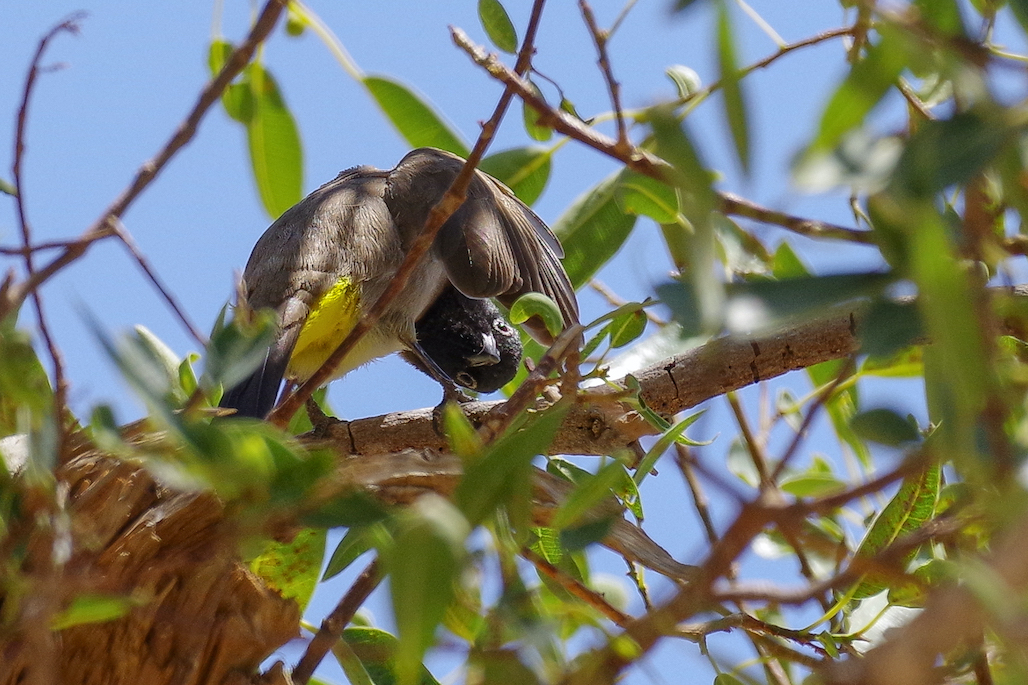
I had some trouble picking which one to offer to the group. I was tempted to go with one that showed more of the Weaver's color range along the shoulders and back, but those lacked the intensity of the gaze. |
Dec 8th |
| 24 |
Dec 20 |
Reply |
Hi Jim,
I realize how lucky I was to be in the right place at the right time to witness his dance. Also, quite lucky to get the detail that I did as the dance is pretty fast. Interestingly, the entire dance was done hanging upside down. |
Dec 8th |
1 comment - 3 replies for Group 24
|
| 97 |
Dec 20 |
Reply |
Hi Else,
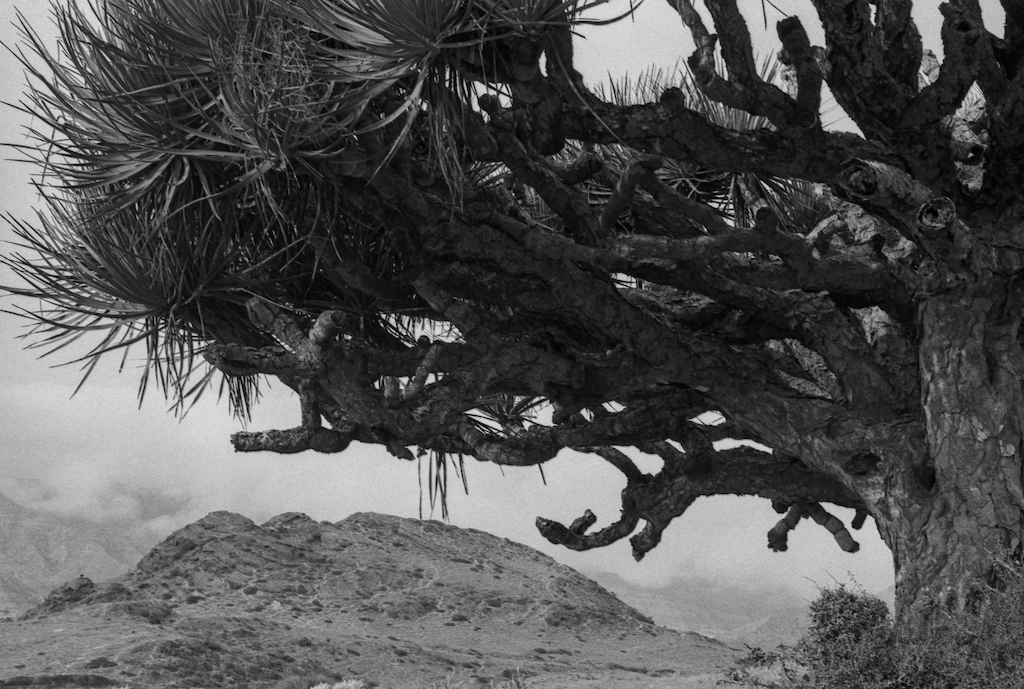
I would argue that you are not wrong to think about image preference based on flipping the original and how that would affect meaning and impact. In fact, I would argue that by flipping the image, one has chosen to allow bias to dictate nature, thus forcing it to conform to an arbitrary linguistic construction of how we interpret symbols and systems of signs. From a linguistic lens, written language is composed of arbitrary symbols. Each written language uses these symbols to represent a sound or a sound construct, and it is the combination of these symbols that create syllabic sound groups or tonal sound groups. Of course, we don't often think about how when learning a written language we are also being inculcated with interpreted bias. Those who write their language from right to left, will see this image (and all images) from their linguistic bias. Those who have a vertical written language will interact with an image in a way that mirrors how they were taught to approach symbols and any system of signs. Photography is an exercise in semiotics; both from the photographer and the viewer. My perspective is that the photographer captures the image and ought to focus on presenting it in the most authentic way possible. It is the viewer that gives it life, that interacts with it, creates the narrative through their culturally and personally unique semiotic and linguistic lens. And that leads to my second argument against flipping the image, flipping it is inauthentic. The relationship between the viewer, tree and mountain only exists as presented by Matthias. |
Dec 15th |
| 97 |
Dec 20 |
Comment |
Hi Matthias,
I quite like the original. I find it to have a strong connection to the sublime with a hint of an unknown discomfort. The manner in which you have composed the image also lends it to be a cypher that would help someone unlock a mysterious "truth". Basically, I see it as being very Gothic in the literary sense of the word. The tree and the mountain are connected. One is the key and the other is the lock. Looking at the image from the angle of semiotics, there is an entire narrative that can be constructed. As a side note, your image inspired me on my most recent hike. I found a lone tree on a ridge line whose branches mirror the canyon in the background. |
Dec 15th |
| 97 |
Dec 20 |
Reply |
Hi Thorro,
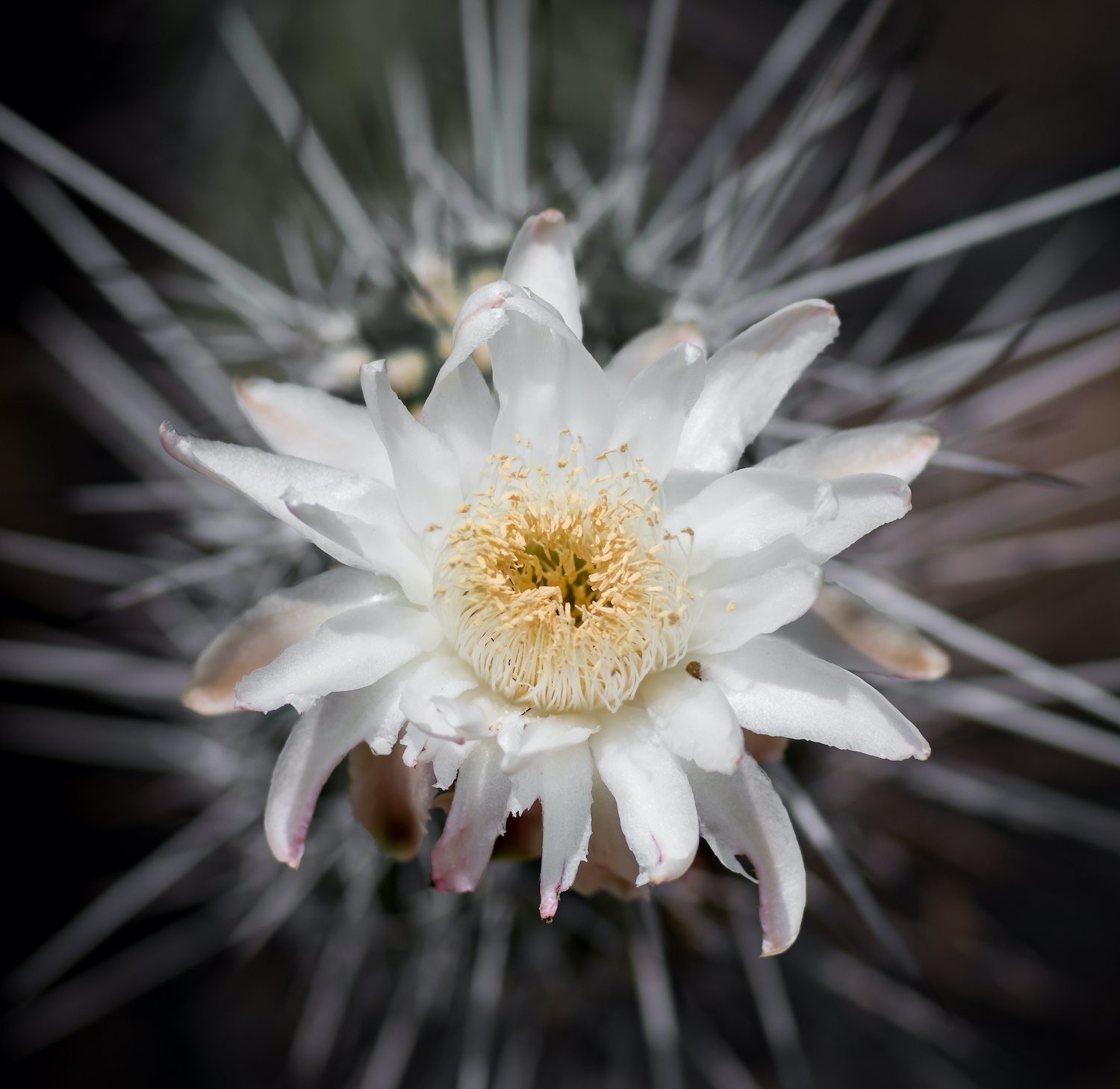
I like what you did. Looks a bit better with less butter-yellow and more cream. Looking at my edit again, I would probably also increase the exposure a touch to get closer to how the light was that morning. |
Dec 8th |
1 comment - 2 replies for Group 97
|
2 comments - 5 replies Total
|