|
| Group |
Round |
C/R |
Comment |
Date |
Image |
| 60 |
Dec 23 |
Reply |
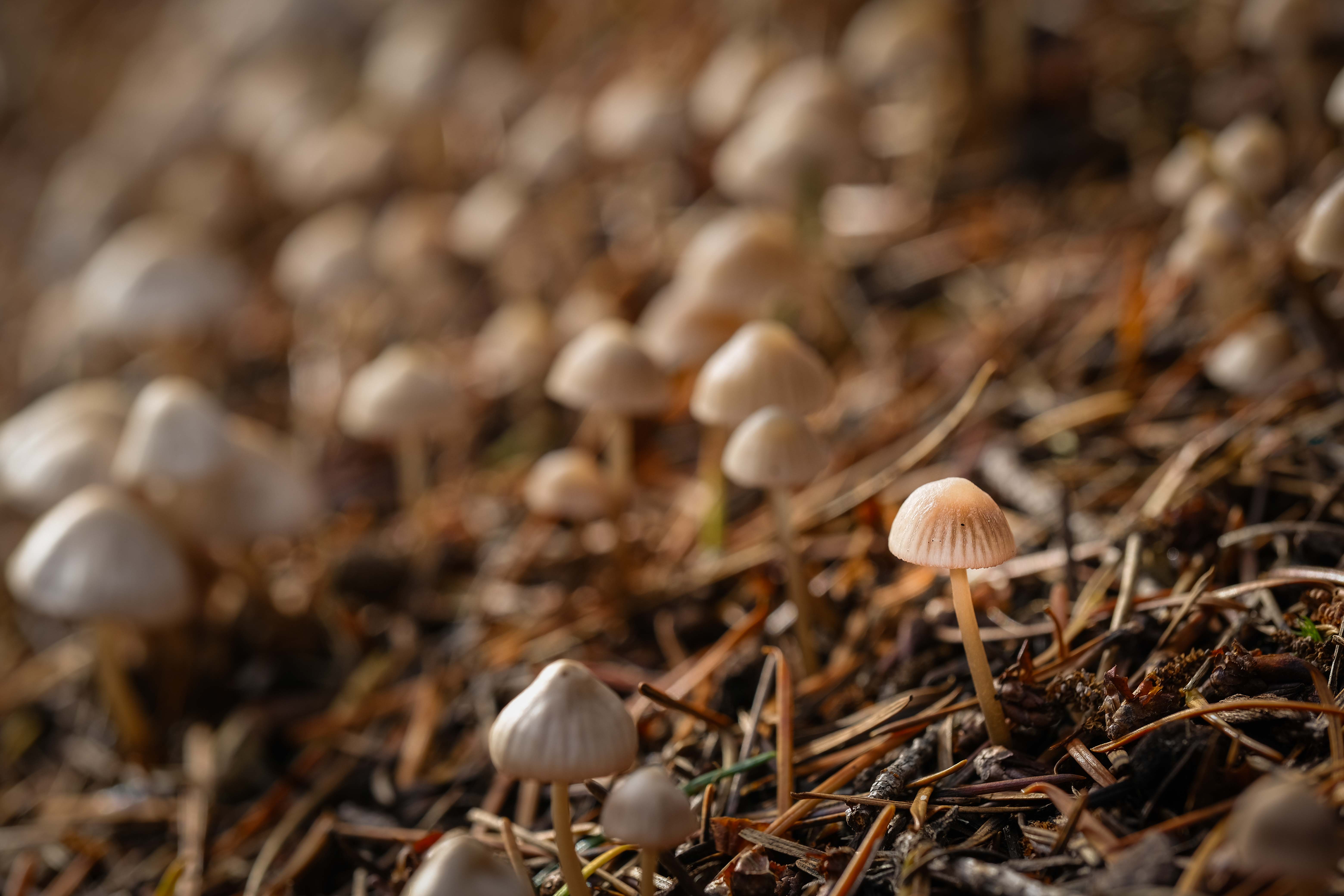
Good question Rita. It's not for competition. The prompt was "shallow depth of field," and my compositions (when left to my own designs) generally tend towards the simple.
I didn't intend it to be a...shroomscape. But, now that I think of it, that might have been kind of a cool shot. You know, treating this very small space the same way that I might have treated a full-scale landscape. I'll have to keep that in mind. Thanks for the inspiration. |
Dec 12th |
| 60 |
Dec 23 |
Reply |
Thanks Blair. Yes, this was pretty low. The camera was about, well was ON the ground. That's why I had to flip my screen out to see the live view and frame the image.
I'm glad my attempts to focus the viewer's eyes (your eyes) on that one mushroom worked. There are lots of ways to let the viewer know what your subject is, and I think I used all of them. You can compose the image so the subject is isolated (like I did here). You can make your subject sharper than everything else (like I did). You can make your subject brighter than everything else (like I did). You can compose with leading lines that point to your subject (didn't have that option). You can place the subject at an important part of the frame, like one of the 1/3 crash points (like I did here). There are probably other methods, but I can't think of them. Can you? |
Dec 11th |
| 60 |
Dec 23 |
Reply |
Very good point re: Transform panel in Lightroom Barbara. I should have thought of that myself.
Blair, here's a good tutorial regarding it: https://digital-photography-school.com/how-to-use-the-lightroom-transform-tool/ |
Dec 8th |
| 60 |
Dec 23 |
Reply |
Thank you Barbara. Very kind. |
Dec 8th |
| 60 |
Dec 23 |
Reply |
Macro-in-the-field will drive you nuts Rita, but it's one of my favorite things to shoot. The microscopically small DoF and long exposure times (driven by the need for low ISOs and large F stops) make sharp images very hard. For folks who really know how to do it, flash is a must, since you can pour enough light on something to get a fast shutter speed no matter what the ISO and aperture are.
I'd recommend watching this guy, Micael (sic) Widell. He's pretty good. https://www.youtube.com/watch?app=desktop&v=YTl9-VWe1xg |
Dec 7th |
| 60 |
Dec 23 |
Reply |
I have to ask what you mean when you say it looked "flat." Why do I ask? I was assisting another photographer on a studio shoot once and she was lighting the subject with a huge octobox from directly behind her own back. Then she complained that it was "flat." When I asked her what she meant she replied: "I don't know. Nobody ever asked me that before." Morale of the story: I just want to make sure I understand your use of that word.
And as for the use of the texture back there, I think whether it helped or hurt s kind of based on your intent for the image. I don't dislike it at all, personally. I'll tell you one thing it really does in your favor though: It kind of hides the unevenness of the lighting in the background, which is a trick I'll need to remember myself. |
Dec 7th |
| 60 |
Dec 23 |
Comment |
They're both nice. Wall hangers? I dunno. But, they both might have a use. Keep'em around. |
Dec 7th |
| 60 |
Dec 23 |
Reply |
I didn't realizes there were different filters (kind of like different kinds of color blindness I guess). Given that, why do you have to "convert" a camera? Couldn't you just slap a filter onto the front? |
Dec 7th |
| 60 |
Dec 23 |
Reply |
I guess I don't understand Barbara. When you say you "a texture was applied and blended over the original image," I understood that to mean that it was a post-production process in which something was blended into the original image from a separate layer. I think that would come under the heading of "composite." Is that not what you did? Please explain it to me.
Right. You didn't use flash. You used continuous in a soft box. Right? I guess when I think light artificial light, and modifiers, I think flash/strobe, but that's not a rule. Thanks for the correction. |
Dec 7th |
| 60 |
Dec 23 |
Comment |
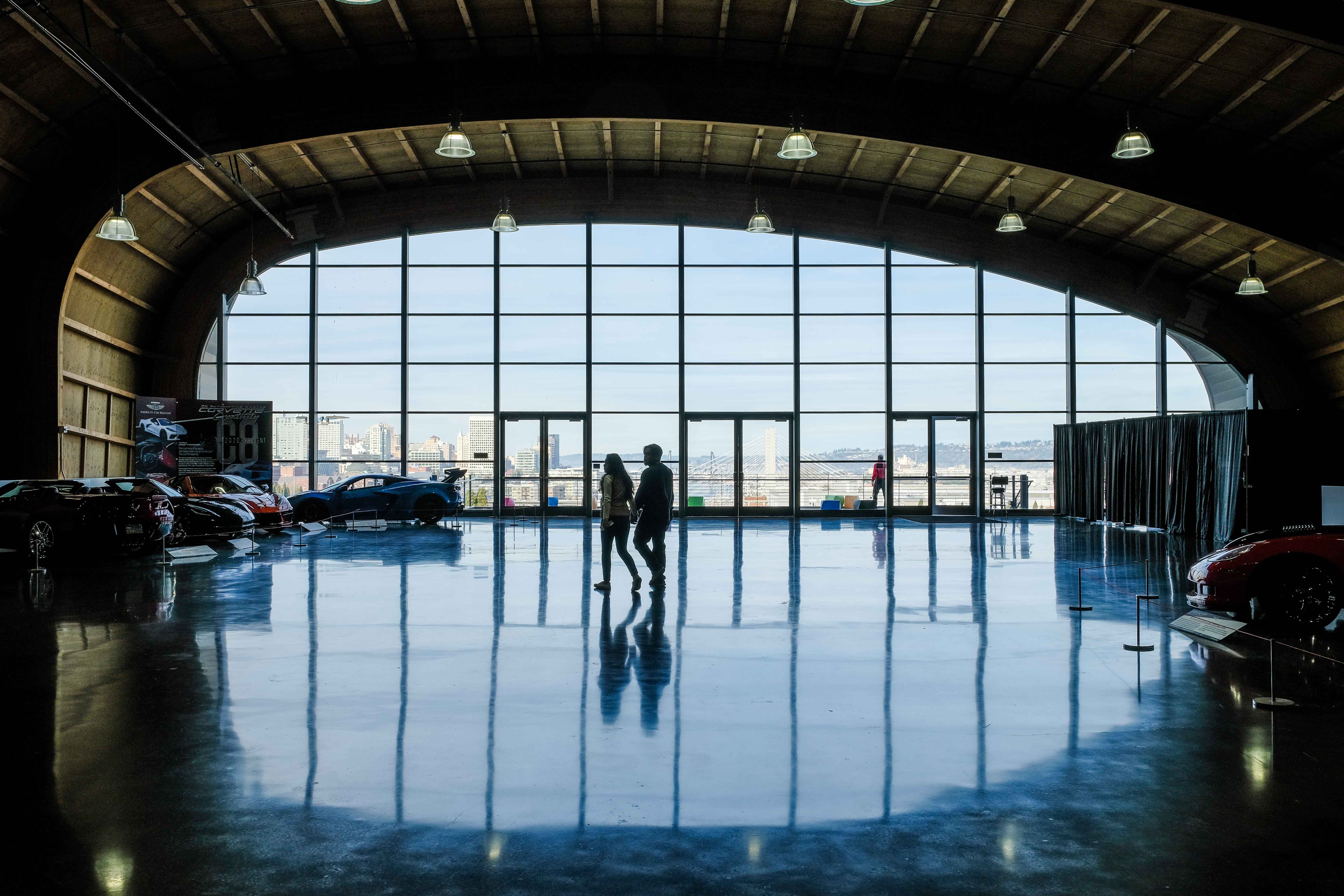
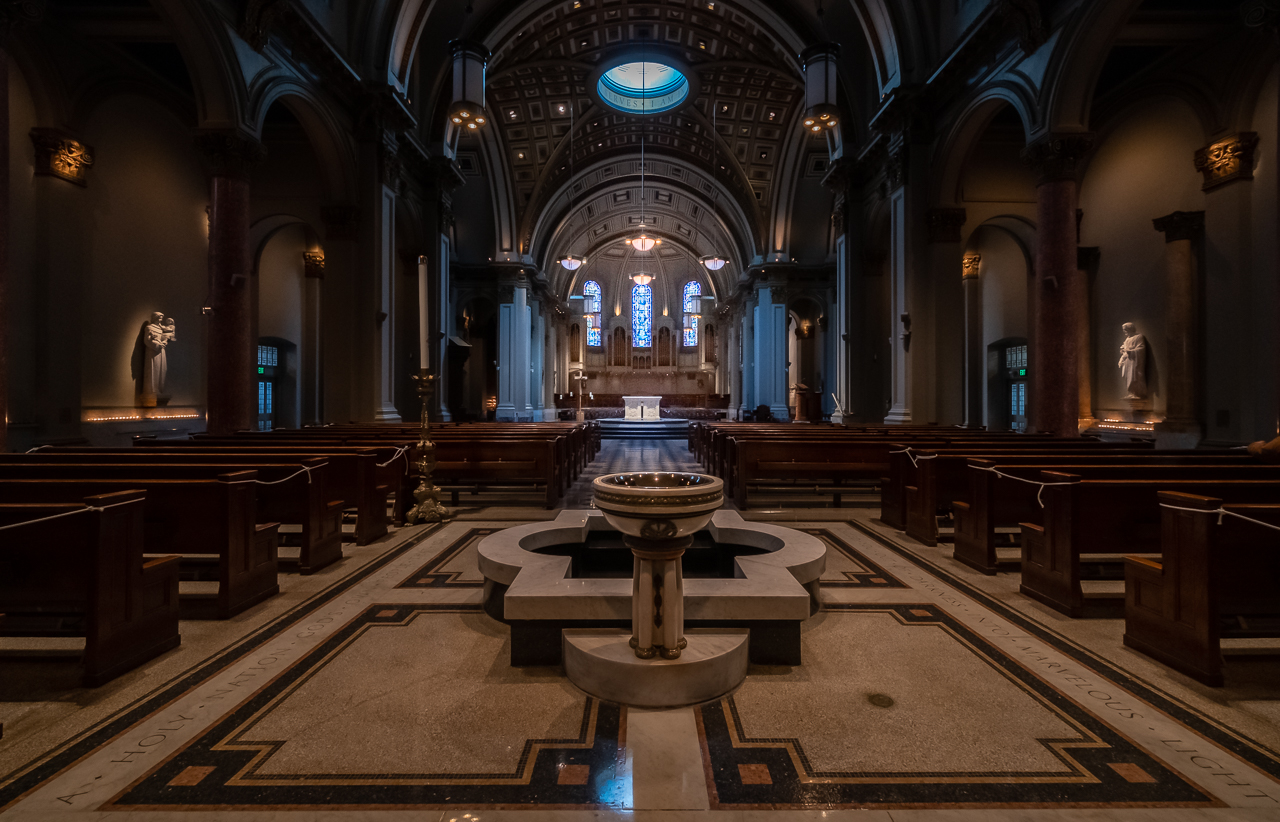
I think this is a strong image Blair. The composition grabs me immediately and the repeating patterns of the columns and beams receding in the distance really draws the eye into the frame. Further, the symmetry of the image adds to that effect. Exposure looks good all the way around to me (although it's kind of bright through that window on the right). Colors seem natural, and the red/white contrast helps to perceive that repetition receding away. Very cool.
I can see some distortion in those windows on the left, and right. That's really common in architecture photography because it's very easy to see when vertical lines are no longer vertical. The way to keep that from happening is to make sure that you are shooting perpendicular to the upright surface you're shooting, and parallel to the ground. Make sense? |
Dec 6th |
| 60 |
Dec 23 |
Comment |
Very cool Dean. I've seen IR stuff before and the combination of pink foliage and deep blue skies always says "cherry blossoms" to me...even when I know they aren't. I think they can be really beautiful, and kind of disarming. What made you decide to start messing with IR? Talk to me about how and why you'd use it. |
Dec 6th |
| 60 |
Dec 23 |
Comment |
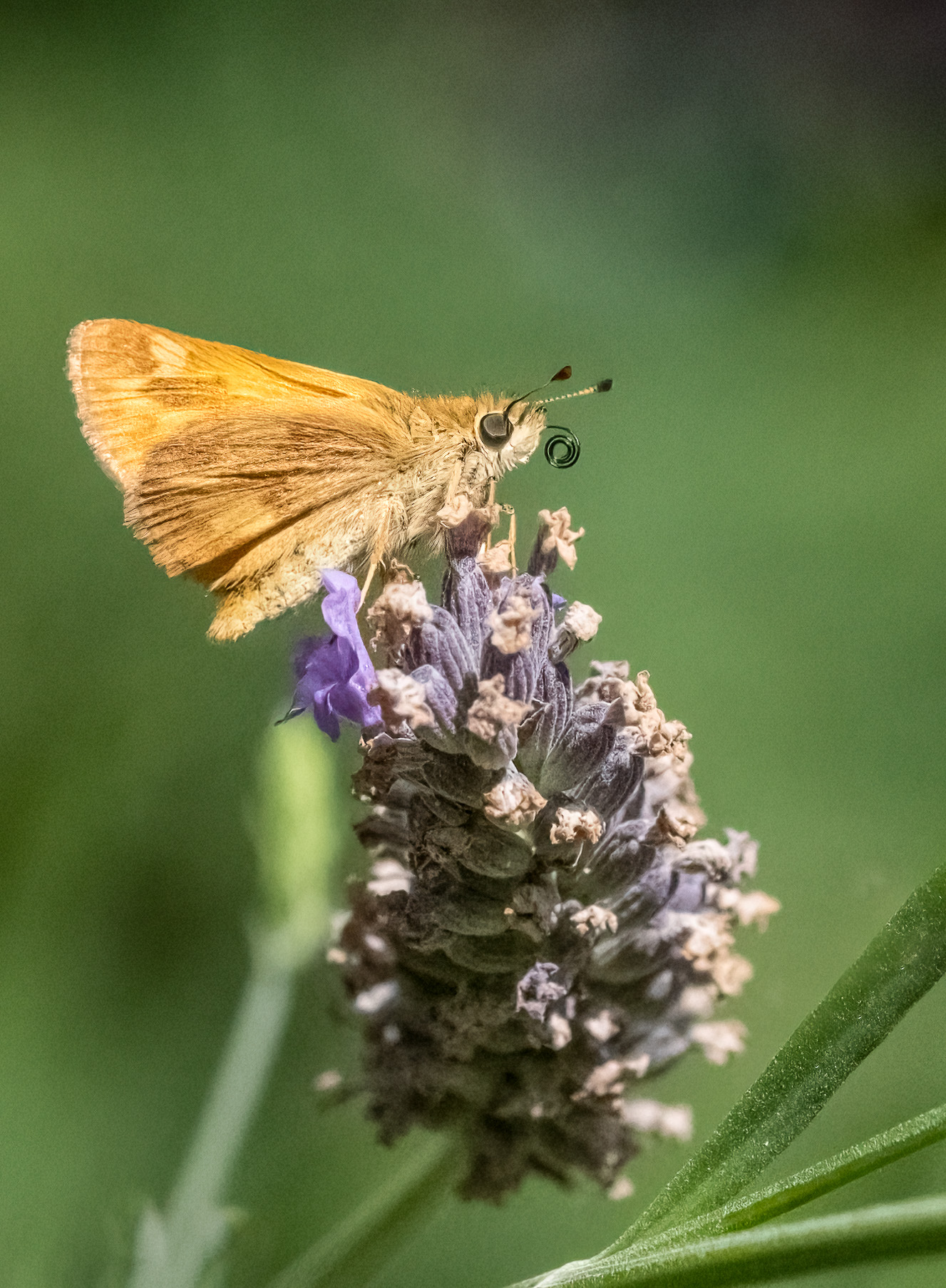
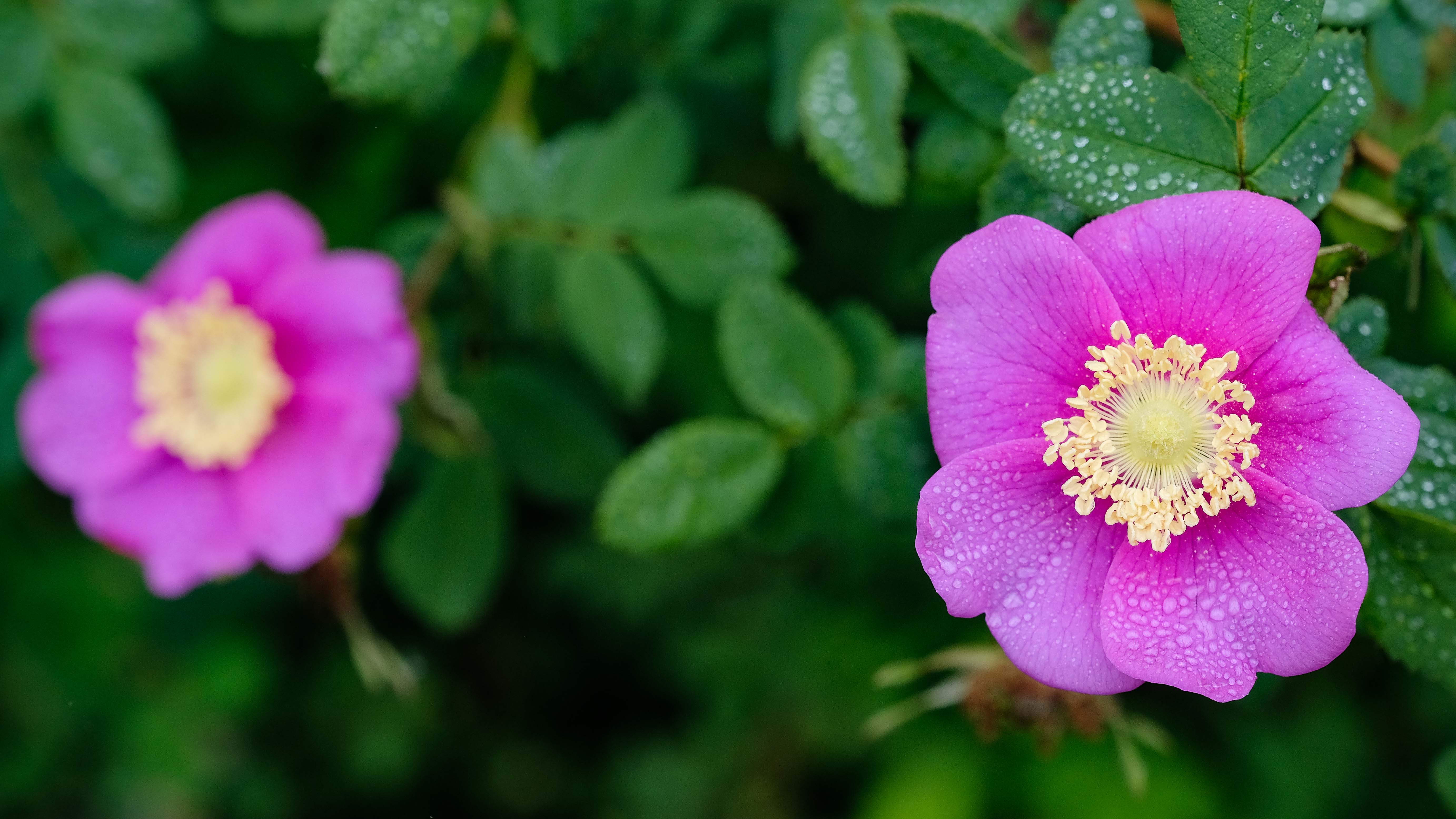
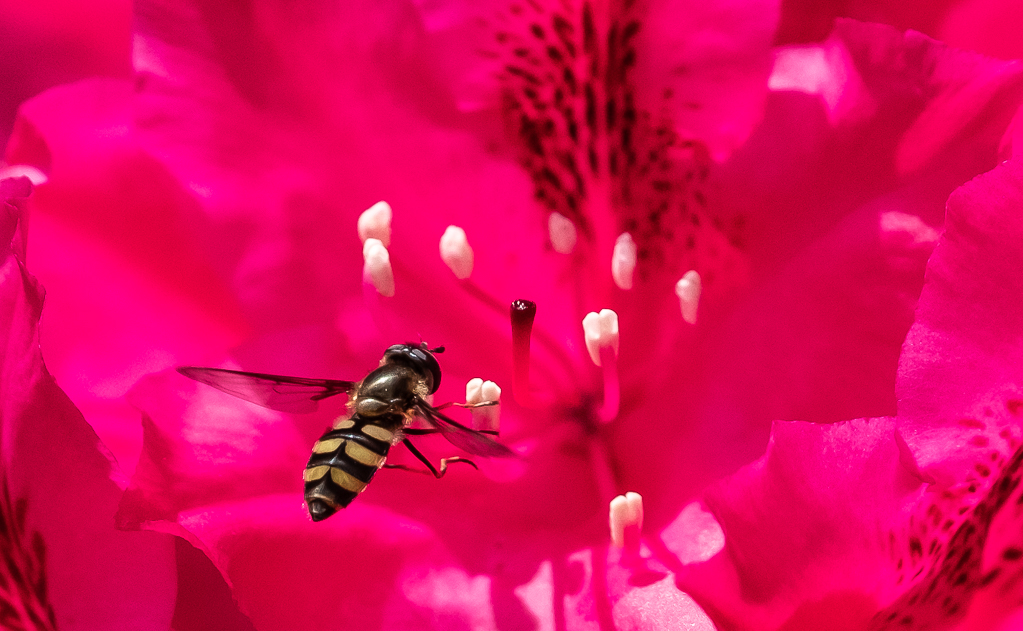
Super captivating colors Rita. I think the composition works. Charismatic subject all the way around. Exposure works, even with the bright background.
Rita, I'm not exactly sure what you mean when you say you "shot it as a macro." Macro lenses are able to produce an image on the sensor of equal or greater size, on the sensor, to the subject. To clarify, if you're shooting a 1cm cube, the image of that cube projected on your sensor (24mm X 36mm) will be at least 10mm on a side. One of the optical tricks for doing that, is that they can focus incredibly close. That's how macro lenses get some awesome detail of such small stuff.
Many times though you can get very close up images of very small things using long focal length lenses. Doing so however usually fights with the lense's minimum focusing distance, and almost always lacks the detail that we're really looking for in a macro lenses.
Another way to fill the frame with a small image is to take it as close as you can focus, and then crop in as much as possible. However, that cropping sacrifices detail, which means it can be counter productive (blurry is blurry after all).
I kind of have the feeling that you were fighting your minimum focusing distance on this one. The image just doesn't appear to have the sharpness that I think you want, which is just the way it goes. Also, I see some blue on the bee. Is that accurate and natural? |
Dec 6th |
| 60 |
Dec 23 |
Comment |
Creative perspective Anne. I can see how the stripes draw the eye in...to...uh, well they draw the eye in. ;) But, it is a creative perspective. You mention that you are drawn to the hair on the neck and back, which I think may be due to the fact (at least to my eye) that this is the sharpest part of the image. In one way, that's good, because it draws the eye away from the background, which you wanted to do. But, it's not helpful in bringing the eyes to the hindquarters, which I think were your intended subject. No?
I think exposure works well. Colors are muted but natural. Keep shooting what grabs YOUR eye, in the way that grabs YOU. |
Dec 6th |
| 60 |
Dec 23 |
Comment |
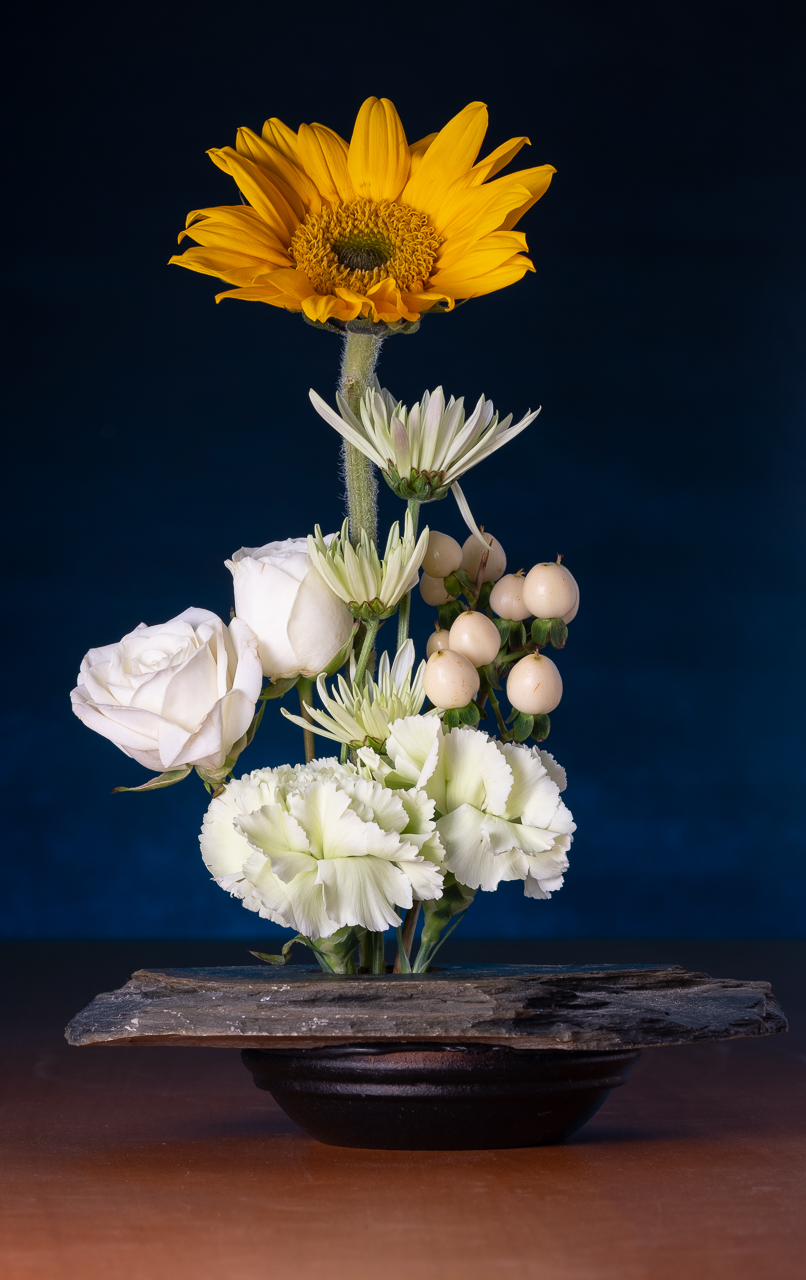
Hi Barbara. Nice still life. I think it's sharp which adds impact for me. Exposure works great for me, which tells me you're very comfortable with flash now. I think my favorite aspect is the color harmony. That purple is really charismatic in my opinion. I think your move into artificial lighting is awesome.
For me, this stood out as a composite pretty quickly, which I think is due to lighting that seems to differ from the back ground in some kind of intangible way. Looking at the flowers, it appears that they were mostly strongly backlit, but the background appears to be primarily front lit. Anyway, my reptilian brain notices things that my primate brain can't always put into words. |
Dec 6th |
| 60 |
Dec 23 |
Reply |
Thanks Dean. I appreciate the candor. The thing I constantly ask myself about my own images, and the images of other is: do I like/dislike the image (feel compelled) because of the image, my own biases, both, or neither. At any rate, I'll probably go to my grave pondering that one. And, if you have one of your fungi shots handy, I wouldn't mind checking it out. I'd appreciate another perspective. |
Dec 6th |
6 comments - 9 replies for Group 60
|
6 comments - 9 replies Total
|