|
| Group |
Round |
C/R |
Comment |
Date |
Image |
| 60 |
Dec 22 |
Reply |
Thanks Rita! And a good feedback! |
Dec 26th |
| 60 |
Dec 22 |
Reply |
Shop it out…as in Photoshop. I agree that cropping would not be a good idea. |
Dec 17th |
| 60 |
Dec 22 |
Reply |
Uh, you raise a good question Dean. Is it better or just different?
Gosh, if there was a definitive answer for that, I'd be out of a job here. Many of the things that we're told are the hallmarks of a good image, don't seem to mean a hill of beans to me. I think in many ways, we here at PSA, particularly in the competitive realm, (inter club, individual, whatever) wind up focusing a lot of our creative power on making sure that our images conform as closely as possible to some kind of orthodoxy on what makes a good image. We do that because, they are things that are attainable within our skill levels, are definable, are generally accepted within the community as being the hallmarks of good images, and will (hopefully) be rewarded when we show our images to our counterparts. Do we produce "good images" by doing this?
In critiquing, I've had to reconcile this idea of technically correct, versus good, images. I produce technically correct images all the time, but I may not think they're very good. Then again, I have images that aren't technically correct, but that I feel capture something, and are therefore good. Bottom line, we tend to be dominated by orthodoxy and dogma around here, but shouldn't be. Which brings me to my answer to your question:
I dunno. What do you think? ;)
No, really though, I do think the blue/gold thing is a bonus. Your thoughts? |
Dec 17th |
| 60 |
Dec 22 |
Reply |
Hey, I get it. If I had a dime for every time I pulled the trigger with inappropriate settings, I'd be a rich man. I think I might have some suggestions for you though:
First, aperture (f/11 in this case) doesn't really have anything to do with distance to the subject. Both distance to subject, and F stop affect depth of field (DoF), but you can just as easily shoot a distant subject at f/22 as f/4.0. Most sports photographers shoot (and I would argue that shooting wildlife is similar in many respects) at the widest aperture they have to a) smooth out the background by shrinking DoF, and b) sharpen the subject with a higher shutter speed.
Second, I shoot a lot of a manual, but I shoot a lot of semi-auto modes too. If I have a controlled situation in which I have a chance to get my settings right, then shoot again, auto is just fine. But, when I walk out of the house, I'm usually on P mode, and center-weighted metering, with auto ISO, and AF-C (back-button focus). That way, I have the best chance of capturing something usable, just in case Bigfoot jumps out of the shadows. Once it becomes clear that I'll be shooting a specific kind of subject, which might take a specific set of settings, then I might switch to AF-S, Spot metering, S or A mode, or manual, and manual ISO, or whatever the situation demands.
But, the moral of the story is that we have millions of dollars of development, engineering, and testing built into our very sophisticated cameras these days. They are incredible tools for handling many aspects of photography, in the same way that automation handles many aspects of flying across the Atlantic. Do you think airline pilots are told to "get off auto" in order to do their jobs? I think not. But, they are ABLE to get off auto when the machines stop working, or working correctly. We are no different.
Use the tools at hand to free you up to be creative, especially in surprising, or rapidly changing circumstances. I know there's a school of thought out there that "you need to get off auto." I would modify that by saying that you need to BE ABLE TO GET OFF AUTO, if automation is not giving you what you want, and you have the time to do so. Otherwise, use all the tools at your disposal to get the job done. Just my thoughts... |
Dec 16th |
| 60 |
Dec 22 |
Reply |
OK. Got it. Thanks for the elaboration.
I 'm a fan of rim lighting too. Not sure if this composition would be the best use of that, but hey, what do I know? I think maybe some of what you're talking about could be achieved in post too, via some Presence sliders, or Curves. Don't know. Well, there's literally ENDLESS room for experimentation here. I'm a BIG fan of using still life/tabletop stuff to get really familiar with how light interacts with subjects. There's no rush, you can see the results and then make tweaks, and there are no random variables. |
Dec 16th |
| 60 |
Dec 22 |
Reply |
It kind of sounds like we're saying the same thing, or something similar. I agree on the management of shutter to capture ambient. I don't agree on having only flash illuminating the subject. Again, IMHO, the flash should blend seamlessly with ambient so as to...well...not to look like flash. But I'm willing to learn. Do you have some examples of flash-only subject illumination? |
Dec 16th |
| 60 |
Dec 22 |
Reply |
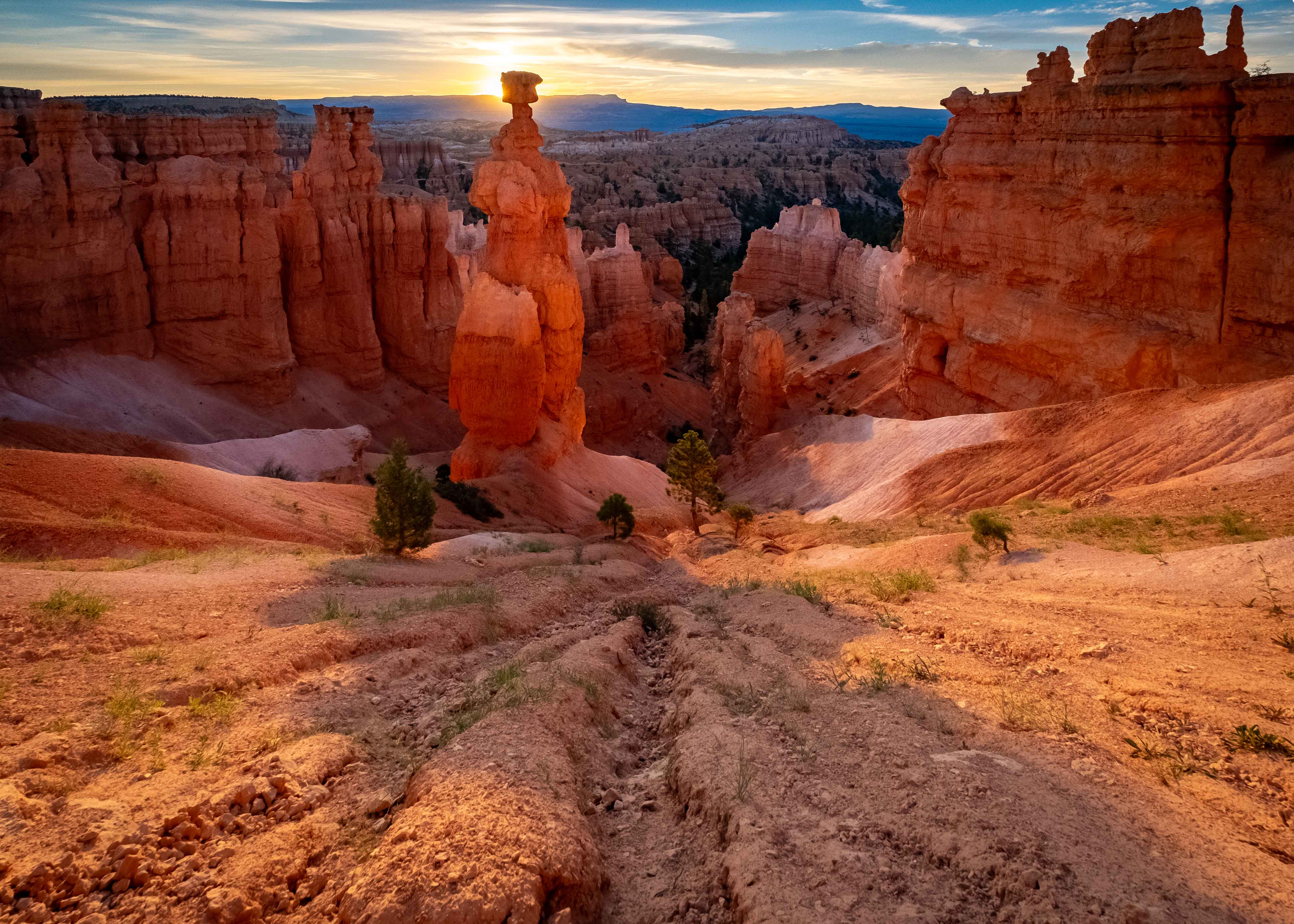
I don't do a lot of color grading, but if I were put up to it in this case, I'd mask the sky and either use the HSL panel to add blue to the sky. Orange/Teal and Blue/Gold are all the rage. All the kids are doing it. ;) |
Dec 16th |
| 60 |
Dec 22 |
Comment |
Strong image Rita. Great colors (and I'm often critical of unnatural looking colors). Nice and sharp. Exposure brings the eye to the illuminated sky. Nice symmetry in composition.
And, speaking of symmetry, IMHO, the tree in the upper right detracts from symmetry, but doesn't help frame the image. I think you could easily shop it out and strengthen things. Good work.
|
Dec 15th |
| 60 |
Dec 22 |
Comment |
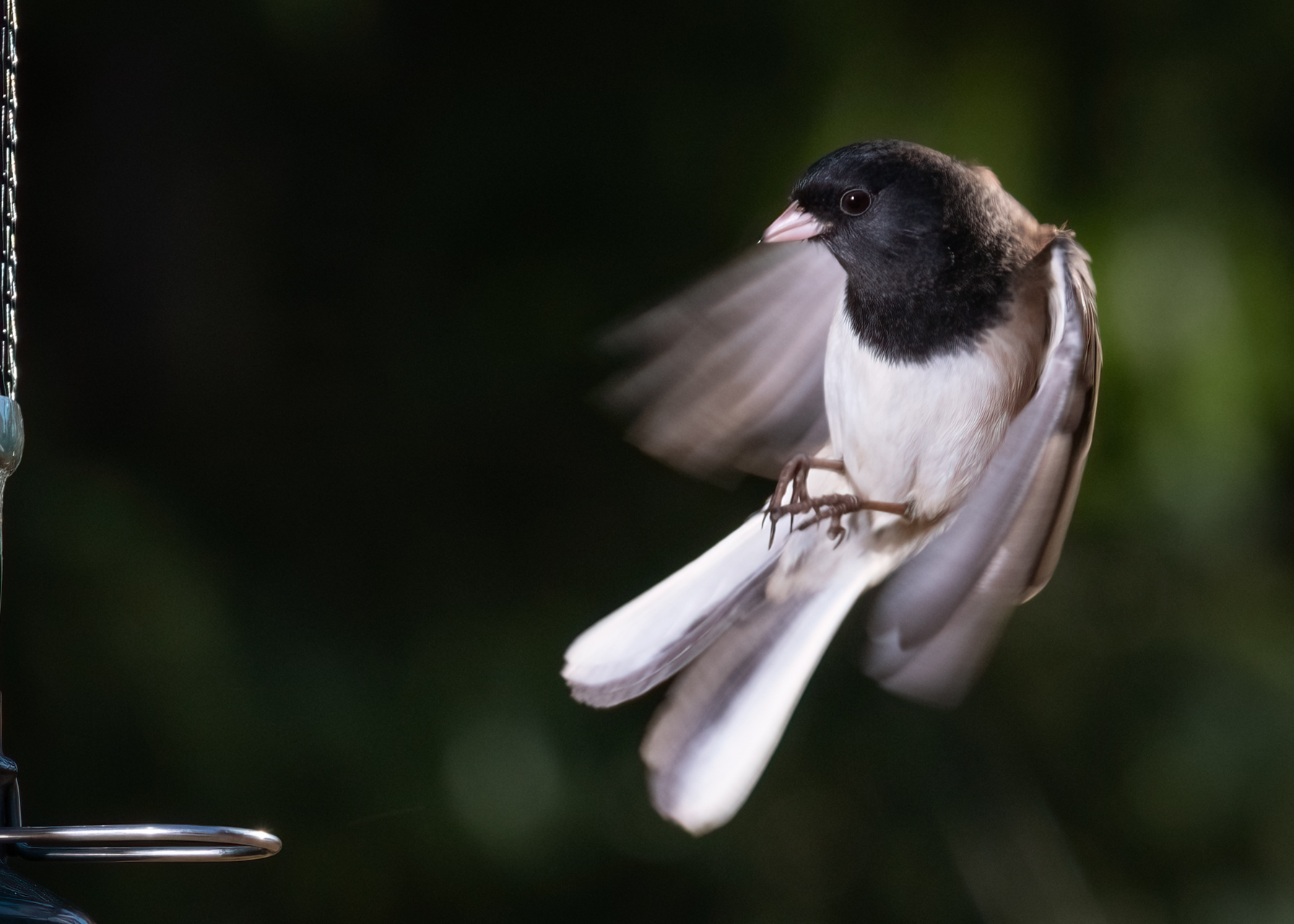
Hey Anne, great catch. Love the light coming through the primary flight feathers. Great pose! I'm so glad you got the eye which, IMHO, can make or break a nature image. Colors look great all around. I too would rather see the bird head on, but just as importantly (and possible more importantly) you caught is flying into the sun. Good on you.
I have a question on fundamentals: why did you choose those exposure settings? What mode were you on? I think if I were faced with this opportunity, and could stop the world and think about settings, I would have gone for f/4, which would then have given me the smoothest background possible, and the fastest shutter speed possible (for the sharpest image). |
Dec 15th |
| 60 |
Dec 22 |
Reply |
Hey Patrick, what do you mean when you say "more dynamic shadows?" I just haven't heard the term "dynamic shadows" before but wanted to understand it. Maybe I'm reading it incorrectly. |
Dec 15th |
| 60 |
Dec 22 |
Comment |
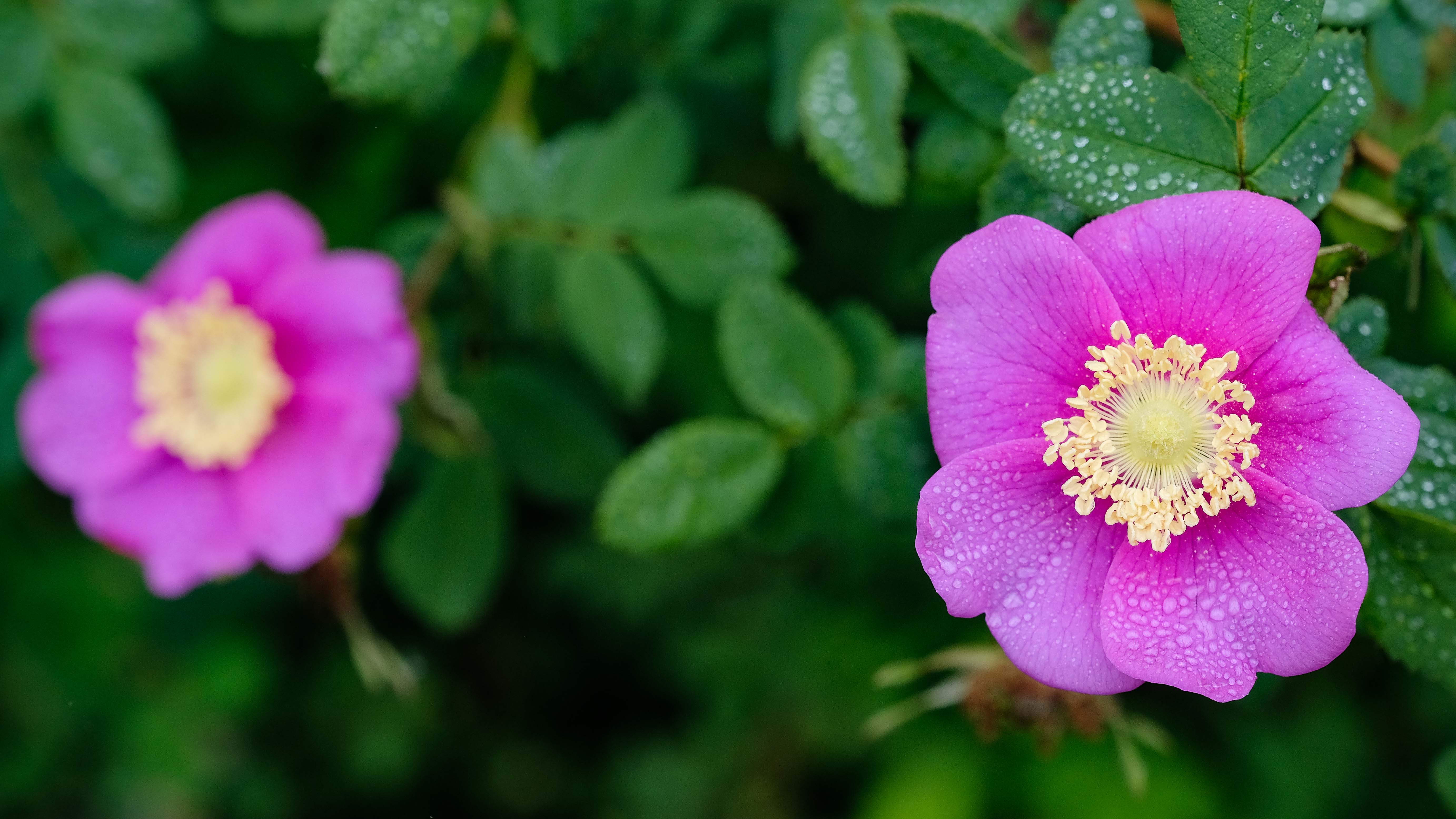
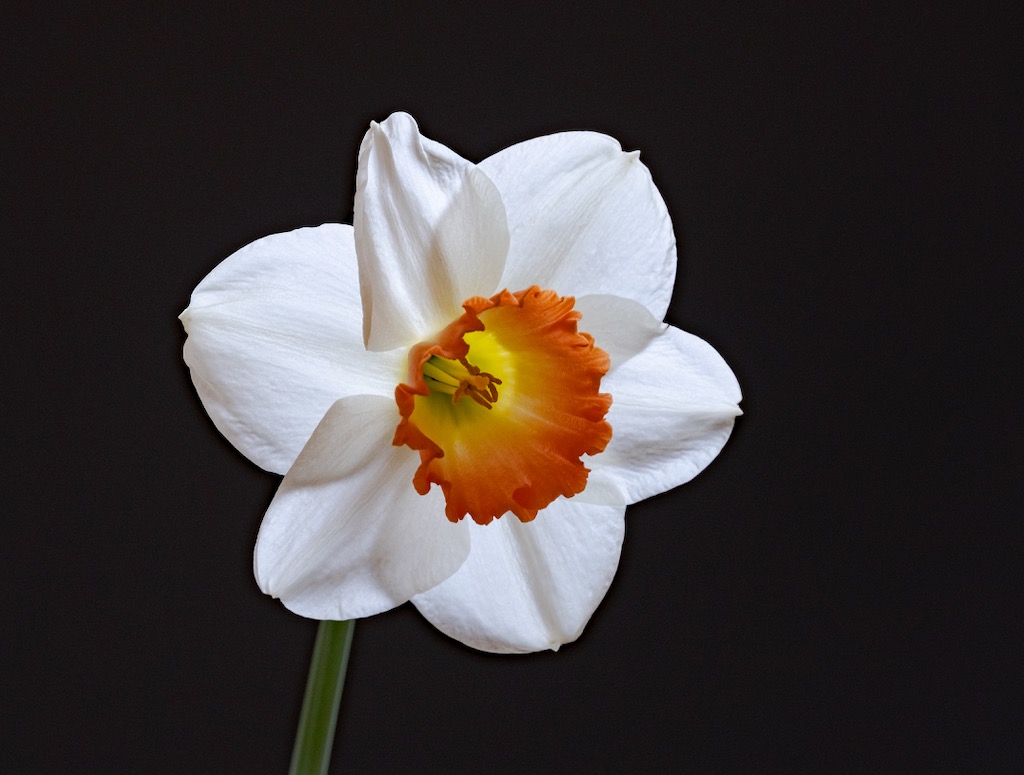
Hey John, I think this is one of your better images really. Kudos. I've put quite a bit of time into photographing florals for my wife too so I know the attention to detail required...oh, and creativity.
Everything looks sharp throughout, which is a challenge when working close up. Exposure looks appropriate to me, since I see no clipping. Colors look natural to me too. I'm glad you decided to "fill the frame" thus eliminating any inappropriate back ground. Good on you.
|
Dec 15th |
| 60 |
Dec 22 |
Comment |
You got me on that red line Patrick. Great catch.
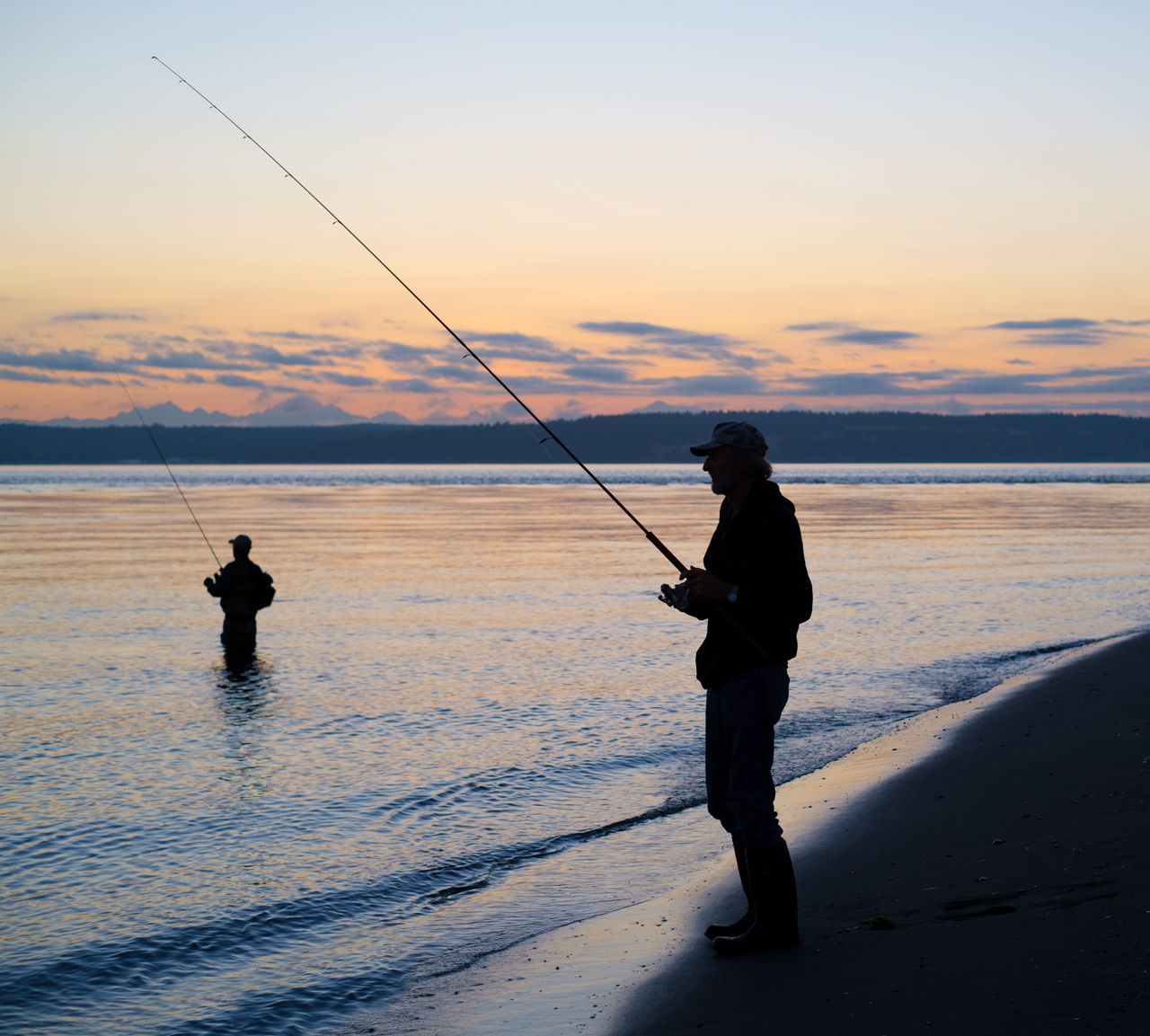
Interesting comment on the lighting technique. I think we might have been schooled on different techniques entirely. Perhaps you could clarify some stuff for my edification though:
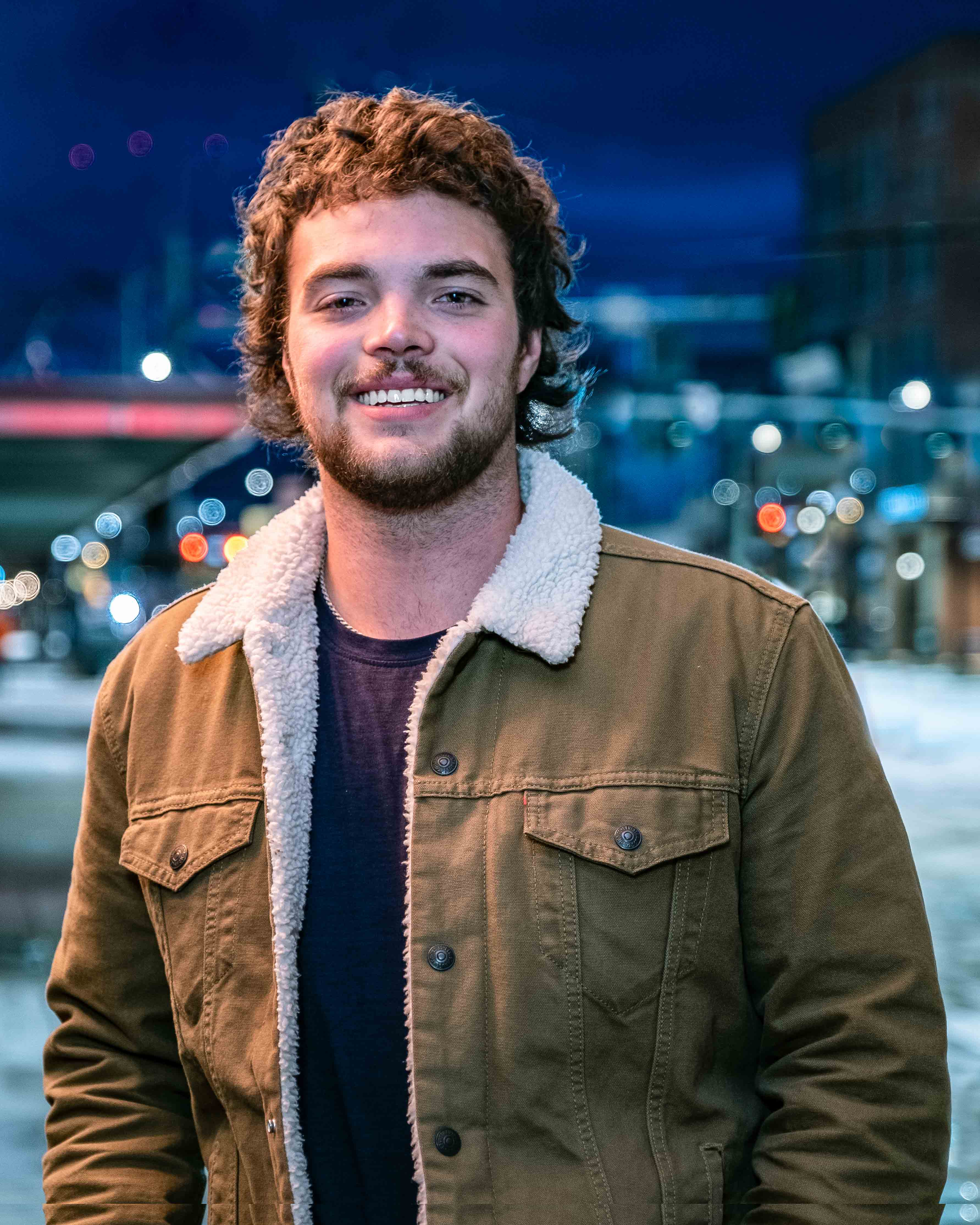
When you say that I could "bump up the power on the strobes to overpower the ambient", I'm not sure what you mean. After all, overpowering the ambient would mean not seeing any of the background, right? That would put the subject in a completely black space, wouldn't it? What am I missing there?
The technique that I was taught for fill flash is to use a power that fills shadows, and replicates the ambient light, so as to look natural. When looking at the ambient light (the light in the background), the color of that light and the fill light on the subject's left side, look of similar color temp and quality, to me. No? Yes, his right side is lit with a warmer color, which was the reality. Are you saying that both sides of the face (the one lit by warm, light, and the side lit by cool, ambient light) should be lit the same? |
Dec 15th |
| 60 |
Dec 22 |
Reply |
You got me John. That red line is the burr under my saddle too. Like I told Debbie, I need to always check my background. If I had a dollar for every time... |
Dec 15th |
| 60 |
Dec 22 |
Reply |
Thanks Debbie.Very kind.
Given the nature of the background in general, I'm surprised those pinkish lights (tower lights a few miles away) popped out to you, but I read you loud and clear. TBH, I really thought that the red line to the left of the frame was going to be the biggest detractor, which John and Patrick noticed. I don't suppose it's any surprise that when you're dealing with an actual background, instead of studio, you're always playing with fire. It's a good point to remember, and obviously I need to be reminded, that you always need to check your background. |
Dec 15th |
| 60 |
Dec 22 |
Reply |
Thanks Dean. Very kind. |
Dec 15th |
| 60 |
Dec 22 |
Comment |
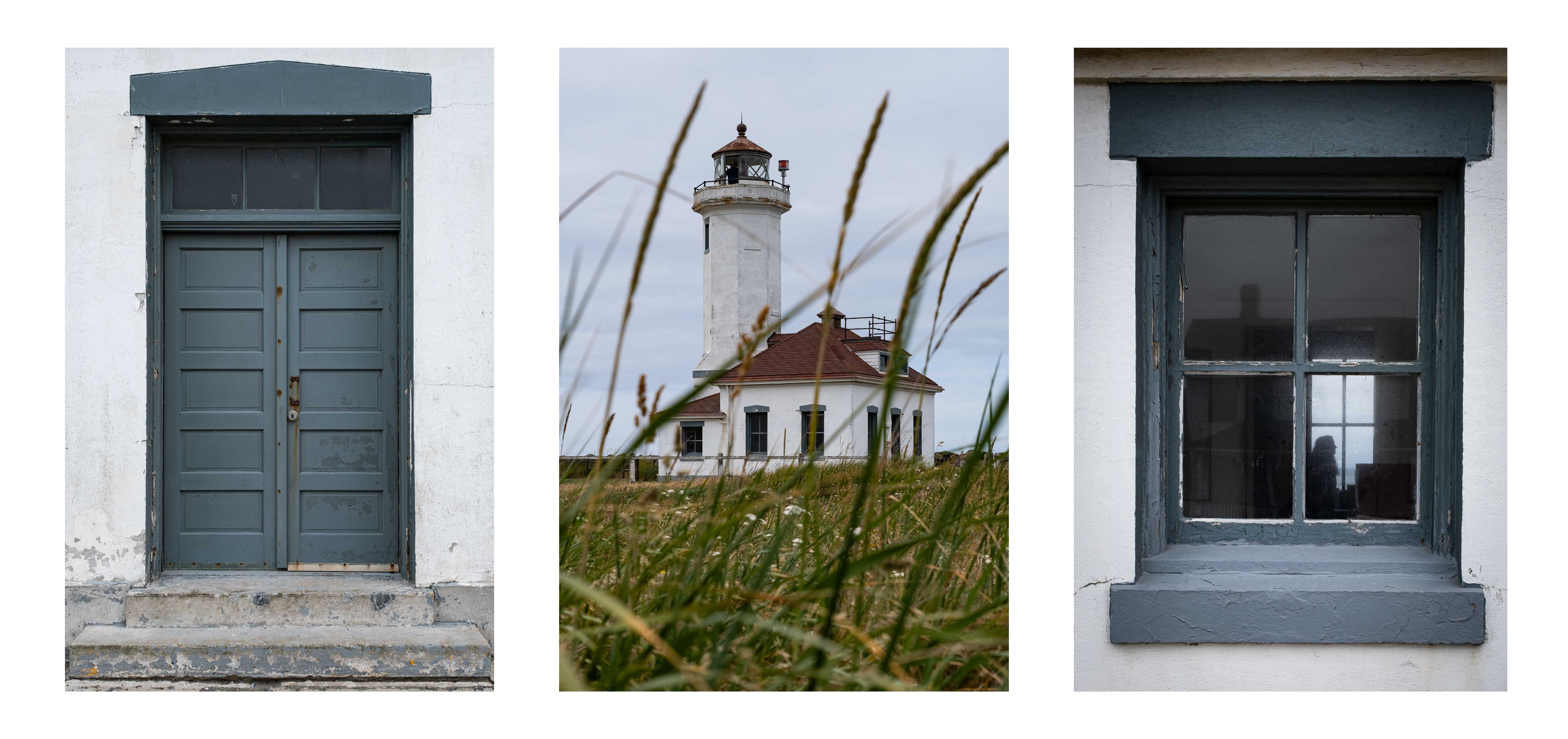
Hey Debbie, strong first submission. Great write up by the way.
Everything looks really sharp to me, so given the shutter speed (SS), good on you. Good exposure, really, given the lighting conditions (is there any clipping on the bridge uprights? Can't tell). I know you're not too jazzed with your sky, but I think it's killer. In fact, I'd do a Sky Select and see if I could pull out more detail, but that's me.
You've heard it already, which is light on the tower. Is that even under your control though? Flanking your unlit subject with brightly lit background objects makes your job (keeping the eye in the frame, and clearly communicating the subject) hard, not that it can't be done. Of course, I'm making assumptions about what your intent was, and I shouldn't. As for how to improve the image, well, IMHO, merely masking and brightening the lighthouse will probably not create a natural looking image, but there's no harm in trying. Has anyone thought of blasting it with some strong continuous light or strobes? Sounds like a major engineering task but hey? Why not?
I think I just thought of what could solve your lighthouse light issue: golden hour (as long as the light is from the right direction). |
Dec 15th |
| 60 |
Dec 22 |
Comment |
I too, am a bit ignorant re: the challenges specific to underwater photography, so kudos to getting anything at all. The animal in the foreground is sharp, which I'm sure is a challenge in itself. Colors in the foreground seem natural (or what I think is natural), and exposure works. I salute you for doing this well with an elusive subject in a challenging environment. (Just offshore Diamondhead?)
I would really appreciate getting a frontal aspect on the subject, although I know they're not the most cooperative models around. As for your question re: focus and background, I think it's a good one. IMHO, if including the animals in the background was simply a matter of them being out of focus, that would be one thing, and might drive attention to the singular subject. But the farthest eels are also treated to completely different exposure, and white balance conditions. The result is a very "flashy" feel, which I don't think helps the image. Given this, my gut tells me that cropping to exclude the far fish, might bump things up a notch. Just my thoughts.
Question: Is it customary to operate with a single flash underwater? I think it'd really be nice to have a second light from the right in order to fill the very distinct shadow. Of course, I don't know anything about this technology and I suppose it's entirely possible that adding one more light doesn't double the pain, it quadruples it.
Thanks for throwing this out there. In the three years or so I've been doing DD, this is the first underwater shot I've seen. |
Dec 15th |
| 60 |
Dec 22 |
Comment |
Solid image Dean, as usual. Sharp, properly exposed, and well composed, as always. Nice use of aperture to achieve starburst. Interestingly, I swear a critiqued an image just like this once, for some club in the midwest. Convergent artistry.
I agree with Debbie about the clump of trees on the right. Any thoughts about turning grey to blue, in the sky, to create color contrast? Keep up the good work, and Merry Christmas/Happy Holidays. |
Dec 15th |
7 comments - 11 replies for Group 60
|
7 comments - 11 replies Total
|