|
| Group |
Round |
C/R |
Comment |
Date |
Image |
| 60 |
May 21 |
Reply |
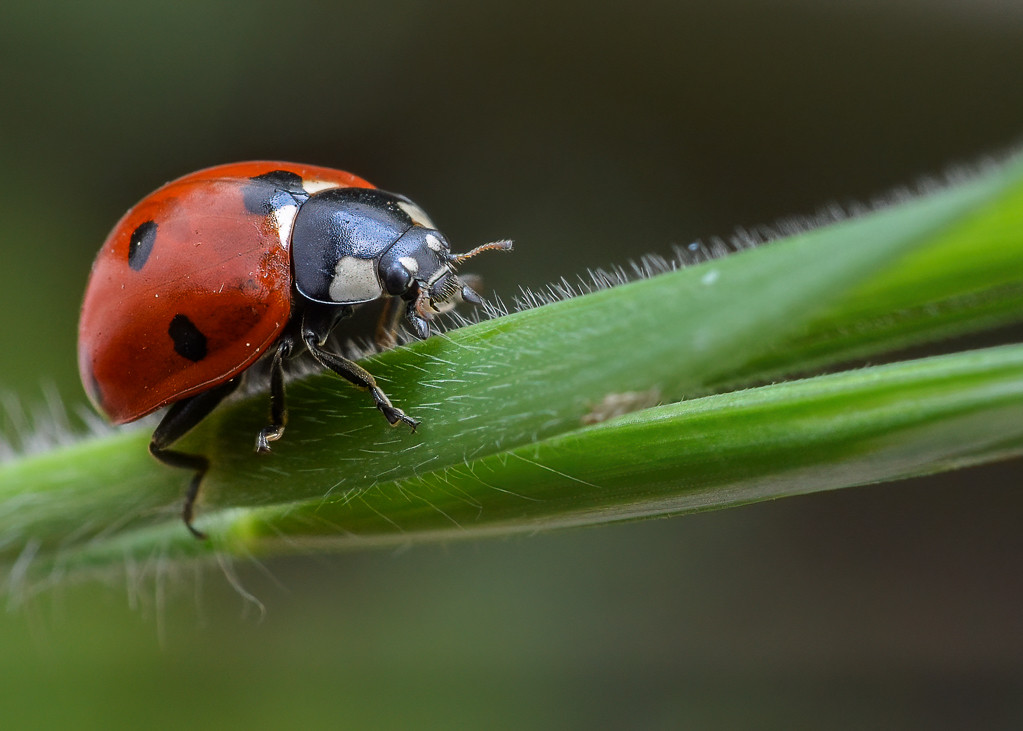
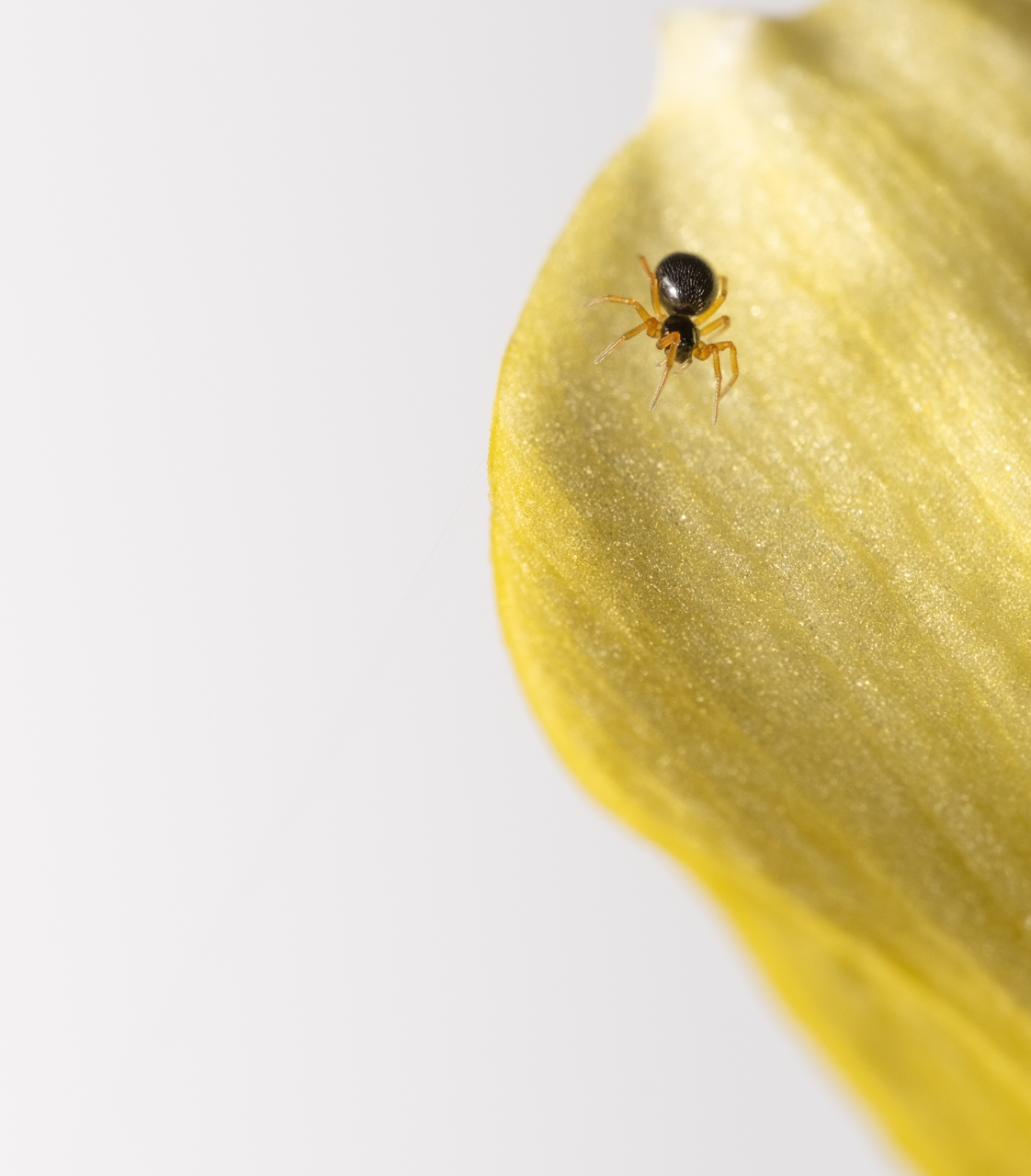
Those are good points Richard. Thanks. As for the exposure, to tell you the truth, the only portion that I was worried about was a bit at the edge of the petal, just above the spider. But, if It's not giving me what I want, that's an issue.
In trying a lot of macro over the last few months, I've learned to manage DoF conservatively and err on the forward side, A body trailing into softness can be acceptable but blurry eyes never are. So, that's what I did here. But, I don't think the image is what it appears to be at first glance. As you allude to, it looks like the spider might move into the full DoF if I could wait. However, what's not immediately obvious and would only be clear having seen some of the other images is that the spider is not actually resting on the flower; it's on a tiny tiny tiny web suspended in the curve of the leaf, and I think he's actually veeeerrrrryyy close to the forward edge of the DoF. He wasn't moving at all (thank goodness) and I'm not sure I had any more DoF to play with. So, in short, I got what I got. I guess this just doesn't have the impact that a focus stacked shot might have had, because of the incomplete focus. I guess that's why they invented the whole focus stacking tool. Maybe I ought to put my brain on that next. Thanks for the time Brother. It helps.
|
May 28th |
| 60 |
May 21 |
Comment |
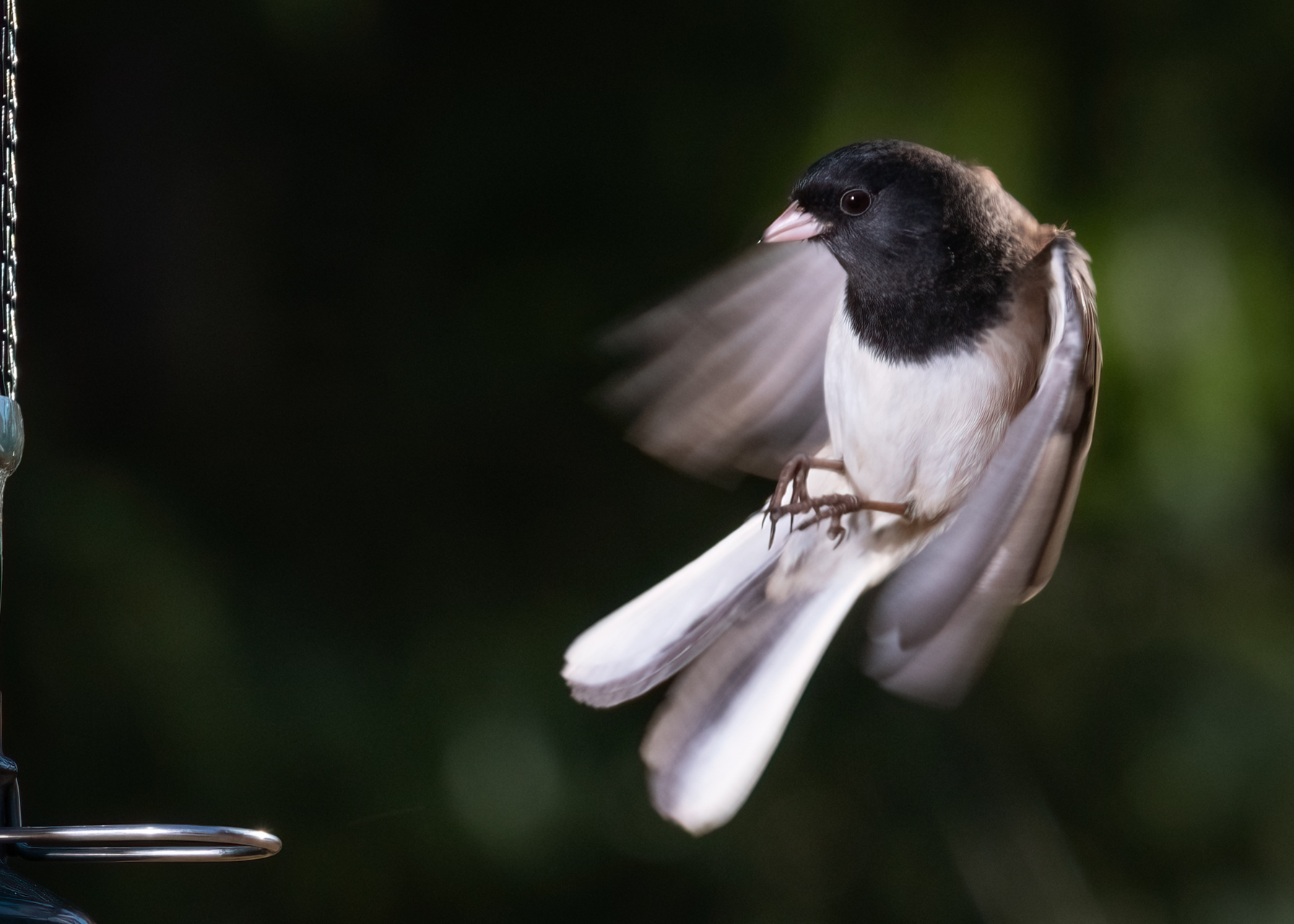
Man. Talk about impact. Those two eyes, beaks pointing in opposite directions, and crisp, feathery heads are the whole show. I like the vignette to. I'd call this a 5 Richard. |
May 17th |
| 60 |
May 21 |
Comment |
Good eye John. What a cool pattern, IMHO, and one that lends itself well to creating impact. The whole thing looks crisp to me (crisp enough to identify single snowflakes), and you managed DoF well enough to create nice non-de background. White balance seems right to me, which is often challenging when photographing snow.
This is just me talking, but I'd love to see something in the image that would break the symmetry, and serve as the subject. As it stands, I see these cool diagonals everywhere, and these repeating patterns, but I just don't see a subject. Having said all that, those are just my thoughts.
What are your thoughts about the subject of the image? Where would you like the viewer's eye to be drawn, and what impression would you like the image to make? What's the impact? Anyway, I think this is technically pretty well done and it's your party. |
May 13th |
| 60 |
May 21 |
Comment |
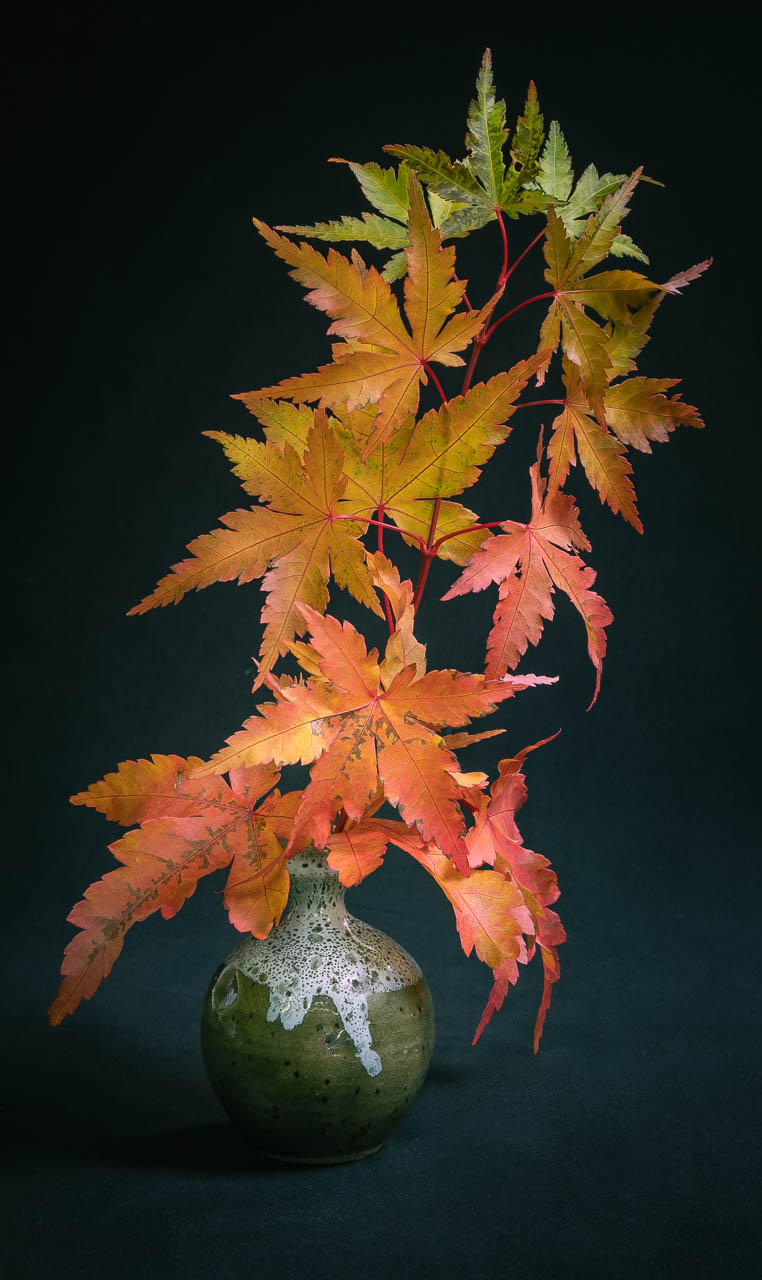
Looks like a well arranged still life to me Bernie. Very charismatic subject IMHO. Composition is well managed to me: the entirety of the subject is in the frame (it would have been easy to clip some leaves), you chose a fairly homogenous, neutral background, neutral pot color and texture too. I think the colors work well together (analagous) and are saturated. Focus on the subject (the flowers) seems crisp.
The thing that I would most like to fix about the image, is the fairly detailed background, which competes with the subject. I think I know why this is the case, which was the use of f/8 (when you say "close up presets" was that a camera preset, or in PSE). I think knowing about and using a camera preset (training wheels) can be a wise decision. But just like a pilot operating a fighter jet, system capabilities don't eliminate the task of making sure that the machine is giving you what you want. So, IMHO, a wider aperture (smaller f stop) probably would've given you a smaller depth of field, thus making things closer, and farther than the point of focus (the flowers) blurry. Another method for achieving the same effect, is to move the subject, further away from the background, thus ensuring that the background is outside the field of view. Frankly, I use both techniques simultaneously (when able) to isolate the subject from the background, to the degree that I want.
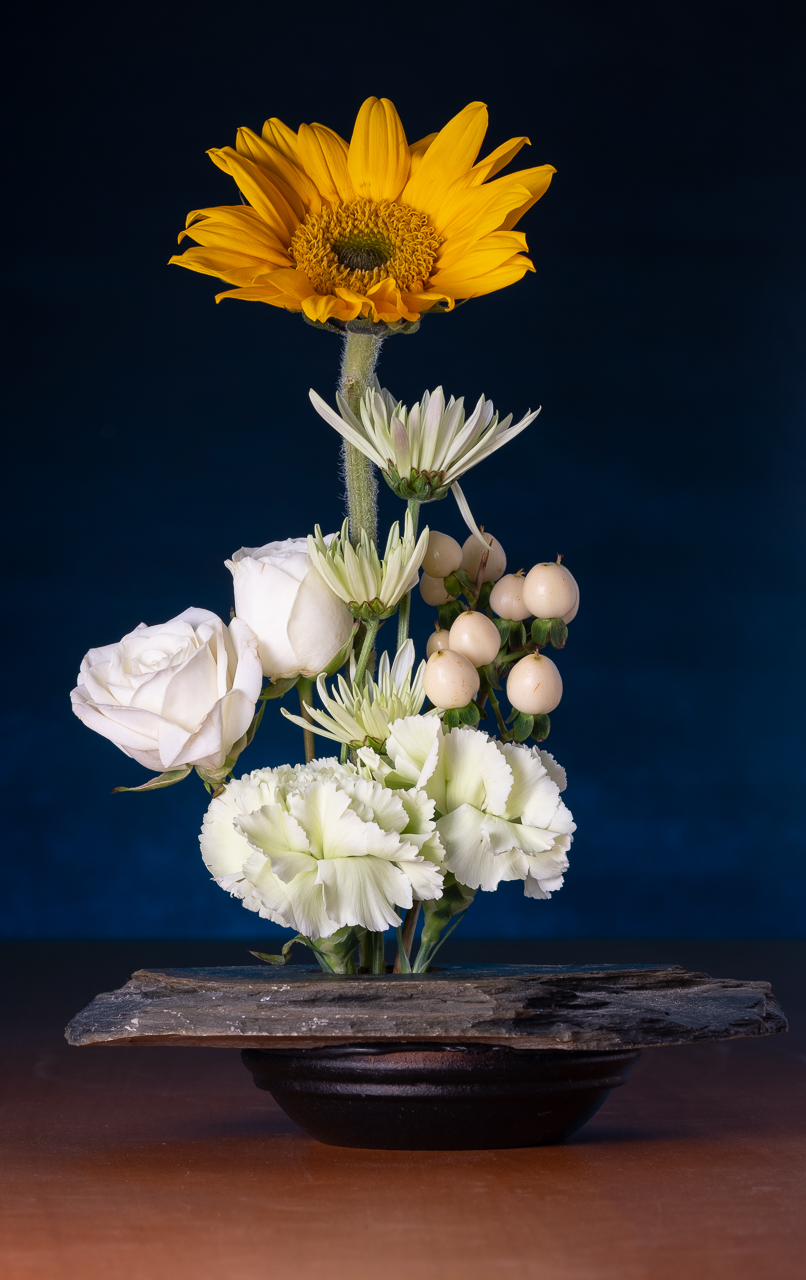
I have to tell you Bernie, I think the progress in your imagery is definite and visible. Can I make a suggestion that might help your progress? Do some more still life images. In fact, do a butt load of still life images. Frankly, I have come to really like still life, and because you can control all of the factors, it gives you a chance to figure out different aspects one-by-one. Set up a potted plant indoors, with a nice open window giving you side light, and take as many images as you have to in order to a) get the right focal length to frame the subject the way you like b) get the right aperture to create a depth of field which suits the subject (usually the entire subject should be in focus), c) get the right placement and type of background to get the separation of the subject and background that you want, d) get the right shutter speed to make sure the exposure is just right. Remember your exposure triangle when doing all this, and understand how ISO will affect all your combinations of f stop and shutter and control noise. Take as much time as you like. Do it as many times as necessary to get a feel for all the aspects. I've been doing a lot of ikebana photography with spring flowers, and even though I know where my settings should start, I still have to take a few dozen shots in order to get to the point where I can't see an obvious mistake. Hey, that's cool. That's why we have DIGITAL cameras.
|
May 13th |
| 60 |
May 21 |
Comment |
|
May 5th |
 |
| 60 |
May 21 |
Comment |
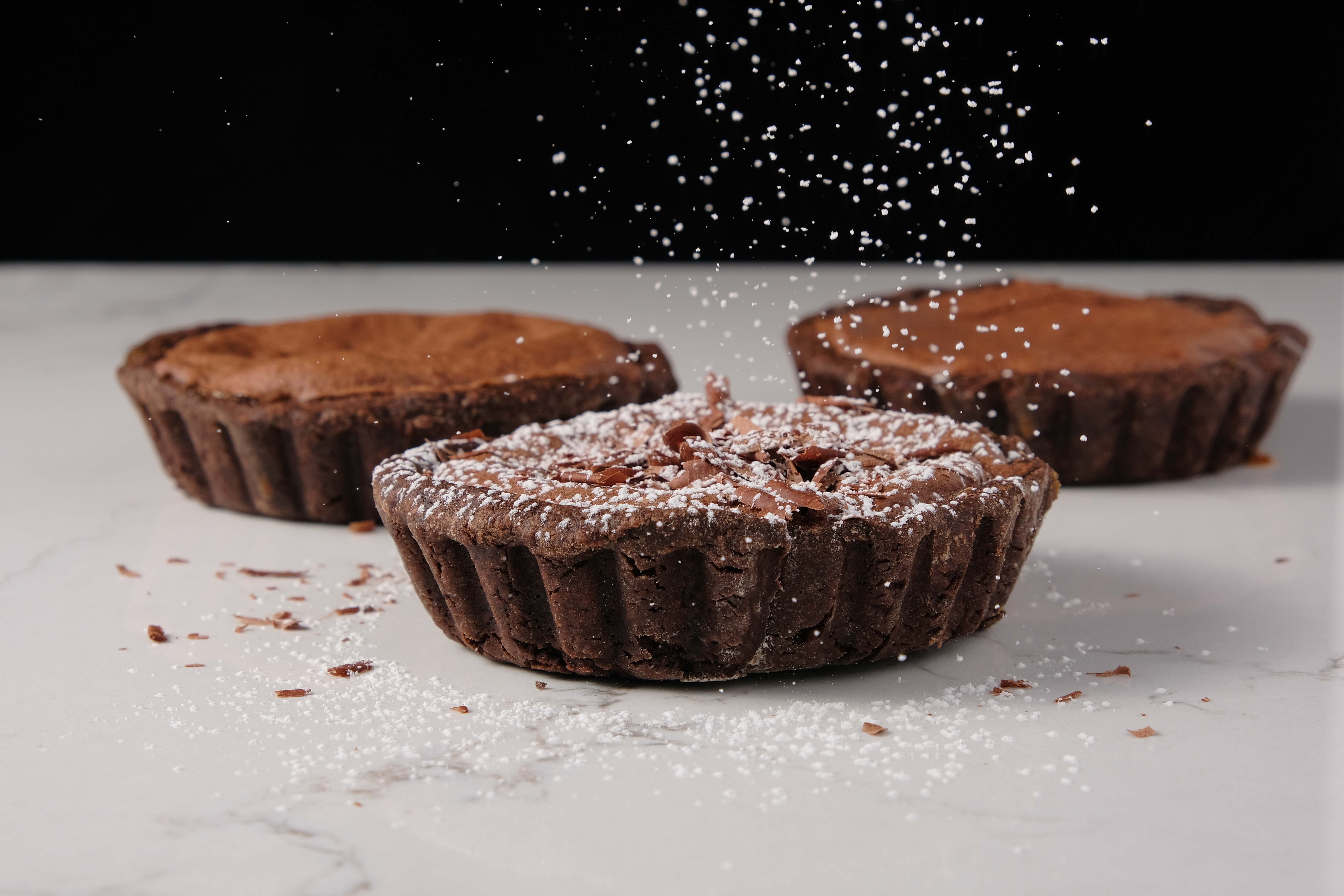
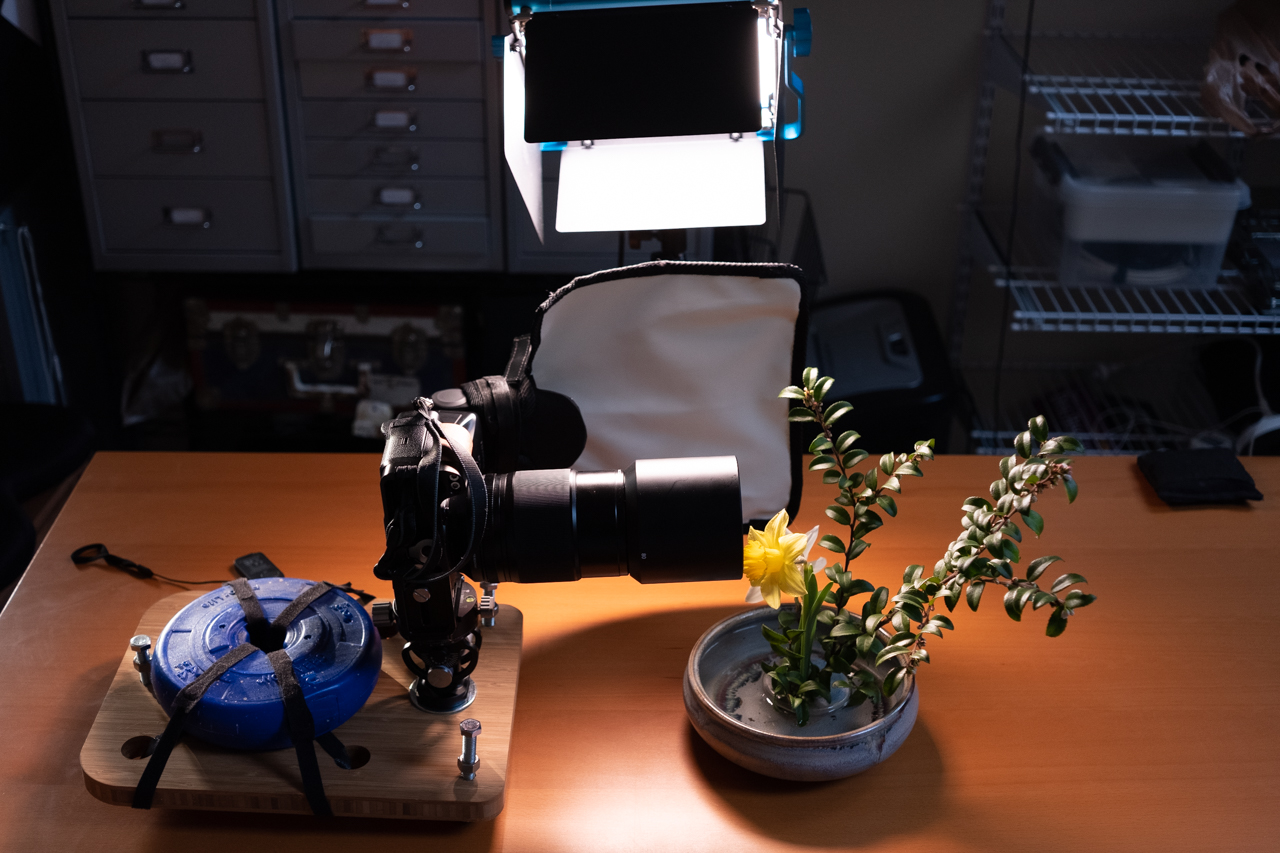
Thanks Bernie! Very kind words. As for your questions re: the technique, check out this photo. I documented it, just because I thought it was a cool use of the custom tabletop mount that you can see I used. I have my flash and a reflector installed, but was actually using a continuous LED panel to light it. |
May 5th |
5 comments - 1 reply for Group 60
|
5 comments - 1 reply Total
|