|
| Group |
Round |
C/R |
Comment |
Date |
Image |
| 60 |
Feb 21 |
Comment |
You're very kind Dianne (you're not trying to borrow money are you? ;) ).
Uh, Wait a minute though! You straightened it? How exactly? The reason why I ask is that I probably spent about 15 min in the Transform section messing with every aspect you can think of to get all the lines as parallel and perpendicular as I could. So, if I did something wrong, I want to fix it here and now. What's your secret? What was off (if you can remember)?
|
Feb 28th |
| 60 |
Feb 21 |
Reply |
I just thought the foreground looked like a bunch of pastels without any contrast...but that's just me. Re: the foreground, I thought most of it was dead space (not negative space). But check out the larger image. You'll notice that if you crop in just enough (but not too much), the paving creates faint leading lines that point to the image. I battled just how much of it to keep the leading lines, but get rid of dead space. You can drive yourself crazy doing this (at least at my level of...lack of proficiency)! |
Feb 19th |
| 60 |
Feb 21 |
Reply |
That's a good point re: finding a preset Emmy. That could be a game changer. I'll investigate.
|
Feb 19th |
| 60 |
Feb 21 |
Comment |
|
Feb 19th |
 |
| 60 |
Feb 21 |
Reply |
Whaddayathink Brother? |
Feb 19th |
| 60 |
Feb 21 |
Reply |
I appreciate your candor Bernie. It makes for good discourse and learning.
WRT sharpening, it's a tool, right? I mean, what we're really trying to do is to get the viewer's eye where we want it. There are lots of ways to do that; leading lines, color, brightness (which makes things SEEM closer than dark things), focus...maybe some other stuff. The point of using DoF, especially shallow DoF, is to draw the eye to the thing that is in focus. That's a central goal of portrait photography, which is to separate the subject from the environment by making them the ONLY thing in focus (unless of course you want to tell a story by including something with the subject). In this photo, the flower is your portraiture subject (or still-life subject, more appropriately). So, sharpening anything else BUT the subject detracts from the primacy of the subject.
Matrix metering is cool. When I walk out of the house, that's what I have dialed in (just in case I see Sasquatch and have to fire one off without adjusting my settings). But (and this is just me), if I have a scene that I'm framing but just one subject, I'll probably go with center-weighted metering, especially if it's a scene in which the things other than the subject can be sacrificed. If I'm getting what I want (a well exposed subject), then far out. But if I'm not getting what I want, then I'll get even more specific in my metering and go down to spot metering. If none of those things work, I go to M mode. In your case, you wanted a perfectly exposed flower, and you didn't give a crap about the stairs (I actually couldn't identify what they were).
Given all this, I think what we're talking about is what I identified as my #1 weakness as a photographer, maybe a year ago or so: intentionality. What I mean by that is that I found that I was doing all sorts of things (settings, composition, editing) without much thought, and in kind of a reflexive, unplanned manner. And, as you can imagine, my results were just as mediocre as you'd expect, with only the random, semi-successful shot.
What I decided to do was to simply be more deliberate about all aspects of my photography. Of course, this takes time and effort to change. But, I think at this point I can tell you what every single camera setting does, why I do or don't use it, and under what circumstances it should be used. Now, of course, there's still tons of stuff I need to learn about what settings are important (I just did a bunch of reading on mechanical versus electronic shutter, for instance), and I will never run out of new aspects and techniques to learn about. But I'm just much slower, intentional, and deliberate about shooting (although I still fire 20 useless photos of my dog every day).
Has this improved my photography? I don't know. But it's a process. I get more things that I'M happy with than I used to (National Geographic isn't beating my door down though). I'm going to continue to approach the act of shooting this way: think about what I want to shoot, prepare my equipment (and subject if necessary), stop, look at every setting, decide what setting to use based on my intended outcome, fire, assess, change if necessary, fire again.
Just my thoughts. |
Feb 13th |
| 60 |
Feb 21 |
Reply |
I appreciate your candor Bernie. It makes for good discourse and learning.
WRT sharpening, it's a tool, right? I mean, what we're really trying to do is to get the viewer's eye where we want it. There are lots of ways to do that; leading lines, color, brightness (which makes things SEEM closer than dark things), focus...maybe some other stuff. The point of using DoF, especially shallow DoF, is to draw the eye to the thing that is in focus. That's a central goal of portrait photography, which is to separate the subject from the environment by making them the ONLY thing in focus (unless of course you want to tell a story by including something with the subject). In this photo, the flower is your portraiture subject (or still-life subject, more appropriately). So, sharpening anything else BUT the subject detracts from the primacy of the subject.
Matrix metering is cool. When I walk out of the house, that's what I have dialed in (just in case I see Sasquatch and have to fire one off without adjusting my settings). But (and this is just me), if I have a scene that I'm framing but just one subject, I'll probably go with center-weighted metering, especially if it's a scene in which the things other than the subject can be sacrificed. If I'm getting what I want (a well exposed subject), then far out. But if I'm not getting what I want, then I'll get even more specific in my metering and go down to spot metering. If none of those things work, I go to M mode. In your case, you wanted a perfectly exposed flower, and you didn't give a crap about the stairs (I actually couldn't identify what they were).
Given all this, I think what we're talking about is what I identified as my #1 weakness as a photographer, maybe a year ago or so: intentionality. What I mean by that is that I found that I was doing all sorts of things (settings, composition, editing) without much thought, and in kind of a reflexive, unplanned manner. And, as you can imagine, my results were just as mediocre as you'd expect, with only the random, semi-successful shot.
What I decided to do was to simply be more deliberate about all aspects of my photography. Of course, this takes time and effort to change. But, I think at this point I can tell you what every single camera setting does, why I do or don't use it, and under what circumstances it should be used. Now, of course, there's still tons of stuff I need to learn about what settings are important (I just did a bunch of reading on mechanical versus electronic shutter, for instance), and I will never run out of new aspects and techniques to learn about. But I'm just much slower, intentional, and deliberate about shooting (although I still fire 20 useless photos of my dog every day).
Has this improved my photography? I don't know. But it's a process. I get more things that I'M happy with than I used to (National Geographic isn't beating my door down though). I'm going to continue to approach the act of shooting this way: think about what I want to shoot, prepare my equipment (and subject if necessary), stop, look at every setting, decide what setting to use based on my intended outcome, fire, assess, change if necessary, fire again.
Just my thoughts. |
Feb 13th |
| 60 |
Feb 21 |
Comment |
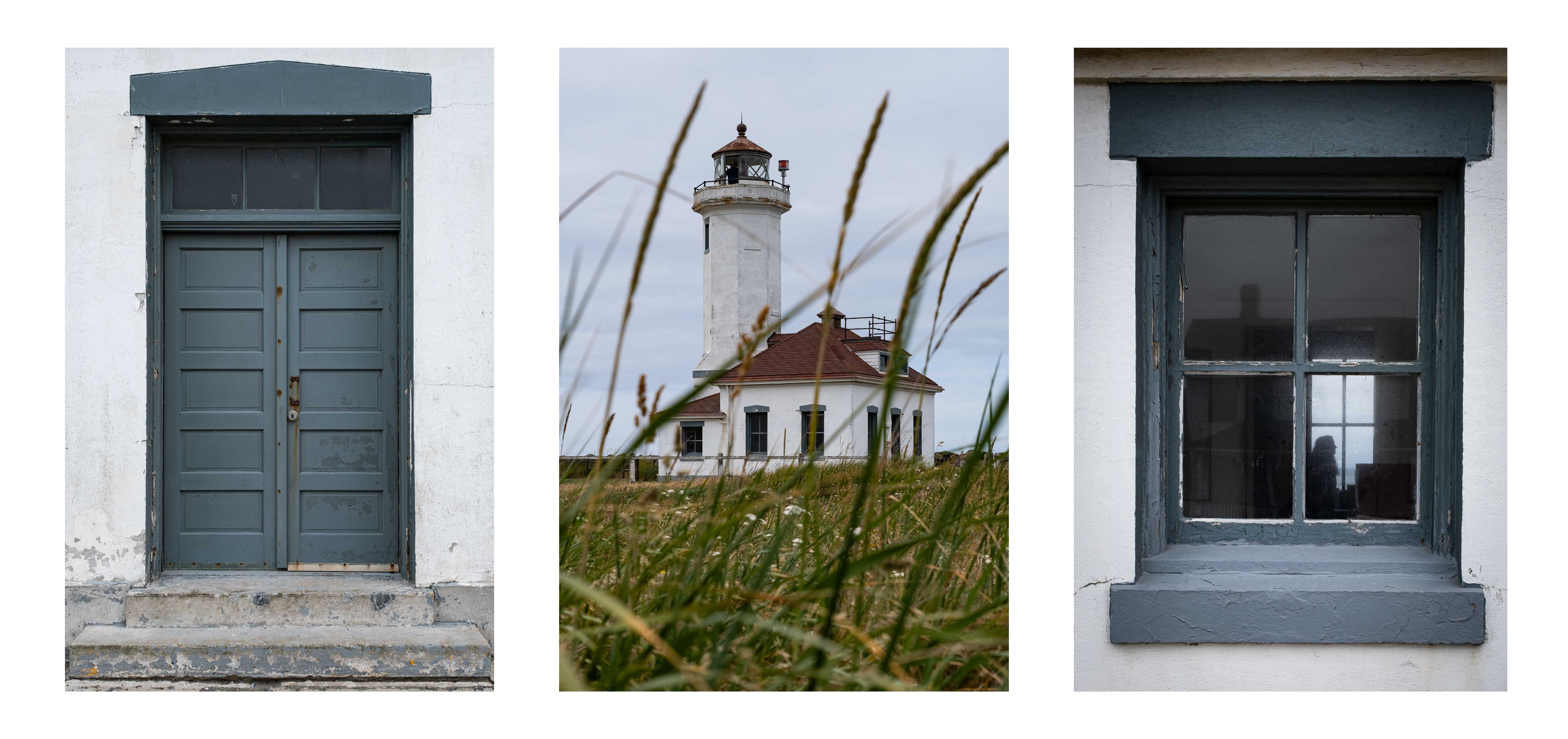
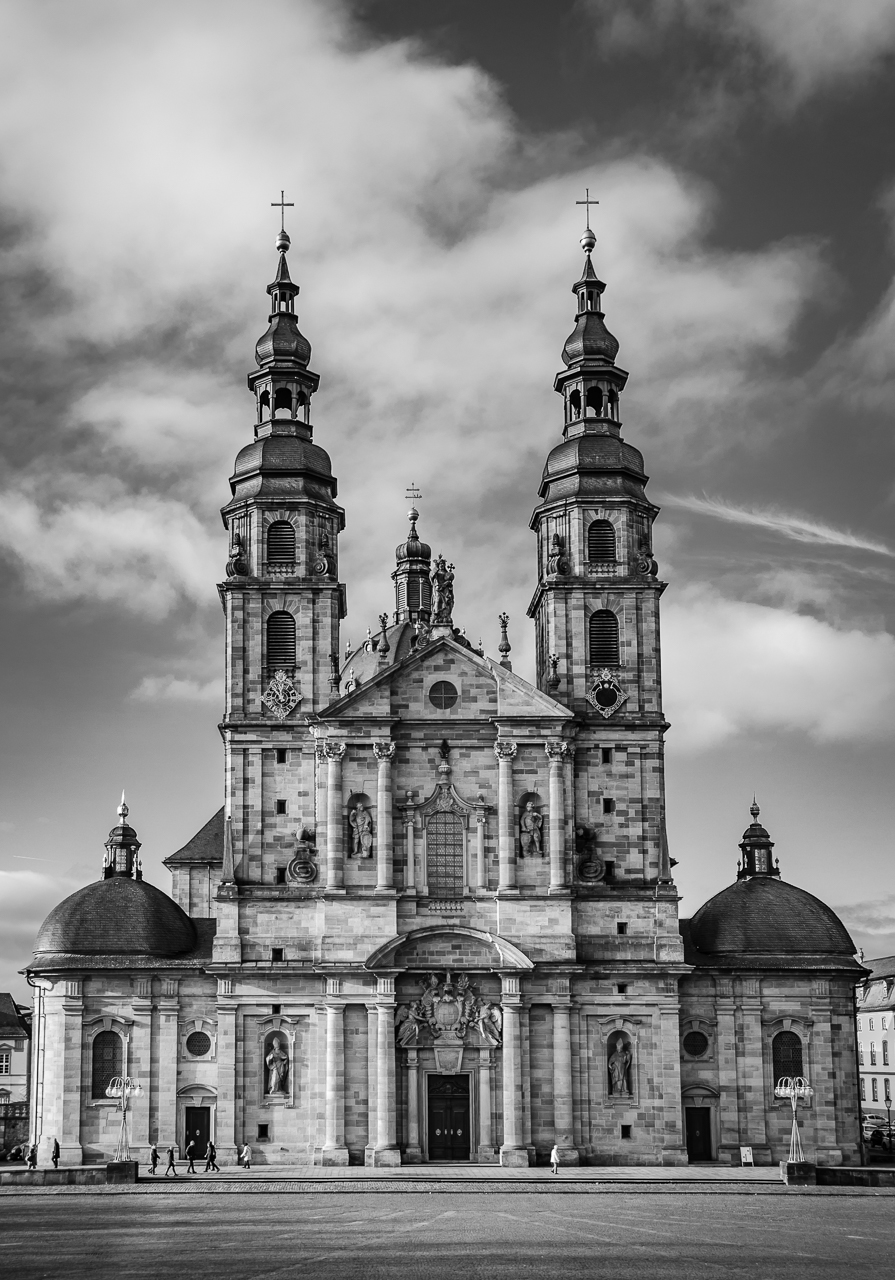
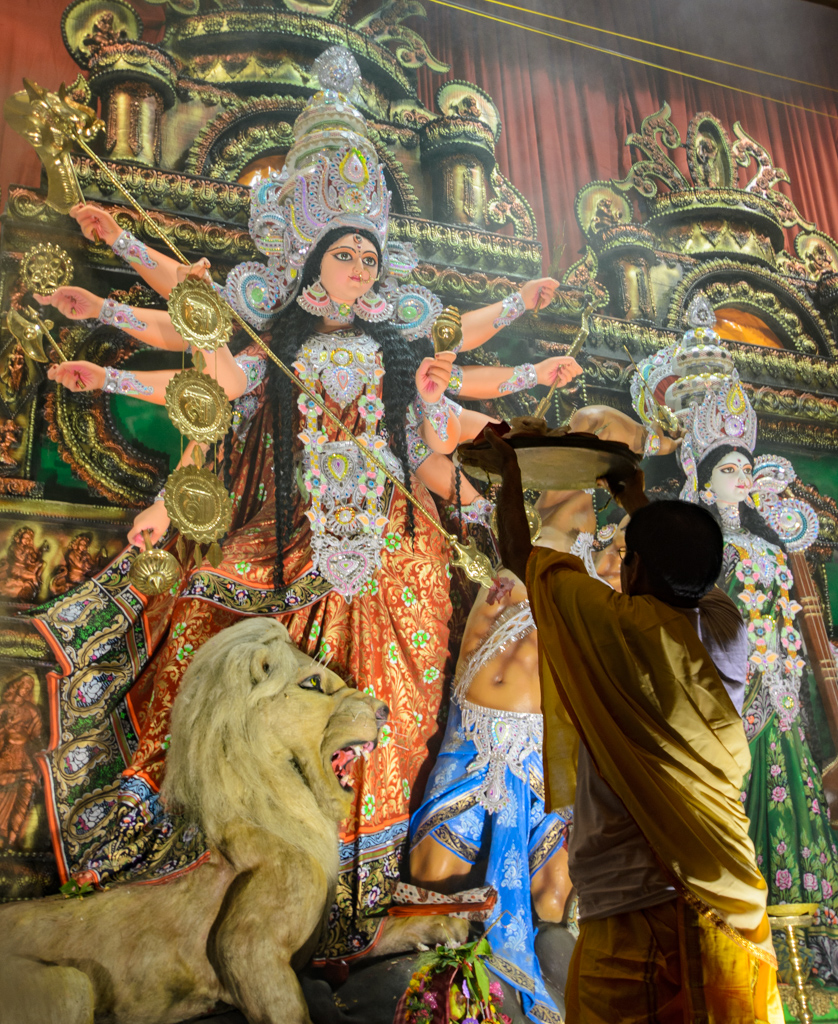
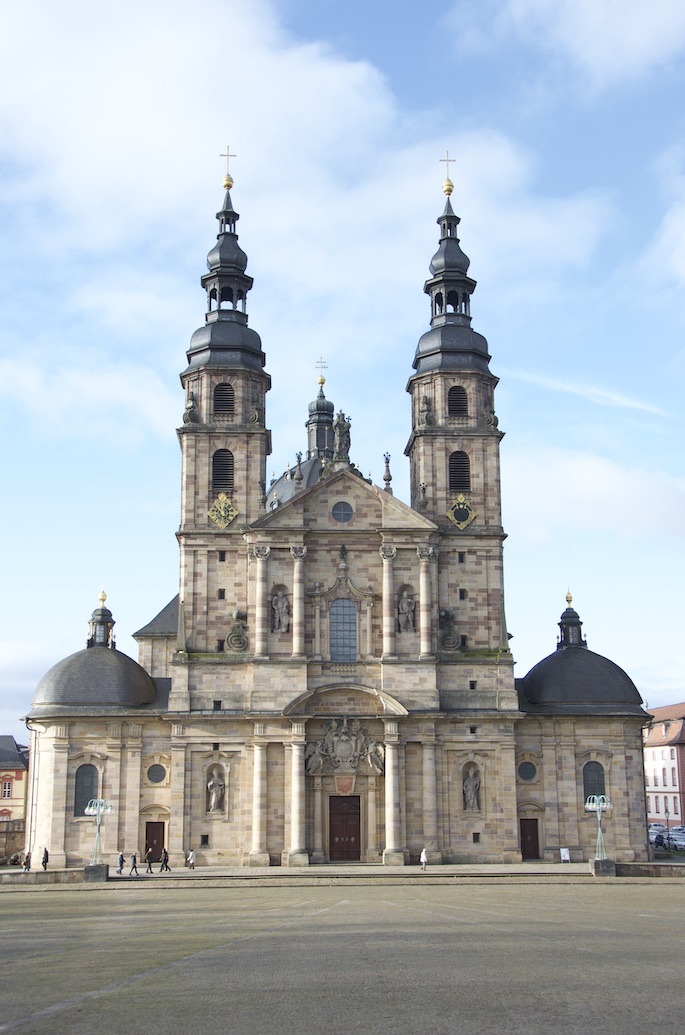
You know, truth be told, I can't recall exactly what I was thinking when I composed the image, or if there were other constraints that demandedsomething other than perfect symmetry. I understand your point re: the strong desire for symmetry in the image, but I guess you can't have that, without merging the figure head with the central dome. Sometimes you just gotta pick a side and go with it I guess. Good inputs though. Thanks. |
Feb 12th |
| 60 |
Feb 21 |
Comment |
Hey Emmy,
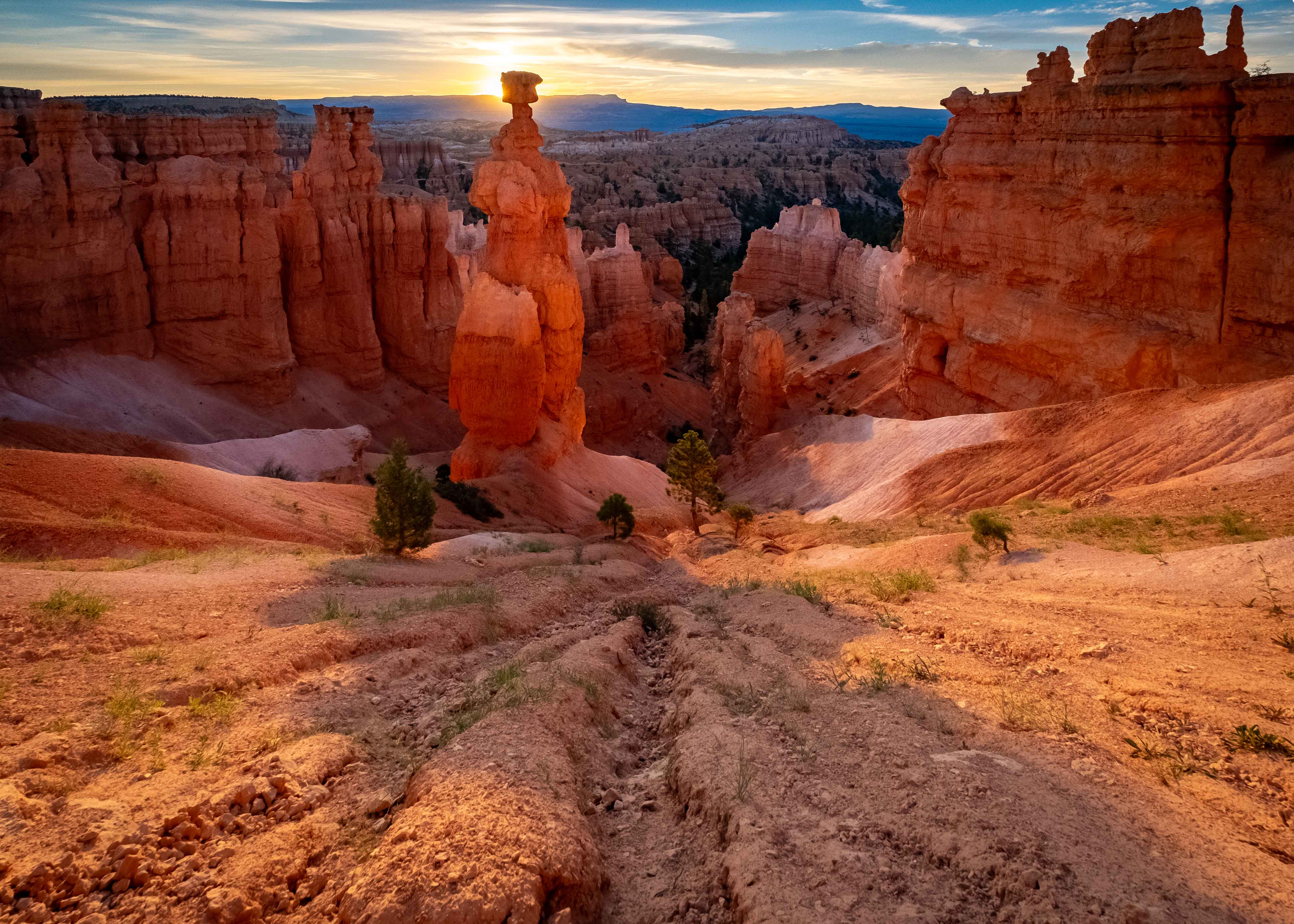
Frankly, I think you have a lot that's technically correct here. I do really appreciate the sharpness, texture, light, and color of the foreground, especially as juxtaposed to the background. I mean, there's just a butt load of detail on the right hand side of the frame, and the eye immediately goes there, even though there's still a lot to see in the background. So, as an exercise in how to get detail at a distance, I'd call this an A.
As for the brightness, well, in lieu of having a calibrated monitor I don't know what else you can do except to expose to the right in your histogram. Of course, I'm open to suggestion. The exposure (brightness) on this image seems perfectly fine to me, and you have to remember that brightness is an element of mood as well. Does this have the mood/feeling you were going for? (rereading this for mistakes, it just occurred to me that you might want to color grade this. If you move the gold highlights toward orange , and the grey shadows toward blue, I think you'll really bump up the mood and the color harmony of the image. Just a thought...)
But, I think it has to considered that (in my observation) groups of photographers have cultures, and tastes, and the group you're dealing with mostly may prefer a particular look, just as a matter of taste. You may want to cater to their tastes, even if it's not what you would normally do to your images. This isn't really disingenuous, IMHO, since it's an exercise in control for you. I mean, the challenge of photography is figuring out how to make the technology produce what you have in your head. Once you can do that, you can produce anything you damn well feel like producing, whether it satisfies anyone else's tastes or not. Give it a shot. Take the challenge of trying to give them what you think they're looking for. Once you can, use that same skill to make what YOU want. In my club, if it isn't fuzzy, on the wing, or smiling at the camera, it doesn't go anywhere (that's a slight exaggeration but there's definitely a preference). So, I know what you're feeling. |
Feb 12th |
| 60 |
Feb 21 |
Comment |
Hey Emmy,
Frankly, I think you have a lot that's technically correct here. I do really appreciate the sharpness, texture, light, and color of the foreground, especially as juxtaposed to the background. I mean, there's just a butt load of detail on the right hand side of the frame, and the eye immediately goes there, even though there's still a lot to see in the background. So, as an exercise in how to get detail at a distance, I'd call this an A.
As for the brightness, well, in lieu of having a calibrated monitor I don't know what else you can do except to expose to the right in your histogram. Of course, I'm open to suggestion. The exposure (brightness) on this image seems perfectly fine to me, and you have to remember that brightness is an element of mood as well. Does this have the mood/feeling you were going for? (rereading this for mistakes, it just occurred to me that you might want to color grade this. If you move the gold highlights toward orange , and the grey shadows toward blue, I think you'll really bump up the mood and the color harmony of the image. Just a thought...)
But, I think it has to considered that (in my observation) groups of photographers have cultures, and tastes, and the group you're dealing with mostly may prefer a particular look, just as a matter of taste. You may want to cater to their tastes, even if it's not what you would normally do to your images. This isn't really disingenuous, IMHO, since it's an exercise in control for you. I mean, the challenge of photography is figuring out how to make the technology produce what you have in your head. Once you can do that, you can produce anything you damn well feel like producing, whether it satisfies anyone else's tastes or not. Give it a shot. Take the challenge of trying to give them what you think they're looking for. Once you can, use that same skill to make what YOU want. In my club, if it isn't fuzzy, on the wing, or smiling at the camera, it doesn't go anywhere (that's a slight exaggeration but there's definitely a preference). So, I know what you're feeling. |
Feb 11th |
| 60 |
Feb 21 |
Comment |
|
Feb 11th |
 |
| 60 |
Feb 21 |
Reply |
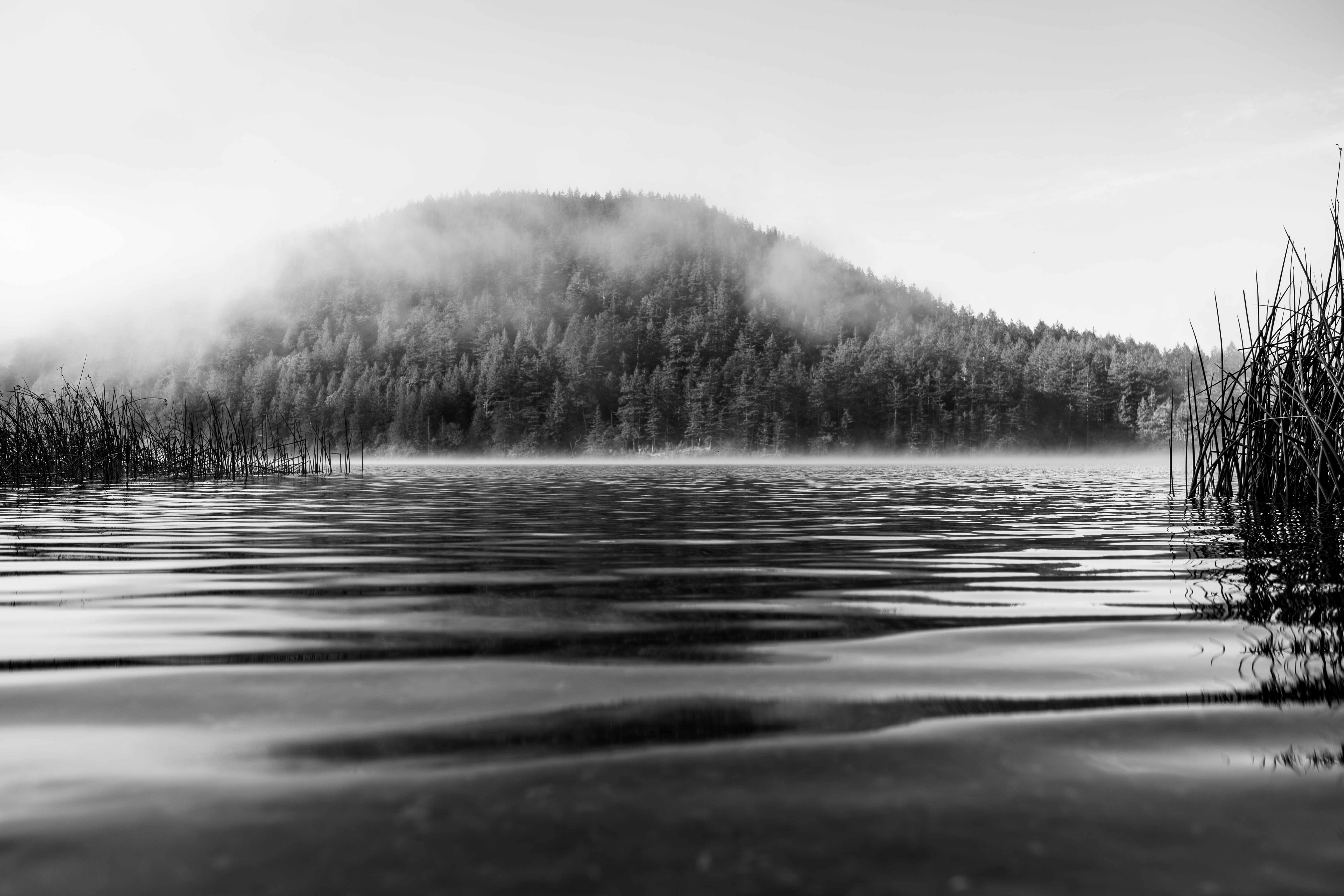
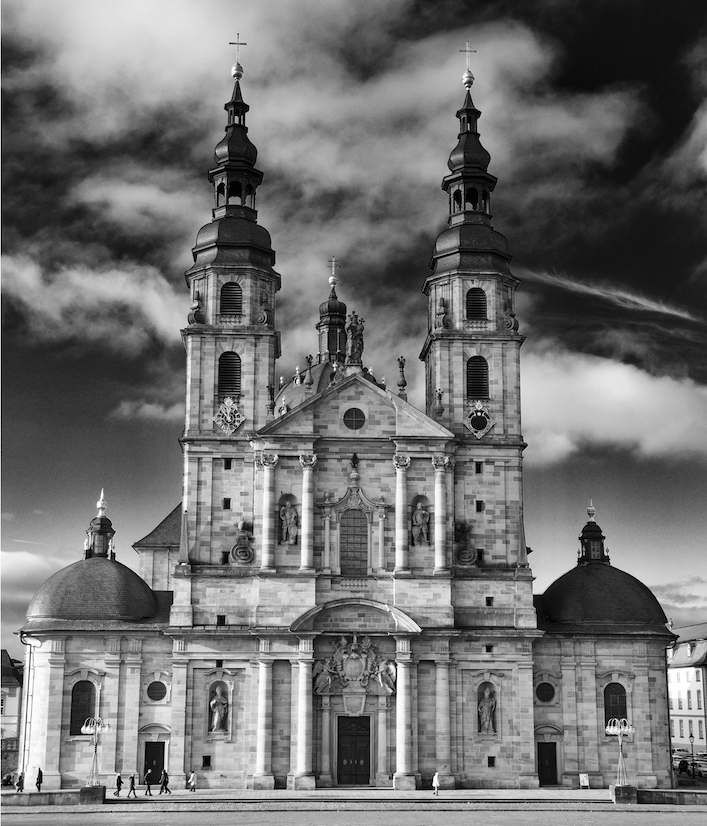
Very kind Emmy. I took a screen shot of the Mac Noir version. Here it is. I'm curious to see what this looks like and how it compares to my LrC version. What are your thoughts? Even if they're comparable, one of the big differences is that the Mac version took 0.34 seconds, and the LrC version took 40 min. But, you get what you get. |
Feb 11th |
| 60 |
Feb 21 |
Comment |
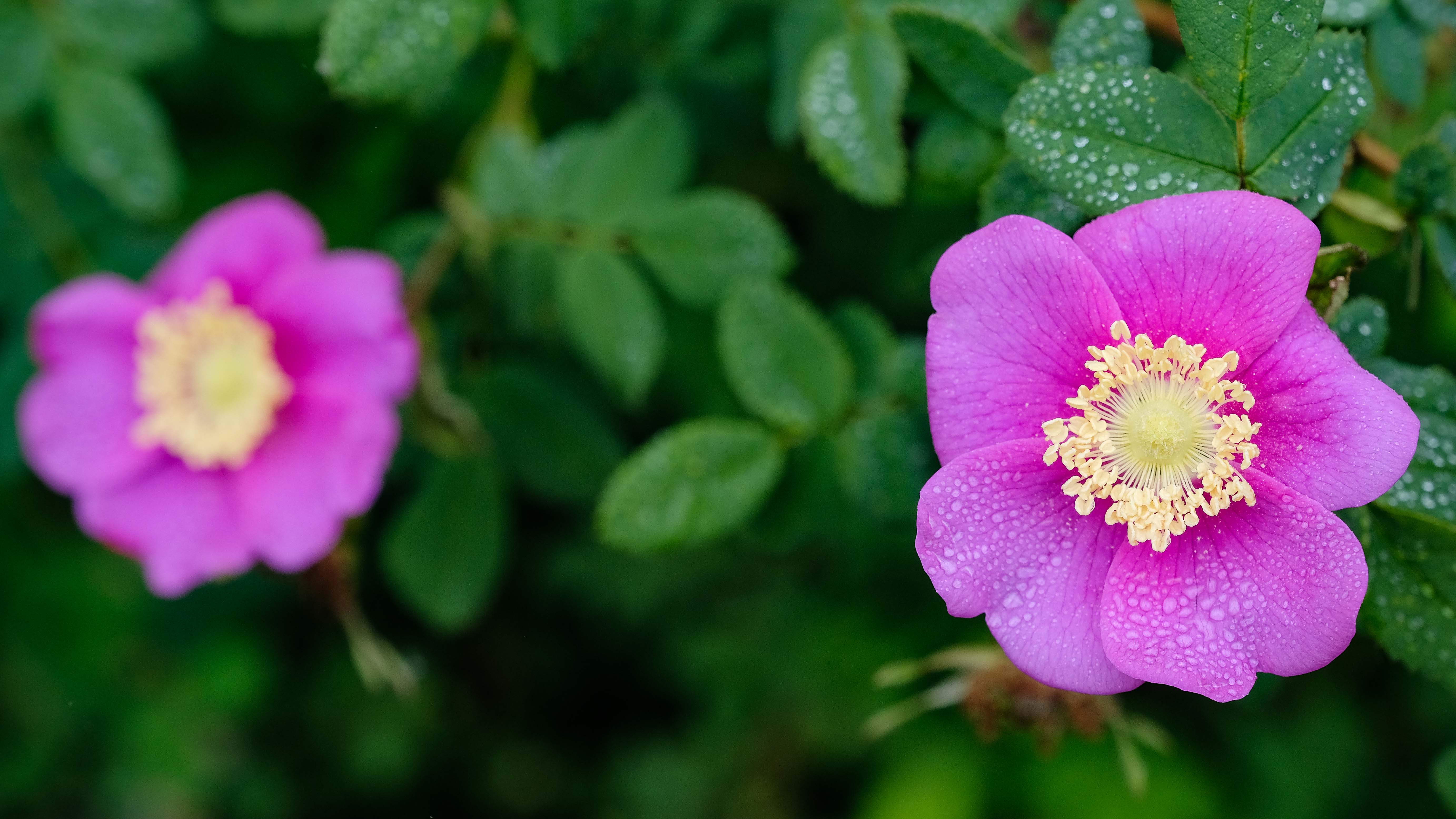
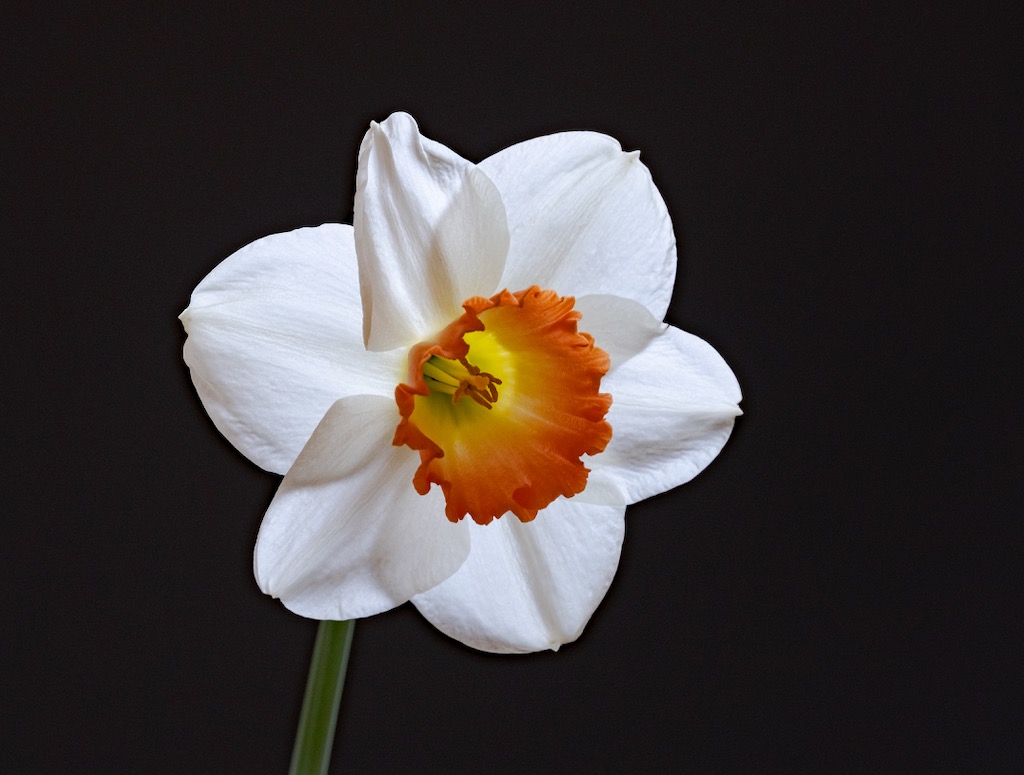
Hey Bernie, I can see you've taken the whole how-to-use-DoF-to-separate-your-subject-from-the-background discussion to heart. Well done. The flower itself is about perfect and since you've positioned yourself perpendicular to the disk of the petals, you can use a narrow DoF and still maintain it in crisp focus, which you have. Yellow and green are nice, analogous colors, and so work well together (thank goodness, or most of the flowers on the planet would be off-limits). Your exposure looks good to me, and the nice soft light eliminates any potential harsh shadows. You've also placed the flower at a crash point, which combined with the other elements I've mentioned, show you are incorporating the technical elements. To me, this image is an example of some notable progress. P.S. I love the drops like that. I don't know what the phenomenon is that makes them stand out like that (wax on the leaves? Little hairs?), but it's great.
I have some questions though:
Why did you feel this needed sharpening? I mean, you have a fairly low ISO, a tripod, and a prime lens, so I'm thinking there shouldn't be any softness to sharpen except where you wanted it. And, sharpening anything but your subject works against you (in this case, in my opinion). What's the scoop?
Why did you choose matrix metering? I think if it were me, I would have used center weight, and exposed for the bloom, since I'd really like everything else to be a bit underexposed and thus lose prominence.
What sort of lighting adjustment did you make? The whole thing seems generally pretty evenly exposed, but to tell you the truth, that may be one of the areas in which I might try to improve it. I can see details in the petals, but to me they lack distinctness, so I'd try some contrast. But really I want everything but the flower to fade into obscurity, and so would like to underexpose them (think brush tool, or even a vignette). That's a challenge though, with that white pot, which sort of dominates your exposure.
Oh, and as a suggestion, how would cropping in from the right, to remove the sidewalk, affect things? I don't think the sidewalk helps you.
I can see the affects of your hard work Bernie. Keep it up.
|
Feb 8th |
| 60 |
Feb 21 |
Comment |
You know, I've spent hundreds of days in the Oregon Dunes and never knew that this trailhead was Dellenbach. You learn something every day.
Anyway, this is an attractive image. I think the fog in the trees adds depth. It's sharp all around. You have great tones and shapes in the sand. No harsh shadows and no blowouts. And, I agree that the settings, though...unconventional, don't hinder the image. Maybe some contrast all around instead...
Do you suppose you could put a gradient filter on the sky and drop the highlights/exposure to pull out even more detail? I don't think it's a make or break issue though.
For me though, it's just missing a subject that would add emotional impact or a story. Of course, there is nothing you could do to change that (short of photoshopping a hiker, or an animal, or something) into the bottom right crash point. I mean, that sand is just begging for a lone figure of some kind, IMHO. You gotta admin, wouldn't it have been awesome for a deer to wander into the frame at just that moment? Oh well, just my thoughts. If I had a dollar for every photo of mine like that...
|
Feb 6th |
8 comments - 6 replies for Group 60
|
8 comments - 6 replies Total
|