|
| Group |
Round |
C/R |
Comment |
Date |
Image |
| 35 |
Jan 18 |
Reply |
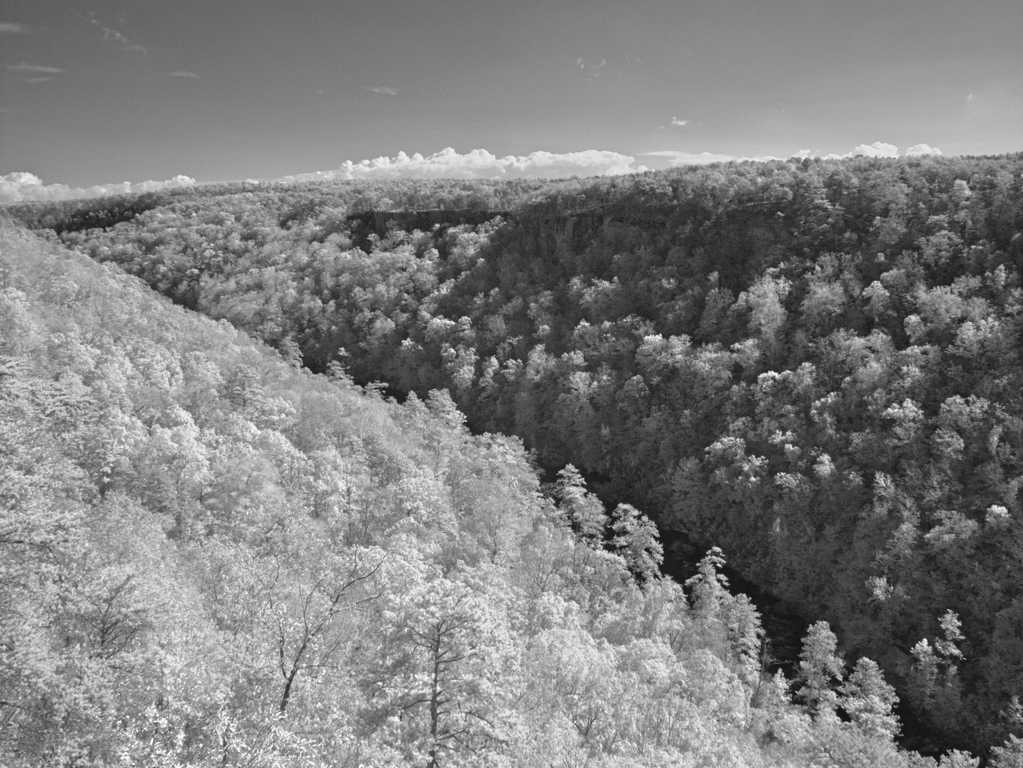
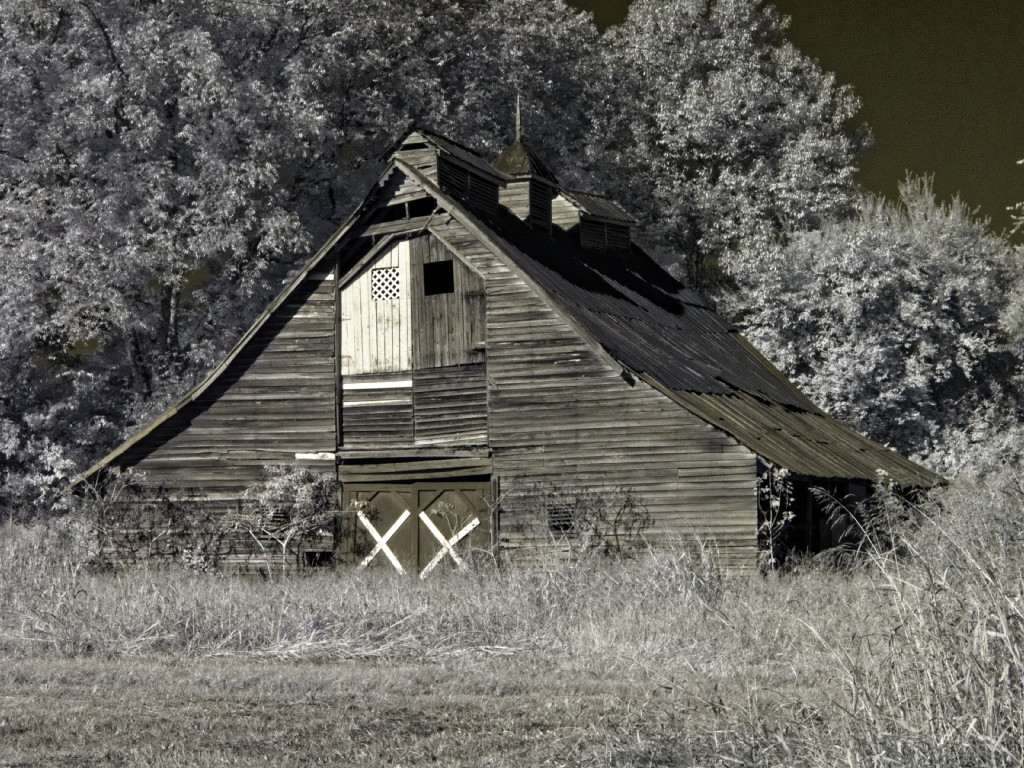
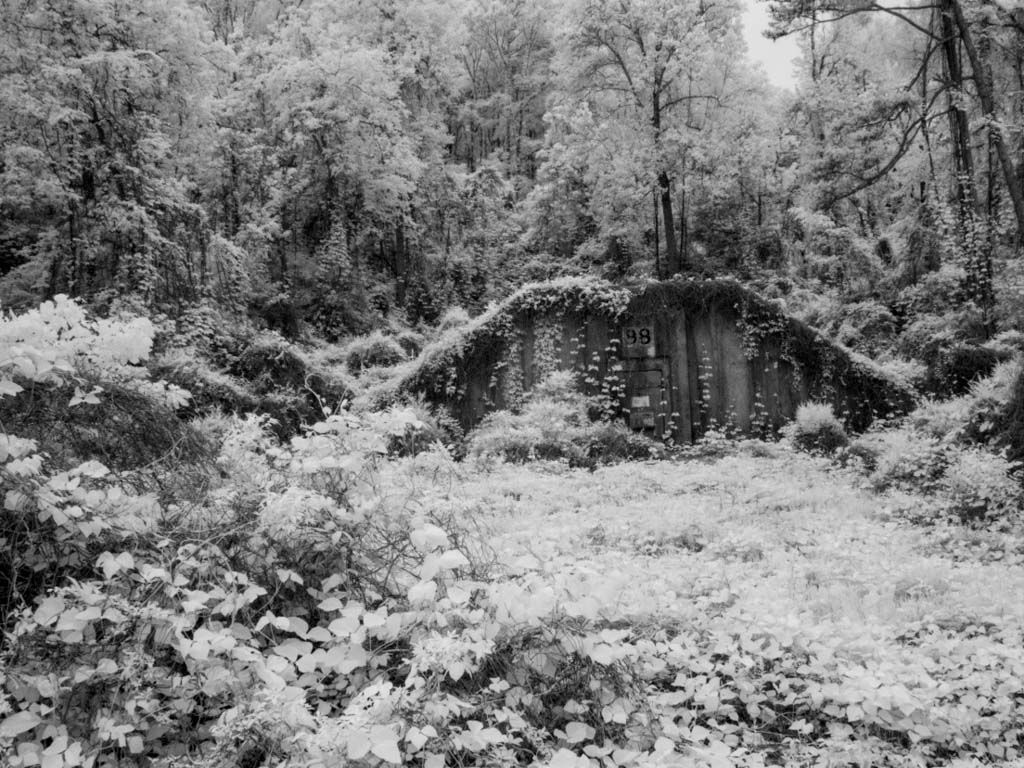
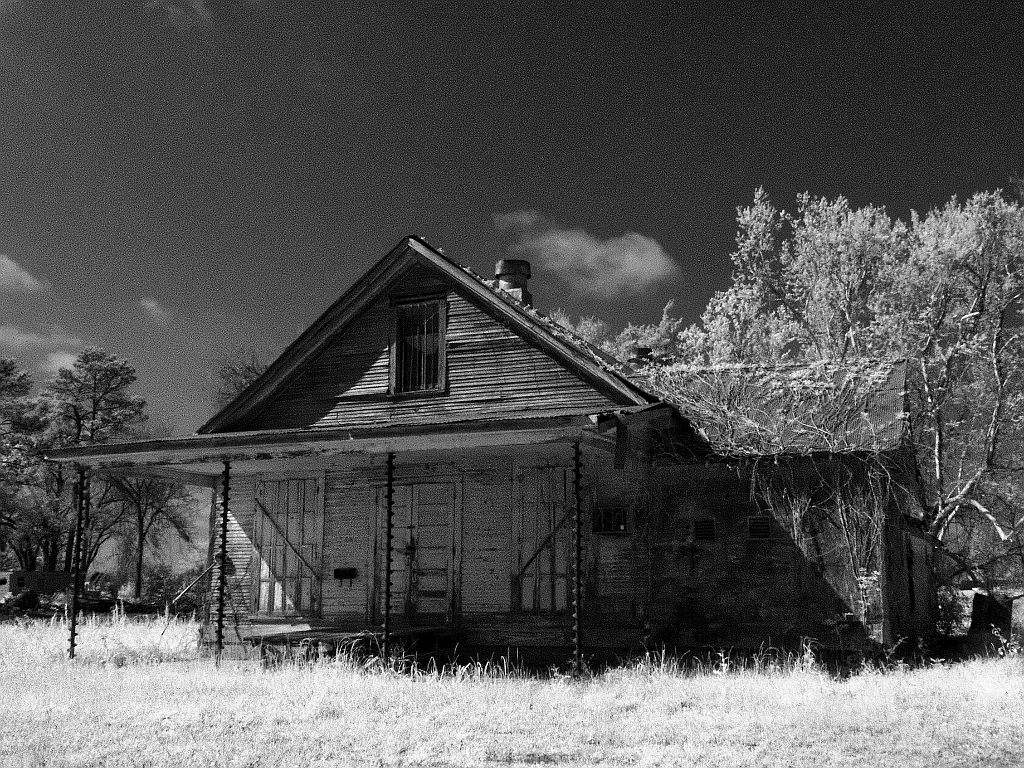
There is a hierarchy of filters in the IR world you need to know about.
On the lower end the admits more normal light than others are the Tiffen 25A and 25B which are the traditional red filters for b/w photography to darken blue skies and grass and cutoff visible light at about 510nm.
Next are Tiffen 88/89 A and B(sometimes called the blood filters because of their dark red colors) much like the 72a Hoya filters that has a lower cutoff of 720nm of visible spectrum.
At the top of the food chain is the Tiffen 81C which is also called the black filter. This is based on the fact it's light cutoff is at about 810nm which is right at the upper limit of visible light. This filter when held up to an Edison light bulb will allow you to see the coils in the filament. This is the one I used for 95% of my IR film work. This allows you to capture up to 1100nm and that's it and also why the Deep IR conversion requires no color adjustment.
Hope this helps! |
Jan 17th |
| 35 |
Jan 18 |
Comment |
Very nice comp, great lighting, and contrast overall. So, print it, mount it, and frame it or enter it every salon you can. |
Jan 15th |
| 35 |
Jan 18 |
Comment |
If I could go back in time to shoot this image, I would wait for the two people walk through the scene and you only have the lady on the bench left. Plus I would like to see more contrast in the highlights. |
Jan 15th |
| 35 |
Jan 18 |
Comment |
Very nice image and composition. Suggest on contrast in the lighter tones which can be done in a contrast curve. |
Jan 15th |
| 35 |
Jan 18 |
Comment |
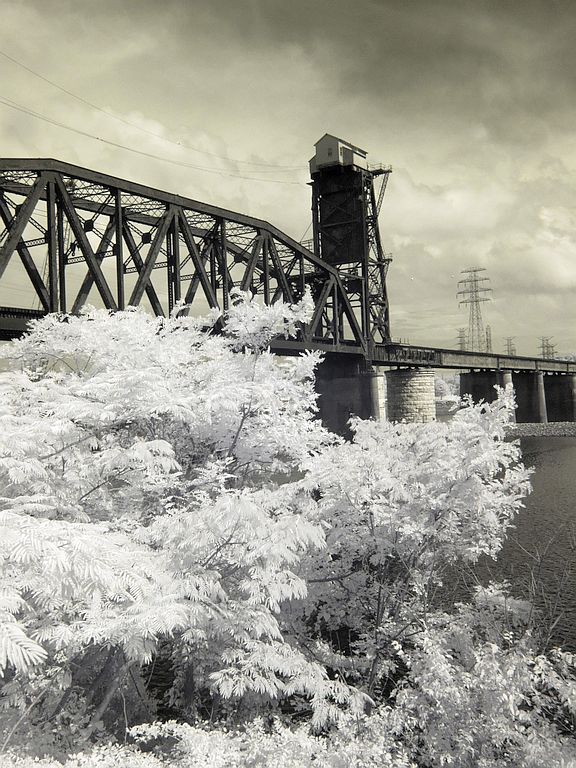
The intention of the full spectrum conversion is to use a filter of some bandwidth to photo graph a scene. It could be a deep blue filter to photograph ultraviolet light, a visible light filter to photograph a normal light scene, or deep red or black filter to photograph in the IR/near infrared light. Otherwise you photograph the full range available light the camera is capable of photographing. The image as shown, doesn't capture light only above, at a minimum, 560nm to around 1100nm, maximum. Therefore, to me, it is not an IR image, per se, even though parts of the image may be in the IR range. |
Jan 15th |
4 comments - 1 reply for Group 35
|
4 comments - 1 reply Total
|