|
| Group |
Round |
C/R |
Comment |
Date |
Image |
| 15 |
Feb 24 |
Reply |
Please check my response to Jim. |
Feb 27th |
| 15 |
Feb 24 |
Reply |
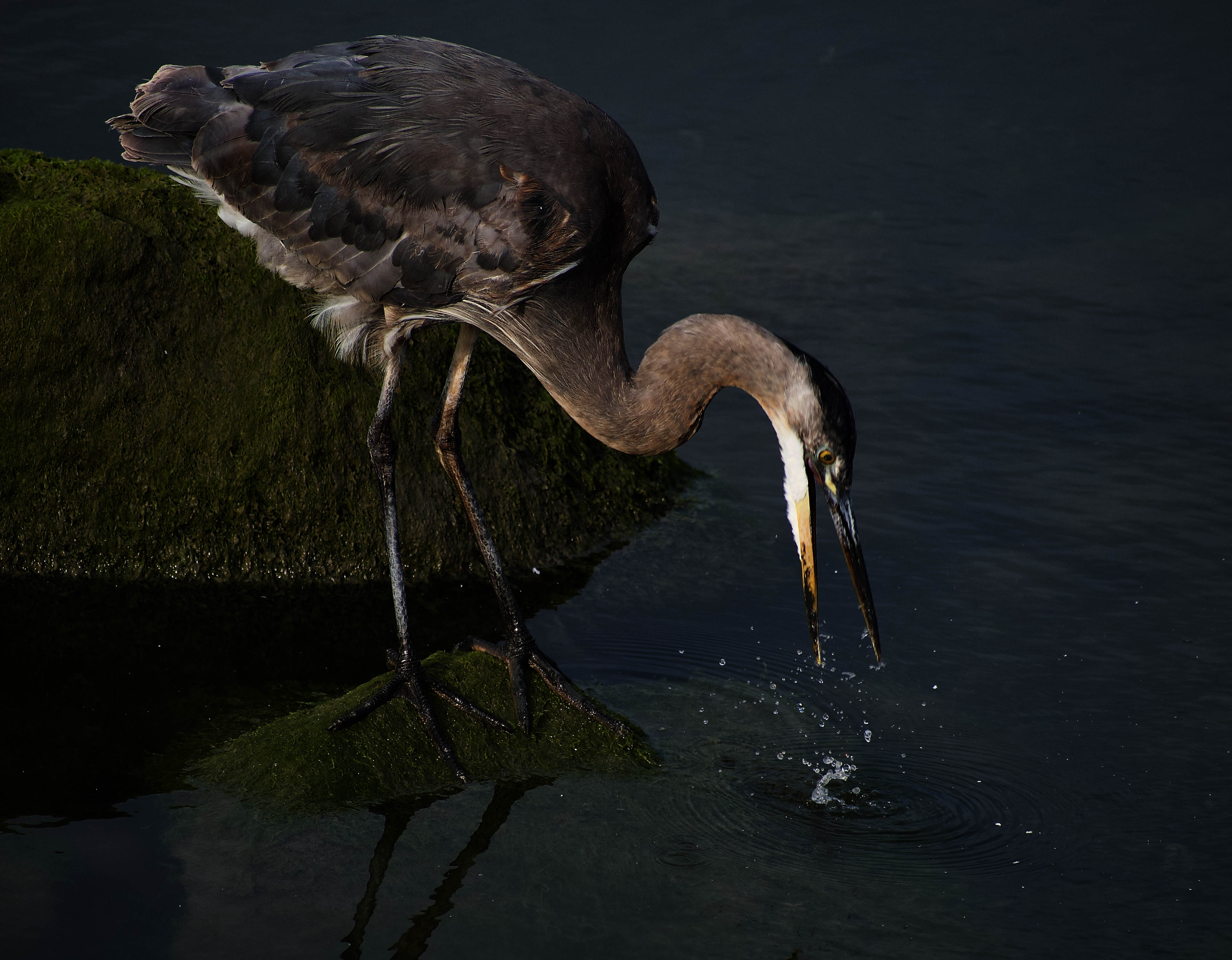
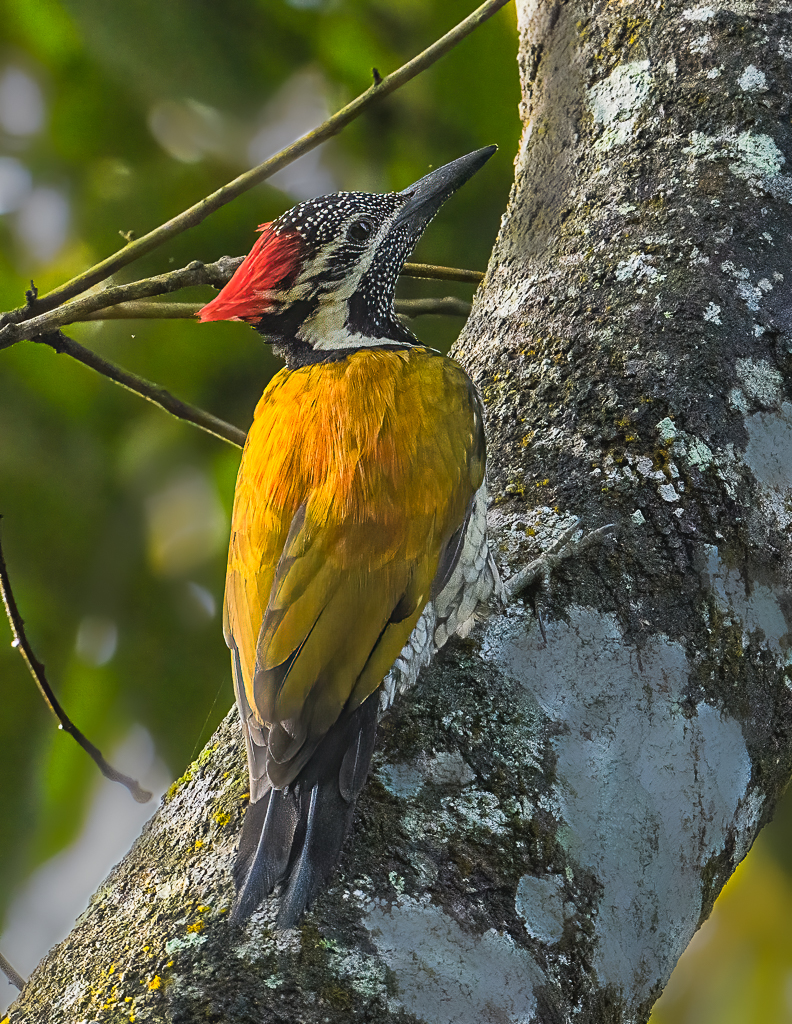
Hi Jim, Thank you for your comments. The version after making Randall's suggestions. What do you think? |
Feb 27th |
 |
| 15 |
Feb 24 |
Reply |
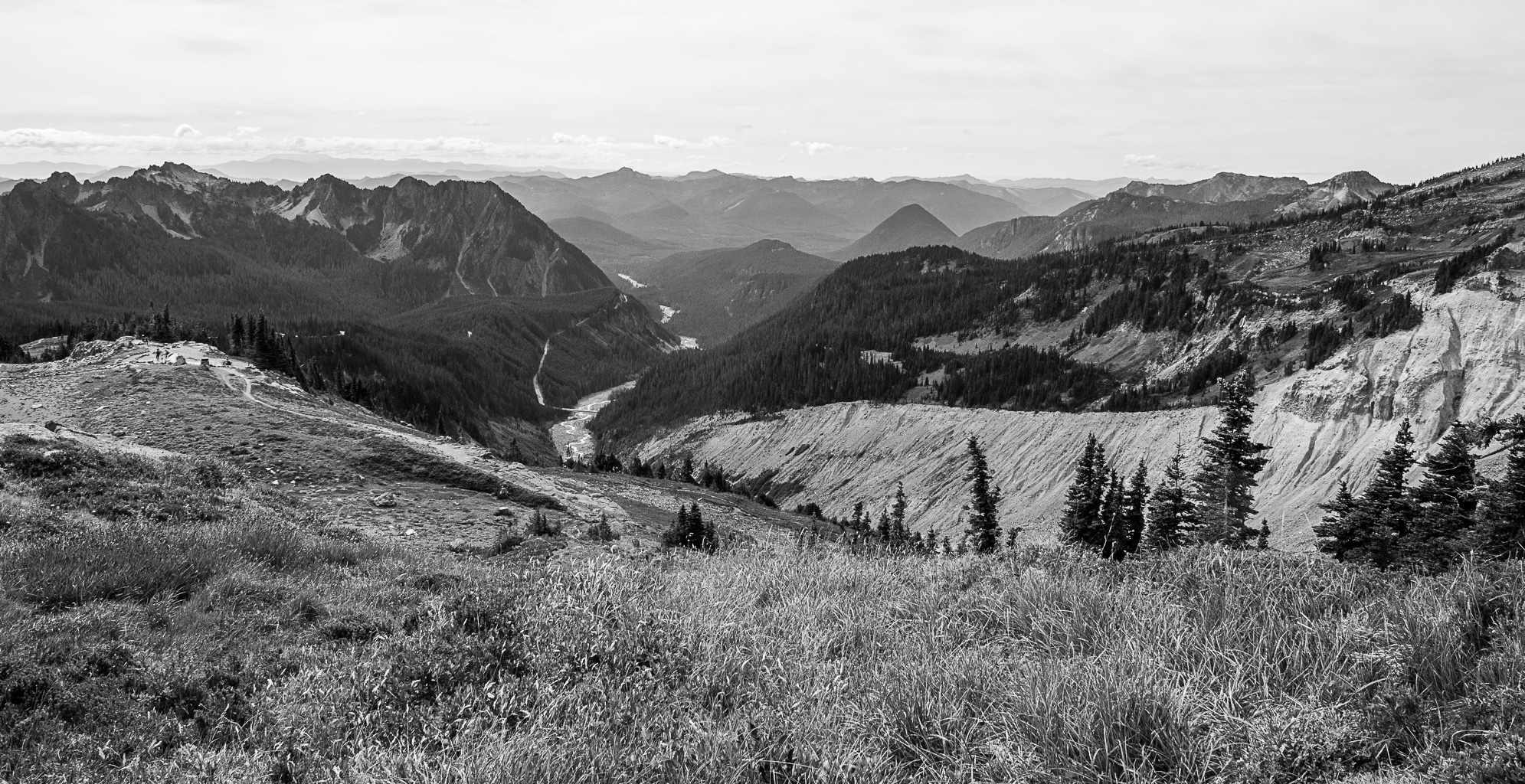
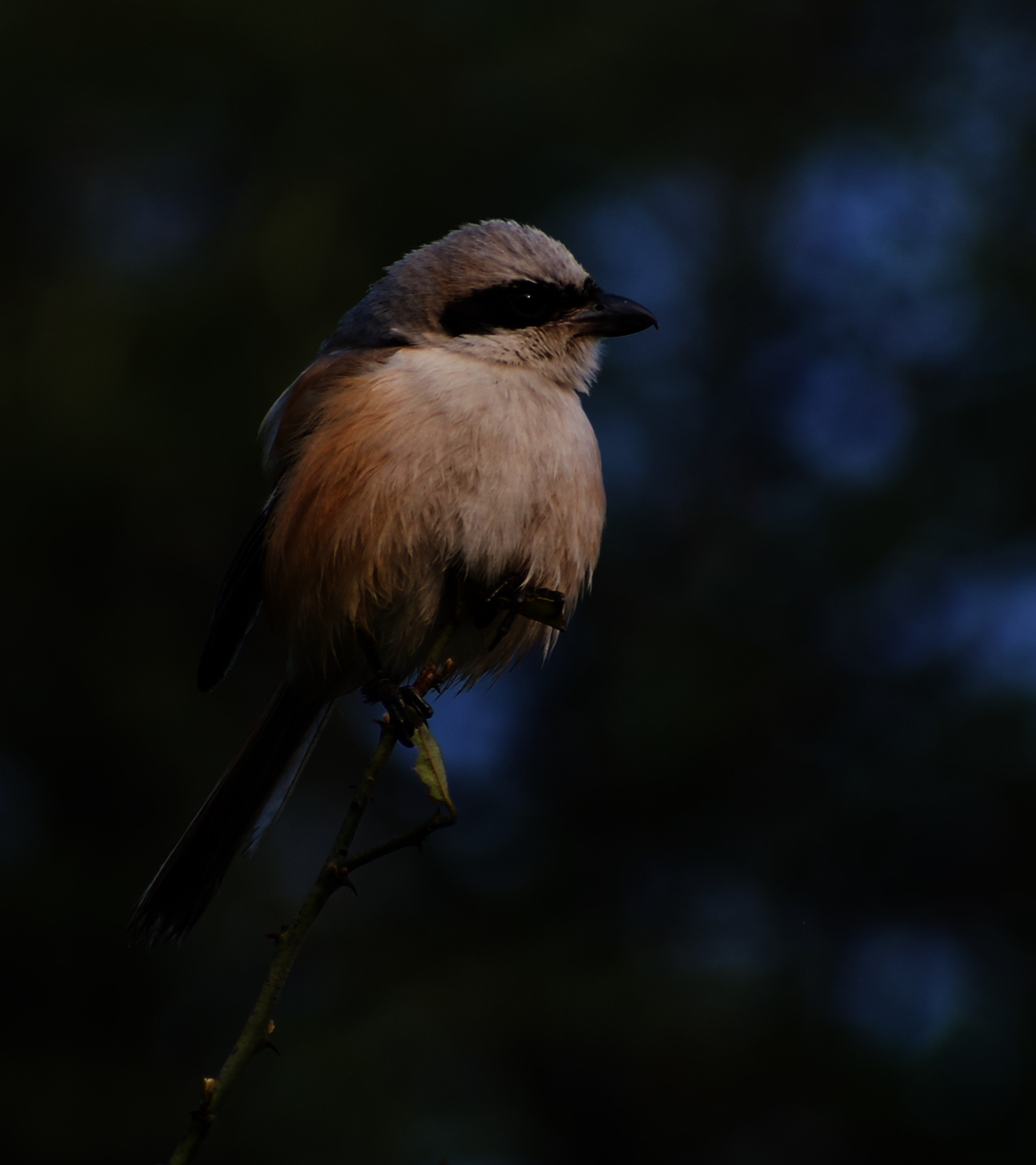
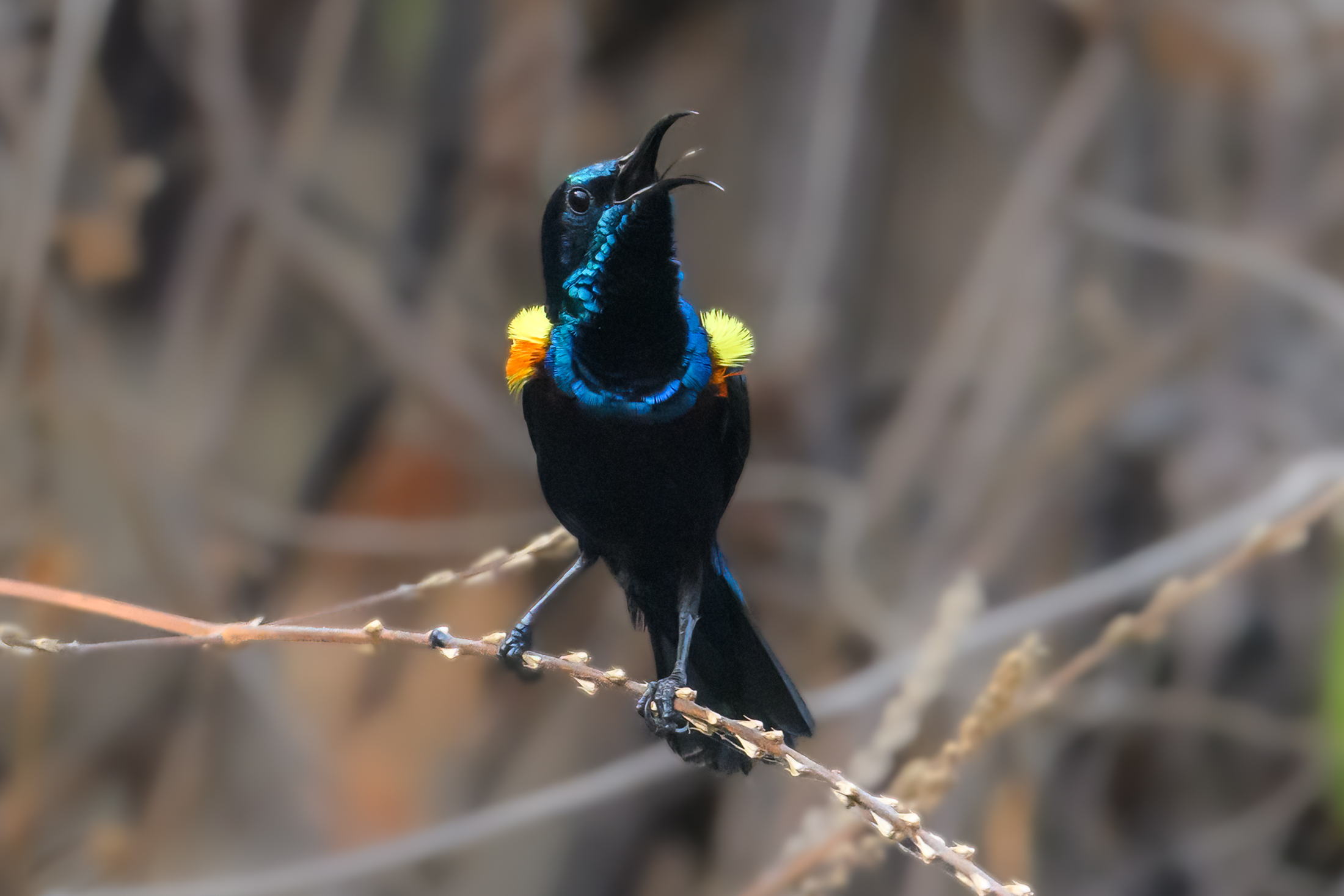
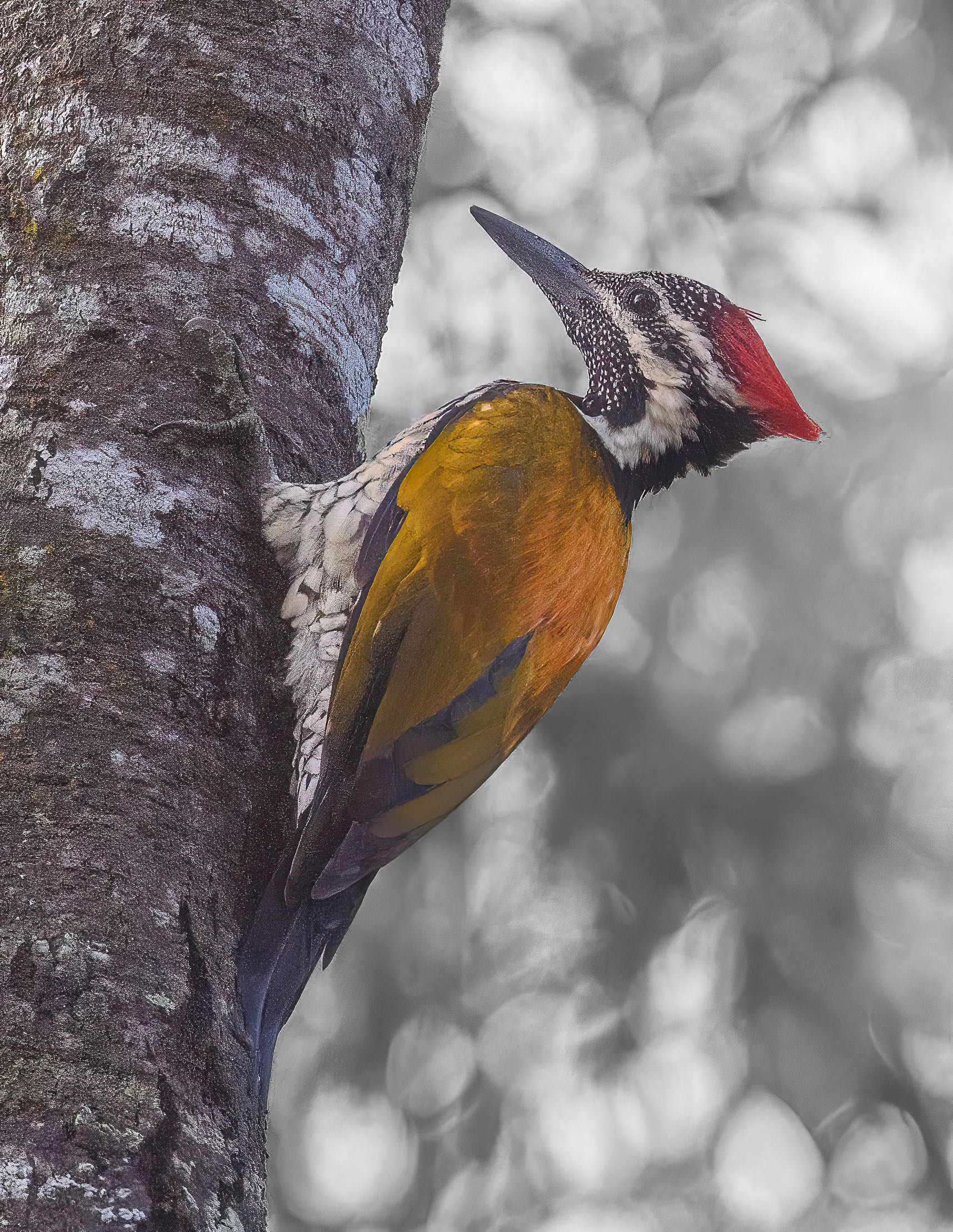
Hi Randall, thank you for your comments. I will try your suggestions. I had played around with another image where I converted the background to black and white. What do you think? |
Feb 23rd |
 |
| 15 |
Feb 24 |
Reply |
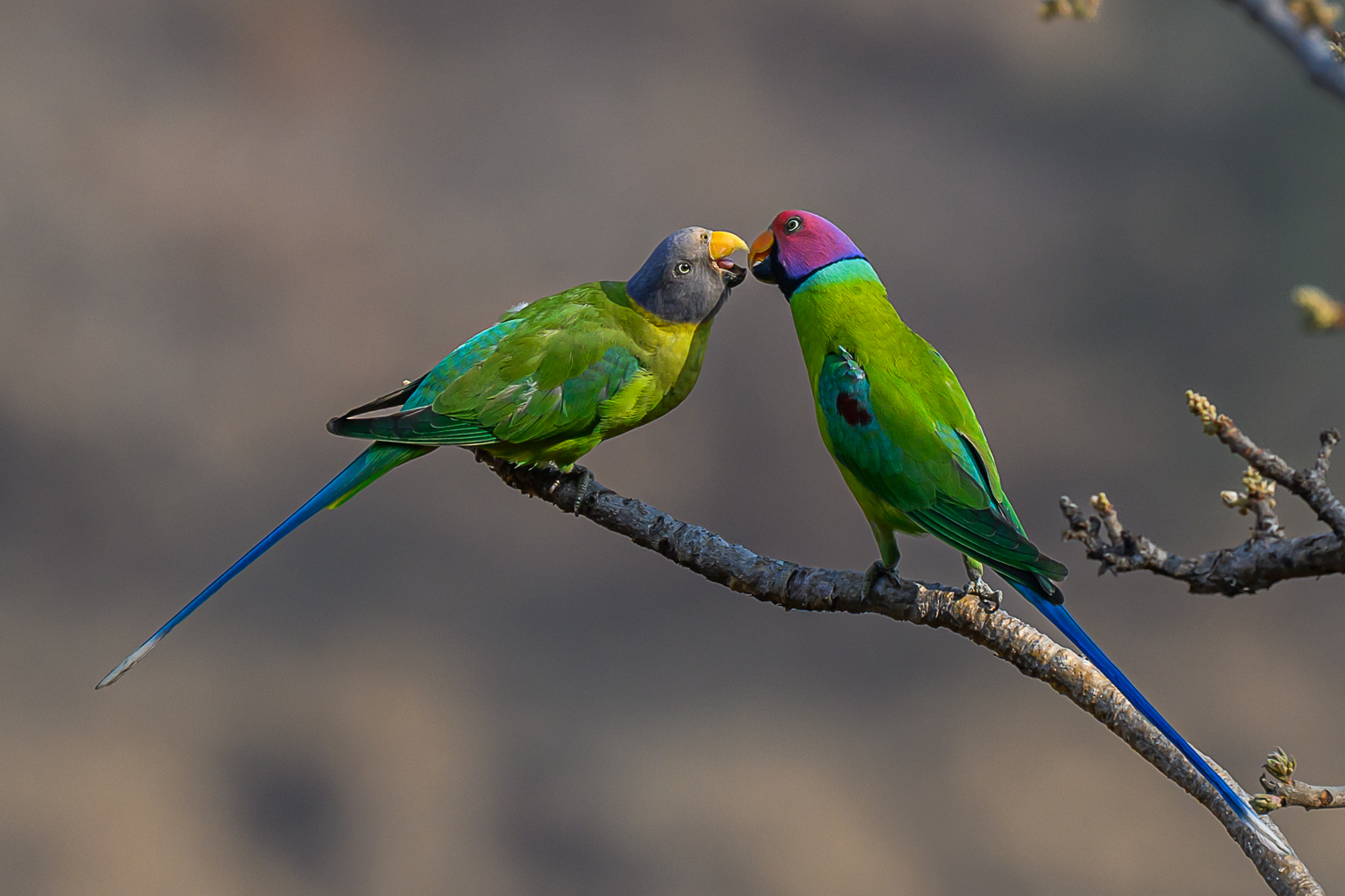
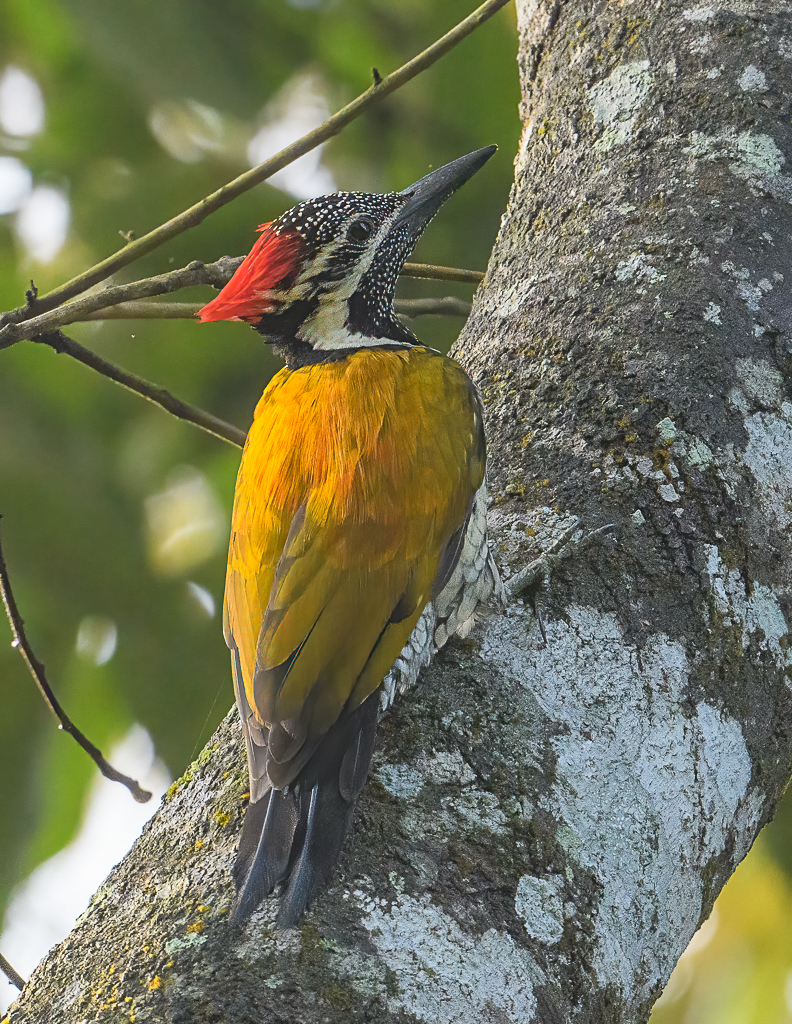
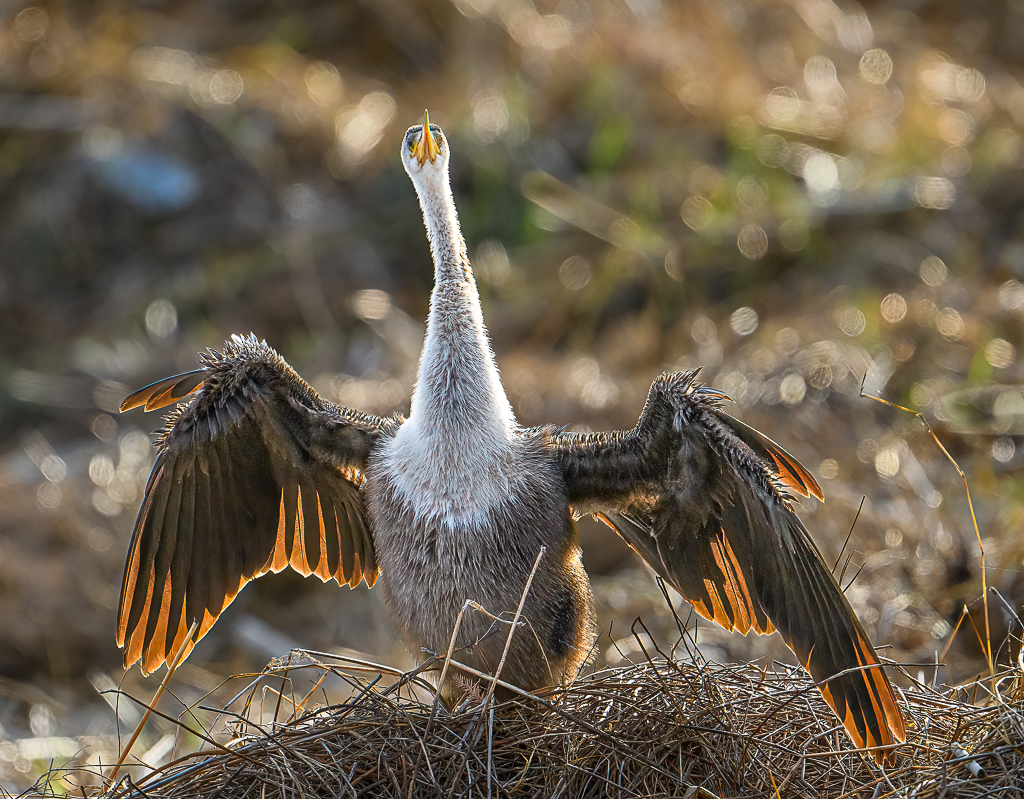
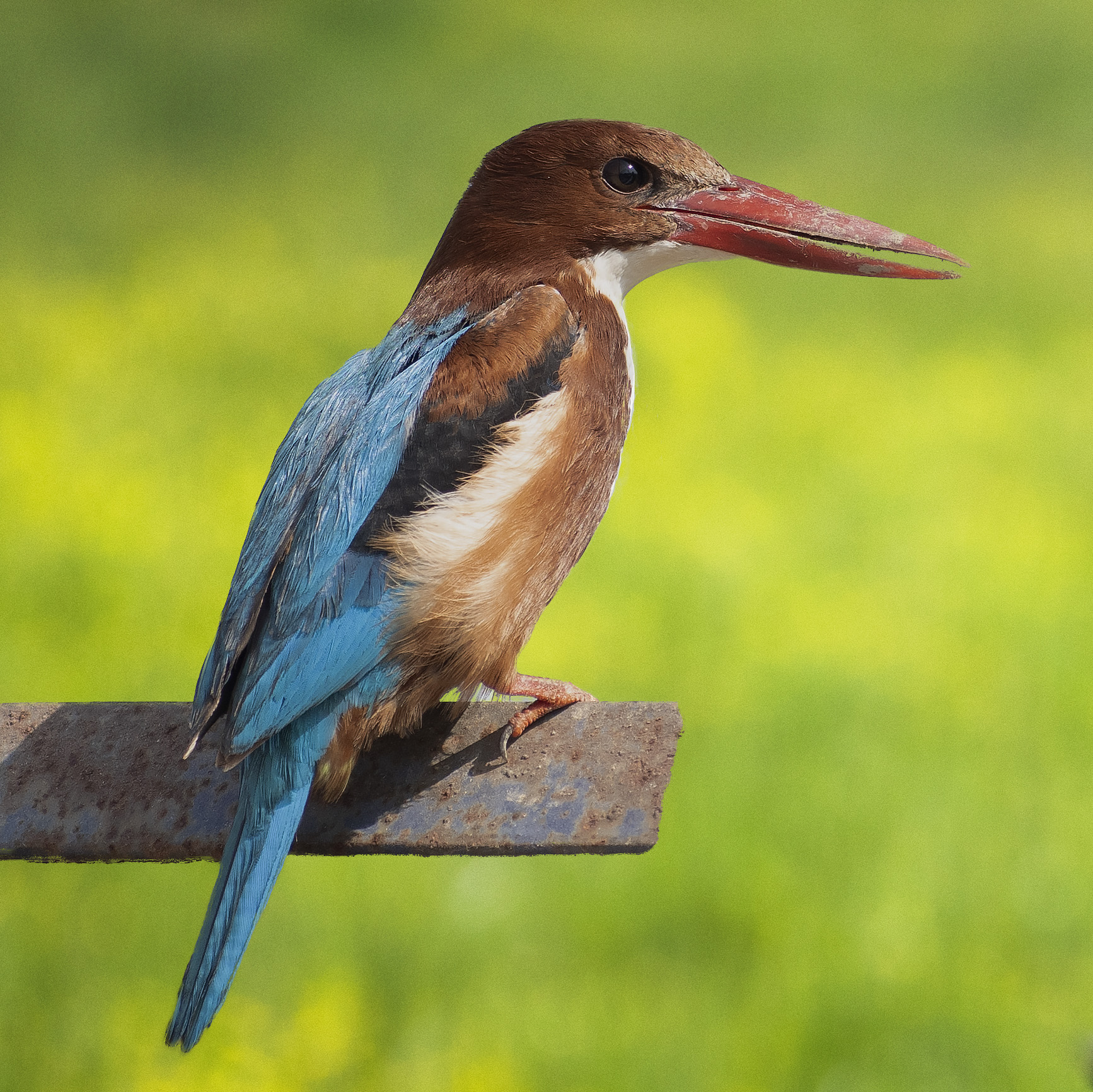
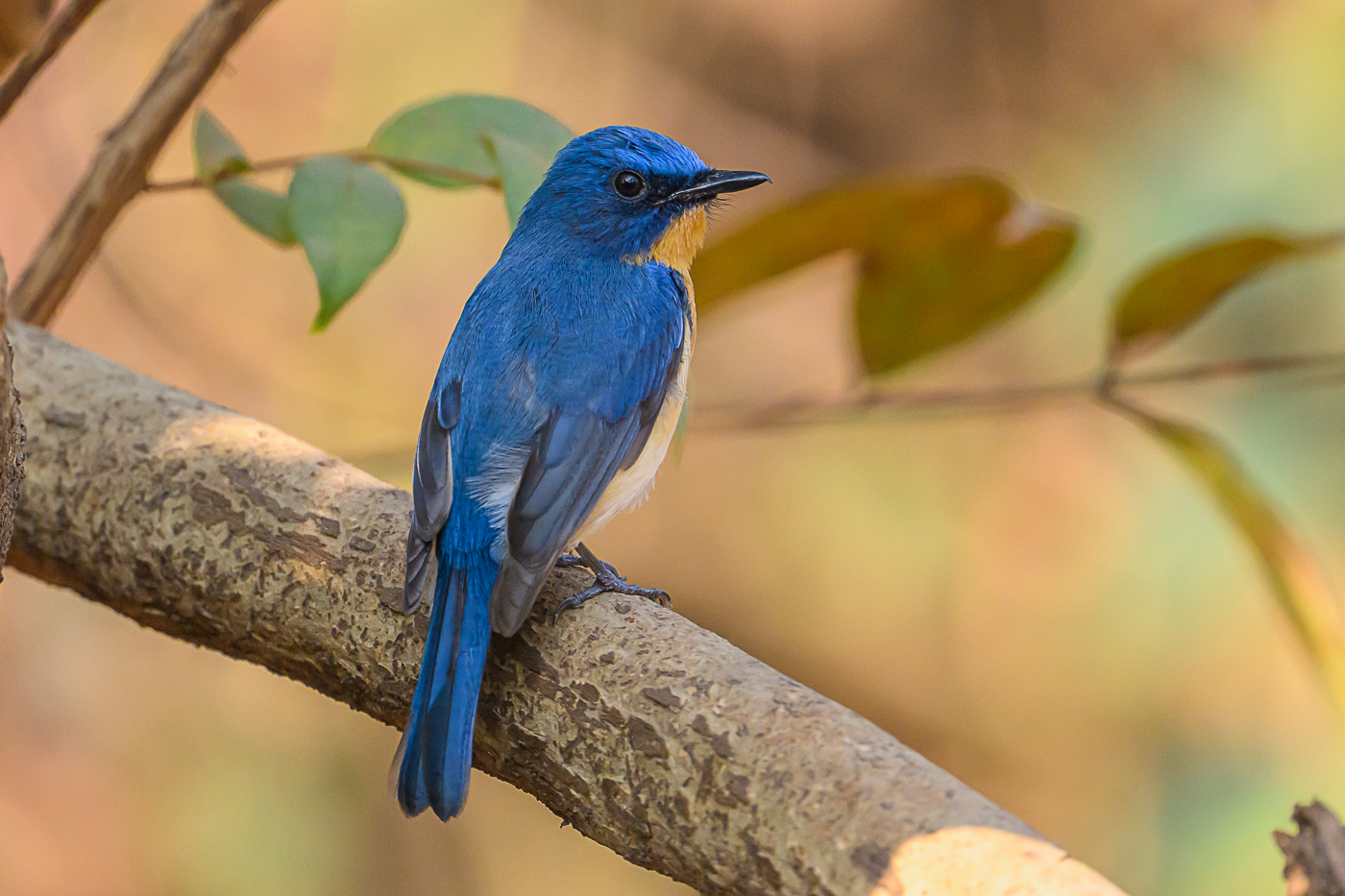
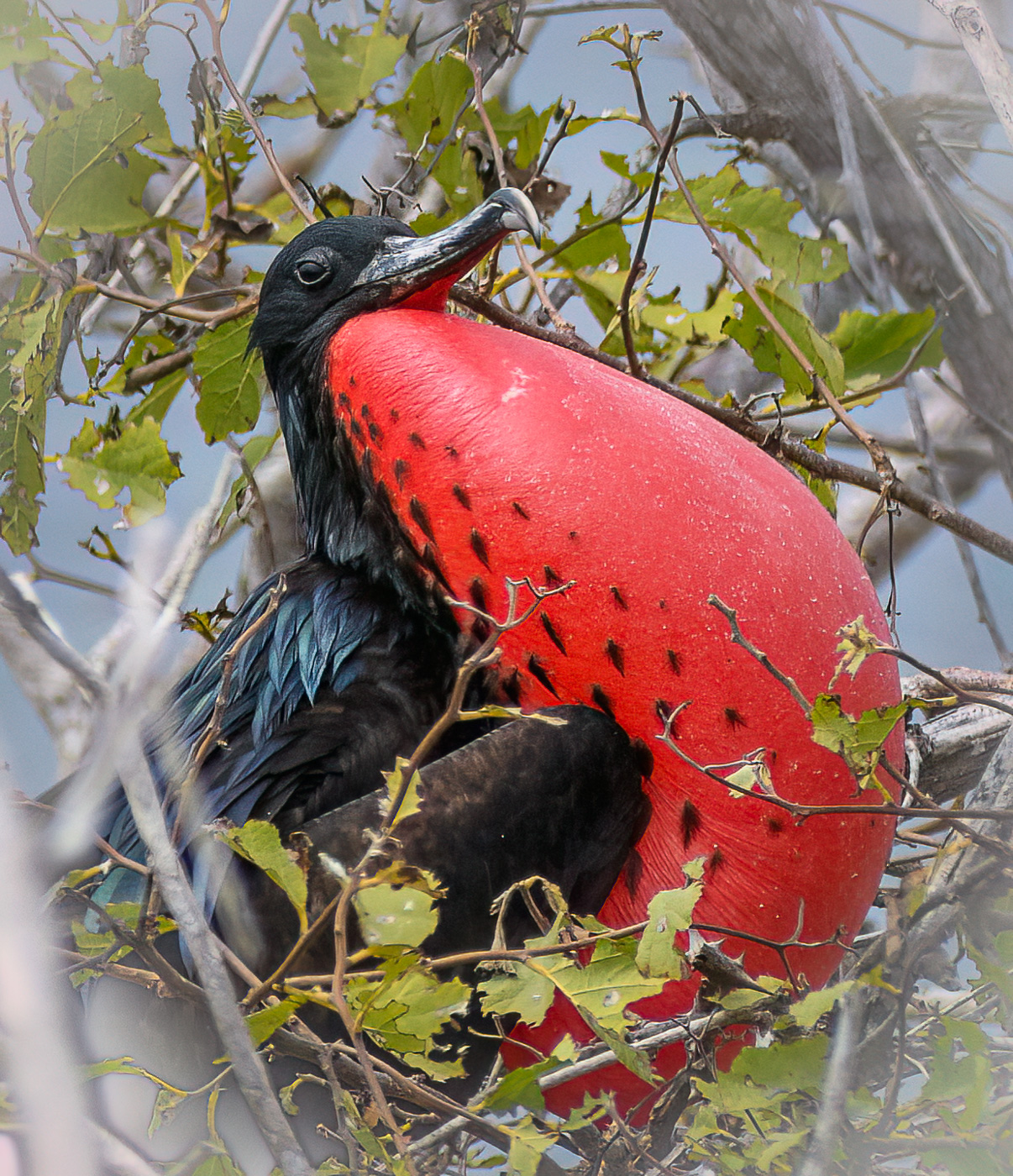
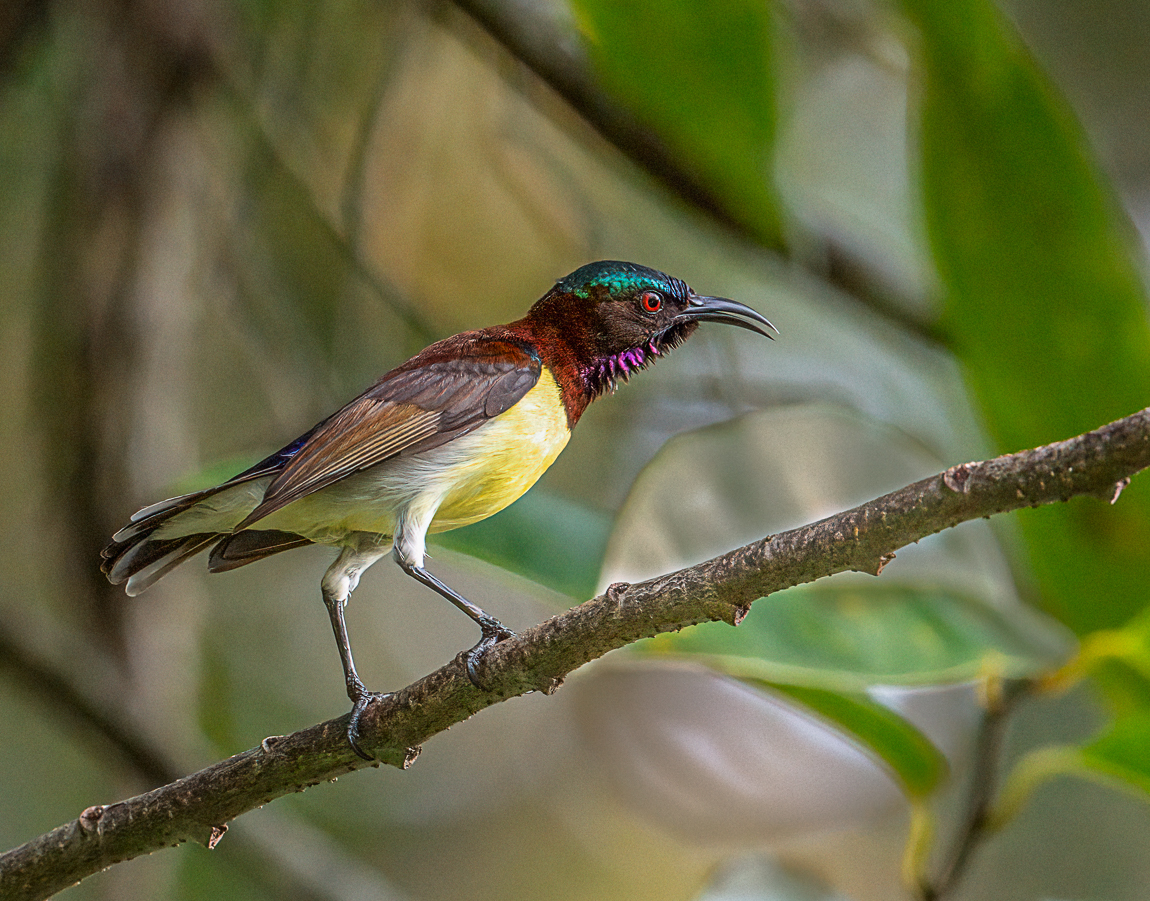
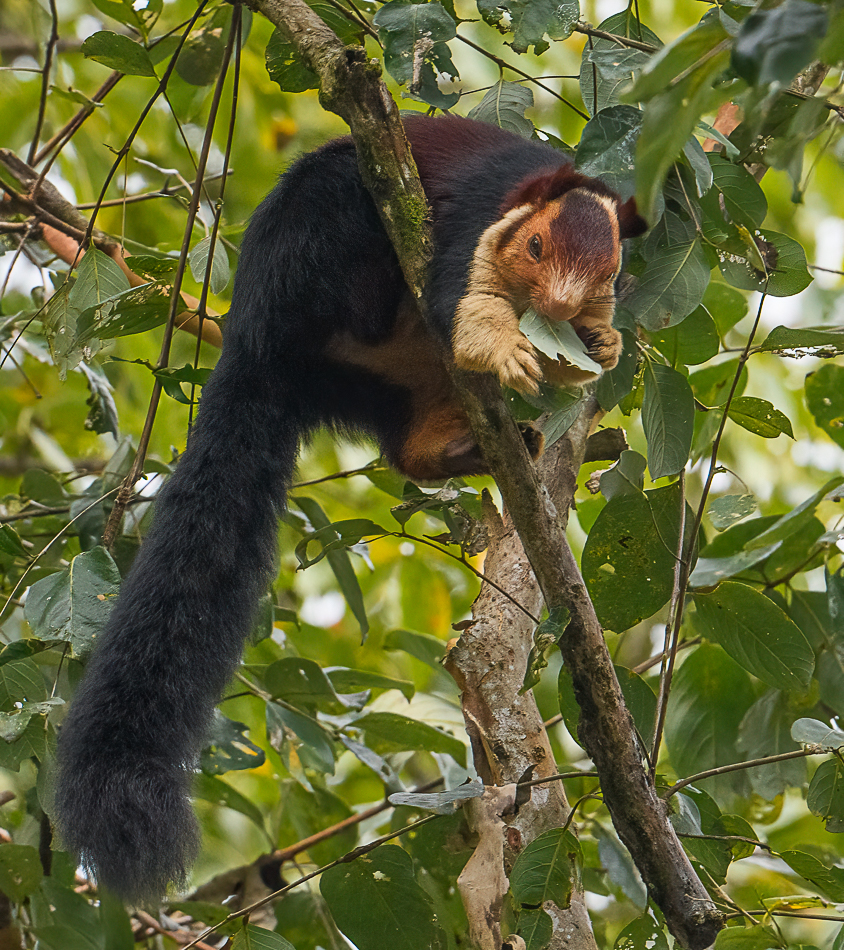
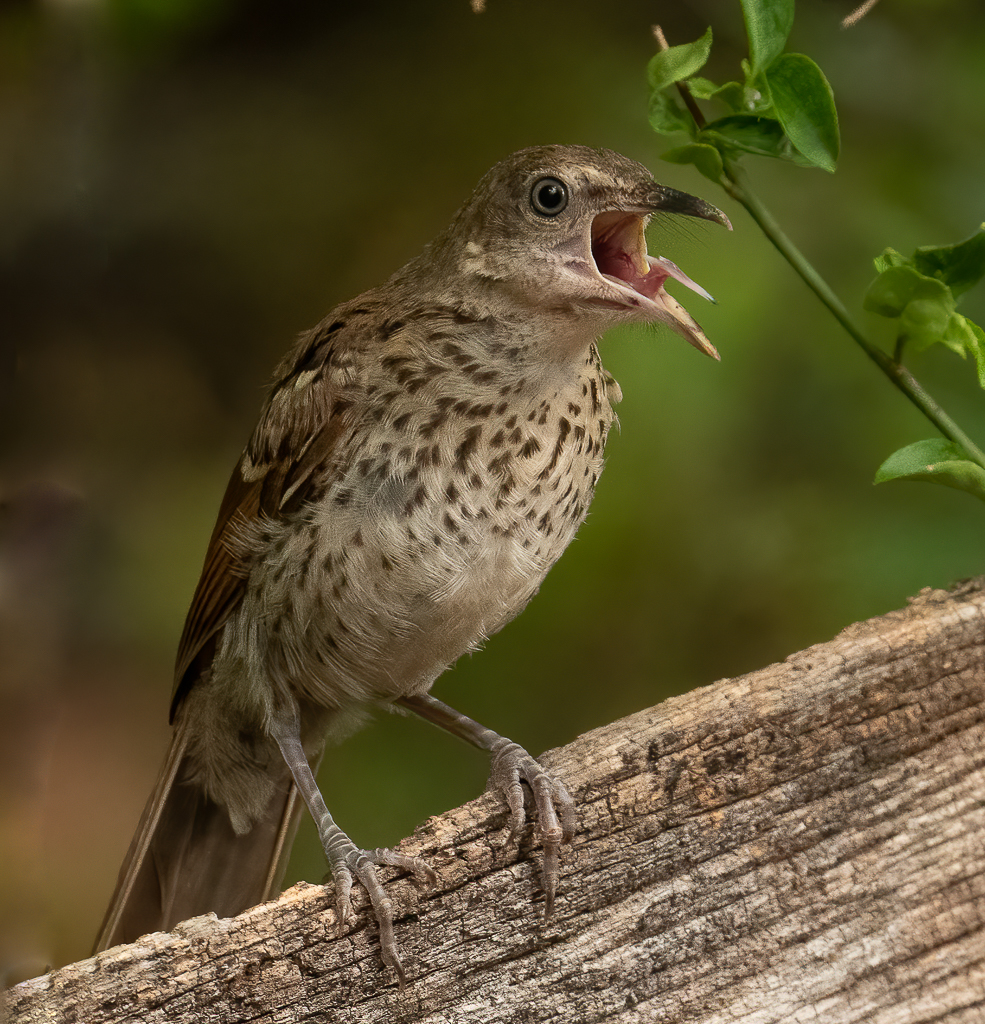
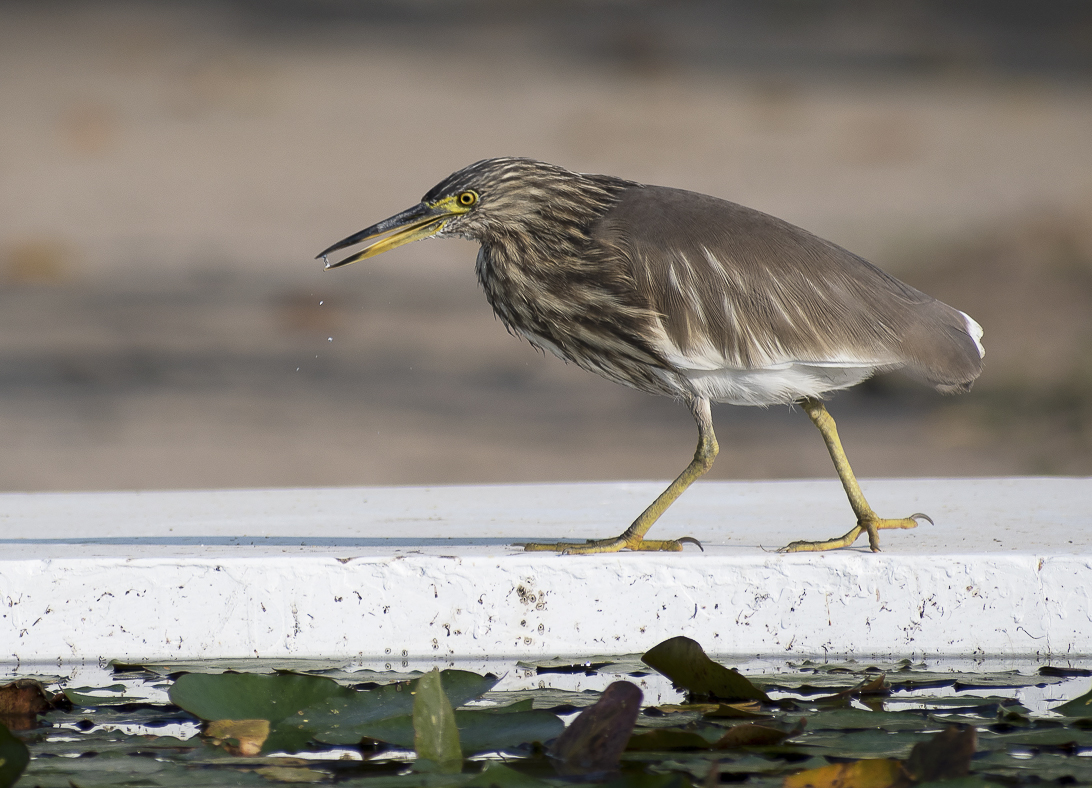
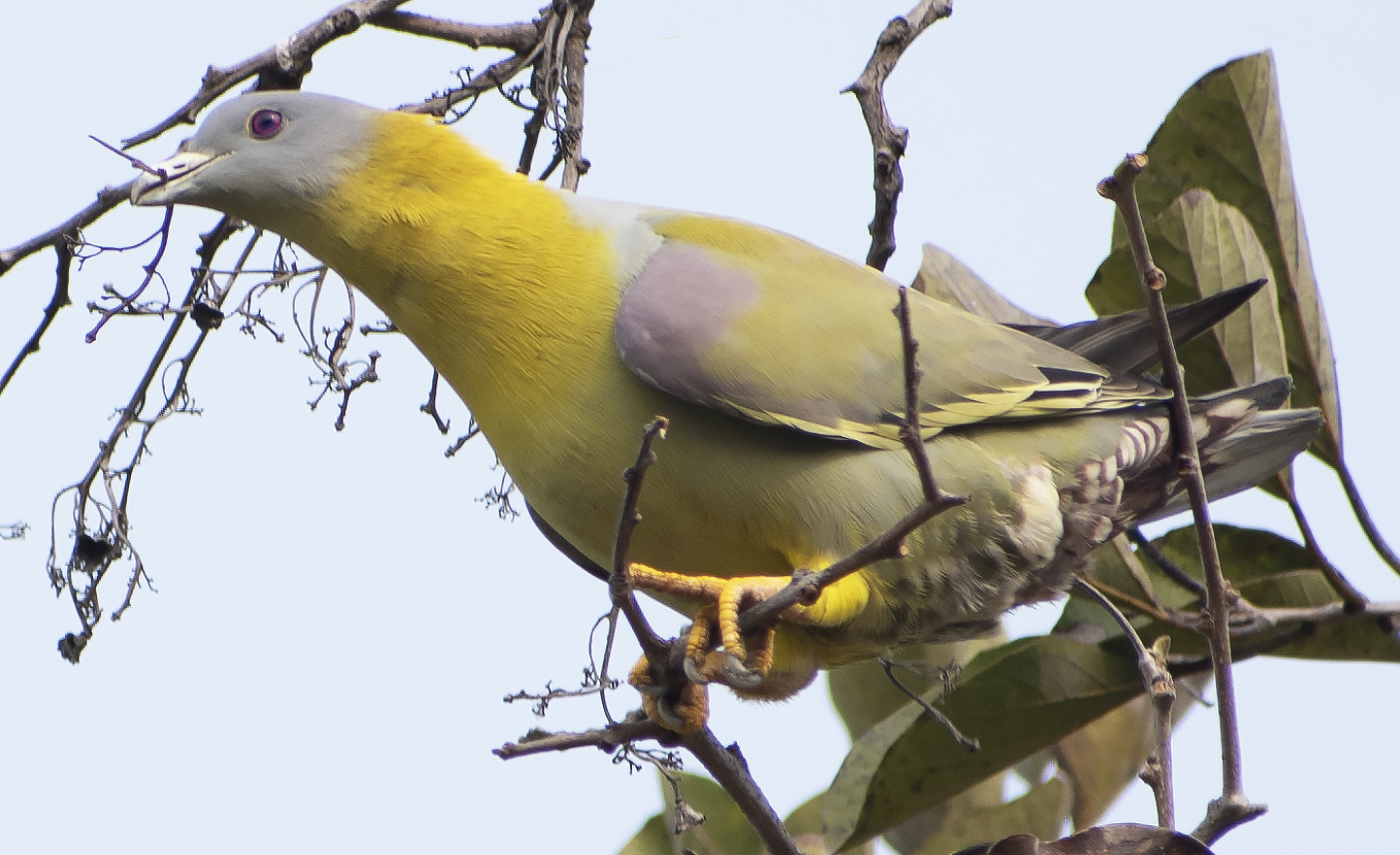
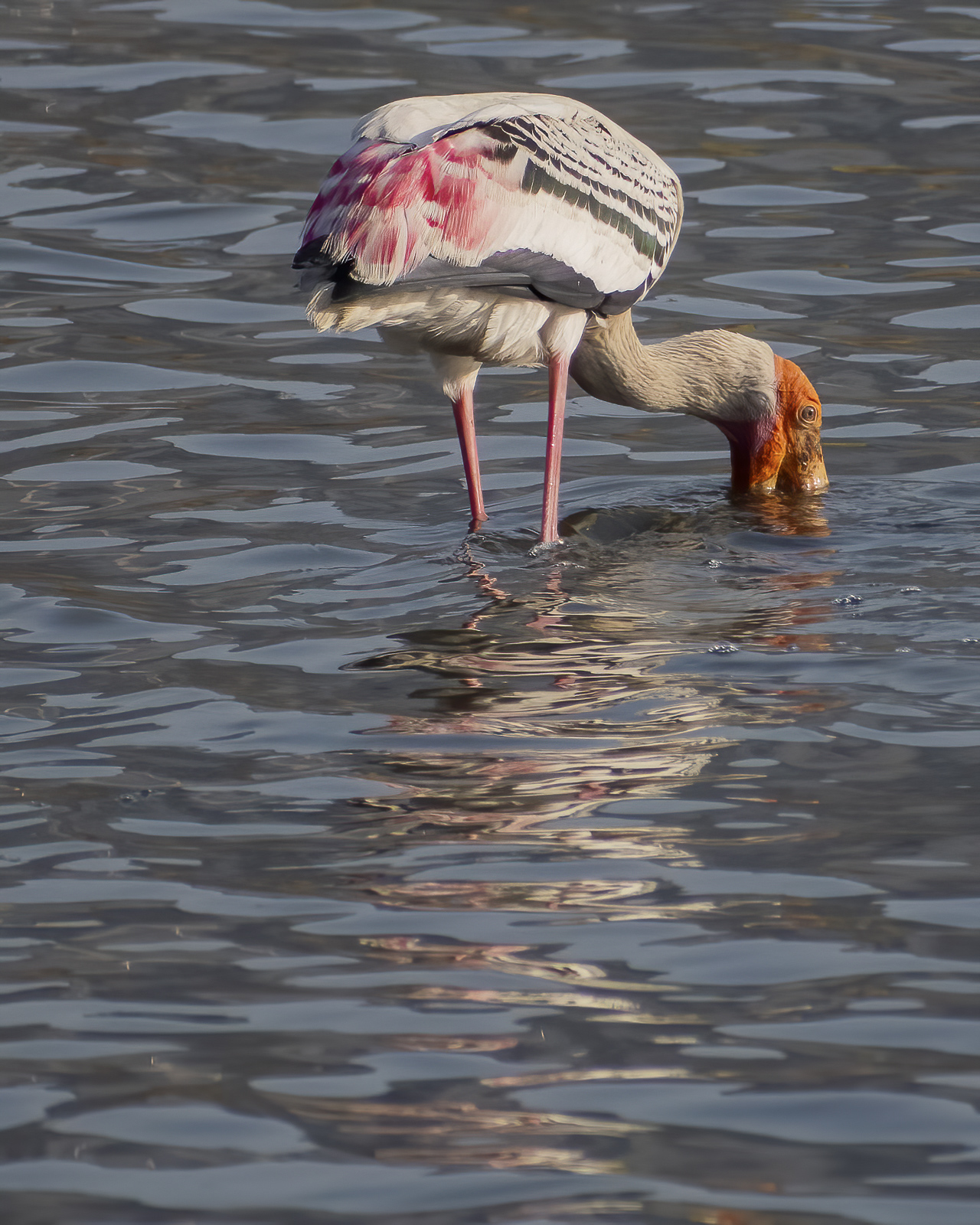
Thank you for your comments. Yes it was really exciting for me to see this bird. They are native to the western ghats in India so if you happen to visit look out for them. I saw some pictures of them in their nest on social media. Maybe next time I visit I should go in February :) |
Feb 23rd |
| 15 |
Feb 24 |
Reply |
Thank you for your suggestions Kathy. I like the photo better after you darkened the bright sots. |
Feb 23rd |
| 15 |
Feb 24 |
Comment |
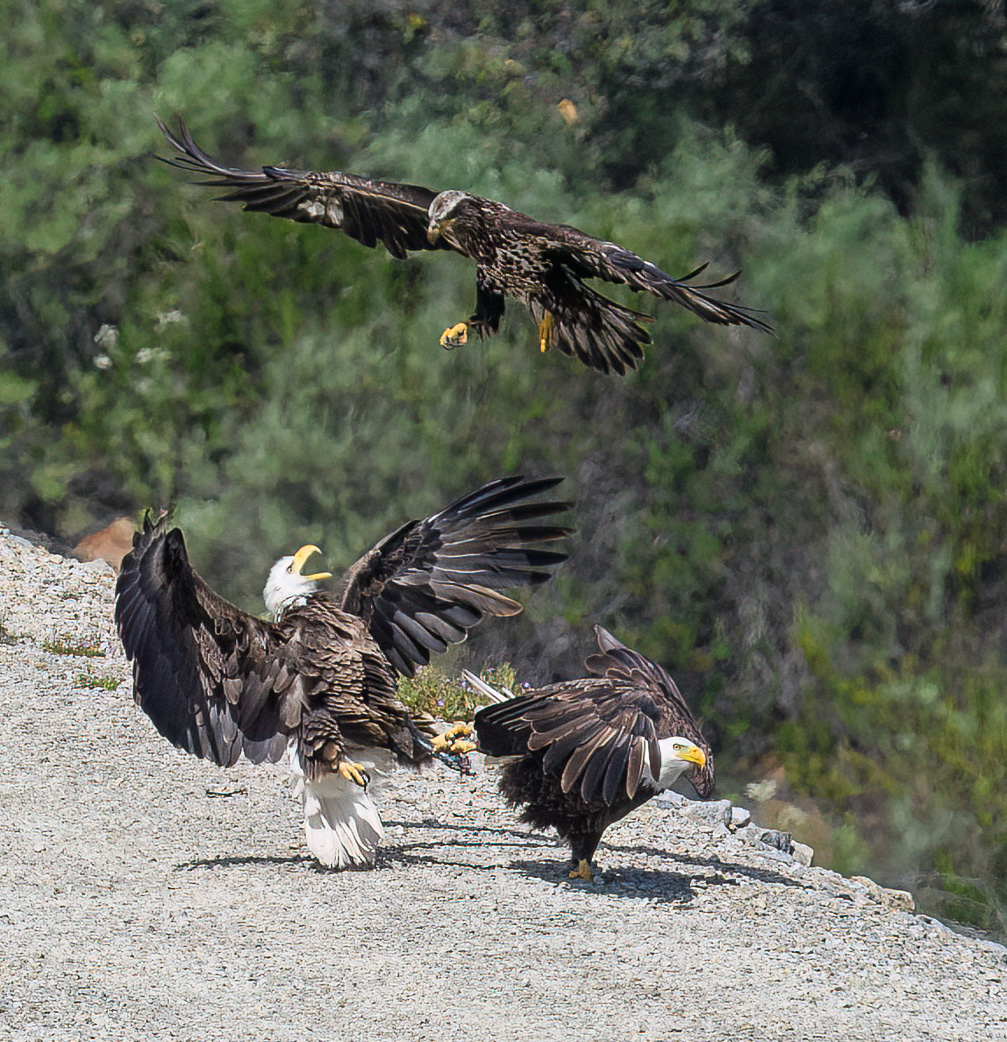
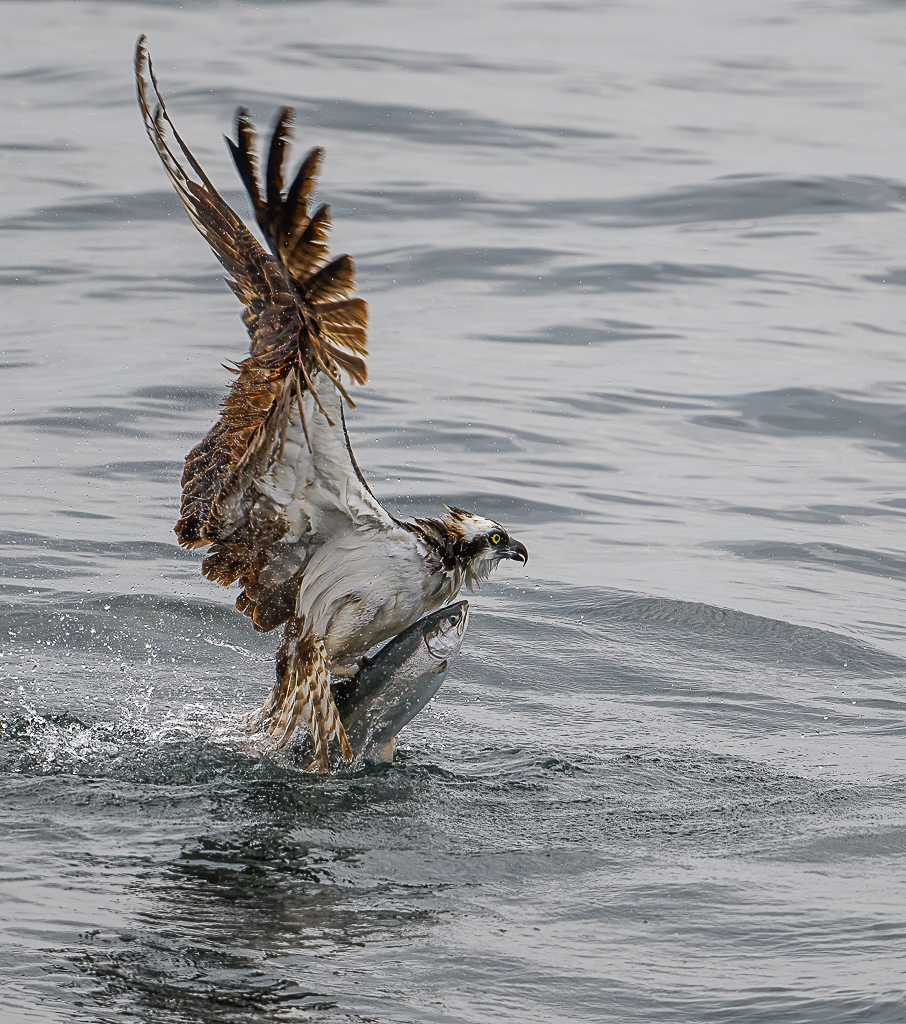
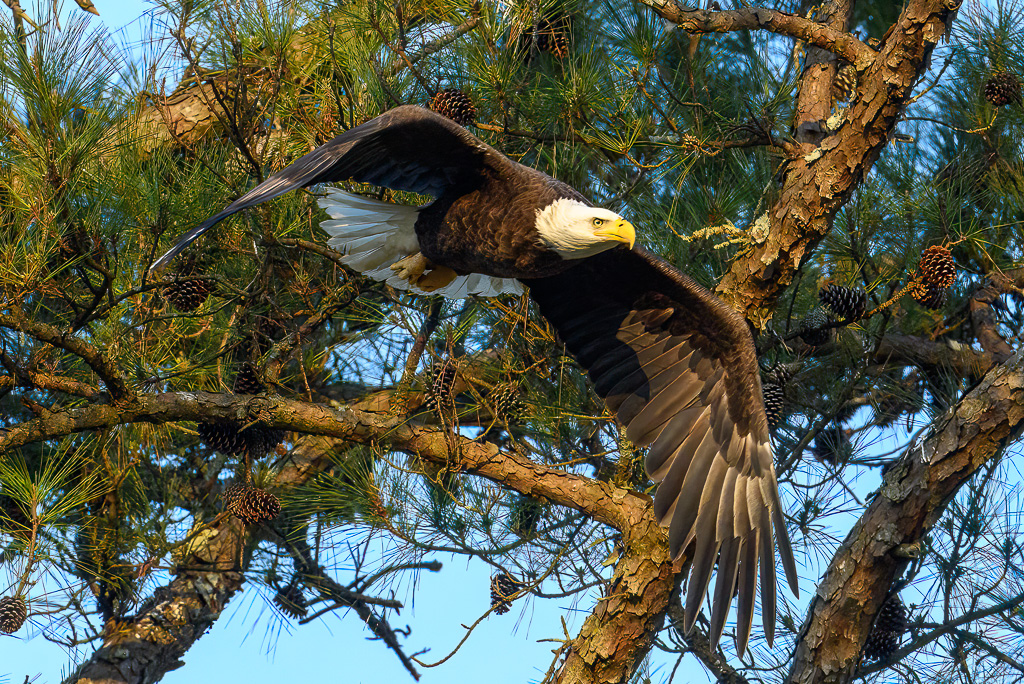
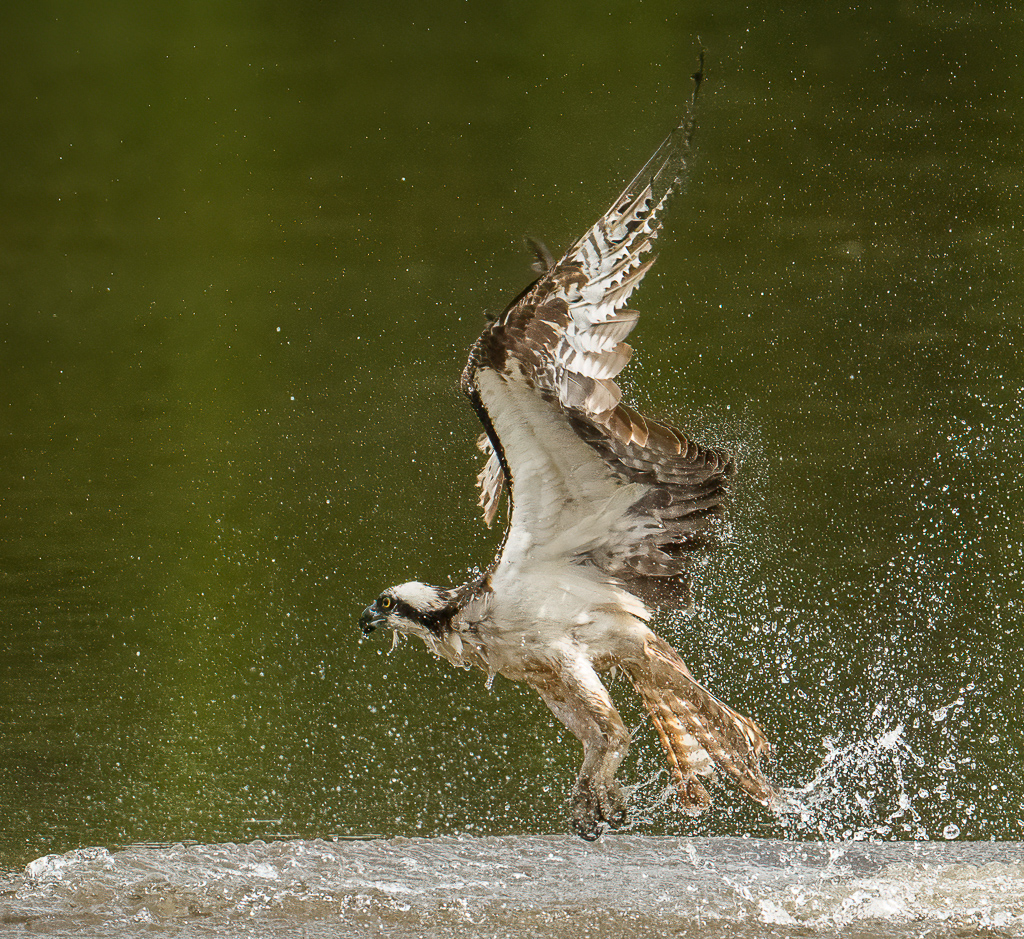
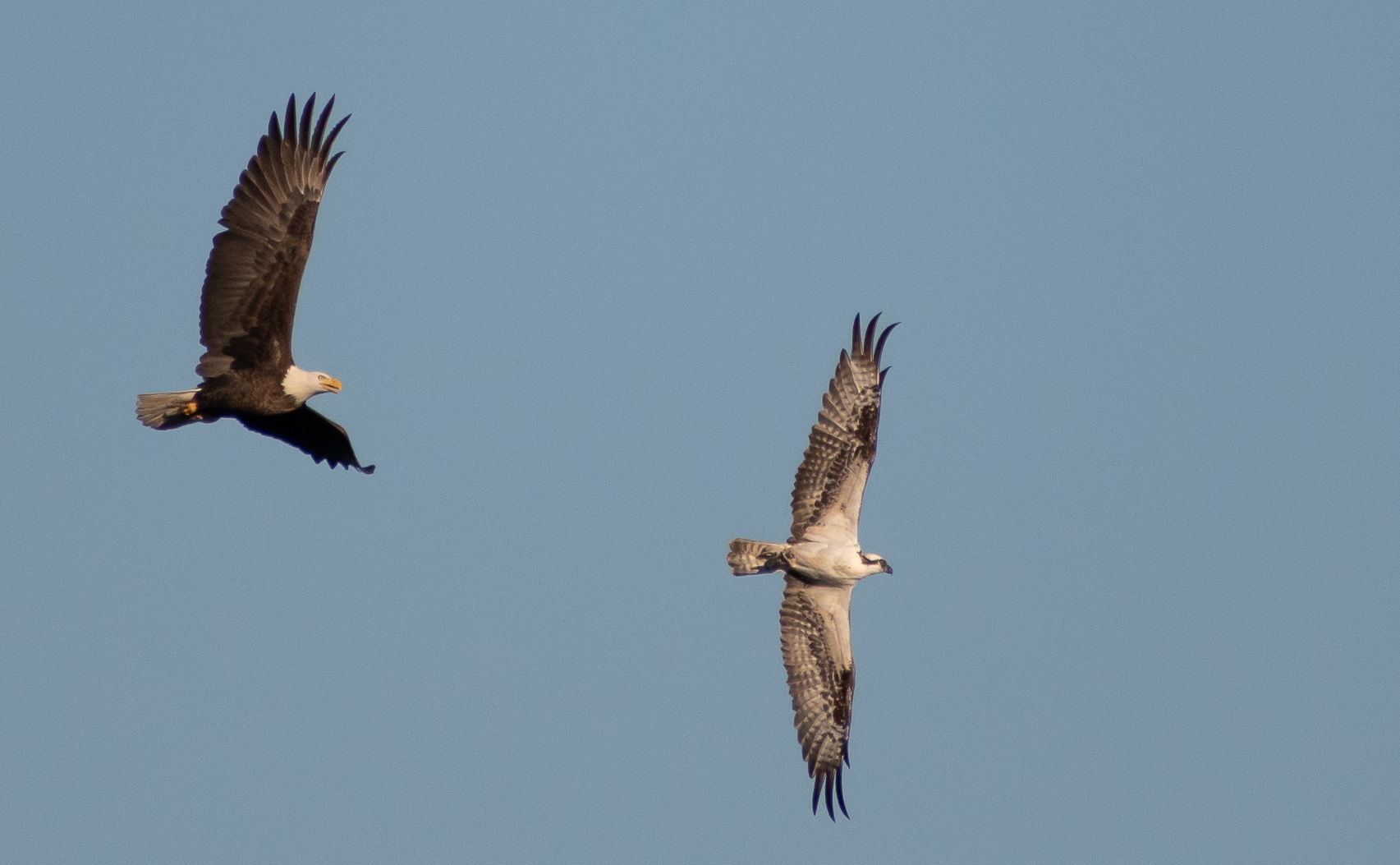
Another incredible image Pei-Fan. It shows the environment and behavior of these eagles. How lucky to have witnessed this moment. Awesome! |
Feb 23rd |
| 15 |
Feb 24 |
Reply |
Happy New Year to you! Wish you the very best in the upcoming year! |
Feb 23rd |
| 15 |
Feb 24 |
Comment |
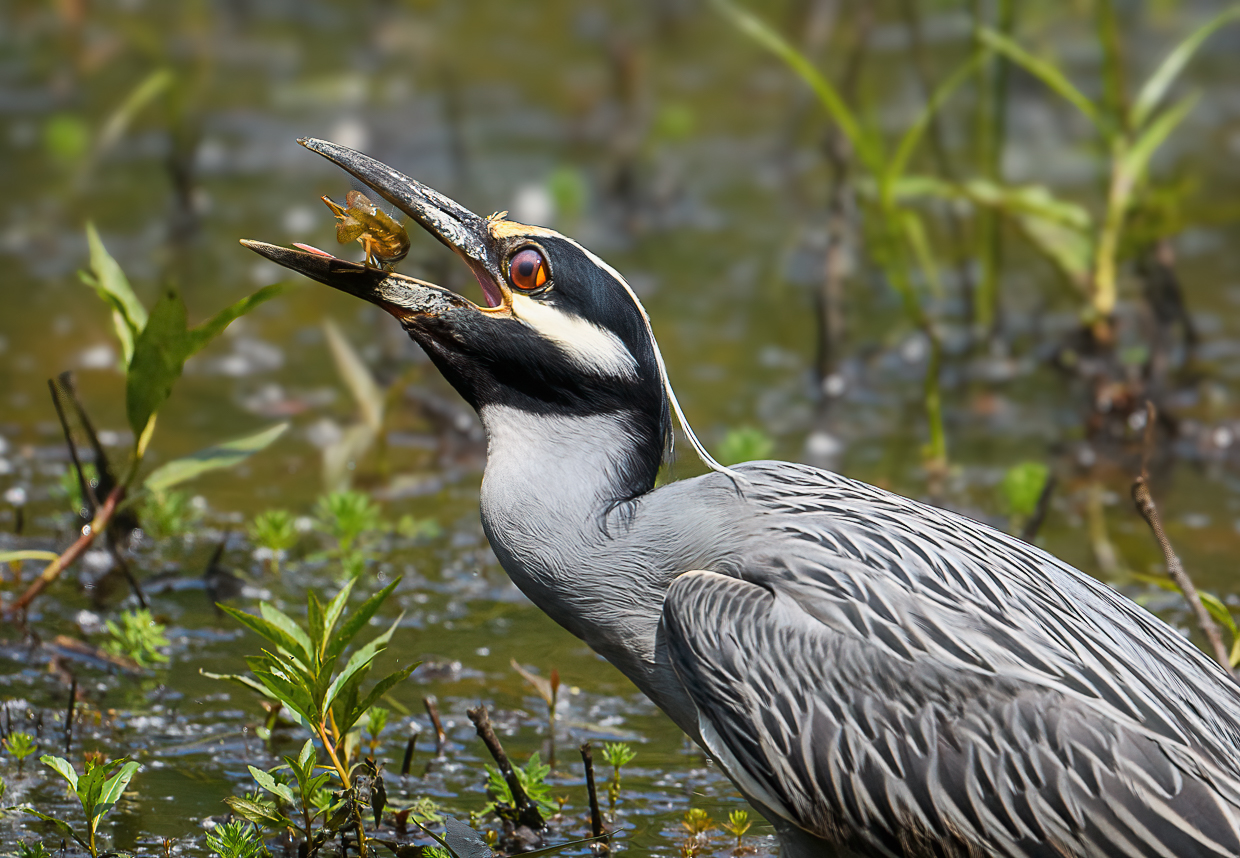
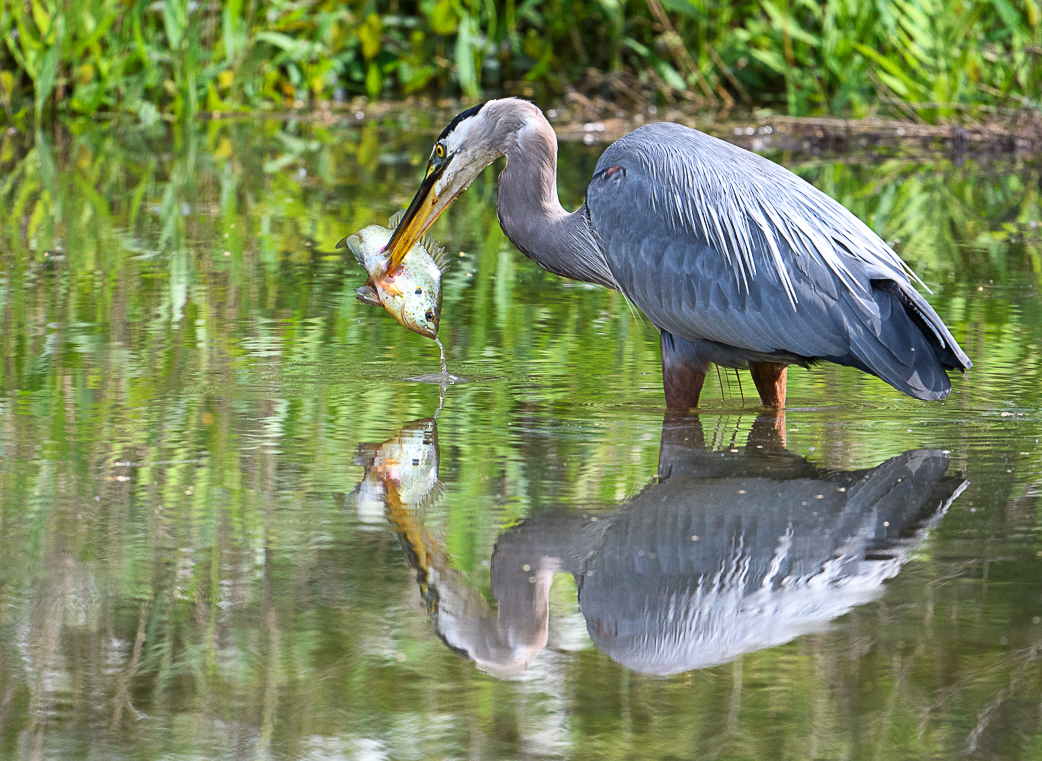
Such a lovely photo of this tricolored Heron. I have never seen one in its breeding plumage. Isaac's treatment to bring out the shadows enhances your already beautiful image. |
Feb 23rd |
| 15 |
Feb 24 |
Comment |
Interesting take on the photograph indeed. Topaz AI seems to have done a pretty good job with the sharpening. I like the effect on the water that it created. |
Feb 23rd |
| 15 |
Feb 24 |
Comment |
I love this image. Thank you for sharing. In my opinion this is a very artistic image of the whooping cranes in their environment. I agree with others on their comments. |
Feb 23rd |
| 15 |
Feb 24 |
Comment |
Very nice photo of the buffleheads. They are always hard to photograph because of the white and black colors. When the sun shines on the head the colors you see are gorgeous. Isaac did such a great job pulling out the beautiful colors. |
Feb 23rd |
| 15 |
Feb 24 |
Comment |
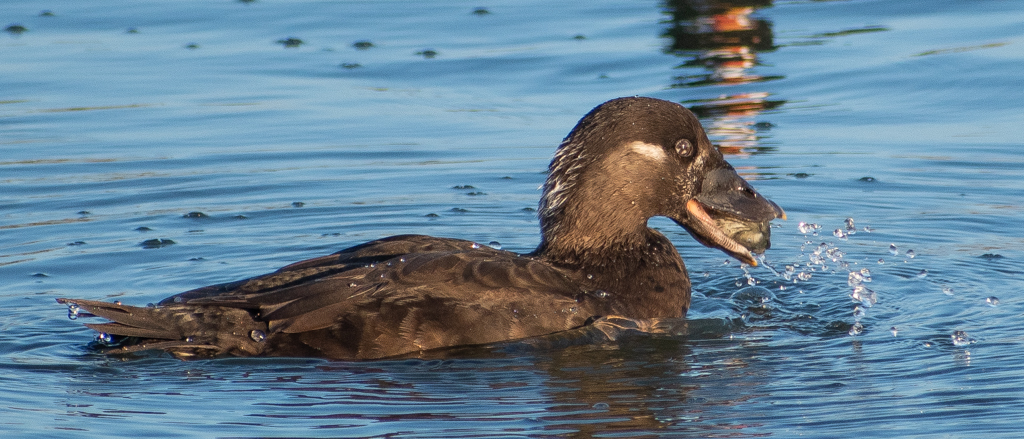
Very nice image of the Eider Ducks. Thanks for the interesting information on them. In both the main photo and the original photo it shows that the males really protect the females.
I noticed a blue halo on top of the last duck's beak. Is that an artifact of some sort or is it the color of his bill? |
Feb 23rd |
6 comments - 6 replies for Group 15
|
| 94 |
Feb 24 |
Comment |
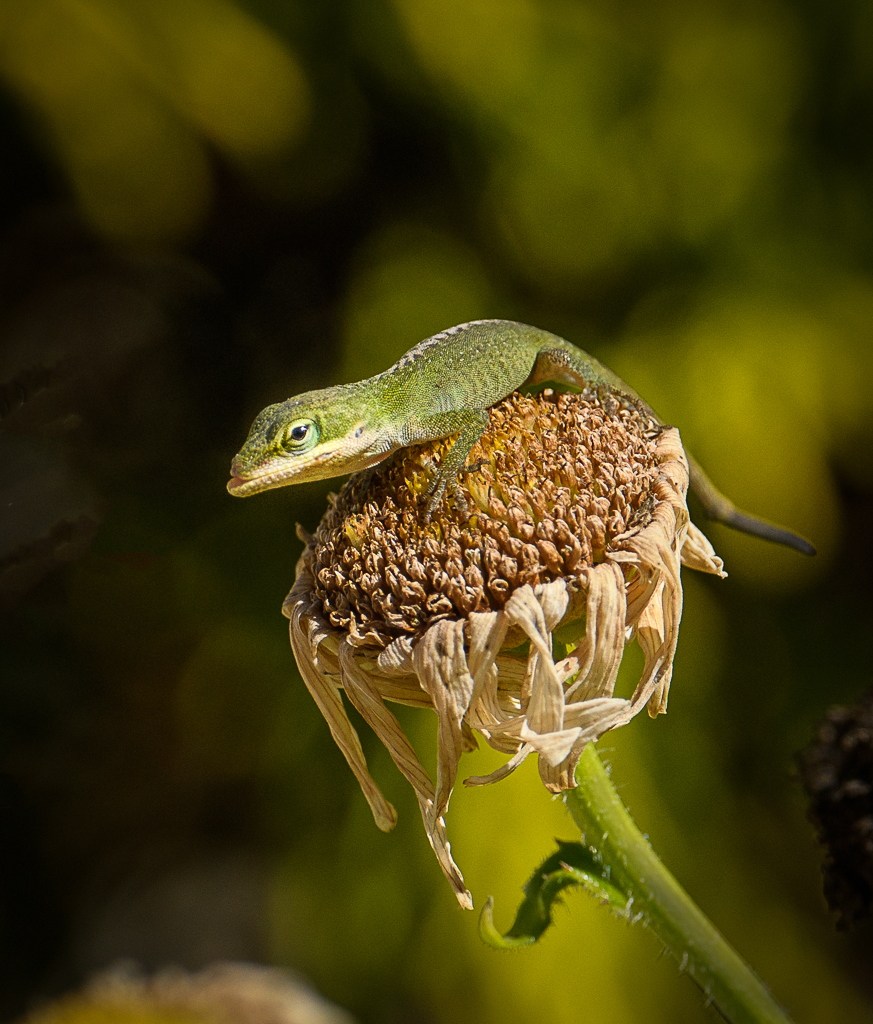
Peter, I agree with Judy's comments. Thanks for sharing the photo because I would not want to be near a lizard:)
I really like the composition and the details you show in this photograph. I also like that you have captured how these lizards can camouflage well in their surroundings. |
Feb 20th |
| 94 |
Feb 24 |
Reply |
Agree with Peter. Thanks you for all the work you do for the group! I am very appreciative as well. |
Feb 20th |
| 94 |
Feb 24 |
Comment |
Very nice photograph. You have framed it well. I am not bothered by the background, the muskrat stands out really well from its background. Like others I like how the duckweed is clinging to the fur and curves with the shape of the muskrats body. |
Feb 20th |
| 94 |
Feb 24 |
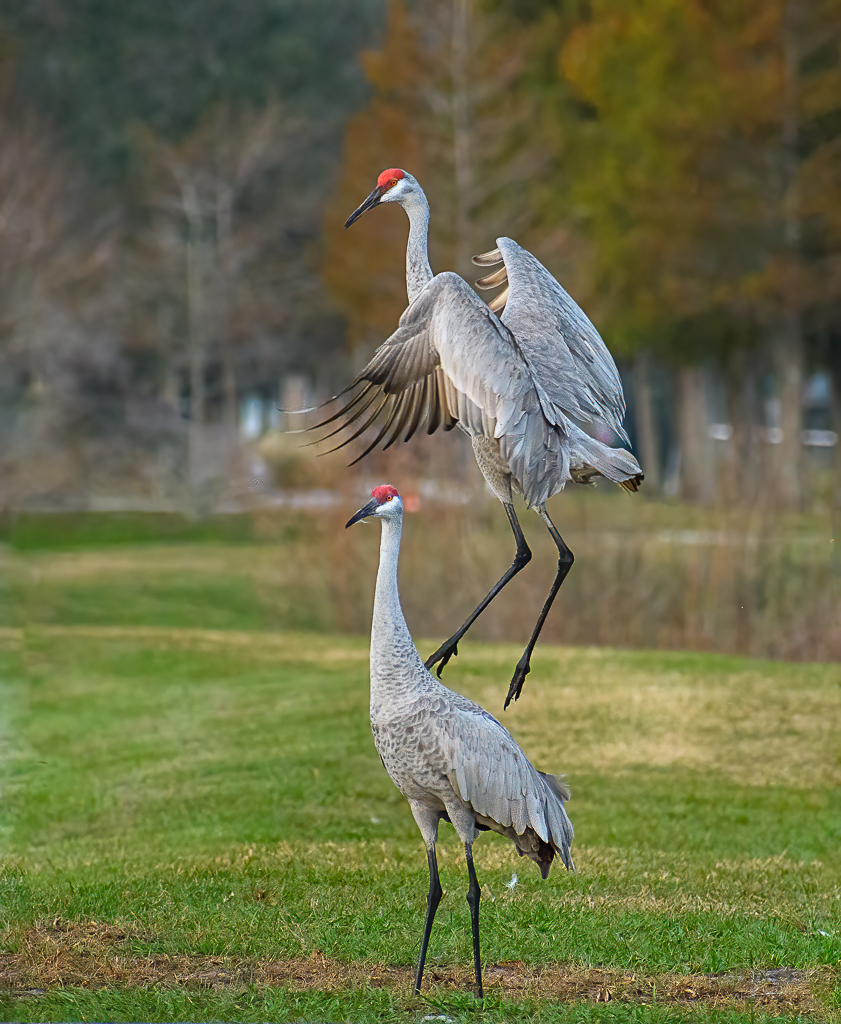
Comment |
Lovely. I think you have captured the scene very well. The colors are excellent and I like the composition. Birds are a challenging subject for sure and a big lens helps to get the details of a bird. But recently I saw a presentation by Ray Hennesey "Capturing Birds small in Frame" which opened up my eyes to photographing birds in there environment. For that you don't necessarily need a big lens. Just the right light, angle and a good eye does the magic. I am learning to do that.
I saw Sandhill cranes when I visited Florida a year ago. Folks in my photo group had a field trip to Wheeler National Wildlife refuge in January to photograph them which I didn't go to. But last weekend the cranes stopped at our local wetlands for the night, but of course I was not in town alas! |
Feb 20th |
| 94 |
Feb 24 |
Comment |
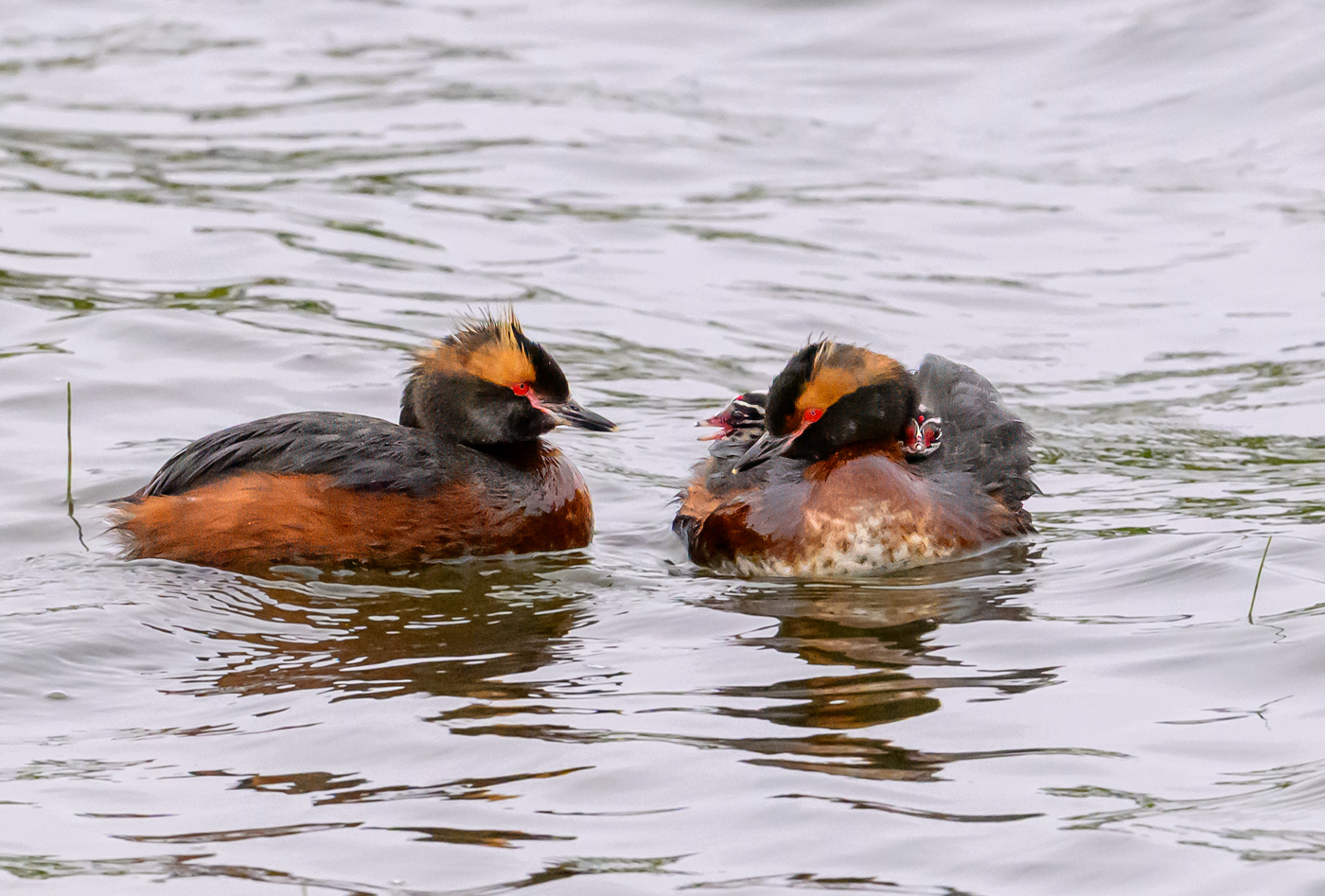
Another beautiful bird photograph. I like how the water ripples draws your eyes to the bird which really stands out from the background. The color palette is very pleasing and the reflection makes it perfect. Very well done!
We see Pied-billed Grebes in our wetlands during the winter time. I love watching them disappear beneath the water and appear back up somewhere in the distance where you would never expect them to be. The Western, Clarks and Eared Grebes are similarly fun to photograph as well. |
Feb 20th |
| 94 |
Feb 24 |
Comment |
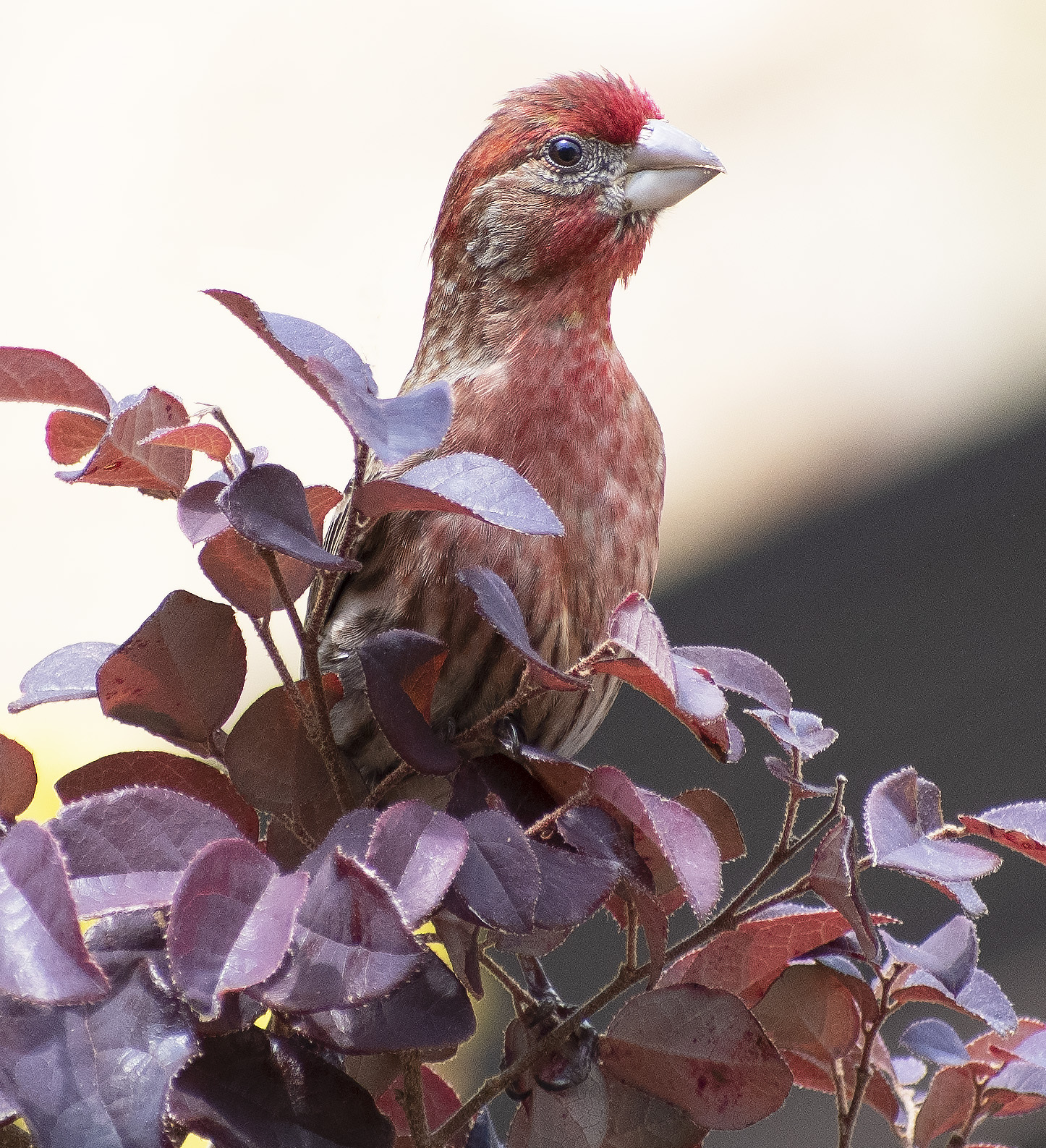
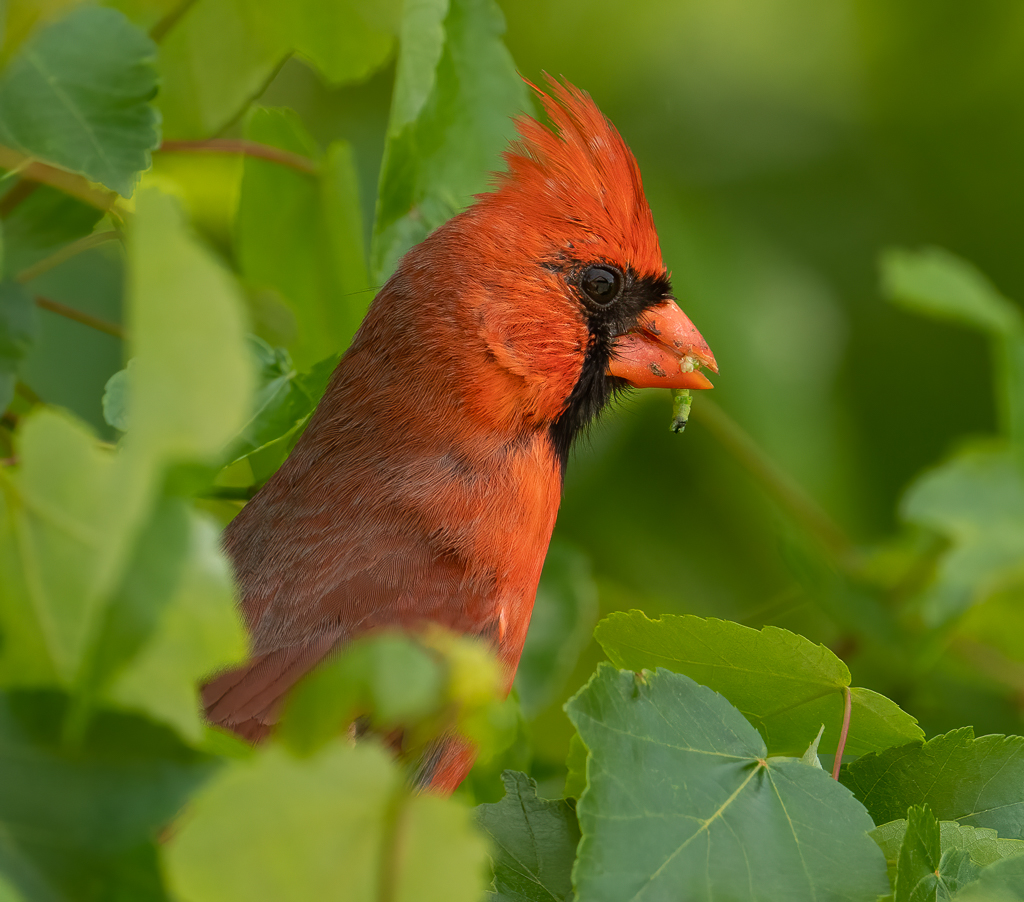
Wow what a colorful bird. You have really captured the character of this bird. I would crop it a little more at the bottom but other than that I don't have anything else to add. Very well done.
The Scarlet Tanager I have seen in our area have deeper red feathers and I have never seen the darker band across there eyes. Is this a Vermilion Flycatcher by any chance? |
Feb 20th |
| 94 |
Feb 24 |
Comment |
What a beauty! You have captured it well! With the red belly and the bright yellow algae your subject stands out in the original version but darkening the background really makes the bird pop out. Amazing. |
Feb 20th |
| 94 |
Feb 24 |
Comment |
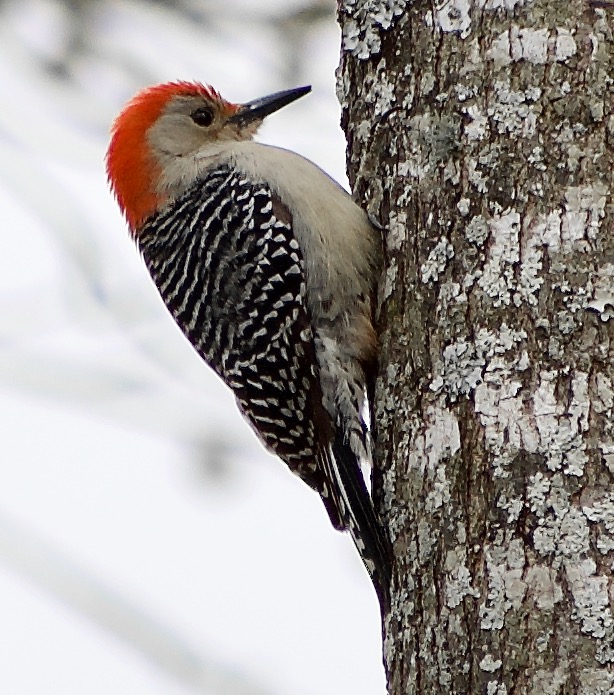
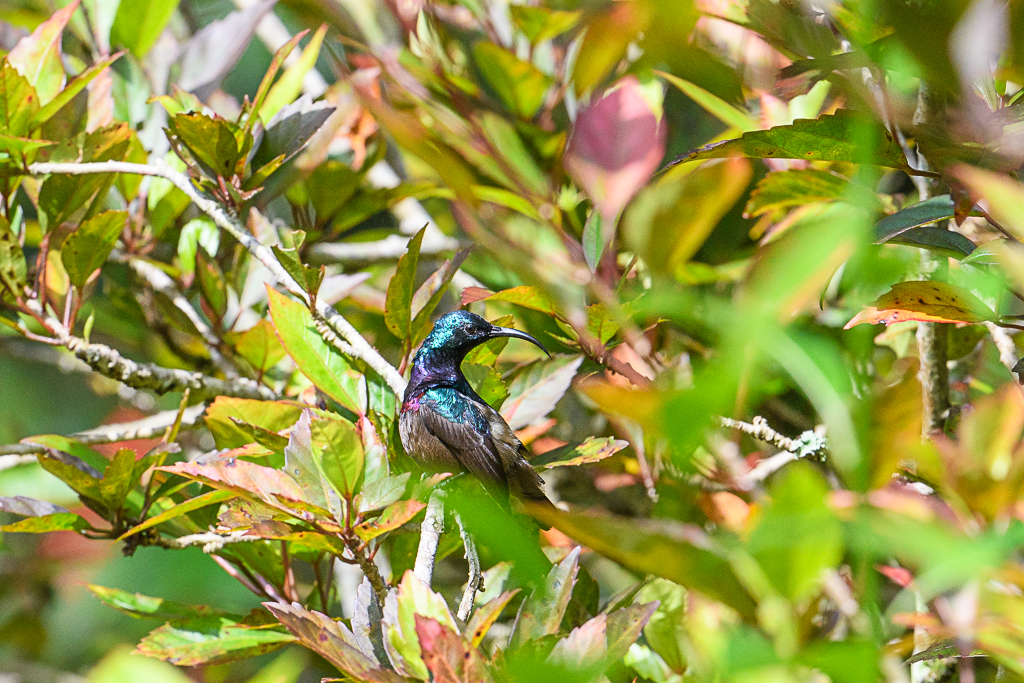
Thank you for your comments Sherry. The purple breast bands are visible in breeding males only in good lighting. The feathers are like prisms, just like hummingbird feathers where structural changes in feathers causes us to see different colors when light shines on them. I found this interesting article describing the science behind feather colors.
https://grrlscientist.medium.com/the-physics-of-structural-plumage-colours-in-birds-grrlscientist-6c608a7476c8
|
Feb 20th |
| 94 |
Feb 24 |
Reply |
Thanks Peter. |
Feb 20th |
| 94 |
Feb 24 |
Reply |
Thanks for your comments. I am attaching the original per your request. |
Feb 19th |
 |
| 94 |
Feb 24 |
Reply |
Thank you Judy. |
Feb 19th |
7 comments - 4 replies for Group 94
|
13 comments - 10 replies Total
|