|
| Group |
Round |
C/R |
Comment |
Date |
Image |
| 78 |
Oct 23 |
Reply |
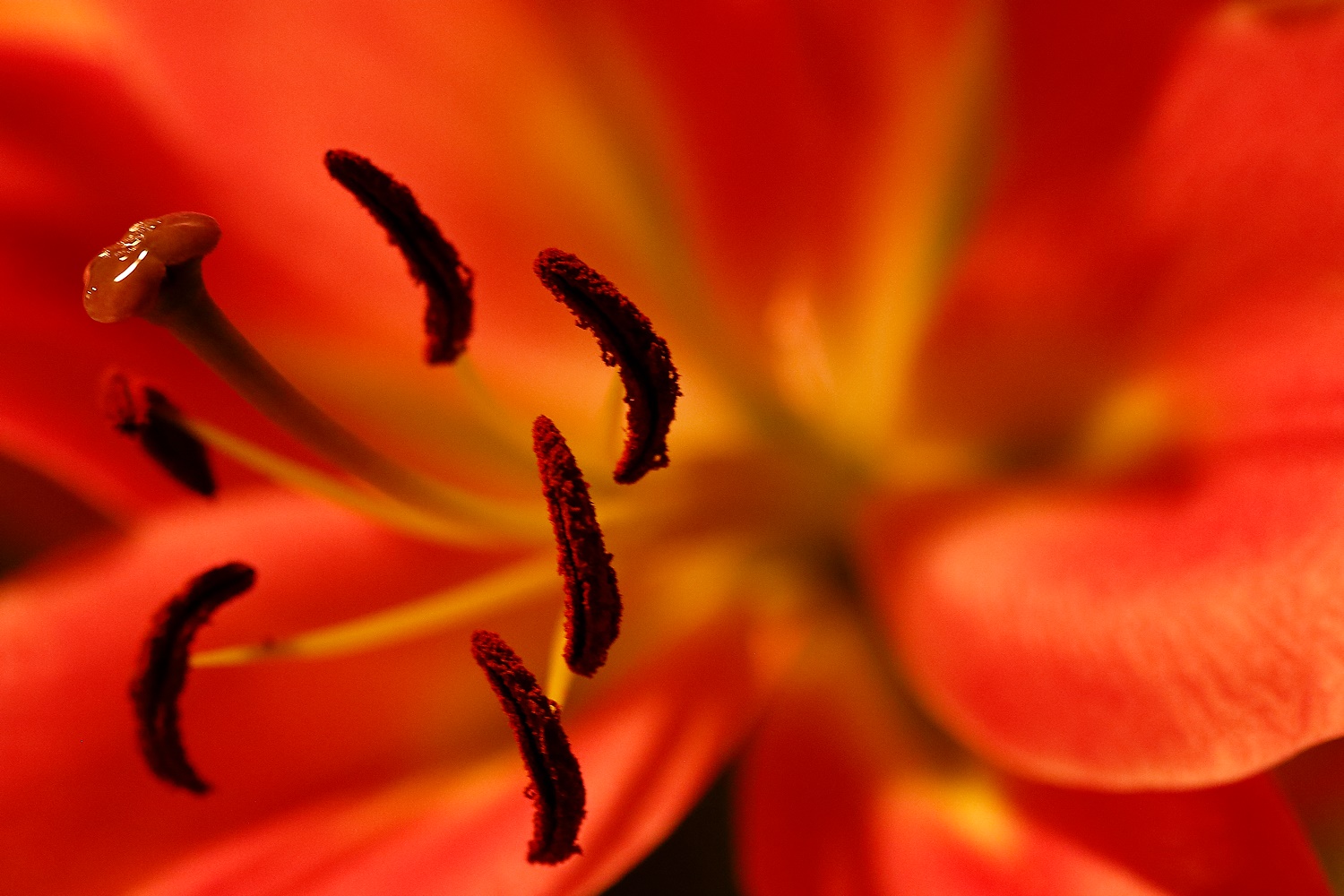
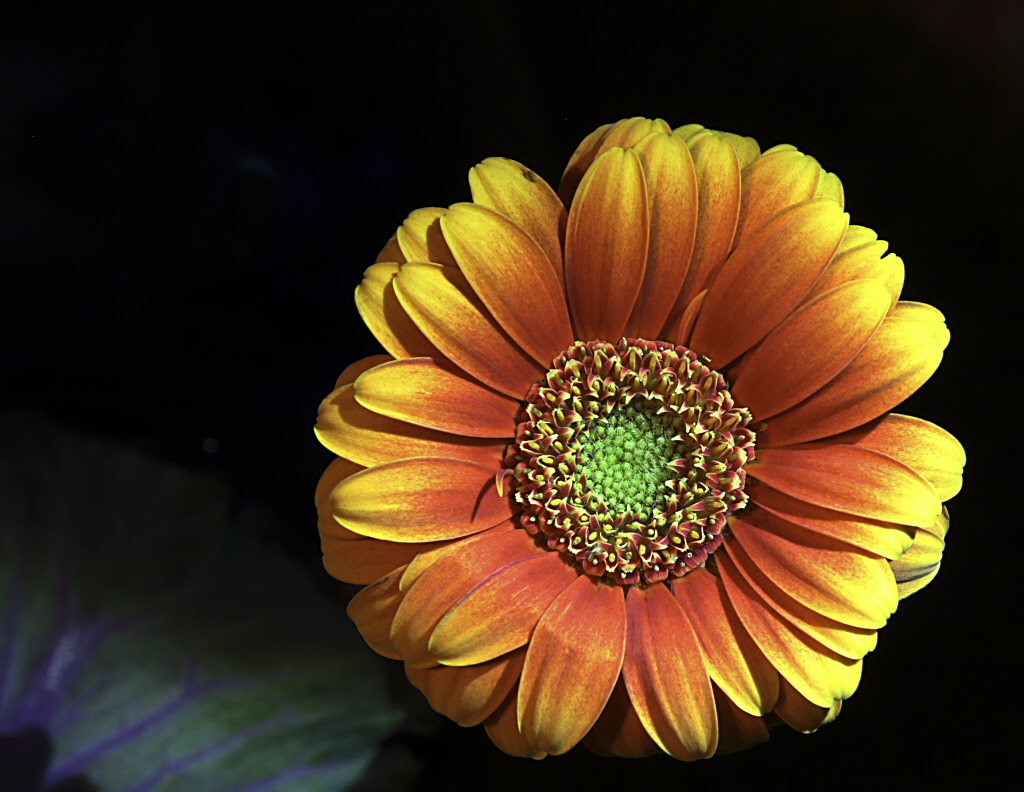
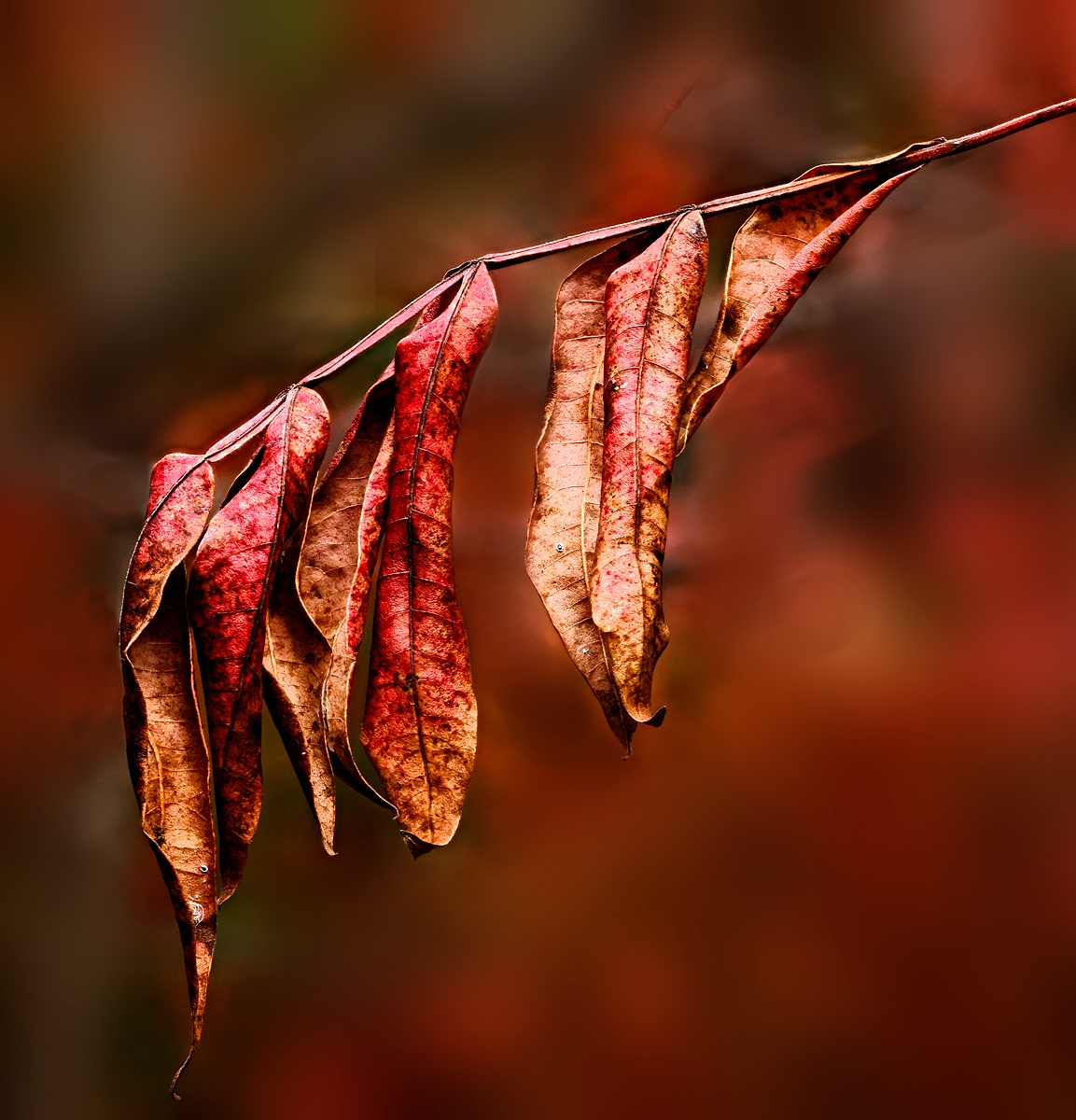
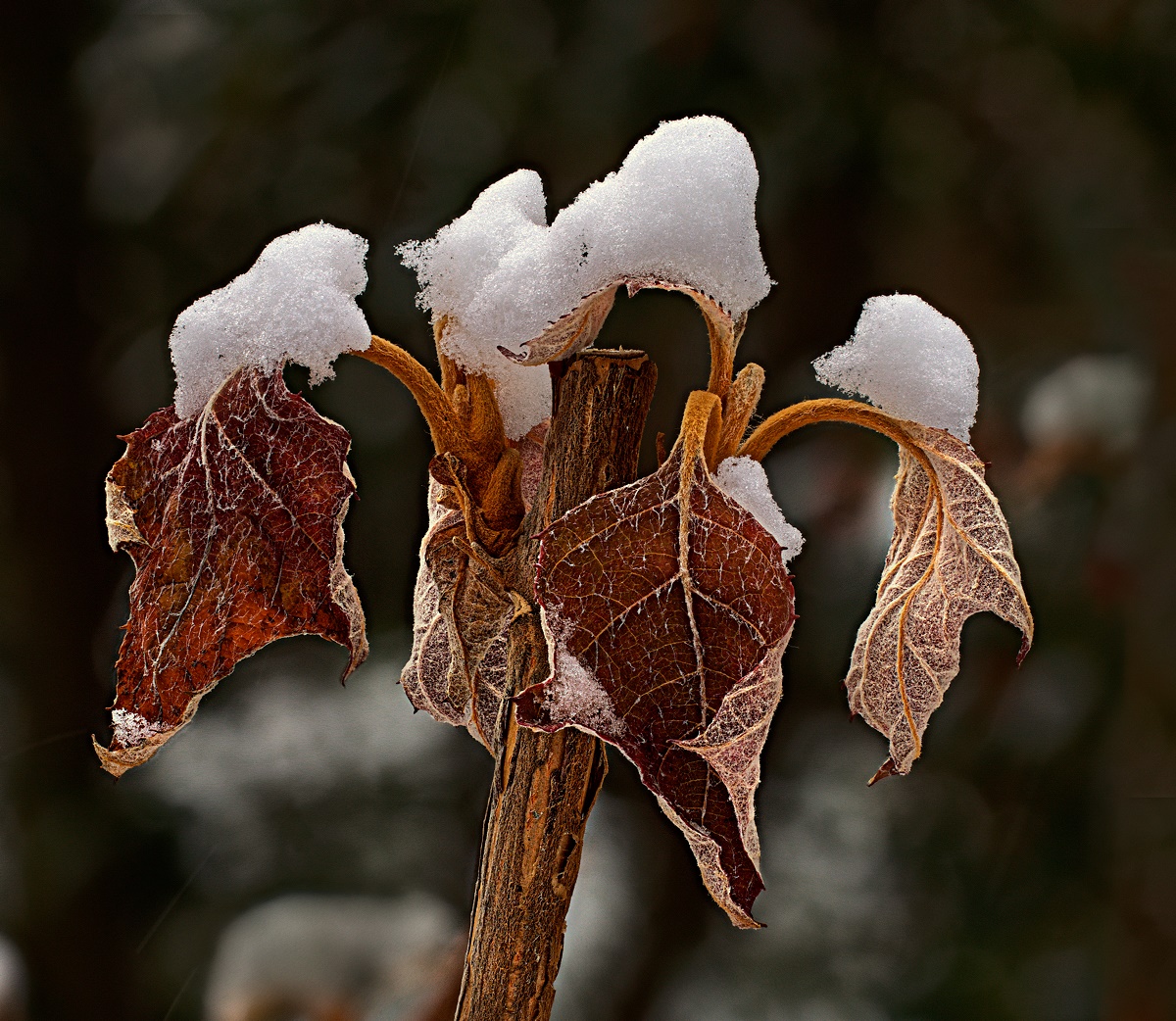
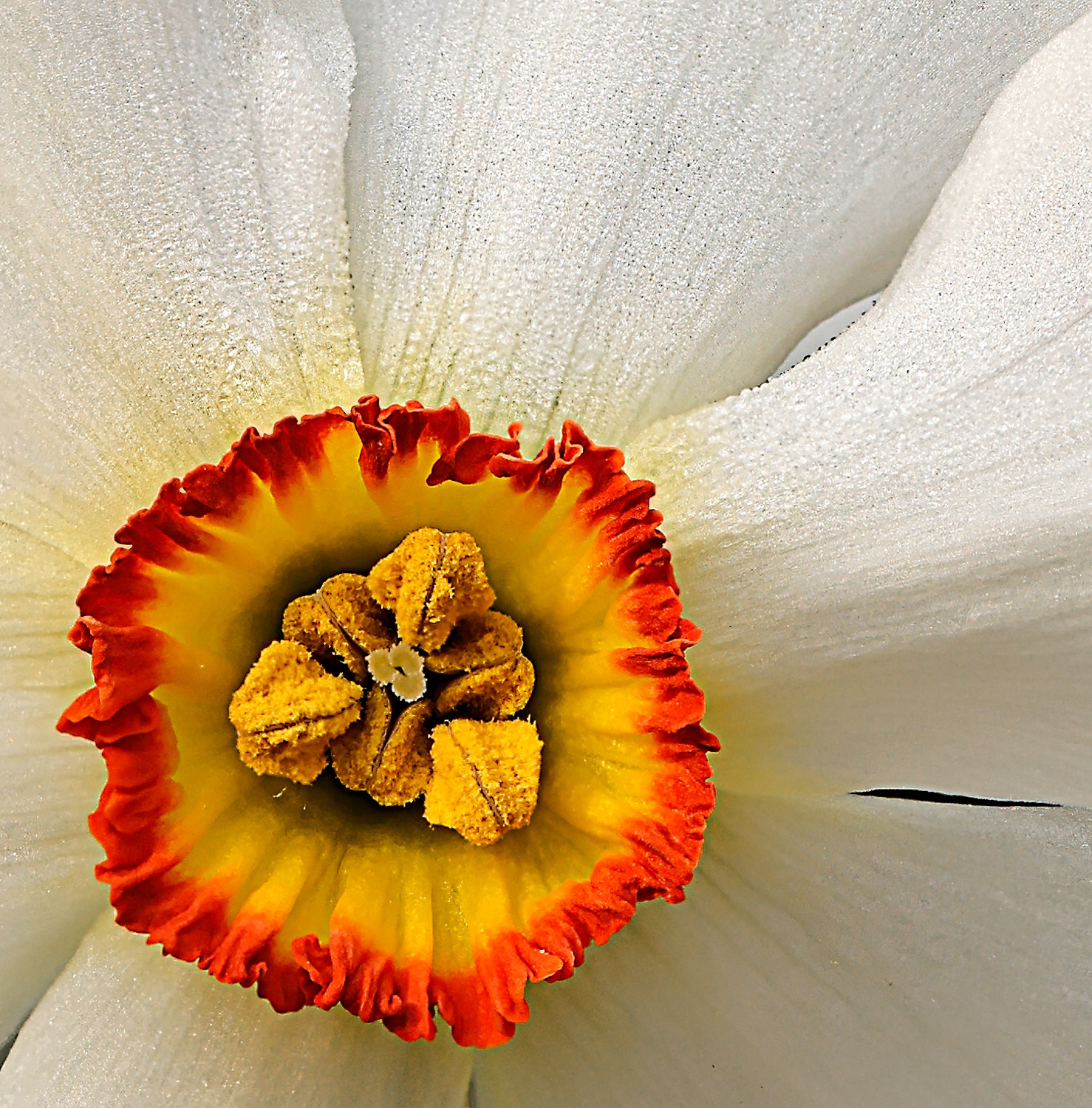
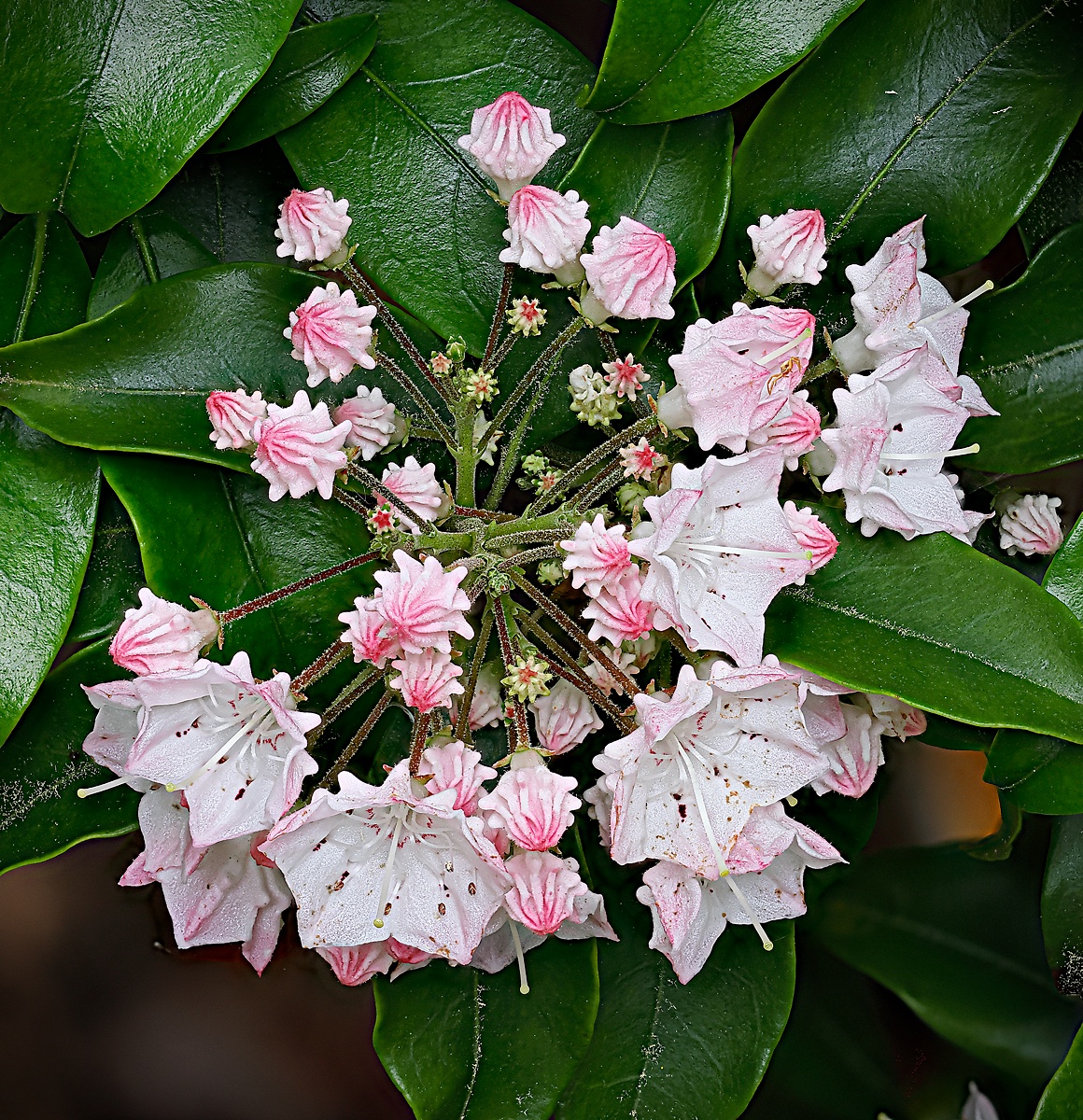
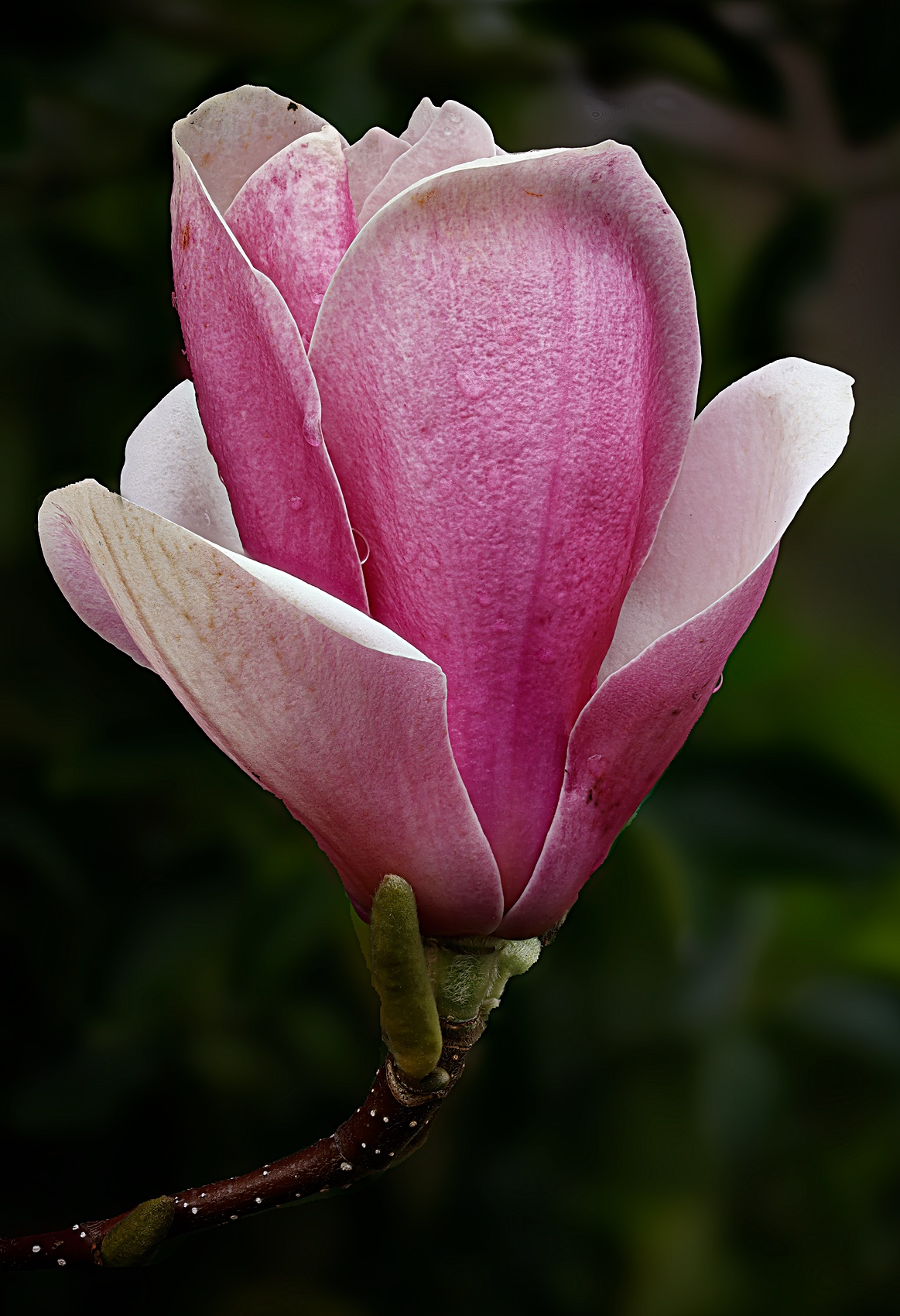
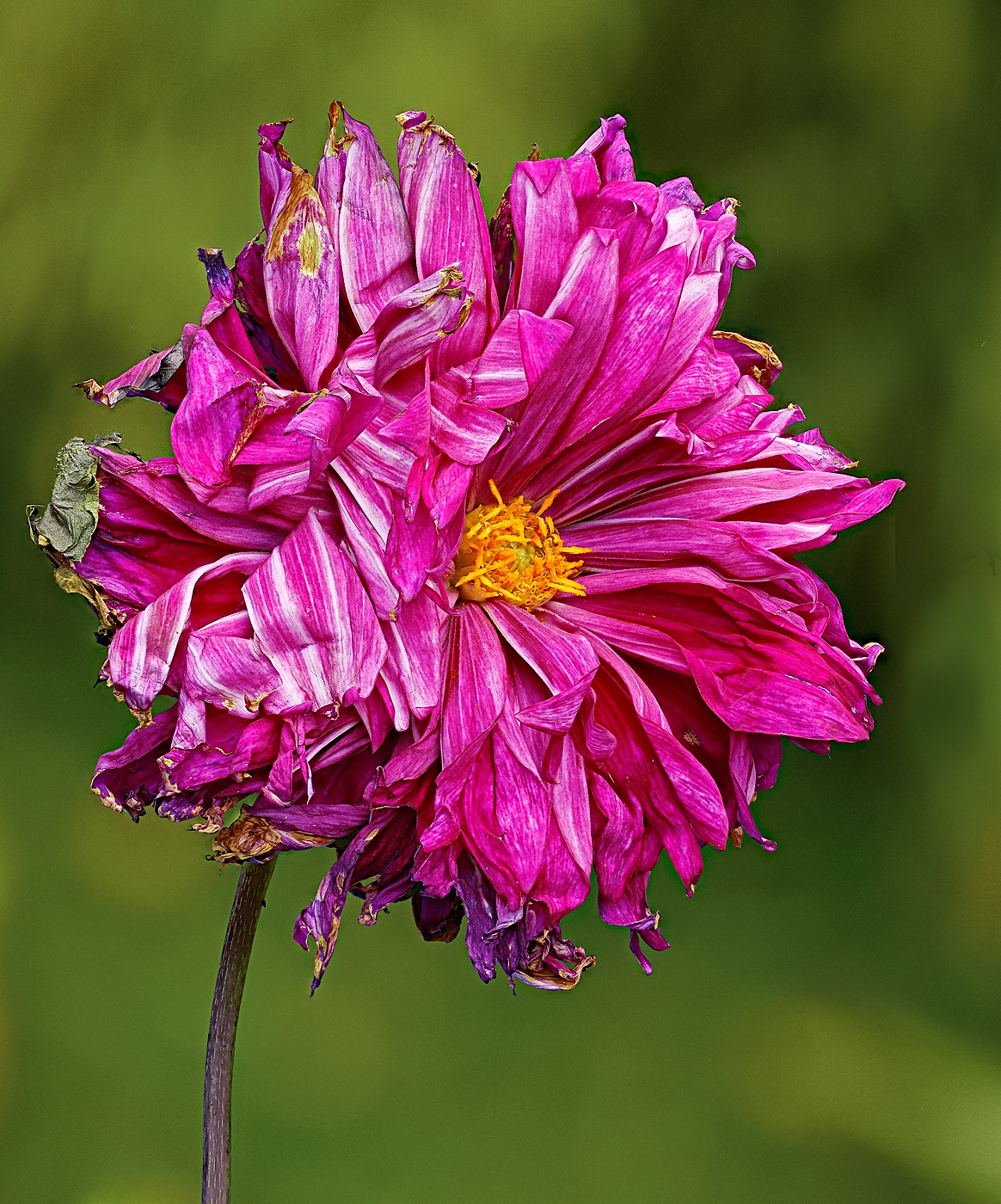
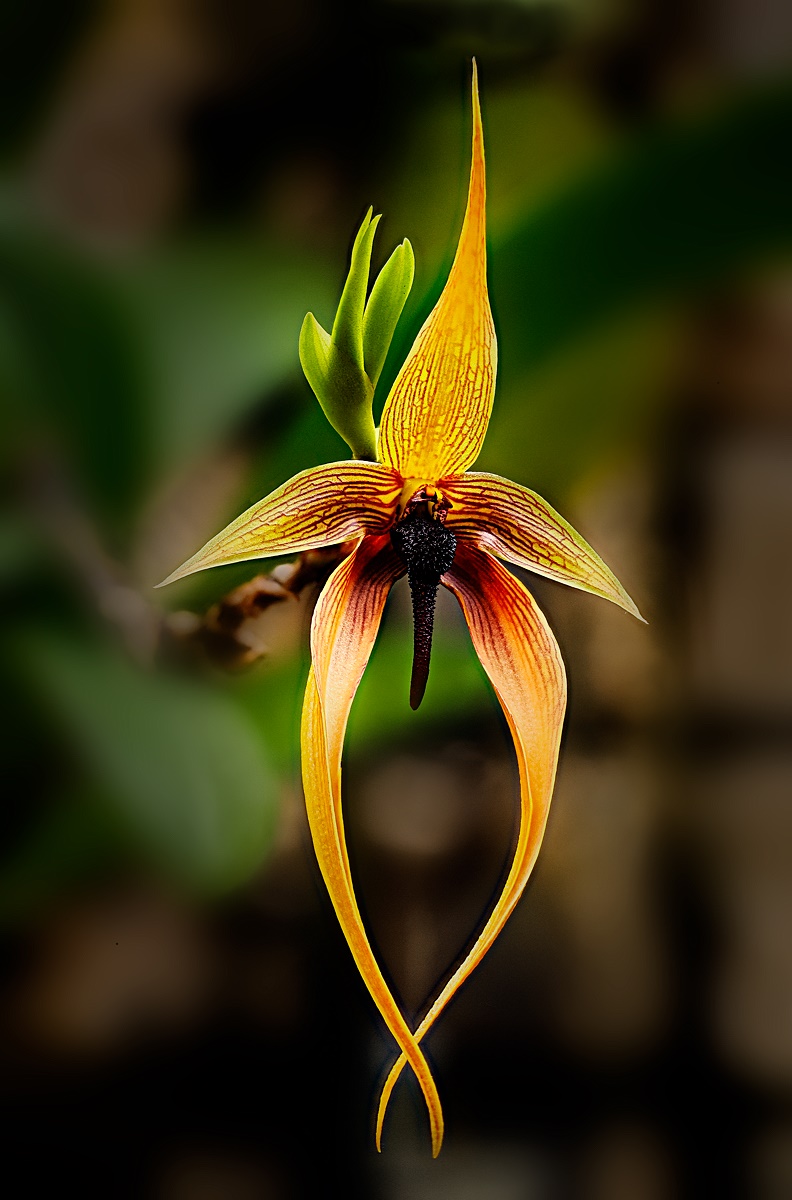
I could see the blurring that the Orton effect generates, but I could not see any haloing that is also part of the Orton effect. I played more with the Orton effect and found that a fairly nice image resulted from applying the Orton effect with a blurring radius of 100 pixels only to the outer third of the flower produced something that artistically was OK to me. This, however, downplayed what is important to me in this image, namely its worse-for-wear aged quality that is concentrated in this part of the flower. For me, somewhat blurring the entire image reduces the impact, so that, in summary, for a large print, I think I will not apply an Orton effect. Thank you for reminding me about the Orton effect and stimulating me to review it. Undoubtedly, I'll be using it in some of my future images. |
Oct 11th |
| 78 |
Oct 23 |
Reply |
I really like this version with the detail in the lower right as well as the nice blues, reds, and oranges. |
Oct 11th |
| 78 |
Oct 23 |
Reply |
Suppose you are observing and photographing the moonrise above the Dallas skyline and to your eye and in the camera image, the relative sizes of the buildings and the moon look like Sunil's image. Now, if you double your distance from the buildlings, they will look half as large to your eye and your camera while the relative distance to the moon has increased by a miniscule amount. To your eye and your camera, the buildings will have shrunk while the size of the moon has remained unaltered. If you double the focal length of your camera lens, you restore the buildings to their original size, but the doubled length of the longer focal length lens has also doubled the size of the moon.
Therefore, what Brenda's larger moon has done is effectively move her much farther away from the buildings. My measurements of the images place her effective vantage point almost four times as far from the skyline as Sunil's. I like Brenda's lightening of the buildings, but I'm less enthusiastic about her new effective camera position (size of the moon), which would require a lens focal length of 720 mm. |
Oct 8th |
| 78 |
Oct 23 |
Reply |
I convert from raw to tiff in the Adobe RGB color space. For posting on this site, I resize, convert to the sRGB color space and save as a jpg and upload to the PSA site. When I download the file from the PSA site and compare to the file that I had uploaded, I find a difference in the color saturation. My monitor is calibrated, but since the two files are being compared on the same monitor, calibration cannot be the issue. I wonder if my system, unbeknownst to me is converting one of the two files back to Adobe RGB. |
Oct 7th |
| 78 |
Oct 23 |
Reply |
Looking at 83 next month so it's natural for me to find a little beauty in aging.
Thank you for excellent suggestions. I think they have improved my image, although, I feel that my first image is truer to the Raggedy Ann series of books and dolls.
Color saturation on the PSA site remains problematic for me. My posted images seem to be more saturated on the PSA site than on my computer. |
Oct 6th |
 |
| 78 |
Oct 23 |
Comment |
An additional comment concerning your Milky Way image of last month. I commented that while the original had blue and red stars, in the final image, most had turned white, and I wondered why. I believe that a simple explanation is that the original was so greatly brightened that for most stars, all three color channels were blown, which would then result in a white star. |
Oct 3rd |
| 78 |
Oct 23 |
Comment |
I like the colors of the bird and the sharp detail. I also like the fact that the background was darkened and blurred and that vignetting has been used. I'd have preferred not to have the artifact in the interface between the background and whatever the bird is resting on.
Some blurring tools sample pixels beyond a mask's limits and therefore ruin a sharp interface between objects with different colors when only one of the two is masked. Possibly you kept this in mind and placed the mask's limits somewhat inside the background area? With some careful cloning you can eliminate the blurring artifact or if your program has a sophisticated (but very slow) blurring transformation, that does not sample beyond a mask, you could use that. |
Oct 3rd |
| 78 |
Oct 23 |
Comment |
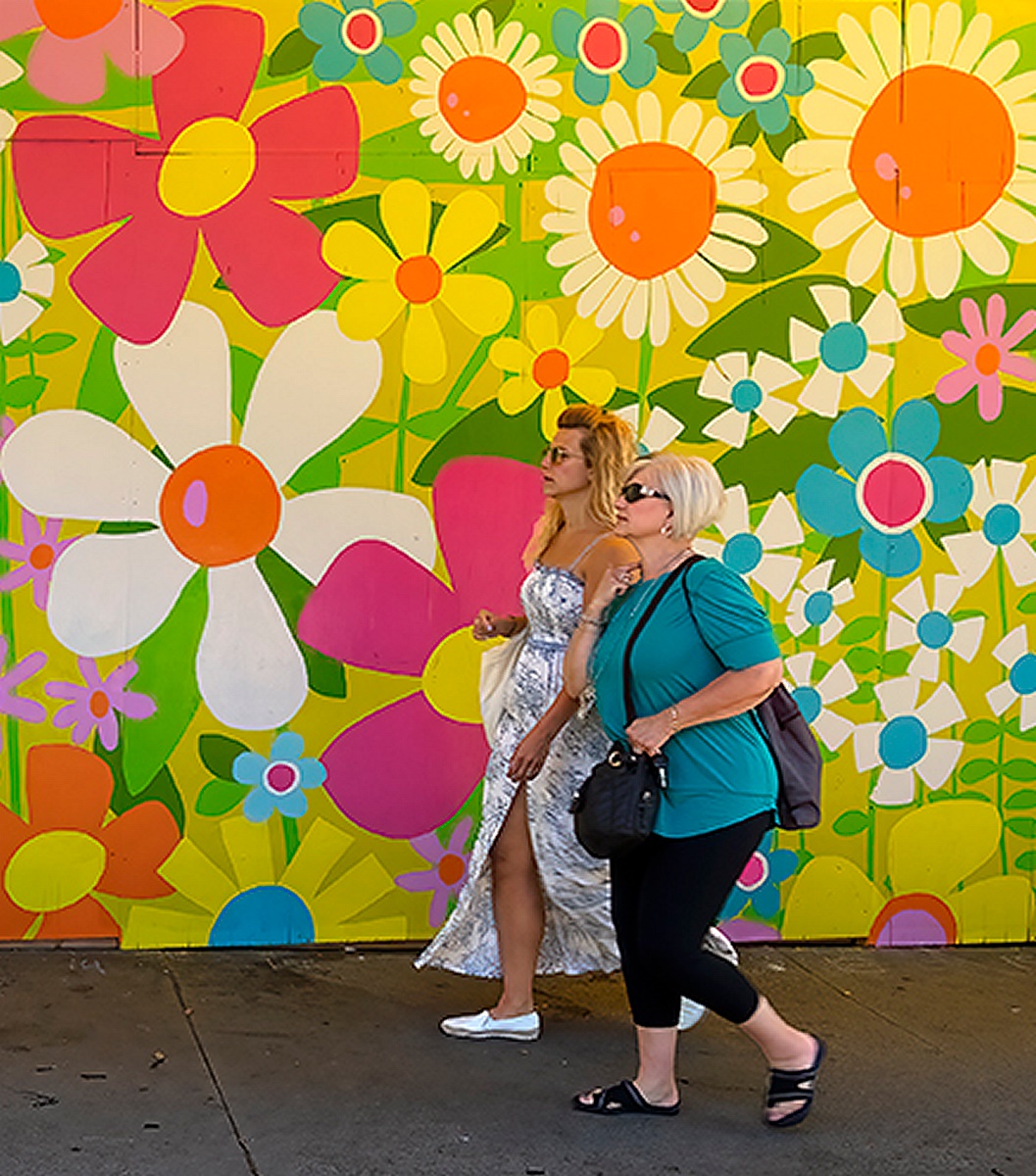
What, vandals in Vancouver? It was good to capture a couple passersby. Cropping out the evidence that this is a store front makes the picture more interesting to me as I then wonder what situation could have generated this scene. |
Oct 3rd |
 |
| 78 |
Oct 23 |
Comment |
What an amazing recovery of a greatly overexposed shot. I wish the soldiers right upper arm were more visible. |
Oct 3rd |
| 78 |
Oct 23 |
Comment |
Photographically, I think this is very good. I think you succeed admirably in depicting the plight of prisoners, it certainly makes me feel uncomfortable. |
Oct 2nd |
| 78 |
Oct 23 |
Comment |
It is a really lovely panorama. With the full moon so close to the horizon, I'm surprised that you weren't still in the blue hour. If there is any hint of it in your original shots, perhaps it could be emphasized a little in your final composite? |
Oct 1st |
| 78 |
Oct 23 |
Comment |
This has really nice reds and oranges. The scene itself is fantastic. I am bothered by the tilted horizon, but that is easily fixed. The original vivid blues have been replaced with a blue-grey, but I quite like the original blues. I wonder how something halfway between the two would look. I also wonder if a little detail in the lower right area might be rescued. At present it is a rather large featureless area. |
Oct 1st |
7 comments - 5 replies for Group 78
|
7 comments - 5 replies Total
|