|
| Group |
Round |
C/R |
Comment |
Date |
Image |
| 30 |
Aug 19 |
Comment |
That's interesting, I hadn't known that any cameras used dng for the original file storage type. I'm still interested to know whether by using the original dng file you can bring up the sea and the sky without too much noise or weird colored pixels. |
Aug 19th |
| 30 |
Aug 19 |
Comment |
What file type was the original file, and does it or a tif derived from it permit bringing up the sea and sky without generating excessive noise and weird colored pixels? |
Aug 18th |
| 30 |
Aug 19 |
Comment |
Tom, are you reading the comments? I'm still interested to know what type of file is your original image and whether it permits bringing up the sky and sea. |
Aug 17th |
| 30 |
Aug 19 |
Comment |
With the passage of time I am beginning to prefer color, but as Jessica suggests, with the crop of the B&W which I posted. |
Aug 10th |
 |
| 30 |
Aug 19 |
Reply |
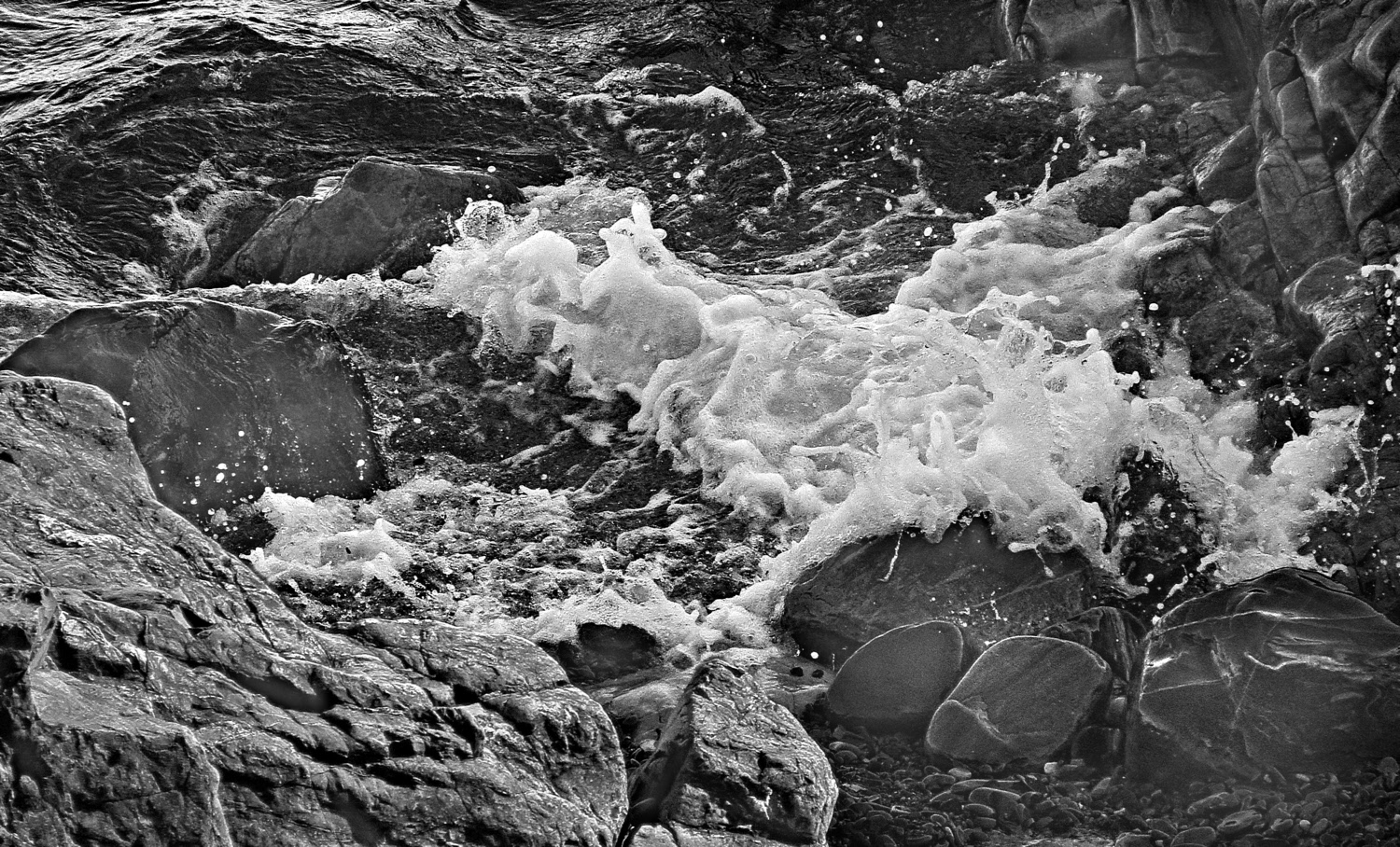
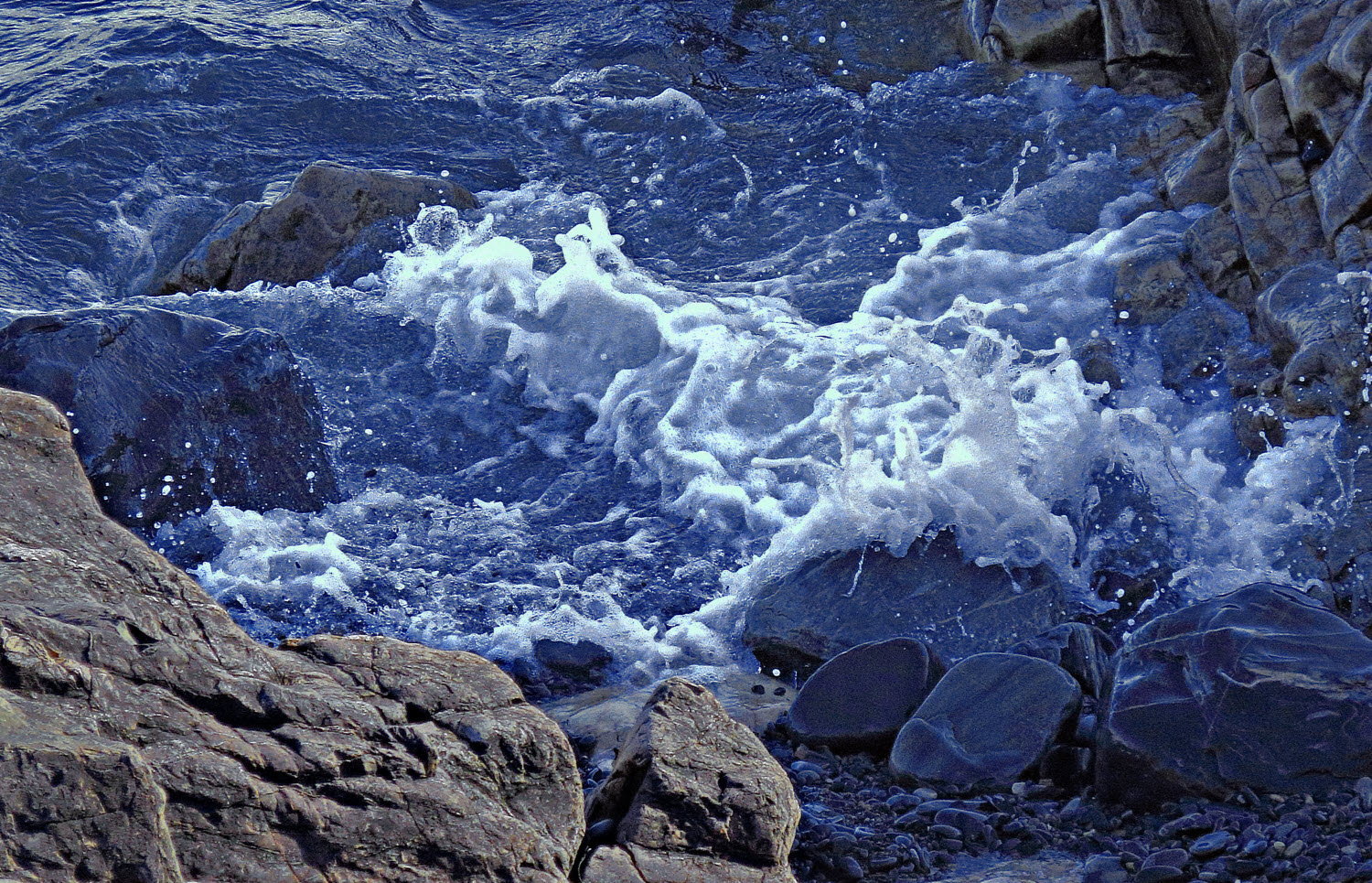
I was curious about your comment on the noise, whose levels might have been misleading since the web images are only 1500 pixels wide and, in addition, are jpeg conversions from tif. Therefore, I went back to the original raw file (4,000 pixels wide) to make a non reduced B&W in 16-bit tif. Indeed, there is more noise in the shadows of the final B&W image than I would like for printing larger than 8 x 10. This was shot using an ISO of 320. While this yielded a realistic preview image on the camera, a Canon S-120, turning up the ISO generally reduces the available dynamic range in the image, and probably increases noise, and instead, I could have brightened the image in processing. The smarter action would have been to use my T5i camera with its 24 x 16 mm sensor (APS C) instead of the S-120 with its 7.6 x 5.7 mm sensor. The S-120 came out in 2013, and I've read that newer cameras are less noisy, presumably through improvements in sensor and software design. With this demonstration of the value of a large sensor in a recently released camera, in light of my liking of large prints, I'm wondering if I should opt for a new camera with a full frame sensor. |
Aug 9th |
| 30 |
Aug 19 |
Comment |
Thank you. That helps a lot. What you have done is pretty much what needs to be done to most B&W images--contain some pure white and some pure black, and be rather contrasty in between. I had refrained from doing this because of my memory of how gaudy the color version became when I goosed up its brightness and contrast. Actually, it is possible to reproduce your image from my original quite simply. In photoshop I think it is called "Curves adjustment" and use an S-shaped curve. This gives the full range of tonalities needed and the the contrast needed. Then the wet rocks can be lightened with a broad brush or using a mask. |
Aug 7th |
| 30 |
Aug 19 |
Reply |
I also feel that the softer effect is appropriate for this image. |
Aug 7th |
| 30 |
Aug 19 |
Comment |
I feel the buoy, suitably toned down, is important for the balance of this image. Otherwise, my eye just zips off the right edge. |
Aug 6th |
| 30 |
Aug 19 |
Comment |
1/800 makes more sense. Check out hyperfocal length settings that allow you to have everything in focus from some depth to infinity that depends on the aperture and sensor size. By dropping your shutter speed to 1/400 and using the widest aperture possible that gives you everything in focus from some minimum distance to infinity, you can probably reduce your ISO to 100, which will then facilitate bringing up dark areas. Meanwhile, what file type is the original of your shot, raw, tif, or jpg? What happens when you work with your original? Can you bring up the sea and sky? |
Aug 4th |
| 30 |
Aug 19 |
Comment |
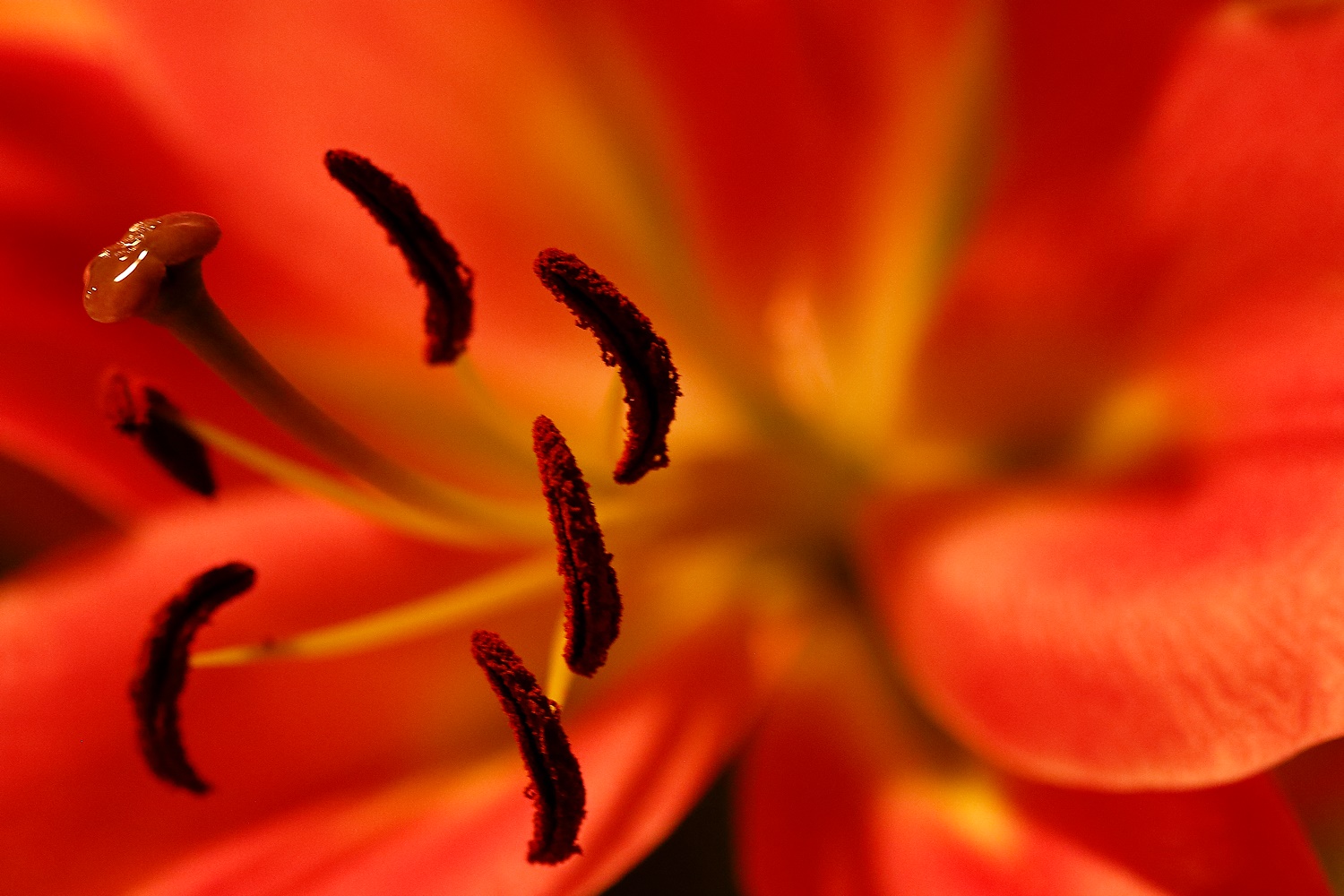
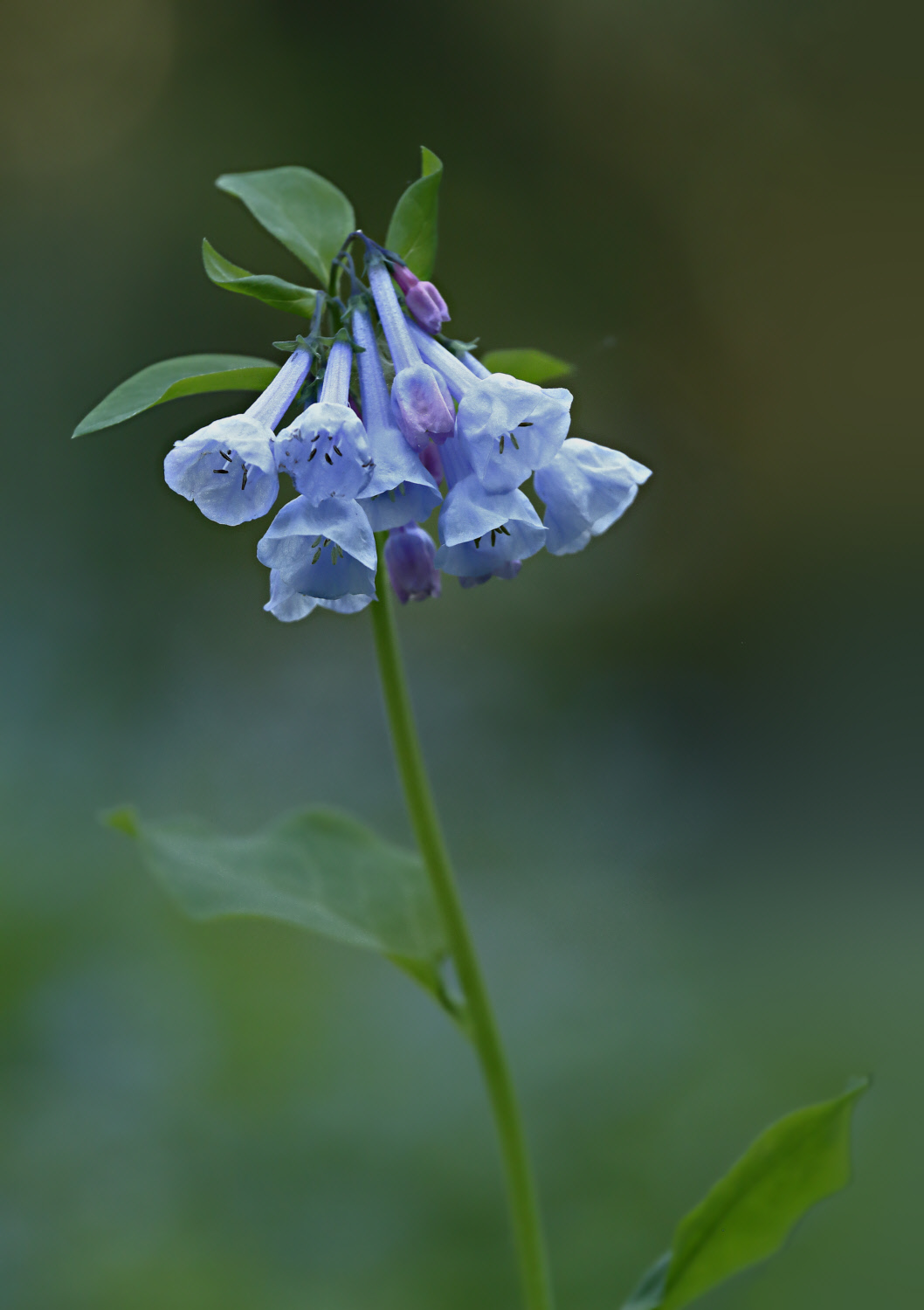
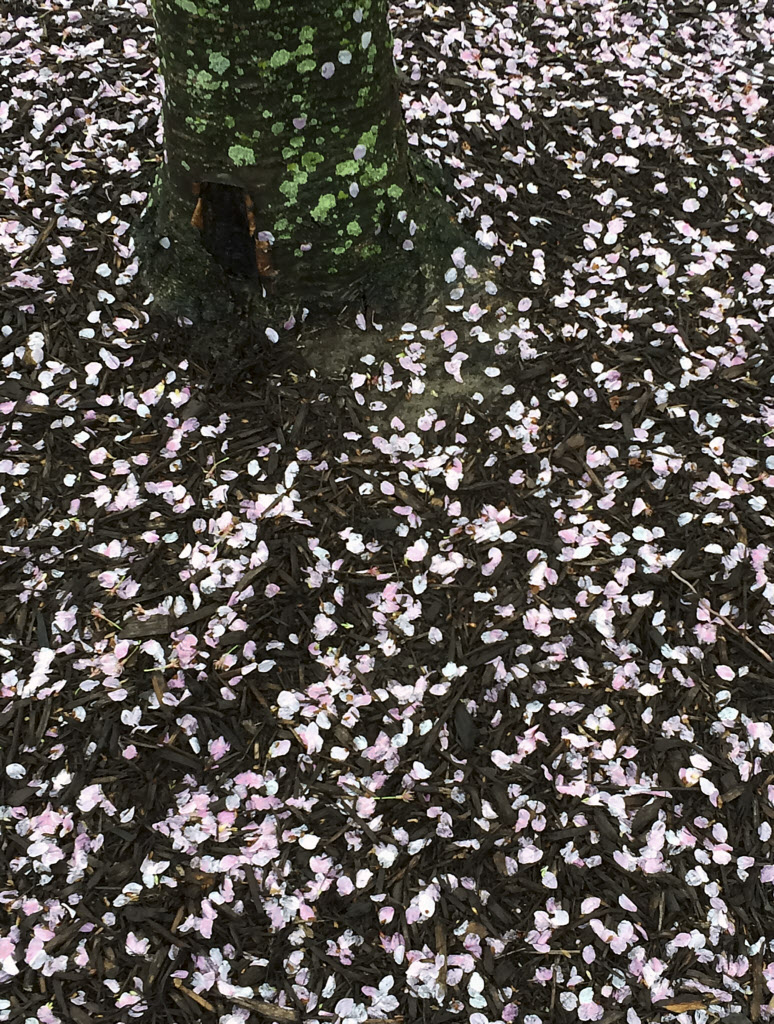
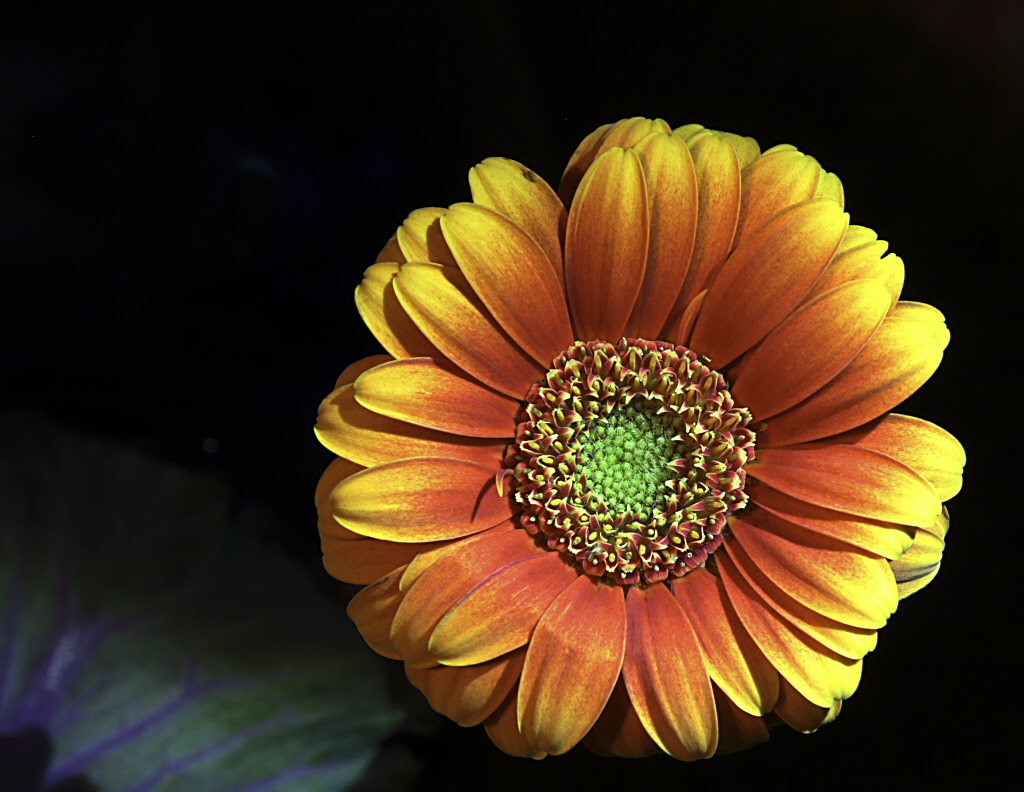
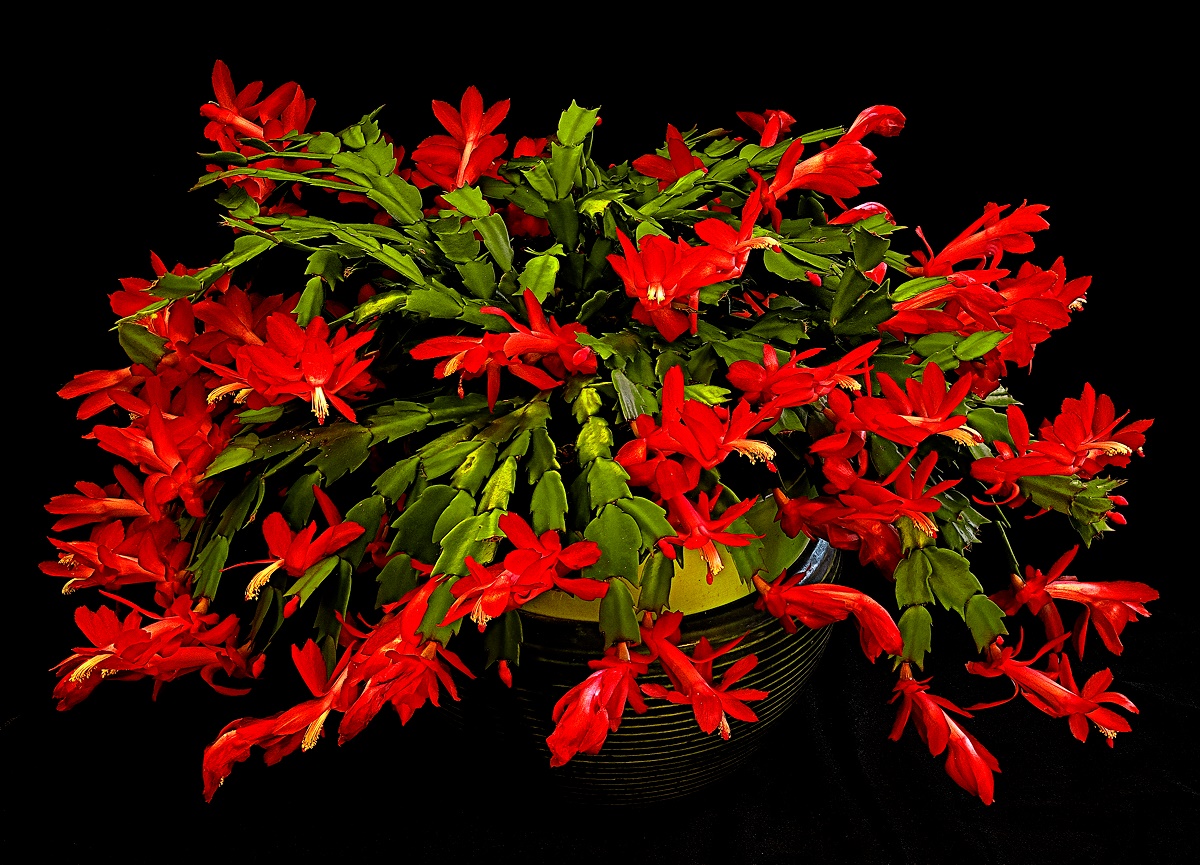
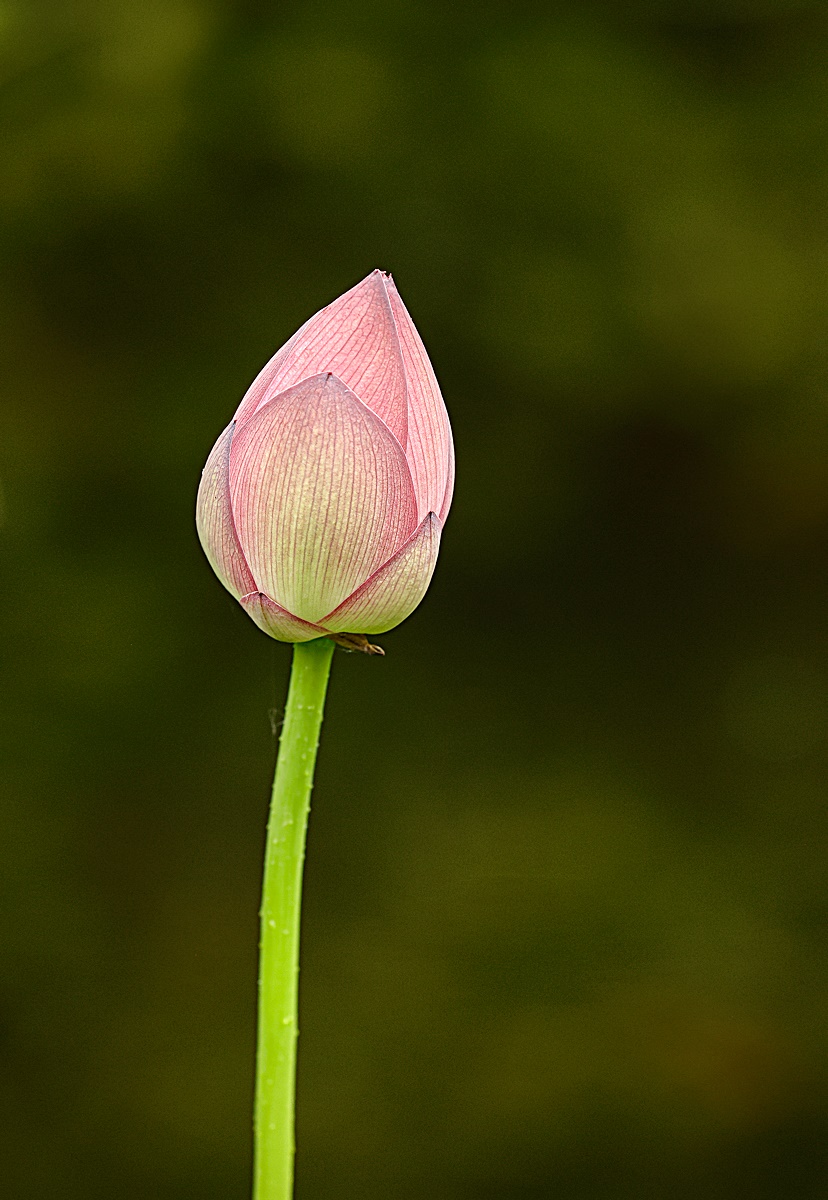
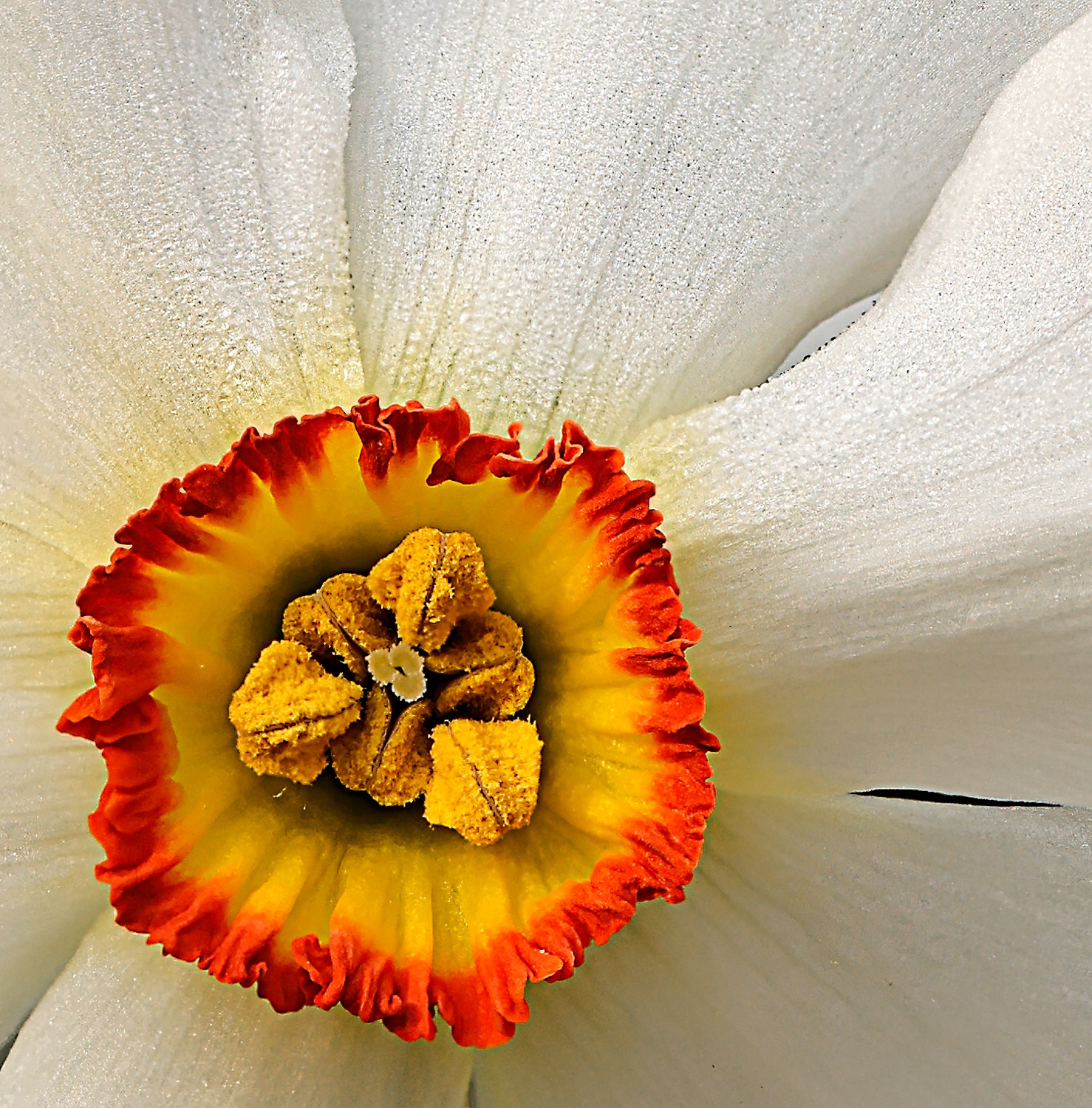
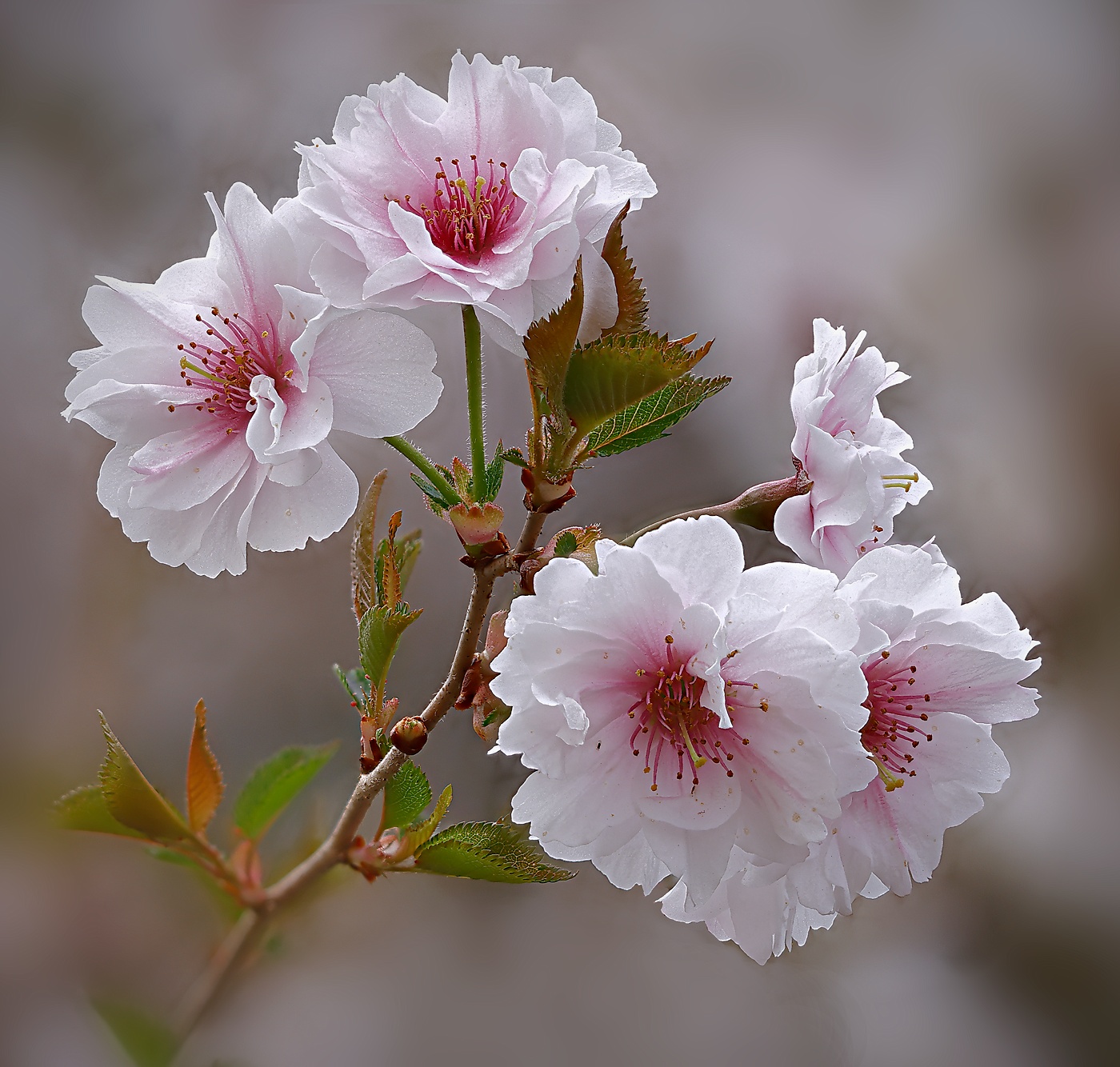
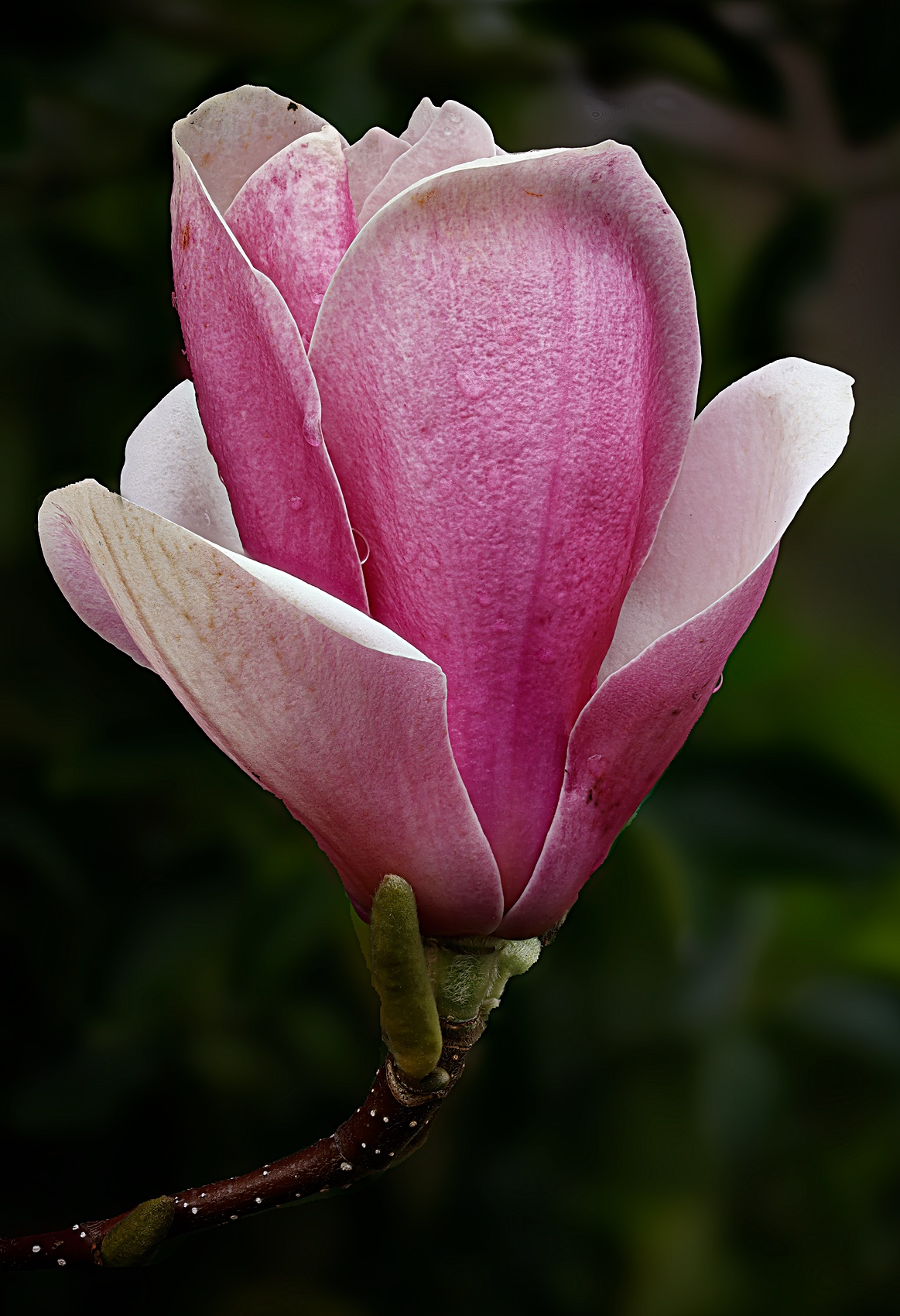
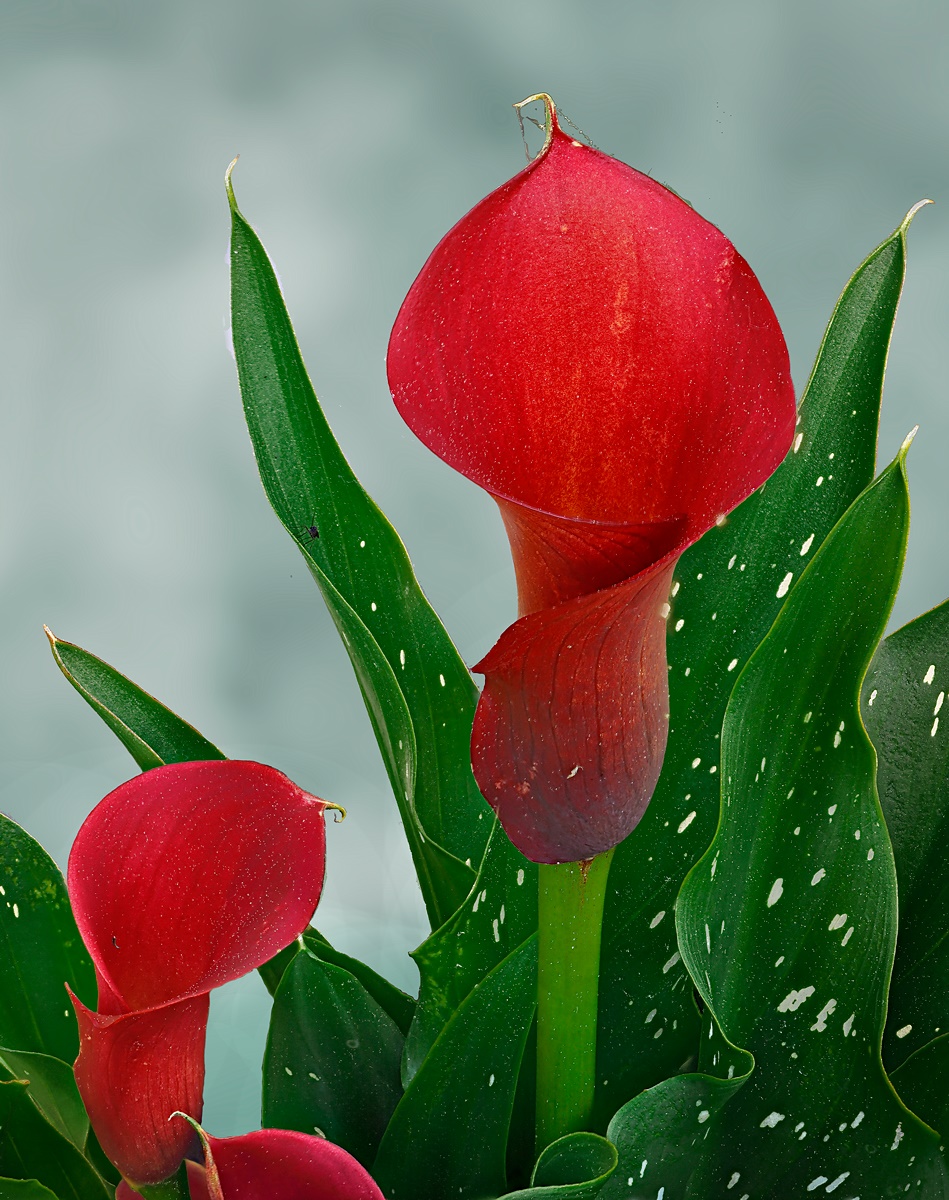
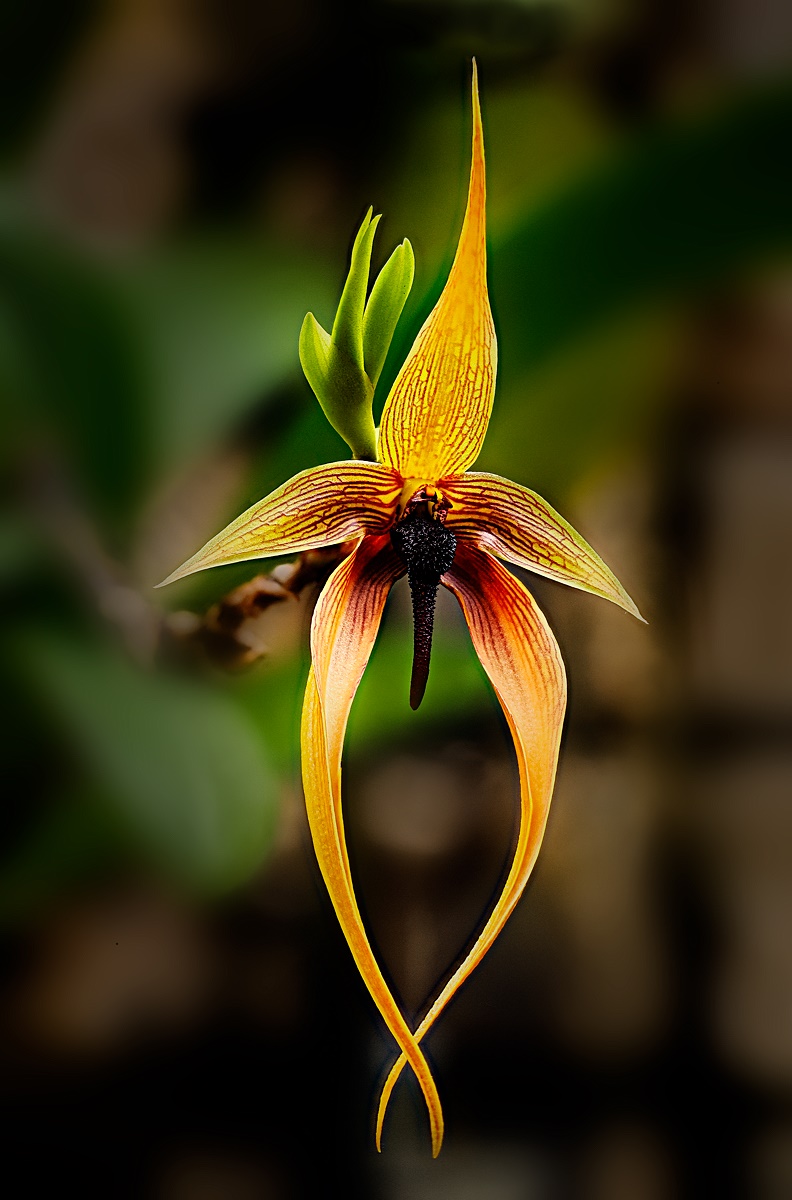
What I think is particularly nice about this shot is that none of the white is blown, and yet there is beautiful and delicate shadow and texture in the white petals. As you might guess from my comments in the past couple months, I'm quite happy with the leaves and needles(?) in the immediate background. |
Aug 3rd |
| 30 |
Aug 19 |
Comment |
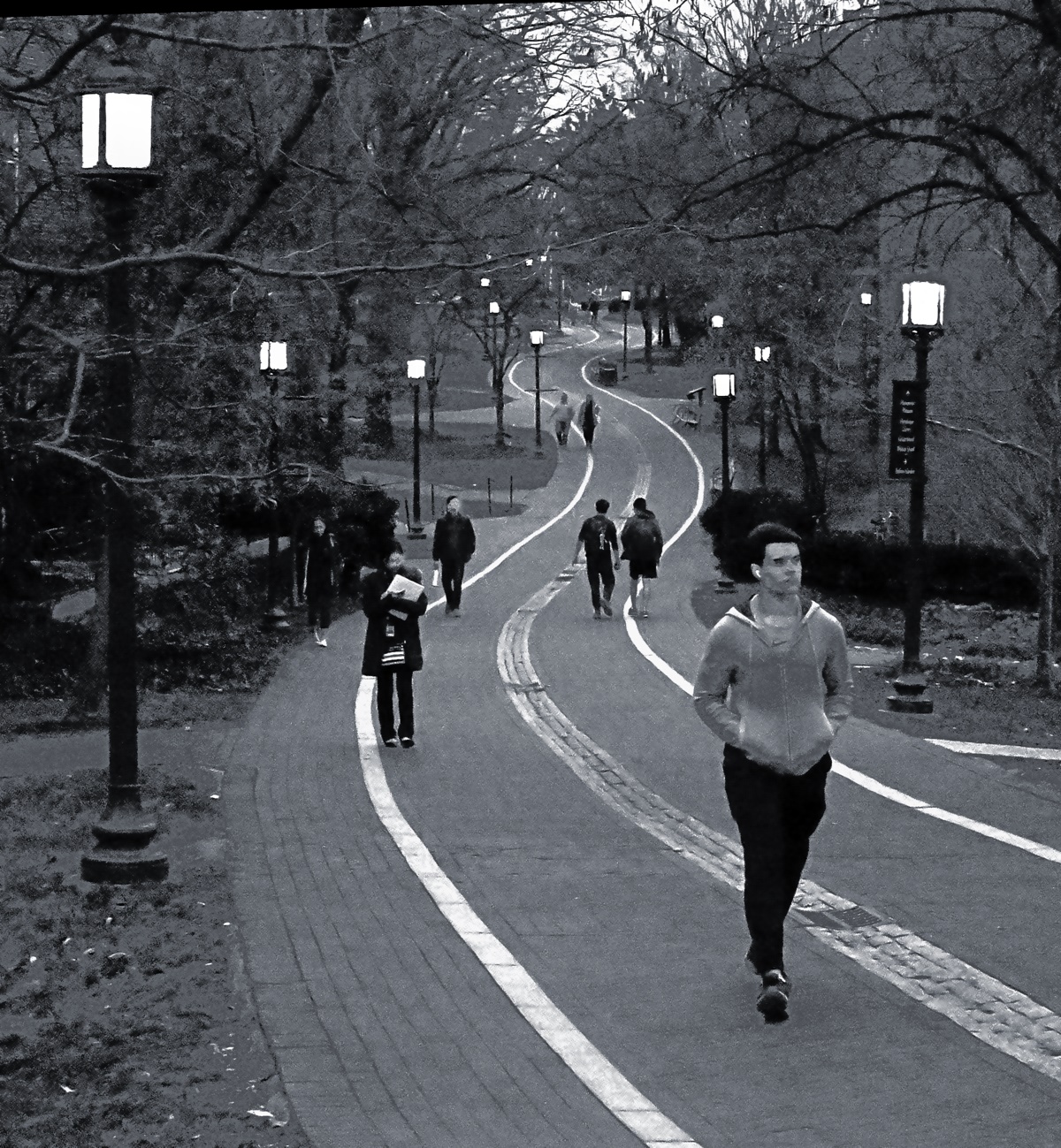
This induces me to wonder about the man. To my mind, the car behind the man's head is a distraction, but I think the tree trunk ought to stay as its tilt complements the tilt of the man's head. |
Aug 2nd |
| 30 |
Aug 19 |
Comment |
What an arresting composition. You would think that the increasing size of the sails to the right would draw your eye out of the picture, but the orange buoy in the lower left prevents this and together with judging boat, balances the picture. This must have been a high contrast scene, as the sails are nicely exposed and not blown, but the sky and sea seem too dark. They cannot be brought up in the image presented due to noise and the shallow bit depth of jpg images. If a raw original is available, it may be possible to adjust the sky and sea and also to avoid saturating the red channel in the buoy. I think it would have been better to have shot at ISO 100 with an aperture of around f/4 as this would have produced less noise and also allowed a shorter exposure. Exposure bracketing and HDR processing might have been a way to address the problem of the high contrast of the scene. |
Aug 2nd |
| 30 |
Aug 19 |
Comment |
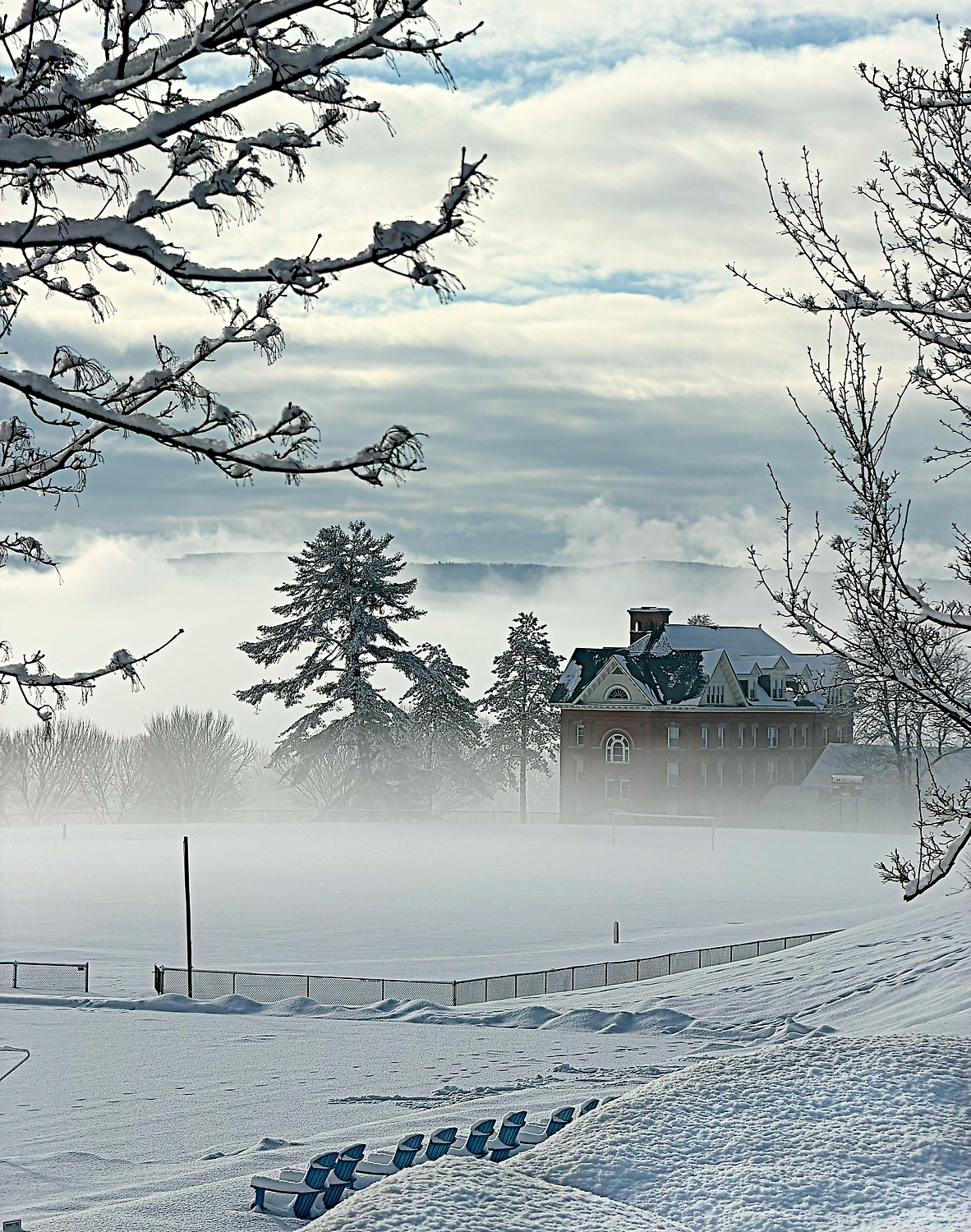
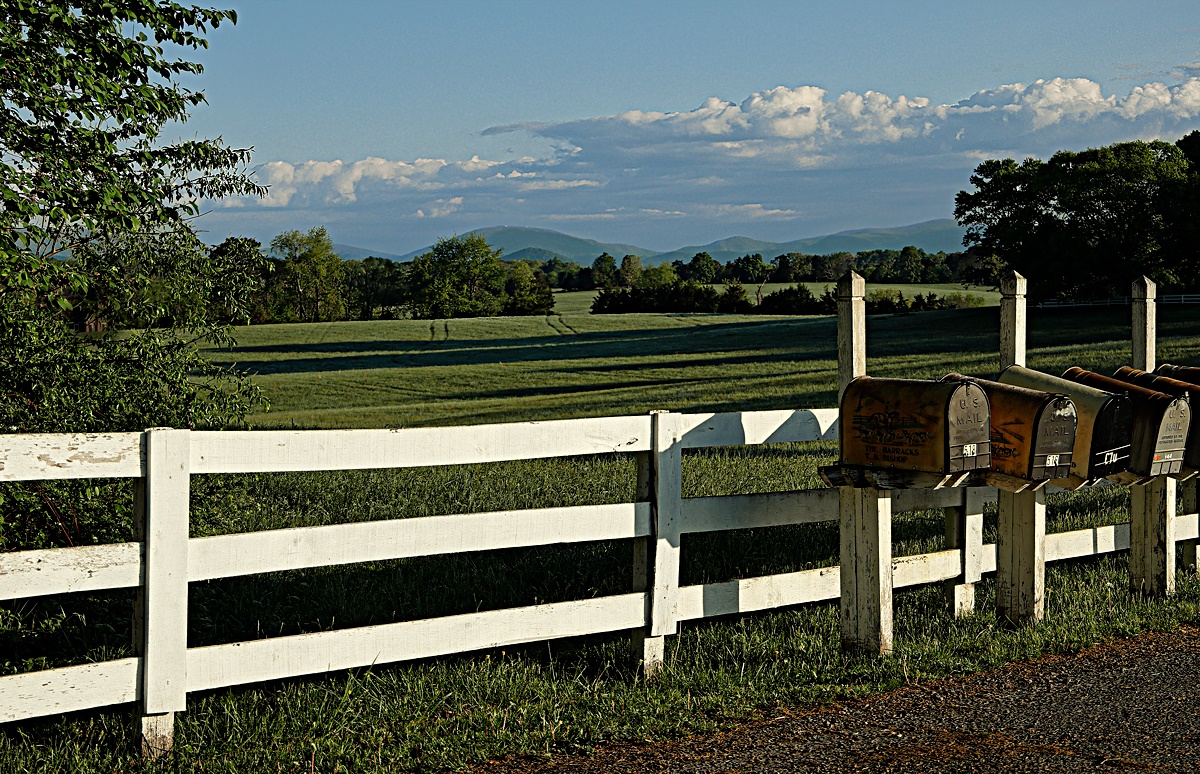
I like the composition of the cropped image as it is balanced, and no important feature hits (slightly overlaps) another important feature. The saturation is too much for my taste, and I think it also helps the image to darken somewhat the final mountain range. Right now, my interest sort of escapes out the top left hand corner.
The original image, cropped as you have, and merely brightened (and perhaps with the final mountain range darkened a bit) has lovely calm and serene feel. |
Aug 1st |
11 comments - 2 replies for Group 30
|
11 comments - 2 replies Total
|