|
| Group |
Round |
C/R |
Comment |
Date |
Image |
| 18 |
Feb 24 |
Comment |
Good morning, Chan, everyone! Wonderful creative piece and Talking Point!
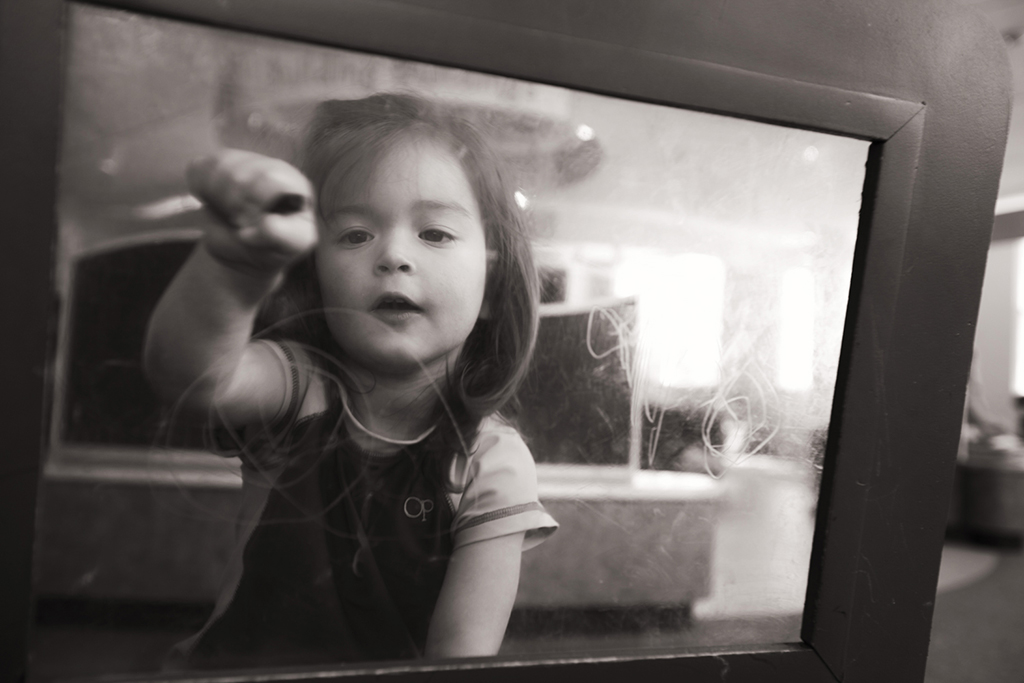
Yes, I really like this creative scene! First, it goes a long way in illustrating your sense of visualization in a creative way, and indeed, as Joan, said, well balanced with a perhaps one caveat: I too feel the extra right-side frame panel may interfere with the whole composition. Why?
1. if you are to use it, then add more; make it more prominent.
2. eliminating it is OK, too, as the top portion clearly notifies the viewer she is looking through a window ... without the top and right-side portion, indeed, one may very well contemplate a "frame", but you are clearly showing an actual window.
3. I am not a fan of the blue: it, like Joan suggested, imbues the "creative" aura ...instead, I suggest a more natural appearance may work better by virtue of not taking our attention away from the "compositional structure": in my opinion, the blue layer is taking away attention to key components ... both the trash container and trash littered around the drifter.
4. Can you go back and experiment with taking a perfectly focused window frame .... the amount of current blur distracts me. |
Feb 6th |
1 comment - 0 replies for Group 18
|
| 26 |
Feb 24 |
Comment |
Hello, Kirsti! Hope you are well!
I love this idea, and I love the featured finished piece! I can't image it being any better!!! This all said, by all means ask if you can come at a special time (be sure the lighting is good) w/tripod and experiment!
Suggestion: a slower shutter speed may blur too much, thus taking out vital details: the viewer needs to easily recognize what they are seeing ... I suggest is key for success for this particular project; more blur will take the scene into ambiguity as so many other severely blurred compositions represent. Instead, stay the course!
Lance A. Lewin - Fine Art Photographer/Lecturer
PSA Global B&W Photography Mentor
PSA South Atlantic Area Membership Director
lance.visualizingart@gmail.com |
Feb 6th |
1 comment - 0 replies for Group 26
|
| 31 |
Feb 24 |
Reply |
Much less "structure" in this version. More calming to the eye. In any case, wonderful work! |
Feb 7th |
| 31 |
Feb 24 |
Comment |
Hi Peter!
Lovely scene, an amazing location, hopefully someday I will visit!
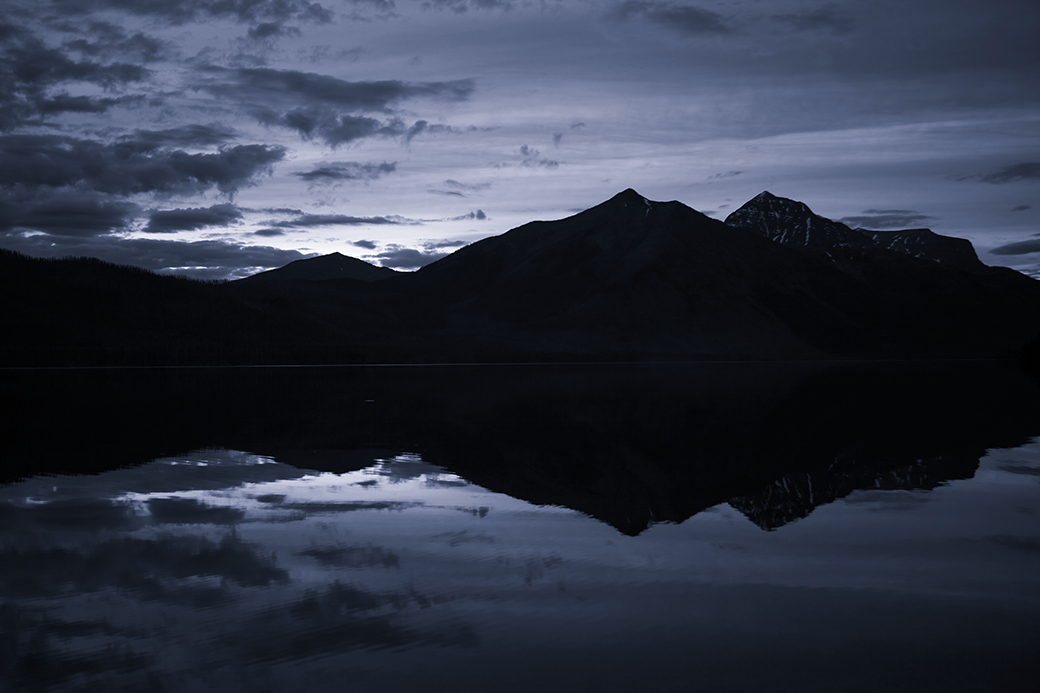
The use of space to define a sense of "place" I often speak to photographers about is illustrated here with perfection: a well balanced scene, or what I call, "compositional structure" is very appealing and engaging!
I do feel there is one caveat, however: The aesthetic values look over processed, in my opinion. There is less of a sense of the "real", I would otherwise like to see. It would be fun if you can render a less processed one for comparison.
Lance A. Lewin - Fine Art Photographer/Lecturer
PSA Global B&W Photography Mentor
PSA South Atlantic Area Membership Director
lance.visualizingart@gmail.com |
Feb 6th |
1 comment - 1 reply for Group 31
|
| 45 |
Feb 24 |
Comment |
Love it!!!!! |
Feb 7th |
1 comment - 0 replies for Group 45
|
| 83 |
Feb 24 |
Reply |
This is a very good point, and why I initially like the composition ... however, issues with the 50mm lens brought less detail ... I feel is a negative. A test print will be ordered to explore these points. Thanks, Adi!! |
Feb 26th |
| 83 |
Feb 24 |
Reply |
Appreciate your comments, Don ... in the alt version (smaller) film example, it is not a prime example of what film can bring to viewers' ... as such, you are correct to think the featured (digital) work looks more appealing. Indeed, the overall compositional structure is better, too. I agree with your conclusion.
But often, the film aesthetic can imbue a scene or subject that is more organic ... or what we may think feels/looks real than its digital (antiseptically) presented offspring, if I may. I hope in the future to present more compelling Film based images for your review ... and by all means hope you find your way to a museum or gallery presenting 19th and 20th century film artist ... history is always a good teacher for comparing the old to new and how appreciation for each is learned/understood. See the work if Japanese photographer, Nobuyuki Kobayashi for a prime example of large format film based work. Enjoy. https://zenne-inc.com/en.html |
Feb 17th |
| 83 |
Feb 24 |
Comment |
Hi Mark! My initial reaction echos, Michel's .. "Wow!"
Terrific accomplishment! Now, do you have plans in trying to print this expansive view of nature? It would surely be epic!! |
Feb 13th |
| 83 |
Feb 24 |
Comment |
Don, the entire composition was well visualized and exposed.
Your post-production work, too, makes the final piece most engaging and a joy to behold ... be nice to see this work printed very, very large ... thus presented as life-sized to an audience. |
Feb 13th |
| 83 |
Feb 24 |
Comment |
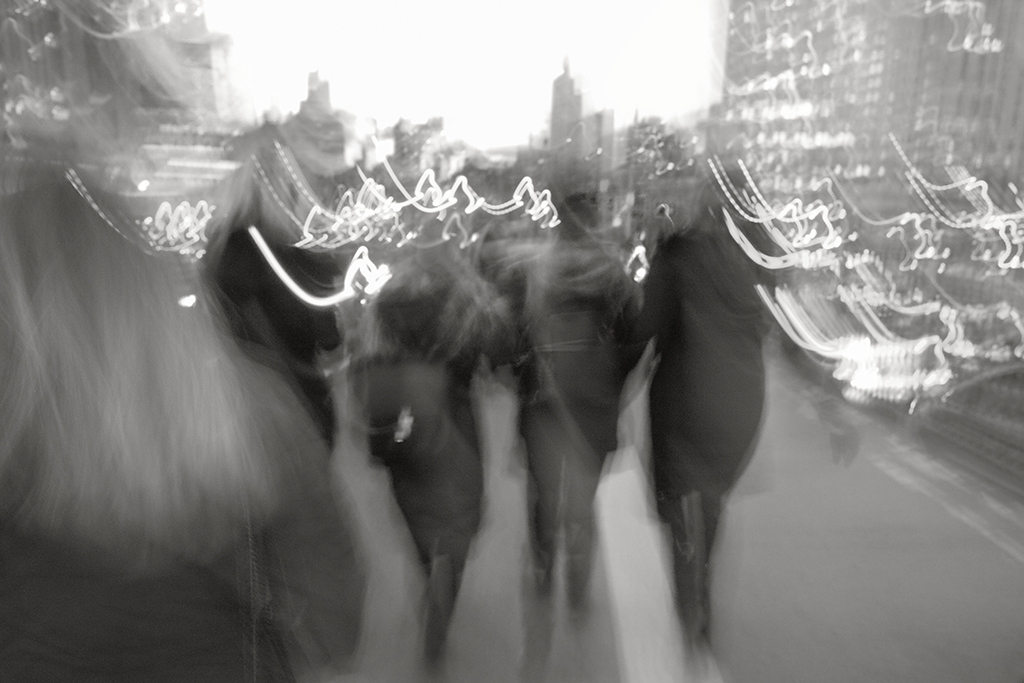
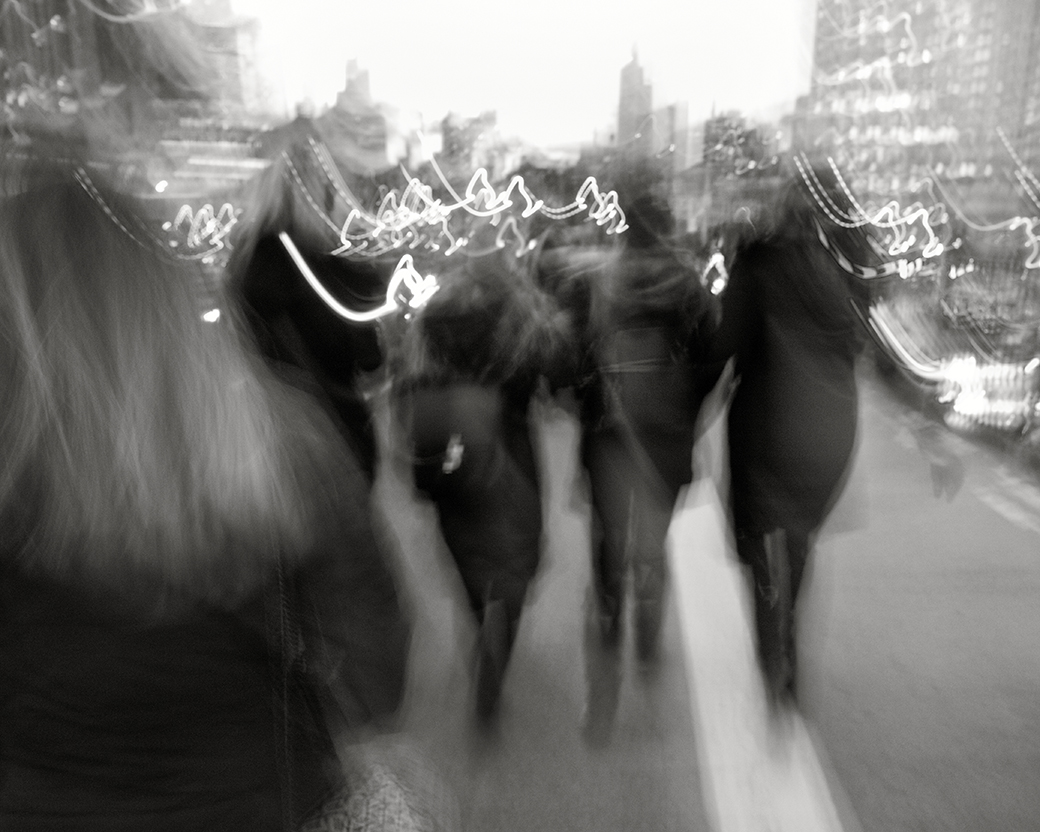
The scene represents the quintessential "Big City" we come to expect in these types of vernacular records.
The stark B&W treatment also reflects how we often imagine big cities during heightened hours of foot and vehicle traffic ... so, I elicit just that ... an engaging city-scape that has enough visual information to keep me busy dissecting all that lay before me. |
Feb 13th |
| 83 |
Feb 24 |
Comment |
Good morning Michael, everyone!
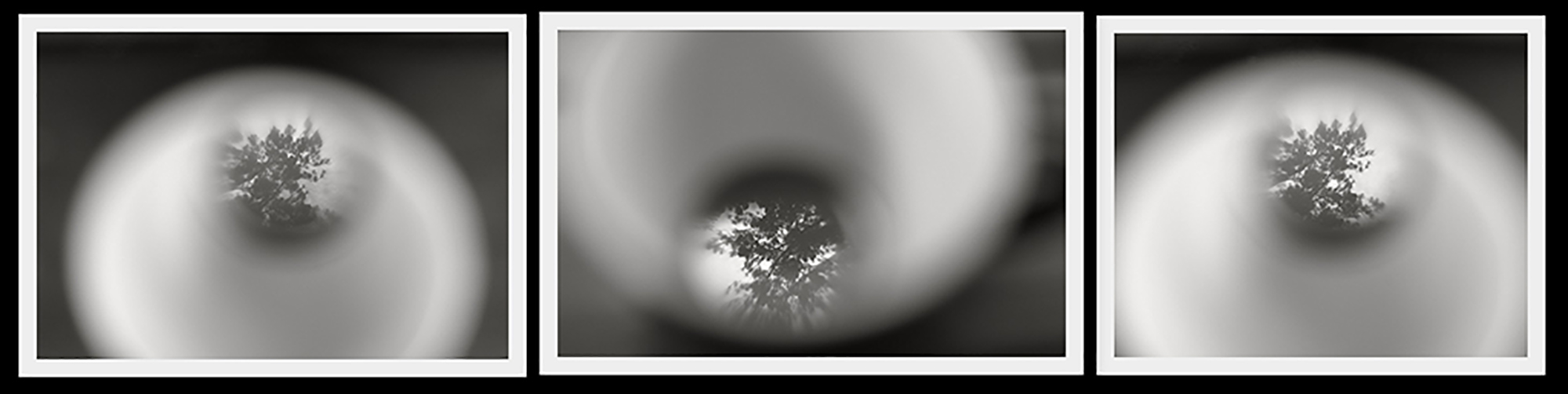
Then we have here a fine example of "Conceptual" photography.
I like the work for its ability to make the viewer stop and spend time contemplating possible narratives. The scene is extremely moody: what viewers will elicit from it is a mystery, but you have surely pointed them in a definitive direction. |
Feb 13th |
| 83 |
Feb 24 |
Comment |
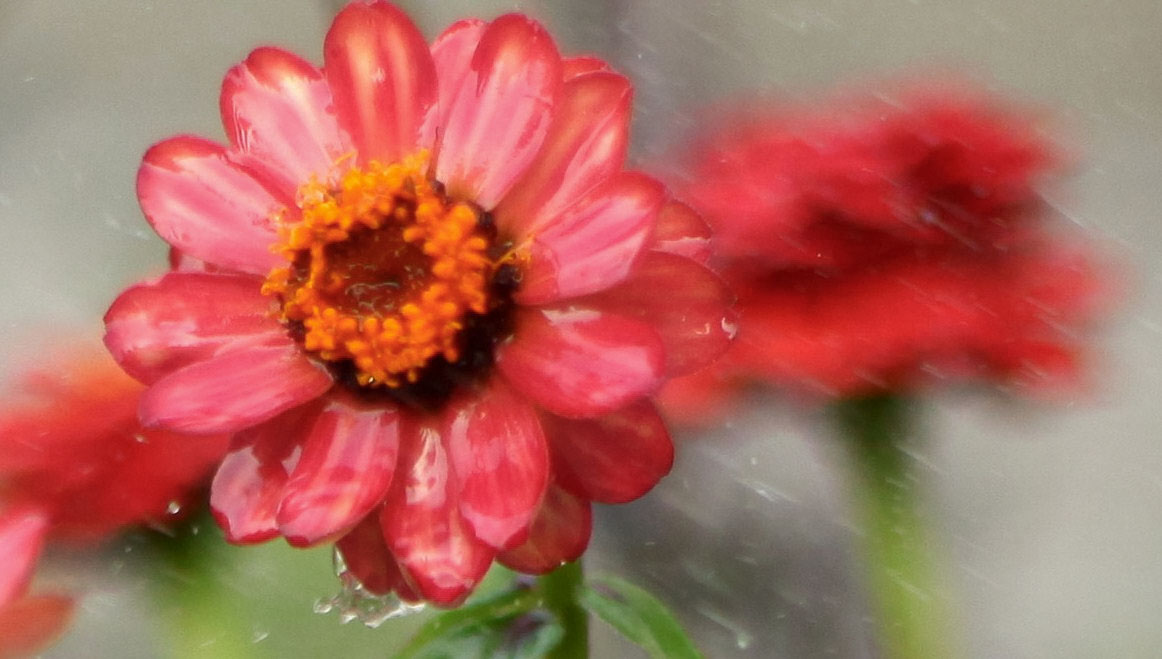
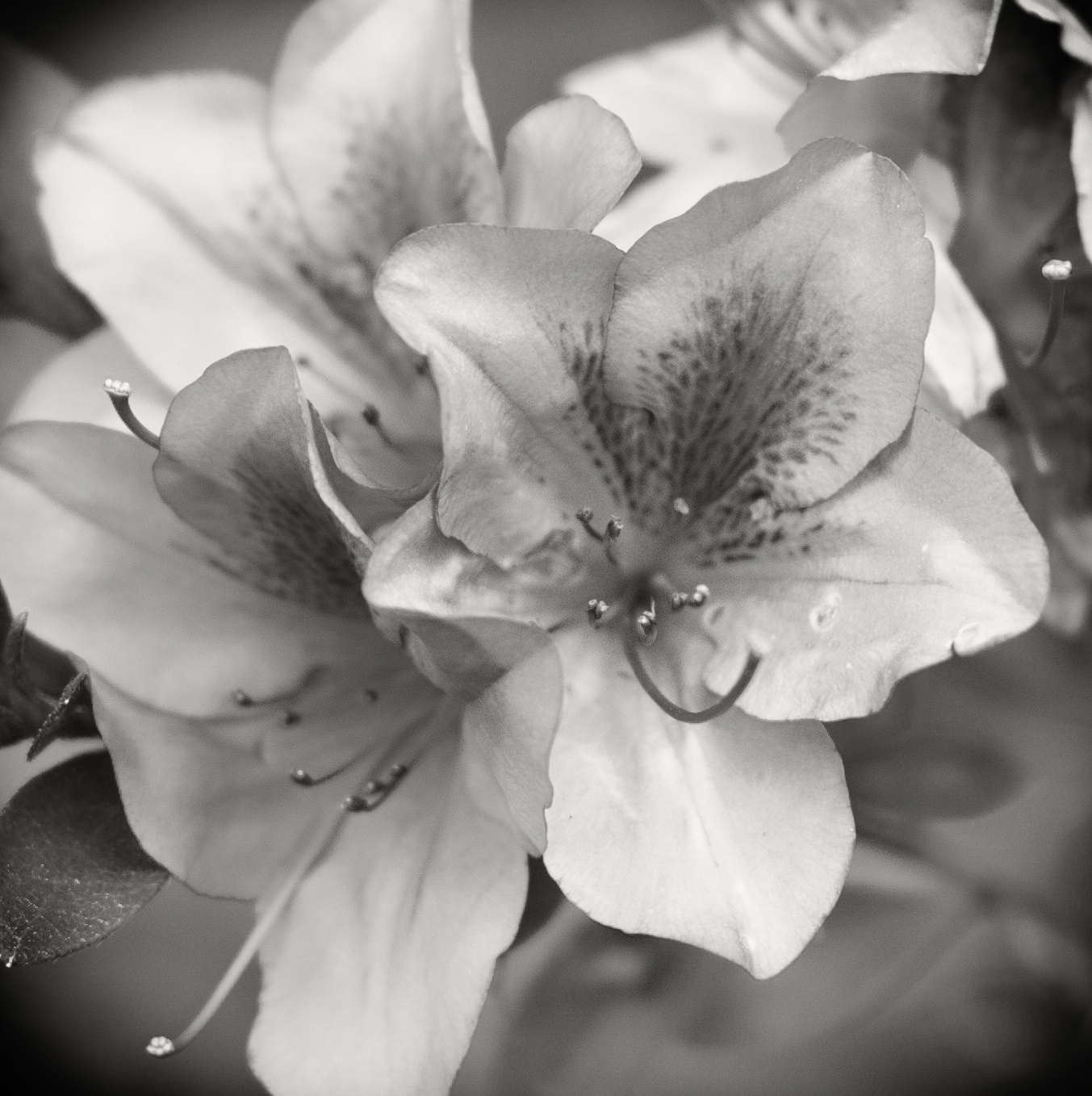
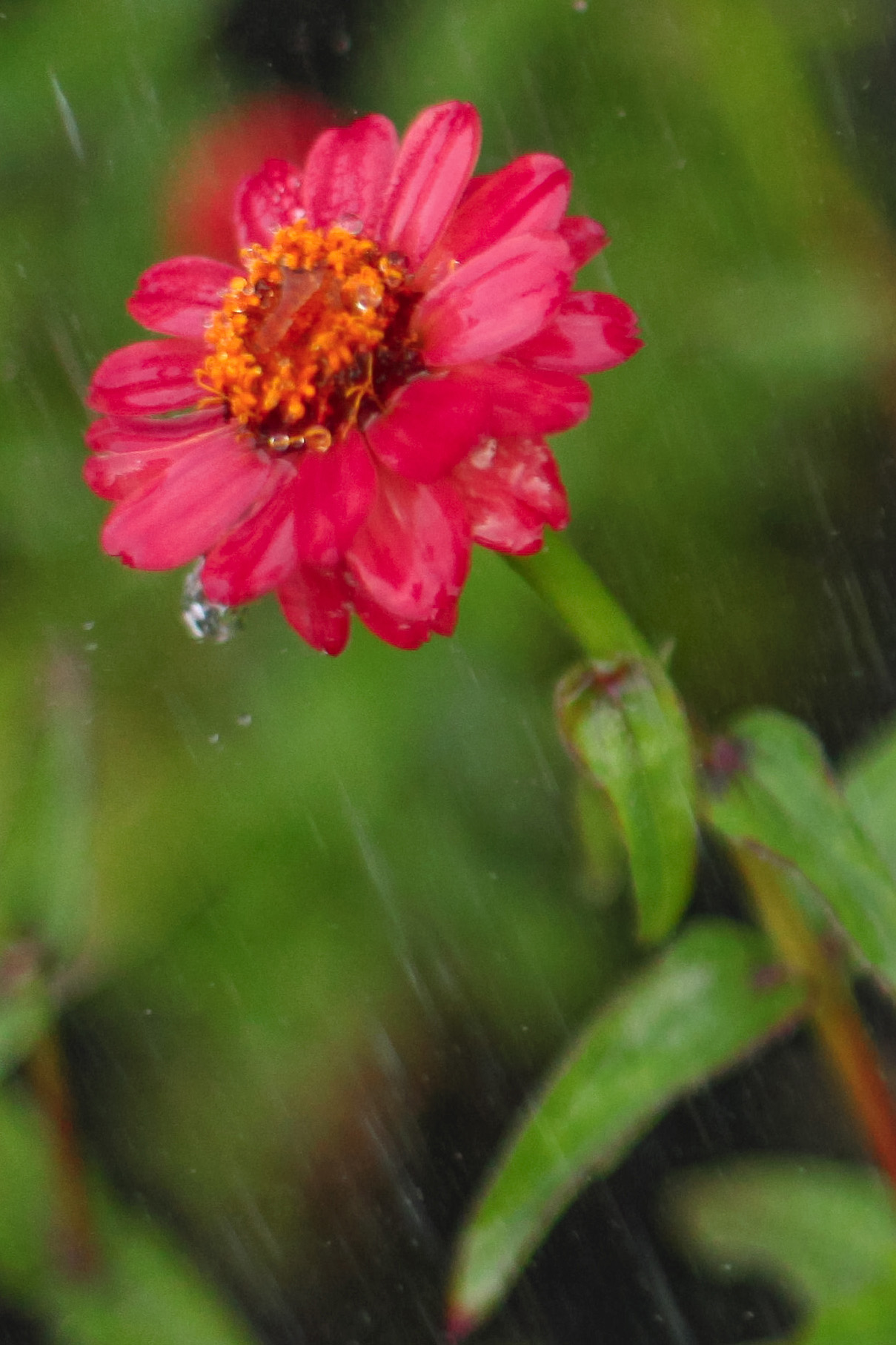
Gee, what a clear and detailed Flower Portrait ... indeed, the image imbues an imaginary scent especially when we read, and take in all the Magnolia means to you.
Simply lovely visualization, Michel.
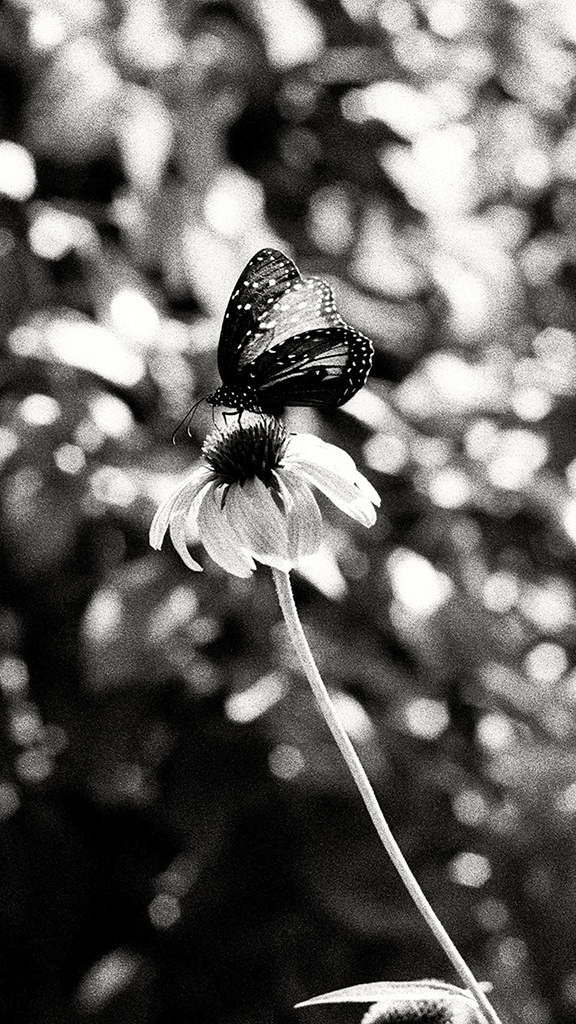
Yes, I like the thin frame Michael provided ... it really helped focus better attention to the overall composition. However, I would not too quickly remove the "marks" Don brings to our attention ... these light and (bottom) shadows infiltrating the scene: one solution, if we feel these "marks" are an abstraction is to bring back more shadow, thus illuminating the surrounding plant ... with a slight hand, may not affect the current "dark", silhouetted character. (My thinking is with a less dark background could lessen the "marks" dominance).
"Points to Ponder"
Another solution ... taking more exposures at different settings in hopes more than one exposure reveals one better than the other ... if that makes sense. So, do you have other exposures of this exact (through the viewfinder") composition that may show less of the artifacts Don points to? |
Feb 7th |
| 83 |
Feb 24 |
Reply |
Once again, Welcome to the group, Michel!
It was a great pleasure to meet and speak to you and so many at your Camera club last month!
You do bring up a very important and heavily debated Talking Point:
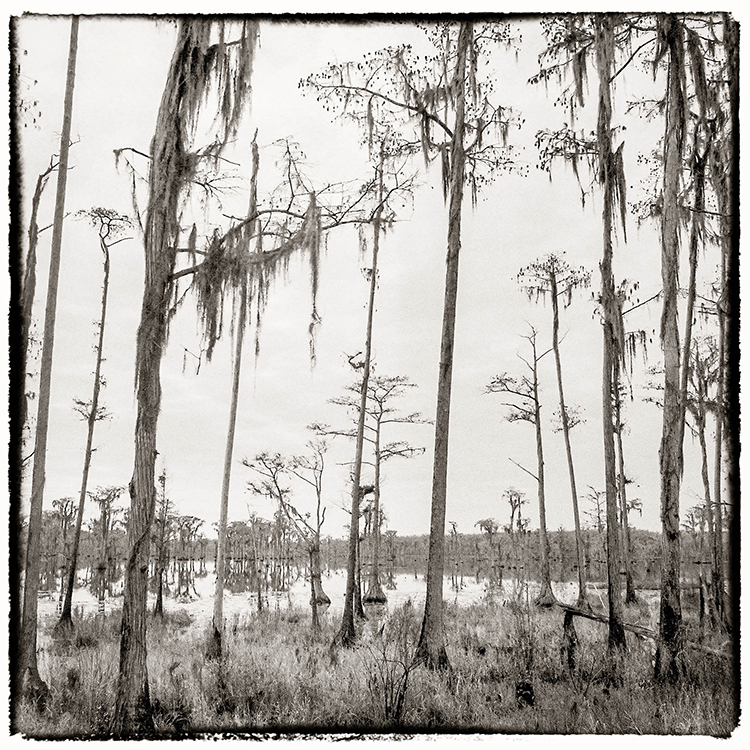
1. So we are clear, these two images are produced by two different photographic mediums: Film and Digital. In other words, the Film image was (not) converted to look like a digital one, and the (featured) Digital image was (not) converted (or used layers) to look like a Film produced image. They are the result of two independent photographic processes.
2. In strongest opinion, I feel if the artist photographer wants to have her images enjoy the aesthetics of film, then buy a film camera, load it with film, and go out and register subjects in this way. I believe using post-production film-like filters or layers is one of an imposter, though if the work is presented as Photographic Hybrid or, what I term, "Digital Pictorialist", I have no issues with such manipulations.
3. Funny you bring up Vinyl vs CD, or even Digital Stream in music appreciation: as an Audiophile I often speak about this ... a short answer, there are many special nuances exhibited through a Vinyl recording (on a good HiFi system) not available or elicited easily on other digital formats: this is not absolute, as I own several CD's from the mid-90's that have remarkable sound qualities of Vinyl, but it is rare. I enjoy Vinyl, CD and some very special Down Loaded music in my collection, each offering me special qualities and experiences.
I would love to expand on this conversation if anyone else is interested, perhaps within the Bulletin Board format. Thanks, Michel, everyone.
|
Feb 7th |
| 83 |
Feb 24 |
Reply |
Good morning, Michael!
I agree with your analysis. And was surprised I did not like the Film version better, but yes, details are not as vivid, but the added foreground aids in better framing.
The main issue, I think, was the lack of proper lighting, and I do have a mechanical focusing issue on the Rokkor-X 50mm glass. That needs to be taken care of, indeed.
I especially like your reference to my wanting to share these beautiful moments/spaces we often pass by and ponder momentarily ... thank you for your kind words and critique. |
Feb 6th |
5 comments - 4 replies for Group 83
|
| 87 |
Feb 24 |
Reply |
Printing is a skilled art ... I am not a skilled printer ... that being said, I do work with professional print (matte and frame) house in Atlanta. Working with a professional printer is key, but also learning what papers work best with black and white is essential to generating outstanding quality.
Even if you send your files out of state (a print studio w/online access) it is vital you
research the latest/greatest papers, so you can share info with them - I don't have to emphasize to you, "knowledge is power". There is a lot to study and it is all worth while. I am still contemplating buying a high-end printer to print like these studios do. In the meantime, there are two or three studies (w/online access) that are amazing, but really, you first need to visit a local printing house that specializes in photography - and work with them. A studio that knows what they are doing will be able to print your featured work as we see it here.
Cone Editions is one of the best - or the best - facility in the World, in my opinion. I have yet to use them, but planing to shortly. Enjoy studying their website. Good luck!
https://www.cone-editions.com
|
Feb 15th |
| 87 |
Feb 24 |
Reply |
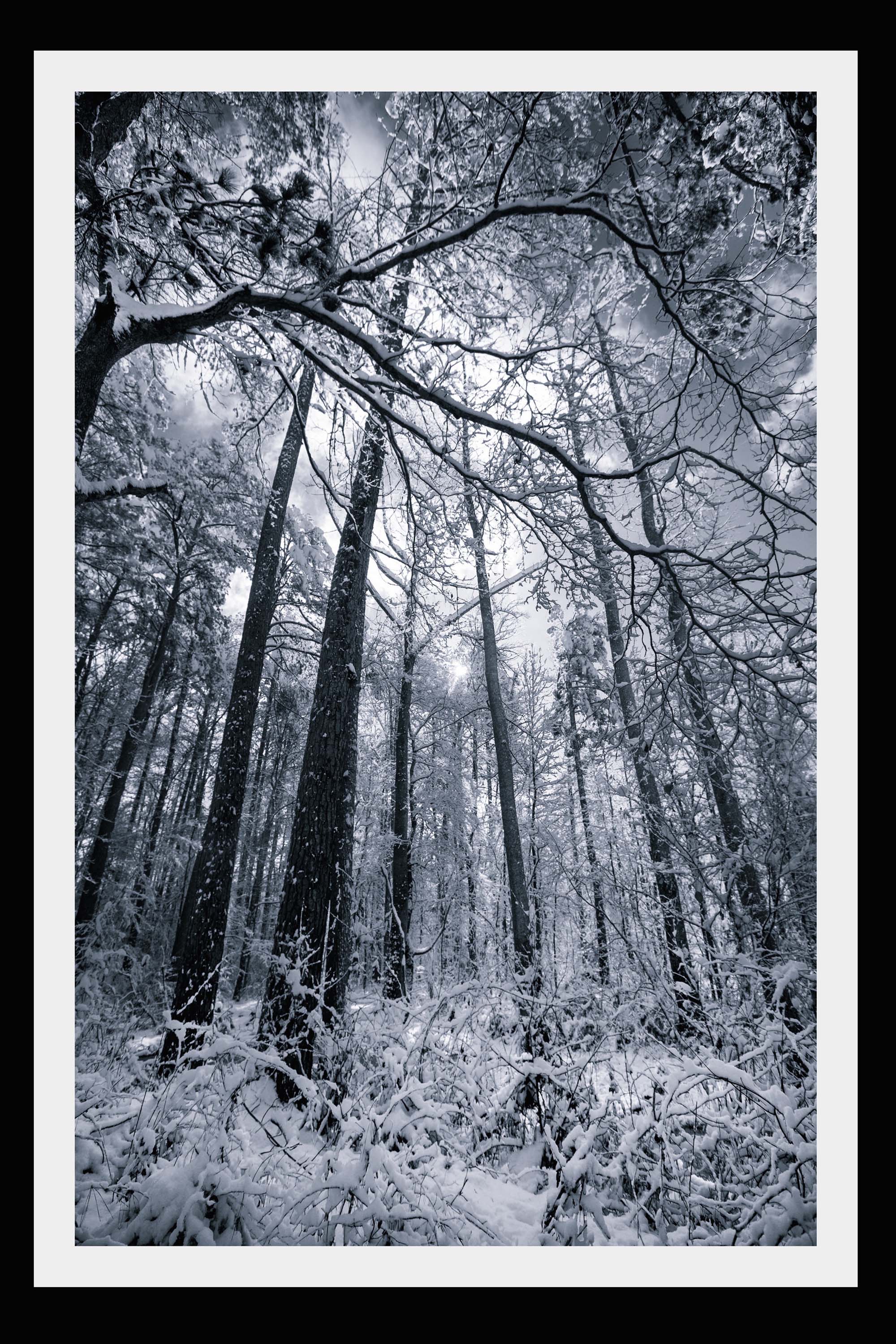
Yes!! I also like the toning, less bright or stringent as the featured version imposes on us. : ) |
Feb 11th |
| 87 |
Feb 24 |
Comment |
The amazing, and special qualities that make photography a unique genre of art, where ... "The camera is not only an extension of the eye, but of the brain. It can see sharper, farther, nearer, slower, faster than the eye...Instead of using the camera only to reproduce objects, I want to use it to make what is invisible to the eye, visible." Wynn Bullock (1902 - 1975) |
Feb 7th |
| 87 |
Feb 24 |
Comment |
Jennifer, I especially like the color (and balance of colors) in this work. It gently offers a light-hearted touch, thus potentially connecting to viewers in a calming manner ... a dream sequence, even. Well Visualized! |
Feb 6th |
| 87 |
Feb 24 |
Reply |
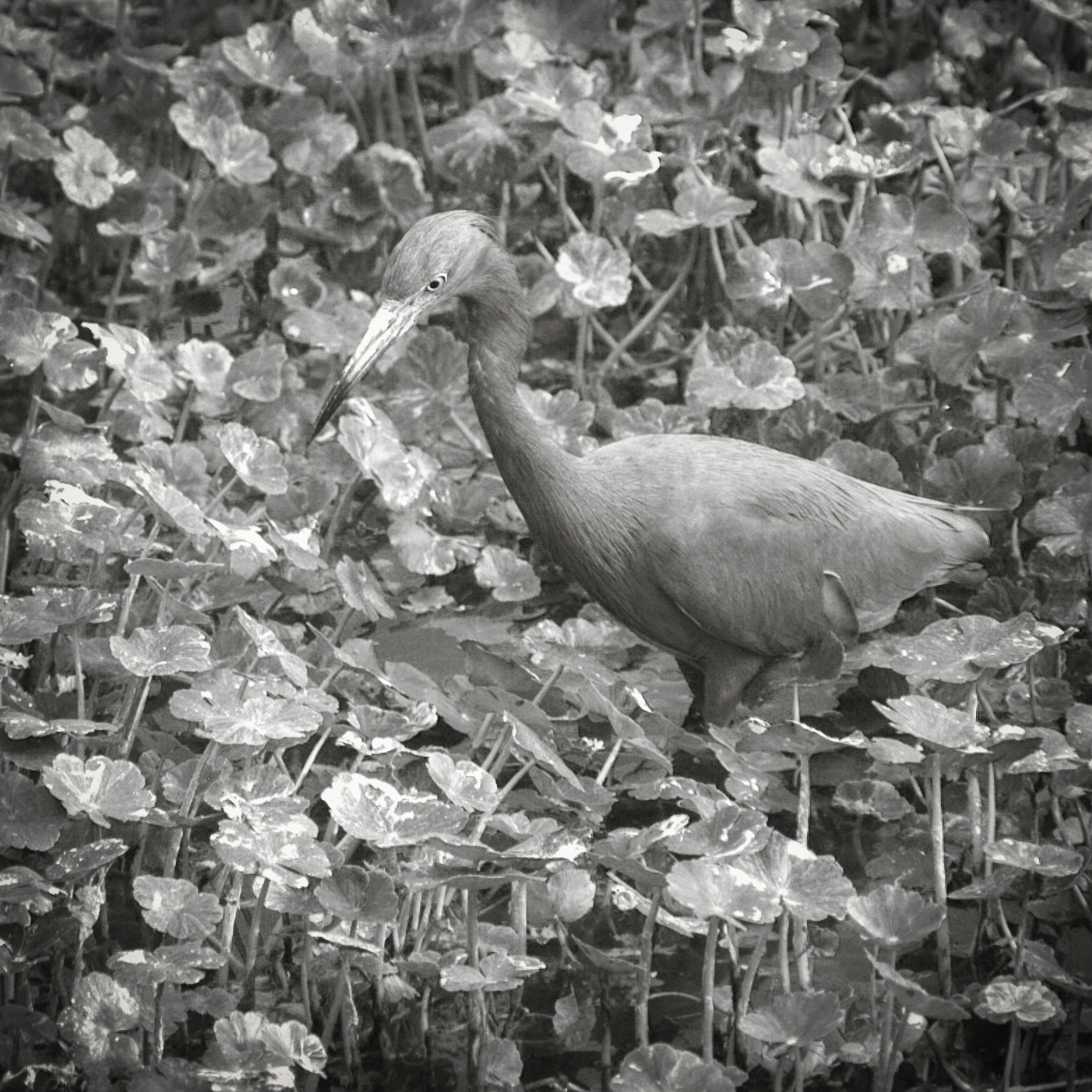
...interesting question, Will, but then, the strong sense of the bird "looking" or "contemplating" the Moon may be lost with viewers attention to a silhouette-like presentation. |
Feb 6th |
| 87 |
Feb 24 |
Comment |
Good day, Dale!
B&W rendering is OK, and like Steve alludes to, the sense of "place" is well received.
Wish the subjects were up stream more ... that is, "where they are going", as opposed to ... "where they have been". |
Feb 6th |
| 87 |
Feb 24 |
Comment |
Steve, I like the "folds" and intriguing play between light and shadow, but I do not like the overall over-processed aesthetic the work presents us. Regardless how this aesthetic manifested itself, it is very reminiscent of those with applied Layer's to make a photo look like a painting.
Is there another version that speaks more naturally? Thanks Steve. |
Feb 6th |
| 87 |
Feb 24 |
Comment |
Hello, Chan!
I too, visited DD18 and enjoyed your work there!
Here, your ability to imbue a strong sense of purpose, or emotion in virtue of how you posed yourself is very commendable, but overall the composition has no lasting staying power in this form.
On Creative Photography:
Now, another approach to viewing and contemplating this type of work could be a series of like images ... each character in different clothes (either sitting or standing) in an attempt to create other short narratives like we have here. A further investigation into the work in DD18 is then to make a composite of each character seemingly relating to other, or alternatively, ignoring each other. Just a thought. Well done, Chan! |
Feb 6th |
| 87 |
Feb 24 |
Reply |
Let me jump in right here .... Steve illuminates a perfect example where proper identification/categorization of the work goes a long way on how the spectator will "appreciate" what they are viewing: Will already presented a cheeky "It's mostly real", but in all seriousness, the work may be better presented as ....
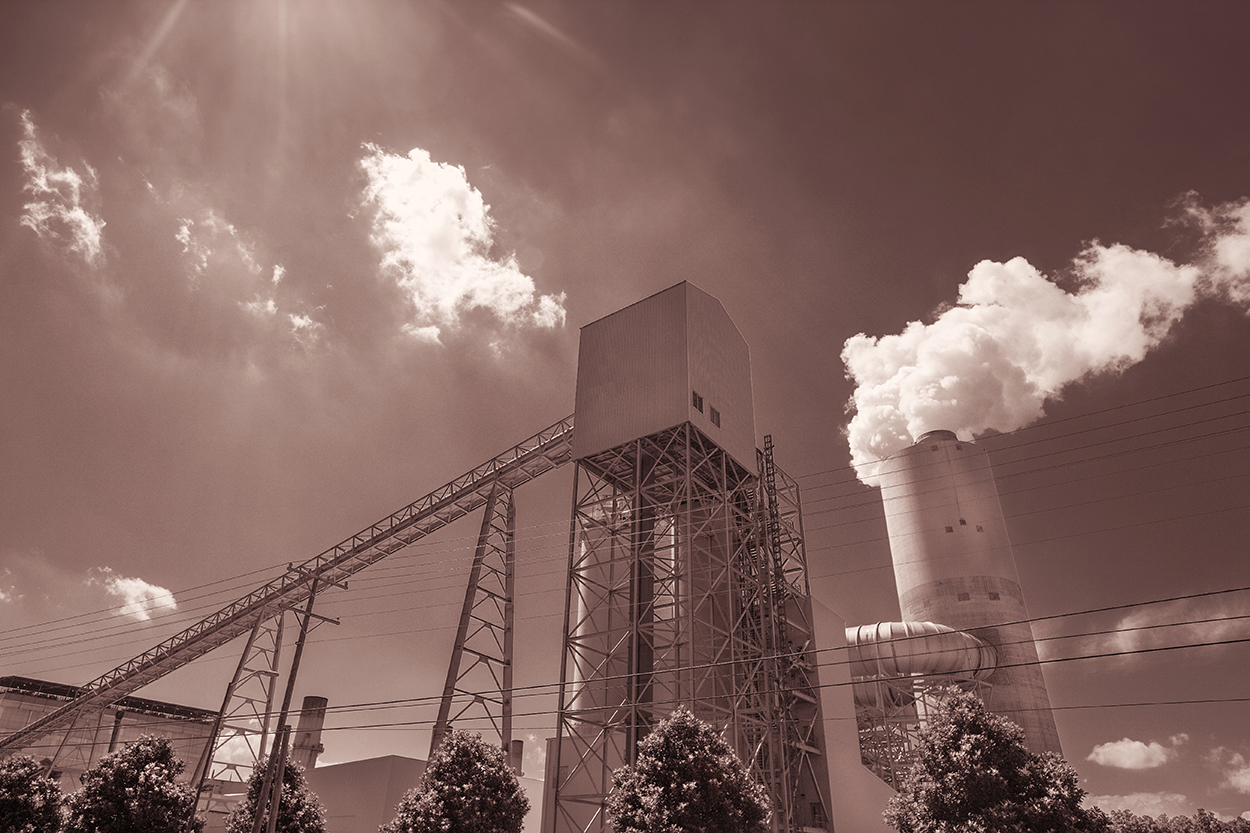
Architectural Study - Digital Pictorial Photography ... for one example.
The Work is stunning in its stark and dramatic presentation! The mirrored tops Steve mentioned is OK, from an artistic perspective, but within photography we need to begin to start identifying (or hinting) works which are not within "classic tradition". Thank you. |
Feb 4th |
5 comments - 4 replies for Group 87
|
14 comments - 9 replies Total
|